
Finding a mysterious white substance on your favorite succulent can be a moment of panic for any plant parent. Is it a deadly fungus? Is it a pest infestation? Or is it actually a sign that your plant is healthy and thriving? Understanding the “white powder” mystery is essential for maintaining a vibrant indoor garden. Here are 25 essential facts, fixes, and tips to help you identify and manage white powder on your succulents.
1. Epicuticular Wax
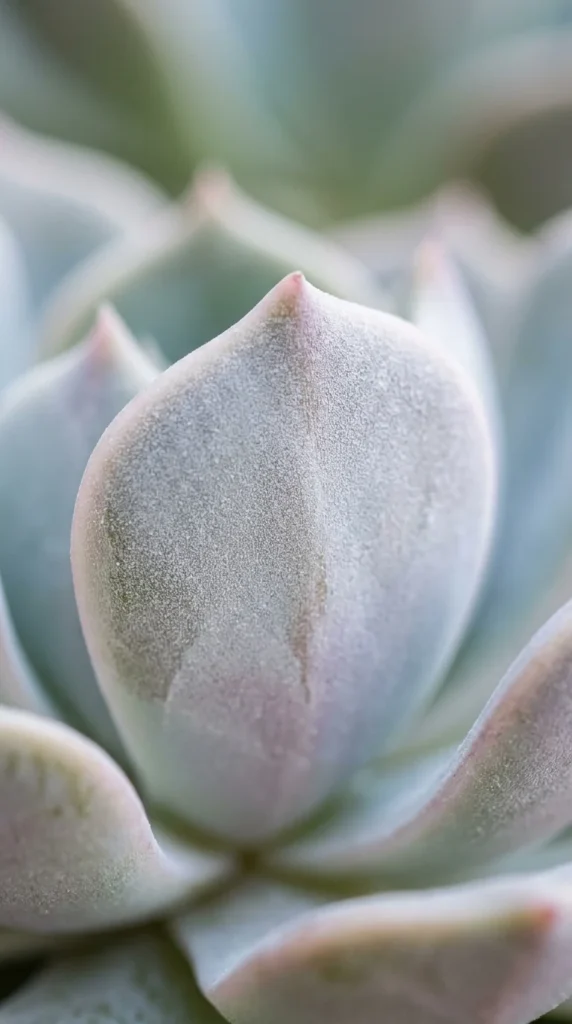
The most common “white powder” is actually called farina, or epicuticular wax. This is a completely natural, protective layer produced by the plant itself. It acts like a built-in sunscreen, protecting the succulent from intense UV rays and preventing moisture loss through evaporation. If the powder is uniform, smooth, and covers the entire leaf surface, it’s likely farina and should be left alone.
2. Identifying Mealybugs
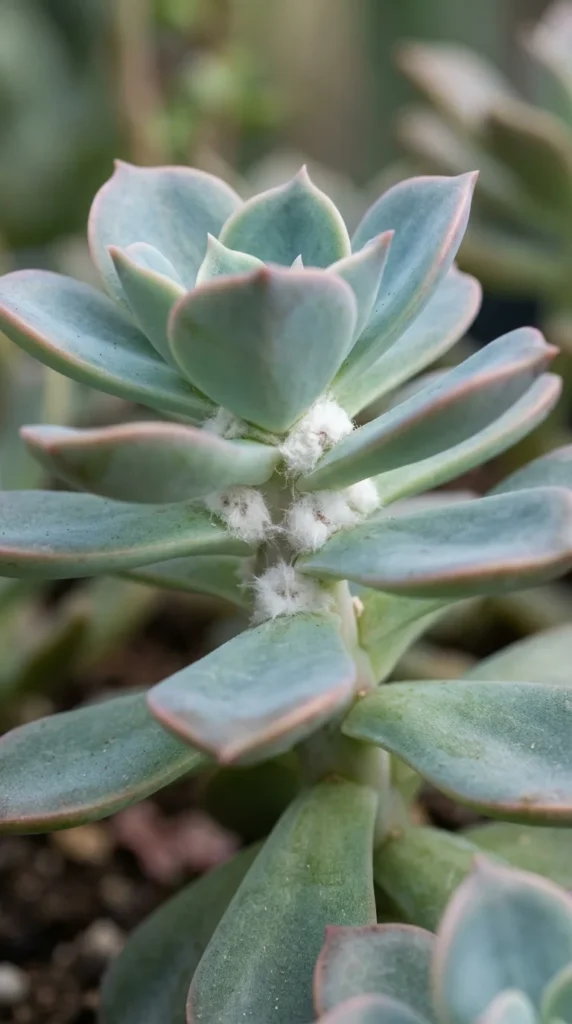
If the white powder looks like tiny tufts of cotton or sticky webbing rather than a smooth dust, you likely have mealybugs. These are common pests that suck the sap out of your plants. Unlike farina, mealybug residue is usually concentrated in the nooks and crannies where the leaves meet the stem.
3. Powdery Mildew
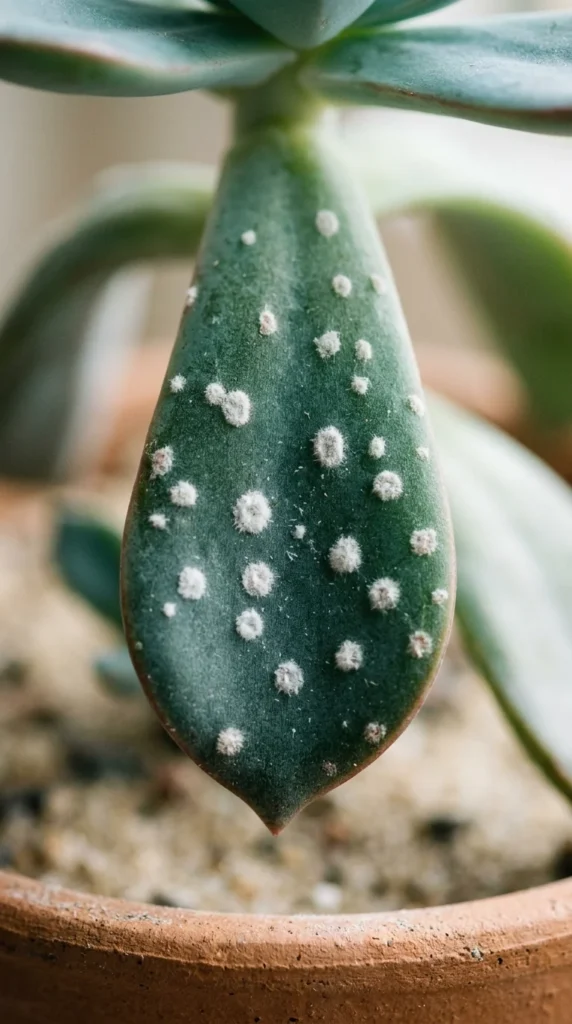
Powdery mildew is a fungal infection that appears as white, fuzzy spots. Unlike the uniform look of farina, mildew looks “patchy” and “blotchy.” It thrives in humid environments with poor airflow. If left untreated, it can spread to your entire collection and weaken the plants significantly.
4. Rubbing Alcohol
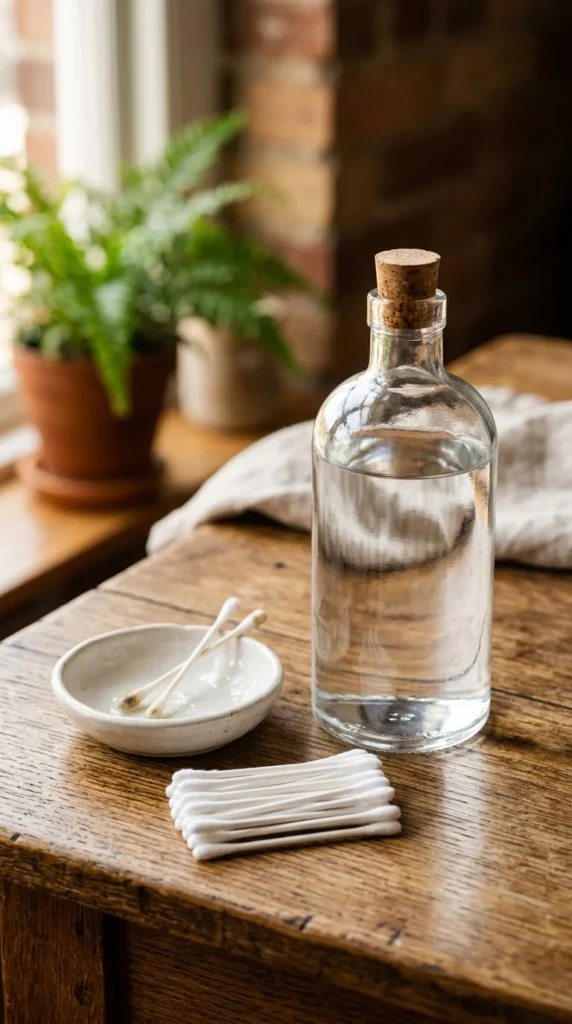
For mealybugs, the gold standard fix is 70% isopropyl alcohol. Dip a cotton swab in the alcohol and dab it directly onto the white, cottony spots. The alcohol dissolves the protective wax coating of the bugs and kills them instantly without harming the succulent’s thicker skin.
5. Neem Oil
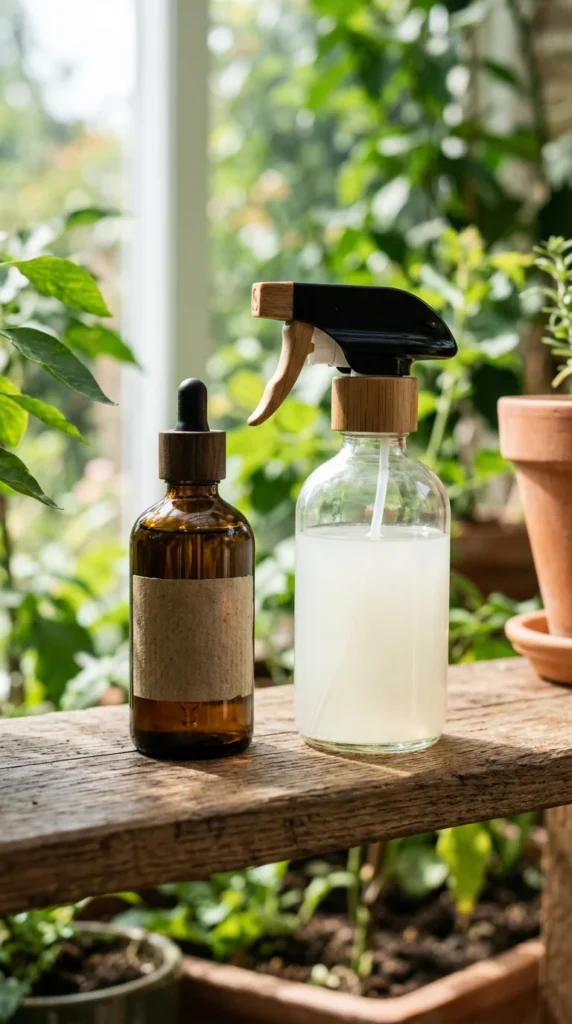
Neem oil is a fantastic organic fix for both pests and fungal issues. It acts as a natural insecticide and fungicide. Mix a small amount with water and a drop of dish soap, then spray the plant in the evening. Avoid applying it in direct sunlight, as the oil can cause the leaves to sunburn.
6. Air Circulation

Fungal issues like powdery mildew hate moving air. If you notice white fuzzy spots, increasing the airflow around your plants is a vital fix. Use a small fan or ensure your plants aren’t crowded too closely together. Good circulation helps keep the leaf surfaces dry.
7. Bottom Watering
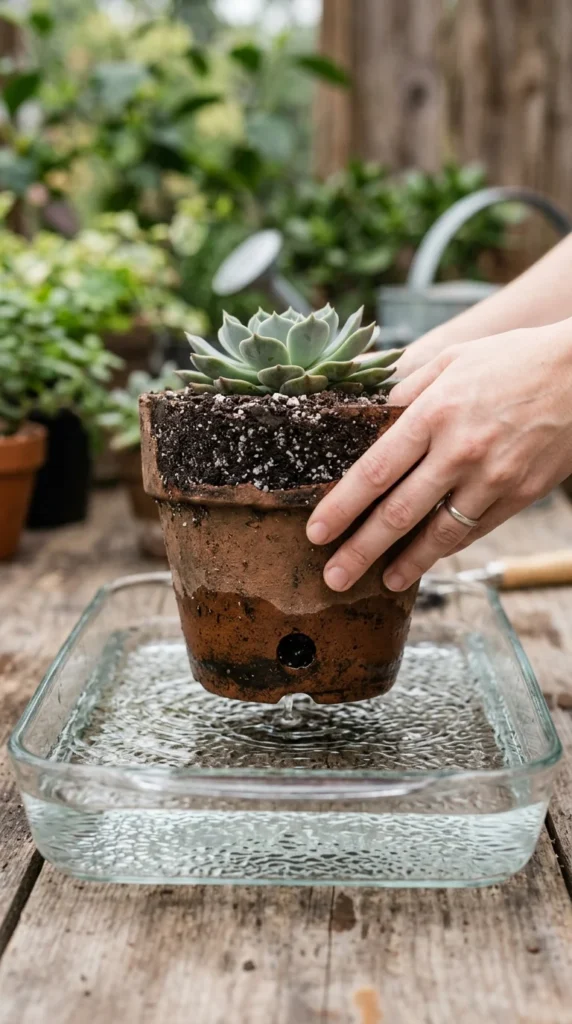
One of the best ways to prevent fungal “white powder” is to stop watering from the top. When water sits on the leaves, it creates a breeding ground for spores. By placing your pot in a tray of water and letting it soak upward, you keep the foliage dry and the “farina” intact.
8. Isolation Protocol
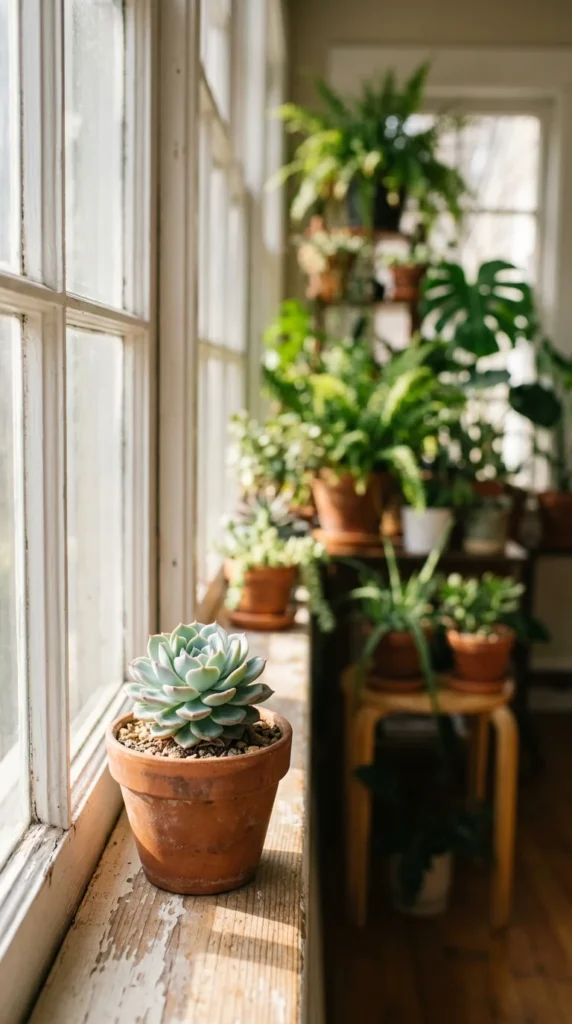
If you suspect your white powder is mealybugs or mildew, move the plant away from your others immediately. Pests and spores travel fast. Quarantining the affected plant for 2-3 weeks while you treat it will save your entire collection from a mass breakout.
9. Sunlight Exposure
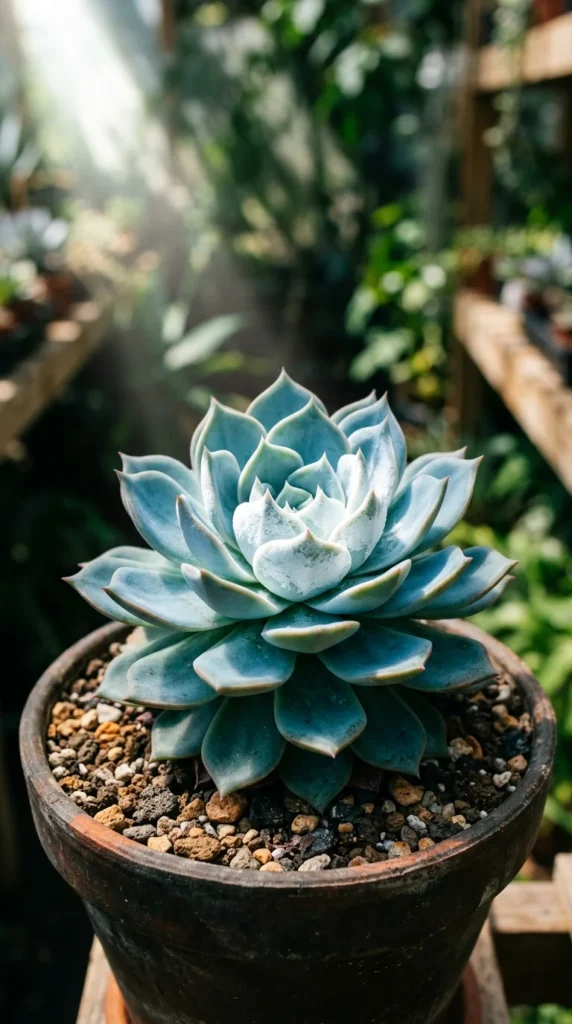
Did you know that the “good” white powder (farina) actually gets thicker with more sunlight? If your succulent looks a bit “naked” or green, it might need more light to produce its protective wax. High light levels encourage the plant to create that beautiful, matte, pastel appearance we love.
10. Precision Tweezers
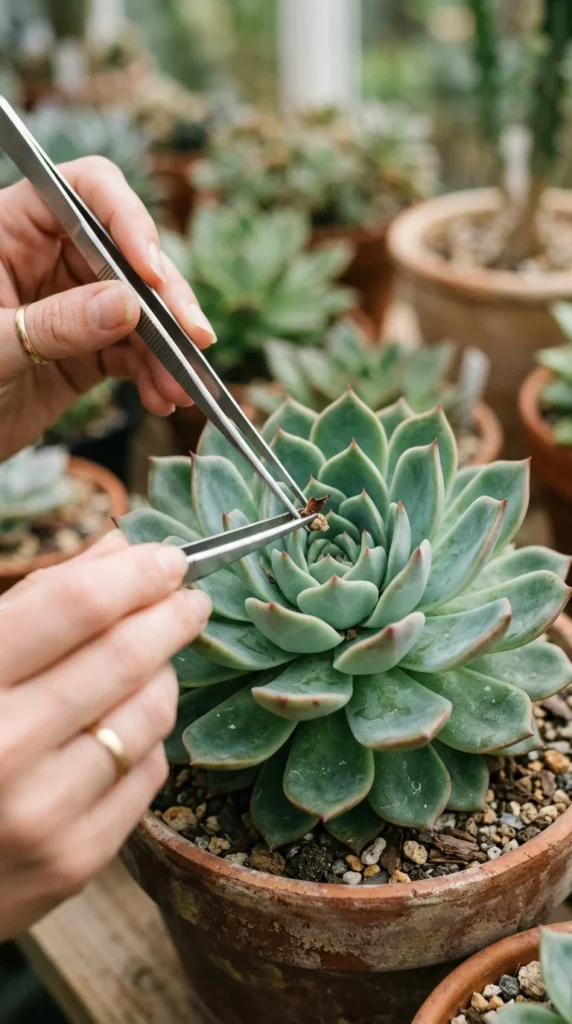
Sometimes “white powder” is just debris or dead mealybugs that have dried up. Using a pair of long-nosed tweezers allows you to clean out the tight spaces of a rosette without touching the leaves and smudging the natural farina.
11. Systemic Pesticides
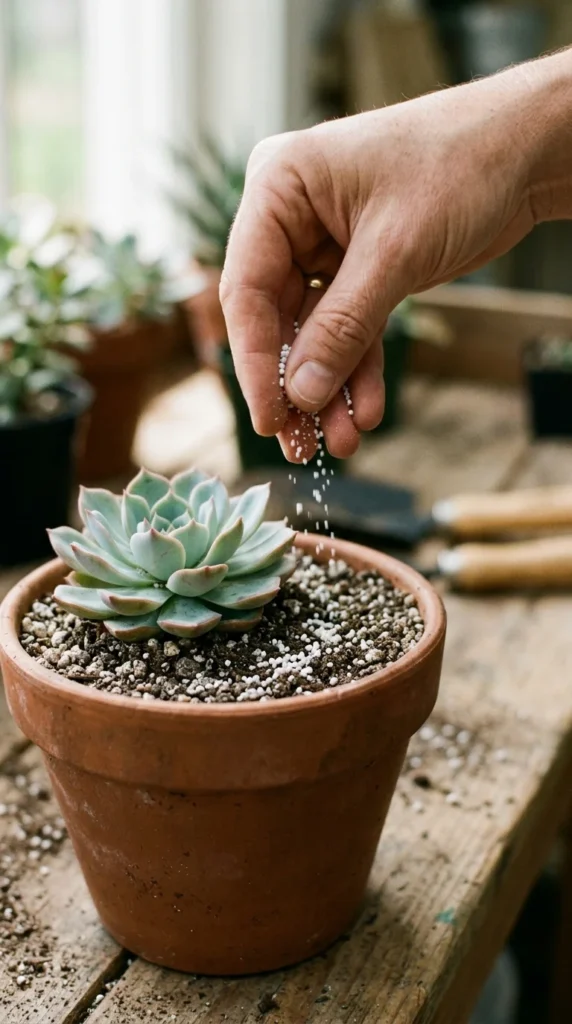
If mealybugs keep returning, a topical fix might not be enough. Systemic pesticides are granules you add to the soil. When you water, the plant absorbs the chemical, making the entire plant toxic to sap-sucking pests. This is a “set it and forget it” fix for chronic infestations.
12. Cotton Swabs
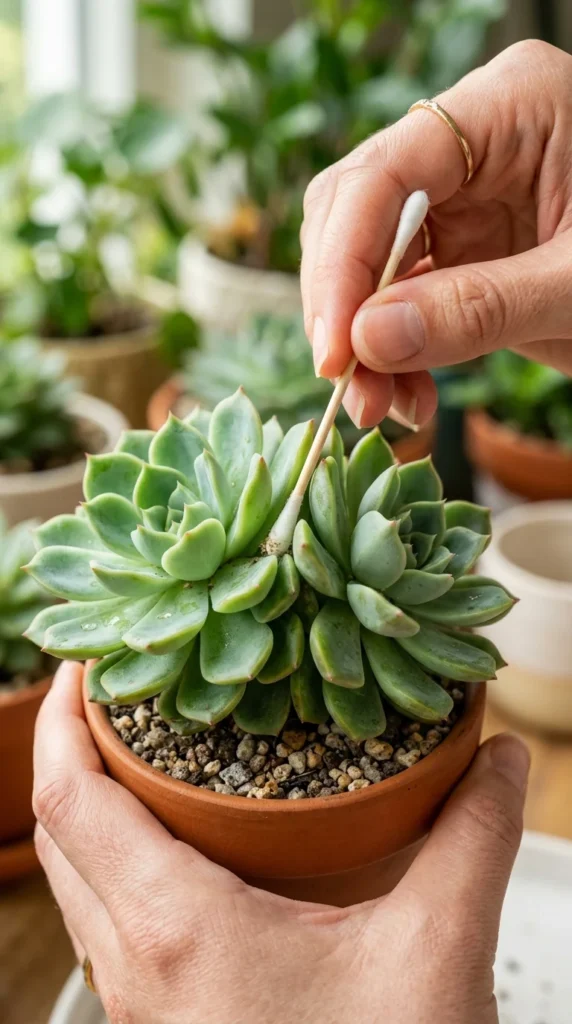
For detailed work, the humble cotton swab is your best friend. Whether you are applying alcohol to pests or gently dusting off actual dust (not farina), the soft tip prevents you from scratching the delicate surface of the plant.
13. Mineral Deposits
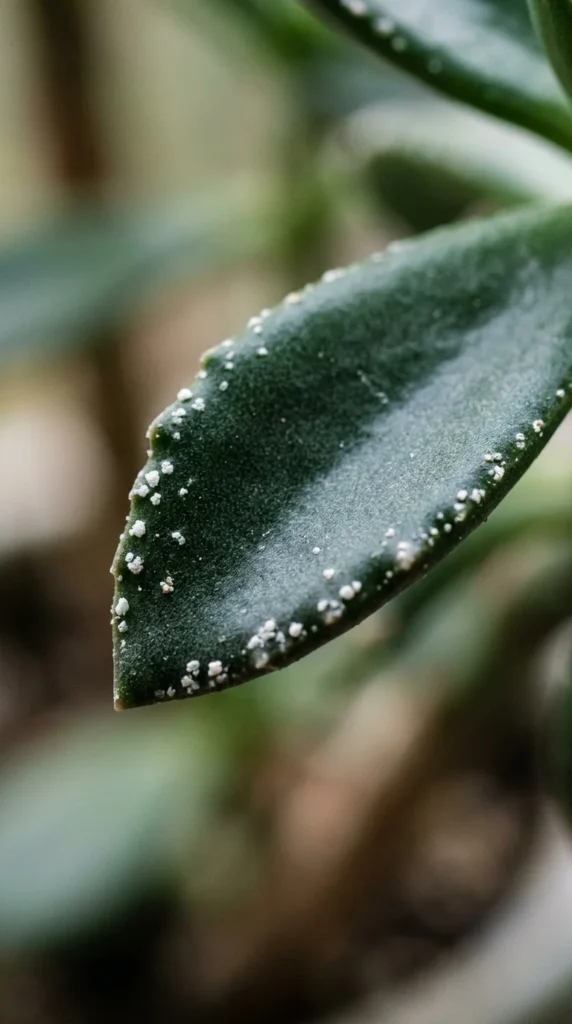
Sometimes white spots are just salt and mineral deposits from tap water. This is called “guttation.” As the plant “perspires,” minerals stay behind. If the white spots are hard and crusty and located near the leaf edges, try switching your water source.
14. Distilled Water
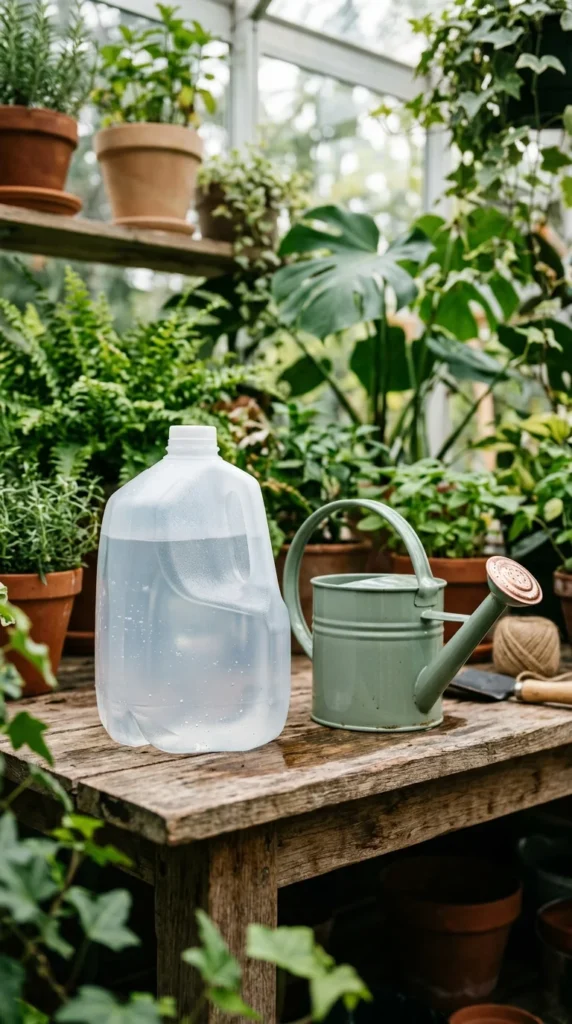
If your tap water is “hard” (full of minerals), it can leave unsightly white water spots on your succulents. Using distilled water or rainwater eliminates this issue. This isn’t a “cure” for a disease, but it’s a fix for the aesthetic “white powder” spots caused by minerals.
15. Humidity Control
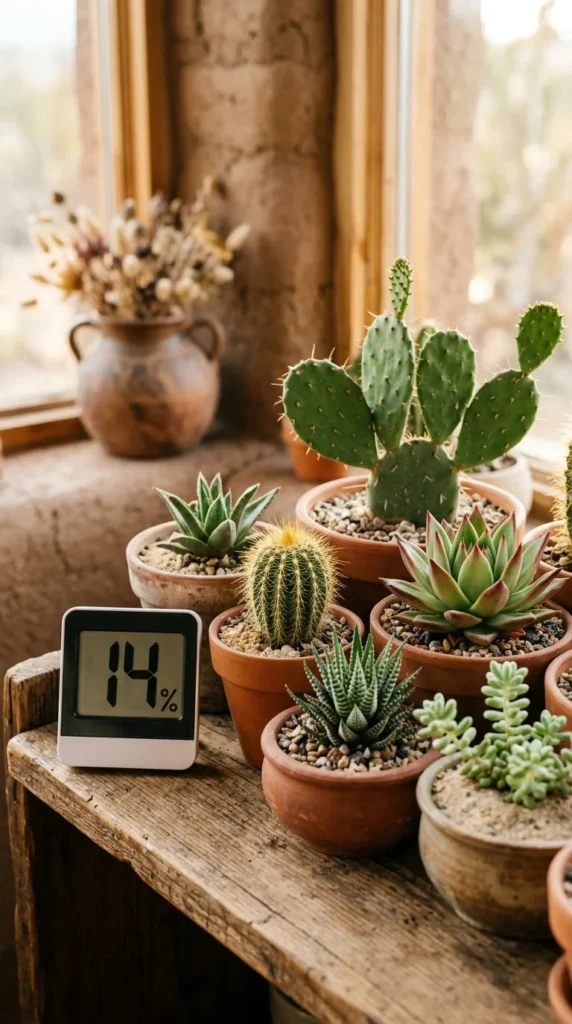
Succulents thrive in low humidity. High humidity is the primary cause of powdery mildew. If you live in a damp climate, using a dehumidifier in the room where you keep your plants can prevent the “bad” white powder from ever appearing.
16. Horticultural Fungicides
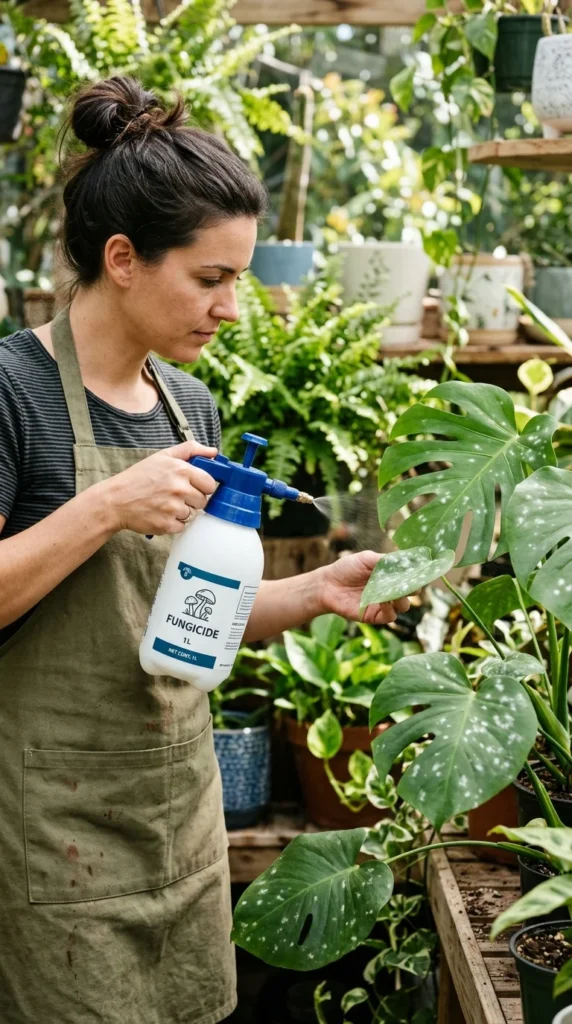
When natural remedies like neem oil fail to stop powdery mildew, it’s time for a dedicated horticultural fungicide. Look for products containing sulfur or copper. These are potent fixes that stop fungal DNA from replicating, effectively killing the “white powder” growth.
17. Soil Refresh
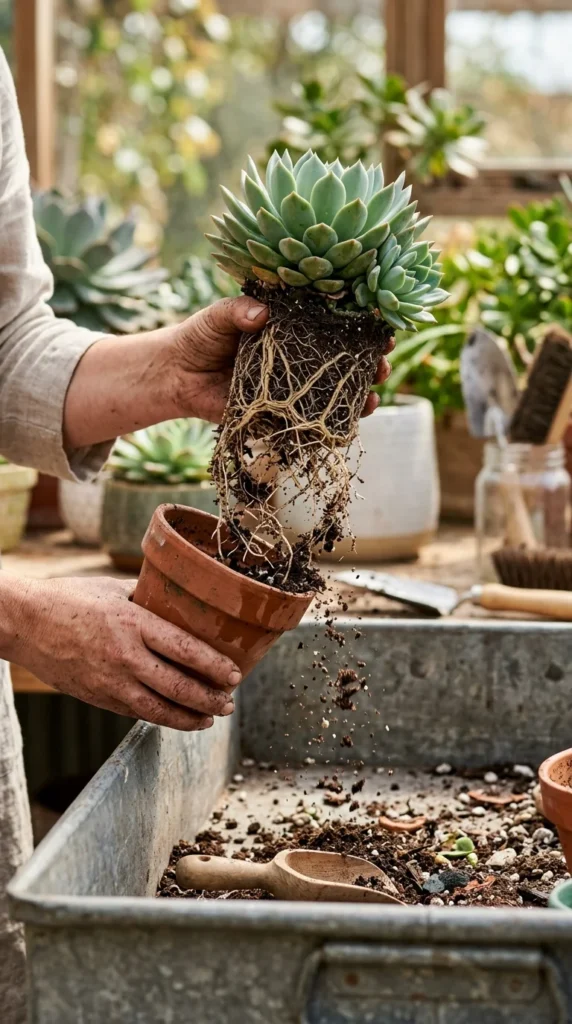
Pests like mealybugs often hide their eggs in the soil. If you’ve treated the leaves but the white cottony spots keep coming back, the “fix” is a total repotting. Shake off all the old soil, wash the roots, and plant the succulent in fresh, sterile cactus mix.
18. Tool Disinfection
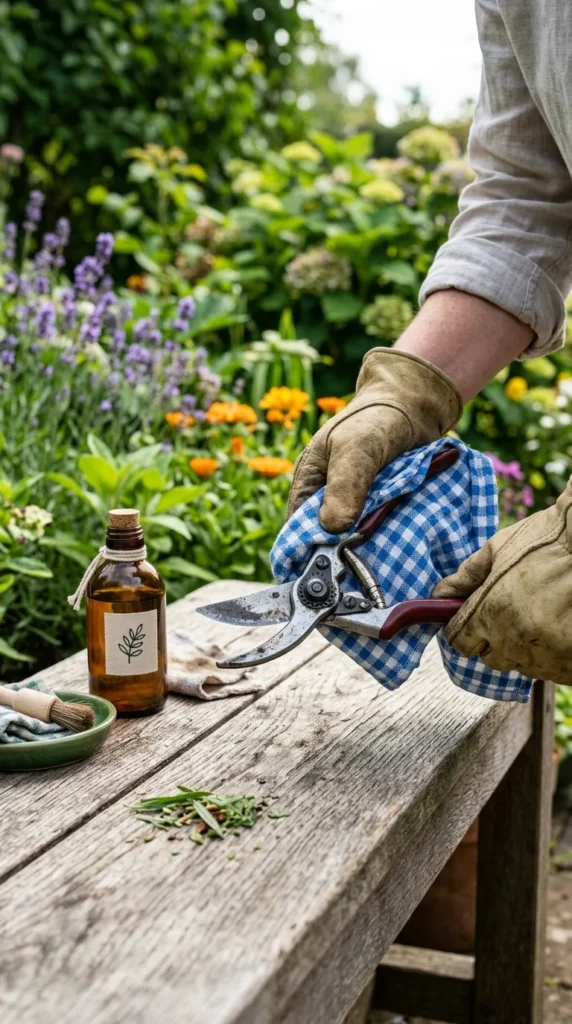
Always clean your scissors or tweezers after working on a “dusty” plant. Fungal spores and pest eggs are microscopic. If you use the same tool on a sick plant and then a healthy one, you are effectively “planting” the problem elsewhere.
19. New Plant Quarantine
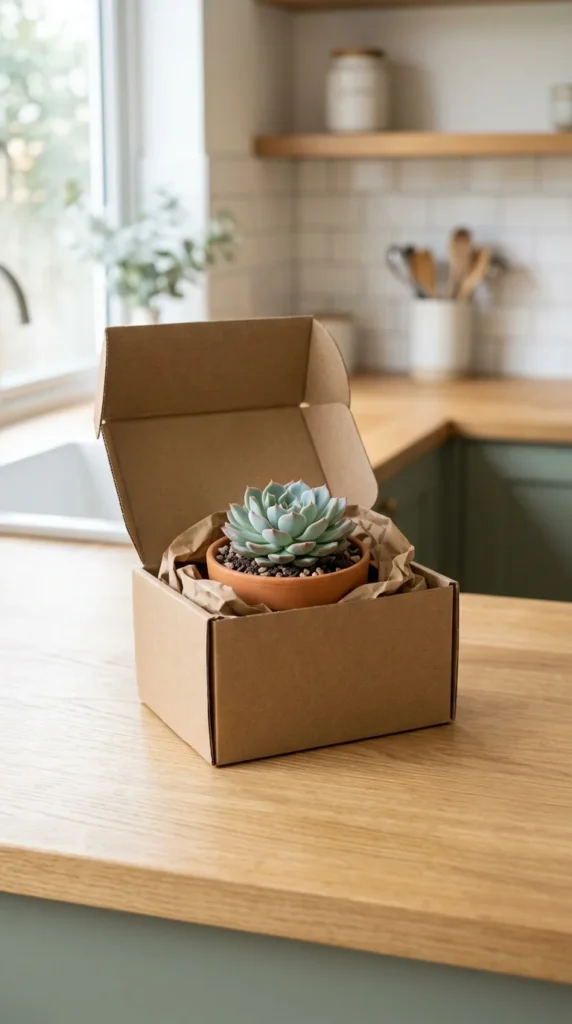
Whenever you bring a new succulent home, assume it has “bad” white powder hiding somewhere. Keep it away from your main collection for two weeks. This gives you time to see if any mealybugs or mildew spots emerge before they can spread.
20. Baking Soda Spray
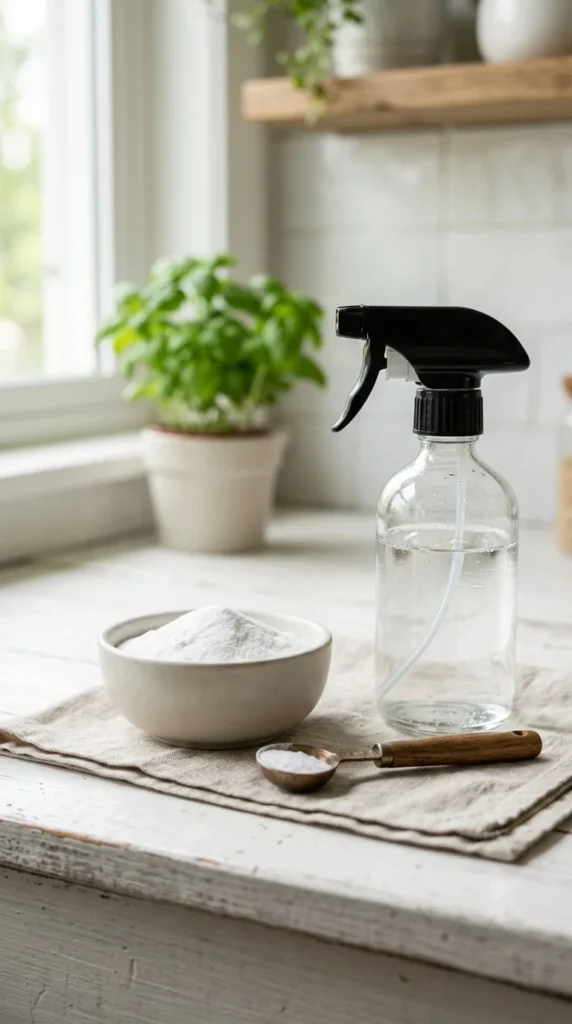
A classic DIY fix for powdery mildew is a baking soda solution. Mix 1 tablespoon of baking soda with a half-teaspoon of liquid soap in a gallon of water. The baking soda raises the pH level on the leaf surface, making it an inhospitable environment for white fungus to grow.
21. Diatomaceous Earth
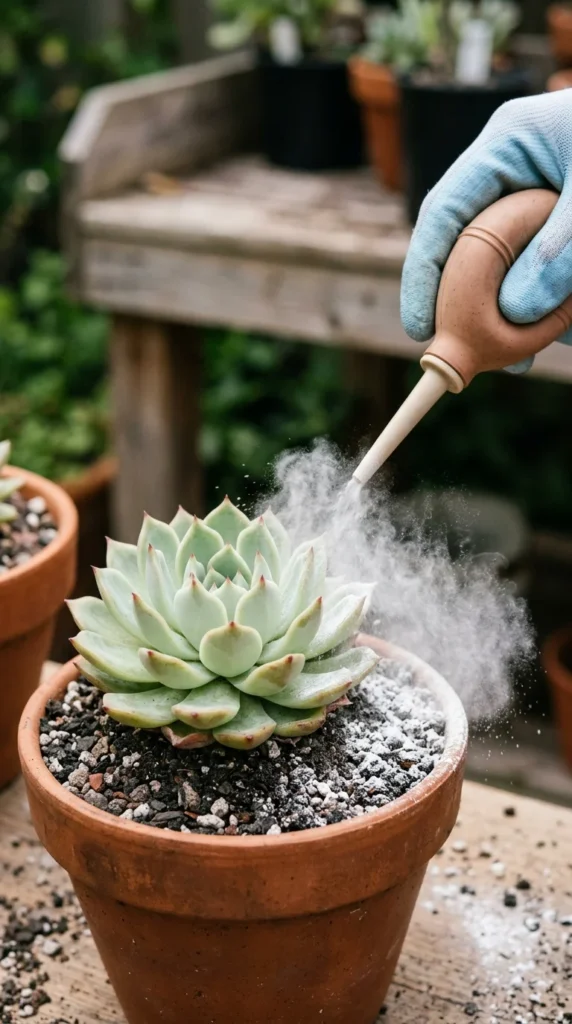
If you want a non-toxic way to deal with pests that cause white residue, try Diatomaceous Earth (DE). It looks like white powder itself, but it’s actually crushed fossilized algae. It acts like tiny shards of glass to insects, dehydrating them on contact while being safe for humans and pets.
22. Dusting vs. Farina
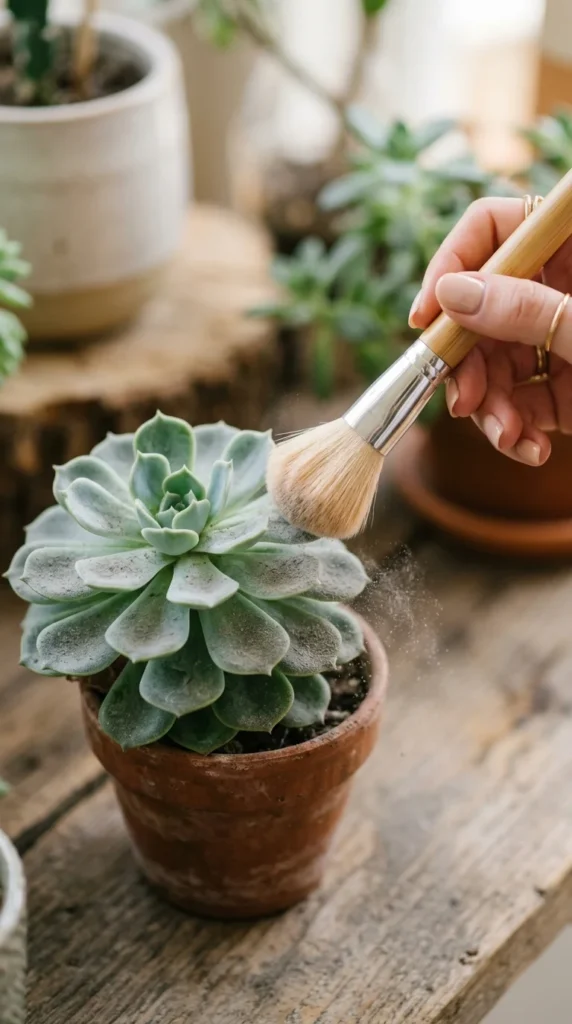
Sometimes “white powder” is literally just household dust! Succulents with flat leaves are dust magnets. You can use a very soft, dry makeup brush to gently whisk away household dust. Be extremely careful not to press hard, or you’ll remove the protective farina underneath.
23. Understanding Pruinosity
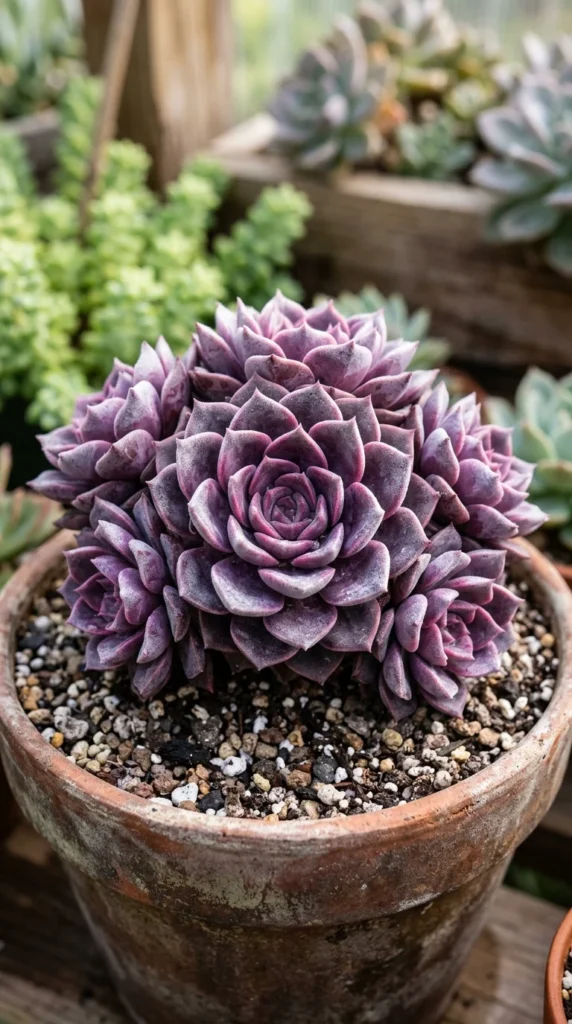
“Pruinosity” is the botanical term for having a hoary or “frosted” appearance. Many of the most popular succulents, like Echeveria Laui, are prized specifically for their thick white powder. Before you try to “fix” the white coating, search for your plant’s name online to see if it’s supposed to be “pruinose.”
24. Look, Don’t Touch
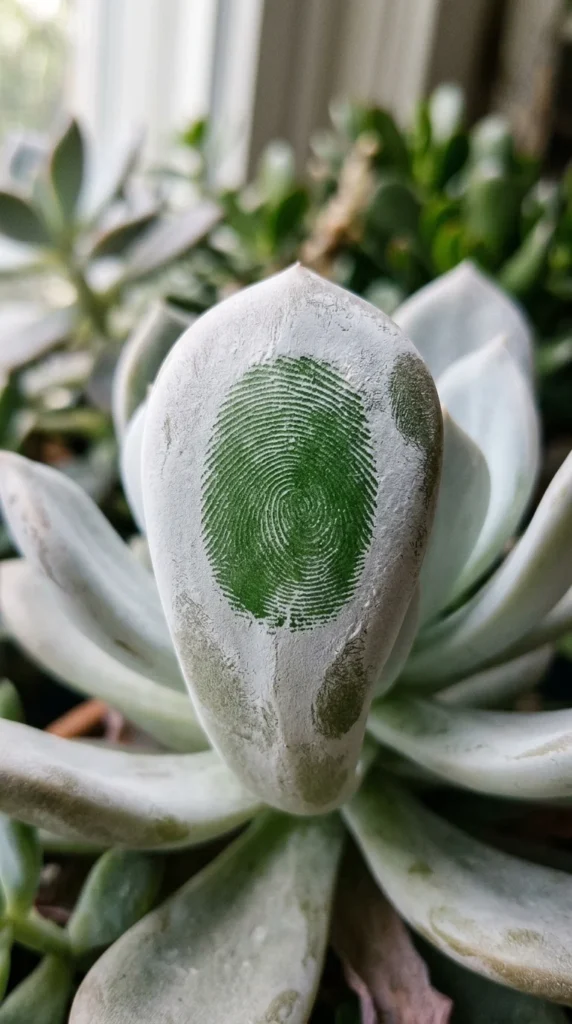
The most important “fix” for farina is to stop touching the leaves. Human skin oils permanently smudge and remove the epicuticular wax. Once farina is rubbed off, it rarely grows back on that specific leaf. Always handle your succulents by the pot or the very base of the stem.
25. The Virtue of Patience
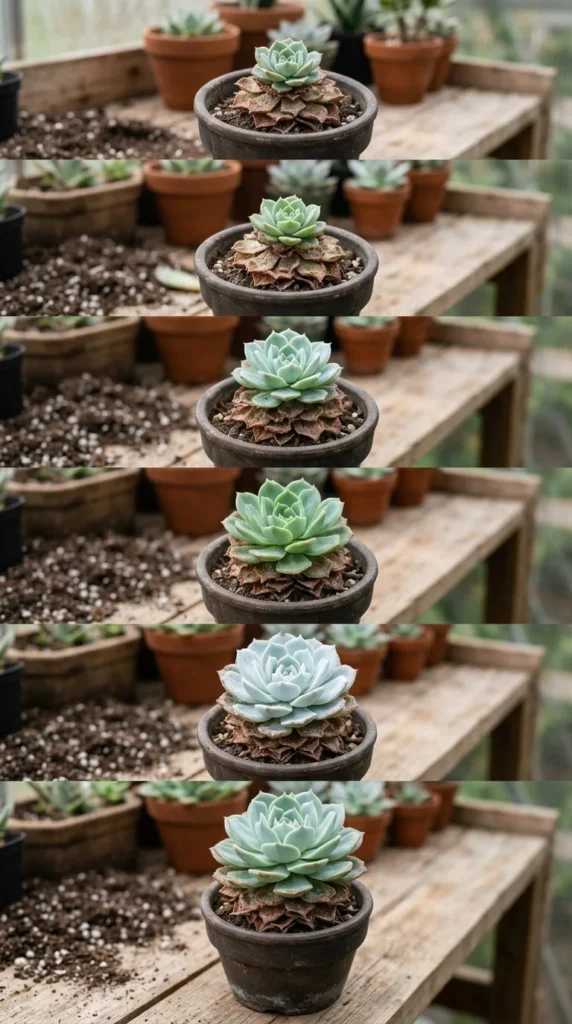
If your plant has been damaged by pests or you accidentally rubbed off the “good” white powder, the only fix is time. Succulents grow from the center out. Eventually, the damaged or “smudged” leaves will move to the bottom and be replaced by a fresh, perfectly powdered crown of new growth. Keep the plant healthy, and it will eventually “fix” its own appearance.