
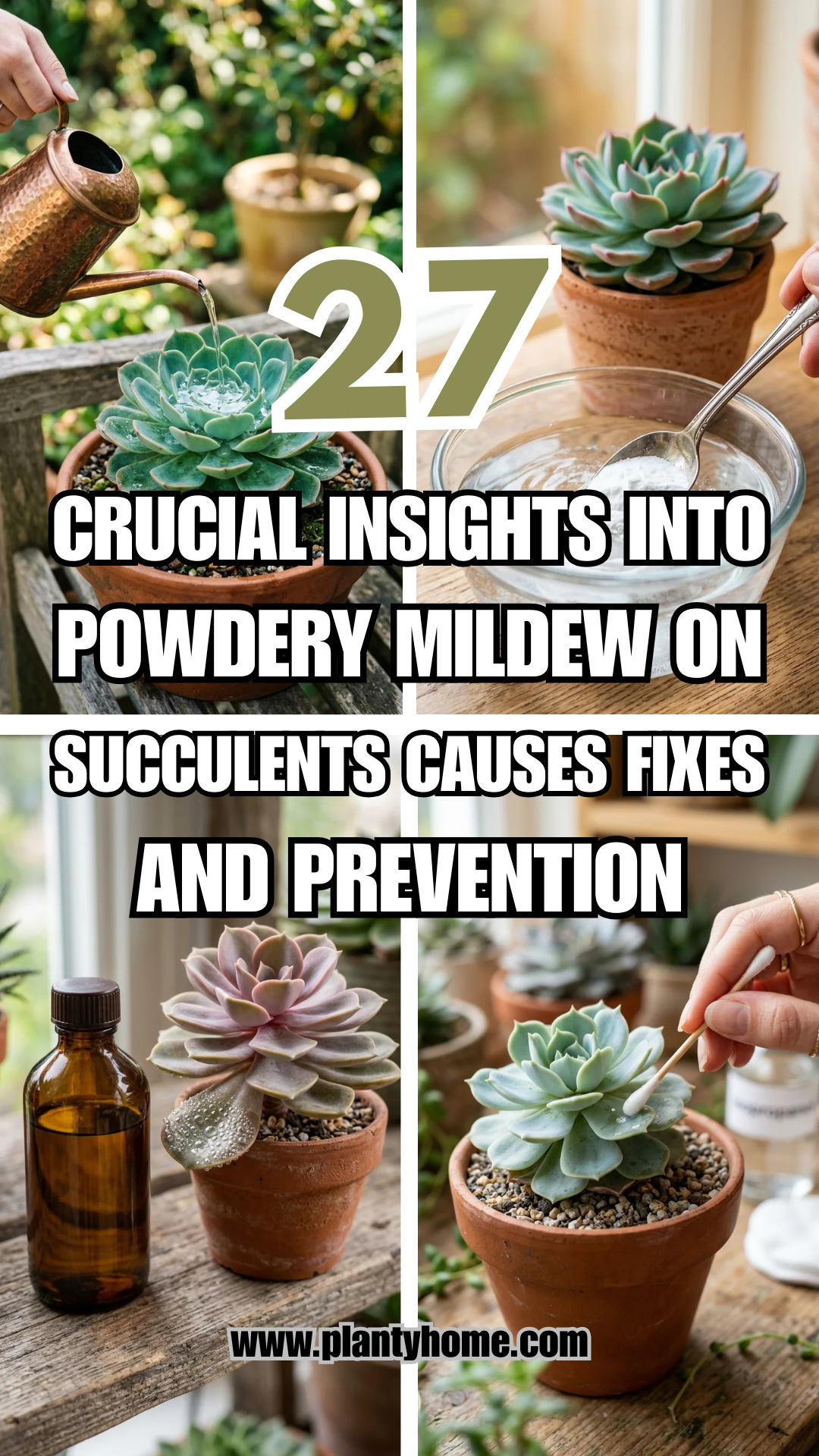
Succulents are often celebrated for their “set it and forget it” nature, but even these resilient desert dwellers have an Achilles’ heel: Powdery Mildew. This fungal pathogen can turn a vibrant, fleshy succulent into a ghostly, shriveled version of its former self in a matter of days. Unlike many other fungi that thrive in soggy roots, powdery mildew is a surface dweller, feeding on the life-sustaining juices of your plant’s leaves. Understanding the nuances of this disease is the first step toward a healthy, thriving indoor garden. Here are 27 essential things you need to know to identify, treat, and prevent powdery mildew from taking over your succulent collection.
1. High Humidity

Succulents are evolved for arid environments. When the ambient humidity rises above 50% for extended periods, it creates a playground for fungal spores. Powdery mildew thrives in humid conditions where the air feels heavy, as the moisture allows the spores to germinate on the leaf surface without needing actual liquid water.
2. Air Circulation

Stagnant air is the primary catalyst for fungal growth. In an indoor setting, air often becomes trapped in corners or behind furniture. Without a breeze to move spores along and dry out the micro-climates between leaves, powdery mildew can establish a colony with ease.
3. Low Light
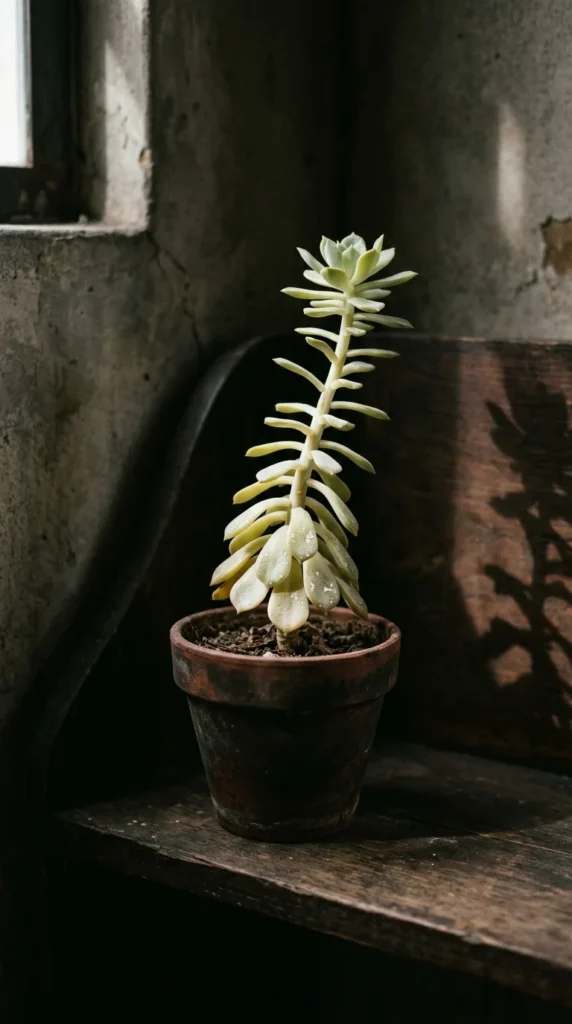
Succulents kept in low-light conditions often become “etiolated,” or stretched out. This weakens the plant’s natural immune system. Furthermore, many fungi, including powdery mildew, thrive in shaded areas where UV rays—which naturally inhibit fungal growth—cannot reach.
4. Overcrowded Containers
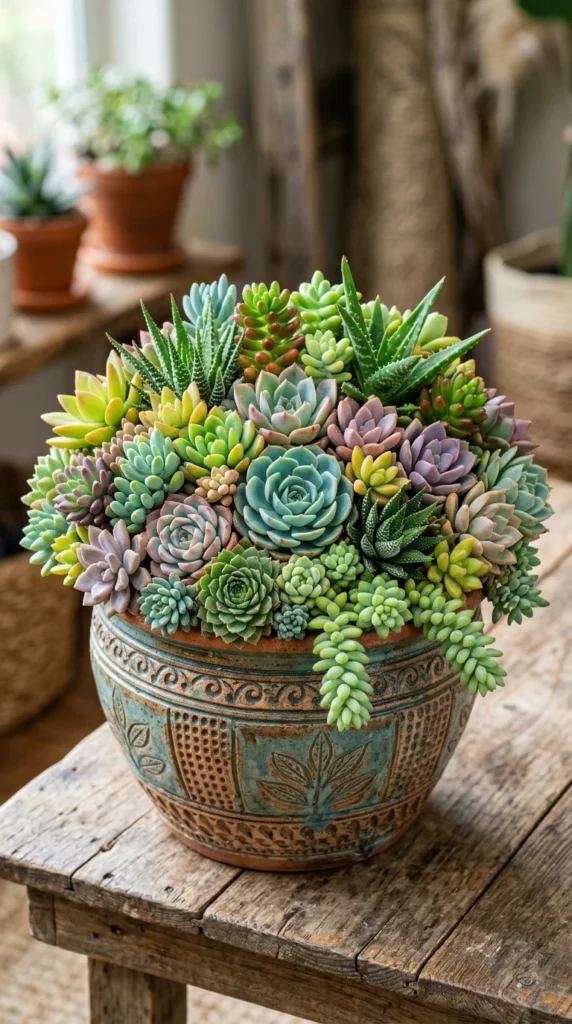
While “succulent arrangements” look beautiful, packing too many plants into one pot prevents air from reaching the lower stems and interior leaves. This creates a high-humidity micro-environment inside the cluster, making it the perfect breeding ground for white fuzzy spots.
5. Surface Moisture
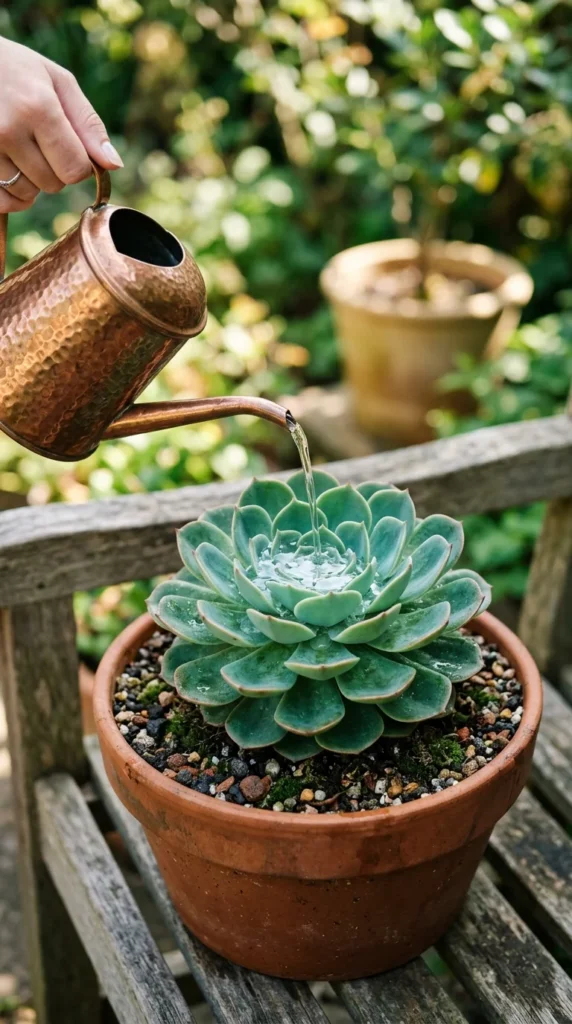
Watering your succulents from above is a common mistake. When water sits in the “cup” of a rosette or on the fleshy leaves, it creates the exact conditions spores need to take hold. While the mildew itself doesn’t need much water, the initial dampness often triggers the infection.
6. Fungal Spores
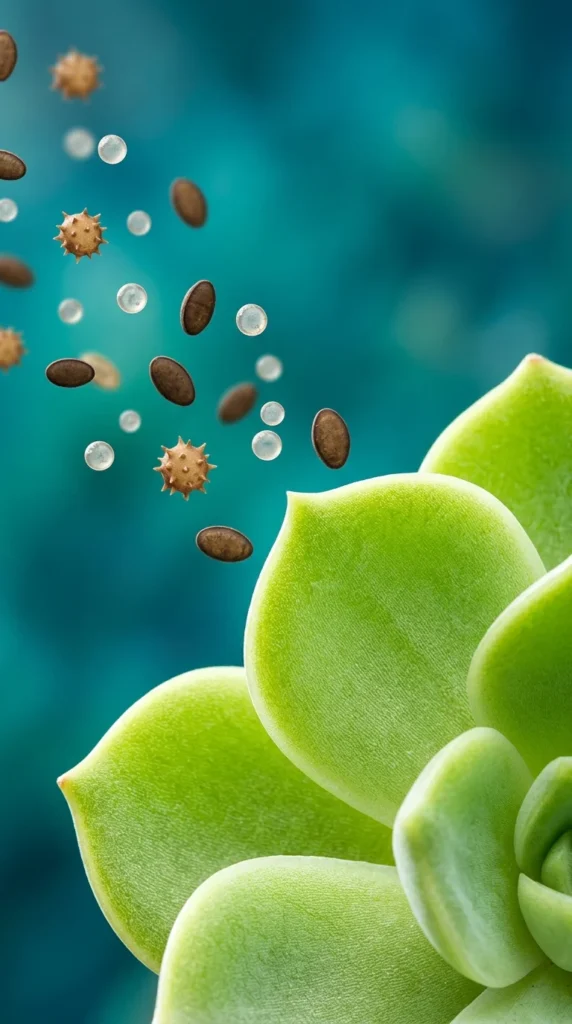
Powdery mildew is caused by various species of fungi in the order Erysiphales. These spores are omnipresent; they can travel on your clothes, enter through an open window, or even be carried by a common household pet. You cannot completely eliminate spores, but you can prevent them from settling.
7. Infected Soil
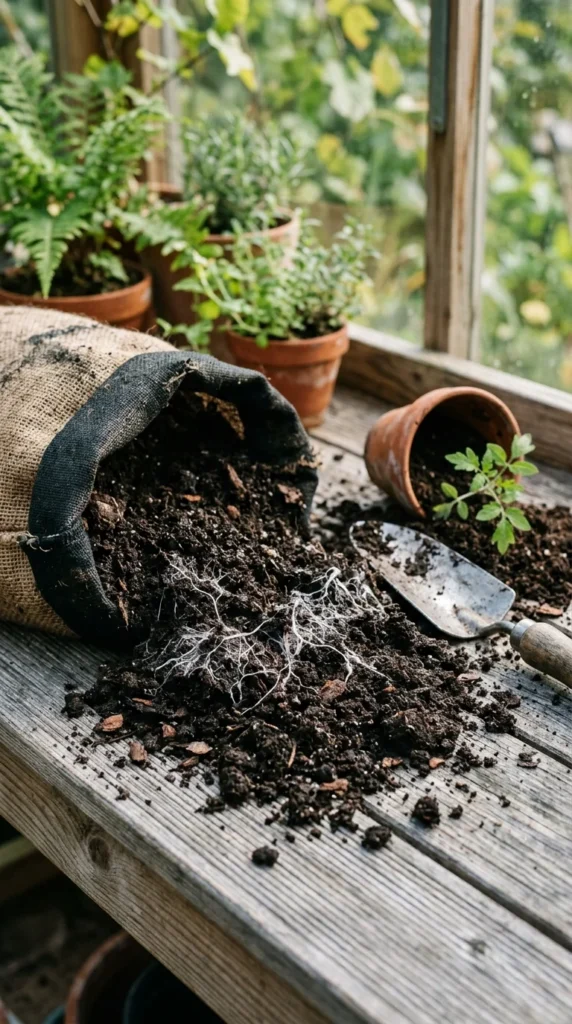
Sometimes, the culprit isn’t the air, but the medium. If you reuse soil from a plant that previously died of a fungal infection, the dormant spores can reactivate the moment they come into contact with a fresh host and the right temperature.
8. New Additions

The “Trojan Horse” of the plant world is the unvetted nursery find. Bringing a new plant home and immediately placing it next to your collection is the fastest way to spread mildew. Always assume a new plant might be carrying hitchhikers.
9. Cross-Contamination

If you touch an infected plant and then handle a healthy one, you are effectively acting as a vector for the disease. Spores are incredibly sticky and microscopic, making human intervention one of the most common ways the fungus spreads through a greenhouse.
10. Neem Oil

Neem oil is a powerhouse organic treatment. It works by coating the fungal spores and preventing them from breathing or reproducing. It also acts as a leaf shine, but it must be applied in the evening to avoid “sunburn” (phytotoxicity) when the light hits the oil during the day.
11. Baking Soda
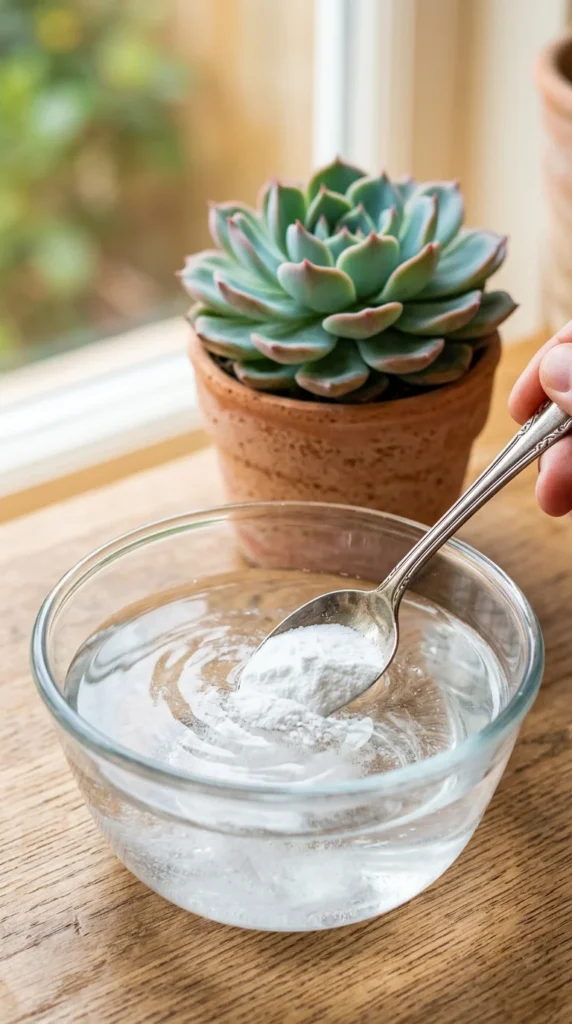
A classic home remedy involves mixing one tablespoon of baking soda with a gallon of water and a dash of dish soap. This raises the pH level on the leaf surface, creating an alkaline environment that is toxic to powdery mildew.
12. Milk Spray
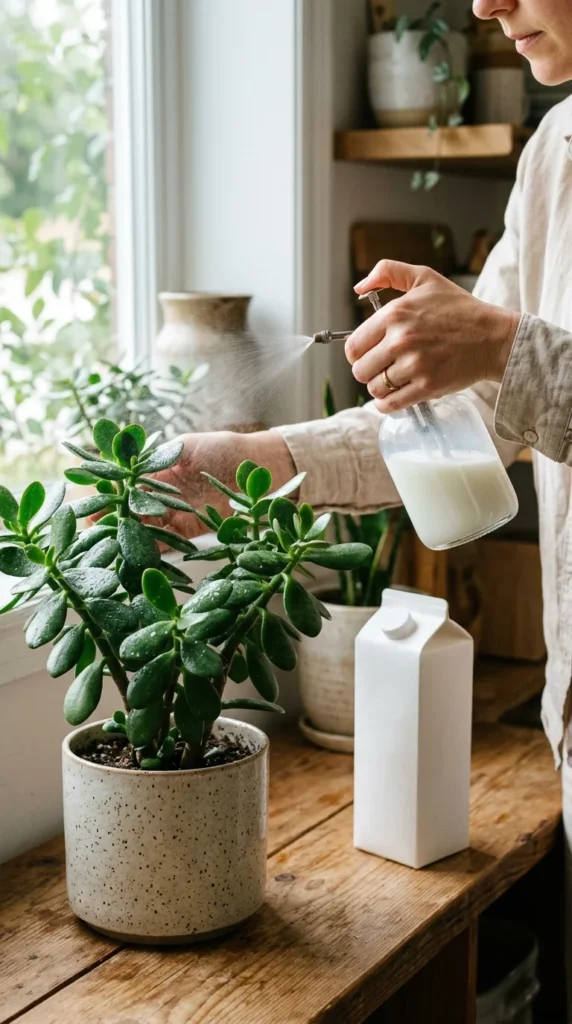
Believe it or not, a mixture of 40% milk and 60% water is an effective fungicide. Scientists believe that proteins in the milk interact with sunlight to create a mild antiseptic effect that kills fungal spores without harming the succulent’s sensitive skin.
13. Rubbing Alcohol
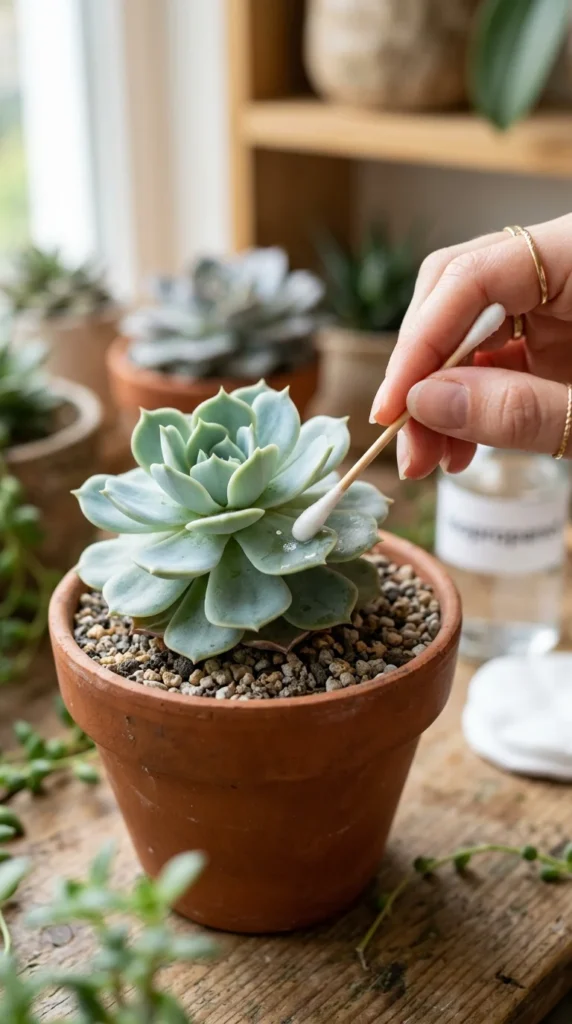
For localized outbreaks, a Q-tip dipped in 70% isopropyl alcohol can be used to wipe away the mildew. This is highly effective for “spot treatments” but should be tested on a single leaf first to ensure the succulent’s waxy coating (farina) isn’t damaged.
14. Copper Fungicides
When organic remedies fail, copper-based fungicides are the “big guns.” They are highly effective at disrupting the enzyme systems of fungi. Use these sparingly and follow the label instructions strictly, as succulents can be sensitive to heavy metal buildup.
15. Potassium Bicarbonate
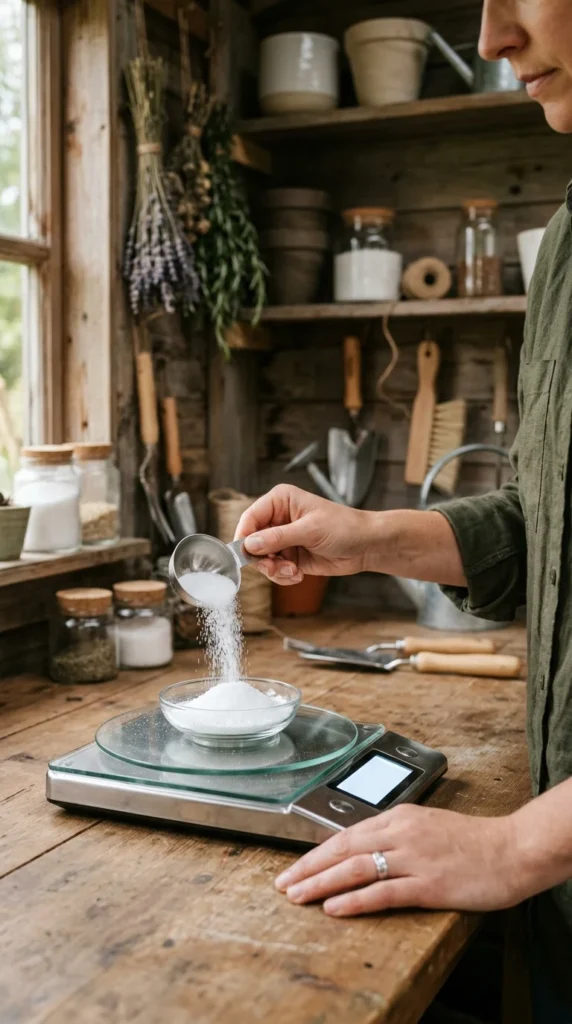
Similar to baking soda but often more effective, potassium bicarbonate is a contact fungicide that kills spores quickly. It is preferred by many professional growers because it provides a boost of potassium to the plant while fighting the infection.
16. Hydrogen Peroxide

A diluted solution of 3% hydrogen peroxide (one part peroxide to nine parts water) can oxidize the fungal cell walls. It’s an excellent way to sterilize the surface of the plant and the soil surface simultaneously.
17. Sulfur Dust
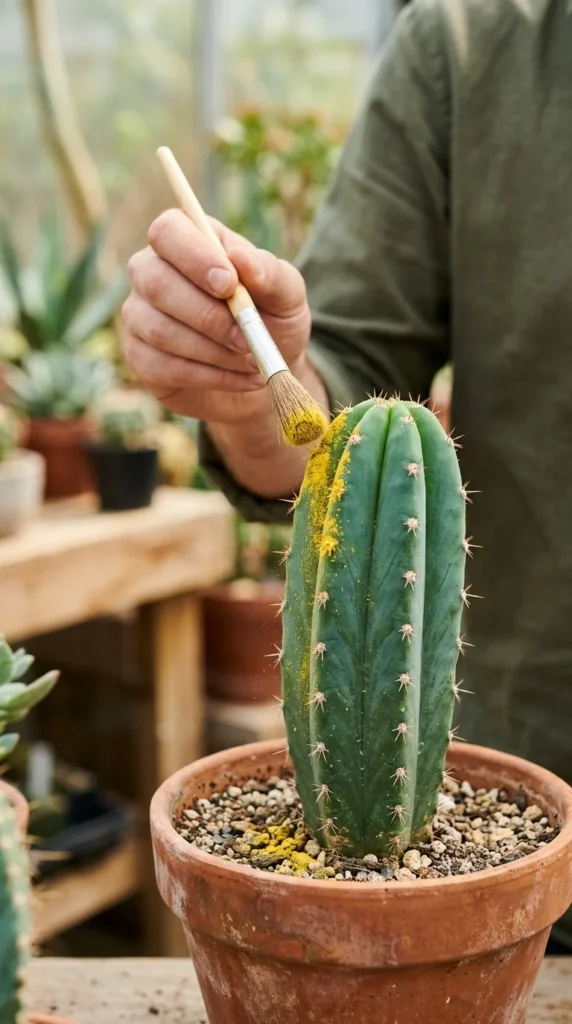
Sulfur is one of the oldest known fungicides. Dusting your succulents with elemental sulfur creates a protective barrier. It is particularly useful for cacti and succulents with deep crevices where sprays might pool and cause rot.
18. Pruning Infected Leaves
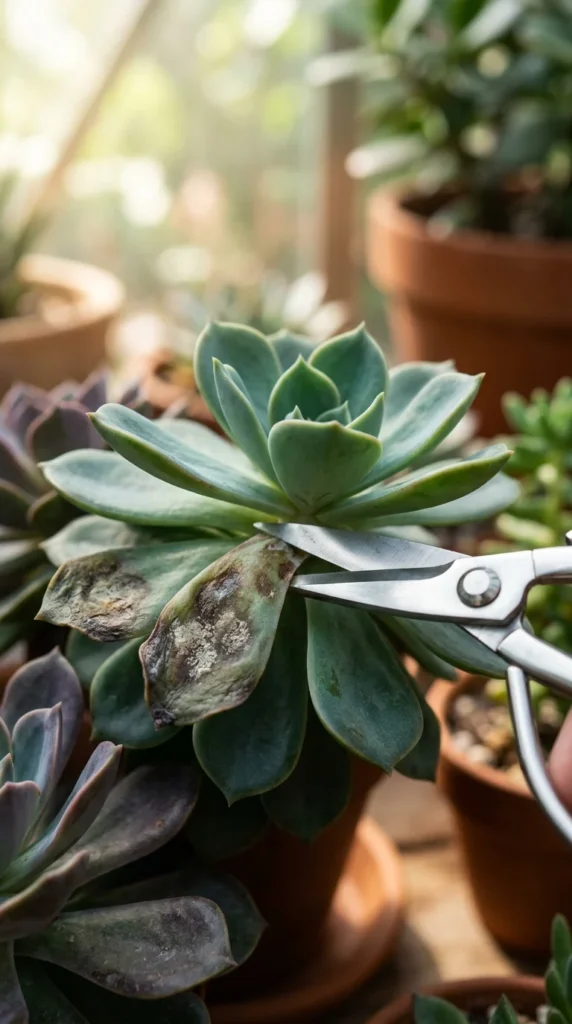
If a leaf is more than 50% covered in mildew, it is often better to remove it entirely. This reduces the “spore load” in the area and allows the plant to redirect its energy toward growing new, healthy tissue.
19. Bottom Watering

To prevent future outbreaks, switch to bottom watering. Place your pots in a tray of water for 20 minutes, allowing the soil to wick up moisture through the drainage holes. This keeps the leaves and the crown of the plant completely dry.
20. Strategic Spacing

Give your plants elbow room. Proper spacing ensures that every side of the plant receives adequate airflow and light. If the leaves of two different plants are touching, you have created a bridge for pests and fungi to cross.
21. Morning Watering

If you must water from the top, do it in the early morning. This gives the sun all day to evaporate any accidental splashes on the leaves. Watering at night is a recipe for disaster, as the dampness lingers in the cool, dark hours.
22. Soil Refreshing

If you’ve had a major outbreak, the spores are likely resting in the top layer of soil. Scrape off the top inch of soil and replace it with fresh, sterile succulent mix (usually a blend of potting soil, perlite, and coarse sand).
23. Sterilized Tools
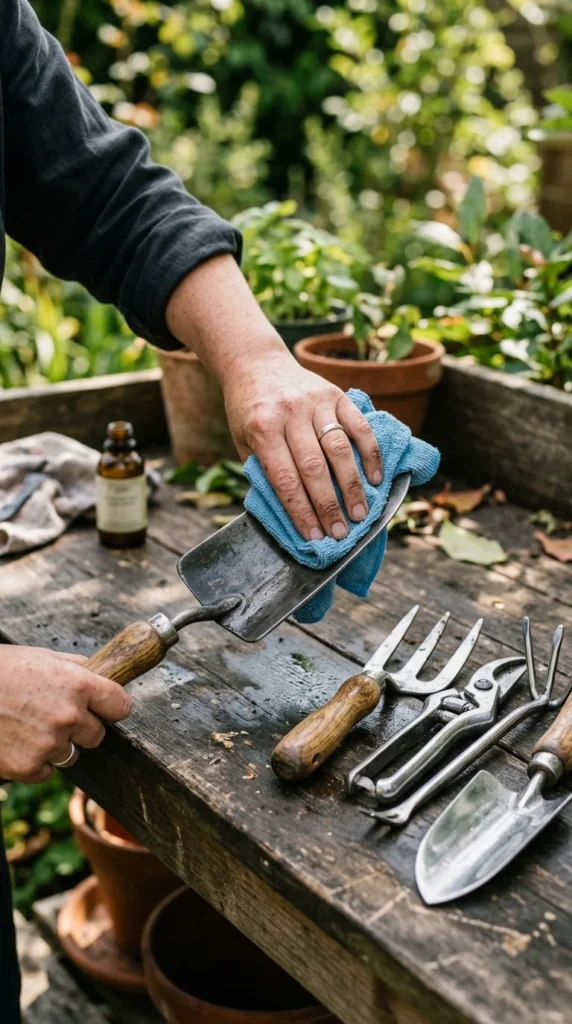
Always clean your shears and tweezers with alcohol or a 10% bleach solution between plants. This simple habit prevents you from accidentally infecting your entire collection during a routine grooming session.
24. Quarantining Newcomers
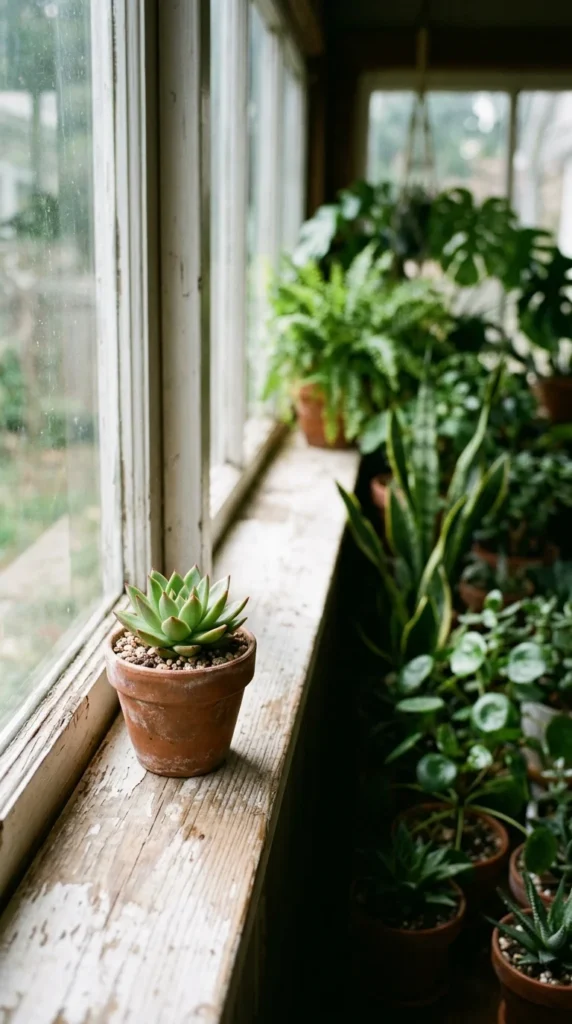
Establish a “quarantine zone” for any new plant you bring home. Keep it isolated for at least two weeks. This is usually enough time for any dormant fungal issues or hidden pests to manifest before they can reach your established plants.
25. Increased Sunlight

Sunlight is a natural disinfectant. Moving an infected plant to a brighter spot (gradually, to avoid burning) can help kill off the fungus. The UV rays are naturally detrimental to the delicate structure of the mildew hyphae.
26. Humidity Control

Invest in a small hygrometer to monitor the humidity in your grow space. If the levels consistently stay above 50%, consider using a dehumidifier. Keeping the air dry is the single most effective long-term prevention strategy.
27. Routine Inspection

The best defense is a good offense. Inspect your succulents once a week, looking specifically at the undersides of leaves and the center of the rosettes. Catching a single white spot early can mean the difference between a simple wipe-down and losing a prized plant.