
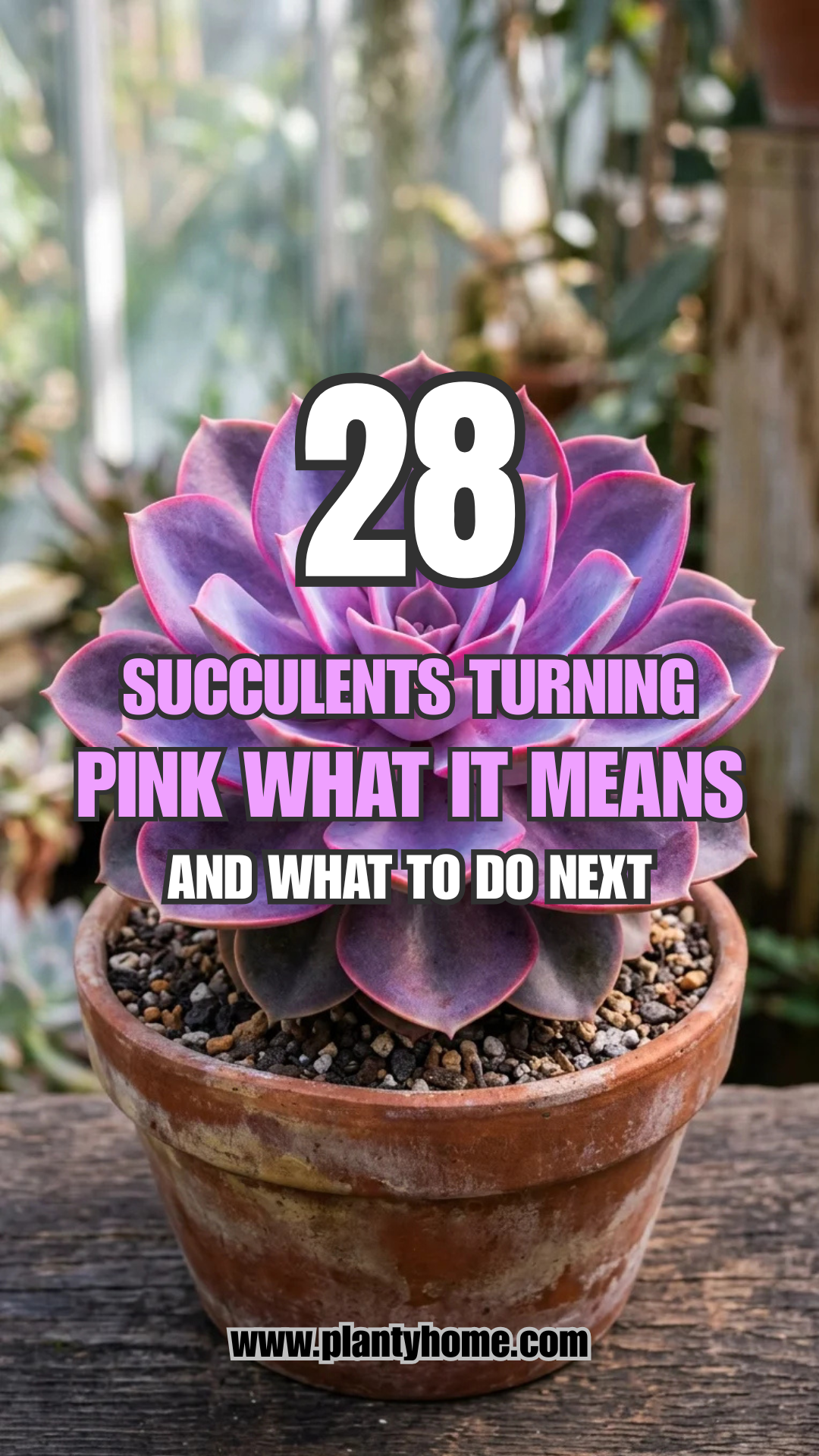
If you’ve noticed your once-green succulent beginning to blush with shades of rose, coral, or deep magenta, you might be wondering if your plant is in distress or if it’s finally “leveling up” in beauty. In the world of succulents, turning pink is a common phenomenon known as “stress coloring.”
Unlike the stress humans feel, “sun stress” in succulents is often a desirable trait that hobbyists strive for. It occurs when the plant produces anthocyanins—pigments that protect the leaves from intense light or extreme temperatures. However, pink can also be a signal for water needs or seasonal shifts.
Below is a comprehensive guide to 29 succulents that frequently turn pink, what causes the shift, and how to care for them when they change color.
1. Echeveria Lola
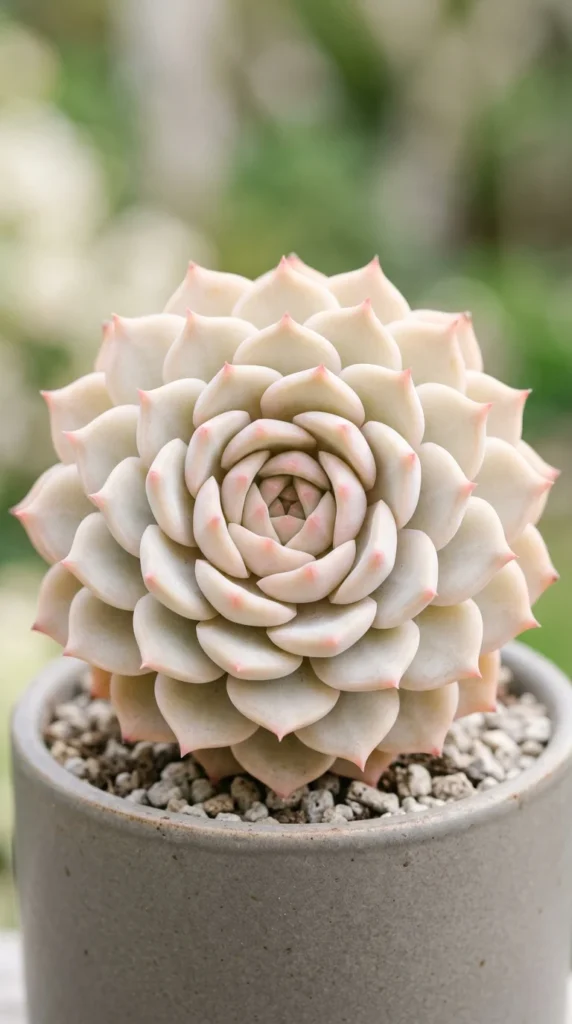
The Echeveria ‘Lola’ is a classic hybrid known for its marble-like appearance. When exposed to bright, filtered sunlight, the pale grey-blue leaves develop a ghostly pink tint. This is usually a sign that the plant is receiving the optimal amount of light to maintain its compact shape.
2. Pink Moonstones
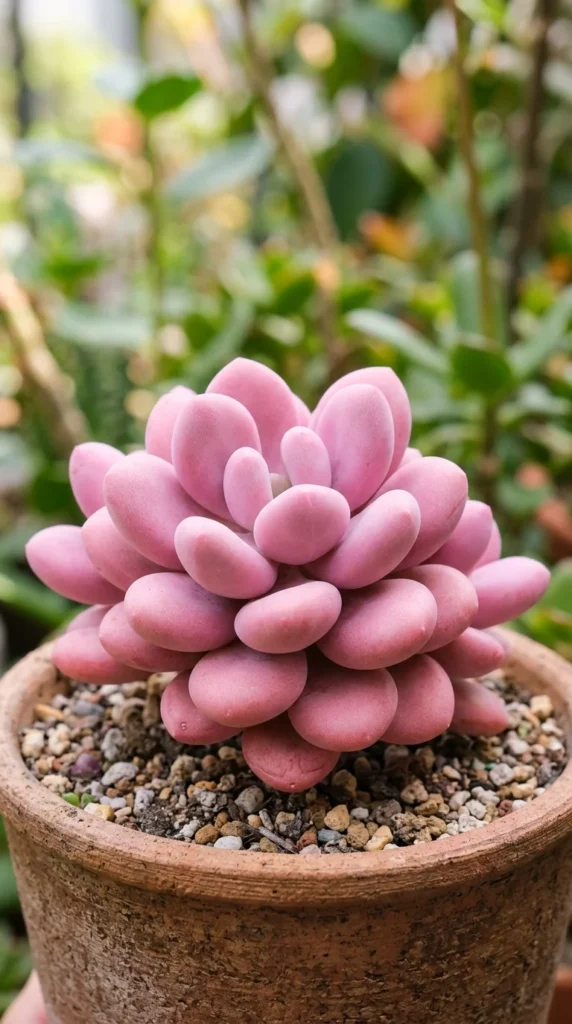
Pachyphytum oviferum, or Pink Moonstones, are naturally inclined toward pastel shades. If they turn a deeper pink, it is a sign of high light exposure. These plants have a heavy coating of farina (epicuticular wax) that helps them handle the sun while maintaining that soft, matte pink look.
3. Aurora Sedum
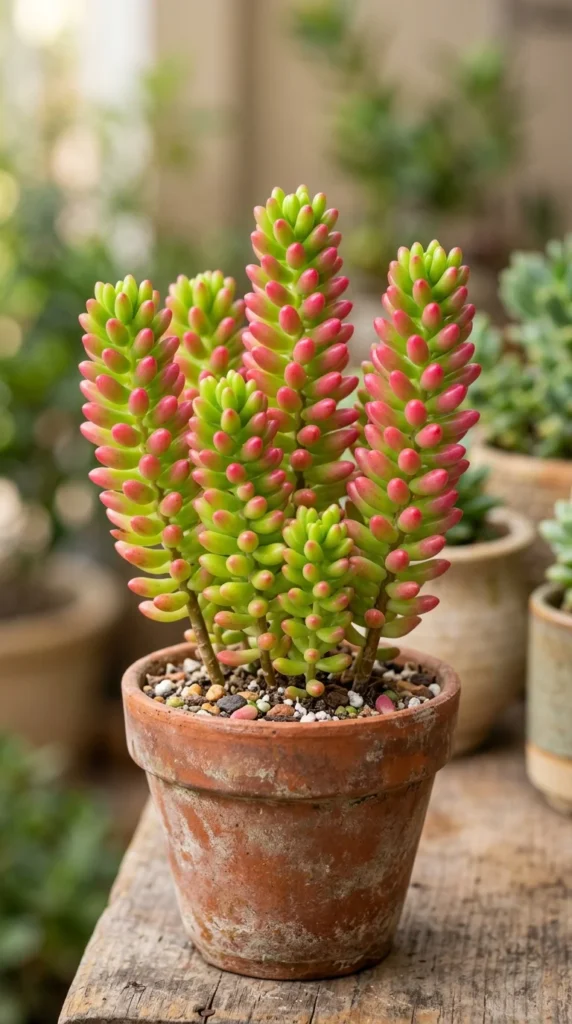
Sedum rubrotinctum ‘Aurora’ is famous for its dramatic color shifts. In low light, it stays green. Under the sun or in cooler temperatures, the “beans” turn a brilliant shades of cream and pink. If the pink turns to a dark, shriveled red, it may be a sign of dehydration.
4. Graptoveria Bashful
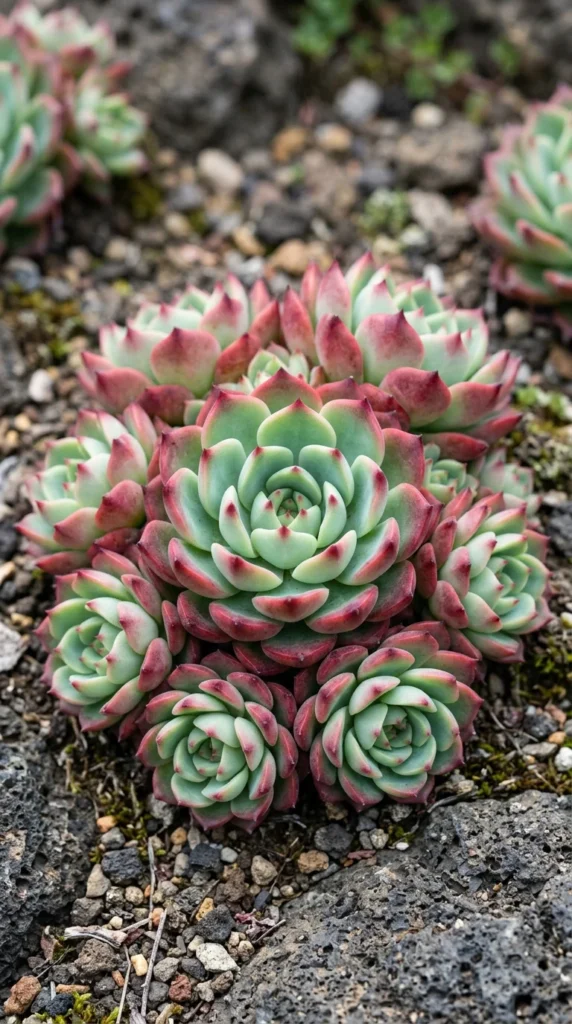
‘Bashful’ is a stemless succulent that lives up to its name by “blushing” intensely. The pinker this plant gets, the healthier it usually is, provided the leaves remain plump. If the pink center becomes pale or stretched, it needs more light.
5. Paddle Plant
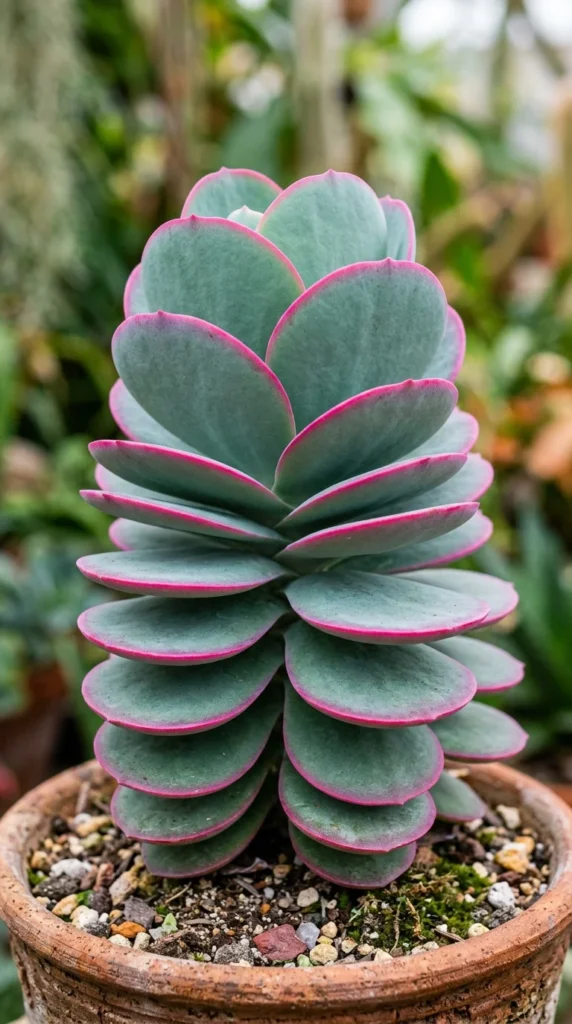
Kalanchoe luciae, or the Paddle Plant, turns pink and red primarily due to “cold stress” or “sun stress.” During winter months, the edges of the “paddles” will turn a deep crimson or pink. This is a normal seasonal response.
6. Pink Granite
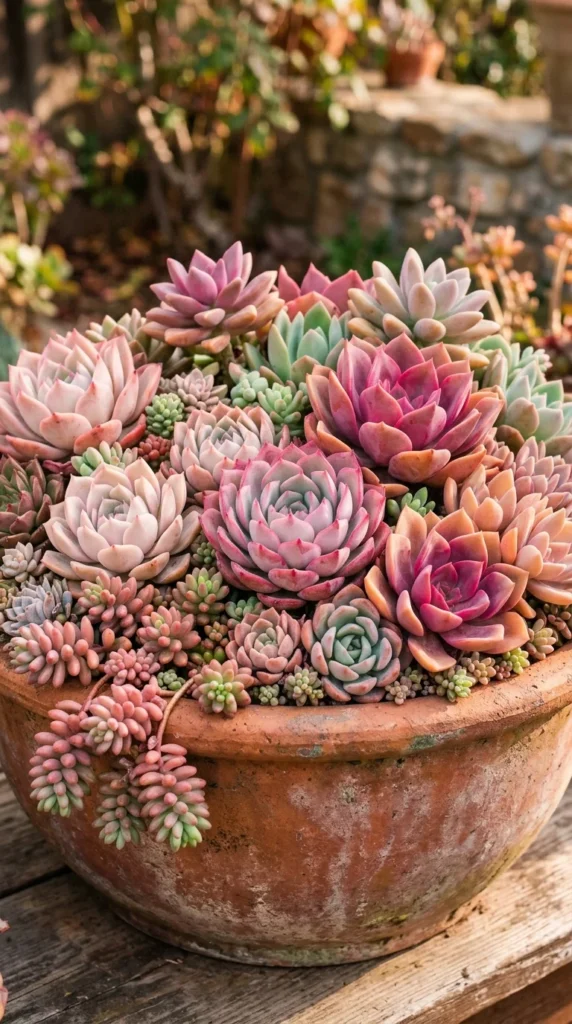
Sedeveria ‘Pink Granite’ is a hardy hybrid. Its pink hue is relatively stable but intensifies during the summer. If you notice the pink fading into a dull grey-green, the plant is likely not getting enough UV exposure.
7. Perle von Nurnberg
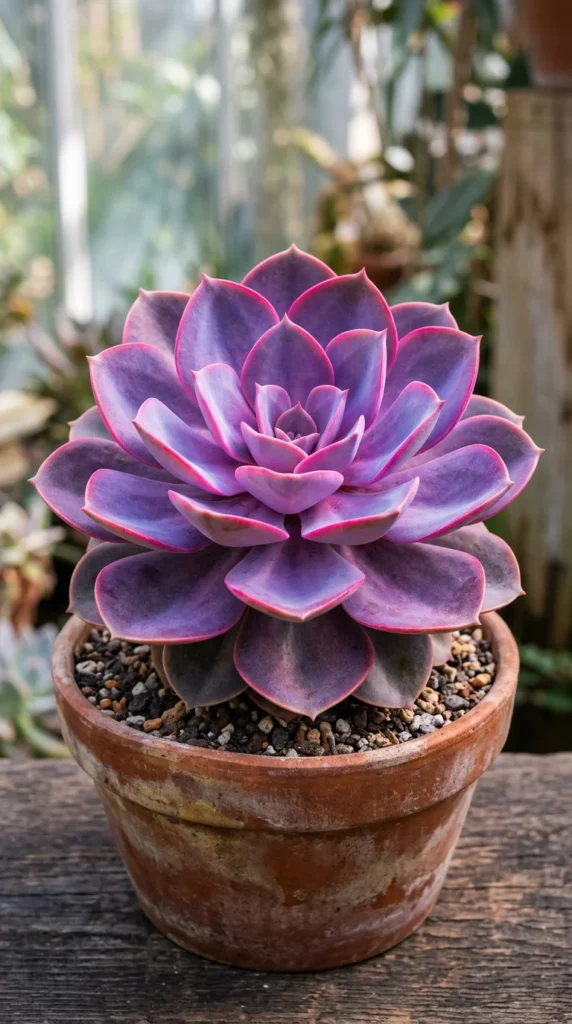
The ‘Perle von Nurnberg’ is perhaps the most famous pink-purple succulent. Its color is a direct result of light intensity. In the shade, it turns a dull blue-grey. To keep it pink, it requires at least 6 hours of bright light daily.
8. Ghost Plant
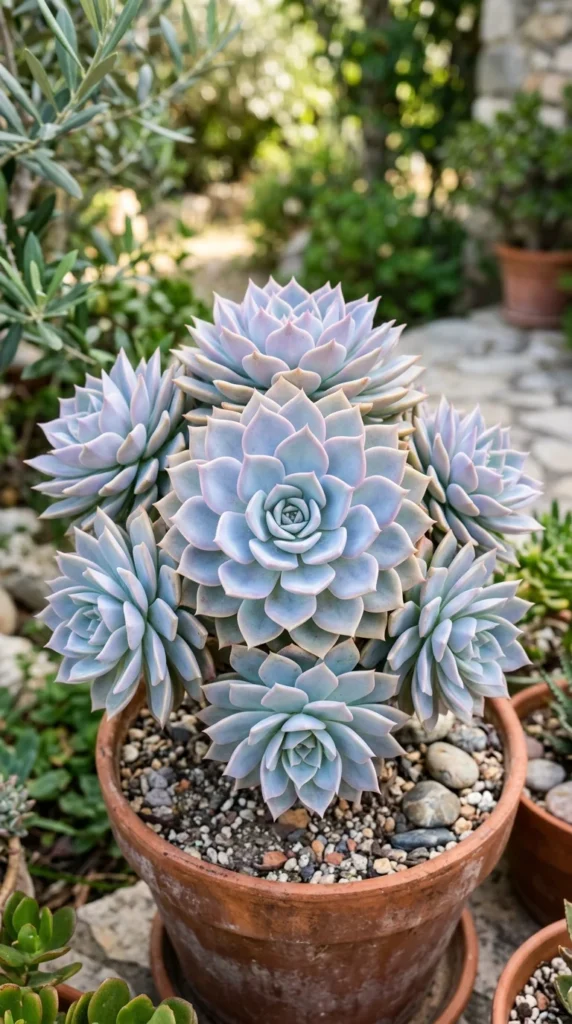
Graptopetalum paraguayense, or the Ghost Plant, changes color based on its environment. In the heat and sun, it takes on a yellowish-pink hue. In the shade, it turns bluish-grey. If your Ghost Plant is turning pink, it is perfectly happy and well-lit.
9. Anacampseros Rufescens
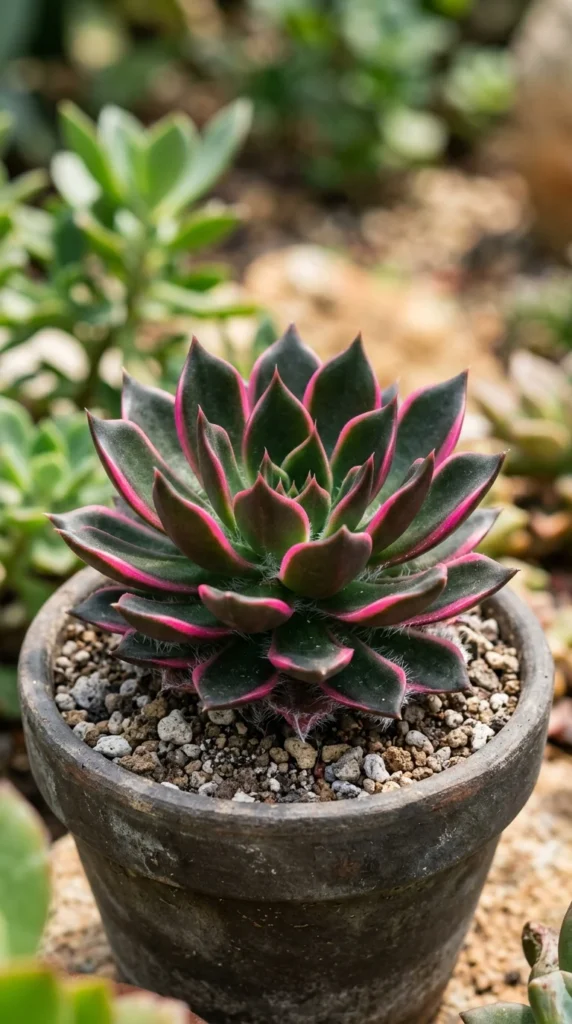
This plant is a master of camouflage. The top of the leaves may stay dark green to maximize photosynthesis, while the undersides and edges turn a shocking pink. This usually happens when the plant is grown in bright light or slightly sandy, nutrient-poor soil.
10. Echeveria Afterglow
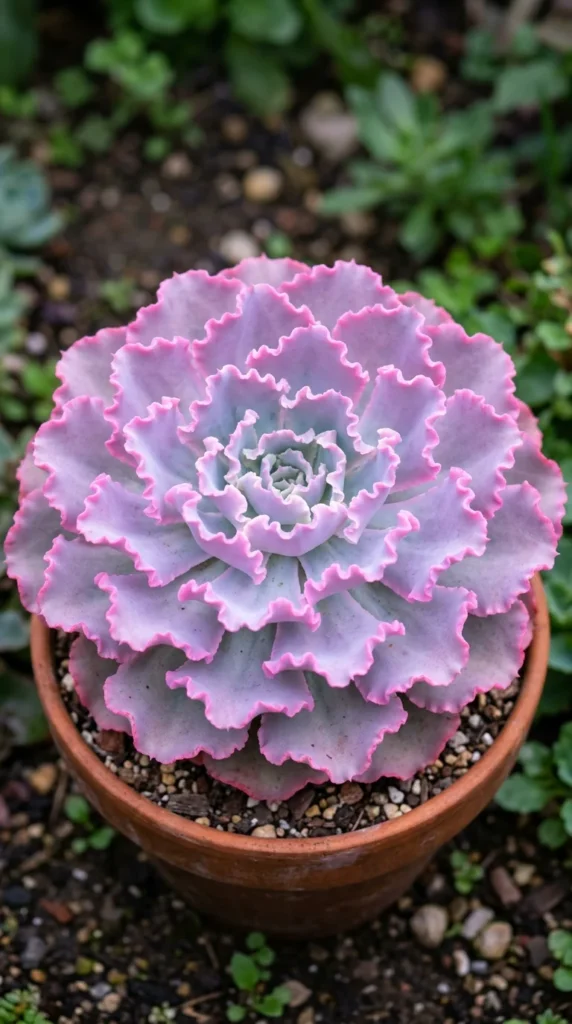
‘Afterglow’ is prized for its neon-pink leaf edges. This pink “glow” is a sign that the plant is healthy. If the pink edges begin to brown or crisp, the plant may be experiencing “sunburn” rather than “sun stress,” and should be moved to a slightly shadier spot during peak afternoon hours.
11. Pink Beauty
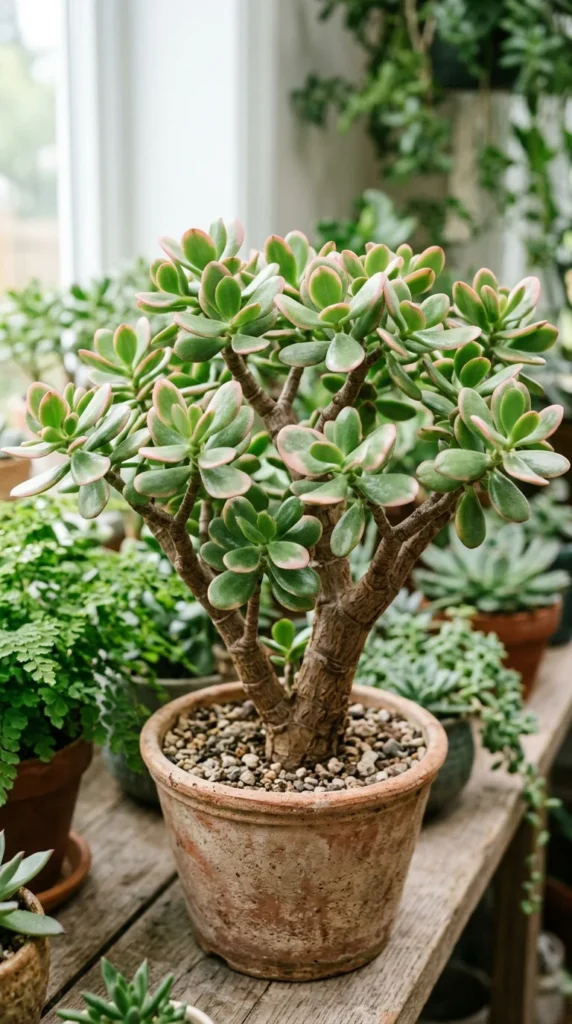
Crassula ovata ‘Pink Beauty’ is a variation of the traditional Jade plant. While most Jades stay green, ‘Pink Beauty’ produces star-shaped pink flowers and pink-tipped leaves when kept in cool, bright conditions during the winter.
12. California Sunset
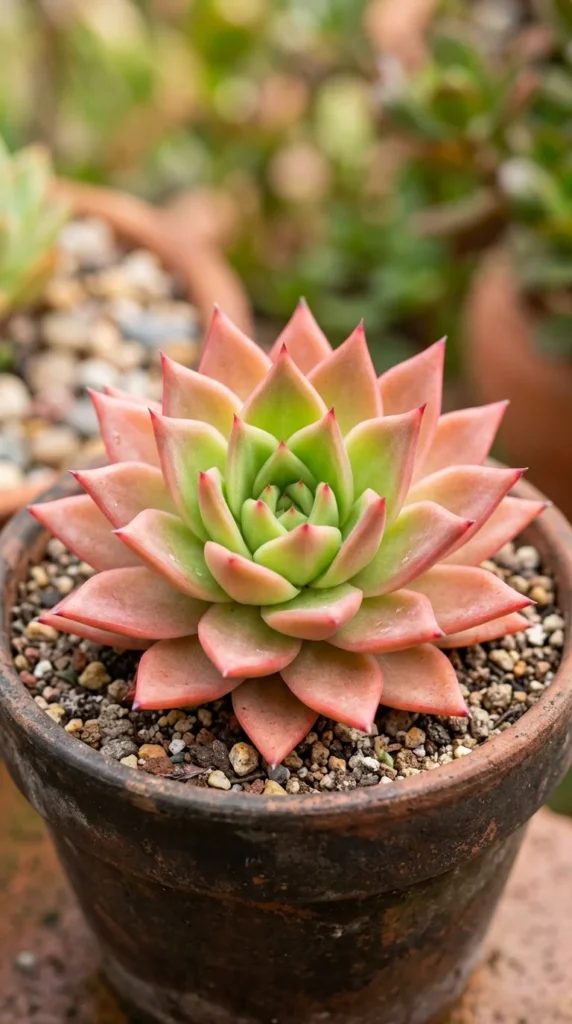
Graptosedum ‘California Sunset’ mimics the colors of a dusk sky. The pinker the leaves, the more “stressed” (in a good way) the plant is. If the plant turns entirely green, it is “etiolating” and searching for more light.
13. Agavoides Romeo
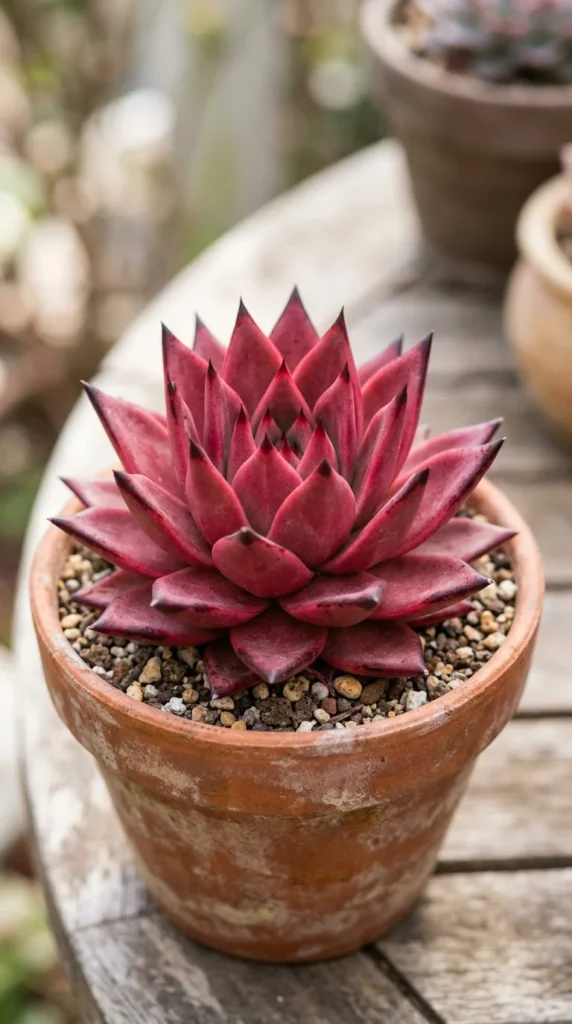
Echeveria agavoides ‘Romeo’ is unique because it stays pinkish-red year-round. However, if the pink becomes dull or the leaves feel soft, it could indicate an issue with drainage or a lack of light.
14. Graptopetalum Mendozae
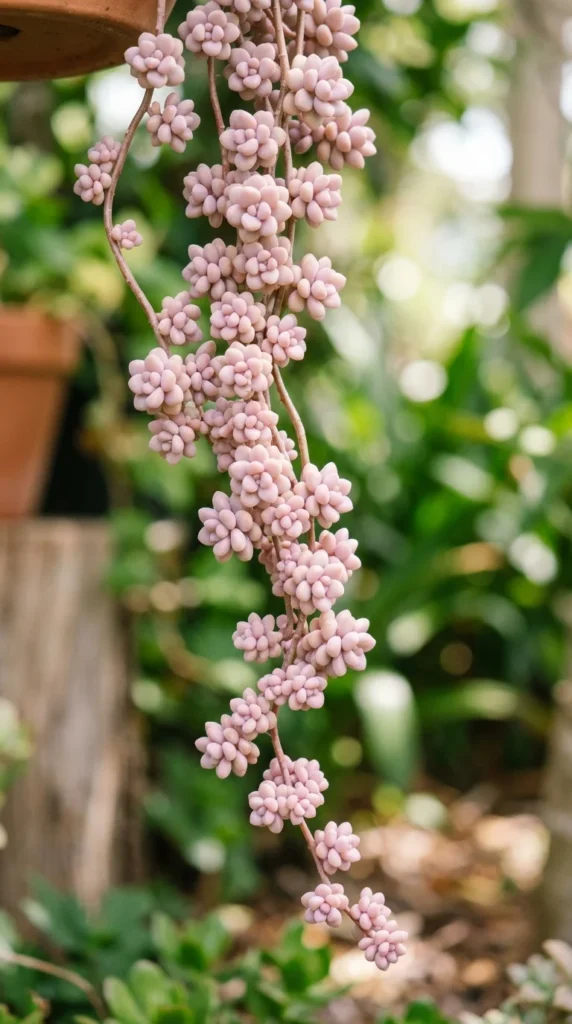
This is a miniature succulent that turns a creamy pink when exposed to direct sun. Because the leaves are so small, they can dry out quickly. If the pink leaves start to wrinkle, it’s time for a deep watering.
15. Cotyledon Orbiculata
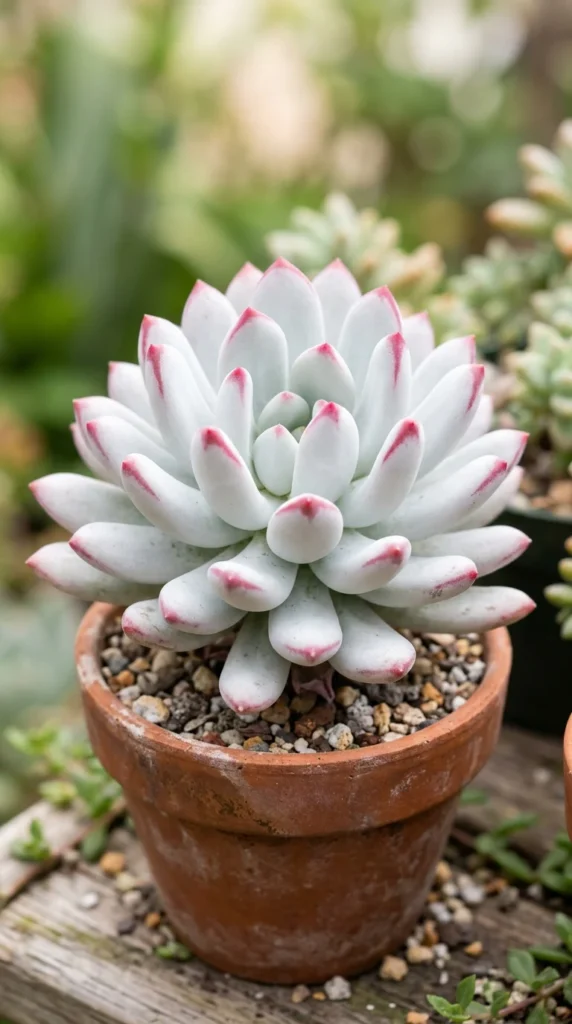
Commonly known as Pig’s Ears, this plant turns pink along the margins. This is a protective measure. If the pink line disappears, the plant is likely in a low-light environment and may become leggy.
16. Little Missy
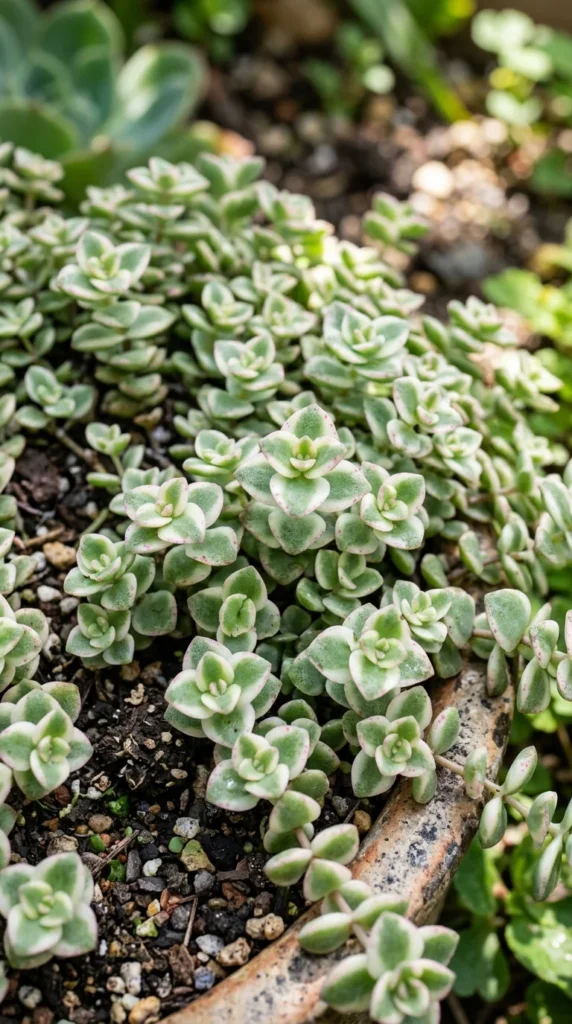
Sedum ‘Little Missy’ is a dainty creeper. The pink spots appear most vividly in the spring and summer. If the pink disappears and the plant turns solid green, it is losing its variegation due to low light.
17. Pacific Blue Ice
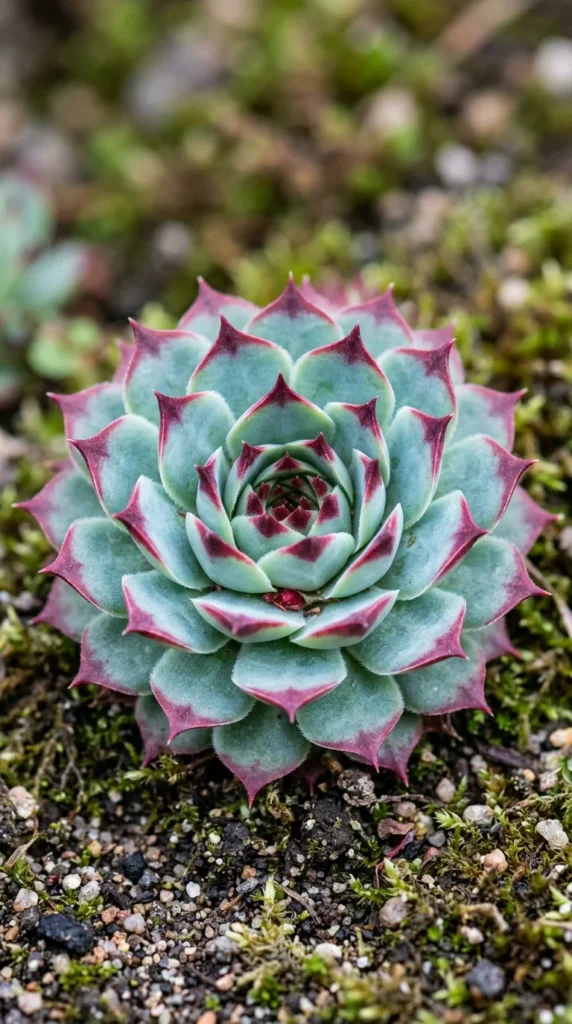
Sempervivums (Hen and Chicks) are known for seasonal color changes. ‘Pacific Blue Ice’ turns pink primarily in response to cold temperatures. If you see this pink hue in winter, the plant is entering its natural dormant state.
18. Pink Champagne
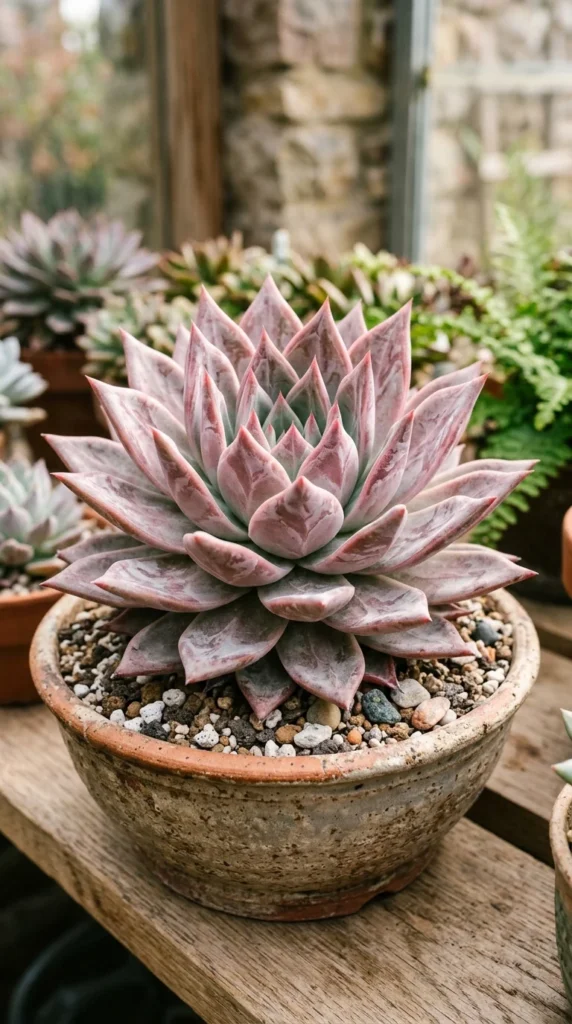
Echeveria ‘Pink Champagne’ is a hybrid that showcases a stunning geometric pattern. The pink color intensifies during the transition from autumn to winter. It is one of the more cold-hardy Echeverias, using pink pigments to survive lower temperatures.
19. Variegated Calico Kitten
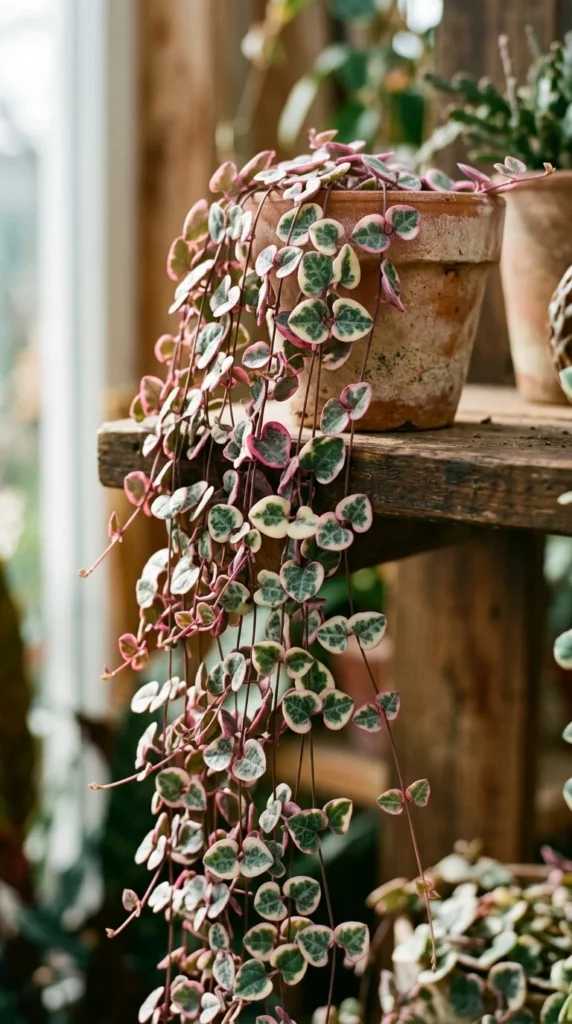
Crassula pellucida ‘Variegata’ is a colorful trailing plant. The pink is most prominent on the new growth. If the pink turns brown, the plant may be getting too much direct, scorching sun and needs a bit of bright shade.
20. Firesticks
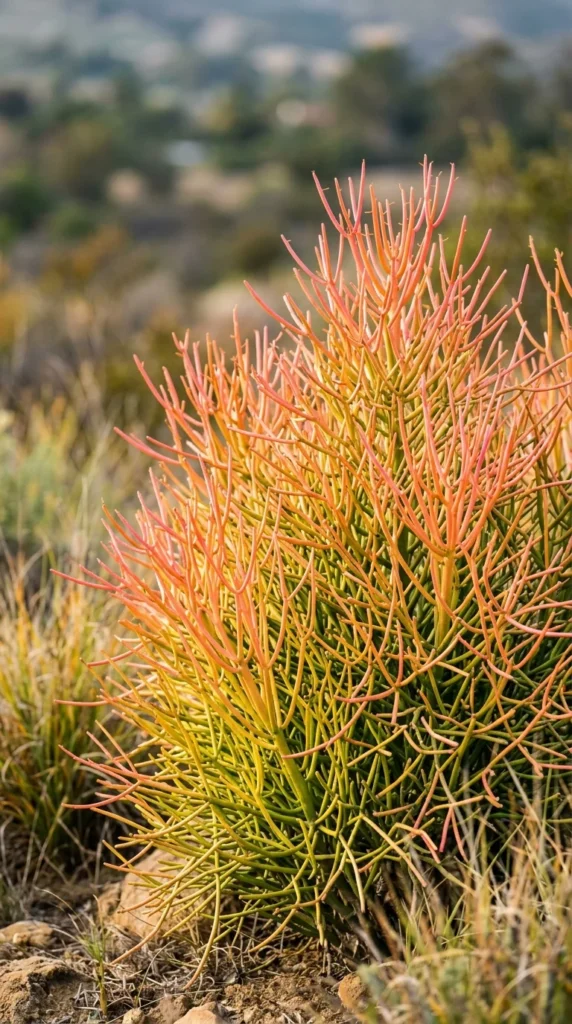
Euphorbia tirucalli ‘Firesticks’ turns pink and orange in response to bright sun and low water. Caution is advised with this plant: the sap is toxic. The pink color is a sign that the plant is “hardened” to its environment.
21. Variegated String of Pearls
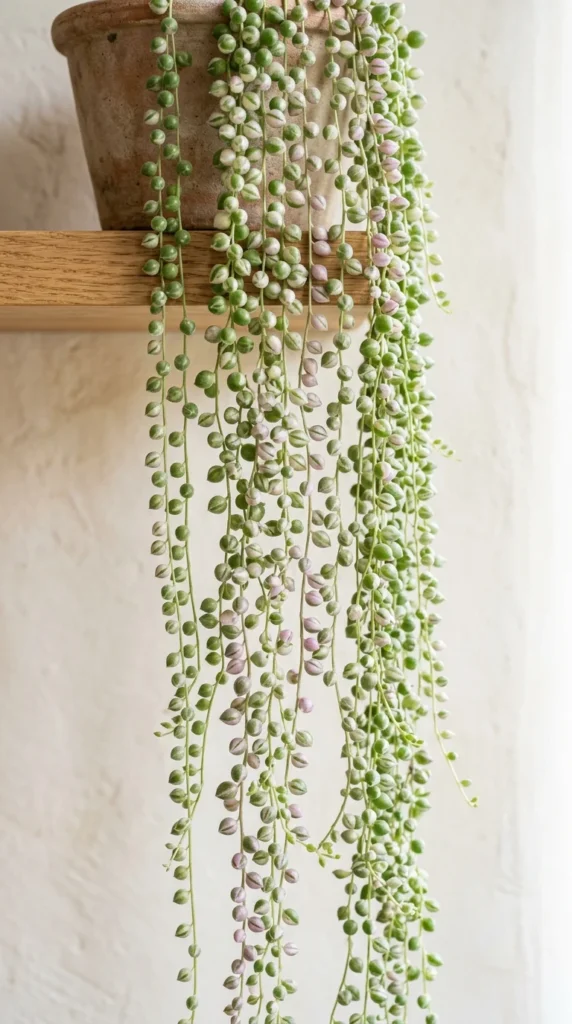
The variegated version of Senecio rowleyanus turns pink when exposed to bright, indirect light. Unlike other succulents, “String of Pearls” are sensitive; if the pink pearls begin to shrivel, they are likely thirsty.
22. Graptoveria Debbie
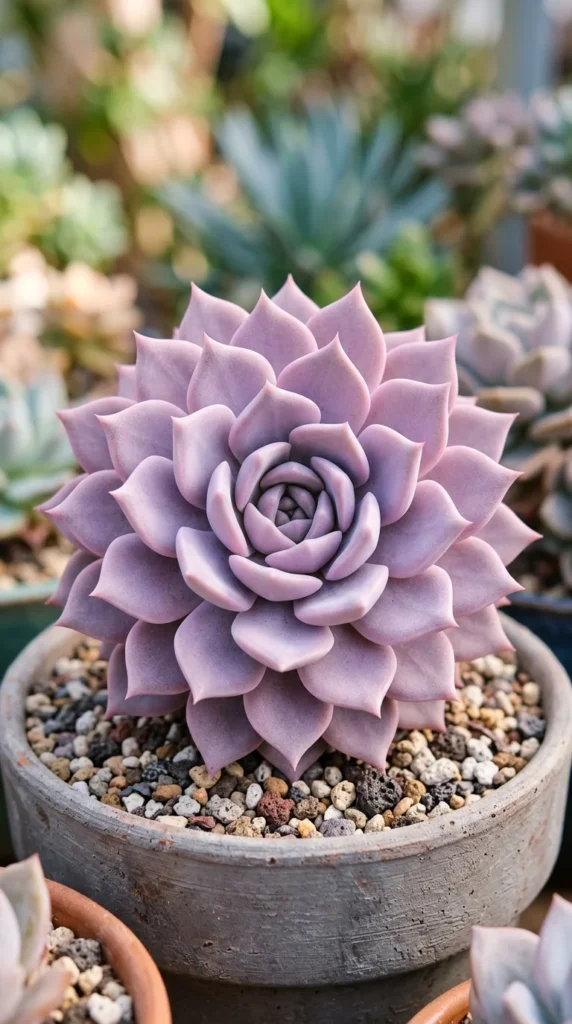
‘Debbie’ is one of the few succulents that stays relatively pink/purple all year. If it turns green, it is a definitive sign of light deprivation. This plant thrives on “neglect” and bright light.
23. Dusty Rose
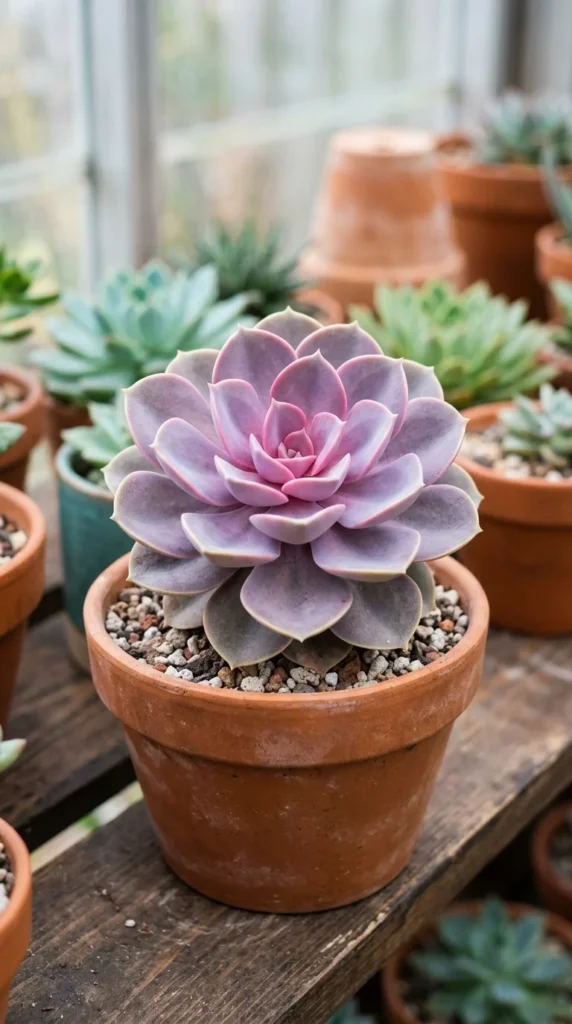
Echeveria ‘Dusty Rose’ has a natural violet-pink hue. If the pink becomes more intense and the leaves curl inward, the plant is trying to protect its core from too much heat or light—a sign to perhaps provide a little afternoon shade.
24. Variegated Lavender Scallops
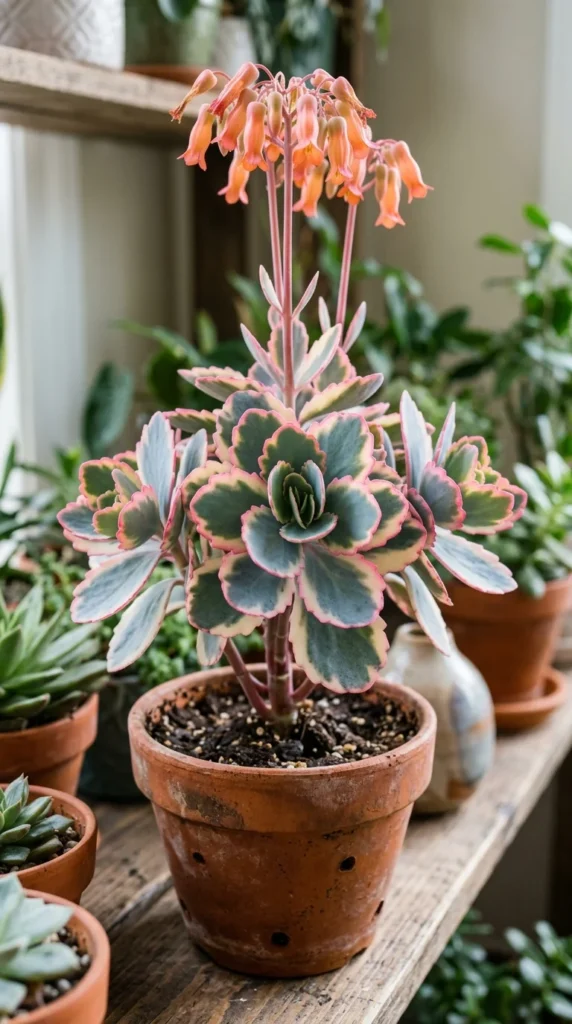
Kalanchoe fedtschenkoi ‘Variegata’ produces tiny “plantlets” along the edges of its leaves. These plantlets and the leaf margins turn bright pink when the plant is slightly under-watered or kept in bright light.
25. Pink Witch
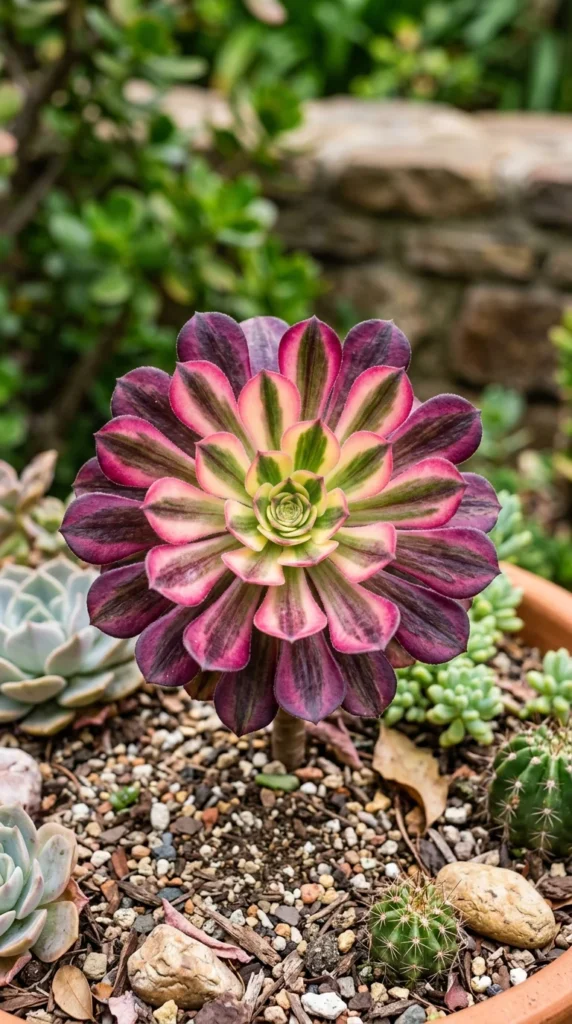
Aeonium ‘Pink Witch’ is a rare and sought-after cultivar. Its pink color is genetic but is highlighted by light. Unlike many others, Aeoniums go dormant in the summer, so if it turns pink and the rosette “closes up” in July, it’s just resting.
26. Echeveria Rainbow
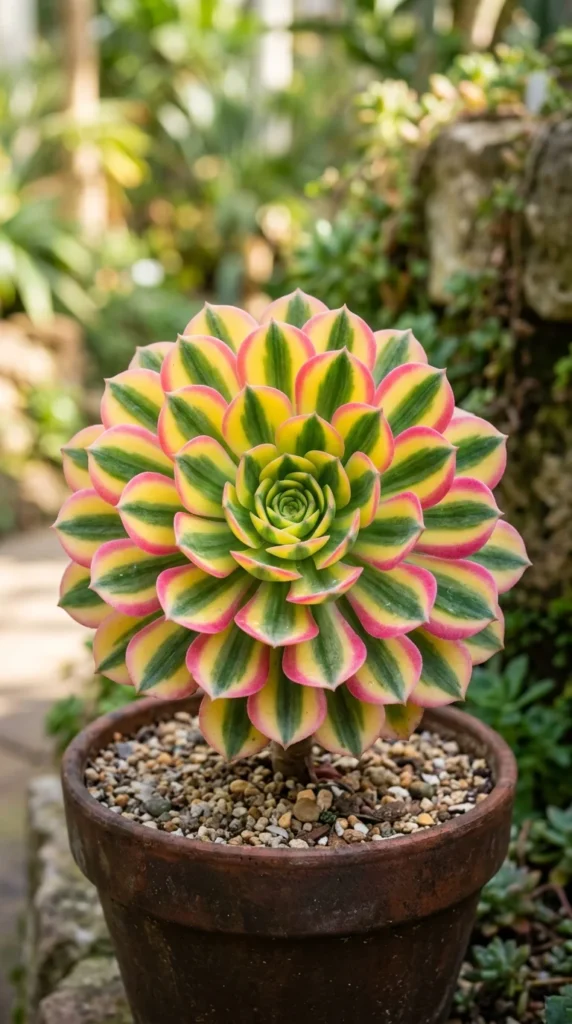
The ‘Rainbow’ is a variegated version of Echeveria ‘Perle von Nurnberg.’ It is highly sensitive to light. The pink bands are the “variegated” parts that lack chlorophyll. These areas are more prone to sunburn, so monitor the pink closely for dark spots.
27. Powder Puff
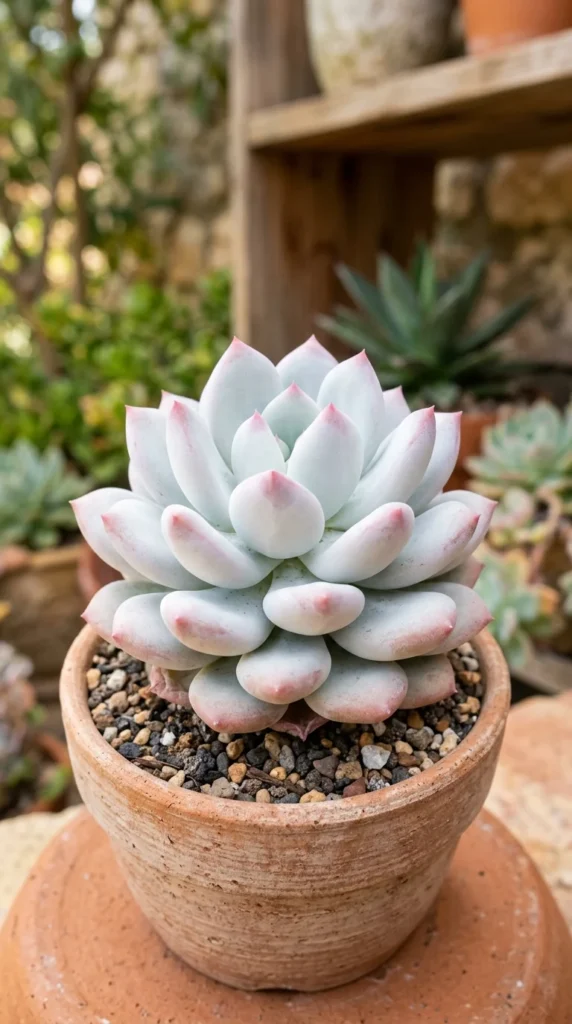
Pachyveria ‘Powder Puff’ (also known as ‘Exotica’) turns pink at the tips when it is happy. The pink is a beautiful contrast to its silvery-blue body. If the pink starts to fade, it’s a sign the plant needs more “blue” spectrum light from the sun.
28. Graptopetalum Ellen
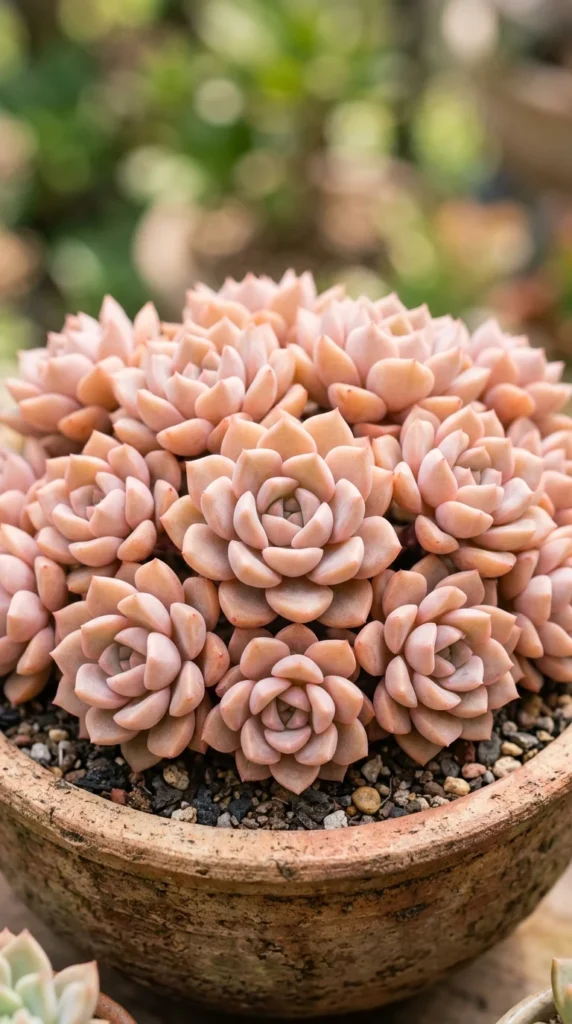
‘Ellen’ is a charming, prolific grower. It turns a beautiful melon-pink under stress. If the plant begins to drop its pink leaves easily, it may be a sign of overwatering rather than sun stress.
What to Do Next: A Care Summary
When your succulent turns pink, follow these steps to ensure it remains healthy:
- Check Leaf Texture: If the pink leaves are firm and plump, the plant is “happily stressed.” If they are wrinkled or soft, the pink color is a sign of dehydration or root issues.
- Monitor Light Levels: Pink is usually good, but “crispy” brown edges on pink leaves mean the sun is too intense. Provide a sheer curtain or move the pot a few feet back from the window.
- Temperature Watch: If the pink appeared suddenly during a cold snap, check if the species is frost-hardy. Some succulents (like Sempervivums) love the cold, while others (like Echeverias) might suffer tissue damage.
- Hold the Fertilizer: Stress colors are often more vibrant in nutrient-poor soil. If you want to keep the pink hues, avoid high-nitrogen fertilizers, which encourage lush green growth at the expense of colorful pigments.
- Watering Schedule: Succulents show their best colors when the “soak and dry” method is used. Allow the soil to dry out completely before watering again to maintain that beautiful pink blush.