
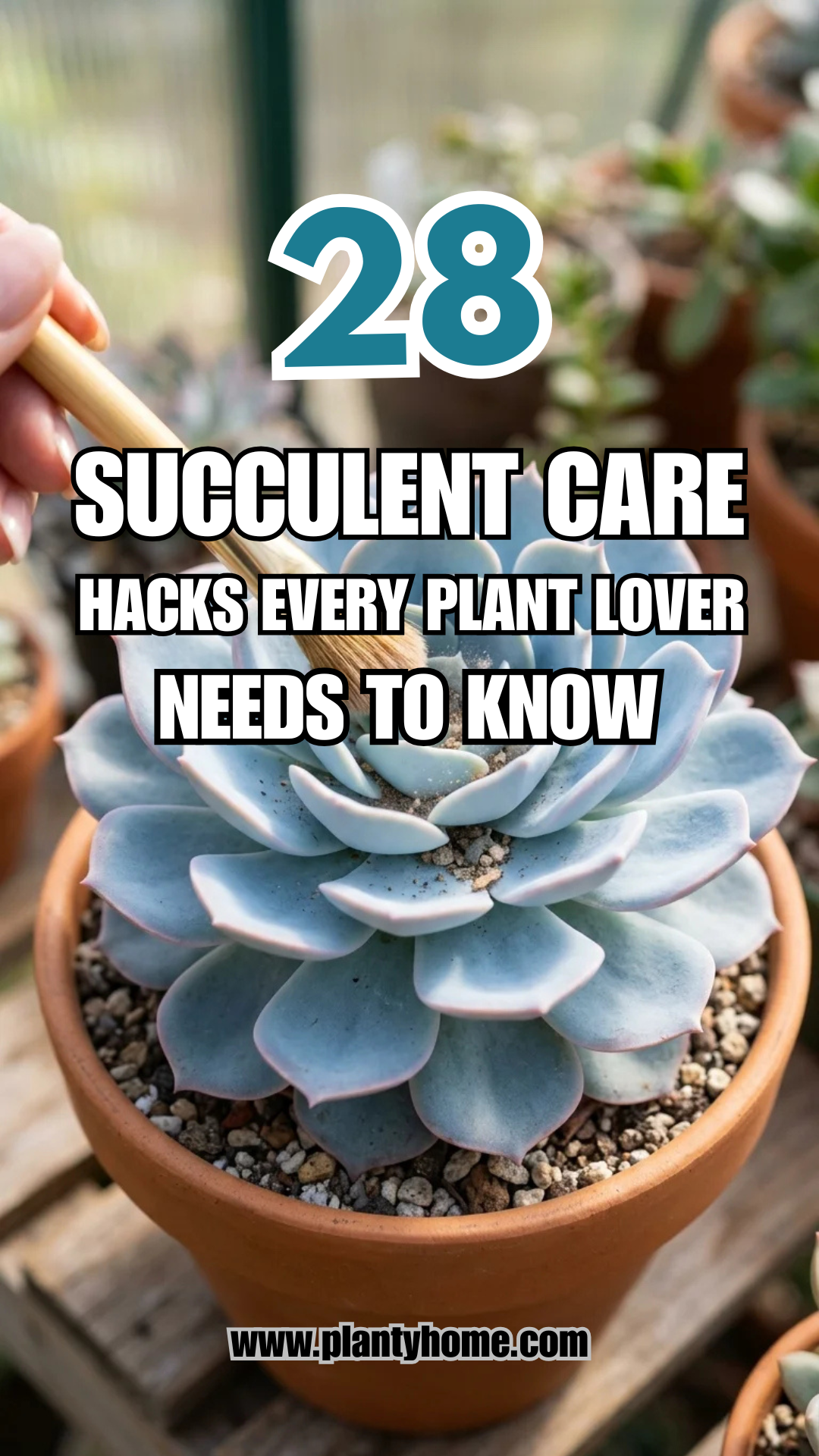
Succulents have earned a reputation as the “unkillable” plants of the horticultural world, but any enthusiast who has watched a beloved Echeveria turn to mush or a Jade plant drop its leaves knows that they require a specific touch. These desert-dwelling beauties are masters of storage and efficiency, but when brought into the home environment, they face challenges like low light, stagnant air, and the well-intentioned over-watering of their owners. To help your collection thrive rather than just survive, here are 28 essential hacks that cover everything from propagation to pest control.
1. Sunlight
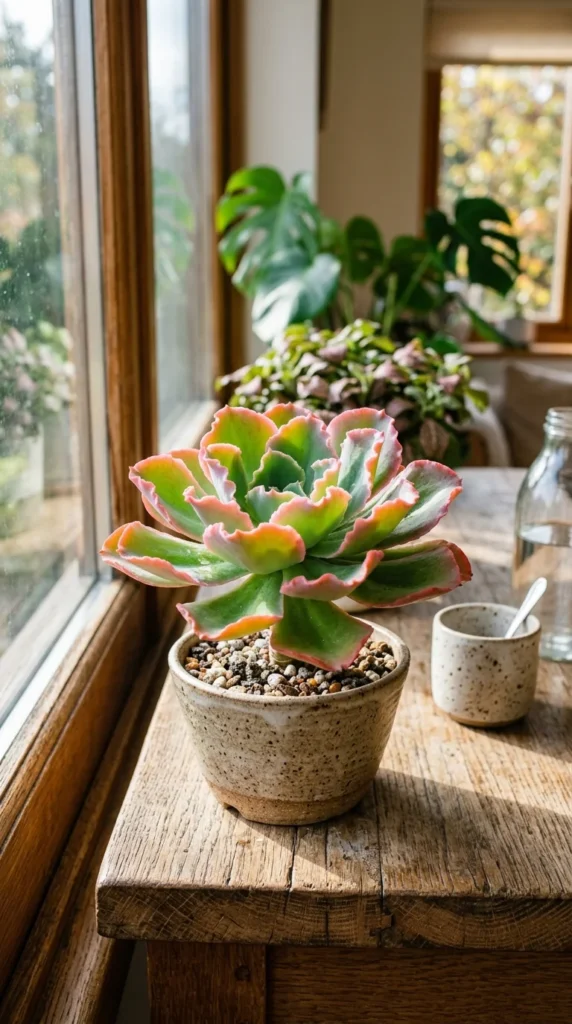
Succulents are solar-powered organisms. Most varieties require at least six hours of bright, indirect sunlight daily to maintain their compact shape and vibrant “stress colors.” If your succulent is starting to stretch toward the window—a process known as etiolation—it is telling you it’s hungry for more light. Place them in south-facing windows for the best exposure, but be careful with direct summer sun, which can actually cause “sunburn” patches on the leaves.
2. Drainage
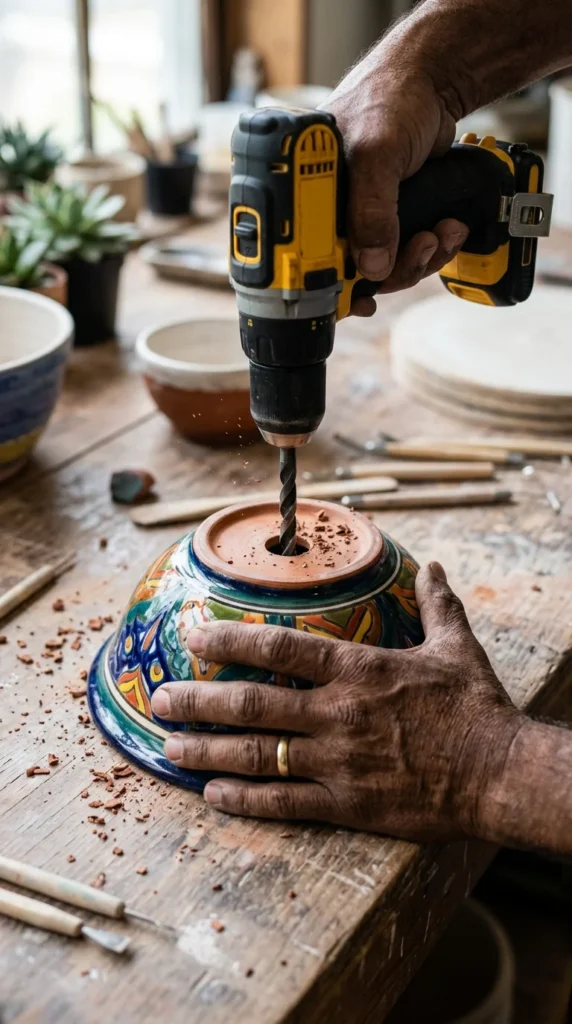
The single most common cause of succulent death is root rot caused by standing water. To prevent this, every pot must have a drainage hole. If you find a beautiful vintage tea tin or a ceramic bowl without one, use a diamond-tipped drill bit to carefully create a hole in the bottom. This allows excess water to escape, ensuring the roots stay oxygenated and dry between waterings.
3. Terracotta
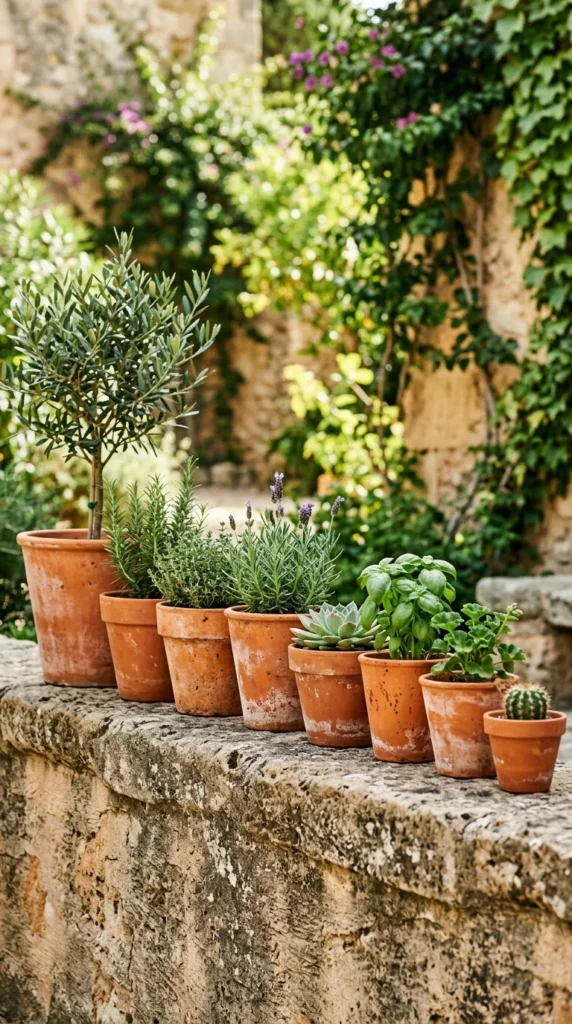
While plastic and glazed ceramic pots are popular, terracotta remains the best friend of the succulent lover. The porous nature of unglazed clay allows moisture to evaporate through the walls of the pot, not just the top of the soil. This “breathing” quality helps the soil dry out much faster, which is critical for preventing the fungal growth that leads to rot.
4. Soak-and-Dry
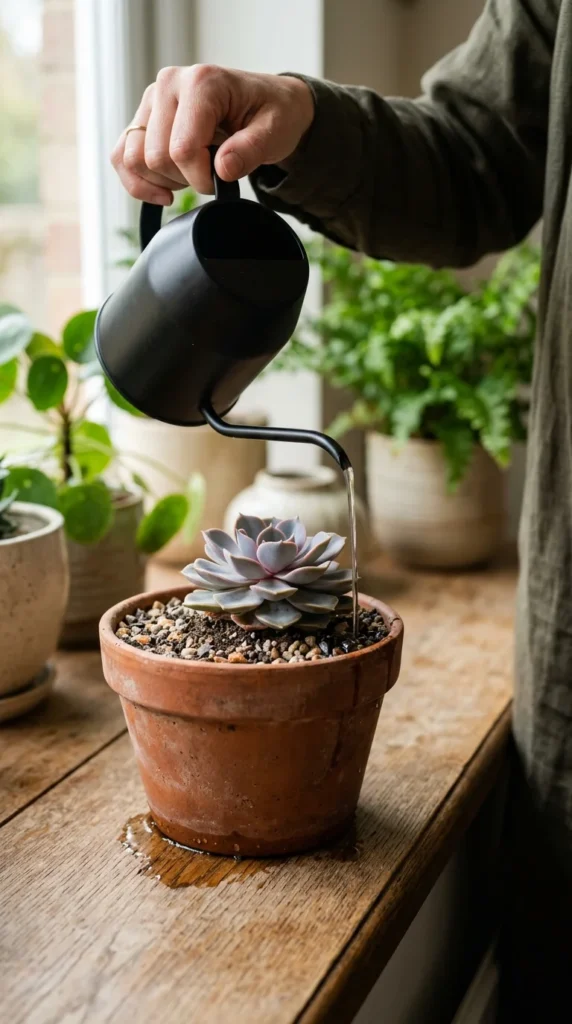
Forget the spray bottle. Succulents prefer a “deluge and drought” cycle that mimics their natural environment. Instead of giving them frequent sips of water, wait until the soil is bone-dry all the way to the bottom. Then, soak the soil thoroughly until water runs out of the drainage holes. This encourages the roots to grow deep and strong as they seek out moisture.
5. Rotation
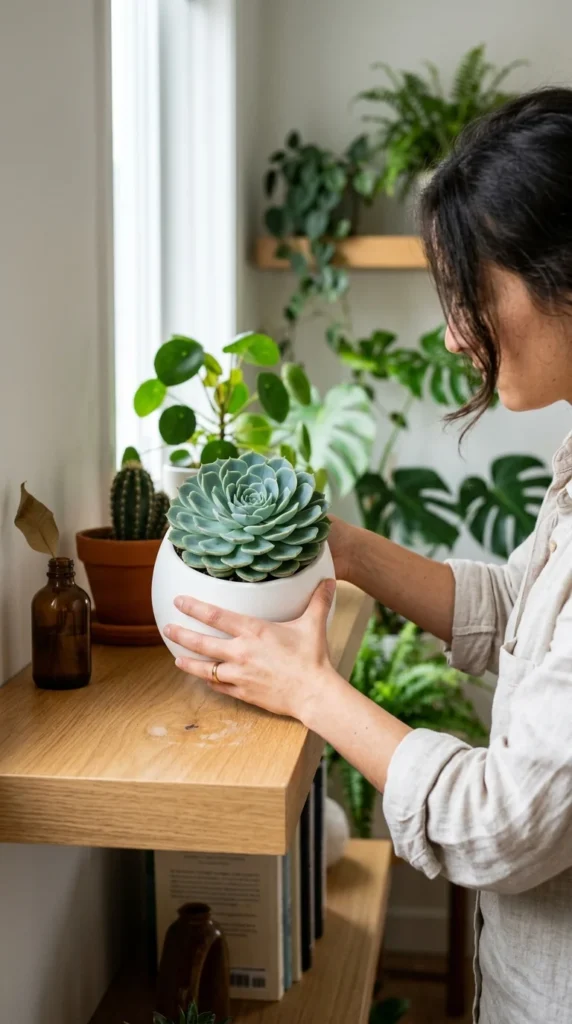
Succulents are phototropic, meaning they grow toward the light. If a plant stays in one position for too long, it will begin to lean or grow lopsided. To keep your rosettes perfectly symmetrical and your upright plants standing tall, give the pot a quarter-turn every time you water. This ensures all sides of the plant receive equal energy.
6. Pumice
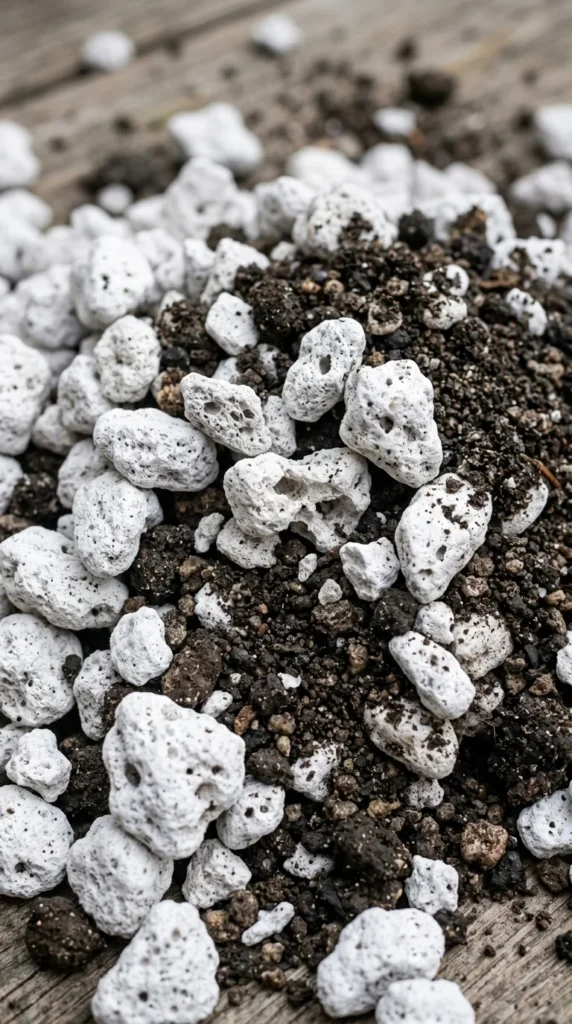
Standard potting soil is often too heavy and retains too much moisture for succulents. To hack your soil mix, add a generous amount of pumice or perlite. Aim for a 50/50 ratio of organic potting soil to inorganic grit. This creates “air pockets” in the soil, allowing the roots to breathe and facilitating rapid drainage that mimics the rocky, sandy slopes where many succulents originate.
7. Rubbing Alcohol
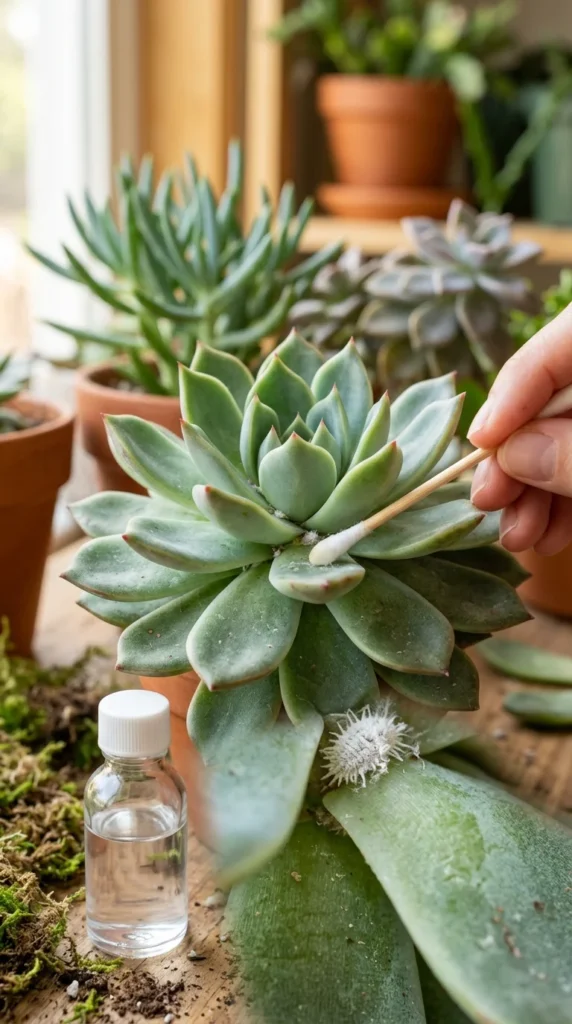
Mealybugs are the bane of succulent collectors, appearing as tiny white tufts of cotton in the nooks of the leaves. A quick hack to eliminate them without harsh pesticides is using 70% isopropyl alcohol. Dip a cotton swab in the alcohol and dab it directly onto the pests. The alcohol dissolves their waxy coating and kills them instantly without harming the plant’s foliage.
8. Beheading
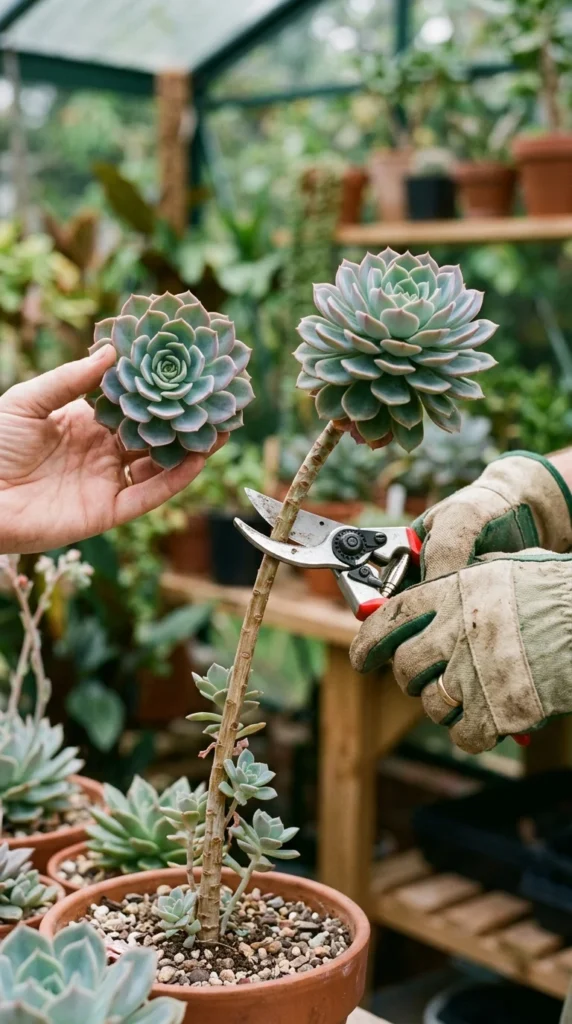
When a succulent becomes “leggy” or stretched out due to lack of light, it won’t shrink back to its original size even if moved to a sunnier spot. The hack is “beheading.” Cut the healthy top rosette off, leaving about an inch of stem. Let it callous for a few days, then place it on dry soil. It will grow new roots, creating a compact new plant, while the original stem will often sprout multiple “pups” along its length.
9. Dormancy
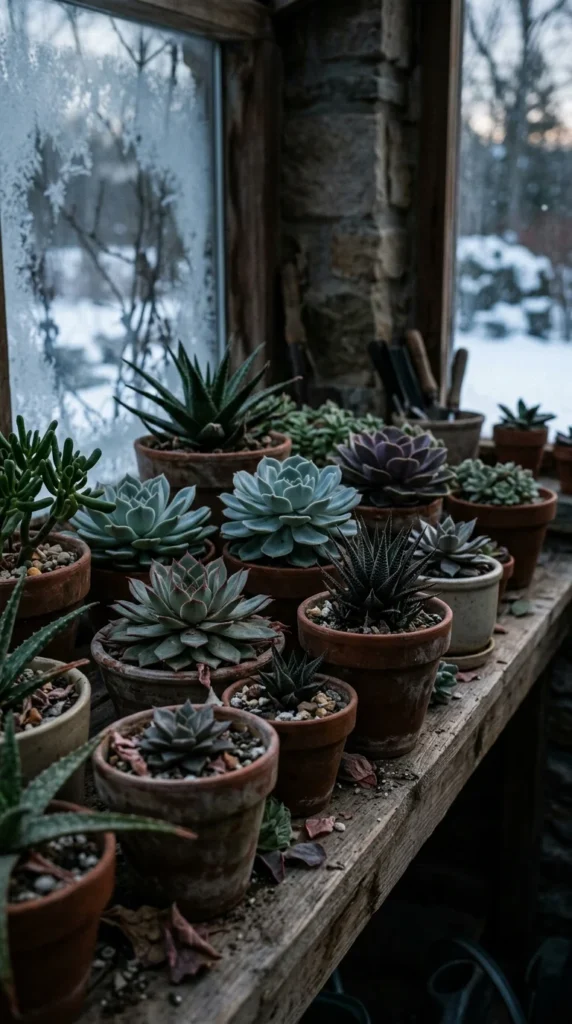
Most succulents go through a period of dormancy, usually in the winter. During this time, their metabolic processes slow down significantly, and they require very little water—sometimes only once every month or two. Research your specific species to find out if it is a summer or winter grower, and adjust your care accordingly to avoid over-taxing the plant during its rest phase.
10. Soft Brush
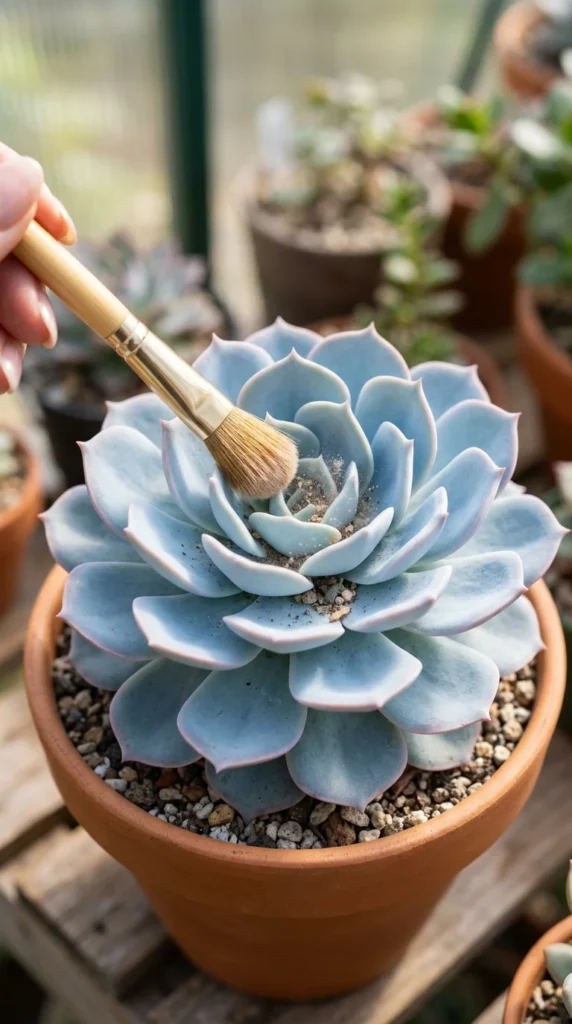
Succulent leaves can become dusty, which interferes with photosynthesis. However, many succulents have a delicate waxy coating called “farina” (epicuticular wax) that protects them from the sun. Using your fingers to clean them will rub this coating off and leave permanent fingerprints. Instead, use a soft, dry paintbrush to gently whisk away dust and cobwebs without disturbing the wax.
11. Bottom Watering
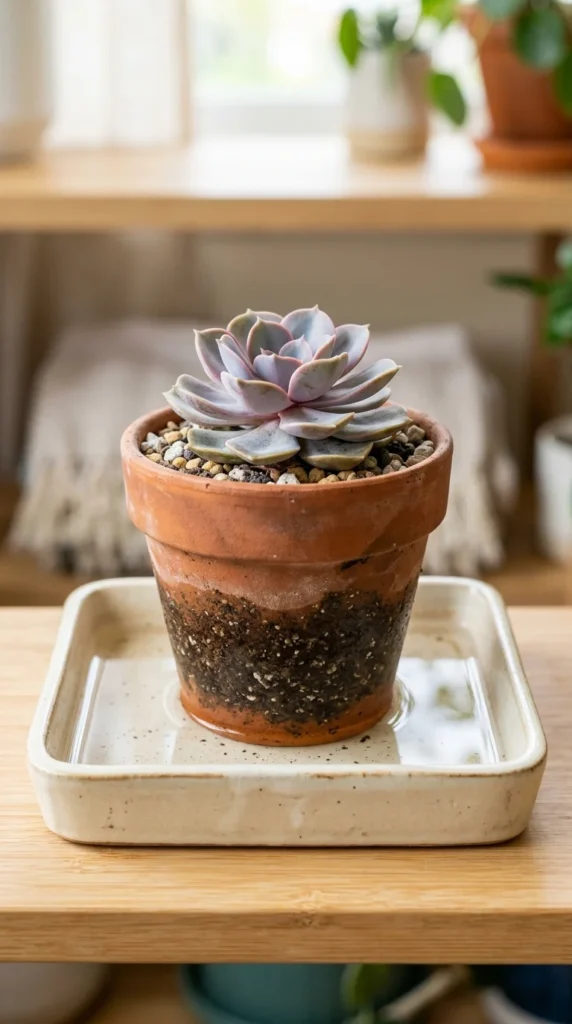
If your soil has become so dry that it has pulled away from the edges of the pot and become hydrophobic (repelling water), top-watering won’t work. The hack is bottom-watering. Place the pot in a tray or sink filled with a few inches of water and let it sit for 30 minutes. The soil will wick up moisture from the bottom, ensuring the root ball is thoroughly hydrated.
12. Rainwater
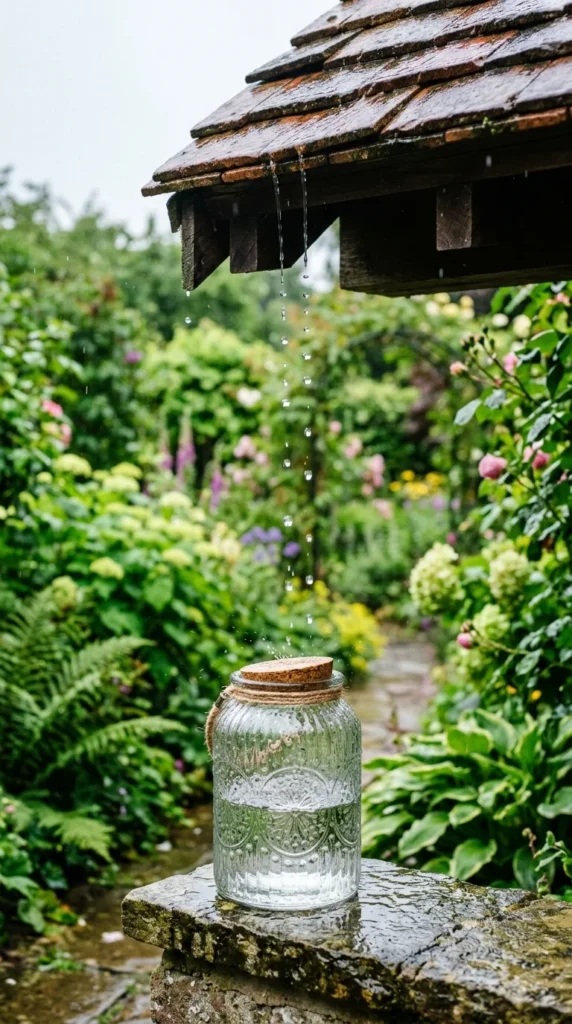
Tap water often contains minerals like calcium and magnesium, as well as chemicals like chlorine and fluoride, which can build up in succulent leaves and cause white spots or “edema.” Whenever possible, collect rainwater for your plants. Rainwater is naturally soft and slightly acidic, which is the ideal pH for nutrient absorption in succulents.
13. Cinnamon
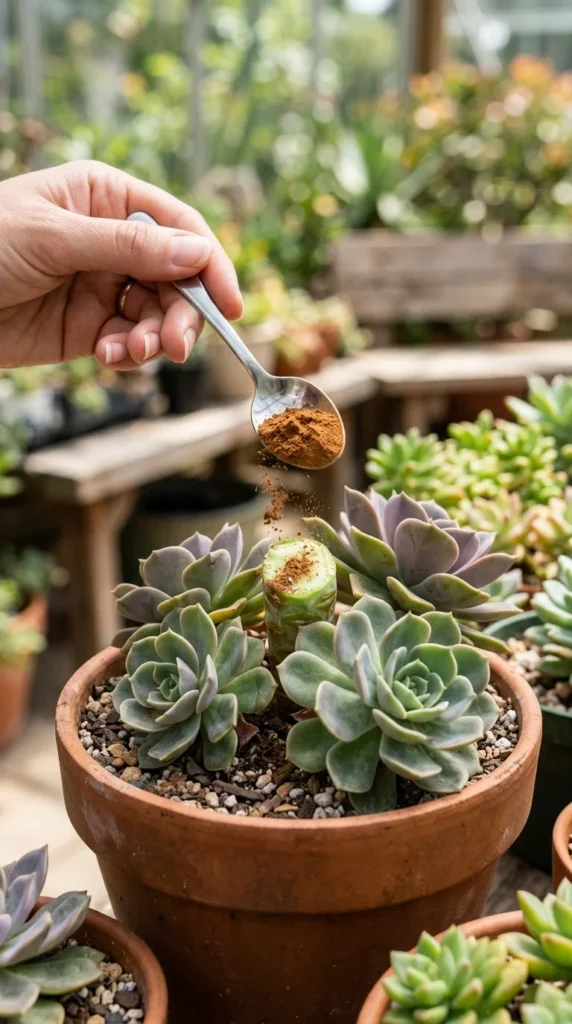
Cinnamon is a natural fungicide. When you take cuttings for propagation or accidentally break a leaf, dust the “wound” with a little bit of ground cinnamon. This helps the wound callous over more quickly and prevents fungal spores from entering the plant and causing rot. It’s a cheap, kitchen-cupboard hack that every gardener should use.
14. Top Dressing
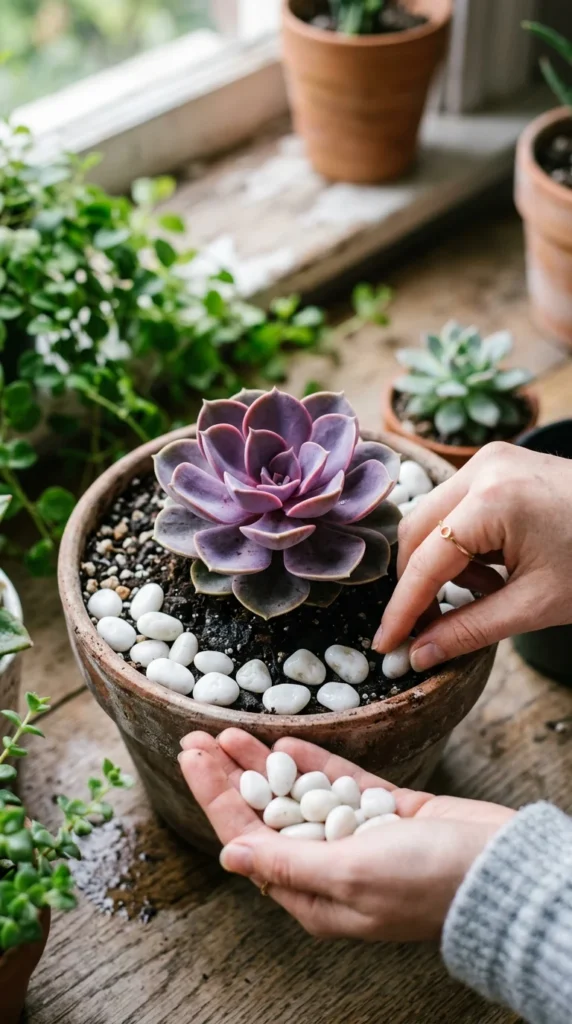
Adding a “top dressing” of small pebbles, gravel, or decomposed granite serves three purposes. First, it looks aesthetically pleasing and professional. Second, it keeps the bottom leaves of the succulent off the damp soil, preventing rot. Third, it prevents the light soil/perlite mix from splashing out or floating away when you water the plant.
15. Leaf Propagation
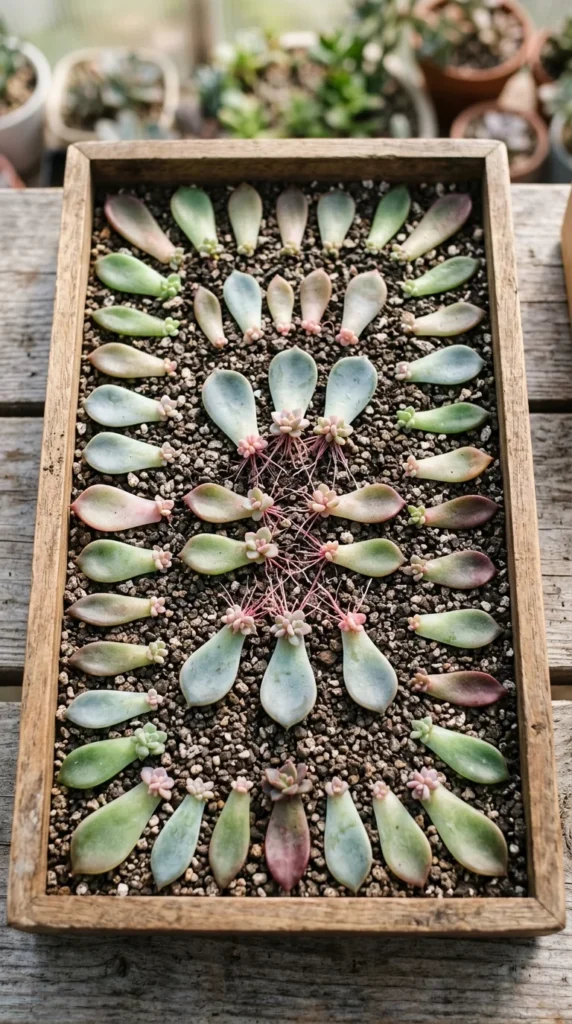
Succulents are nearly magical in their ability to regenerate. If a leaf falls off, don’t throw it away. Lay it on top of a tray of dry soil in a spot with indirect light. In a few weeks, the leaf will grow tiny pink roots and eventually a miniature version of the parent plant. Only once the original leaf has withered away should you begin watering the new “baby.”
16. Stem Propagation
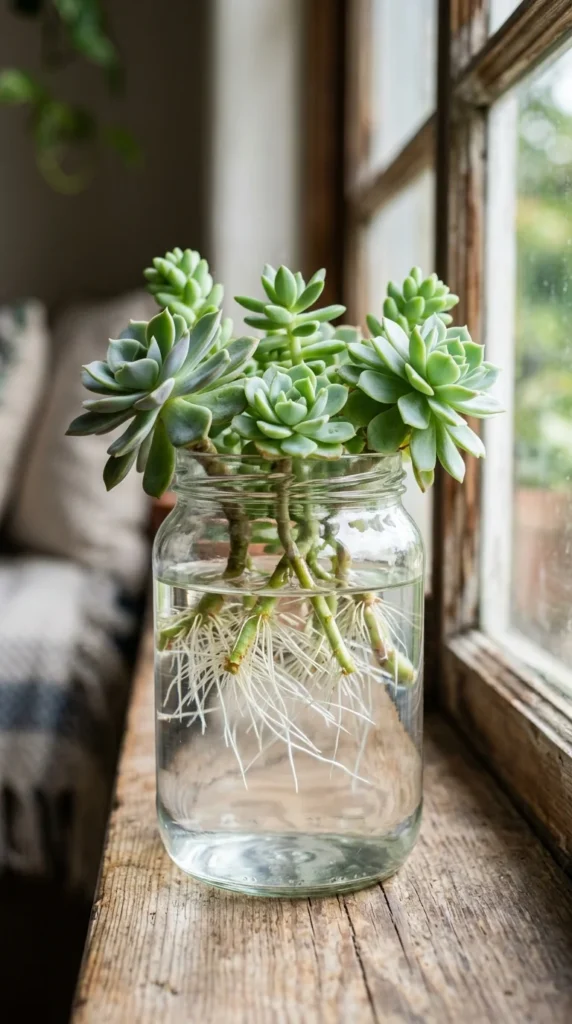
While leaf propagation is fun, stem propagation is much faster. If you have a multi-stemmed succulent, snip a branch off, remove the bottom few leaves, and let the stem dry for 48 hours. You can then place it in a jar of water (keeping the leaves dry) or stick it directly into dry soil. It will establish a root system in a fraction of the time a single leaf would take.
17. Grow Lights
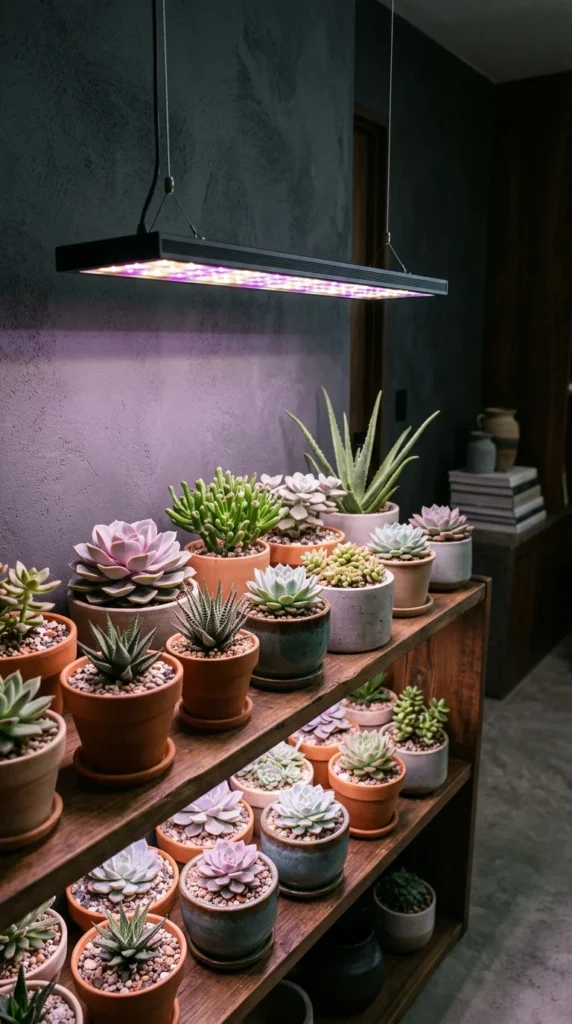
If you live in a basement apartment or a region with long, dark winters, grow lights are a necessity. Modern LED grow lights are energy-efficient and can be set on timers. For succulents, look for “full spectrum” lights that provide the blue and red wavelengths necessary for both growth and “stress coloring,” keeping your plants compact and vibrant year-round.
18. Avoid Misting
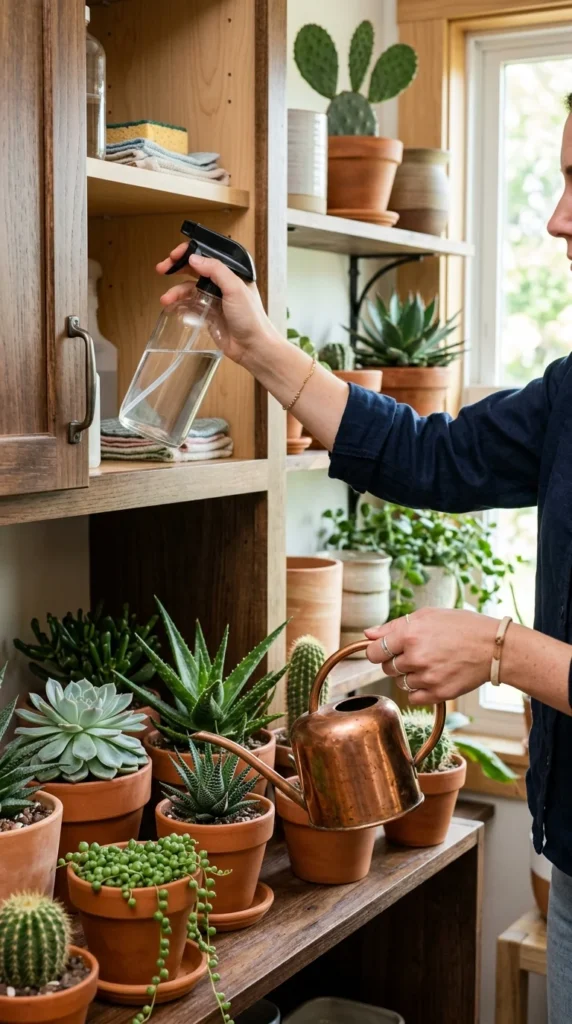
Misting is great for tropical ferns, but it is a death sentence for most succulents. Water trapped in the tight crevices of a rosette can lead to fungal rot overnight. Furthermore, succulents absorb water through their roots, not their leaves. Misting creates a humid environment that encourages pests like gnats and prevents the soil from drying out as it should.
19. Pot Size
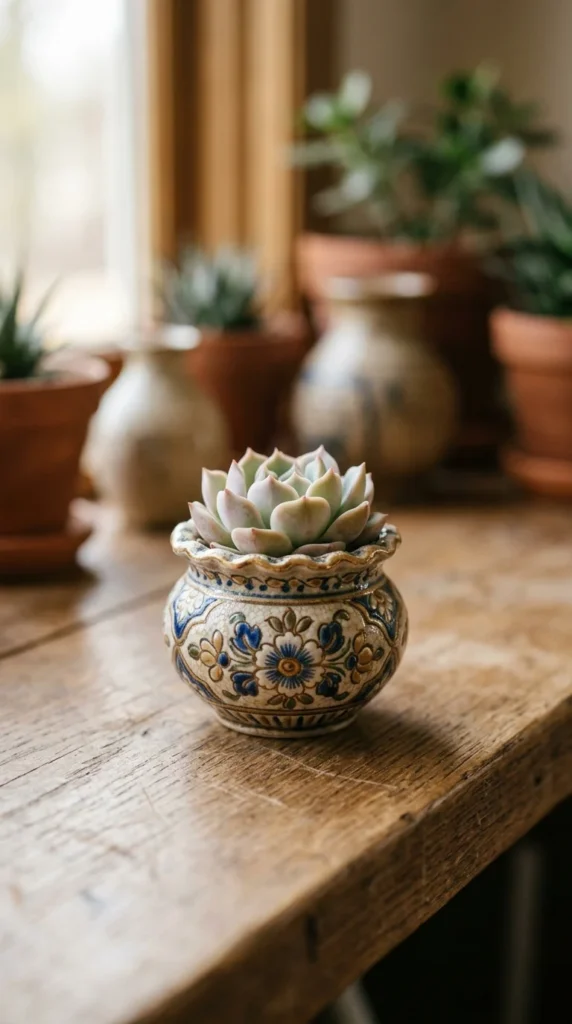
It is tempting to put a small succulent in a large pot to give it room to grow, but this is a mistake. A large pot holds more soil, which holds more water. If the plant’s root system isn’t large enough to drink all that water, the soil stays wet for too long. Choose a pot that is only about an inch or two wider than the plant itself to ensure the soil dries out efficiently.
20. Fertilizer
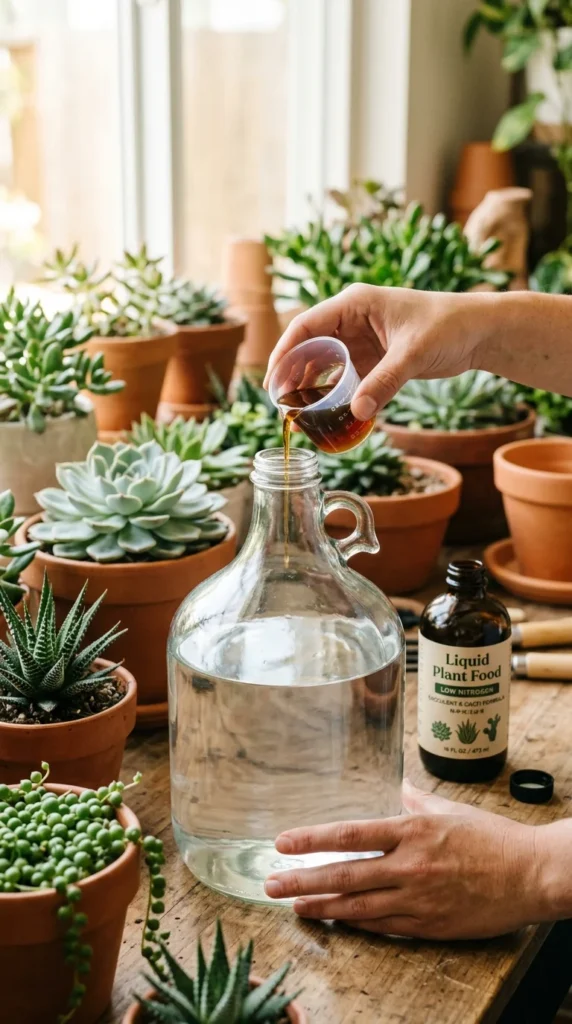
Succulents are slow growers and don’t need much food. However, a little boost during the growing season (spring and summer) can help them bloom. Use a balanced fertilizer diluted to half or even quarter strength. Avoid high-nitrogen fertilizers, which can cause rapid, “floppy” growth that leaves the plant vulnerable to pests and disease.
21. Airflow
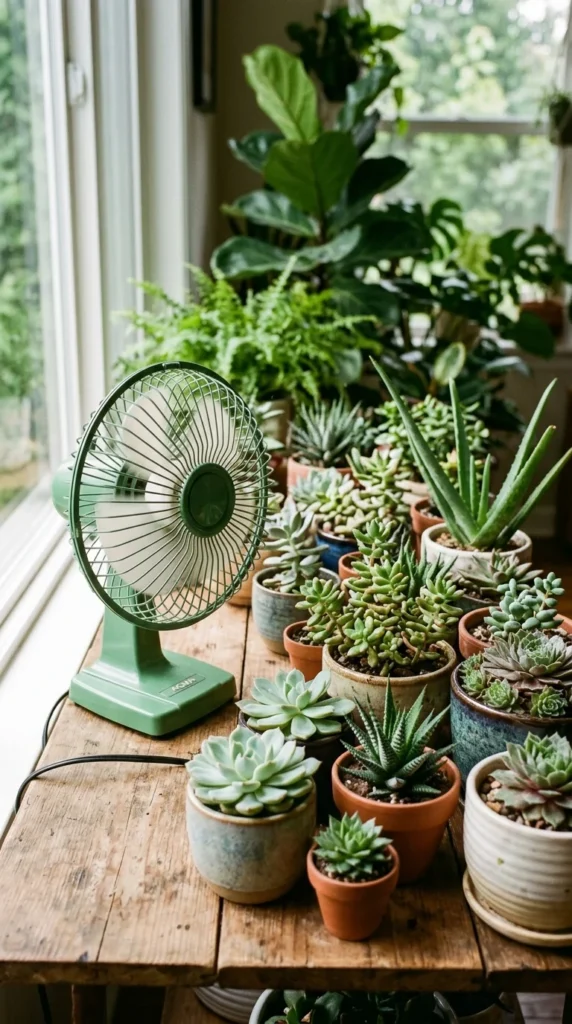
In their native habitats, succulents are often exposed to breezy conditions. In a home, air can become stagnant, which is a breeding ground for mold and pests. If your plants are grouped closely together, use a small fan to circulate the air. Improved airflow helps moisture evaporate from the soil surface and keeps the plant’s “skin” tough and healthy.
22. Gentle Repotting
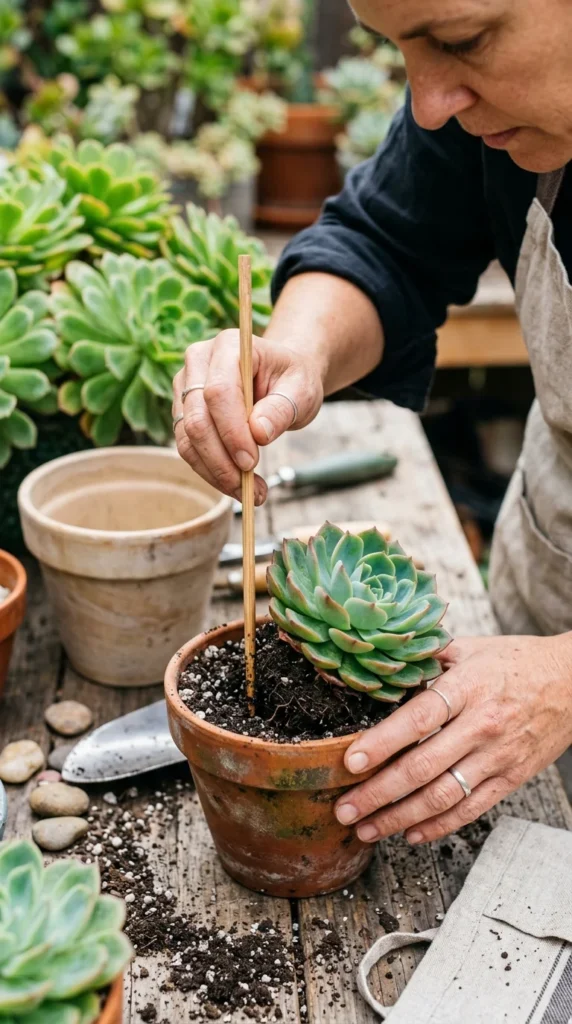
Succulent roots can be surprisingly delicate. When it’s time to repot, don’t pull the plant out by its leaves. Instead, use a chopstick or a dull butter knife to loosen the soil around the edges of the pot. Gently tip the pot over and let the plant slide out. If the roots are tightly bound, massage them very gently to encourage them to spread out in their new home.
23. Wrinkled Leaves
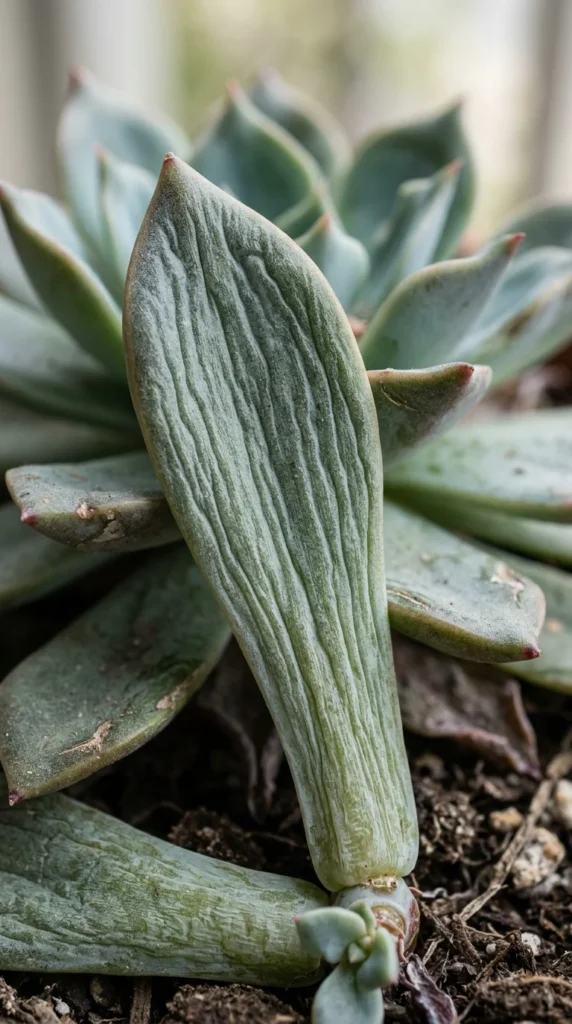
Learning to “read” your plant is the ultimate hack. If the bottom leaves of your succulent look slightly wrinkled or feel soft and pliable like leather, the plant is using up its water reserves and is thirsty. This is the perfect time to water. It is always better to wait for the plant to show you it is thirsty than to guess and risk over-watering.
24. Yellow Leaves
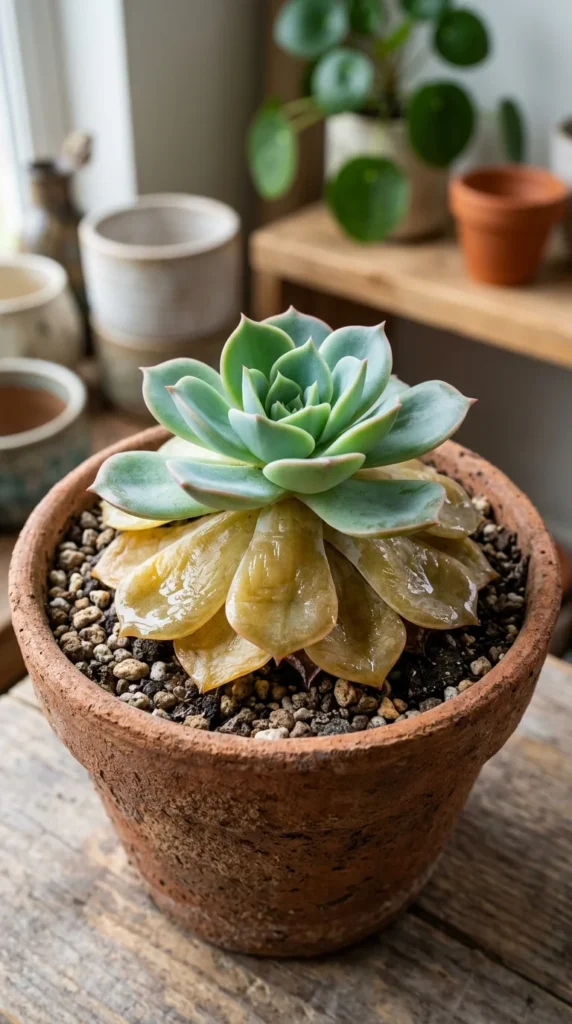
Conversely, if the leaves turn yellow, translucent, and feel mushy or “jelly-like,” the plant has been over-watered. This is a sign that the cells are bursting from too much moisture. If you see this, stop watering immediately, remove the mushy leaves, and check the stem for black spots (rot). You may need to change the soil to something drier.
25. Pruning
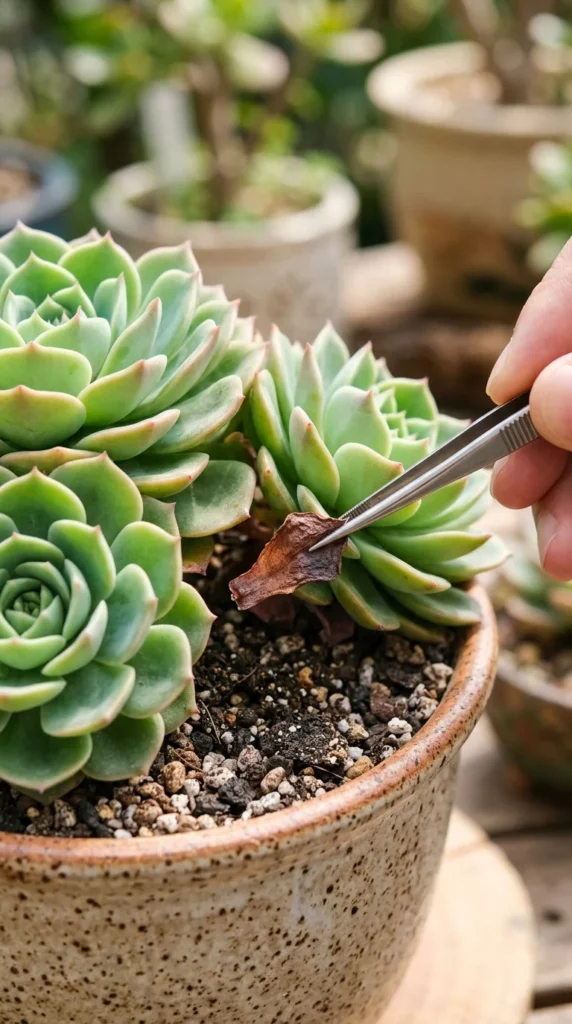
As succulents grow, it is natural for the oldest leaves at the bottom of the stem to die off. These will turn crispy, brown, and paper-thin. Don’t leave them on the plant; they can provide a hiding spot for pests. Gently tug them off with tweezers. This keeps the plant looking tidy and allows more airflow to reach the stem and the soil.
26. Heat Stress
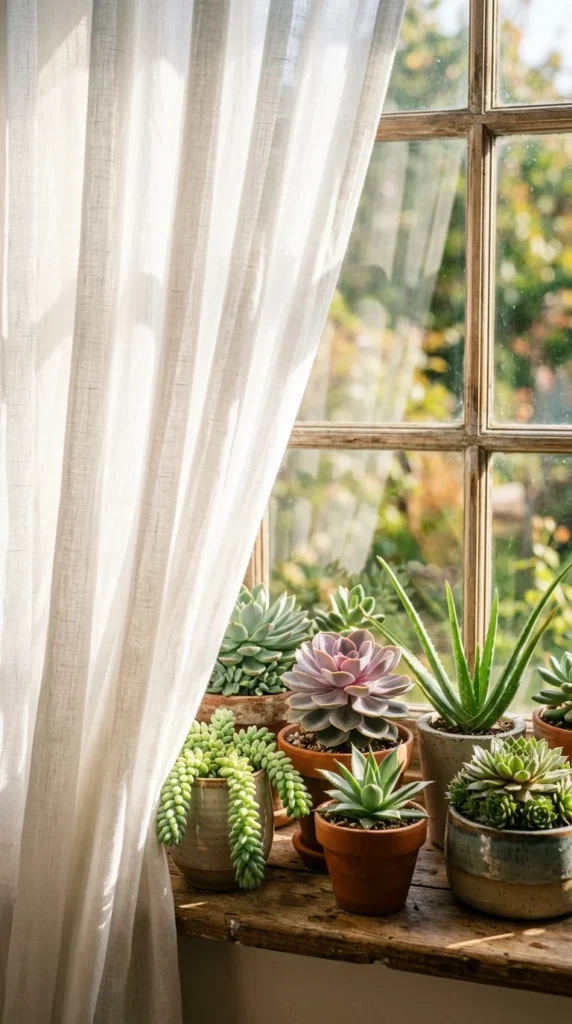
While they love light, succulents can overheat. If temperatures soar above 90°F (32°C), many succulents enter a semi-dormant state to conserve water. During a heatwave, move outdoor succulents into the shade or provide a sheer curtain for indoor ones during the peak afternoon hours. If they get too hot, they may drop leaves or develop permanent scarring.
27. Acclimatization
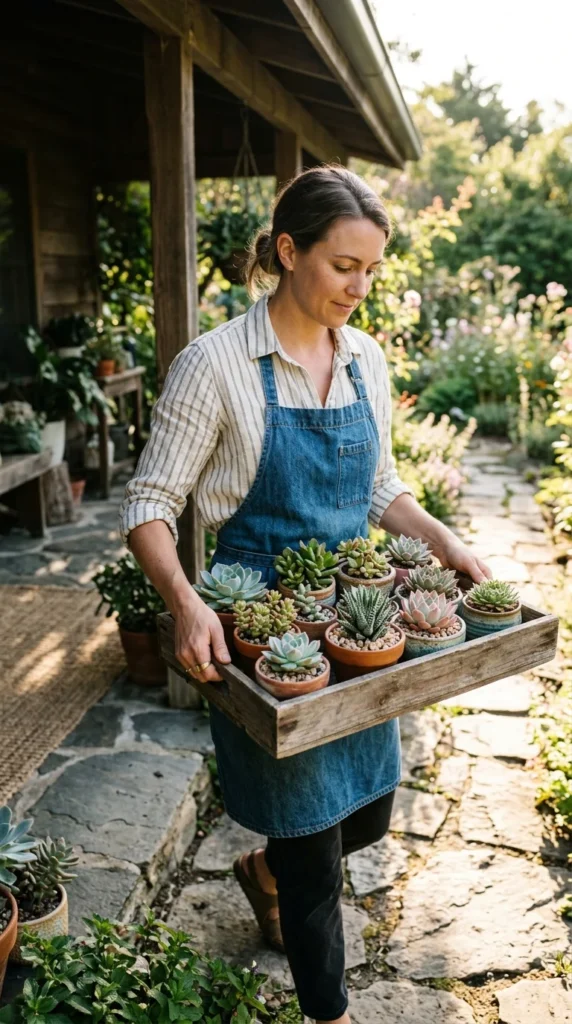
If you buy a succulent from a dimly lit grocery store and put it immediately into the baking sun, it will burn. The hack is “hardening off.” Move the plant to its new, sunnier location for just an hour or two on the first day, gradually increasing its exposure over the course of a week. This allows the plant to build up its protective farina and adapt to the higher light intensity.
28. Patience
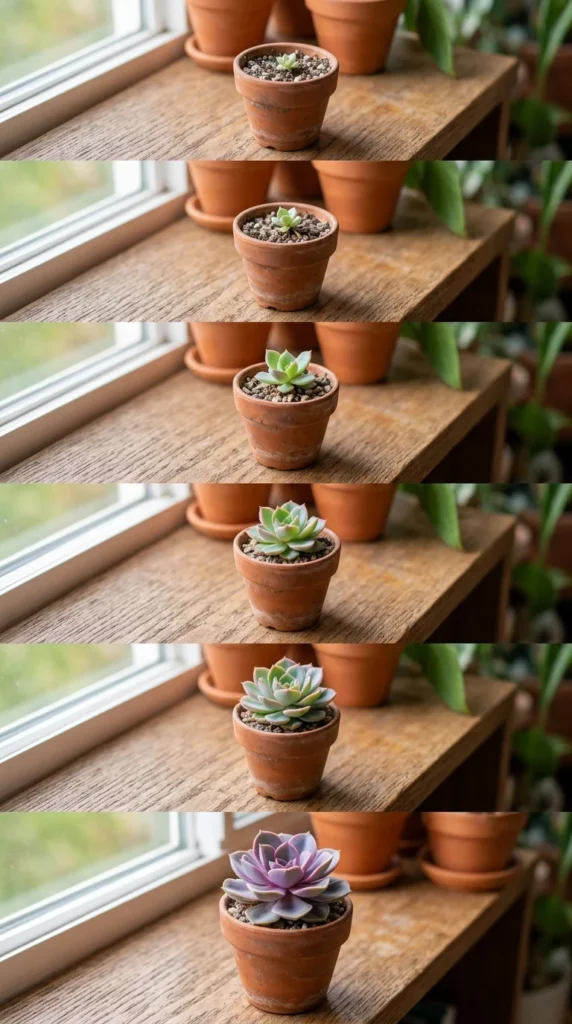
The most important hack for any succulent lover is patience. These plants do not grow at the speed of Pothos or Philodendrons. They are slow, deliberate, and rewarding. Resist the urge to “do something” to them every day. Often, the best care you can provide a succulent is to find it a sunny spot, give it the right soil, and then simply leave it alone to do what it does best: thrive in the quiet.