
1. Overwatering
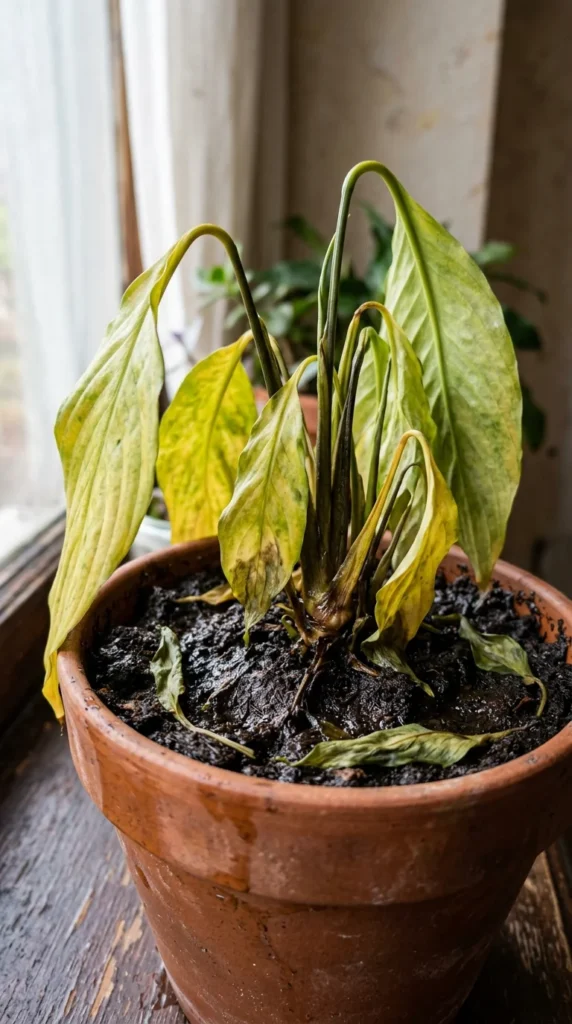
The most common killer of Peace Lilies is kindness in the form of too much water. These plants prefer to stay moist but never soggy. When the roots sit in waterlogged soil, they cannot breathe, leading to oxygen deprivation and rot. Always check the top inch of soil before adding more water; if it feels damp, wait a few more days.
2. Poor Drainage
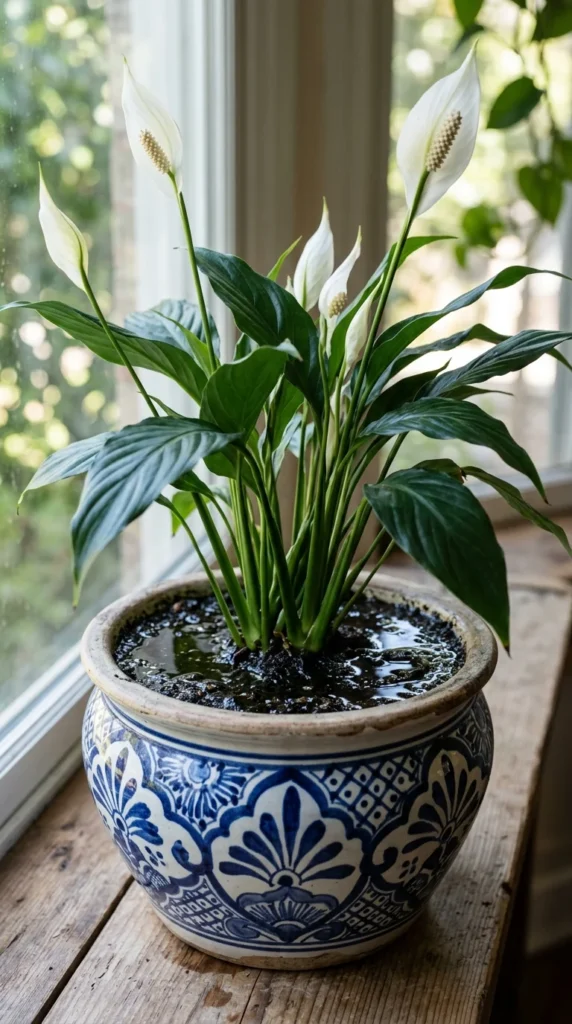
Using a pot without drainage holes is a recipe for disaster. Even if you water sparingly, moisture accumulates at the bottom, creating a stagnant pool that breeds bacteria and fungi. Always ensure your decorative cachepot has a nursery liner with holes, or drill holes into your ceramic containers to allow excess water to escape.
3. Direct Sunlight
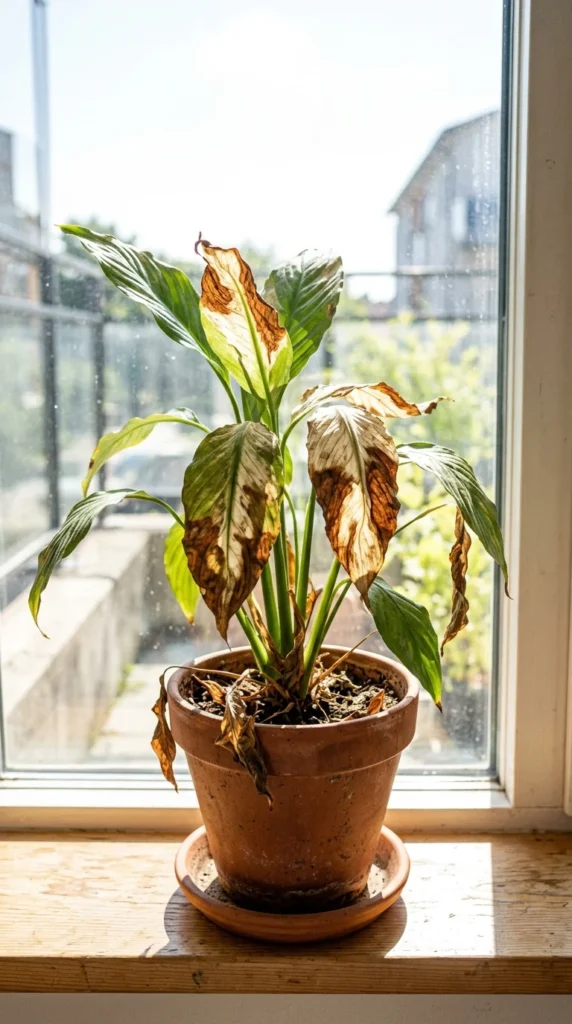
Peace Lilies are understory plants native to tropical rainforests, meaning they thrive in dappled light. Placing them in a south-facing window with direct, harsh sunlight will quickly scorch their delicate foliage. The leaves will develop bleached spots or crispy brown edges that cannot be reversed.
4. Tap Water
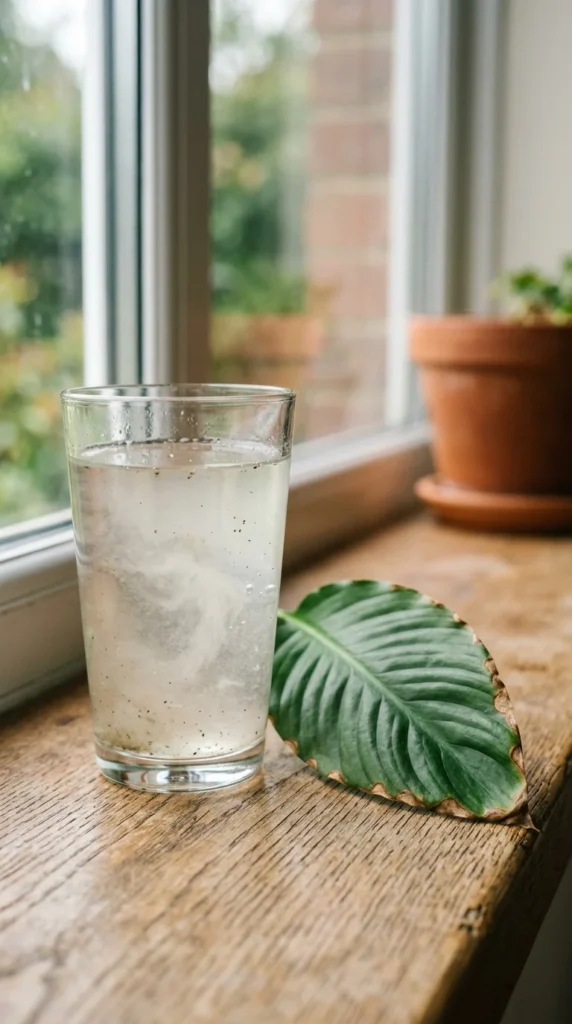
Peace Lilies are sensitive to the chemicals found in municipal tap water, such as chlorine and fluoride. Over time, these minerals build up in the leaf tips, causing them to turn brown and dry. To avoid this, use filtered water, rainwater, or allow tap water to sit out for 24 hours so the chemicals can dissipate before watering.
5. Deep Shade
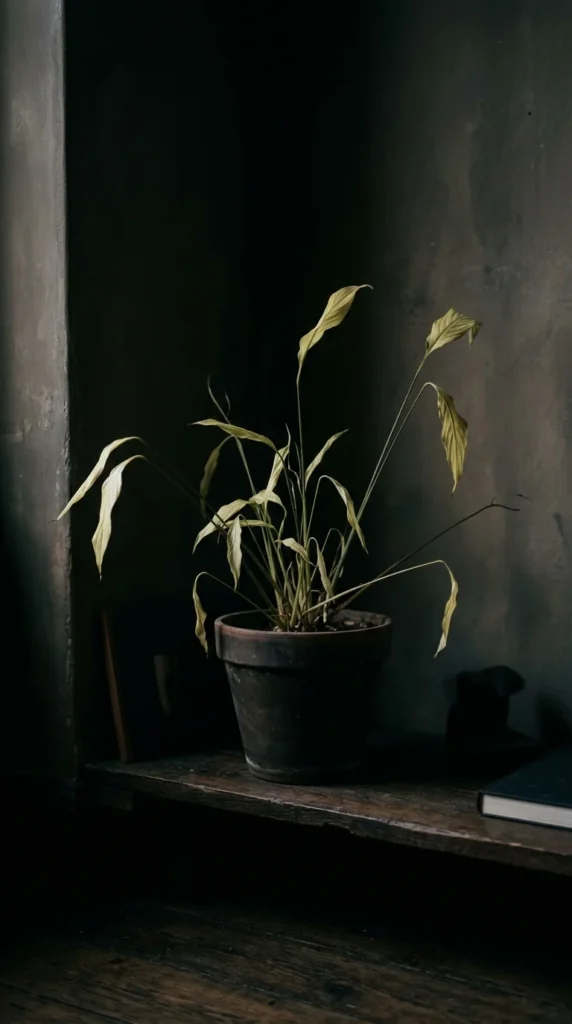
While they are often marketed as “low light” plants, Peace Lilies cannot survive in total darkness. In deep shade, the plant will stop producing its iconic white blooms and its growth will become “leggy” or stretched. For the best health, place it in a spot with bright, indirect light.
6. Low Humidity
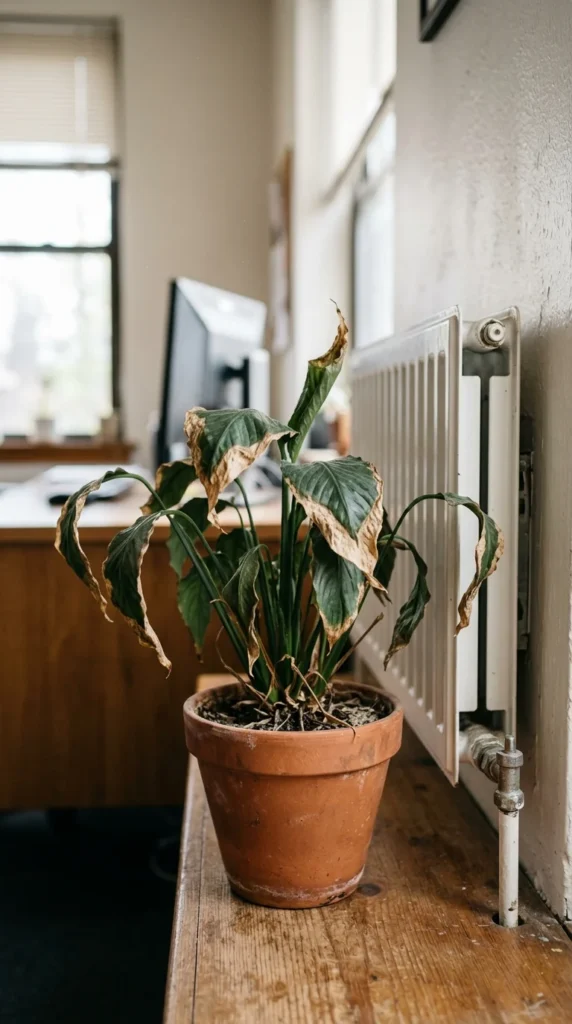
Coming from the tropics, these plants crave humidity levels above 50%. In dry indoor air—especially during winter when heaters are running—the leaves will suffer. If the air is too dry, use a pebble tray, a humidifier, or group your plants together to create a localized humid microclimate.
7. Drafty Spots
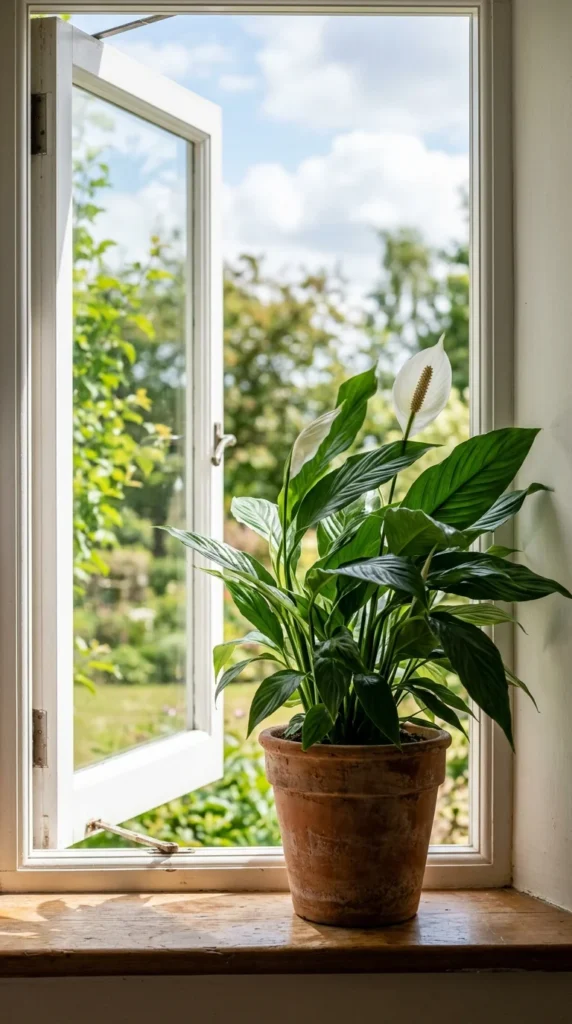
Peace Lilies hate sudden temperature changes. Placing them near a drafty window in winter or directly under an air conditioning vent in summer can cause the plant to go into shock. This stress often manifests as sudden drooping or the dropping of otherwise healthy-looking leaves.
8. Temperature Extremes
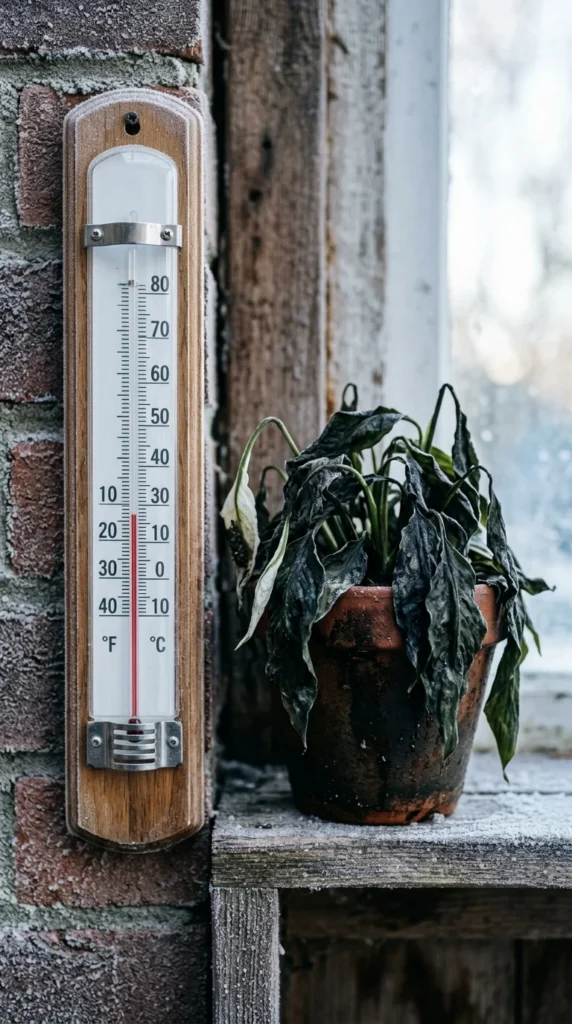
These plants thrive in temperatures between 65°F and 85°F. If the temperature drops below 55°F, the plant may suffer from chilling injury, which looks like blackened, mushy stems. Conversely, temperatures consistently above 90°F can cause the plant to wilt rapidly as it loses moisture faster than it can take it up.
9. Over-Fertilizing
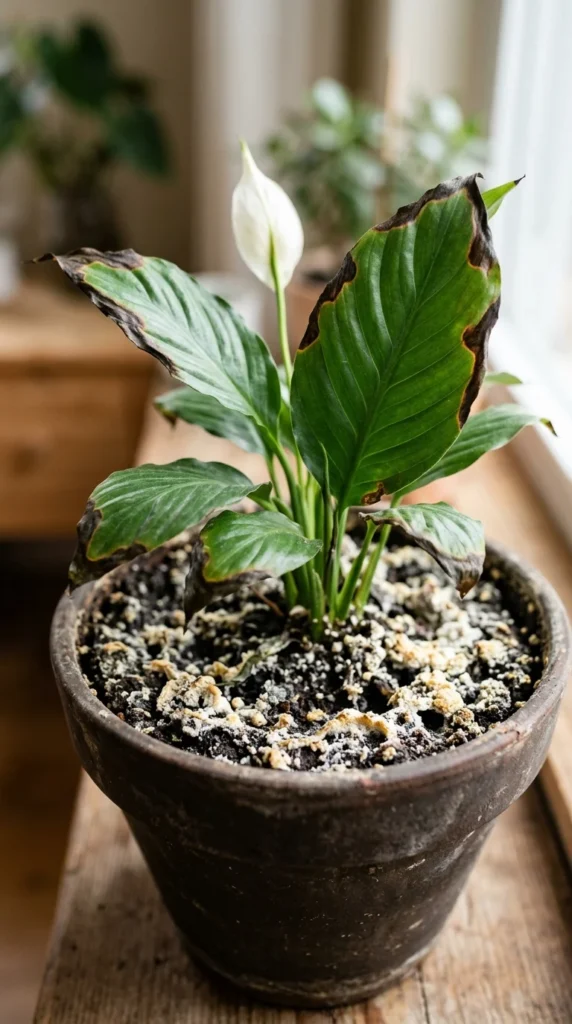
Peace Lilies are not heavy feeders. Applying too much fertilizer, or applying it too often, leads to “fertilizer burn.” This occurs when salts build up in the soil and dehydrate the roots. You only need to fertilize once every 6-8 weeks during the growing season with a balanced, water-soluble fertilizer diluted to half-strength.
10. Fertilizer Timing
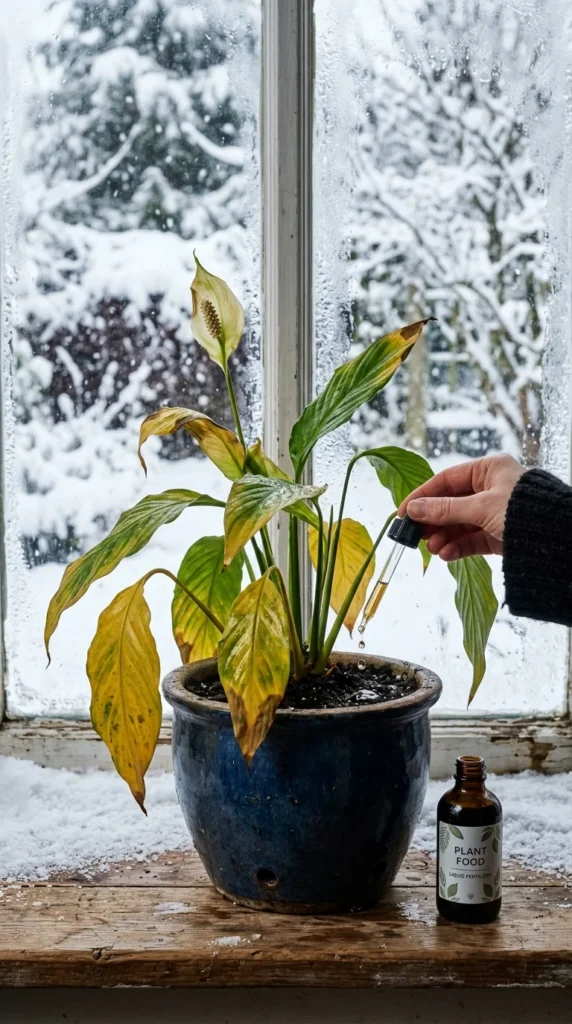
Fertilizing during the winter months when the plant is dormant is a common mistake. During this time, the plant’s metabolism slows down, and it isn’t actively growing. Adding nutrients then will only result in salt buildup in the soil, which can damage the roots. Save the feeding for spring and summer.
11. Wrong Soil
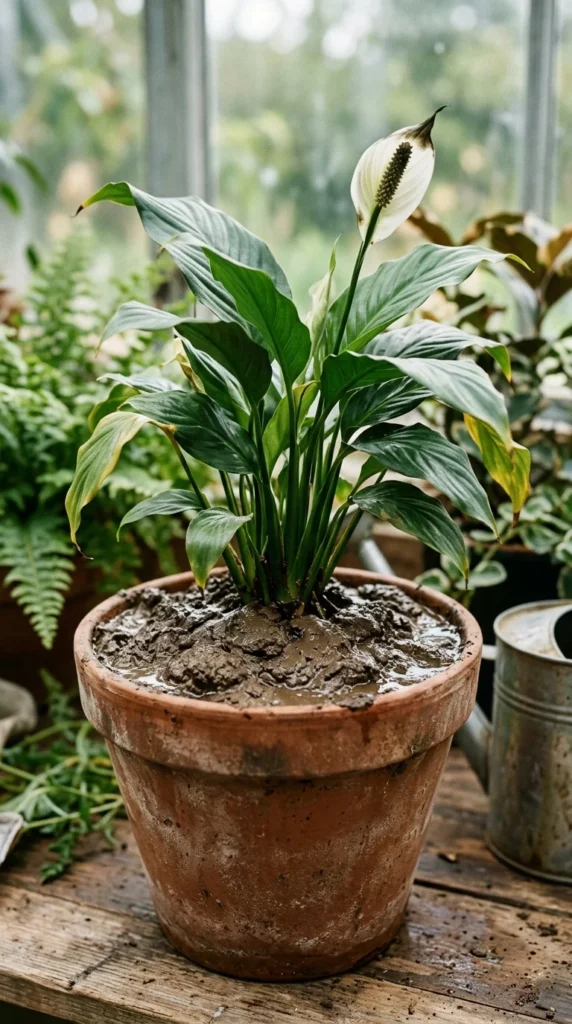
Using standard garden soil or a heavy, peat-only mix can suffocate the roots. Peace Lilies need a well-draining, airy potting mix. A combination of high-quality potting soil, perlite, and perhaps a bit of orchid bark ensures that water flows through easily and air can circulate around the root system.
12. Pot Size
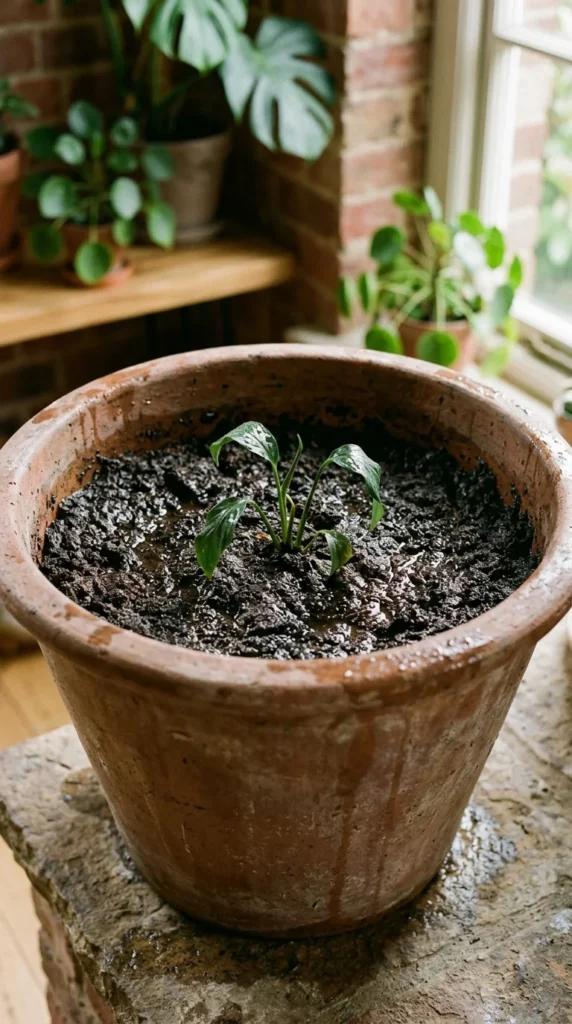
It might seem like a good idea to give your plant “room to grow,” but a pot that is too large holds too much moisture. The small root system cannot absorb all the water in a giant pot, leading to the soil staying wet for too long and causing root rot. Only move up one pot size at a time.
13. Root Bound
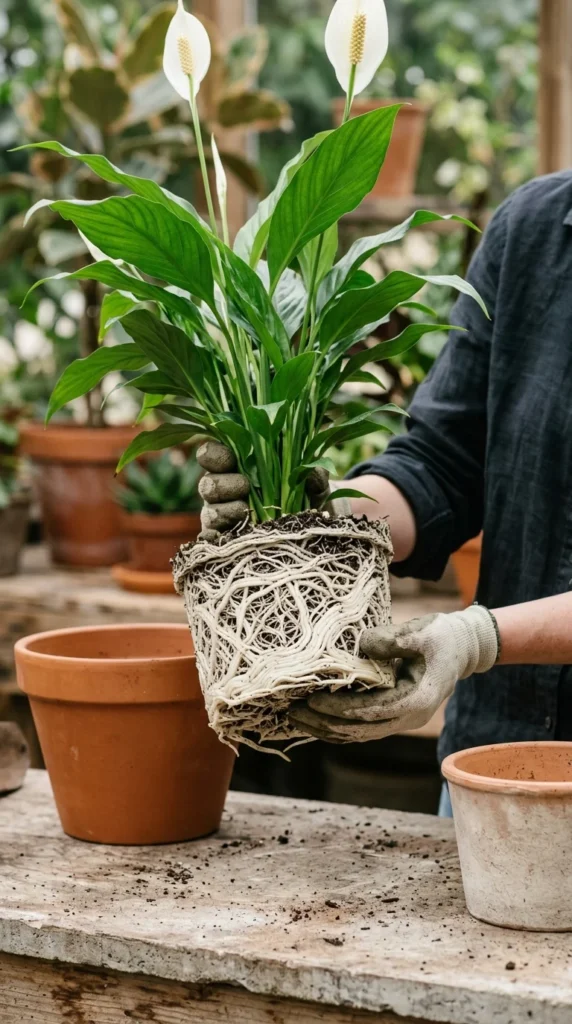
On the flip side, leaving a Peace Lily in the same pot for years can lead to it becoming root-bound. When roots circle the pot tightly, they can’t access nutrients or water effectively. If you see roots growing out of the drainage holes or if the plant wilts just a day after watering, it’s time for a slightly larger home.
14. Dusty Leaves
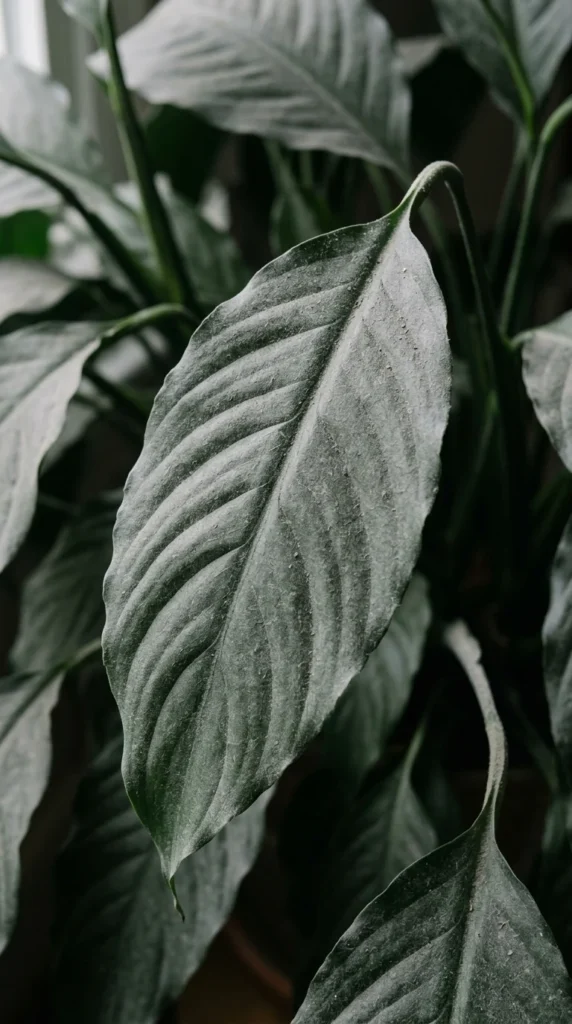
The large, broad leaves of the Peace Lily are magnets for dust. A thick layer of dust blocks the stomata (pores) and prevents the plant from photosynthesizing efficiently. Wipe the leaves down once a month with a damp cloth to keep them shiny and healthy, allowing the plant to “breathe” and process light.
15. Cold Water
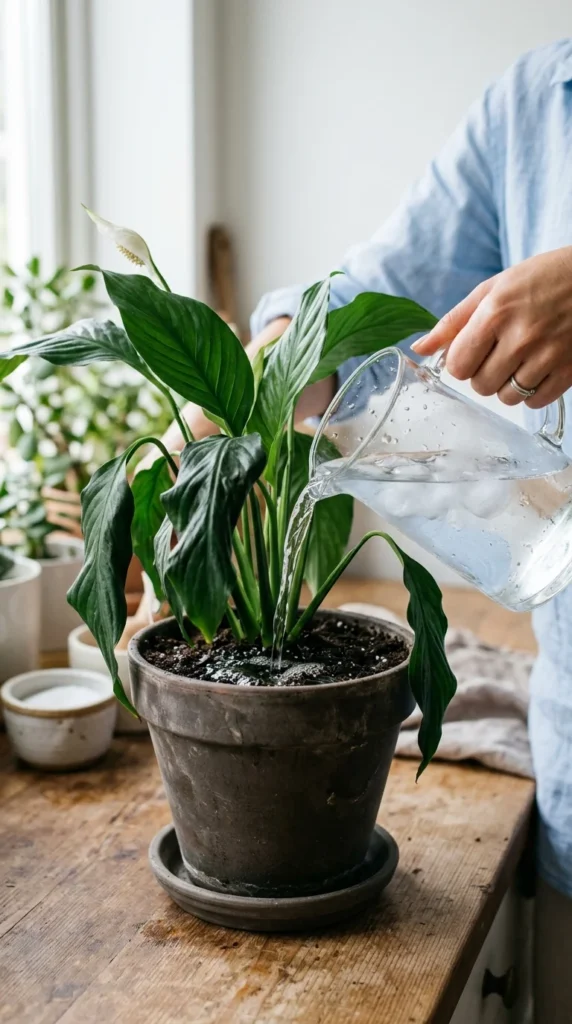
Shocking the roots with ice-cold water from the tap can cause the plant to droop or develop spots. Always use room-temperature water. This mimics the warm rain of their natural habitat and prevents the thermal shock that can damage sensitive root hairs.
16. Crowding Plants
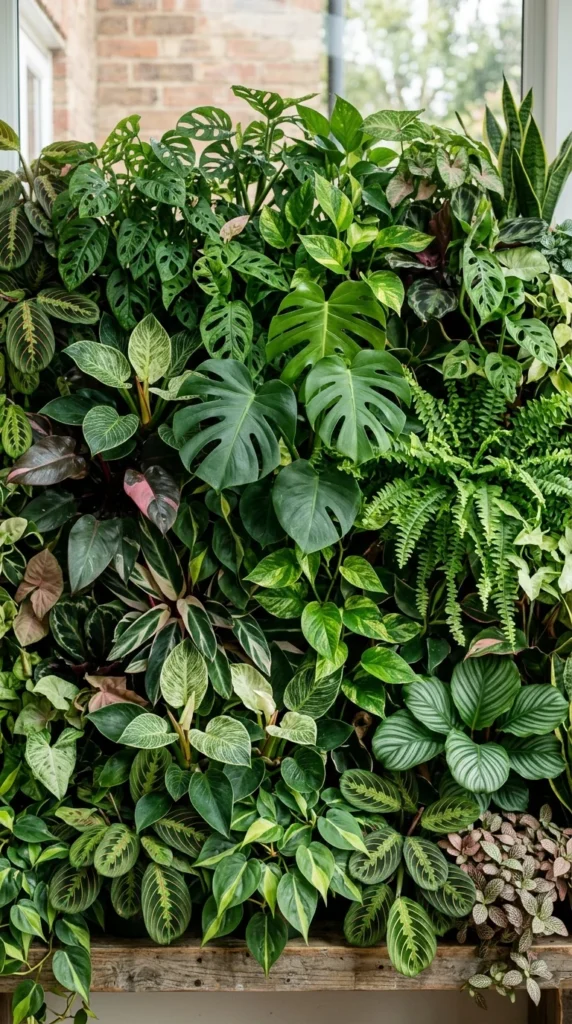
While grouping plants helps with humidity, overcrowding them can lead to poor air circulation. Stagnant air is a breeding ground for fungal diseases like powdery mildew. Ensure there is enough space for air to move freely around each plant to keep the foliage dry and healthy.
17. Ignoring Pests
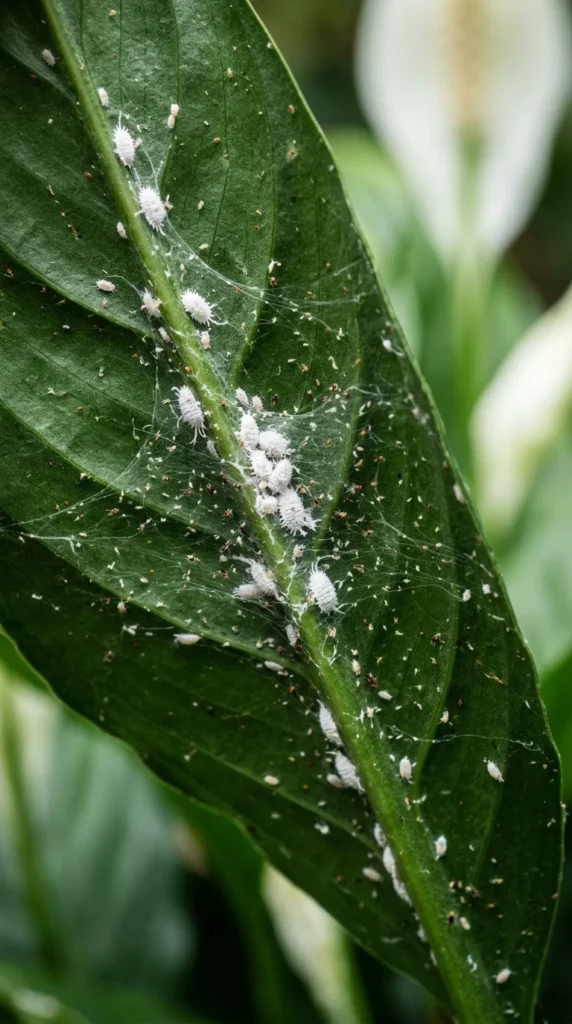
Peace Lilies are relatively pest-resistant, but they aren’t invincible. Mealybugs, scale, and spider mites can occasionally move in. If you ignore the signs—such as sticky residue on leaves or tiny webs—the infestation will weaken the plant until it dies. Inspect your plant weekly and treat any pests with neem oil or insecticidal soap immediately.
18. Leaf Trimming
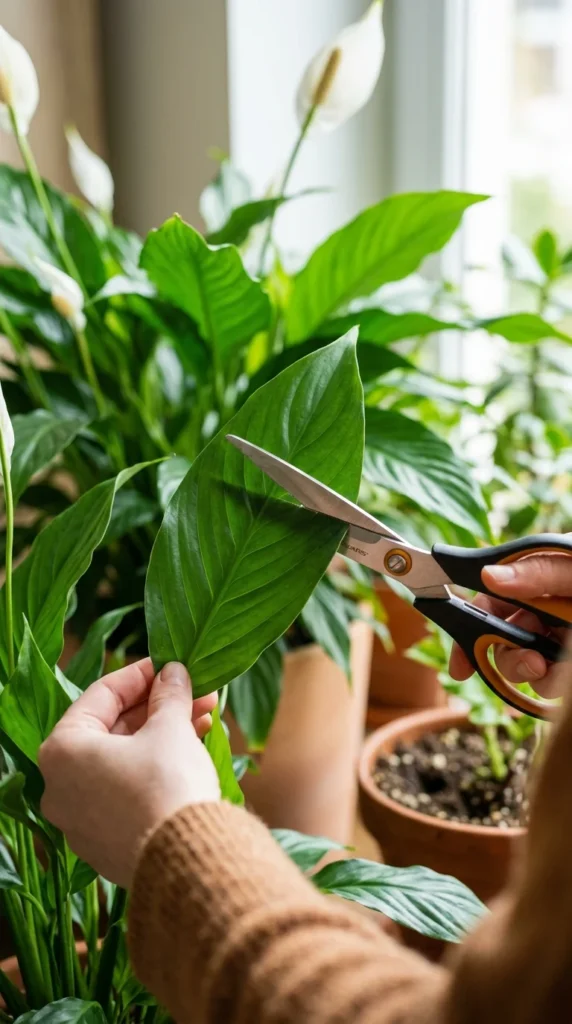
When trimming brown tips, many people cut into the healthy green tissue. This creates a new wound that will likely turn brown again. Instead, leave a tiny sliver of the brown edge when you trim, or ensure your scissors are sterilized to prevent the spread of pathogens into the leaf’s vascular system.
19. Spent Blooms
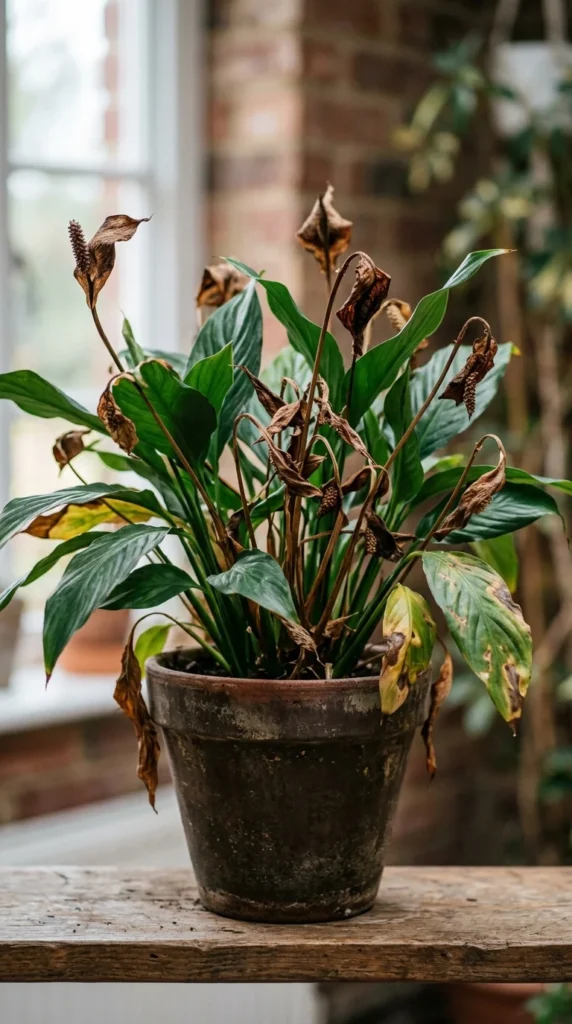
Once the white spathes turn green and then brown, they are “spent.” Leaving these dead flowers on the plant wastes the plant’s energy. Prune the flower stalks as far down as possible near the base of the plant. This encourages the plant to focus its energy on new foliage and future blooms.
20. Root Rot
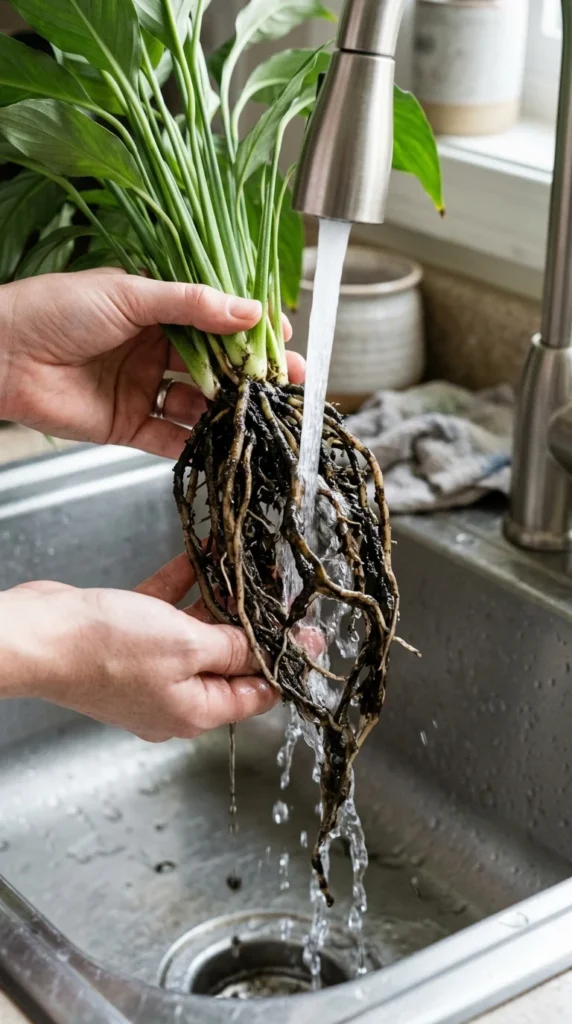
Root rot is the silent killer. If your plant is wilting even though the soil is wet, the roots have likely rotted. To fix this, you must remove the plant from the pot, cut away any mushy, foul-smelling roots, and repot it in fresh, dry soil. Ignoring the early signs of wilting-while-wet is a fatal mistake.
21. Leaf Polishing
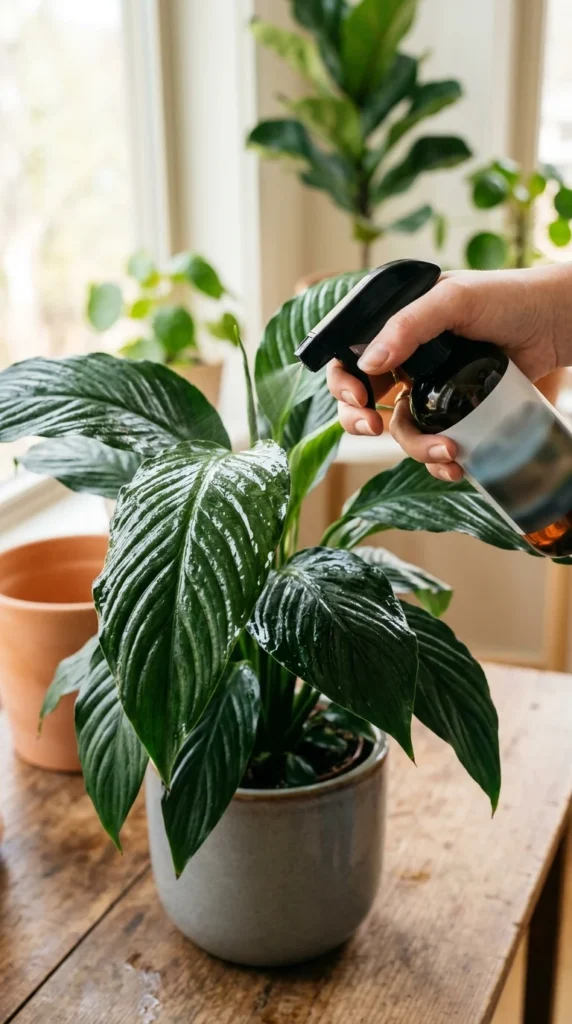
Commercial leaf shine products often contain oils and waxes that can clog the plant’s pores. While it makes the plant look shiny for a day, it can suffocate the leaves in the long run. The best way to get a natural shine is simply using a soft cloth and plain water (or a very dilute mixture of water and a drop of mild soap).
22. Move Shocks
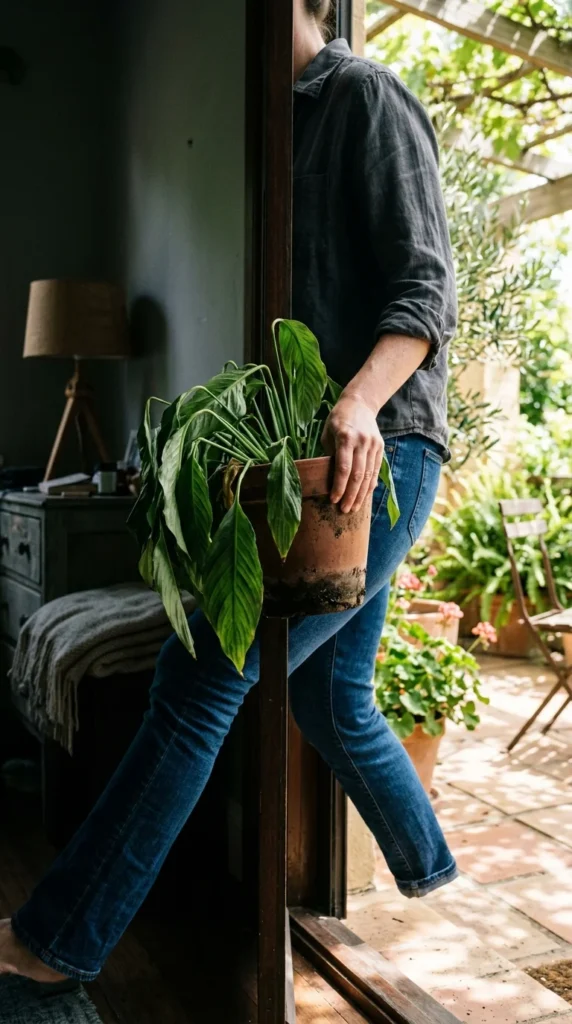
Peace Lilies are creatures of habit. If you suddenly move them from a low-light spot to a bright spot, or from indoors to outdoors, they will likely go into shock. Always acclimate your plant to a new environment gradually over a period of a week to prevent leaf drop and wilting.
23. Hard Water
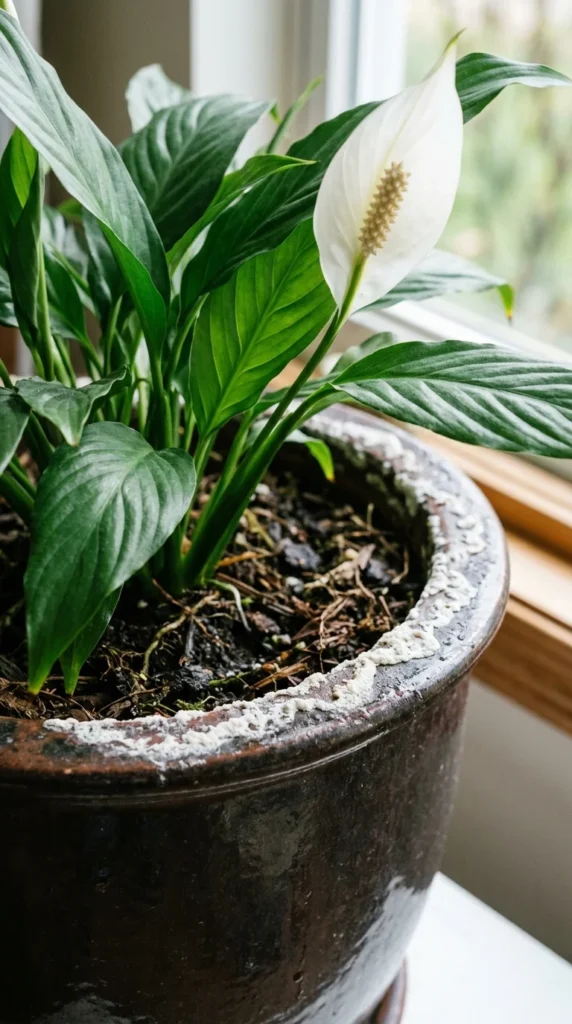
Hard water contains high levels of calcium and magnesium. While these are minerals, an excess can change the pH of the soil and prevent the plant from absorbing other essential nutrients. If you have hard water, consider using a water softener or switching to distilled water for your Peace Lily.
24. Winter Watering
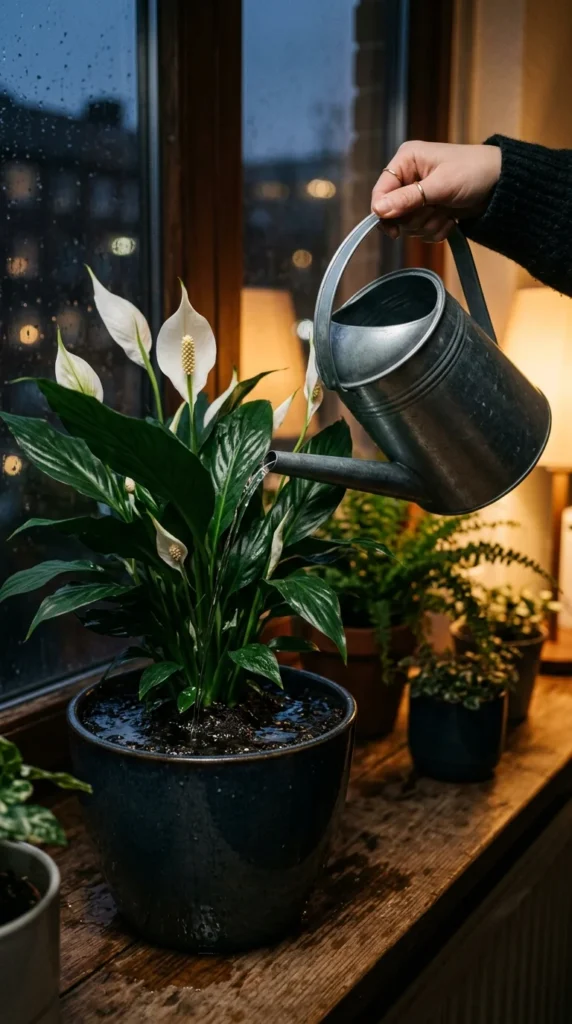
In the winter, plants grow much slower and evaporation is lower. Many owners continue their summer watering schedule, which leads to overwatering. You should significantly reduce watering frequency in the winter, only providing enough to keep the plant from completely drying out and collapsing.
25. Mistiming Repotting
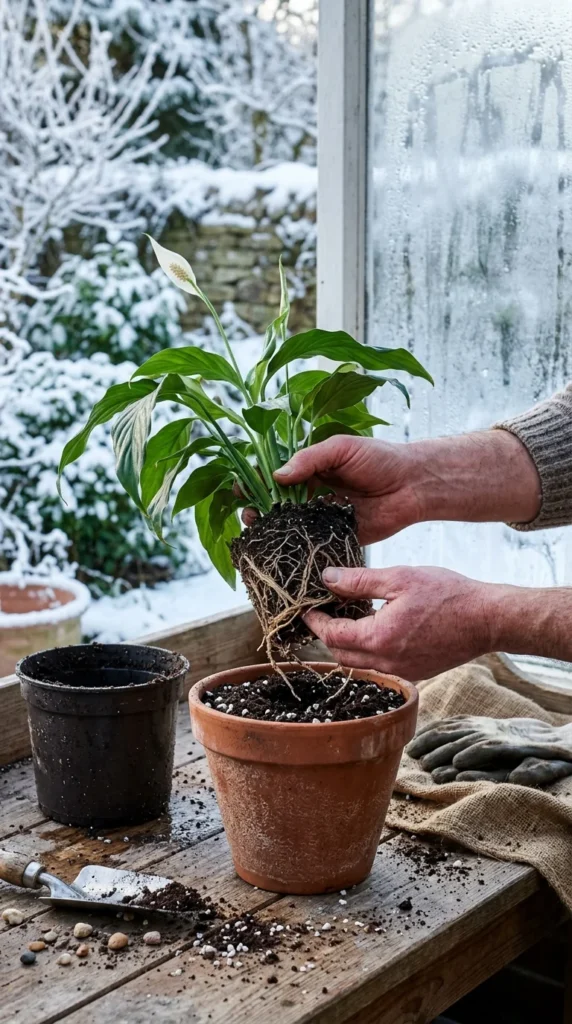
The best time to repot a Peace Lily is in the spring or early summer when the plant is entering its most active growth phase. Repotting in winter, when the plant is dormant, makes it much harder for the roots to recover from the stress of the move, increasing the risk of transplant shock.
26. Neglecting Roots
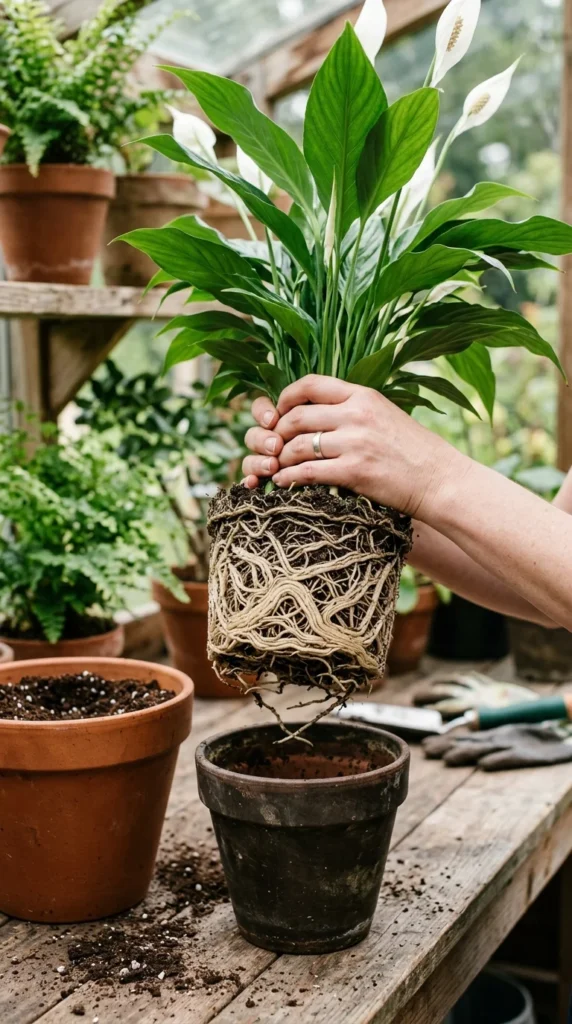
When repotting, many people simply “plop” the root ball into a larger container. If the plant was root-bound, the roots will continue to grow in a circle rather than expanding into the new soil. You must gently tease the roots outward with your fingers to encourage them to explore their new environment.
27. Chemical Sprays
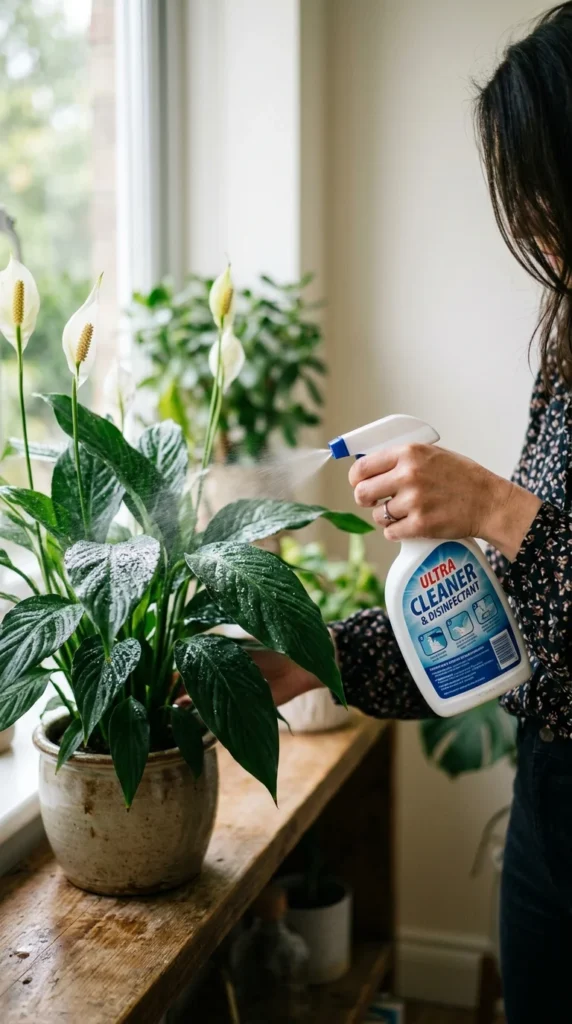
Peace Lilies are sensitive to airborne pollutants and chemicals. Using glass cleaners, hairsprays, or harsh air fresheners near your plant can damage the leaf surface. Always move your plant to a different room if you are doing heavy cleaning or using aerosol products.
28. Toxicity Awareness
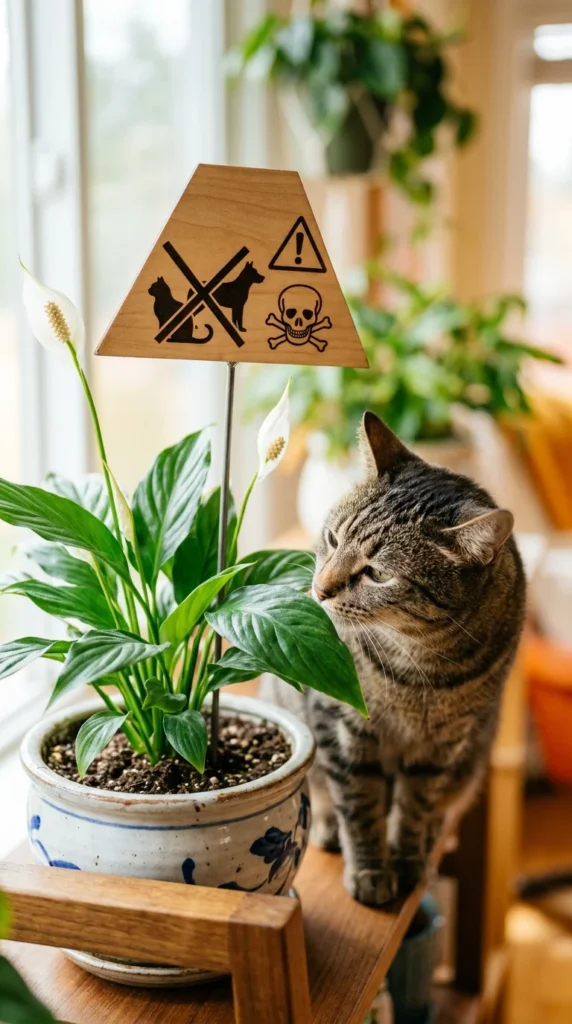
While not a “care” mistake for the plant itself, it is a major mistake for the household. Peace Lilies contain calcium oxalate crystals which are toxic if ingested by cats, dogs, or small children. Placing a Peace Lily within reach of pets can lead to a medical emergency. Always keep these plants on high shelves or in rooms inaccessible to curious animals.