
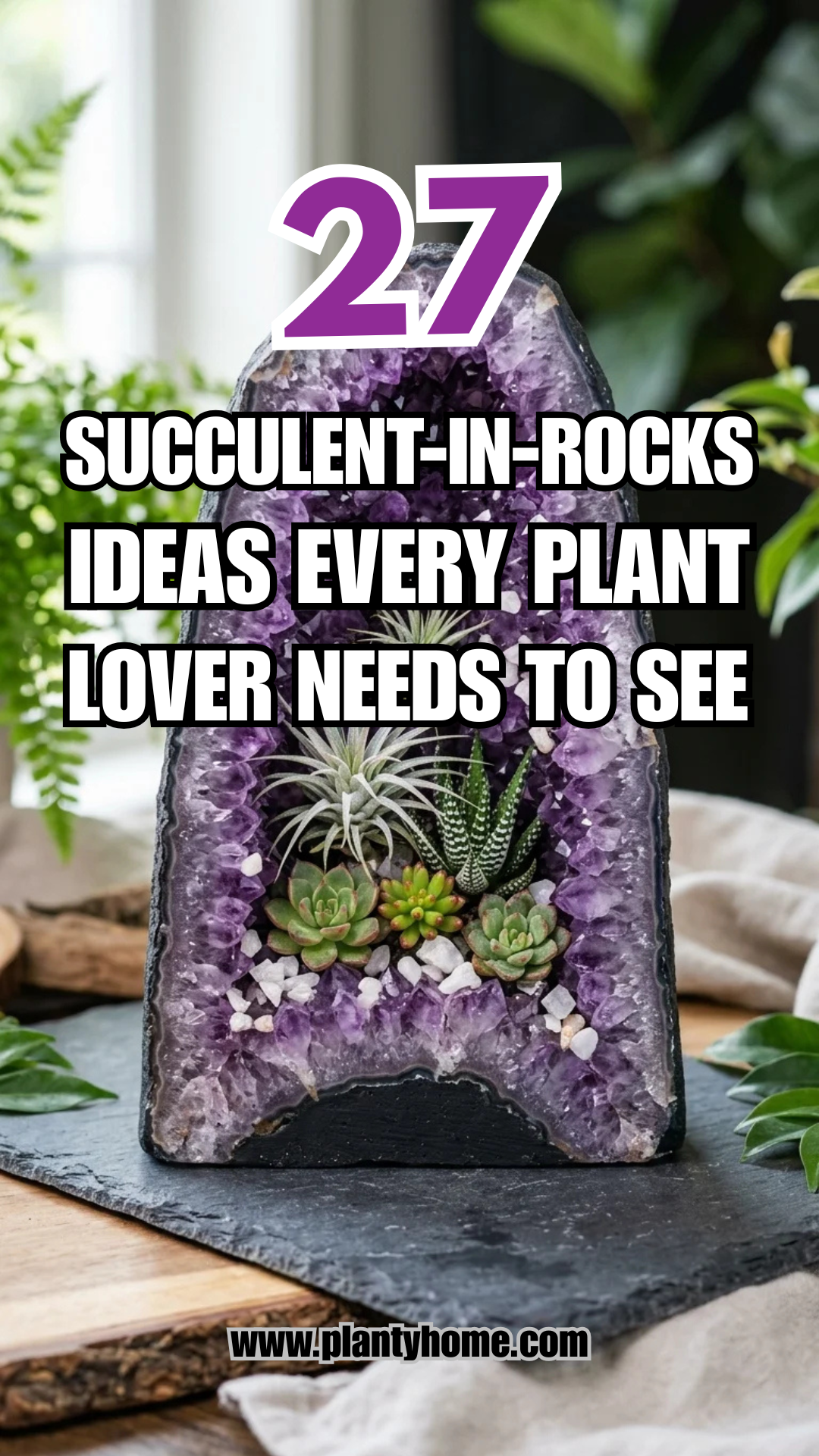
Succulents and rocks are a match made in botanical heaven. In their natural habitats—from the rugged cliffs of the Mediterranean to the arid deserts of the Americas—succulents often thrive in the small, nutrient-poor crevices of stone. Bringing this aesthetic into your home or garden isn’t just about mimicry; it’s about creating a low-maintenance, high-impact landscape that celebrates texture, form, and resilience.
Whether you are working with a sprawling backyard or a tiny windowsill, these 27 ideas will show you how to blend the earthy weight of stone with the fleshy brilliance of succulents.
1. River Rocks
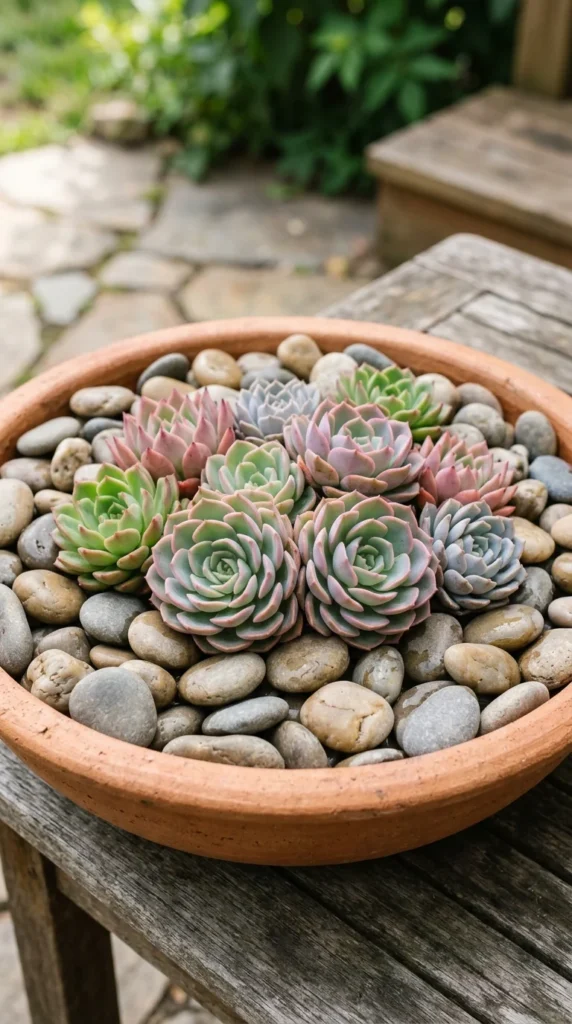
River rocks provide a clean, organic look that complements the soft curves of succulent leaves. By using stones of varying sizes, you create a naturalistic “streambed” effect. This setup is perfect for tabletop centerpieces where you want a zen-like, calming atmosphere.
2. Lava Rocks
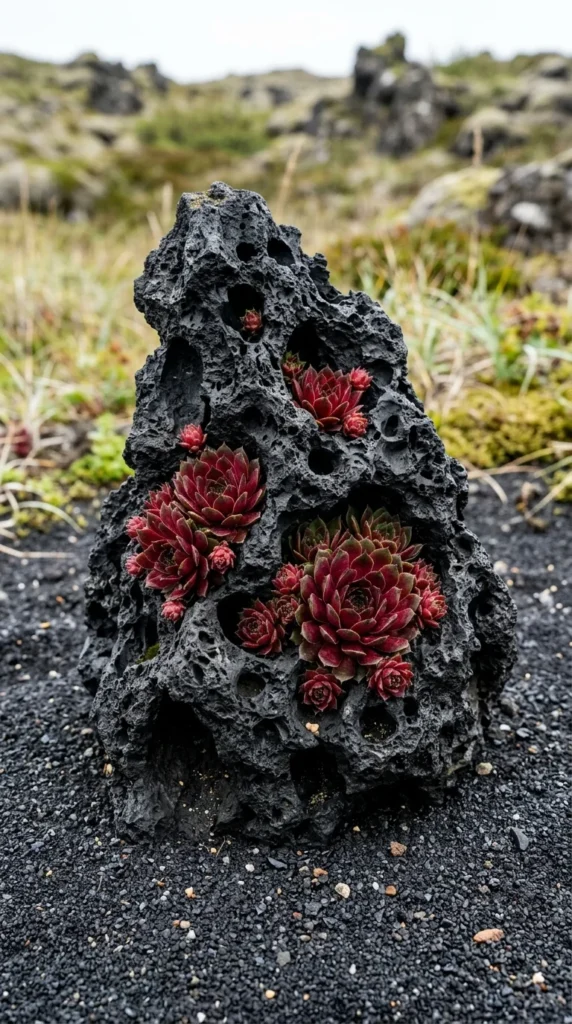
Lava rocks are highly porous, making them excellent “planters” themselves. You can tuck small succulents like Hens and Chicks into the natural pockmarks of the stone. The contrast between the dark, rough basalt and the bright, succulent foliage creates a dramatic, prehistoric vibe.
3. Slate Stacks
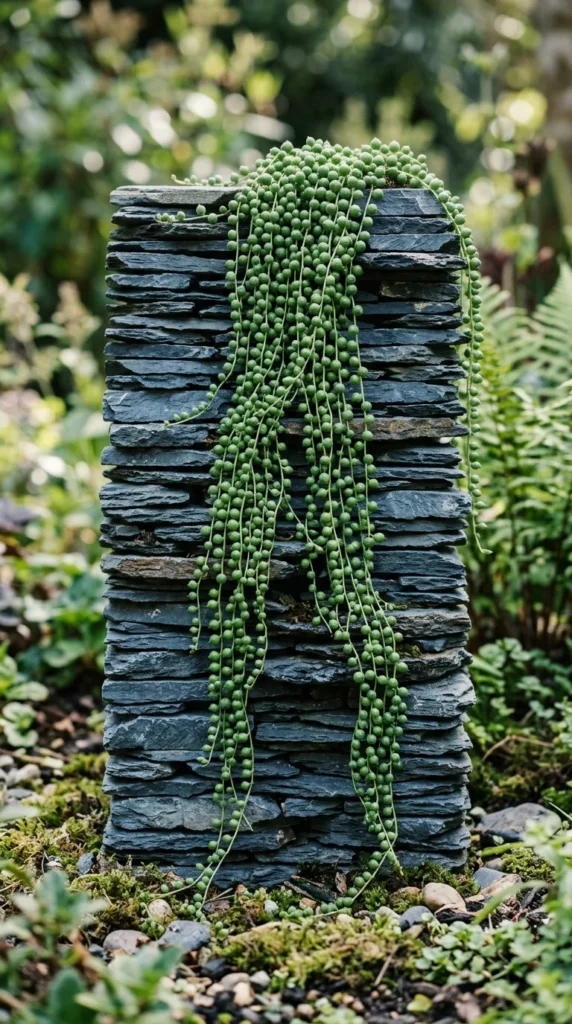
Slate offers a sharp, modern geometric appeal. By stacking flat pieces of slate, you can create “shelves” for your plants. This is an ideal way to showcase trailing varieties, allowing them to cascade down the dark stone like a living waterfall.
4. Zenscape Pebbles
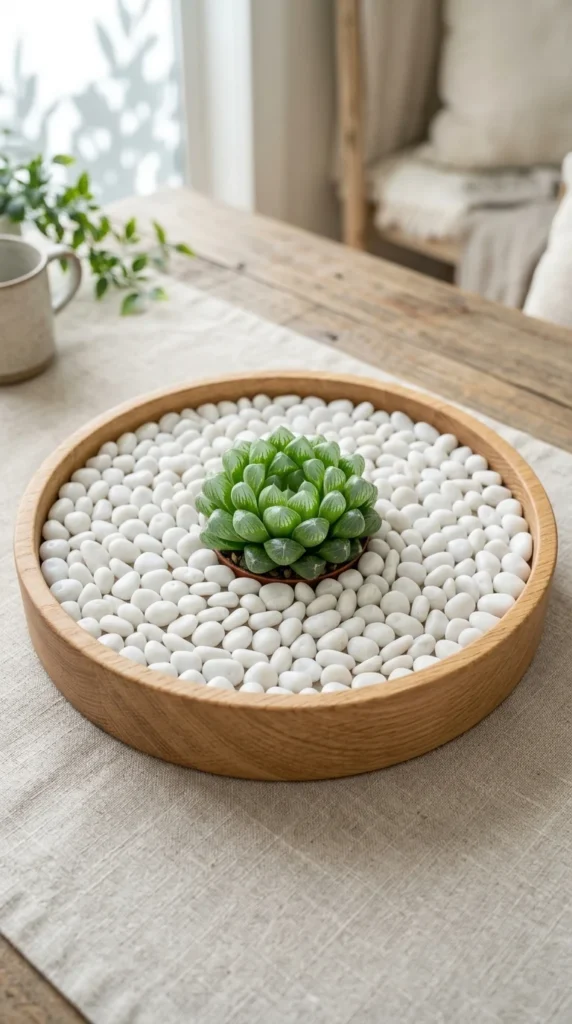
Incorporating the principles of a Japanese rock garden, use fine pebbles to create patterns around your succulents. This highlights the individual architecture of the plant, turning a simple Haworthia or Gasteria into a living piece of sculpture.
5. Geode Terrariums
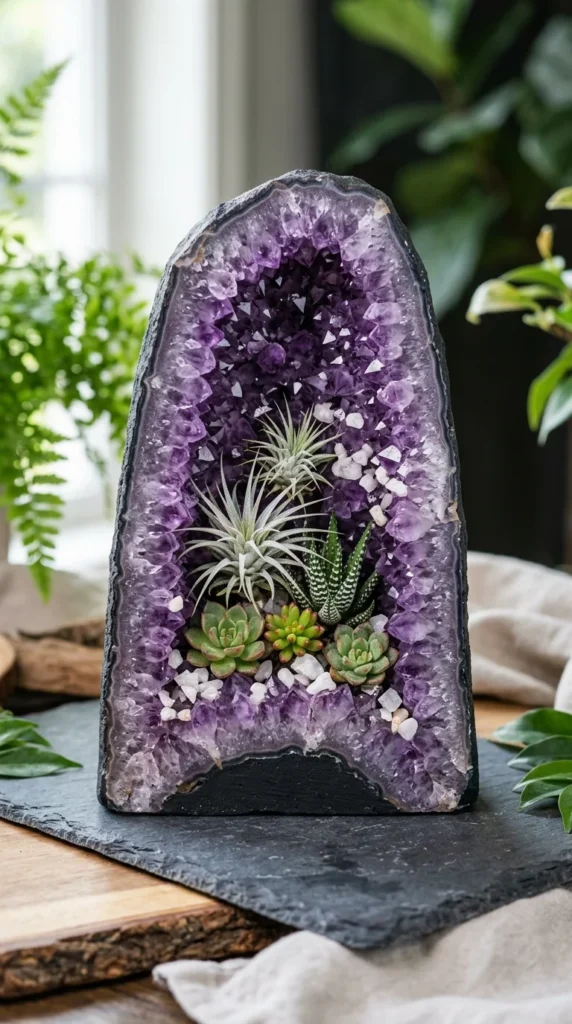
For a touch of whimsy and glamour, use hollowed-out geodes or crystal clusters as succulent holders. The shimmering interior of a quartz or amethyst geode provides a magical backdrop for small, slow-growing succulents, making them look like treasures from another world.
6. Limestone Crevices
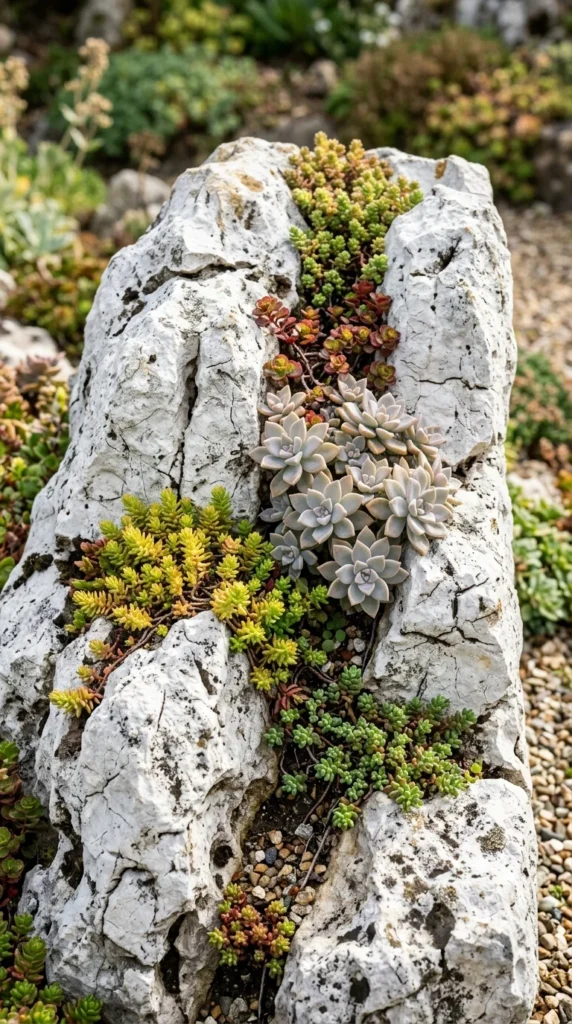
Limestone mimics the natural alpine environments where many hardy succulents thrive. The alkaline nature of the stone suits many varieties, and the porous, craggy surface allows roots to grip firmly, creating a look of “ancient growth” in your garden.
7. Granite Boulders
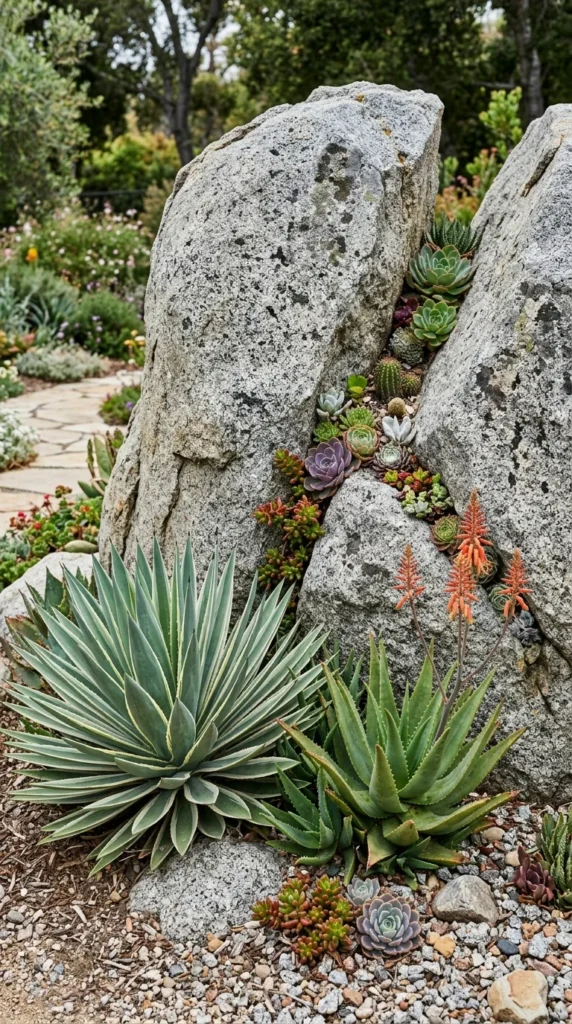
If you have the space, granite boulders provide the ultimate structural foundation. Use them to anchor a garden bed. The massive scale of the stone makes the succulents appear more delicate and detailed, creating a beautiful play on proportions.
8. Sandstone Canyons
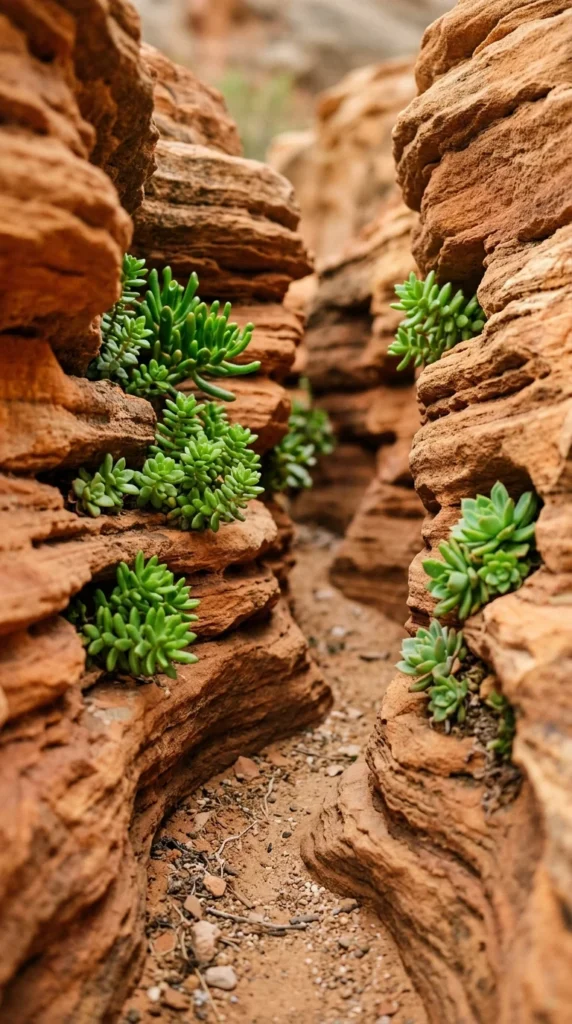
Sandstone brings warmth to your succulent arrangement. Its layered, sedimentary look is perfect for creating “canyon” style planters. The earthy reds and oranges of the stone make the greens and blues of the succulents pop with desert-inspired intensity.
9. Obsidian Accents
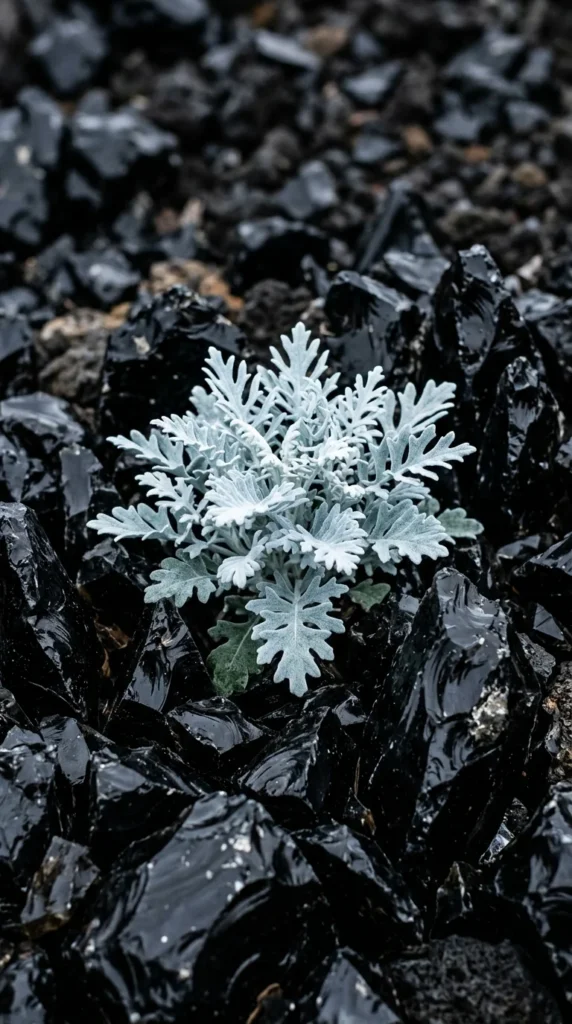
For a modern, high-contrast look, use obsidian. The glossy, jet-black surface of the volcanic glass creates a striking frame for succulents with “frosty” or glaucous leaves, such as Echeveria ‘Lola’ or Blue Chalksticks.
10. Quartz Clusters
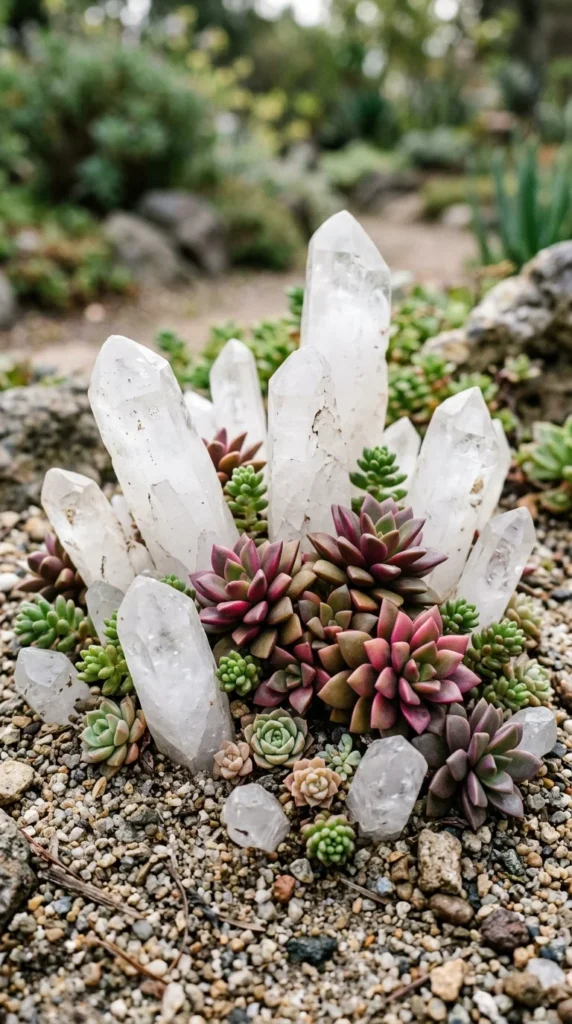
Quartz isn’t just for collectors; it’s a stunning mulch or accent for succulents. The white, translucent nature of the stone reflects light, which can help brighten up a shady corner and provide a clean, ethereal look to your potting arrangement.
11. Pea Gravel Beds
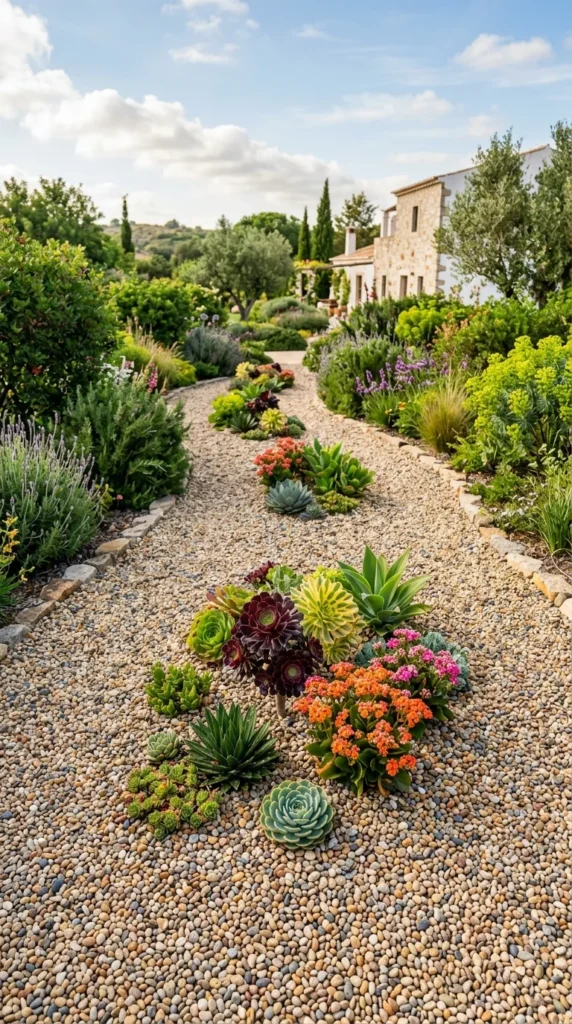
Pea gravel is the unsung hero of succulent gardening. It provides excellent drainage and a neutral background that allows the colors of your plants to shine. It’s an affordable and effective way to cover large areas while keeping weeds at bay.
12. Flagstone Paths
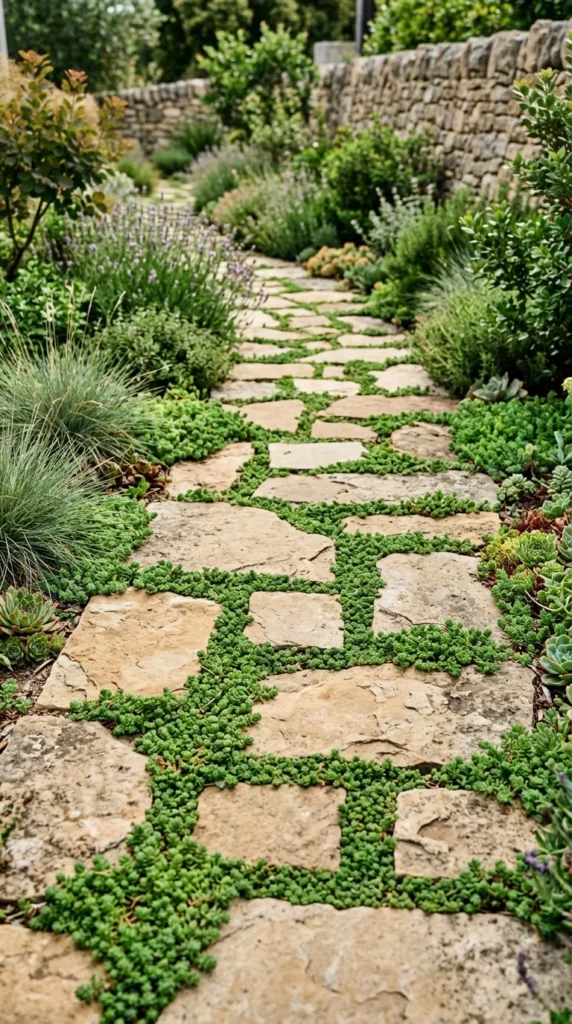
Turn your garden path into a living tapestry. By planting low-profile, “stepable” succulents in the joints between flagstones, you soften the hard edges of the masonry and integrate the walkway into the living landscape.
13. Pumice Pockets
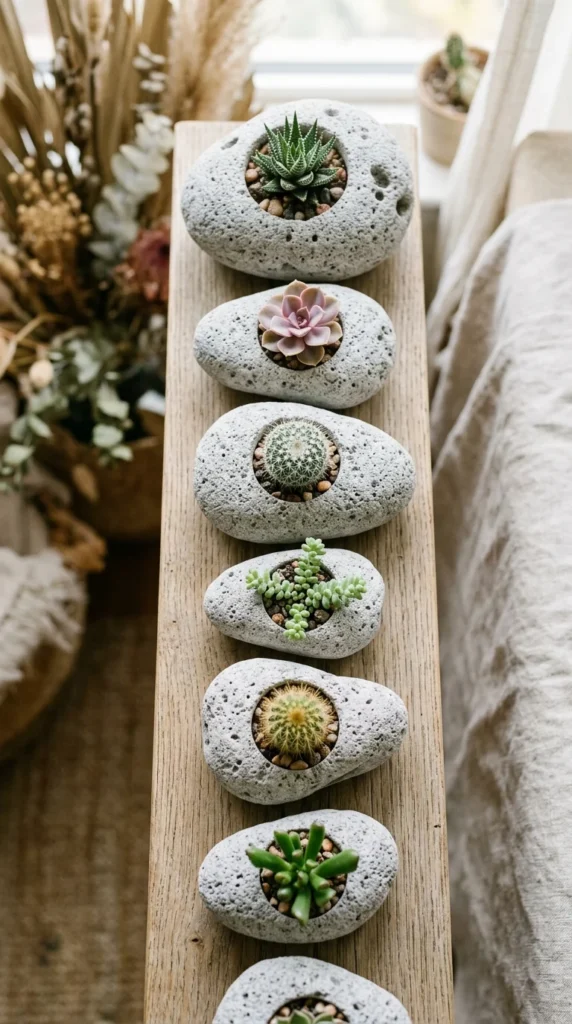
Pumice is incredibly light and easy to work with. You can actually drill or carve small holes into large pieces of pumice to create custom planters. This stone is excellent for moisture regulation, as it absorbs excess water and releases it slowly.
14. Shale Steps
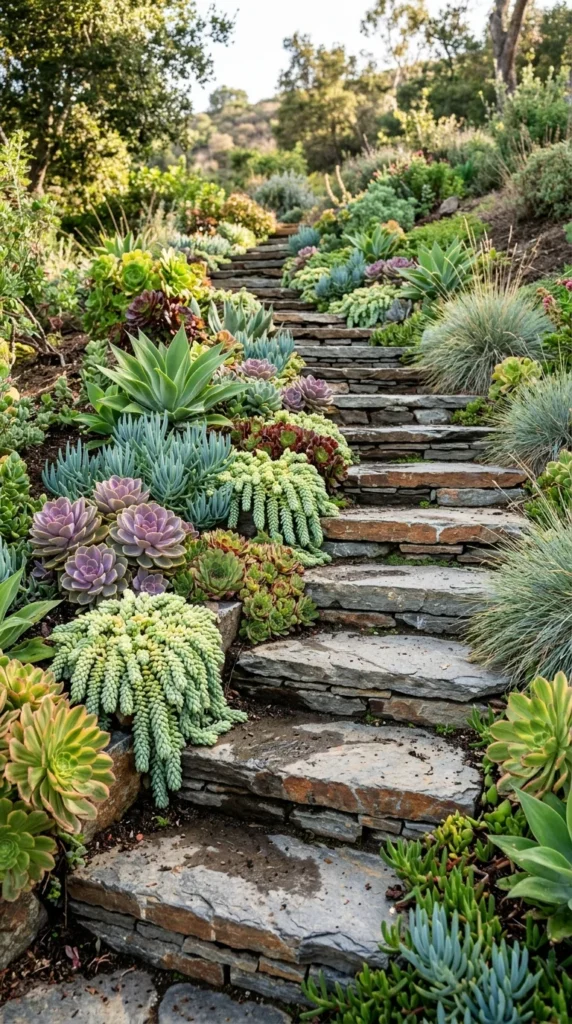
Shale provides a rustic, woodland-meets-desert vibe. Use it to terrace a sloped area of your yard. The thin, flaky nature of shale allows you to create narrow planting pockets that are perfect for the shallow root systems of succulents.
15. Petrified Wood
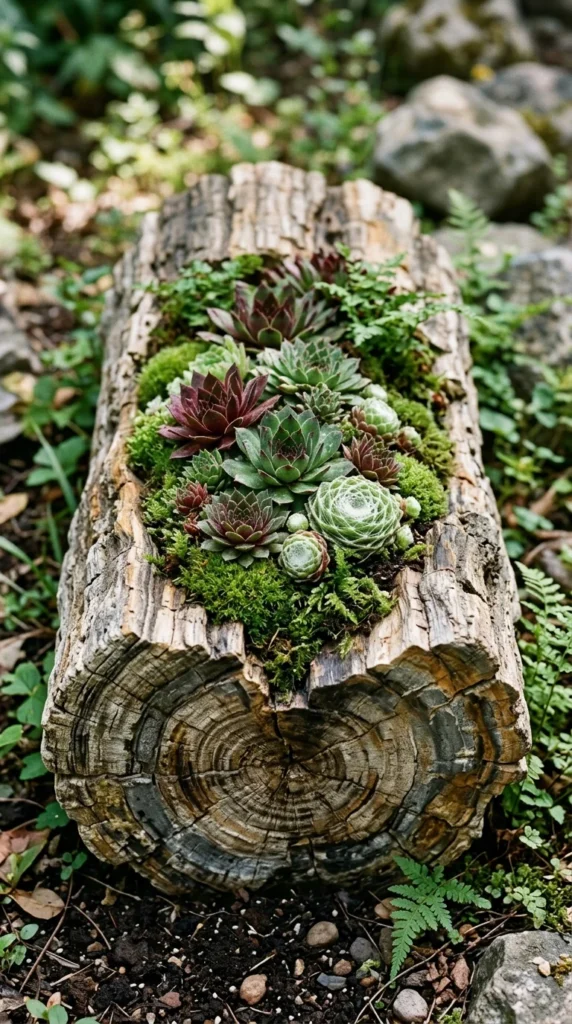
Petrified wood offers the look of ancient timber with the durability of stone. It’s a fantastic conversation piece. Since it’s literally stone, it won’t rot like real wood, making it a permanent home for your favorite rosettes.
16. Marble Mulch
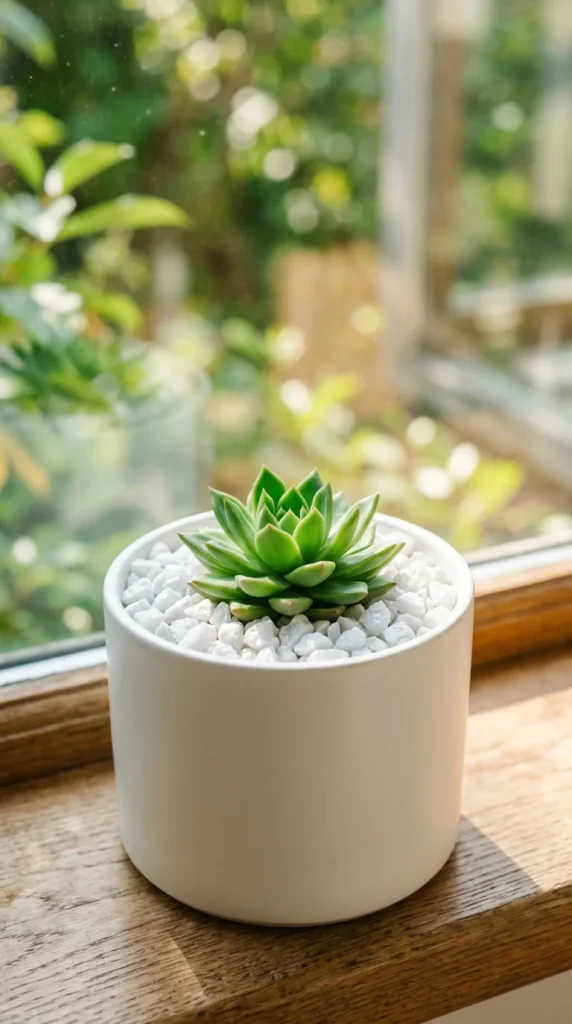
White marble chips provide a sophisticated, high-end finish to indoor pots. The bright white surface reflects light up toward the bottom of the leaves, which can help prevent some succulents from becoming leggy in lower light conditions.
17. Basalt Columns
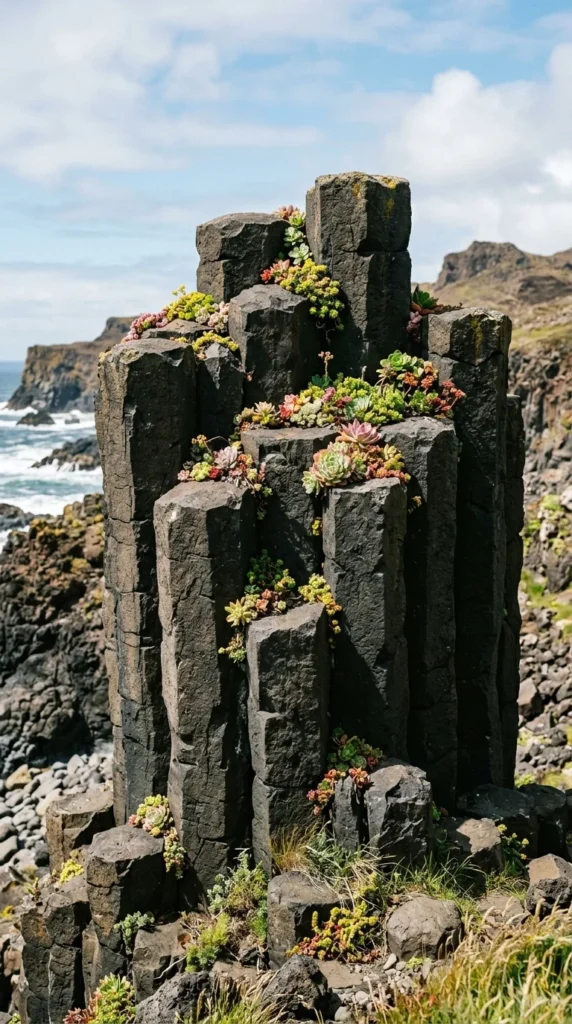
Bring a touch of the Giant’s Causeway to your garden. Basalt columns add vertical interest and a sense of architectural grandeur. They are perfect for modern, minimalist gardens where you want the plants to look like they are reclaiming a geometric ruin.
18. Tufa Stone
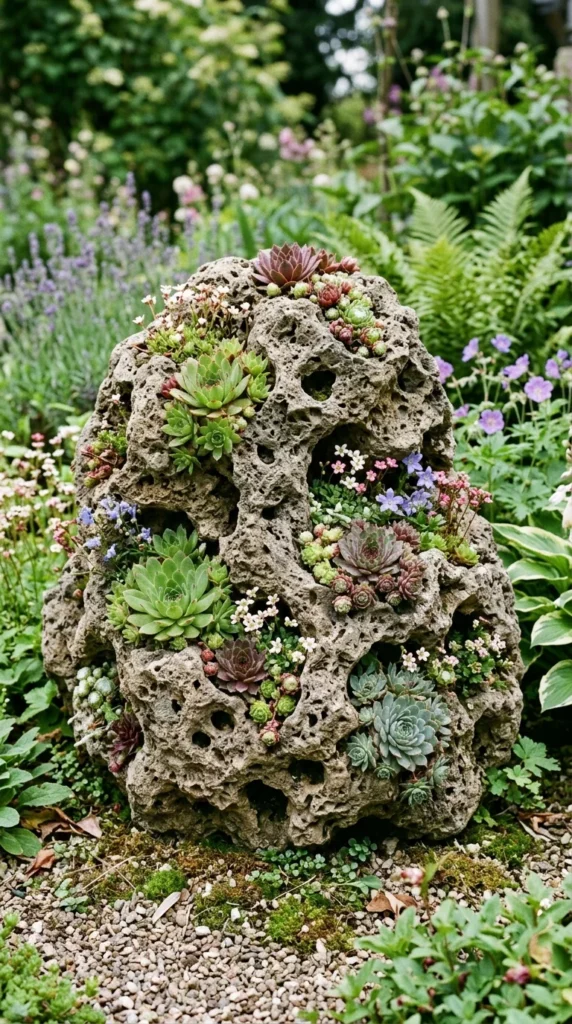
Tufa is a rare, porous limestone that is a favorite among rock gardeners. It is so soft that roots can actually penetrate the stone itself. Over time, your succulents will become one with the stone, creating a stunningly aged, natural look.
19. Cobblestone Borders
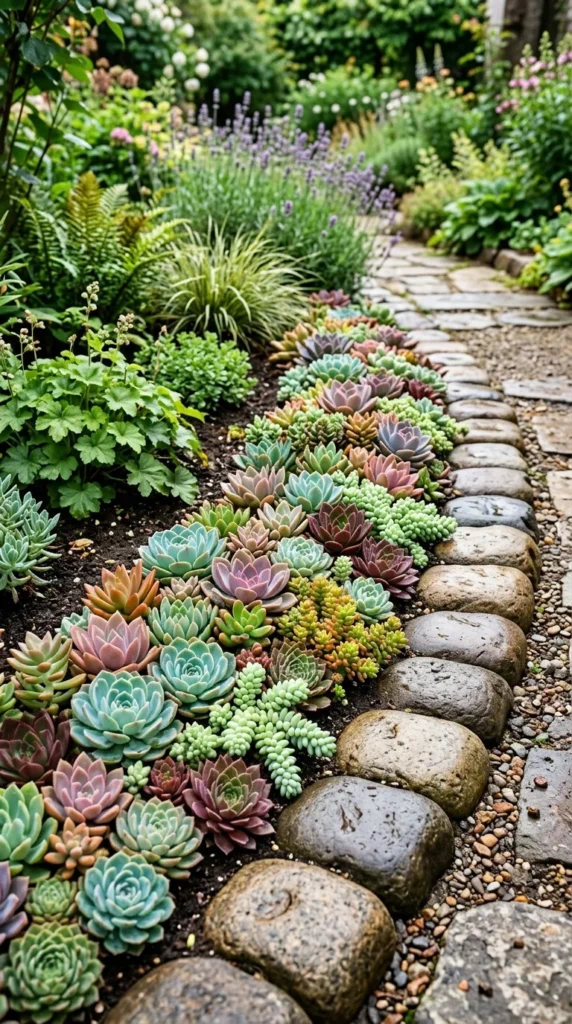
Use cobblestones to define the edges of your succulent beds. The heavy, rounded shapes provide a sturdy “hug” for your plants, protecting them from foot traffic while adding a classic, old-world charm to your landscaping.
20. Agate Edging
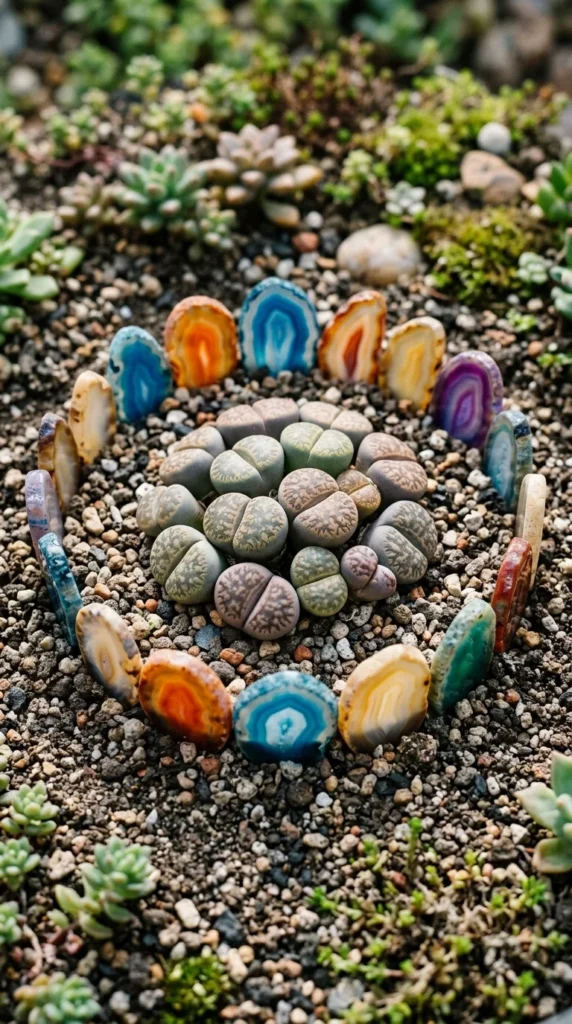
Agate slices offer a pop of color and a touch of the bohemian. Use them as decorative edging for small-scale succulent displays or terrariums. The translucent colors of the agate look particularly beautiful when backlit by the sun.
21. Travertine Troughs
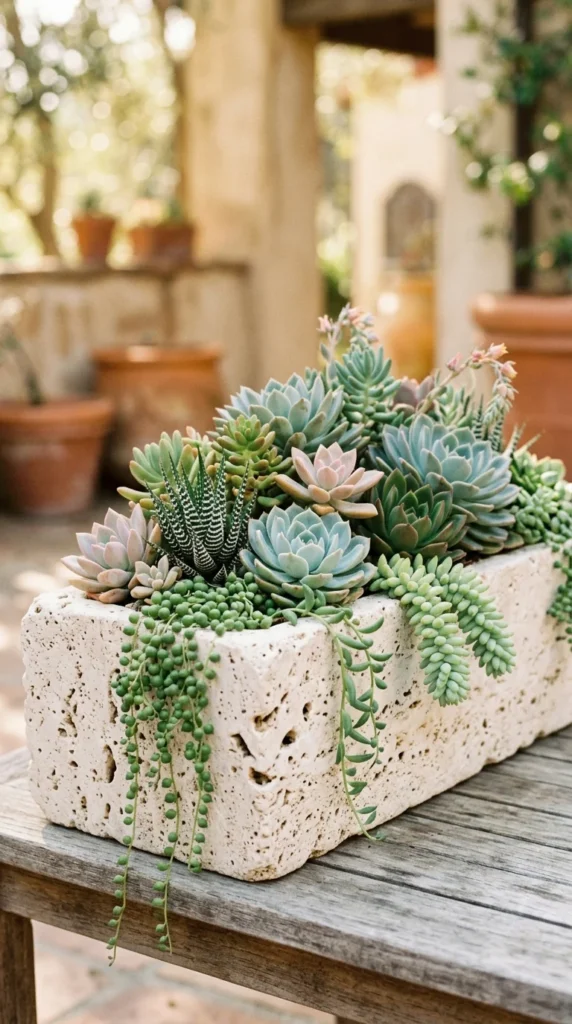
Travertine troughs provide a classic, Mediterranean aesthetic. The pitted surface of the stone is naturally slip-resistant and porous, making it an excellent material for outdoor succulent containers that need to withstand the elements.
22. Crushed Brick
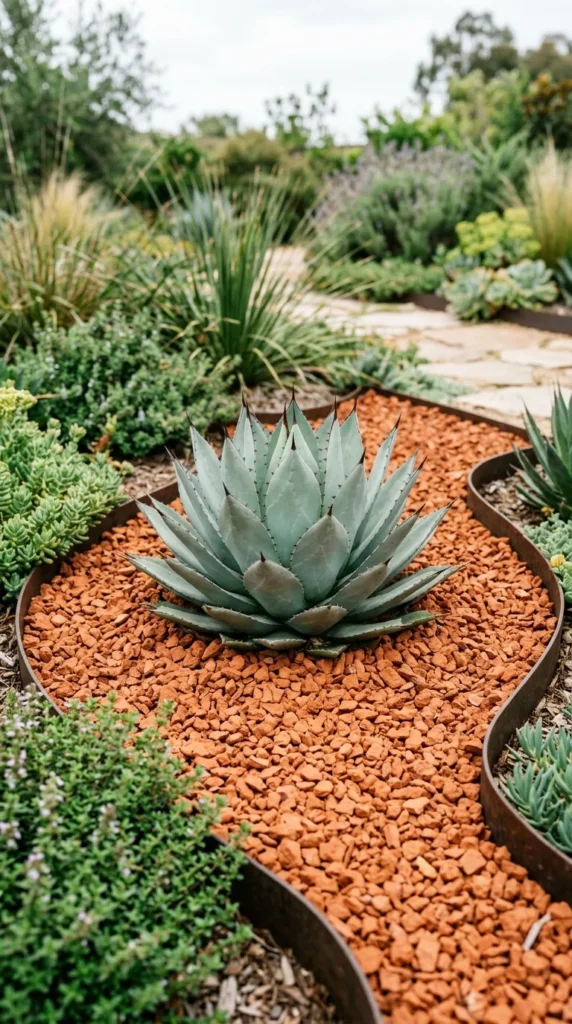
For a warm, industrial or rustic look, use crushed brick as a top dressing. The reddish hues perfectly complement “blue” succulents, and the jagged texture provides a nice contrast to smooth-leaved varieties.
23. Fieldstone Clusters
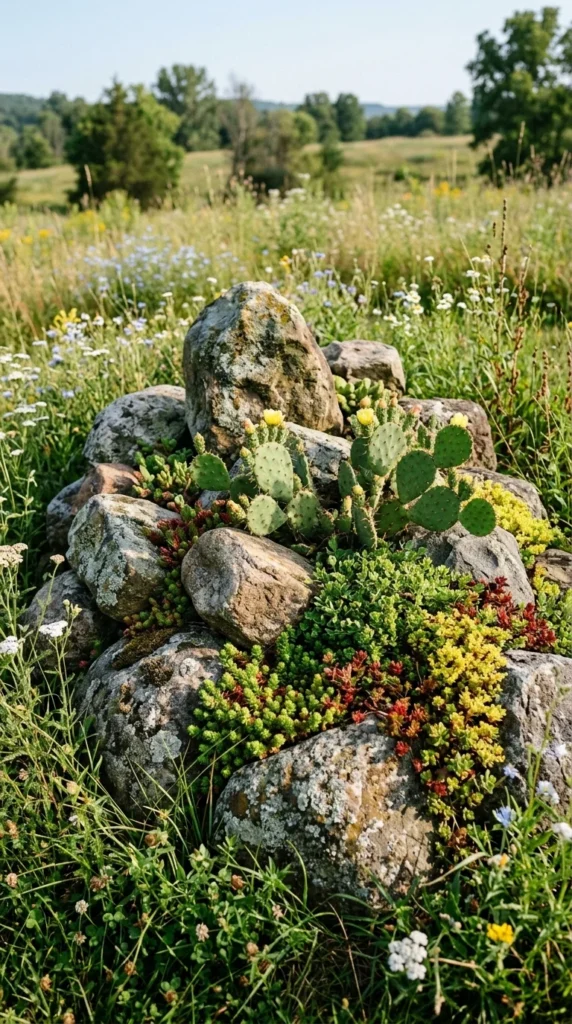
Fieldstones are the most “natural” looking option for many gardeners. They look like they’ve always been there. Grouping them in odd numbers (3, 5, or 7) creates a balanced, organic look that anchors your succulents into the earth.
24. Jasper Settings
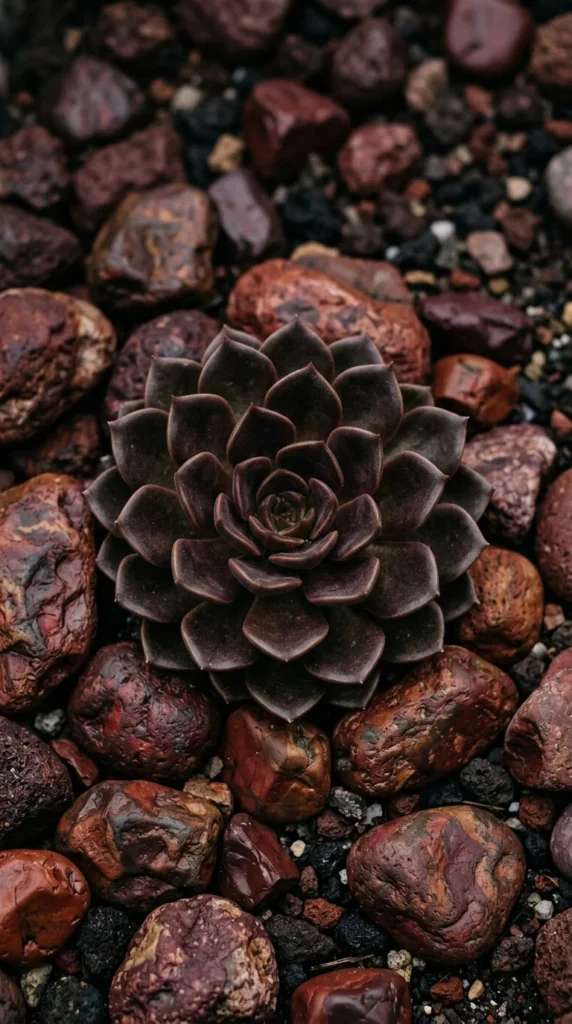
Jasper comes in a variety of earthy tones, from deep reds to mustard yellows. Using jasper that matches or contrasts with the “stress colors” of your succulents (the reds and purples they turn in the sun) can create a breathtaking, coordinated display.
25. Schist Layers
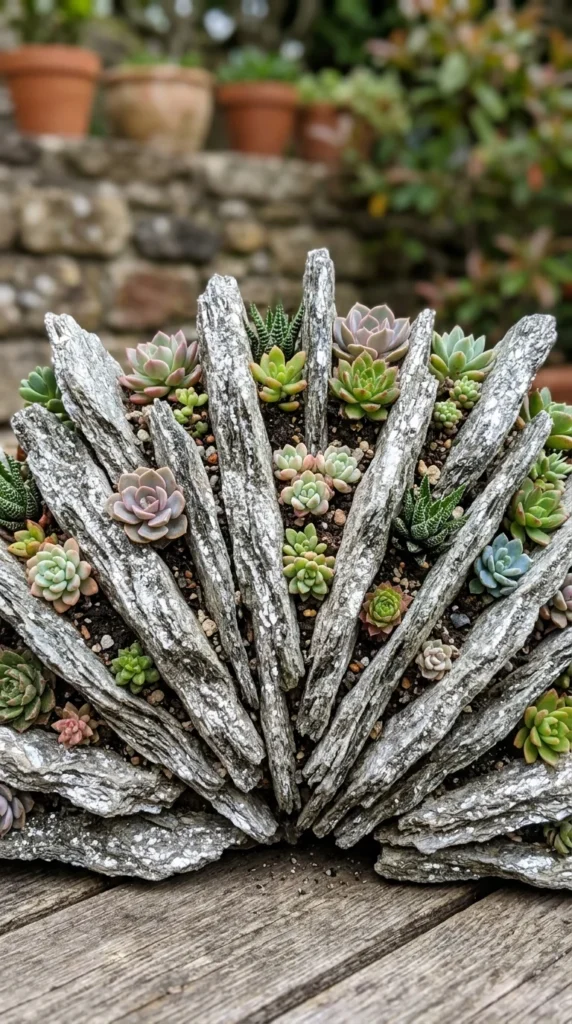
Schist often contains mica, giving it a subtle sparkle. This “glittering” stone adds a touch of magic to a rock garden. The layered structure allows for “crevice planting,” which is excellent for keeping succulent roots cool while their leaves soak up the sun.
26. Gneiss Formations
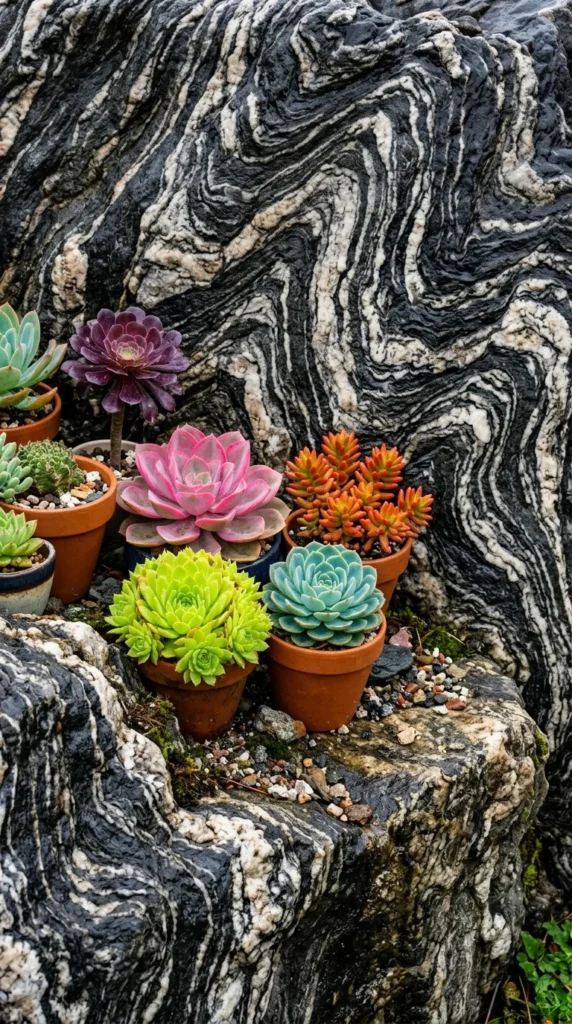
The swirling bands of color in gneiss rock provide a busy, energetic background. Pair these stones with succulents that have solid, bold colors to avoid a cluttered look. The stone acts as the “pattern” and the plant acts as the “solid color” in your design.
27. Serpentine Stones
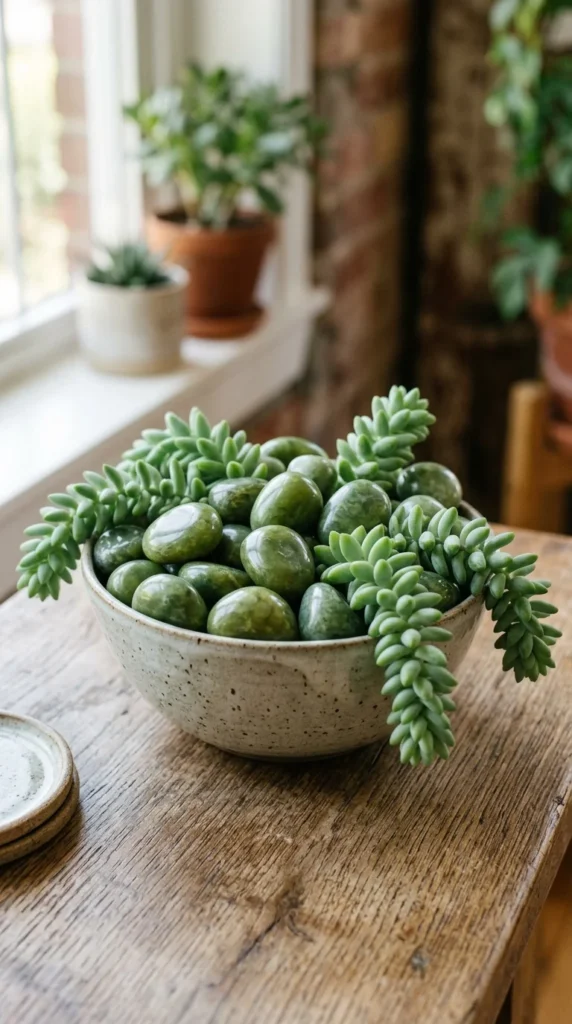
Serpentine stone has a unique green, waxy sheen that mimics the appearance of certain succulent leaves. Using this stone creates a monochromatic, “green-on-green” look that focuses the viewer’s attention on the subtle differences in texture and shade.
Tips for Rock & Succulent Success
- Drainage is King: When planting in rocks, ensure there is still a way for water to escape. If you’re using a stone with a natural “bowl” shape, you may need to use a masonry bit to drill a drainage hole.
- The Right Soil Mix: Don’t just use garden soil. Use a specialized cactus and succulent mix, or create your own with one part potting soil, one part coarse sand, and one part perlite or pumice.
- Top Dressing Matters: Beyond aesthetics, a “top dressing” of small rocks or pebbles keeps the lower leaves of your succulents off the damp soil, preventing rot.
- Light Requirements: Remember that rocks can heat up in the sun. In very hot climates, dark stones like obsidian or lava rock can become hot enough to scorch delicate succulent leaves. Monitor your plants during the first few weeks of summer.