
Succulent owners often experience a moment of panic when their once-verdant green plants start to blush with shades of rose, magenta, or pastel pink. However, in the world of xeriscaping and indoor gardening, a pink succulent is often the “gold standard” of health and aesthetic beauty. This transformation is usually the result of “stress,” a term that sounds negative but, for succulents, often indicates they are adapting perfectly to their environment.
The change is primarily driven by pigments called anthocyanins, which act as a natural defense mechanism. When your succulent turns pink, it isn’t dying; it is communicating. Here are 15 reasons why your succulent is changing color and why you should celebrate the shift.
1. Sun Stress
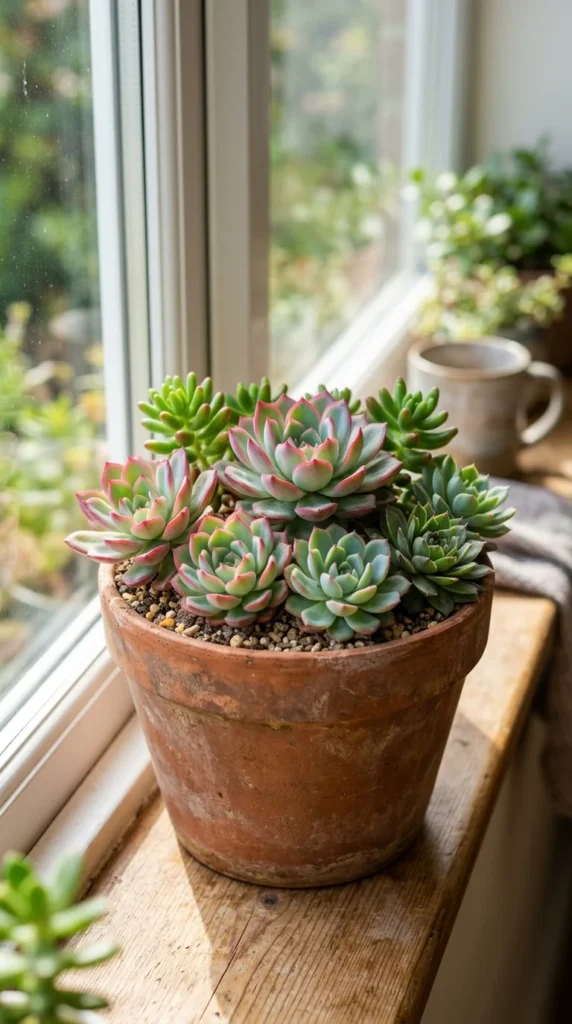
Sun stress is the most common reason for a succulent to turn pink. Just as humans produce melanin to protect their skin from UV rays, succulents produce anthocyanins. These pigments act as a biological “sunscreen,” protecting the plant’s delicate tissues from intense light. When a succulent receives 6 to 8 hours of bright, direct sunlight, it will often reward you with a stunning pink glow. This is a sign that the plant is maximizing its light intake while keeping itself safe.
2. Cold Temperatures
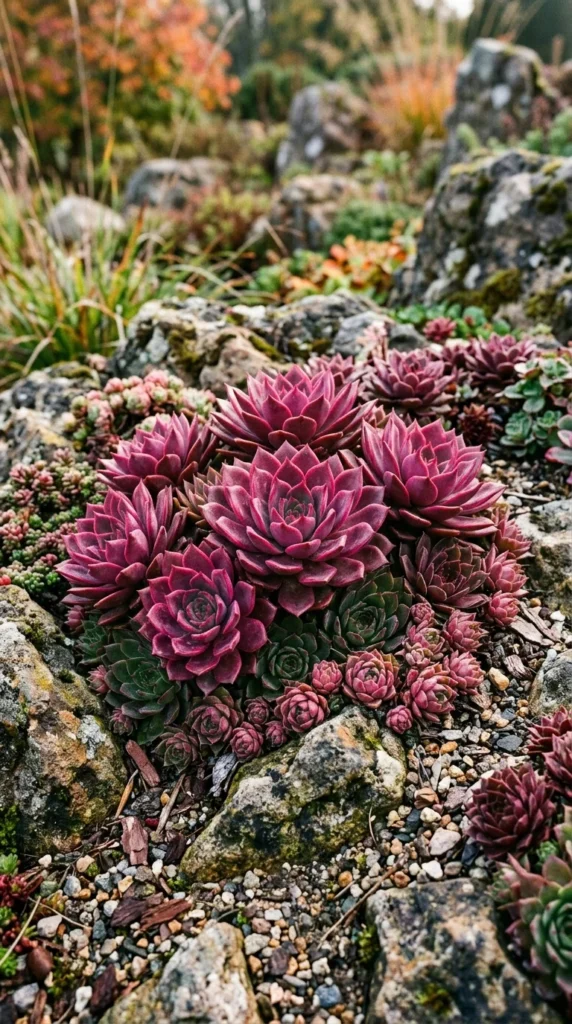
Succulents are masters of temperature adaptation. When the thermometer drops (but stays above freezing), the plant’s metabolic processes slow down. This chill triggers the breakdown of chlorophyll (the green pigment) and encourages the dominance of anthocyanins. This is particularly common in the fall and winter months. The pink hue helps the plant absorb more heat from the sun, keeping its internal temperature just a bit higher during cold snaps.
3. Drought Stress
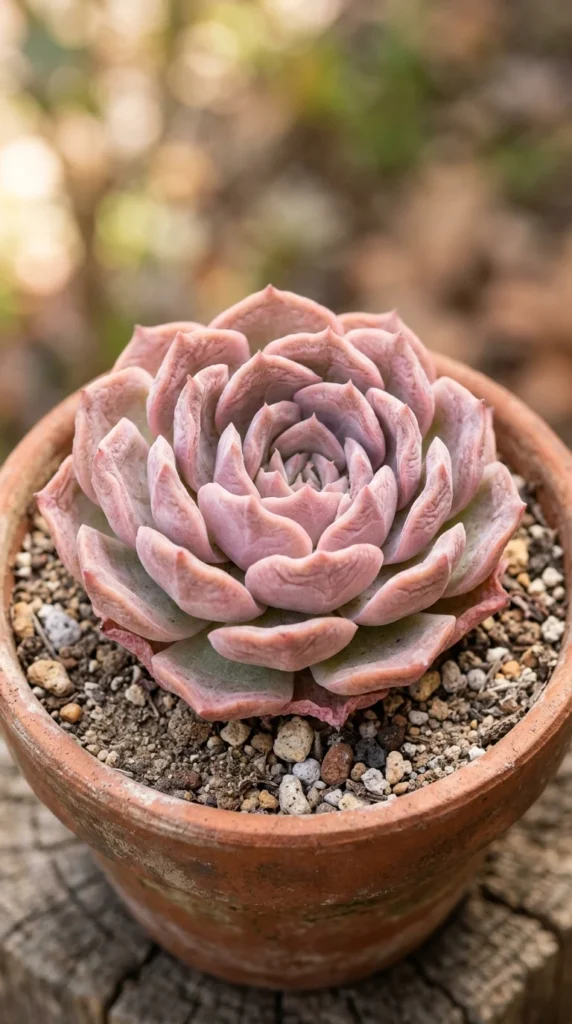
In the wild, succulents live in arid environments where water is a luxury. When you wait a little longer between waterings, the plant enters a mild state of “drought stress.” To conserve energy and protect its water stores, the succulent shifts its chemical balance, resulting in pink or red leaf tips. As long as the leaves remain firm and aren’t shriveling excessively, this pink tint is a sign of a hardy, well-adapted plant.
4. Nutrient Levels
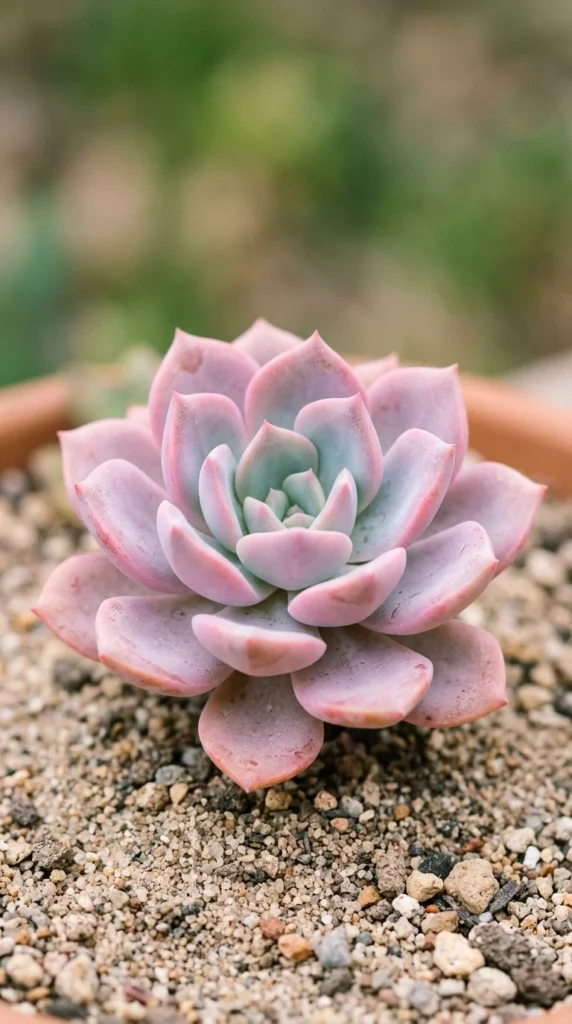
Succulents actually prefer “lean” soil. When they are grown in soil that is slightly low in nitrogen, they tend to grow more slowly and develop more intense colors. Nitrogen promotes lush green growth, so a lack of it allows the pink pigments to shine through. This doesn’t mean the plant is starving; it simply means it is in a state of “compact growth,” which many collectors prefer for its aesthetic appeal.
5. Natural Genetics
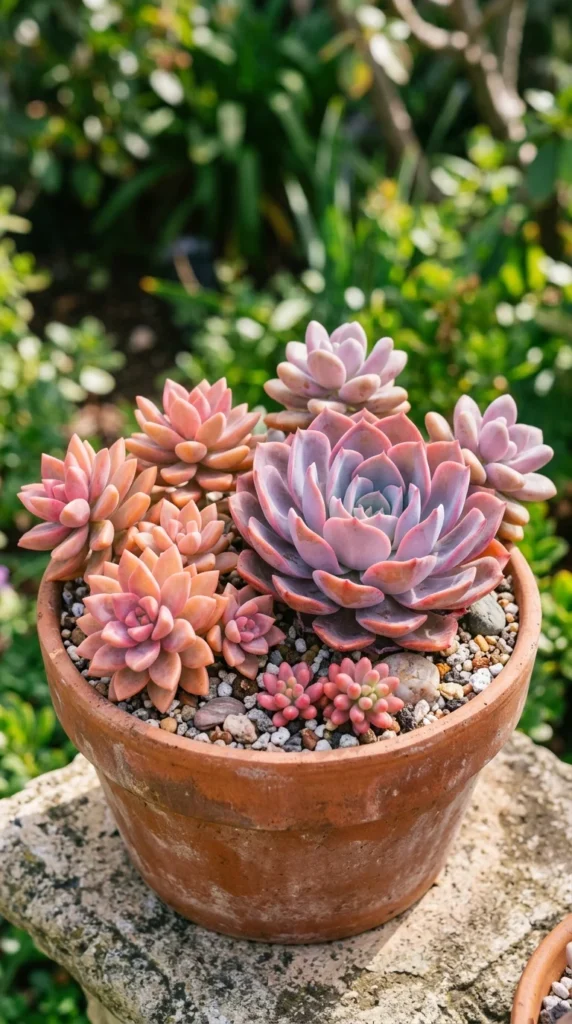
Sometimes, the reason is simply written in the DNA. Many cultivars, such as Echeveria ‘Afterglow’, Graptosedum ‘California Sunset’, or Kalanchoe luciae (Paddle Plant), are genetically predisposed to be pink. As these plants mature and receive proper care, their natural colors become more pronounced. If you have one of these varieties, the pinkening is a sign that the plant is reaching its full genetic potential.
6. Seasonal Shifts
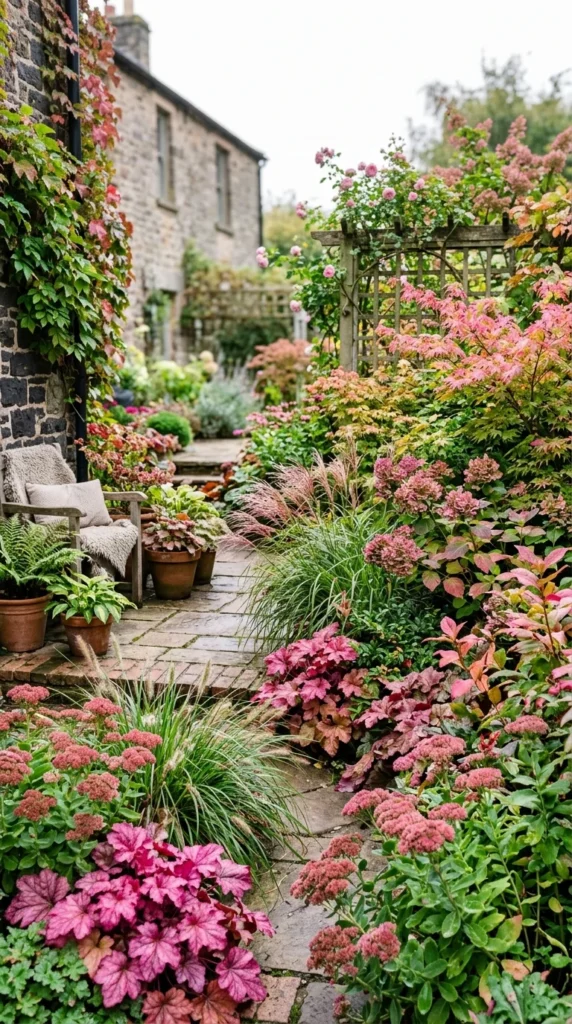
Succulents are highly sensitive to the change in seasons. As the days grow shorter and the angle of the sun changes, the plant adjusts its pigment levels. This transition often brings out “blushing” at the leaf margins. It is the plant’s way of preparing for a different growth cycle, ensuring it remains resilient against the changing atmospheric conditions.
7. High Light Intensity
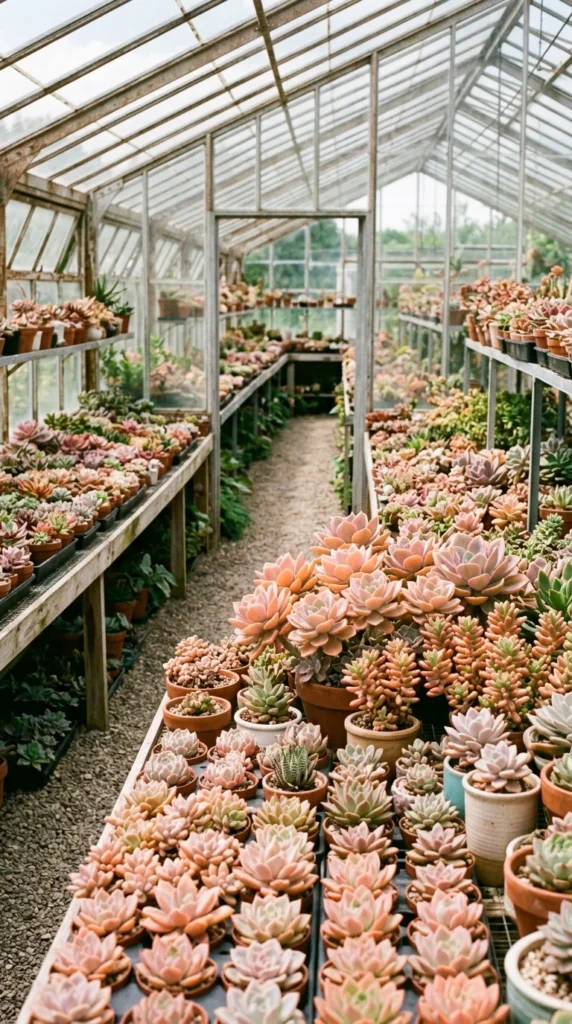
Even if the temperature is stable, the sheer intensity of light can cause a color change. Succulents placed under high-output grow lights or in south-facing windows receive a concentrated amount of photons. This high-energy environment stimulates the production of secondary metabolites, which manifest as vibrant pinks. It’s a sign that your plant is getting plenty of energy for photosynthesis.
8. Pot Size
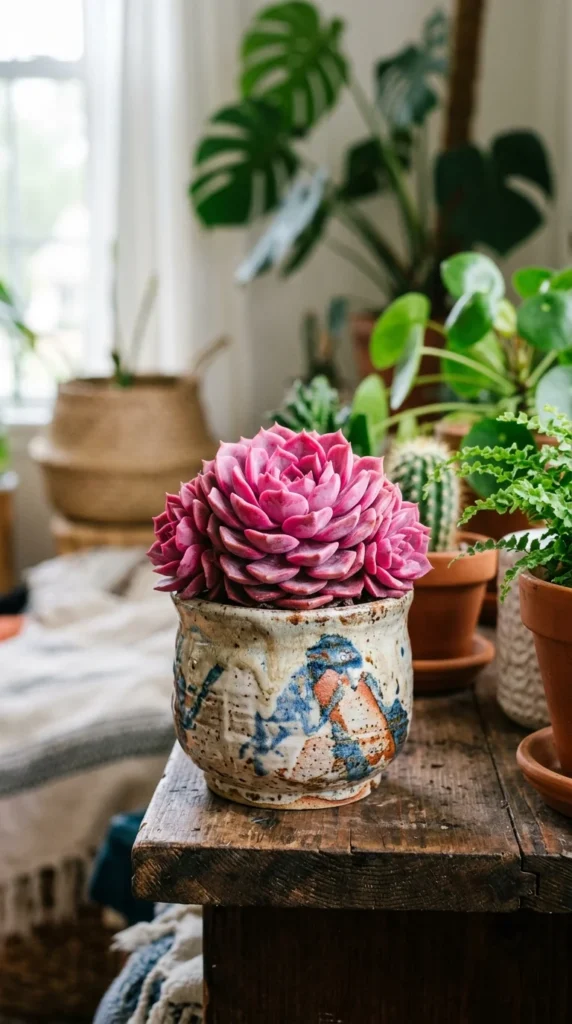
Being slightly root-bound can actually enhance a succulent’s color. When a succulent’s roots fill the pot, its growth slows down, and it focuses more on maintaining its current structure rather than expanding. This “stress” leads to a concentration of pigments in the leaves. Many prize-winning succulents are kept in relatively small pots to maintain their tight rosettes and vivid pink hues.
9. Soil Acidity
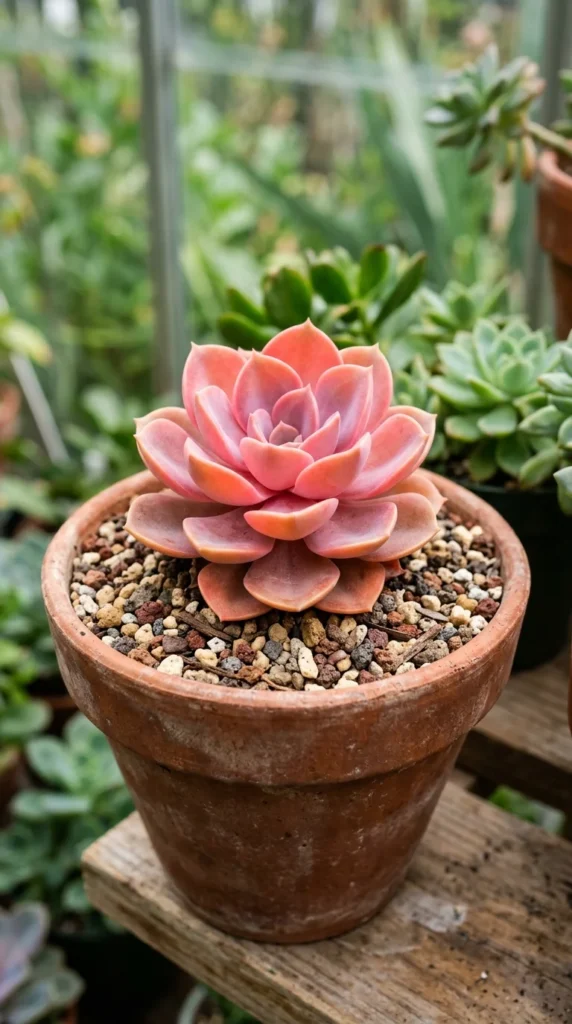
The pH level of the soil can influence how nutrients are absorbed and how pigments are expressed. Slightly acidic soil can sometimes enhance the pink and red tones in certain species. If your potting mix contains elements like pine bark or certain types of volcanic rock, the resulting acidity might be the “secret ingredient” behind your plant’s rosy complexion.
10. Protective Pigments
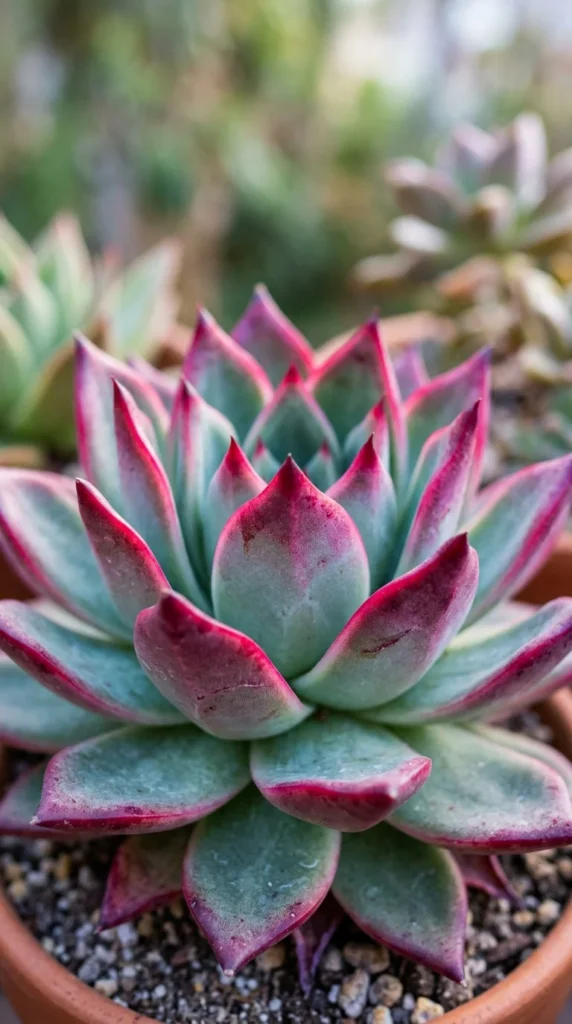
Anthocyanins don’t just protect against light; they also act as antioxidants. These pigments help the plant deal with oxidative stress caused by environmental factors. When you see pink, you are looking at the plant’s immune system in action. It’s an indicator that the succulent is actively defending its cells and staying healthy under the conditions it is provided.
11. Photosynthesis Efficiency
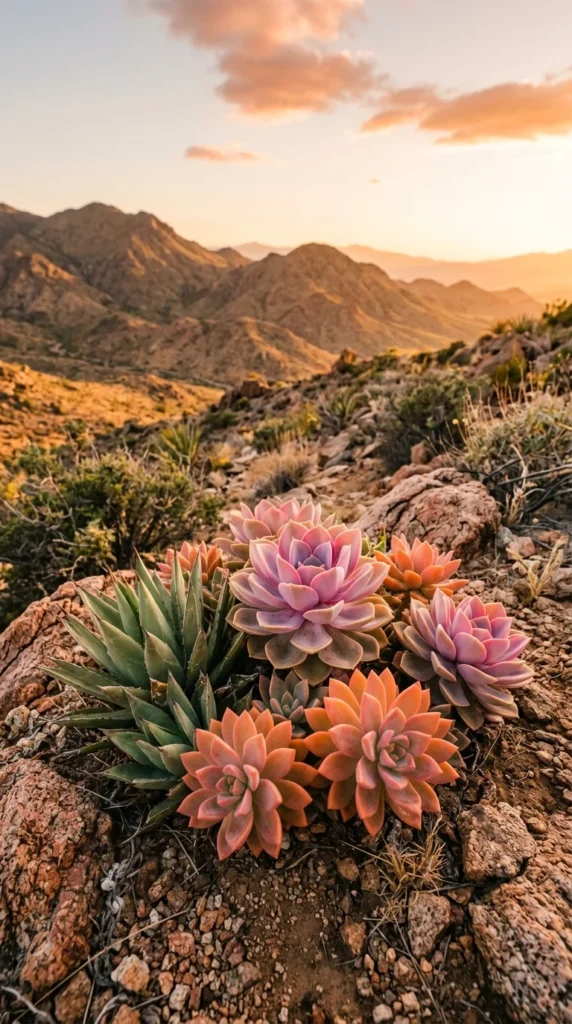
When a succulent is “blushing,” it is often a sign that it has reached an equilibrium in its photosynthetic process. The plant has enough chlorophyll to produce food but is using the pink pigments to “throttle” the amount of energy it absorbs, preventing damage to the chloroplasts. This balance is a hallmark of a thriving succulent that is perfectly dialed into its environment.
12. Dormancy Periods
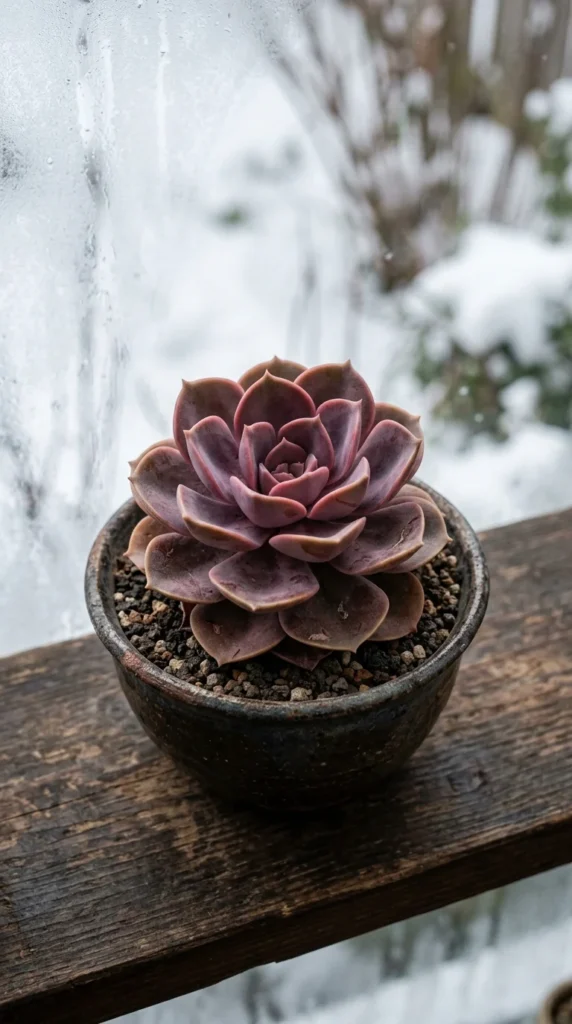
Most succulents have a period of dormancy where they stop active growth. During this time, the green chlorophyll often fades, and the underlying pigments—reds, purples, and pinks—become dominant. Seeing your succulent turn pink in the winter or during the height of summer (depending on the species) is a sign that the plant is successfully entering its rest phase.
13. Controlled Environment
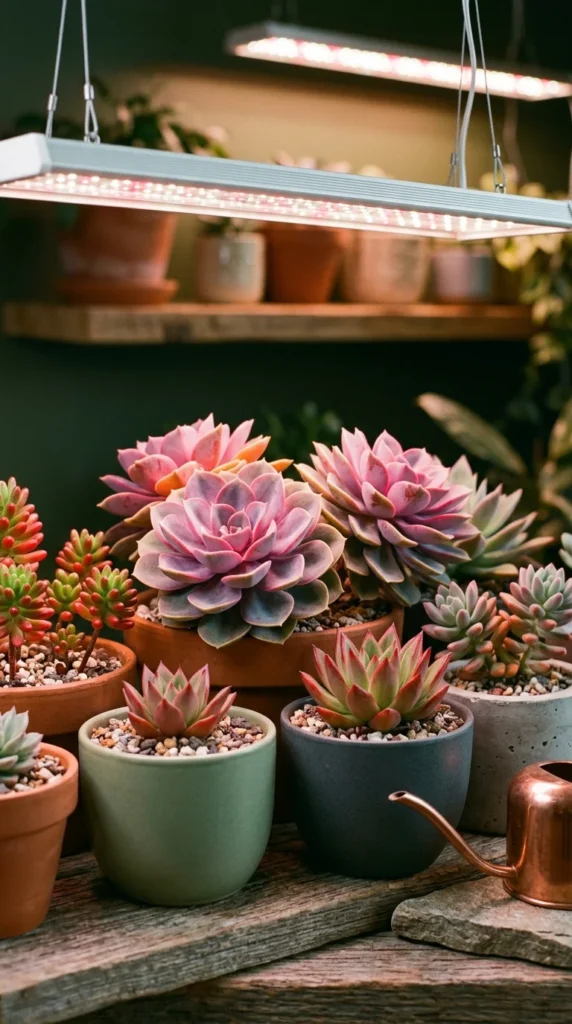
Indoor gardeners often use specific light spectrums (blue and red) to trigger color changes. If you are using full-spectrum LED lights, the “blue” end of the spectrum is particularly effective at inducing the pink color. This shows that your indoor setup is mimicking the high-quality light of the outdoors, allowing the plant to “blush” just as it would in the wild.
14. Age Factors
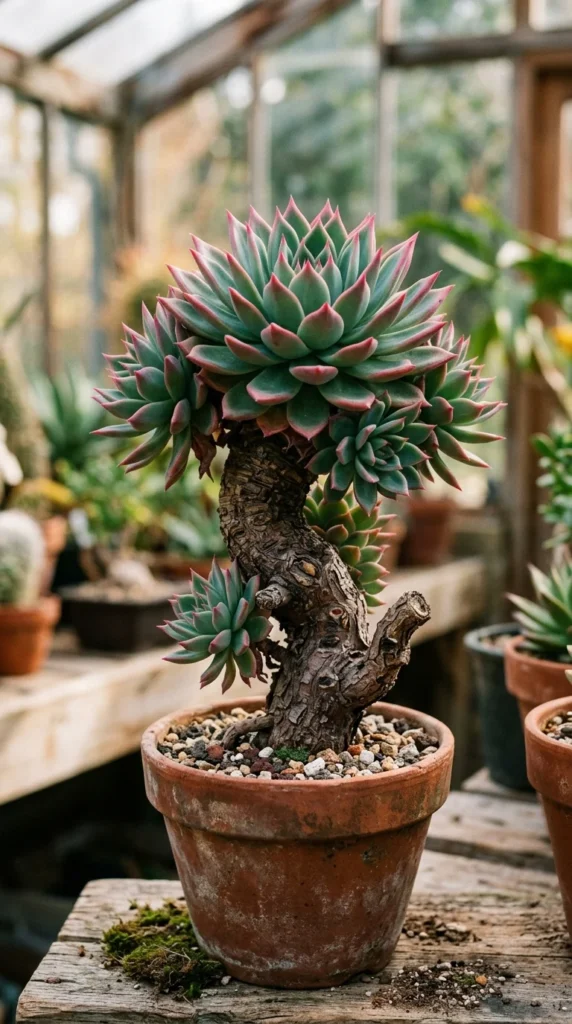
As succulents age, their lower leaves often change color before eventually drying out. However, a mature succulent that has been in the same environment for years may develop a permanent pinkish tint. This is a sign of a “hardened” plant—one that has survived many seasons and has a robust, resilient structure. It’s the succulent version of a distinguished patina.
15. Plant Happiness
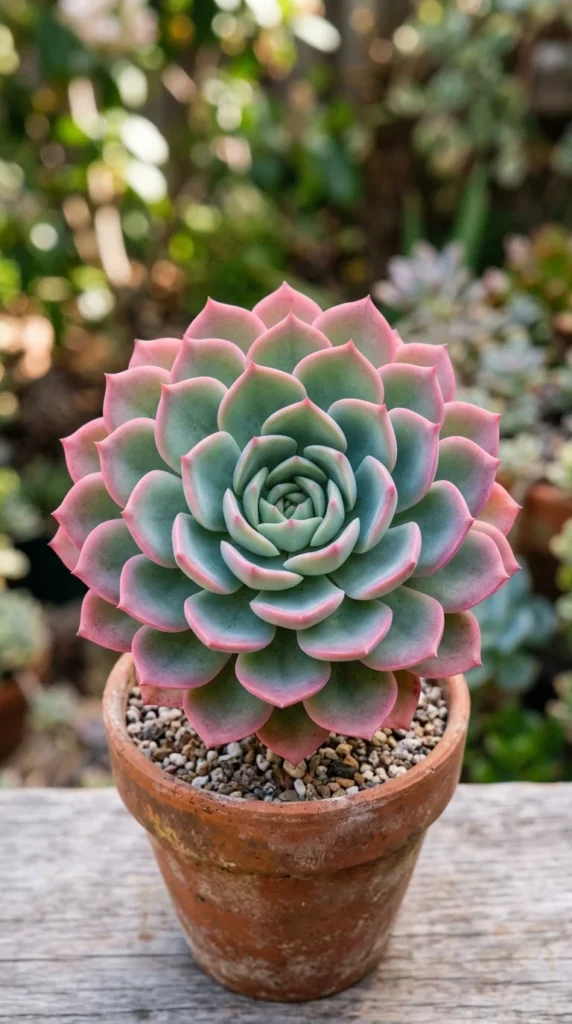
Ultimately, a pink succulent is often a happy succulent. While “stress” is the biological cause, the result is a plant that is compact, colorful, and hardy. In the succulent community, “stressing” a plant is a deliberate technique used to bring out its most beautiful form. If your plant is pink, firm, and growing in a tight rosette, you are doing everything right. Enjoy the blush!