
The Ceropegia woodii, commonly known as the String of Hearts, is a beloved semi-succulent native to South Africa. Characterized by its delicate, heart-shaped leaves and purplish trailing stems, it has become a staple for indoor gardeners seeking that “curtain of hearts” effect. However, many enthusiasts struggle with vines that look thin, sparse at the top, or simply refuse to grow. To achieve those iconic six-foot trails and a dense, bushy crown, you must understand the unique balance of succulent care and tropical humidity this plant craves.
1. Lighting
Lighting is the single most important factor in determining the spacing between the leaves (internodes). If your String of Hearts is “leggy”—meaning there is a lot of stem but very few hearts—it is likely reaching for more light. To get fuller vines, provide several hours of bright, indirect light every day.
While they can tolerate some direct morning sun, harsh afternoon rays may scorch the delicate foliage. Ideally, place your plant near a south or west-facing window protected by a sheer curtain. High light levels also encourage the “silvering” of the leaves and the deep purple pigmentation on the undersides, which is a hallmark of a healthy specimen.
2. Watering
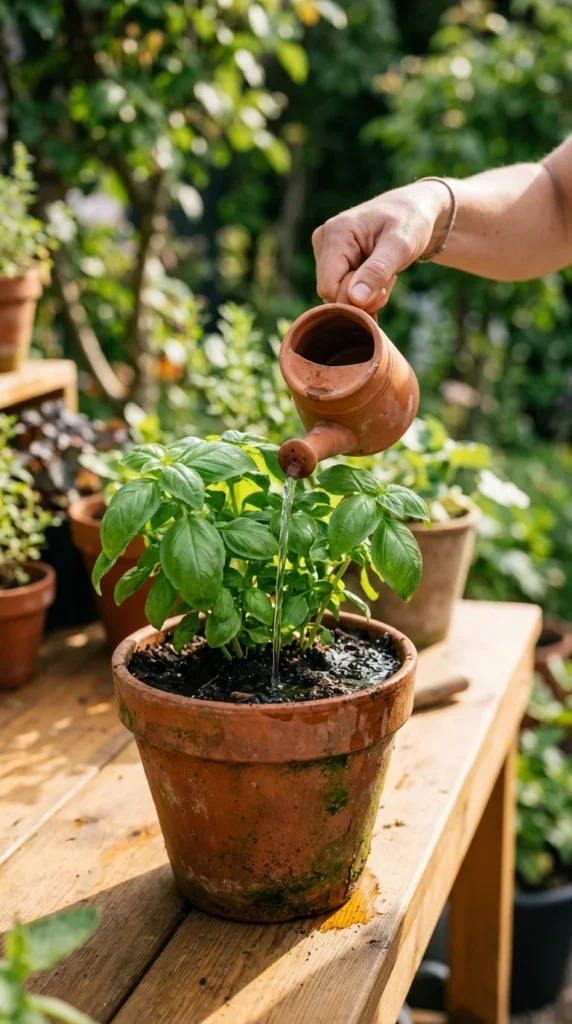
As a semi-succulent, the String of Hearts stores water in its fleshy leaves and underground tubers (caudexes). The biggest mistake owners make is overwatering, which leads to root rot and “mushy” vines. Use the “soak and dry” method: wait until the soil is completely dry from top to bottom before watering again.
You can also use the “taco test” to check for thirst. Gently squeeze a pair of mature leaves near the base of the plant. If they are firm, the plant has plenty of water. If they feel soft and can be folded easily like a taco shell, it’s time to hydrate.
3. Soil
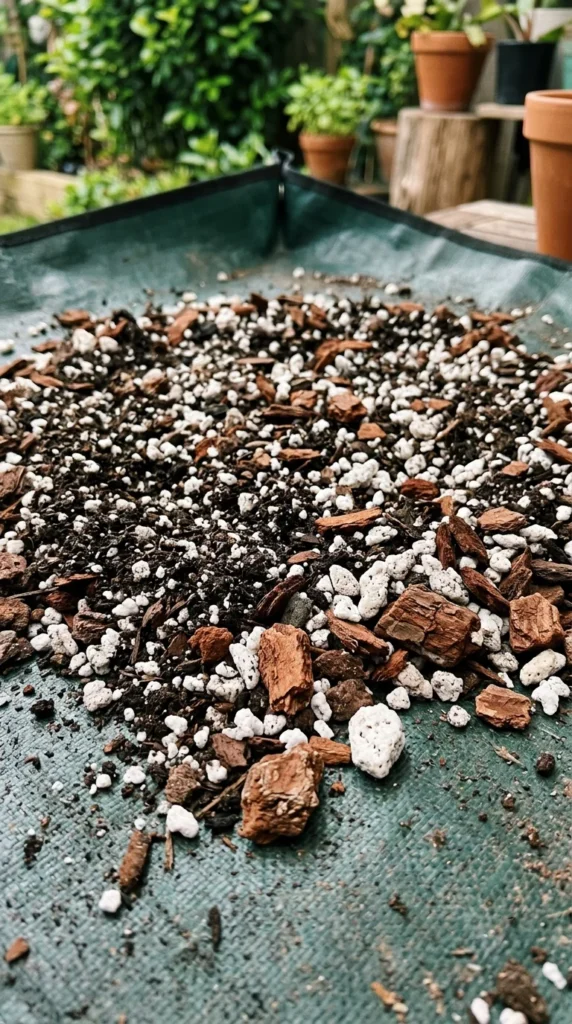
Standard potting soil holds far too much moisture for Ceropegia woodii. To ensure long-term health and prevent fungal issues, use a well-draining succulent or cactus mix. A perfect DIY blend consists of two parts potting soil, one part perlite, and one part coarse sand or pumice.
This airy structure allows oxygen to reach the roots and ensures that excess water drains away instantly. If the soil stays damp for more than a week after watering, your mix is too heavy, and you risk losing the root system.
4. Coiling
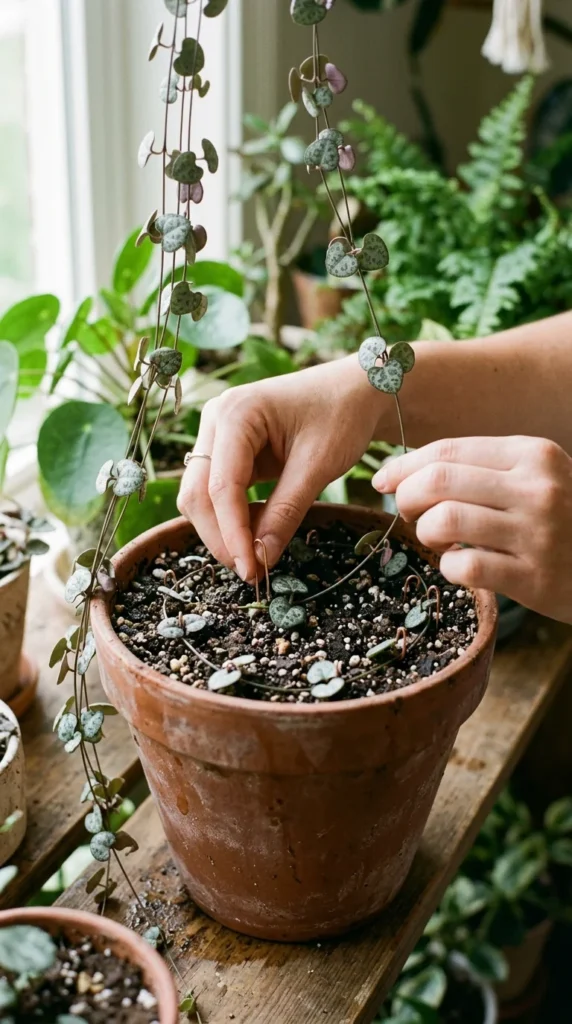
If the top of your pot looks bald or thin, the “coiling” method is your best friend. Instead of letting every new vine hang down, take one or two long trailers and loop them back onto the surface of the soil.
Use a small floral pin or a bent paperclip to hold the nodes (where the leaves grow) in contact with the damp soil. Over time, these nodes will grow roots and new vines, creating a much thicker, bushier appearance at the crown of the plant rather than just a few lonely strings.
5. Fertilization

To fuel the rapid growth required for long vines, you need to provide nutrients during the active growing season (spring and summer). Use a balanced, water-soluble fertilizer diluted to half-strength once a month.
Avoid fertilizing in the winter when the plant’s metabolism slows down. Over-fertilizing can lead to salt buildup in the soil, which burns the sensitive tubers. If you notice a white crust on the soil surface, flush the pot with distilled water to clear out excess minerals.
6. Propagation
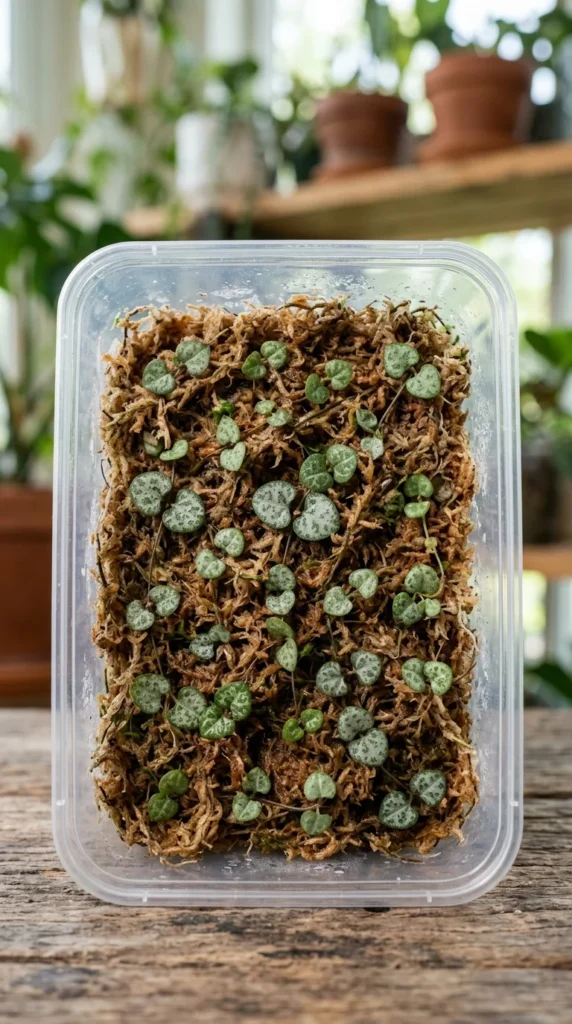
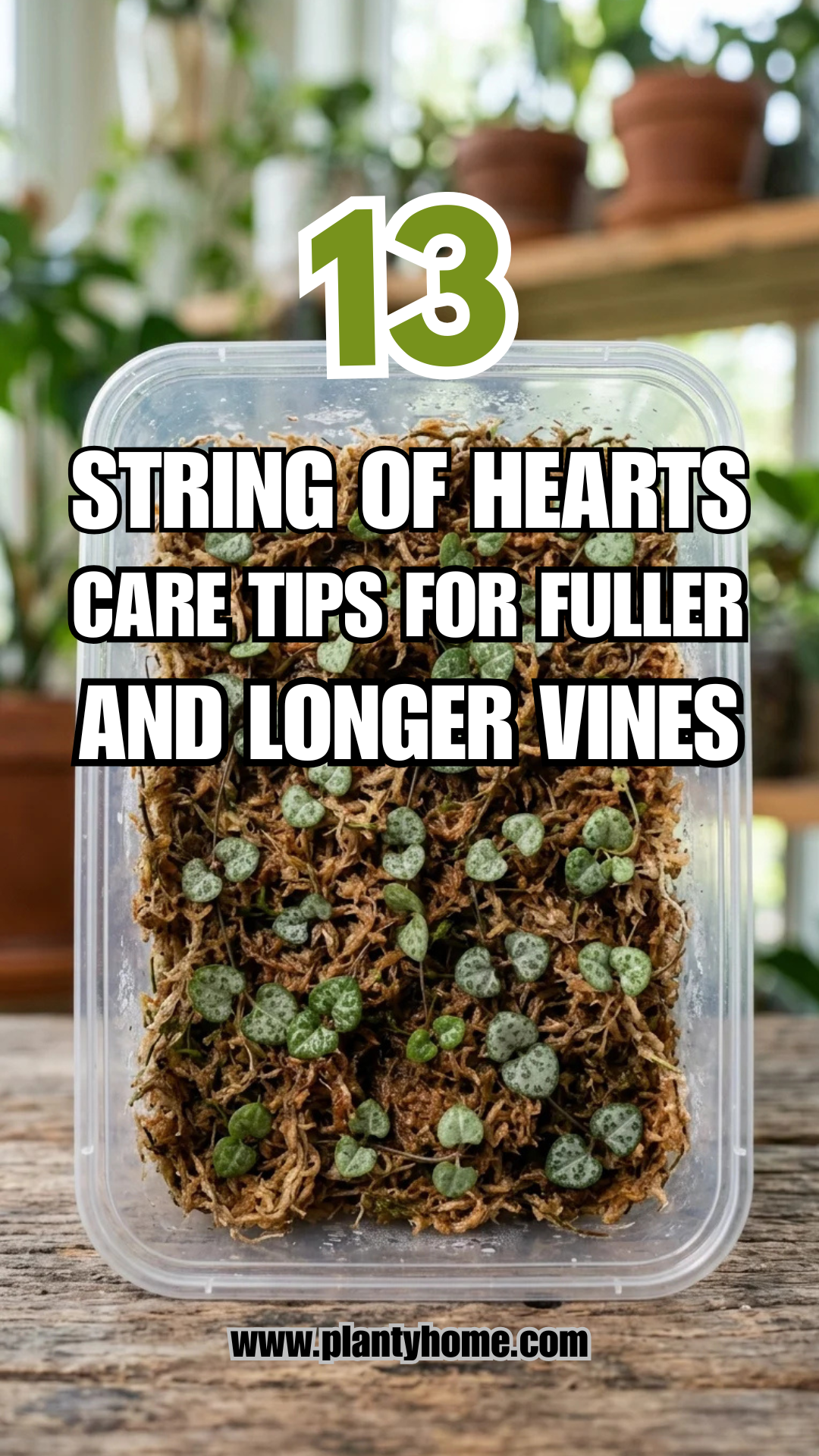
One of the fastest ways to get a fuller pot is to propagate your own cuttings and plant them back into the original container. The most successful method is the “Butterfly Method.” Cut a vine into segments, ensuring each segment has one pair of leaves and a small bit of stem.
Place these “butterflies” on top of damp sphagnum moss or moist soil. Each pair of leaves has the potential to sprout a new vine. Once they have developed roots and a tiny tuber, transplant them into the main pot to fill in any gaps.
7. Temperature
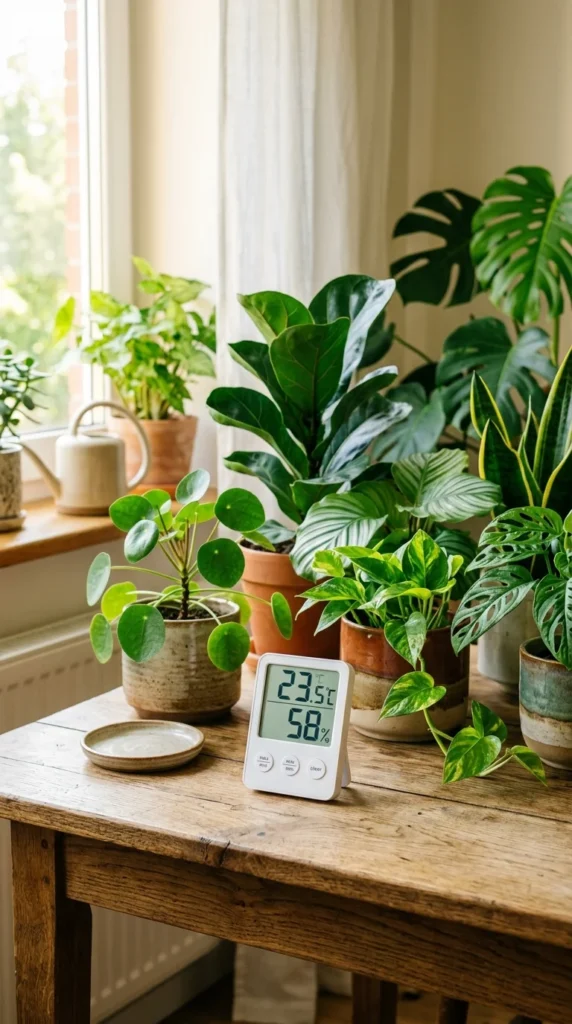
String of Hearts thrives in temperatures between 65°F and 80°F (18°C – 27°C). They are not cold-hardy and will suffer if temperatures drop below 50°F (10°C).
Keep the plant away from cold drafts, such as air conditioning vents or poorly insulated windows in the winter. Sudden temperature fluctuations can cause leaf drop. If you live in a temperate climate, you can move your plant outdoors to a shaded porch in the summer to enjoy the natural warmth and humidity.
8. Humidity
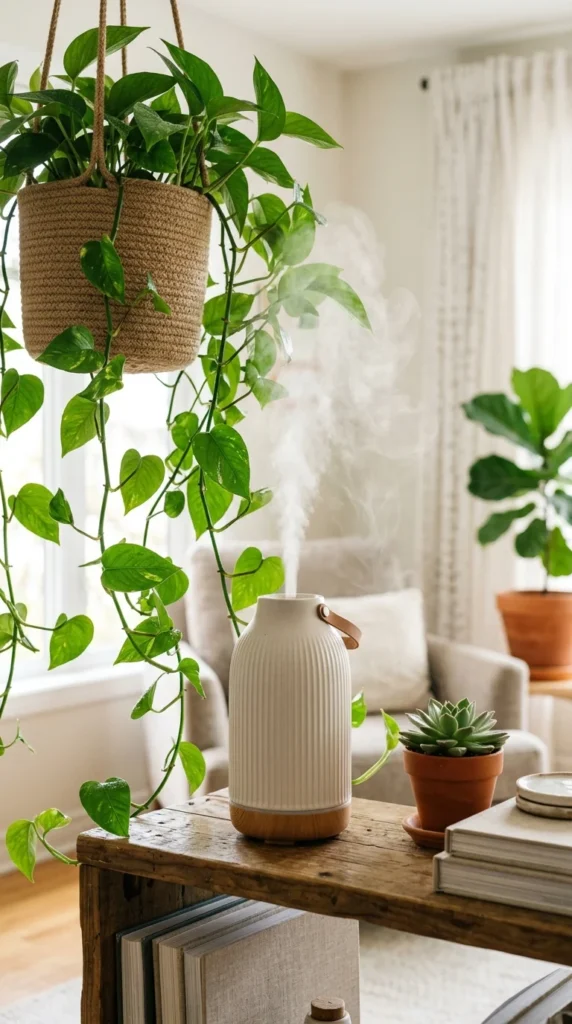
While they are succulents, String of Hearts plants appreciate a bit more humidity than your average cactus. Aim for a humidity level between 40% and 60%. If your home is particularly dry, especially during the winter when heaters are running, the leaves may become thin or crispy at the edges.
You don’t need a greenhouse environment, but placing the pot near a humidifier or on a pebble tray filled with water can provide that extra boost. Avoid misting the leaves directly, as trapped water between the heart-shaped leaves can encourage rot.
9. Tubers
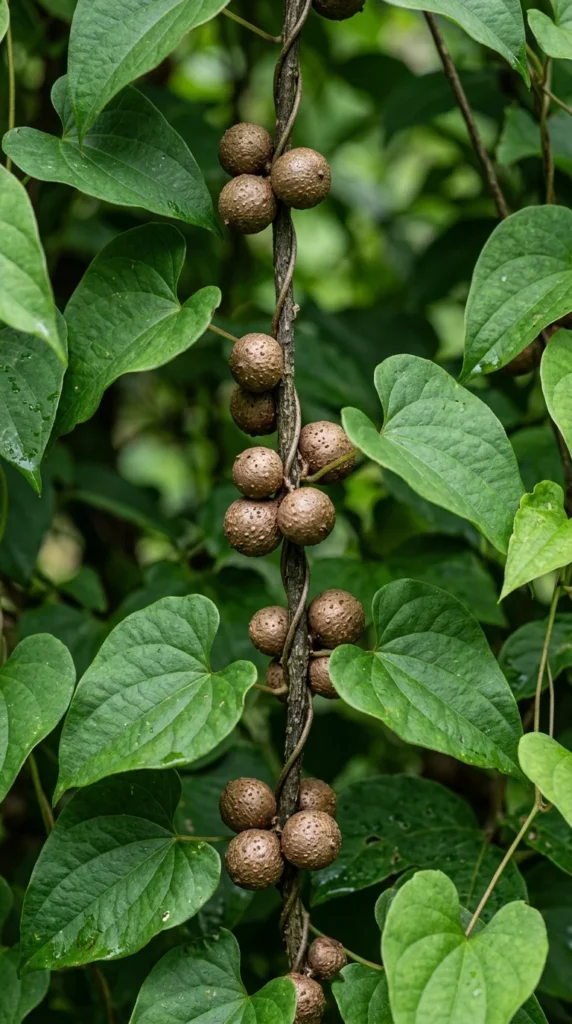
As the plant matures, you will notice small, bead-like growths forming along the stems. These are aerial tubers. In the wild, when these tubers touch the ground, they grow roots and start a new plant.
If you want longer, stronger vines, do not remove these tubers. If you have a vine that is getting too long or looks unhealthy at the bottom, you can cut the vine just above an aerial tuber and press that tuber into the soil. It acts as a “starter pack” for a new plant, containing all the energy and moisture needed to establish roots quickly.
10. Pruning
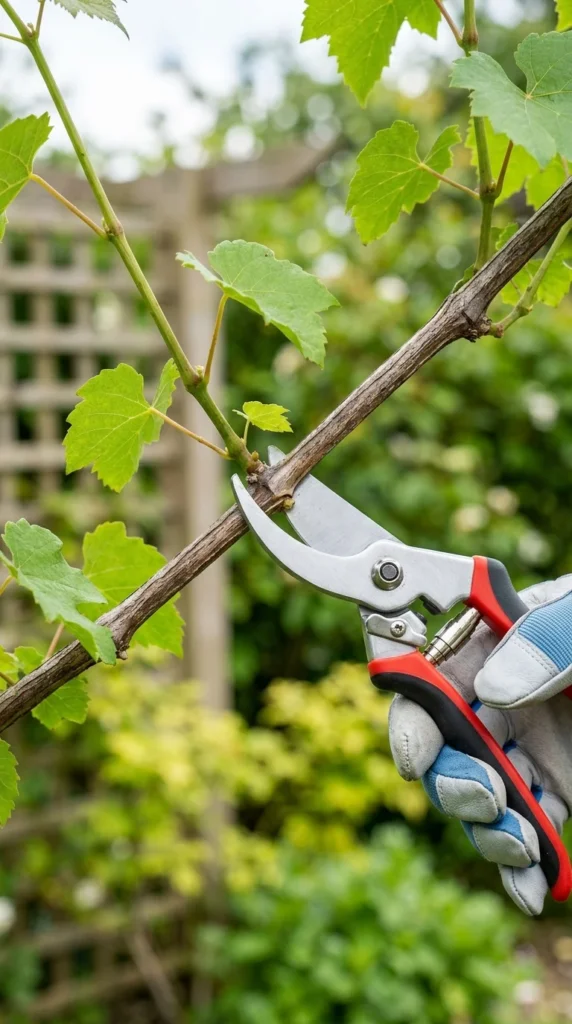
It may seem counterintuitive to cut a plant you want to grow long, but pruning is essential for a “full” look. When you snip a vine, it often encourages the plant to branch out into two new stems from the node above the cut.
Regularly “pinching back” the ends of the vines prevents the plant from putting all its energy into a single, thin string. Always use sterilized scissors to prevent the spread of bacteria, and remember that every piece you prune can be propagated into a new plant!
11. Potting
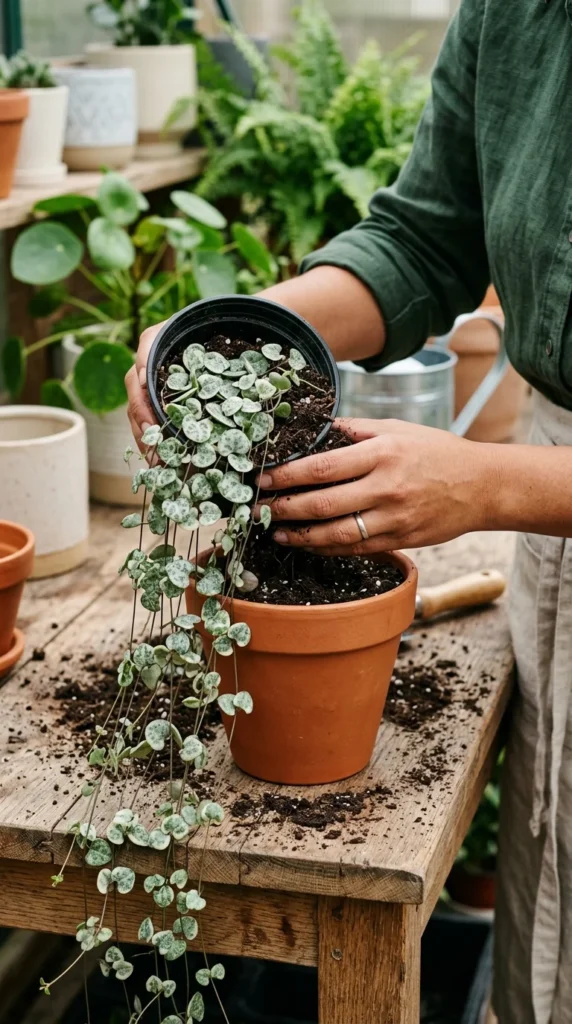
The String of Hearts has a relatively small and shallow root system. They actually prefer to be slightly root-bound. Choosing a pot that is too large is a common mistake; a large volume of soil holds onto water for too long, which the small roots cannot absorb, leading to rot.
Only repot when you see roots growing out of the drainage holes or if the plant’s growth has completely stalled. When you do repot, only go up one inch in diameter. Terracotta is an excellent choice for this plant as the porous material helps pull excess moisture away from the roots.
12. Pests

While generally hardy, String of Hearts can occasionally attract mealybugs or aphids. These pests love to hide in the crevices where the leaves meet the stem. Mealybugs look like small tufts of white cotton, while aphids are tiny green or black insects.
Check your plant weekly, especially at the base and under the leaves. If you spot an infestation, treat it immediately with a cotton swab dipped in rubbing alcohol or a spray of diluted neem oil. Because the vines are so delicate, catching pests early is vital to prevent them from draining the plant’s energy.
13. Dormancy
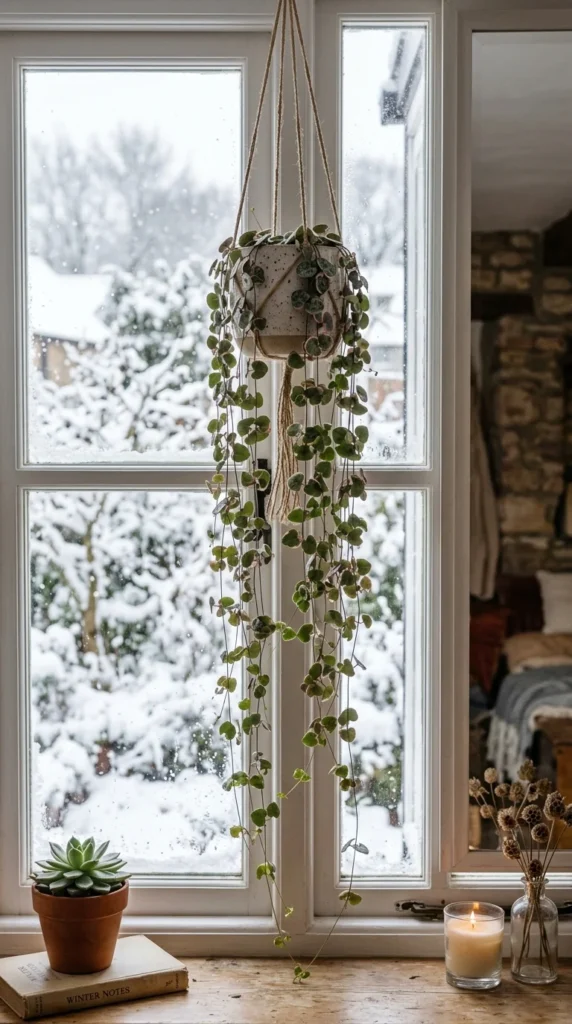
Understand that the String of Hearts goes through a natural dormancy period during the winter months. During this time, growth will slow down significantly, and the plant will require much less water.
Do not panic if your plant isn’t putting out new “hearts” in December. Simply reduce your watering frequency and stop fertilizing. Respecting this rest period ensures the plant has the energy stores necessary to explode with new, long growth once the warmth of spring arrives.