
The Panda Plant (Kalanchoe tomentosa) is a favorite among succulent enthusiasts for its unique, velvet-like foliage and “chocolate-dipped” leaf tips. While it is generally considered a low-maintenance plant, its specific needs—particularly regarding its “fuzzy” anatomy—make it susceptible to certain common errors. If your Panda Plant is losing its luster, dropping leaves, or failing to grow, you may be making one of these common mistakes.
1. Overwatering
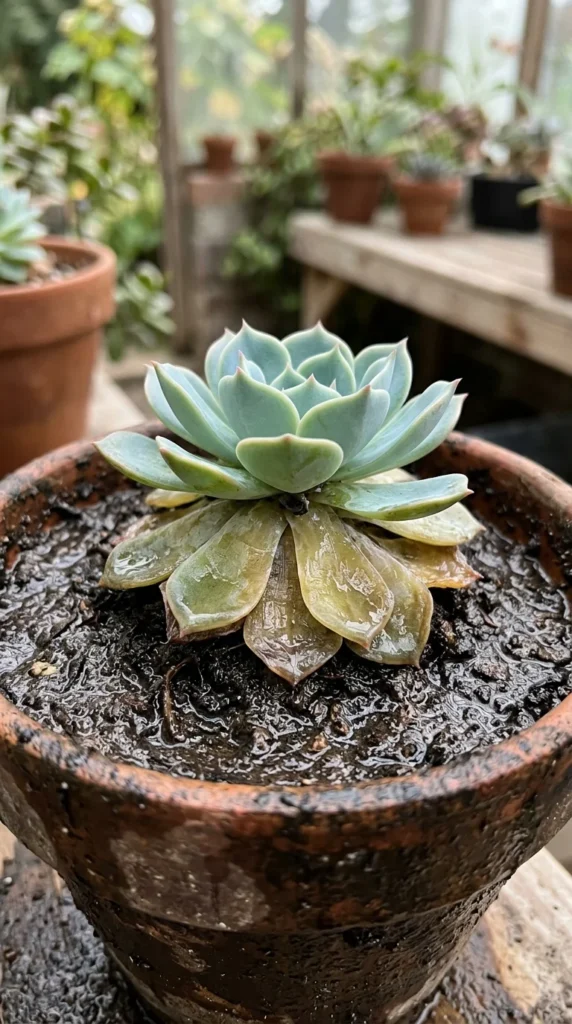
The most common killer of the Panda Plant is excessive moisture. As a succulent, it stores water in its thick, fleshy leaves. When the soil remains wet for too long, the roots are deprived of oxygen, leading to root rot. You should only water when the soil is completely dry from top to bottom.
2. Foliage Watering
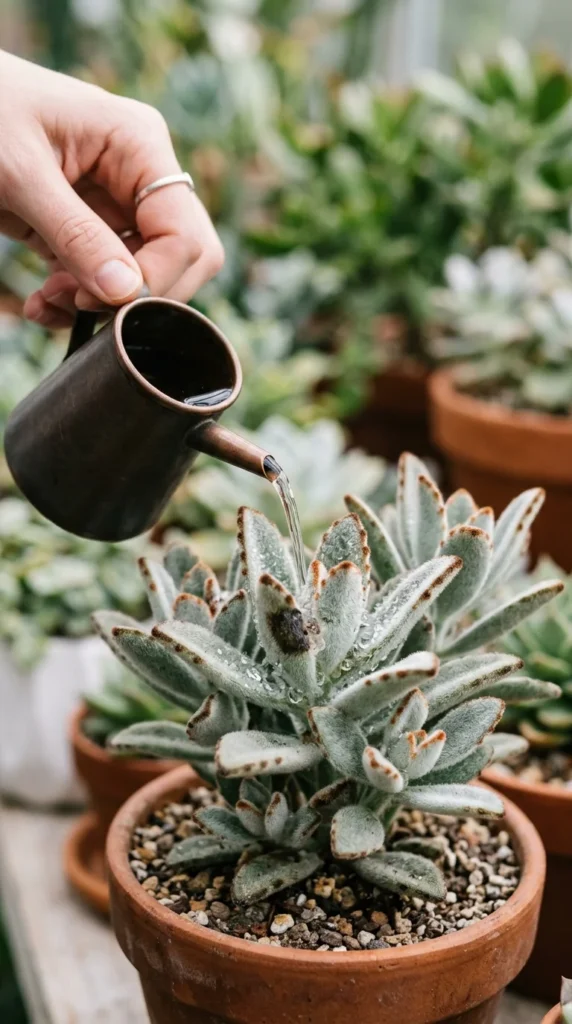
The Panda Plant’s signature fuzz is designed to trap moisture in the wild, but in a home environment, water trapped on the leaves leads to fungal infections and rot. Always water at the base of the plant, directly onto the soil, to keep the leaves dry.
3. Poor Drainage
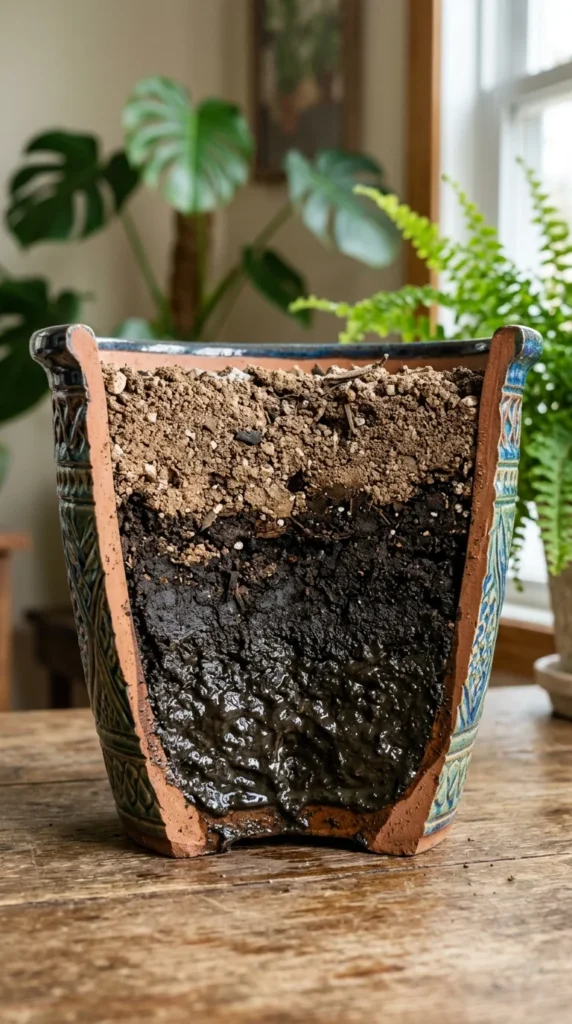
Using a pot without a drainage hole is a recipe for disaster. Without a way for excess water to escape, it pools at the bottom of the container, drowning the roots. Ensure your pot has at least one large drainage hole to allow the soil to breathe.
4. Heavy Soil
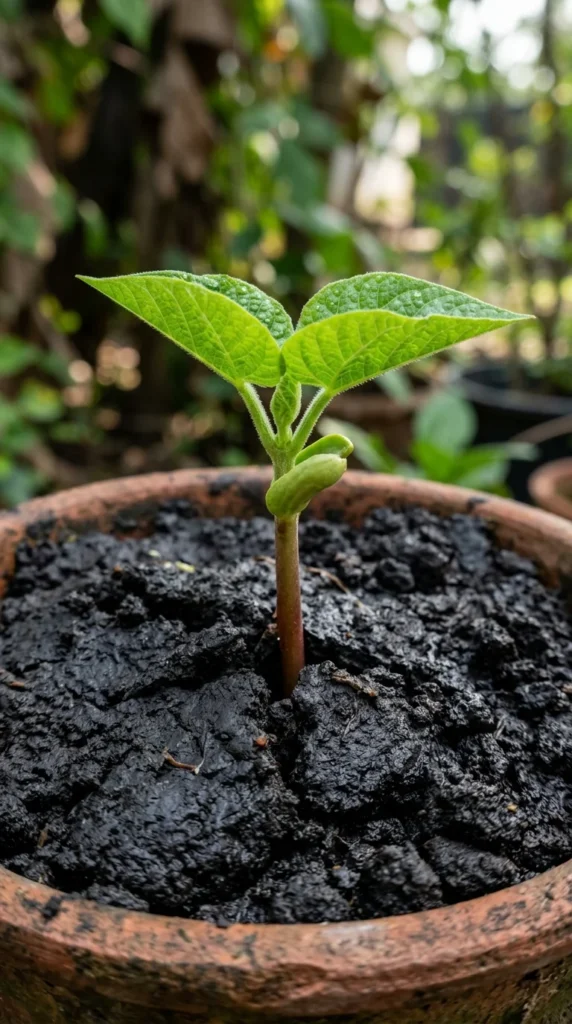
Standard potting soil or garden soil is too dense for Kalanchoe. It retains far too much moisture. To avoid suffocation, use a dedicated cactus or succulent mix, or amend regular soil with perlite, pumice, or coarse sand to improve drainage and aeration.
5. Low Light
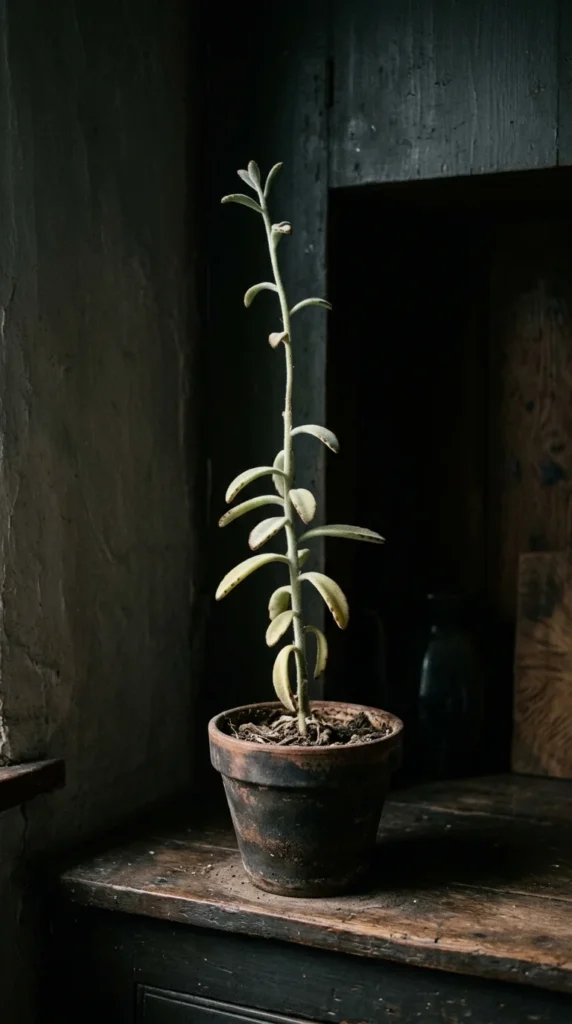
Panda Plants thrive in bright, indirect light. When placed in a dark corner or a room with minimal windows, they become “etiolated,” meaning they stretch toward the nearest light source. This results in a weak, spindly stem and sparse leaf growth.
6. Mid-day Sun
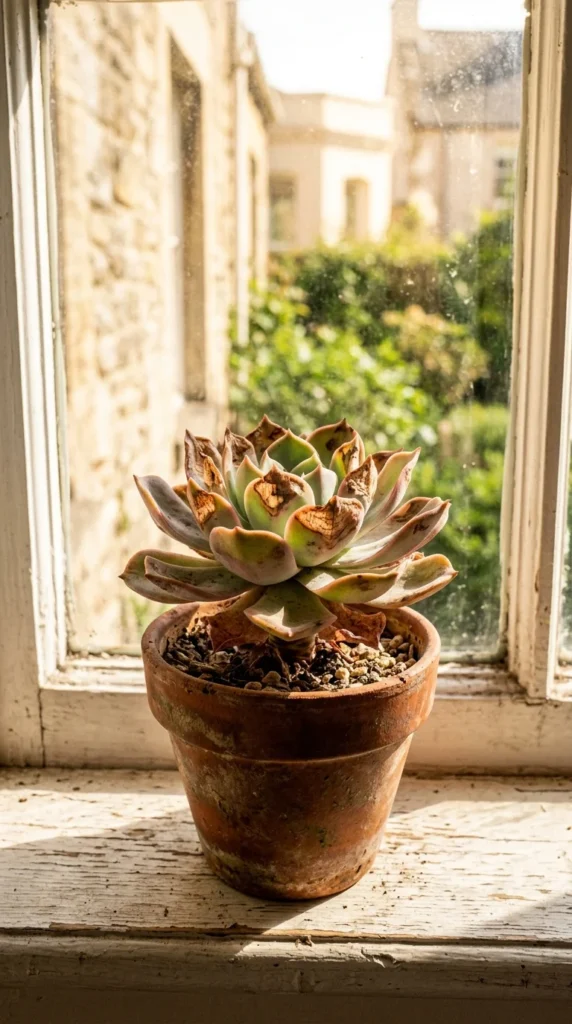
While they love light, the intense heat of direct mid-day sun—especially through a glass pane—can burn the leaves. This causes permanent scarring or “sunburn” patches. Provide bright morning light or filtered afternoon sun to keep them safe.
7. Large Pots
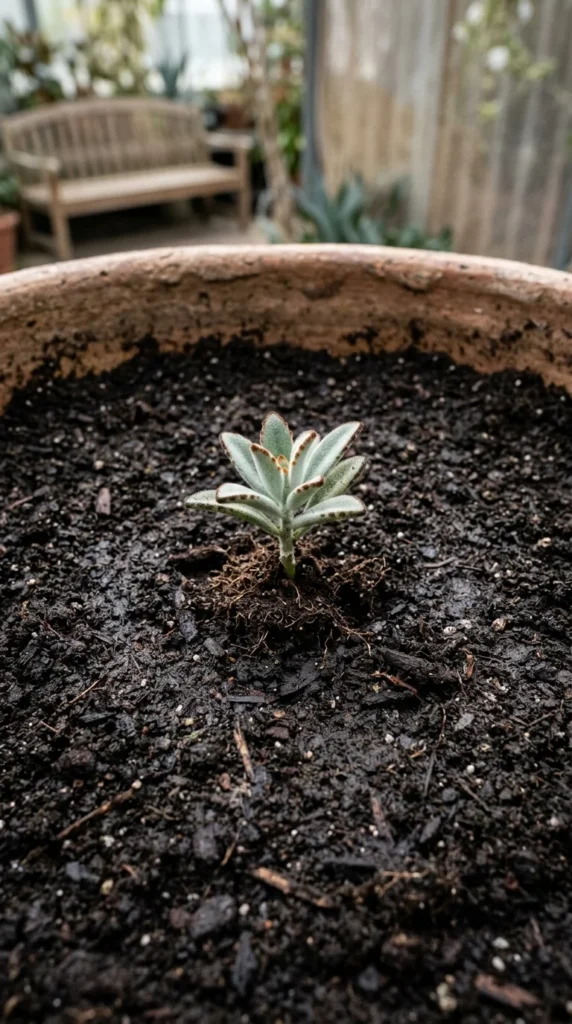
Choosing a pot that is too large for the plant’s root system is a mistake. More soil means more water retention, which stays wet longer than the plant can handle. Choose a container that is only about an inch wider than the root ball.
8. Sudden Changes
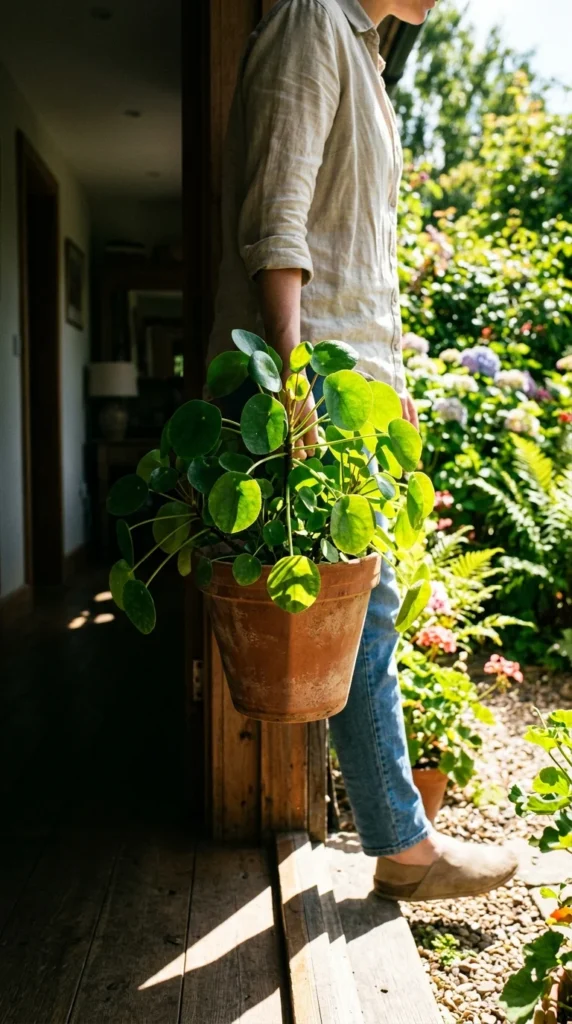
Succulents need time to acclimate to new environments. Moving a Panda Plant from a dim nursery to a scorching patio overnight will cause shock and leaf drop. Gradually increase its light exposure over 7 to 10 days.
9. Winter Watering
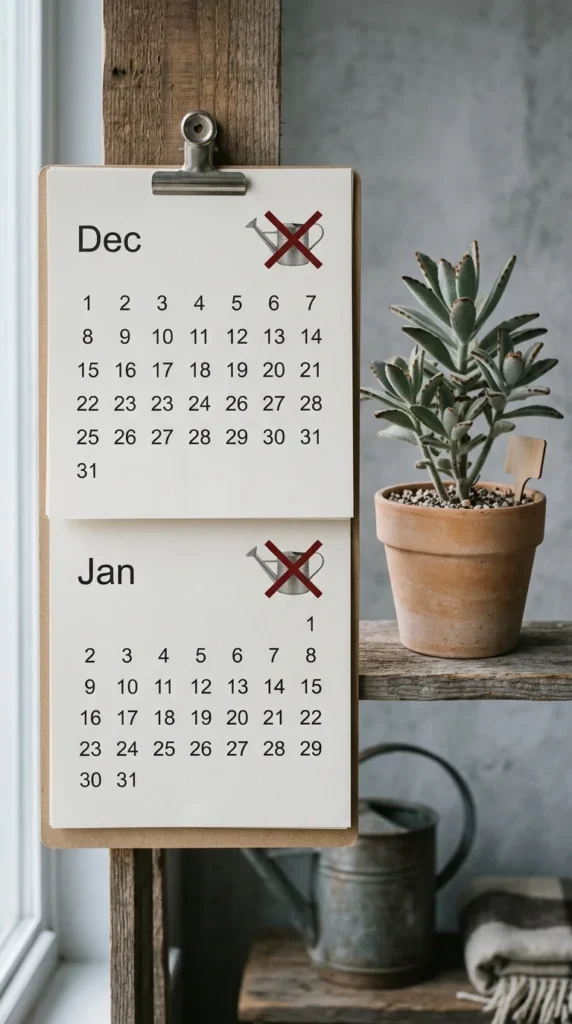
During the winter, the Panda Plant enters a period of dormancy where its growth slows significantly. It requires much less water during this time. Continuing your summer watering schedule in the winter will quickly lead to root rot.
10. Cold Drafts
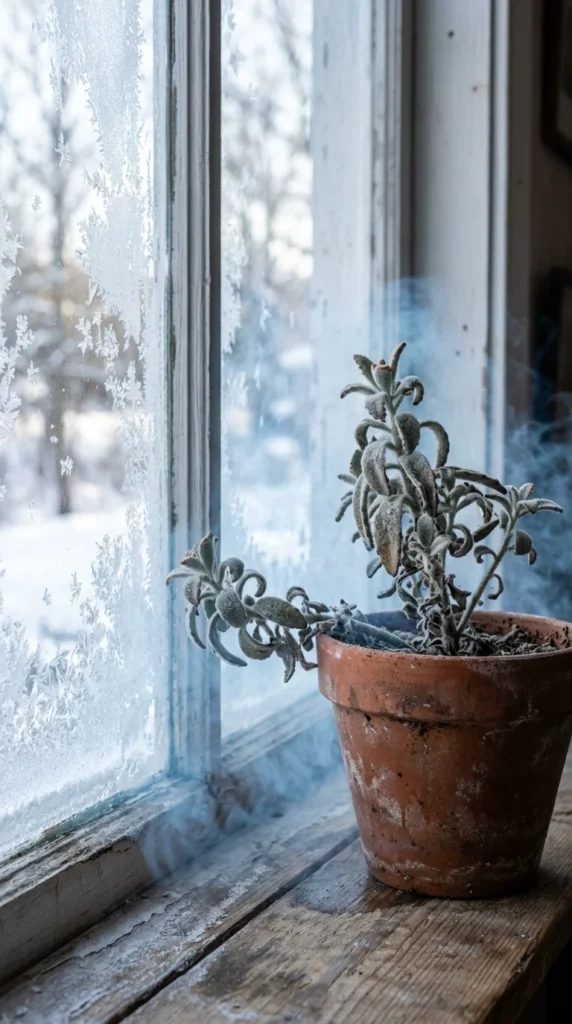
The Panda Plant is a tropical native and cannot tolerate frost. Placing it near drafty windows or air conditioning vents can cause the plant to drop its leaves. Keep the temperature consistently above 60°F (15°C).
11. Over-Fertilizing
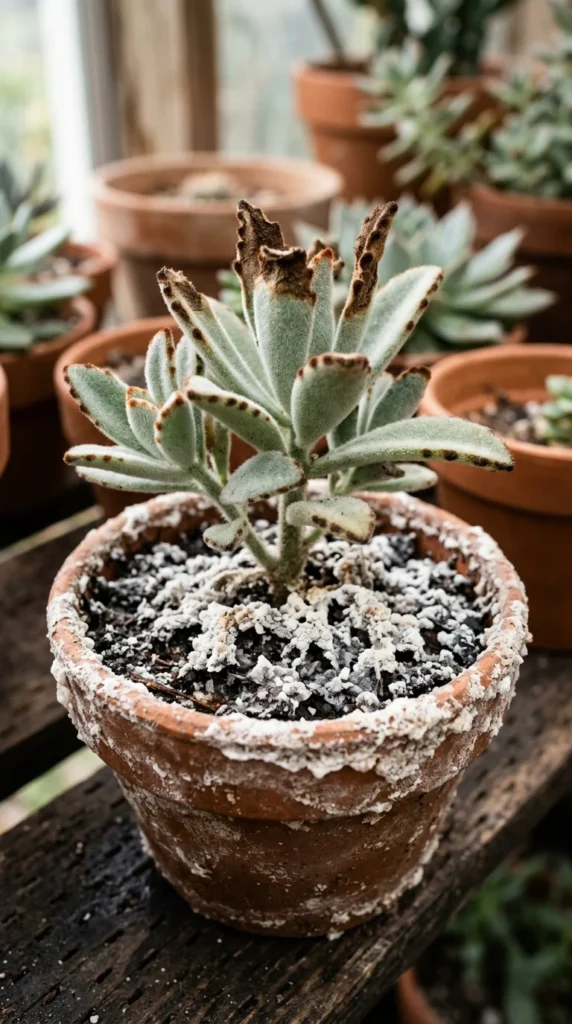
Succulents are not heavy feeders. Applying too much fertilizer, or fertilizing too often, can lead to a buildup of mineral salts that burn the roots. Feed only once or twice during the spring and summer growing season with a diluted, balanced fertilizer.
12. Ignoring Dust
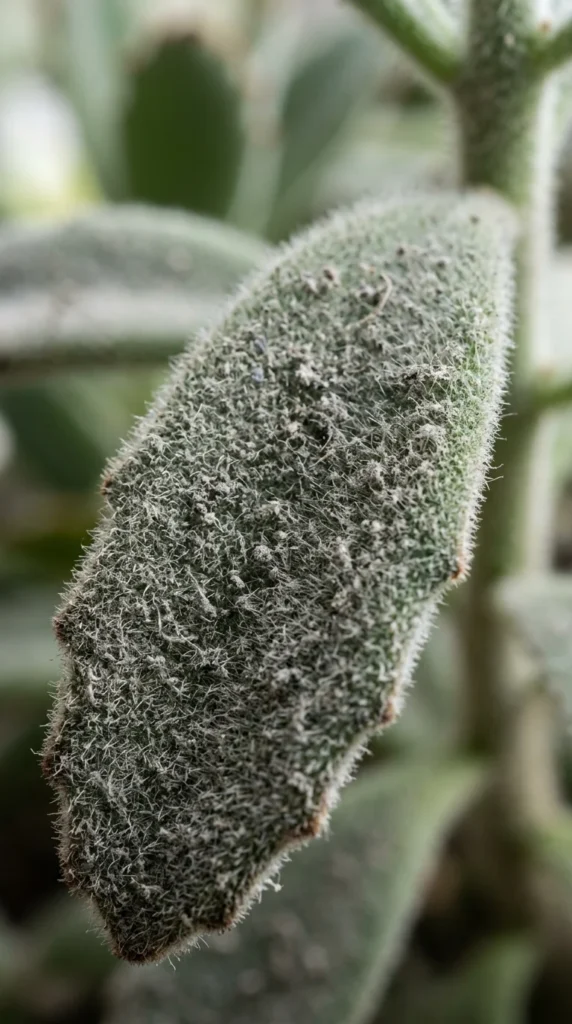
Because of their fuzzy texture, Panda Plants act as dust magnets. A thick layer of dust can block sunlight and interfere with photosynthesis. Since you shouldn’t get the leaves wet, use a soft, dry makeup brush or a small bellows to gently clean the leaves.
13. Deep Burying
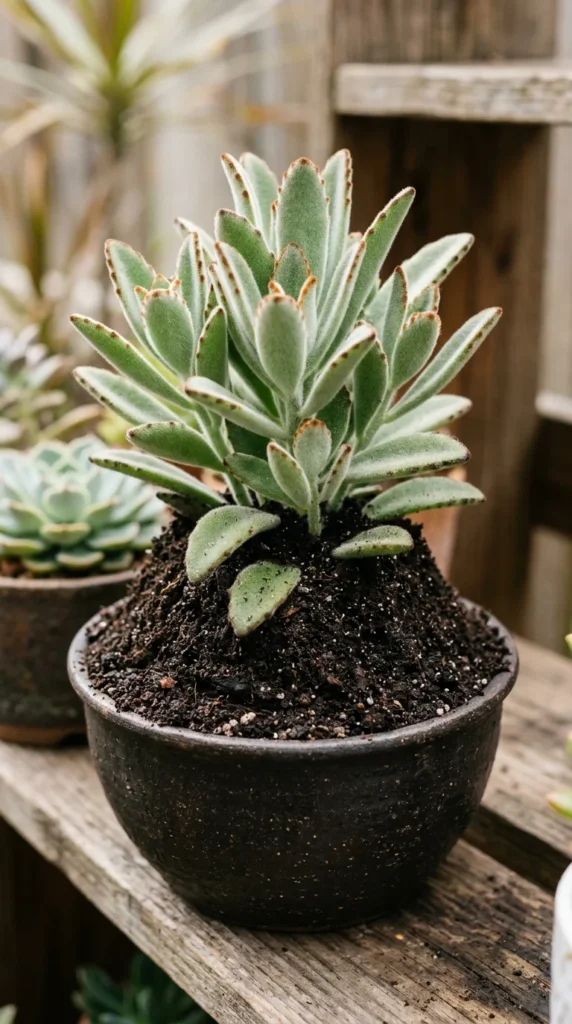
When repotting, it is a mistake to bury the stem too deep. If the leaves or the fleshy stem are buried under moist soil, they will quickly rot. Ensure the soil level remains at the same point on the stem as it was in the original pot.
14. High Humidity
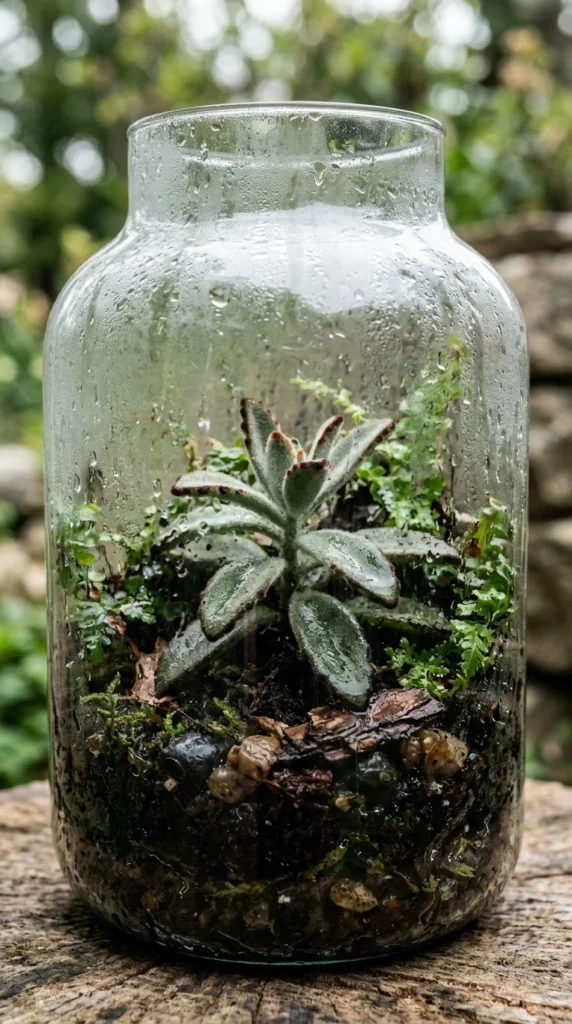
Panda Plants prefer dry air. Placing them in a bathroom or a closed terrarium creates a high-humidity environment that encourages fungal growth and prevents the soil from drying out. They belong in open, airy spaces with low humidity.
15. Poor Airflow
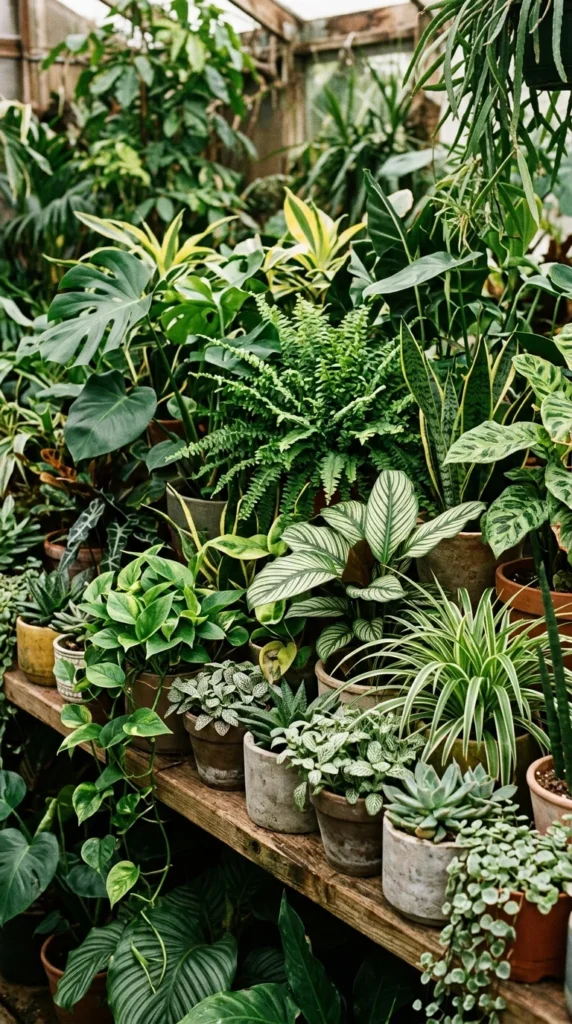
Stagnant air is a breeding ground for pests and mold. If your plants are packed too tightly together, moisture can’t evaporate efficiently. Space your plants out to allow for proper air circulation around the foliage.
16. Using Leaf Shine
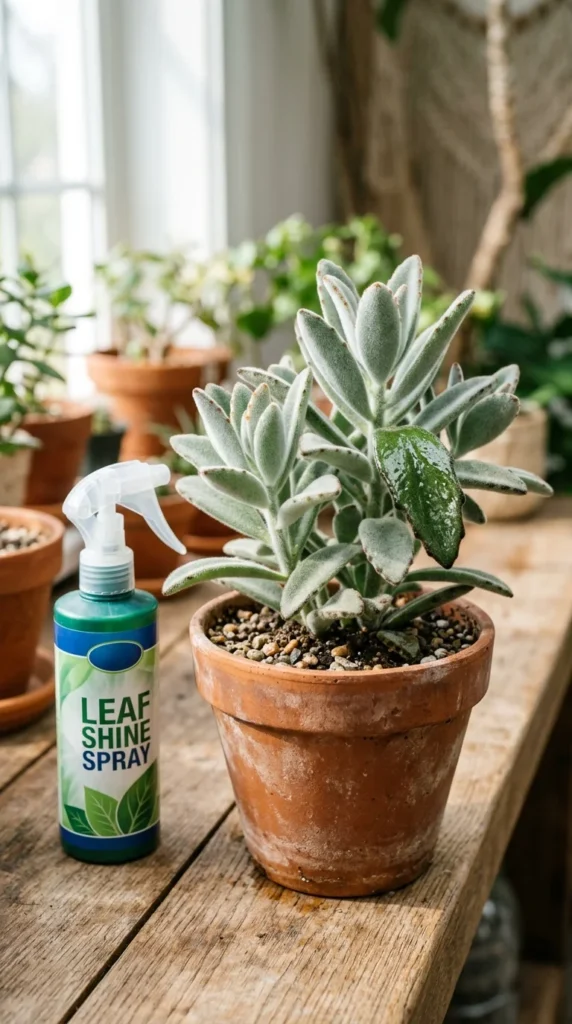
Never use commercial leaf shine products on a Panda Plant. The chemicals and oils in these products will ruin the velvet texture of the leaves and clog the stomata (pores), effectively suffocating the plant.
17. Neglecting Pests
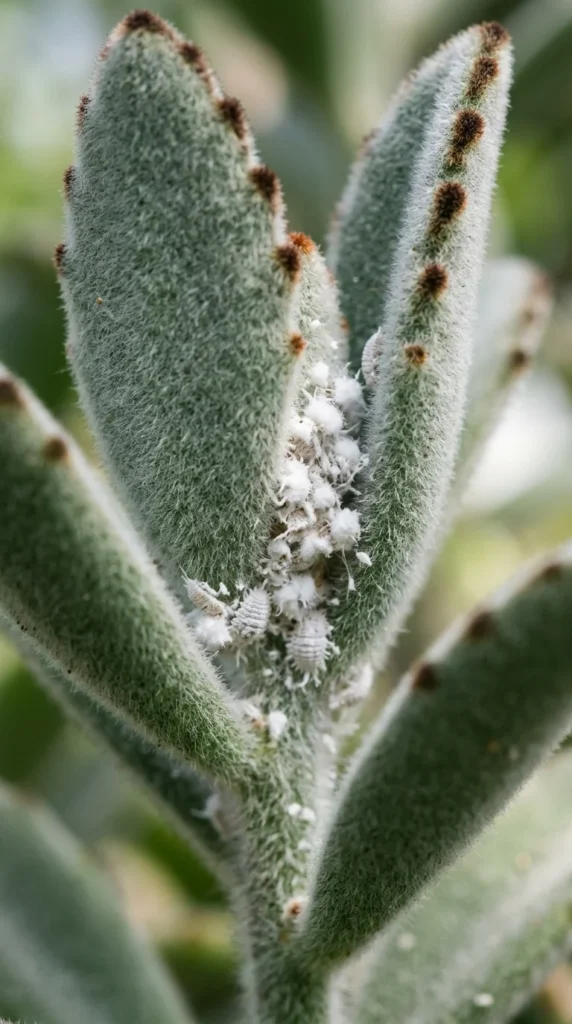
Mealybugs love the nooks and crannies of the Panda Plant. Because of the fuzz, they can be hard to spot until the infestation is severe. Regularly check the leaf axils for any white, sticky residue or “cottony” spots.
18. Wrong Pesticides
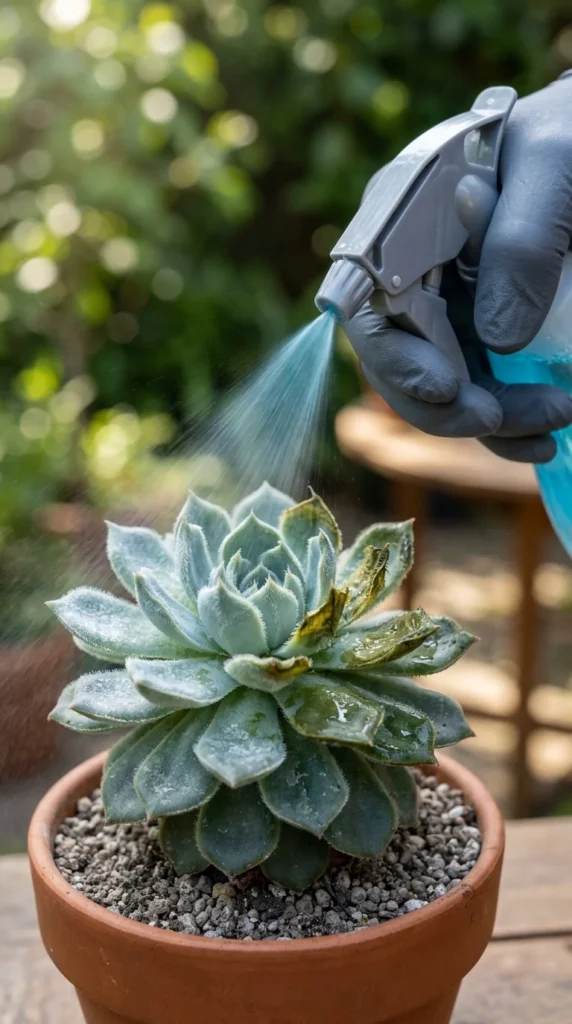
The “skin” of a Panda Plant is sensitive. Harsh, oil-based pesticides (like Neem oil in high concentrations or direct sunlight) can burn the leaves. Test any treatment on a single leaf first or use a Q-tip dipped in rubbing alcohol to spot-treat pests.
19. Not Pruning
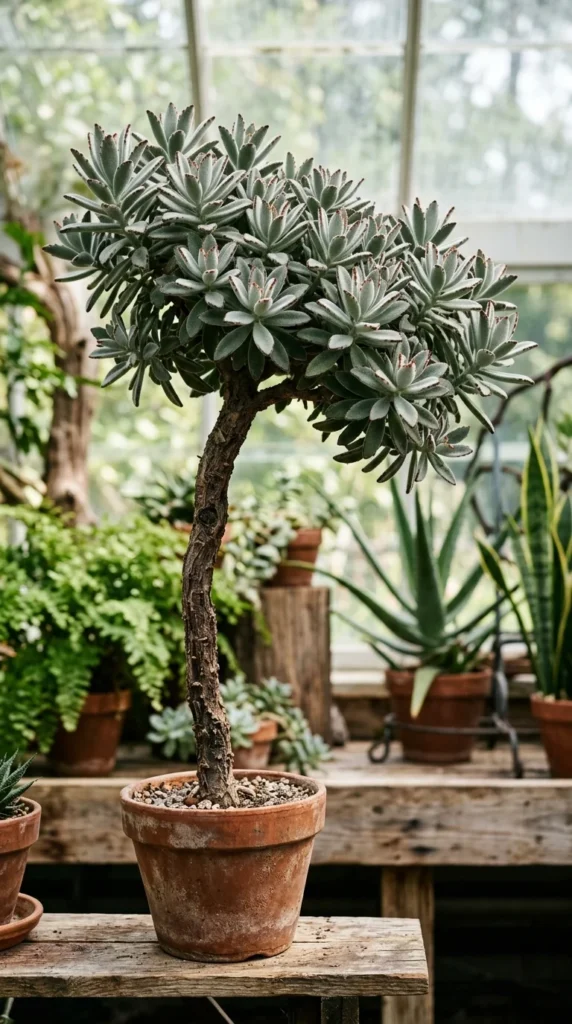
If left alone for years, Panda Plants can become leggy and unattractive. Don’t be afraid to prune back the stems. This encourages branching and results in a fuller, bushier, and more aesthetically pleasing plant.
20. Shallow Watering
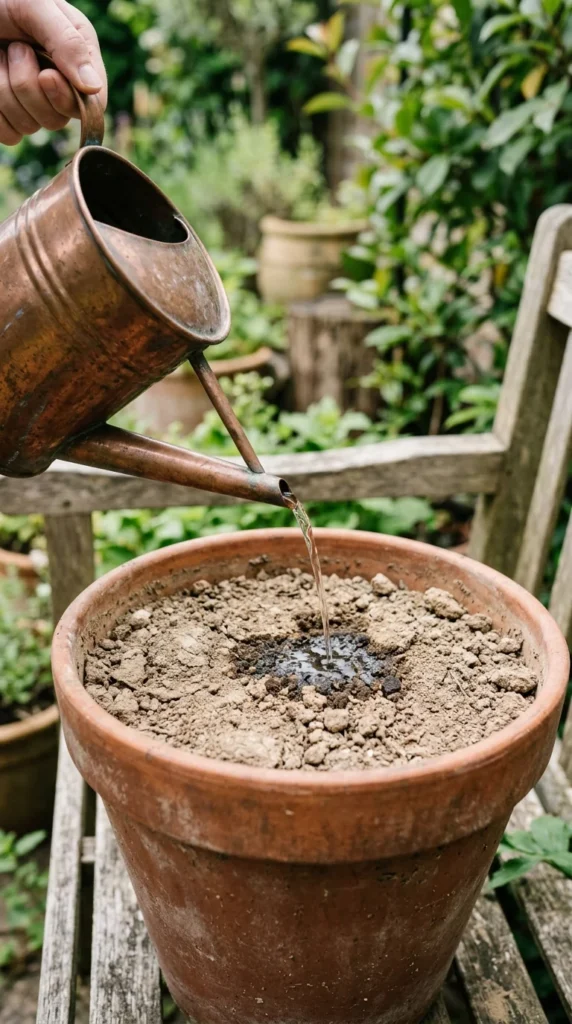
“Sip watering” is a common mistake. If you only provide a small amount of water, it never reaches the deep roots. When you water, do so thoroughly until water runs out of the drainage holes, then wait for the soil to dry completely before the next session.
21. Pulling Leaves
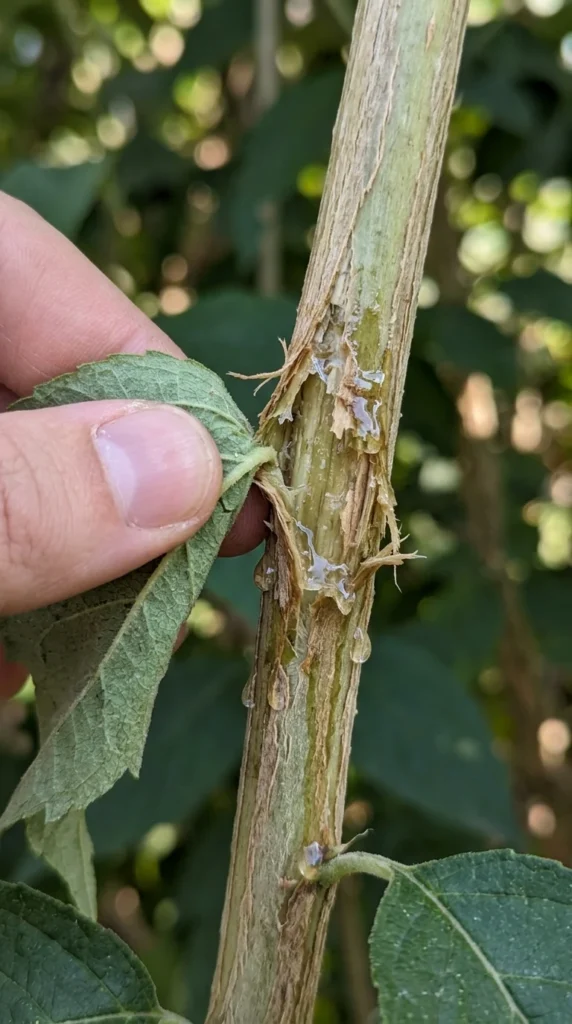
If you need to remove a leaf for propagation or cleaning, don’t just pull it. This can tear the stem. Instead, gently wiggle the leaf from side to side until it “snaps” off cleanly at the base, or use a sterilized blade.
22. Pot Material Choice
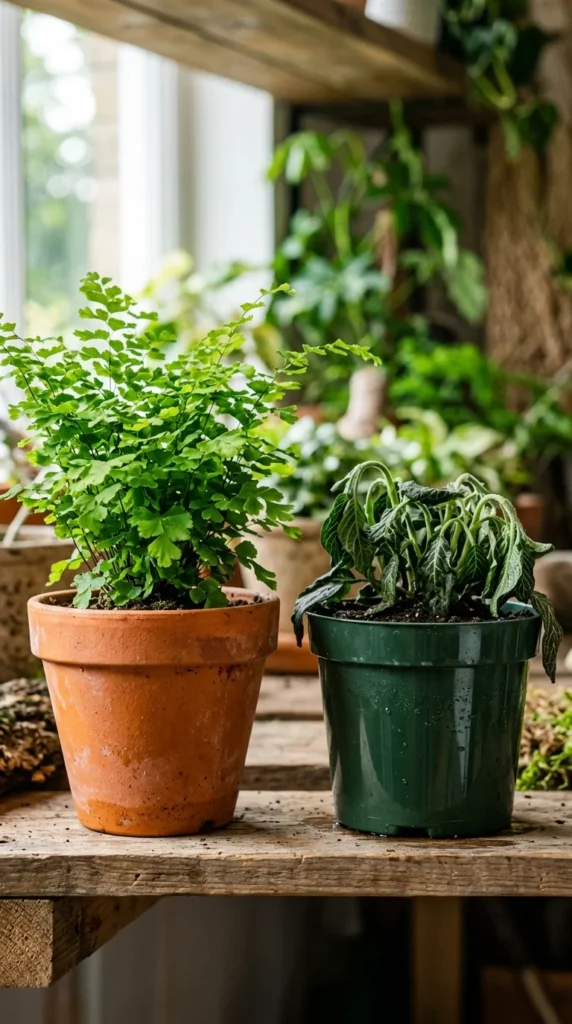
While they can grow in plastic, terracotta is much better for Panda Plants. Terracotta is porous and allows moisture to evaporate through the walls of the pot, which helps the soil dry out faster and prevents root rot.
23. Ignoring the Base
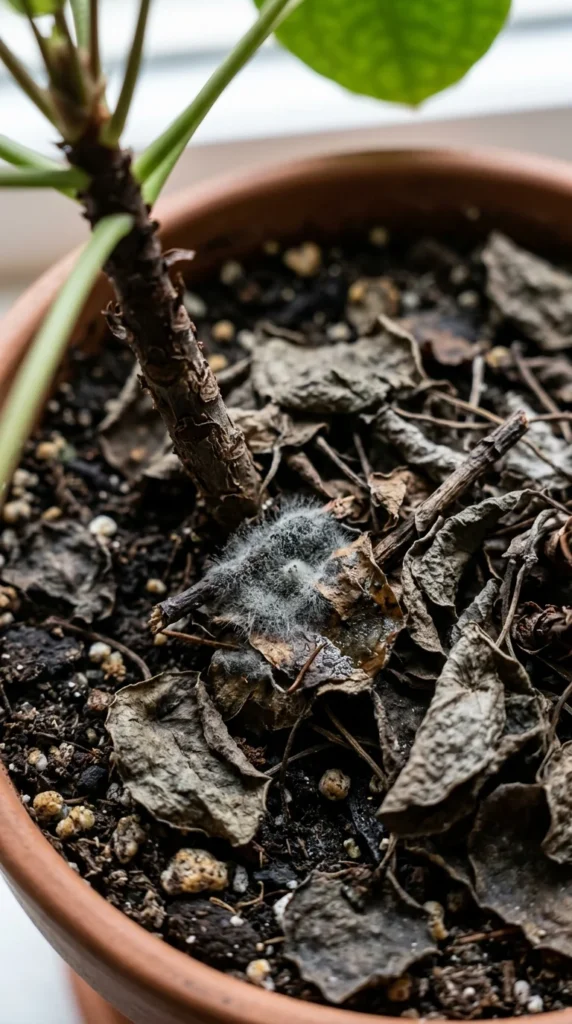
As Panda Plants grow, the oldest leaves at the bottom will naturally die and dry up. If left on the soil surface, they can trap moisture against the stem and attract pests like fungus gnats. Regularly remove these dead leaves to keep the base clean.
24. Wrong Water Temperature
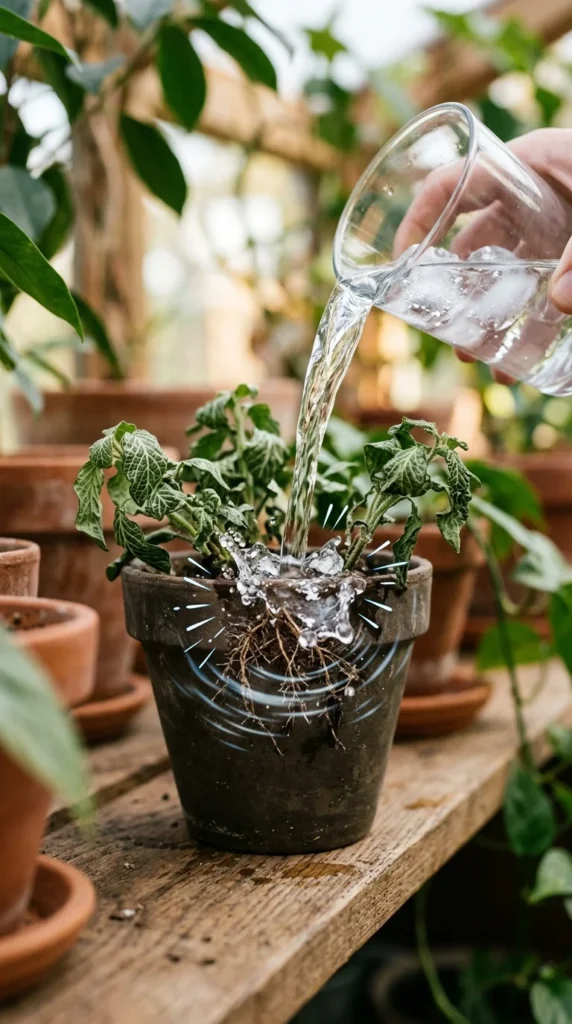
Using ice-cold water directly from the tap can shock the roots of a tropical succulent. Always use room-temperature water to ensure the root system stays healthy and active.
25. Incorrect Propagation
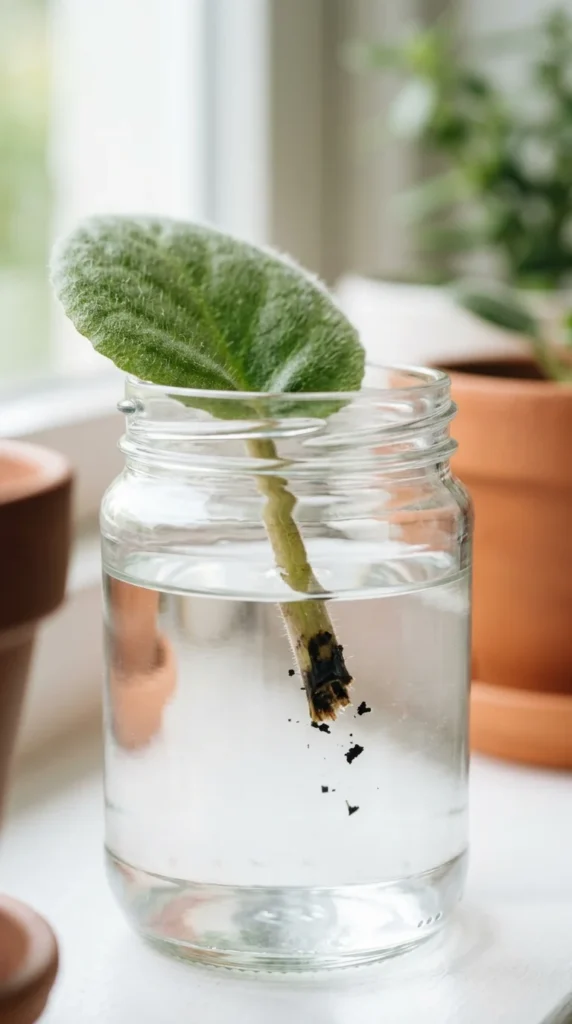
Unlike some other houseplants, Panda Plants do not propagate well in water. The fuzzy leaves will rot before they grow roots. Instead, let the leaf “callous” for a few days and then lay it on top of dry succulent soil.
26. Crowding the Roots
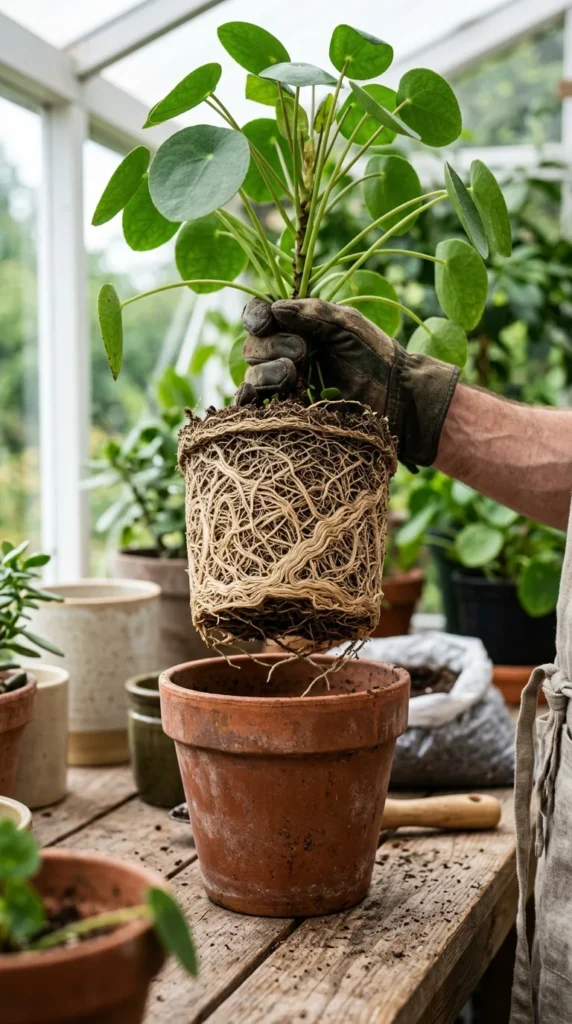
While they don’t mind being slightly root-bound, staying in the same tiny pot for years will eventually stunt the plant’s growth. If you see roots growing out of the drainage hole, it’s time to move up one pot size.
27. Giving Up Early
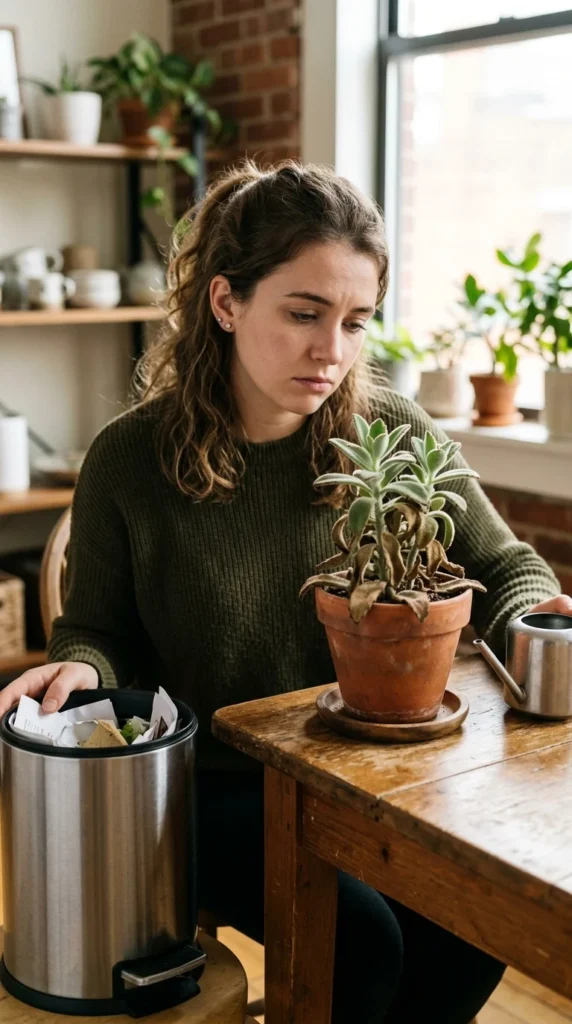
Panda Plants are incredibly resilient. Even if the bottom of the plant looks terrible or has rotted, you can often save the plant by taking “beheading” cuttings. Cut off the healthy top, let it dry, and start a brand-new, healthy plant from the remains.