
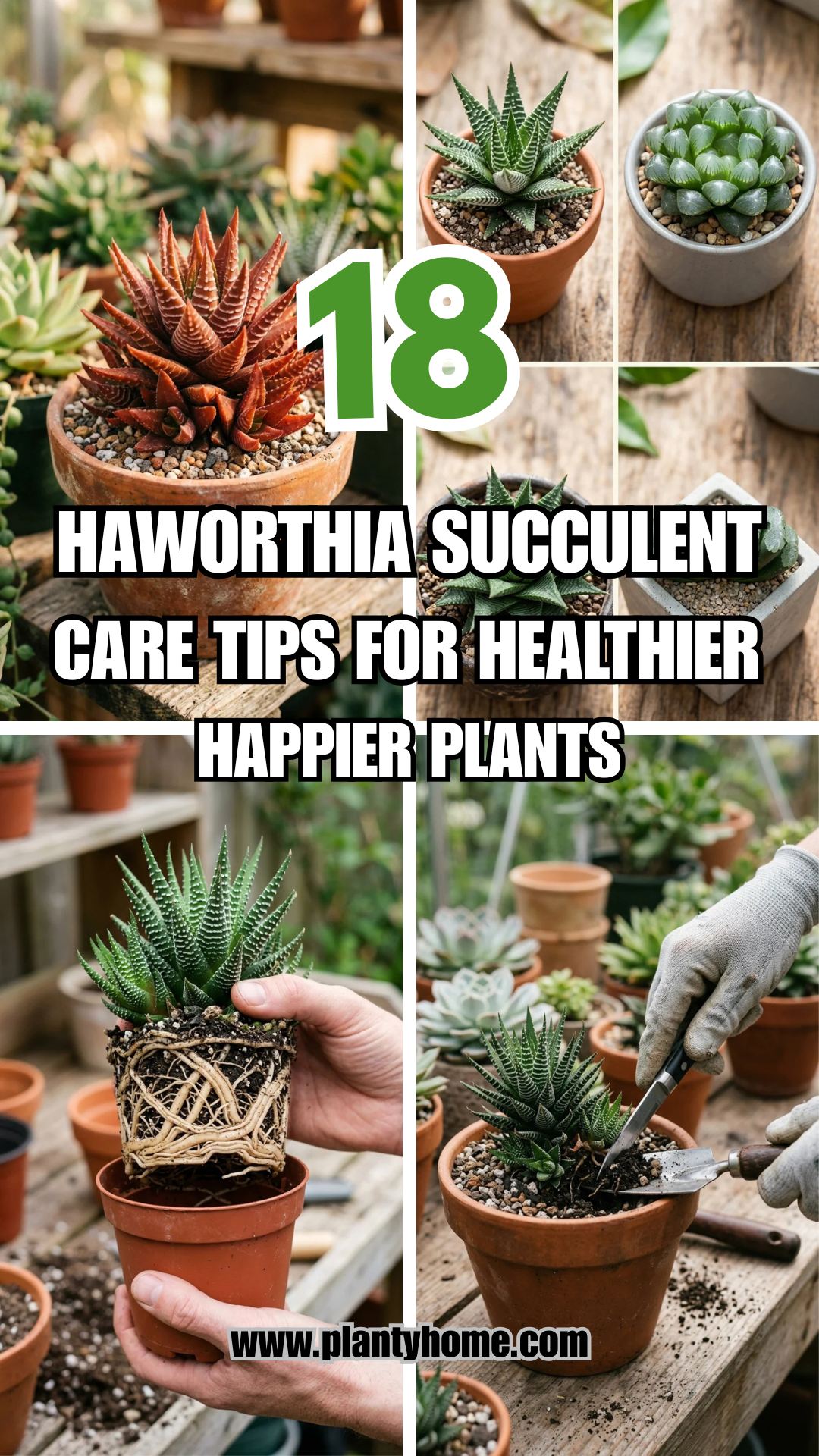
Haworthias are often referred to as the “jewels” of the succulent world. These small, slow-growing plants are native to South Africa and have gained massive popularity among indoor gardeners due to their architectural shapes, ease of care, and ability to thrive in lower light conditions than many of their desert-dwelling cousins. Whether you are growing the famous “Zebra Plant” or the glass-like “Window Haworthia,” maintaining their health requires a specific balance of neglect and precision.
Below are 18 essential tips to ensure your Haworthias remain vibrant, plump, and healthy for years to come.
1. Indirect Light
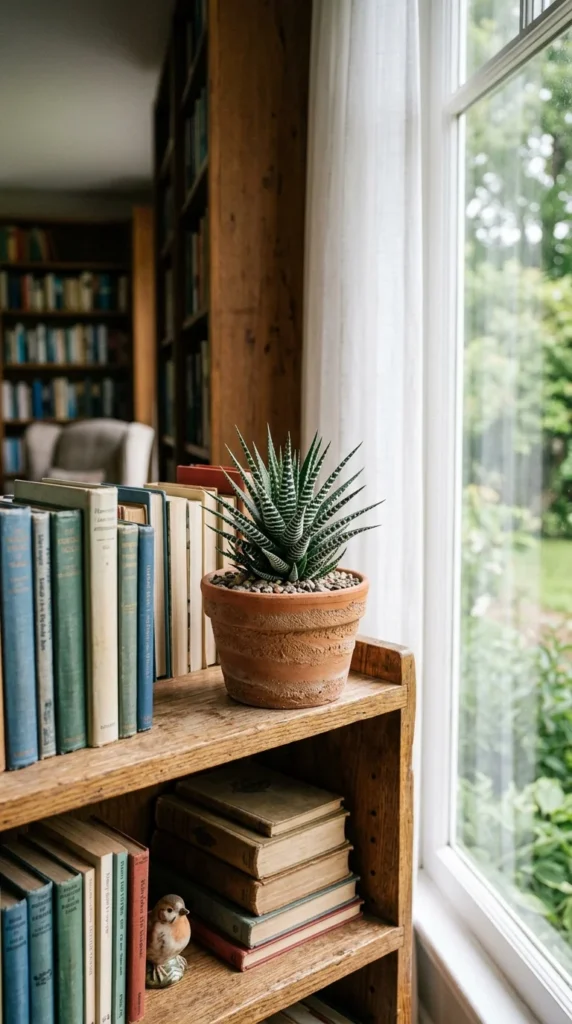
Unlike many succulents that crave six to eight hours of direct, scorching sun, Haworthias are naturally adapted to growing under the shade of bushes or in rocky crevices. They prefer bright, indirect light. Placing them in a south-facing window with a sheer curtain, or an east-facing window that receives morning sun, is ideal. If the leaves start to turn white or yellow, they may be getting too much sun; if they lose their vibrant green color and start stretching, they need more light.
2. Gritty Soil
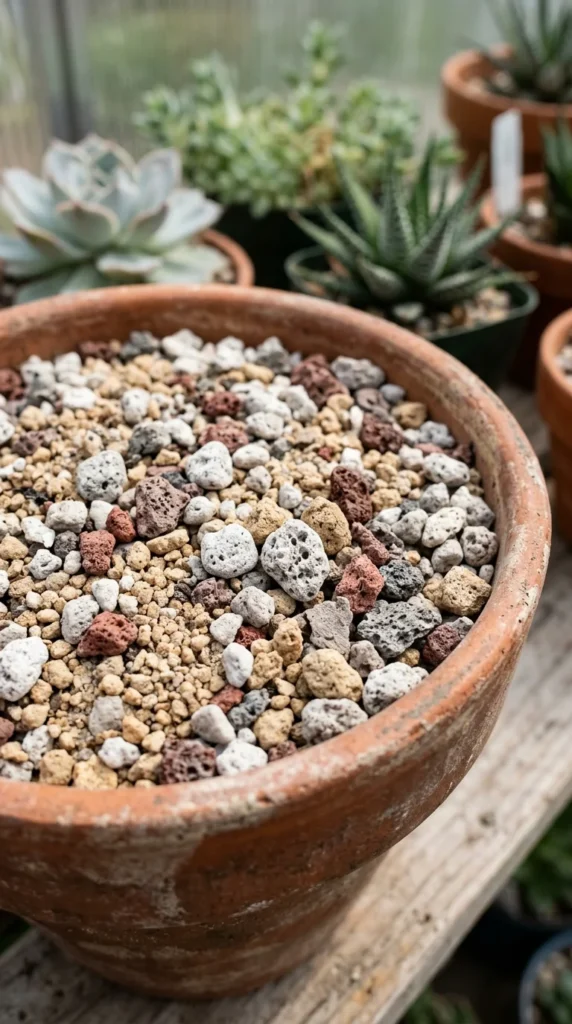
Haworthias have thick, fleshy roots that are highly susceptible to rot if kept in damp conditions. Standard potting soil holds too much moisture. Instead, use a “gritty mix” consisting of at least 50% to 70% inorganic material like perlite, pumice, or fine gravel. This ensures that water moves through the pot quickly and that the roots have access to oxygen.
3. Drainage Holes
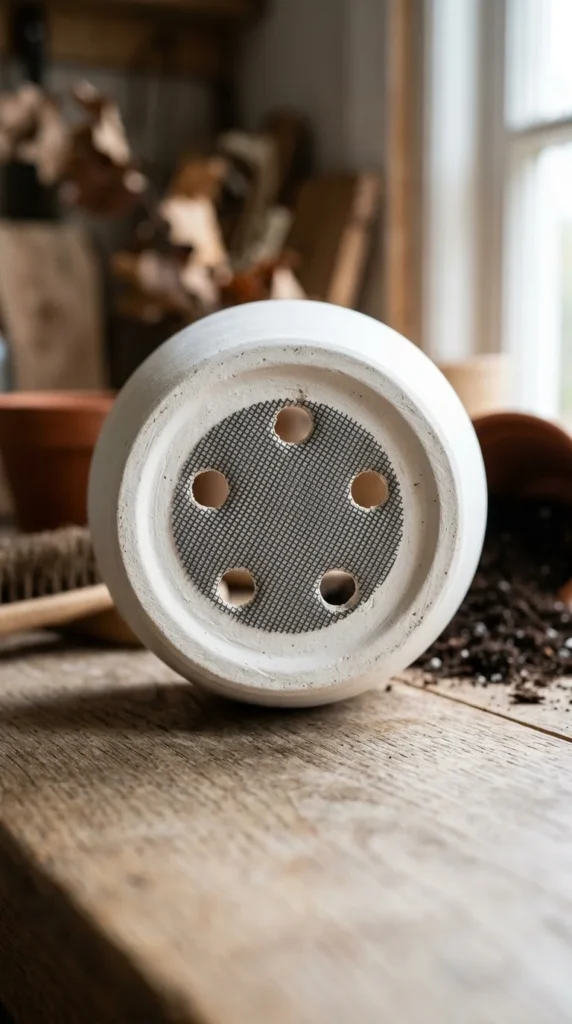
Never plant a Haworthia in a container without a drainage hole. Even with the best soil mix, water will pool at the bottom of a hole-less pot, leading to anaerobic conditions and root death. If you have a decorative pot you love that lacks a hole, use it as a “cachepot”—keep the plant in a plastic nursery pot inside the decorative one and remove it when watering.
4. Soak and Dry
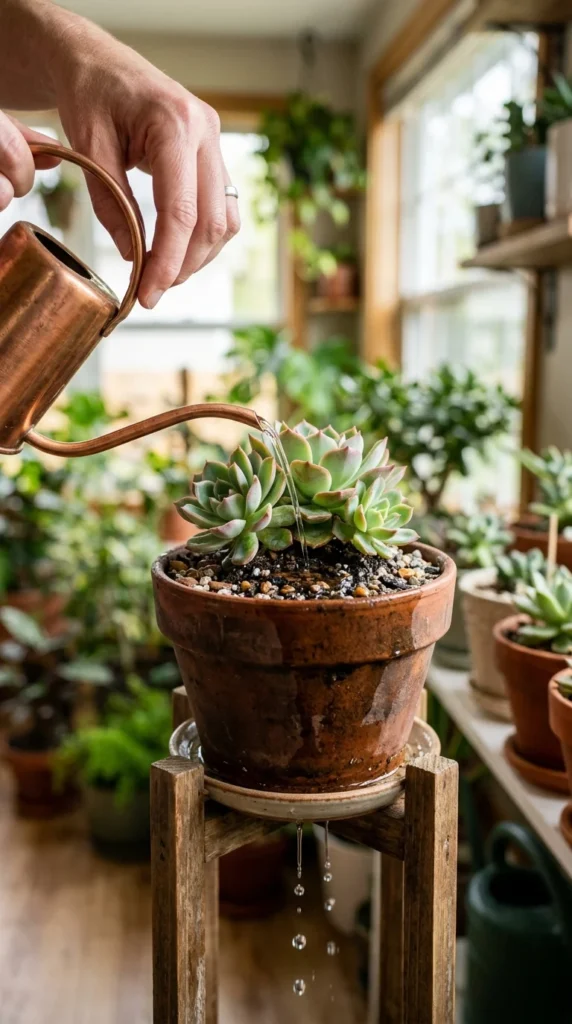
The most effective way to water a Haworthia is the “soak and dry” method. Pour water over the soil until it runs out of the drainage holes at the bottom. Then, do not water again until the soil is completely dry all the way through. In typical home environments, this might mean watering once every two to three weeks, though this varies based on humidity and season.
5. Temperature Stability
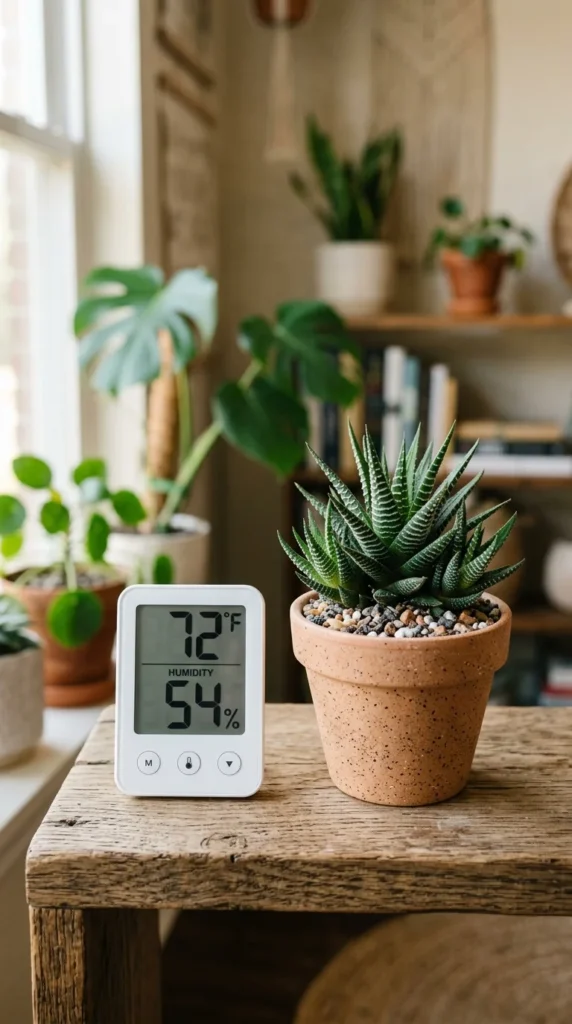
Haworthias thrive in temperatures between 60°F and 85°F (15°C to 29°C). While they can tolerate brief dips in temperature, they are not frost-hardy. Keep them away from drafty windows during winter and avoid placing them directly in the path of air conditioning vents or heaters, as rapid temperature fluctuations can stress the plant.
6. Low Humidity
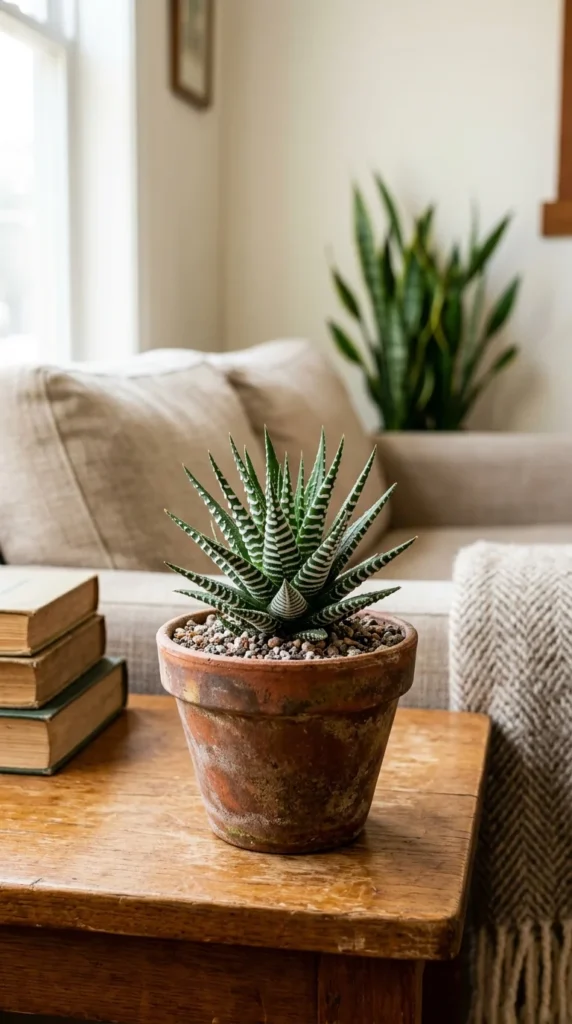
These plants are native to arid regions and do not require high humidity. In fact, high humidity combined with poor airflow can encourage fungal growth and rot. Avoid misting your Haworthias; they absorb moisture through their roots, and water sitting in the crown (the center of the plant) can cause the entire specimen to rot from the inside out.
7. Small Pots
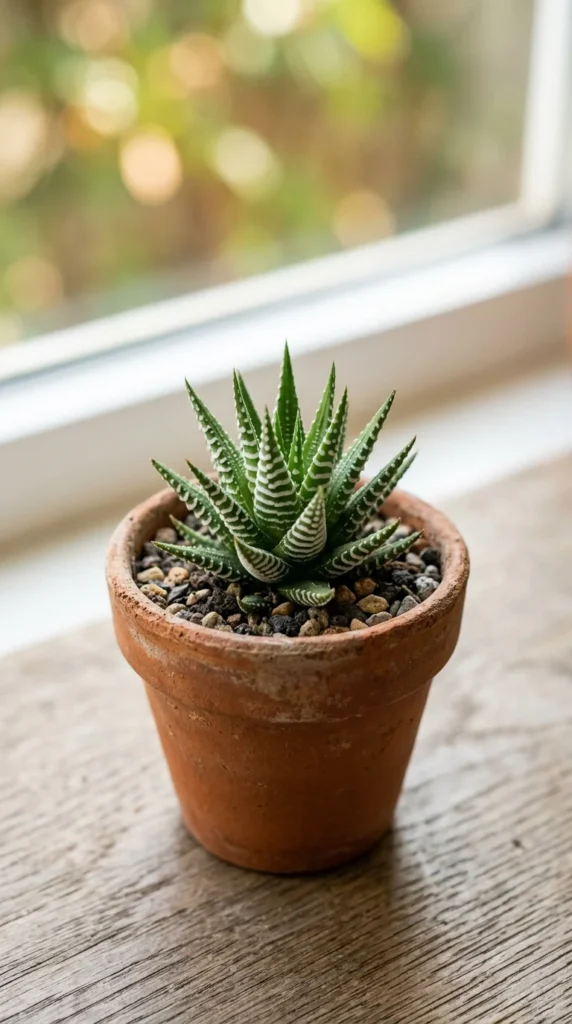
Haworthias have a relatively small and slow-growing root system. They prefer to be slightly root-bound rather than having a massive amount of excess soil around them. A pot that is too large will hold onto excess moisture that the plant cannot use, increasing the risk of rot. Choose a pot that is only slightly larger than the diameter of the plant itself.
8. Minimal Fertilizer
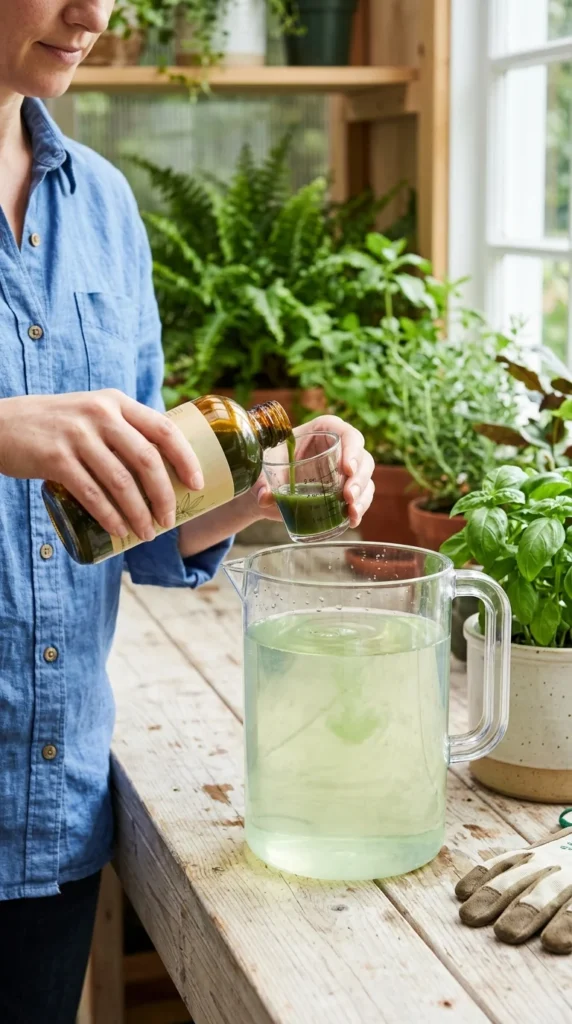
Haworthias are not heavy feeders. They grow slowly and only require occasional fertilization during their active growing seasons (spring and fall). Use a balanced, water-soluble fertilizer diluted to half or even quarter strength. Over-fertilizing can lead to “leggy” growth or chemical burns on the roots.
9. Offset Removal
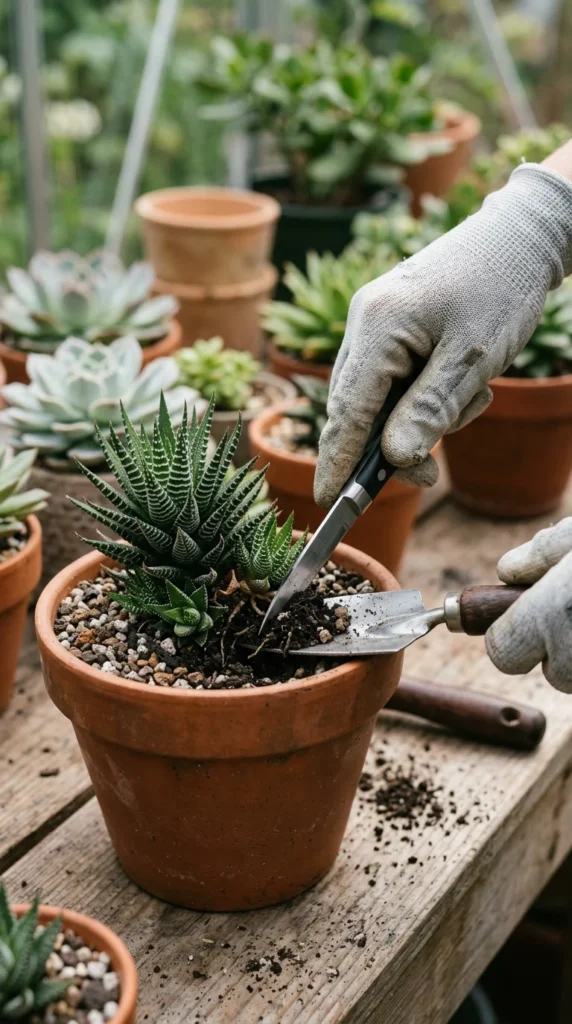
Many Haworthia species are prolific producers of “pups” or offsets. These small clones grow around the base of the mother plant. While you can leave them to create a large cluster, removing them helps the mother plant focus its energy on its own growth. To propagate, simply wait until the pup is about one-third the size of the parent, gently pull it away, and plant it in its own small pot.
10. Mealybug Monitoring
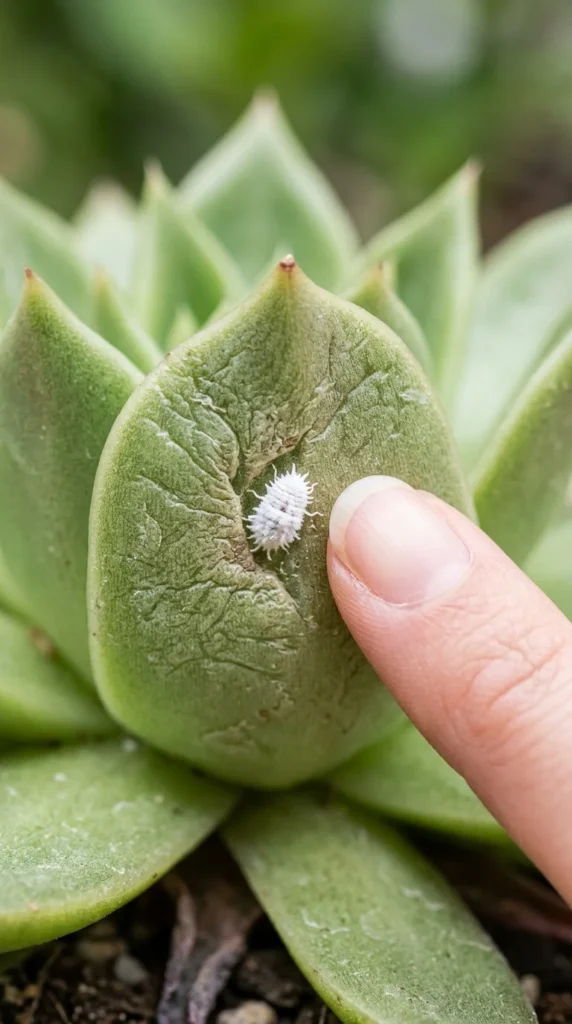
The most common pest for Haworthias is the mealybug. These tiny, white, cottony insects hide in the tight crevices between leaves or down in the roots. Regularly inspect your plants for any white fuzz or sticky residue. If found, treat the plant immediately with a cotton swab dipped in 70% isopropyl alcohol to kill the bugs on contact.
11. Dust Removal
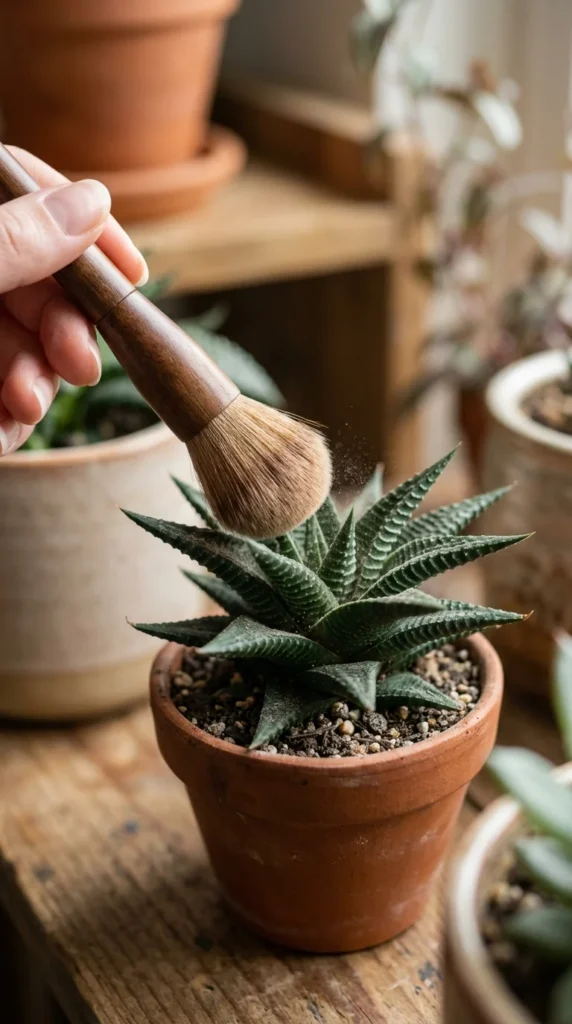
Because Haworthias grow slowly, their leaves can accumulate dust over months. This dust can block sunlight and hinder photosynthesis. Instead of washing them with water, which can get trapped in the leaves, use a soft-bristled paintbrush to gently dust the plant. This keeps the “windows” on translucent species clear and bright.
12. Winter Dormancy
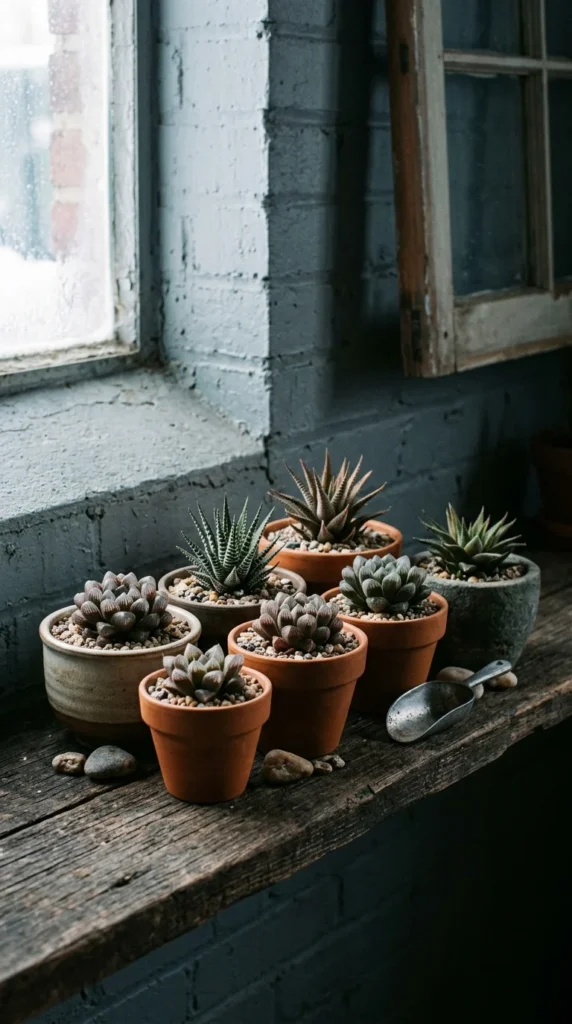
While Haworthias are opportunistic growers, they generally slow down significantly in the heat of mid-summer and the cold of mid-winter. During these times, reduce your watering frequency. If the plant isn’t actively growing, it won’t be using much water, and keeping the soil too damp during dormancy is a recipe for root rot.
13. Proper Airflow
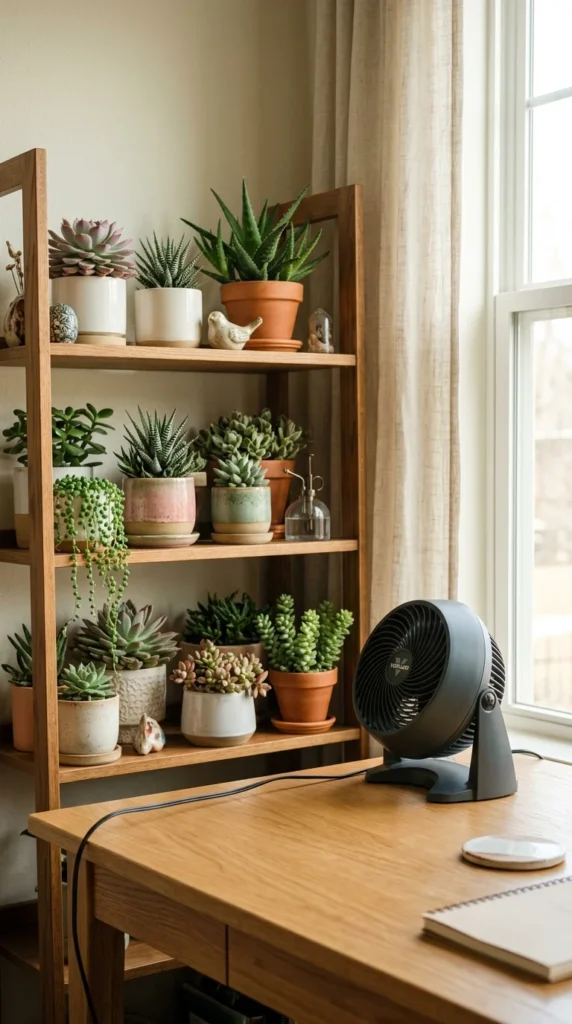
Good air circulation is vital for succulent health. It helps the soil dry out faster after watering and prevents the buildup of pests and fungal spores. If you keep your Haworthias in a crowded arrangement, ensure there is enough space between pots for air to move freely. A ceiling fan or an open window on a mild day can make a huge difference.
14. Repotting Timing
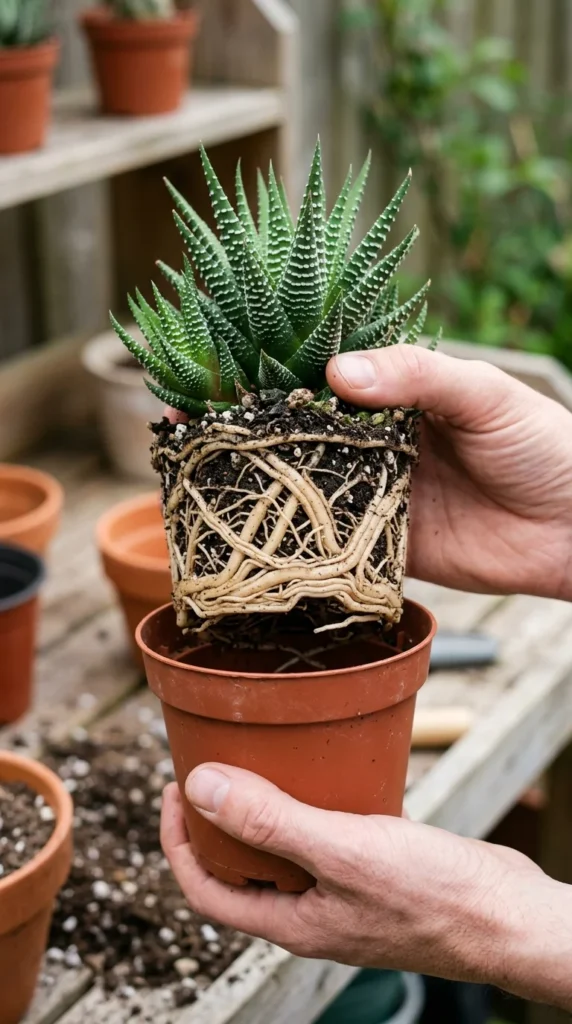
Haworthias should be repotted every two to three years. This isn’t always because the plant has outgrown the pot, but because the potting medium eventually breaks down and loses its drainage properties. Refreshing the soil ensures the roots stay healthy. The best time to repot is in the spring or autumn when the plant is in its active growth phase.
15. Species Research
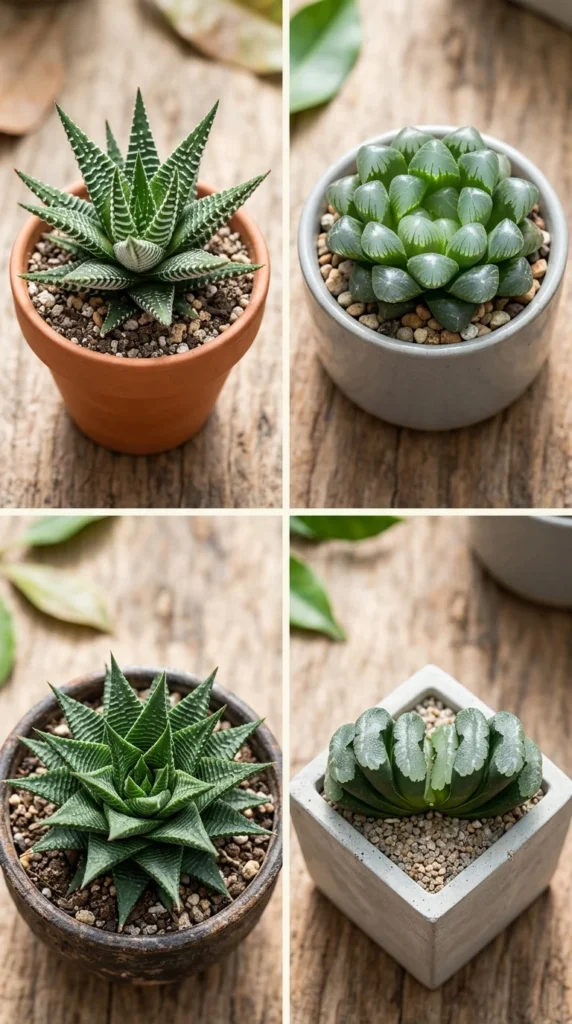
Not all Haworthias are the same. For example, Haworthia cooperi (with its translucent, bubble-like leaves) may have slightly different light sensitivities than Haworthia fasciata (the tough, striped Zebra plant). When you acquire a new plant, identify the specific species to tailor your care. The “windowed” varieties often prefer slightly less light than the “hard-leaved” varieties.
16. Stress Identification
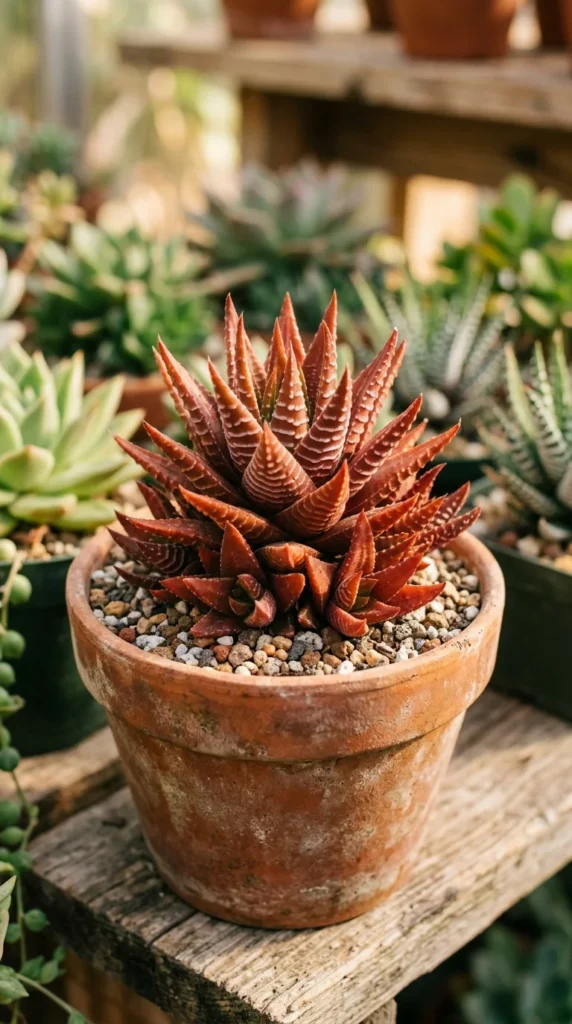
Haworthias communicate their stress through color. If your green plant starts turning reddish, brownish, or purple, it is likely experiencing “sun stress.” This isn’t necessarily a bad thing—many collectors prefer these colors—but it is a sign that the plant is at its limit for light or heat. If the leaves become thin and wrinkled along with the color change, it’s time to move it to a shadier spot and check the soil moisture.
17. Non-Toxic Safety
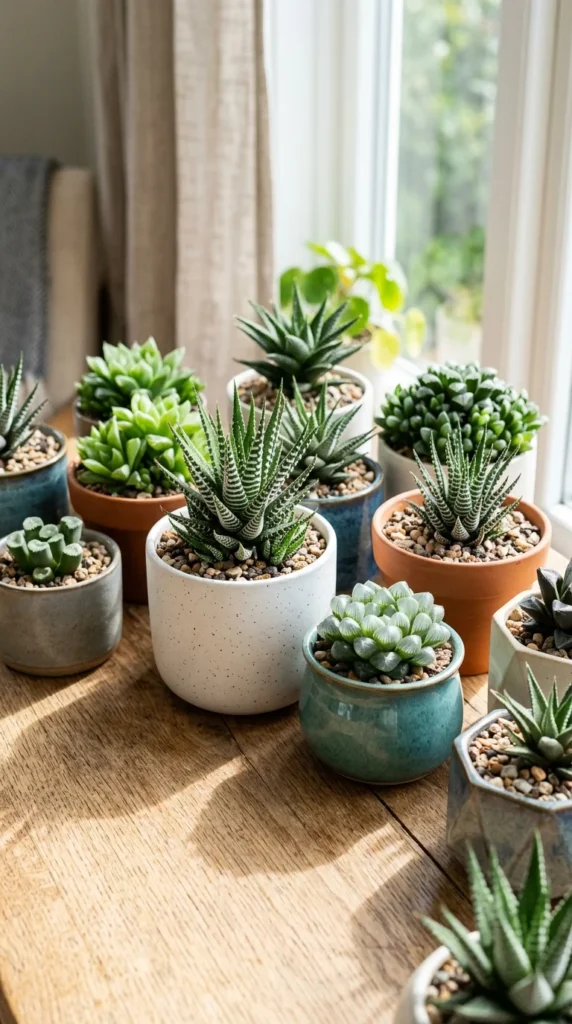
One of the best things about Haworthias is that they are generally considered non-toxic to cats and dogs. Unlike many other common houseplants (like Lilies or Aloe Vera), you don’t have to worry if a curious pet takes a nibble. This makes them excellent choices for low-shelf decor in pet-friendly households.
18. Avoid Overwatering
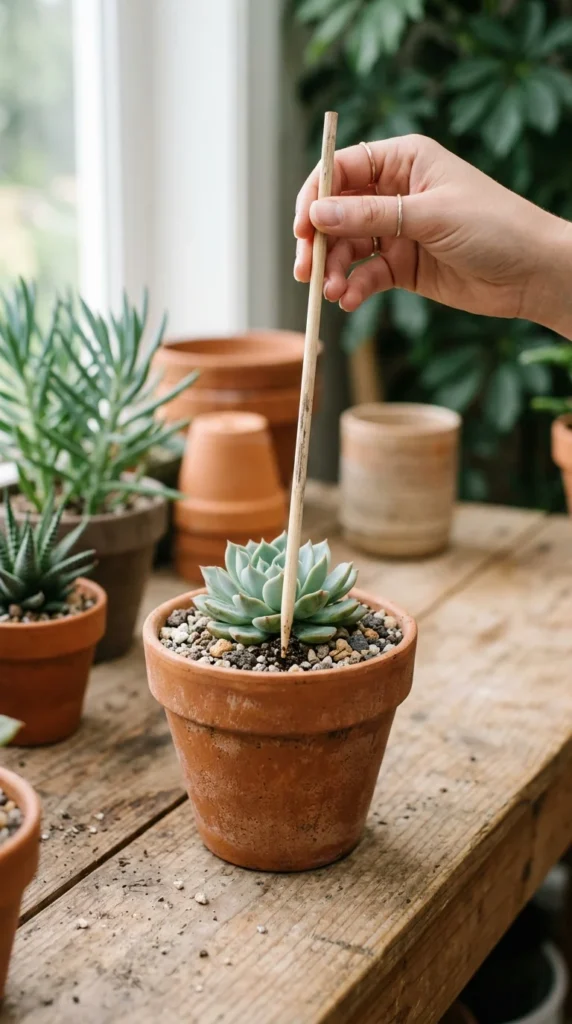
The number one killer of Haworthias is overwatering. If you are ever in doubt about whether to water, wait another three days. These plants can survive for weeks without water by using the stores in their leaves and roots, but they cannot survive being waterlogged. Using a wooden skewer or a moisture meter can help you verify that the soil is dry all the way to the bottom before you reach for the watering can.