
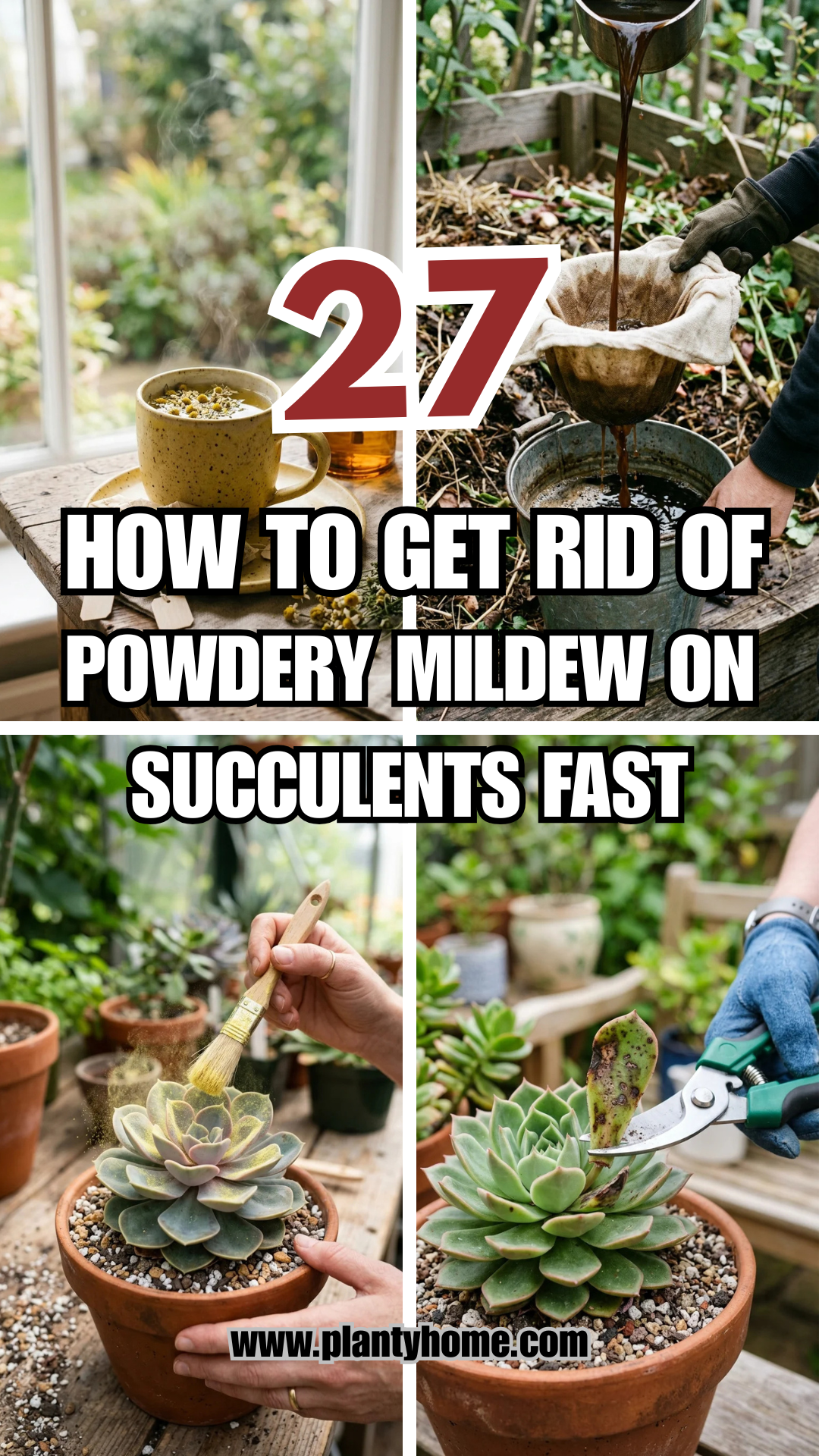
Powdery mildew is a fungal disease caused by various species of fungi in the order Erysiphales. Unlike many other fungi, it thrives in environments with high humidity but does not require standing water to germinate. For succulent enthusiasts, this white, dusty coating is a nightmare, as it can quickly deform leaves, stunt growth, and lead to the eventual death of the plant if left unchecked. Because succulents store water in their leaves, they are particularly sensitive to topical treatments, requiring a careful balance between aggressive fungal elimination and plant safety.
1. Neem Oil

Neem oil is an organic powerhouse derived from the seeds of the neem tree. It contains azadirachtin, which acts as both a fungicide and an insecticide. To treat powdery mildew, mix two tablespoons of cold-pressed neem oil with a gallon of water and a teaspoon of mild liquid soap to act as an emulsifier. Spray the solution directly onto the affected succulent leaves. The oil works by coating the fungal spores, preventing them from breathing and spreading, while also providing a protective barrier against future outbreaks.
2. Milk Spray

One of the most effective and surprising home remedies for powdery mildew is a simple milk solution. Research suggests that the proteins in milk, when exposed to sunlight, produce a brief antiseptic effect that kills fungi. Mix one part milk (skim or whole) with two to three parts water. Spray your succulents every ten days during bright daylight hours. The interaction between the milk proteins and UV rays creates free radicals that are toxic to the mildew but harmless to the plant.
3. Baking Soda

Sodium bicarbonate, or baking soda, alters the pH level on the leaf surface, making it too alkaline for powdery mildew to survive. However, baking soda alone isn’t very effective; it needs a surfactant to stick to the waxy cuticle of succulents. Mix one tablespoon of baking soda with a half-teaspoon of liquid soap and one gallon of water. Test a small area first, as the salt content in baking soda can sometimes burn sensitive succulent varieties like Haworthia.
4. Potassium Bicarbonate

Similar to baking soda but often considered more effective for agricultural use, potassium bicarbonate is a contact fungicide that kills powdery mildew spores rapidly. It is less likely to cause the sodium buildup that can occur with baking soda. Commercial formulations are available and should be mixed according to the label. This treatment is particularly useful for heavy infestations where biological controls are struggling to keep up.
5. Hydrogen Peroxide

A 3% solution of hydrogen peroxide can be an excellent quick-fix for fungal issues. Mix approximately one part hydrogen peroxide with nine parts water. When sprayed on the mildew, the oxidation process destroys the fungal cell walls. It is a “clean” treatment because it breaks down into water and oxygen, leaving no toxic residue. Use this in the evening to prevent the succulent from “burning” under intense midday sun while wet.
6. Apple Cider Vinegar

The acetic acid in vinegar is highly effective at killing powdery mildew, but it must be used with extreme caution. Too high a concentration will act as a herbicide and kill the succulent. Use a ratio of no more than two to three tablespoons of apple cider vinegar per gallon of water. This low-acid solution changes the surface environment of the leaf enough to halt fungal growth without damaging the plant’s waxy coating.
7. Garlic Spray

Garlic contains high levels of sulfur, a natural fungicide. To make a potent spray, crush two whole bulbs of garlic and steep them in a quart of water for 24 hours. Strain the liquid and dilute it further (about one part garlic water to ten parts plain water). Spraying this on succulents not only treats the mildew but can also act as a deterrent for common succulent pests like mealybugs and aphids.
8. Copper Fungicides
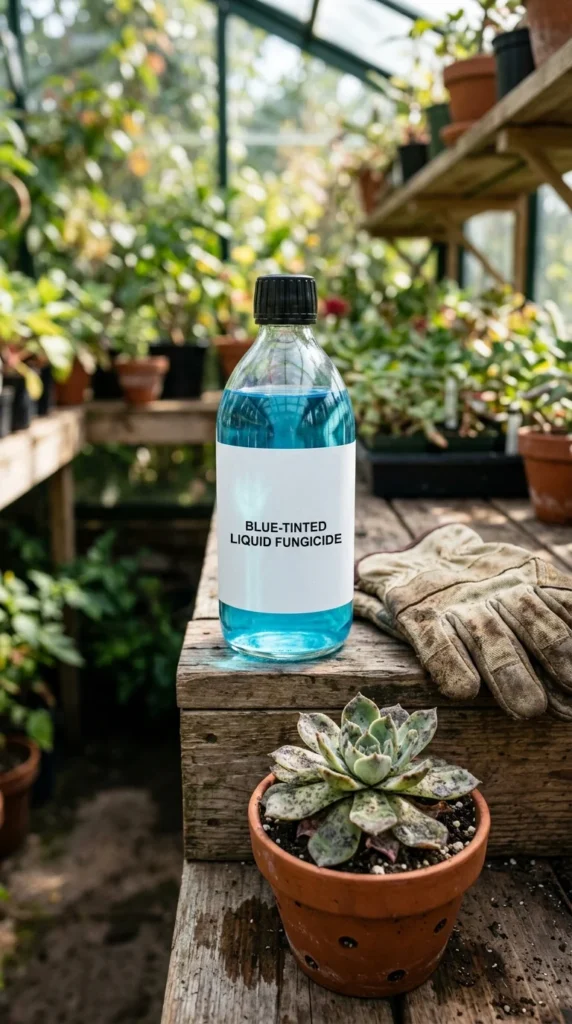
For persistent or recurring cases of powdery mildew, a commercial copper-based fungicide may be necessary. Copper is a classic antifungal agent that disrupts the enzymes in the fungus. When using copper on succulents, ensure the product is labeled for ornamental use and apply it sparingly. Avoid application during extreme heat, as copper can become phytotoxic to succulents when temperatures exceed 90°F (32°C).
9. Sulfur Dust
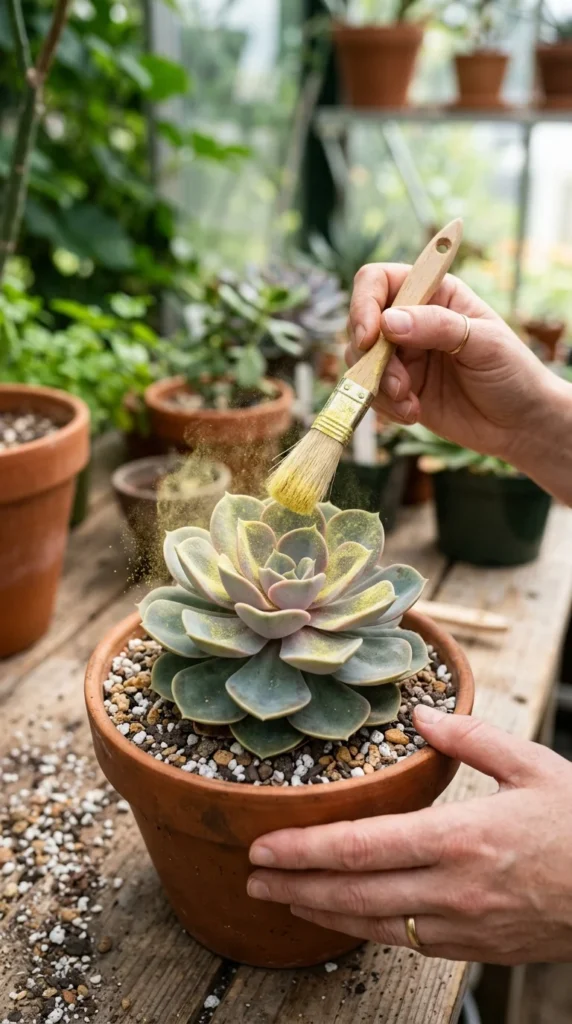
Sulfur is one of the oldest known fungicides. It can be applied as a fine dust or a wettable spray. Sulfur works by preventing fungal spores from germinating. It is highly effective but should never be used within two weeks of an oil-based treatment (like neem oil), as the combination can create a chemical reaction that severely burns the foliage of the succulent.
10. Rubbing Alcohol
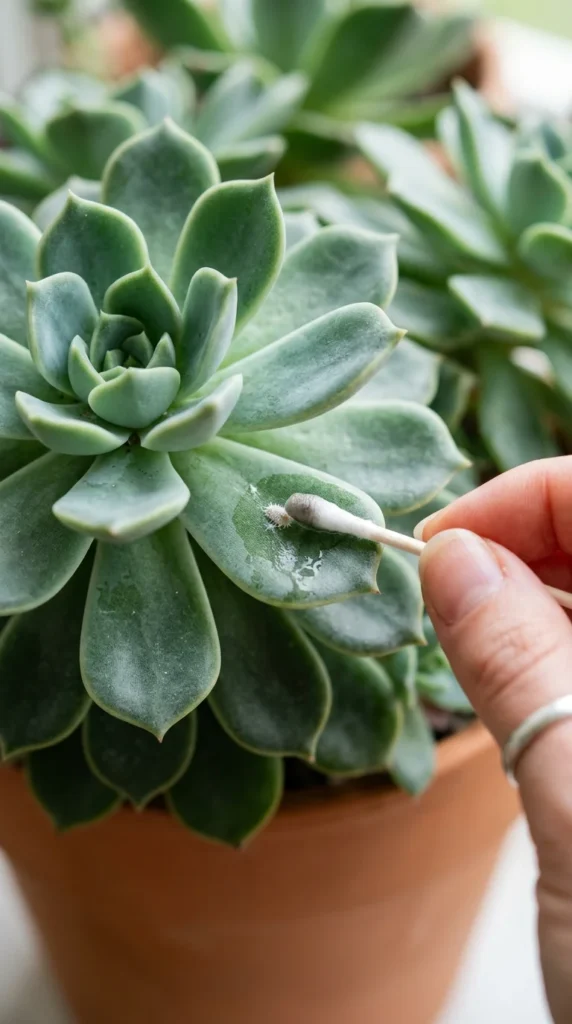
While usually used for pests, 70% isopropyl alcohol can be used to spot-treat small patches of powdery mildew. Dip a cotton swab in the alcohol and gently wipe away the white patches. This is a great “surgical” approach if you catch the fungus early and don’t want to spray the entire plant. Be sure to keep the plant out of direct sun for a few hours after application to prevent scarring.
11. Improved Airflow

Powdery mildew thrives in stagnant air. One of the “fastest” ways to stop the spread is to increase ventilation. If your succulents are indoors, use a small fan to keep air moving around the foliage. For outdoor plants, ensure they aren’t crowded. Spacing your pots out allows for better air circulation, which helps dry out the microscopic environment the fungus needs to take hold.
12. Sunlight Exposure

Most species of powdery mildew actually prefer shaded, cool areas over bright, direct light. Slowly acclimating your infected succulent to a brighter location can help naturally suppress fungal growth. UV rays from the sun are natural disinfectants. However, be careful not to move a shade-loving succulent directly into scorching sun, or you will replace the mildew problem with a sunburn problem.
13. Reduced Humidity

High humidity is the primary driver of powdery mildew. If you are growing succulents in a terrarium or a humid room, you are inviting fungal issues. To treat it fast, lower the ambient humidity to below 50%. Use a dehumidifier or move the plants to a drier room. Succulents are desert plants and prefer low humidity, whereas the fungus requires moisture in the air to thrive.
14. Proper Watering

Overhead watering is a major contributor to fungal spread. To combat mildew, stop getting the leaves wet. Use a squeeze bottle or a narrow-spout watering can to apply water directly to the soil. If water sits in the crevices of succulent rosettes, it creates a micro-climate of high humidity that acts as an incubator for powdery mildew spores.
15. Pruning
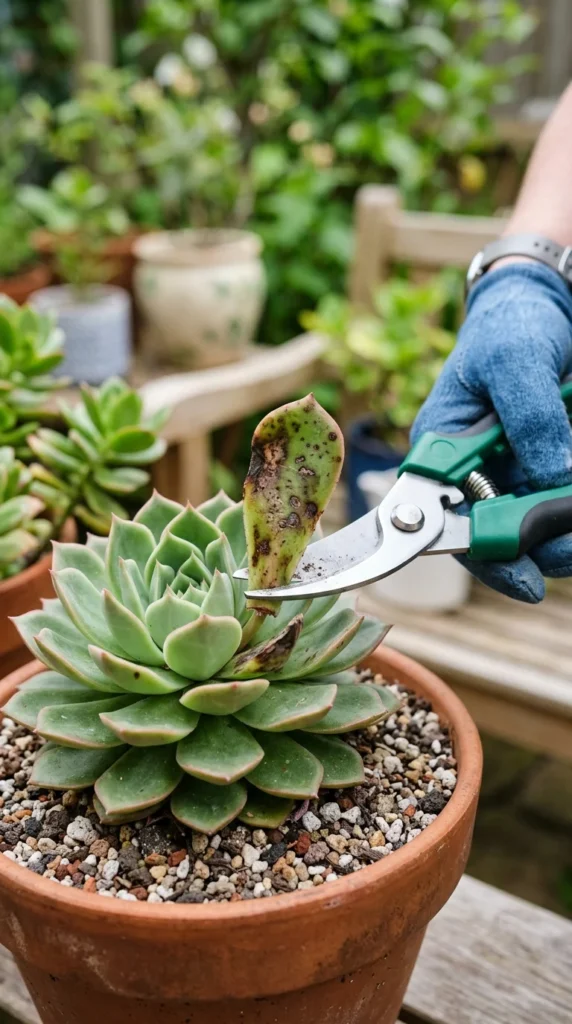
If the infection is localized to just a few leaves, the fastest way to get rid of it is to remove the affected parts entirely. Use a sterilized blade to cut away the infected foliage. Be sure to bag the infected leaves immediately and dispose of them in the trash—never compost them, as the spores can survive the composting process and reinfect your garden later.
16. Quarantine

Fungal spores are airborne and spread easily. As soon as you spot powdery mildew, move the infected plant to a separate room or a far corner of the garden. This “quarantine” prevents the spores from traveling to your healthy succulents. Keep the plant isolated until at least two weeks after the last visible sign of mildew has disappeared.
17. Mouthwash Spray

Ethanol-based mouthwash can be a surprisingly effective fungicide. The alcohol and aromatics (like eucalyptol or menthol) in the mouthwash kill the spores on contact. Mix one part mouthwash with three parts water and spray the succulent. This is a great “emergency” remedy if you don’t have garden-specific fungicides on hand. Use a clear or blue mouthwash to avoid staining the leaves.
18. Compost Tea
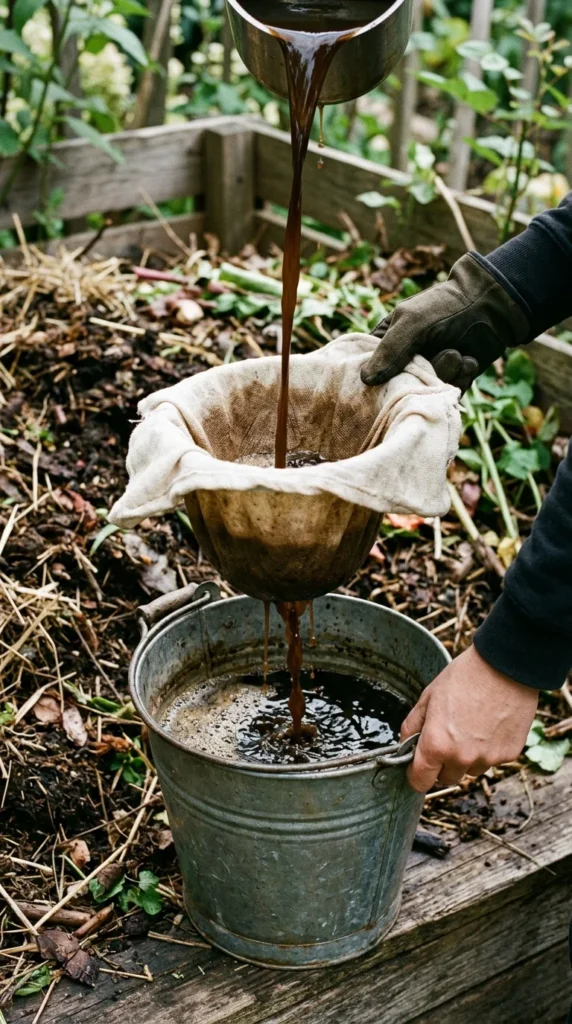
Actively aerated compost tea (AACT) is filled with beneficial bacteria and fungi that compete with powdery mildew for space and nutrients. By spraying your succulents with high-quality compost tea, you are essentially “crowding out” the bad fungi with good microbes. This biological approach strengthens the plant’s natural immune system while fighting the active infection.
19. Chamomile Tea

Chamomile contains sulfur and has natural antifungal properties. Brew a very strong pot of chamomile tea using three to four bags per cup of water. Let it cool completely, then spray it onto the succulent. This is one of the gentlest treatments available, making it ideal for very young succulents or delicate species that might react poorly to harsher chemicals.
20. Dish Soap Solution

Sometimes, simply breaking the surface tension of the fungal spores is enough to stop them. A very weak solution of mild, fragrance-free dish soap (about 1/2 teaspoon per quart of water) can help wash away the mildew. The soap also helps other treatments, like baking soda or neem oil, adhere better to the succulent’s slippery, waxy leaves.
21. Horticultural Oils

Horticultural oils are highly refined petroleum or vegetable oils designed to smother pests and fungi. They are similar to neem oil but are often more concentrated. These oils create a thin film over the powdery mildew, cutting off its oxygen supply. Ensure you use a “summer oil” or a light version, as heavy dormant oils can suffocate the succulent’s own gas-exchange pores (stomata).
22. Cinnamon Powder
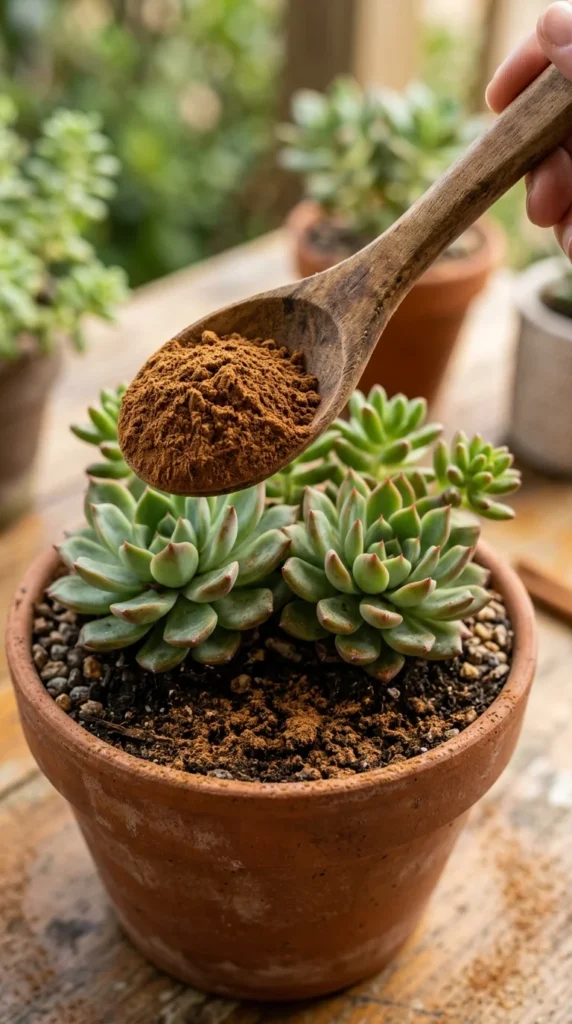
Cinnamon is a natural antifungal agent. While it won’t necessarily “cure” a massive outbreak on its own, it is excellent for preventing the spread. Dusting the soil or the affected areas with ground cinnamon after cleaning them can inhibit the regrowth of spores. It also smells wonderful and is completely non-toxic to pets and humans.
23. Sterilizing Tools

One of the fastest ways powdery mildew spreads is through contaminated tools. If you use shears to trim an infected plant and then use them on a healthy one, you are transplanting the fungus. Always wipe your tools with 70% rubbing alcohol or a bleach solution between every single cut. This prevents the “fast” spread of the disease across your entire collection.
24. Soil Replacement

Spores can often settle on the surface of the soil, waiting for the right conditions to reinfect the plant. If you are struggling with a persistent case, try removing the top inch of soil and replacing it with fresh, sterile succulent mix. This removes the reservoir of spores sitting at the base of your plant and provides a cleaner environment for recovery.
25. Biofungicides
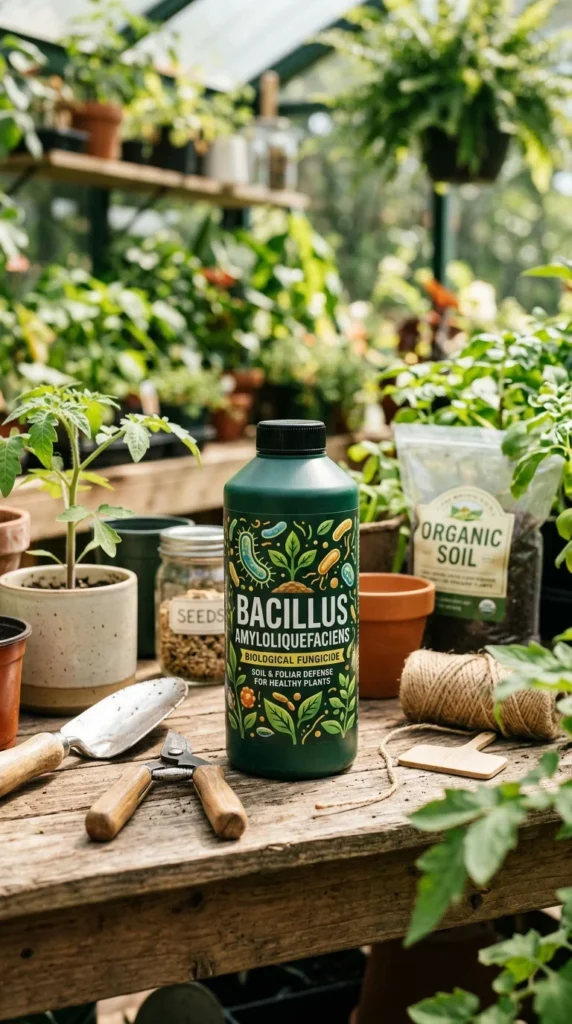
Biofungicides use beneficial bacteria, such as Bacillus subtilis or Bacillus amyloliquefaciens, to attack the powdery mildew. These bacteria produce metabolites that destroy the fungal mycelium. This is a professional-grade organic solution that is very effective for succulents because it doesn’t rely on harsh chemicals that might damage the leaf’s delicate “farina” (the powdery coating on some succulents).
26. Aspirin Solution

Salicylic acid, the active ingredient in aspirin, can trigger a “Systemic Acquired Resistance” (SAR) in plants. When a succulent is treated with a diluted aspirin solution (about 1.5 tablets per gallon of water), it mimics a “danger signal,” causing the plant to boost its own chemical defenses against fungi. This doesn’t just kill the mildew on the surface; it helps the plant fight back from the inside.
27. Potassium Silicate

Adding potassium silicate to your watering routine helps strengthen the cell walls of your succulents. While not a direct “killer” of powdery mildew, it makes the plant’s surface much harder for the fungal hyphae to penetrate. Stronger cell walls mean the fungus cannot take root as easily, providing a long-term, fast-acting structural defense against future infections.