

Powdery mildew is a common fungal disease that can strike even the most meticulously cared-for succulent collections. Unlike the typical rot associated with overwatering, powdery mildew is an airborne fungal infection caused by various species of fungi in the order Erysiphales. It manifests as white or gray dusty patches on leaves and stems, eventually leading to stunted growth, leaf drop, and, if left untreated, the death of the plant.
Because succulents store water in their leaves, they provide a unique environment for fungal spores to thrive under specific conditions—namely high humidity and poor air circulation. Understanding how to combat this white “dust” is essential for any indoor or outdoor gardener. Here are 19 effective ways to identify, treat, and prevent powdery mildew on your succulents.
1. Identification
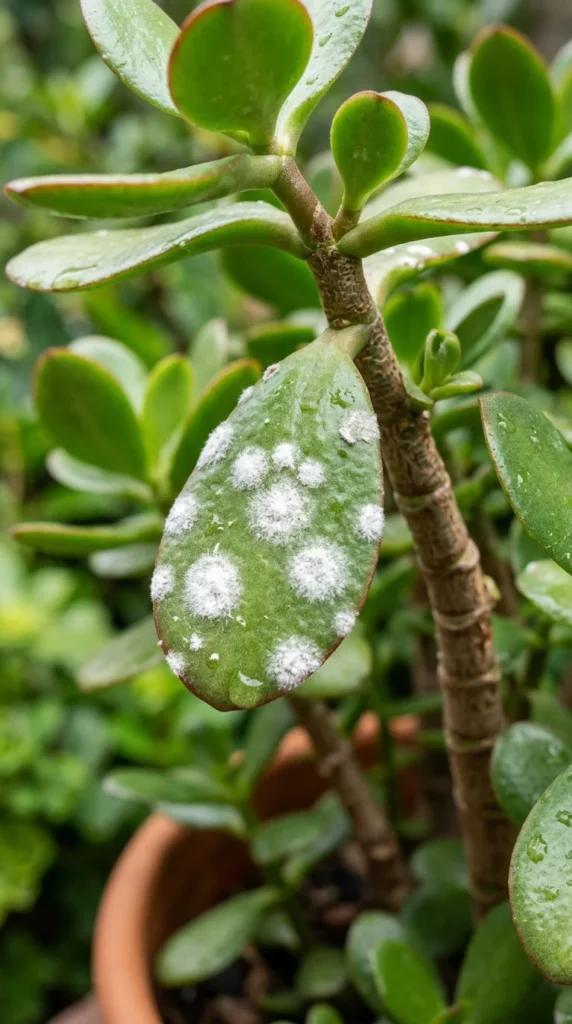
Before applying any treatment, you must accurately identify the problem. Powdery mildew starts as small, circular white spots that look like a dusting of flour or talcum powder. As the infection progresses, these spots spread to cover entire leaves and move onto the stems. Unlike mealybugs, which are physical insects that can be nudged, or “farina,” which is a natural waxy coating on many succulents, powdery mildew looks uneven and patchy. If you rub it gently and it comes off but leaves a scarred or discolored area beneath, it is likely a fungal infection.
2. Isolation

The moment you suspect a succulent has powdery mildew, move it away from your other plants. Fungal spores are incredibly light and can travel on the slightest breeze or even on your hands and tools. By placing the infected plant in a “quarantine zone,” you prevent the spread to healthy specimens. Keep the plant isolated for at least two to three weeks until you are certain the infection has been fully eradicated.
3. Airflow

Stagnant air is the primary catalyst for fungal growth. Improving ventilation is one of the easiest ways to save your plants and prevent future outbreaks. If you grow succulents indoors, use a small fan to keep the air moving around the foliage. For outdoor plants, ensure they aren’t crowded against walls or hidden in deep corners where air cannot reach them. Good airflow helps moisture evaporate from the leaf surfaces, making it harder for spores to take root.
4. Sun Exposure

Powdery mildew thrives in shaded, damp environments. Most succulents love bright, direct light, and the UV rays from the sun act as a natural disinfectant. If your plant is struggling with mildew, slowly move it to a brighter location. The heat and light will help dry out the fungus. However, be cautious not to move a shade-loving succulent into harsh direct sun too quickly, as this can cause sunburn.
5. Bottom Watering
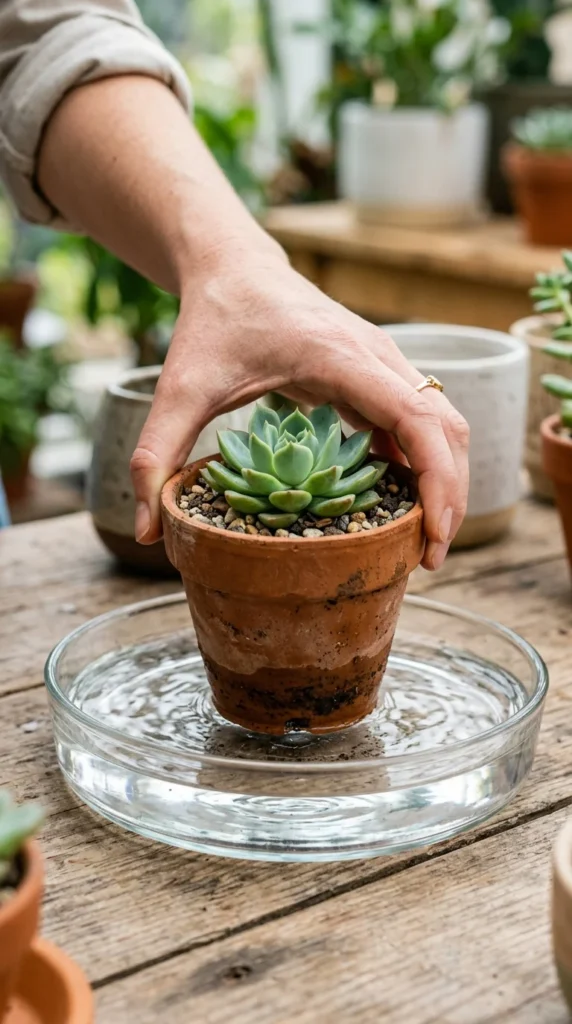
Watering from the top can leave droplets on the leaves, which creates the perfect micro-environment for fungi. Instead, use the bottom-watering method. Place your succulent pot in a tray of water and allow the soil to soak up moisture through the drainage holes. This keeps the foliage dry and ensures the roots get the hydration they need without encouraging fungal spores on the surface.
6. Neem Oil
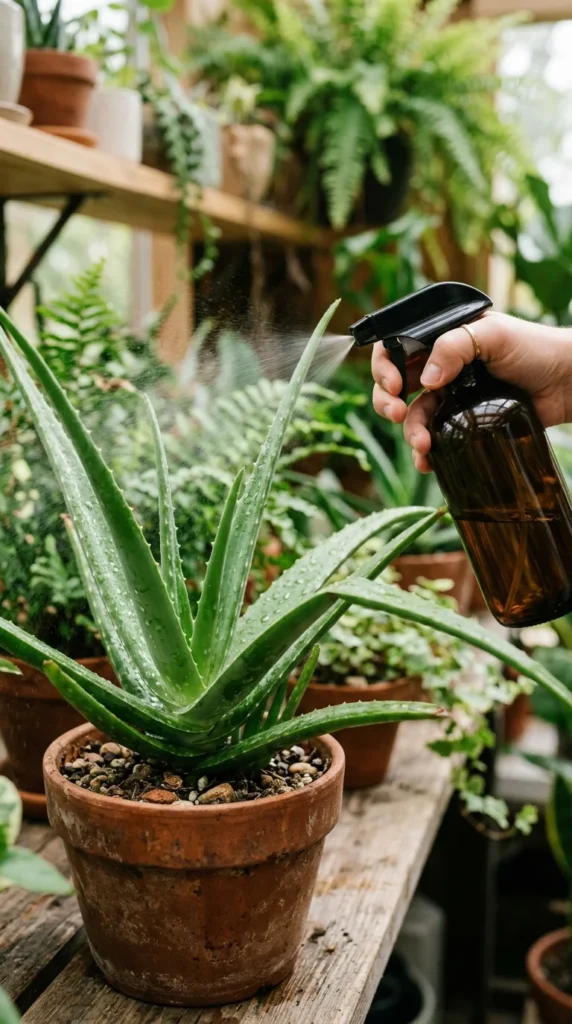
Neem oil is a natural, organic fungicide and insecticide derived from the seeds of the neem tree. It is highly effective against powdery mildew because it coats the fungal spores and prevents them from spreading. Mix a teaspoon of pure neem oil with a few drops of dish soap in a liter of water. Spray the entire plant, making sure to hit the undersides of the leaves. Apply this in the evening to avoid “frying” the leaves under the sun.
7. Baking Soda
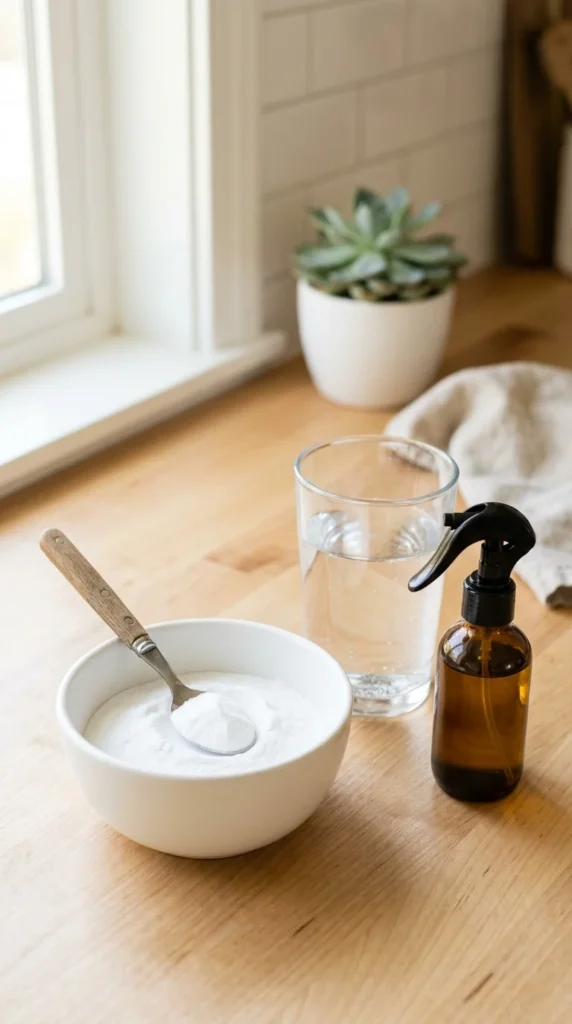
A classic home remedy involves mixing one tablespoon of baking soda with a gallon of water and a half-teaspoon of liquid soap. Baking soda increases the pH level on the surface of the succulent leaves, creating an alkaline environment that is inhospitable to powdery mildew. While it doesn’t kill the fungus instantly, it prevents new spores from germinating. Be sure to test this on a small leaf first, as some succulents are sensitive to pH changes.
8. Milk Spray

It sounds unusual, but a mixture of 40% milk and 60% water is a scientifically proven treatment for powdery mildew. The proteins in the milk, when exposed to sunlight, produce an antiseptic effect that kills the fungus. This method is particularly popular among organic gardeners because it is completely non-toxic. Spray the mixture onto the affected areas every few days until the mildew disappears.
9. Rubbing Alcohol
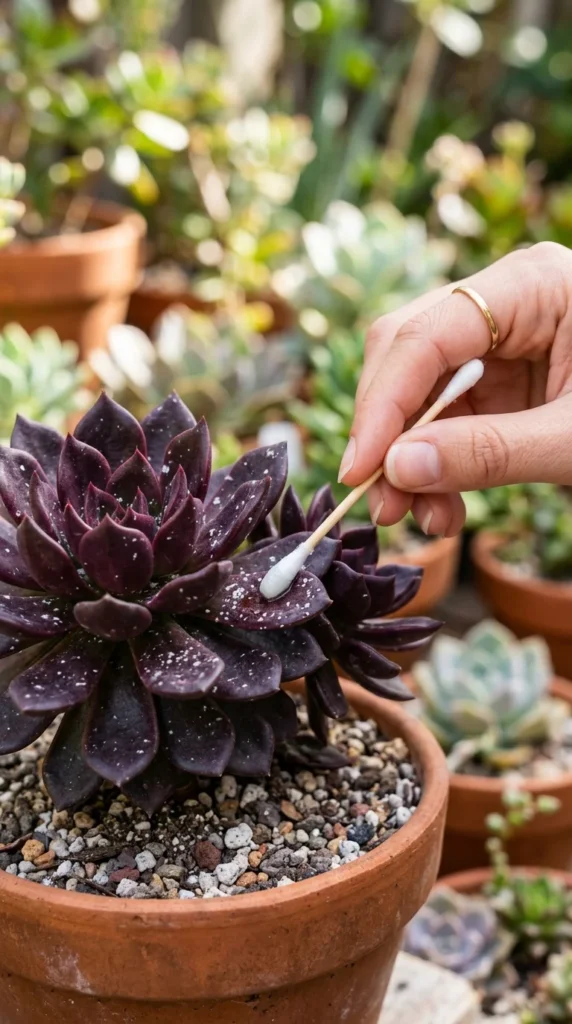
For small, localized infections, 70% isopropyl (rubbing) alcohol is a quick fix. Dip a cotton swab in the alcohol and gently wipe away the white patches. The alcohol kills the fungus on contact and evaporates quickly, which prevents the moisture issues associated with water-based sprays. Avoid using this in direct sunlight, as it can cause the plant to dehydrate or burn.
10. Hydrogen Peroxide
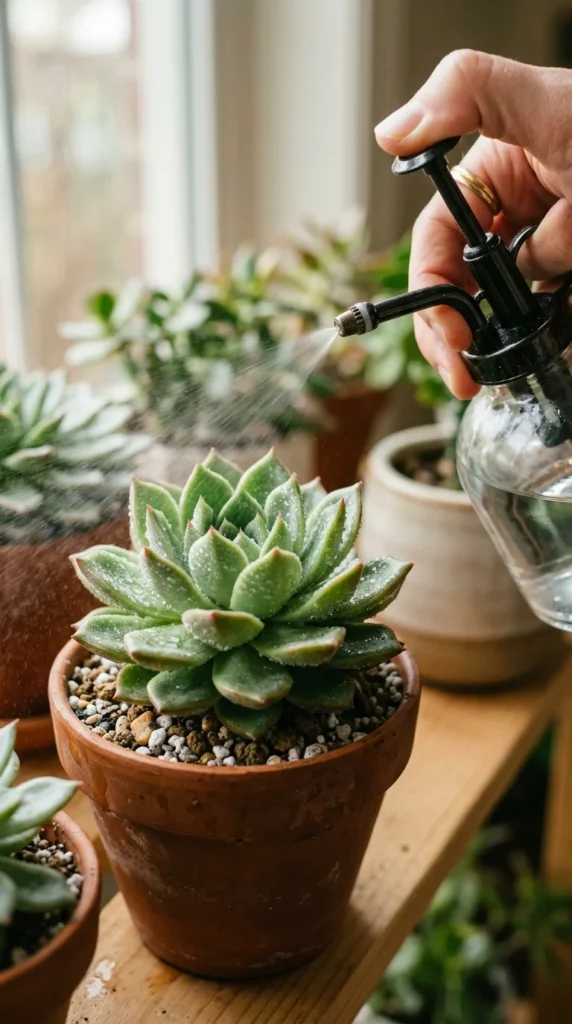
Hydrogen peroxide (3% concentration) is an excellent oxidizing agent that destroys fungal cell walls. Mix one part hydrogen peroxide with nine parts water and spray the succulent thoroughly. This treatment not only kills the mildew but also adds oxygen to the soil if some of the mixture drips down, which can benefit root health.
11. Sulfur Fungicide
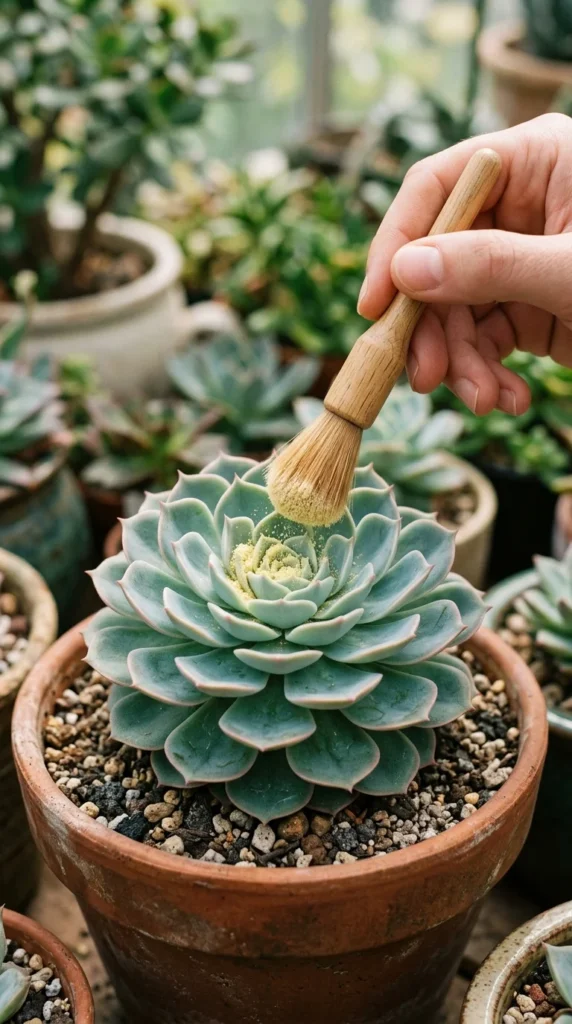
Sulfur is one of the oldest known fungicides. It can be purchased as a “wettable” powder or a dust. It works by disrupting the metabolic processes of the fungi. Applying a light dusting of sulfur to the affected areas is a powerful way to stop an aggressive infection. Note that sulfur can have a strong odor and should be handled with care, as it can be an irritant to skin and eyes.
12. Pruning
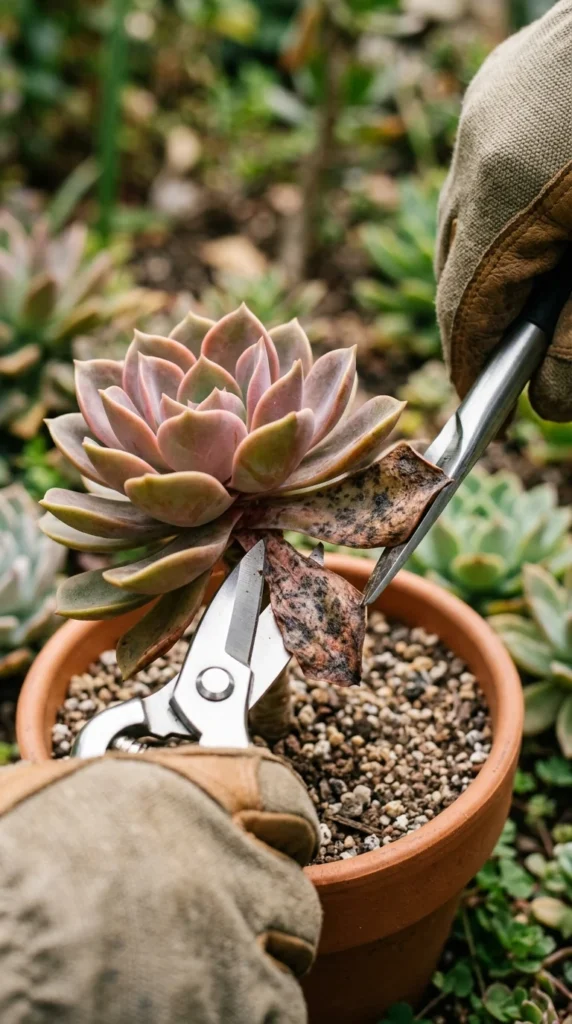
If a leaf is heavily covered in mildew and looks shriveled or yellowing, it may be beyond saving. In this case, pruning is the best option. Use sterilized shears to remove the infected foliage. This removes a large portion of the fungal colony from the plant and prevents it from spreading to the newer, healthier growth. Always clean your shears with alcohol between cuts to avoid cross-contamination.
13. Soil Hygiene
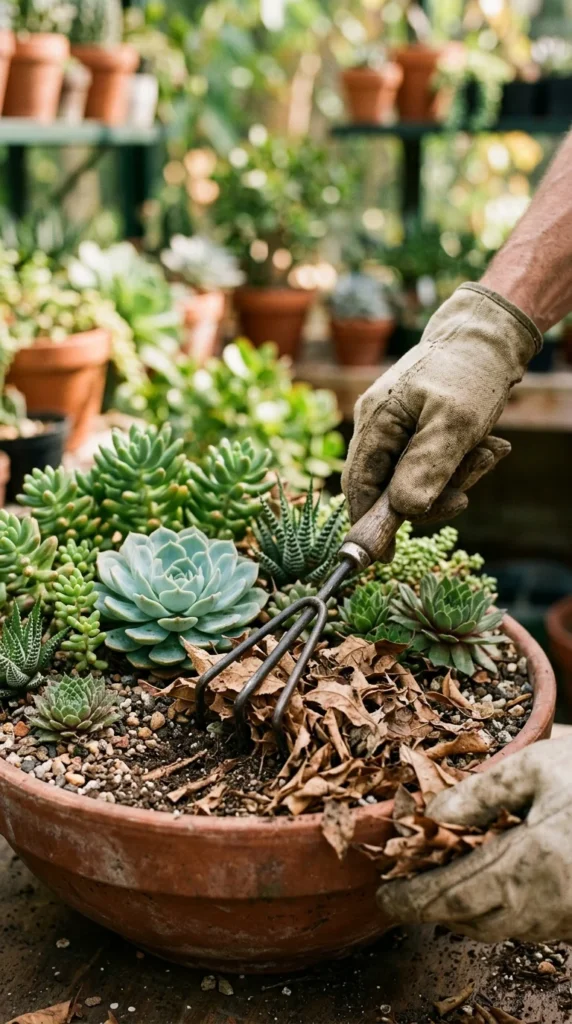
Fungal spores often hide in the debris at the base of the plant. Dead leaves, fallen petals, and organic mulch can trap moisture and harbor mildew. Keeping the soil surface clean is a vital step in saving your plant. Remove any fallen material immediately and consider replacing the top inch of soil if the infection has been particularly stubborn.
14. Humidity Control

Succulents are desert-dwelling plants that prefer low humidity. If the humidity in your home or greenhouse is consistently above 50%, you are inviting powdery mildew. Use a dehumidifier in the room where your succulents live, especially during rainy seasons or winter months when indoor air can become trapped. Keeping the environment dry is the most effective long-term strategy for fungal control.
15. Proper Spacing

Overcrowding is a common mistake for succulent enthusiasts. When plants are packed tightly together, they create a “microclimate” of trapped moisture and still air. Ensure there is at least a few inches of space between each pot. This allows air to circulate around the entire plant, significantly reducing the chances of a mildew outbreak spreading through your entire collection.
16. Cinnamon
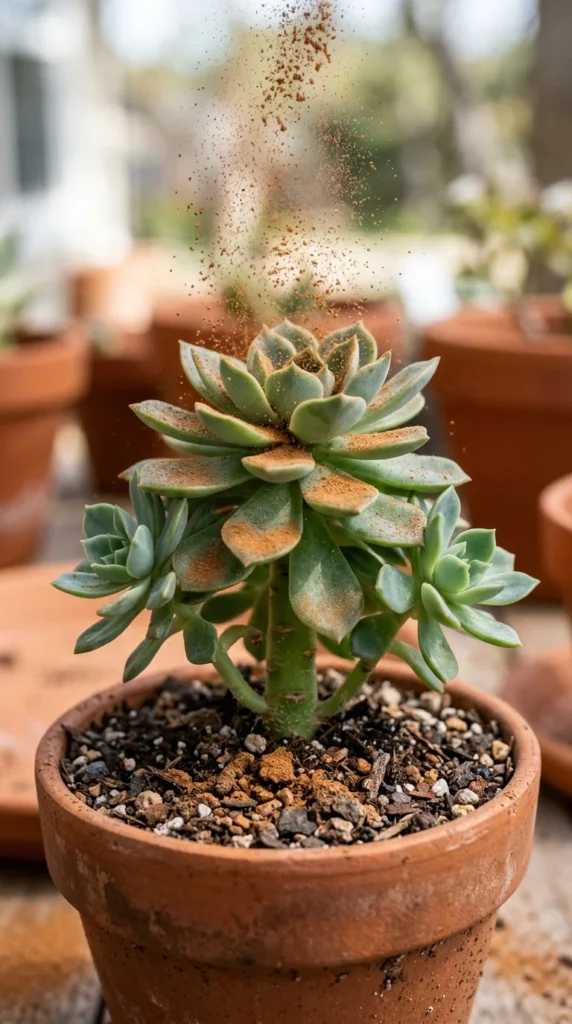
Cinnamon is a natural antifungal agent. While it might not cure a heavy infection on the leaves, it is excellent for preventing the fungus from spreading via the soil or through pruning wounds. After you trim an infected leaf, dab a little cinnamon powder on the “wound” to seal it and prevent spores from entering the plant’s vascular system.
17. Apple Cider Vinegar
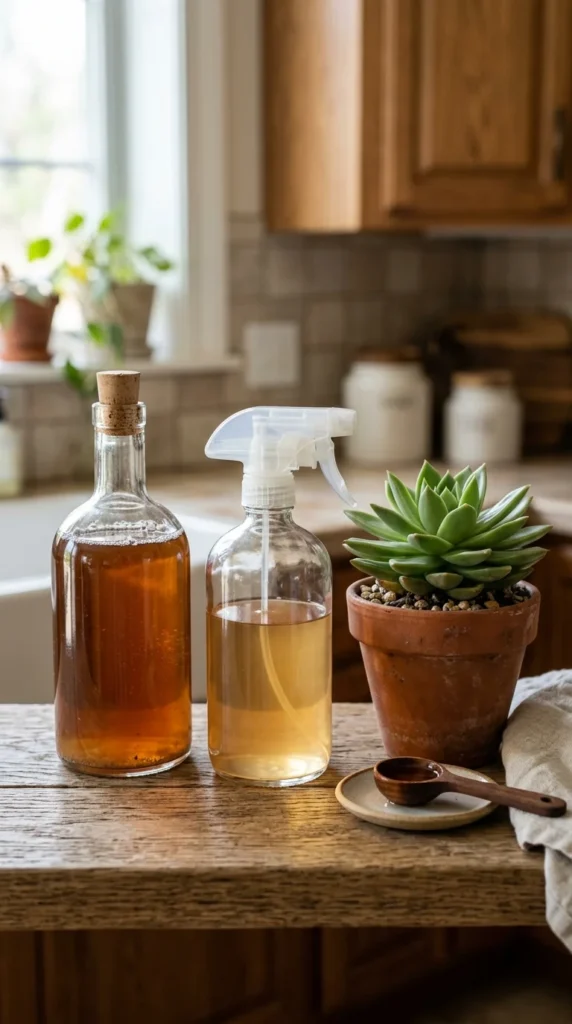
Like baking soda, vinegar changes the pH of the leaf surface. Mix two tablespoons of apple cider vinegar into a quart of water. This creates an acidic environment that kills powdery mildew. However, vinegar is also a natural herbicide, so it is vital not to make the solution too strong, as it could damage the succulent’s delicate skin.
18. Garlic Extract
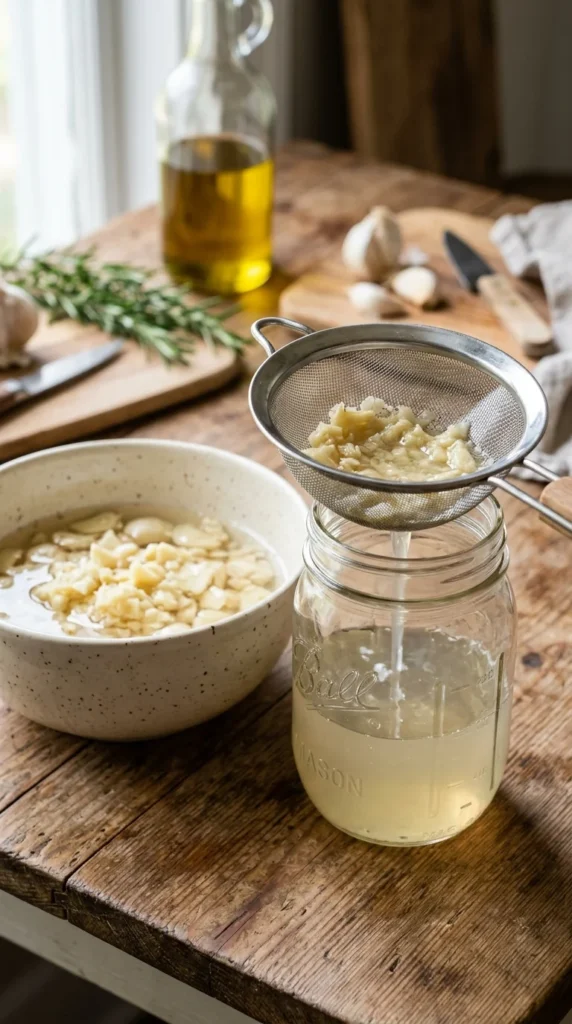
Garlic contains high levels of sulfur, making it a potent natural fungicide. You can make a garlic spray by crushing several cloves and steeping them in hot water overnight. Strain the liquid into a spray bottle and apply it to your plants. This is an excellent organic alternative to chemical fungicides, though it will leave your garden smelling like a kitchen for a day or two.
19. Monitoring
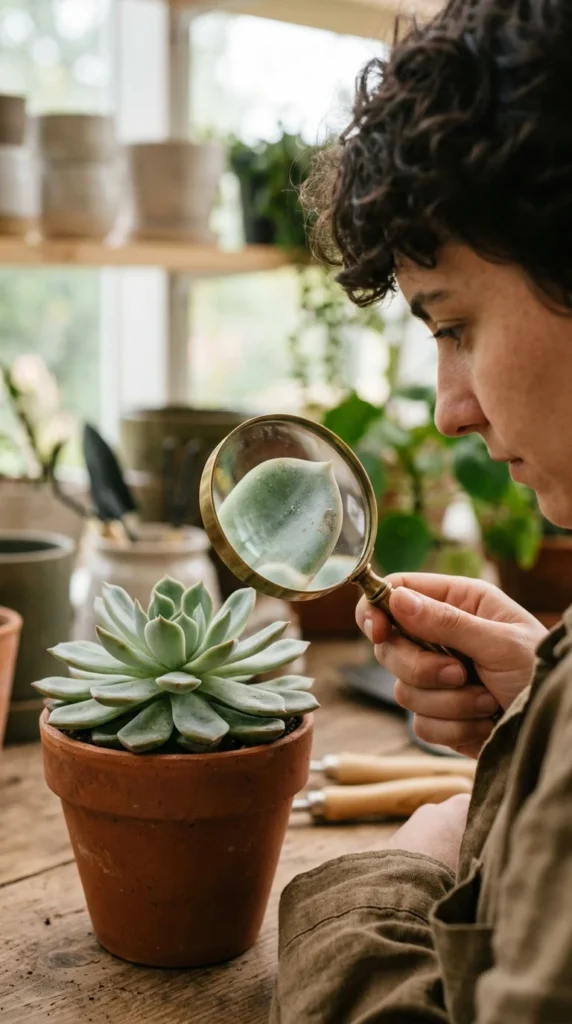
The final step in saving your succulents is constant vigilance. Even after you think the mildew is gone, spores can remain dormant. Check your plants daily for any sign of returning white spots. Catching a re-infection early makes it much easier to treat with simple methods like rubbing alcohol rather than having to resort to heavy pruning or chemical sprays. Consistent care and observation are the keys to a healthy, mildew-free succulent garden.