
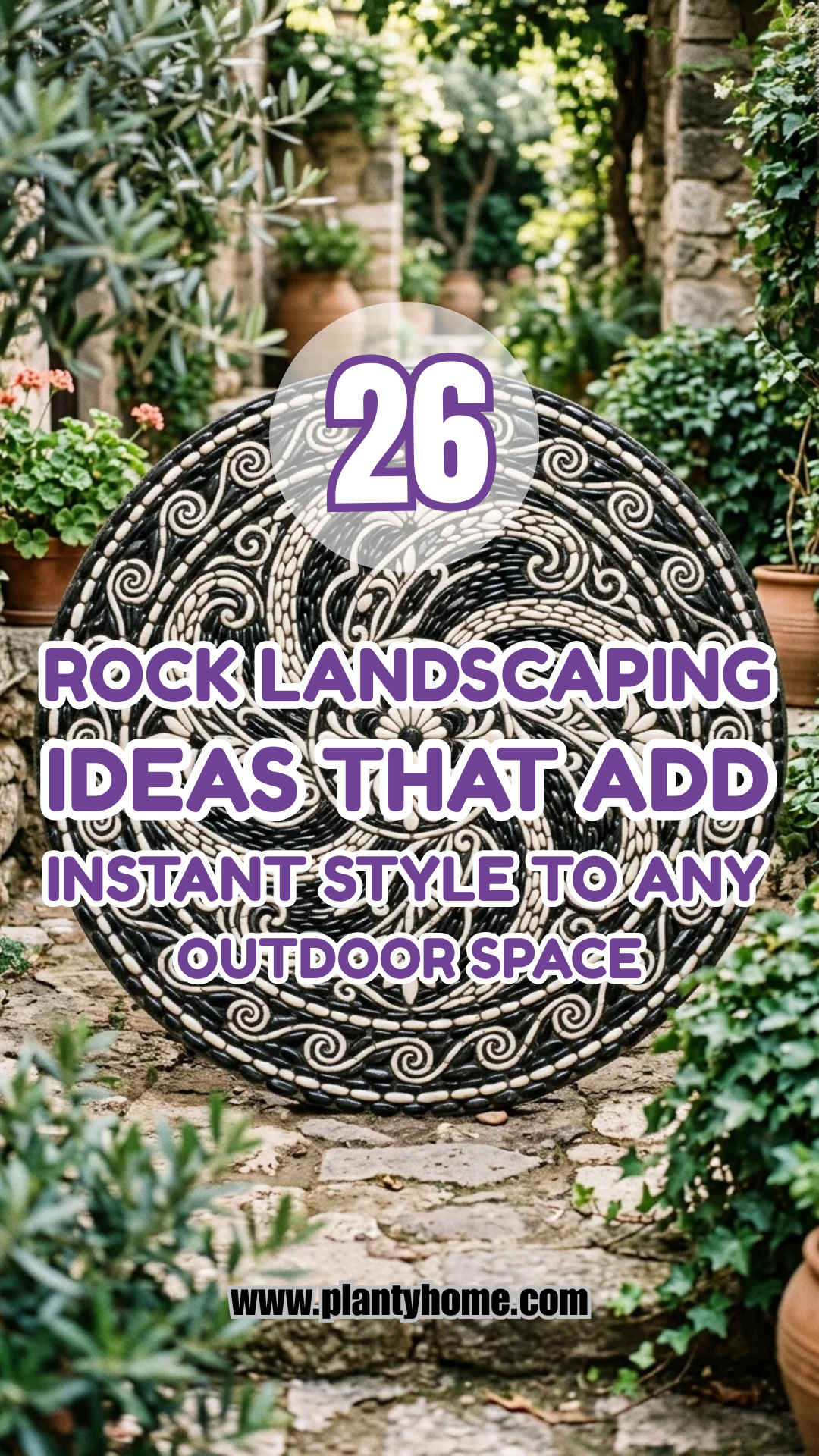
Rock landscaping, often referred to as hardscaping, is one of the most versatile and durable ways to transform an outdoor area. Unlike organic mulch or delicate flowerbeds, stones provide a permanent structure that withstands the elements while requiring minimal maintenance. Whether you are looking to solve a drainage problem, create a focal point, or simply reduce your weekend weeding time, incorporating stone elements can elevate your property’s curb appeal instantly. From the rugged charm of large boulders to the refined elegance of polished pebbles, here are 26 rock landscaping ideas to inspire your next outdoor project.
1. River Rocks
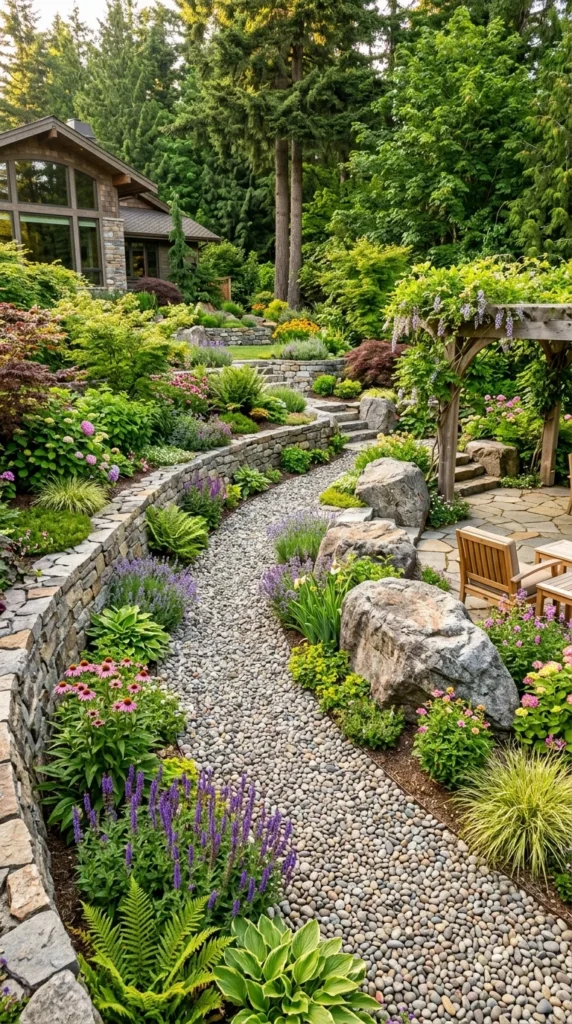
River rocks are characterized by their smooth, rounded edges, shaped by years of water erosion. They are an excellent choice for creating natural-looking transitions between garden beds and lawn areas. Because they come in various sizes, they can be used to fill large gaps or create intricate textures. Their neutral tones complement almost any architectural style, providing a clean, organic look that feels timeless.
2. Boulder Accents
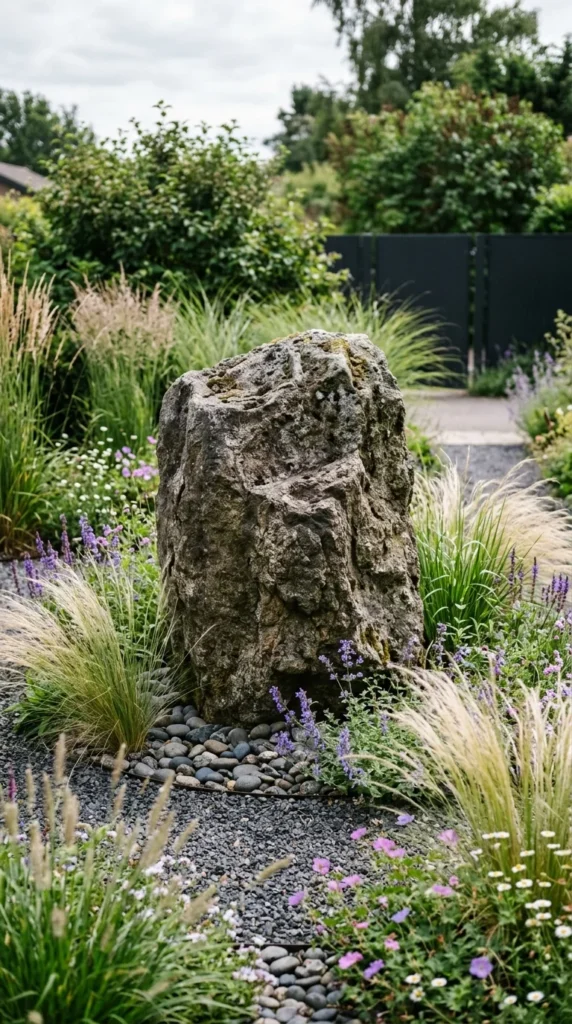
If your landscape feels flat or one-dimensional, adding a few strategically placed boulders can provide much-needed height and weight. Boulders act as natural sculptures, drawing the eye and anchoring the surrounding plants. For the most natural look, “plant” your boulders by burying the bottom third in the ground; this makes them look like they have been there for centuries rather than just dropped on top of the soil.
3. Dry Creek Beds
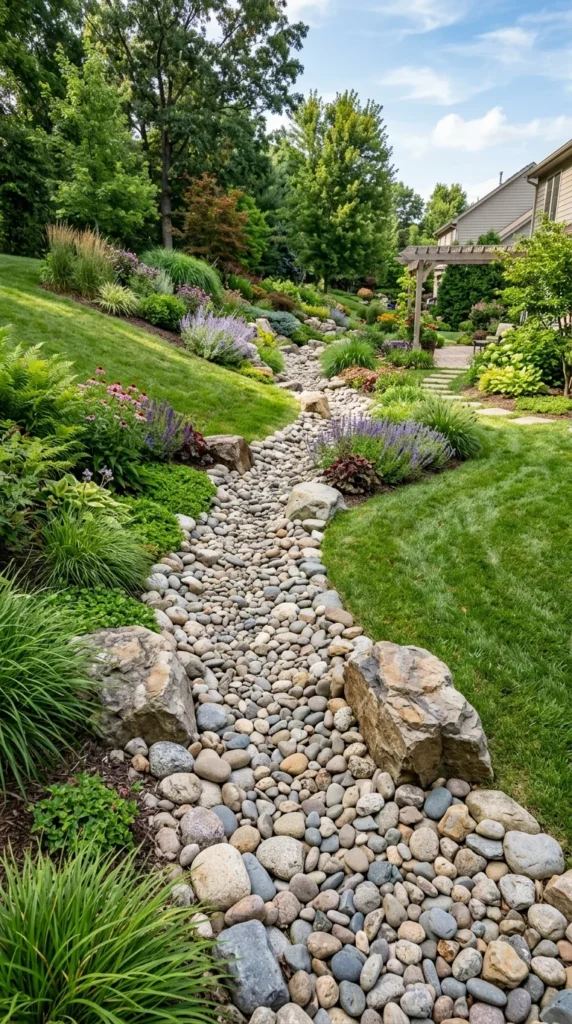
A dry creek bed is both a functional and aesthetic marvel. Designed to manage runoff during heavy rain, it guides water away from your home’s foundation while looking like a beautiful, parched riverbed during the dry season. Use a mix of small gravel, medium river rocks, and large “anchor” stones along the edges to mimic the way water naturally sorts stones in the wild.
4. Gravel Patios
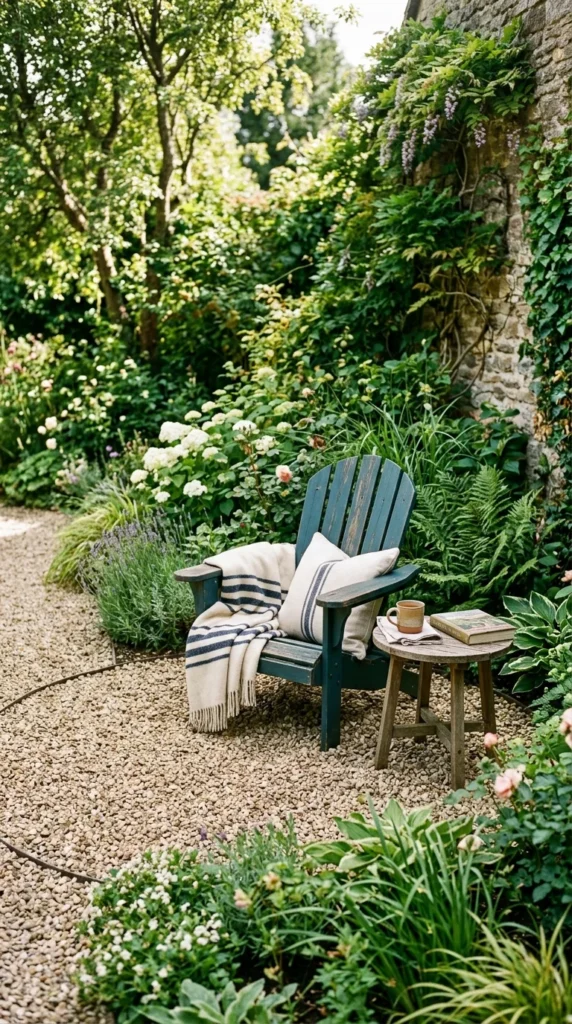
Traditional wooden decks and concrete patios can be expensive and prone to cracking. A gravel patio offers a budget-friendly, permeable alternative that drains perfectly. Fine gravels, such as pea gravel or decomposed granite, provide a soft crunch underfoot and create a relaxed, European-bistro vibe. Use a sturdy border of timber or bricks to keep the stones contained.
5. Zen Gardens
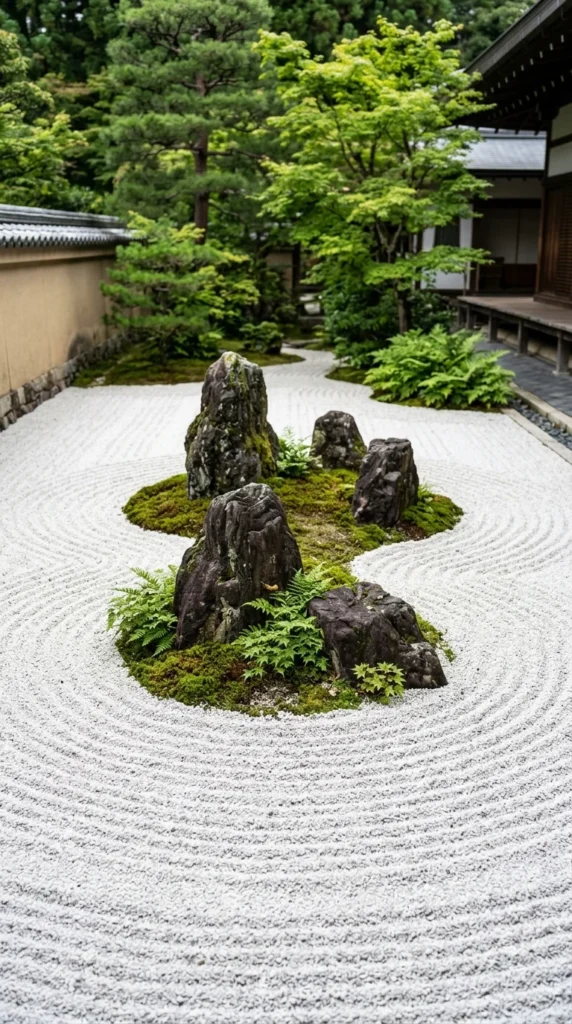
Inspired by Japanese tradition, a Zen garden uses rocks and sand to represent islands and water. This style is perfect for small, quiet corners of the yard intended for meditation. The minimalist approach focuses on the contrast between the stillness of the rocks and the fluid patterns raked into the sand or fine gravel, promoting a sense of peace and order.
6. Stone Edging
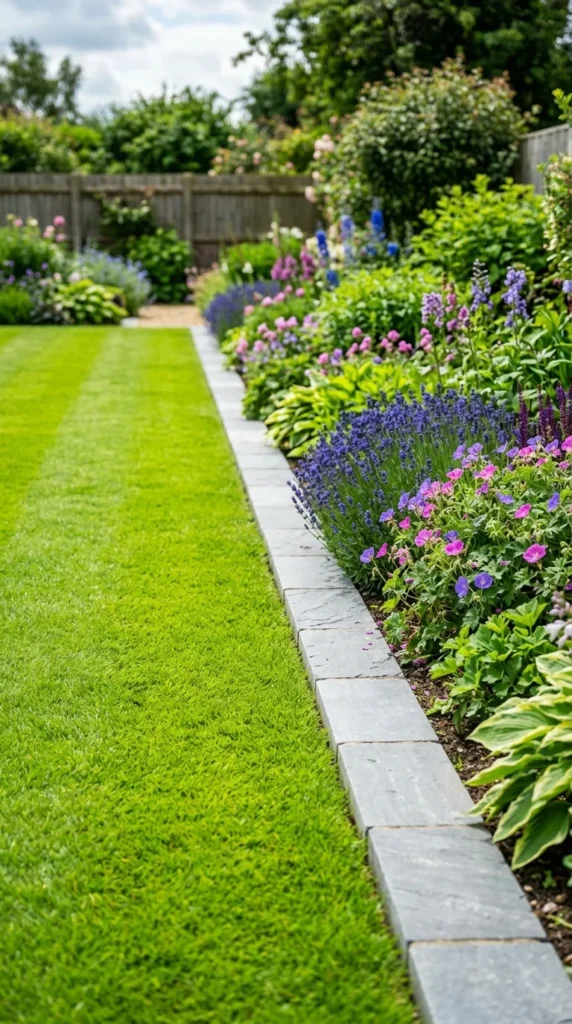
Defined borders are the secret to a professional-looking landscape. Using stones—whether flat flagstones or chunky cobbles—to edge your garden beds prevents grass from creeping in and keeps mulch from washing out. Stone edging creates a crisp, clean line that makes the vibrant colors of your plants pop.
7. Rock Retaining Walls
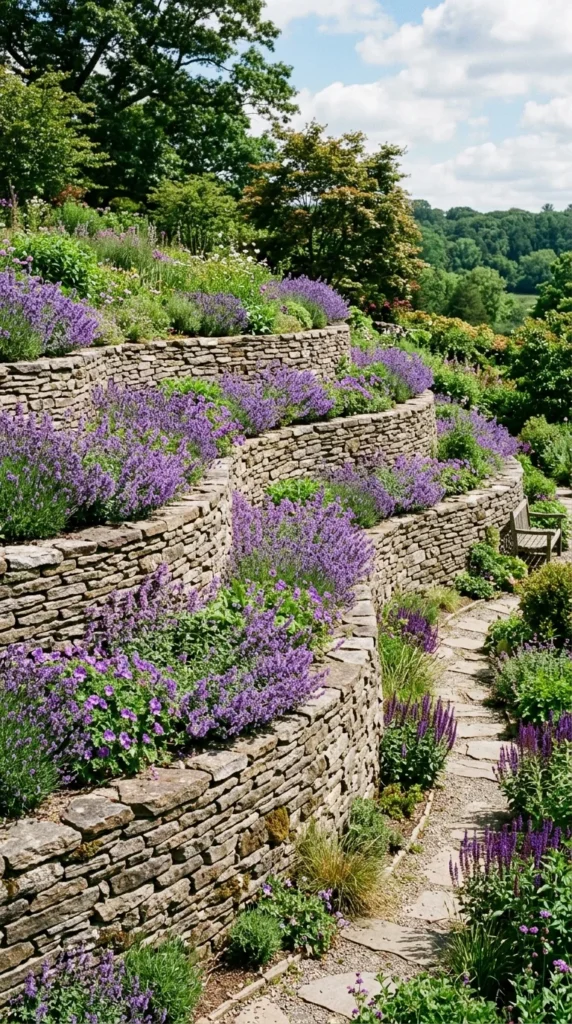
When dealing with a sloped yard, a rock retaining wall is a necessity that can be turned into a design feature. Unlike poured concrete, a stacked stone wall has a rustic, artisanal feel. It allows for natural drainage through the crevices and provides “pockets” where you can plant trailing succulents or alpine flowers, turning a structural element into a vertical garden.
8. Lava Rock Mulch
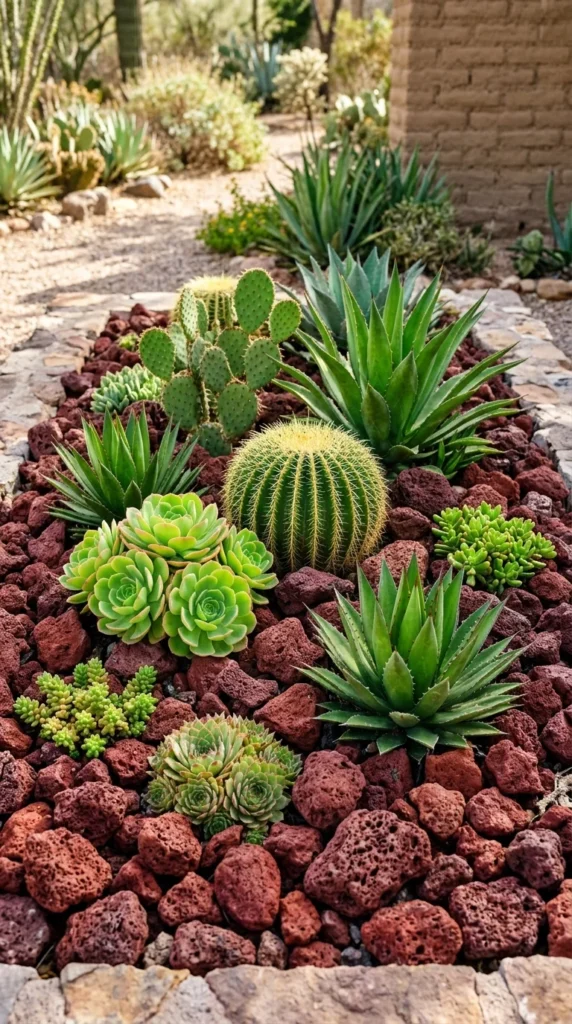
Lava rock is a lightweight, volcanic stone that is excellent for moisture retention and weed suppression. Its porous nature helps insulate the soil against temperature extremes. Available in striking blacks and deep reds, lava rock provides a bold, high-contrast backdrop for desert-themed gardens or modern, minimalist landscapes.
9. Flagstone Walkways
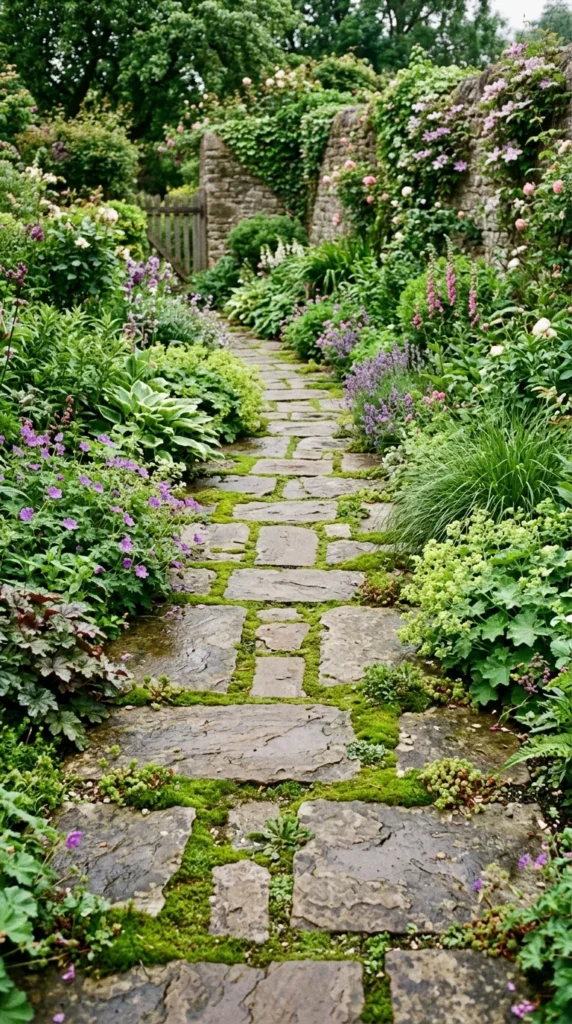
Flagstones are large, flat slabs of natural stone that create a sturdy and charming walkway. They can be laid tightly for a formal look or spaced out with groundcover plants like creeping thyme or moss growing in between for a “secret garden” feel. Their irregular shapes and earthy colors (pinks, blues, and tans) add character to any path.
10. Rock Fountains
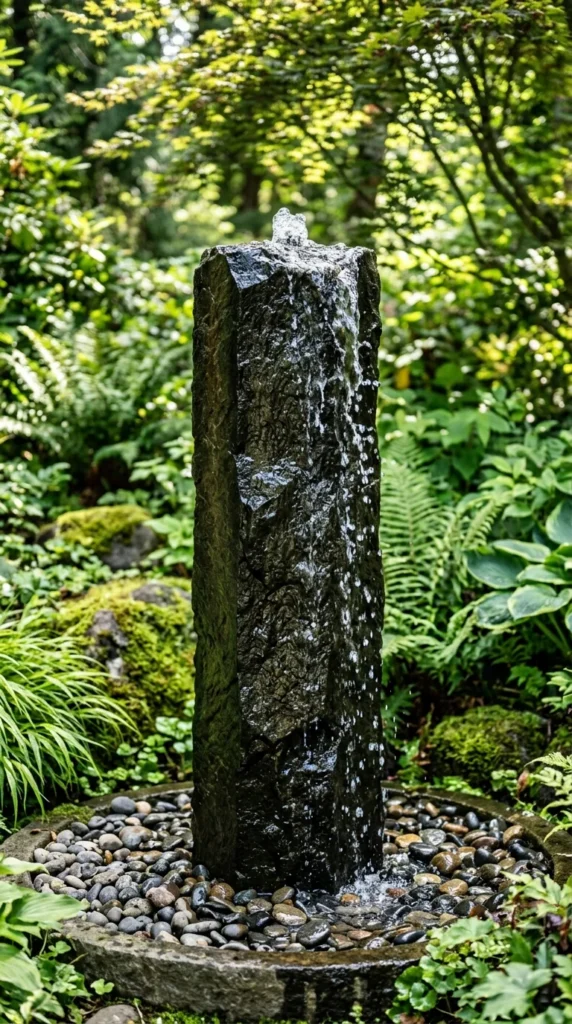
Incorporating water and stone creates a multi-sensory experience. A rock fountain—whether it’s a drilled boulder or a stacked slate tower—adds the soothing sound of trickling water to your space. The wet stone often reveals deeper colors and shimmering textures that aren’t visible when the rock is dry, making it a dynamic focal point.
11. Terraced Gardens
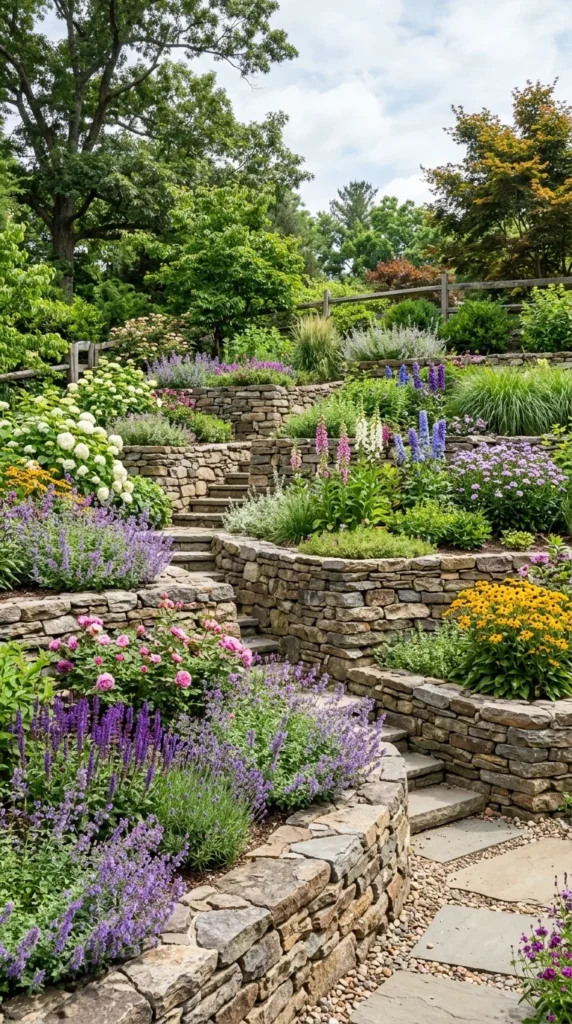
Terracing allows you to maximize usable space on a steep incline. By building a series of low stone walls, you create flat “steps” that are perfect for planting. This prevents soil erosion and turns a difficult-to-mow slope into a productive and beautiful garden gallery.
12. Pebble Mosaics
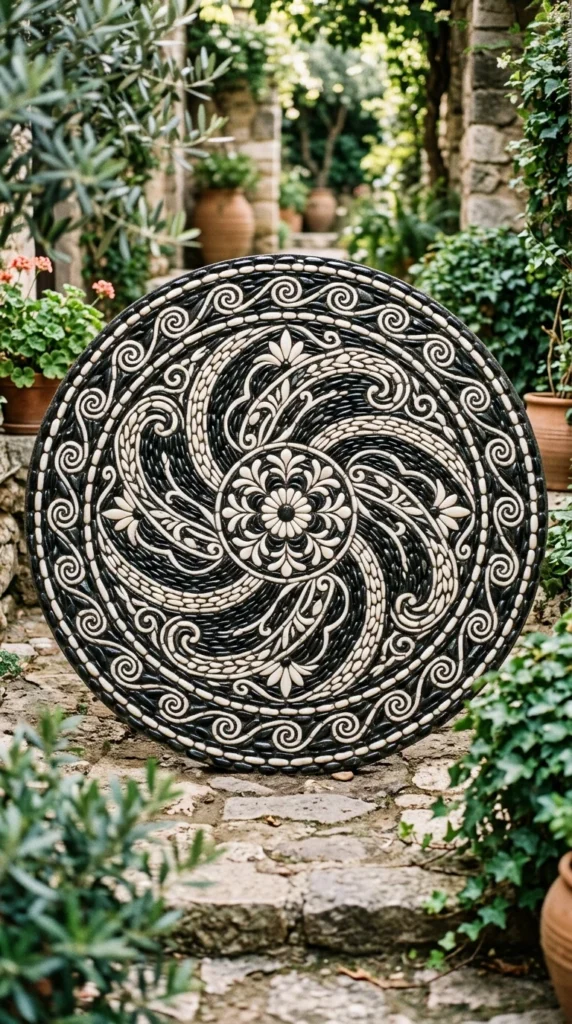
For those who view landscaping as an art form, pebble mosaics are the ultimate expression of creativity. By embedding small, polished stones into a mortar base, you can create intricate patterns, mandalas, or images. These mosaics serve as permanent outdoor rugs that won’t fade or wear out over time.
13. Gabion Walls
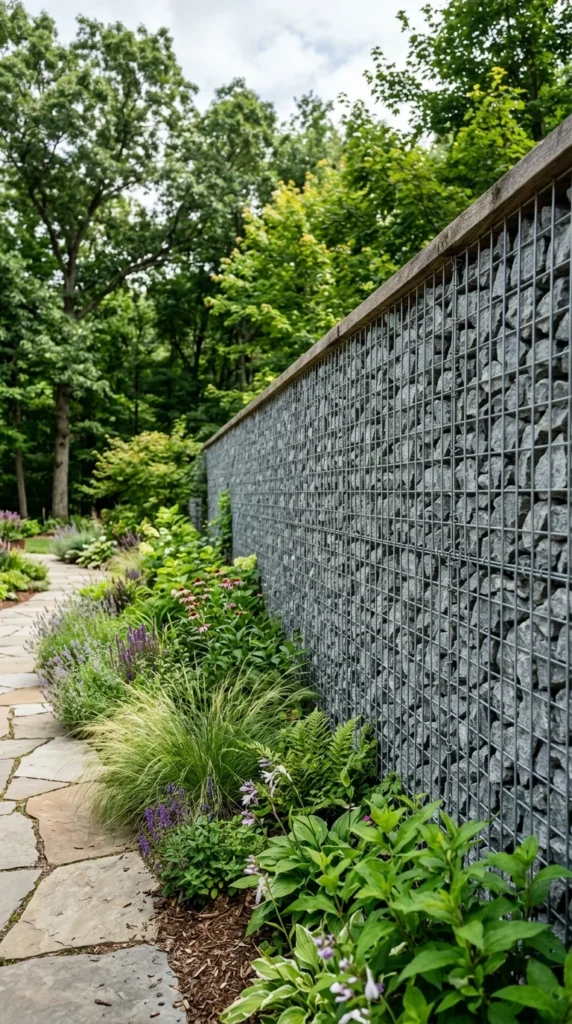
Gabion walls are wire cages filled with rocks. Originally used for civil engineering, they have become a staple of modern landscape design. They are incredibly durable, easy to install, and provide an industrial-chic look. You can fill them with anything from large river rocks to colorful glass cullet for a unique architectural statement.
14. Slate Stepping Stones
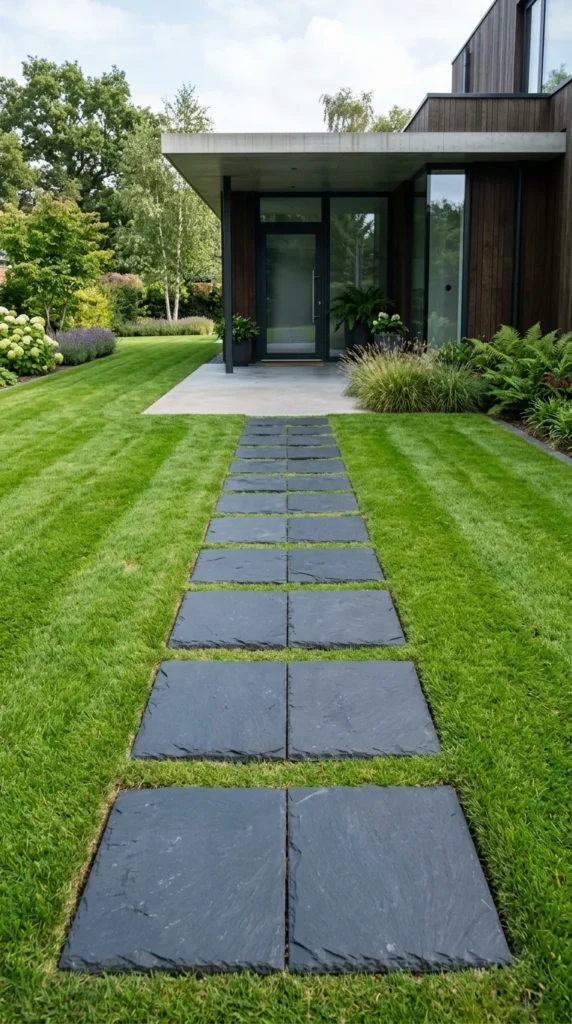
Slate is prized for its naturally layered texture and deep, moody colors like charcoal and navy. Using oversized slate tiles as stepping stones across a lawn or through a garden bed creates a clean, contemporary look. Slate stays relatively cool underfoot and provides a slip-resistant surface, making it practical for high-traffic areas.
15. Decorative Stone Planters
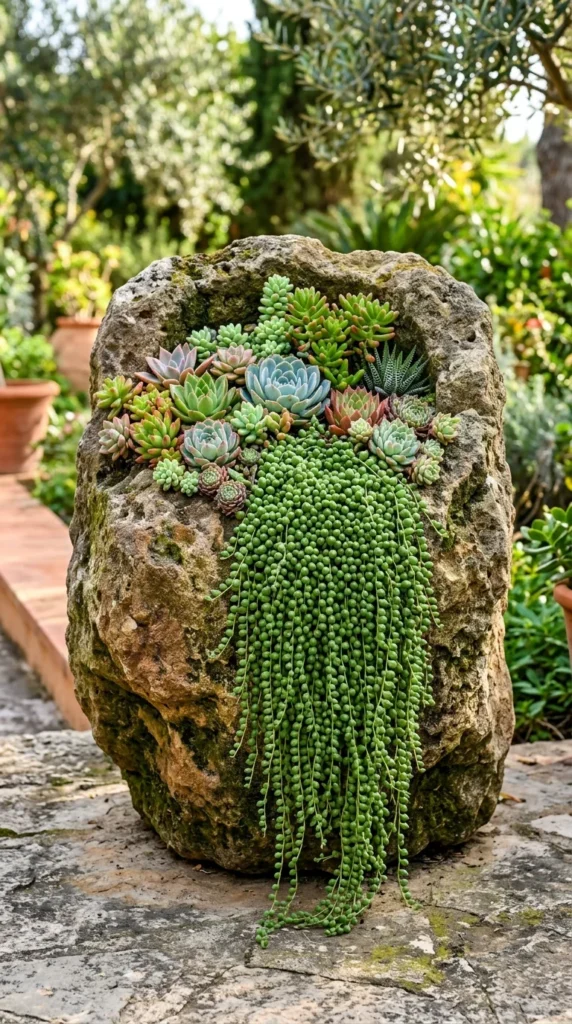
Why use plastic pots when you can use stone? Natural stone planters—either carved from a single block or constructed from smaller stones—blend seamlessly into the landscape. They provide excellent insulation for plant roots and develop a beautiful patina of moss and lichen over time.
16. Coastal Beach Stones
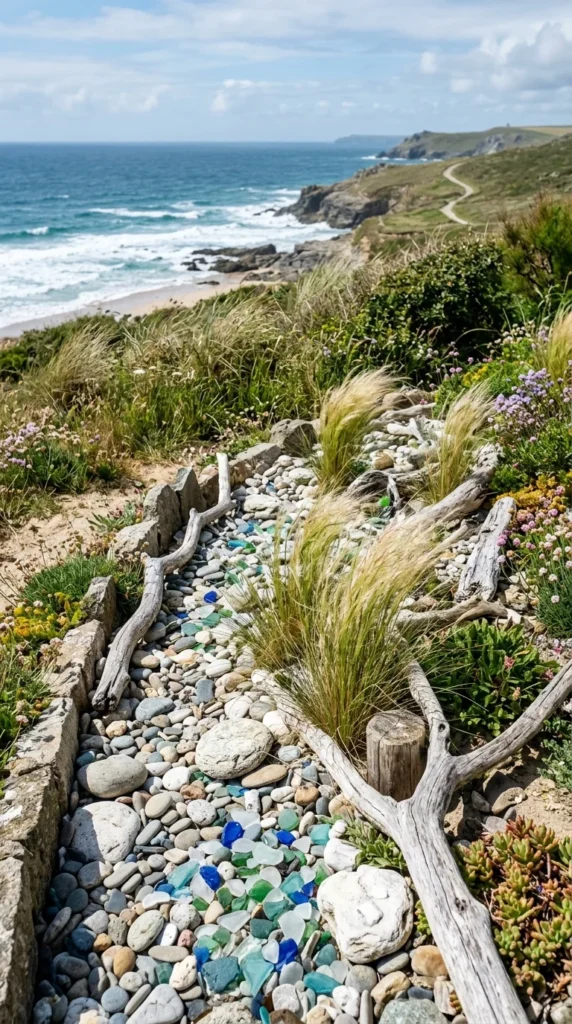
If you live near the coast or simply love the seaside aesthetic, beach stones are the way to go. These are typically very smooth, pale, and often have a matte finish. They pair beautifully with ornamental grasses, driftwood accents, and blue-toned foliage to create a relaxed, breezy atmosphere.
17. Rock Fire Pits
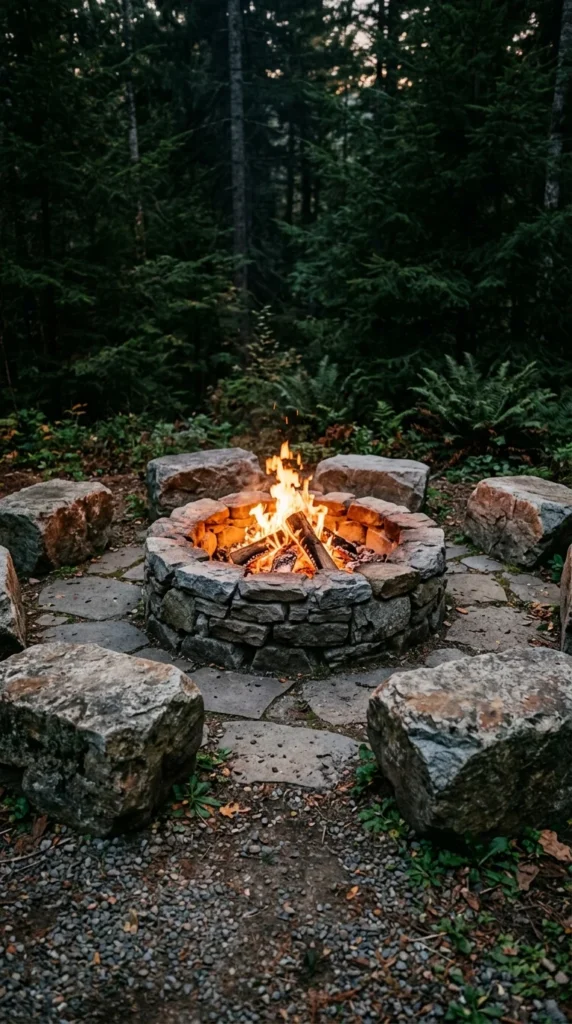
A fire pit is the heart of many outdoor living spaces. Building one from natural stone ensures it blends into the environment far better than a metal or pre-fab unit. Using thick, flat stones around the perimeter also provides a natural ledge for resting feet or placing drinks while enjoying the warmth of the fire.
18. Desert Xeriscaping
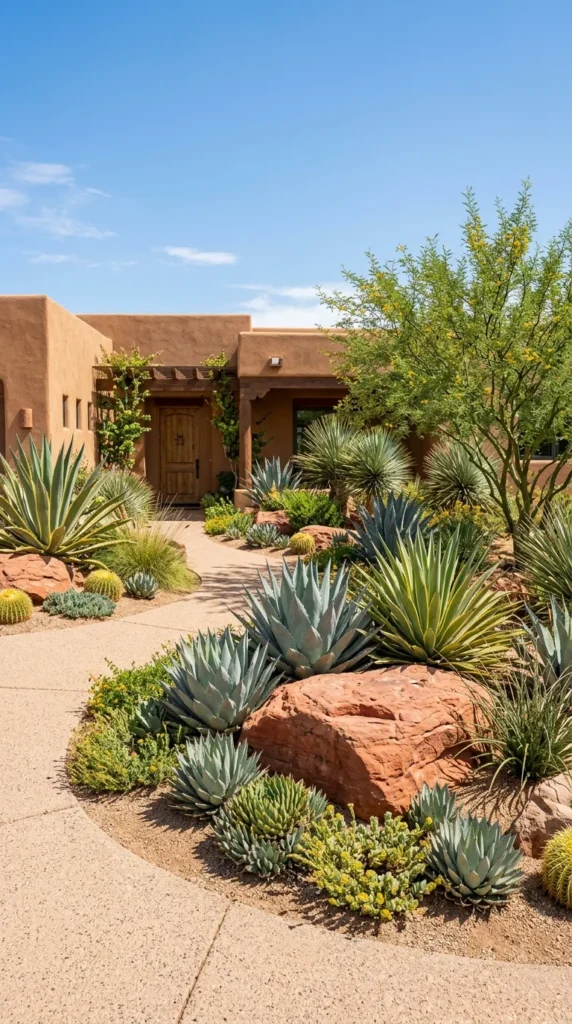
In arid climates, rocks are the stars of the show. Xeriscaping uses rocks of various sizes and colors to replace thirsty lawns. By combining different textures—like fine crushed granite for the “ground” and large jagged rocks for “mountains”—you can create a miniature landscape that requires zero irrigation.
19. Stone Bench Seating
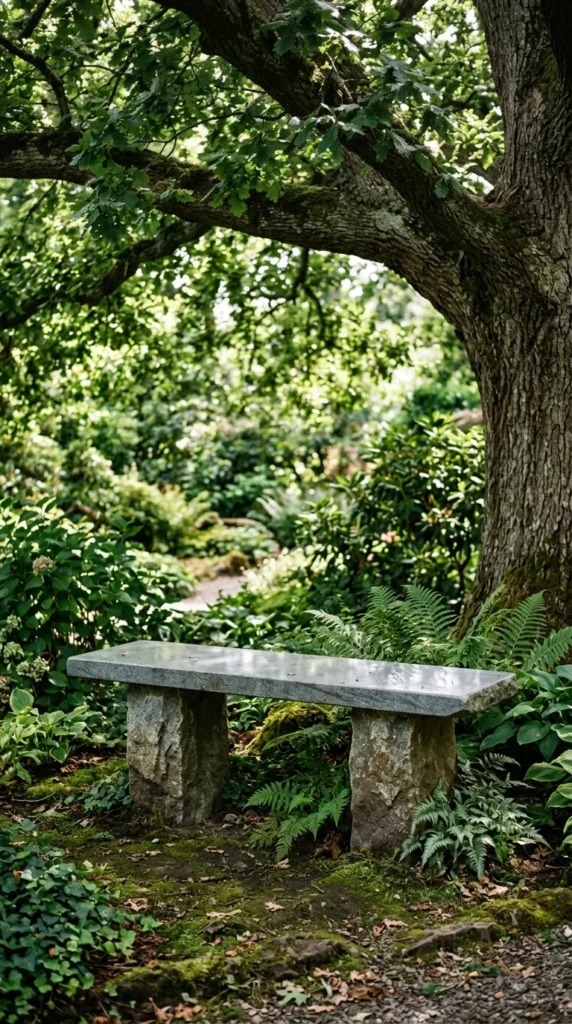
Furniture made of stone is the epitome of “built-to-last.” A simple stone bench provides a permanent place to rest and enjoy the garden. Because it doesn’t need to be stored during winter or treated for rot, it becomes a dependable and sculptural part of the landscape architecture.
20. Limestone Borders
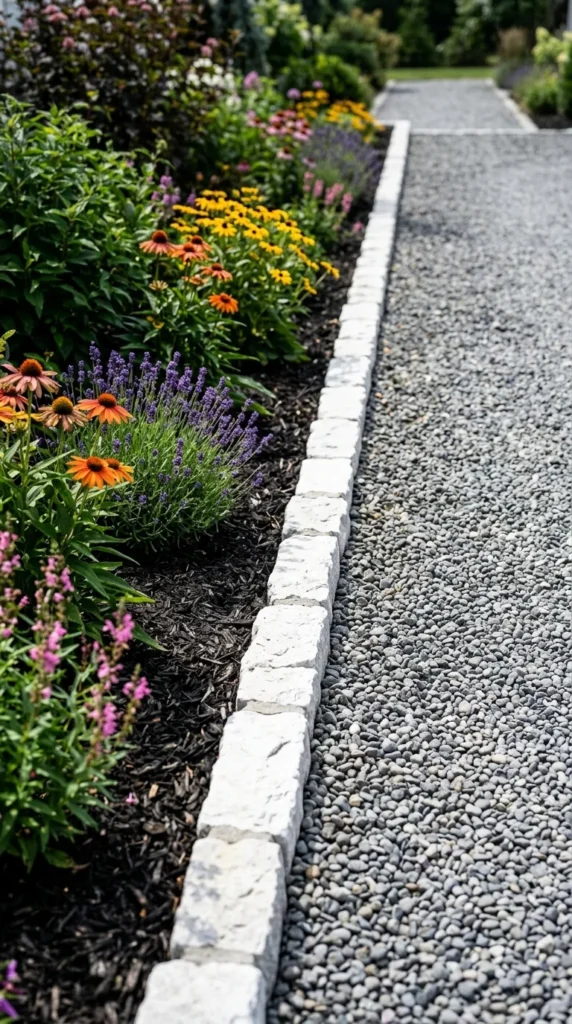
Limestone is a popular choice for its light color and ability to be cut into very precise shapes. Using limestone as a border creates a high-contrast edge that looks particularly striking against dark soil or mulch. It gives a formal, upscale feeling to any driveway or garden path.
21. Natural Rock Waterfalls
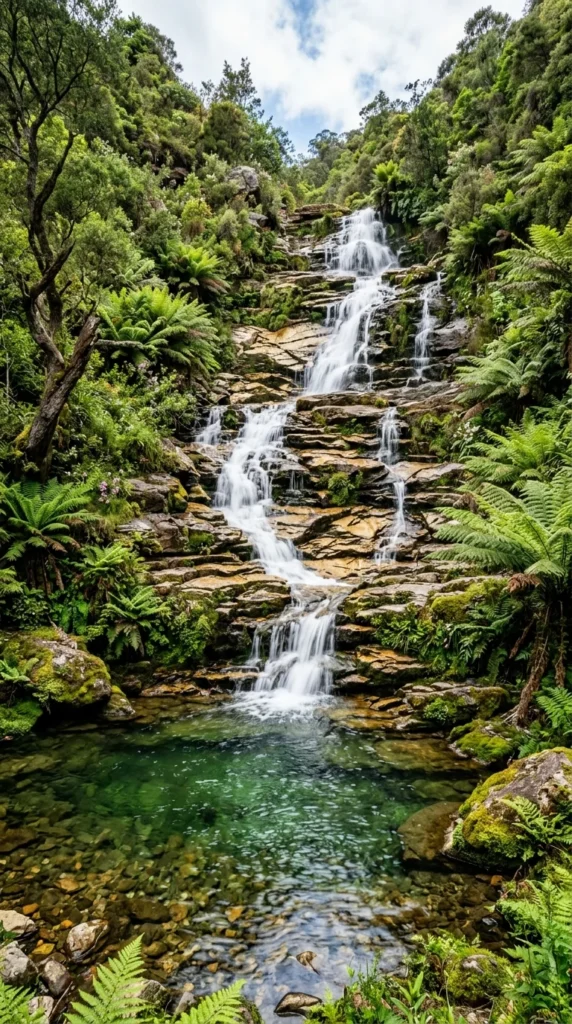
A waterfall made from natural stone can transform a backyard into a private oasis. By using flat “spillway” stones, you can control the sound and flow of the water. Surrounding the falls with smaller rocks and water-loving plants hides the mechanical elements and makes the feature look like a natural spring.
22. Crushed Granite Driveways
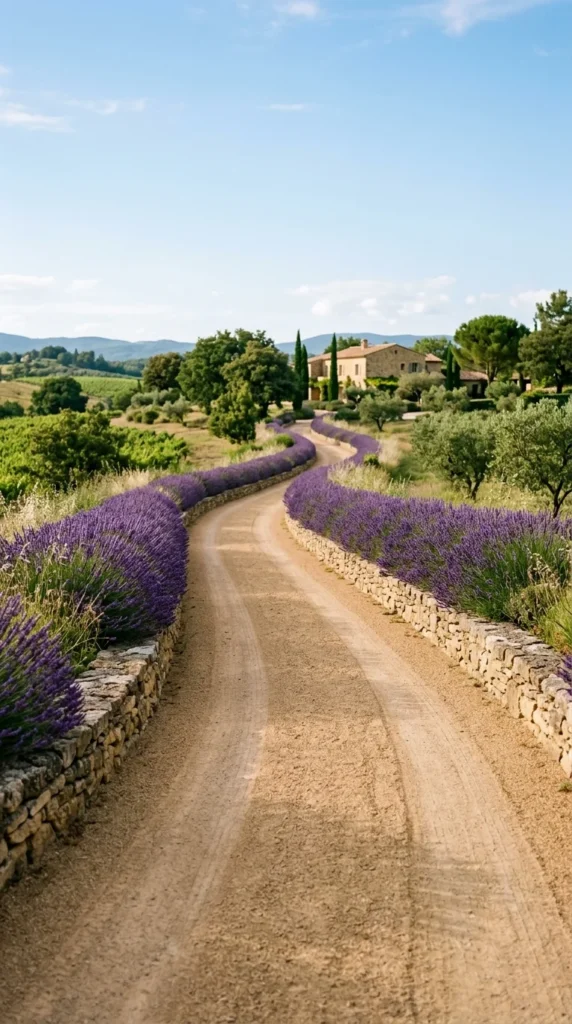
Crushed granite is a functional and attractive alternative to asphalt or concrete for driveways. It packs down firmly to provide a stable surface for vehicles but remains permeable, allowing rainwater to soak back into the ground. Its earthy tones provide a much softer look for the front of a home.
23. Multicolored River Stones
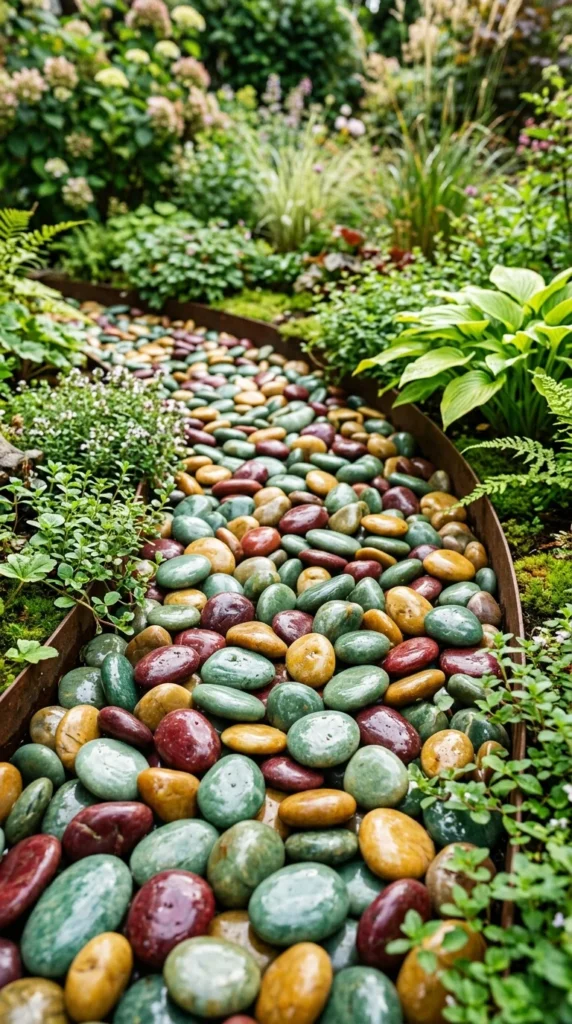
For a more vibrant look, seek out multicolored river stones. These often include a mix of quartz, jasper, and basalt. When used as a ground cover in small garden “islands” or around the base of a specimen tree, they provide a splash of color that lasts year-round, regardless of what is in bloom.
24. Vertical Stone Walls
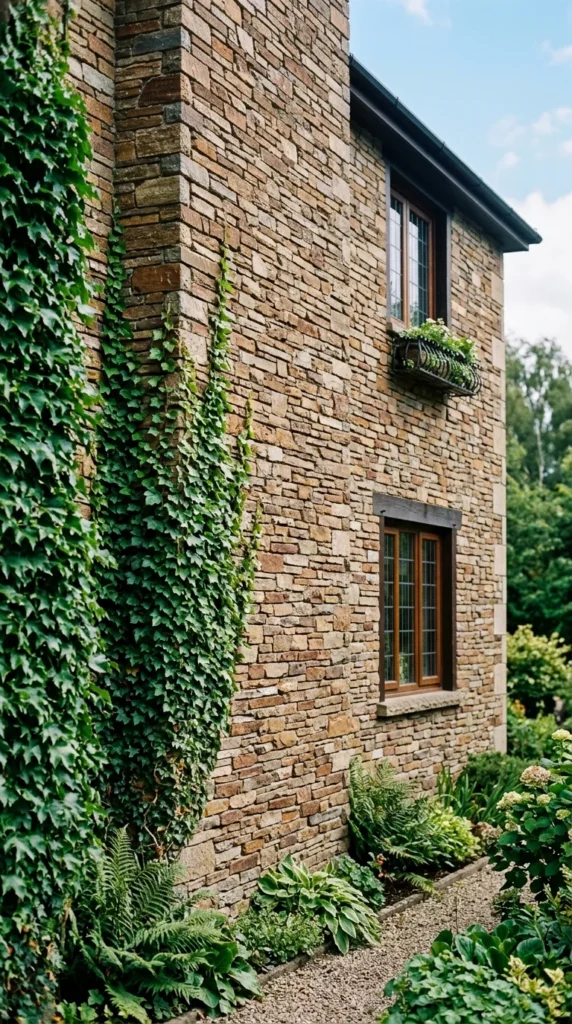
Rock landscaping isn’t limited to the ground. Using stone veneers or thin-cut “ledger” stones on exterior walls, outdoor kitchens, or pillars adds incredible texture and a sense of permanence to a home’s exterior. It bridges the gap between the house and the garden, creating a cohesive design.
25. Rock Garden Succulents
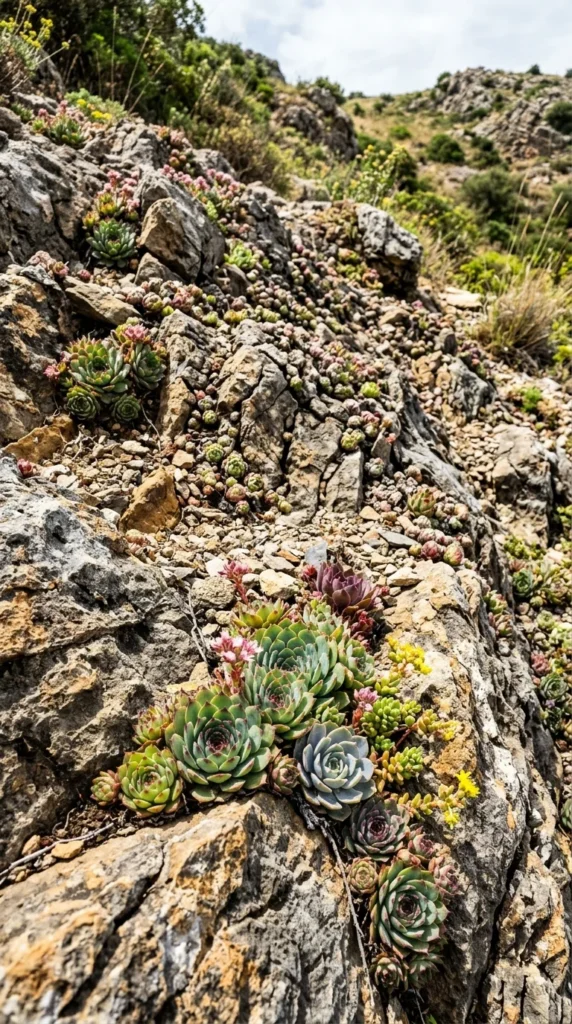
Rock gardens are designed to mimic high-altitude alpine environments. These gardens use rocks to create small microclimates. Succulents thrive in these environments because the rocks provide excellent drainage and store heat during the day, which they release at night to keep the plants warm.
26. White Marble Chips
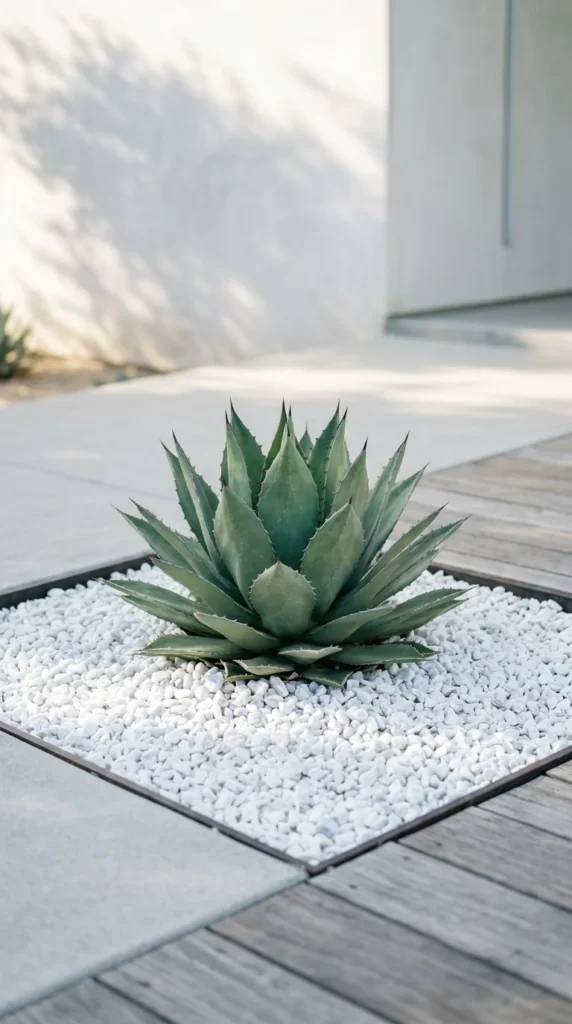
White marble chips are the go-to for a clean, modern, and bright look. They reflect sunlight, which can brighten up shady corners of the yard. Because they are so bright, they work best as a high-contrast element around dark-foliaged plants or against dark house siding, providing a crisp, sophisticated finish to the landscape.