
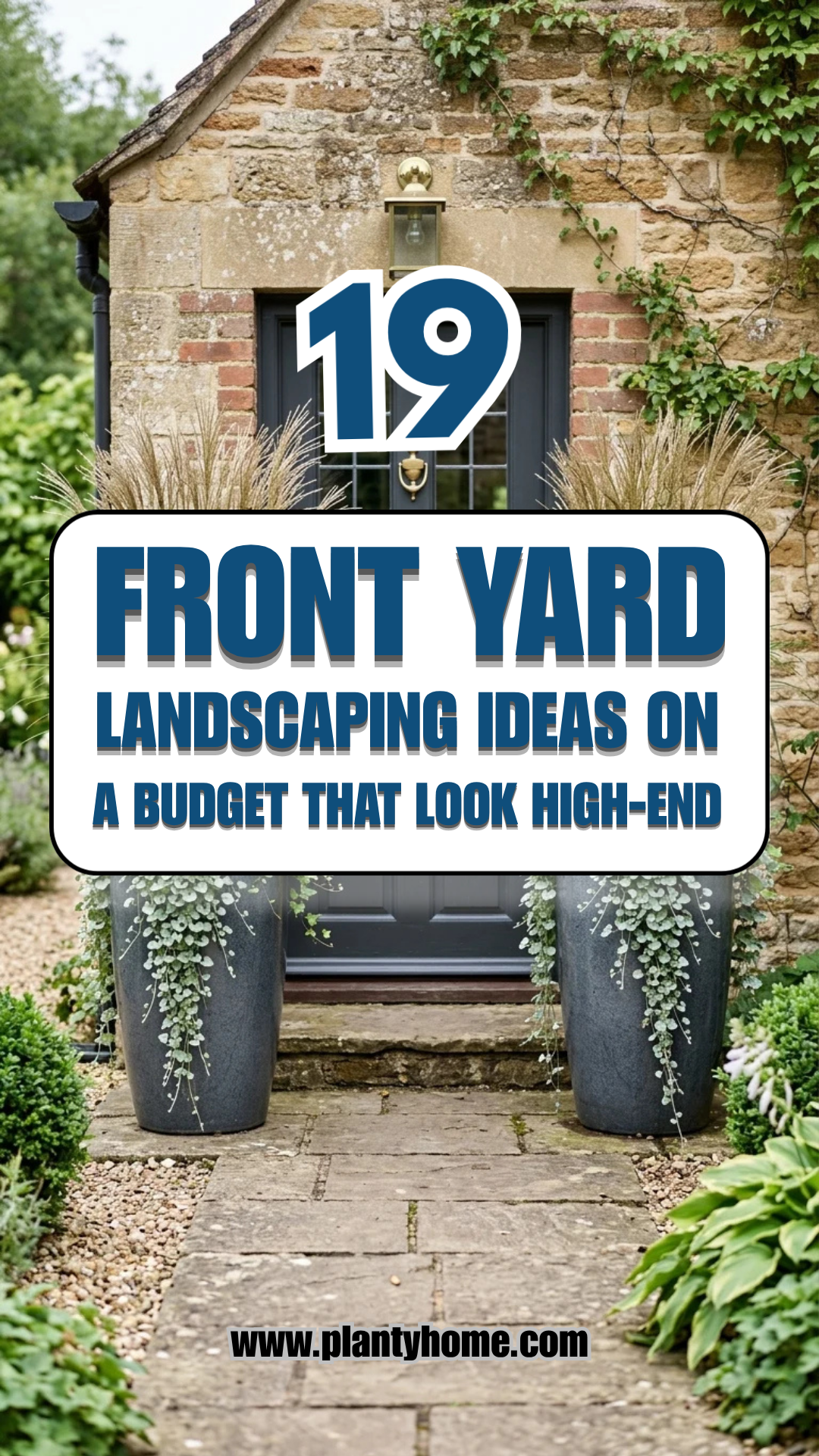
Creating a high-end look for your front yard does not require a professional landscaping crew or a five-figure budget. Curb appeal is often a matter of intentionality, clean lines, and the clever use of materials that mimic expensive designs. By focusing on structure, color contrast, and texture, you can transform a basic lawn into an elegant landscape that increases your property value and provides a welcoming atmosphere. Here are 19 budget-friendly landscaping ideas that deliver a sophisticated, high-end aesthetic.
1. Defined Edges
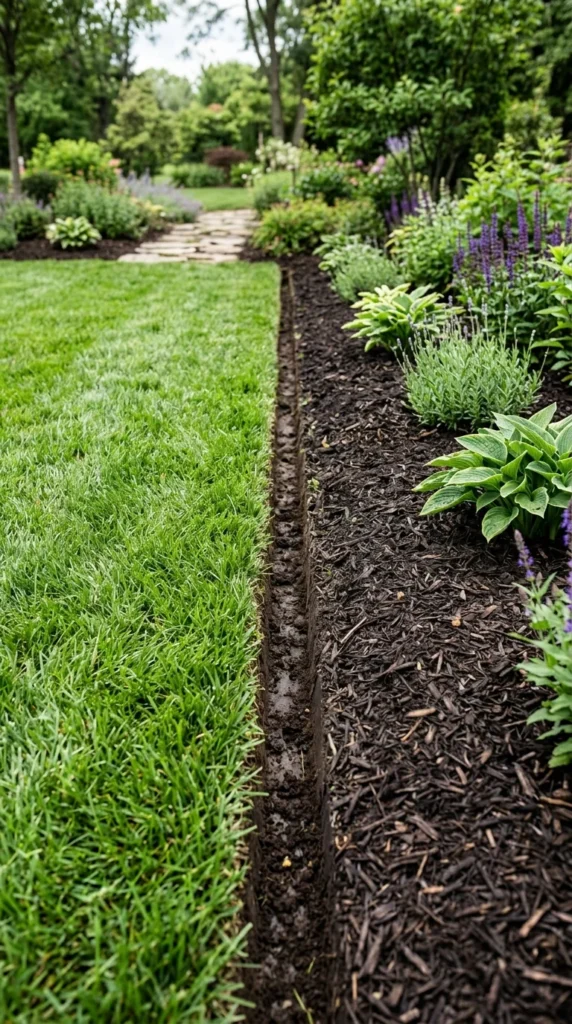
The hallmark of a high-end landscape is precision. One of the cheapest ways to make your yard look professionally maintained is to “edge” your garden beds and walkways. Instead of using plastic or metal edging which can look cheap or weather poorly, use a manual edging tool to cut a clean, vertical trench about 3 to 4 inches deep between your lawn and your flower beds. This “Victorian trench” style creates a shadow line that makes the lawn pop and gives the entire yard a structured, manicured appearance. Maintenance only requires a quick touch-up once or twice a season.
2. Solar Accents
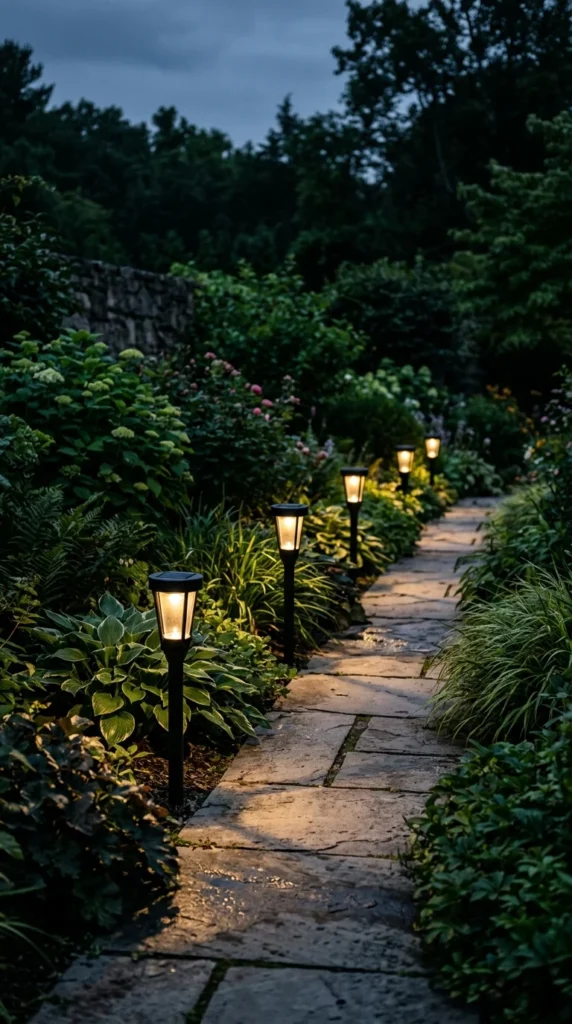
Lighting is the quickest way to transition a yard from “standard” to “estate.” While hardwired lighting systems are expensive, modern solar technology has evolved to offer high-quality, high-lumen options that look identical to professional fixtures. To keep it high-end, avoid “cool blue” LED lights and opt for “warm white” tones. Place them strategically to highlight architectural features of the house, large trees, or the path to the front door. Uniformity is key—using the same style of fixture throughout the yard creates a cohesive and expensive look.
3. Dark Mulch
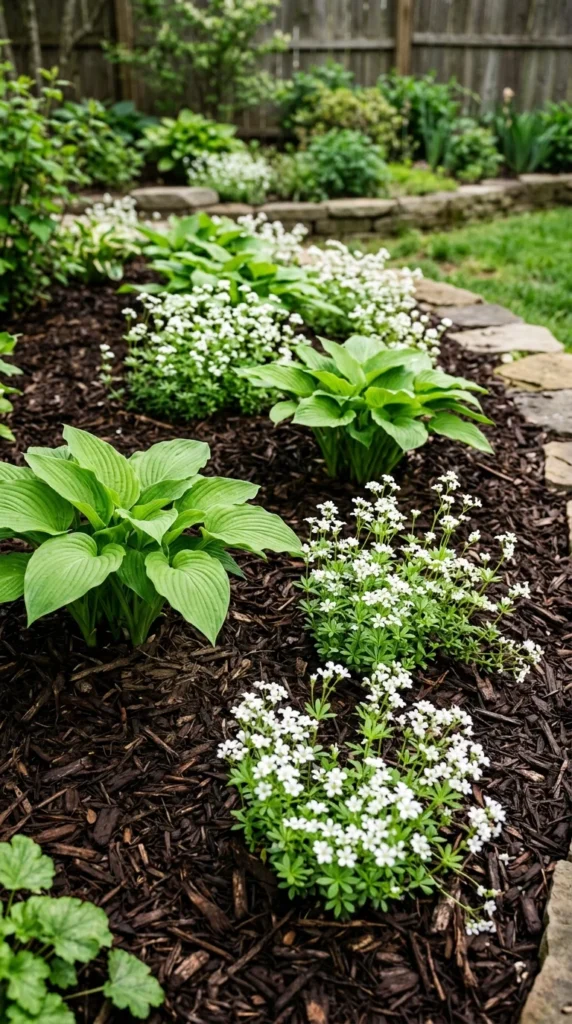
Mulch is more than just a weed suppressant; it is a design element. High-end landscapes often use dark, rich mulch to provide a high-contrast backdrop for greenery. Replacing old, grey, or red-dyed mulch with dark brown or black hardwood mulch instantly modernizes the space. Dark colors absorb light, making the vibrant greens and bright colors of your plants stand out. For the best effect, apply a layer at least 3 inches thick to ensure full coverage and a lush, dense appearance.
4. Perennial Layers
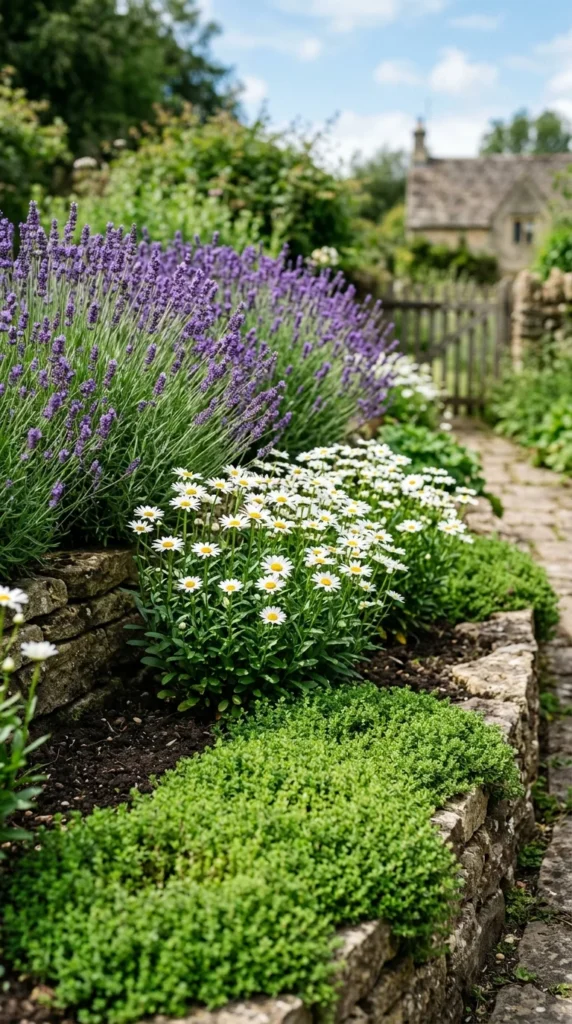
Buying annual flowers every spring is a recurring expense that adds up. To achieve a high-end look on a budget, invest in perennials that grow larger and more beautiful every year. The secret to an expensive-looking garden bed is “layering.” Plant taller specimens like ornamental grasses or hydrangeas at the back, medium-height plants like coneflowers or salvia in the middle, and low-growing species like coral bells or stonecrop at the front. This depth creates a professional, “estate-style” garden that feels full and deliberate.
5. Gravel Paths
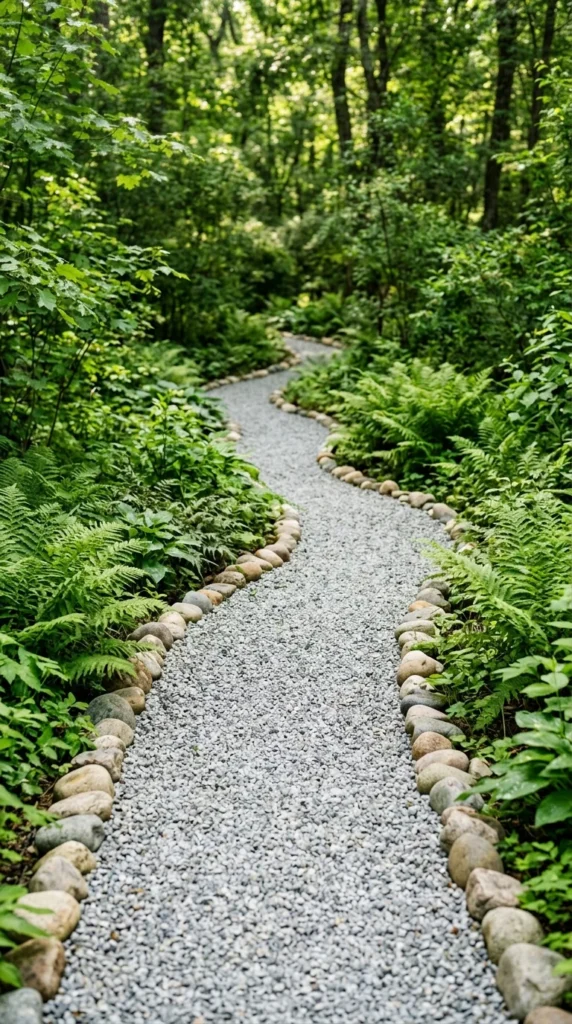
A formal walkway can be incredibly expensive if you use pavers or poured concrete. A budget-friendly alternative that retains a high-end, European feel is a gravel path. Using pea gravel, crushed granite, or Mexican beach pebbles allows you to create elegant, flowing lines that lead the eye through the landscape. To keep it looking sophisticated, use a sturdy landscape fabric underneath to prevent weeds and install a hidden border to keep the stones in place. The crunch of gravel underfoot adds a sensory luxury that is often found in high-end cottage or Mediterranean designs.
6. Statement Pots
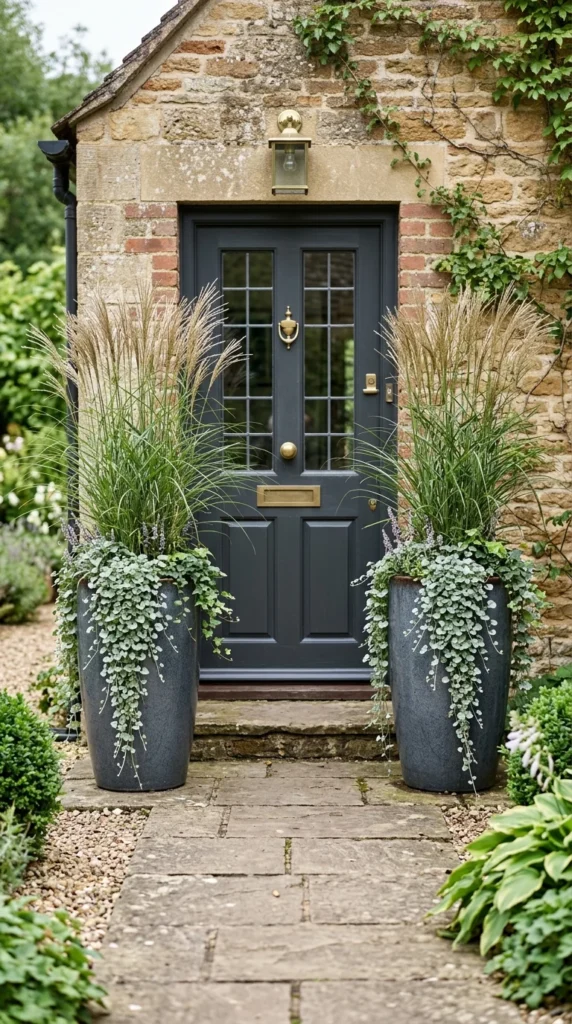
Symmetry is a classic design principle used in luxury estates to create a sense of grandeur. You can replicate this by placing two large “statement” planters on either side of your front door or at the base of your driveway. The key to making this look expensive is scale; small pots look cluttered, while oversized pots look intentional and architectural. Fill them using the “thriller, filler, spiller” method: a tall central plant (thriller), mounding colorful plants (filler), and vines that hang over the edge (spiller).
7. Native Flora
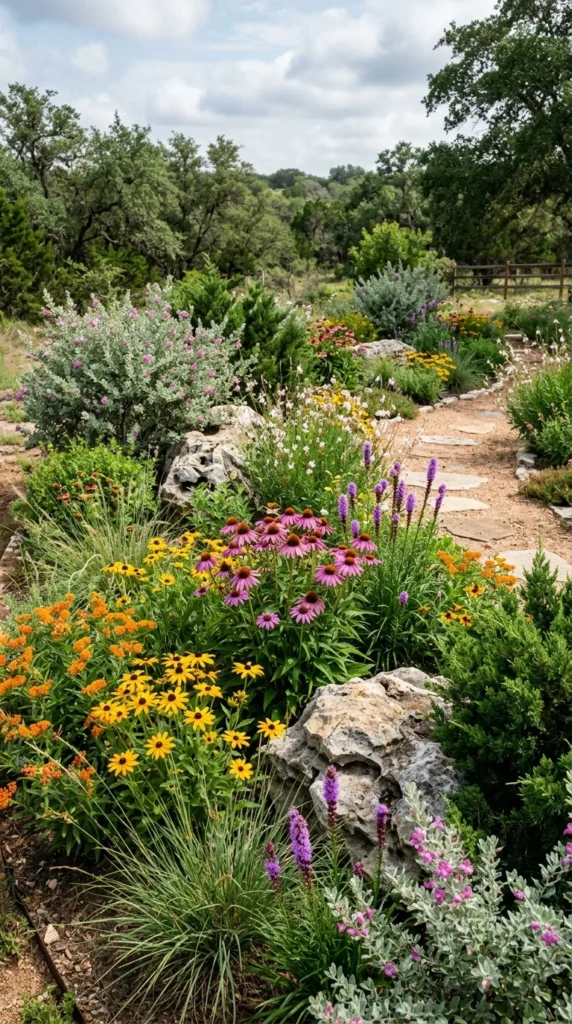
High-end landscaping is increasingly moving toward “eco-luxury,” which focuses on native plants that thrive in the local climate. Native plants are often cheaper to purchase and require significantly less water and maintenance. By choosing plants that naturally belong in your region, you ensure that your yard looks lush and healthy year-round, rather than struggling to keep exotic species alive. This creates a “sense of place” that feels integrated and sophisticated rather than forced.
8. Window Boxes
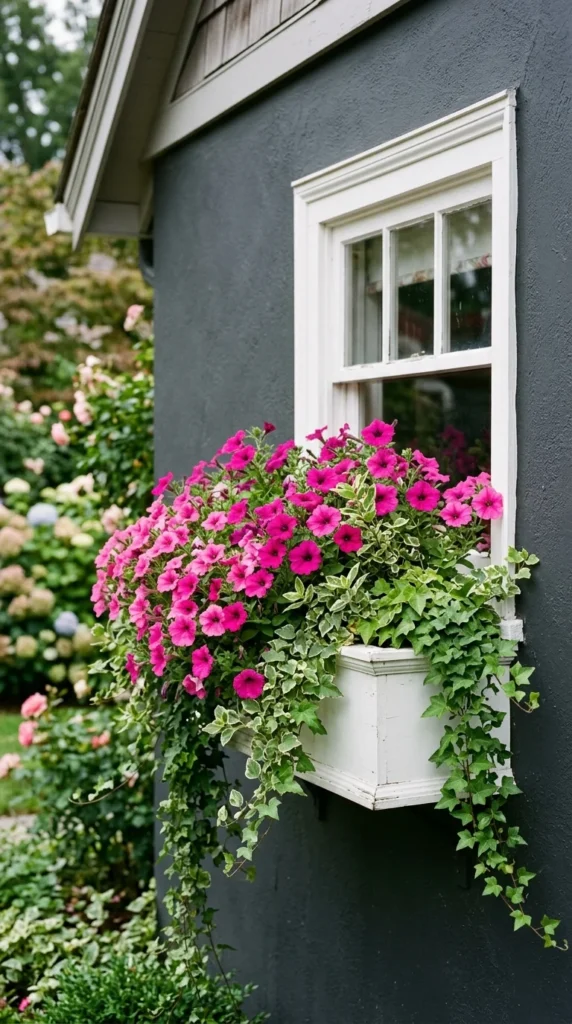
Window boxes add a layer of vertical interest and charm that makes a house look custom-built. To achieve a high-end look, match the color of the window box to your shutters or front door trim. Ensure the boxes are wide enough to span the full width of the window; boxes that are too small can look like an afterthought. When planted with a mix of trailing vines and upright flowers, they soften the hard lines of the house and provide a splash of color at eye level.
9. Tree Rings
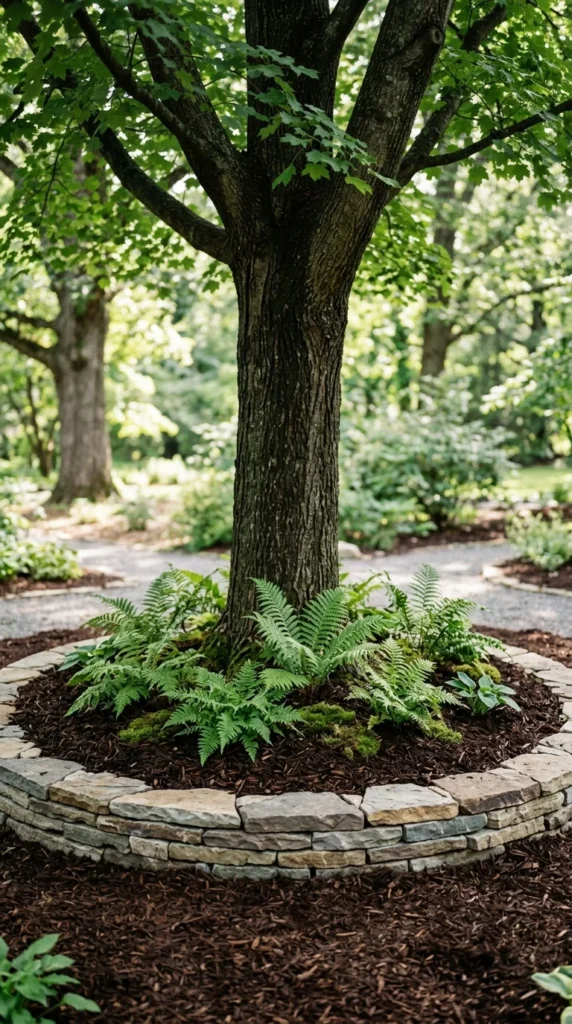
Large trees are an asset, but they can look unkempt if the grass underneath is patchy or overgrown. Creating a “tree ring” garden adds structure and elegance to the yard. Use natural stones, bricks, or even a simple deep edge to create a circle around the base of the tree. Fill the interior with mulch and shade-tolerant plants like hostas or ginger. This not only looks beautiful but also protects the tree trunk from lawnmower damage and hides the difficult-to-grow-grass areas under the canopy.
10. Garden Symmetry
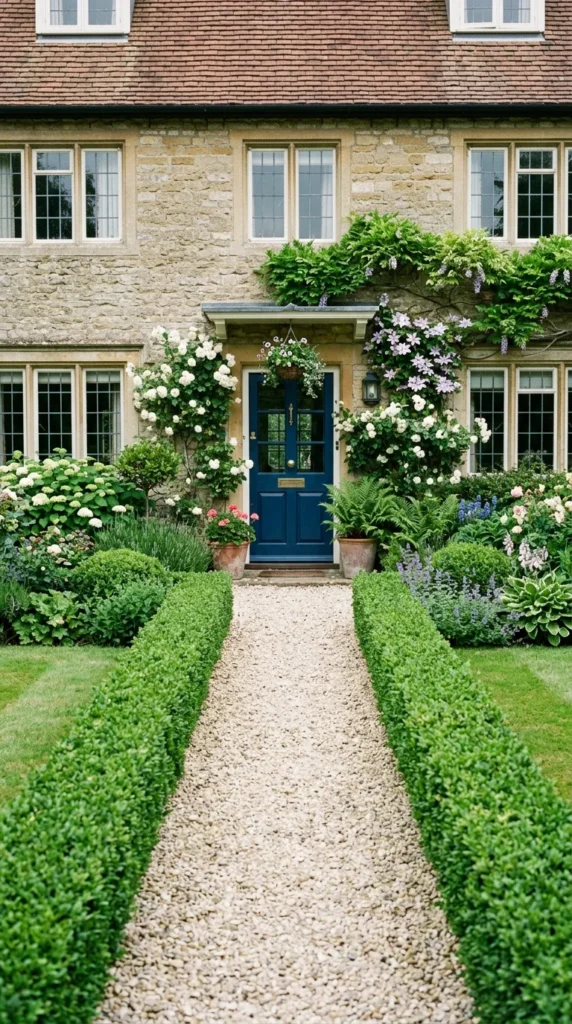
The human eye is naturally drawn to symmetry, which signals order and luxury. You can implement this without spending a lot of money by mirroring your plant choices on both sides of a walkway or porch. If you plant a specific shrub on the left, plant the exact same one on the right. This “formal” approach is a staple of high-end landscape architecture and makes even a small yard feel like a carefully planned estate.
11. Door Refresh
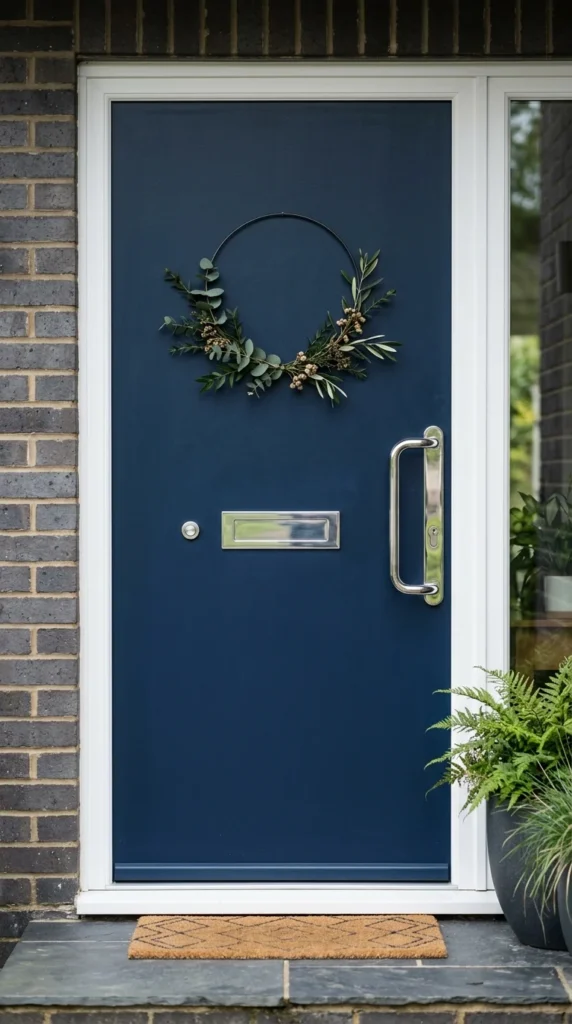
While not strictly “landscaping,” the front door is the focal point of your entire yard’s design. A high-end yard can be undermined by a faded or peeling door. A single gallon of high-quality exterior paint in a classic color—like navy, forest green, deep red, or charcoal—can transform the entire look of your home’s exterior. Pair the new color with updated hardware in a finish like brushed brass or matte black to complete the luxury transformation.
12. Rock Gardens
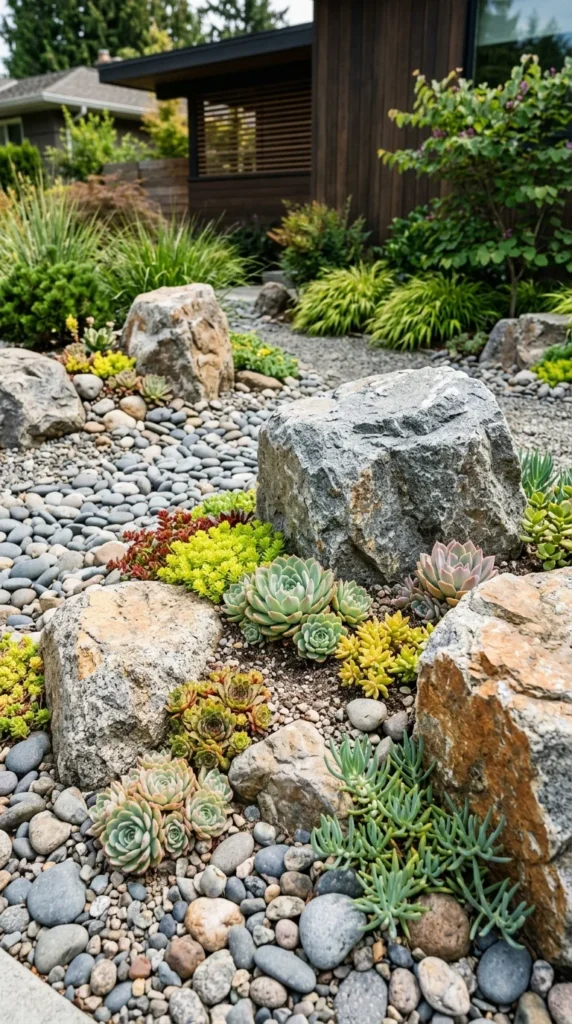
If you have a slope or a corner of the yard where grass refuses to grow, a rock garden is an excellent, low-cost solution. Using a mix of large boulders (which can often be found for free or cheap on local marketplaces) and smaller river stones creates texture and visual weight. Interspersing these with drought-tolerant plants or succulents creates a “Zen” or “Modern West” aesthetic that is very popular in high-end developments.
13. Ground Cover
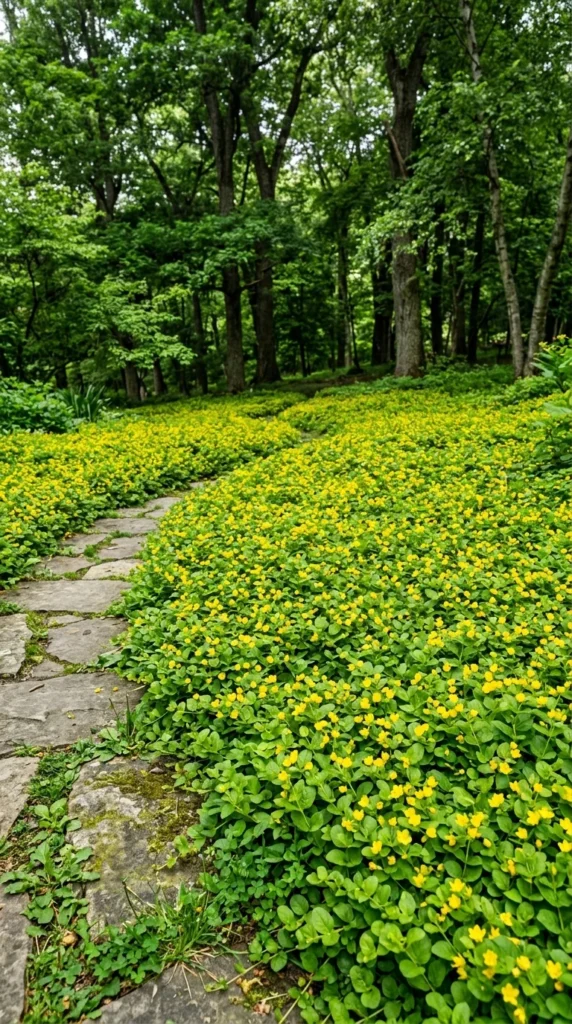
Grass is expensive and time-consuming to maintain. Many high-end homes are replacing traditional turf with “carpet” ground covers. Plants like creeping thyme, pachysandra, or clover create a lush, velvet-like texture that remains green with very little water or mowing. Using ground cover in large “drifts” (big groups of the same plant) creates a professional, sweeping look that covers large areas of the yard for a fraction of the price of sod.
14. Vertical Trellises
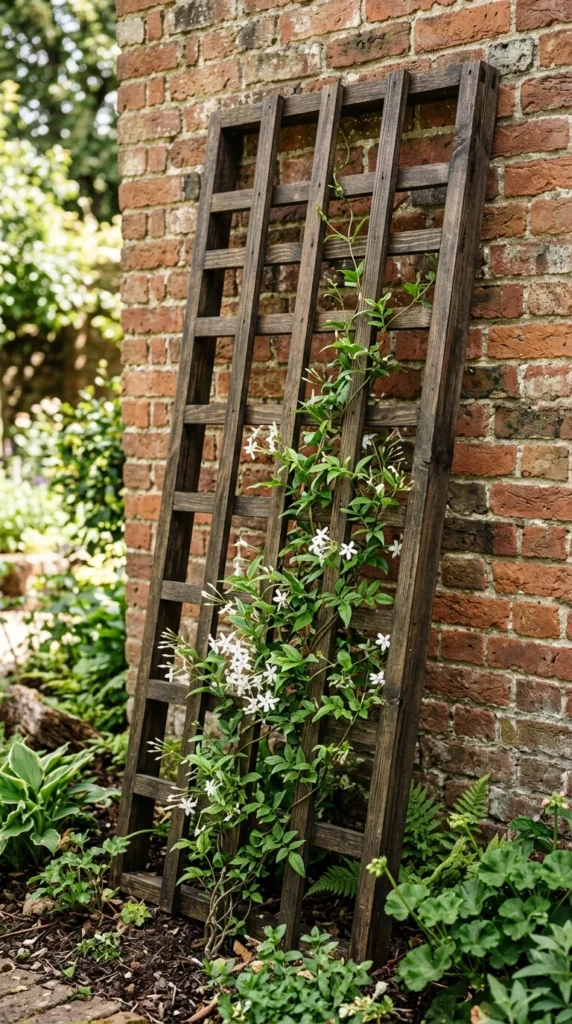
When horizontal space is limited, go vertical. A simple wooden or metal trellis added to a blank wall of the house or a fence creates an immediate focal point. Climbing plants like clematis, wisteria, or climbing roses add height and a sense of “established” luxury. Over time, the greenery will cover the structure, creating a living wall that looks like it belongs on a historic estate.
15. Upcycled Elements
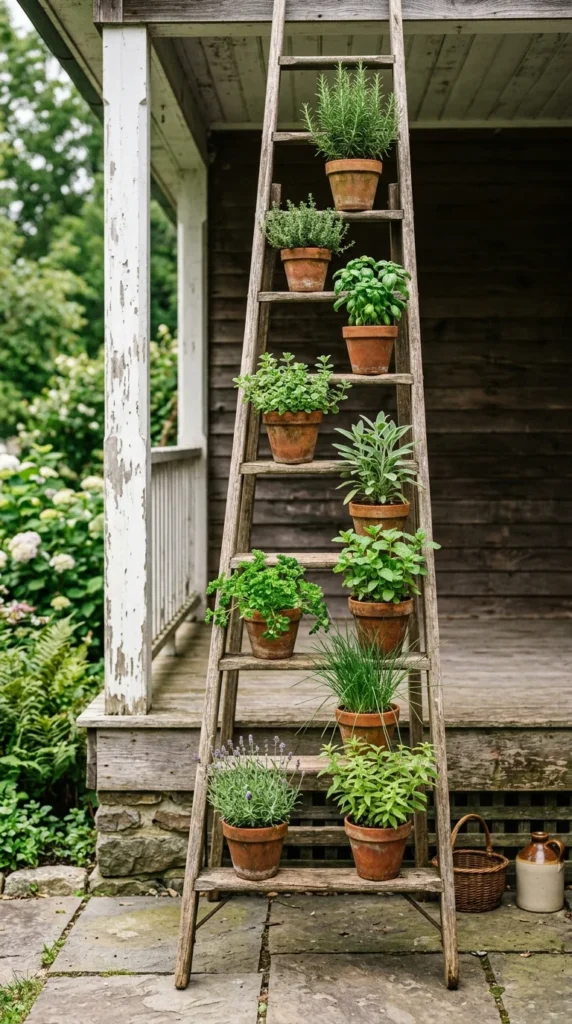
You don’t always need to buy new materials to look high-end. Repurposing items with a “vintage-chic” aesthetic can add character. An old galvanized metal bucket can become a planter, or reclaimed bricks can be used to create a small patio or border. The key to making upcycled items look expensive is “curation”—choose one or two high-quality items rather than cluttering the yard with many small trinkets.
16. Mailbox Beds
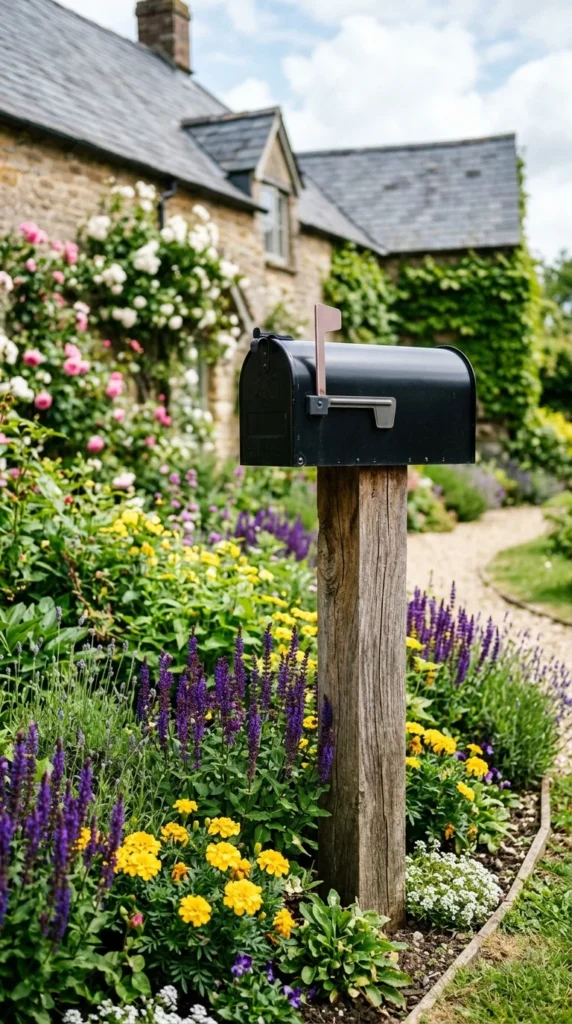
The mailbox is often the first thing people see. Instead of a lonely post in the grass, create a small garden bed around it. Using the same edging and mulch techniques mentioned earlier, create a circular or kidney-shaped bed at the base. Plant hardy, salt-tolerant flowers (if you live near a road) to provide a burst of color at the very edge of your property. This small detail shows a level of care and attention to detail that is characteristic of high-value homes.
17. Water Accents
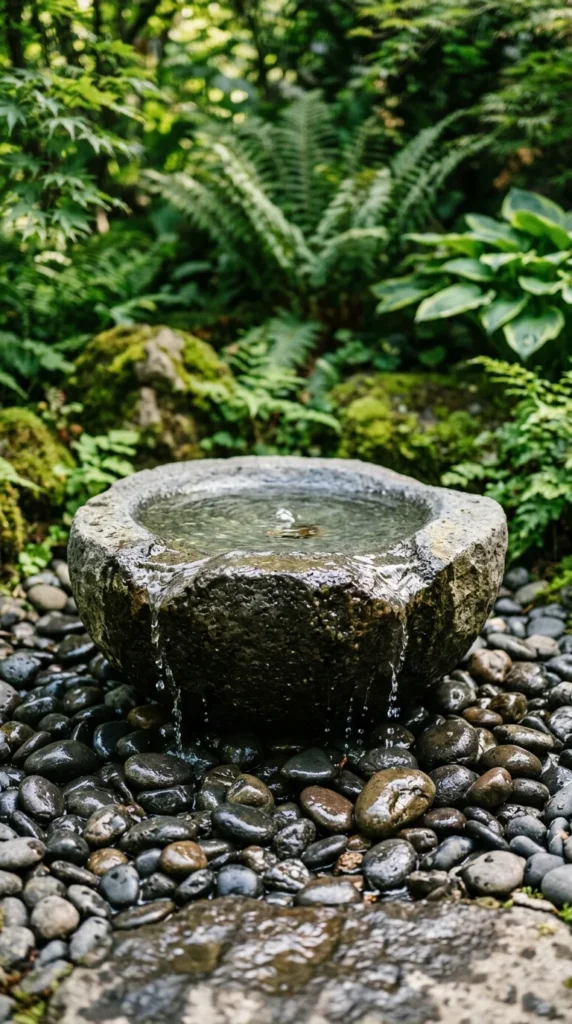
The sound of running water is synonymous with luxury. While a large pond is expensive, a small “disappearing” fountain is an affordable weekend project. You can use a large ceramic pot, a water pump, and a hidden reservoir to create a bubbling feature near your front porch. This adds a sophisticated auditory element to your landscape and serves as a focal point for the front of the house.
18. Stepping Stones
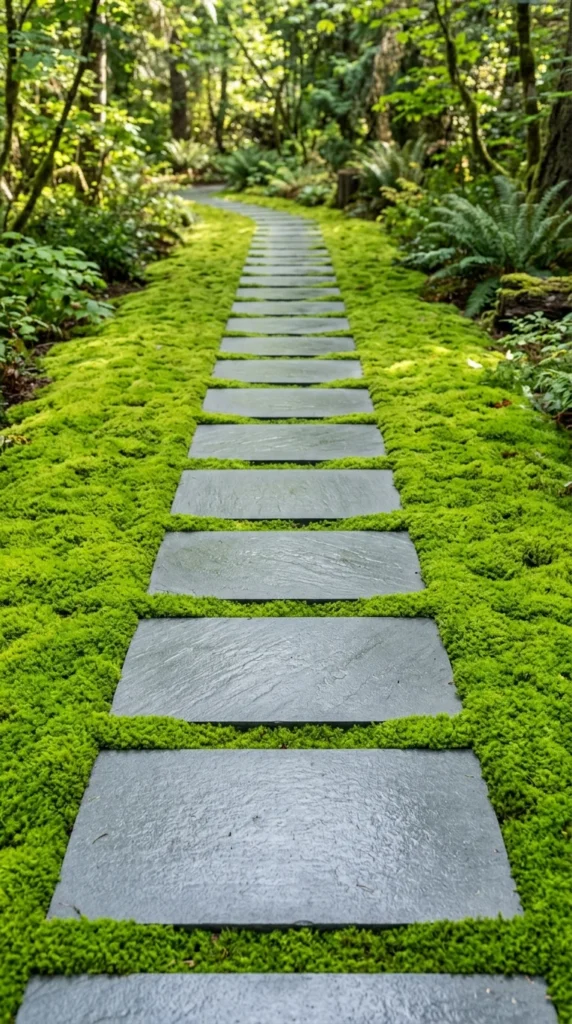
If you have a high-traffic area across your lawn, don’t let a dirt path form. Laying down large, flat stepping stones—either natural flagstone or modern concrete pavers—creates a formal path that looks deliberate and high-end. Spacing them out allows grass or ground cover to grow in between, which softens the look and reduces the number of stones you need to buy.
19. Ornamental Grass
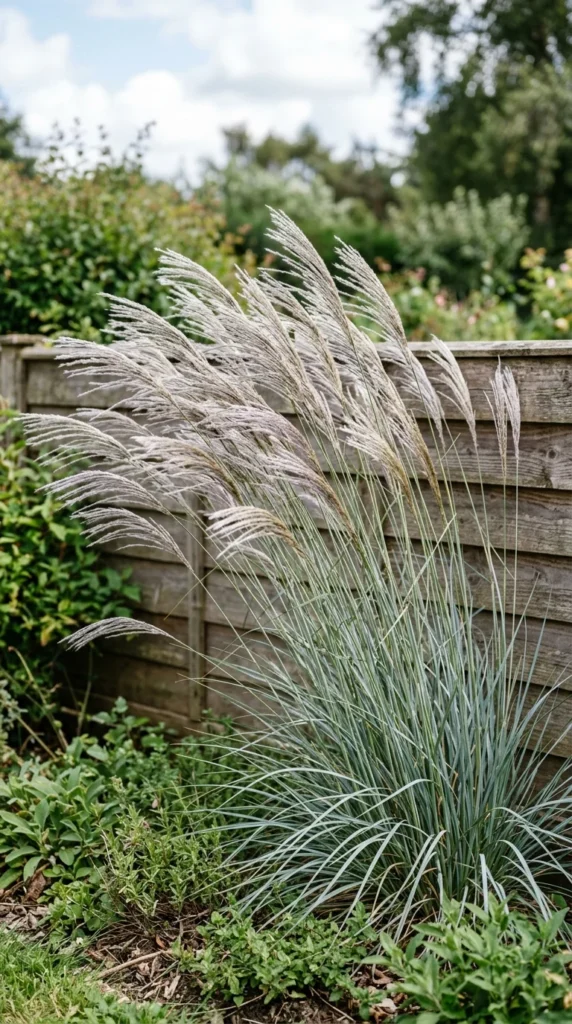
Ornamental grasses are the secret weapon of budget landscapers. They grow quickly, fill large spaces, and provide movement and texture that traditional shrubs don’t. Varieties like Feather Reed Grass or Blue Oat Grass look architectural and modern. They are also incredibly low-maintenance, requiring only a single cut-back once a year in late winter. Their height and swaying motion add a dynamic, “designed” feel to the yard that looks expensive throughout all four seasons.