
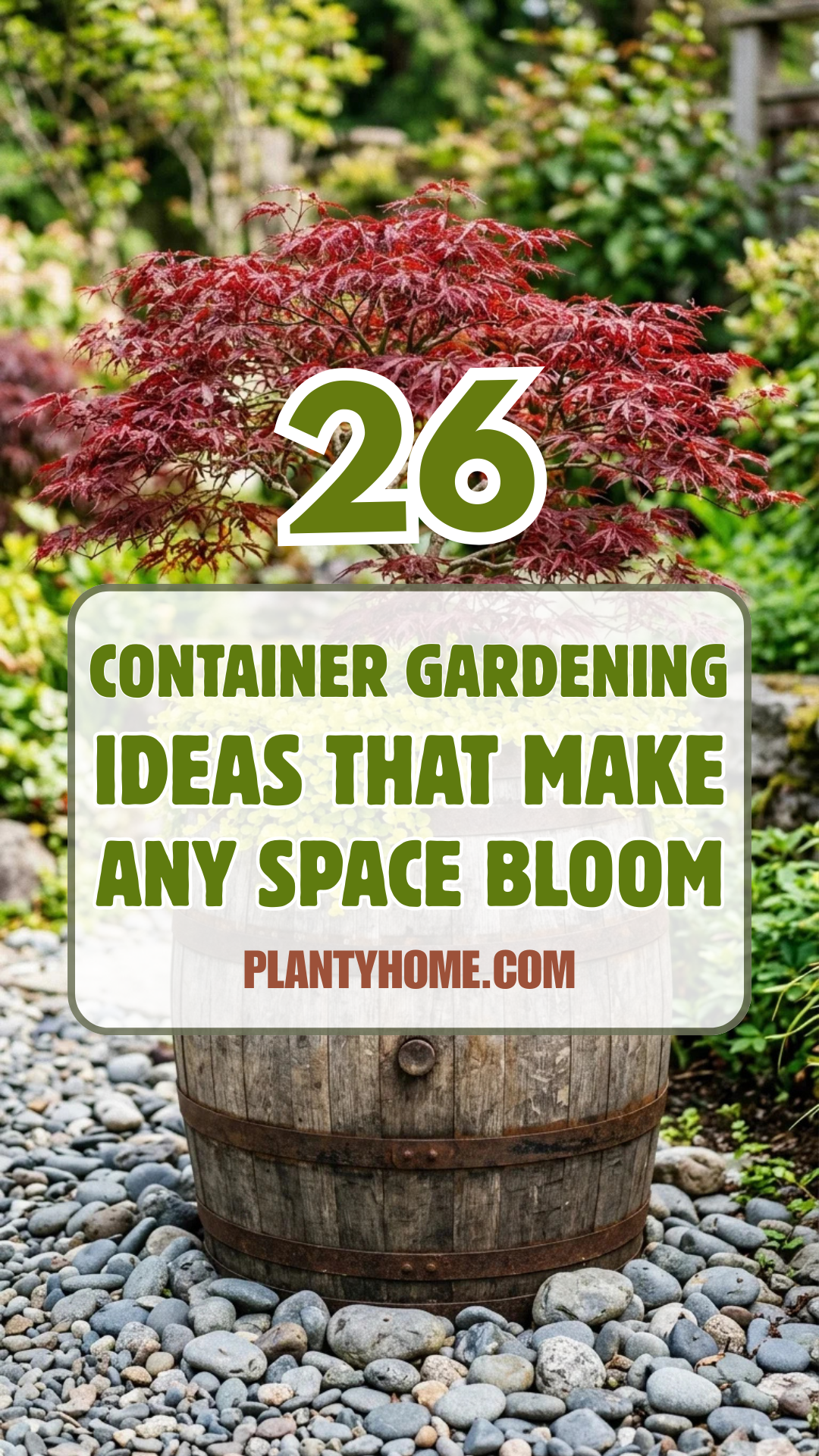
Container gardening is the ultimate equalizer for plant lovers. Whether you have a sprawling estate or a tiny apartment balcony, the ability to grow flowers, herbs, and even vegetables in pots opens up a world of horticultural possibilities. By controlling the soil quality, drainage, and location, you can cultivate a thriving garden regardless of your local ground conditions. This guide explores 26 creative and practical container gardening ideas to help you transform any nook or cranny into a blossoming sanctuary.
1. Tiered Terracotta
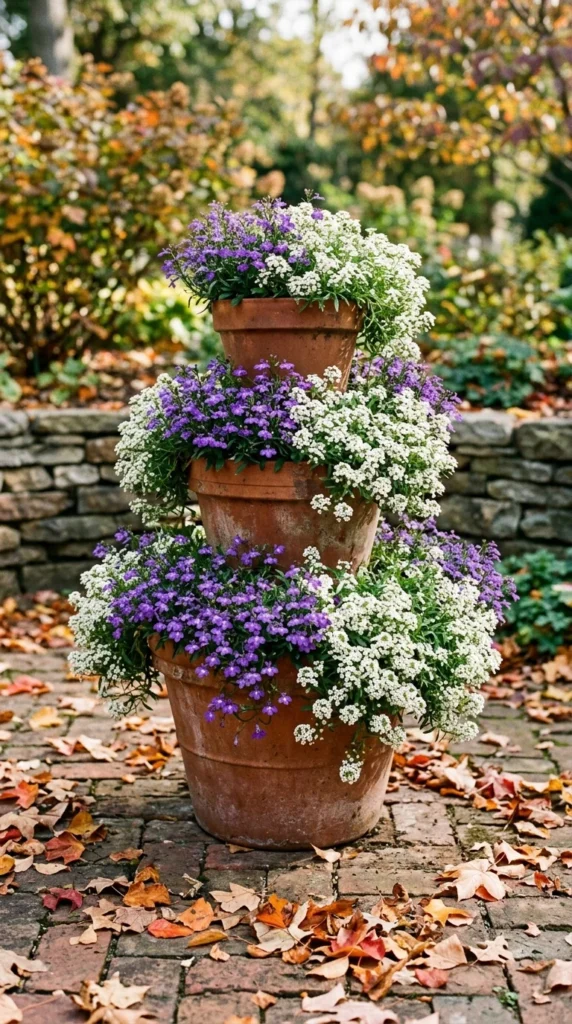
Stacking terracotta pots is a classic way to add vertical interest and maximize growing space. By placing a smaller pot inside a larger one and filling the surrounding gap with soil, you create “steps” for planting. This method is particularly effective for cascading flowers or a variety of culinary herbs like thyme, oregano, and chives. Terracotta is porous, which allows the soil to breathe, but it does dry out faster, so keep an eye on moisture levels.
2. Galvanized Troughs
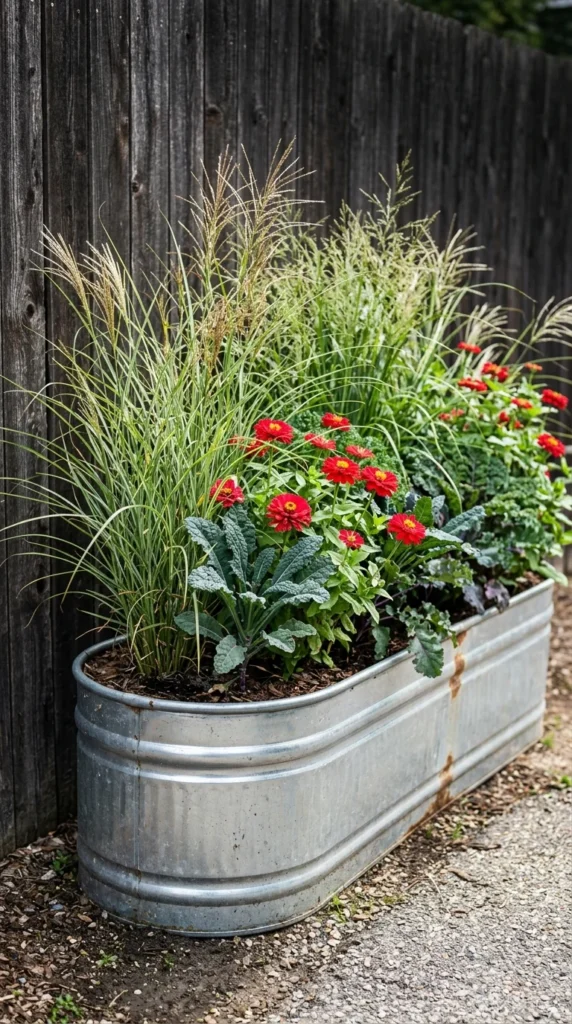
Galvanized steel troughs offer an industrial-farmhouse aesthetic while providing a massive volume of soil. Because they are deep and wide, they are perfect for growing “hungry” plants like tomatoes, peppers, or even a small patch of corn. To ensure success, ensure you drill plenty of drainage holes in the bottom and add a layer of gravel before the soil to prevent rusting and root rot.
3. Window Boxes
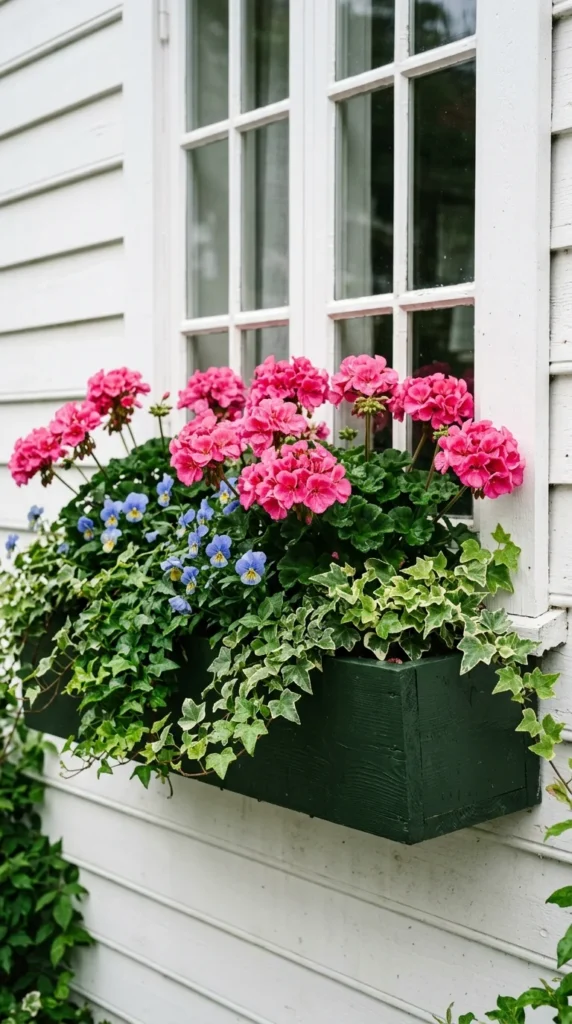
Window boxes are the gold standard for adding curb appeal. They bring the garden up to eye level and provide a beautiful view from both inside and outside the home. When designing a window box, follow the “thriller, filler, spiller” rule: a tall plant in the center (thriller), mounding plants around it (filler), and vines that hang over the edge (spiller).
4. Hanging Baskets
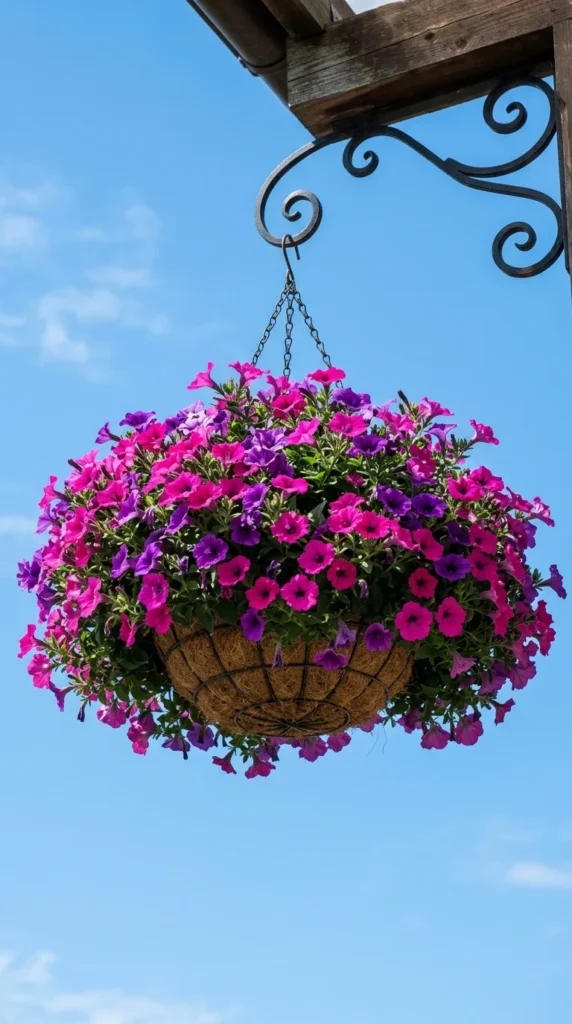
Hanging baskets utilize the “dead space” above your head, making them essential for small balconies and porches. Trailing plants like fuchsias, petunias, and lobelia thrive in these environments. Using coco-coir liners helps with moisture retention while allowing for excellent drainage. Be prepared to water these frequently, as they are exposed to wind on all sides.
5. Upcycled Colanders
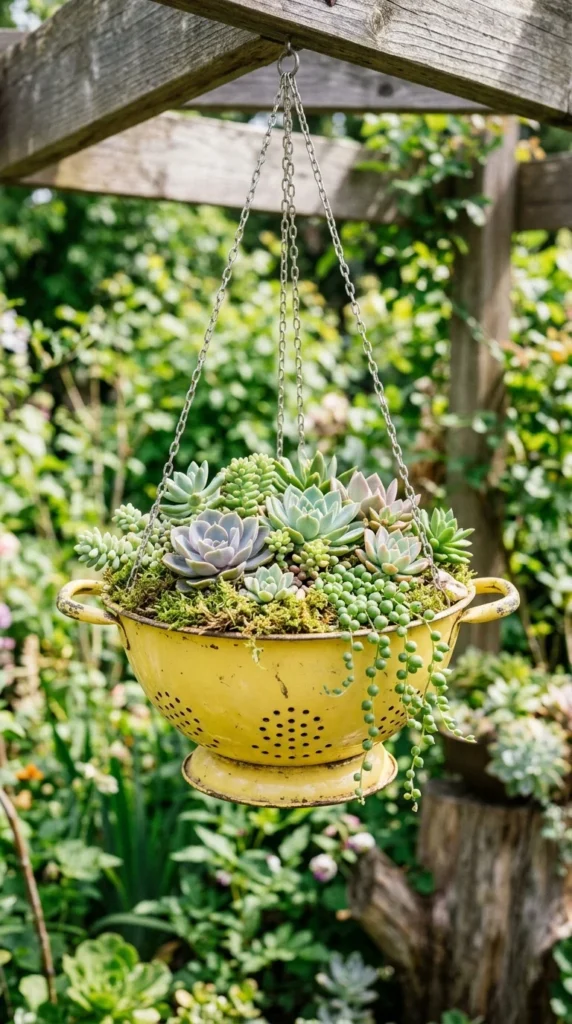
Kitchen items like old metal colanders make whimsical and functional planters. Their built-in drainage holes are perfect for plants that hate “wet feet,” such as succulents or cacti. You can paint them in bright colors to add a pop of personality to a patio or hang them in a sunny kitchen window for a micro-herb garden.
6. Whiskey Barrels
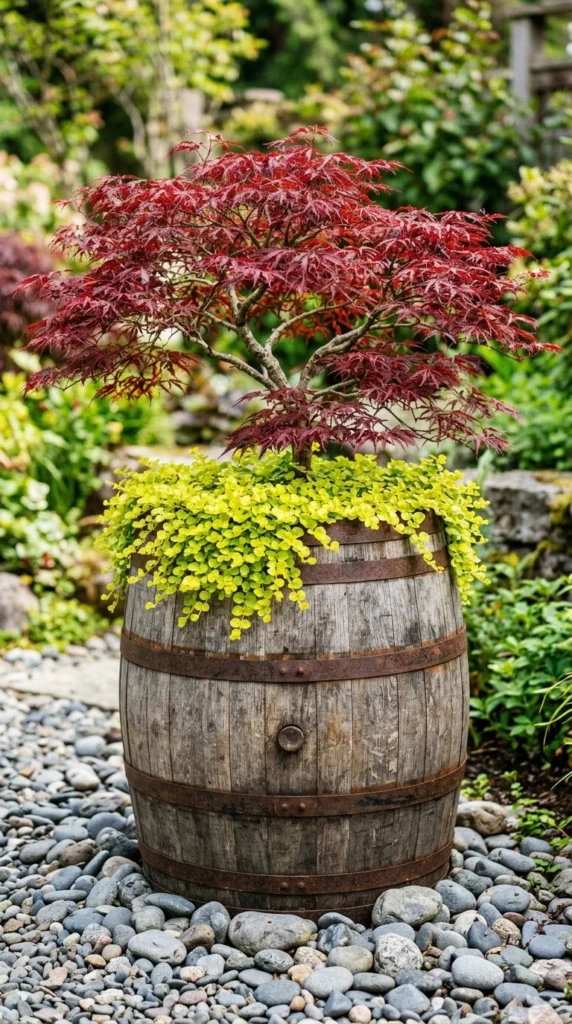
Half whiskey barrels are heavy-duty containers that can support larger plants and even small trees. Their rustic appearance fits well in cottage gardens or traditional landscapes. Because of their size, they hold moisture well and provide a stable environment for perennials. Always ensure the bottom has large drainage holes, as the thick wood can retain a lot of water.
7. Stacked Crates
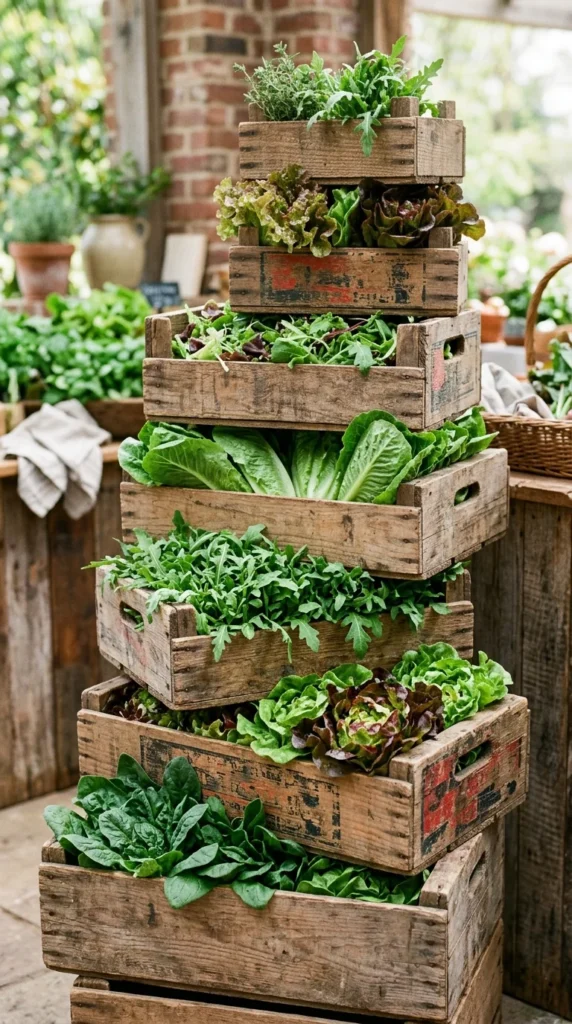
Wooden crates offer a modular, rustic way to build a vertical garden. You can stack them against a wall or fence to create “shelves” of greenery. This is an excellent solution for a kitchen garden, allowing you to separate different varieties of greens or herbs into their own dedicated boxes. Lining them with plastic (with holes) can help preserve the wood.
8. Pallet Wall
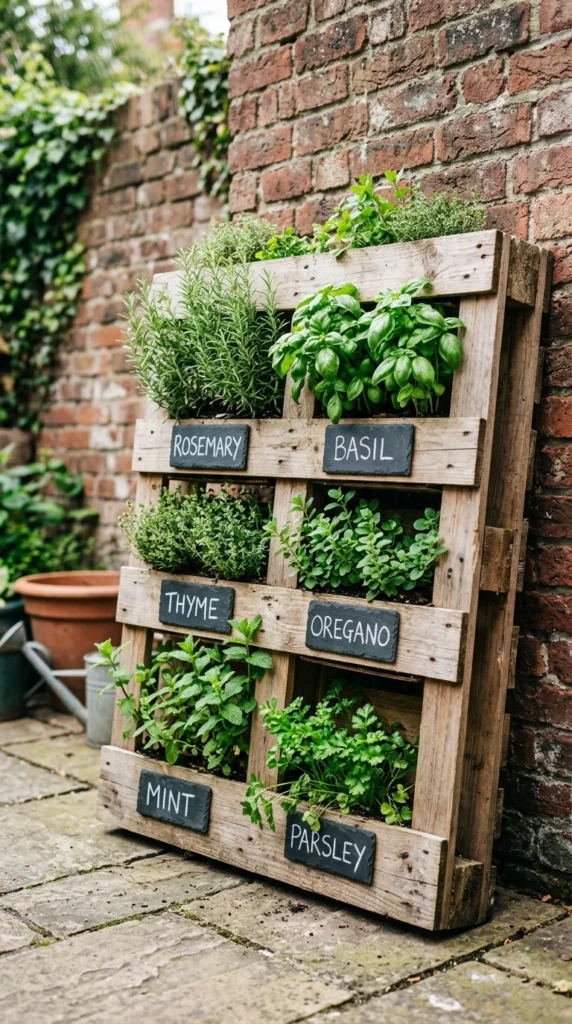
Repurposed pallets are a favorite among DIY gardeners. By attaching landscape fabric to the back and bottom of the slats, you create deep pockets for soil. This vertical orientation is perfect for herbs or strawberries and takes up almost zero floor space. Ensure the pallet is heat-treated (marked with “HT”) rather than chemically treated to ensure it is safe for edible plants.
9. Concrete Pots
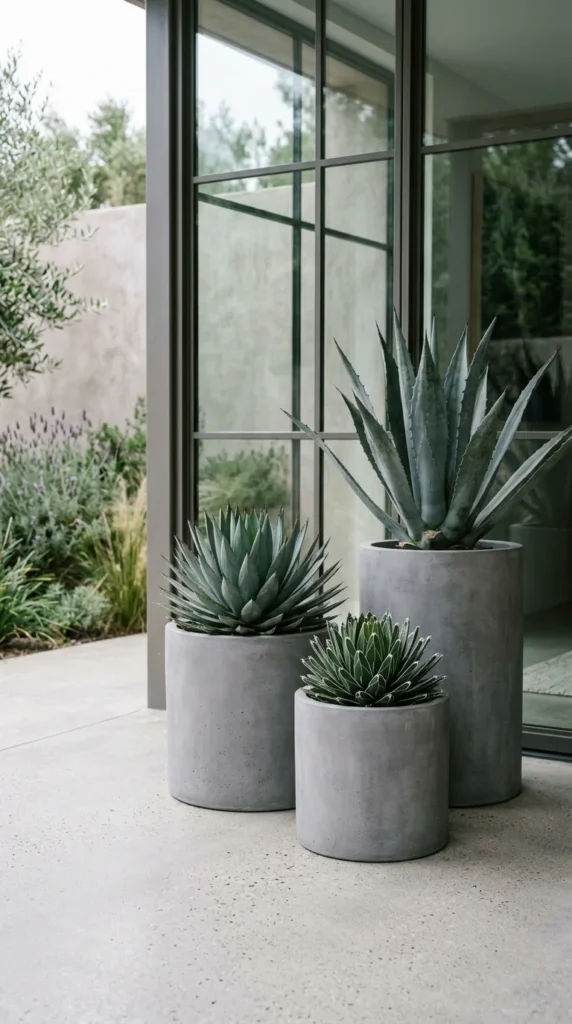
Concrete containers are perfect for a modern, industrial, or minimalist look. They are incredibly heavy and durable, meaning they won’t blow over in high winds. Concrete also provides great insulation for roots against temperature fluctuations. Over time, concrete can develop a beautiful patina or grow moss, adding an aged character to your garden.
10. Shoe Organizers
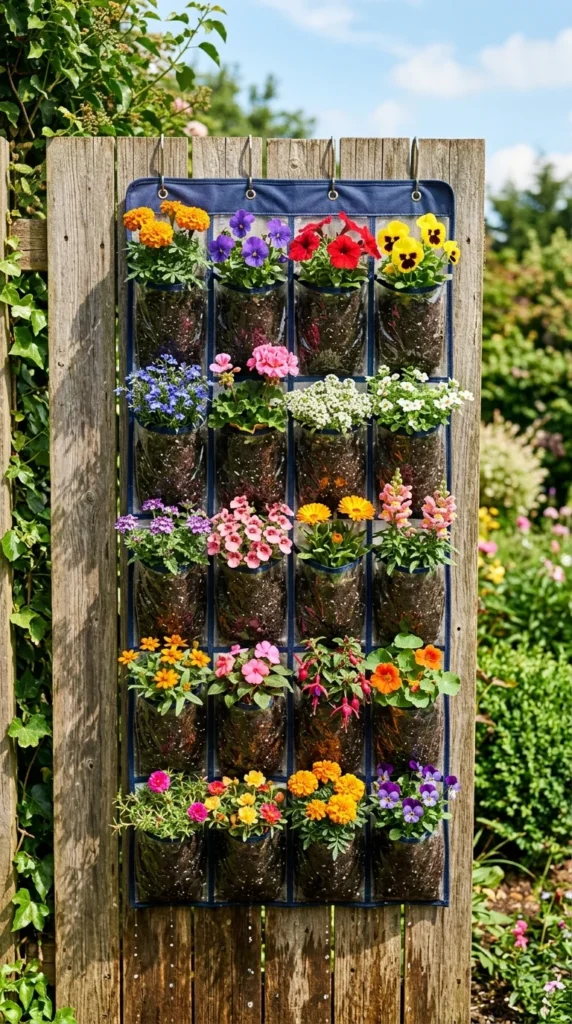
For those on a budget or with extremely limited space, a hanging shoe organizer is a genius solution. Each pocket serves as an individual “pot.” This is particularly effective for starting seeds or growing a massive variety of small flowers and herbs in a very small footprint. Clear plastic pockets allow you to see the root development and moisture levels easily.
11. Glazed Ceramic
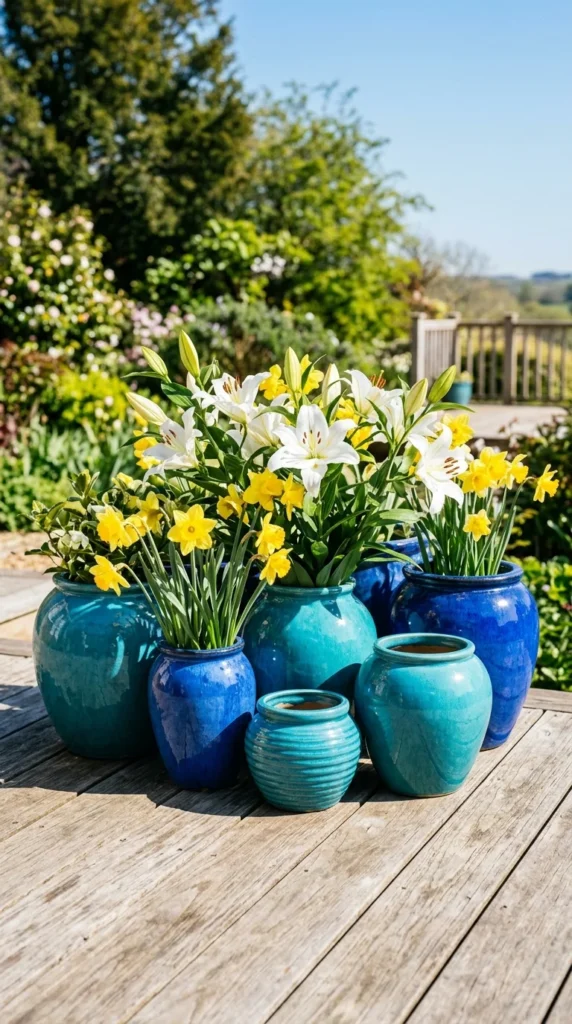
Glazed ceramic pots are the jewelry of the garden. They come in every color imaginable and provide a sophisticated, finished look to any space. The glazing process seals the clay, which means these pots retain moisture much better than unglazed terracotta. They are perfect for tropical plants that prefer consistent moisture.
12. Woven Baskets
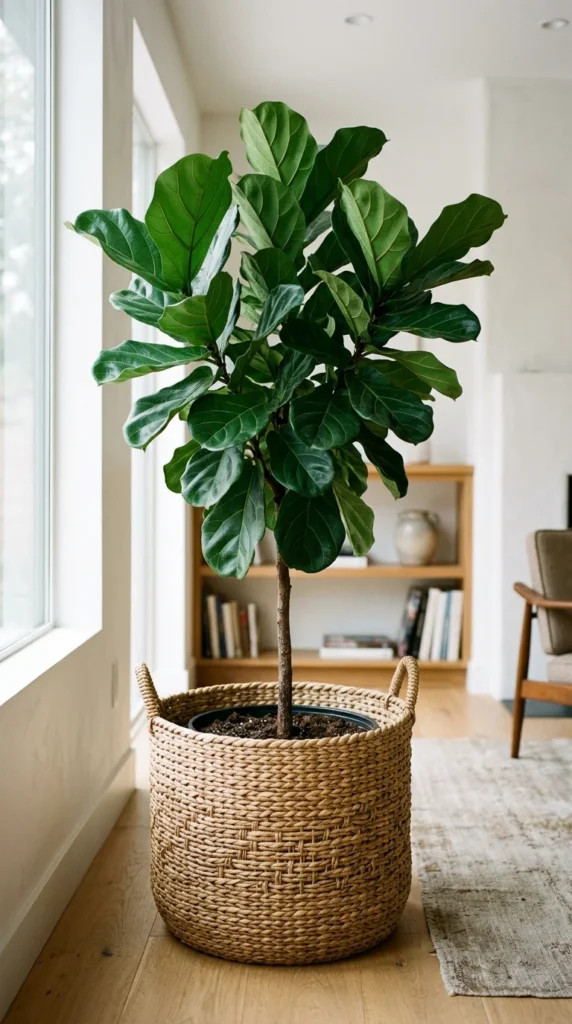
Woven baskets add a soft, organic texture to a container garden. While they aren’t meant to hold soil directly, they make excellent decorative covers (cachepots) for standard plastic nursery pots. They are ideal for bringing an “indoor garden” feel to a covered porch or patio. Just be sure to use a saucer inside to catch excess water and protect the fibers.
13. Floating Shelves
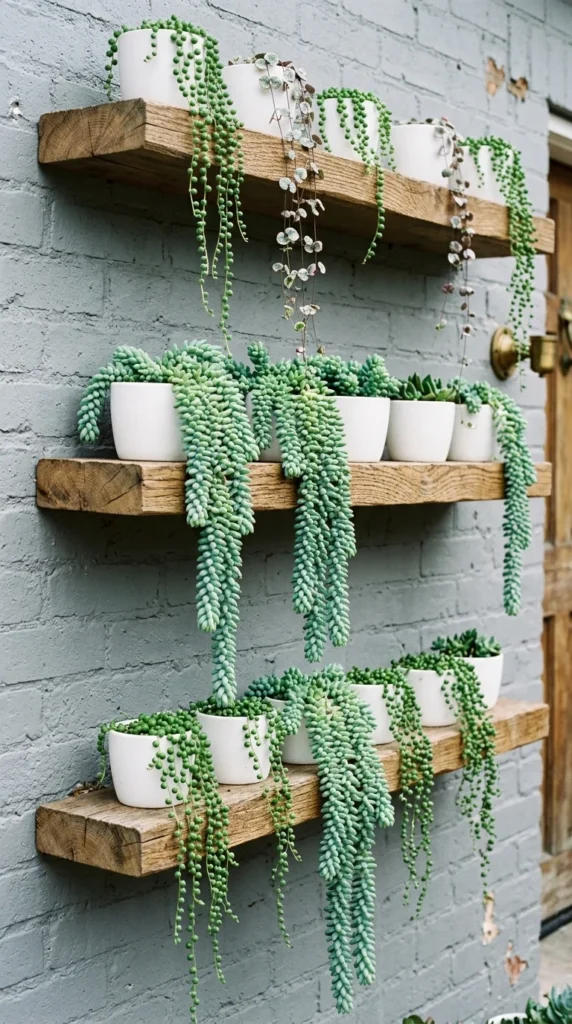
If you have a blank wall, use it. Floating shelves allow you to create a gallery of plants at eye level. This approach is particularly effective for trailing plants or a collection of small succulents. It keeps the plants away from pets and pests while creating a living piece of art on your wall.
14. Ladder Stand
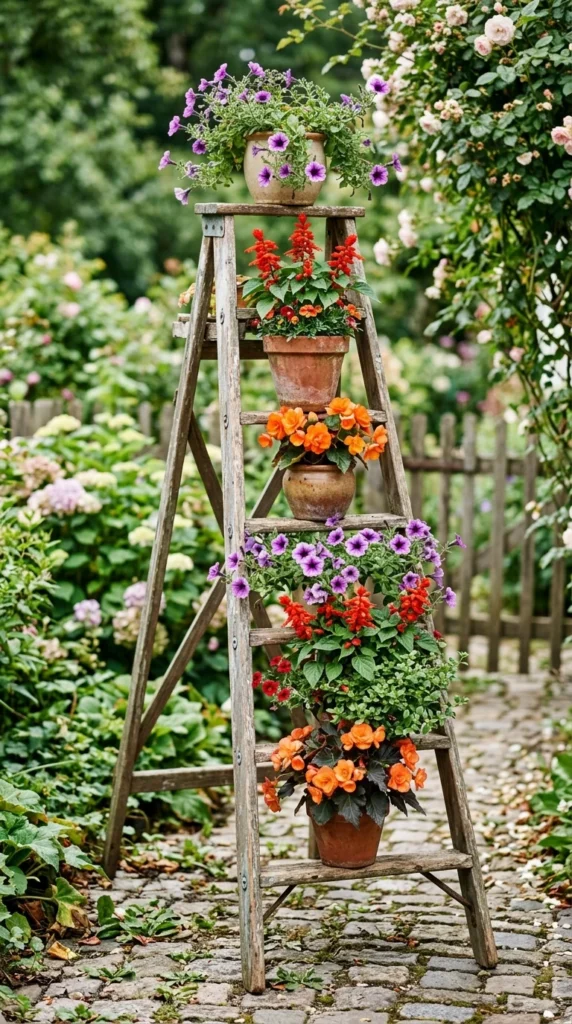
An old ladder is a ready-made tiered garden. It provides different heights and light exposures for your plants. You can place sun-loving plants at the top and those that prefer partial shade on the lower rungs. This is an excellent way to create a dense focal point of color in a corner of a patio or balcony.
15. Teacup Succulents
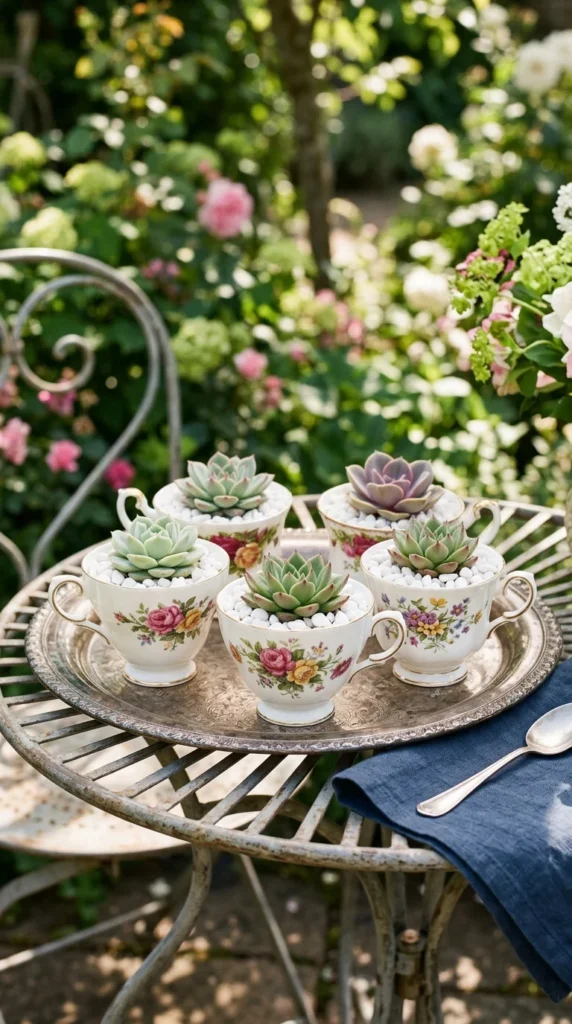
Small-scale gardening can be just as impactful as large installations. Teacups and saucers make adorable containers for slow-growing succulents. Since teacups rarely have drainage holes, it is vital to use a very gritty cactus mix and water very sparingly, or use a diamond drill bit to carefully add a hole to the bottom.
16. Birdbath Planter
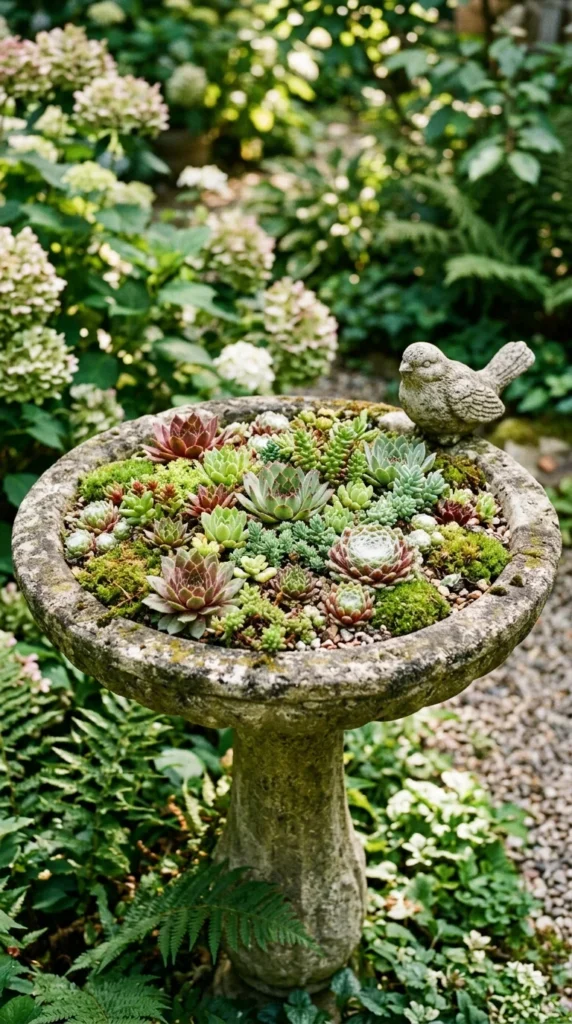
If you have a birdbath that no longer holds water or you want a different look, turn it into a planter. The shallow basin is perfect for plants with small root systems, like succulents or alpine flowers. This creates a unique, low-profile centerpiece for a garden bed or a patio table.
17. Rain Boots
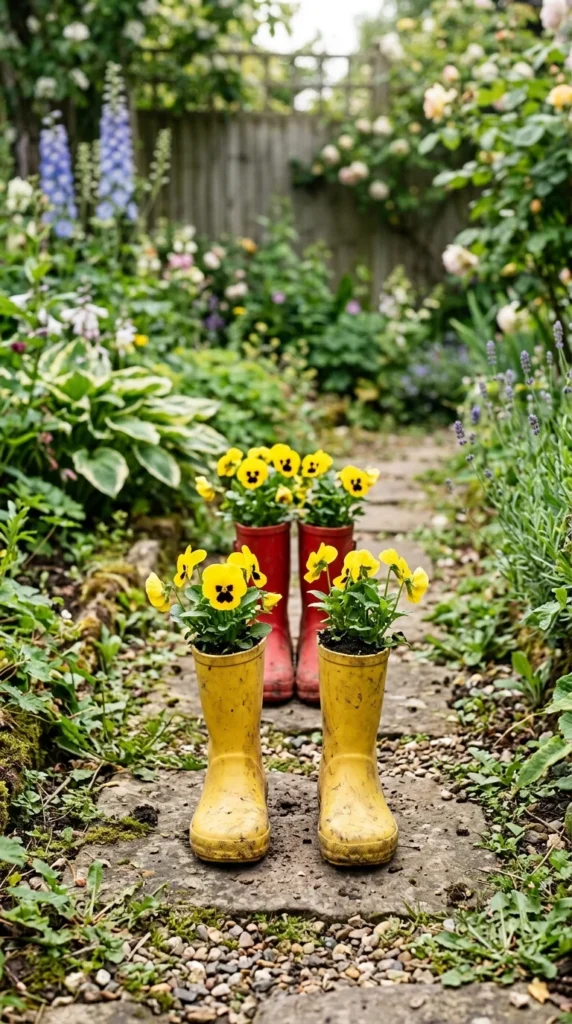
Repurposing old rain boots is a fun and whimsical way to involve children in gardening. They are deep enough for most annual flowers and add a splash of playful color to a garden entrance. Make sure to poke holes in the soles for drainage so the plants don’t drown in the “boots.”
18. Self-Watering Totes
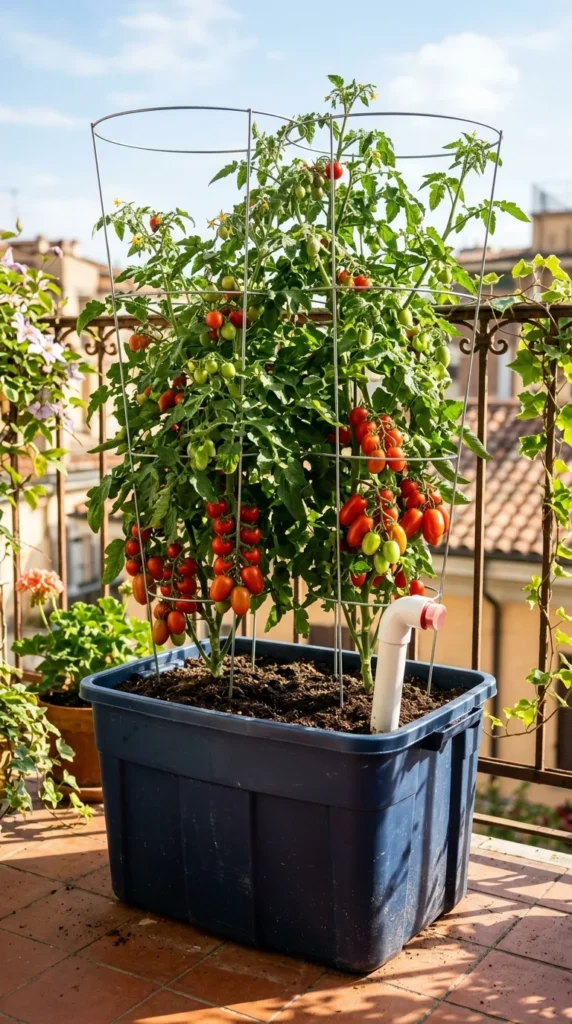
For the busy gardener, self-watering containers are a lifesaver. You can make these out of plastic storage totes by creating a false bottom that holds a reservoir of water. A wicking system draws the moisture up into the soil as the plants need it. This is the most efficient way to grow thirsty vegetables like tomatoes or cucumbers in a container.
19. Strawberry Jars
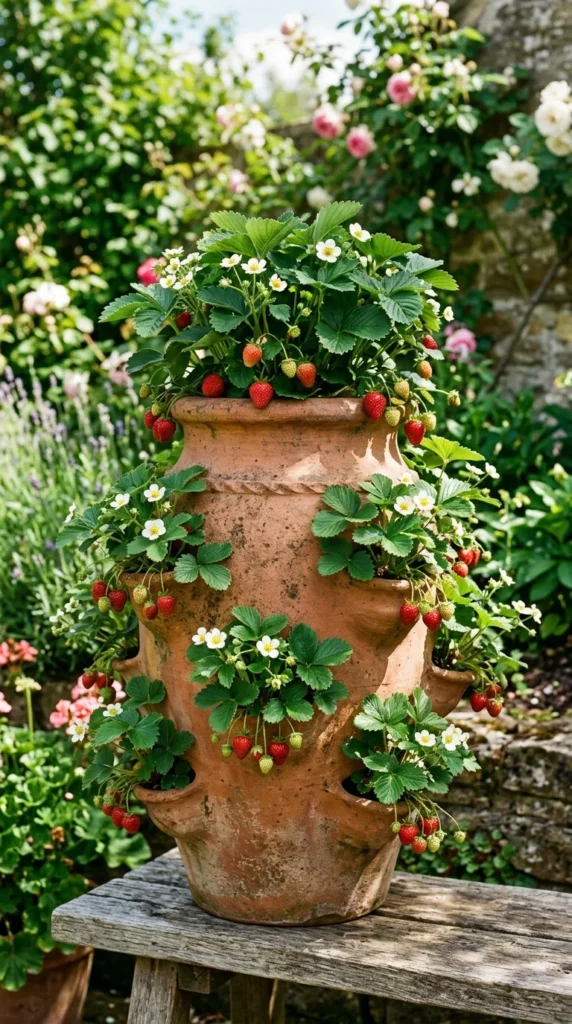
Strawberry jars are designed to maximize vertical space for fruit production. The pockets allow several plants to grow in the footprint of a single pot. While traditionally used for strawberries, these jars are also excellent for creating a “herb tower,” with different herbs tucked into each opening.
20. Chandelier Planters
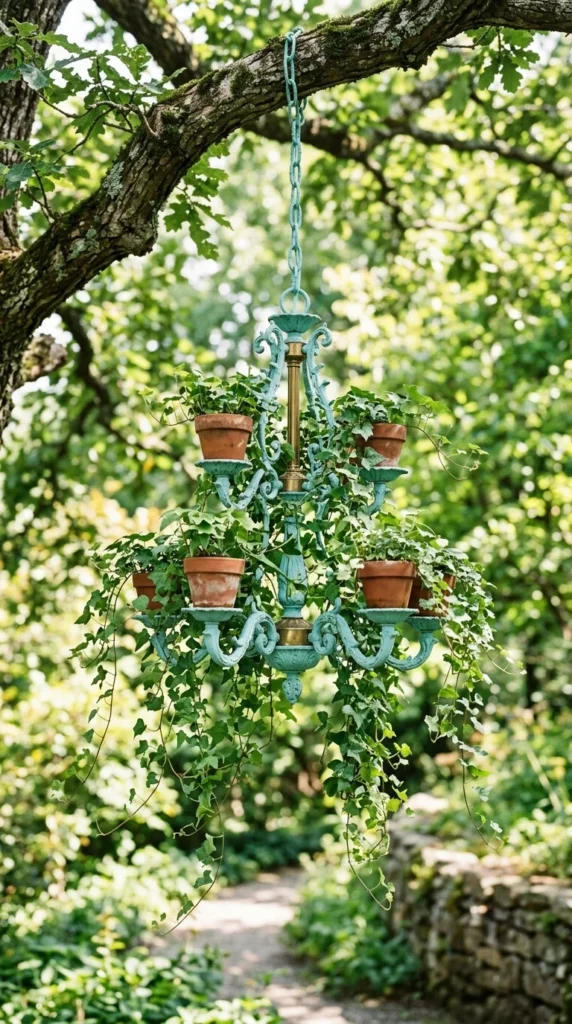
Upcycling an old light fixture into a planter creates a stunning, hanging focal point. By replacing the shades or bulb holders with small pots, you turn a piece of indoor furniture into an outdoor garden feature. These look particularly magical when hung from a large tree or a high porch ceiling.
21. Wheelbarrow Garden
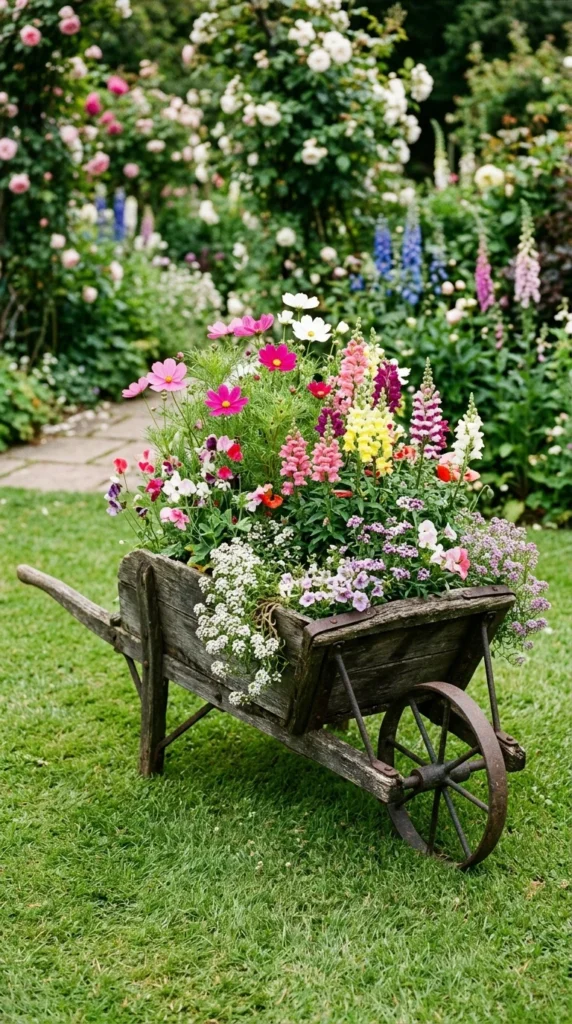
A wheelbarrow garden is the ultimate “mobile” planter. It adds a rustic, hardworking charm to your yard and allows you to move your garden to follow the sun or clear space for an event. It provides a deep enough soil bed for a wide variety of flowers and even some shallow-rooted vegetables.
22. Tin Can Wall
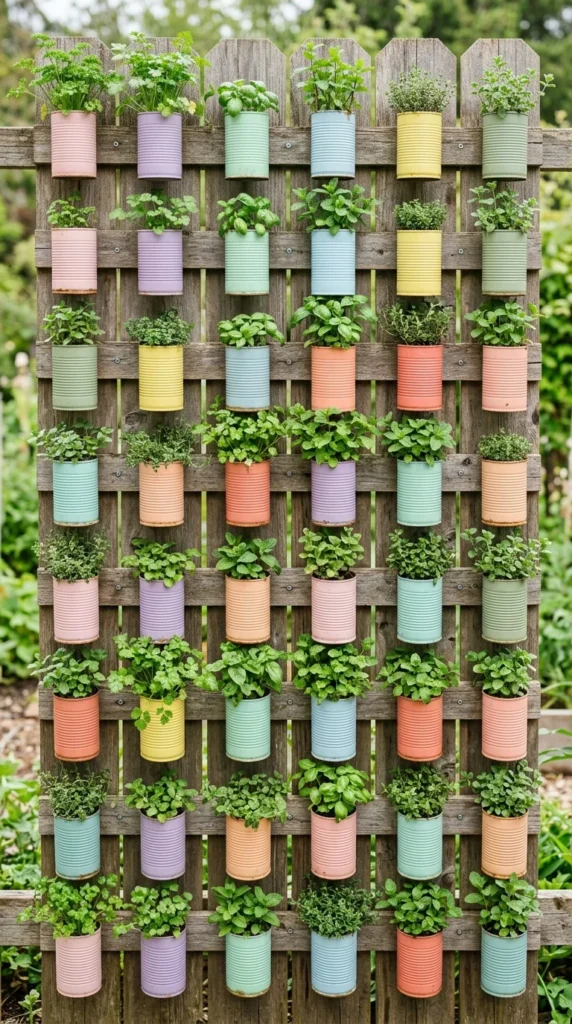
Tin cans are a free and plentiful resource for container gardening. When cleaned, painted, and mounted to a wall or fence, they create a charming and organized vertical herb garden. This is a perfect weekend project that upcycles waste into a productive food source.
23. Stone Troughs
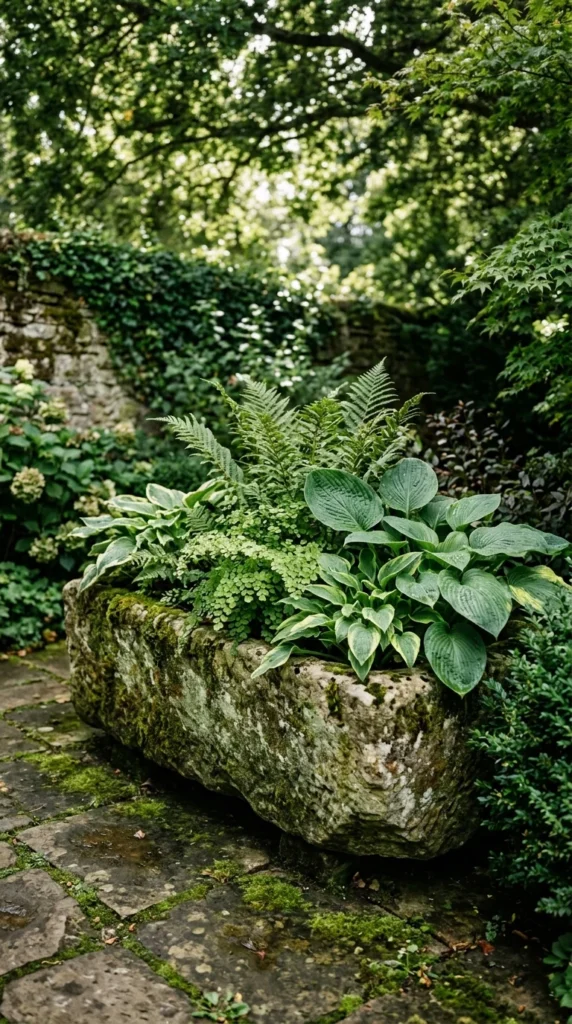
Stone troughs provide a timeless, English-garden aesthetic. They are extremely heavy and provide excellent insulation for plant roots, keeping them cool in the summer and protected in the winter. Because they are often shallow, they are best suited for alpines, mosses, or shade-loving ferns.
24. Resin Wicker
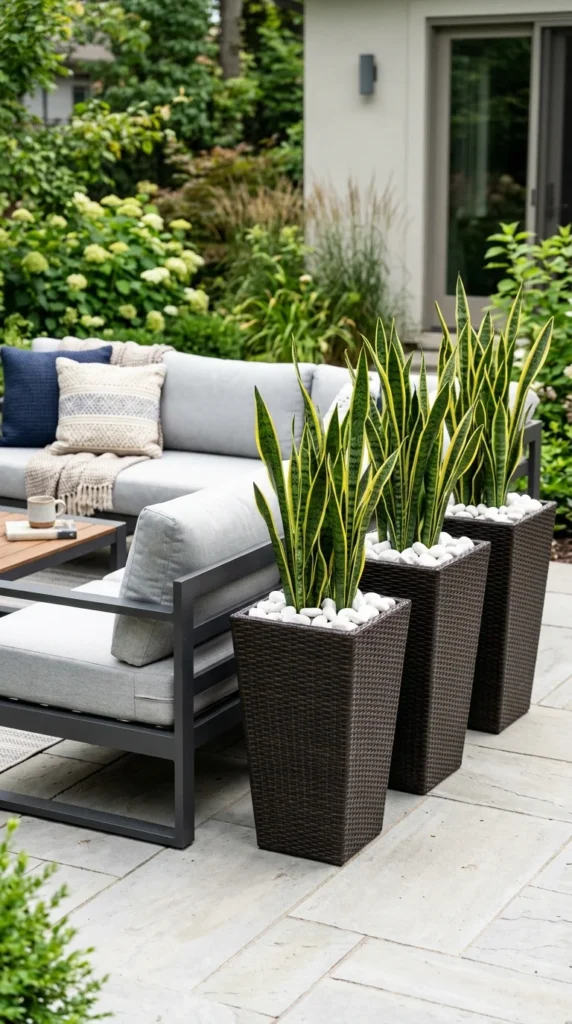
Resin wicker offers the look of natural fibers with the durability of plastic. These containers are lightweight, weather-resistant, and won’t rot like natural wicker. They are perfect for matching your garden containers to your outdoor furniture, creating a cohesive and polished outdoor living space.
25. Tree Stumps
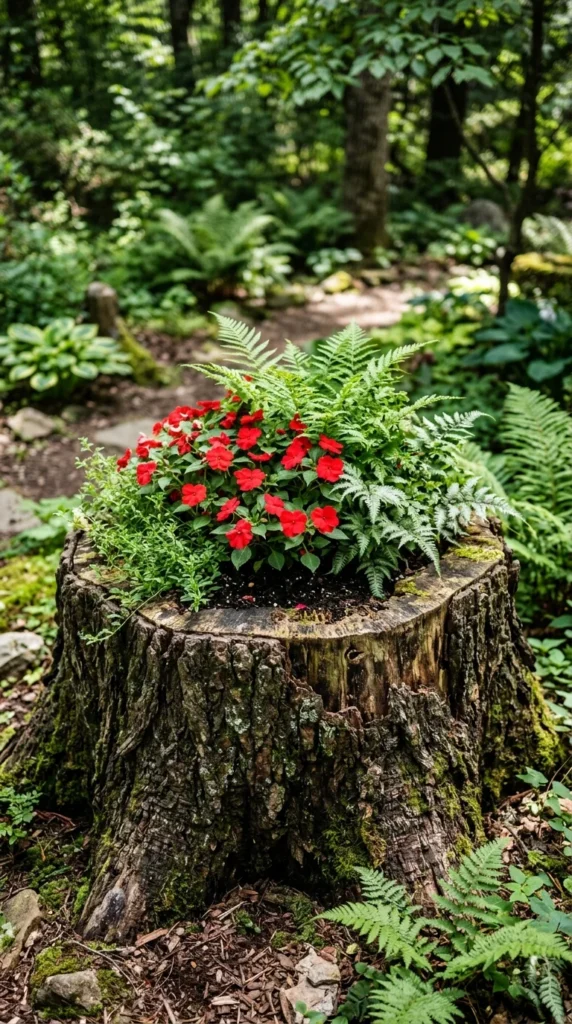
If you have an old tree stump in your yard, don’t remove it—plant it. By hollowing out the center, you create a natural, organic container that will eventually decompose and provide nutrients back to the soil. This is a beautiful way to turn a potential eyesore into a woodland garden feature.
26. Mirrored Pots
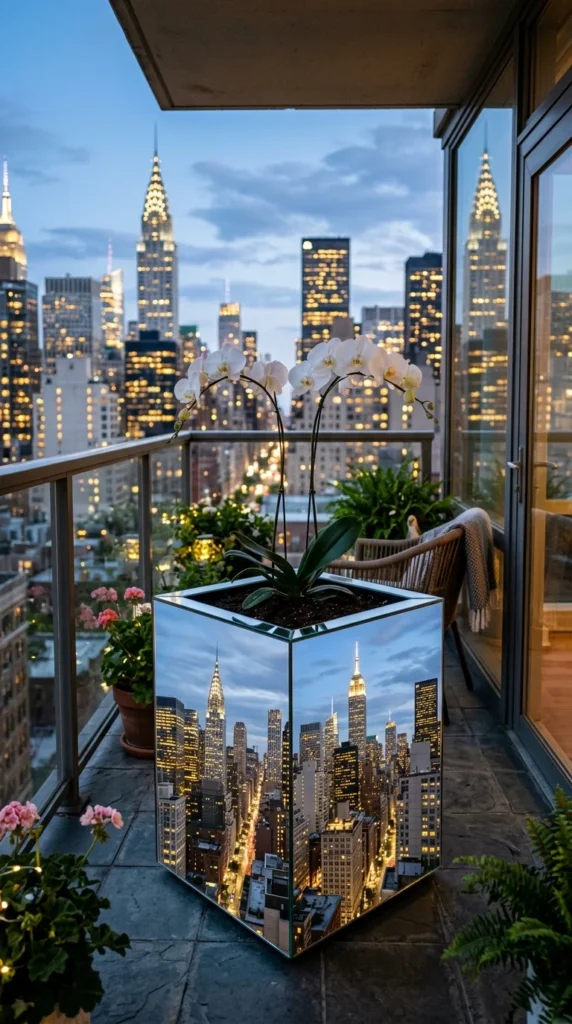
Mirrored containers are a secret weapon for small-space gardening. The reflective surfaces bounce light around and create the illusion of more space. They add a touch of high-end, modern glamour to a terrace or balcony and look particularly stunning when reflecting a sunset or a well-lit city skyline at night.