
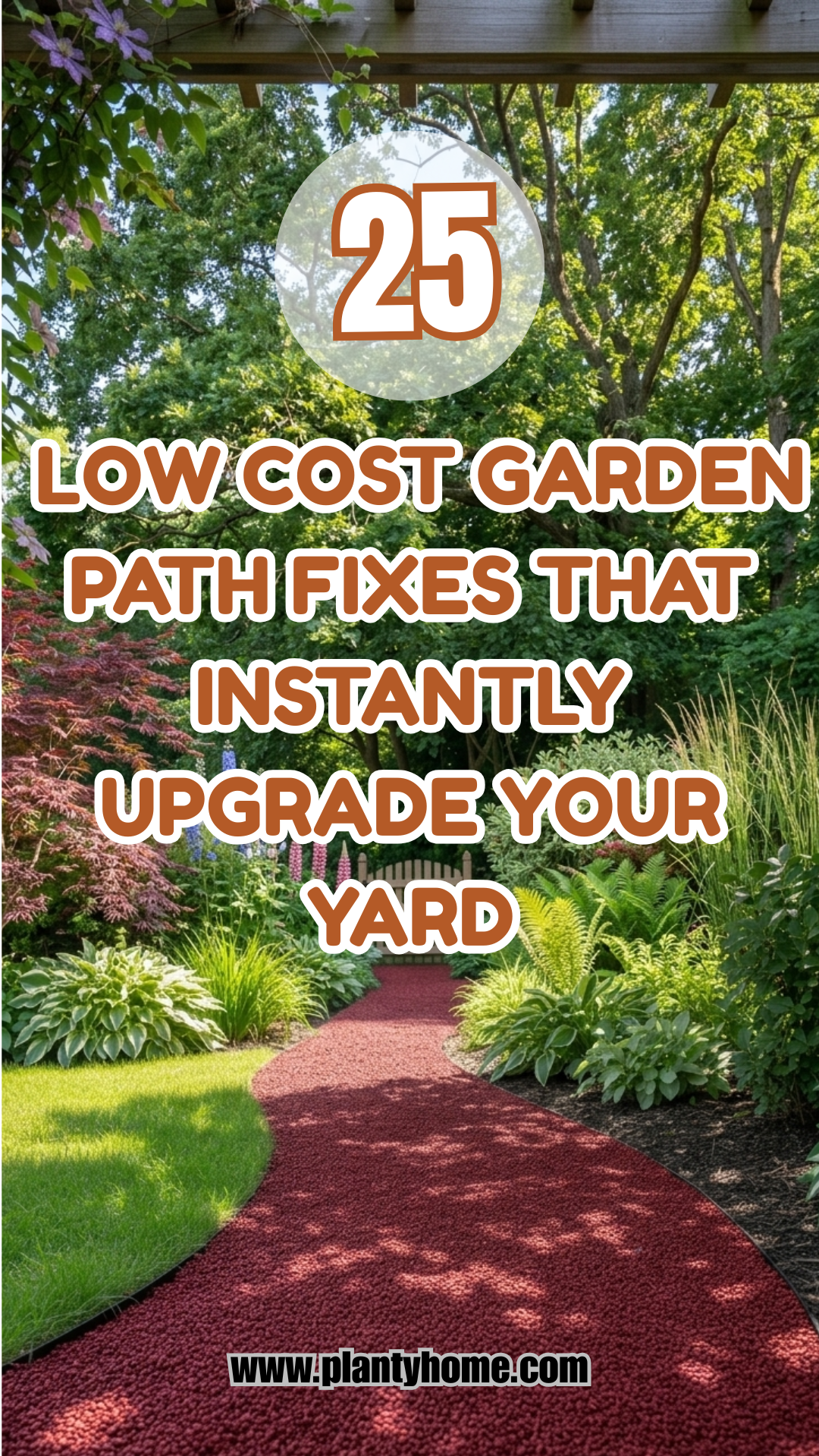
Transforming your outdoor space does not require a massive budget or a professional landscaping crew. A well-defined garden path not only improves the functionality of your yard but also significantly boosts curb appeal and property value. By utilizing affordable materials and creative DIY techniques, you can turn a muddy trail into a stunning focal point. This guide explores twenty-five cost-effective ways to refresh your walkways and breathe new life into your landscape using accessible materials like gravel, reclaimed wood, and strategic lighting.
1. Lay Down Affordable Pea Gravel
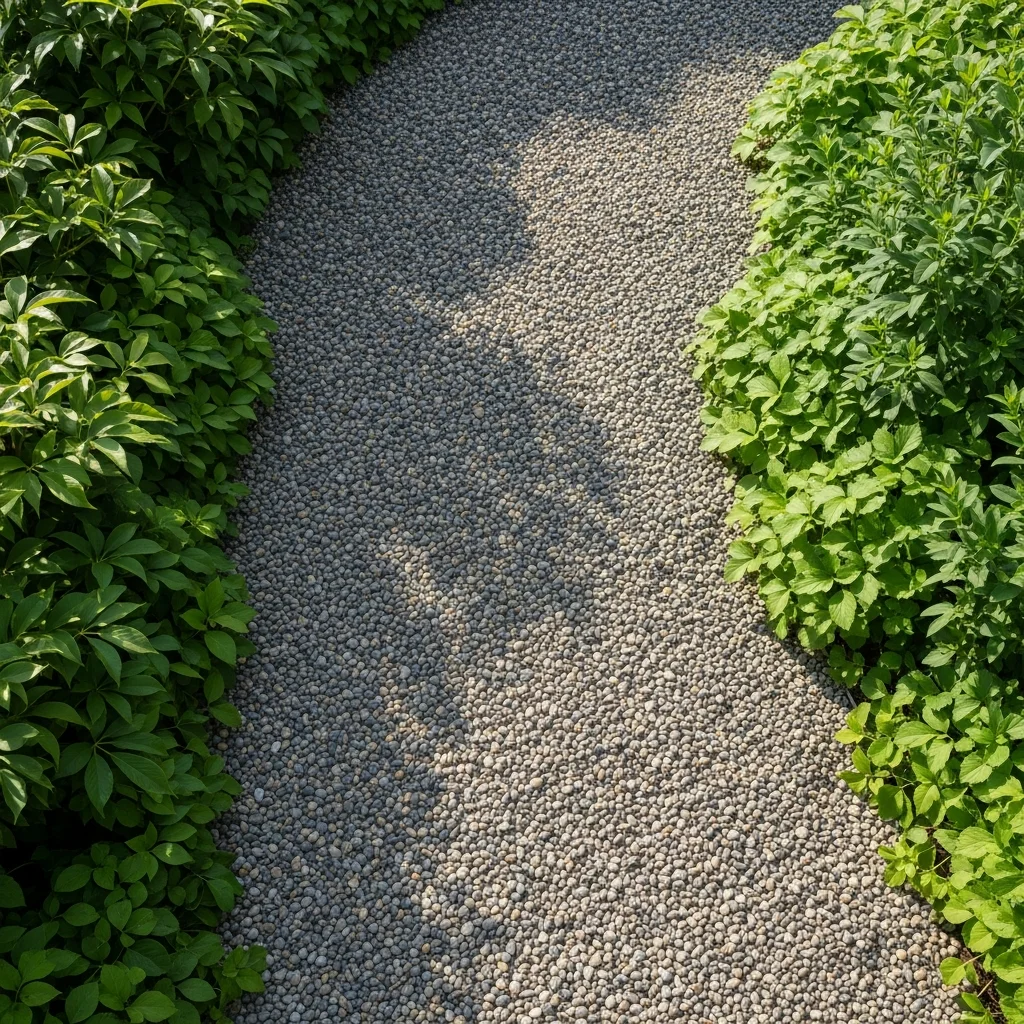
Pea gravel is one of the most cost-effective materials for a quick garden path fix. These small, rounded stones provide a soft texture underfoot and offer excellent drainage. To ensure longevity, install a landscape fabric base before pouring the gravel to prevent weed growth and keep the stones from sinking into the soil.
2. Utilize Natural Wood Mulch
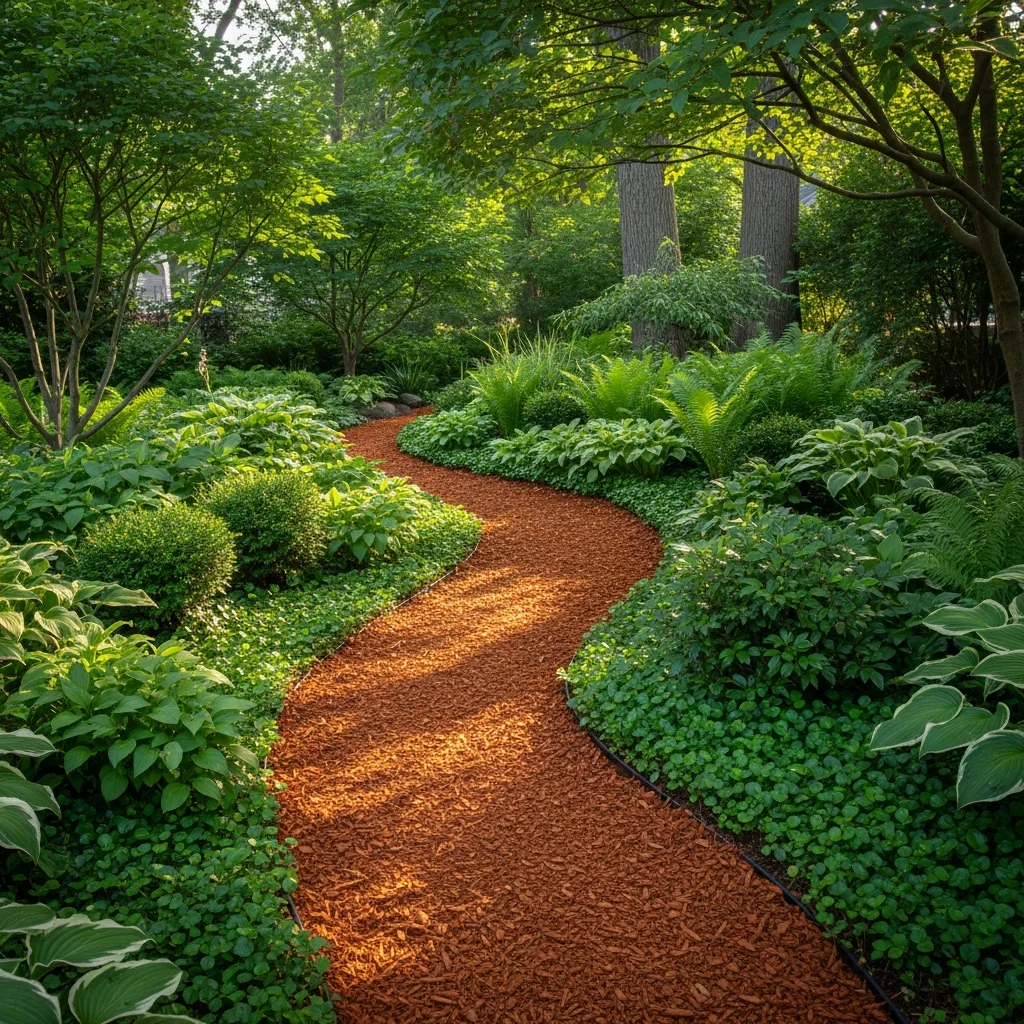
Mulch is an incredibly inexpensive option that blends perfectly with natural surroundings. It is ideal for wooded areas or rustic gardens. Choose cedar or cypress mulch for better longevity and a pleasant aroma, and remember to replenish the layer annually to keep the path looking fresh and thick.
3. Source Reclaimed Bricks for Edging
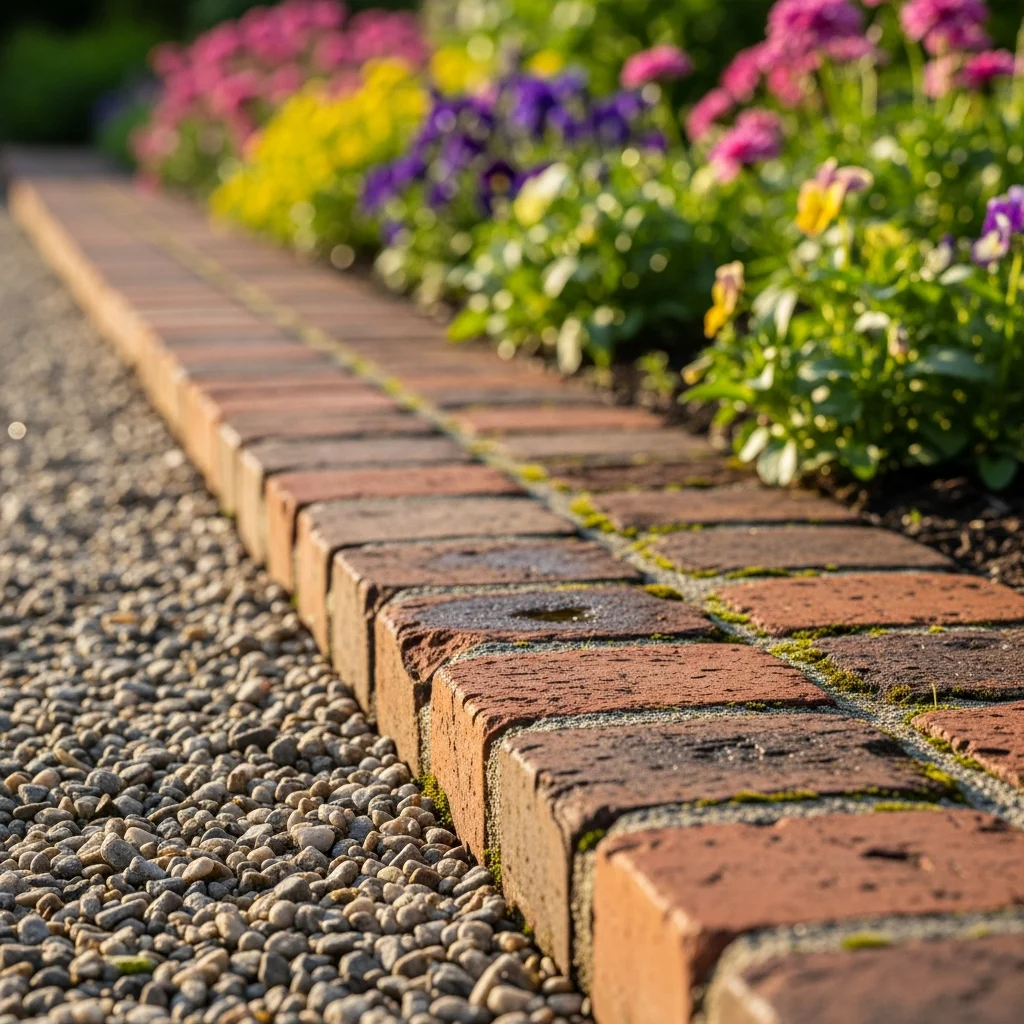
Old bricks can often be found for free or at a low cost on community marketplaces. Use them to create a formal edge for an existing path. Setting bricks in a soldier course or a simple running bond pattern instantly adds a touch of historical charm and structure to your yard without the price tag of new masonry.
4. Cast Your Own Concrete Stepping Stones
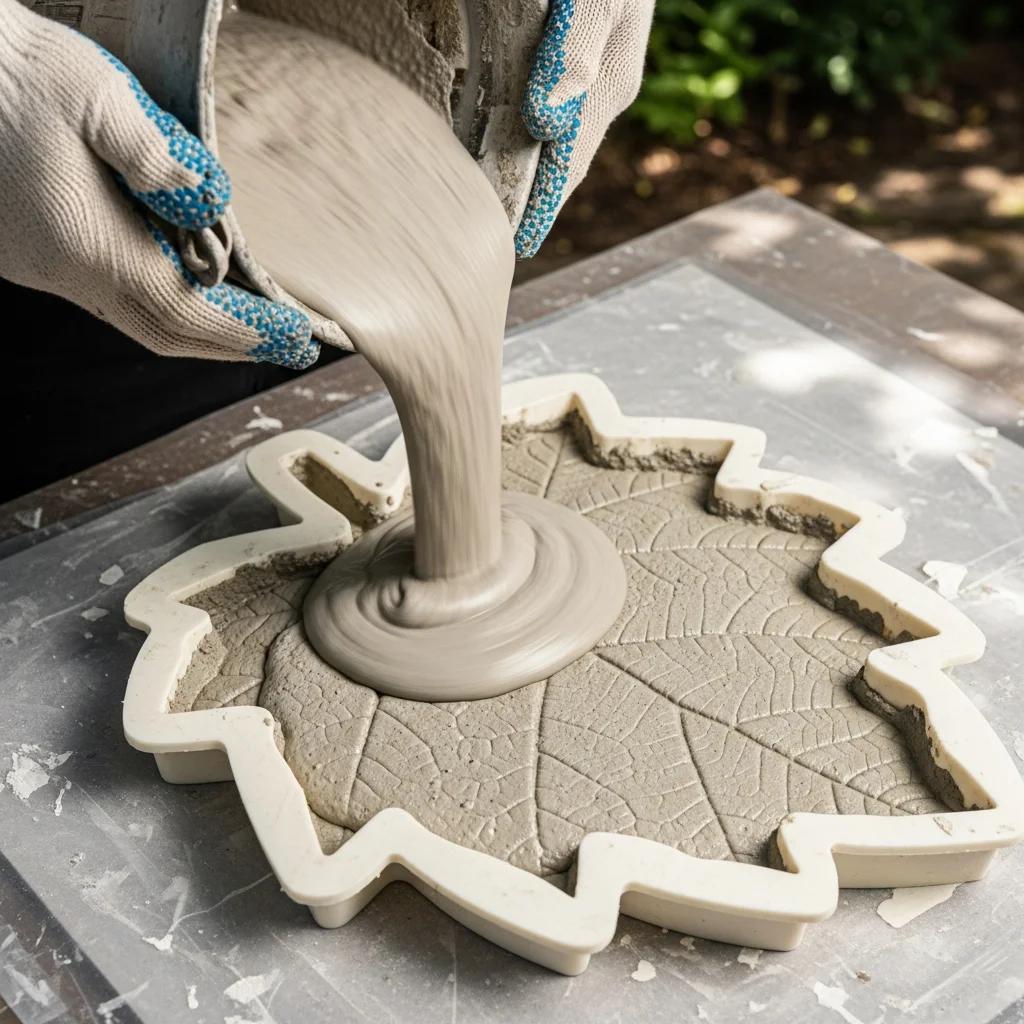
Creating your own stepping stones is a fun and affordable DIY project. By using simple plastic molds or even large leaves like rhubarb as a template, you can cast unique concrete shapes. This allows you to customize the color and texture of your path while spending significantly less than buying pre-cast stones from a retail store.
5. Incorporate Rustic Log Slices
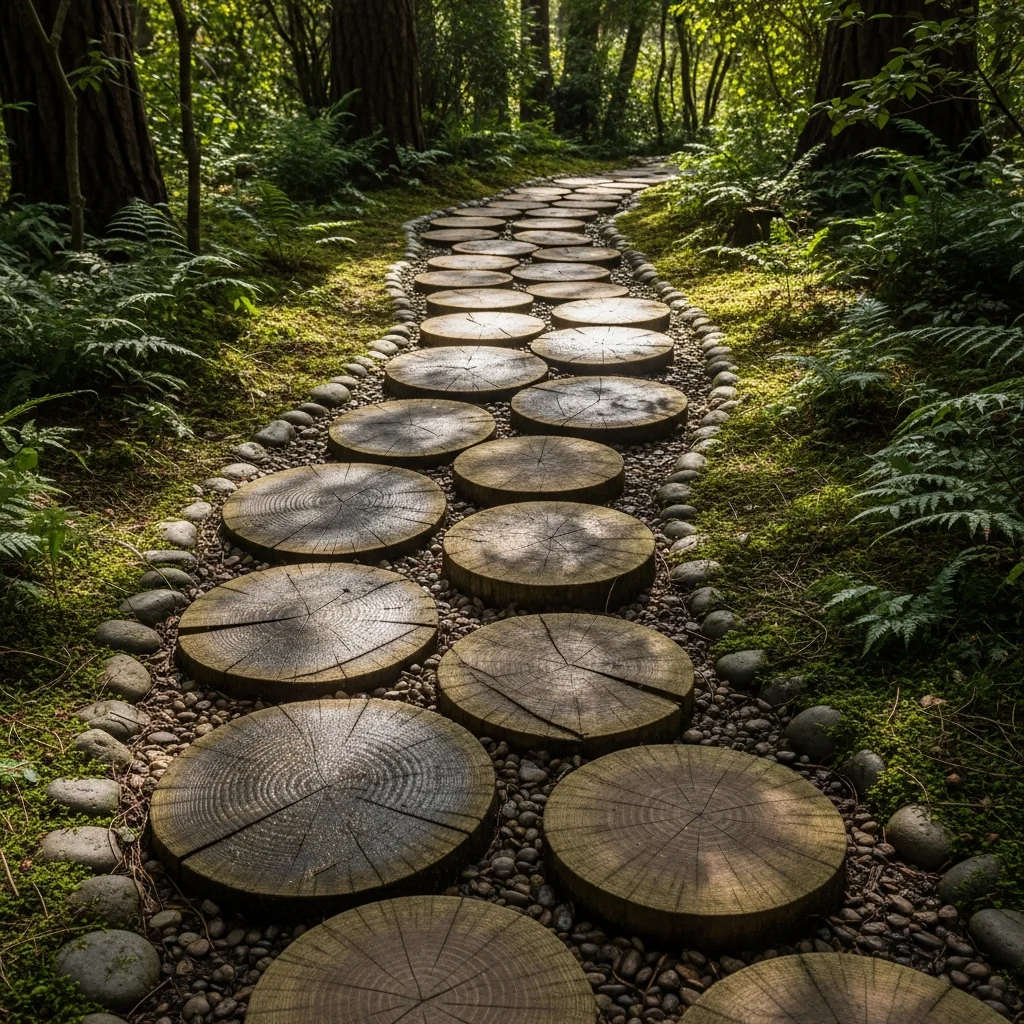
If you have recently trimmed or removed a tree, use log slices to create a whimsical path. These wood rounds, often called tree cookies, provide a natural look. Ensure they are at least two inches thick and treated with a wood preservative to prevent rot in damp conditions.
6. Spread Decomposed Granite
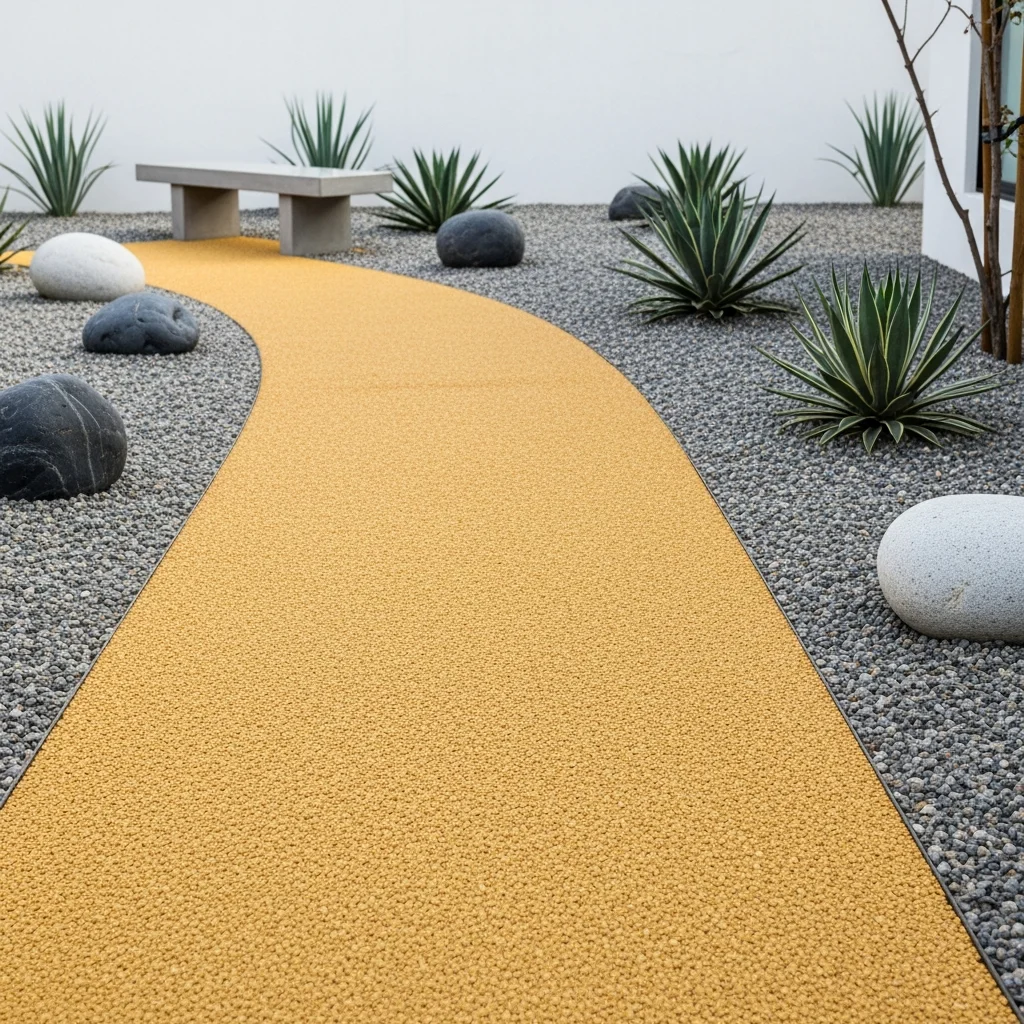
Decomposed granite is a versatile material that packs down more firmly than gravel. It provides a stable surface for wheelbarrows and heavy foot traffic. It comes in various earthy tones like gold and reddish-brown, making it easy to match with your existing home exterior.
7. Repurpose Old Pallet Wood
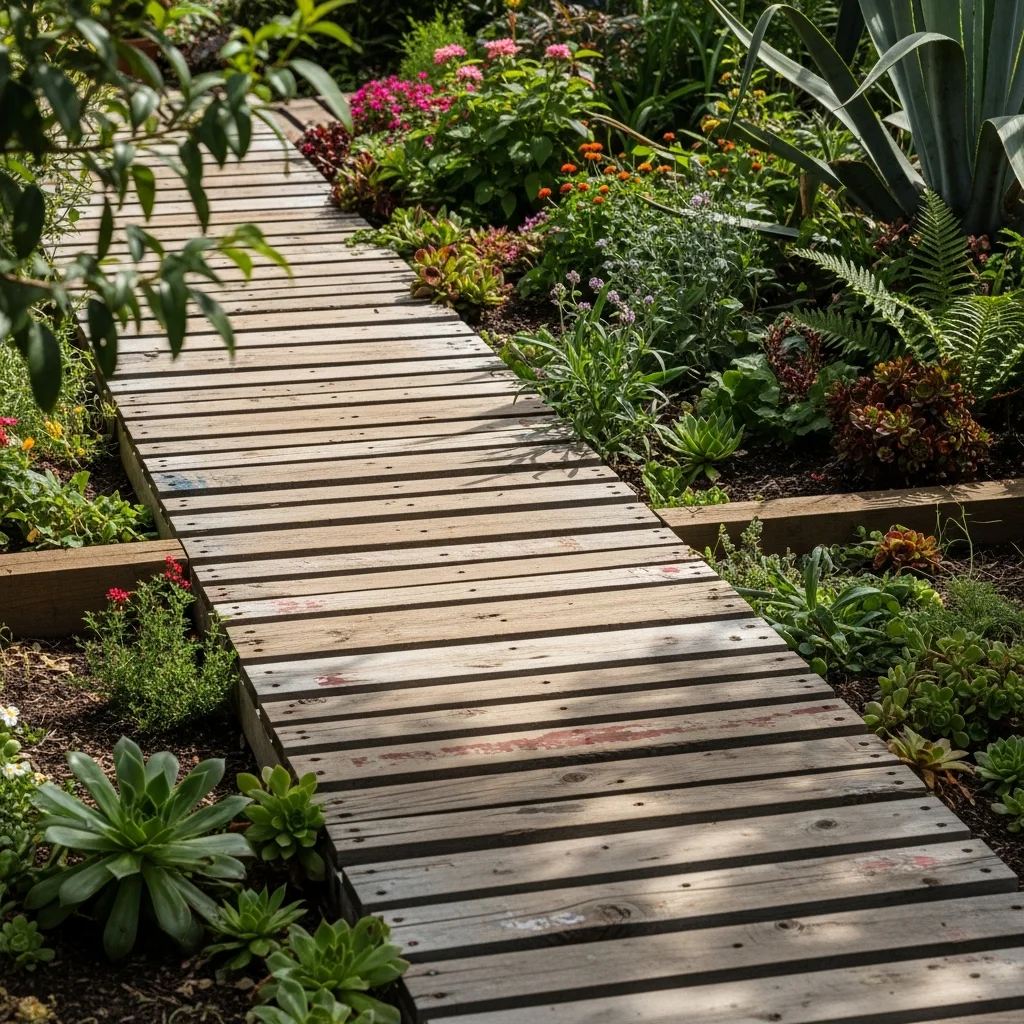
Wooden pallets are a staple for budget-friendly projects. Break down the pallets and use the slats to create a charming boardwalk style path. This is especially effective in damp areas where you want to keep your feet above the mud. Be sure to sand the slats to prevent splinters.
8. Line Paths with River Rocks
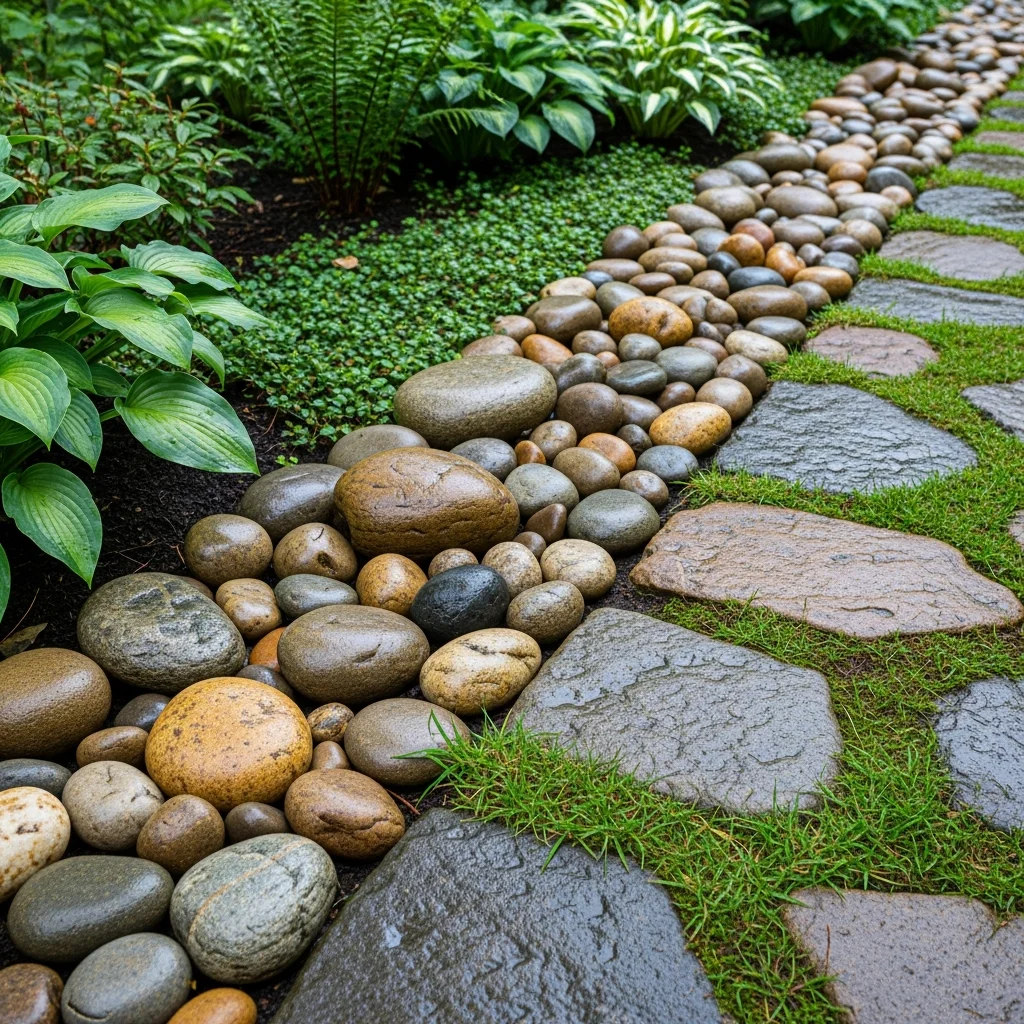
River rocks are slightly larger than gravel and offer a more decorative, polished look. Use them to line the sides of your path to create a dry creek bed aesthetic. This not only looks professional but also helps manage rainwater runoff during heavy storms.
9. Install Solar Powered Path Lights
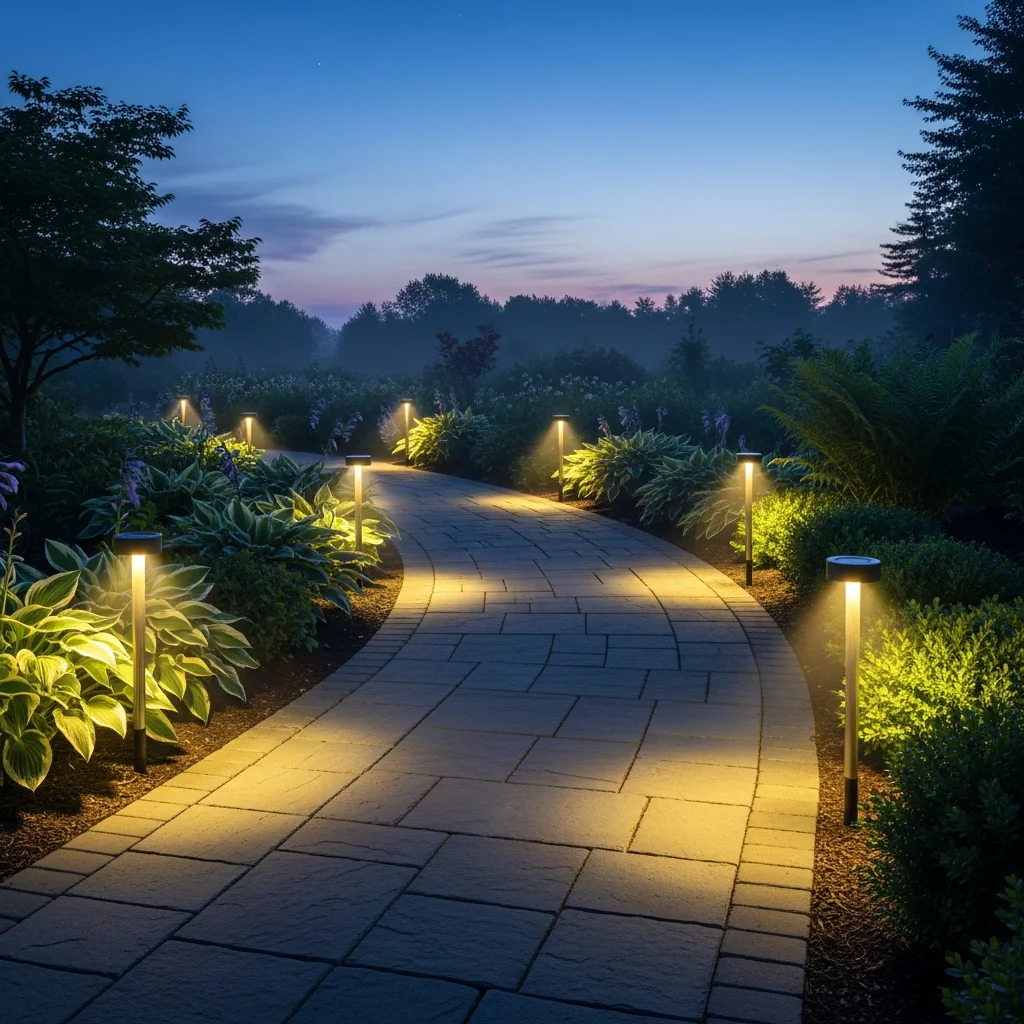
One of the fastest upgrades for any path is the addition of solar lighting. These fixtures require no wiring and are extremely affordable. Placing them at regular intervals ensures safety at night and highlights the beauty of your landscaping after the sun goes down.
10. Plant Low-Growing Ground Covers
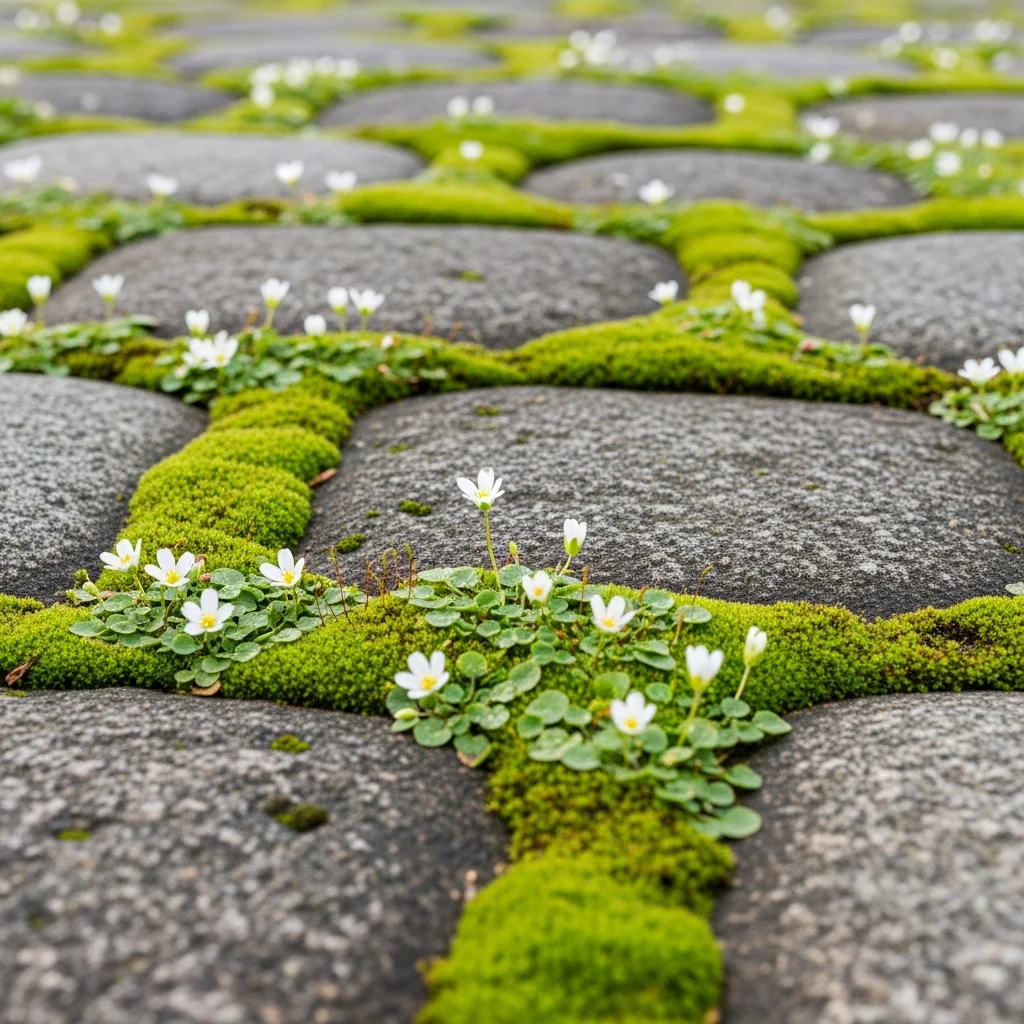
Instead of hard materials, use creeping plants like Thyme or Irish Moss to fill the gaps between stepping stones. These plants are durable enough to withstand light foot traffic and release a pleasant fragrance when stepped on, providing a soft, living element to your walkway.
11. Search for Flagstone Scraps
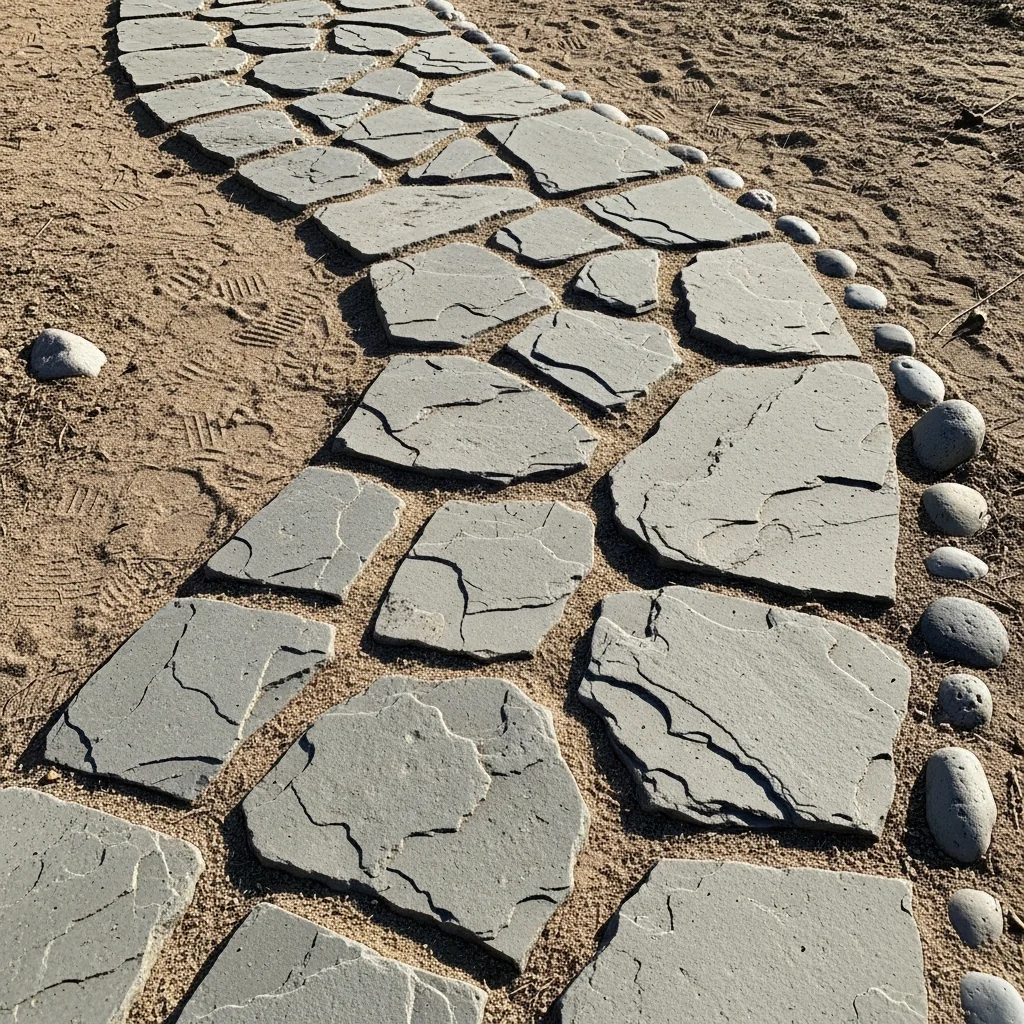
Landscaping yards often sell broken flagstone pieces at a deep discount. These ‘scraps’ can be pieced together like a mosaic to create a high-end look for a fraction of the cost of full slabs. Fill the joints with sand or fine gravel for a stable finish.
12. Use Pine Needle Mulch
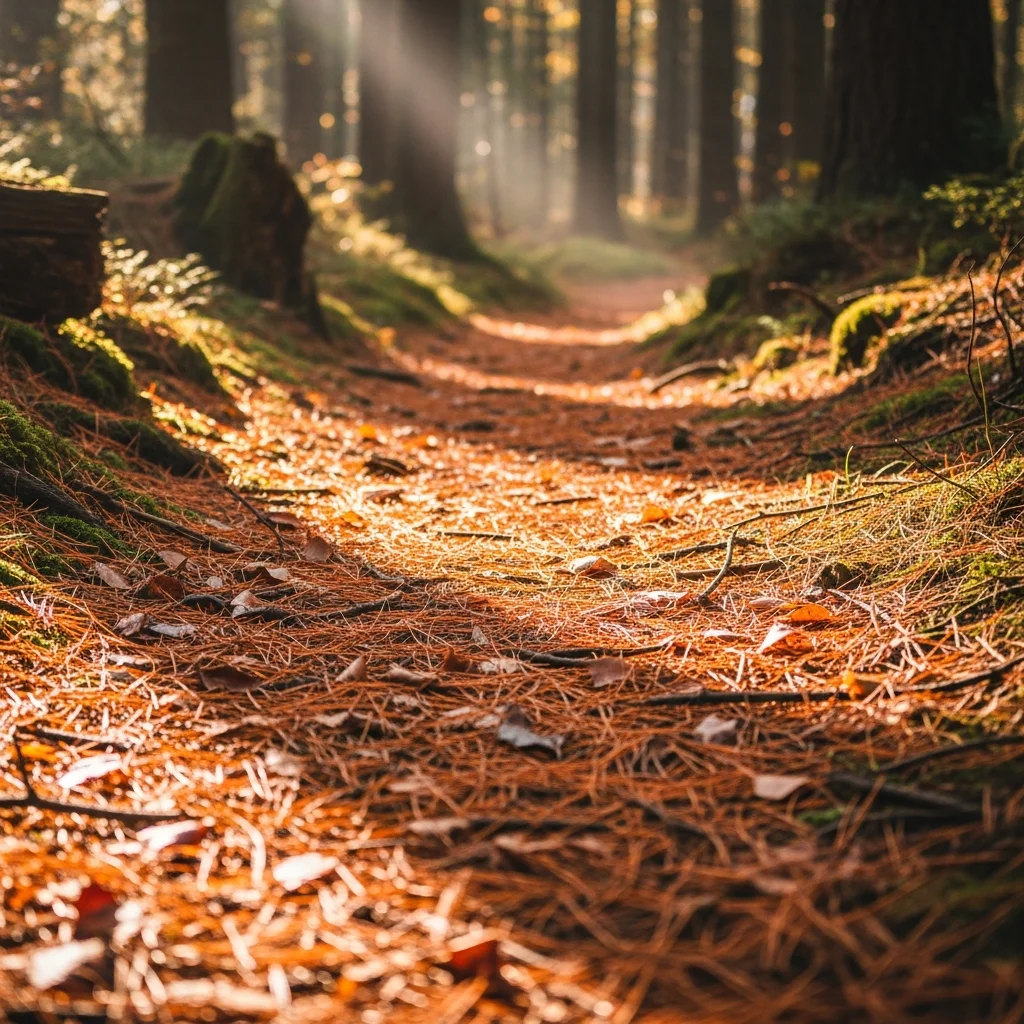
In regions with pine trees, pine needles (or pine straw) provide an excellent, free path material. They lock together to stay in place even on slopes and provide a soft, carpet-like feel. This is an ideal solution for acid-loving plants like azaleas that might border your path.
13. Deep Clean with a Pressure Washer
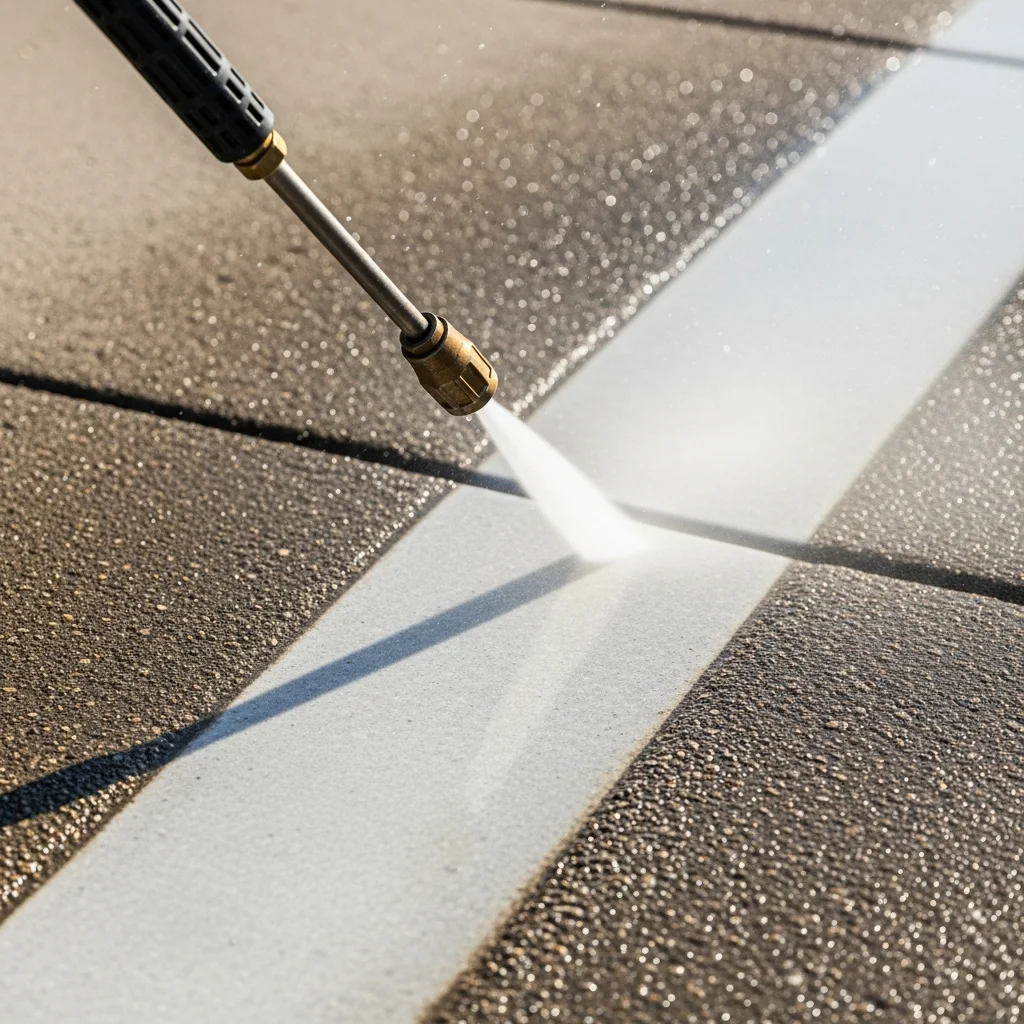
Sometimes the best fix is simply cleaning what you already have. Over time, concrete or stone paths accumulate moss, dirt, and grime. A high-pressure wash can strip away years of buildup, revealing the original color and texture of the material and making the entire yard look brand new.
14. Add Glow-in-the-Dark Pebbles
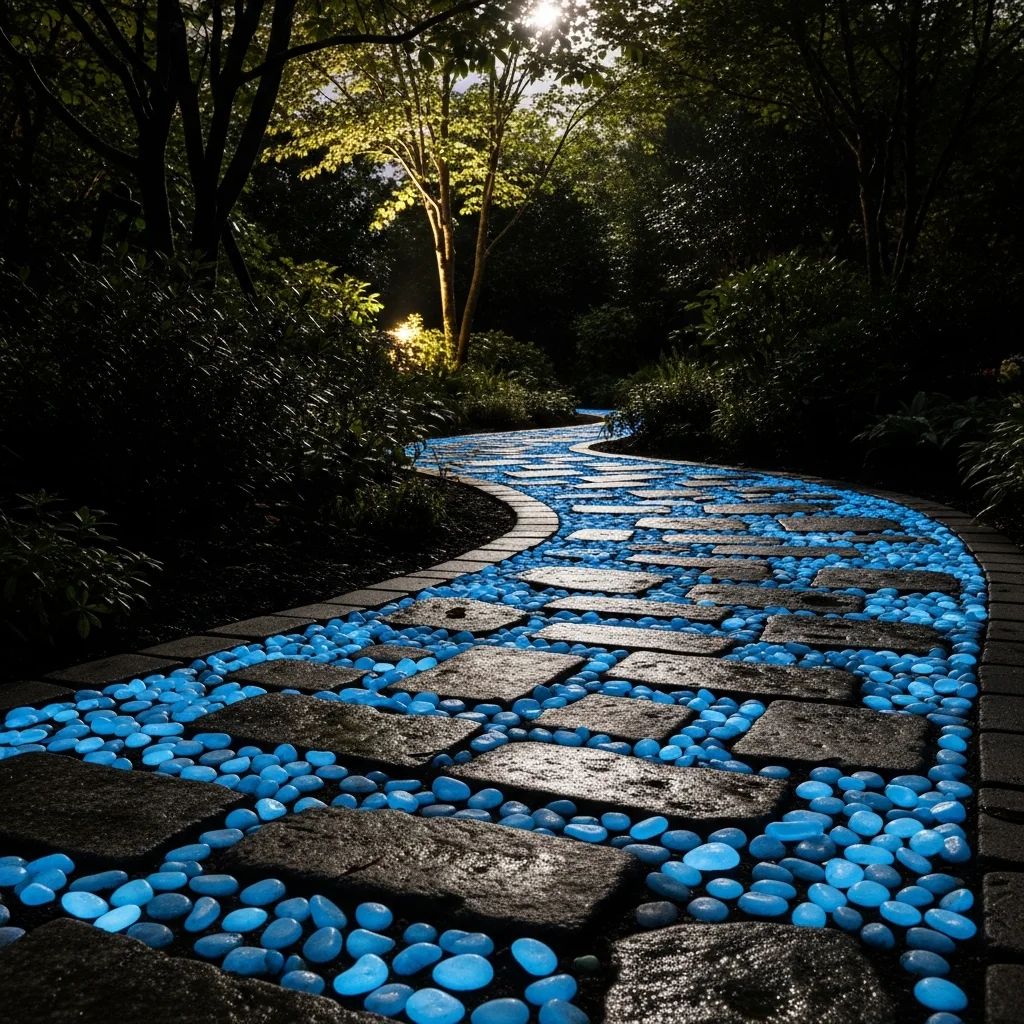
For a magical touch, mix glow-in-the-dark resin pebbles into your gravel path. These stones absorb sunlight during the day and emit a soft blue or green light at night. It is a low-cost way to add a unique, futuristic element to your garden design.
15. Apply a Stencil to Plain Concrete
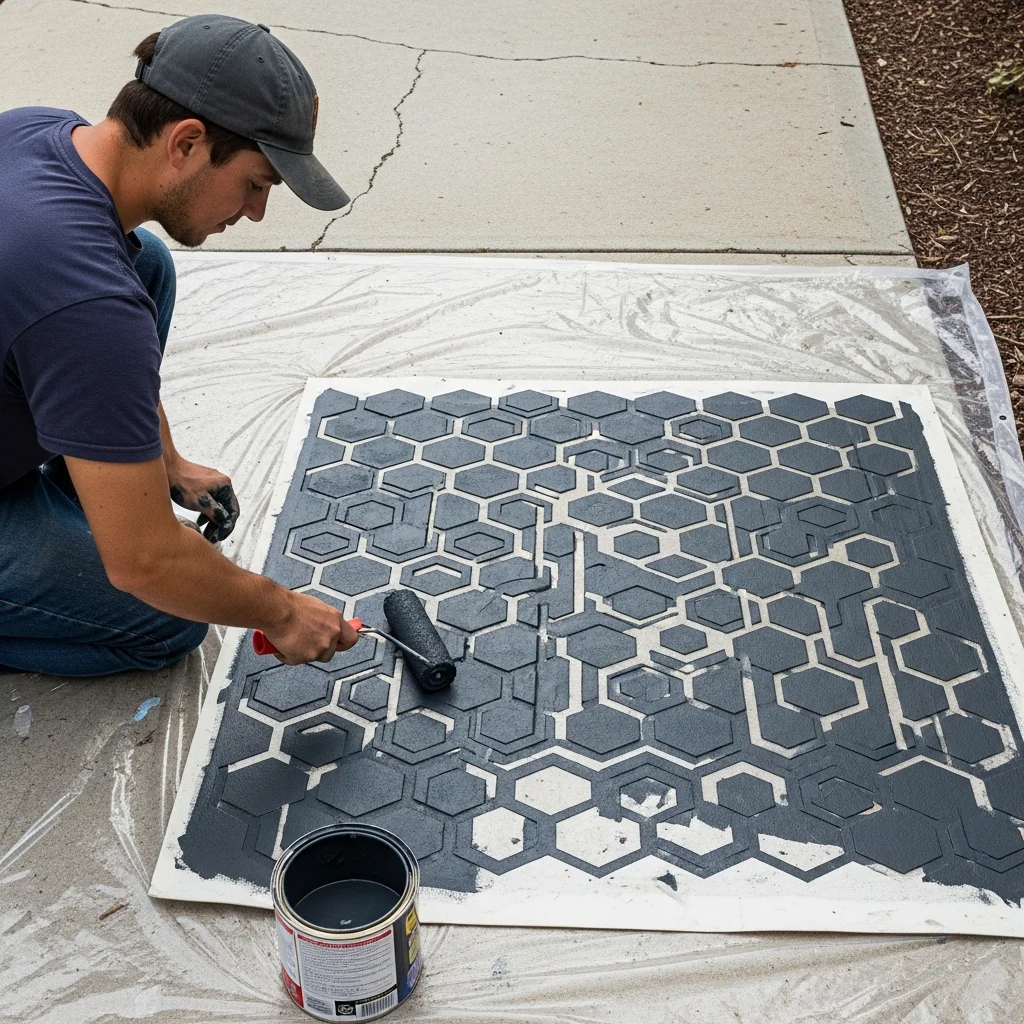
If you have a boring concrete path, use a stencil and outdoor masonry paint to mimic the look of expensive tile or bricks. This DIY technique allows for complete creative control over patterns and colors, instantly elevating a plain gray surface to something artistic.
16. Incorporate Crushed Sea Shells
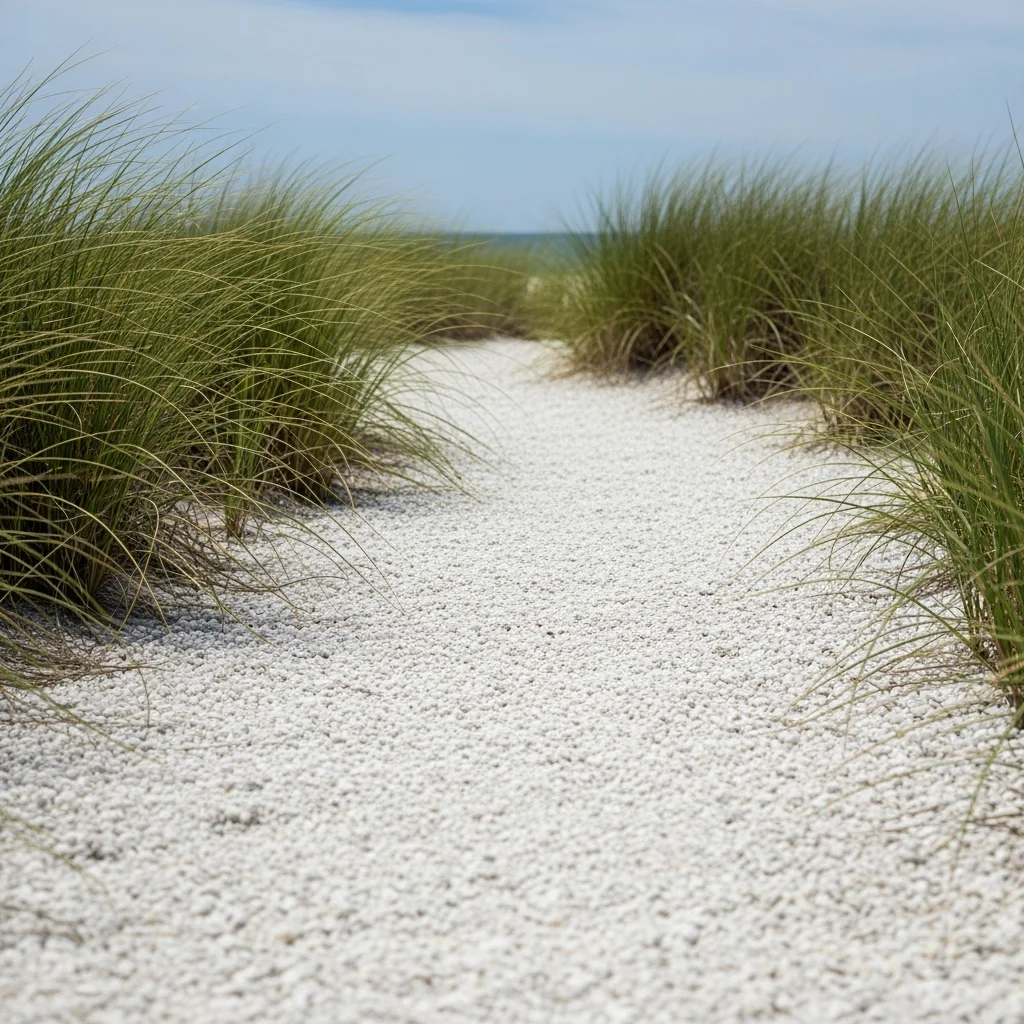
In coastal areas, crushed shells are a popular and affordable alternative to gravel. They provide a bright, white appearance that reflects light and gives the yard a beachy, relaxed vibe. They are also rich in calcium, which can benefit the surrounding soil over time.
17. Repurpose Slate Roof Tiles
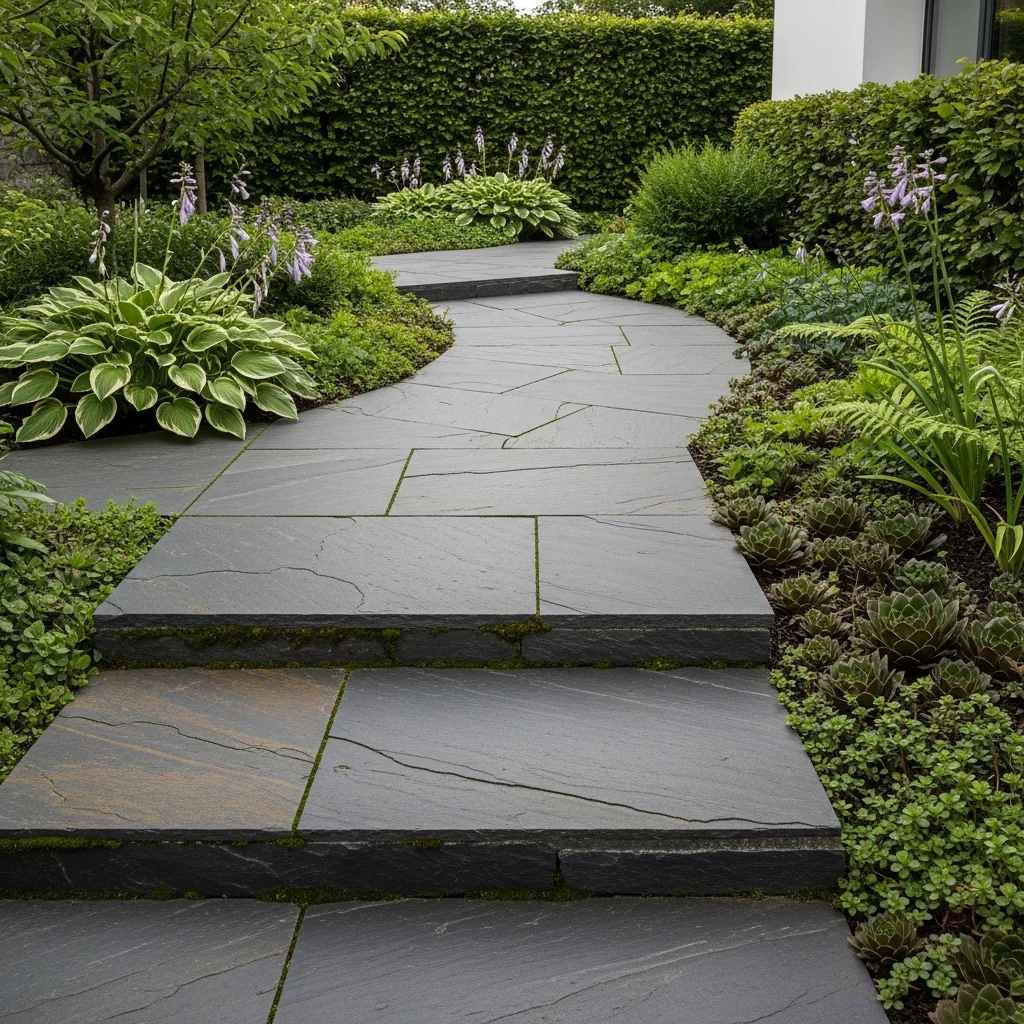
Old slate tiles from roofing projects make excellent thin stepping stones. Their natural dark color and layered texture provide a sophisticated look. Because they are thin, they should be set into a firm base of sand to prevent cracking under weight.
18. Encourage Mossy Joints
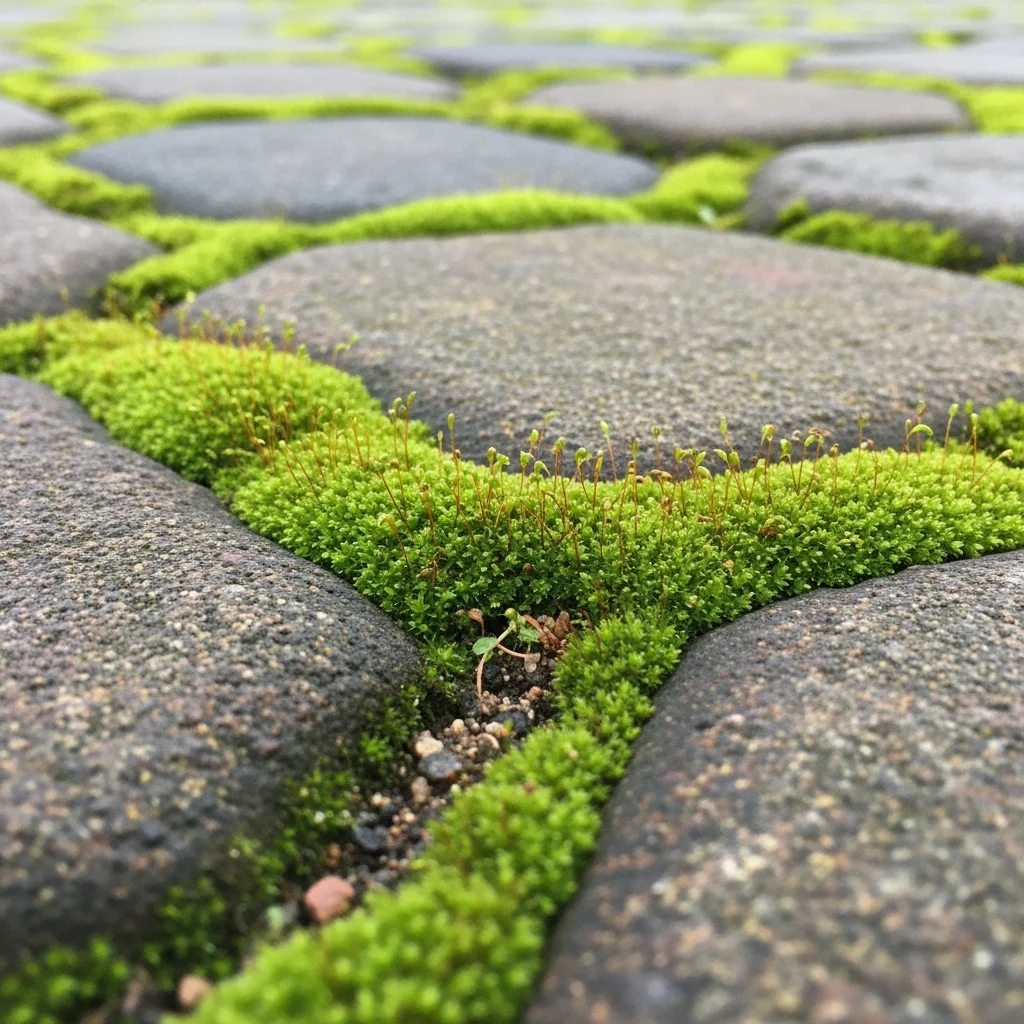
For a vintage, established feel, encourage moss to grow in the cracks of your stone or brick path. You can speed up this process by blending moss with buttermilk and brushing it into the joints. This creates a soft, aged look that makes the path feel like it has been there for decades.
19. Use Cobblestone Look-alike Molds
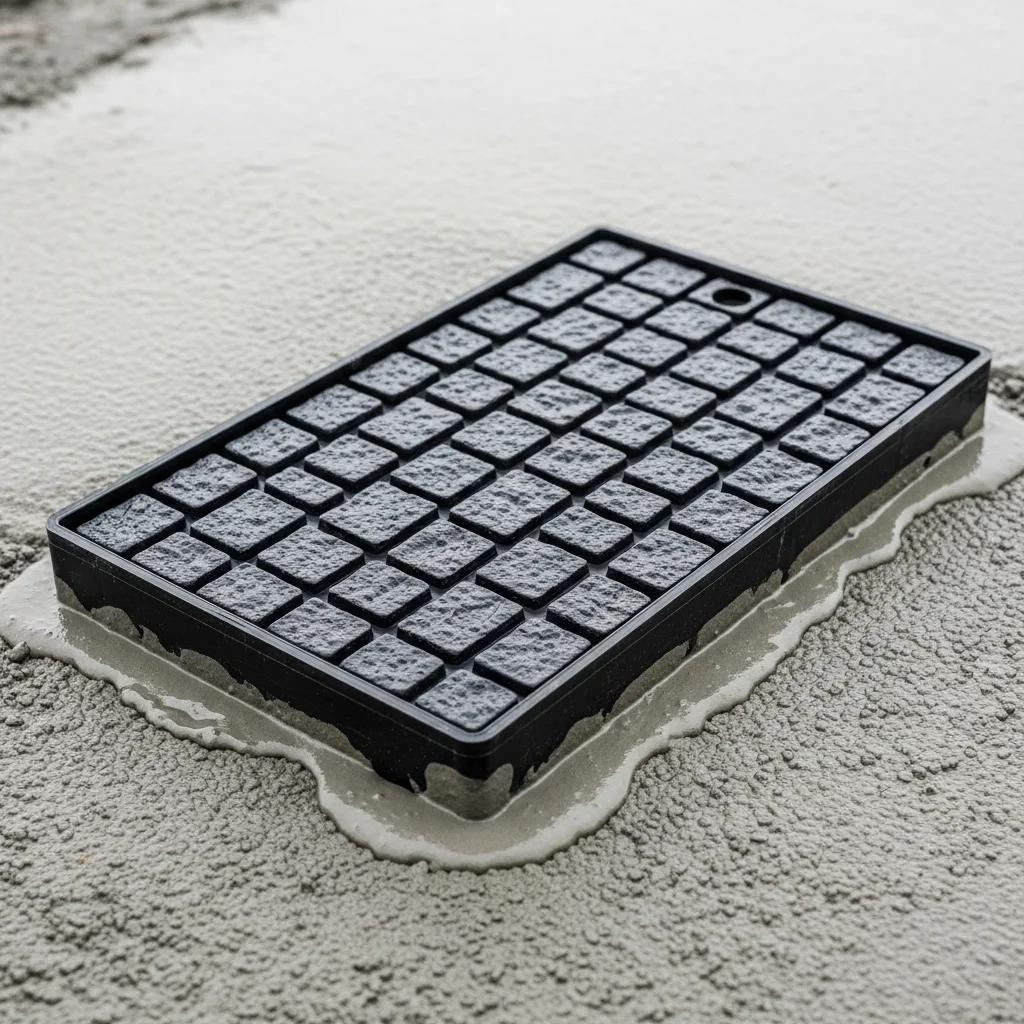
Plastic walk-maker molds allow you to create the appearance of expensive cobblestones using standard concrete mix. You simply lay the mold on the ground, fill it with concrete, smooth it over, and lift the mold. It is an efficient way to cover large areas with a professional pattern.
20. Install Sandstone Pavers in Intervals
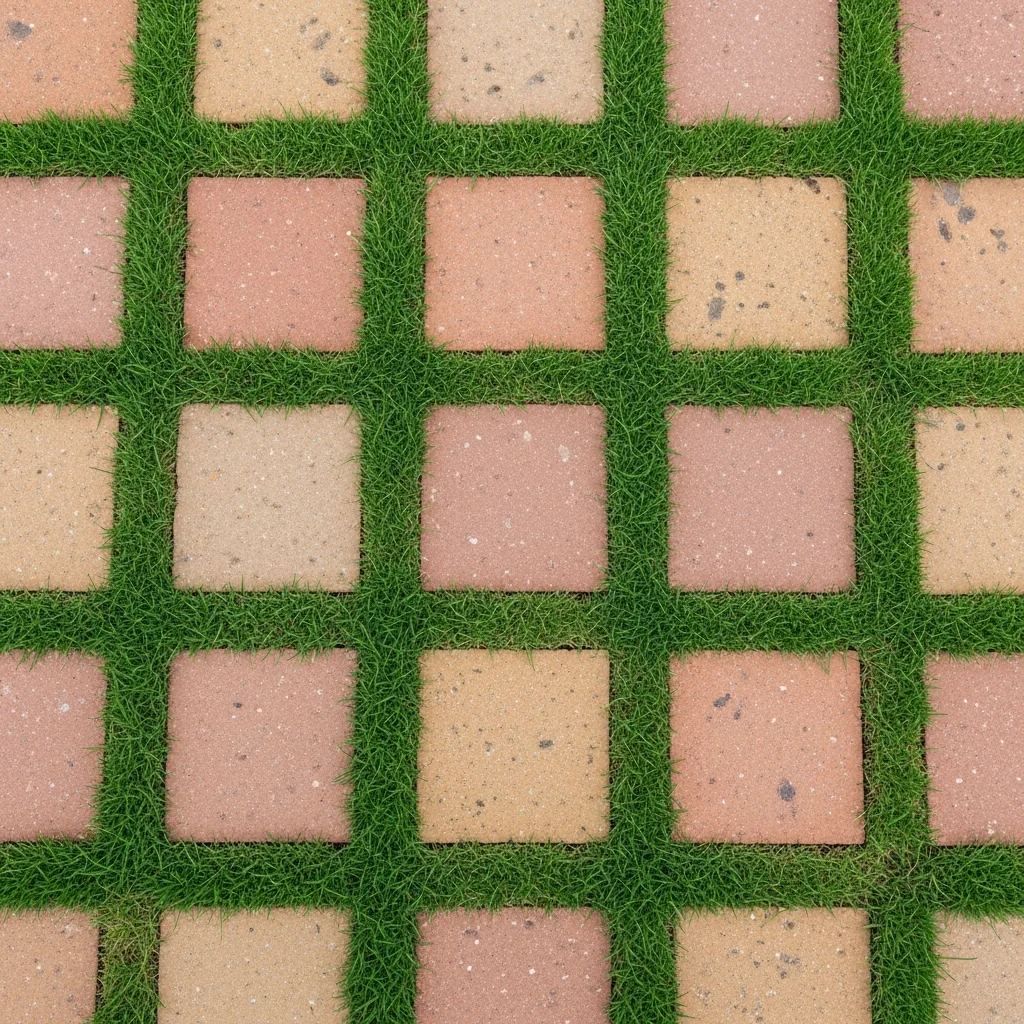
You do not need to pave the entire surface to make an impact. Placing sandstone pavers at specific intervals (about the length of a human stride) creates an elegant path. Fill the space between them with grass or fine gravel to save on material costs.
21. Layer Recycled Rubber Mulch
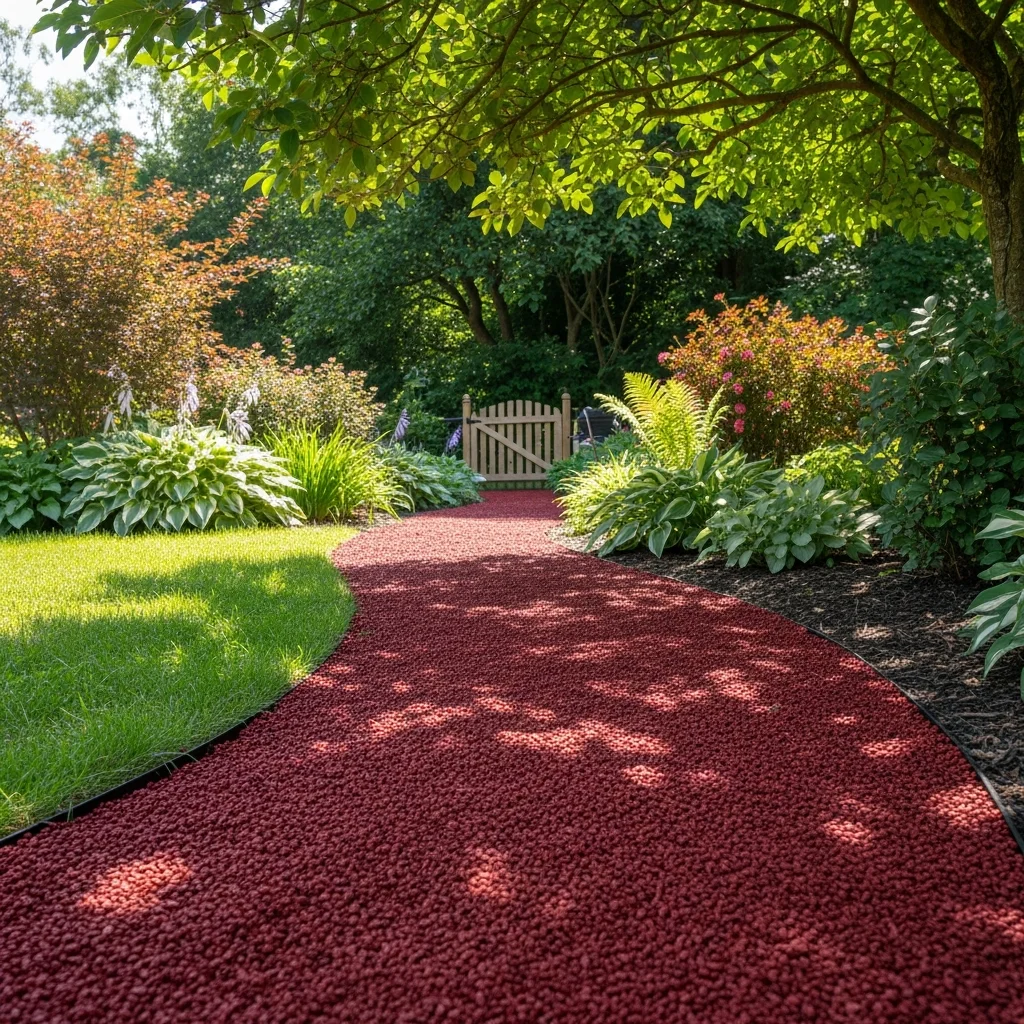
Rubber mulch made from recycled tires is a durable and eco-friendly option. It does not decompose like wood mulch and stays in place during heavy winds. It is available in various colors and provides a bouncy, safe surface for paths near play areas.
22. Paint Geometric Patterns

Give an old wooden or concrete path a modern upgrade with bold geometric shapes. Using painter’s tape and porch paint, you can create triangles, chevrons, or stripes. This high-contrast look is very trendy and works well for contemporary home designs.
23. Use Bark Dust for a Soft Finish
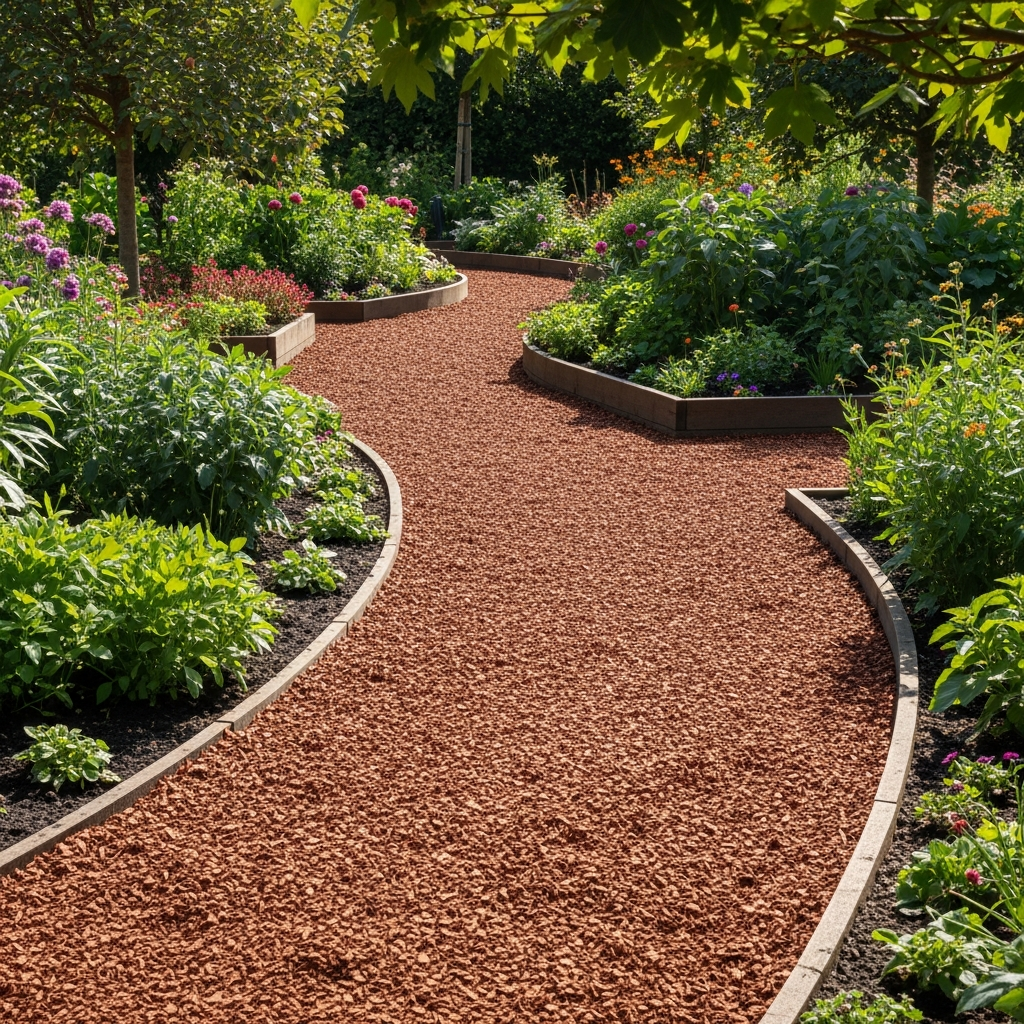
Bark dust is even finer than mulch and provides a very consistent, dark color that makes the green of your plants pop. It is very inexpensive and easy to spread with a rake. It is best used for secondary paths that see less frequent traffic.
24. Create a Lavender Border

Upgrade your path by focusing on the plants that line it. Planting lavender along the edges of a simple gravel walk adds color, height, and an incredible scent. As you walk by, your clothes will brush against the flowers, releasing the fragrance.
25. Add Rustic Rope Railings
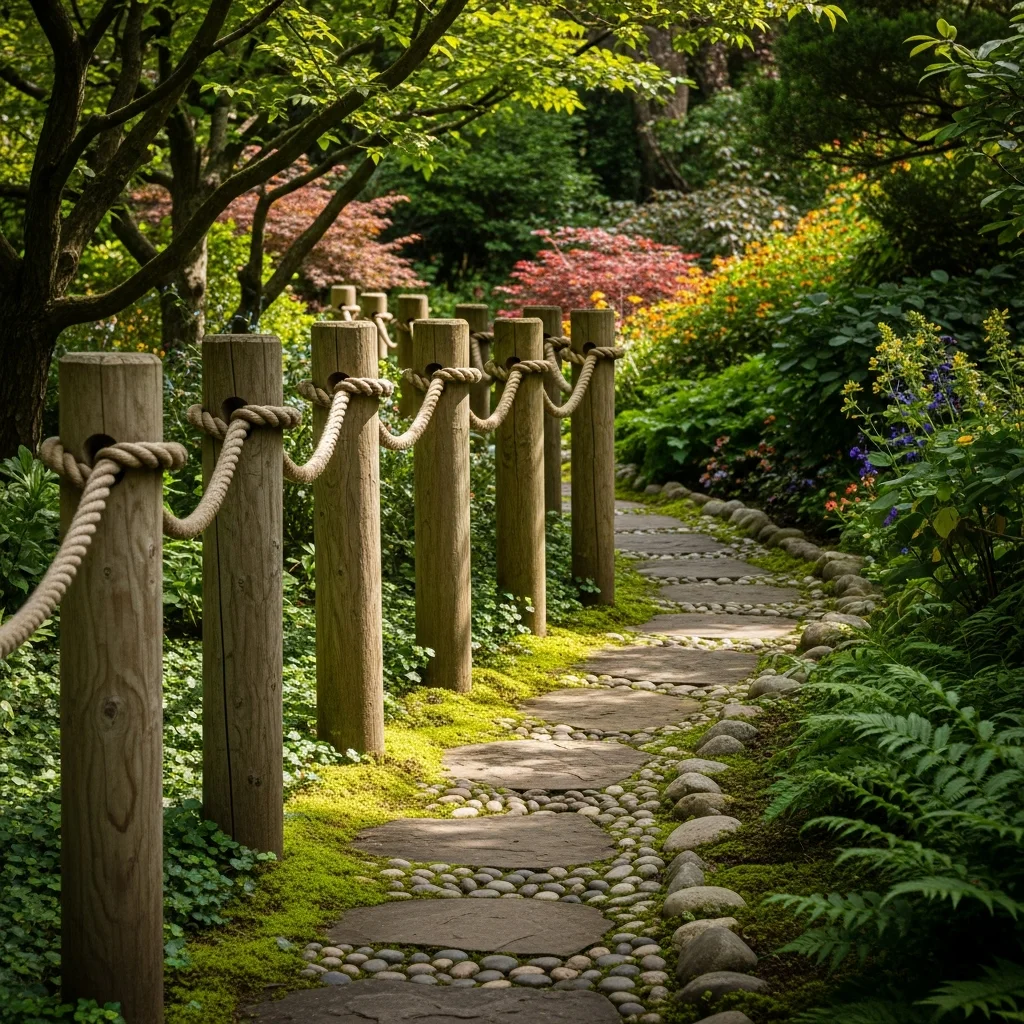
If your path has a slight incline, adding a rope railing using thick manila rope and wooden posts can provide a nautical or rustic charm. This is a very low-cost way to add a physical boundary and a sense of enclosure to your garden walkway.
Conclusion
Upgrading your garden path does not require a significant financial investment. By choosing affordable materials like gravel, mulch, or recycled wood, and incorporating DIY techniques like stenciling or solar lighting, you can create a beautiful and functional walkway. These twenty-five ideas prove that with a little creativity and effort, any yard can be transformed into an inviting and polished outdoor sanctuary.