
Creating a visually stunning flower garden is more than just a hobby; it is a way to express your personal style and enhance your property value. A well-designed landscape serves as a living canvas that changes with the seasons, offering a sensory experience that can turn your home into the highlight of the neighborhood. This guide explores twenty-five distinct garden designs that combine aesthetic principles with horticultural expertise to help you achieve professional results in your own backyard.
1. The Quintessential English Cottage Garden
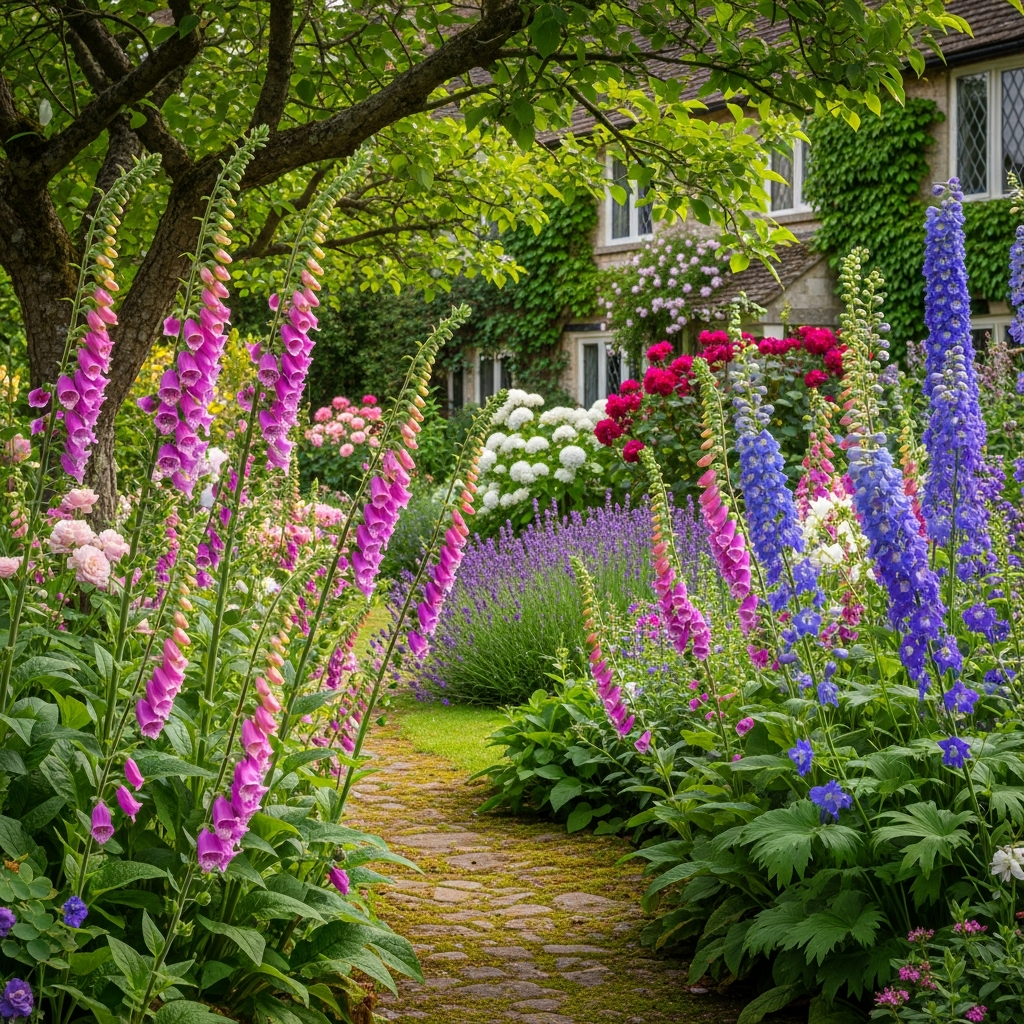
The cottage garden is defined by its charming, informal structure and a dense layering of plants. To achieve this look, focus on traditional favorites such as hollyhocks, foxgloves, and delphiniums. The goal is to create a sense of organized chaos where tall perennials spill over pathways. This design relies on high-density planting to crowd out weeds and provide a continuous bloom throughout the summer months.
2. Modern Minimalist Geometric Design
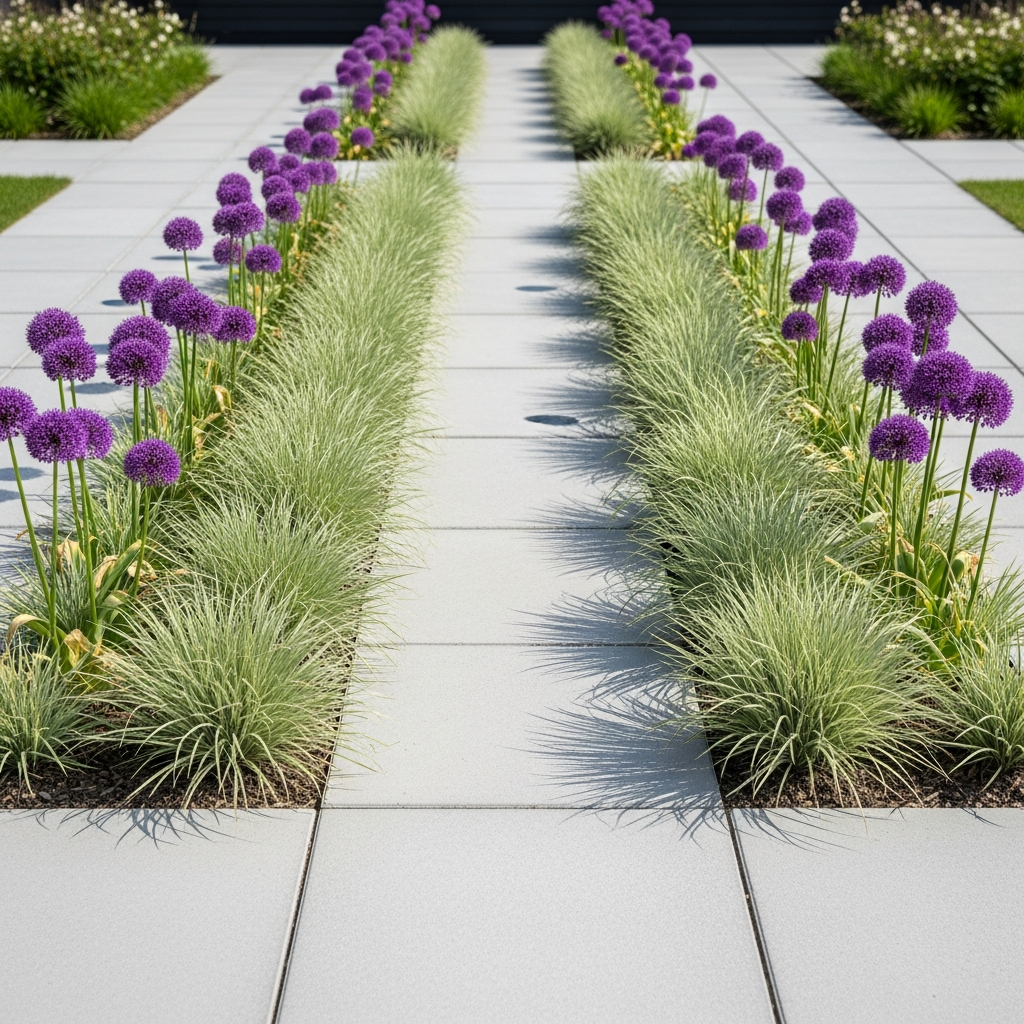
For a contemporary home, a minimalist garden offers clean lines and a sophisticated aesthetic. This design uses a limited color palette and focuses on architectural plants like ornamental grasses and structural alliums. Use hardscaping elements such as concrete pavers or slate to create sharp borders, ensuring that the plant choices emphasize form and texture rather than overwhelming color.
3. The Pollinator-Friendly Wildflower Meadow
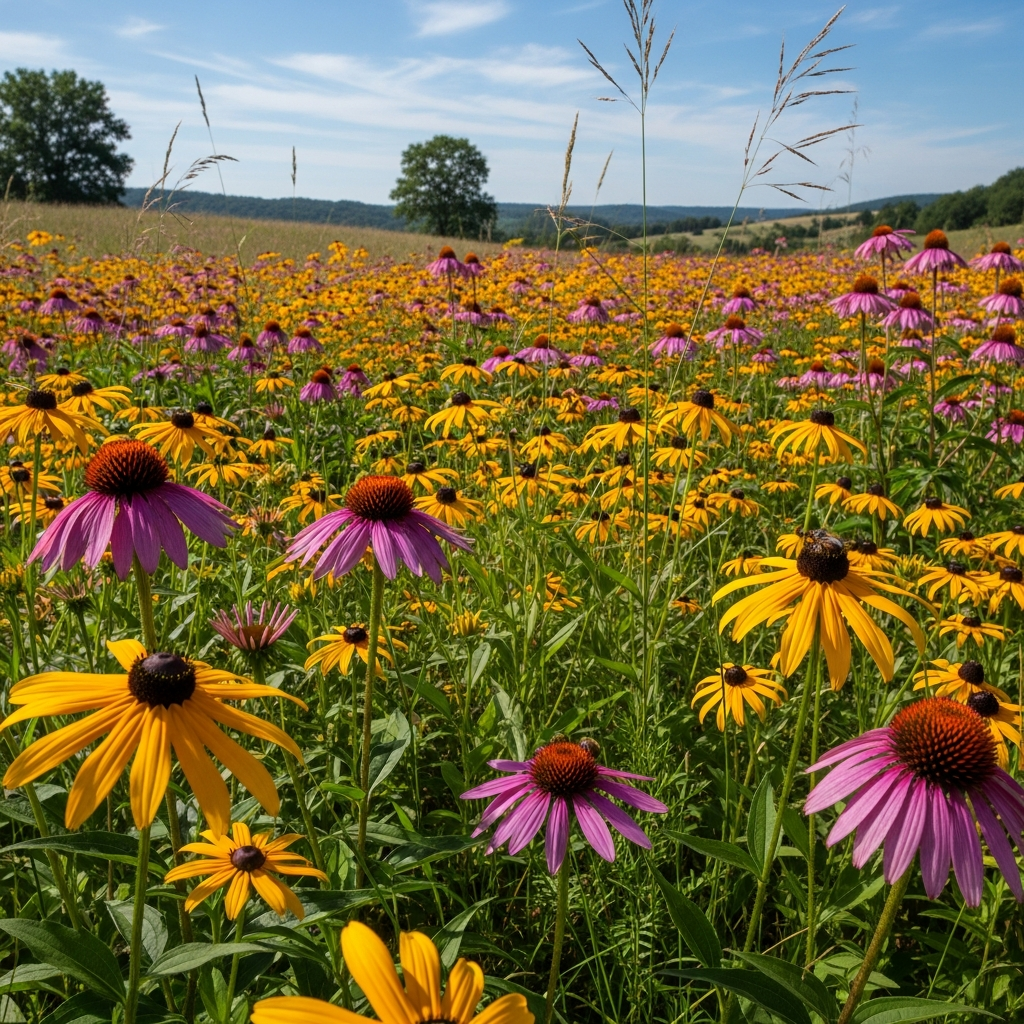
Transforming your lawn into a wildflower meadow is both eco-friendly and visually captivating. By choosing native species such as coneflowers, black-eyed Susans, and milkweed, you create a sanctuary for bees and butterflies. This design requires less water and maintenance than a traditional turf lawn while offering a vibrant, shifting tapestry of color that evolves from spring through autumn.
4. Formal French Parterre Garden
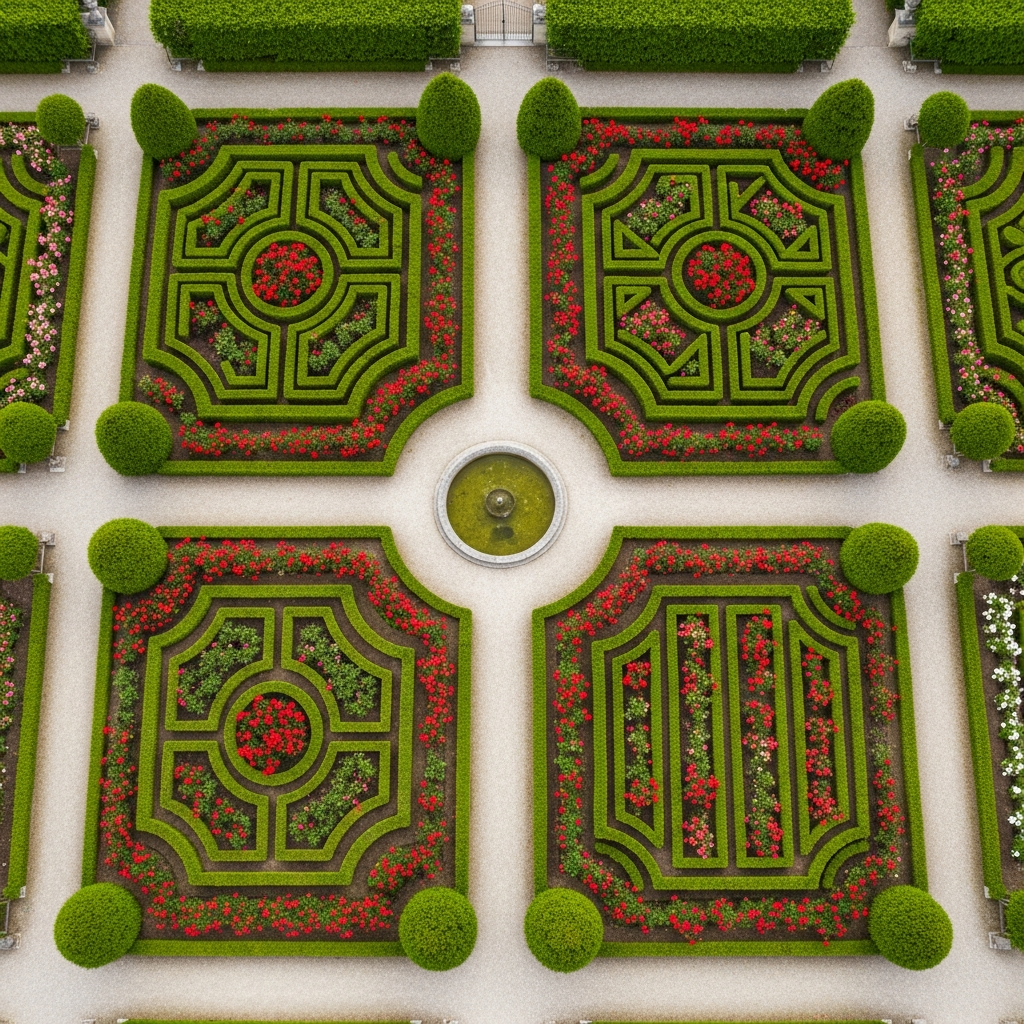
Inspired by the grounds of Versailles, the parterre garden utilizes low boxwood hedges to create intricate geometric patterns. Within these frames, you can plant colorful annuals or fragrant roses. This design demands precision and regular pruning but offers a timeless sense of luxury and order that will undoubtedly impress every passerby.
5. The Serene Japanese Zen Garden
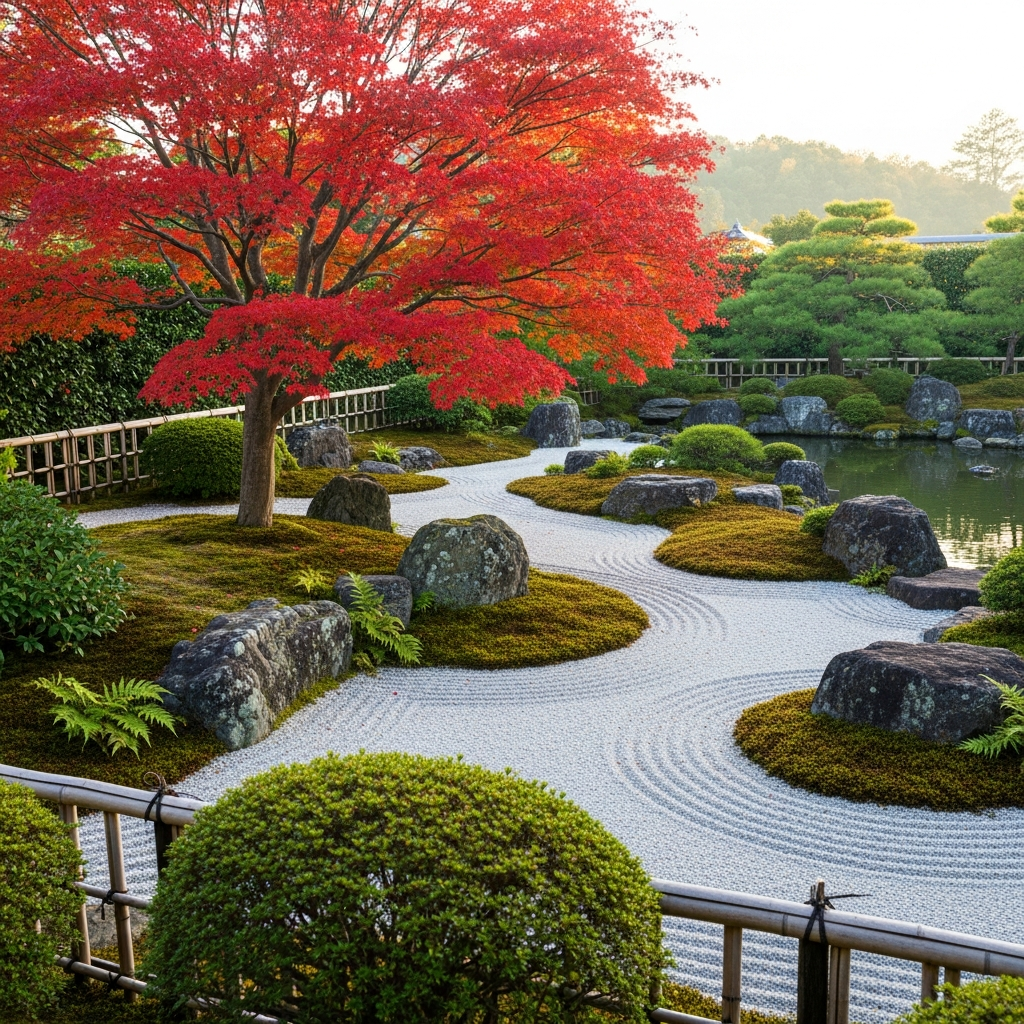
A Zen-inspired garden focuses on tranquility and balance. Incorporate elements like moss, azaleas, and Japanese maples alongside gravel or sand. Use carefully placed rocks to represent mountains and raked sand to mimic water. This minimalist approach provides a meditative space that stands out for its calm and structural beauty.
6. Monochromatic Moon Garden
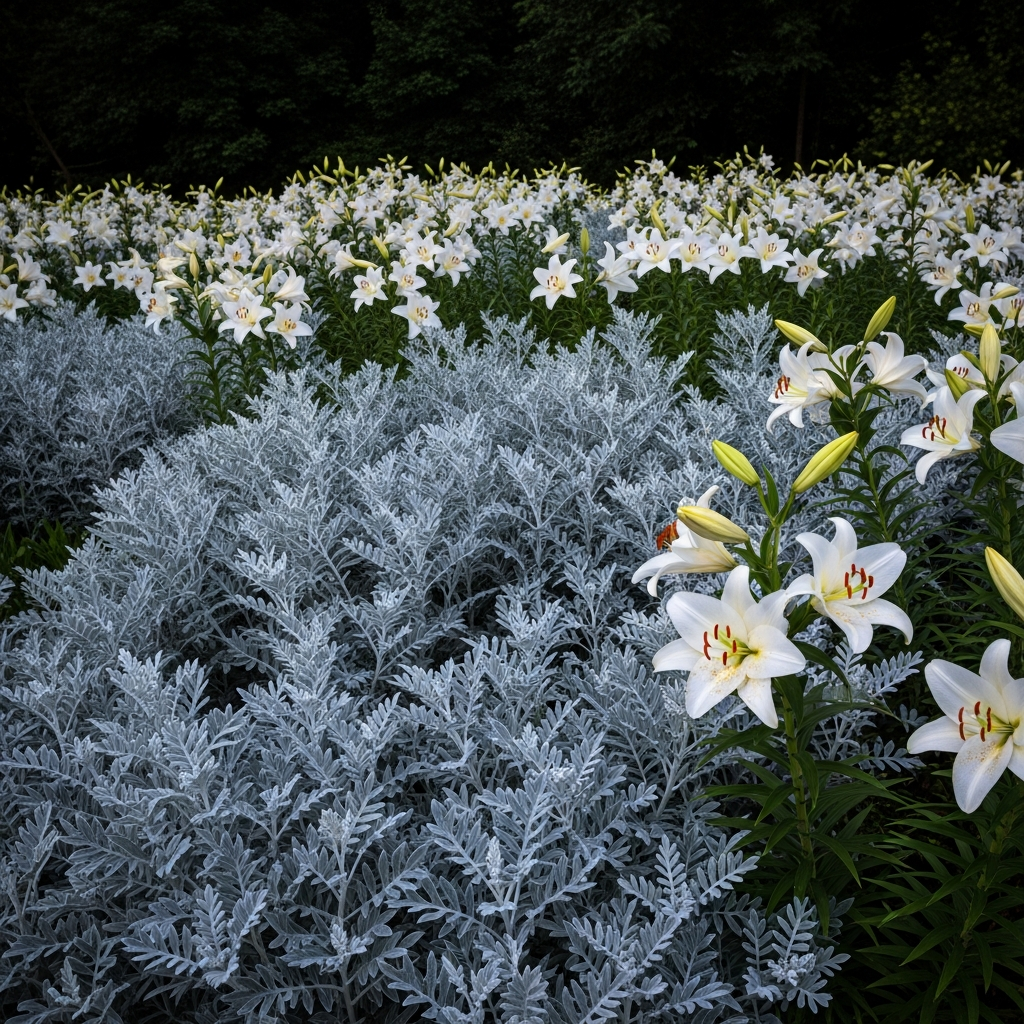
A moon garden is designed to be enjoyed at dusk and under moonlight. Use plants with white flowers or silver foliage, such as white lilies, jasmine, and dusty miller. These plants reflect the light of the moon, creating a glowing, ethereal atmosphere. Fragrant night-bloomers like moonflowers add an olfactory dimension to this sophisticated landscape.
7. Tropical Oasis in a Temperate Climate
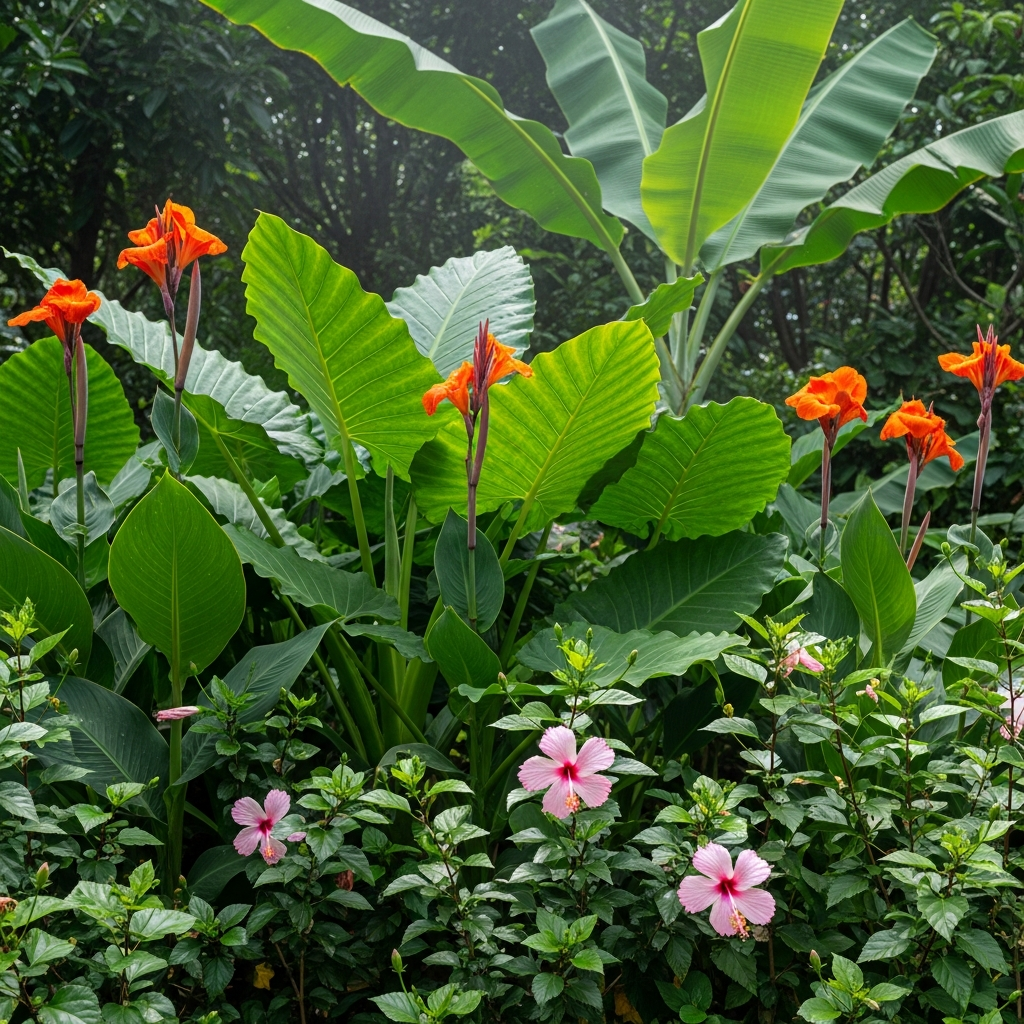
You can create a tropical feel regardless of your location by using large-leafed plants and bold colors. Use canna lilies, hibiscus, and hardy palms to establish a lush canopy. Vibrant oranges, reds, and deep purples mimic the intensity of the tropics. During colder months, many of these plants can be moved indoors or protected with mulch.
8. Structural Rock and Alpine Garden
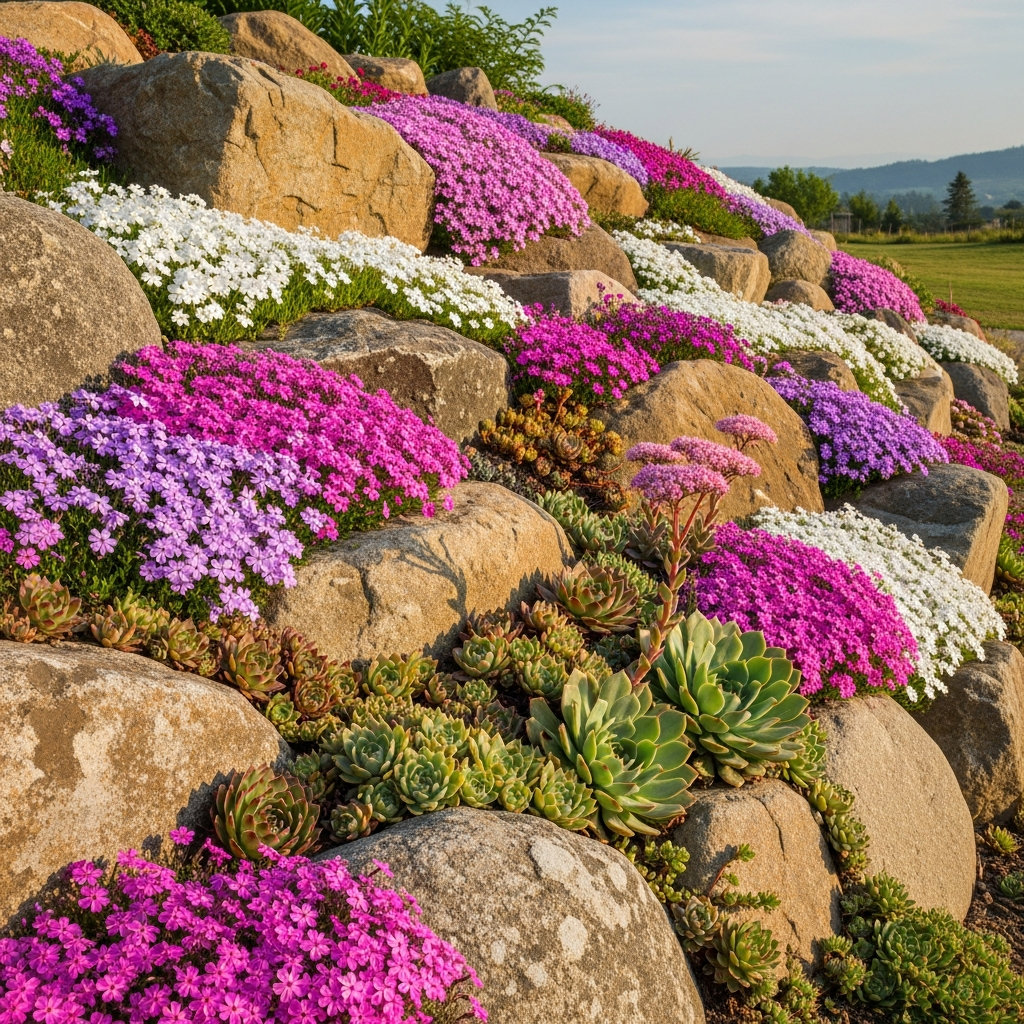
Ideal for sloped properties or areas with poor soil, a rock garden uses boulders and stones to create a naturalistic backdrop for hardy alpine plants. Species like creeping phlox, stonecrop, and sempervivum thrive in these conditions. The contrast between the hard, static stones and the delicate, low-growing flowers creates a ruggedly beautiful look.
9. Vertical Wall Garden and Living Tapestry
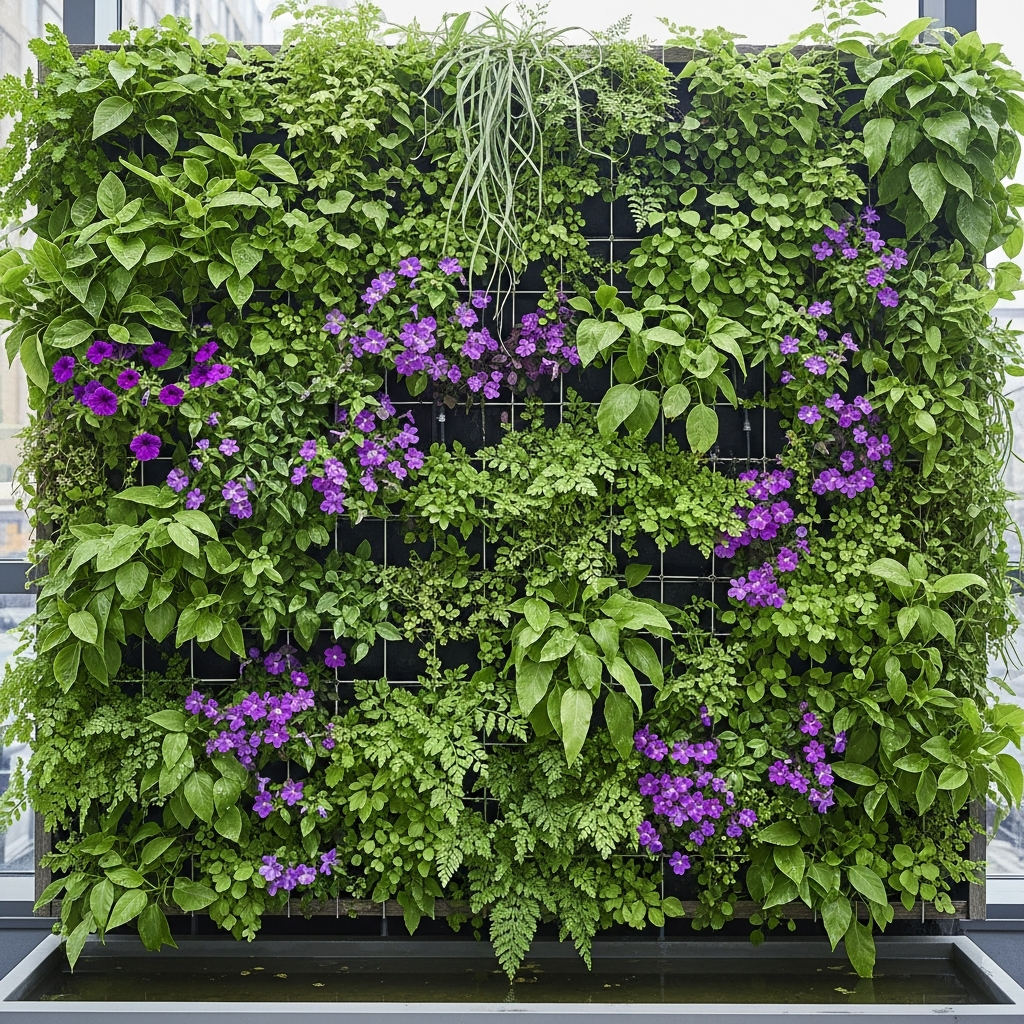
When ground space is limited, look upward. Vertical gardens utilize wall-mounted planters or trellises to create a living tapestry. Use a variety of trailing plants like lobelia and creeping jenny mixed with upright ferns. This design not only saves space but also acts as a natural insulator and a stunning focal point for patios and balconies.
10. The Symmetrical Entrance Border
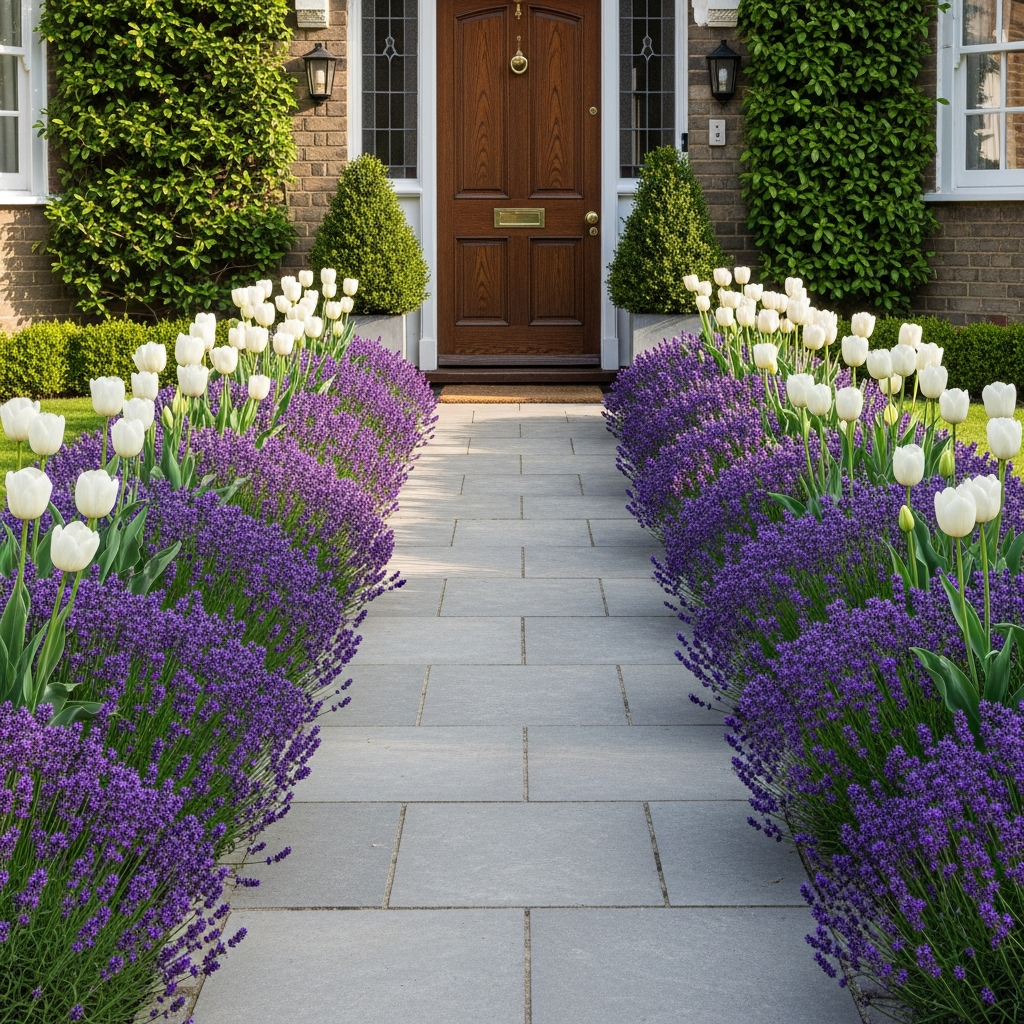
First impressions are vital. A symmetrical border flanking your front walkway creates an immediate sense of welcome and prestige. Use identical plantings on both sides, such as lavender hedges or rows of tulips and pansies. This balanced approach guides the eye toward the front door and frames the architecture of your home perfectly.
11. Drought-Tolerant Xeriscaping
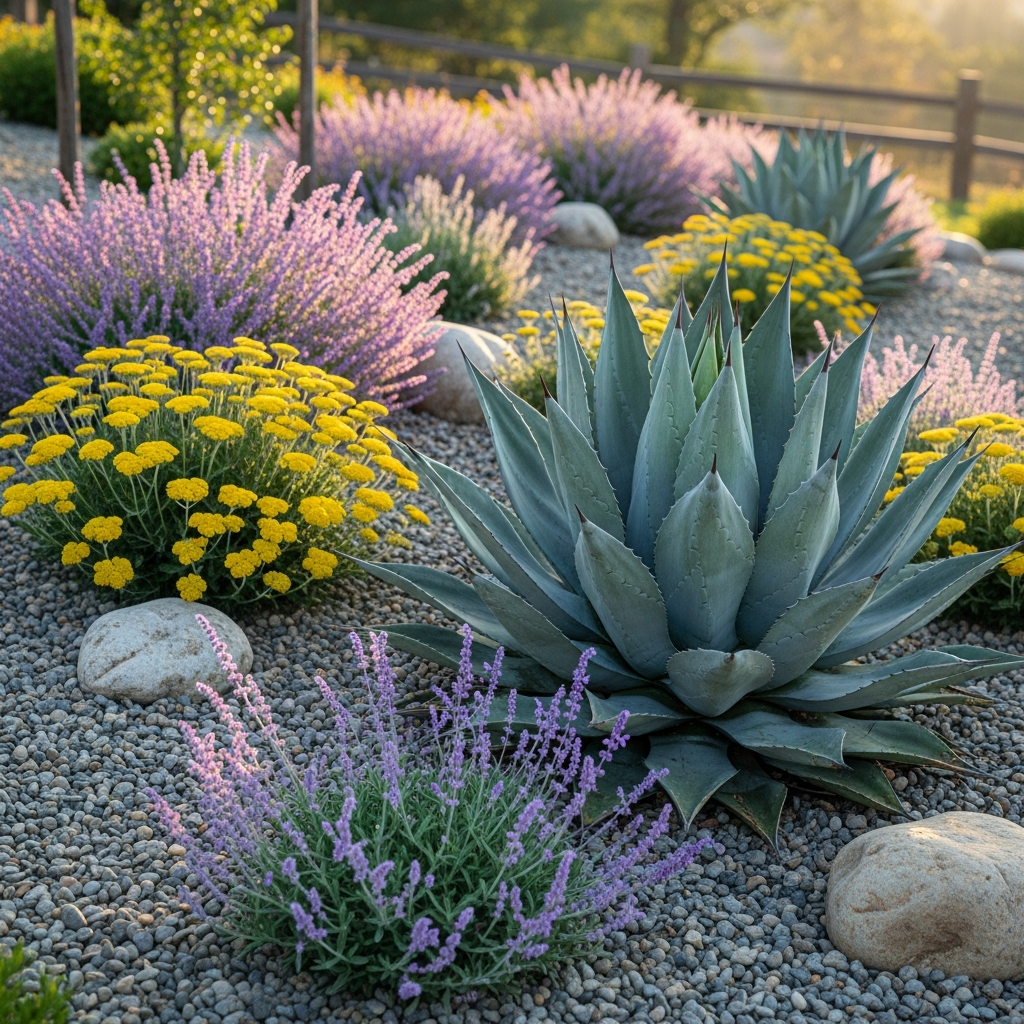
In arid regions, xeriscaping allows for a beautiful garden without high water consumption. Utilize succulents, agave, and drought-resistant perennials like Russian sage and yarrow. Incorporate gravel mulch and decorative stones to reduce evaporation. This design is sustainable, low-maintenance, and features unique textures that set it apart from traditional gardens.
12. Woodland Shade Garden Sanctuary
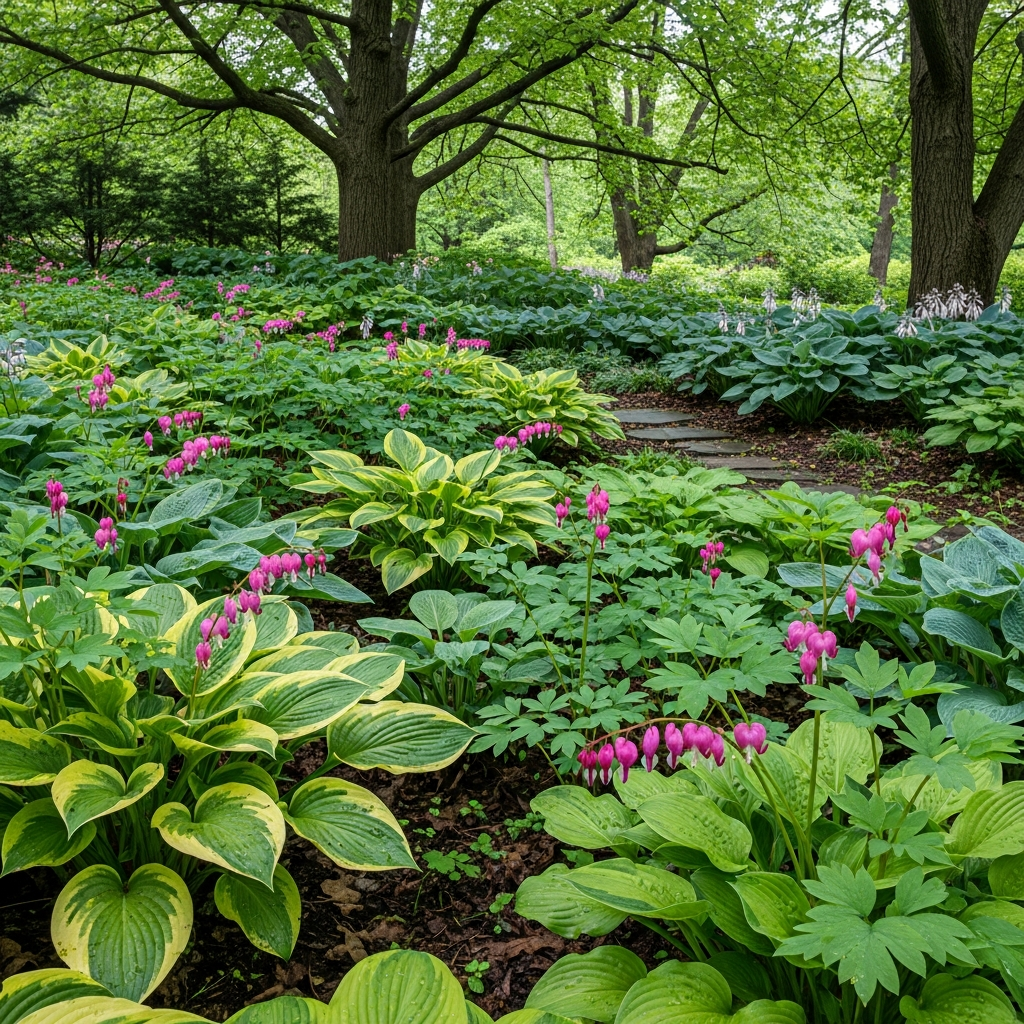
Areas under mature trees can be difficult to plant, but a woodland garden turns these shadows into an asset. Use shade-loving plants such as hostas, bleeding hearts, and astilbes. The varying shades of green, combined with the delicate textures of ferns, create a cool and quiet retreat that feels like a natural forest clearing.
13. The Fragrant Herb and Flower Mix
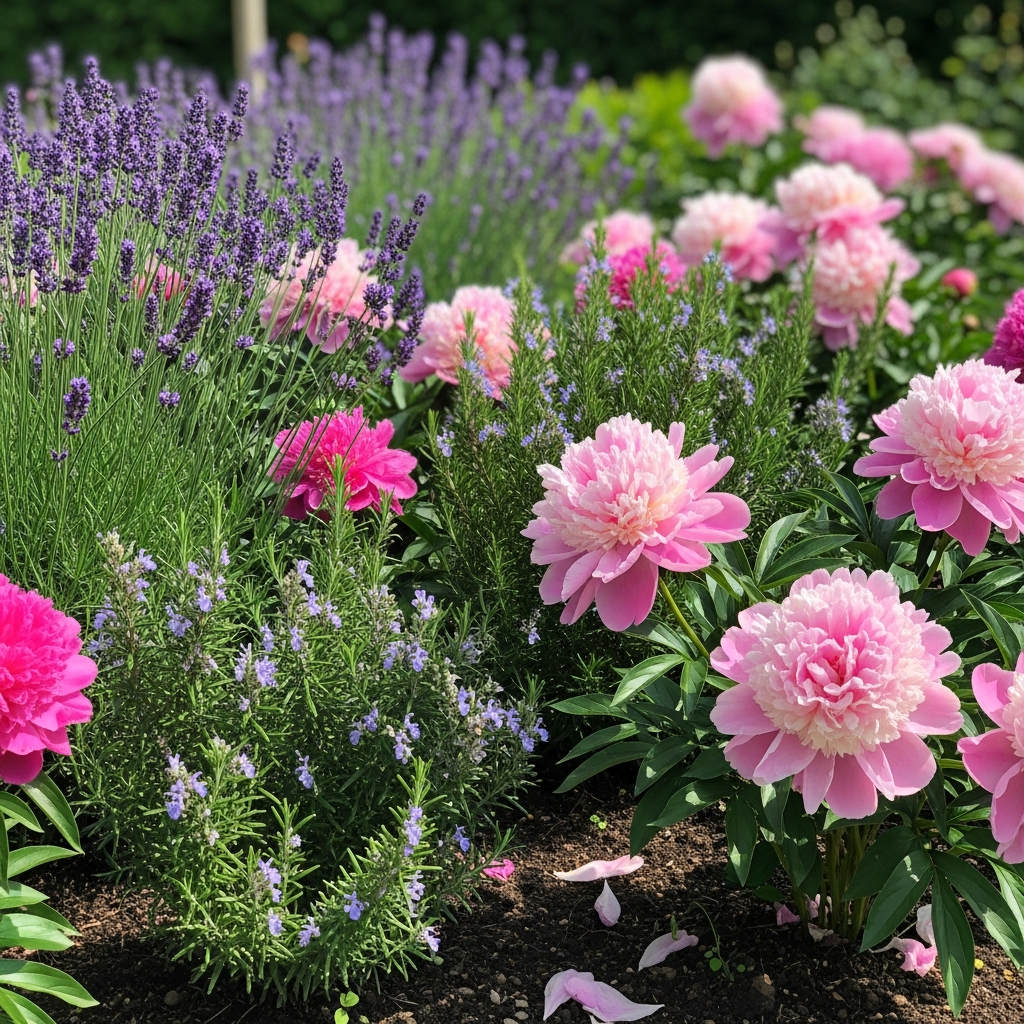
Combine utility with beauty by mixing aromatic herbs with ornamental flowers. Planting rosemary, thyme, and lavender alongside roses and peonies creates a garden that smells as good as it looks. Position these beds near windows or seating areas so you can enjoy the scents throughout the day and evening.
14. Coastal Breeze Garden
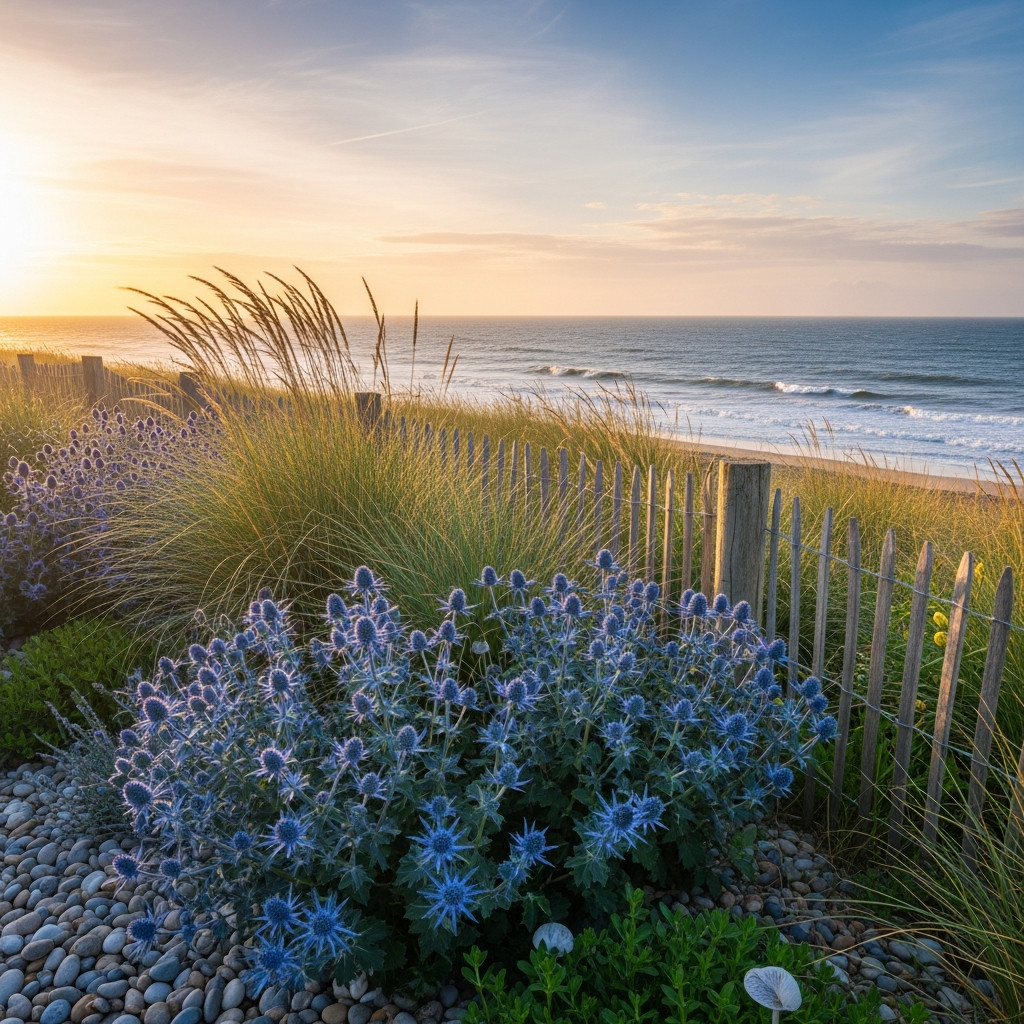
For those living near the ocean, a coastal garden must be resilient against salt and wind. Use sea holly, ornamental grasses, and rugosa roses. These plants are tough yet beautiful, and their movement in the wind adds a dynamic element to the landscape. Use weathered wood and sand-colored stones to complete the seaside aesthetic.
15. Romantic Rose Arbors and Trellises
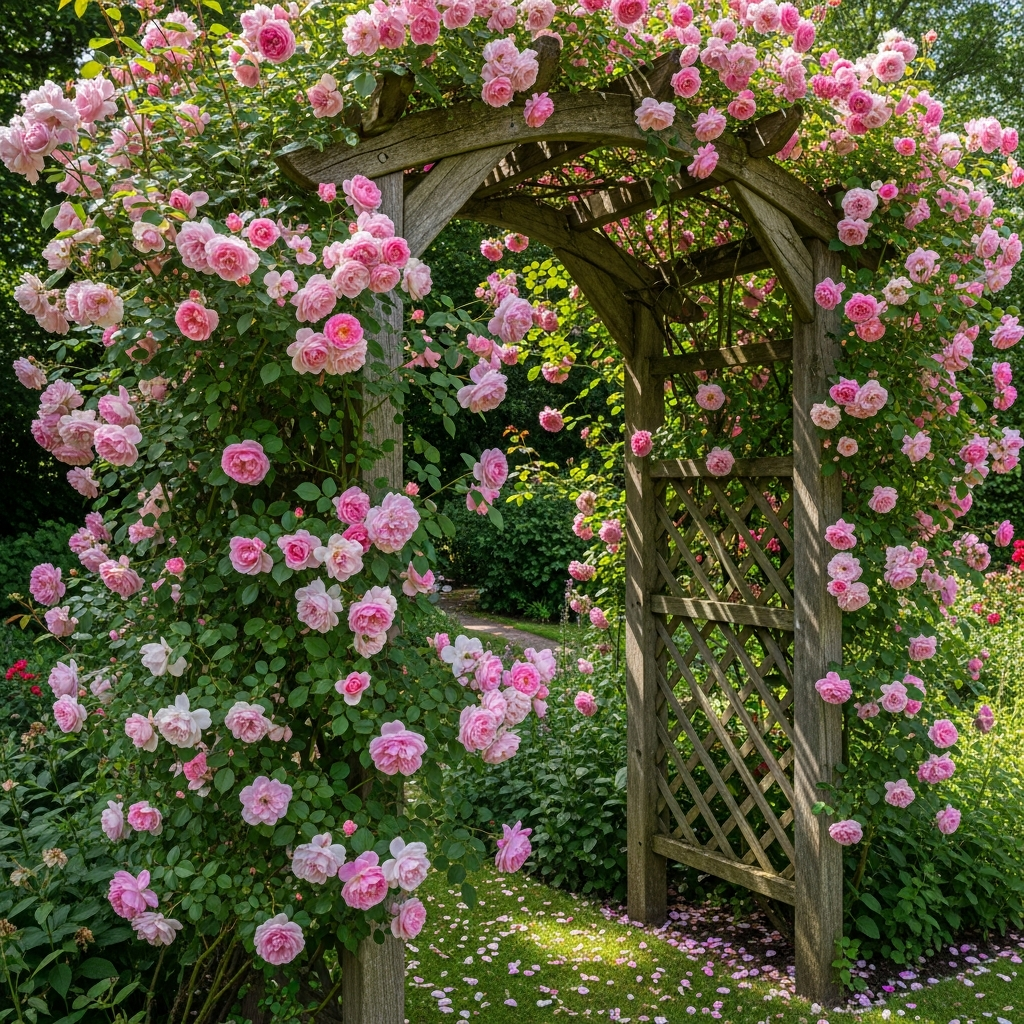
Nothing says classic elegance like a rose-covered arbor. Choose climbing varieties such as New Dawn or David Austin roses to scale vertical structures. This adds height to your garden and creates a romantic walkway or entrance. The combination of structural wood or iron and soft, fragrant blooms is a timeless design choice.
16. Sun-Drenched Mediterranean Courtyard
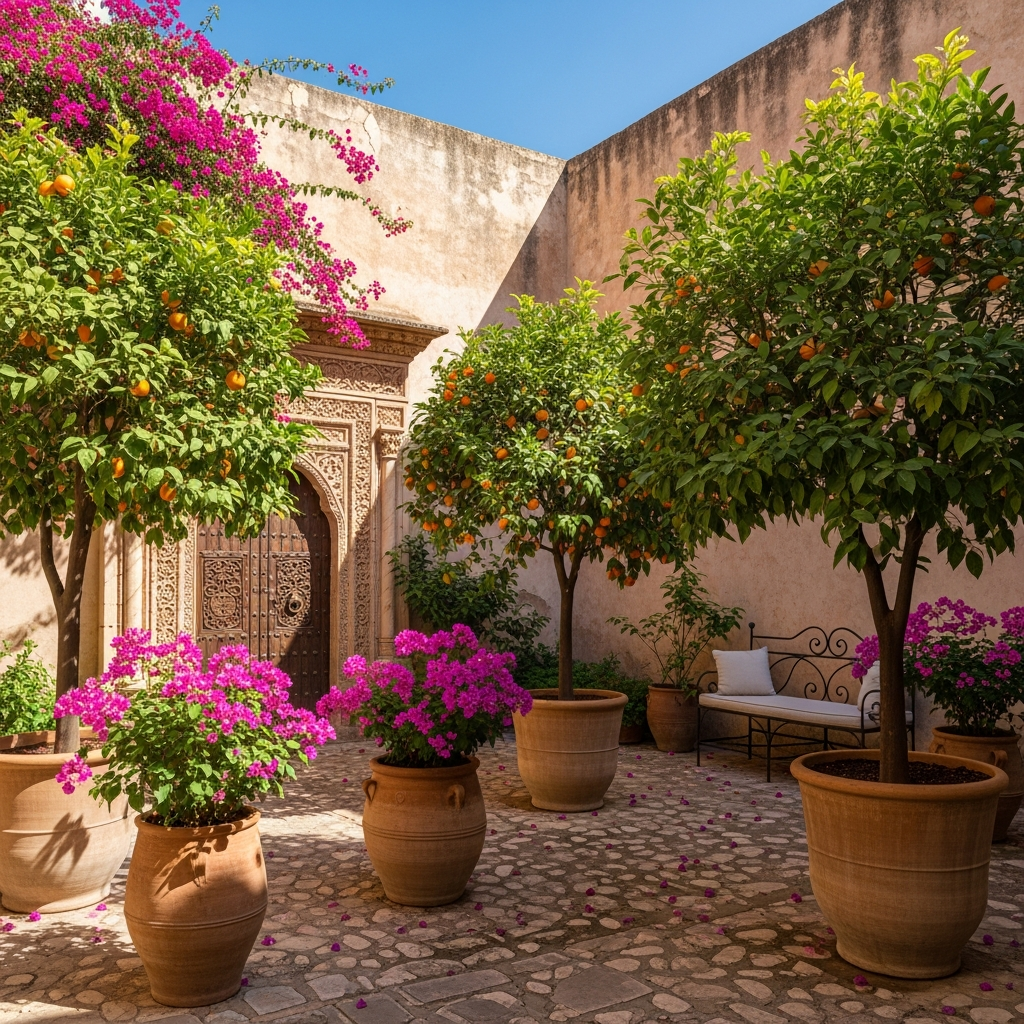
Replicate the warmth of Italy or Greece with terracotta pots, citrus trees, and bougainvillea. This design often features gravel paths and small fountains. Use vibrant, sun-loving plants that thrive in heat. The key is to create an enclosed, intimate space that feels like a private escape from the outside world.
17. The Cutting Garden for Home Bouquets
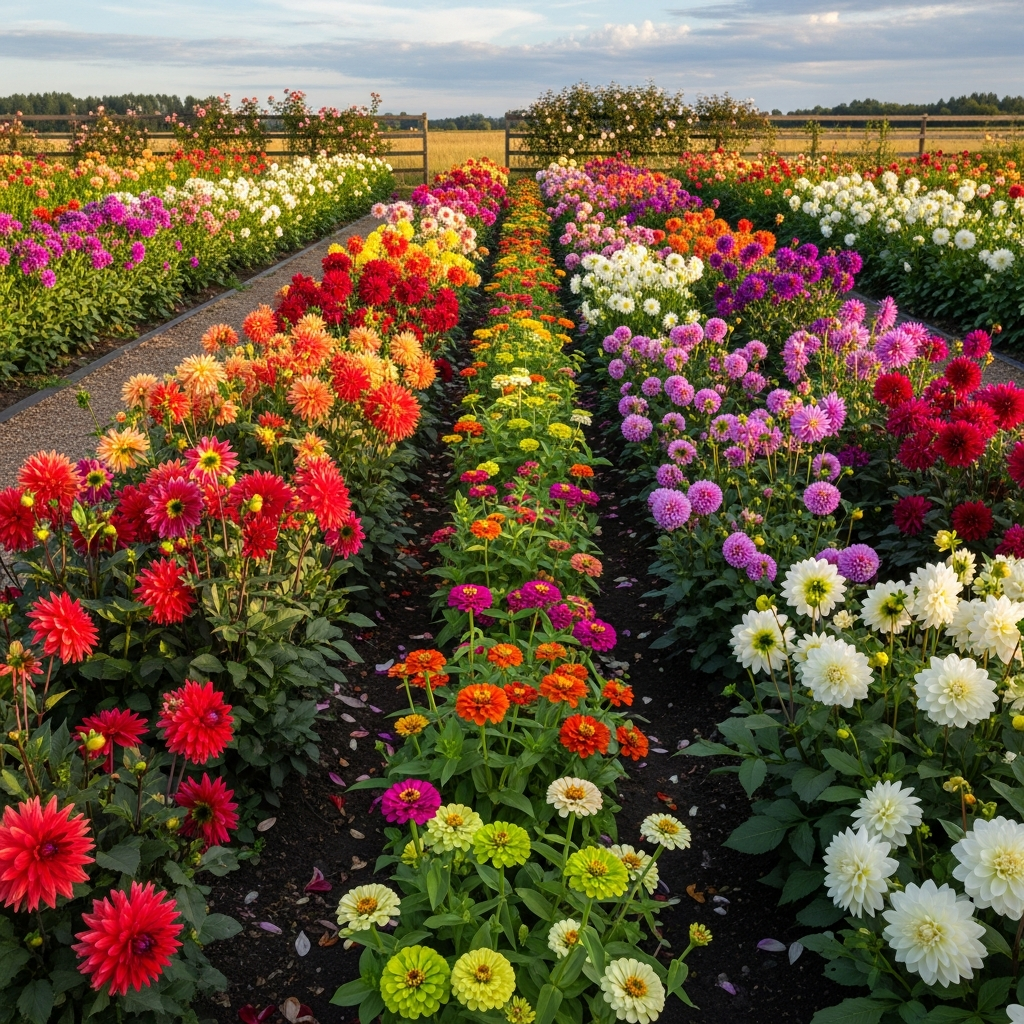
A cutting garden is designed for productivity as much as beauty. Plant flowers specifically for their vase life, such as zinnias, dahlias, and snapdragons. Organize them in rows for easy harvesting. This ensures your home is always filled with fresh arrangements while maintaining a vibrant, productive patch in your yard.
18. Tiered Retaining Wall Garden
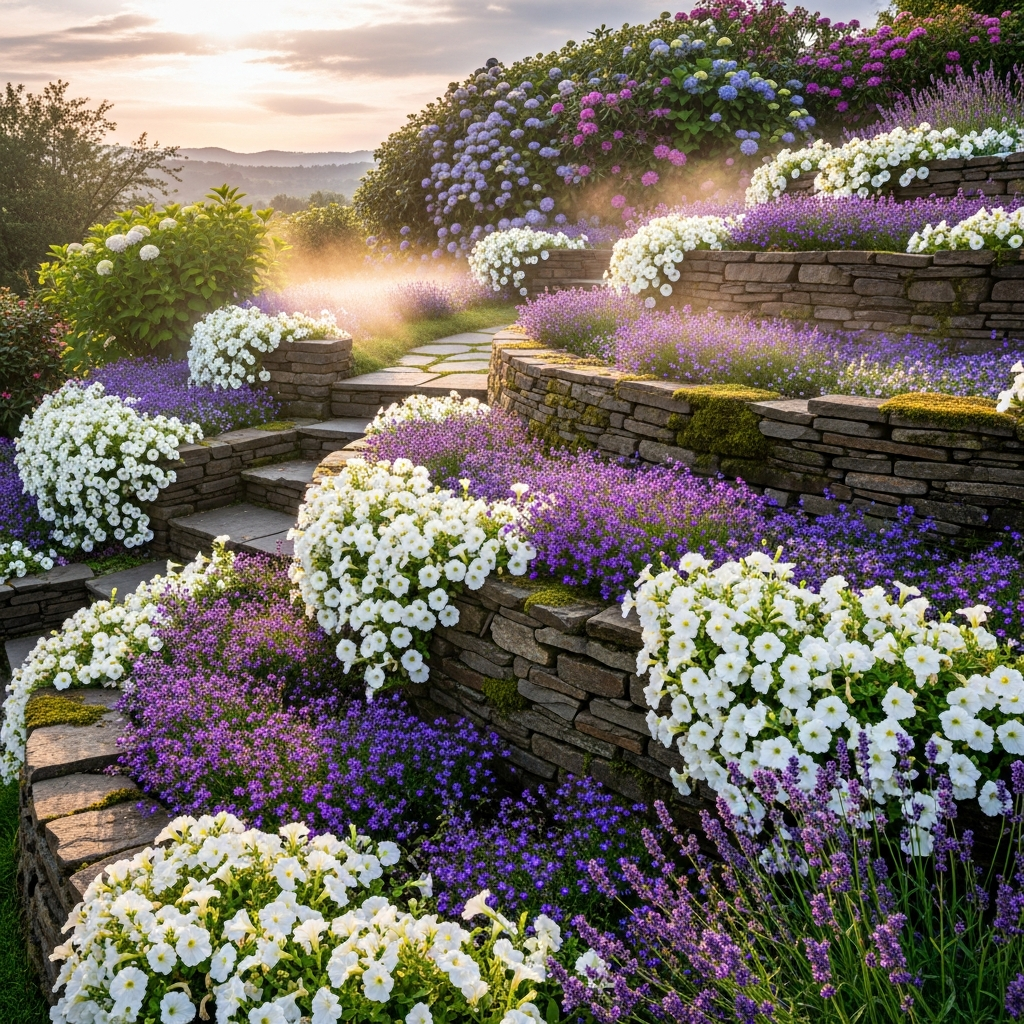
If your yard has a steep slope, tiered retaining walls create flat planting spaces that are visually striking. Use stone or timber to build the levels, then fill them with cascading plants like creeping rosemary or alyssum. This turns a difficult landscape challenge into a grand architectural feature that adds depth and dimension.
19. Butterfly Buffet Border
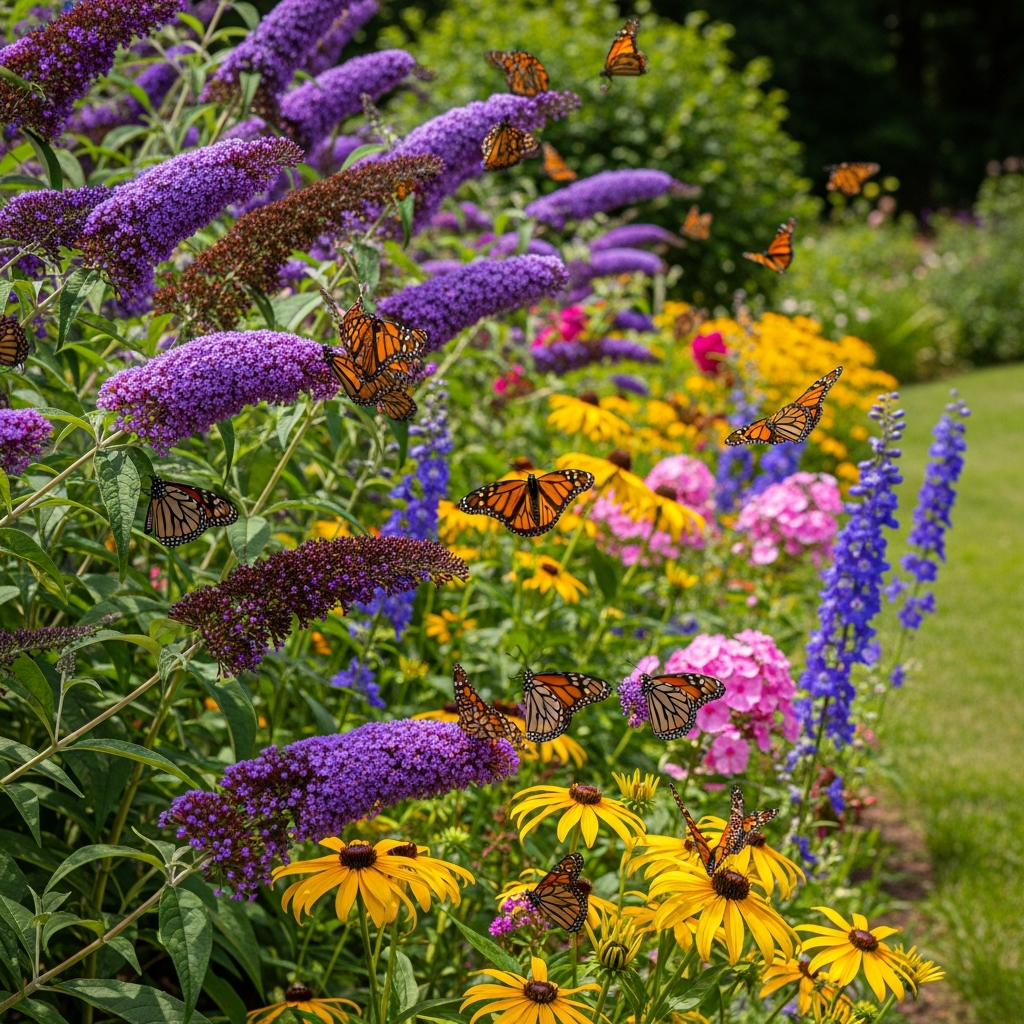
Design a garden specifically to attract and nourish butterflies. Use a mix of nectar-rich flowers like buddleia (butterfly bush), zinnias, and marigolds. Ensure there are flat stones for butterflies to bask in the sun and a shallow water source. This design brings life and movement to your garden in a way that static plants cannot.
20. Edible Flower and Vegetable Patch
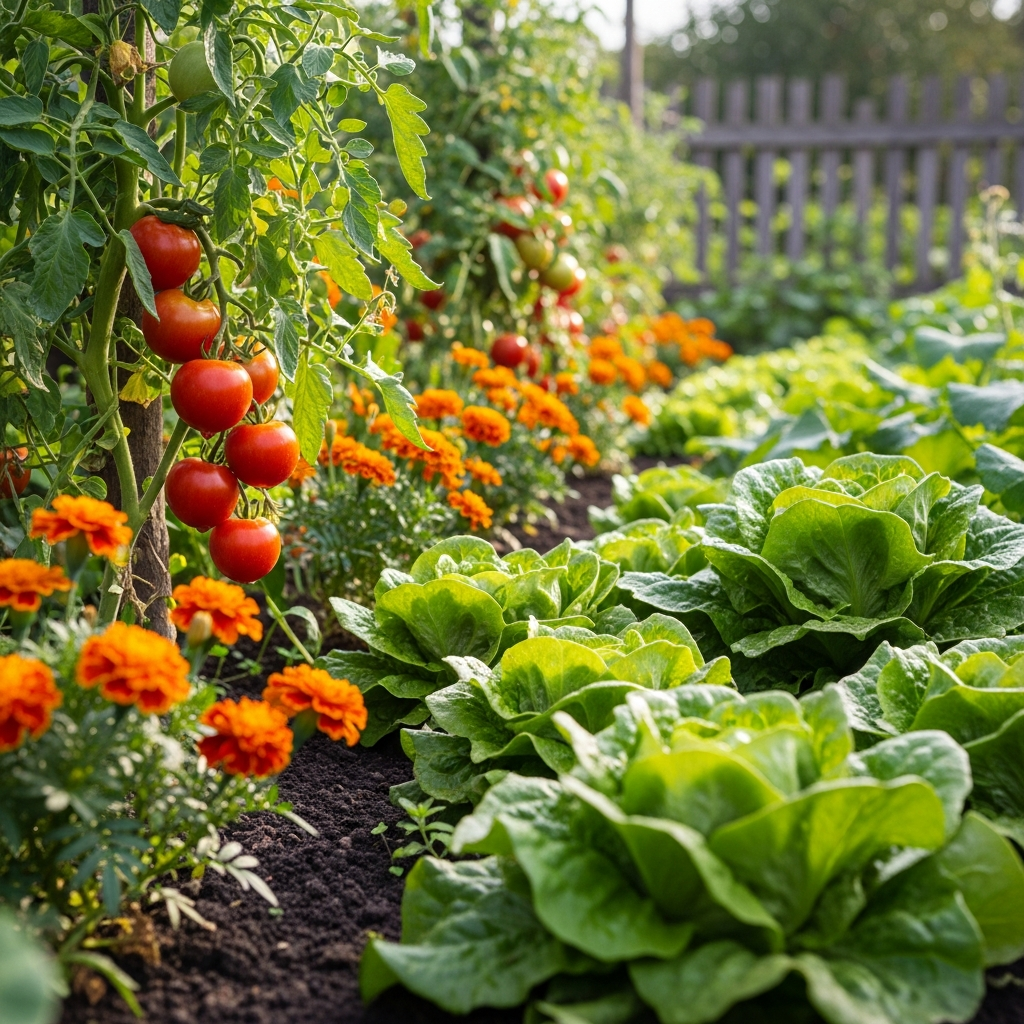
Interspersing flowers with vegetables is a practice known as companion planting. Marigolds and nasturtiums not only add color but also deter pests from your tomatoes and lettuce. This design creates a functional, edible landscape that looks just as beautiful as a purely ornamental garden.
21. Modern Grass and Perennial Matrix
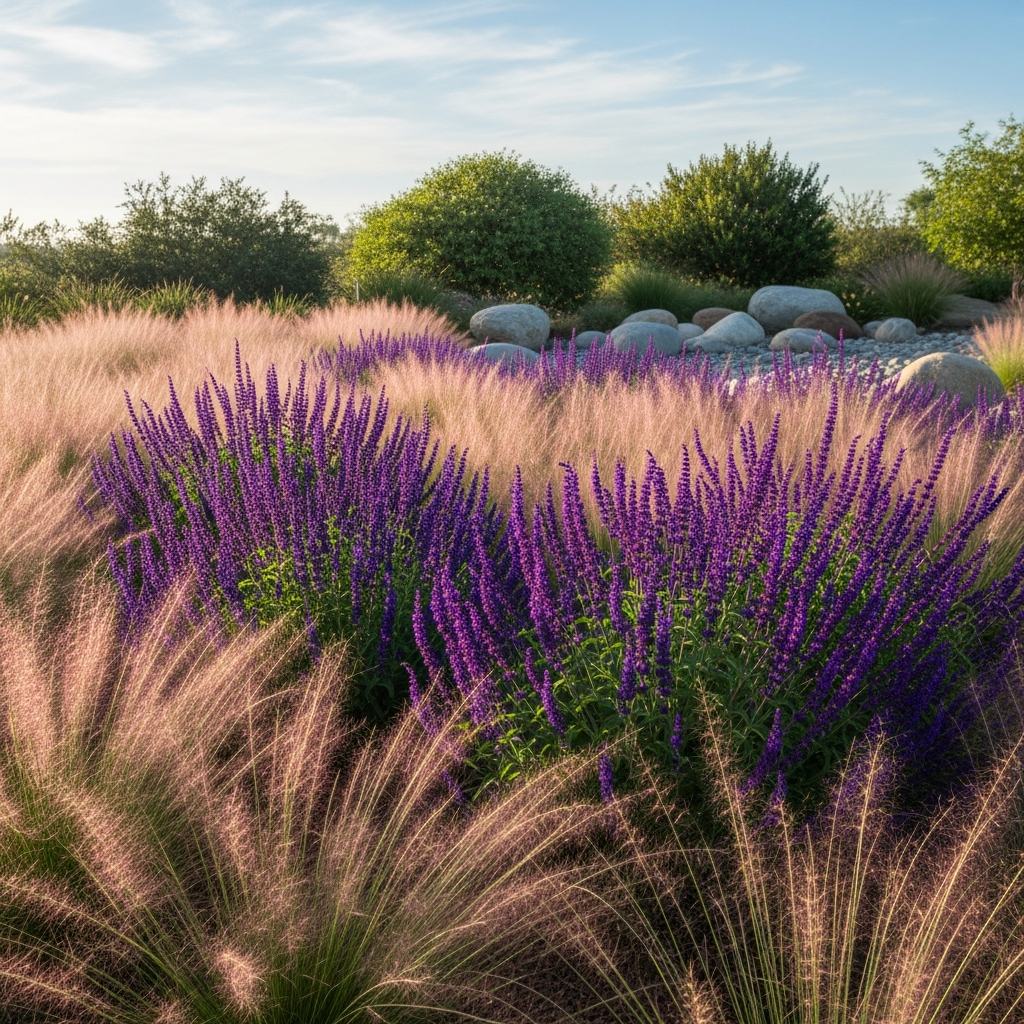
The matrix planting style involves using a base layer of ornamental grasses with perennials popping through. This mimics a natural meadow but with more control. It provides year-round interest, as the grasses look beautiful even in winter. It is a highly sustainable and low-maintenance option for large open spaces.
22. Bold Color Block Garden
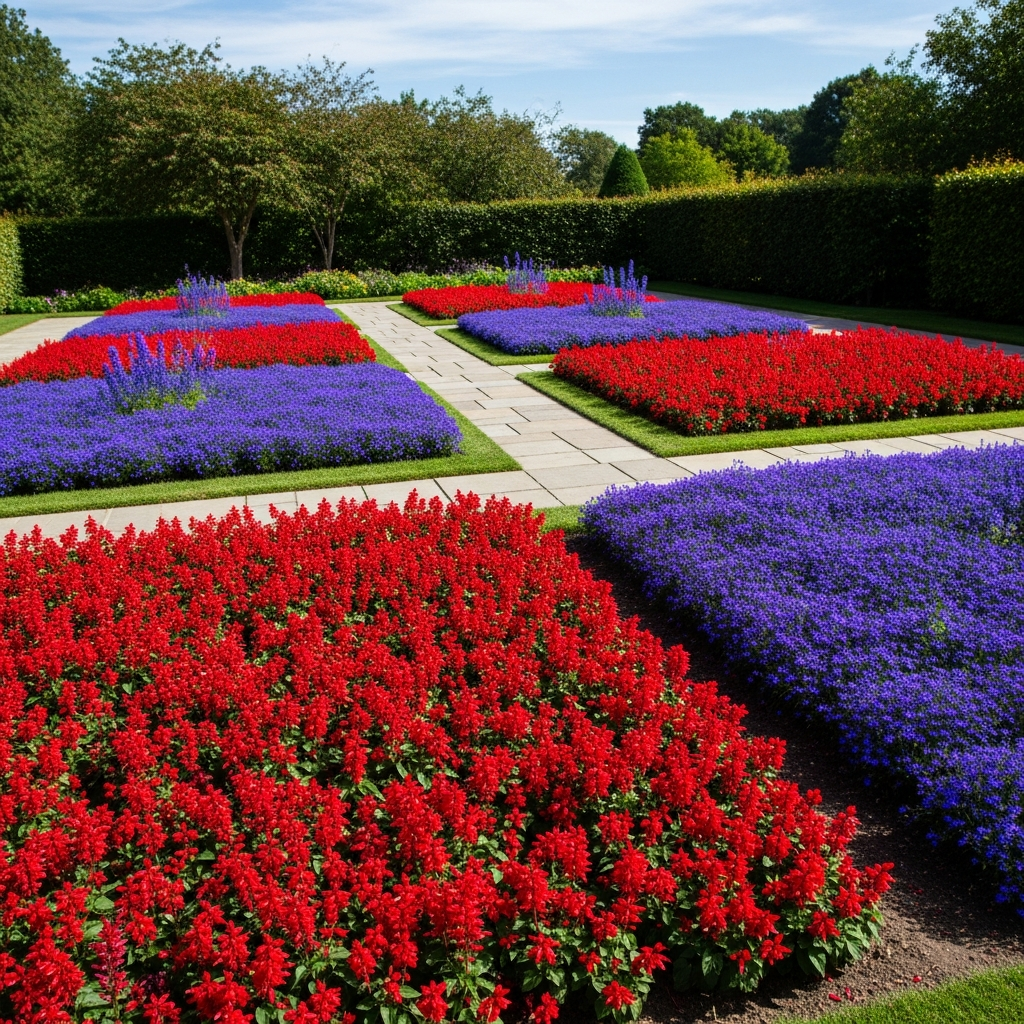
Instead of mixing colors, dedicate specific sections of your garden to a single hue. A block of fiery red tulips next to a block of deep blue hyacinths creates a powerful visual impact. This high-contrast approach is daring and artistic, making your garden look like a professional installation.
23. Victorian Carpet Bedding
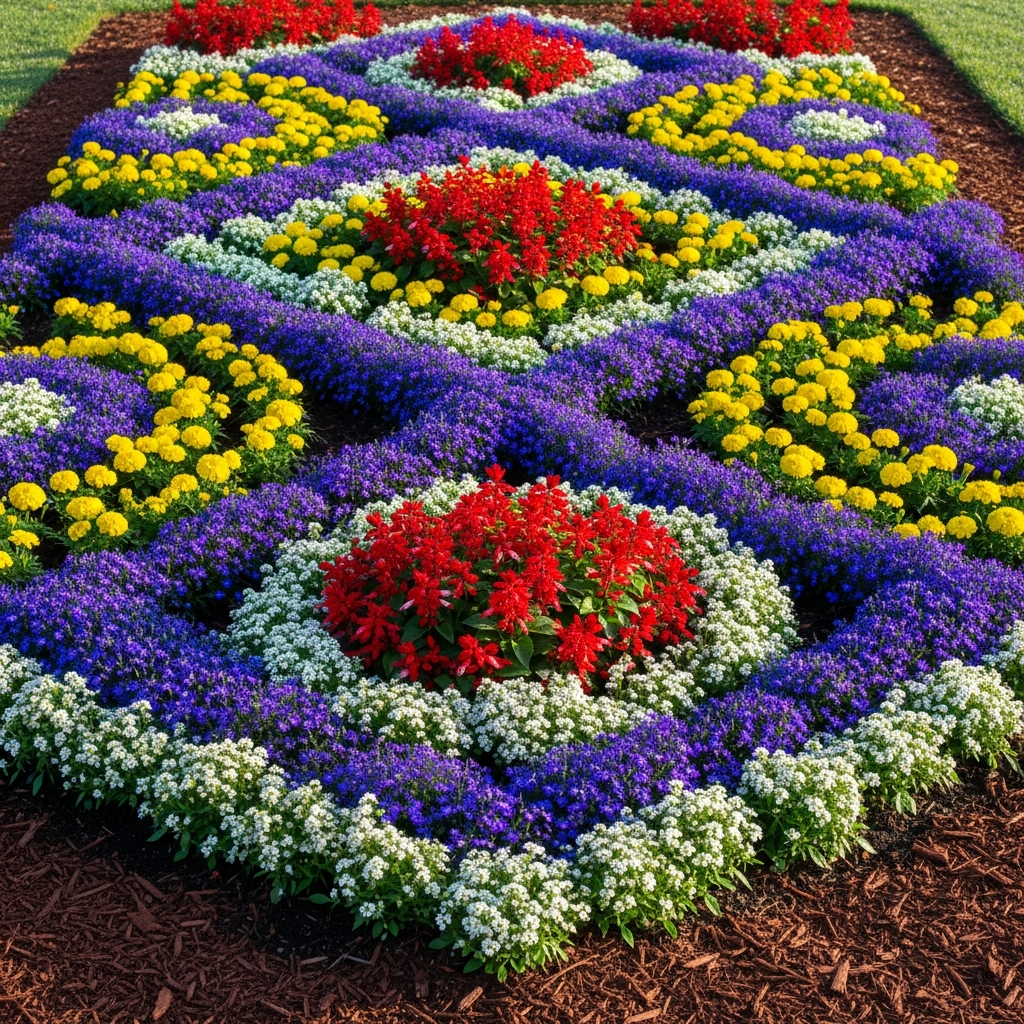
Carpet bedding involves using low-growing, colorful annuals planted tightly together to create a flat, rug-like pattern. This requires meticulous planning and maintenance but results in a highly formal and impressive display often seen in public parks. It is a great way to showcase intricate designs and logos.
24. The Secret Garden Nook
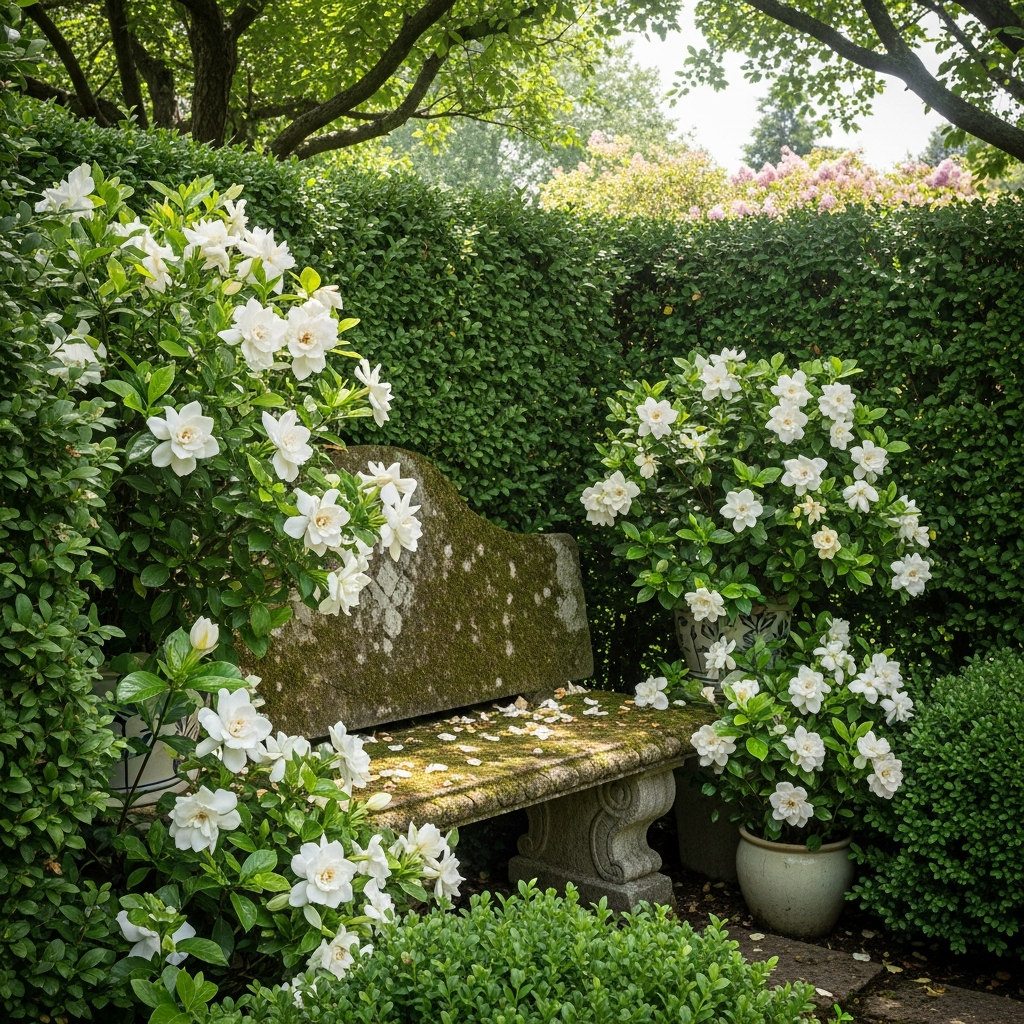
Create a sense of mystery by tucking a small seating area behind tall shrubs or a trellis. Surround this hidden space with highly fragrant flowers like lilies or gardenias. This design provides a private sanctuary within your yard, offering a place for quiet reflection surrounded by nature.
25. Seasonal Bulb Succession Garden
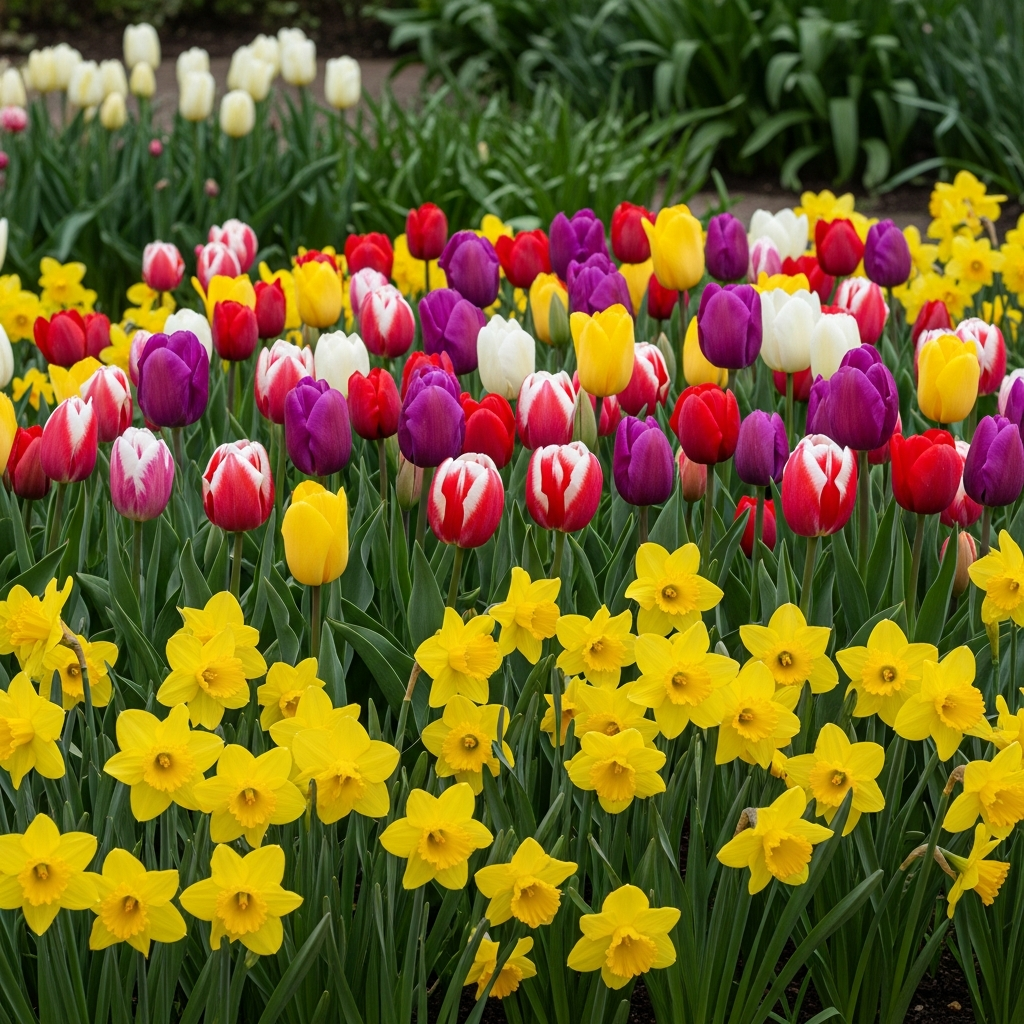
Plan for a garden that never stops blooming by layering bulbs that flower at different times. Start with snowdrops and crocus in late winter, followed by daffodils and tulips in spring, and lilies in summer. By planting bulbs at different depths, you can ensure a continuous cycle of color in the same footprint.
Conclusion
Whether you prefer the structured elegance of a French parterre or the wild beauty of a pollinator meadow, these twenty-five designs provide a foundation for creating a garden that stands out. By considering factors like light, soil, and local climate, you can choose a design that not only makes your neighbors jealous but also provides you with a personal sanctuary for years to come. Start small, plan carefully, and watch your outdoor space transform into a masterpiece.