
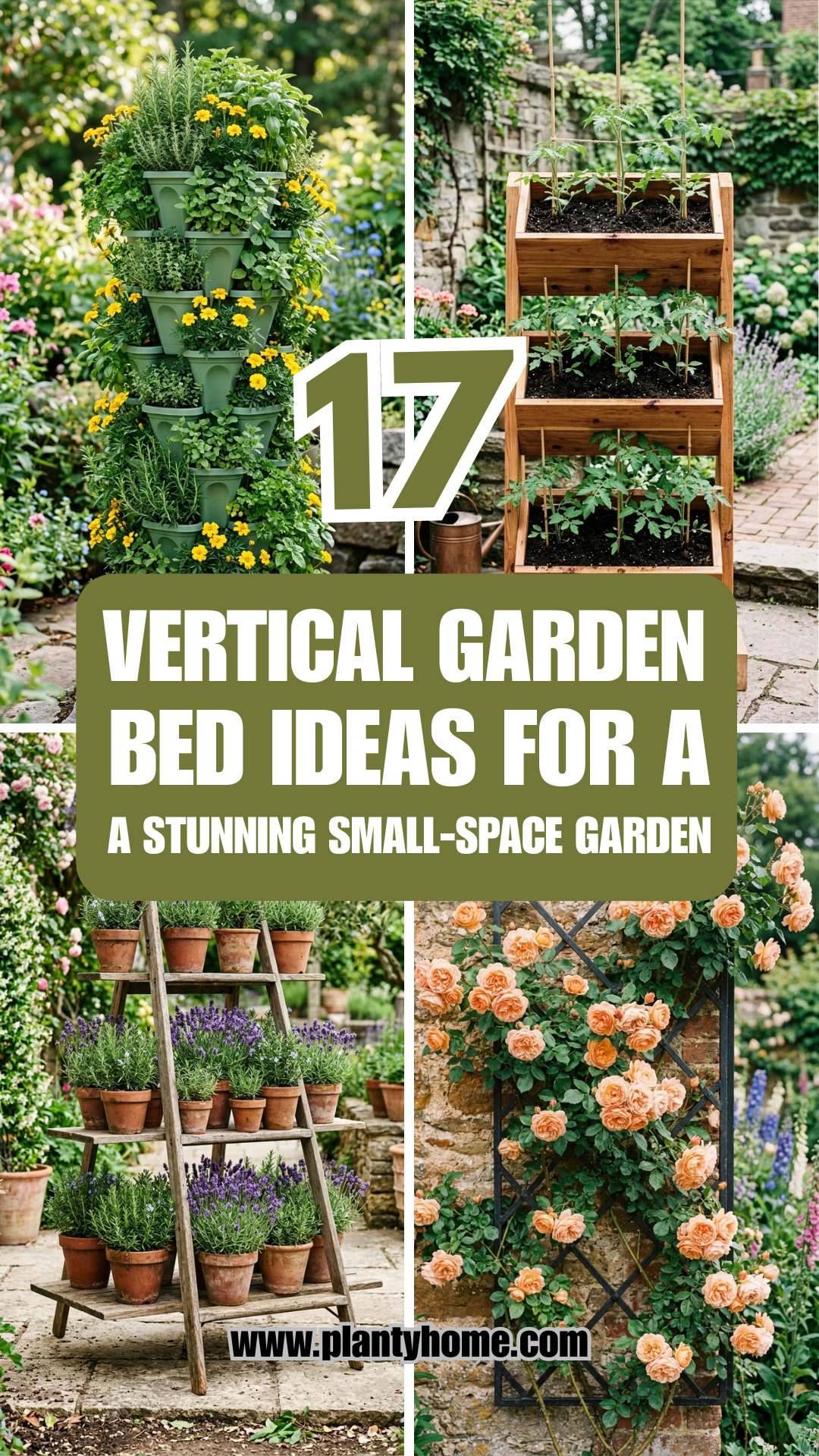
Vertical gardening is a revolutionary approach for urban dwellers, hobbyist gardeners, and anyone looking to maximize limited outdoor or indoor space. By shifting the perspective from horizontal plots to vertical planes, you can transform bare walls, fences, and balconies into thriving ecosystems. Whether you want to grow a fresh supply of culinary herbs, a bounty of crisp vegetables, or a curtain of ornamental flowers, these seventeen ideas provide the inspiration needed to elevate your greenery.
1. Pallet Planters
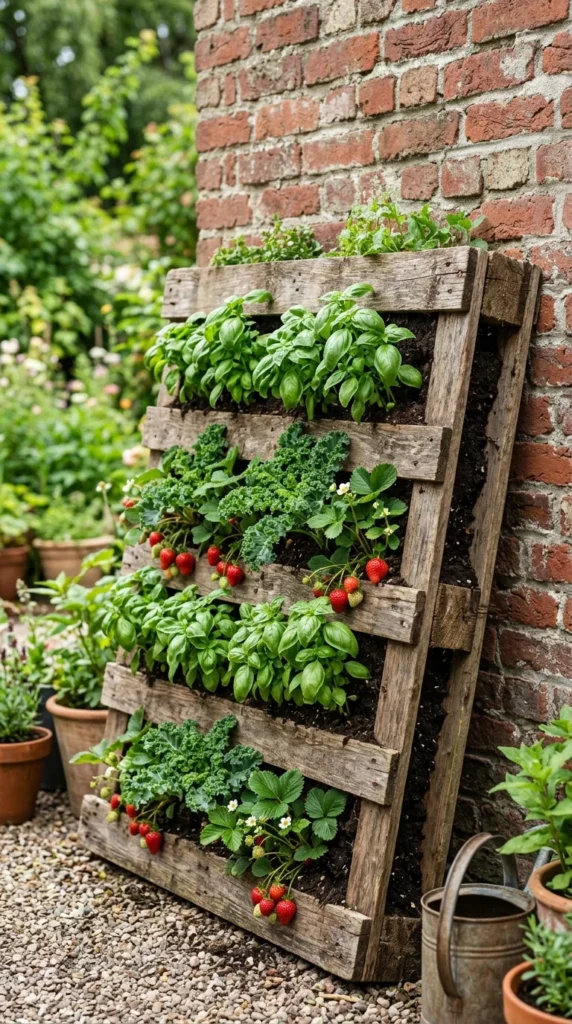
The wooden pallet is the quintessential DIY vertical garden staple. By securing landscape fabric to the back and bottom of a reclaimed pallet, you create a series of shallow troughs. These are perfect for shallow-rooted plants like succulents, lettuce, and herbs. The rustic aesthetic of weathered wood provides a charming, farmhouse-style contrast to the soft textures of the foliage. It is an affordable, eco-friendly way to recycle industrial waste into a productive garden bed.
2. Pocket Organizers
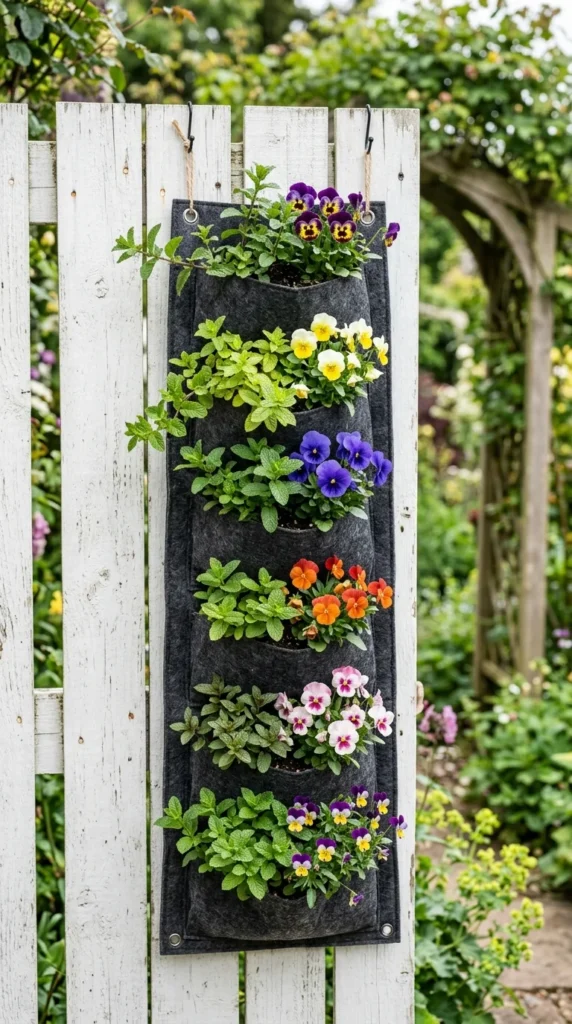
Felt pocket systems, often referred to as “living wall” bags, are lightweight and highly breathable. The fabric allows for excellent air circulation around the roots, preventing rot and encouraging healthy growth. These pockets can be mounted directly onto walls or fences. They are particularly effective for creating a “green wall” effect where the containers themselves disappear behind a curtain of cascading leaves.
3. Ladder Shelves
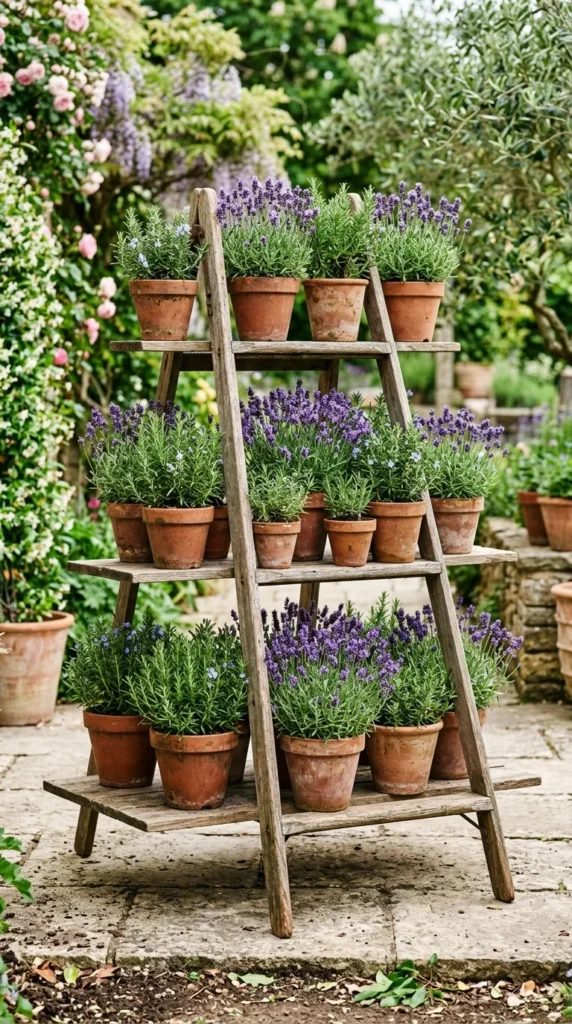
A ladder garden utilizes vertical height while maintaining the accessibility of traditional potted gardening. By using an old step ladder or building a custom tiered structure, you can place larger pots on the bottom and smaller ones at the top. This arrangement ensures that every plant receives adequate sunlight, as the tiers prevent taller plants from shading the ones behind them. It is also a portable solution, making it ideal for renters.
4. Gutter Gardens
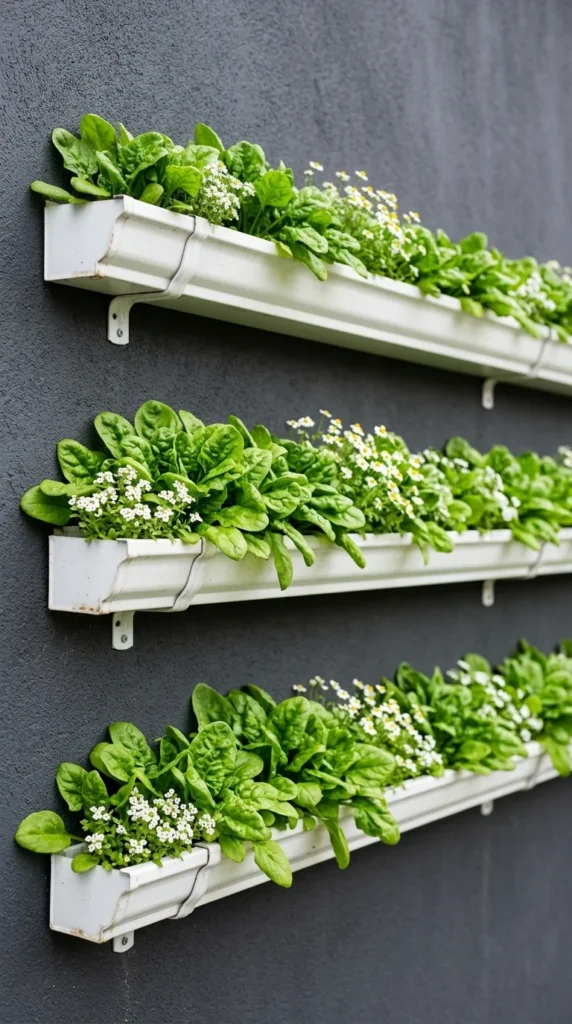
Rain gutters are surprisingly effective as long, linear planters. When mounted in parallel rows on a wall or the side of a shed, they provide a streamlined, modern look. They are shallow, making them best suited for greens like arugula, spinach, and strawberries. Ensure you drill drainage holes every few inches to prevent waterlogging, and consider painting the gutters to match your home’s exterior for a seamless design.
5. Hanging Baskets
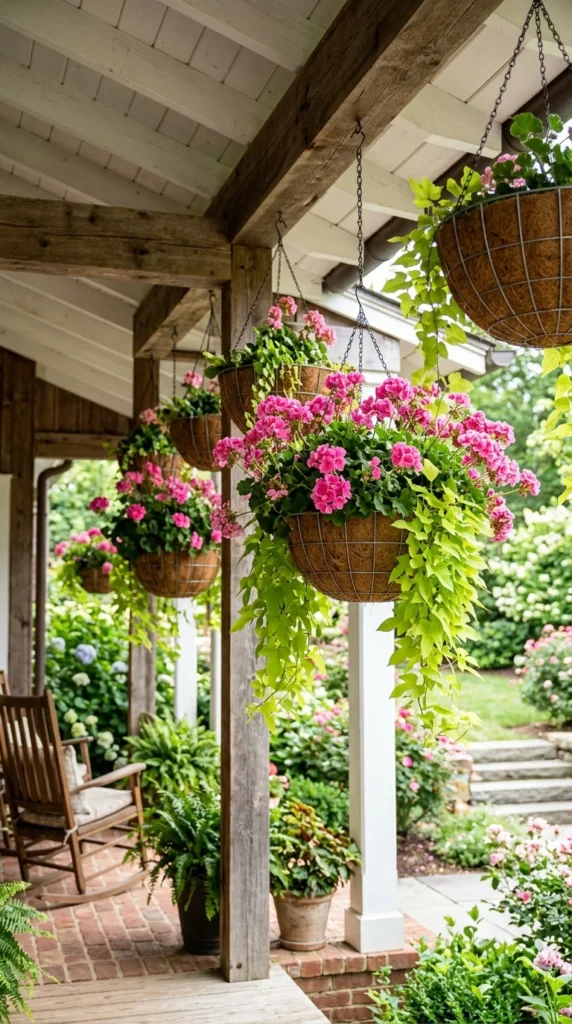
Hanging baskets are the classic solution for utilizing overhead space. By varying the lengths of the chains, you can create a multi-dimensional garden that draws the eye upward. While often used for ornamental flowers, hanging baskets are also excellent for “tumbling” tomato varieties and strawberries. Using coconut coir liners helps retain moisture while providing a natural look that complements any garden style.
6. Trellis Walls
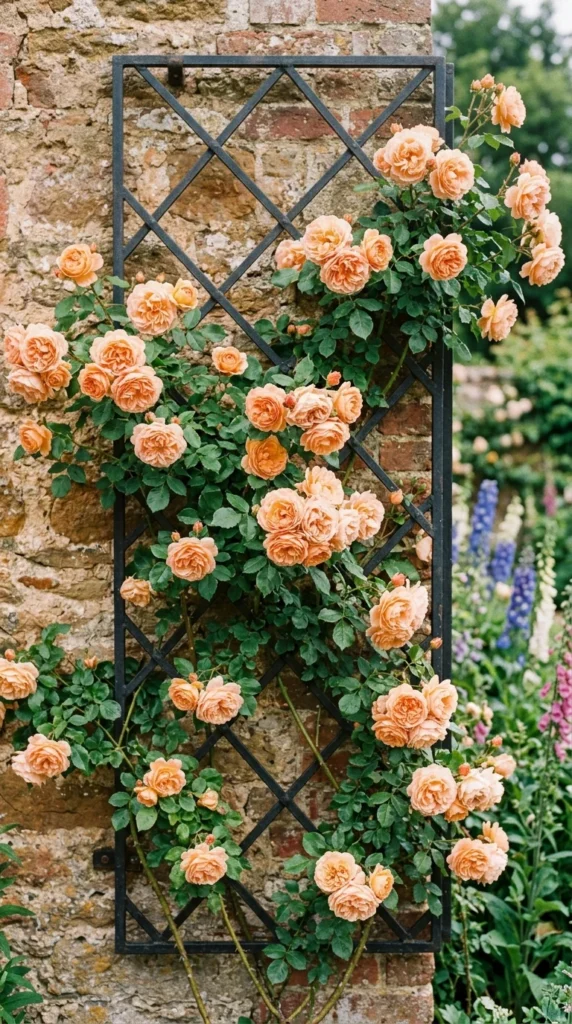
A trellis provides a structural backbone for climbing plants. Instead of containing the soil in the vertical structure, the plants are grown in the ground or in large base pots and trained to grow upward. This is the best method for heavy producers like cucumbers, pole beans, and squash. A well-designed trellis not only supports plant health by improving airflow but also acts as a living privacy screen.
7. Stackable Pots
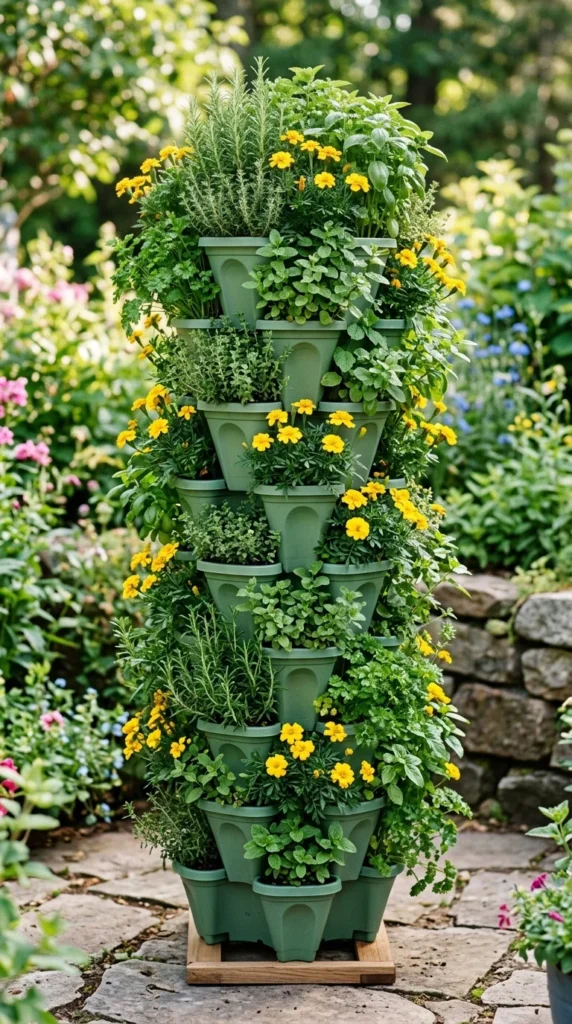
Stackable planter systems are designed specifically for high-density gardening. These modular units feature a central watering column or a design that allows water to trickle down from the top tier to the bottom. They are incredibly space-efficient, occupying only a few square feet of floor space while providing a dozen or more individual planting spots. They are perfect for kitchen herb gardens placed right outside a back door.
8. PVC Pipe Towers
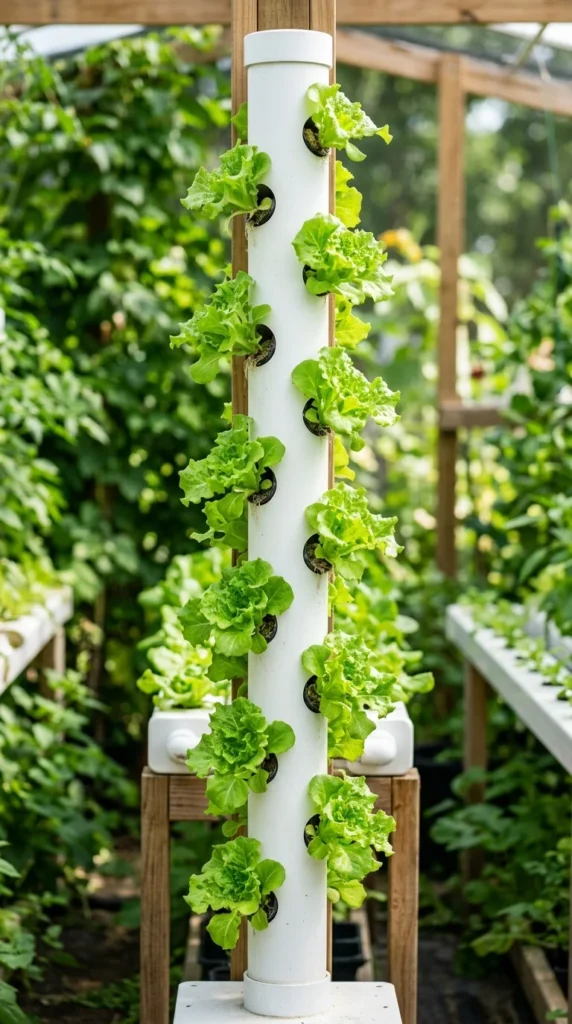
For the technologically minded gardener, a PVC tower is a sleek, DIY project. By cutting holes into a wide-diameter pipe and filling it with a lightweight growing medium or using it as a hydroponic setup, you can grow a massive amount of food in a tiny footprint. These towers are often used in “aeroponic” systems where nutrient-rich mist is sprayed onto the roots inside the pipe.
9. Mason Jar Walls
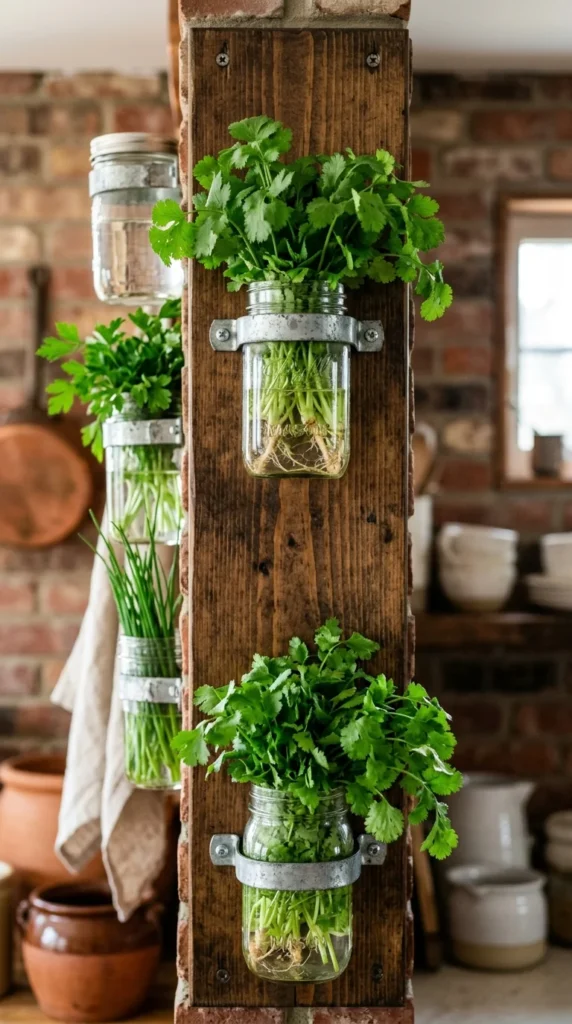
Mason jar gardens are ideal for indoor vertical spaces, such as a sunny kitchen wall. By mounting the jars to a wooden board using pipe clamps, you create an organized and aesthetically pleasing herb station. Since glass jars do not have drainage holes, it is crucial to place a layer of pebbles at the bottom to prevent root rot and to be mindful of your watering schedule.
10. Cedar Tiers
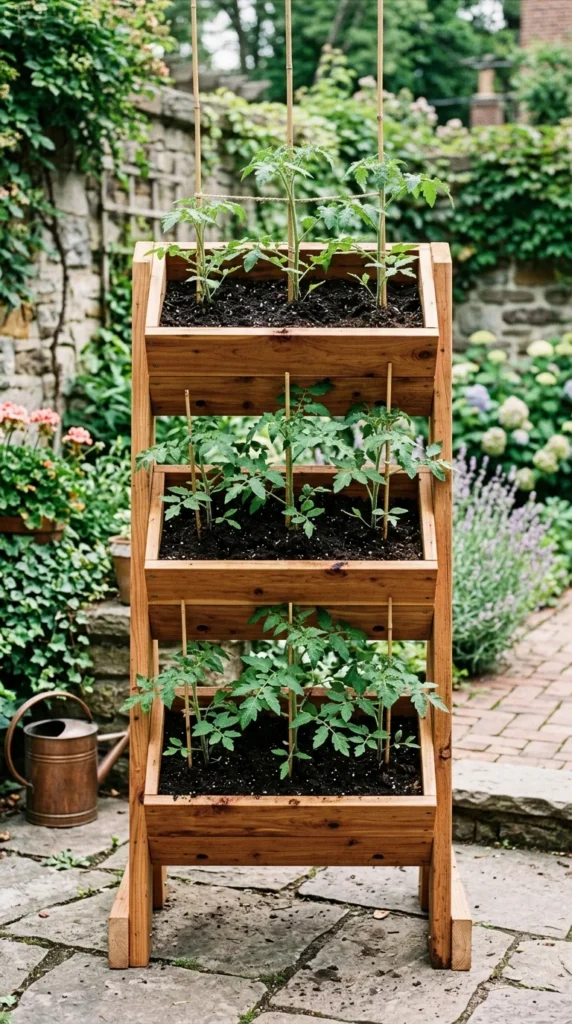
Cedar is a preferred material for outdoor vertical beds because of its natural resistance to rot and insects. A tiered cedar planter usually features deep boxes that can accommodate the root systems of larger vegetables like peppers or dwarf tomato varieties. The slanted design ensures that the plants in the lower boxes aren’t completely shaded by the ones above, maximizing light exposure.
11. Metal Grids
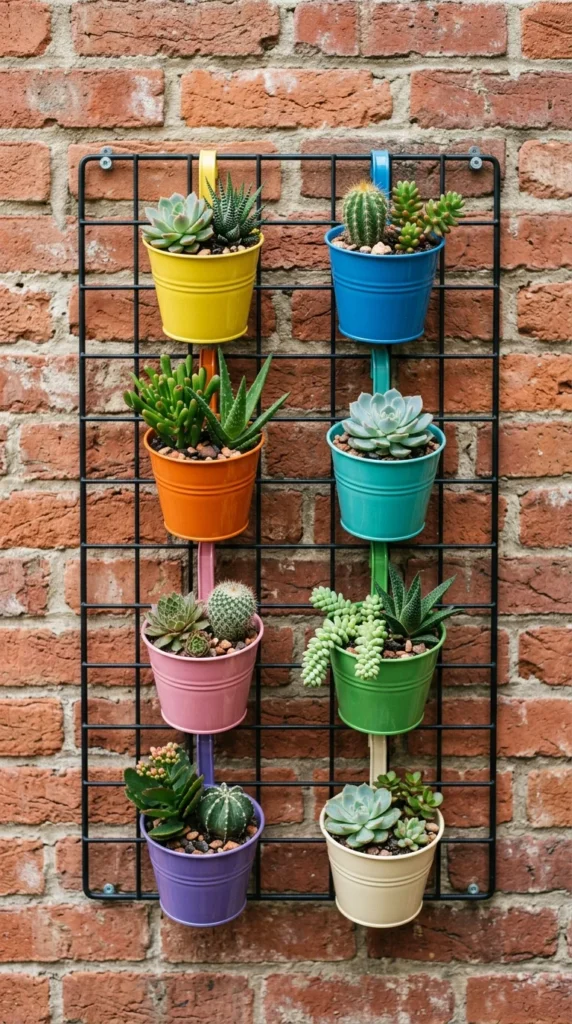
A metal grid, or “cattle panel,” offers a minimalist and industrial look. You can hang a variety of pots using “S” hooks or specialized wire holders. This system is highly customizable; you can move the pots around as the seasons change or as plants grow larger. It’s an excellent way to turn a boring side-yard wall into an interactive, changing art piece.
12. Upcycled Shutters
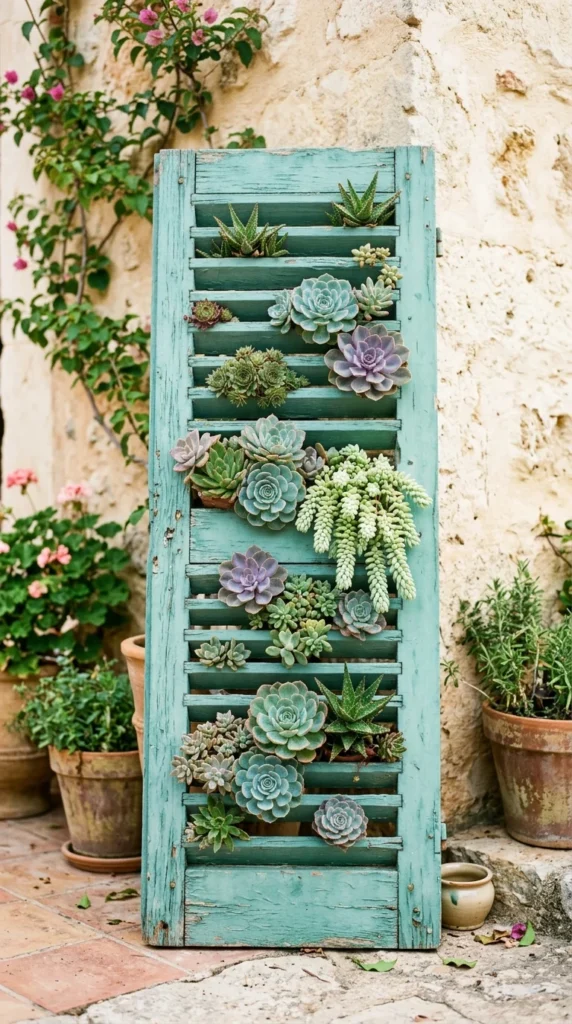
Old window shutters have built-in slots that are perfect for small, hardy plants. Succulents are the ideal choice here because they require very little soil and infrequent watering. By tucking moss and soil into the slats, you can create a textural masterpiece. This idea works best for decor-focused gardens rather than high-yield food production.
13. Woolly Pockets
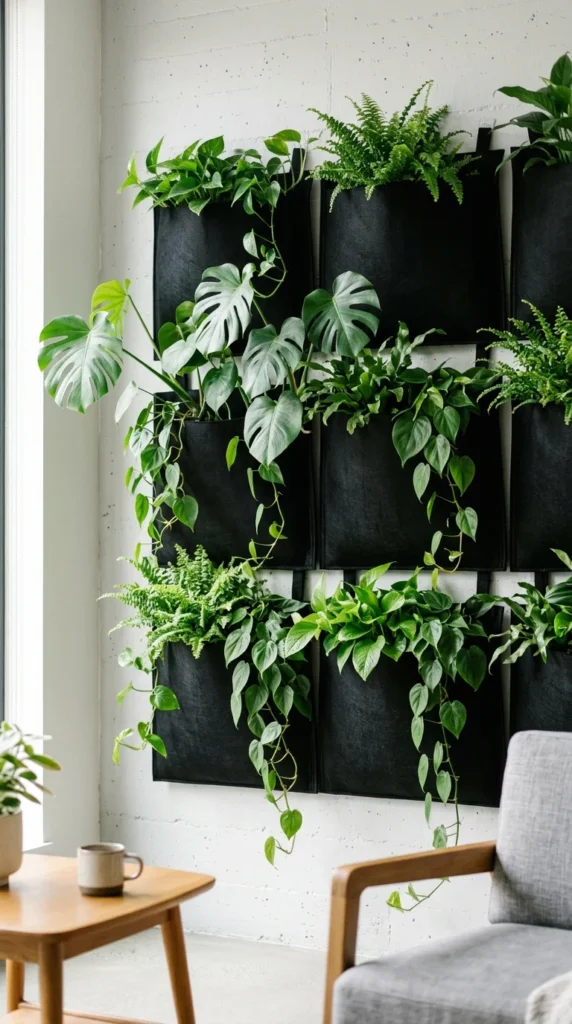
Woolly pockets are a premium version of the pocket garden, made from recycled plastic bottles turned into a felt-like felt. They often come with a built-in moisture barrier to protect your walls from dampness, making them the gold standard for indoor vertical gardens. They create a seamless look and are excellent for “houseplant walls” that purify the air and soften the room’s acoustics.
14. Birdcage Planters
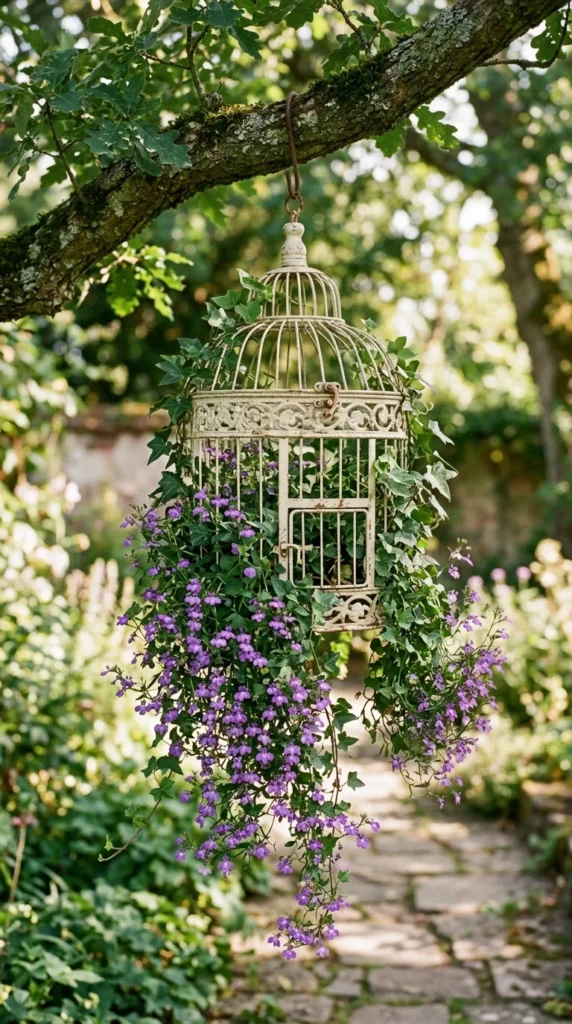
For a whimsical or “shabby chic” garden, an upcycled birdcage acts as a stunning vertical vessel. You can line the bottom with moss and fill it with trailing plants. As the plants grow, they weave through the bars, creating a spherical explosion of greenery. This is a great way to add a vertical element to a traditional garden bed or a porch.
15. Picture Frames
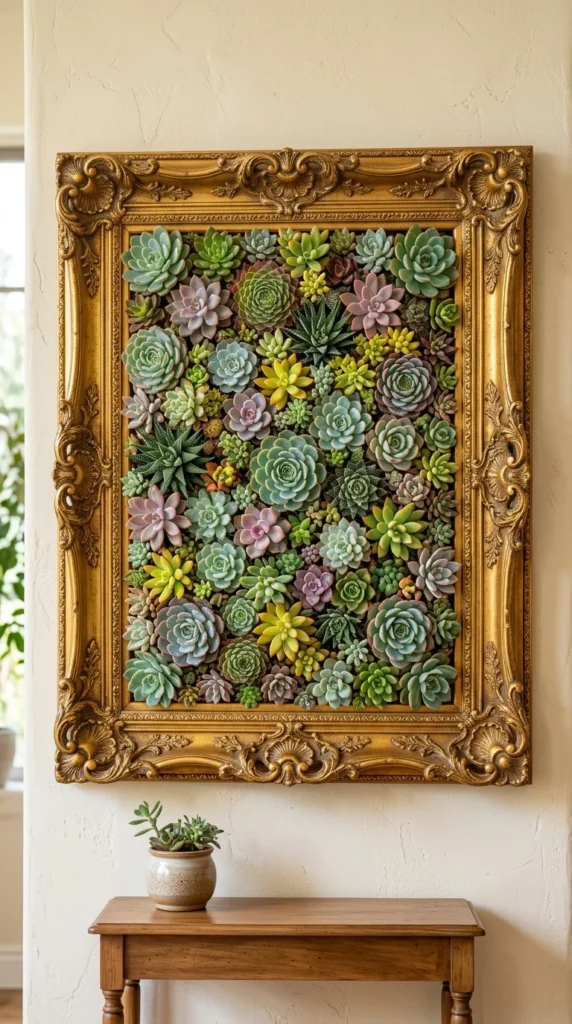
A “living picture frame” is a true work of horticultural art. It involves a shallow box filled with soil, covered with a wire mesh, and finished with a decorative frame. Succulents or mosses are planted through the mesh. Once the plants have taken root (usually after a few weeks of laying flat), the frame can be hung vertically. It requires minimal maintenance and creates a stunning focal point.
16. Hydroponic Walls
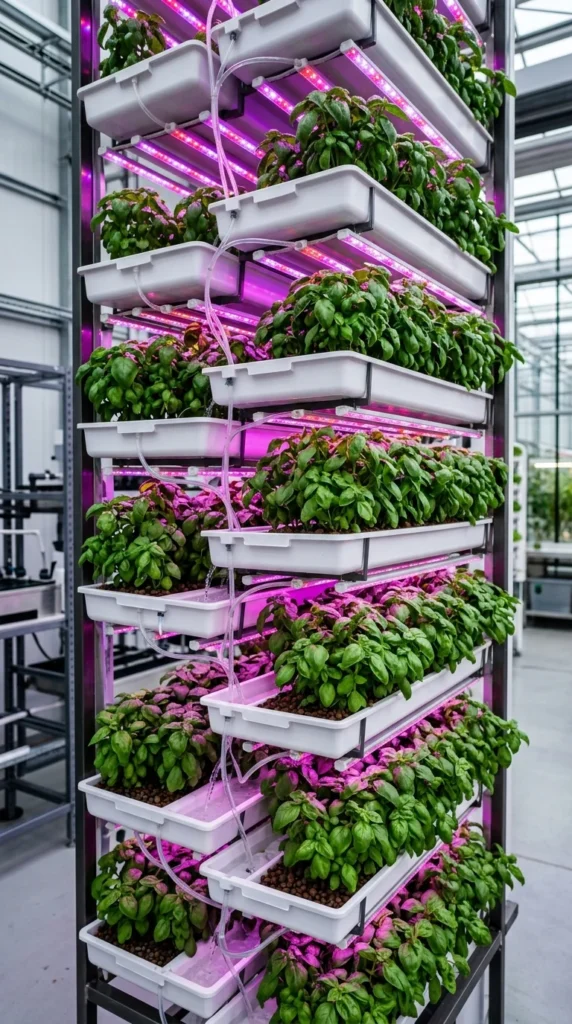
Hydroponic walls represent the future of vertical gardening. These systems use water fortified with nutrients rather than soil. They often come with integrated pumps and grow lights, allowing you to grow food in locations with zero natural sunlight, such as basements or dark hallways. While they require a higher initial investment, the growth rate of the plants is significantly faster than in traditional soil.
17. Concrete Blocks
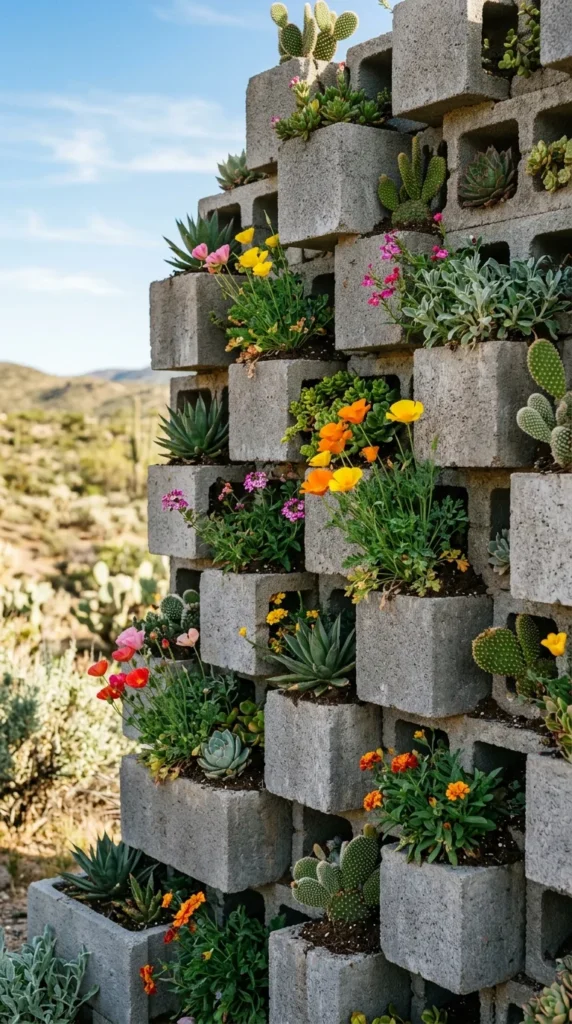
Cinder blocks can be stacked in a staggered formation to create a “living wall” that is both structural and functional. The hollow centers of the blocks serve as individual planting pockets. This is a very heavy and permanent solution, perfect for creating a retaining wall or a boundary that doubles as a garden. The grey of the concrete provides a brutalist backdrop that makes the green foliage pop.