
Achieving a bountiful harvest is the ultimate goal of every gardener, whether you are a seasoned pro or a first-time planter. Turning a small patch of earth into a high-yielding food source requires more than just burying seeds; it demands strategy, timing, and an understanding of the natural ecosystem. By implementing specific techniques, you can maximize your space and ensure your plants thrive from seed to supper.
1. Sun Exposure
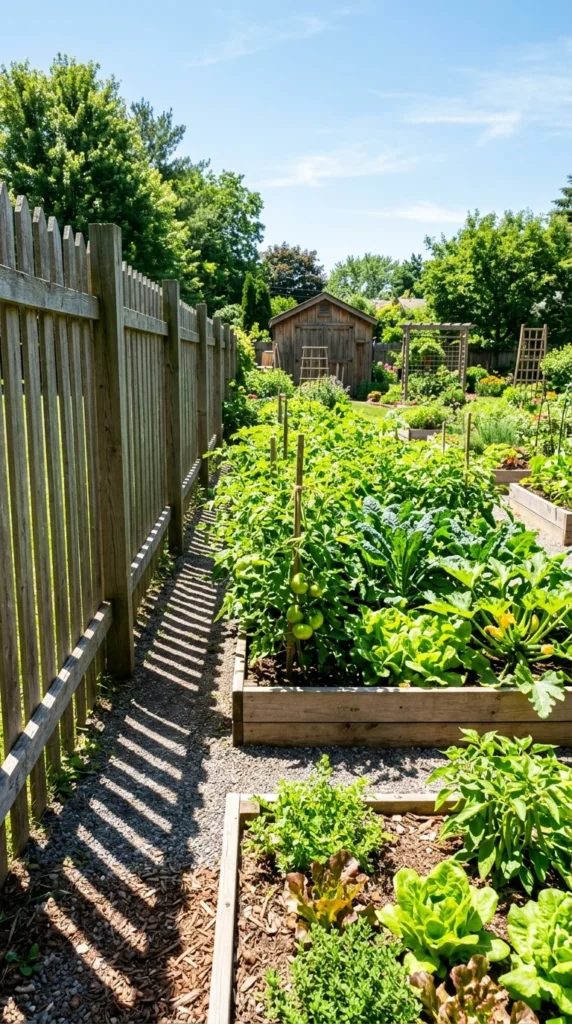
The most fundamental requirement for a high-yield garden is sunlight. Most fruiting vegetables, such as tomatoes, peppers, and cucumbers, require at least six to eight hours of direct sunlight daily. Without sufficient light, plants become “leggy” as they stretch toward the sun, leading to weak stems and diminished fruit production. Before planting, observe your yard throughout the day to identify the areas that receive the most consistent light. If you have a shady yard, focus on leafy greens like spinach and kale, which can tolerate lower light levels.
2. Soil Quality
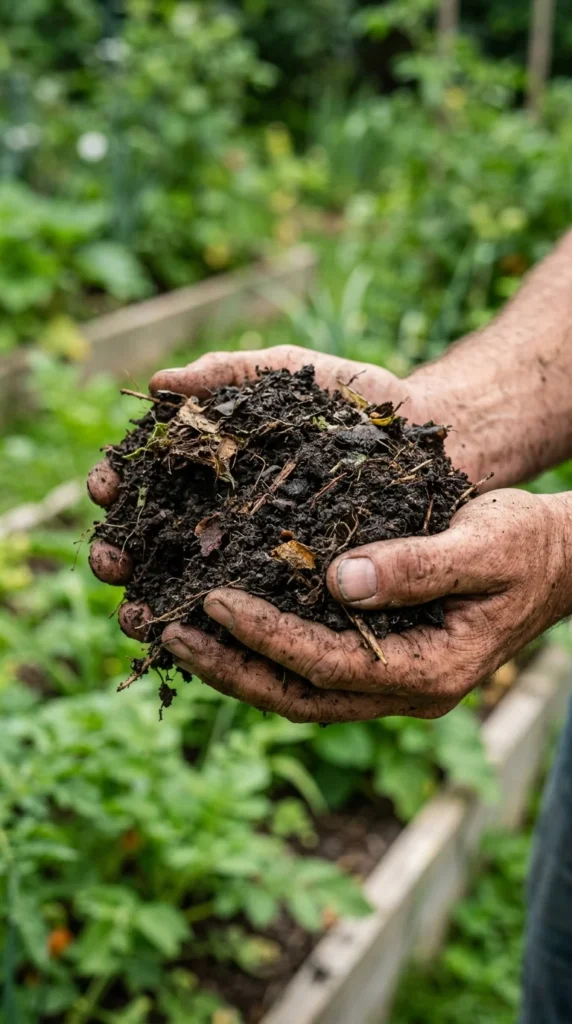
Your plants are only as healthy as the soil they grow in. High-yield gardening depends on loamy, well-draining soil rich in organic matter. Adding compost, aged manure, or leaf mold improves soil structure and provides a slow-release source of nutrients. Healthy soil also hosts beneficial microbes and fungi that help plant roots absorb water and minerals. Avoid compacting your soil by never walking on your planting beds, as compressed soil prevents oxygen from reaching the roots.
3. Raised Beds
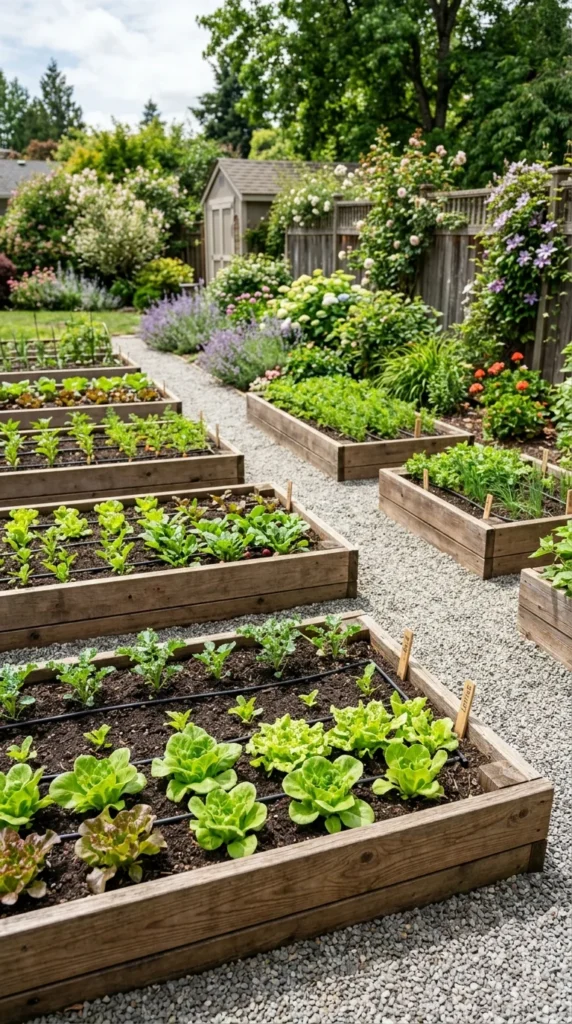
Raised beds offer several advantages for maximizing your harvest. They allow for better control over soil quality, provide superior drainage, and warm up faster in the spring than the ground does. Because you aren’t walking on the soil, it remains light and airy, allowing roots to spread easily. Furthermore, raised beds allow for “intensive planting,” where crops are spaced closer together to shade out weeds and maintain soil moisture.
4. Vertical Growth
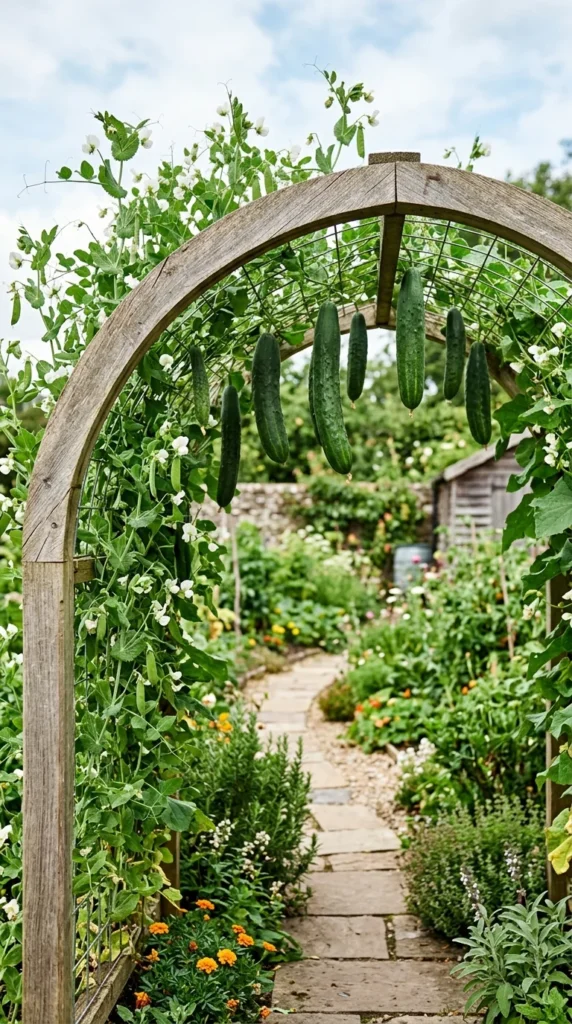
When you run out of horizontal space, look up. Vertical gardening is one of the best ways to increase your yield per square foot. Use trellises, stakes, and cages for vining plants like pole beans, peas, cucumbers, and even small melons. This not only saves space but also keeps the fruit off the ground, reducing the risk of rot and soil-borne diseases. It also improves air circulation around the foliage, which is critical for preventing fungal infections.
5. Companion Planting
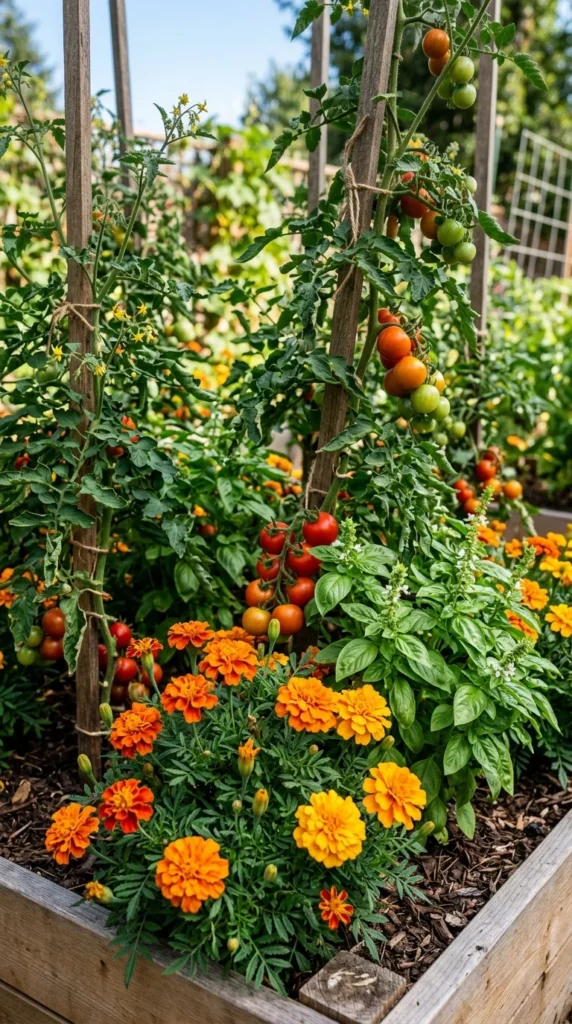
Certain plants grow better when they are near one another. Companion planting is the practice of pairing plants that provide mutual benefits. For example, planting marigolds near tomatoes can help repel harmful nematodes and pests, while basil can improve the flavor of tomatoes and deter flies. Tall plants like corn can provide shade for heat-sensitive lettuce, and nitrogen-fixing beans can help nourish heavy feeders like brassicas.
6. Succession Planting
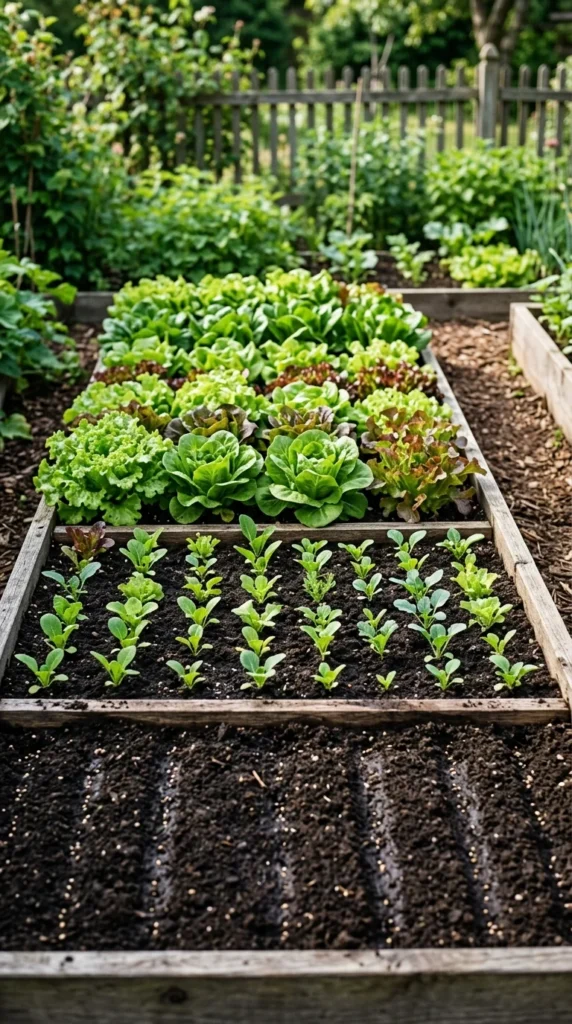
To avoid the “feast or famine” cycle, use succession planting. Instead of planting your entire crop at once, sow smaller amounts of seeds every two weeks. This is especially effective for quick-growing crops like radishes, lettuce, and carrots. As one group of plants finishes its life cycle, the next is ready to take its place. This ensures a continuous supply of fresh produce throughout the entire growing season.
7. Efficient Watering
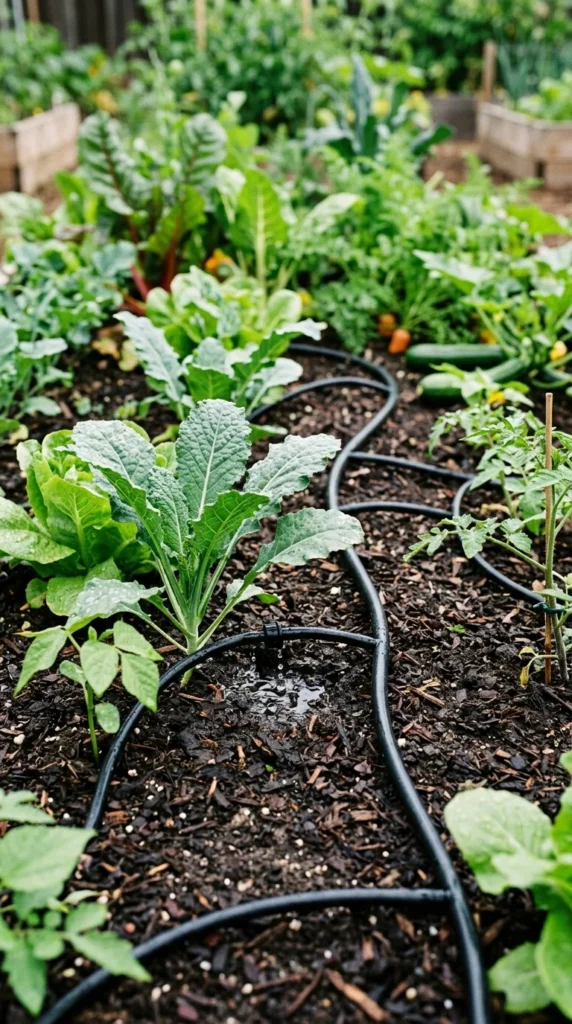
Inconsistent watering can lead to problems like blossom end rot in tomatoes or bitterness in cucumbers. The key to a big harvest is deep, consistent moisture. It is better to water deeply a few times a week than to give the garden a light sprinkle every day. Use drip irrigation or soaker hoses to deliver water directly to the soil. Watering the base of the plant rather than the leaves helps prevent diseases that thrive on wet foliage.
8. Mulching Layers
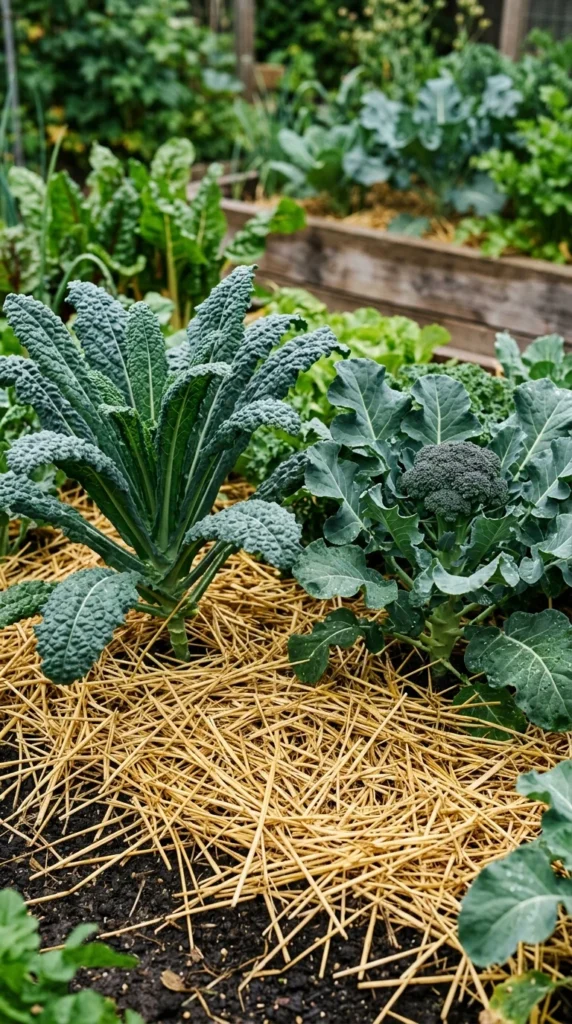
Mulching is a multi-purpose tool for the successful gardener. A thick layer of organic mulch—such as straw, wood chips, or shredded leaves—suppresses weeds, retains soil moisture, and regulates soil temperature. As the mulch decomposes, it adds organic matter back into the earth. By keeping the soil cool and moist, mulch reduces the stress on your plants during the heat of summer, allowing them to put more energy into fruit production.
9. Crop Rotation
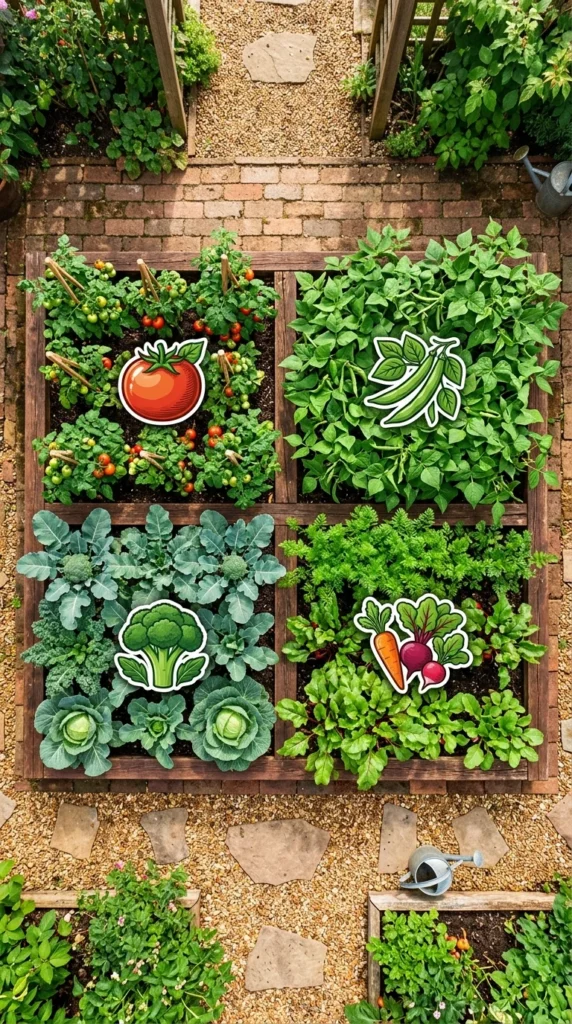
Planting the same crop in the same spot year after year is a recipe for disaster. Pests and diseases that favor specific plant families will build up in the soil. Crop rotation involves moving plant families (like nightshades, legumes, and brassicas) to different locations each year. A standard three or four-year rotation cycle breaks the life cycles of pests and prevents the soil from being depleted of specific nutrients.
10. High-Quality Seeds
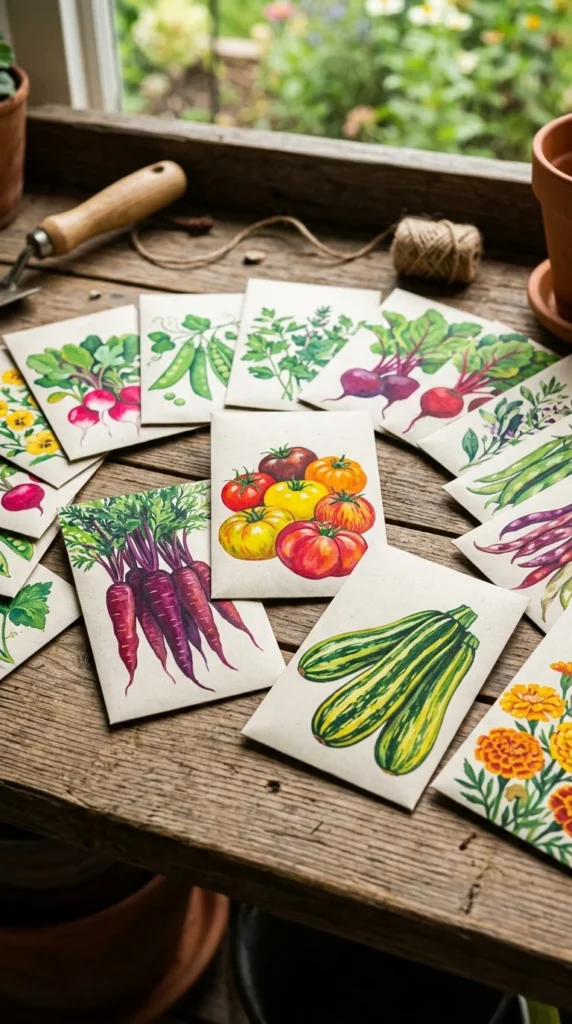
The potential of your harvest starts with the genetics of your seeds. Invest in high-quality, organic, or heirloom seeds from reputable suppliers. Look for varieties that are “high-yielding” or “disease-resistant.” If you have a short growing season, look for “early-maturing” varieties. Using fresh seeds ensures better germination rates, meaning fewer empty spots in your garden rows.
11. Pollinator Attraction
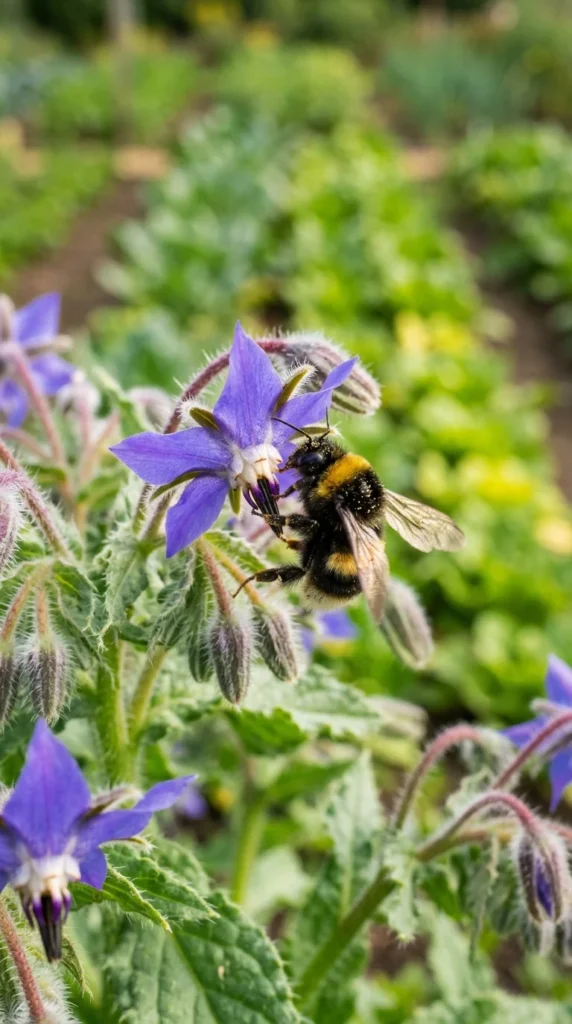
Many vegetables, including squash, cucumbers, and peppers, require pollination to produce fruit. To ensure your blossoms turn into vegetables, you need to invite bees, butterflies, and other pollinators into your garden. Plant “insectary strips” of nectar-rich flowers like zinnia, cosmos, and lavender near your vegetables. The more pollinators you have, the higher your fruit set will be.
12. Composting Gold
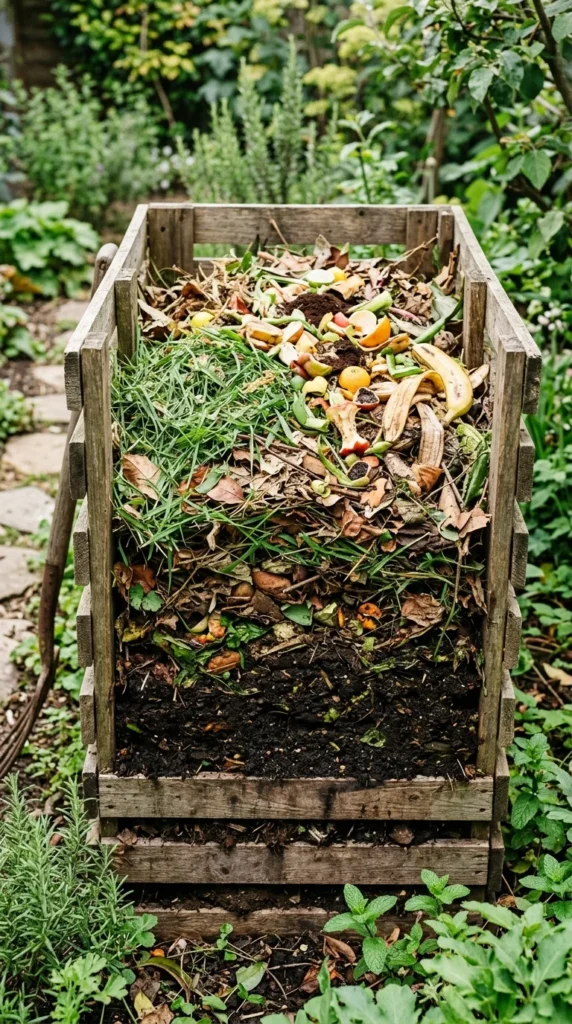
Compost is often called “black gold” for a reason. It is the best fertilizer you can give your garden. By composting kitchen scraps and yard waste, you create a nutrient-dense additive that improves any soil type. Apply a layer of compost to your beds before planting and use it as a “side-dressing” (placing it around the base of plants) during the peak of the growing season to give your vegetables a boost.
13. Regular Pruning
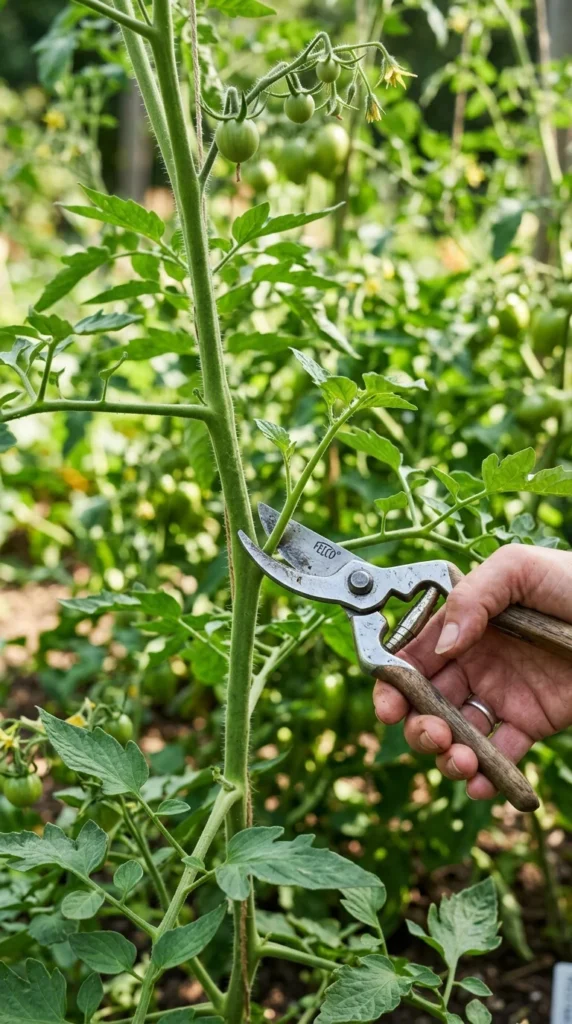
Pruning isn’t just for ornamental trees. Certain vegetables, particularly indeterminate tomatoes, benefit greatly from regular pruning. Removing the “suckers”—the small shoots that grow in the crotch between the main stem and a leaf—directs the plant’s energy toward fruit production rather than excessive foliage. Pruning also improves airflow through the plant, which reduces the risk of blight and other fungal issues.
14. Weed Management
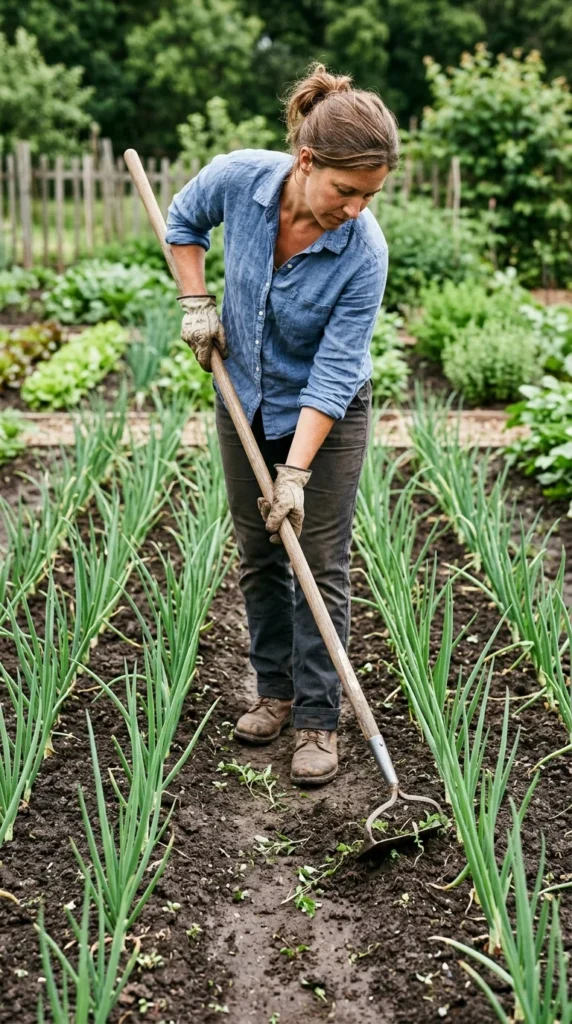
Weeds are the primary competitors for your vegetables’ resources. They steal water, sunlight, and nutrients. The best way to manage weeds is to catch them early. Spend ten minutes a day “scuffling” the soil surface to kill weed seedlings before they can establish deep roots. Keeping a weed-free garden ensures that 100% of your soil’s energy goes into your food crops.
15. Pest Monitoring
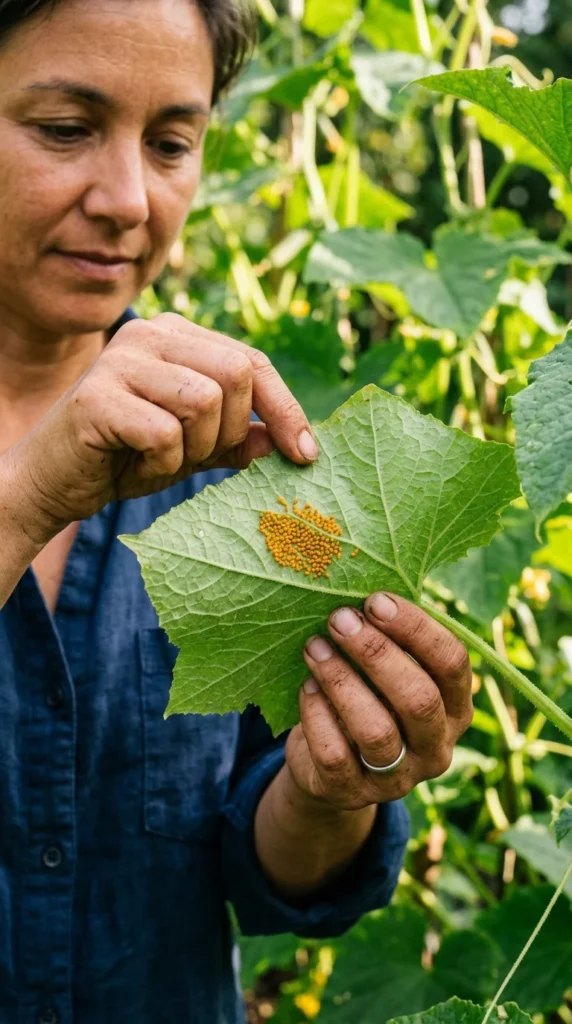
A pest infestation can wipe out a harvest in days. Walk through your garden daily and inspect the undersides of leaves. Look for holes, discoloration, or the presence of eggs. Catching a few aphids or hornworms early is much easier than dealing with a full-blown infestation. Consider using physical barriers like floating row covers to protect young plants from insects like cabbage moths or cucumber beetles.
16. Nutrient Feeding
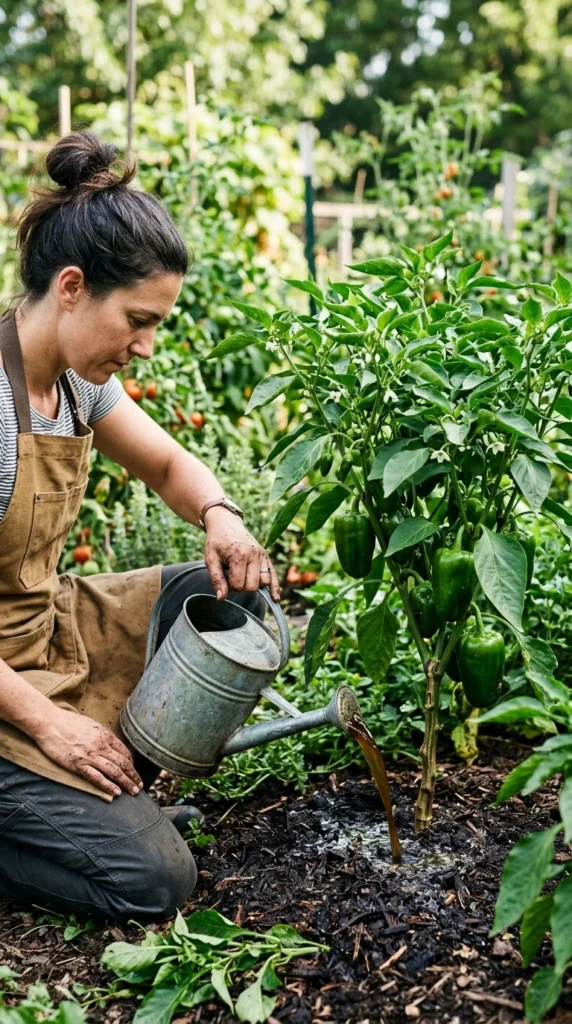
Even with great soil, heavy-feeding plants like corn, pumpkins, and tomatoes often need an extra boost. Use organic fertilizers like fish emulsion, seaweed extract, or compost tea during the growing season. Be careful not to over-fertilize with high-nitrogen products once the plant has reached its full size, as this can encourage lots of leaves but very little fruit.
17. Proper Spacing
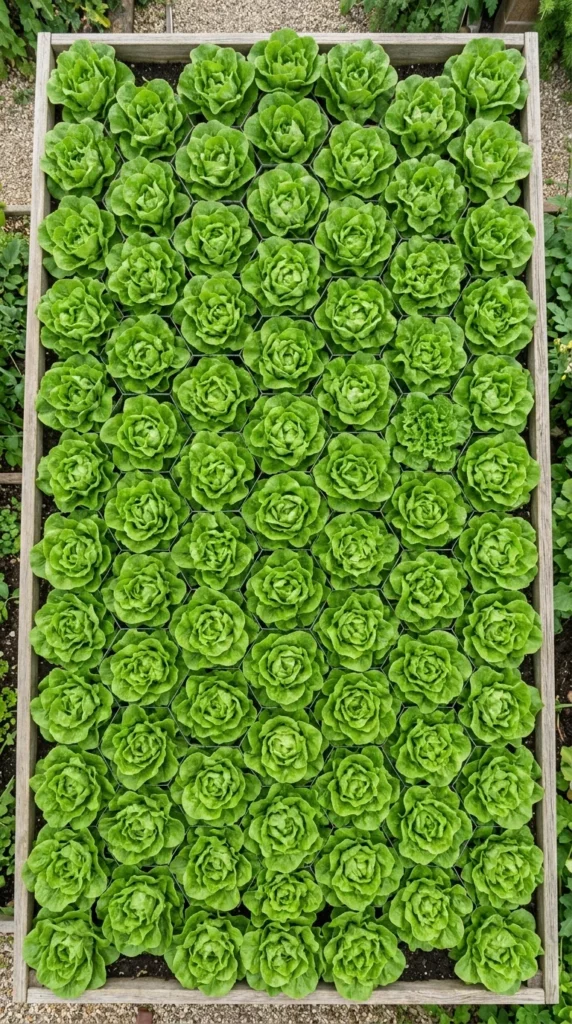
It is tempting to cram as many plants as possible into a small space, but overcrowding leads to stunted growth and disease. Plants need room for their roots to expand and for air to circulate around their leaves. Follow the spacing instructions on seed packets closely. If you use the “Square Foot Gardening” method, you can maximize space while still giving each plant the room it needs to reach its full potential.
18. Soil Testing
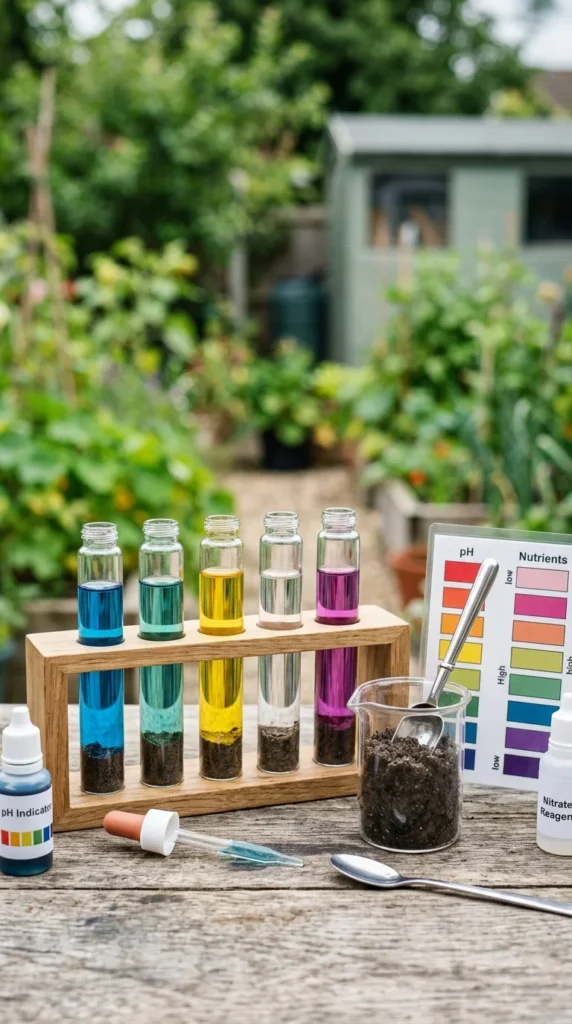
If your plants are struggling despite your best efforts, your soil’s pH or nutrient balance might be off. A soil test provides a roadmap for what your garden actually needs. Most vegetables prefer a slightly acidic to neutral pH (6.0 to 7.0). If your soil is too acidic or too alkaline, the plants won’t be able to absorb the nutrients present in the soil, no matter how much you fertilize.
19. Seedling Thinning
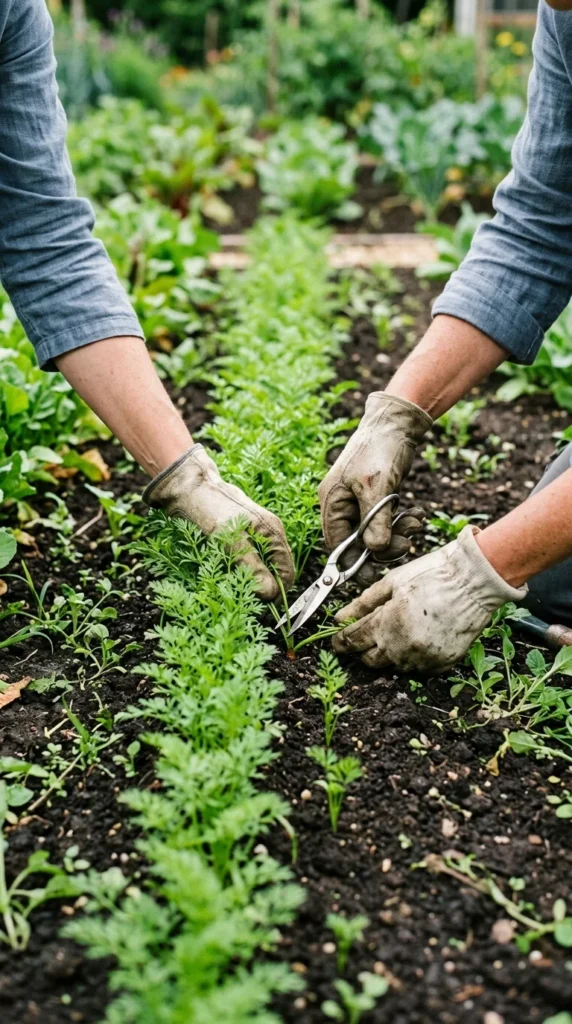
When you sow seeds, you often plant more than you need to ensure a good stand. However, if you leave all those seedlings to grow, they will choke each other out. Thinning is the process of removing the extra seedlings to give the strongest ones room to grow. This is particularly important for root crops like carrots and beets; if they are too crowded, the roots will remain small and twisted.
20. Tool Maintenance
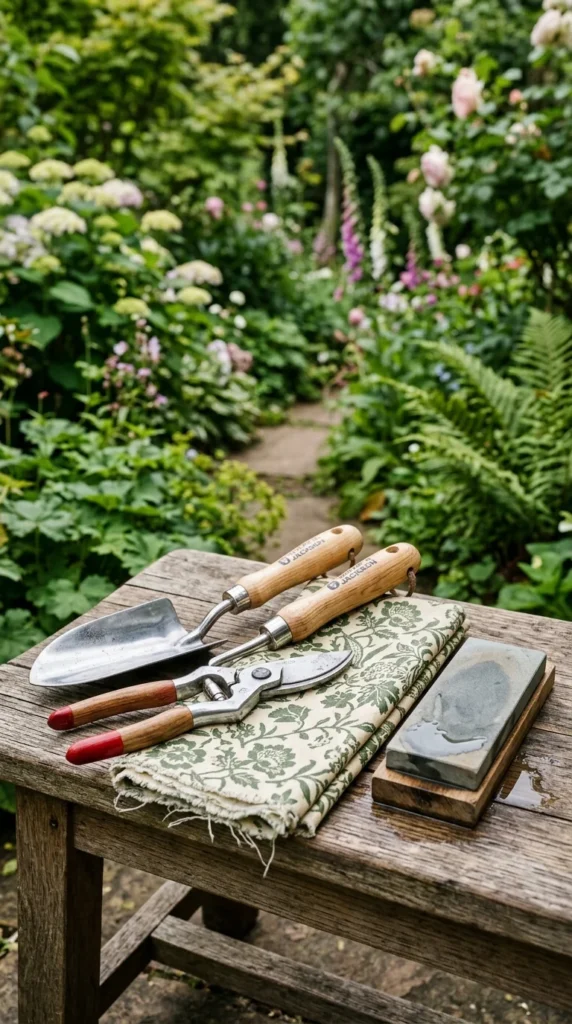
Dull or dirty tools can hinder your efficiency and spread disease. Sharp hoes make weeding effortless, and sharp pruners make clean cuts that heal quickly. Clean your tools after every use, especially if you have been working with diseased plants. A quick dip in a 10% bleach solution or a wipe with rubbing alcohol can prevent the spread of pathogens from one part of the garden to another.
21. Microclimate Utilization
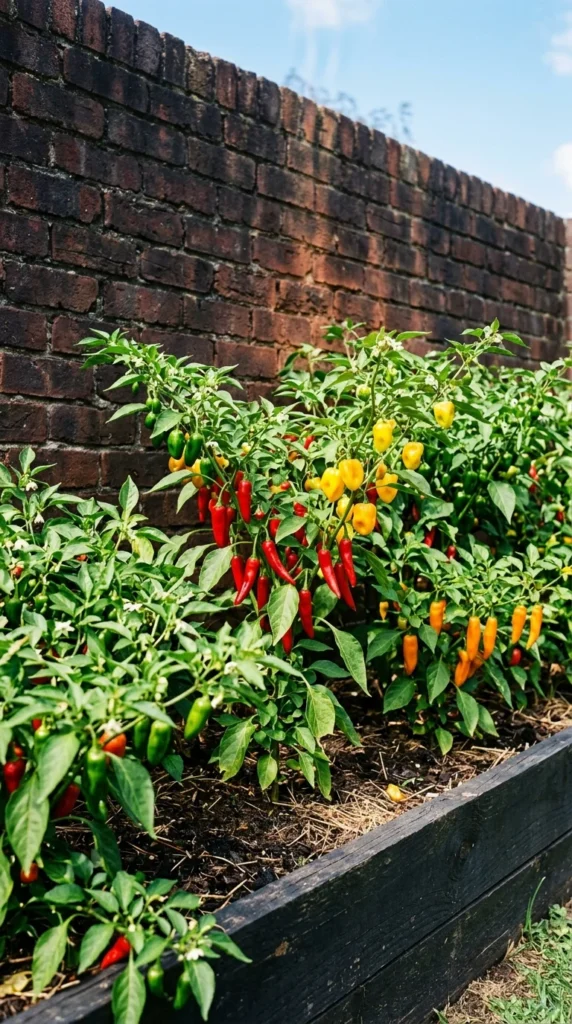
Every garden has microclimates—small areas where the temperature or moisture differs from the rest of the yard. A south-facing wall absorbs heat during the day and radiates it at night, making it the perfect spot for heat-loving peppers or eggplants. Conversely, a low-lying, damp area might be the best spot for water-loving mint or watercress. Use these natural variations to give each plant its ideal environment.
22. Support Systems
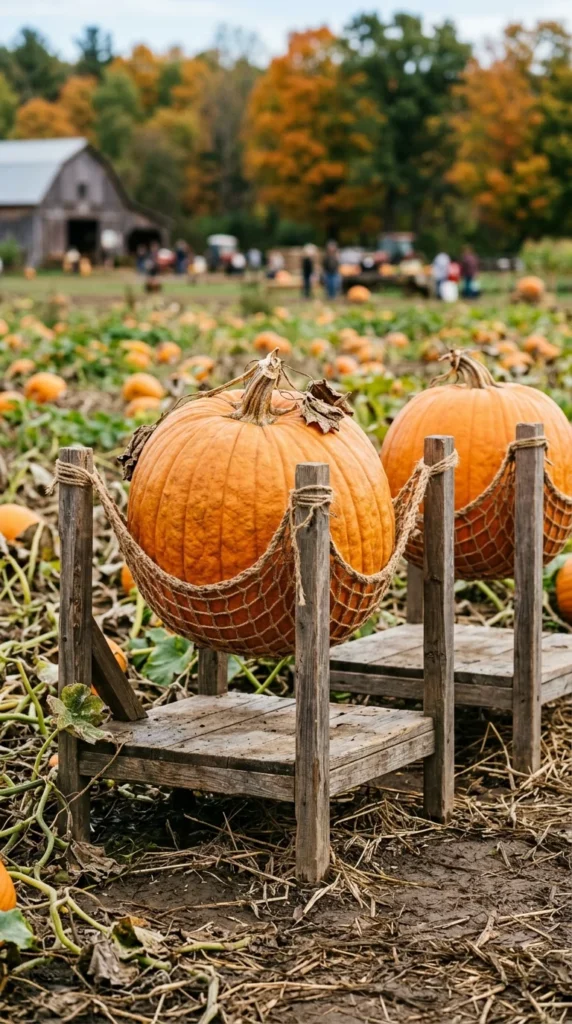
As your plants grow and begin to bear heavy fruit, they may need physical support. Use sturdy stakes for tomatoes, cages for peppers, and even “slings” made of old nylon stockings for heavy melons growing on a trellis. Providing support prevents stems from snapping under the weight of a massive harvest and keeps the produce clean and away from ground-dwelling pests.
23. Record Keeping

One of the best tools for a better harvest next year is a garden journal. Record when you planted, what varieties performed best, and any pest problems you encountered. Over time, these records become an invaluable resource tailored specifically to your garden’s unique conditions. You will begin to notice patterns that allow you to predict when to plant and when to harvest for the best results.
24. Timely Harvesting
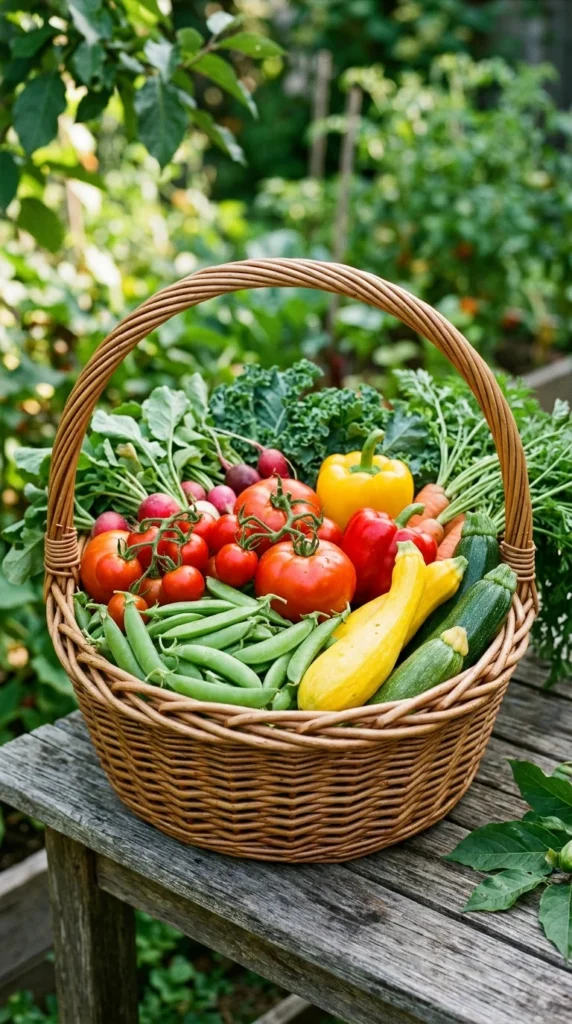
The more you harvest, the more the plant produces. This is especially true for crops like beans, peas, zucchini, and cucumbers. If you leave the fruit on the vine for too long, the plant receives a signal that it has successfully produced seeds and can stop growing. By picking your vegetables frequently at their peak ripeness, you encourage the plant to continue flowering and producing more food for your table.