
Vegetable gardening is more than just a hobby; it is a transformative practice that connects individuals to the earth, promotes sustainability, and provides a bounty of fresh, nutritious produce. Whether you have a sprawling rural estate or a compact urban balcony, the possibilities for cultivating your own food are nearly limitless. As the movement toward self-sufficiency and organic living continues to grow, gardeners are discovering innovative ways to maximize their yields and minimize their environmental footprint.
The beauty of vegetable gardening lies in its versatility. From ancient techniques like Hugelkultur to modern marvels like hydroponics, there is a method suited for every climate, budget, and physical ability. By exploring diverse gardening ideas, you can overcome common challenges such as poor soil quality, limited space, or short growing seasons. The following 18 ideas represent a mix of traditional wisdom and contemporary innovation, designed to inspire every home gardener to take their patches of green to the next level.
1. Vertical Gardening
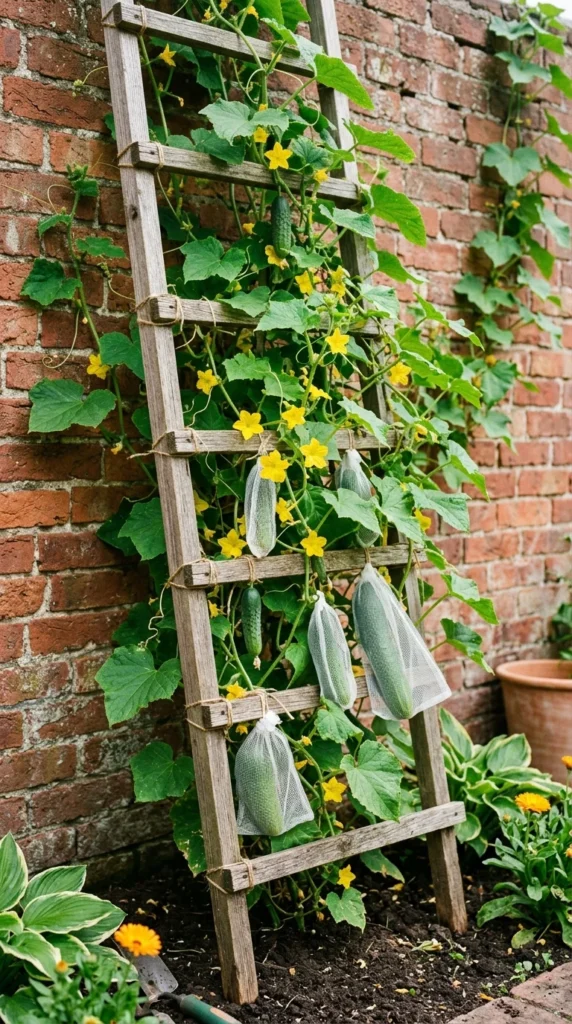
Vertical gardening is the ultimate solution for gardeners with limited ground space. By encouraging plants to grow upward rather than outward, you can significantly increase your harvest per square foot. This method is ideal for vining crops such as pole beans, peas, cucumbers, and even certain varieties of squash and melons. Utilizing structures like trellises, arbors, cattle panels, or even simple twine can transform a flat garden into a three-dimensional green sanctuary. Beyond saving space, vertical gardening improves air circulation around the foliage, which helps prevent fungal diseases like powdery mildew. It also keeps the fruit off the ground, reducing rot and making harvesting much easier on the back.
2. Raised Beds
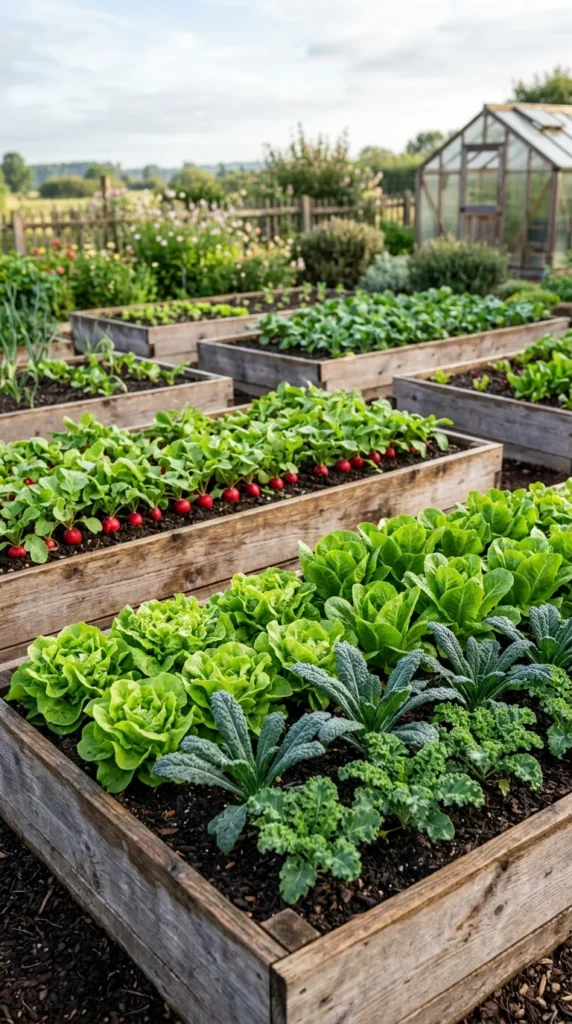
Raised beds are a favorite among home gardeners for their ability to provide total control over soil quality. When you build a bed above the natural ground level, you avoid the issues of heavy clay or sandy soils that might plague your yard. These beds warm up faster in the spring, allowing for an earlier planting start, and they offer superior drainage. Furthermore, raised beds act as a barrier to some pests and weeds. They can be built at various heights; higher beds are particularly beneficial for gardeners with mobility issues, as they eliminate the need for constant bending and kneeling. The structured nature of raised beds also adds a clean, aesthetic appeal to any backyard.
3. Container Gardening
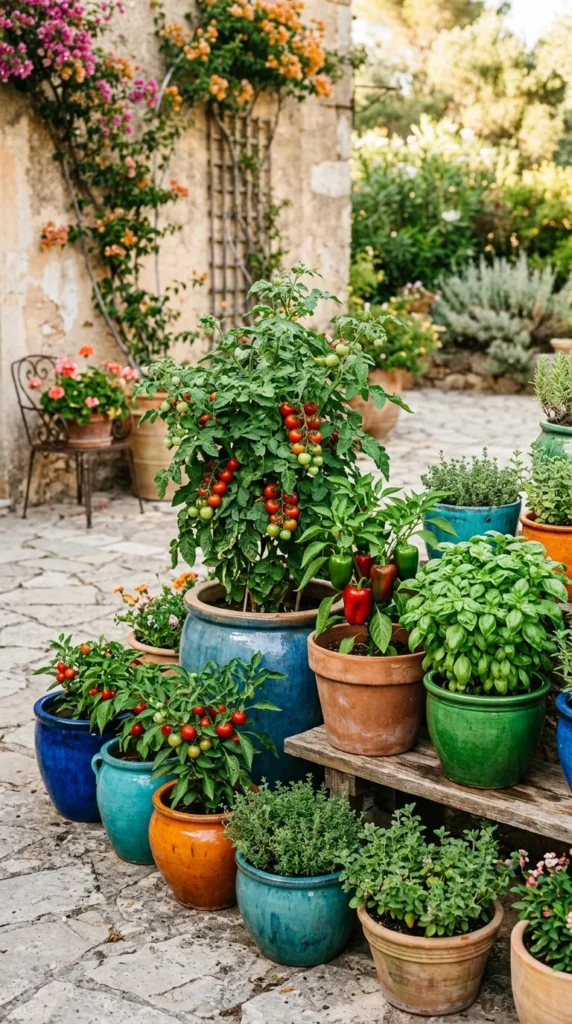
If you lack a traditional yard, container gardening is your gateway to fresh produce. Almost any vegetable can be grown in a pot, provided it is large enough and has adequate drainage. Modern breeders have developed “patio” or “dwarf” varieties specifically designed for containers, including determinate tomatoes, compact eggplants, and short-vined cucumbers. Containers offer the unique advantage of mobility; you can move your plants to follow the sun throughout the day or bring them indoors during a sudden frost. Using high-quality potting mix in containers ensures that your vegetables receive the exact nutrients they need without the competition of garden weeds.
4. Companion Planting
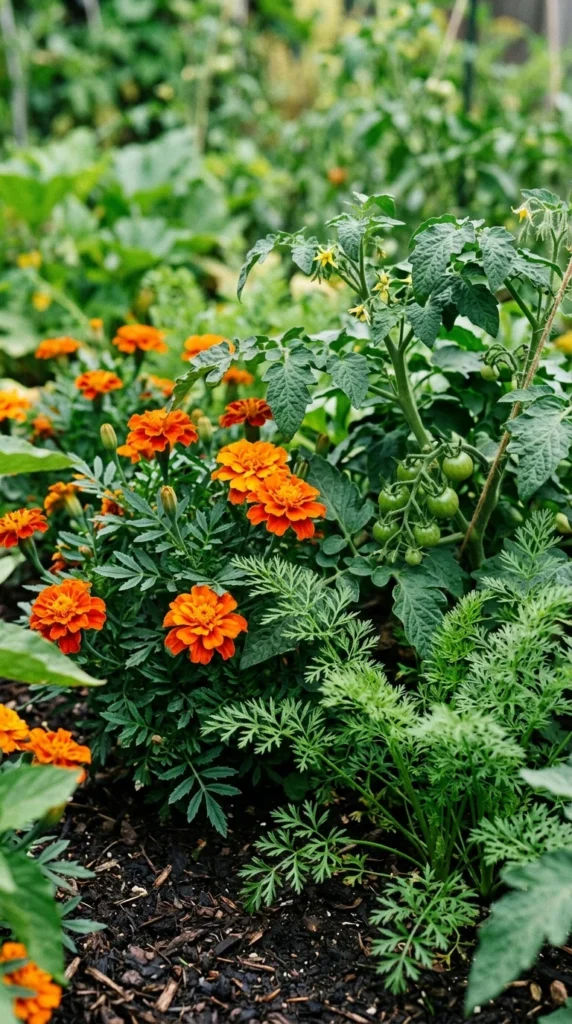
Companion planting is the practice of growing different plants together for mutual benefit. This age-old technique relies on the natural relationships between species to deter pests, improve pollination, and enhance flavor. For example, planting marigolds with tomatoes helps repel harmful nematodes, while the strong scent of onions can confuse pests looking for carrots. Some companions, like beans, fix nitrogen in the soil, which benefits heavy feeders like corn or leafy greens. By creating a diverse ecosystem in your garden, you reduce the need for chemical pesticides and fertilizers, fostering a more balanced and resilient growing environment.
5. Succession Sowing
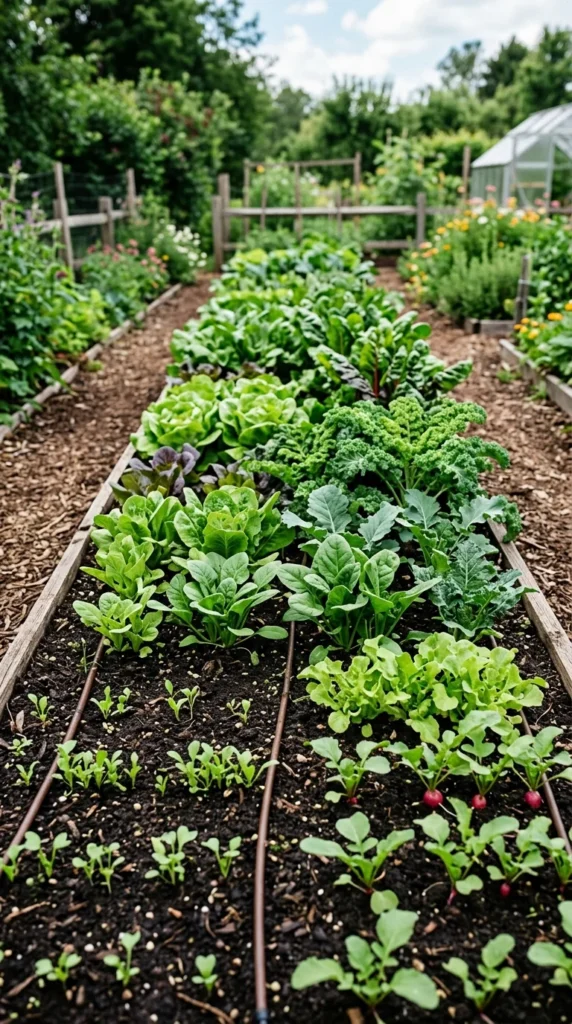
To avoid the “feast or famine” cycle often found in gardening, succession sowing is an essential strategy. Instead of planting all your seeds at once, you sow small batches of crops every two to three weeks. This ensures a steady, continuous harvest throughout the growing season rather than a massive surplus that expires all at once. This method works exceptionally well for quick-growing crops like lettuce, radishes, spinach, and bush beans. As one crop is harvested, the next is already halfway to maturity, and a new set of seeds is being tucked into the earth. It maximizes the productivity of your soil and keeps your kitchen stocked with fresh greens for months.
6. Straw Bale Gardening
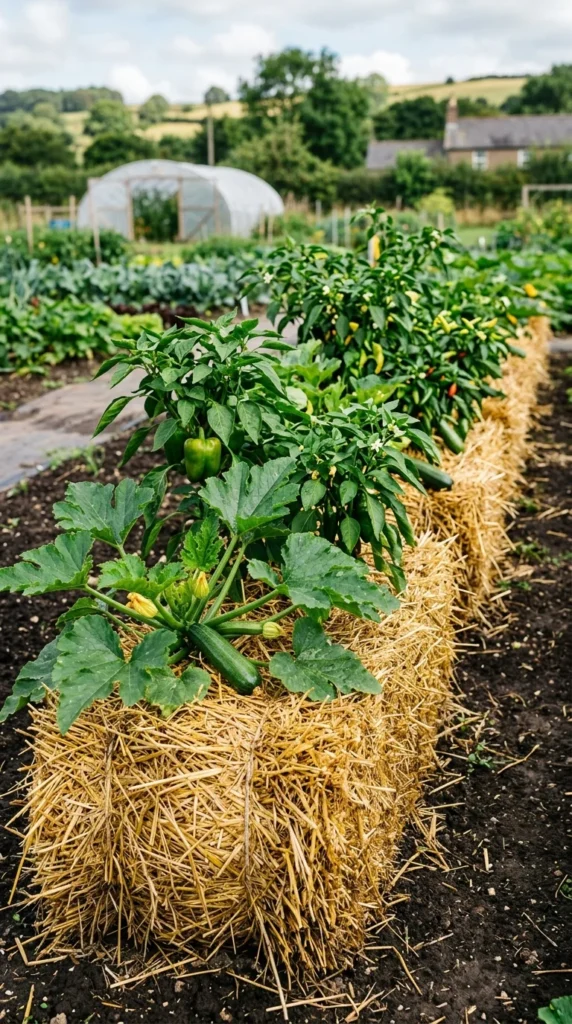
Straw bale gardening is a unique and productive method that essentially uses a bale of straw as both the container and the growing medium. Once the bale is “conditioned”—a process of watering and fertilizing to start internal decomposition—it becomes a nutrient-rich, warm environment for plant roots. This is an excellent option for gardeners with extremely poor soil or those who want a temporary garden setup. The height of the bales makes for an ergonomic gardening experience, and at the end of the season, the decomposed straw can be used as high-quality mulch or added to the compost pile. It is particularly effective for heavy feeders like potatoes and squash.
7. Keyhole Gardens
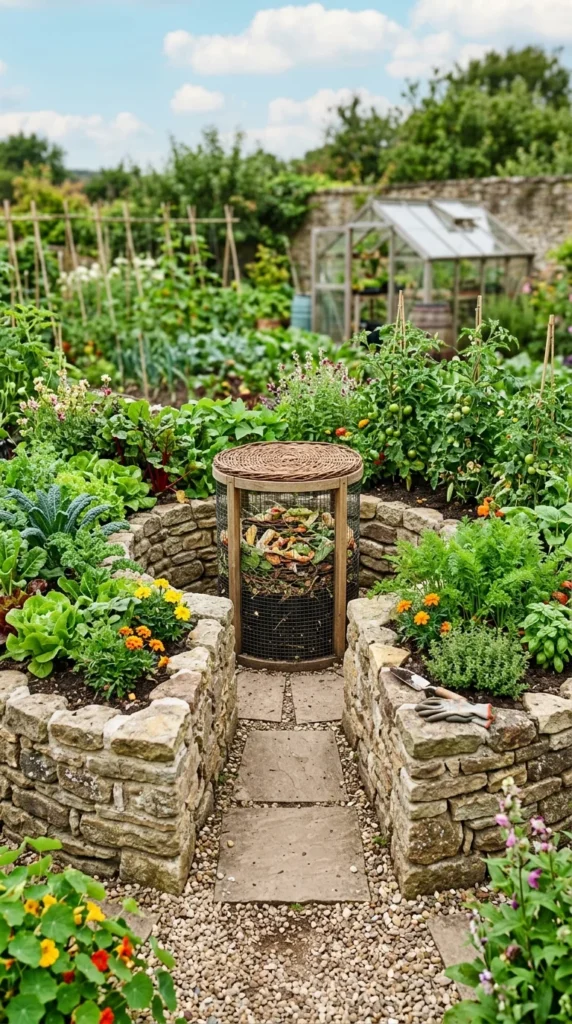
Originating in drought-prone regions, the keyhole garden is a masterpiece of sustainable design. It is a circular raised bed with a “keyhole” path leading to a central composting basket. As you place kitchen scraps and greywater into the central basket, the nutrients and moisture slowly leach out into the surrounding soil, feeding the plants. This design is highly efficient for water conservation and soil fertility. The circular shape allows the gardener to reach every plant from the center or the perimeter, making it a low-maintenance and high-yield option for those looking to integrate composting directly into their growing space.
8. Square Foot Gardening
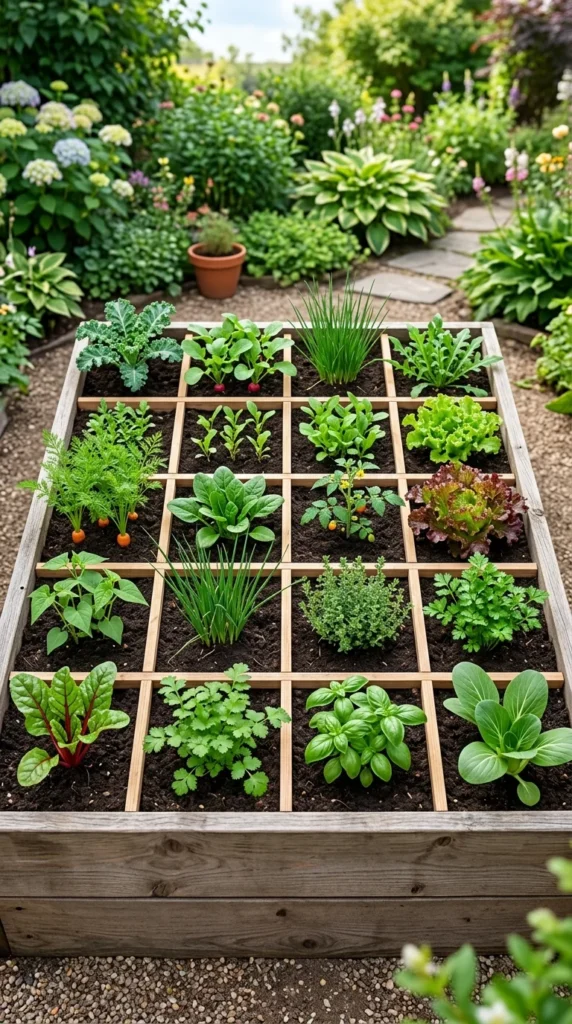
Square foot gardening is a precise method popularized by Mel Bartholomew that focuses on high-density planting in small spaces. By dividing a garden bed into a grid of 1-foot by 1-foot squares, you can calculate exactly how many of a specific plant can fit into that area—for instance, 16 radishes, 4 heads of lettuce, or 1 tomato plant. This system eliminates wasted space and reduces the amount of weeding required. It is an ideal method for beginners because it provides a clear, manageable framework and emphasizes the use of a specialized, weed-free soil mix, often called “Mel’s Mix.”
9. Edible Landscaping
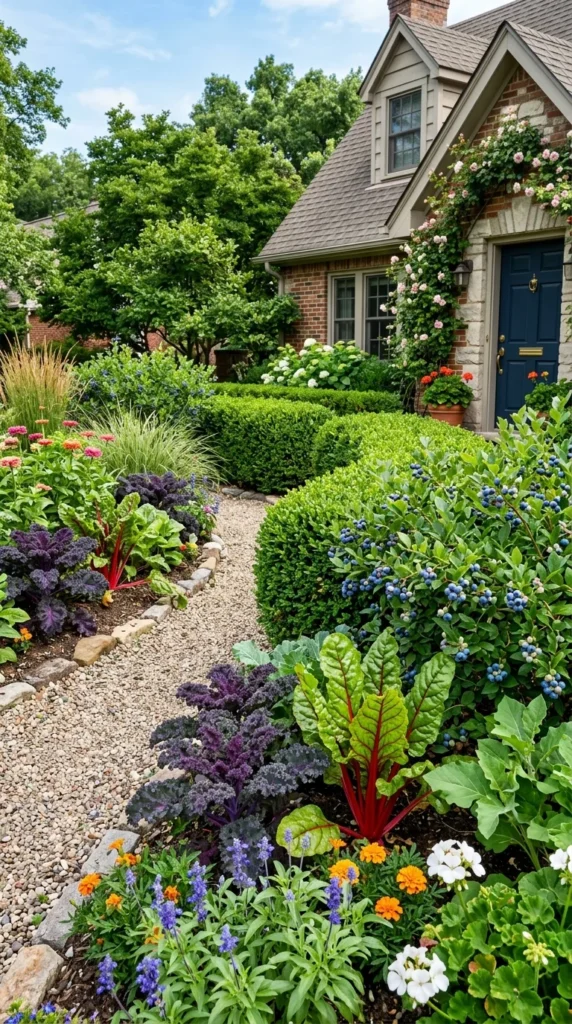
Why choose between a beautiful yard and a productive one? Edible landscaping integrates food-producing plants into the ornamental landscape. Instead of a non-functional boxwood hedge, you might plant blueberry bushes, which offer spring flowers, summer fruit, and stunning red foliage in the fall. Rainbow chard, purple basil, and curly kale are visually striking and can be tucked into flower borders. This approach challenges the notion that vegetable gardens must be hidden in the backyard. By blending aesthetics with utility, you can make the most of your entire property while increasing your home’s curb appeal.
10. Greenhouse Growing
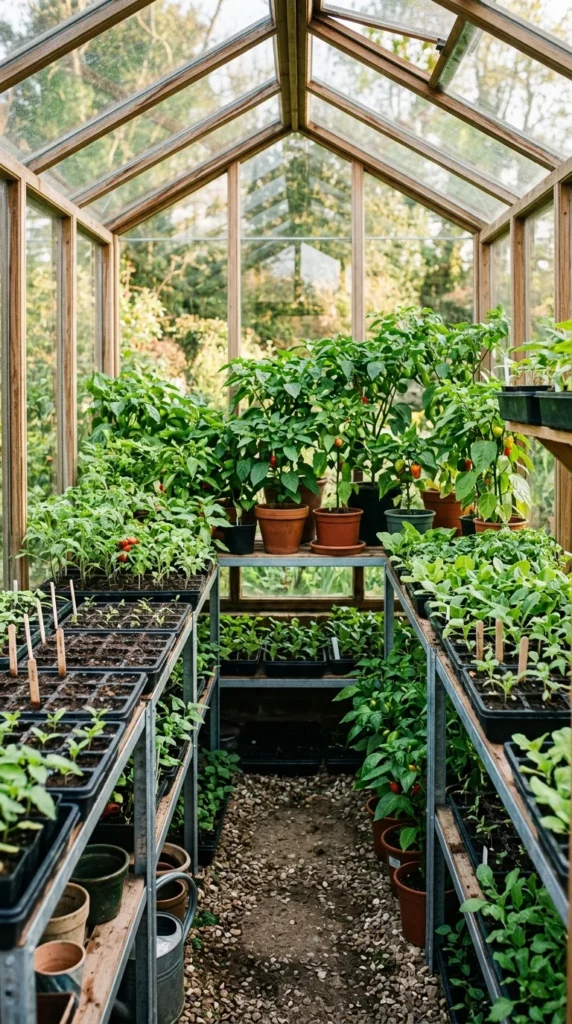
A greenhouse is a game-changer for any gardener looking to extend their growing season. By trapping solar heat and providing a sheltered environment, a greenhouse allows you to start seeds much earlier in the spring and keep cool-weather crops growing well into the winter. It offers protection from harsh winds, heavy rain, and many common pests. Greenhouses range from simple, DIY plastic-covered “hoop houses” to elaborate glass structures. Beyond season extension, they provide a controlled environment where you can experiment with heat-loving plants like ginger or peppers that might struggle in your local outdoor climate.
11. Hydroponics
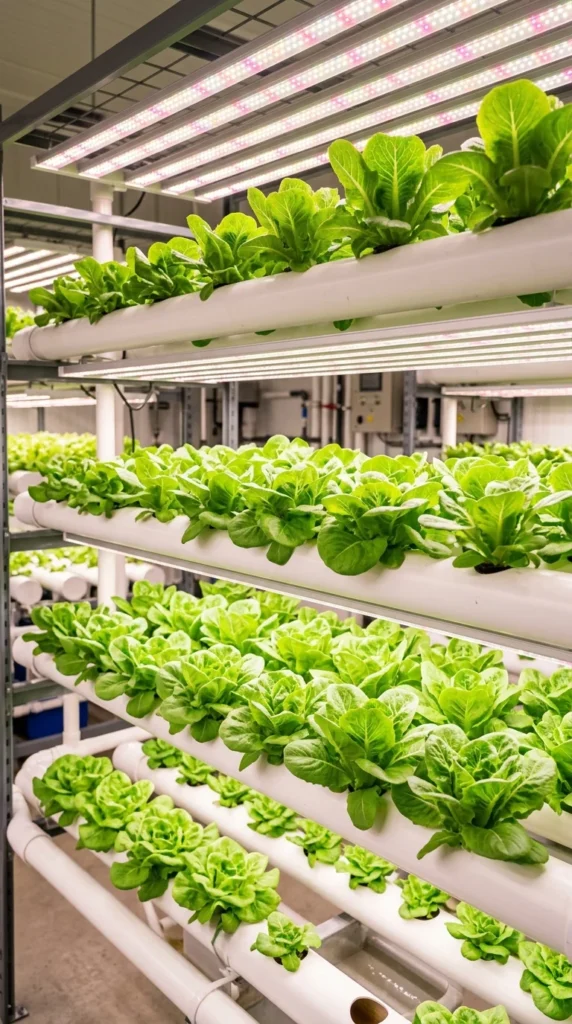
Hydroponics is the science of growing plants in a nutrient-rich water solution without the use of soil. This high-tech approach is perfect for indoor gardening or for areas where the soil is contaminated or non-existent. Hydroponic systems can be remarkably efficient, using up to 90% less water than traditional soil-based gardening because the water is recirculated. Plants often grow faster in these systems because the nutrients are delivered directly to the roots. While it requires an initial investment in equipment like pumps and grow lights, a home hydroponic setup can provide fresh greens and herbs year-round, regardless of the weather outside.
12. Sheet Mulching
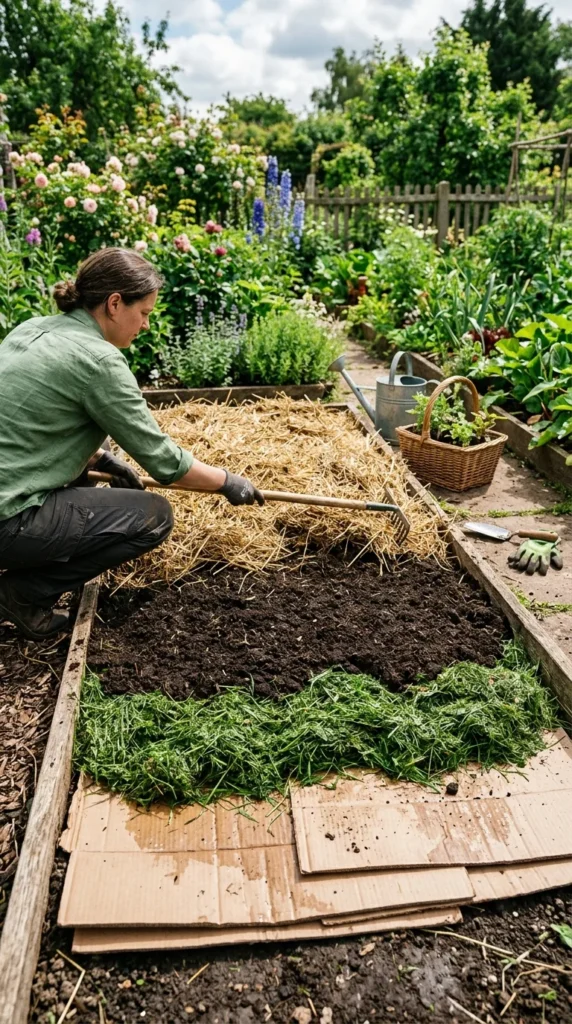
Also known as “lasagna gardening,” sheet mulching is a no-dig method of building incredibly rich soil from the top down. Instead of tilling the earth—which can disrupt soil microbes and bring weed seeds to the surface—you layer organic materials directly over the grass or existing weeds. A typical “lasagna” includes a layer of cardboard or newspaper to smother weeds, followed by alternating layers of “green” nitrogen-rich materials (like kitchen scraps or grass clippings) and “brown” carbon-rich materials (like dried leaves or straw). Over time, these layers decompose into a dark, crumbly compost that is perfect for planting.
13. Heirloom Varieties
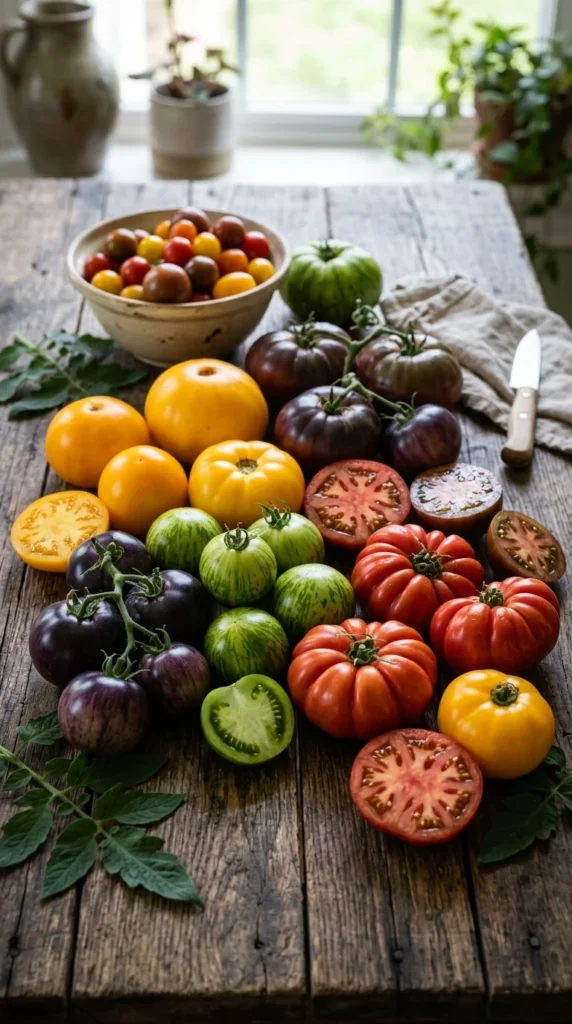
Growing heirloom vegetables is a way to preserve biodiversity and enjoy flavors that are often missing from supermarket produce. Heirlooms are open-pollinated varieties that have been passed down through generations, often selected for their superior taste, unique colors, or historical significance. Unlike hybrid seeds, you can save the seeds from heirloom plants and grow them again the following year, and they will grow “true to type.” From “Mortgage Lifter” tomatoes to “Moon and Stars” watermelons, heirlooms bring a sense of history and a burst of unique flavor to the home garden.
14. Pollinator Borders
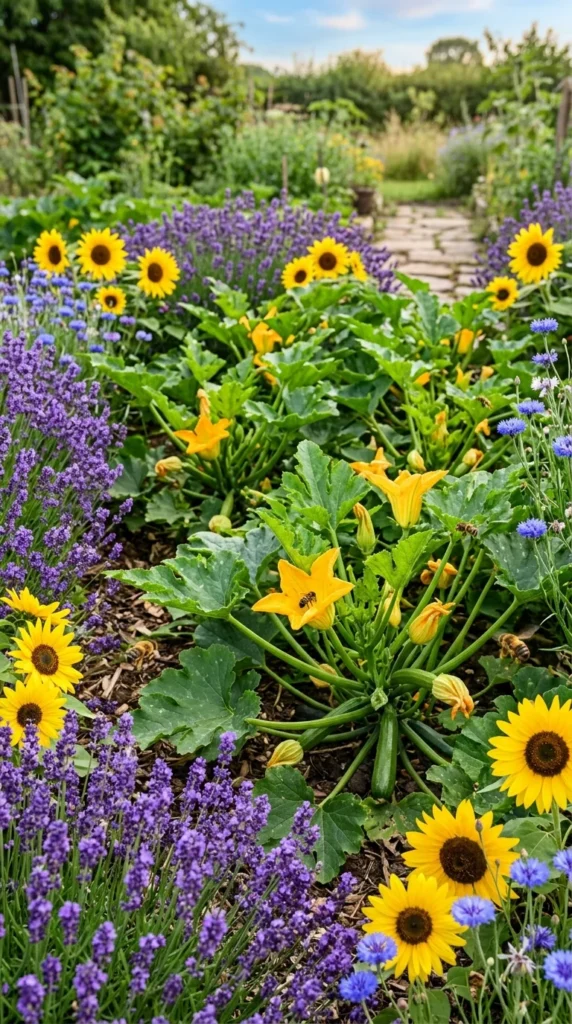
A successful vegetable garden relies heavily on the work of pollinators like bees, butterflies, and hoverflies. To ensure your fruiting crops (like tomatoes, squash, and peppers) are well-pollinated, it is beneficial to plant a “pollinator border” of flowering herbs and flowers nearby. Plants like borage, calendula, alyssum, and zinnias attract beneficial insects that not only pollinate your crops but also prey on common garden pests like aphids. By dedicating a portion of your garden to flowers, you create a more holistic and self-regulating ecosystem that supports local wildlife while boosting your garden’s productivity.
15. Window Boxes
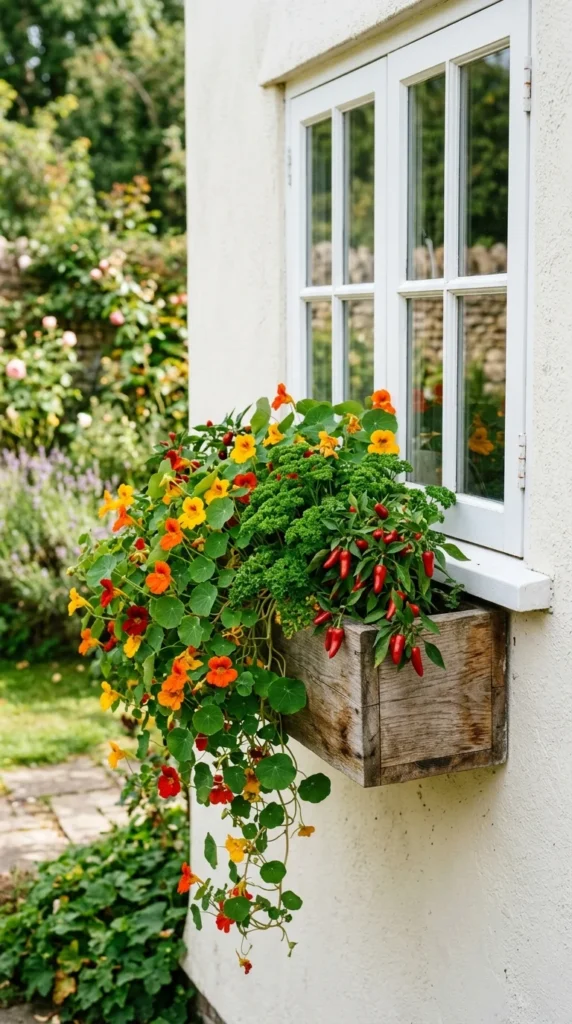
For the ultimate small-space solution, window boxes allow you to grow a “kitchen garden” right outside your window. This is perfect for herbs, salad greens, and radishes—the things you want to grab quickly while cooking. Because window boxes are close to the house, they are often in a more sheltered microclimate, which can protect plants from late frosts. They also add a charming, European-style aesthetic to your home’s exterior. Maintenance is easy, as you can water and harvest them without even stepping outside, making them an excellent choice for busy individuals or those with limited physical mobility.
16. Cold Frames
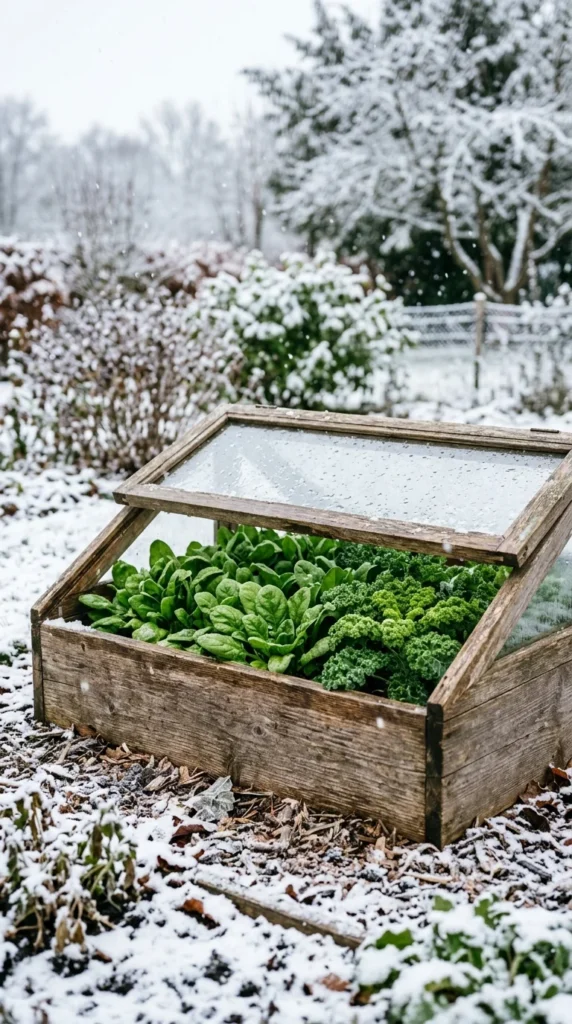
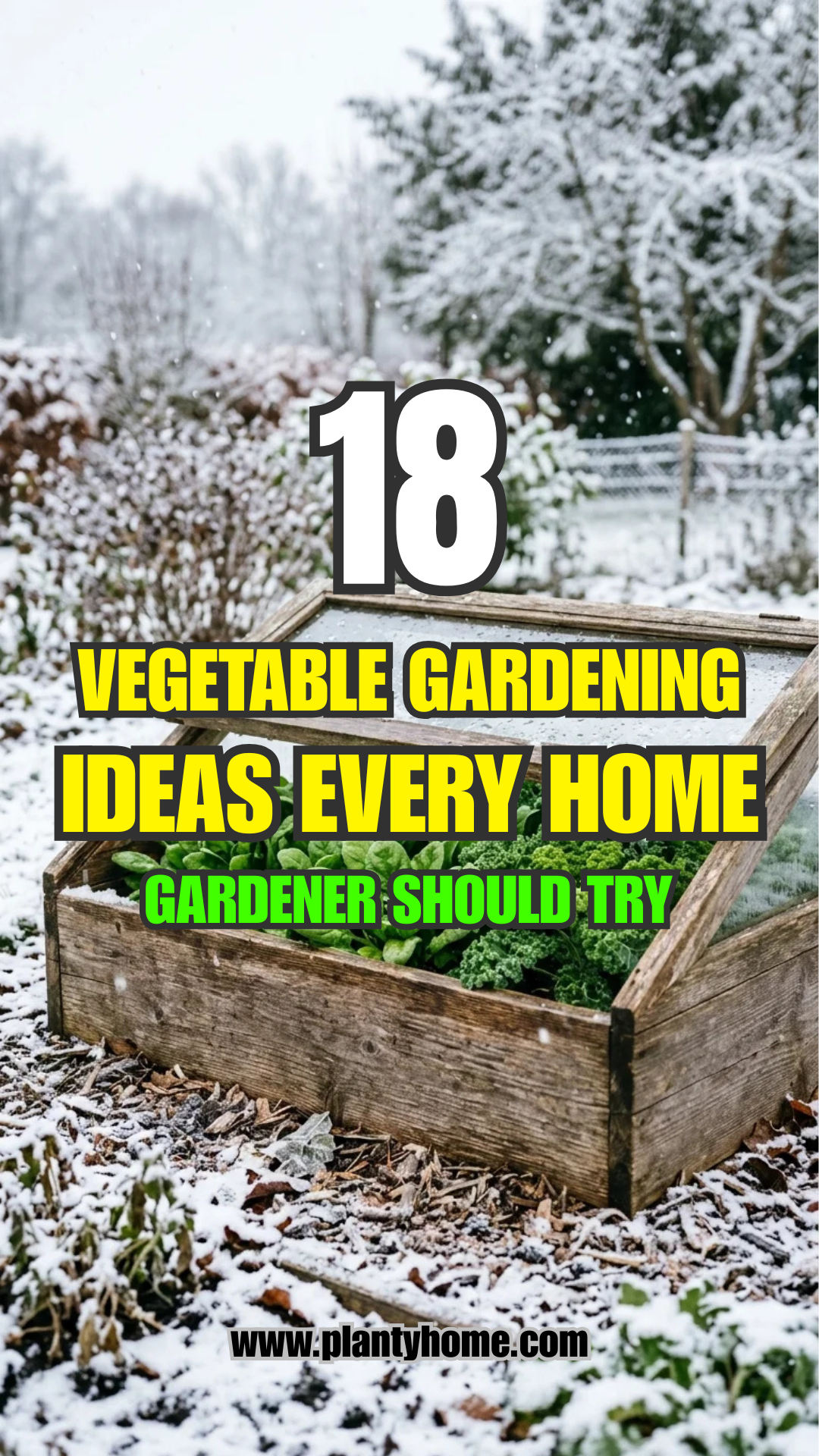
A cold frame is essentially a miniature, unheated greenhouse that sits directly on the ground. Usually constructed from a wooden frame with a transparent lid (often an old window or a sheet of polycarbonate), it protects plants from freezing temperatures and biting winds. Cold frames are indispensable for “hardening off” seedlings started indoors, preparing them for the transition to the garden. They also allow for the cultivation of hardy greens like spinach, claytonia, and mache throughout the winter months, providing a source of fresh vitamins when the rest of the garden is dormant.
17. Hugelkultur
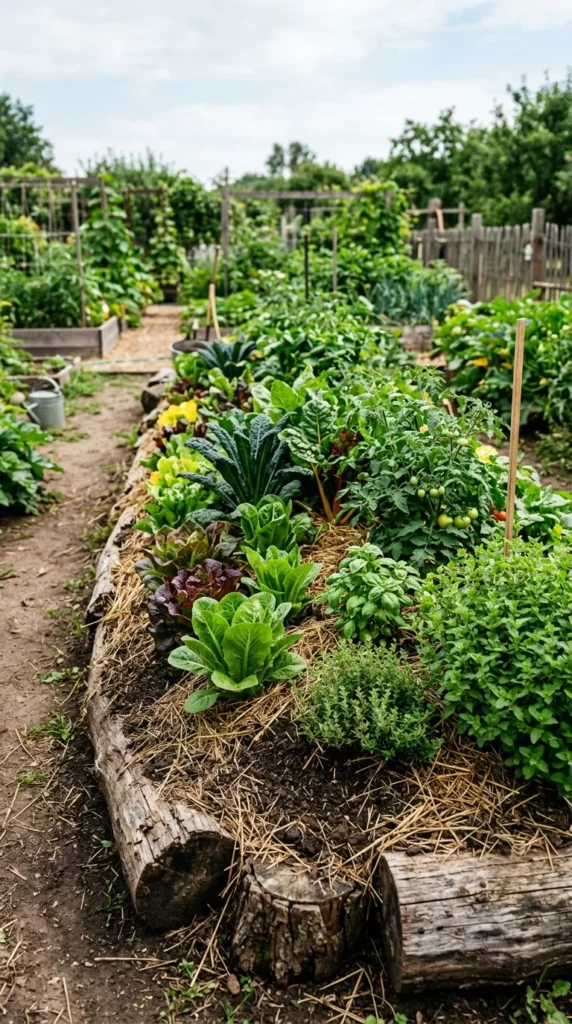
Hugelkultur is a centuries-old German gardening technique that involves creating a mounded garden bed over a base of rotting logs and woody debris. As the wood slowly breaks down over several years, it releases nutrients into the soil and acts like a giant sponge, retaining moisture and reducing the need for irrigation. The decomposition process also generates a small amount of heat, which can slightly extend the growing season. Hugelkultur beds are excellent for sequestering carbon and utilizing garden waste that might otherwise be hauled away. Over time, the mound becomes a self-fertilizing, drought-resistant powerhouse for vegetables.
18. Vertical Towers
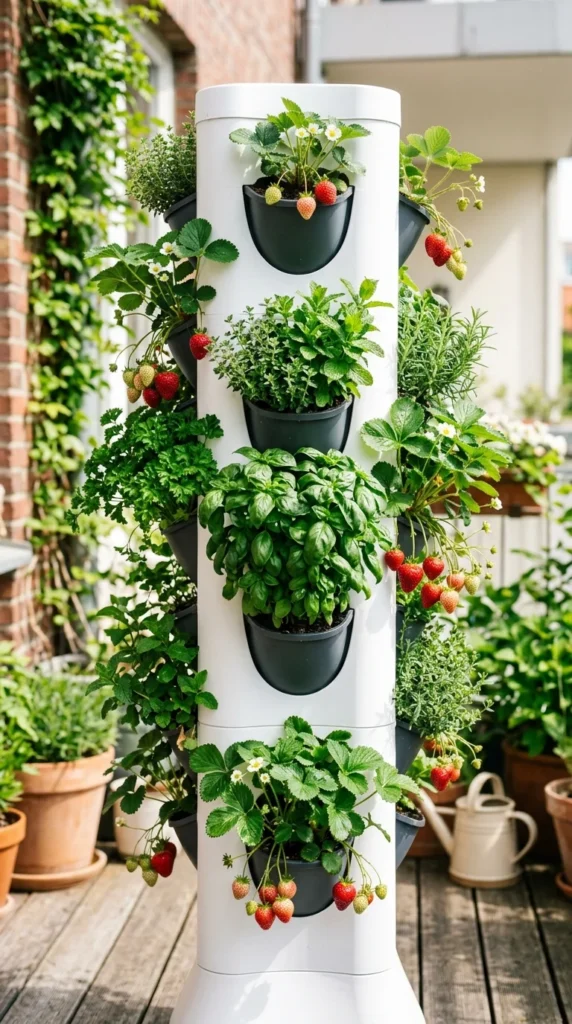
Vertical towers, including aeroponic and hydroponic towers, are the pinnacle of space-saving technology. These systems allow you to grow dozens of plants in a footprint of just a few square feet. Many commercial models use a pump to trickle nutrient-rich water down through the levels, feeding the plants’ roots directly. These towers are increasingly popular in urban settings and on balconies because they are clean, highly productive, and visually striking. They are particularly well-suited for leafy greens, herbs, and strawberries, providing a high-volume harvest with very little physical labor involved in weeding or tilling.
In conclusion, the world of vegetable gardening is vast and full of opportunity. By experimenting with these different ideas—whether it’s the structural efficiency of raised beds or the biological synergy of companion planting—you can create a garden that is not only productive but also a source of joy and creative expression. The key to a successful garden is to start where you are, use what you have, and never stop learning from the plants themselves. Whether you harvest a single tomato from a window box or a year’s worth of produce from a series of Hugelkultur mounds, the act of growing your own food is a powerful step toward a healthier and more sustainable lifestyle.