
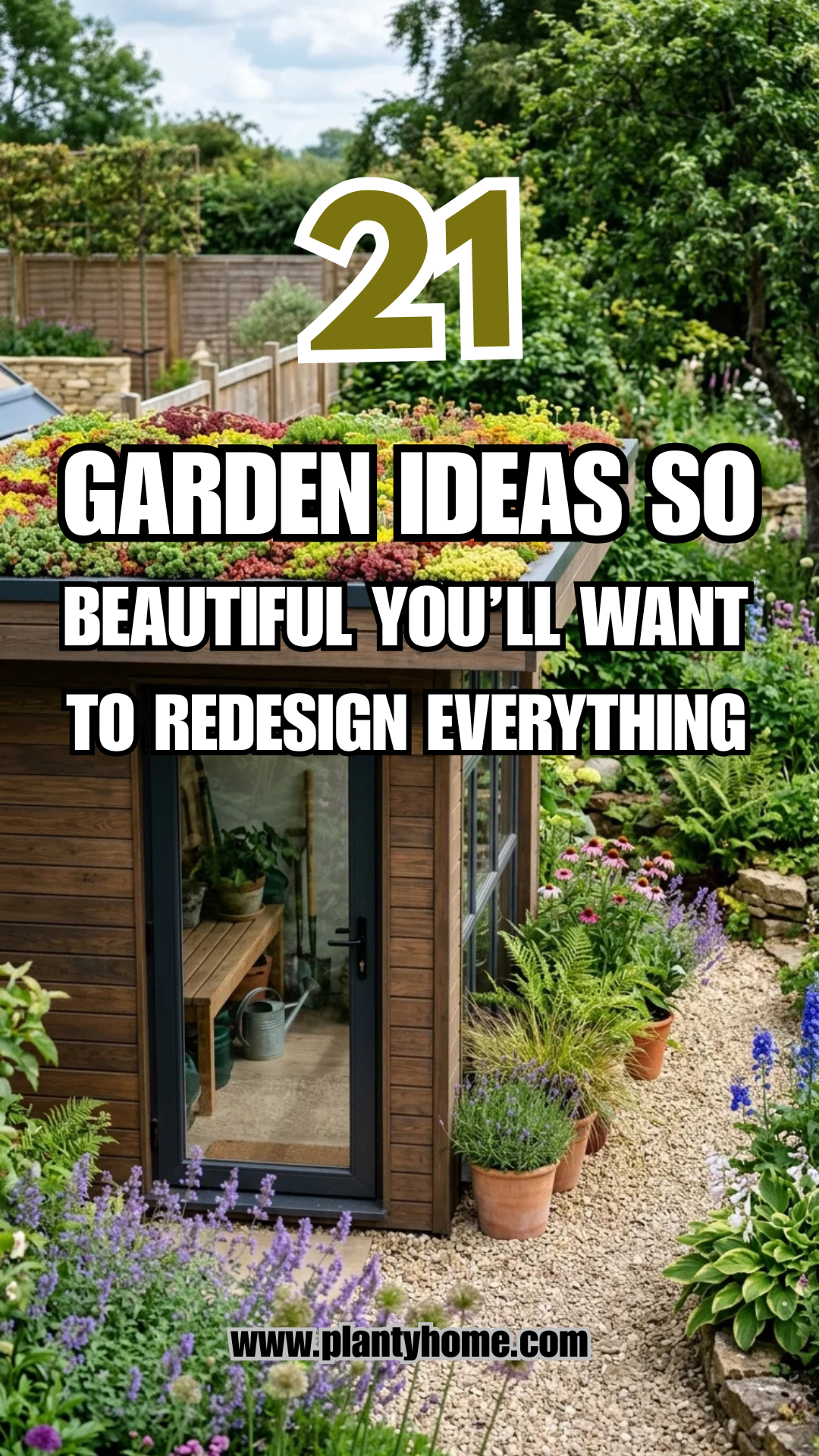
A garden is more than just an outdoor space; it is a living canvas, an extension of your home, and a sanctuary for the soul. Whether you are working with a sprawling estate or a compact urban courtyard, the right design elements can transform a patch of dirt into a private paradise. The following 21 ideas represent the pinnacle of modern and classic landscaping, offering inspiration to help you reimagine your outdoor world.
1. Sunken Seating
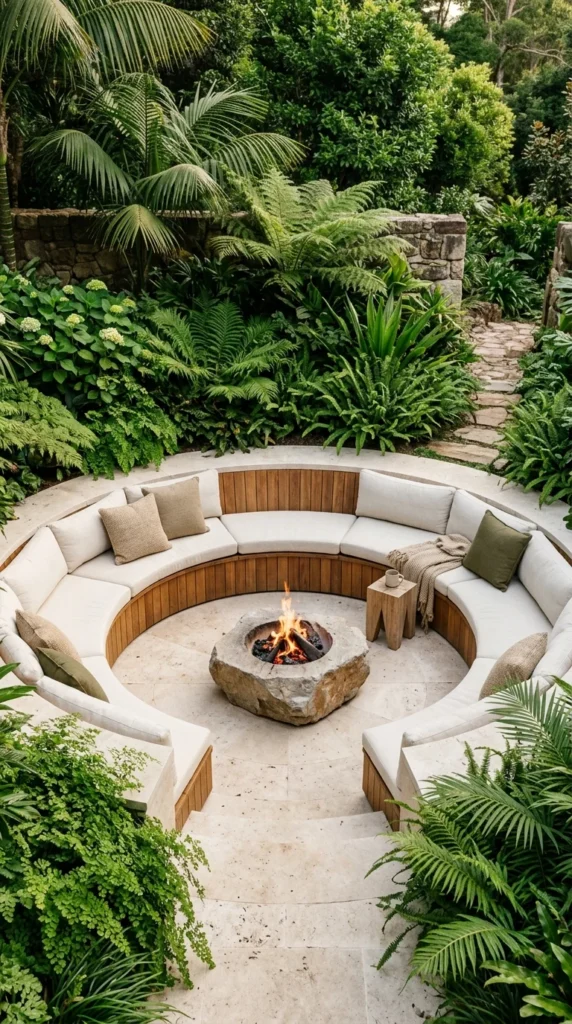
Sunken seating areas, also known as “conversation pits,” create an immediate sense of intimacy and architectural intrigue. By dropping the floor level below the rest of the garden, you define a distinct zone for socializing without obstructing the view of the landscape. This technique is particularly effective in large gardens where you want to create a focal point, or in windy areas where the lower elevation provides natural shelter. Use materials that complement your home’s exterior to ensure a seamless transition.
2. Wildflower Meadows
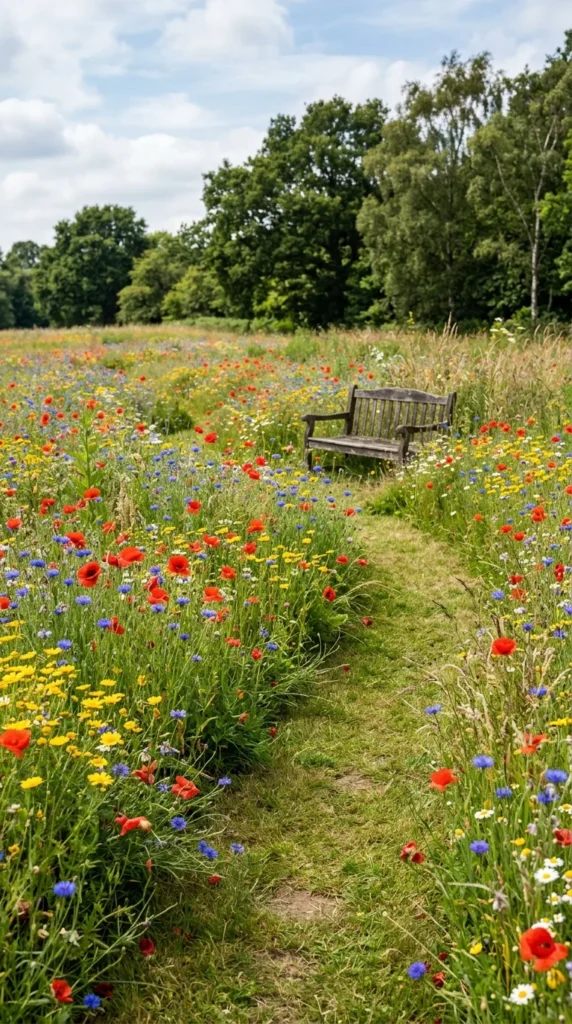
Moving away from the high-maintenance “perfect lawn,” wildflower meadows embrace the beauty of controlled chaos. These areas are not only visually stunning with their ever-changing colors but are also vital habitats for pollinators like bees and butterflies. To achieve this look, choose a seed mix native to your region and prepare the soil by removing aggressive grasses. The result is a low-maintenance, romantic landscape that feels connected to the natural world.
3. Vertical Gardens
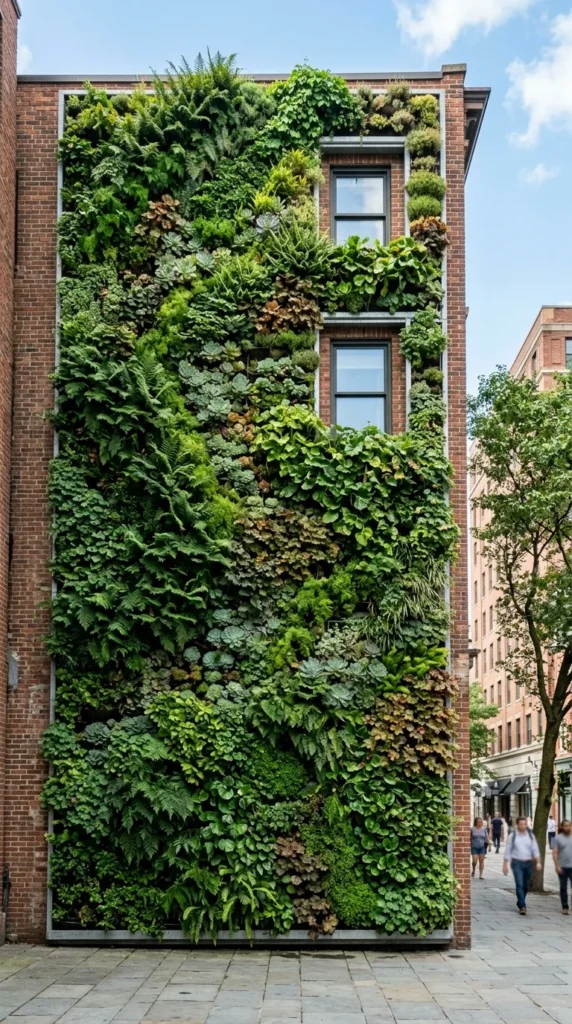
When horizontal space is at a premium, look upward. Vertical gardens, or living walls, allow you to pack hundreds of plants into a small footprint. Using modular hydroponic systems or simple felt pockets, you can grow anything from ferns and mosses to herbs and strawberries. Beyond their aesthetic appeal, vertical gardens provide excellent insulation for the home and help reduce ambient noise in urban environments.
4. Gravel Paths
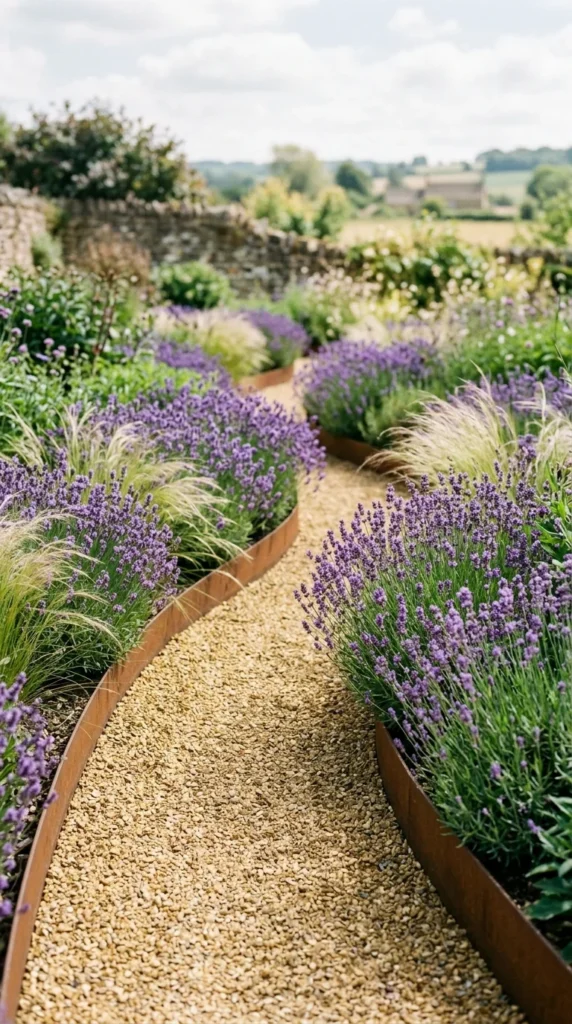
Gravel is one of the most versatile and cost-effective materials in garden design. It provides a satisfying crunch underfoot and allows for excellent drainage. To make gravel paths look high-end, use steel or stone edging to keep the stones contained and prevent them from migrating into flower beds. Choosing a “crunchy” local stone ensures the path feels grounded in its environment.
5. Mirror Accents
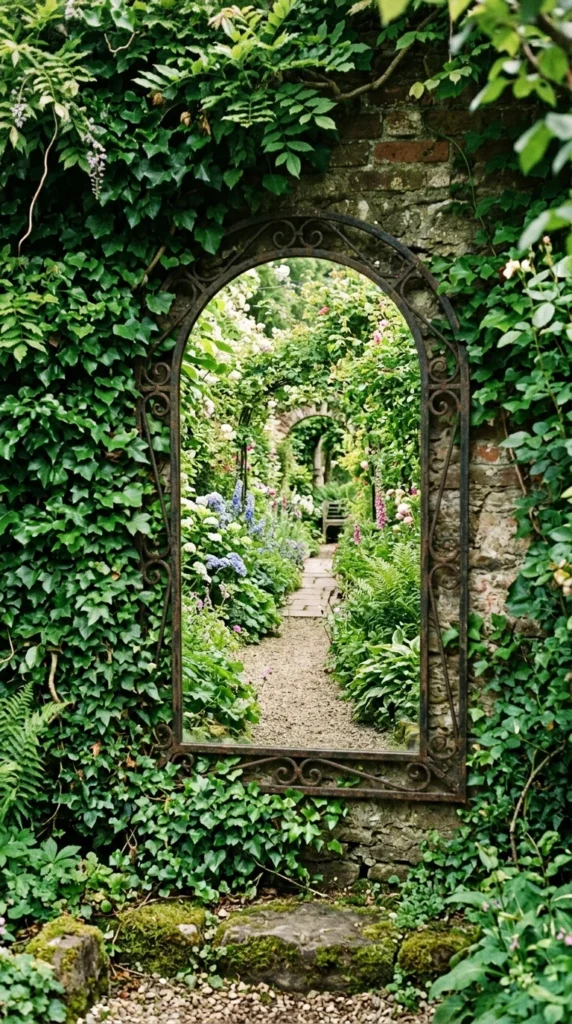
Mirrors are a classic interior design trick that works wonders outdoors. By placing a weather-resistant mirror on a fence or wall, you can trick the eye into thinking the garden continues further than it does. This is especially effective in small courtyards or “dead” corners. Positioning a mirror behind a water feature or a cluster of bright flowers doubles the visual impact of those elements.
6. Fire Pit Focal Points
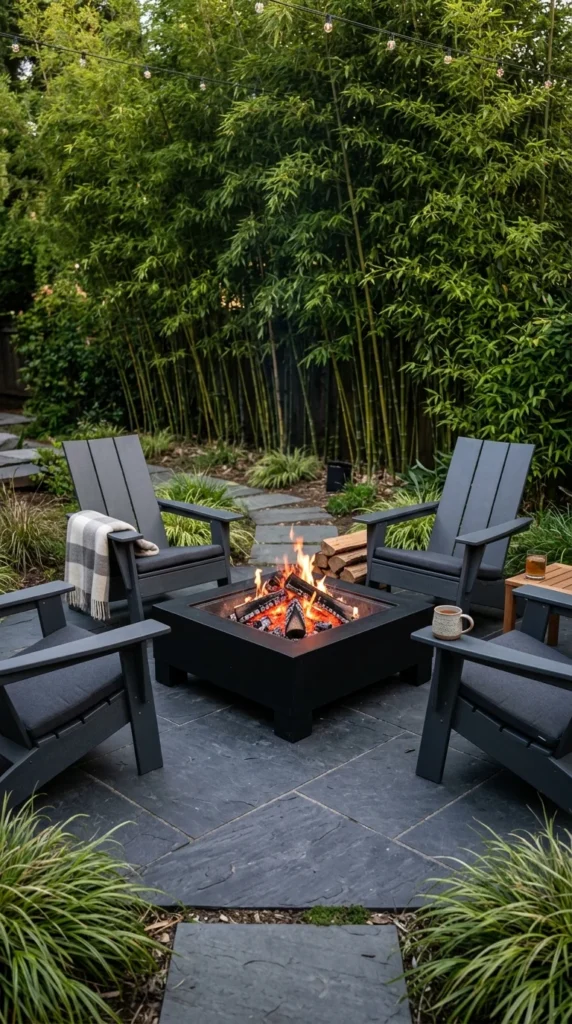
A fire pit extends the usability of your garden into the cooler months and late into the evening. Whether it’s a rustic stone ring or a sleek gas-powered steel table, the fire pit serves as a natural gathering spot. Design the area around the fire pit with permanent seating or weather-resistant furniture to create an “outdoor living room” feel that encourages relaxation.
7. Tiered Terraces
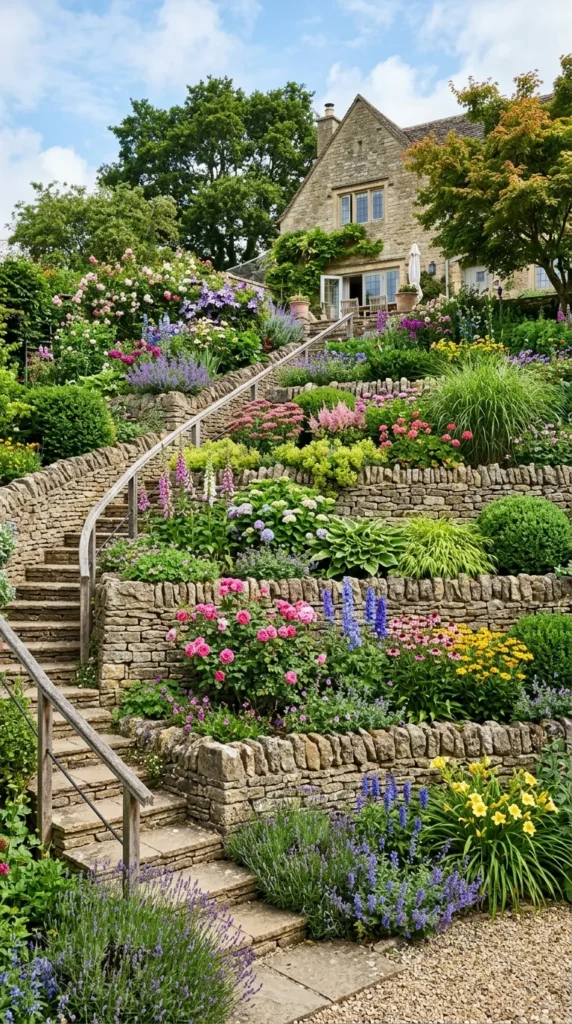
Sloped gardens can be challenging, but they offer a unique opportunity for tiered terracing. By breaking a steep incline into several flat levels, you create distinct “rooms” within the garden. One tier might be for dining, another for a vegetable garden, and another for a children’s play area. Use heavy timber or natural stone for retaining walls to add texture and structural integrity.
8. Secret Gateways
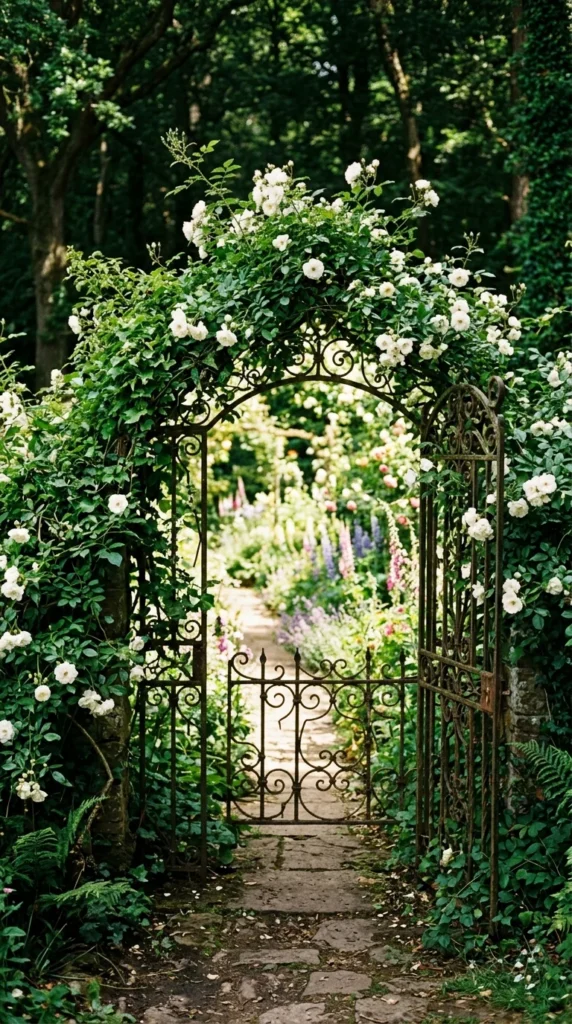
There is something inherently magical about a gate that hints at a hidden space. A garden gate doesn’t always have to be at the entrance; it can be used to divide different sections of the yard. An antique wooden door or a decorative iron gate framed by climbing roses creates a sense of mystery and journey, making even a small garden feel like an adventure.
9. Moon Gates
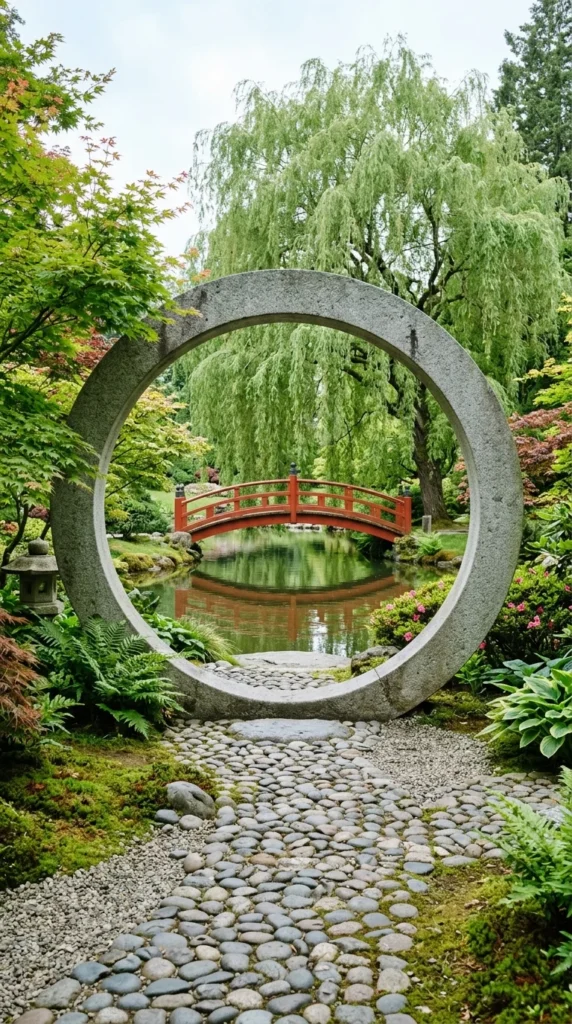
Originating in Chinese garden architecture, the moon gate is a circular opening in a wall that acts as a pedestrian passageway. It serves as a traditional symbol of birth and renewal. In modern landscaping, moon gates are often used as standalone sculptural elements. They frame specific views of the garden like a living picture frame, drawing the eye toward a prize specimen tree or a distant statue.
10. Herb Spirals
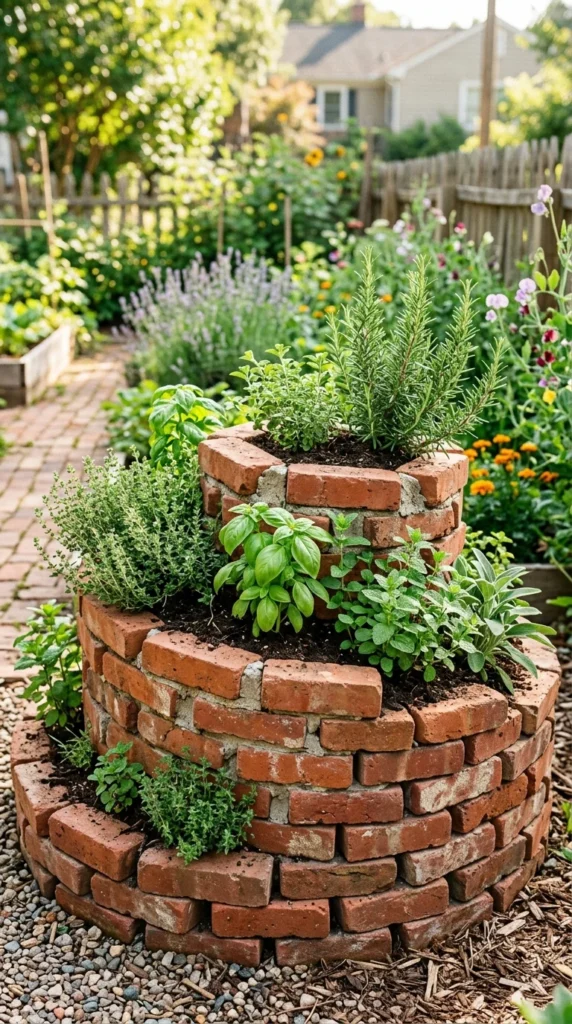
An herb spiral is a brilliant example of permaculture design. By building a spiral of stones or bricks, you create multiple microclimates in a small space. The top is dry and sunny (perfect for rosemary and thyme), while the bottom is cool and moist (ideal for mint and parsley). It is as functional as it is beautiful, providing a sculptural centerpiece for a culinary garden.
11. Zen Rockeries
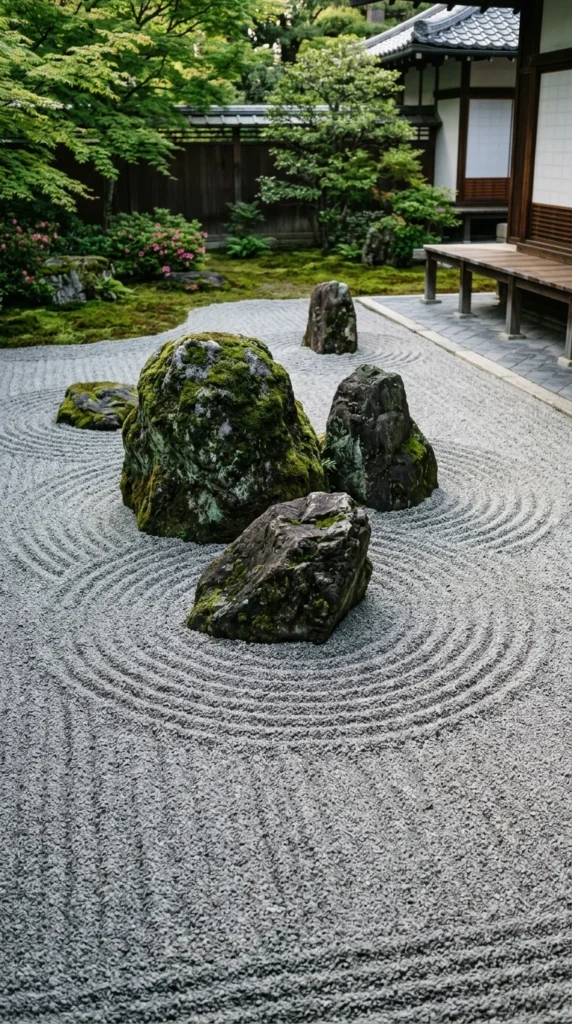
For those seeking a low-maintenance, meditative space, the Zen rockery (Karesansui) is the ultimate choice. These gardens use rocks, gravel, and sand to represent mountains and water. The act of raking the gravel becomes a form of mindfulness. To keep the look authentic, use an odd number of rocks and choose plants sparingly—perhaps a single Japanese Maple or some patches of velvet-green moss.
12. Living Roofs
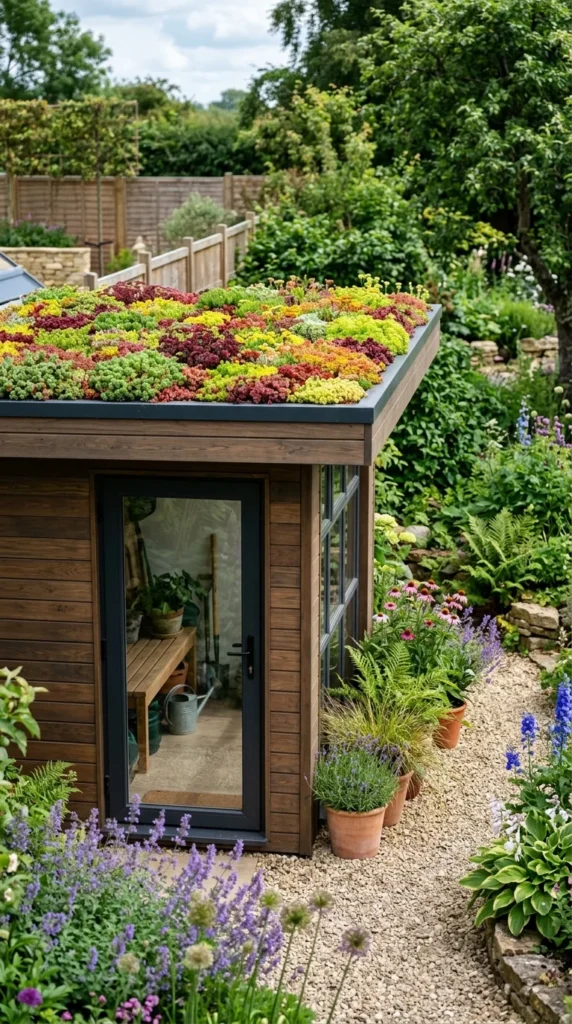
Don’t let the tops of sheds, bin stores, or extensions go to waste. A living roof (or green roof) is an excellent way to reclaim space for nature. They are typically planted with hardy sedums or alpine plants that require very little soil or water. Beyond the visual appeal of a “carpet of plants,” living roofs provide excellent thermal insulation and help manage rainwater runoff.
13. Pergola Retreats
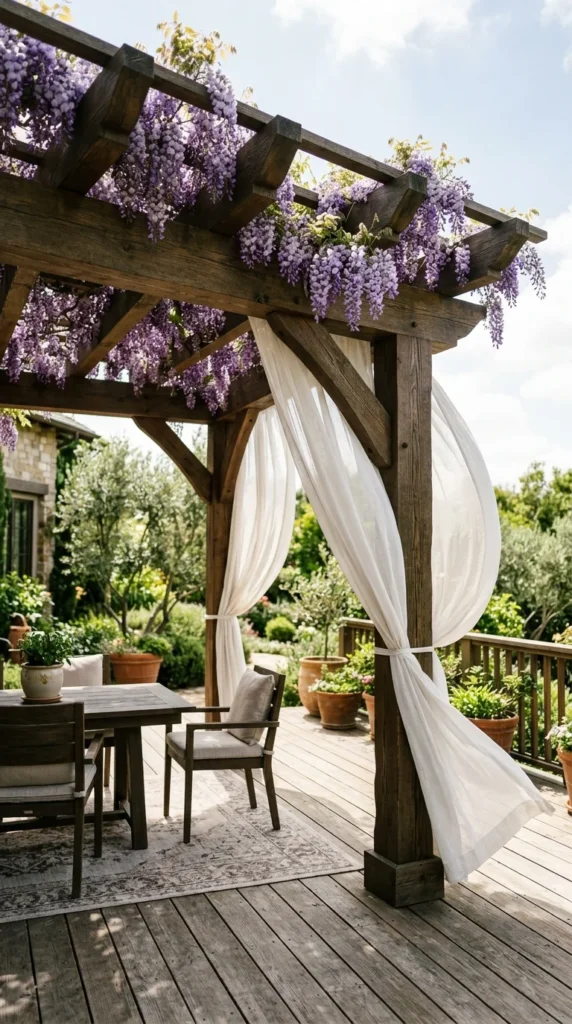
A pergola provides the perfect balance of shade and openness. It defines an outdoor dining or lounging area without the enclosure of a traditional roof. For a romantic, “old world” feel, plant climbing species like wisteria, jasmine, or grapevines to grow over the rafters. This creates a fragrant, leafy canopy that changes with the seasons.
14. Water Features
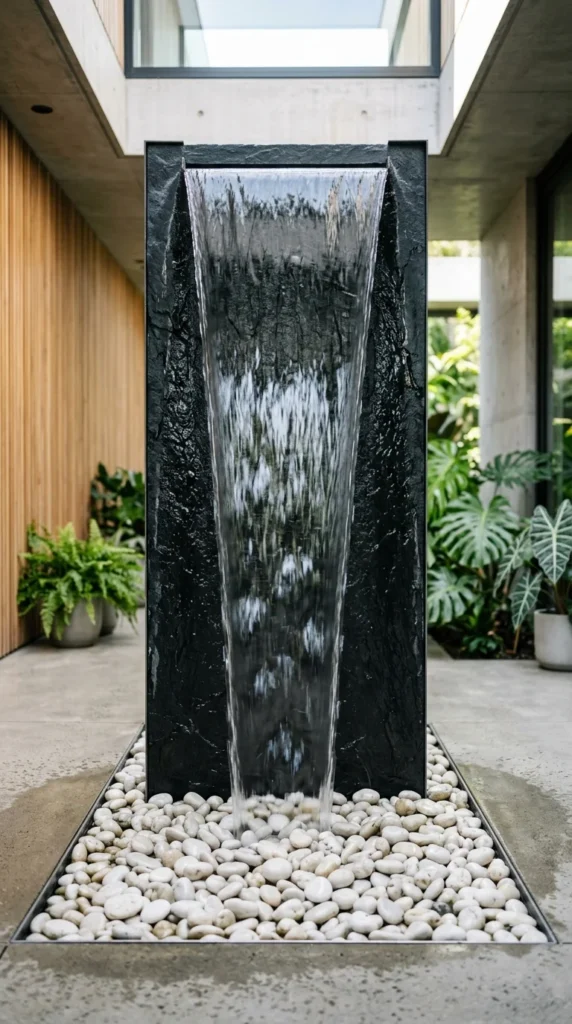
The sound of moving water can mask city noise and bring a sense of peace to any garden. You don’t need a massive lake; a simple stone trough with a small fountain or a sleek “water wall” can have a huge impact. Reflections on the surface of the water add light and movement to the garden, while the moisture helps cool the air on hot summer days.
15. Victorian Glasshouses
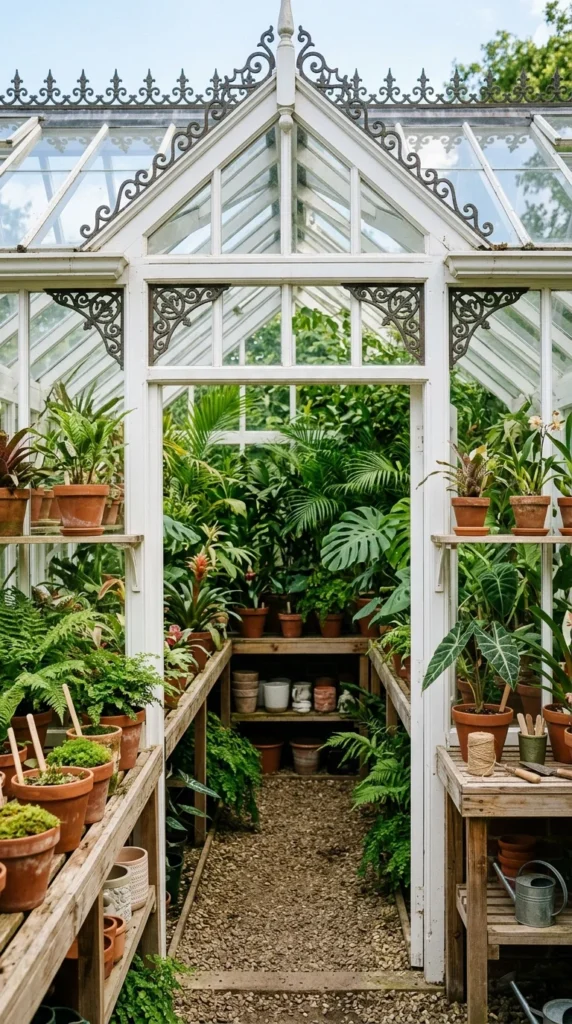
A glasshouse is the ultimate luxury for a gardener. Whether used for overwintering tender plants, starting seeds, or simply as a beautiful place to sit with a cup of tea, a Victorian-style greenhouse adds a sense of timeless elegance. Choose a model with decorative cresting and finials to turn a functional structure into a stunning architectural focal point.
16. Edible Borders
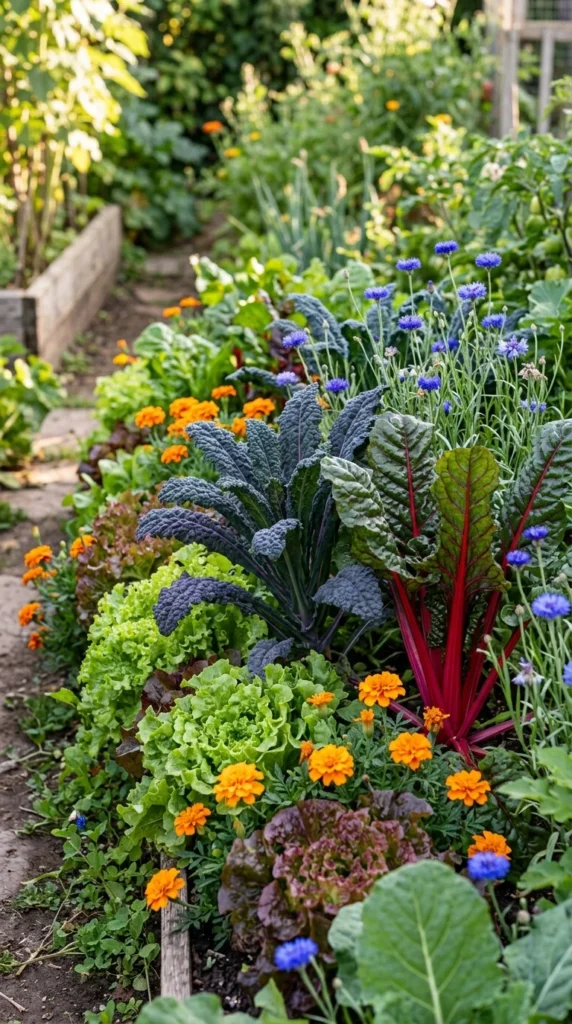
Who says vegetable gardens have to be hidden away in a “productive” zone? Edible landscaping involves mixing vegetables, herbs, and fruit bushes directly into your ornamental flower borders. The dark purple leaves of kale look stunning against bright perennials, and the architectural height of globe artichokes adds drama to any bed. It is a beautiful way to maximize the utility of your garden.
17. String Lighting
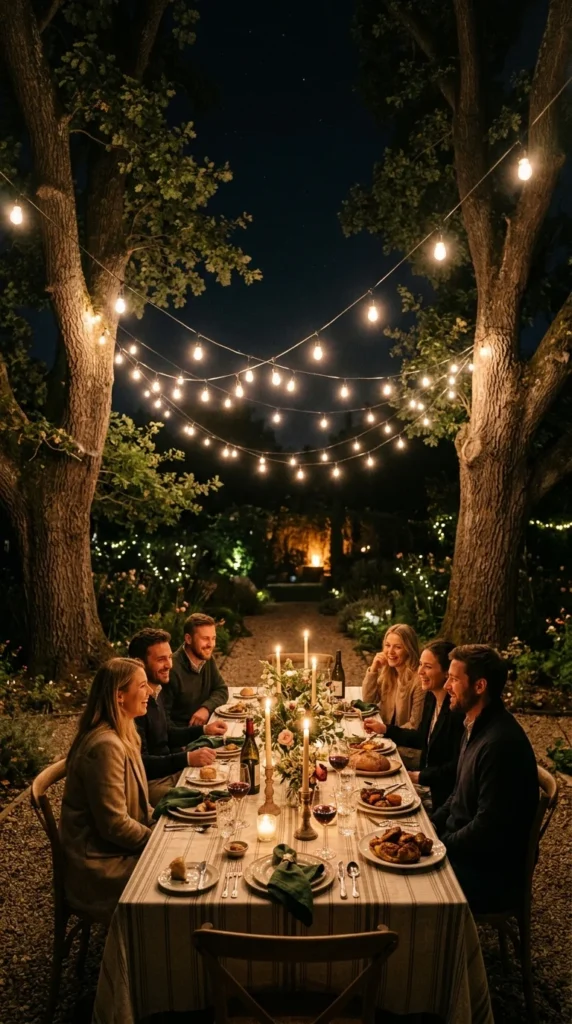
Lighting is the most effective way to change the mood of a garden instantly. String lights (or festoon lights) add a festive, magical glow that makes any space feel welcoming. Drape them across a patio, weave them through the branches of a tree, or run them along a fence line. The soft, warm light creates a “ceiling” for your outdoor space, making it feel cozy and enclosed.
18. Checkerboard Pavers
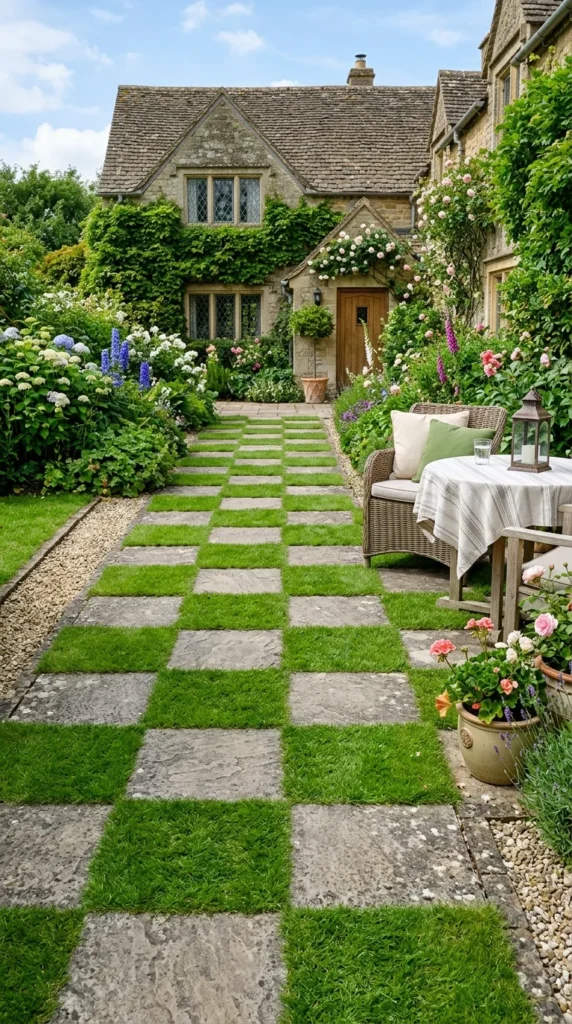
The checkerboard pattern is a classic design choice that brings a sense of formal rhythm to a garden. By alternating square pavers with squares of grass or low-growing moss, you soften the look of a traditional patio. This style works beautifully in both ultra-modern minimalist gardens and traditional formal estates.
19. Ornamental Grasses
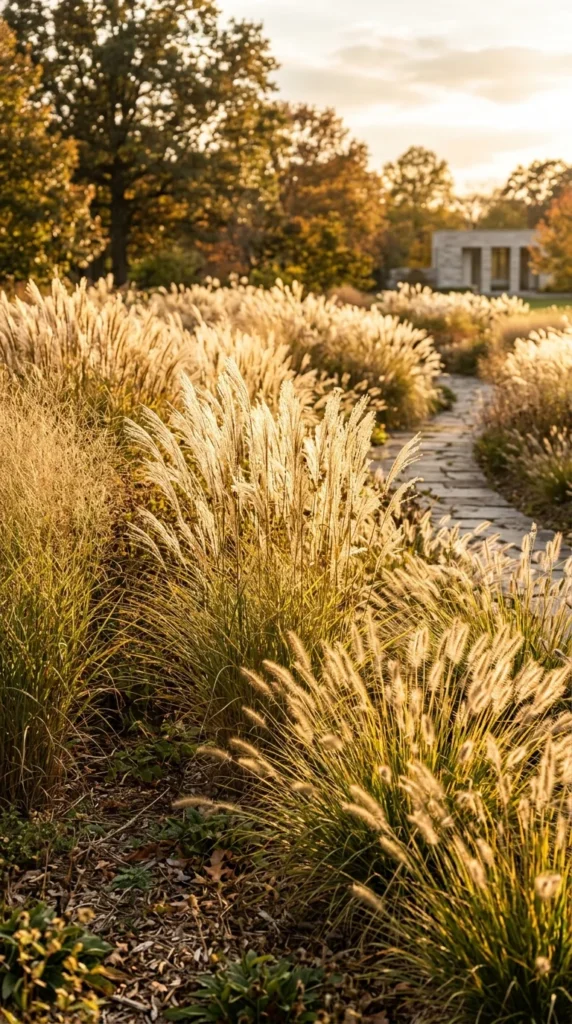
Ornamental grasses are the “secret weapon” of professional landscape designers. They provide movement, texture, and sound as they rustle in the wind. Many varieties stay beautiful well into winter, providing structural interest when other plants have died back. Plant them in large drifts for a contemporary, prairie-style look that requires very little maintenance.
20. Cottage Pathways
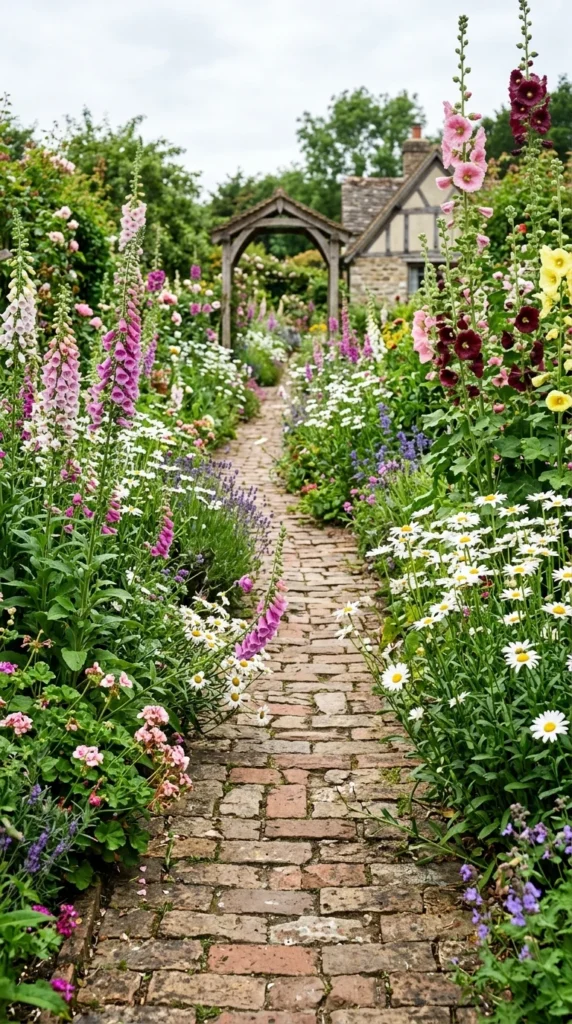
The cottage garden aesthetic is all about abundance and charm. Instead of straight lines and hard angles, use winding paths made of reclaimed bricks or stepping stones. Allow plants to spill over the edges, blurring the lines between the walkway and the garden. This style feels lived-in, cozy, and effortlessly beautiful.
21. Wildlife Ponds
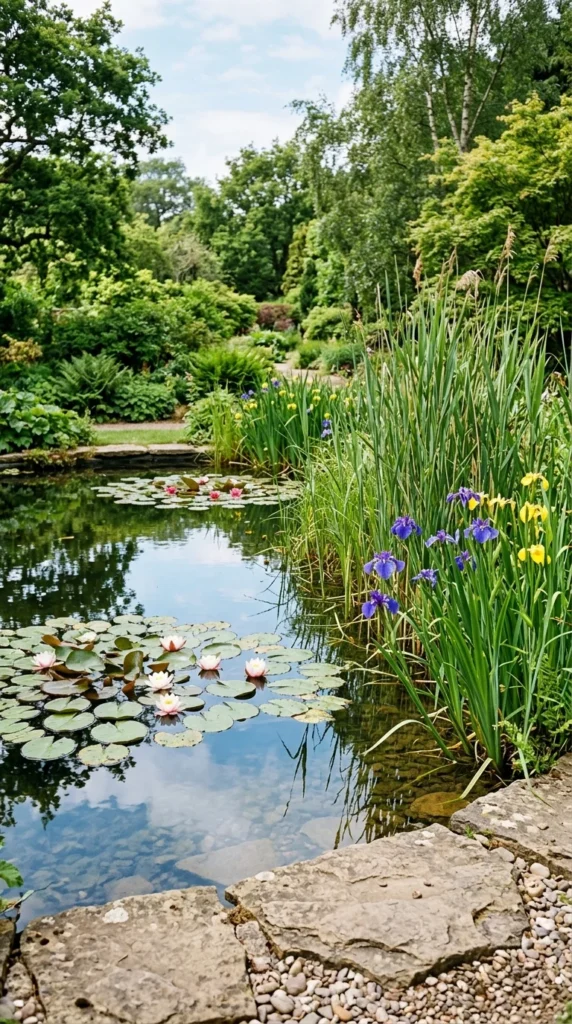
A wildlife pond is perhaps the most rewarding addition you can make to a garden. Unlike a sterile swimming pool, a wildlife pond is a bustling ecosystem. By including shallow “beach” areas, you allow birds, hedgehogs, and insects to drink safely. Watching dragonflies hover over the water and frogs settle on lily pads provides a deep connection to the cycle of life right in your own backyard.