
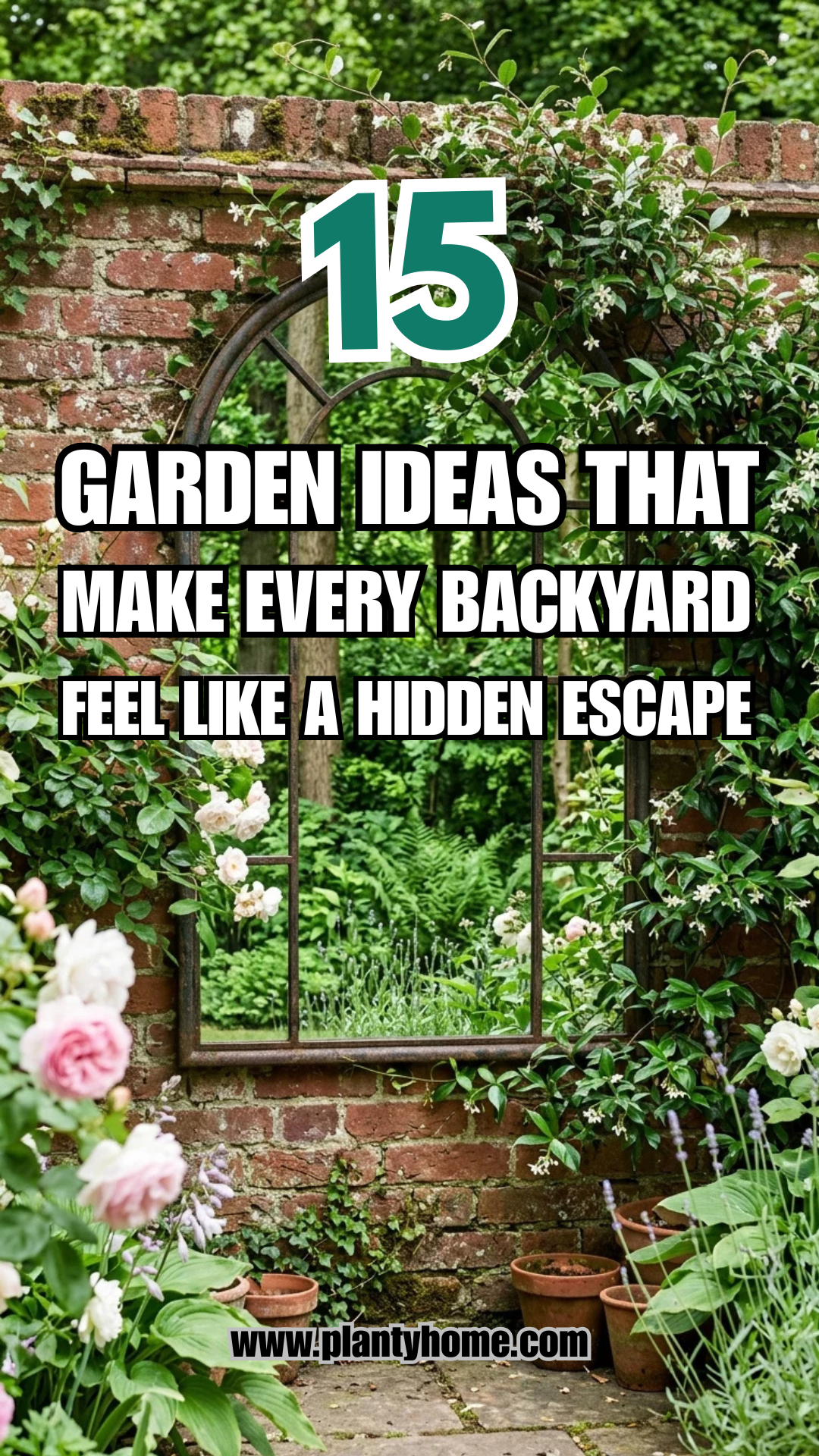
The concept of a “hidden escape” in landscaping is about more than just aesthetics; it is about creating a psychological boundary between the chaotic outside world and a personal sanctuary. A well-designed garden serves as a sensory retreat where the hum of traffic is replaced by the trickle of water and the sight of concrete is swapped for a tapestry of green. By implementing strategic design elements, any backyard—regardless of size—can be transformed into a secluded haven that feels miles away from civilization.
1. Tiered Waterfalls
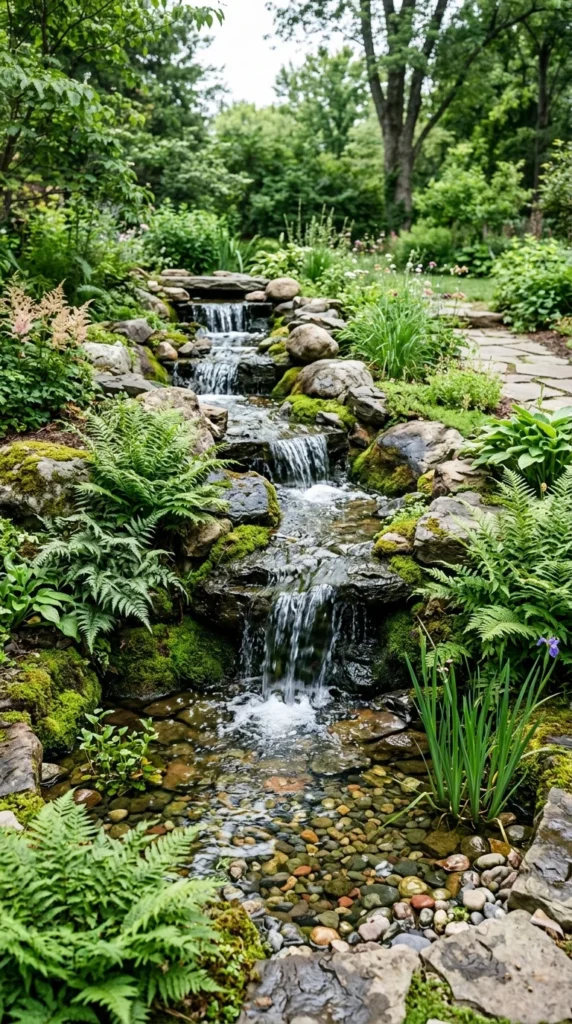
Sound is one of the most critical elements in creating a sense of isolation. Tiered waterfalls provide a consistent “white noise” that effectively masks neighborhood sounds, such as sirens or lawnmowers.
- Natural Integration: Use local stone to make the feature look like it has always been part of the landscape.
- Scale and Proportion: In smaller yards, a sheer descent or a “disappearing” waterfall (where water drains into a gravel bed) provides the same auditory benefits without taking up the footprint of a full pond.
- Wildlife Attraction: The movement of water attracts birds and dragonflies, adding a layer of natural life that enhances the “wild” feel of an escape.
2. Winding Pathways
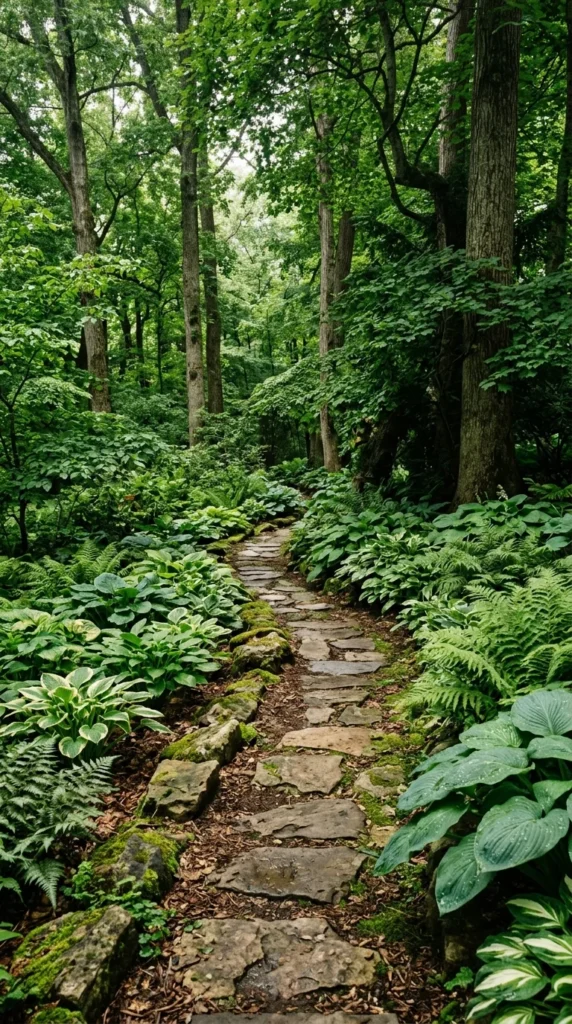
A straight path tells the eye exactly where the journey ends, which can make a small yard feel even smaller. In contrast, winding pathways create a sense of mystery and exploration.
- The Element of Surprise: By using curves, you can hide certain parts of the garden from view, forcing the visitor to slow down and discover the space piece by piece.
- Material Selection: Use “soft” materials like wood chips, gravel, or stepping stones with moss growing in between to reinforce the feeling of being on a woodland trail.
- Planting the Edges: Encroach on the path with soft-textured plants like Alchemilla mollis (Lady’s Mantle) to blur the lines between the walkway and the garden beds.
3. Tall Hedgerows
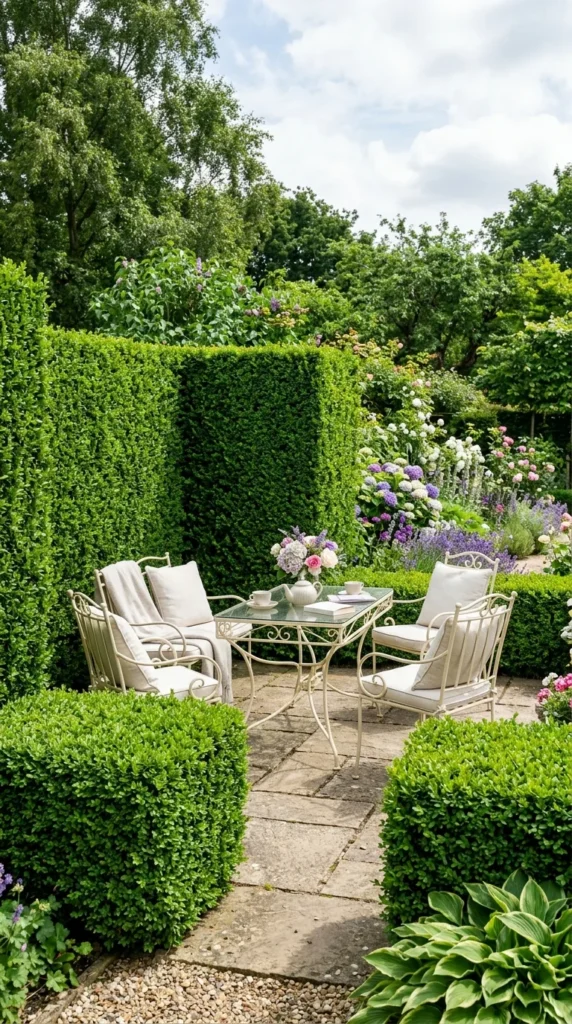
Privacy is the foundation of any hidden escape. While wooden fences are functional, they can feel harsh and industrial. Tall hedgerows, or “living walls,” provide a soft, organic barrier that absorbs sound rather than reflecting it.
- Evergreen Reliability: Species like Arborvitae, Yew, or Privet provide year-round privacy, ensuring the garden feels like a room even in the depths of winter.
- Layering for Depth: To avoid a “boxed-in” feeling, plant smaller shrubs or colorful perennials in front of the hedge to create a graduation of height and color.
- Maintenance Tip: Regular pruning is essential to keep hedges dense; a thick hedge provides much better noise insulation than a sparse one.
4. Sunken Patios
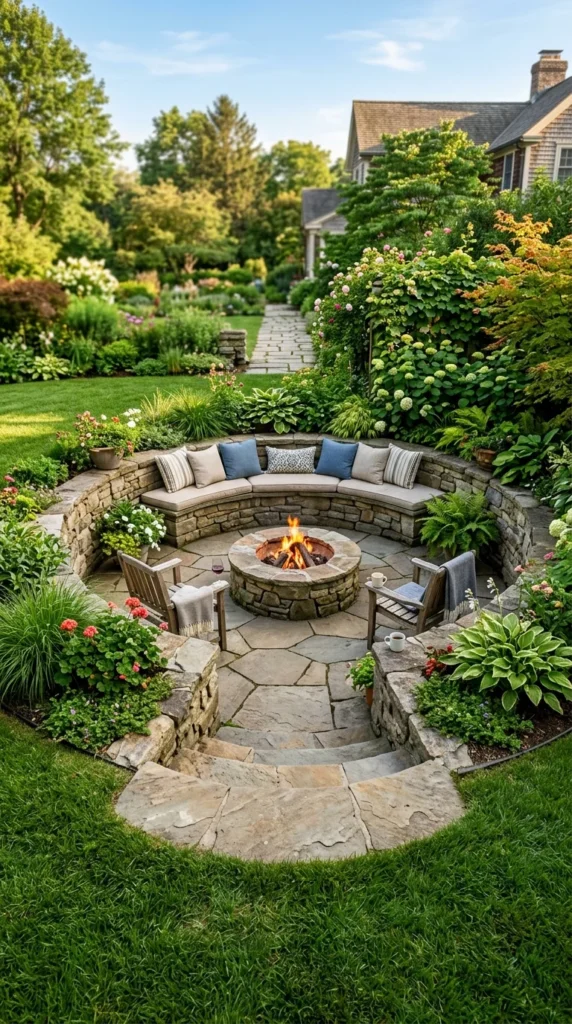
Changing the elevation of your garden is a powerful way to create a feeling of enclosure. A sunken patio literally drops you below the sightline of neighbors, making the space feel like a subterranean secret.
- Intimate Atmosphere: Being lower than the surrounding landscape creates a “hugged” feeling, perfect for intimate gatherings or quiet reading.
- Temperature Control: Sunken areas often stay cooler in the summer and are better shielded from the wind in the autumn.
- Design Continuity: Use the retaining walls of the sunken area as built-in seating or as planters for fragrant herbs like rosemary and thyme, which will release their scent at shoulder height.
5. Wildflower Meadows
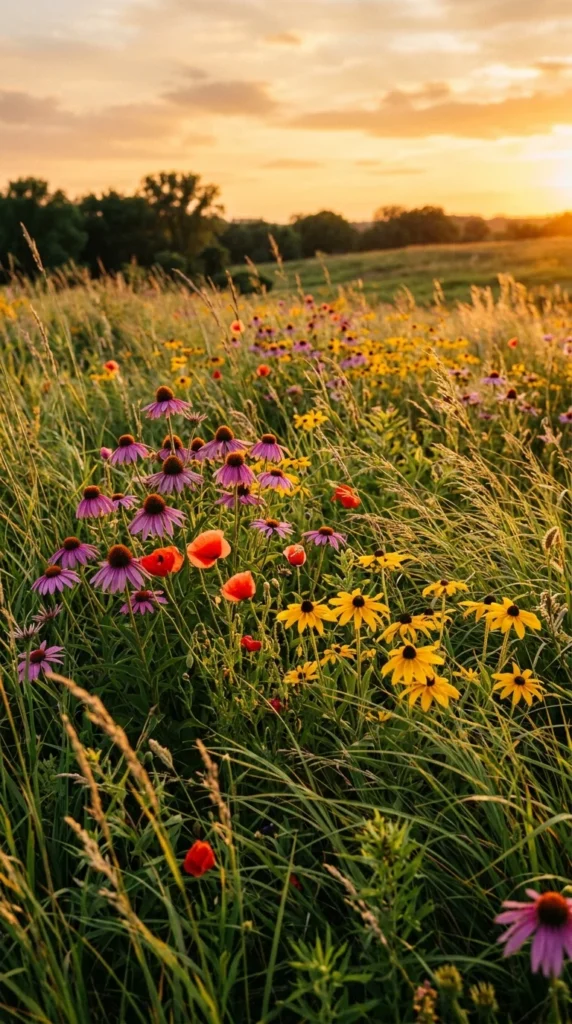
Traditional manicured lawns can feel high-maintenance and exposed. A wildflower meadow, however, suggests a forgotten, romantic landscape where nature has taken the lead.
- Low Maintenance, High Reward: Once established, meadows require significantly less water and mowing than grass.
- Biodiversity: These areas become a magnet for butterflies and bees, contributing to the “living” feel of the garden.
- Visual Movement: Unlike a static lawn, a meadow moves with the wind, creating a rhythmic, calming visual effect that is central to the “escape” aesthetic.
6. Arbor Entrances
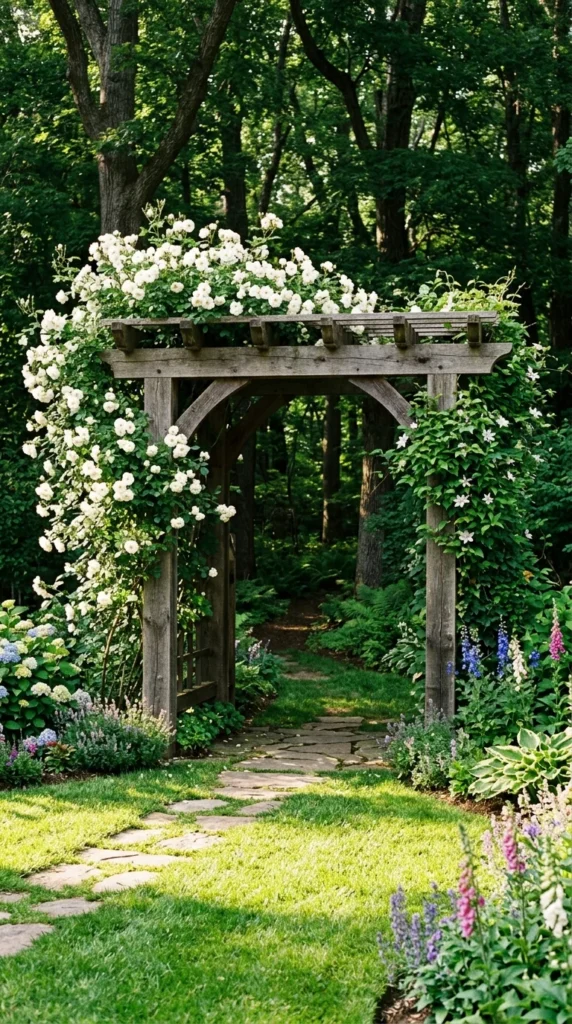
An escape needs a threshold. An arbor or a decorative gate acts as a physical and mental transition point, signaling that you are leaving the “real world” and entering a private sanctuary.
- Vertical Interest: Arbors provide height in the garden, which is essential for creating a sense of being enclosed by greenery.
- Fragrance Focus: Planting jasmine, honeysuckle, or climbing roses over the arbor ensures that the first thing you experience upon entering the garden is a wave of perfume.
- Framing the View: Use the arbor to frame a specific focal point, such as a statue or a distant bench, to draw the visitor deeper into the space.
7. Layered Planting
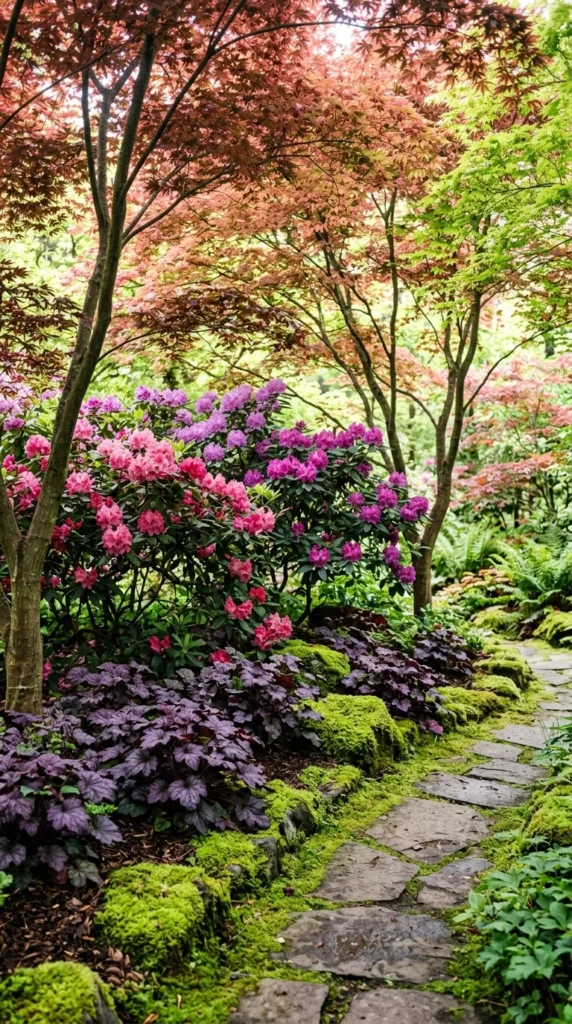
One of the mistakes in modern landscaping is planting in a single “row.” To create a hidden escape, you need “depth.” Layered planting mimics the way plants grow in a natural forest.
- The Three Tiers: Always aim for a canopy (trees), an understory (shrubs), and a ground cover. This fills the vertical space and eliminates “empty” gaps that make a yard feel sparse.
- Texture Contrast: Pair large-leafed plants like Hostas with fine-textured plants like ornamental grasses. The contrast makes the garden feel more complex and established.
- Color Gradation: Using darker greens in the back and brighter colors in the front can create an optical illusion of more space.
8. Ambient Lighting
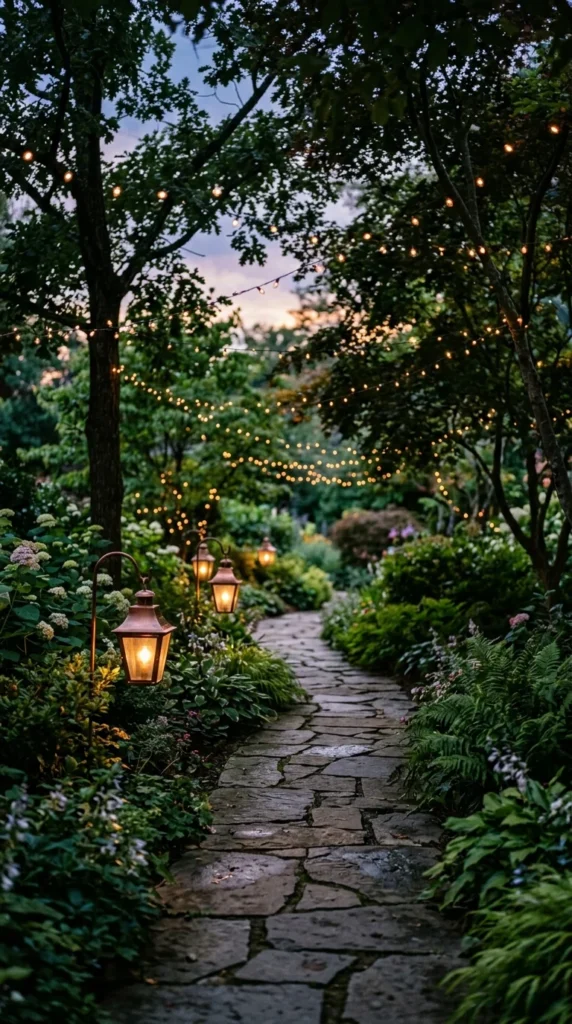
A garden shouldn’t disappear when the sun goes down. Proper lighting transforms a backyard into a magical, ethereal escape that feels entirely different from its daytime persona.
- Uplighting: Place small spotlights at the base of trees with interesting bark or structure to create dramatic shadows.
- Moonlighting: Place lights high up in tree branches directed downward to mimic the soft, dappled glow of a full moon.
- Task vs. Mood: Keep paths well-lit for safety, but keep the “escape” areas dim with flickering lanterns or soft string lights to maintain a sense of intimacy.
9. Secret Alcoves
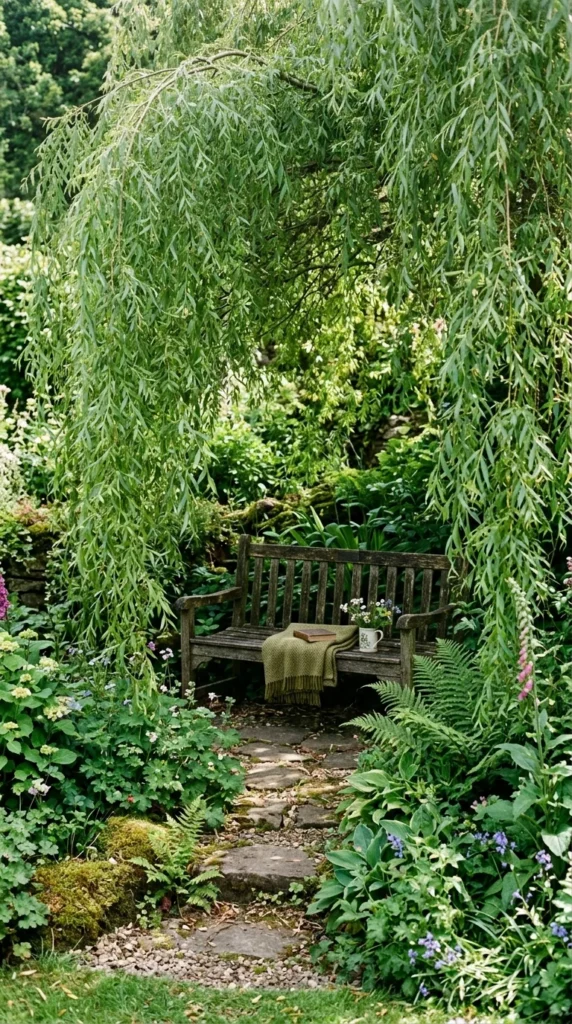
Every hidden escape needs a destination—a place to sit and stay a while. A secret alcove is a small, tucked-away spot designed for one or two people.
- Strategic Placement: Place the alcove in the furthest corner of the yard or behind a screen of tall grasses.
- Comfort is Key: Ensure the seating is comfortable. A hidden spot won’t be used if the bench is cold stone or rickety wood.
- Personal Touches: Add a small outdoor side table for a book or a cup of tea, making the space feel like a functional outdoor room.
10. Vertical Gardens
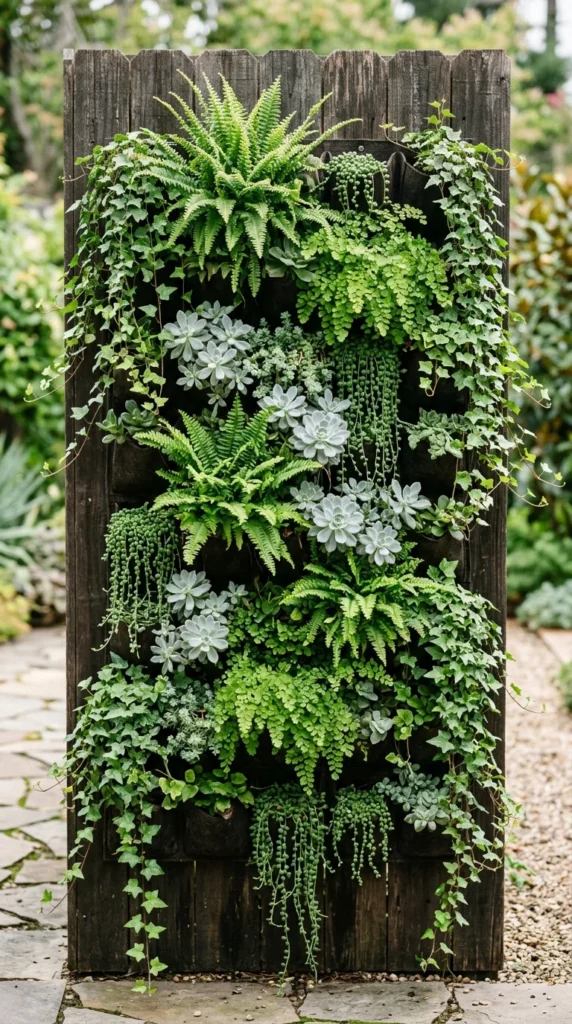
If you have a small urban backyard, the only way to create a lush escape is to go up. Vertical gardens (or living walls) turn boring boundaries into lush tapestries of life.
- Space Saving: Vertical gardens allow you to grow hundreds of plants without sacrificing any floor space.
- Cooling Effect: Large walls of plants can actually lower the temperature of a patio by several degrees through transpiration.
- Artistic Expression: Treat the wall like a canvas, using different colors of succulents or herbs to create patterns and shapes.
11. Fire Pit Circles
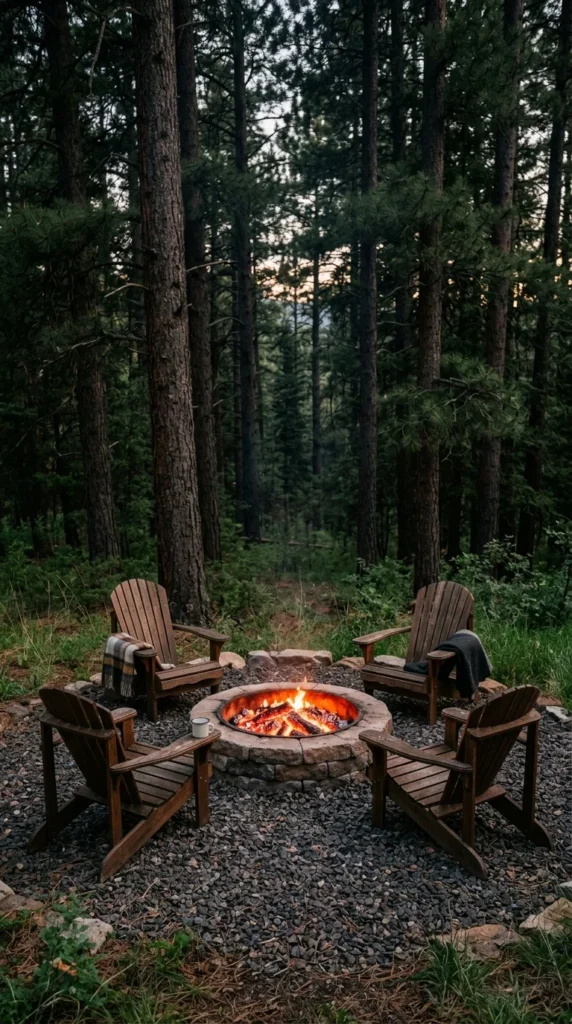
Fire has a primal ability to draw people in and encourage relaxation. A dedicated fire pit area serves as the “hearth” of the outdoor escape.
- Material Harmony: Use stone or brick that matches the other hardscaping in your garden to make the fire pit feel integrated.
- Enclosure: Surround the seating area with tall plants or a low stone wall to make the fire pit feel like a “room” rather than just a spot on the grass.
- Year-Round Use: A fire pit extends the usability of your escape into the colder months, providing warmth and a flickering light source.
12. Ornamental Grasses
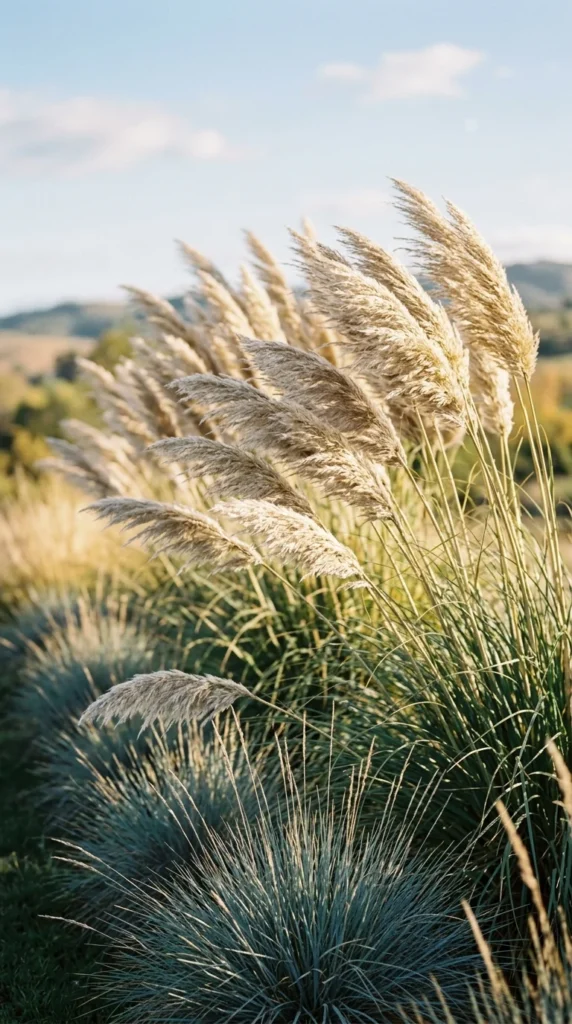
Movement and sound are often overlooked in garden design. Ornamental grasses add a kinetic energy to the backyard that makes it feel alive.
- Auditory Appeal: The sound of wind rustling through dried grass stems is incredibly soothing and contributes to the “hidden” atmosphere.
- Privacy Screens: Tall varieties like Miscanthus can grow six to eight feet tall in a single season, providing a quick, airy privacy screen.
- Winter Interest: Many grasses hold their shape through the winter, providing structure when other plants have gone dormant.
13. Mirror Accents
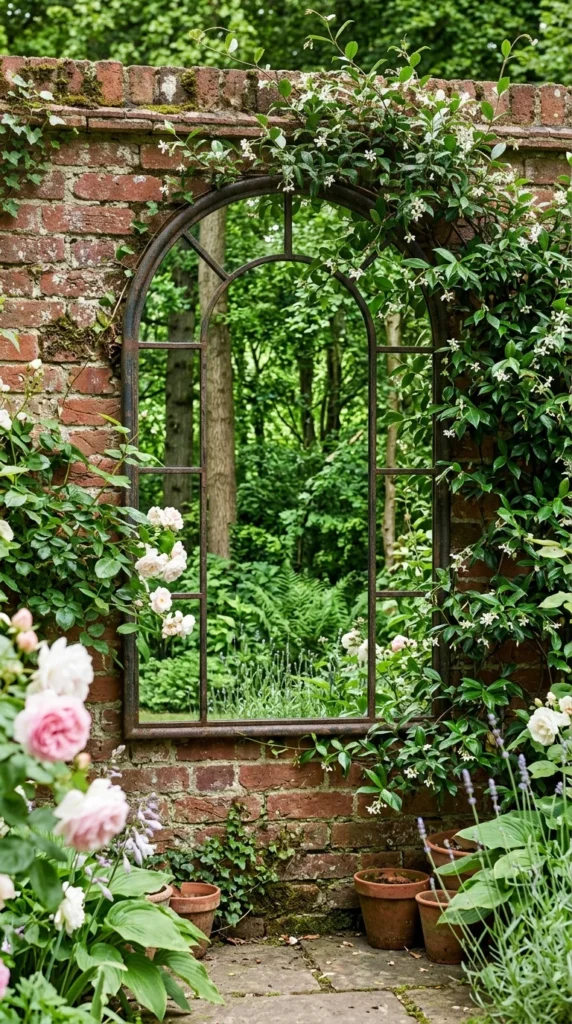
Mirrors are a classic trick used by landscape designers to make small, enclosed gardens feel infinite. When placed correctly, they act as “windows” into another part of the garden.
- Placement Strategy: Never place a mirror where birds might fly into it. Tilt it slightly downward or place it behind a thin veil of foliage.
- Framing: Use an old window frame or an ornate metal frame to make the mirror look like a real architectural feature.
- Light Reflection: Mirrors can help bounce light into dark, shaded corners of the garden, helping “shade-loving” plants thrive.
14. Zen Rock Gardens
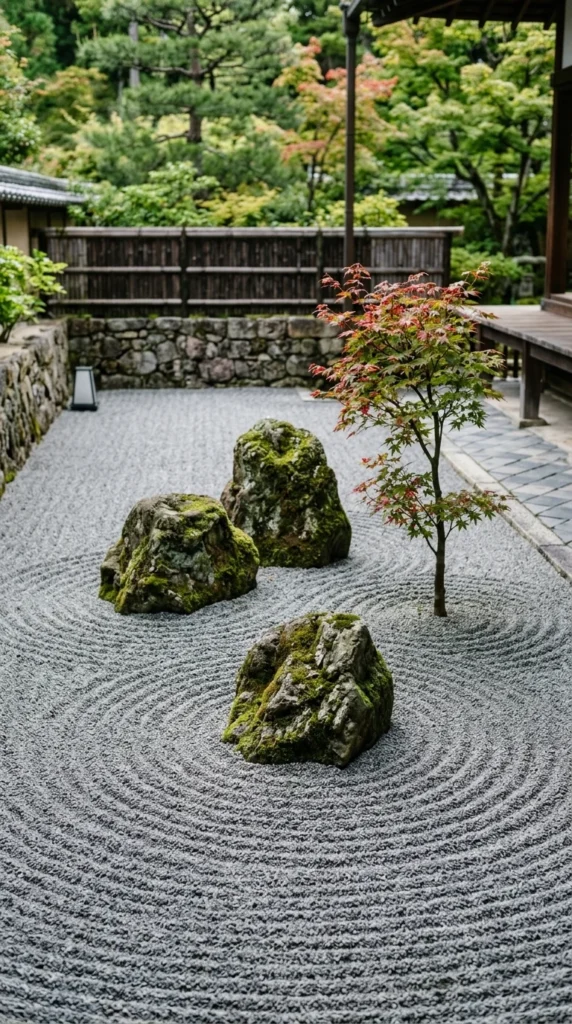
Sometimes, an escape is about mental clarity. A Zen rock garden (Karesansui) focuses on minimalism and meditation, providing a stark, peaceful contrast to the messy outside world.
- Symbolism: In Zen tradition, the raked gravel represents water, and the rocks represent islands or mountains.
- Maintenance as Meditation: The act of raking the gravel can be a meditative practice in itself, helping you disconnect from daily stress.
- Texture Contrast: The hardness of the rocks paired with the soft moss creates a visually balanced environment that promotes calm.
15. Perennial Borders
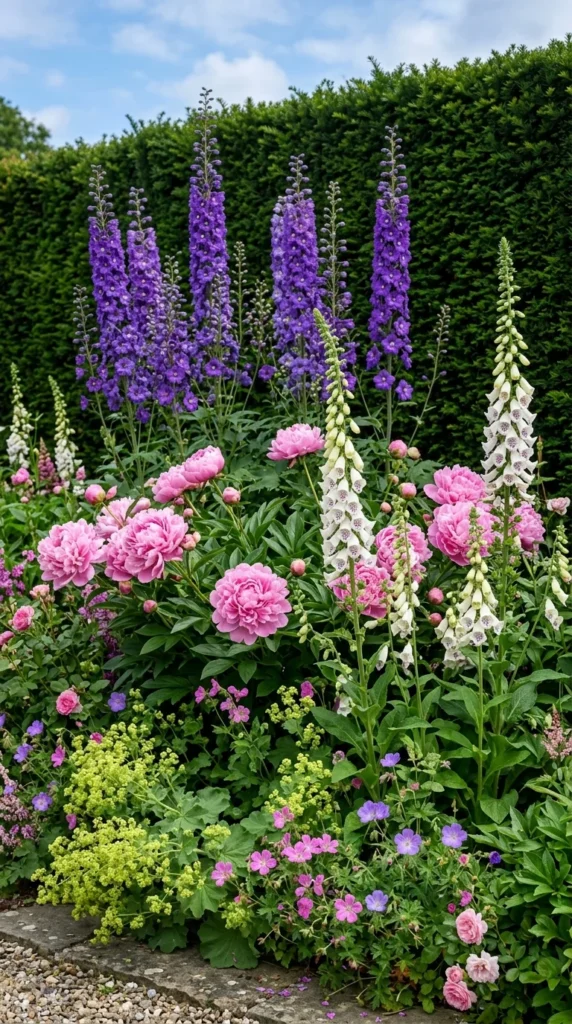
A hidden escape should feel established, as if it has been there for decades. Deep perennial borders provide a sense of abundance and permanence.
- Succession Planting: Choose plants that bloom at different times—bulbs for spring, peonies for early summer, rudbeckia for late summer, and asters for autumn.
- Density: Plant perennials close together so that as they grow, they form a solid carpet of foliage. This prevents weeds and creates a “lush” look.
- The “English Garden” Feel: By allowing plants to spill over their edges and mingle with one another, you create a romantic, “secret garden” vibe that is the hallmark of a true backyard escape.