
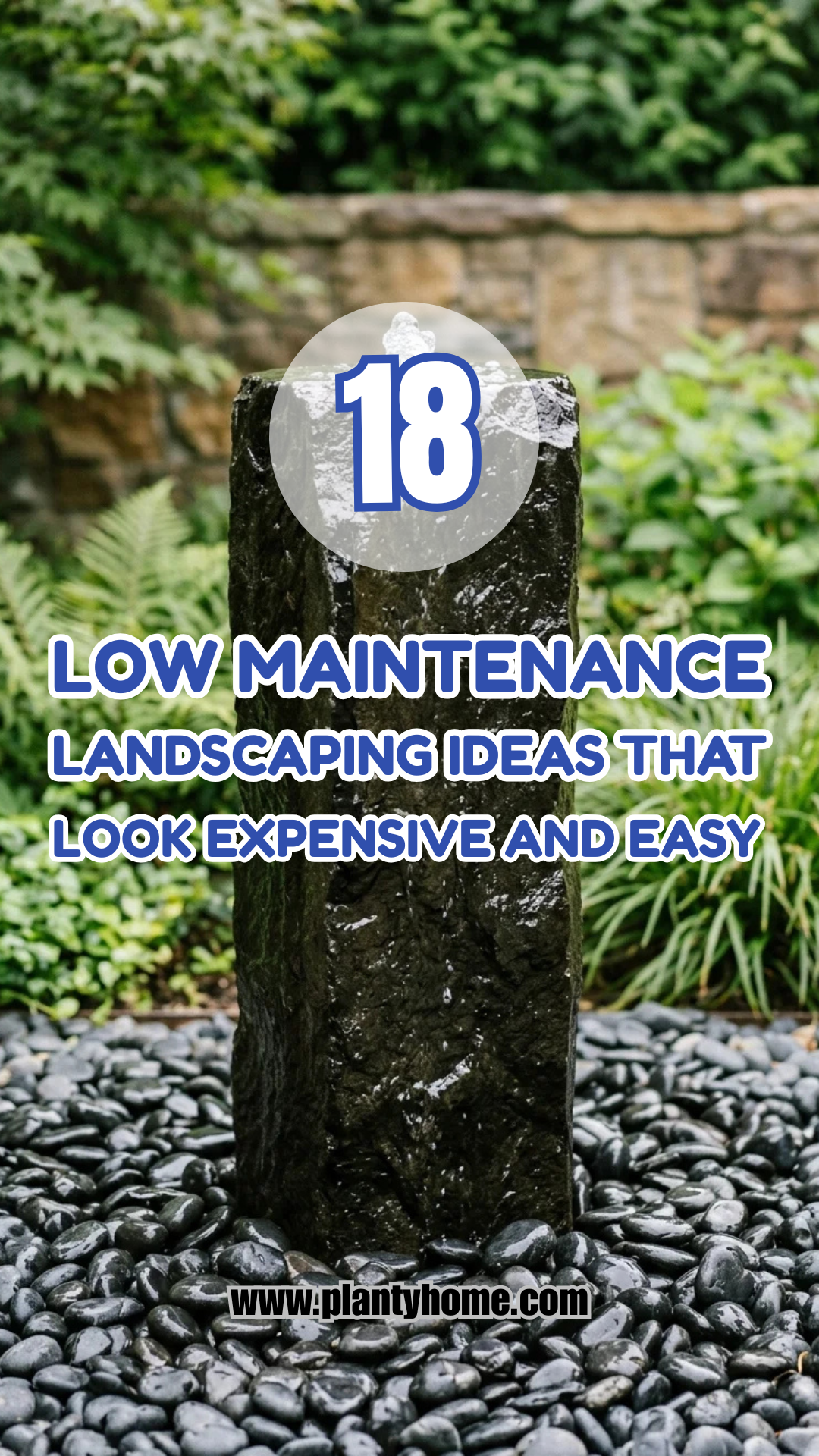
Achieving a high-end, professionally landscaped look does not necessarily require a team of full-time gardeners or a massive monthly maintenance budget. The secret to “quiet luxury” in outdoor spaces lies in strategic design choices that emphasize structure, texture, and sustainability over high-maintenance annuals and fussy lawns. By selecting materials and plants that thrive with minimal intervention, homeowners can create a sophisticated sanctuary that increases property value and curb appeal simultaneously.
This guide explores 18 low-maintenance landscaping ideas that deliver an expensive aesthetic while remaining remarkably easy to manage.
1. Pea Gravel
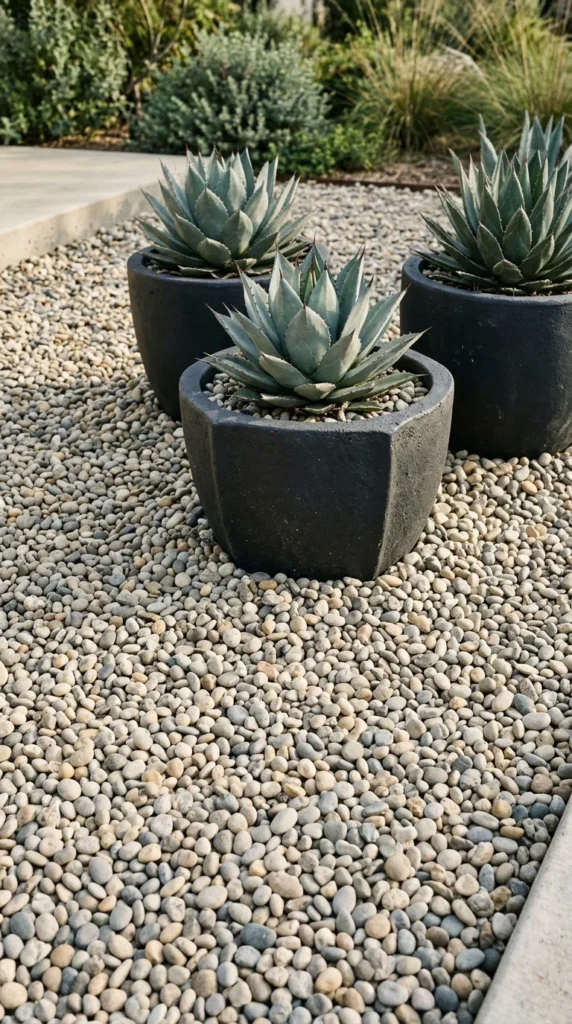
Pea gravel is a staple of Mediterranean and high-end modern landscapes. It provides a clean, uniform texture that instantly elevates the look of side yards, fire pit areas, or walkways. Unlike organic mulch, gravel does not decompose, meaning it doesn’t need to be replaced every season. It offers excellent drainage and suppresses weeds effectively when paired with a heavy-duty landscape fabric. The soft crunch underfoot adds a sensory element of luxury often found in European estates.
2. Native Plants
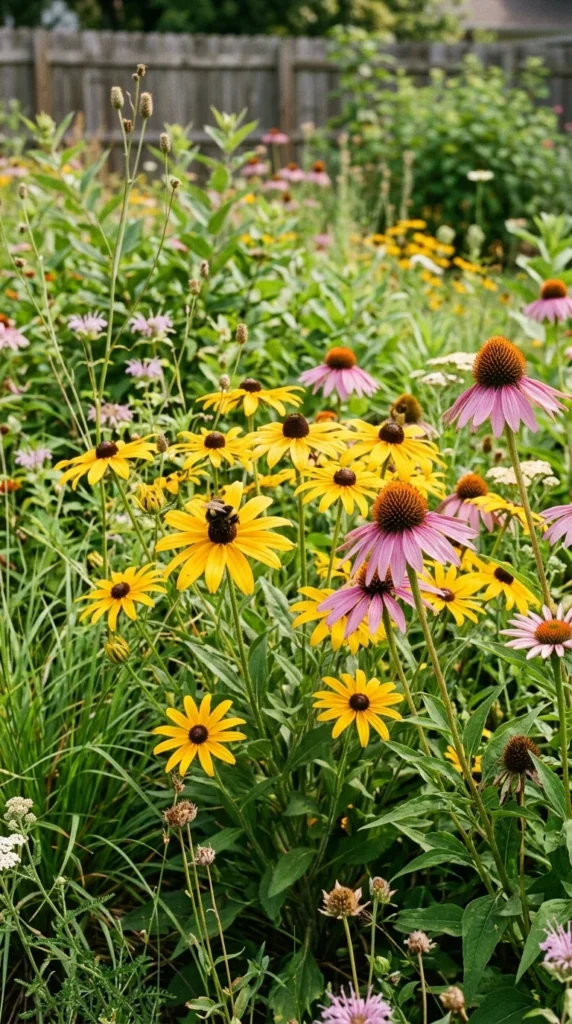
The most expensive-looking gardens are those that appear effortless and perfectly suited to their environment. Native plants are the key to this “local luxury.” Because they have evolved to thrive in your specific climate and soil, they require significantly less water, fertilizer, and pest control than exotic species. When grouped in large “drifts” or masses, native plants create a high-impact, designer look that celebrates the regional landscape.
3. Lavender
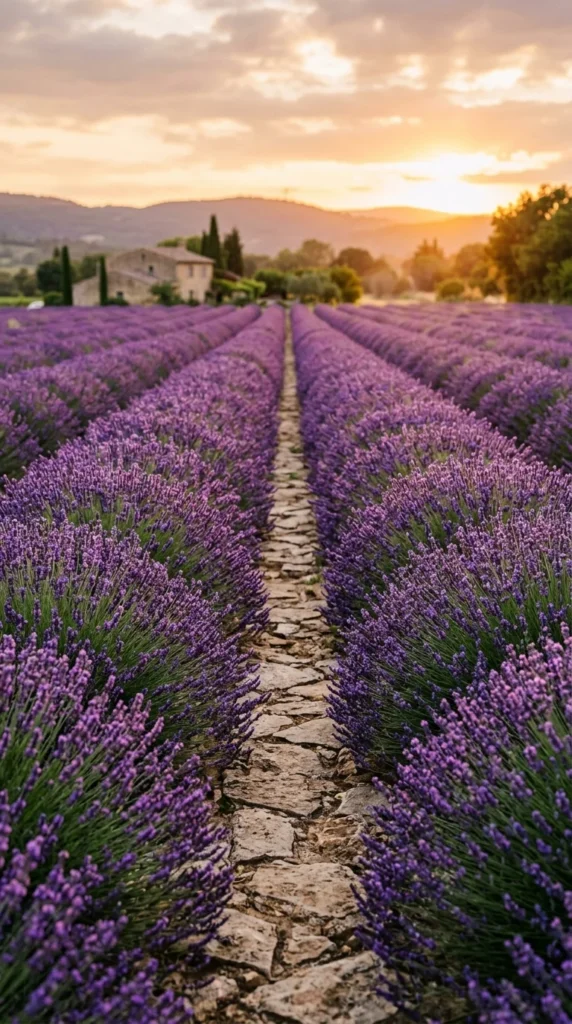
Lavender is the ultimate plant for adding French Country elegance to a property. It is remarkably drought-tolerant once established and thrives in poor soil where other plants might struggle. Its silver-green foliage provides year-round interest, while the summer blooms offer both visual beauty and a calming fragrance. Planting lavender along a walkway provides an immersive experience for guests without requiring the constant deadheading associated with roses or geraniums.
4. Ornamental Grasses
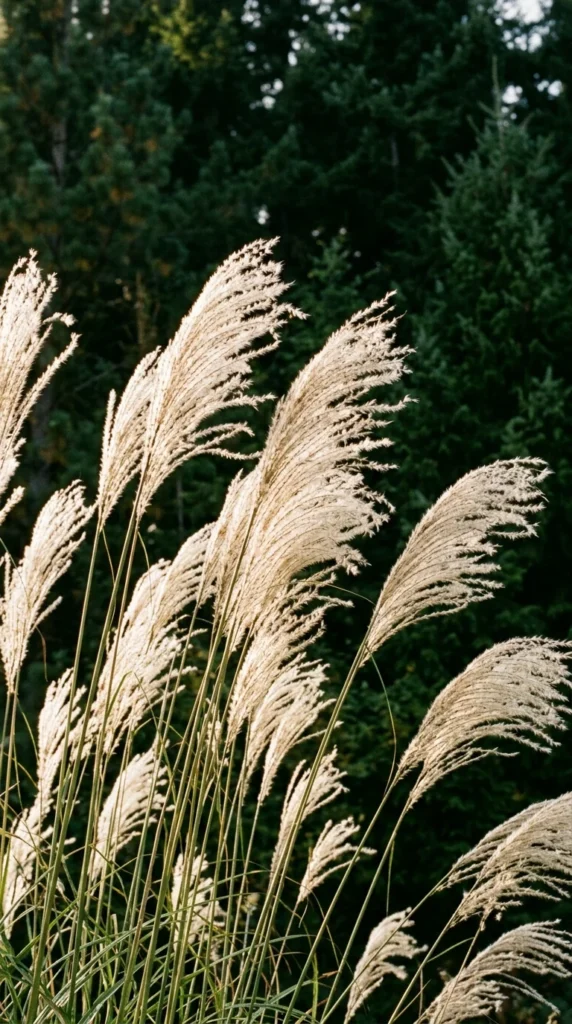
For those seeking a contemporary, architectural aesthetic, ornamental grasses are indispensable. Varieties like Maiden Grass, Switchgrass, or Fountain Grass add height, movement, and a “softening” effect to hard edges. They are virtually pest-free and only require a single cut-back in late winter. In the autumn and winter, their dried plumes and golden stalks provide a sophisticated, structural element that keeps the garden looking “designed” even in the off-season.
5. Dark Mulch
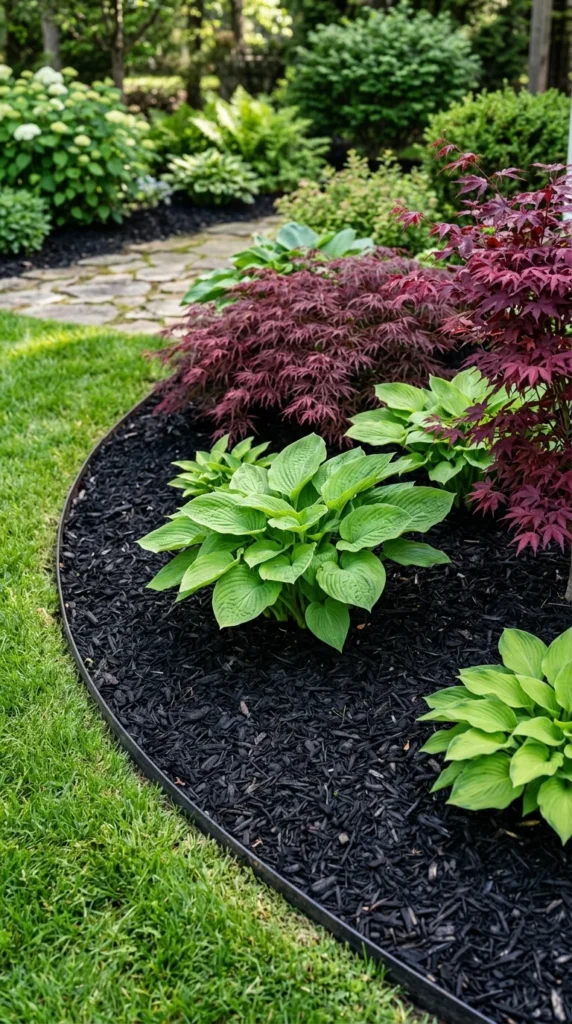
Never underestimate the power of contrast. Replacing standard red or light brown mulch with a high-quality dark chocolate or black carbon mulch provides an instant “facelift” to any garden. The dark background makes the colors of your plants pop and gives the entire landscape a manicured, professional appearance. Mulch also serves the practical purpose of retaining soil moisture and suppressing weeds, reducing the need for manual watering and weeding.
6. Hardscaping
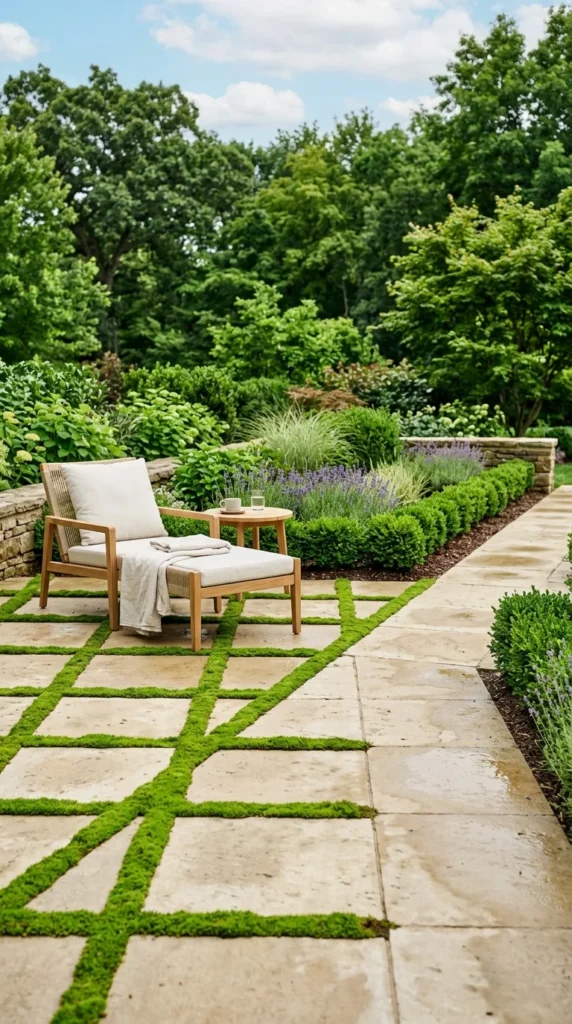
Investing in hardscaping—such as stone patios, retaining walls, or built-in planters—is a one-time expense that pays dividends in reduced maintenance. Hard surfaces don’t need to be mowed, watered, or pruned. To keep the look expensive, use high-quality materials like bluestone, slate, or large-format concrete pavers. These structures provide the “bones” of the garden, ensuring it looks tidy and intentional throughout every season.
7. Succulent Gardens
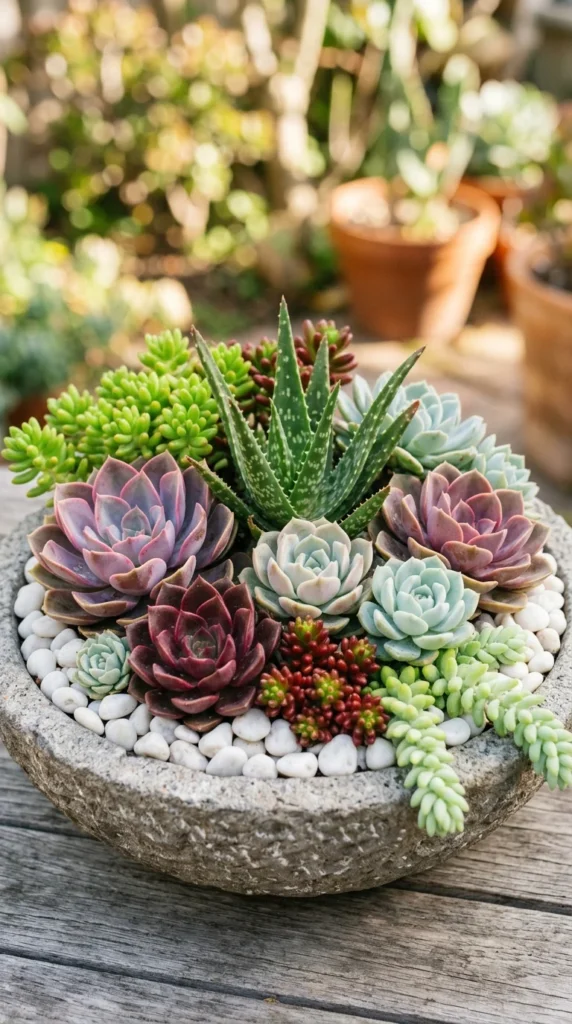
In warmer climates or for sunny patches of the yard, succulents offer a high-design, sculptural look with almost zero effort. Their geometric shapes and varied color palettes look like living art. Because they store water in their leaves, they can go weeks without irrigation. A well-curated succulent bed, finished with a layer of decorative stone, looks like a high-end botanical installation.
8. Automated Irrigation
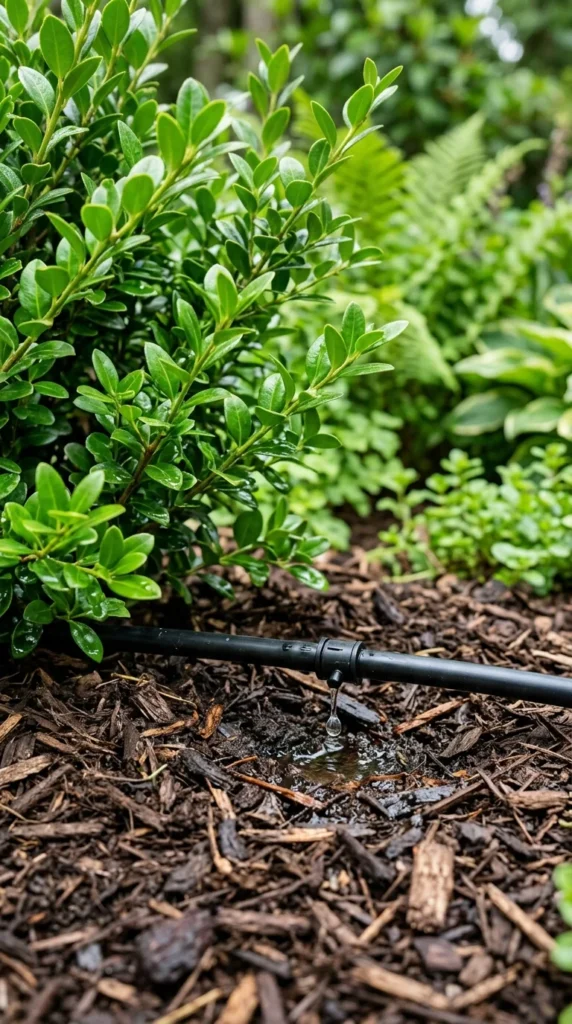
True luxury is convenience. An automated drip irrigation system ensures that plants receive exactly the amount of water they need directly at the roots. This prevents the “hit or miss” nature of manual watering and keeps plants looking lush and expensive year-round. Modern systems can be controlled via smartphone, allowing for precise management that saves water and eliminates the chore of dragging hoses across the lawn.
9. Evergreen Privacy
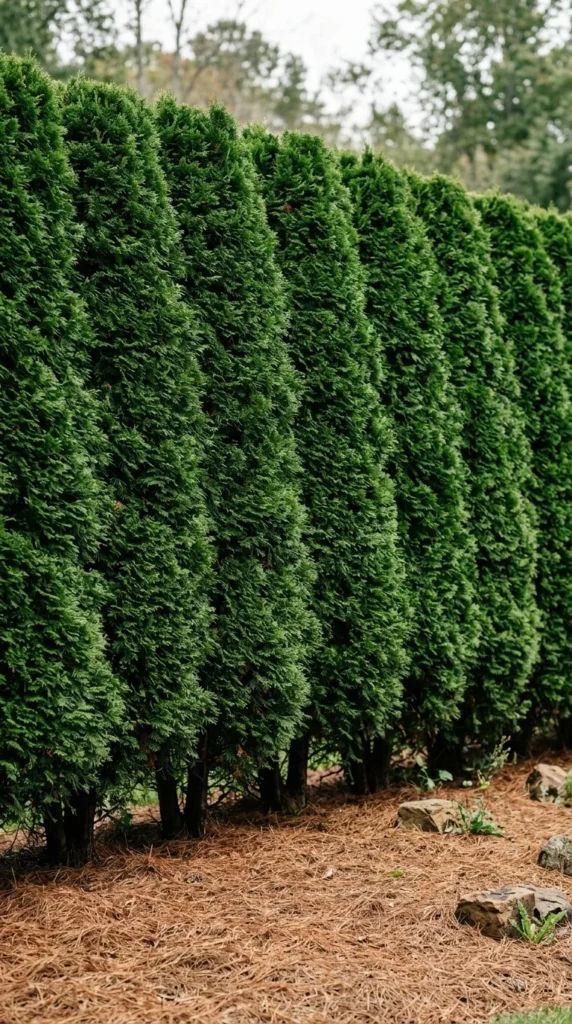
Traditional fences can look weathered and dated over time. For a more expensive, estate-like feel, use evergreen hedges to create “outdoor rooms” or privacy screens. Species like Boxwood, Yew, or Arborvitae remain green all year and require only an occasional trim to maintain their shape. A solid wall of green provides a timeless, regal backdrop for the rest of your landscaping features.
10. Ground Covers
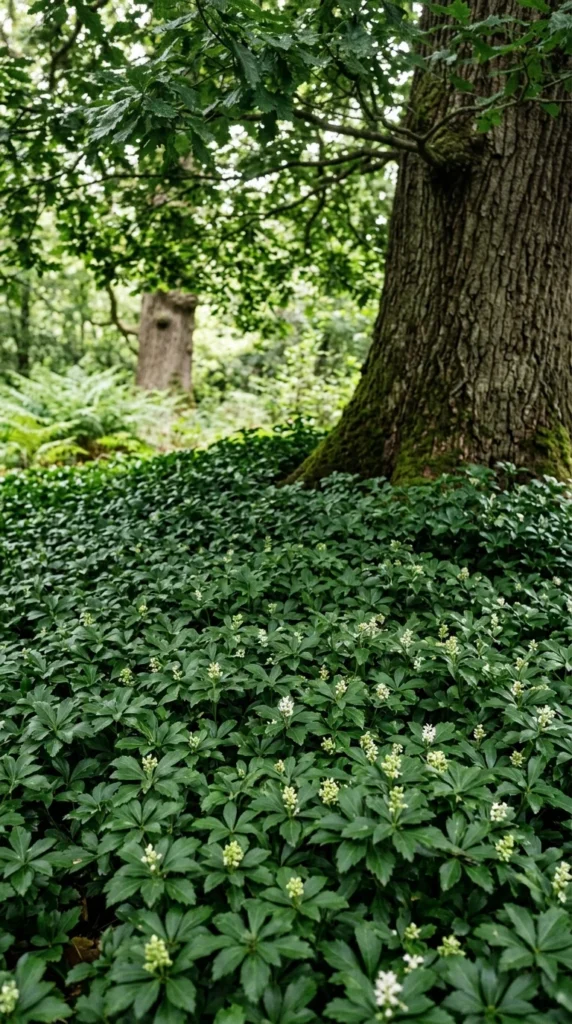
Mowing a lawn is one of the most time-consuming landscape tasks. By replacing difficult-to-grow grass areas (especially in shade or on slopes) with hardy ground covers, you create a “living rug.” Plants like Creeping Thyme, Pachysandra, or Mondo Grass create a lush, uniform look that requires no mowing and very little intervention once established. They provide a soft, high-end texture that fills in gaps and prevents weed growth.
11. Stone Pathways
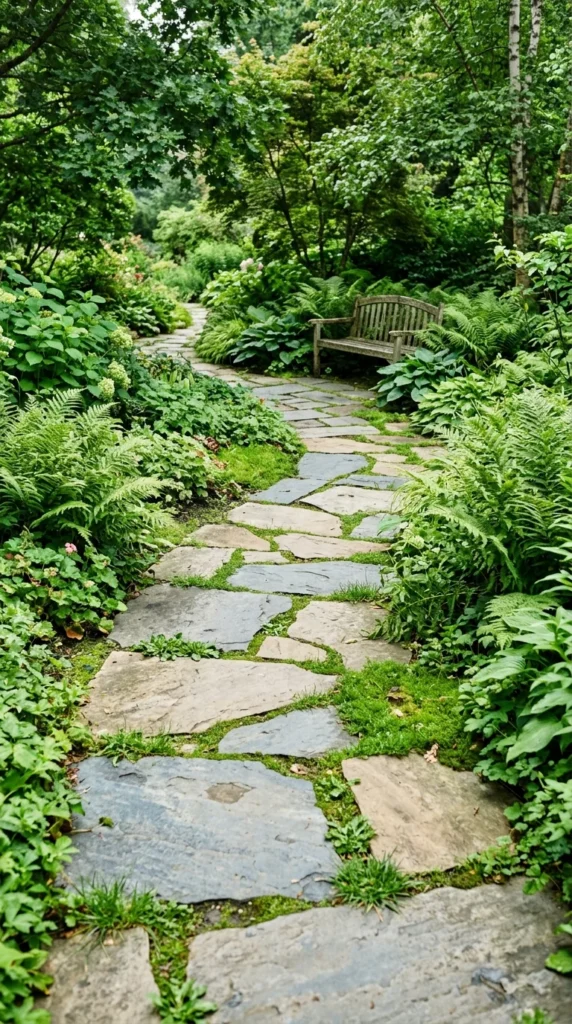
A well-defined path guides the eye and adds a sense of purpose to a yard. Using natural stone like flagstone or granite creates a permanent, upscale feature that only looks better as it ages. Pathways also reduce foot traffic on grass or garden beds, preventing compaction and maintaining the overall health of the landscape. They evoke the feeling of a wandering garden path in a luxury estate.
12. Lighting
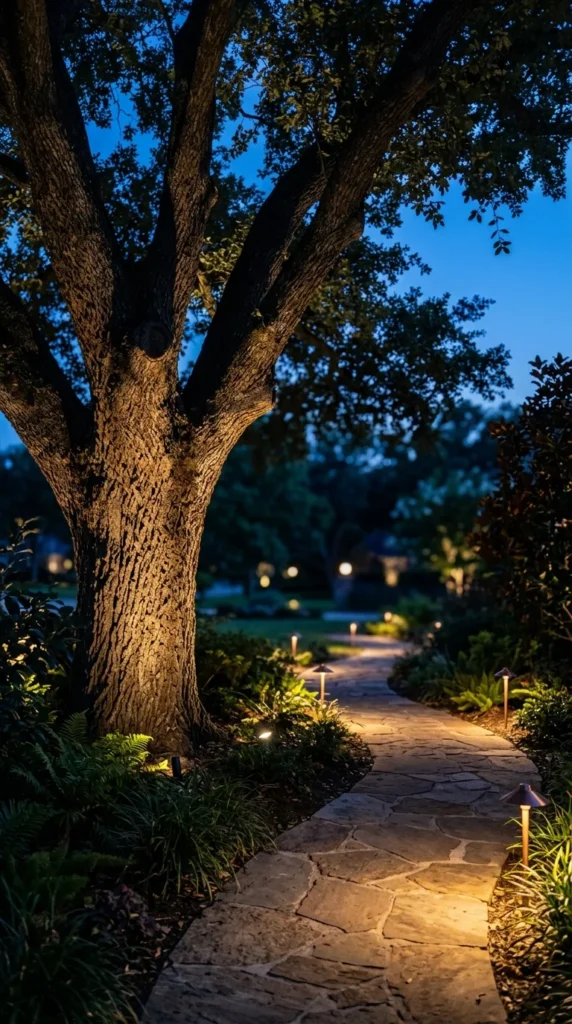
Professional landscape lighting is perhaps the most effective way to make a yard look expensive. Uplighting trees, silhouetting architectural plants, and highlighting paths transform the property after dark. Low-voltage LED systems are energy-efficient and can be set on timers, providing a high-end “resort” feel every evening without any daily effort from the homeowner.
13. Rock Gardens
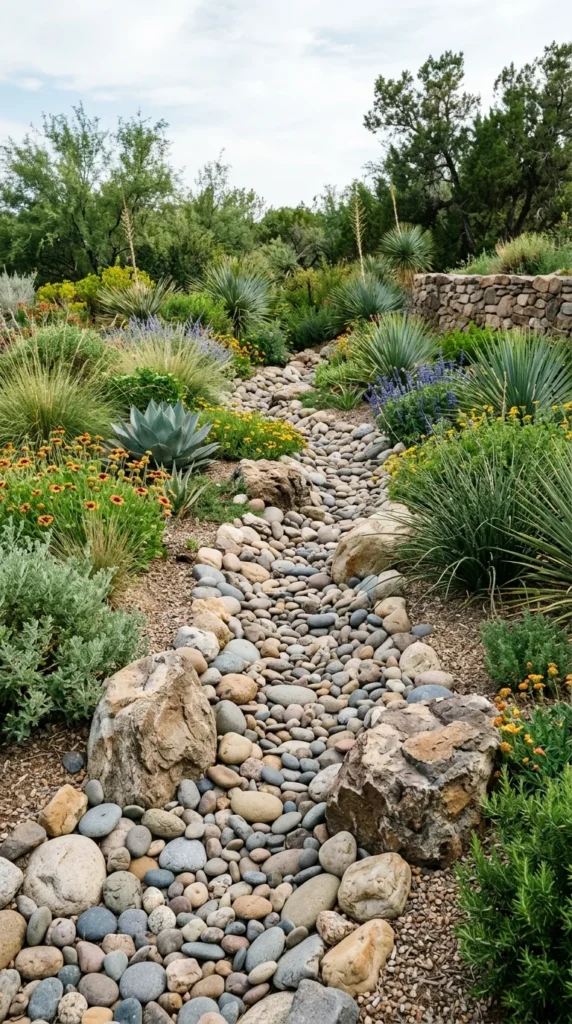
Rock gardens utilize the natural beauty of geological elements to create a low-maintenance focal point. Large “hero” boulders add scale and permanence to the yard. When combined with smaller river rocks and gravel, they can be used to create dry creek beds that assist with drainage while looking like a deliberate piece of landscape art.
14. Drought-Tolerant Lawns
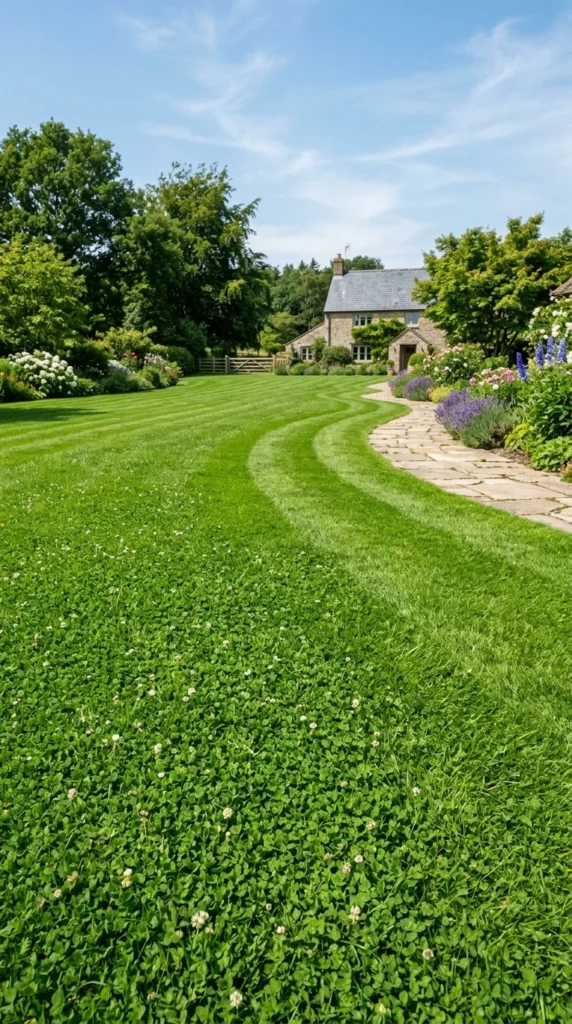
For those who still desire the look of a lawn but hate the maintenance, clover lawns or “No-Mow” fescue blends are the answer. These alternatives stay green with significantly less water than traditional Kentucky Bluegrass and require far less frequent mowing. They look lush and full, providing that classic green-expanse aesthetic without the chemical fertilizers and constant upkeep.
15. Containers and Planters
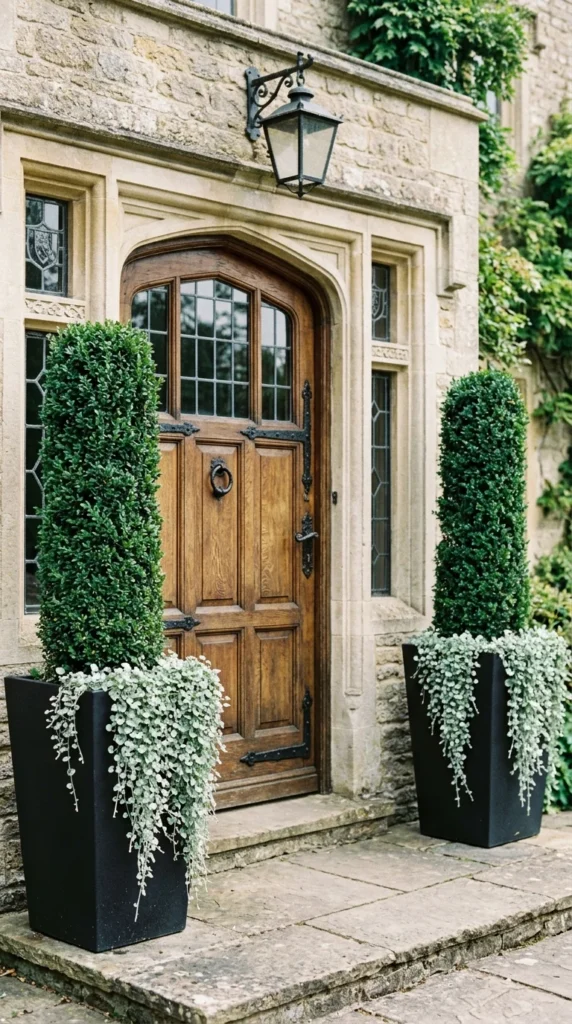
Oversized, high-quality planters are a hallmark of luxury design. Using a few large “statement” pots rather than many small ones creates a cleaner, more impactful look. Planters allow you to control the soil quality and moisture levels perfectly, making it easier to maintain healthy plants. Placing them at entryways or on patios provides immediate architectural interest and a pop of greenery where it’s most visible.
16. Steel Edging
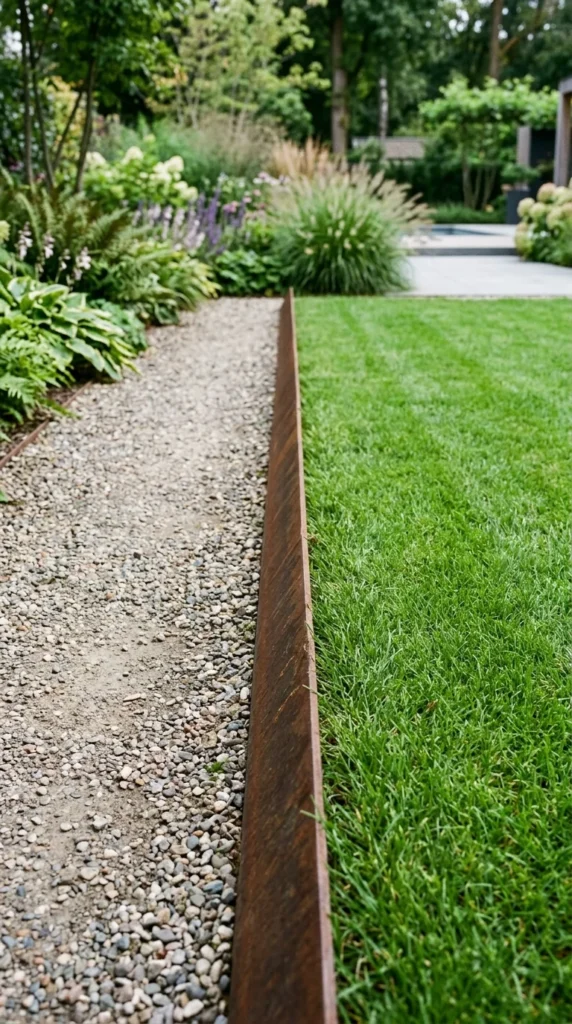
Standard plastic edging looks cheap and often heaves out of the ground. For a high-end, modern finish, use steel or aluminum edging. It creates a razor-sharp transition between different zones—like the lawn and a garden bed. This “clean line” philosophy is a core tenet of professional landscaping, giving the entire yard a structured, intentional, and expensive feel.
17. Self-Contained Water Features
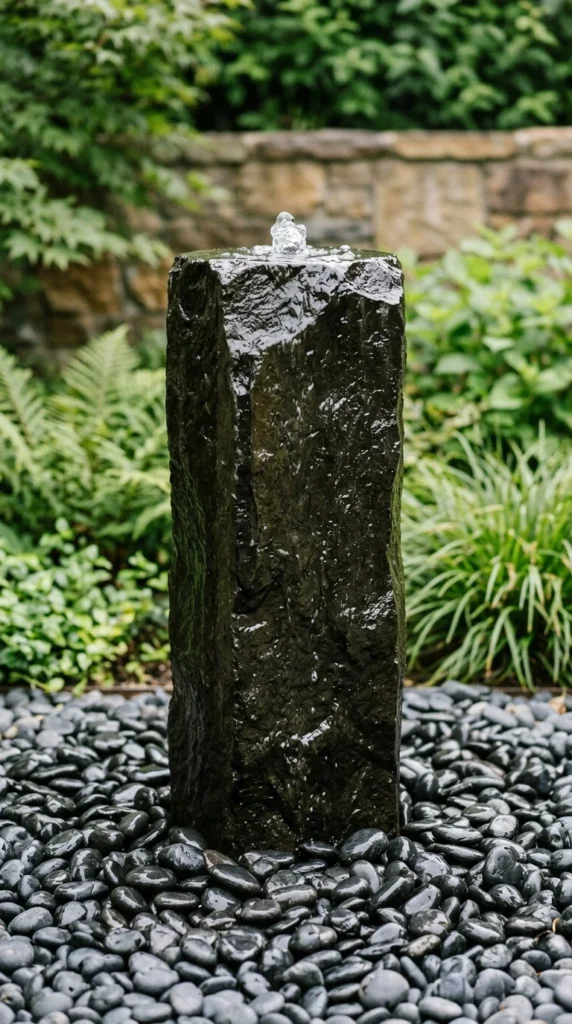
The sound of running water instantly creates a sense of luxury and tranquility. However, large ponds are high-maintenance. A self-contained “disappearing” fountain provides the same sensory benefit without the cleaning and filtration issues of a traditional pond. These features recirculate water from a hidden underground reservoir, requiring only an occasional top-off.
18. Zen Gardens
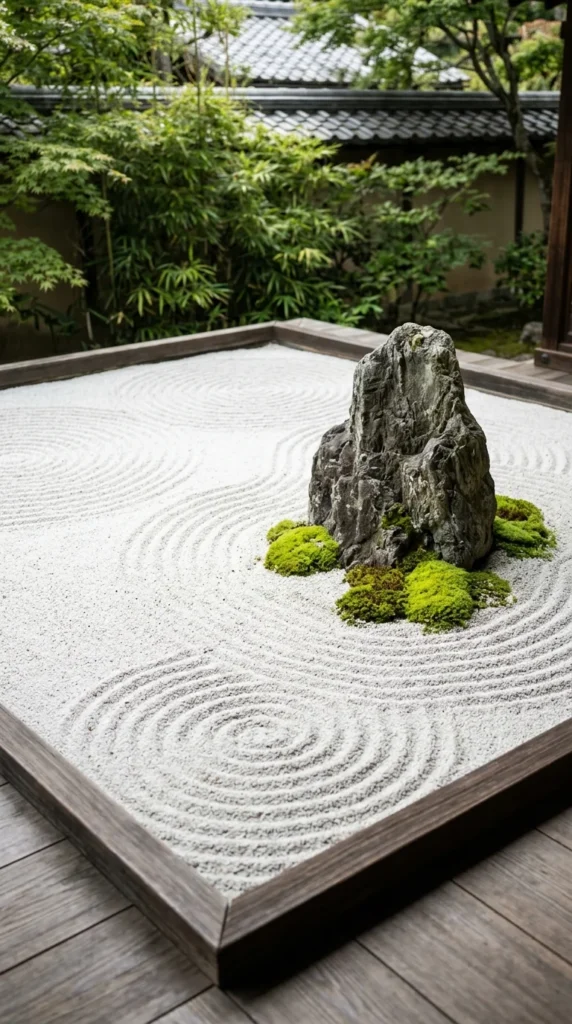
Minimalism is the ultimate form of low-maintenance luxury. A Zen-inspired garden uses a limited palette of materials—usually sand, stone, and a few select plants—to create a space of deep reflection. Because the design relies on empty space and permanent materials, the “upkeep” is mostly a meditative act of raking sand, rather than the grueling labor of traditional gardening.