
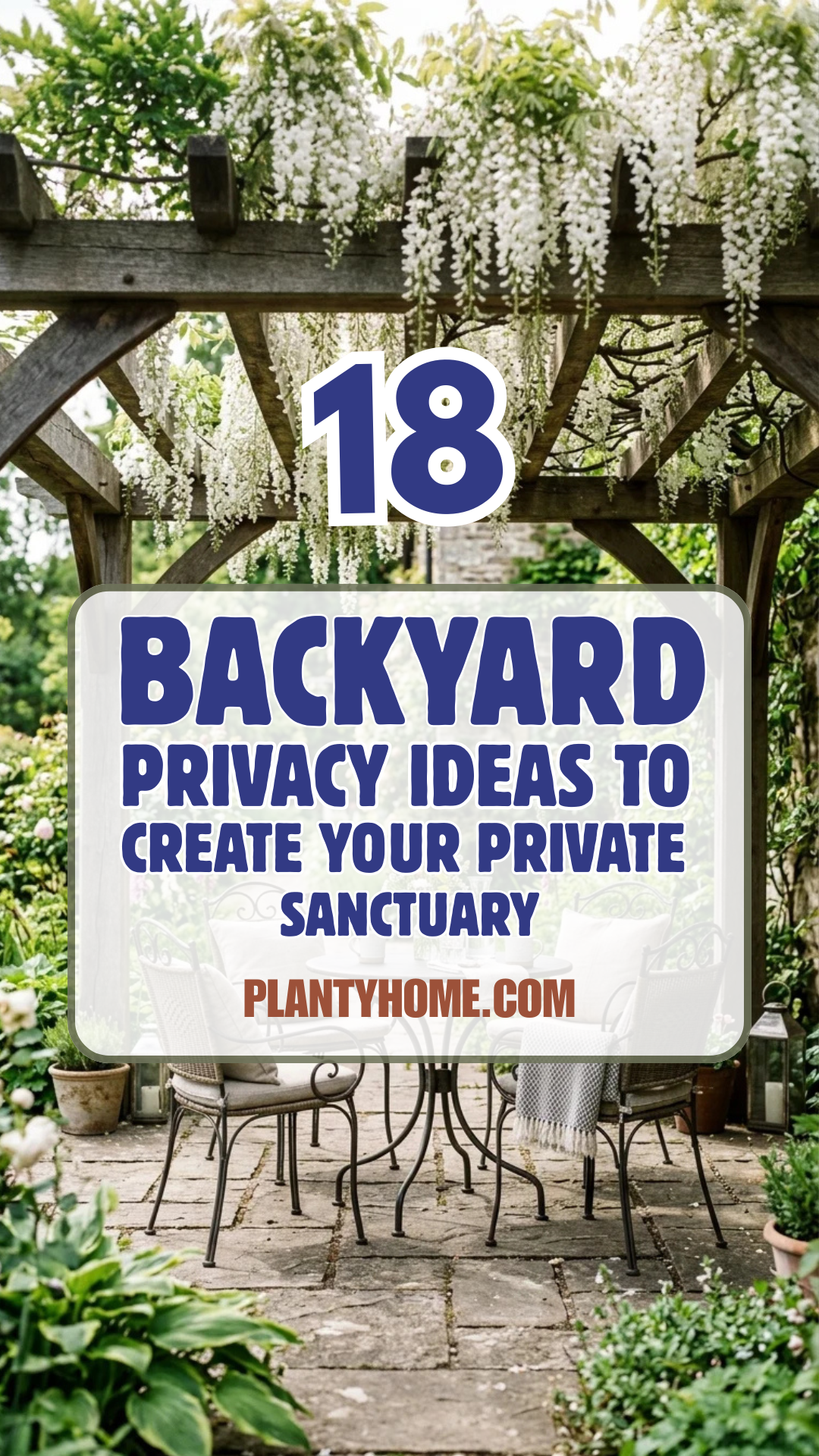
Creating a private outdoor retreat is about more than just building a wall; it is about crafting an environment that feels secluded, serene, and uniquely yours. Whether you live in a bustling suburban neighborhood or a high-density urban area, the desire for a “secret garden” feel is universal. Achieving this requires a strategic blend of landscaping, hardscaping, and decorative elements.
1. Living Walls
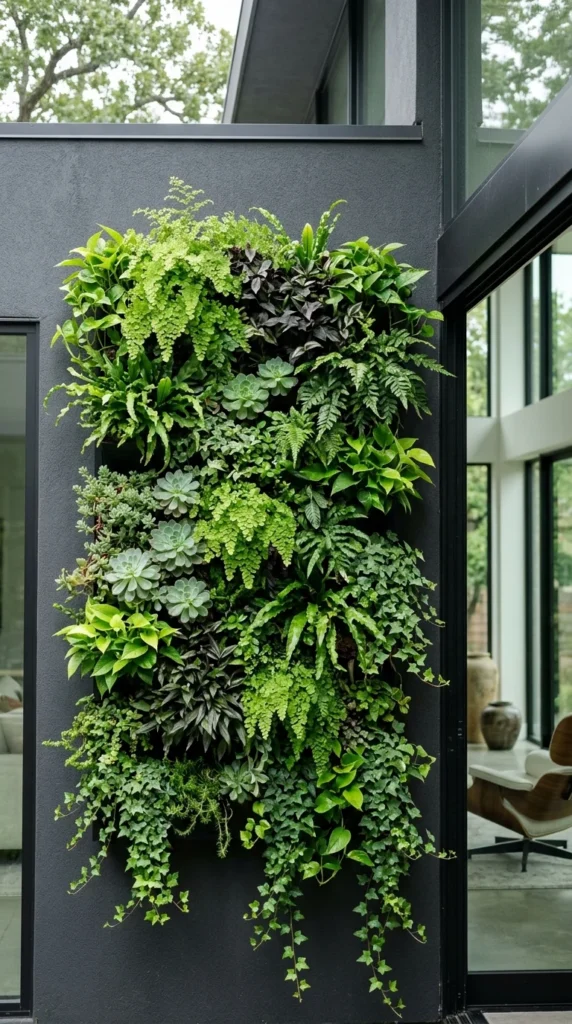
A living wall, or vertical garden, is one of the most aesthetically pleasing ways to introduce privacy. Unlike a stark wooden fence, a living wall provides a lush, breathing tapestry of greenery. This is particularly effective for small patios or balconies where ground space is limited. By using a modular system or a simple trellis, you can grow a variety of plants, from herbs and ferns to flowering perennials. Not only does this block the view from neighbors, but it also acts as a natural sound barrier and improves air quality.
2. Privacy Screens
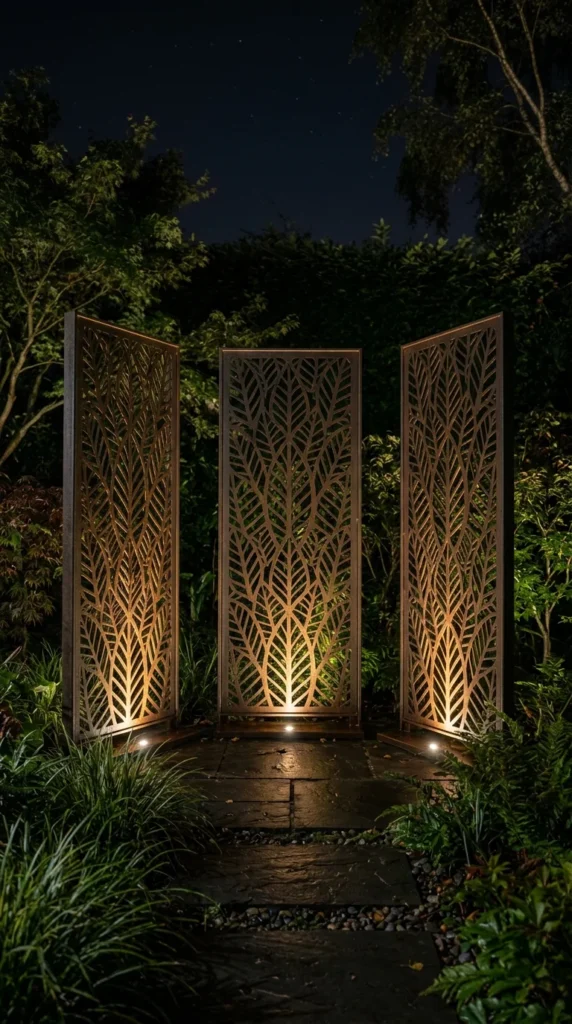
Privacy screens are versatile, non-permanent solutions that can be moved or adjusted as needed. Modern options include laser-cut metal panels, frosted glass, or resin wicker. These screens offer a high-end, architectural look while allowing light to filter through. They are ideal for shielding specific areas, such as a hot tub or a dining nook, without enclosing the entire yard. Choosing a material that complements your home’s architecture ensures a cohesive design.
3. Tall Hedges
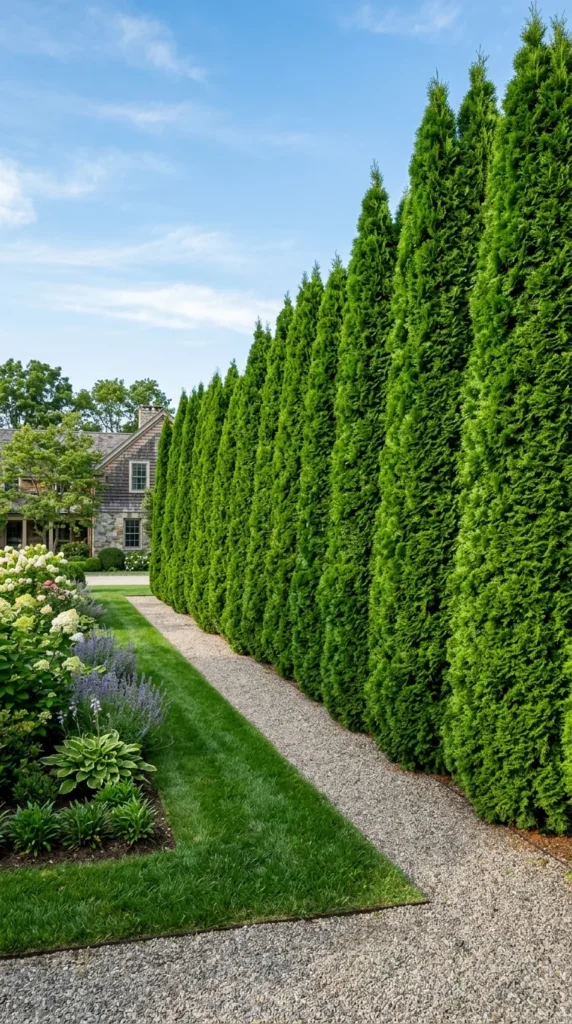
For those who prefer a traditional, organic boundary, tall evergreen hedges are the gold standard. Species like Arborvitae, Privet, or Boxwood provide year-round greenery and a thick density that is nearly impossible to see through. Maintaining a hedge requires regular trimming, but the result is a classic, formal look that enhances property value and provides a significant windbreak.
4. Bamboo Fencing
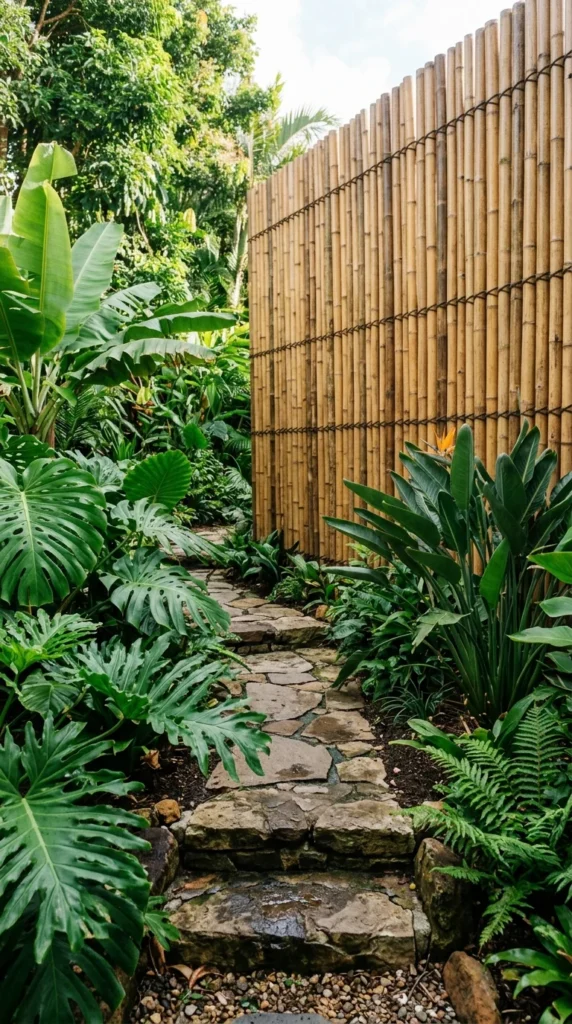
Bamboo is one of the fastest-growing plants in the world, making it an eco-friendly and rapid solution for privacy. You can plant clumping bamboo (which is non-invasive) directly into the ground or use pre-made bamboo reed fencing to cover an existing chain-link fence. The vertical lines of the bamboo stalks add height and a tropical, Zen-like atmosphere to any outdoor space.
5. Pergolas
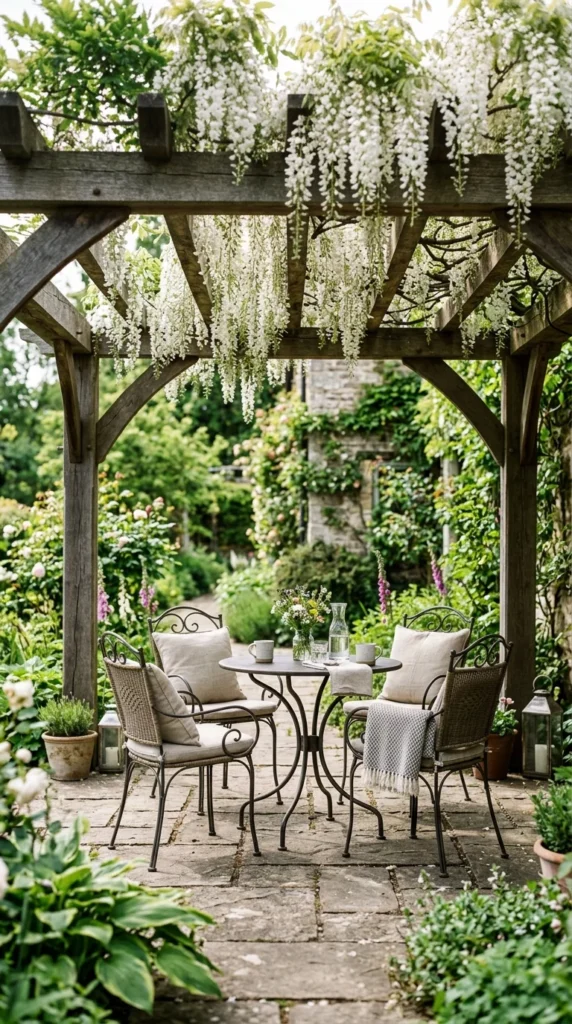
A pergola provides a structural “ceiling” for your outdoor room, which helps obscure views from upper-story neighbor windows. While the sides are open, the overhead beams create a sense of enclosure. For added privacy, you can train climbing plants like wisteria, jasmine, or grapevines to grow over the top, creating a thick canopy of leaves and flowers.
6. Outdoor Curtains
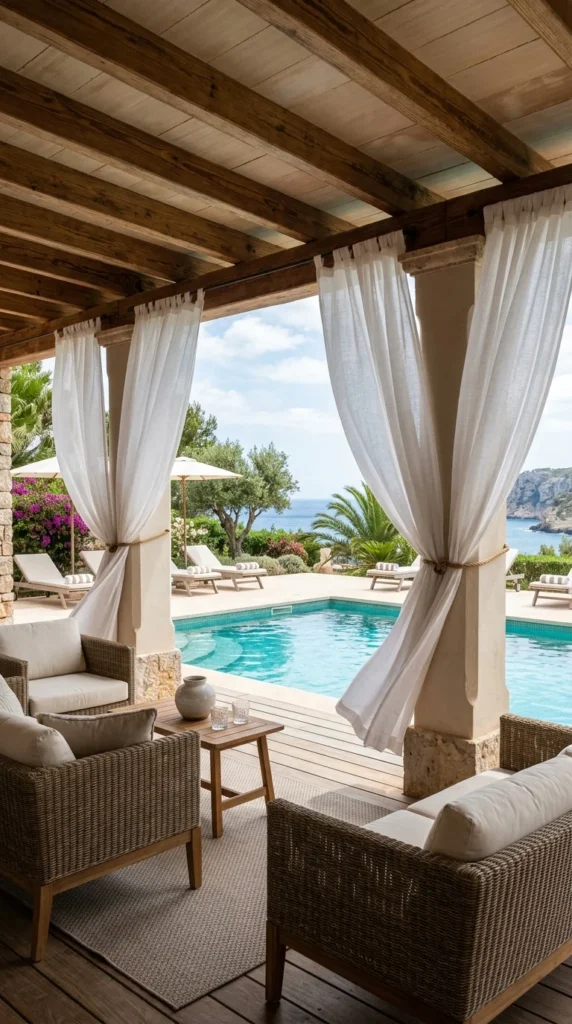
If you have an existing porch or pergola, adding outdoor curtains is an affordable and elegant way to control privacy. Weather-resistant fabrics in neutral tones can give your backyard a resort-style feel. Curtains offer the flexibility to open the space up to the view or close it off completely for an intimate dinner or a quiet afternoon of reading.
7. Lattice Panels
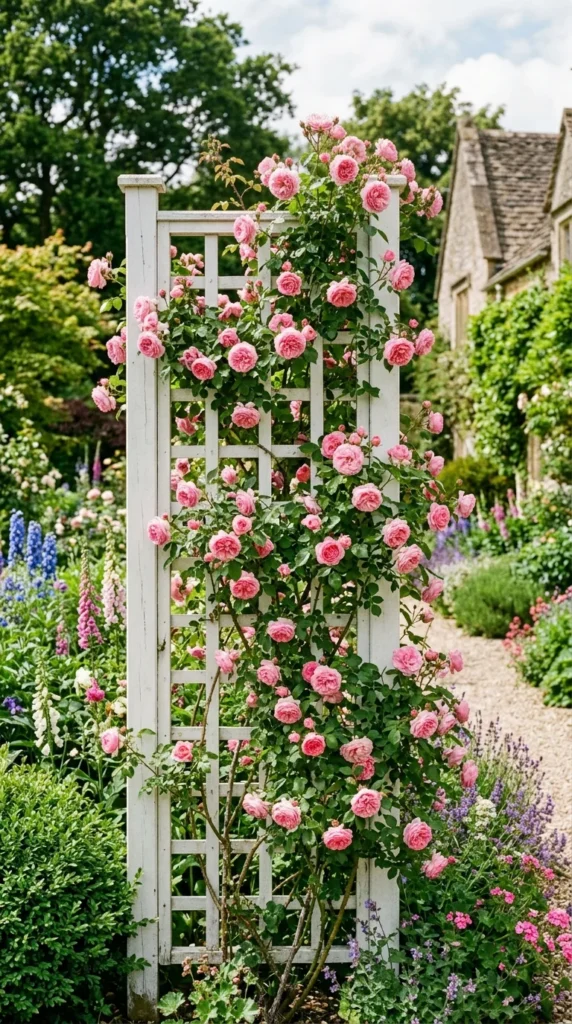
Lattice is a timeless choice for backyard privacy. Its crisscross pattern provides a partial screen that allows for airflow and light. It is most effective when paired with climbing plants like Clematis or Honeysuckle. Because lattice is lightweight, it can be easily attached to the top of an existing fence to add extra height without feeling heavy or imposing.
8. Tiered Landscaping
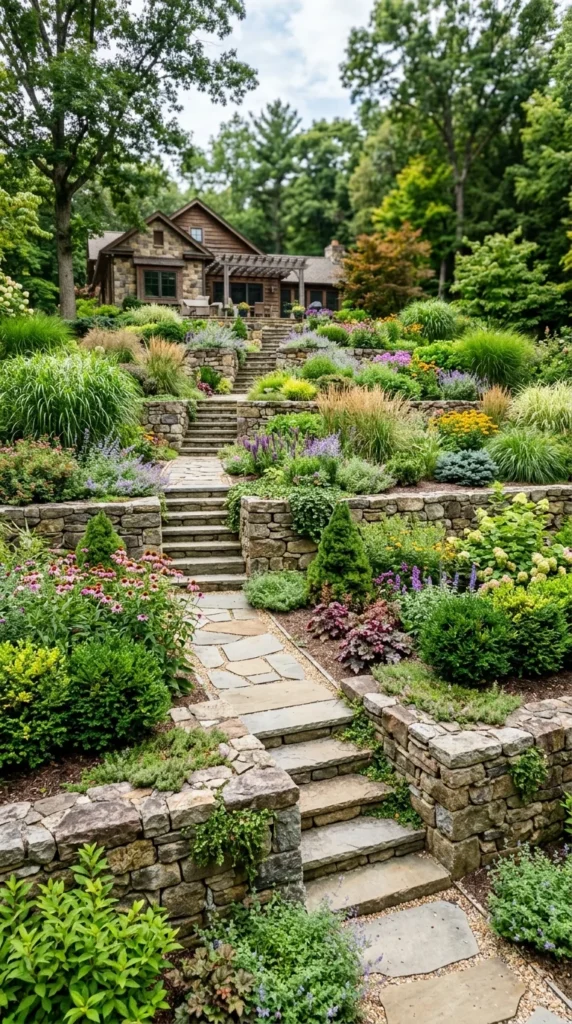
If your yard is sloped, privacy can be a challenge. Tiered landscaping uses retaining walls to create different levels of elevation. By planting taller shrubs on the higher tiers, you can effectively block the line of sight from neighboring properties while adding visual depth and interest to your garden. This approach turns a difficult terrain into a beautiful, multi-dimensional feature.
9. Potted Trees
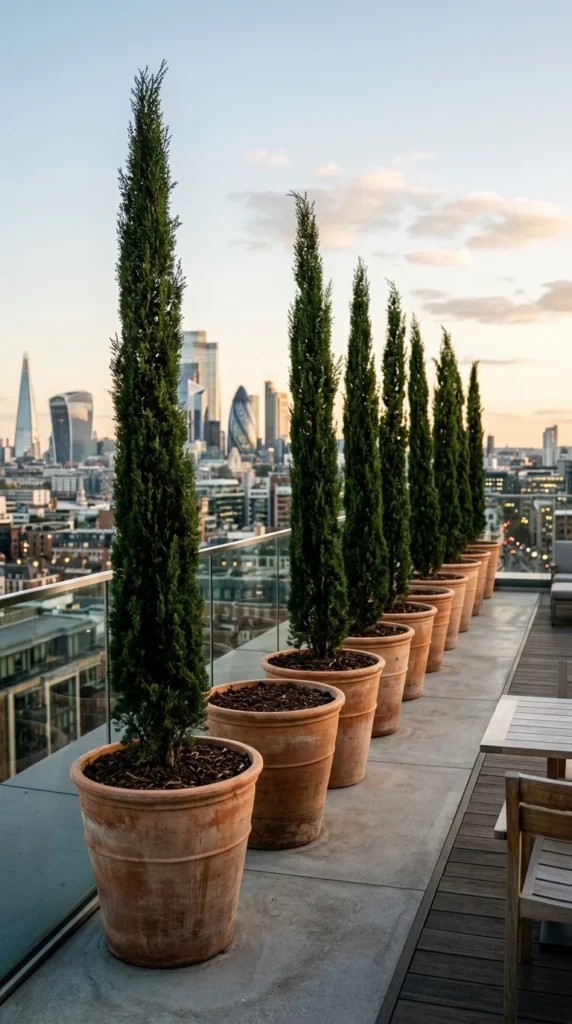
For renters or those with paved courtyards, potted trees offer a portable privacy solution. Large containers with tall, narrow trees like Italian Cypress or Skyrocket Juniper can be lined up to create a “moveable hedge.” This allows you to reconfigure your privacy layout as your needs change or if you move to a new home.
10. Garden Slats
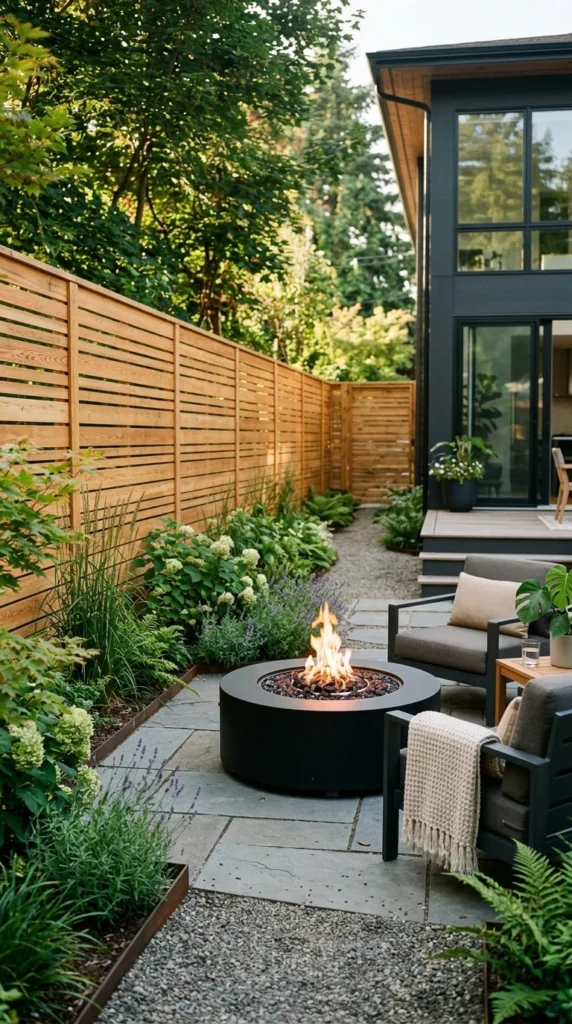
Horizontal wood slats are a staple of modern landscape design. By spacing the boards slightly apart, you maintain a sense of openness while still providing a significant barrier. This style works exceptionally well with cedar or redwood, which weather beautifully over time. The horizontal lines have the added benefit of making a small yard feel wider.
11. Gabion Walls
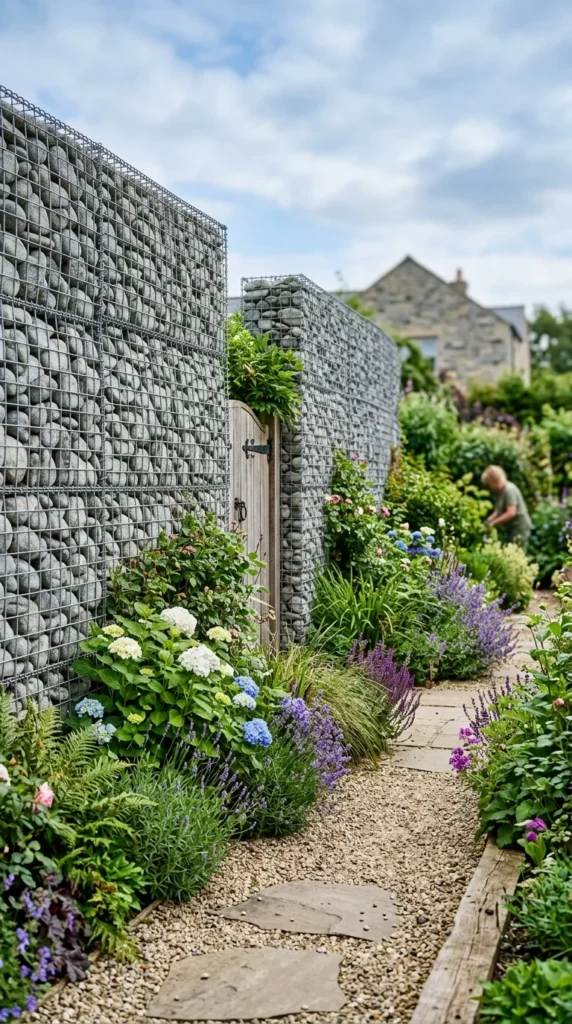
A gabion wall consists of wire cages filled with rocks, stones, or even recycled glass. This is an incredibly durable and unique way to create a privacy barrier. Gabion walls have an industrial-chic appeal and are excellent at blocking noise from nearby roads. They require no mortar and can be a DIY project for those looking for a rugged, textured look.
12. Retractable Awnings
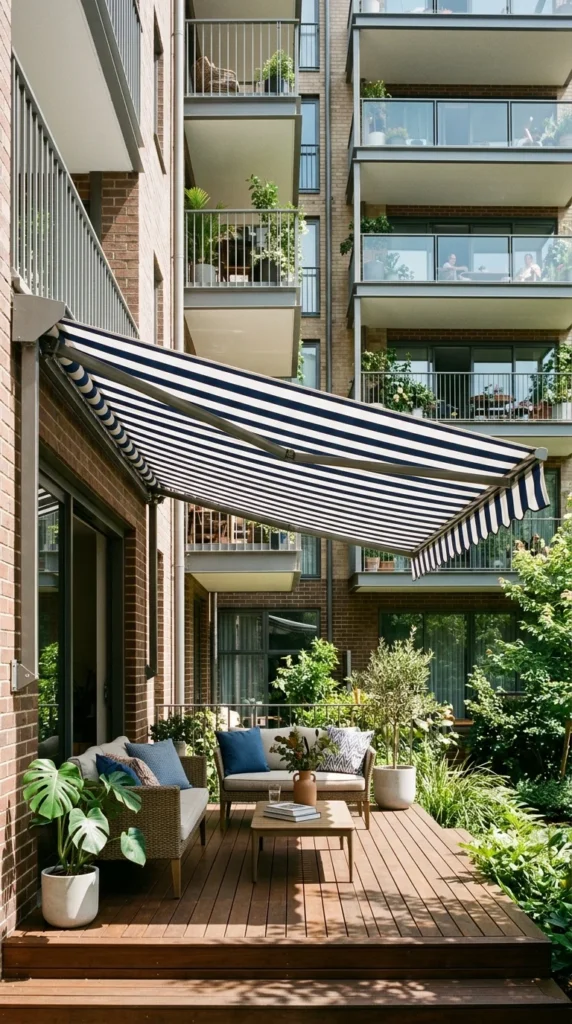
While primarily used for shade, retractable awnings are excellent for blocking the view from above. In urban environments where apartment buildings may overlook your yard, a large awning creates a private “roof” over your seating area. When you want to enjoy the full sun or the night sky, you can simply retract it.
13. Oversized Planters
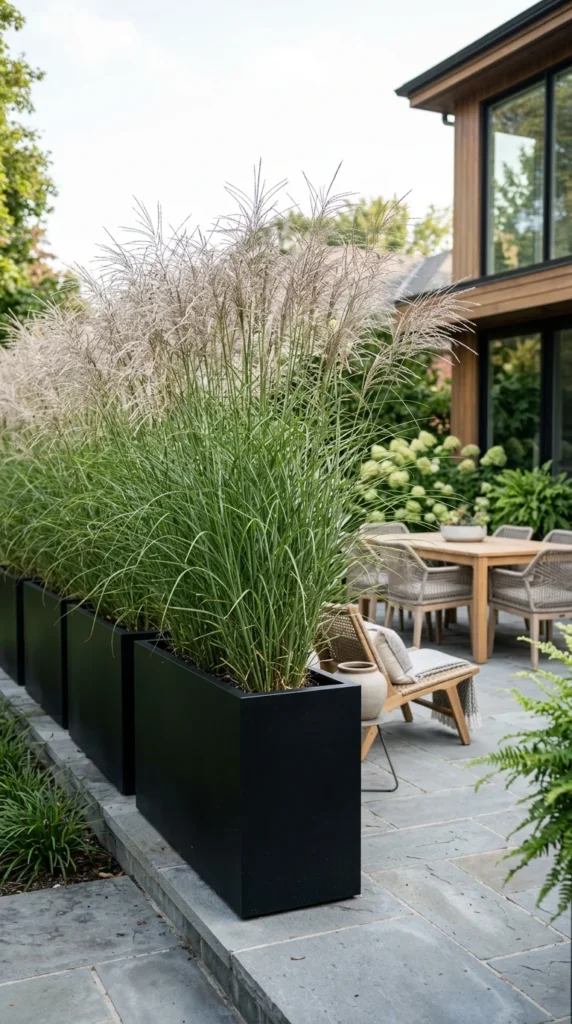
Using height in your planting is key to privacy. Oversized planters filled with tall ornamental grasses or shrubs can act as a divider between different zones of your yard or as a barrier from the street. The height of the planter itself contributes to the overall screen, allowing you to use shorter plants to achieve the desired level of privacy.
14. Decorative Metal Panels
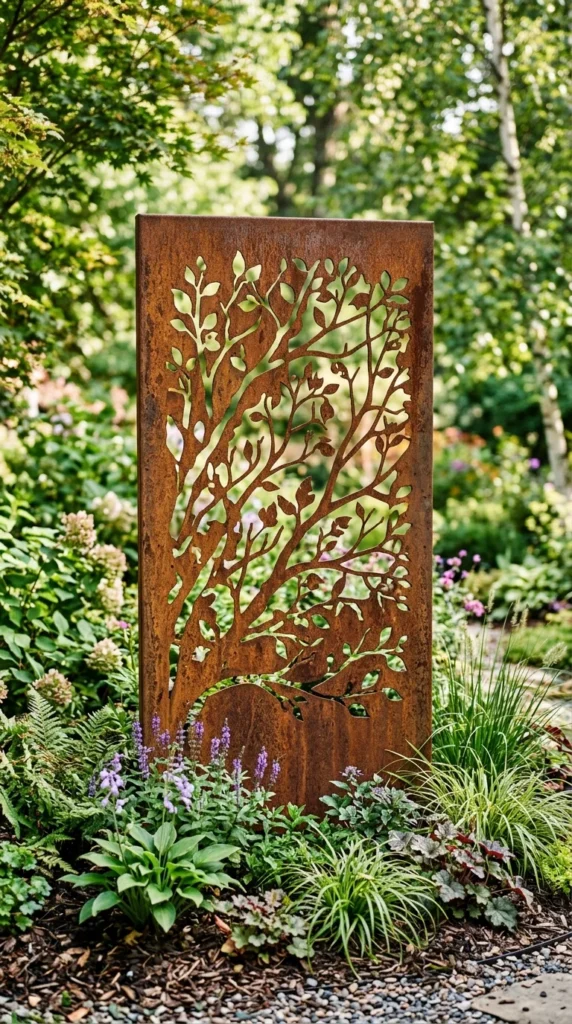
Corten steel or powder-coated aluminum panels are becoming increasingly popular in high-end garden design. These panels often feature artistic cutouts that cast beautiful shadows when sunlit. They act as a focal point in the garden while providing a sophisticated screen that feels more like an art installation than a fence.
15. Trellis with Vines
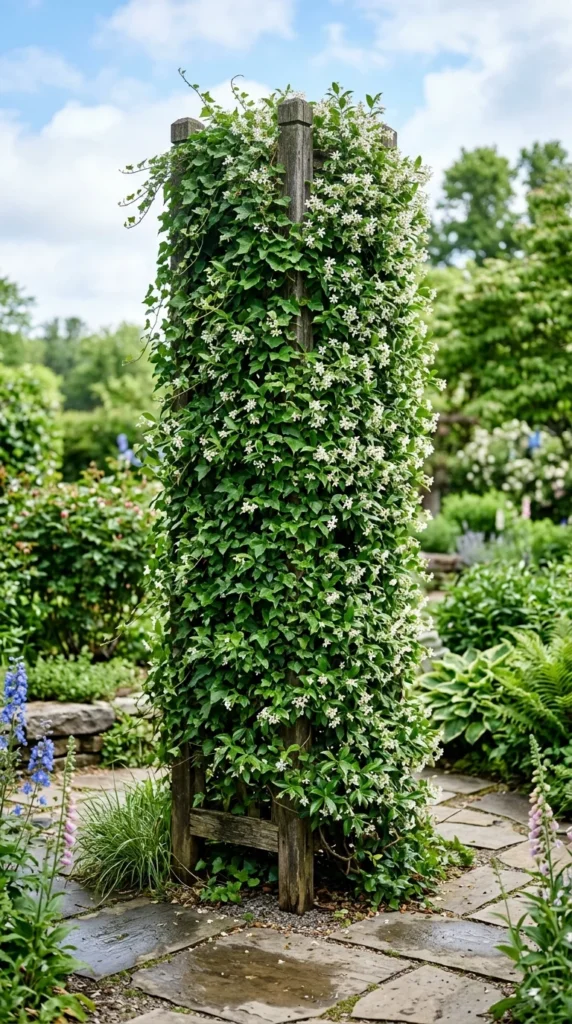
A trellis is a simple vertical structure that can be placed anywhere in the yard to create a “room” or block a specific sightline. When covered in fast-growing vines like Virginia Creeper or Trumpet Vine, a trellis becomes a solid wall of greenery. This is a great way to hide unsightly objects like air conditioning units or trash bins while adding to the privacy of the space.
16. Layered Shrubs
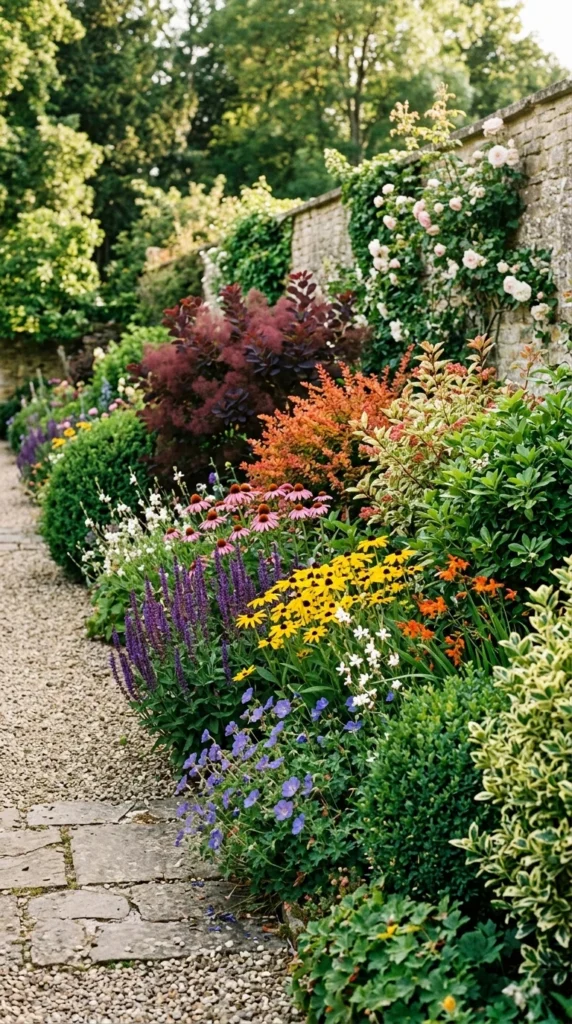
Instead of a single row of one type of plant, layered landscaping uses a mix of species, heights, and textures. By planting a backdrop of tall evergreens followed by a middle layer of deciduous shrubs and a front layer of perennials, you create a dense, naturalistic screen. This “layered” approach is more resilient to pests and diseases and provides a more interesting visual landscape throughout the seasons.
17. Water Features
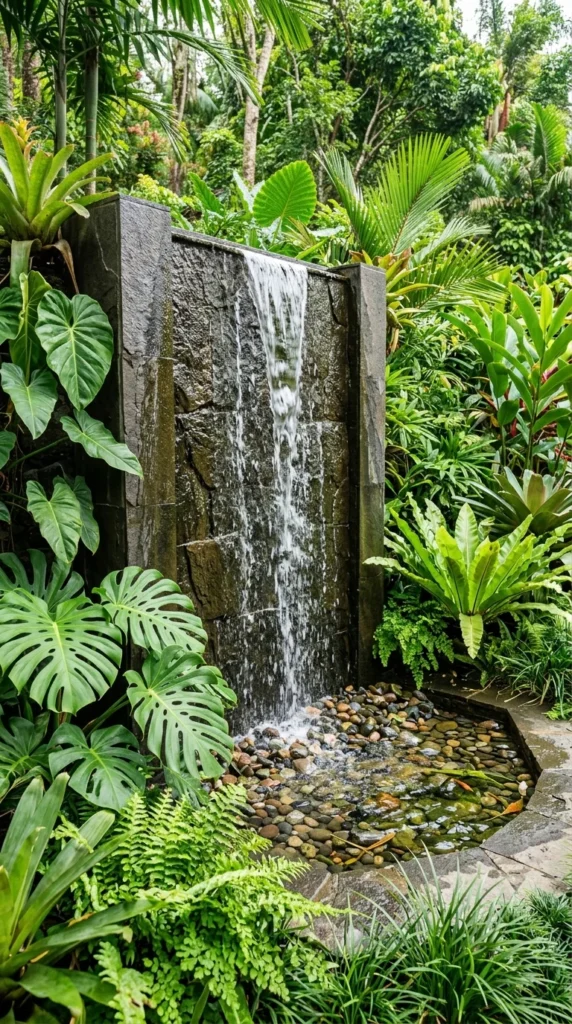
Privacy isn’t just about what you see; it’s also about what you hear. A water feature, such as a fountain or a cascading water wall, provides “acoustic privacy.” The sound of running water helps mask the noise of traffic or neighboring conversations, making your backyard feel more secluded and peaceful. It transforms your outdoor space into a sensory retreat.
18. Sun Sails
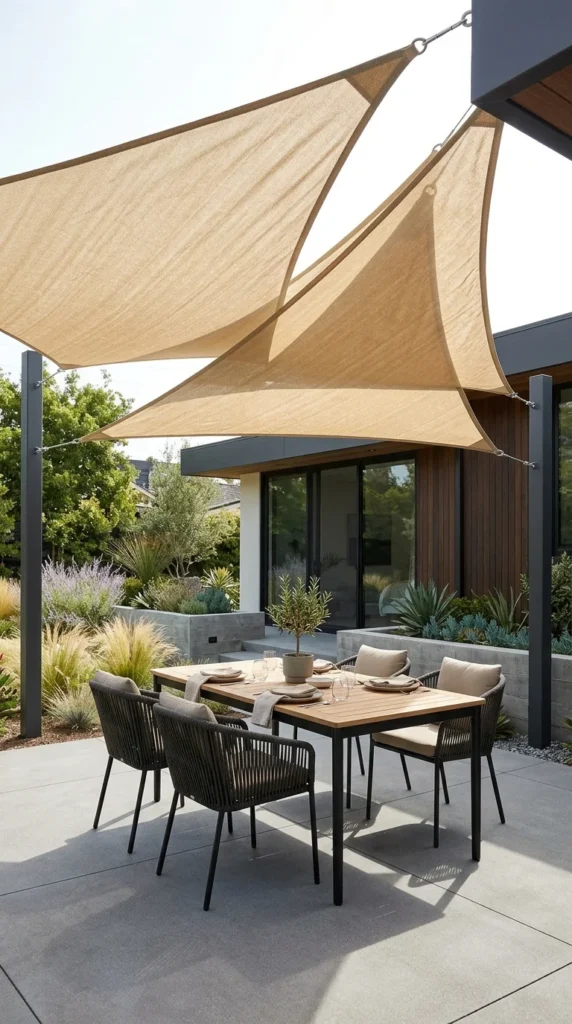
Sun sails (or shade sails) are large pieces of durable fabric tensioned between posts or house structures. They are a modern and cost-effective way to provide privacy from above. By angling the sails strategically, you can block the view from specific directions while maintaining a stylish, architectural look that doesn’t require a permanent roof structure.