
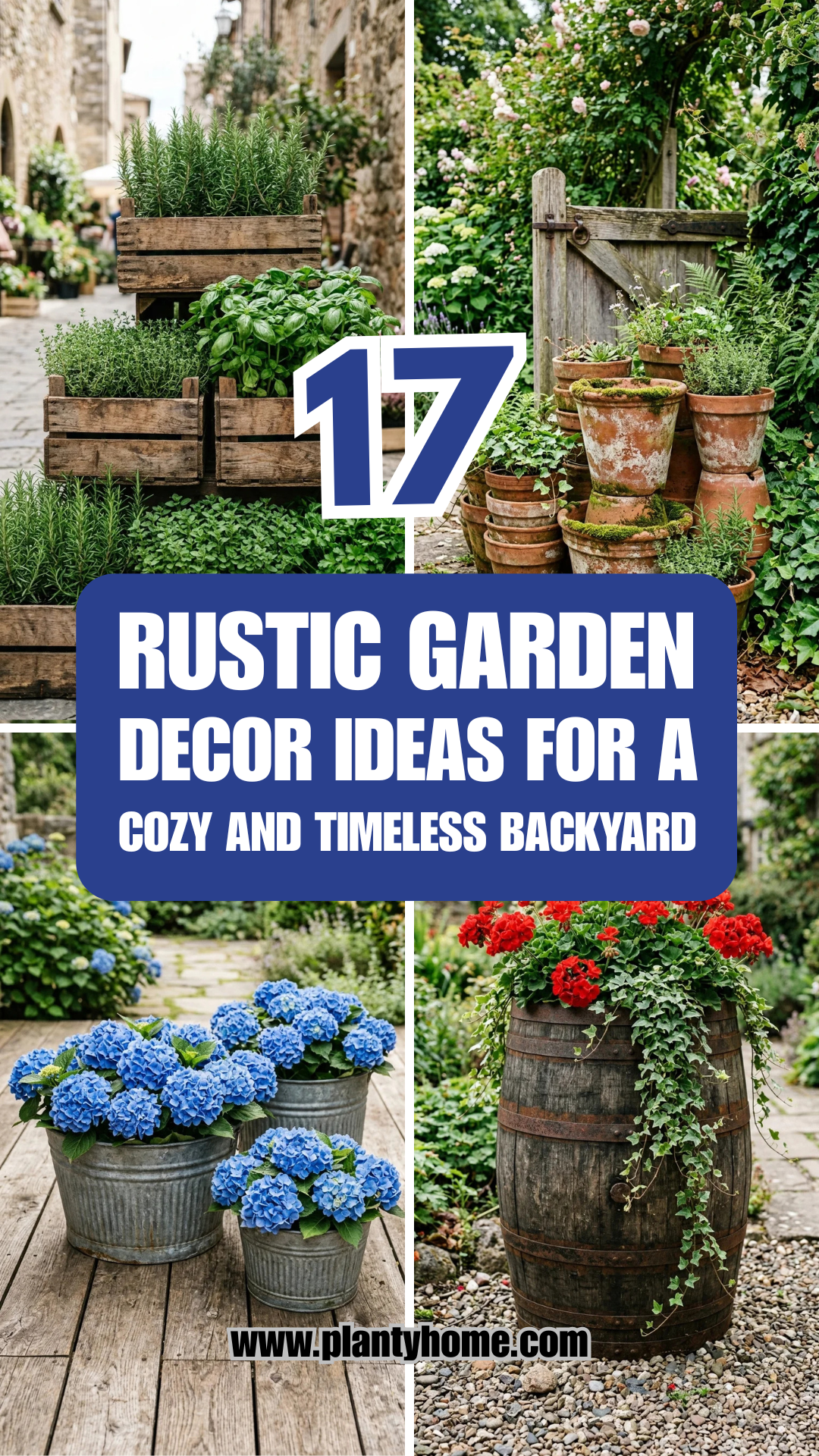
Creating a rustic garden is about more than just aesthetics; it is about fostering a sense of history, warmth, and a deep connection to the natural world. The “rustic” style thrives on imperfection—weathered wood, oxidized metals, and the organic growth of moss and vines. It transforms an outdoor space into a sanctuary that feels lived-in and timeless. Whether you have a sprawling country estate or a modest suburban patch, these seventeen ideas will help you infuse your backyard with a cozy, heritage-inspired charm.
1. Whiskey Barrels
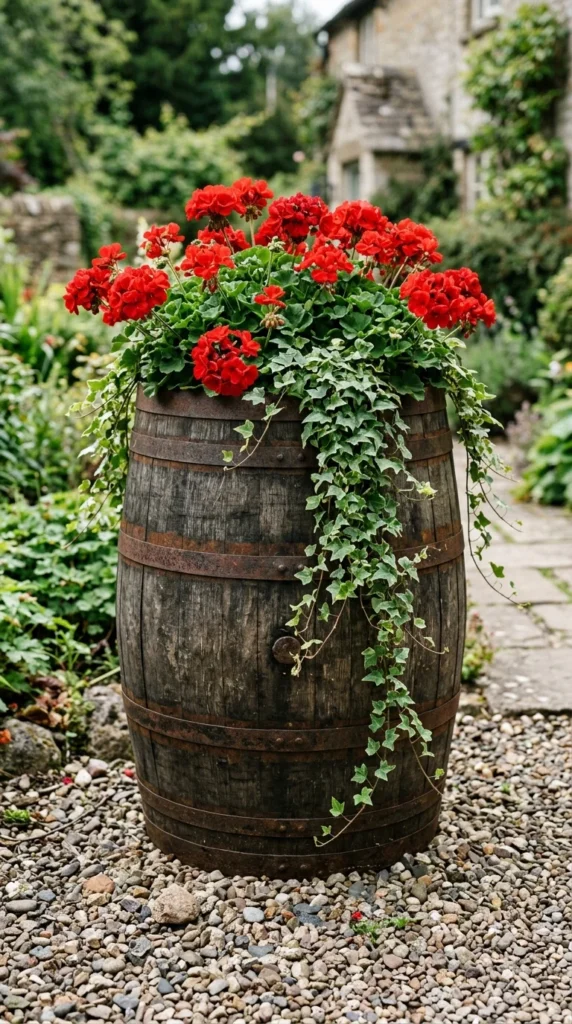
Whiskey barrels are perhaps the most iconic element of rustic garden design. These heavy-duty oak containers bring a sense of weight and permanence to a garden layout. They are incredibly versatile; they can serve as massive planters for everything from dwarf fruit trees to sprawling floral arrangements. Because the wood is seasoned and bound with iron hoops, it ages beautifully, developing a silver-grey patina over time. To maximize their rustic appeal, consider grouping them in odd numbers or using half-barrels as water features for a miniature aquatic garden.
2. Galvanized Tubs
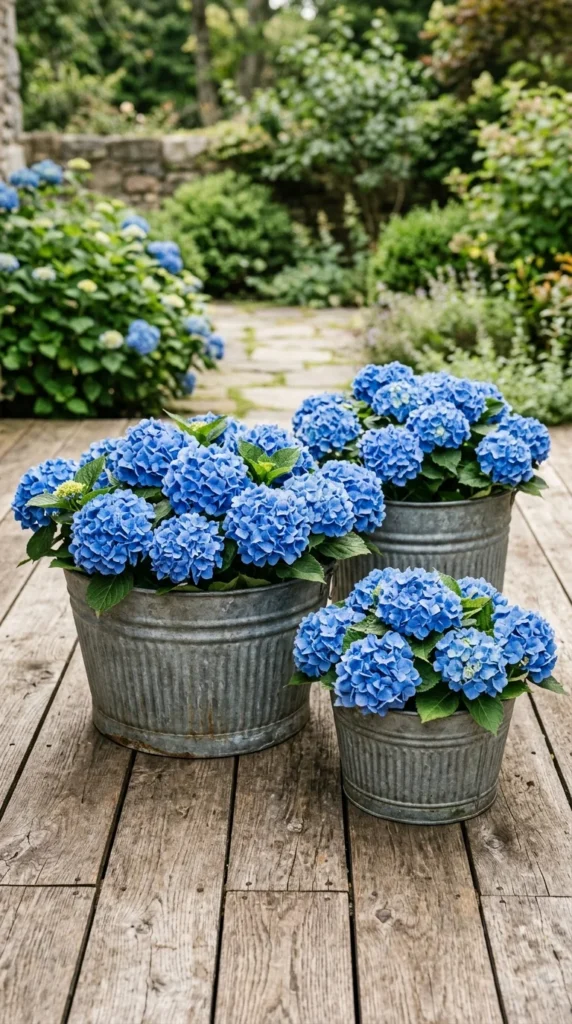
The cool, industrial look of galvanized steel provides a stunning contrast to the soft textures of garden foliage. These tubs were once staples of rural life, used for laundry and livestock, but today they serve as durable, weather-resistant planters. Their corrugated texture catches the light and adds a layer of visual interest to patios and porches. For a cohesive look, use a variety of sizes and heights, ensuring you drill drainage holes in the bottom to keep your plants healthy.
3. Wooden Ladders
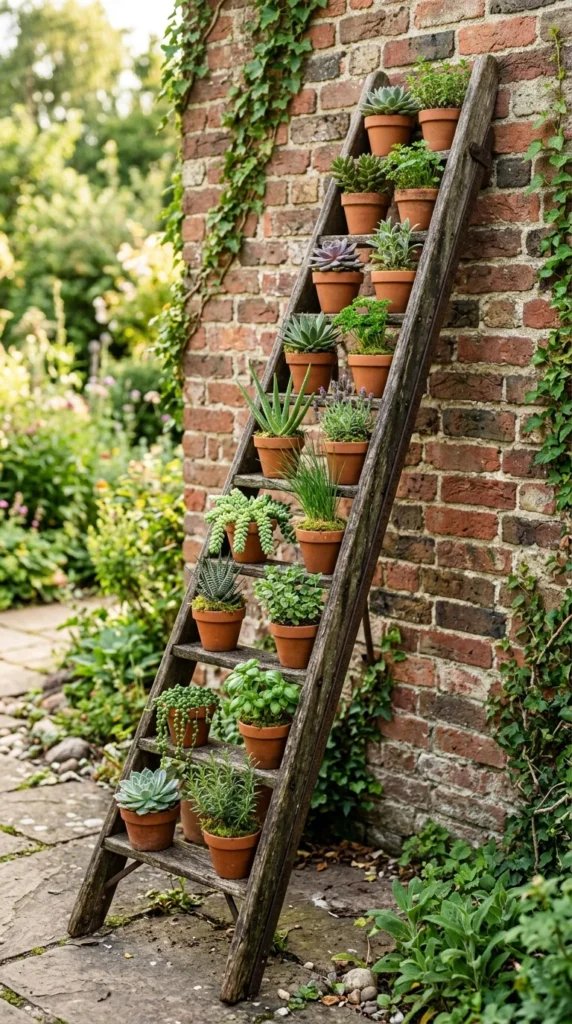
Vertical interest is crucial in a well-designed garden, and an antique wooden ladder is the perfect tool for achieving it. Instead of letting an old ladder rot in the shed, lean it against a wall or a tree and use the rungs as shelves. This creates a “staircase” of greenery. It is an excellent solution for small-space gardening, allowing you to grow herbs or succulents upward rather than outward. The weathered rungs provide a natural, grippy surface for trailing vines to cling to.
4. Birdhouses
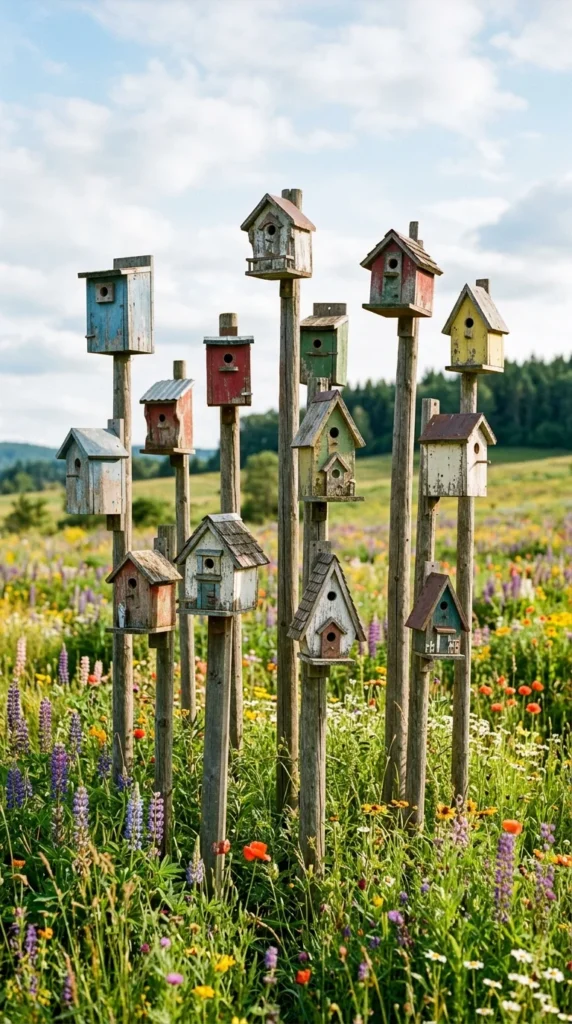
A rustic garden should feel like an ecosystem, and nothing invites nature in quite like birdhouses. To keep the look authentic, choose houses made from reclaimed wood or those with a distressed finish. Avoid overly bright, plastic designs. Instead, opt for “shabby chic” aesthetics—peeling paint in muted tones like sage green, buttermilk, or dusty blue. Placing these houses at different heights throughout the garden not only helps local wildlife but also creates charming focal points among the shrubbery.
5. String Lights
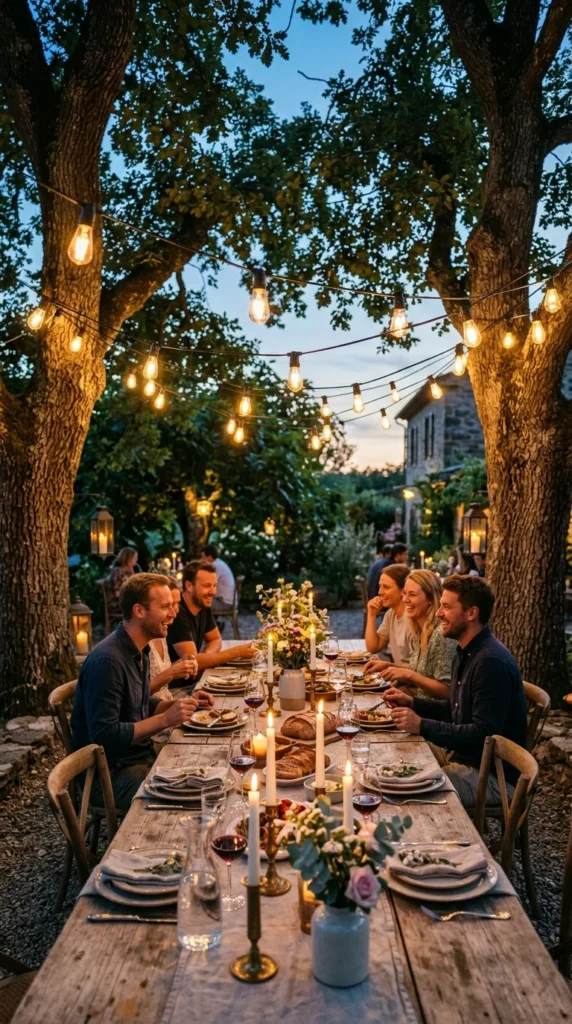
Lighting is the key to extending the “cozy” factor of your garden into the evening hours. For a rustic theme, skip the modern LED strips and opt for Edison-bulb string lights. The warm, amber glow mimics the flicker of candlelight and provides a nostalgic atmosphere. Drape them loosely over a pergola, weave them through tree branches, or string them along a fence line. The goal is to create a soft wash of light that highlights the textures of your wooden furniture and stone paths.
6. Stone Paths
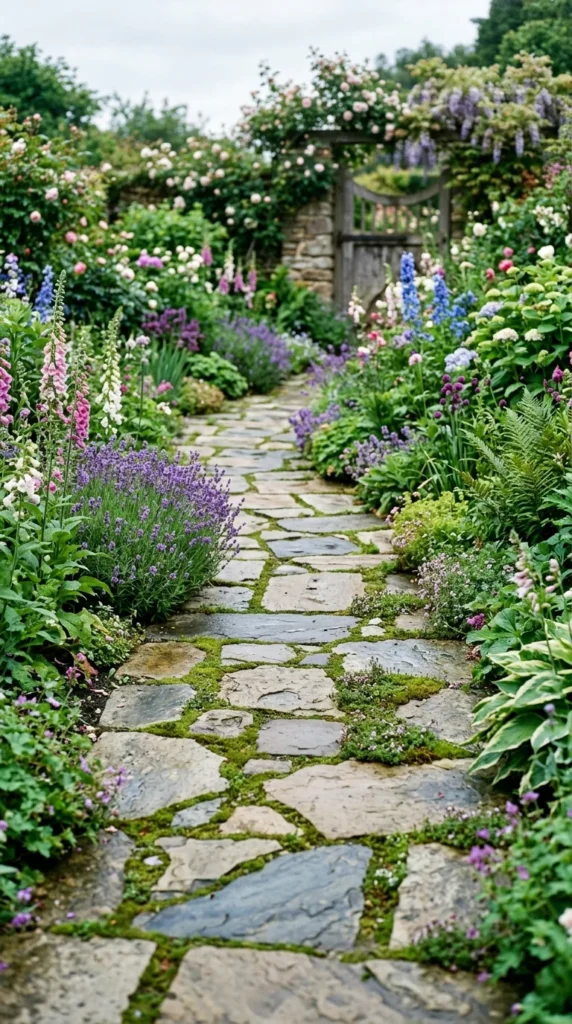
A rustic garden should never feel too rigid or formal. Instead of poured concrete or perfectly square pavers, use irregular flagstones or fieldstones to create winding paths. These natural materials allow the garden to breathe and blend seamlessly with the earth. By leaving space between the stones, you can plant “steppable” groundcovers like creeping thyme or Irish moss. This creates a look of “controlled wildness,” where the path feels as though it has been there for decades.
7. Antique Benches
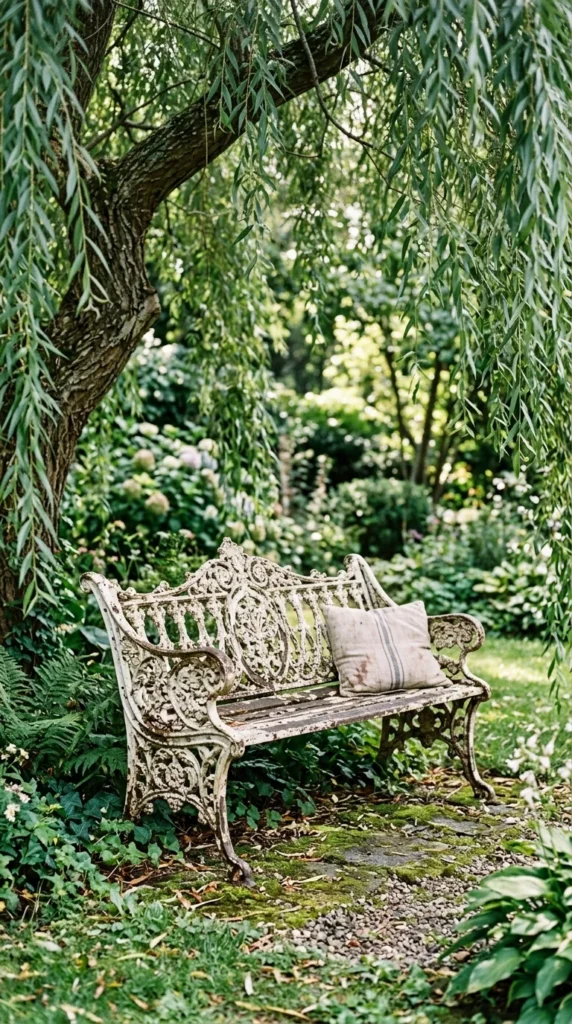
Every garden needs a place for quiet reflection. An antique bench—whether made of heavy wrought iron or chunky, reclaimed timber—serves as both a functional seat and a sculptural element. Look for pieces with a bit of “character,” such as chipped paint or a slight mossy growth. Placing a bench at the end of a path or under a large shade tree creates an inviting destination within your backyard, encouraging you to slow down and enjoy the scenery.
8. Wagon Wheels
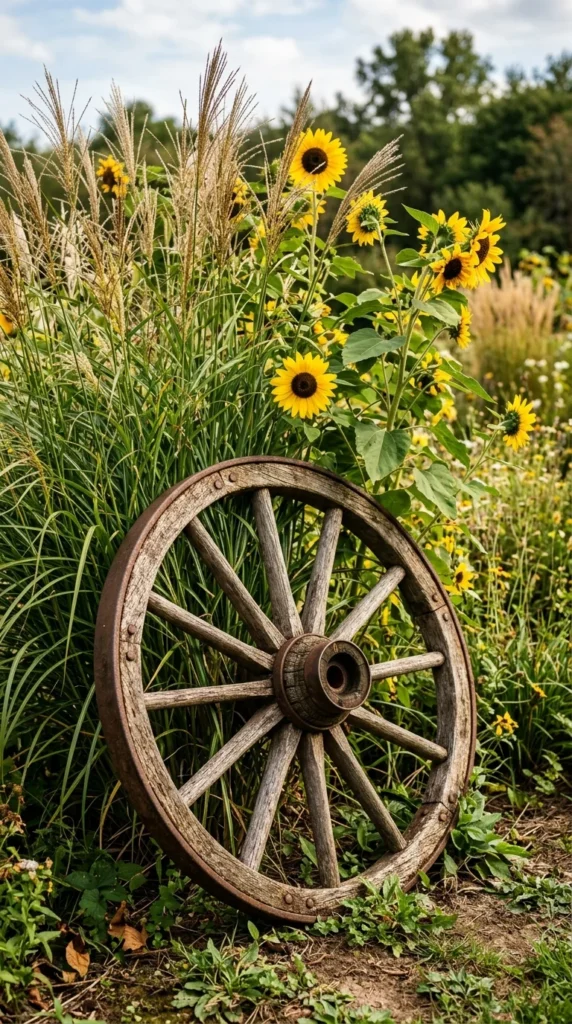
Wagon wheels are the ultimate symbol of the pioneer spirit and rural heritage. Because of their circular shape, they break up the linear lines of fences and garden beds. You can lean a large wheel against a barn wall, use it as a trellis for climbing roses, or even partially bury it in the ground to create a “found object” aesthetic. The combination of old wood and rusted iron fits perfectly into the rustic color palette of browns, greys, and deep oranges.
9. Terracotta Pots
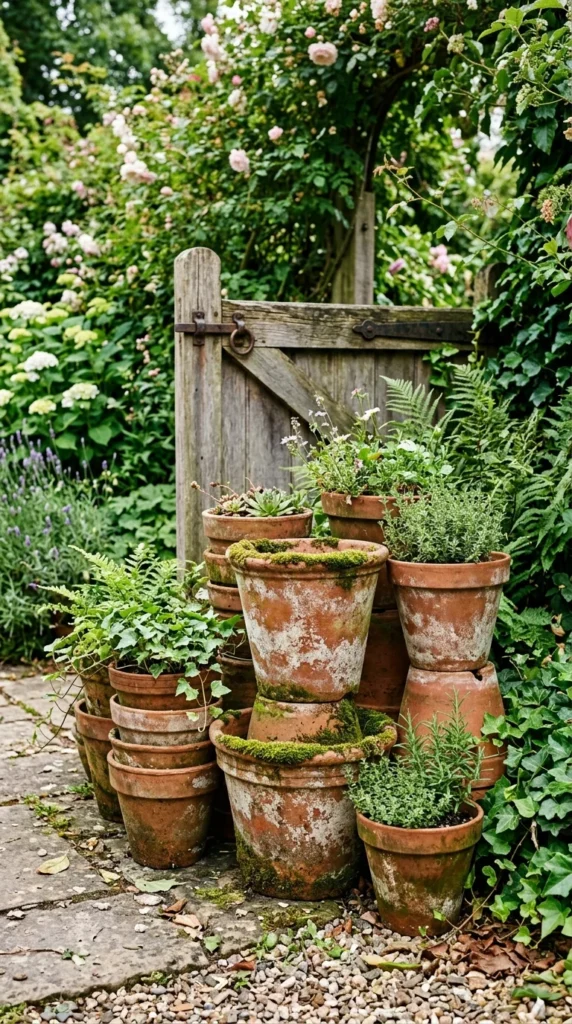
Standard terracotta pots are affordable and functional, but for a rustic look, you want them to look aged. The porous nature of the clay allows minerals and moss to build up on the outside, creating a beautiful, variegated surface. You can speed up this process by “distressing” new pots with a light wash of lime or yogurt to encourage moss growth. Grouping pots of different sizes on a wooden potting bench creates a professional yet humble garden display.
10. Garden Arbors
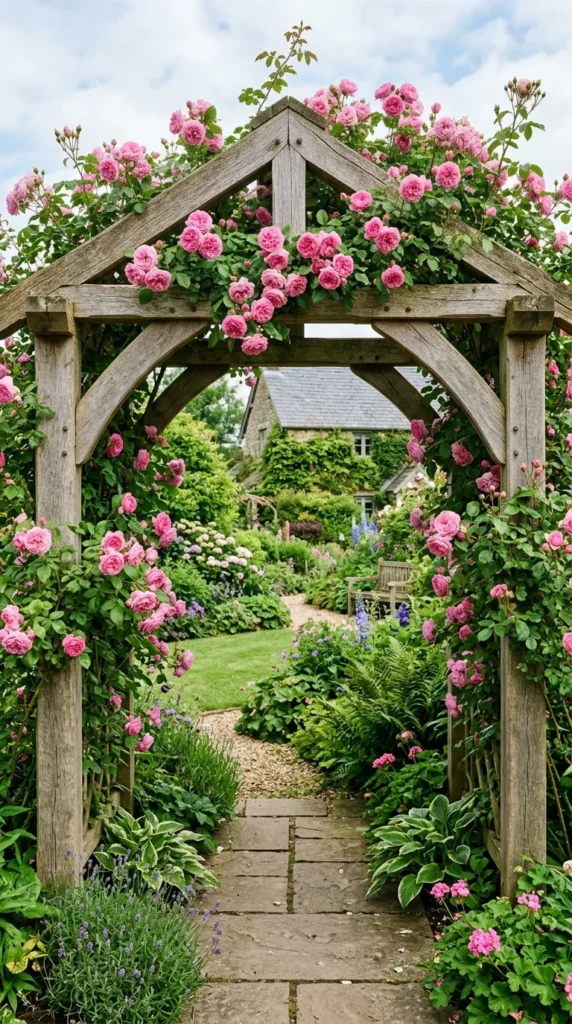
An arbor acts as a gateway, signaling the transition from one part of the garden to another. For a rustic theme, choose an arbor made from rough-cut cedar or even twisted branches and logs. As climbing plants like clematis, honeysuckle, or wisteria take hold, the structure will eventually become a living tunnel of fragrance and color. This adds a sense of mystery and romance to the backyard, making the space feel like a secret garden.
11. Wind Chimes
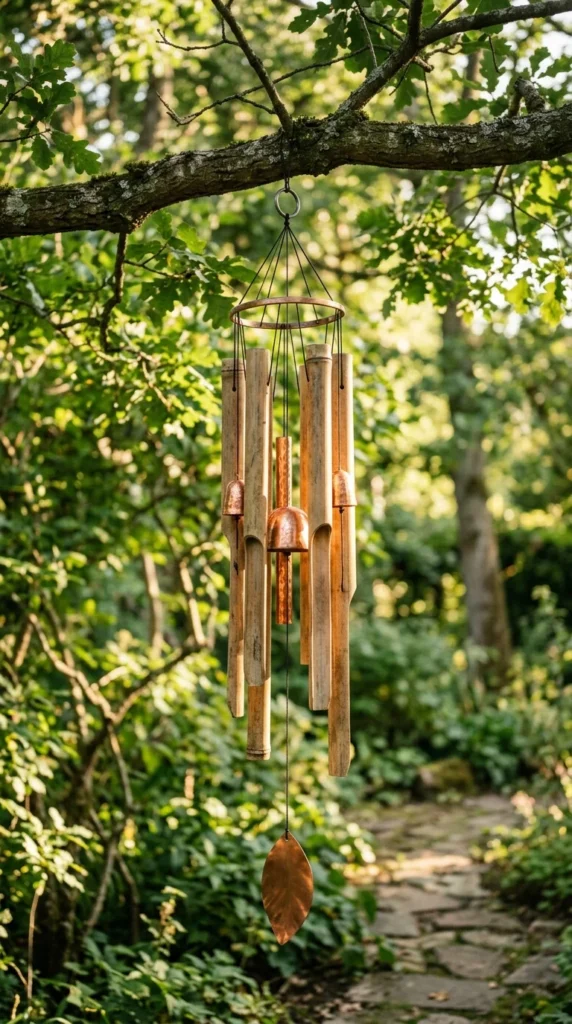
The rustic experience is multi-sensory. Adding wind chimes introduces a gentle auditory layer to your backyard. Look for chimes made from natural materials like bamboo, which produces a deep, hollow “thunk,” or heavy copper tubes that offer a melodic, church-bell quality. Avoid high-pitched, tinny chimes; instead, seek out deeper tones that resonate with the surrounding trees and wind.
12. Fire Pits
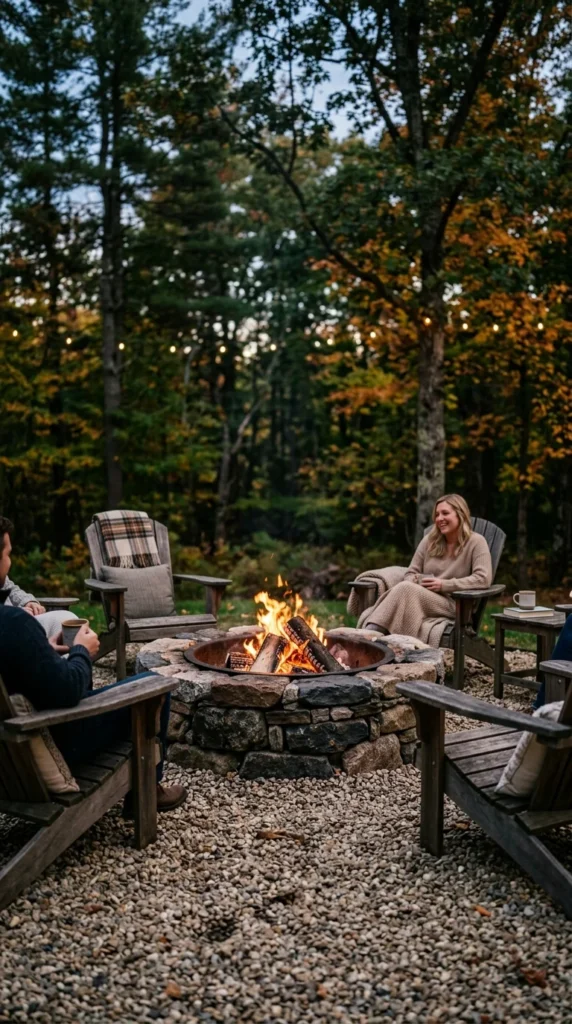
A fire pit is the heart of a cozy backyard. To maintain the rustic aesthetic, move away from sleek, modern gas fire tables and opt for a traditional wood-burning pit made from stacked fieldstone or heavy cast iron. Surrounding the fire pit with simple wooden chairs or log stumps reinforces the “campfire” vibe. This setup provides a natural gathering spot for family and friends, offering warmth and a focal point for storytelling.
13. Watering Cans
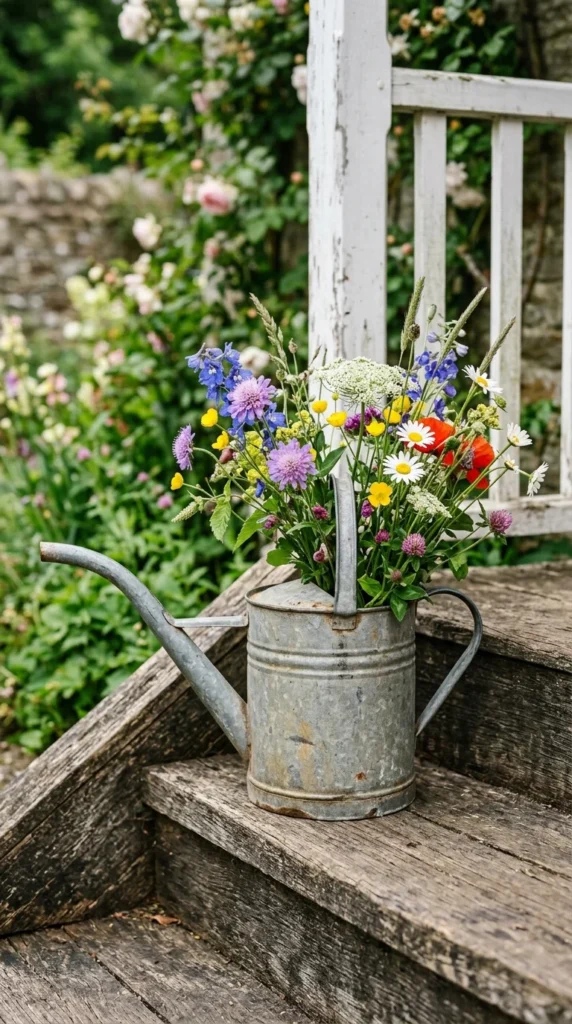
Old tools are more than just functional; they are pieces of history. Vintage metal watering cans, especially those with a bit of rust or a weathered patina, make excellent decorative accents. You don’t even need to use them for watering; they look wonderful tucked into a flower bed or sitting on a porch step filled with freshly cut flowers. This “repurposed” approach is a hallmark of rustic design, celebrating the beauty in used and discarded objects.
14. Log Edging
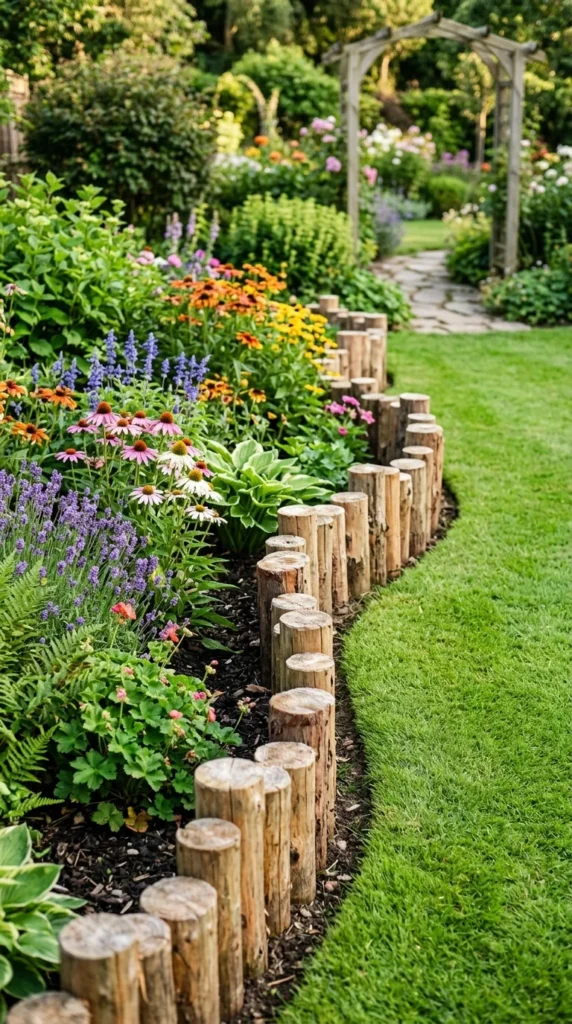
Plastic or metal garden edging can often look too “sharp” for a rustic backyard. Instead, use natural logs or thick branches to define your garden beds. By cutting logs into short sections and driving them vertically into the ground at varying heights, you create a textured, organic border. This method is not only eco-friendly but also provides a habitat for beneficial garden insects, further integrating your decor with the local environment.
15. Herb Crates
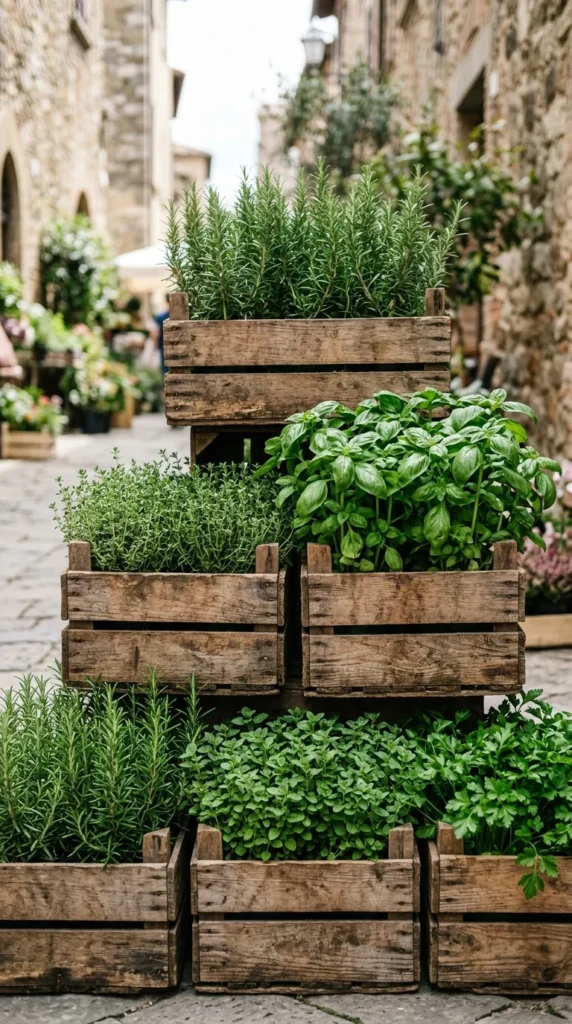
If you enjoy a “kitchen garden” feel, old wooden fruit or milk crates are perfect for organizing herbs. Their slatted design provides excellent ventilation for plants, and the weathered wood looks right at home on a patio or balcony. You can stack them to create a vertical herb garden or line them up along a sunny wall. The combination of fragrant herbs and vintage wood creates a sensory experience that is quintessentially rustic.
16. Sundials
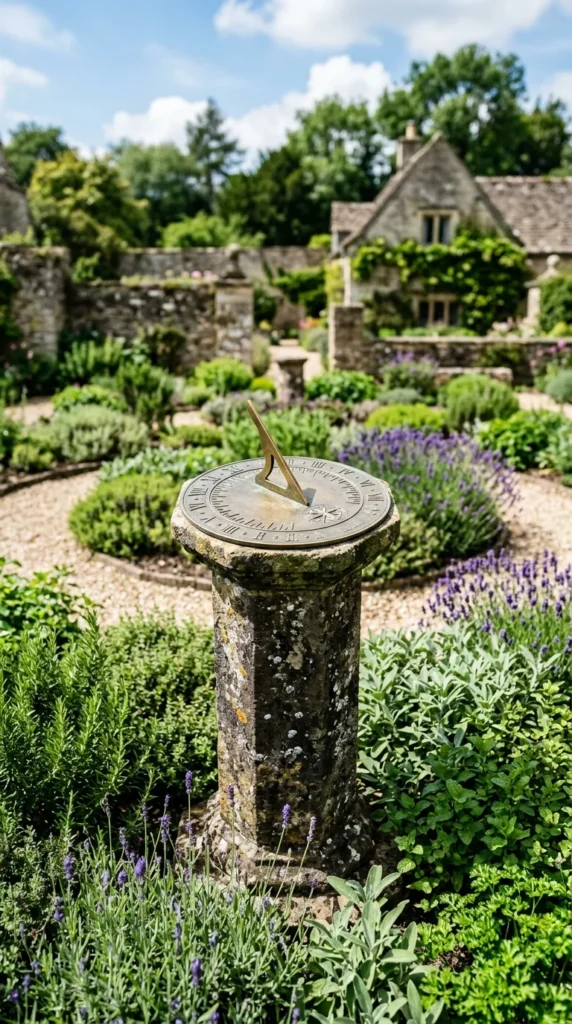
A sundial is a timeless addition that evokes a sense of history and the slow passage of time. Placed on a stone pedestal, it becomes a sophisticated focal point. In a rustic garden, the metal (usually brass or bronze) will eventually develop a green patina (verdigris), which blends beautifully with the greens and browns of the foliage. It serves as a reminder to disconnect from digital time and reconnect with the natural rhythms of the sun.
17. Mason Jars
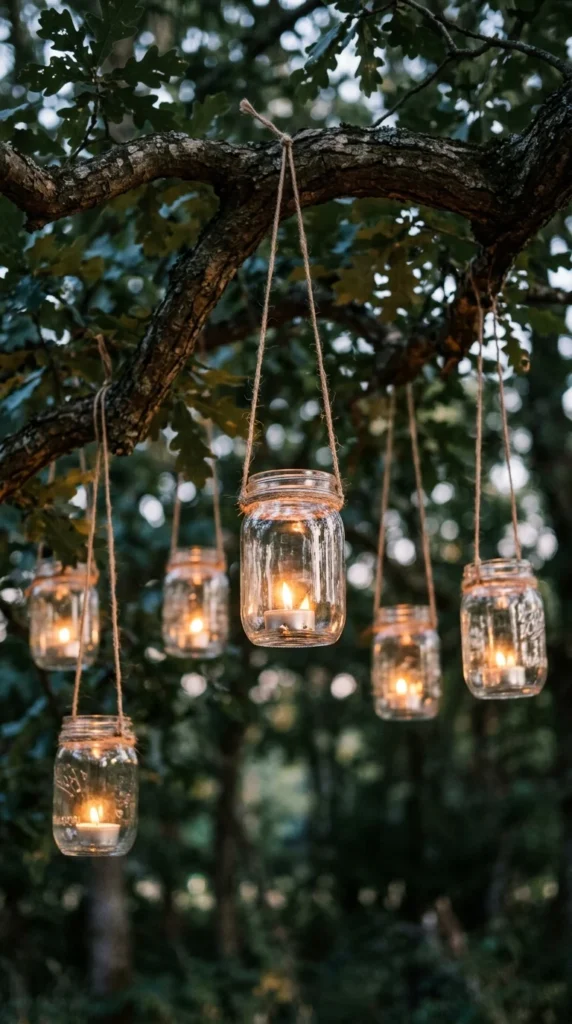
Mason jars are the ultimate versatile rustic accessory. While they are common in interior design, they work just as well outdoors. You can use them as simple vases for wildflowers, but they truly shine when used as hanging lanterns. By wrapping the neck of the jar with twine or wire, you can hang them from low-hanging tree branches. When filled with tealights or small LED fairy lights, they create a magical, firefly-like effect that makes any evening in the backyard feel special.