
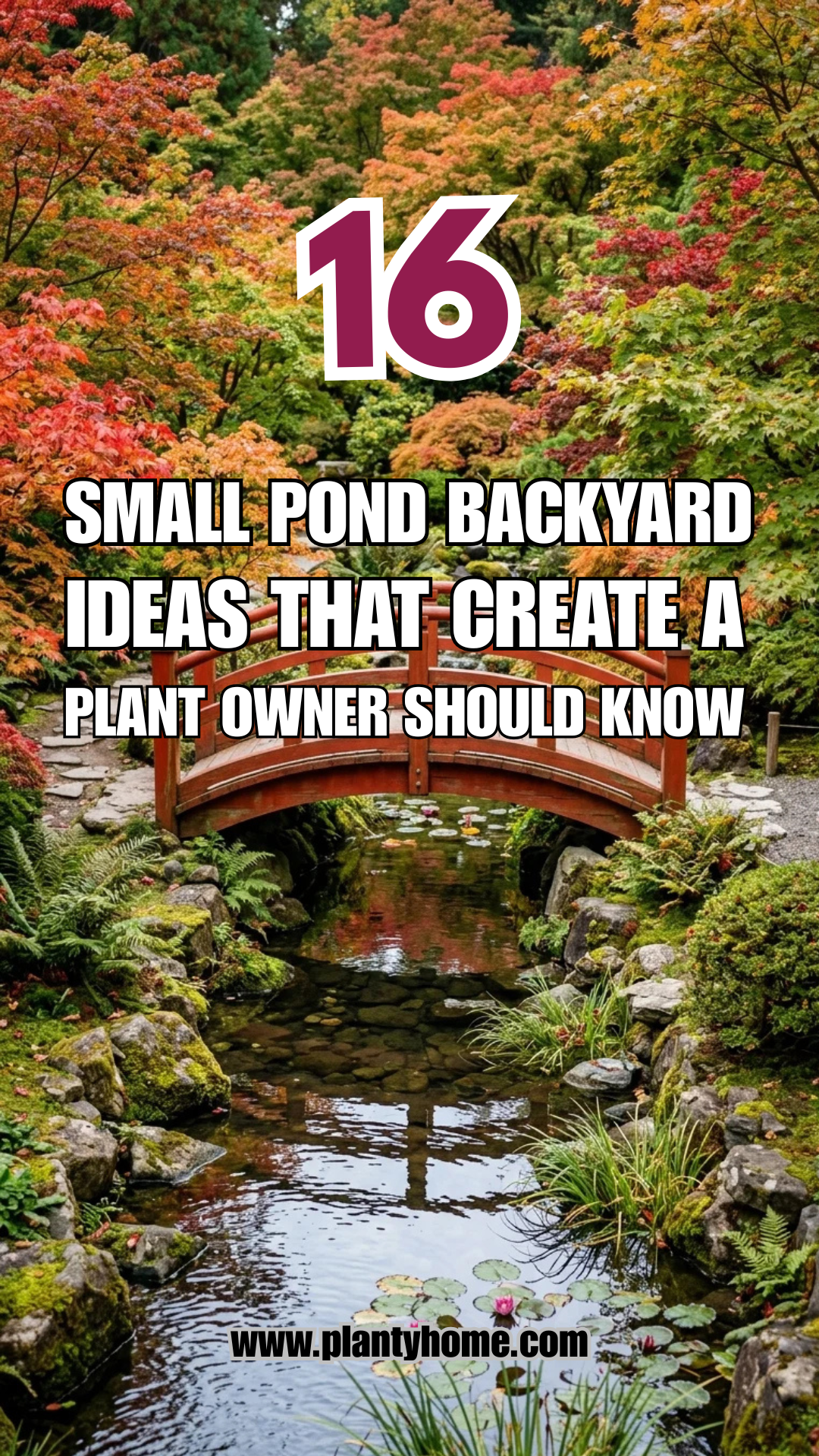
Transforming a backyard into a sanctuary often requires a focal point that appeals to the senses. Water features, specifically small ponds, offer a unique combination of visual beauty and auditory calm. Whether you have a sprawling lawn or a compact patio, integrating a water element can elevate your outdoor living experience, increase biodiversity, and provide a dedicated space for meditation and relaxation.
A well-designed small pond does more than just hold water; it acts as a miniature ecosystem and a structural anchor for your garden design. From the gentle trickle of a waterfall to the vibrant colors of aquatic plants, the possibilities for customization are endless. Here are 16 small pond ideas to inspire your next backyard project.
1. Tiered Waterfalls
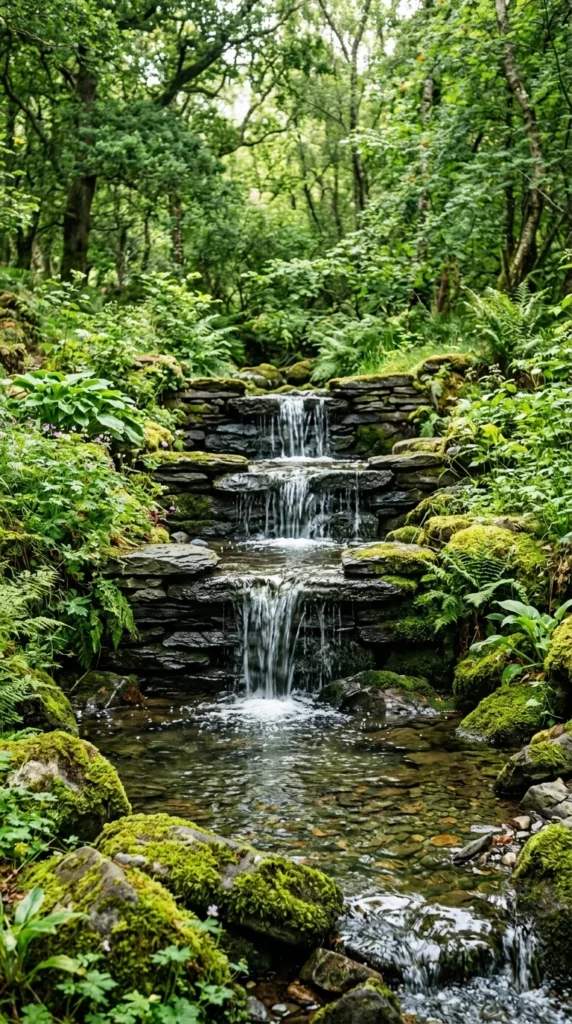
Tiered waterfalls are a classic choice for adding movement and sound to a backyard. By stacking flat rocks or using pre-molded spillways, you can create a multi-level descent that aerates the water while providing a soothing white noise. This setup is particularly effective for masking urban sounds like traffic or neighbors. The height and number of tiers can be adjusted to fit the scale of your pond, ensuring the feature feels proportionate to your space.
2. Container Ponds
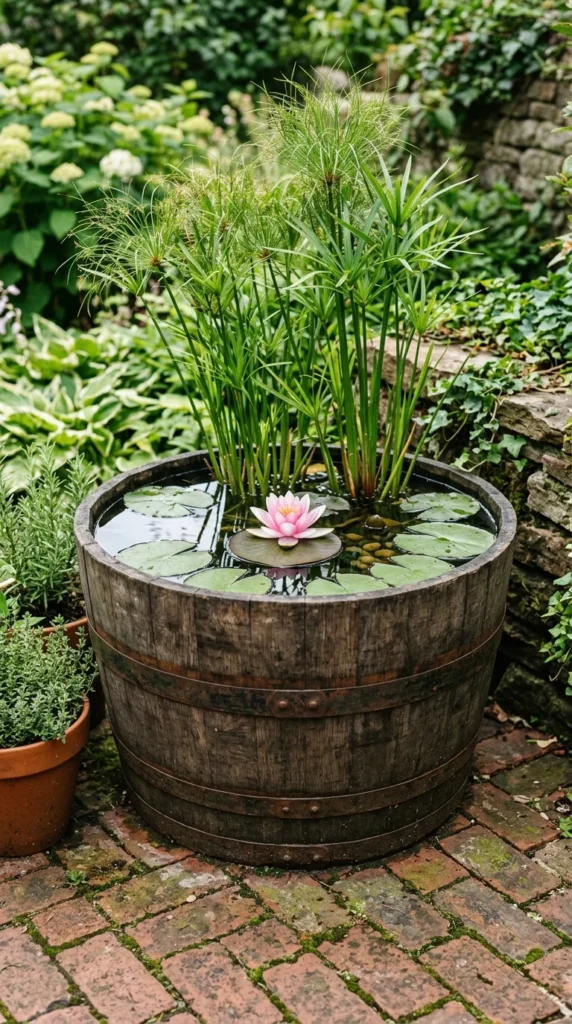
For those with limited space or a preference for low-maintenance options, container ponds are an ideal solution. Using vessels like galvanized steel troughs, large ceramic pots, or wooden barrels, you can create a self-contained aquatic world. These “patio ponds” are easy to set up and can be moved if you decide to rearrange your outdoor layout. They are perfect for showcasing specific aquatic plants like miniature lilies or floating fairy moss.
3. Rock Edging
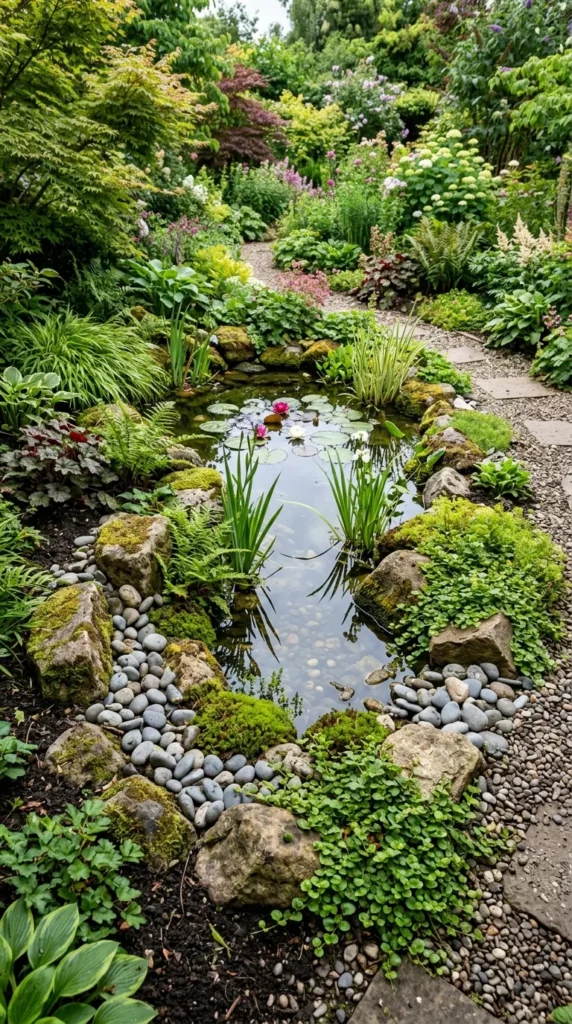
The border of a pond defines its character. Using natural stone edging helps the water feature blend seamlessly into the landscape. Combining different sizes of rocks—ranging from large “anchor” boulders to fine river gravel—creates a more organic, rugged look. This approach also provides nooks and crannies for beneficial bacteria and small garden creatures to thrive, enhancing the ecological health of your pond.
4. Floating Lilies
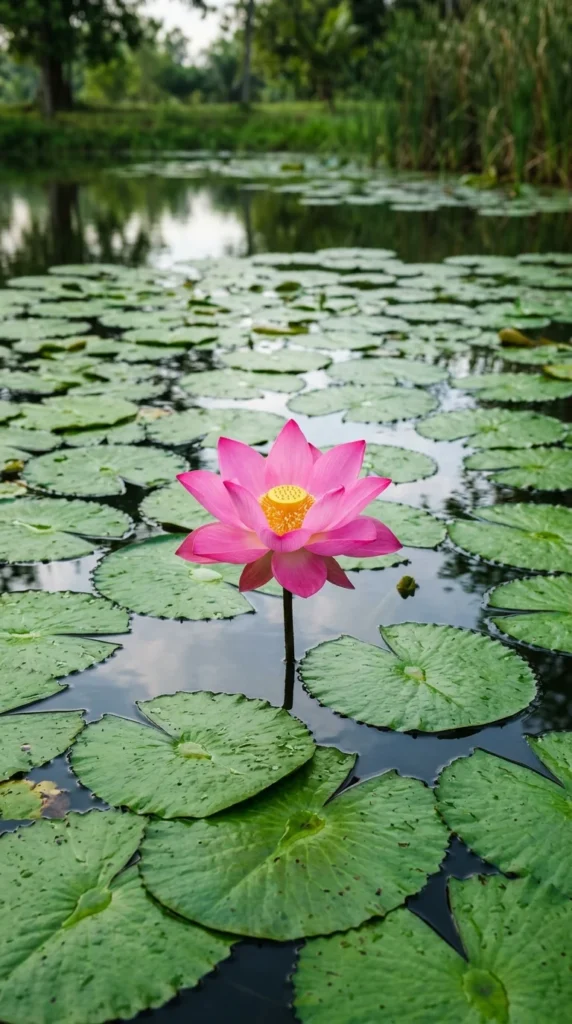
Water lilies are the jewels of the aquatic world. Not only do they provide stunning floral displays in shades of white, yellow, pink, and red, but their broad leaves also serve a functional purpose. They provide shade for the water below, which helps regulate temperature and limit algae growth by blocking sunlight. For a small pond, choose “dwarf” or “miniature” varieties that won’t overwhelm the surface area.
5. Koi Sanctuaries
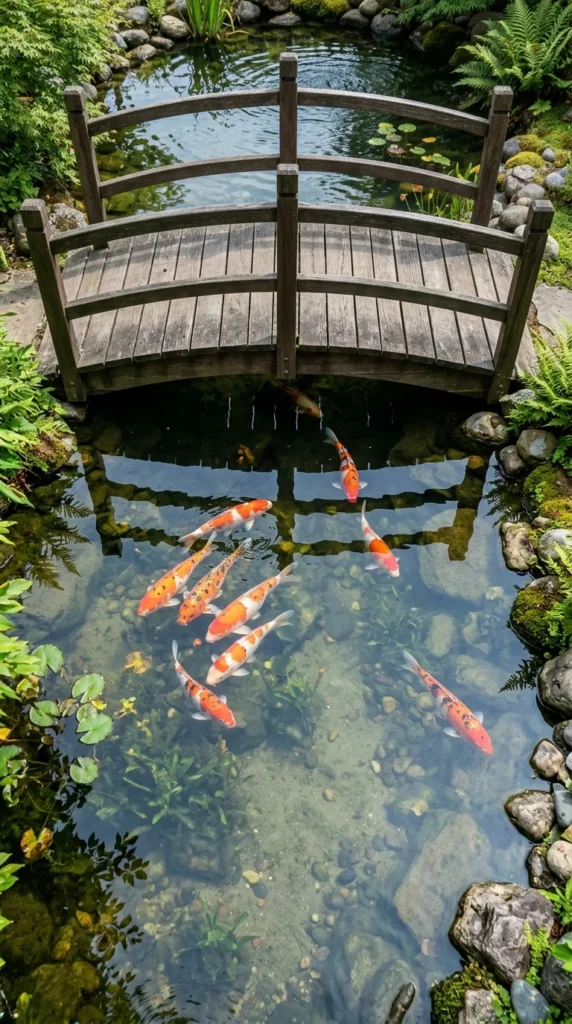
While traditionally associated with large estates, koi ponds can be adapted for smaller spaces with proper filtration and depth. Adding fish introduces a dynamic, living element to the backyard. The graceful movement of koi or hardier goldfish can be incredibly hypnotic and therapeutic. Ensure the pond is deep enough to protect the fish from predators and extreme temperature shifts, and include a high-quality pump to maintain oxygen levels.
6. Modern Minimalist
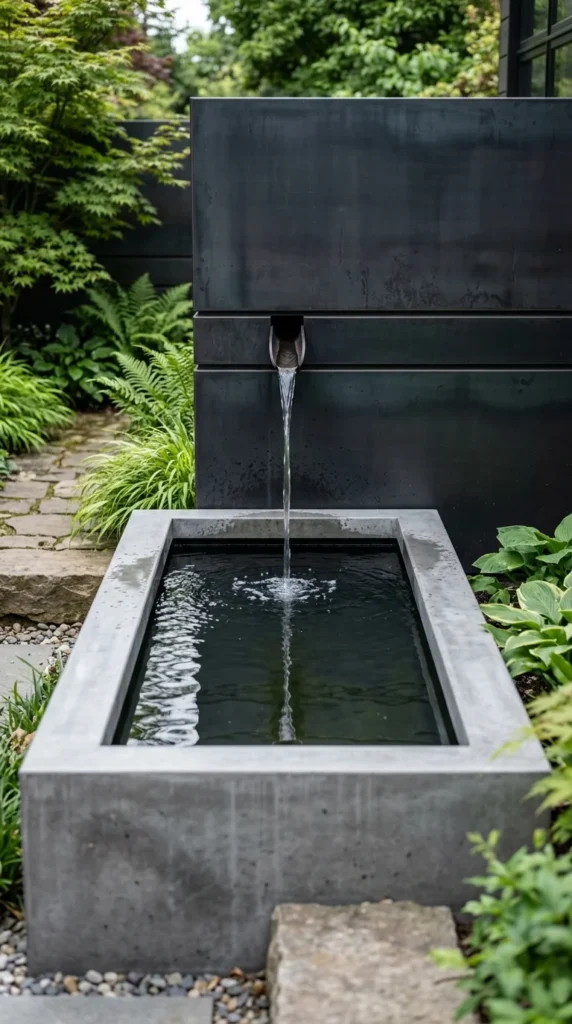
Modern backyard designs often favor clean lines and geometric shapes. A rectangular or square pond made from polished concrete or dark slate offers a sophisticated, architectural feel. These ponds often use “sheer descent” waterfalls that create a glass-like curtain of water. This style works exceptionally well in contemporary urban gardens where the goal is a structured, tidy aesthetic rather than a wild, naturalistic look.
7. Bridge Crossings
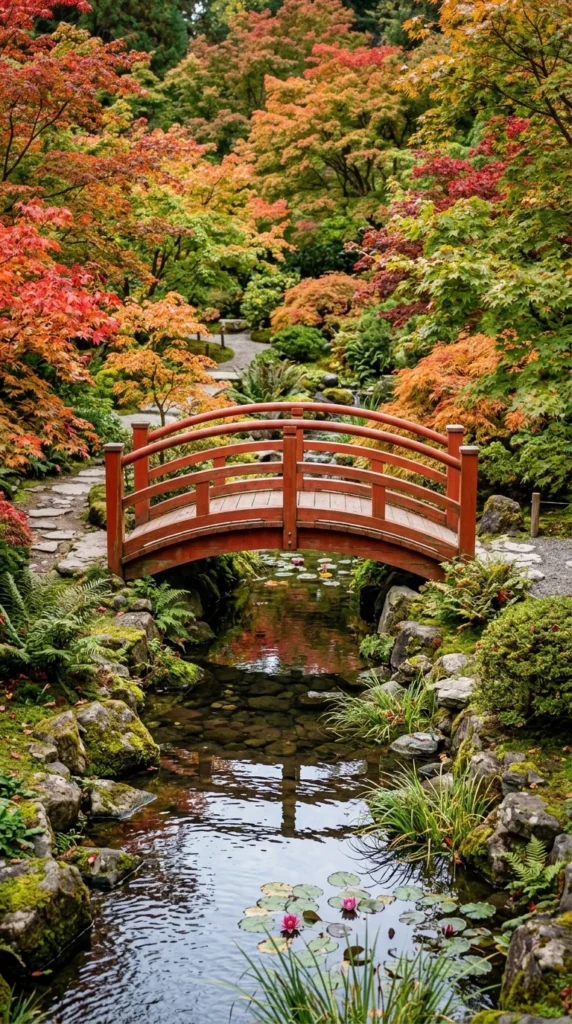
Adding a bridge creates a sense of journey and exploration, even in a small backyard. A simple wooden arch or a set of flat stepping stones placed just above the water line allows you to walk “over” the water, providing a unique vantage point. Bridges also add a vertical element to the design, drawing the eye upward and making the pond area feel like a destination within the garden.
8. Wildlife Havens
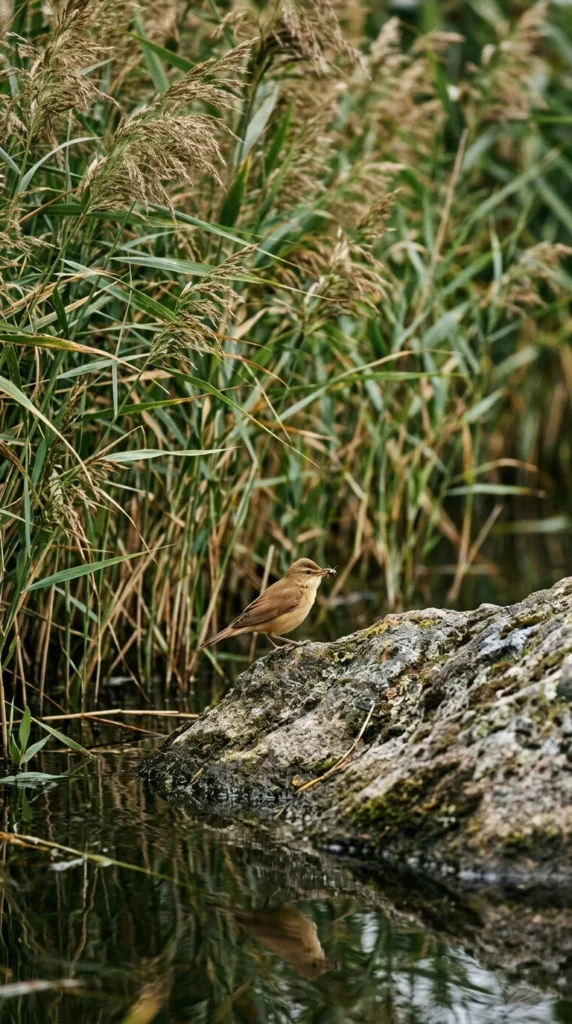
If your goal is to support local ecology, design your pond as a wildlife haven. This involves creating “beach” entries—shallow, sloped areas covered in gravel—that allow birds, bees, and frogs to access the water safely. Avoid using harsh chemicals and instead rely on native plants to filter the water. A wildlife pond becomes a hub of activity, bringing the sights and sounds of nature directly to your doorstep.
9. Night Illumination
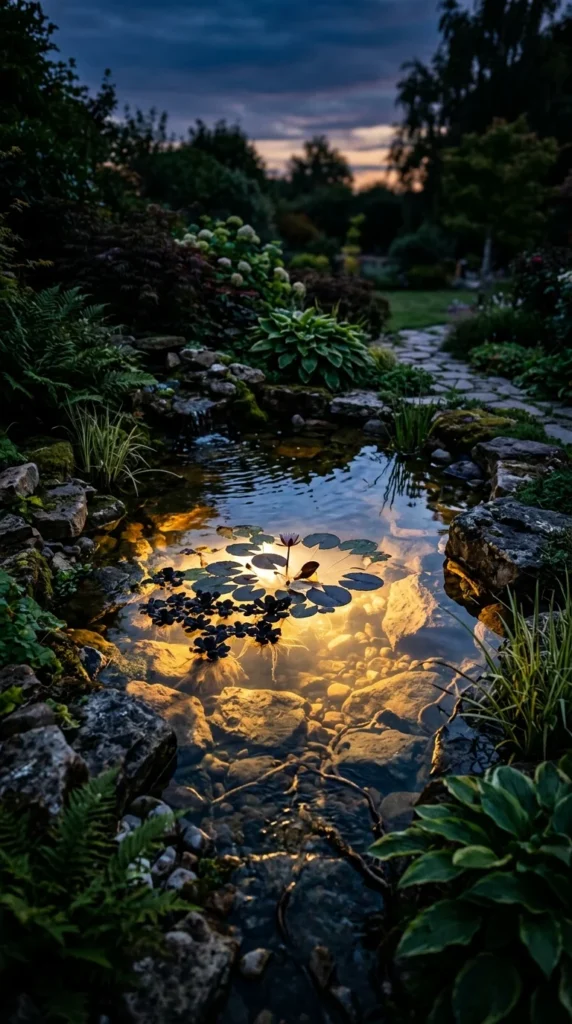
The enjoyment of a backyard pond shouldn’t end when the sun goes down. Underwater LED lighting can transform the water into a glowing centerpiece. Strategically placed spotlights can highlight a waterfall’s spray or the underside of lily pads, creating a magical, ethereal atmosphere. Solar-powered lights around the perimeter are an eco-friendly way to define the pond’s edge and ensure safety during evening strolls.
10. Sunken Basins
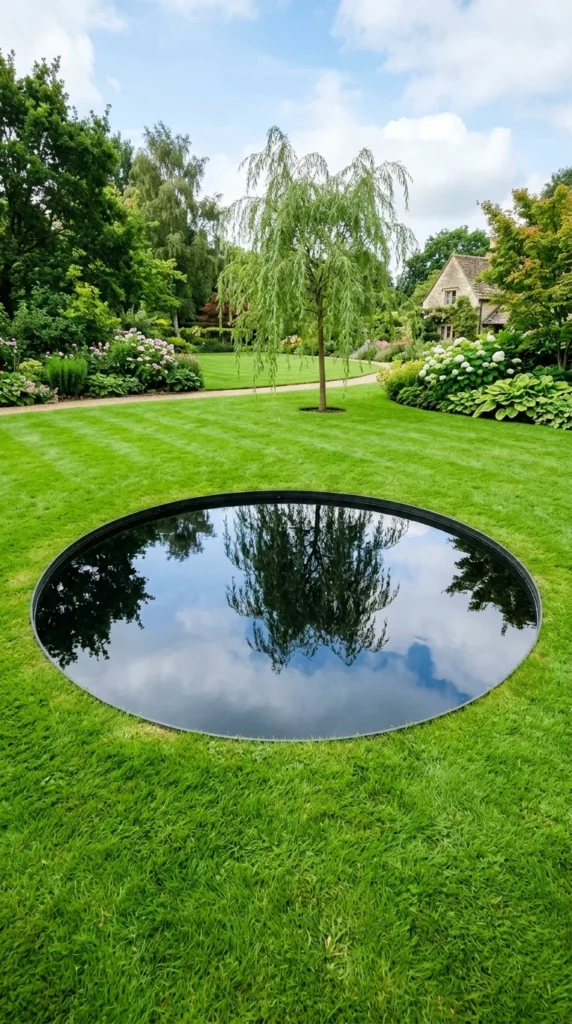
A sunken pond that is flush with the ground creates a “looking glass” effect, reflecting the sky and surrounding trees. This minimalist approach is unobtrusive and preserves the open feel of a lawn. Because there are no raised walls, these ponds feel like a natural part of the earth. They are particularly effective when placed in the center of a circular garden bed or at the end of a long pathway to draw the eye.
11. Stream Connections
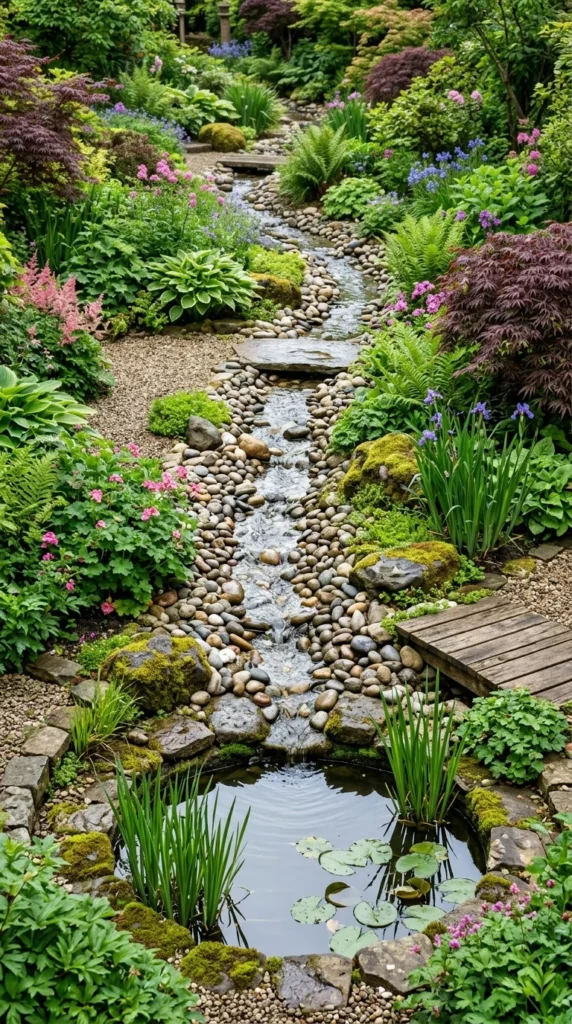
If your backyard has a slight slope, consider a “stream-to-pond” configuration. A narrow, winding creek bed lined with stones can carry water from a pump-fed source down into a main basin. This design mimics the flow of a natural mountain brook. The movement of water over pebbles creates a delightful babbling sound that is more subtle than a direct waterfall, perfect for a quiet reading nook.
12. Aquatic Perennials
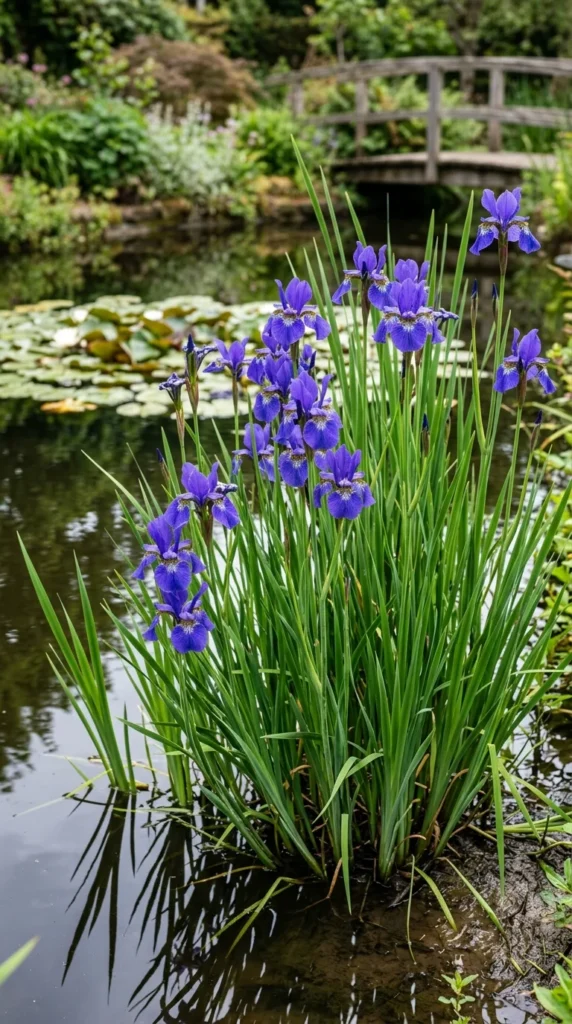
To give your pond a lush, “always been there” appearance, focus on marginal plants—those that grow in shallow water at the pond’s edge. Species like Blue Flag Iris, Marsh Marigold, and Horsetail add height, texture, and seasonal color. These perennials help soften the transition between the water and the dry land, creating a rich tapestry of foliage that changes throughout the year.
13. Gravel Bases
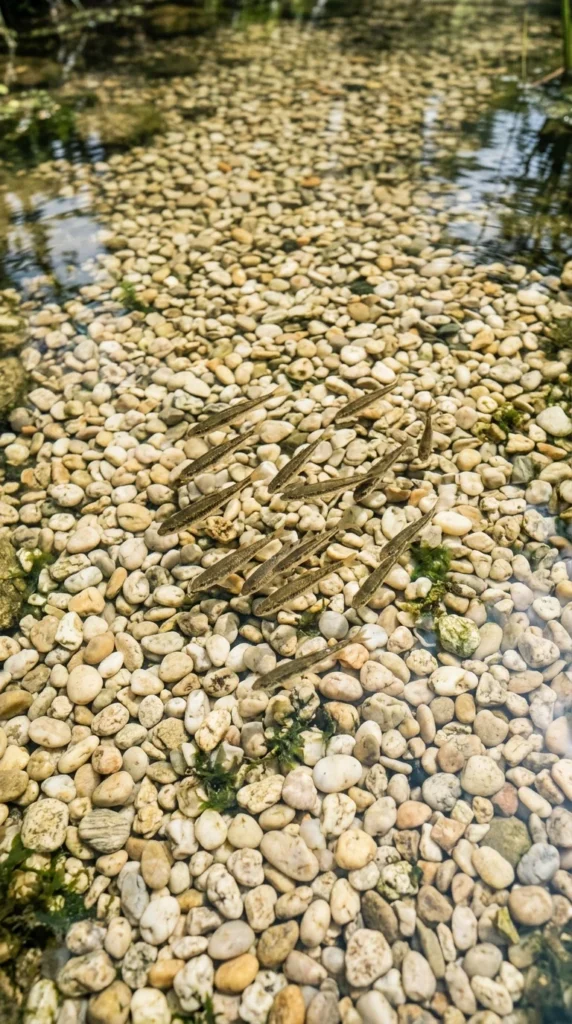
Using gravel on the bottom of a pond serves both aesthetic and functional roles. Visually, it provides a clean, textured look that hides pond liners and makes the water appear clearer. Functionally, the surface area of the stones provides a home for beneficial bacteria that break down organic waste. Light-colored gravel can reflect light upward, making a small pond feel brighter and more spacious.
14. Seating Nooks
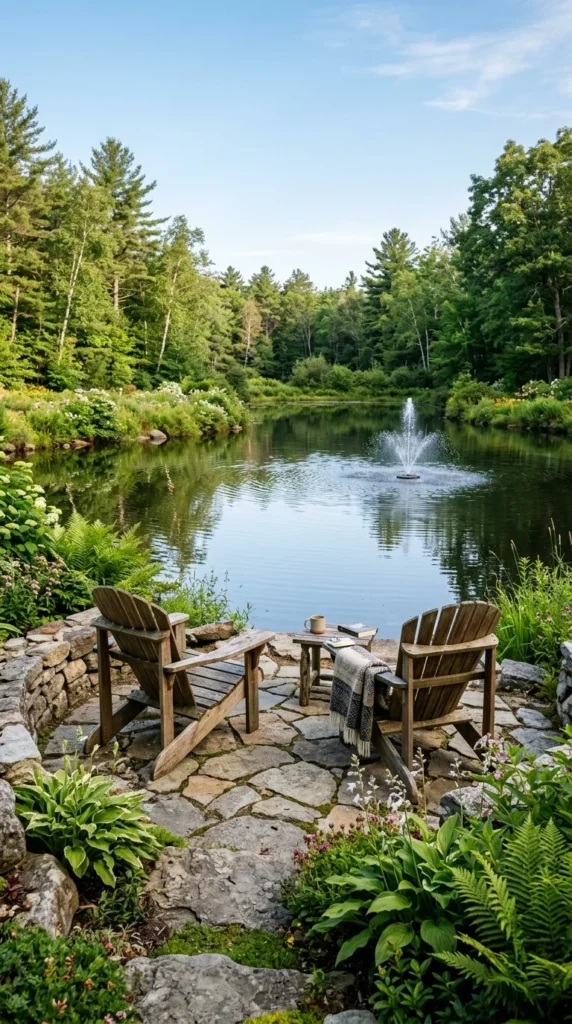
A pond is most effective when you have a dedicated place to sit and enjoy it. Creating a small “viewing station” with a bench, a set of chairs, or even a hammock nearby encourages you to linger. Position the seating so you can see the reflections on the water and hear the sound of any moving water features. This turns the pond from a mere decoration into a functional outdoor room.
15. Decorative Statues
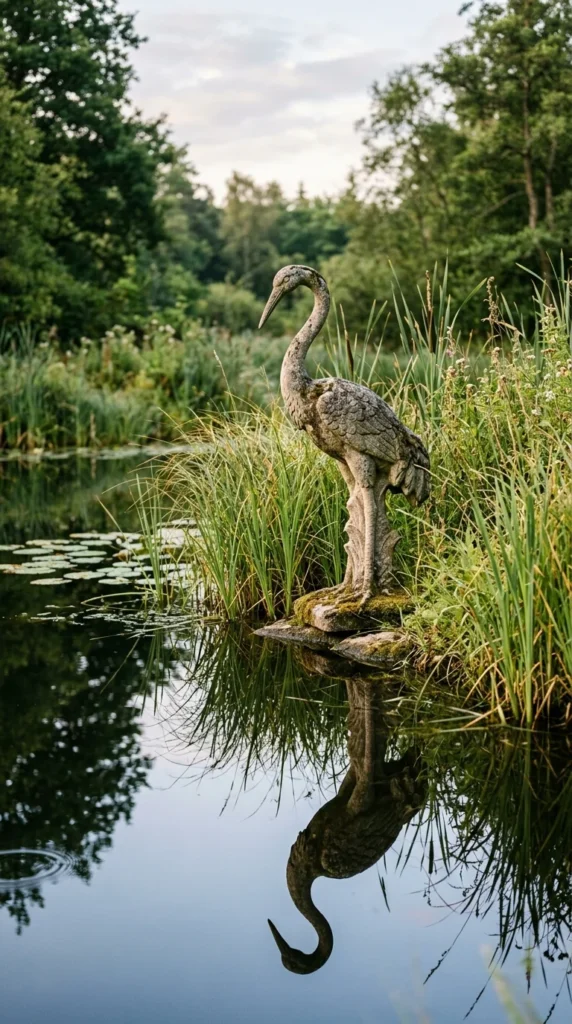
Incorporate art into your water feature with decorative statuary. Whether it’s a classic stone Buddha for a Zen-inspired garden, a whimsical bronze frog, or a modern abstract sculpture, these elements add personality. Statues can also serve as “spit-fountains,” where water is pumped through the sculpture to create a playful stream. Choosing pieces made of natural materials like stone or copper allows them to age beautifully alongside the garden.
16. Reflection Pools
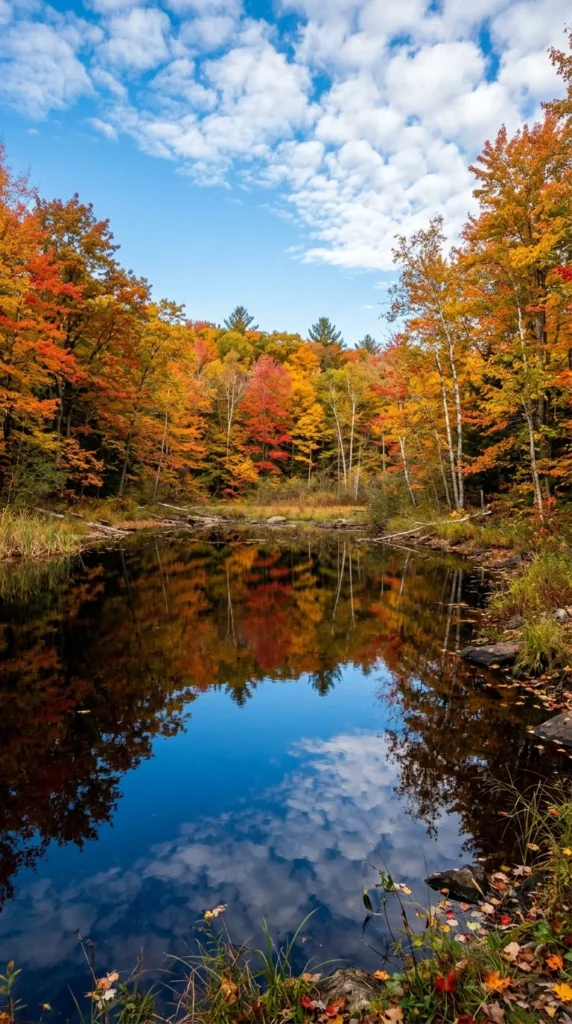
Sometimes, the most peaceful pond is the one that moves the least. A reflection pool is designed for absolute stillness. By using a dark liner or dark stones on the bottom, the water becomes a mirror for the environment. These pools are best placed in areas shielded from the wind. They invite quiet contemplation and bring a sense of profound stillness to a busy world, acting as a visual anchor for a meditative garden space.