
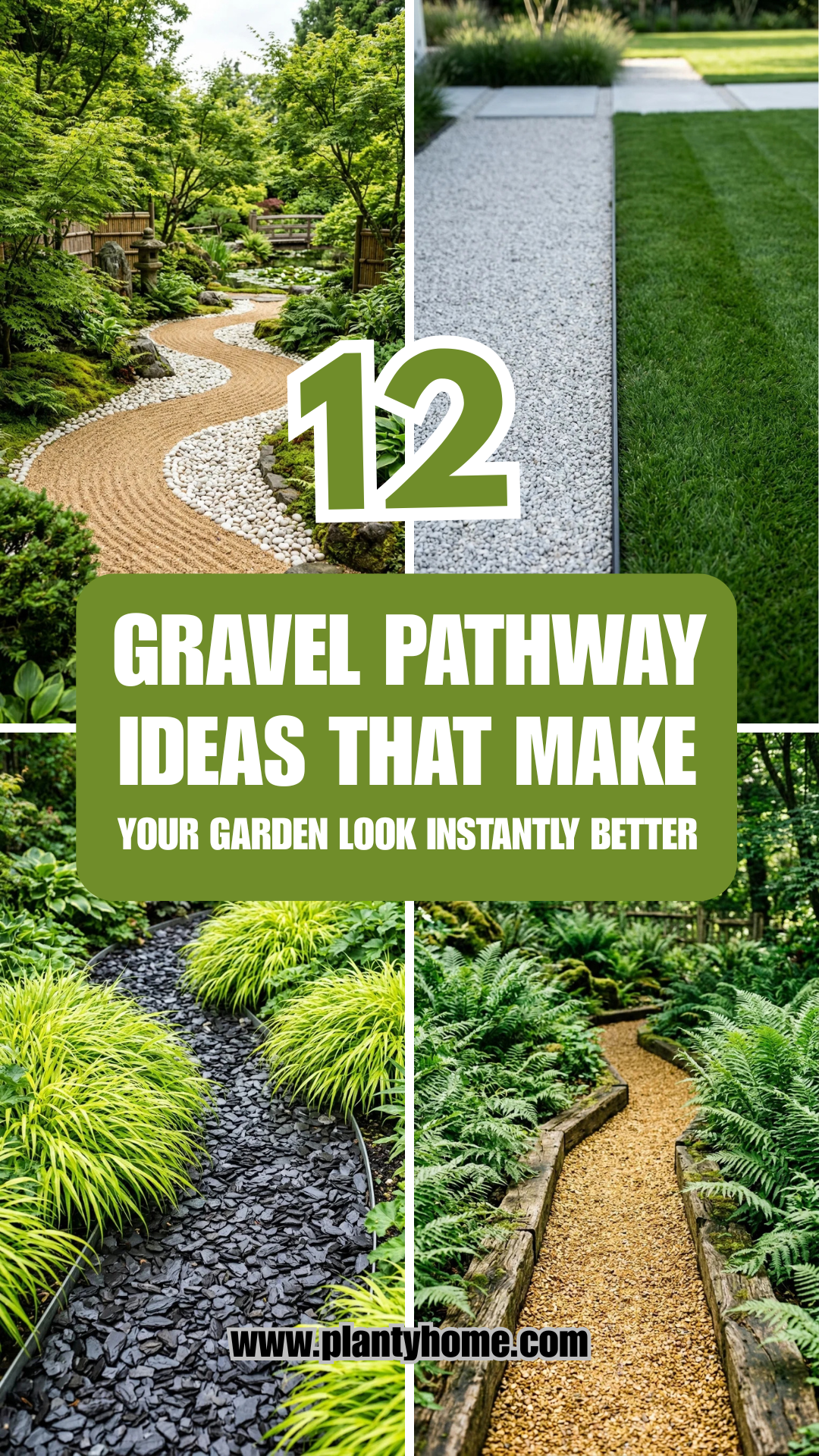
In the world of landscape design, few elements offer the same blend of functionality, affordability, and aesthetic appeal as the gravel pathway. Whether you are looking to create a formal English garden or a minimalist modern retreat, gravel provides a versatile foundation that instantly elevates the visual texture of your outdoor space.
Beyond its beauty, gravel is a practical choice. It provides excellent drainage, is relatively easy to install compared to poured concrete or intricate masonry, and offers a satisfying “crunch” underfoot that enhances the sensory experience of a garden stroll. From selecting the right stone type to choosing the perfect edging, here are 12 gravel pathway ideas to transform your garden.
1. Pea Gravel
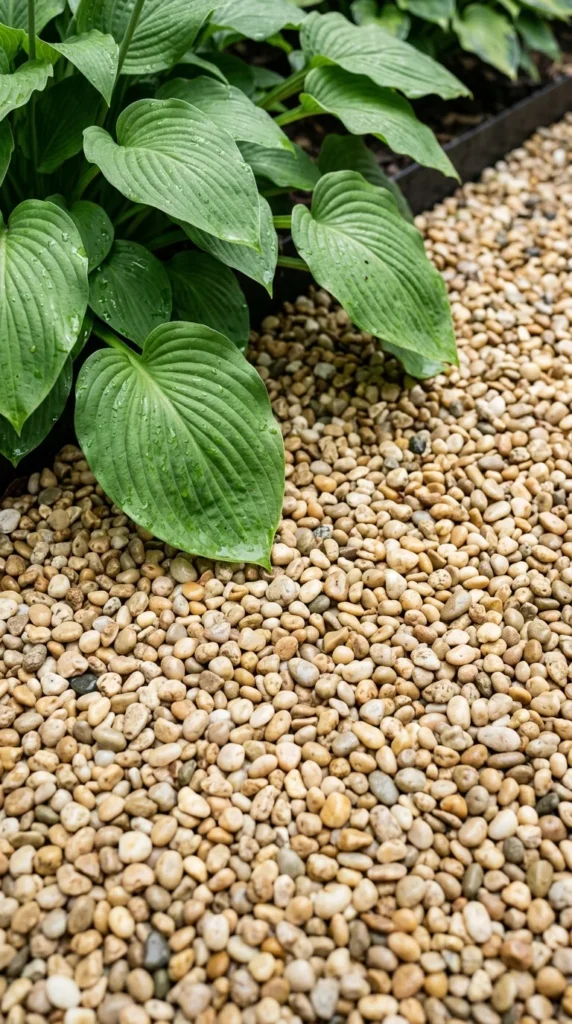
Pea gravel is perhaps the most popular choice for residential gardens due to its smooth, rounded texture and natural color palette. These small, pea-sized stones come in a variety of earthy tones, including buff, rust, and grey, making them easy to integrate into almost any landscape.
Because the stones are rounded by water erosion, they are comfortable to walk on, even in thin-soled shoes. Pea gravel is ideal for casual, cottage-style gardens where a soft, organic look is desired. To prevent the stones from shifting too much, it is best used in areas with low-to-medium foot traffic and contained with a sturdy border.
2. Crushed Stone
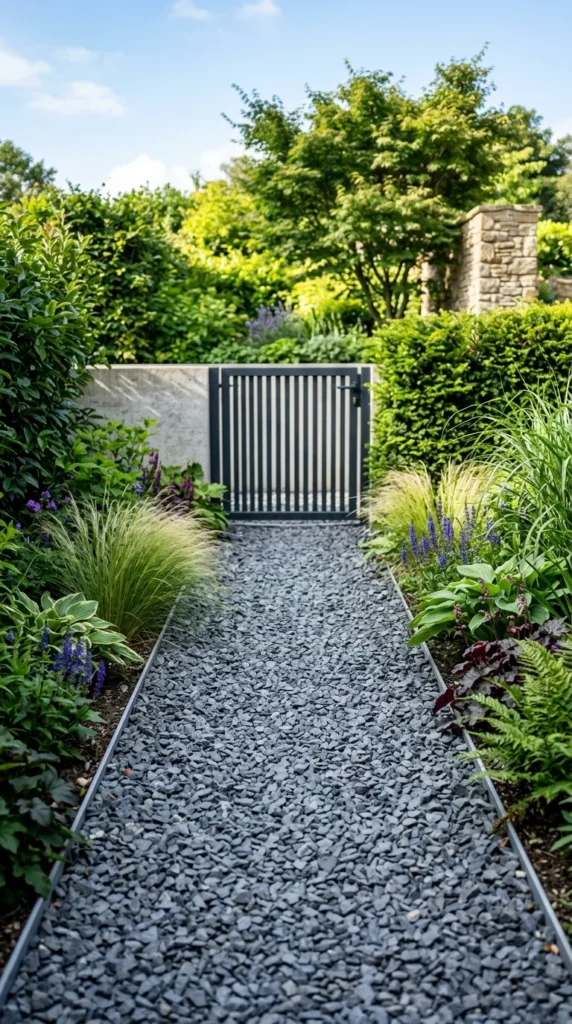
If stability is your primary concern, crushed stone—often referred to as “decomposed granite” or “crushed granite”—is an excellent alternative to rounded gravel. Unlike pea gravel, crushed stone features sharp, angular edges. When compacted, these edges lock together, creating a much firmer and more stable walking surface.
Crushed stone is perfect for high-traffic areas or paths that need to accommodate strollers or wheelchairs. It provides a clean, architectural look that suits contemporary and formal garden designs. It is available in a wide range of colors, from charcoal grey to desert gold.
3. Stone Pavers
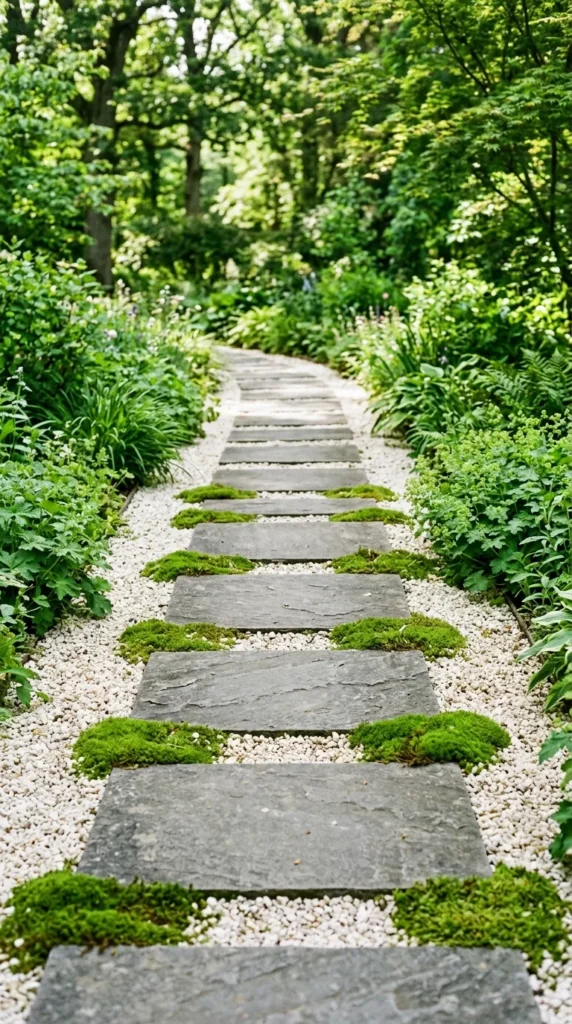
One of the most effective ways to make a gravel path look “high-end” is to embed large stone pavers within the gravel. This “stepping stone” approach breaks up the monotony of the loose stone and provides a solid place to step.
You can use natural flagstone for a rustic, irregular look, or geometric basalt pavers for a more modern aesthetic. Using light-colored gravel with dark slate pavers creates a high-contrast visual that draws the eye through the garden. This method also helps reduce the amount of gravel that might get tracked into the house on the bottom of your shoes.
4. Wood Edging
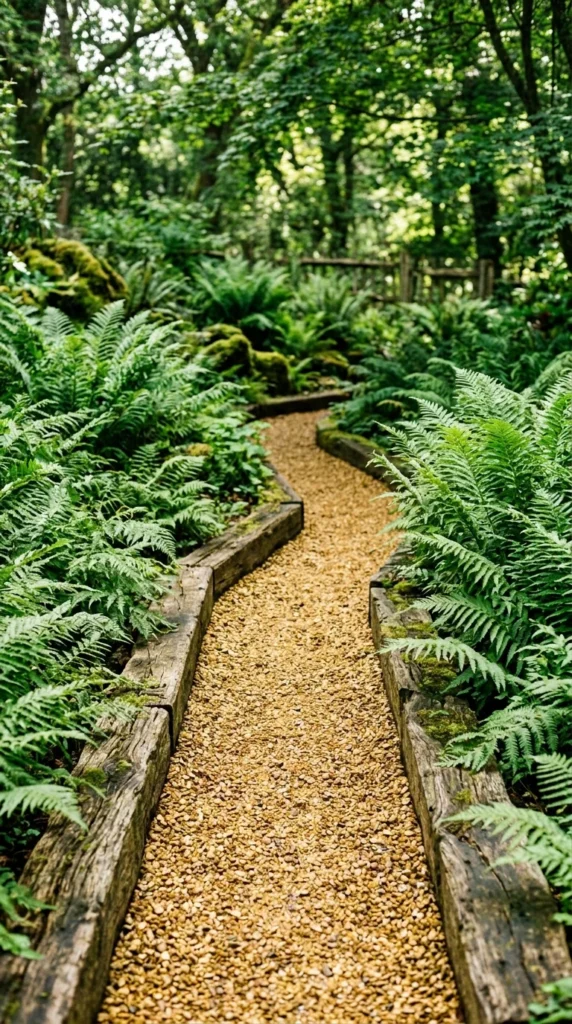
The border of your pathway is just as important as the gravel itself. Wood edging provides a warm, organic frame that keeps the stones contained while adding a touch of rustic charm. Reclaimed timber, cedar beams, or even pressure-treated 4x4s can be used to define the path’s boundaries.
Wood edging works particularly well in woodland gardens or around raised vegetable beds. Over time, the wood will silver and weather, blending seamlessly into the natural environment. Ensure the wood is rated for ground contact to prevent premature rot.
5. Brick Borders
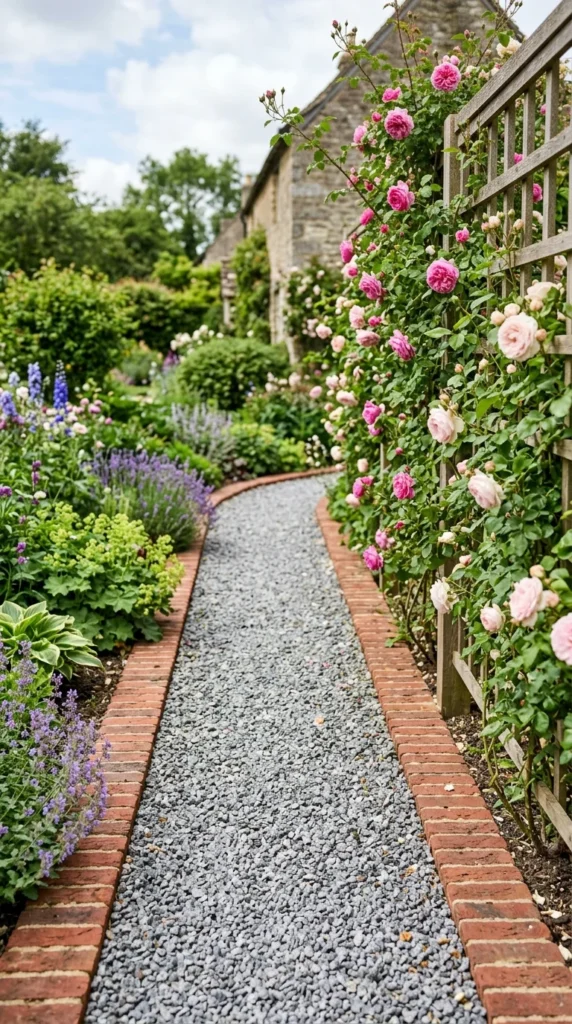
For a classic, timeless look, consider bordering your gravel path with bricks. Brick edging provides a crisp, clean line that separates the pathway from the lawn or flower beds. You can lay the bricks vertically (soldier course) or horizontally for different visual effects.
The red or orange tones of traditional clay bricks provide a beautiful color contrast against grey or white gravel. This look is a staple in colonial-style gardens and formal estates, offering a sense of permanence and structure to the landscape.
6. Curved Paths
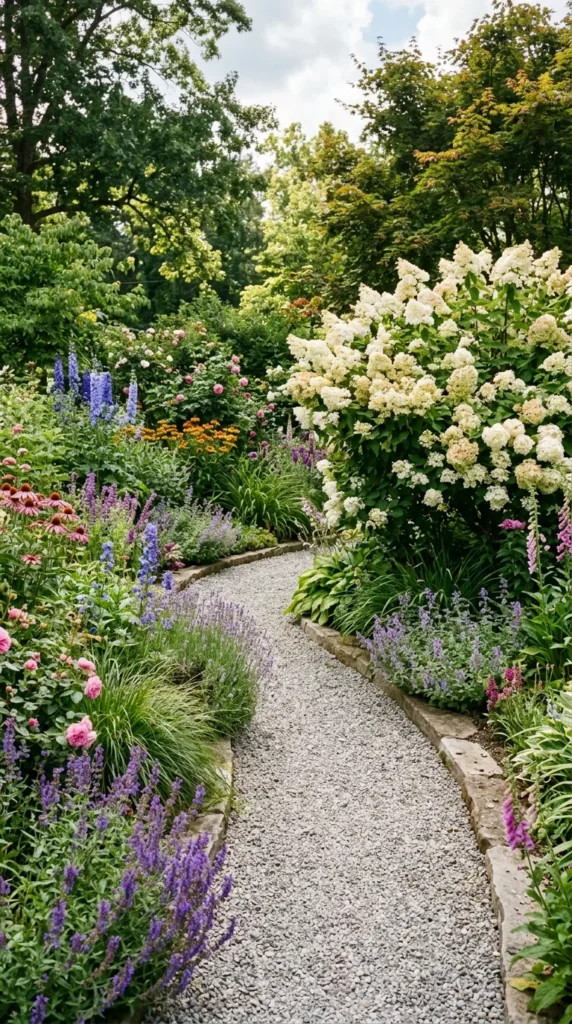
While straight paths are efficient, curved pathways add a sense of mystery and movement to a garden. A winding gravel path encourages visitors to slow down and enjoy the surrounding plants. By creating “hidden” areas that aren’t visible from the start of the path, you make your garden feel larger and more intriguing.
Gravel is the perfect medium for curved paths because it easily conforms to any shape without the need for complex cutting or masonry work. Use flexible bender board or metal edging to create smooth, flowing arcs.
7. Dark Slate
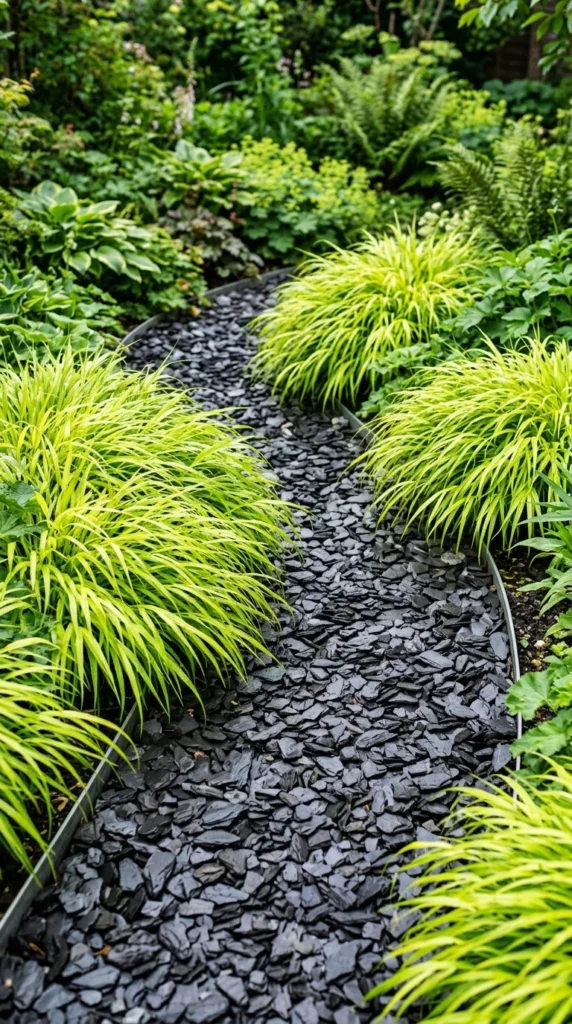
For a bold, modern statement, opt for dark slate chippings or black basalt gravel. Darker stones create a sophisticated, moody atmosphere that makes the green foliage of your plants pop with intensity.
Slate chippings are flat rather than rounded, which gives the path a unique texture. This style is particularly effective in Zen-inspired gardens or minimalist landscapes where the focus is on form and contrast. When wet, dark slate takes on a glossy, deep sheen that looks incredibly elegant.
8. Mediterranean Style
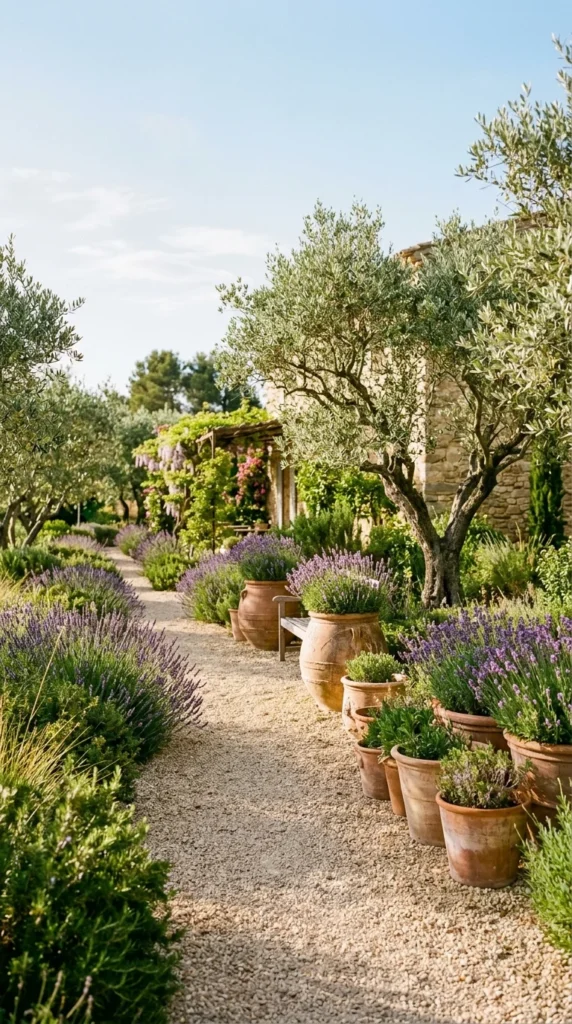
To capture the essence of a French or Italian villa, use pale beige or honey-colored gravel paired with drought-tolerant plants like lavender, rosemary, and sage. This style relies on a warm color palette and a sense of effortless elegance.
Mediterranean-style gravel paths are often wider and open, serving as both a walkway and a terrace area. The light color of the stone reflects heat, keeping the garden cooler in the summer, and provides a perfect backdrop for weathered terracotta pots and wrought-iron furniture.
9. River Rock
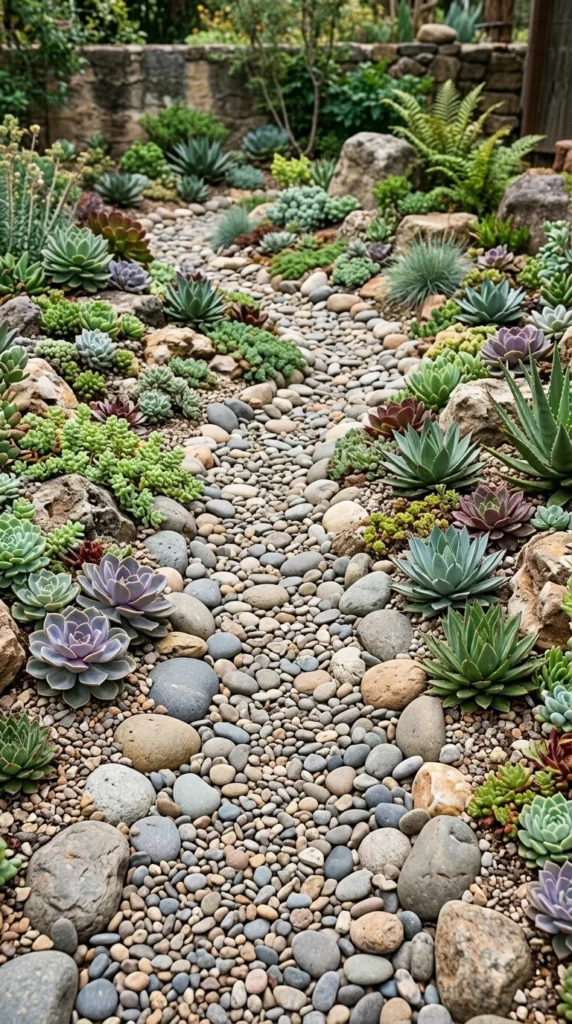
Integrating larger river rocks with your gravel can create a “dry creek bed” aesthetic that looks entirely natural. This technique involves using smaller gravel for the walking surface and lining the edges with larger, smooth river stones of varying sizes.
This design is not only visually stunning but also functional; it can be used to manage drainage and runoff during heavy rains. It is a favorite for xeriscaping and Japanese-style gardens, where the goal is to mimic the patterns of water in nature.
10. Metal Edging
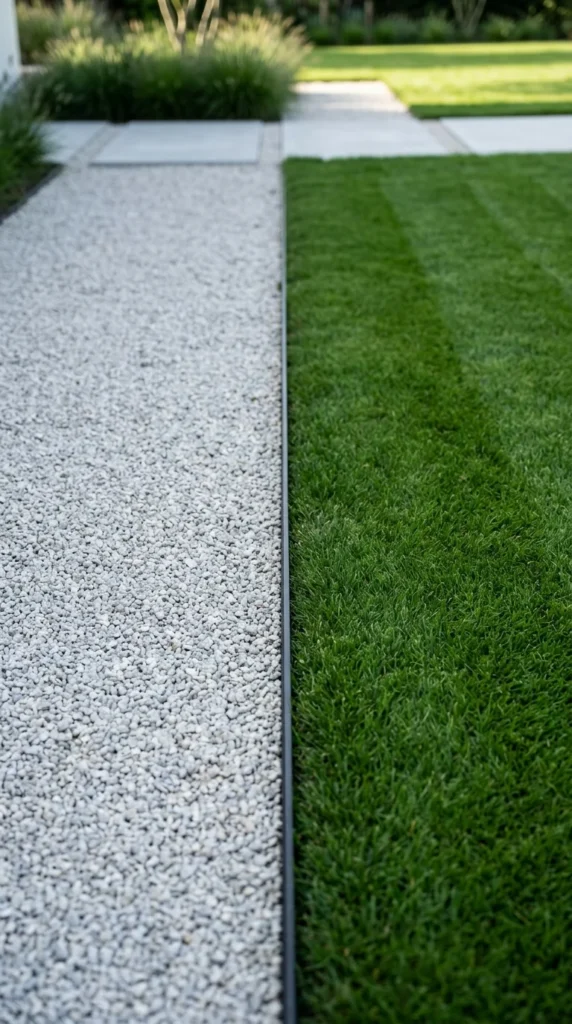
If you prefer a clean-lined, contemporary garden, metal edging is the gold standard. Thin strips of steel or aluminum are used to create a nearly invisible barrier that keeps the gravel perfectly in place.
Metal edging allows for razor-sharp transitions between the gravel and the lawn or planting beds. It is incredibly durable and can be bent into precise geometric shapes or smooth curves. Corten steel, which develops a protective layer of rust over time, is a popular choice for adding a touch of industrial warmth to the garden.
11. Mixed Textures
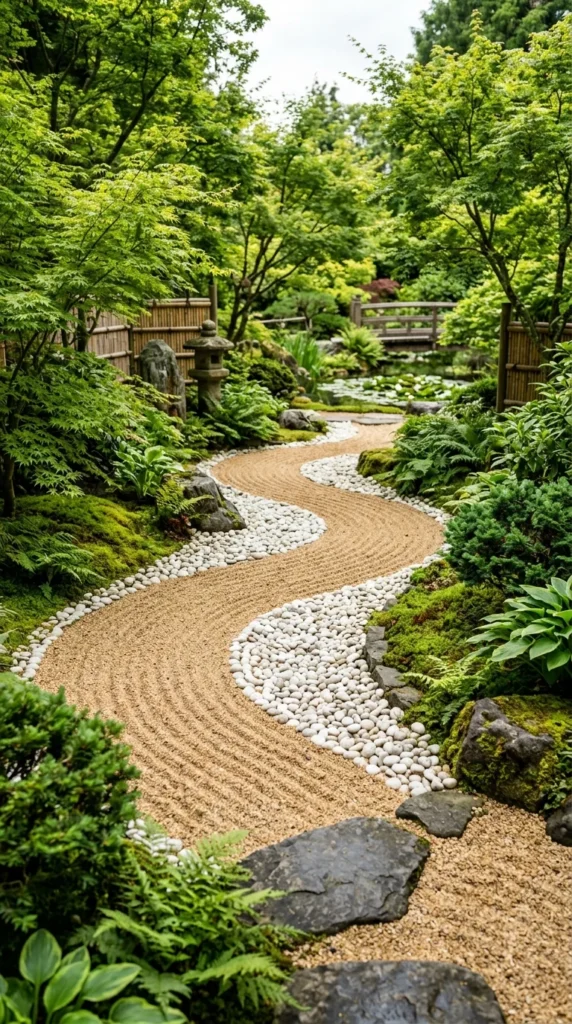
Don’t feel limited to just one type of stone. Mixing different sizes, shapes, and colors of gravel can create intricate patterns and visual interest. For example, you might use a fine, dark gravel for the main path and border it with bright white river pebbles.
This approach allows you to “paint” with stone, creating mosaics or gradients that reflect your personal style. It’s an excellent way to define different “zones” within a single pathway or to highlight specific garden features like a fountain or a focal-point tree.
12. Illuminated Paths
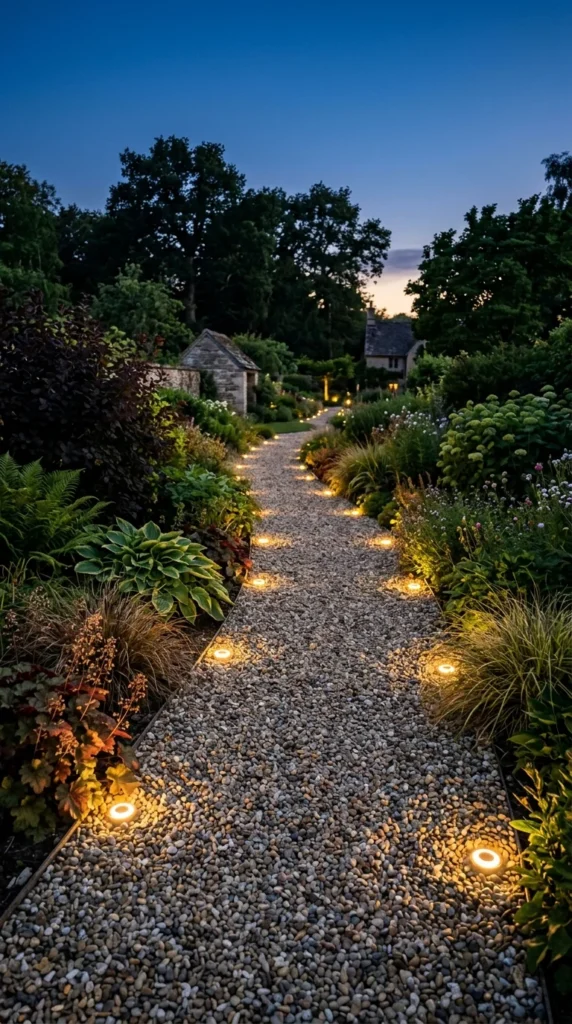
A garden pathway should be as functional at night as it is during the day. Integrating lighting into your gravel path adds safety and a magical evening ambiance. Solar-powered “puck” lights can be recessed directly into the gravel, or low-voltage path lights can be placed along the edges.
The light reflects off the individual stones, creating a soft, shimmering effect that guides the way. Strategic lighting also highlights the textures of the plants and the gravel, transforming your garden into a serene nighttime sanctuary.
Essential Maintenance Tips
To keep your gravel pathway looking its best for years to come, follow these simple maintenance steps:
- Install a Weed Barrier: Always lay a high-quality landscape fabric beneath your gravel to prevent weeds from poking through.
- Depth is Key: Aim for a gravel depth of 2 to 3 inches. Too thin, and the weed barrier will show; too thick, and it becomes difficult to walk through.
- Regular Raking: Use a leaf rake periodically to level the stones and remove fallen leaves or debris.
- Top Up as Needed: Over time, gravel can settle or be displaced. Adding a fresh bag of stone every few years will keep the path looking brand new.