
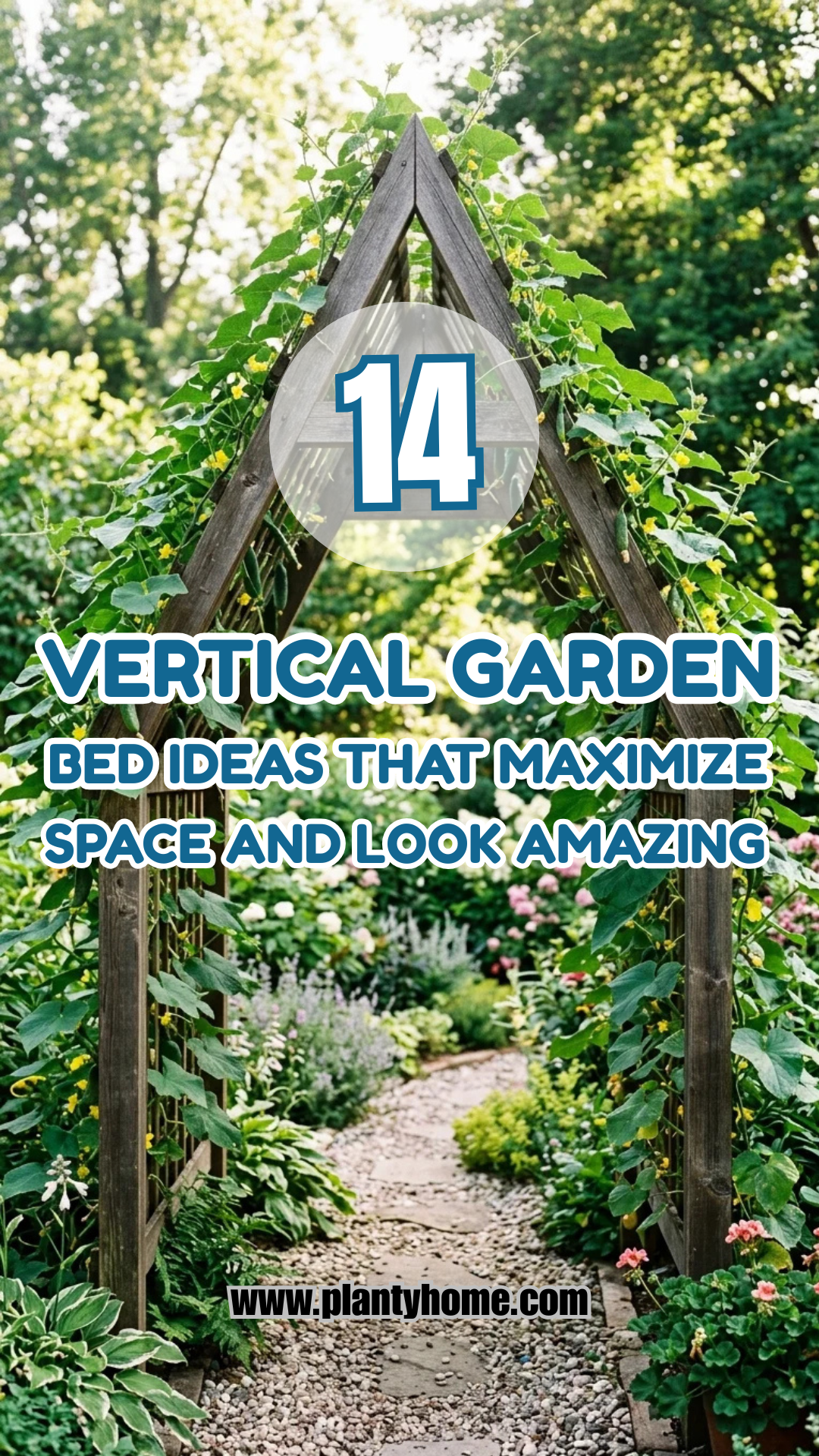
Vertical gardening has revolutionized the way we think about green spaces, especially in urban environments where ground space is a premium. By shifting the focus from horizontal rows to vertical layers, gardeners can cultivate a diverse range of plants, from edible herbs to decorative succulents, all while enhancing the aesthetic appeal of their homes. Whether you have a sprawling backyard or a tiny apartment balcony, vertical garden beds offer a practical and visually stunning solution for any plant lover.
1. Pallet Planters
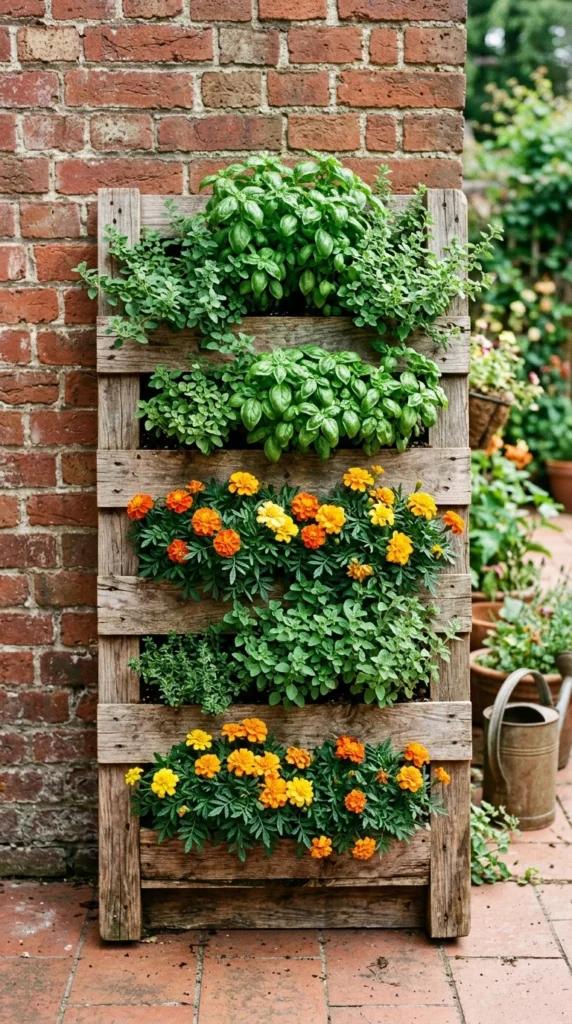
The humble wooden pallet is a staple of the DIY vertical gardening world. Its natural structure provides built-in rows that are perfect for housing a variety of low-profile plants. To create a pallet planter, the back and bottom of the slats are typically lined with landscape fabric to hold the soil in place. This method is particularly effective for kitchen herbs and salad greens, as the close proximity of the slats helps retain moisture and provides a uniform, organized appearance. The weathered wood adds a rustic, farmhouse charm to any outdoor space.
2. Tiered Ladders
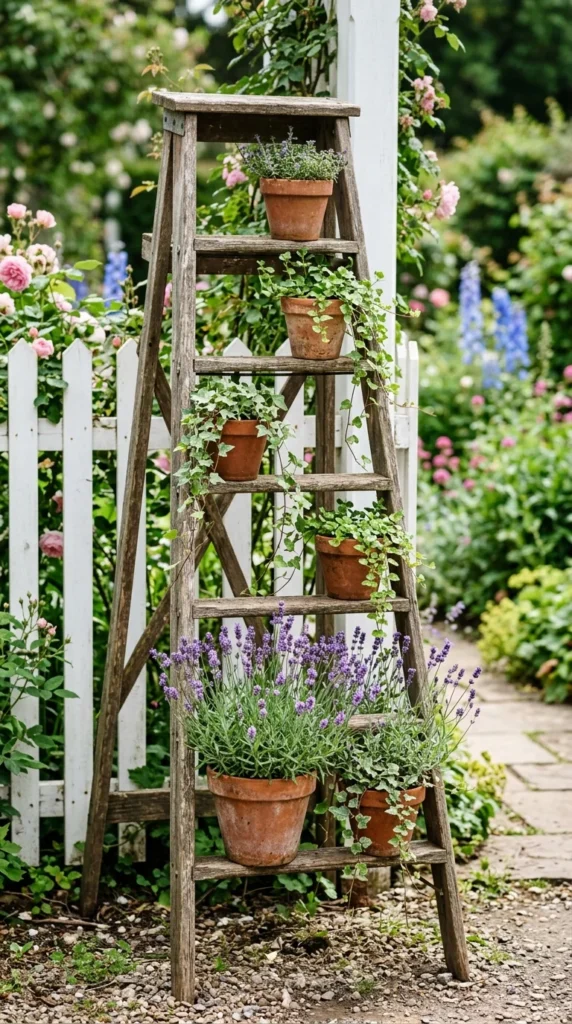
A tiered ladder garden is one of the most flexible vertical options available. By utilizing the rungs of a step ladder or an old leaning ladder, you can create multiple levels of planting space without a permanent installation. This design allows for excellent air circulation and sunlight exposure for every plant. It is an ideal choice for renters, as the structure is portable and can be moved to follow the sun throughout the seasons. Using a mix of pot styles—from classic clay to modern ceramic—can create a curated, eclectic look.
3. Pocket Walls
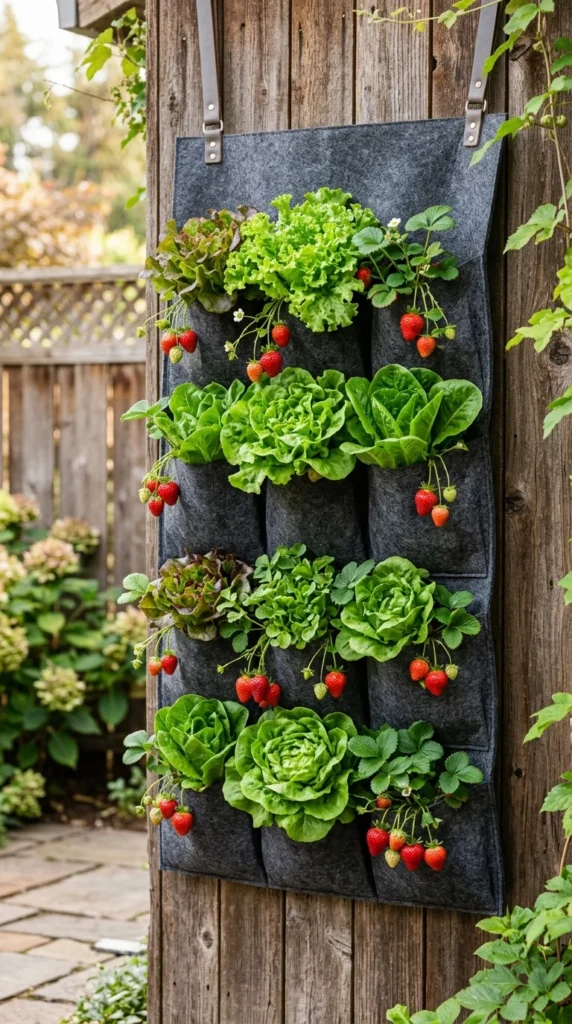
Fabric pocket walls are a lightweight and breathable solution for vertical gardening. Usually made from recycled felt or heavy-duty canvas, these pockets allow for superior drainage and aeration of the root system. They are perfect for growing “living walls” of leafy greens or trailing flowers. Because the fabric is flexible, these gardens can be mounted on curved surfaces or even used as a soft privacy screen on a balcony. The dense arrangement of plants in a pocket wall creates a lush, tapestry-like effect that can completely transform a bland wall.
4. Trellis Towers
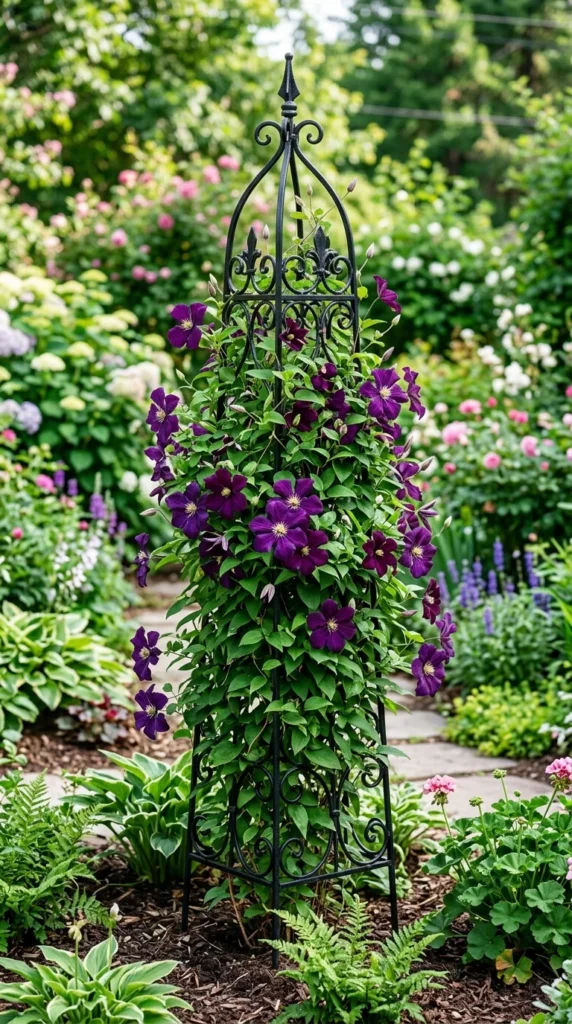
Trellis towers are the classic answer to vertical growth, focusing on climbing species that naturally seek height. By using a vertical structure like an obelisk, tripod, or even a simple wire cylinder, you provide the necessary support for peas, beans, tomatoes, or ornamental vines. This method maximizes the yield per square foot of ground space and keeps the fruit off the soil, reducing the risk of pests and rot. Beyond their utility, trellis towers add a sense of architectural height and elegance to a garden landscape.
5. PVC Columns
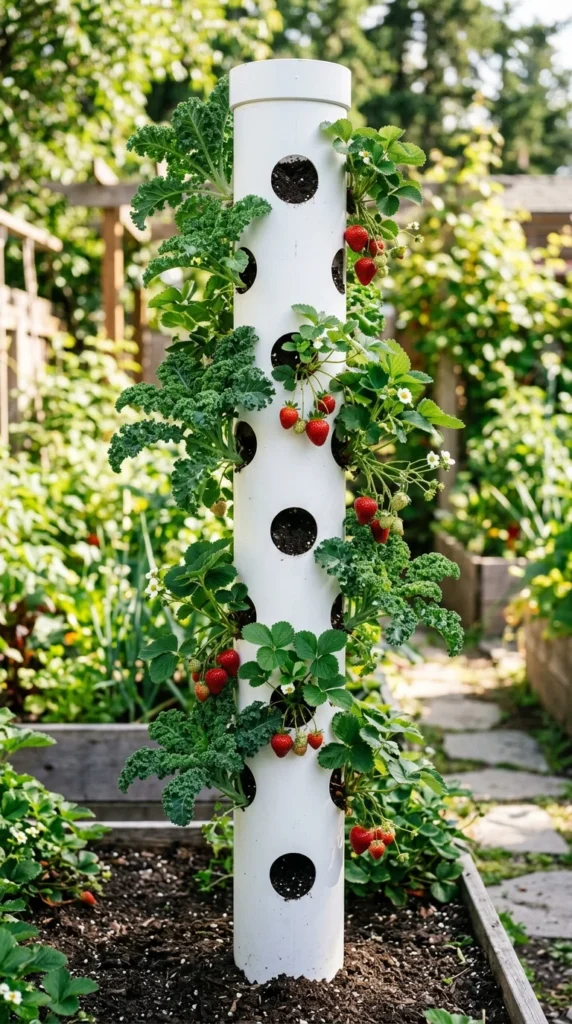
For those interested in high-efficiency gardening, PVC pipe towers offer a modern, almost futuristic approach. These towers are often used in hydroponic or aeroponic setups but can also be filled with a lightweight soil mix. By drilling holes at intervals along the pipe, you can plant dozens of seedlings in a very small footprint. This system is incredibly water-efficient, as moisture tends to trickle down from the top to the bottom, ensuring every plant gets a drink. It is a favorite for urban farmers looking to grow large quantities of leafy greens.
6. Gutter Gardens
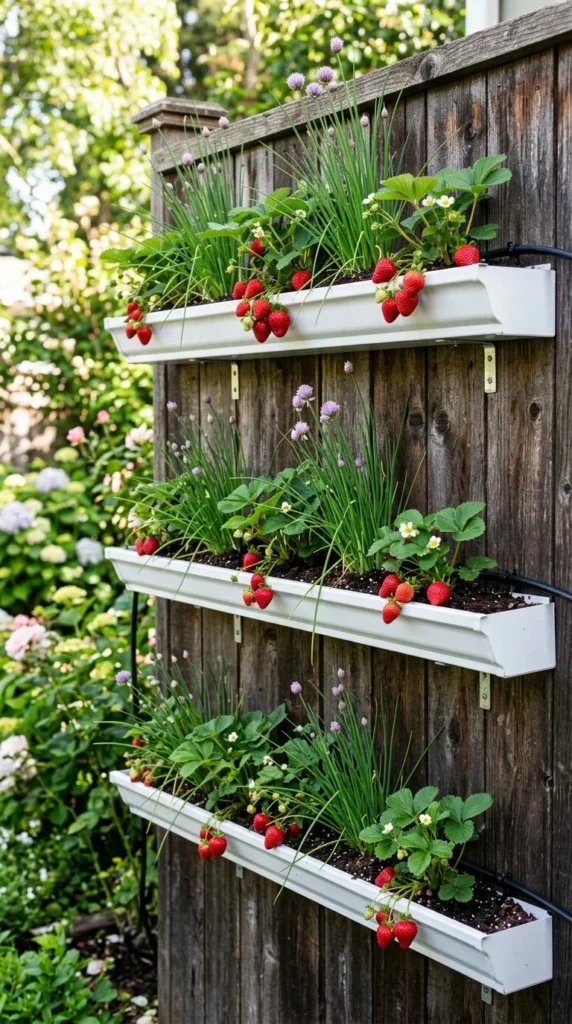
Repurposing rain gutters is a clever and cost-effective way to create long, narrow planting beds. These are typically mounted in parallel rows on a fence, wall, or even suspended by chains. Gutter gardens are shallow, making them perfect for plants with small root systems, such as succulents, strawberries, and various types of lettuce. The linear design creates a clean, modern aesthetic that leads the eye across the space, making small yards feel longer and more organized.
7. Succulent Frames
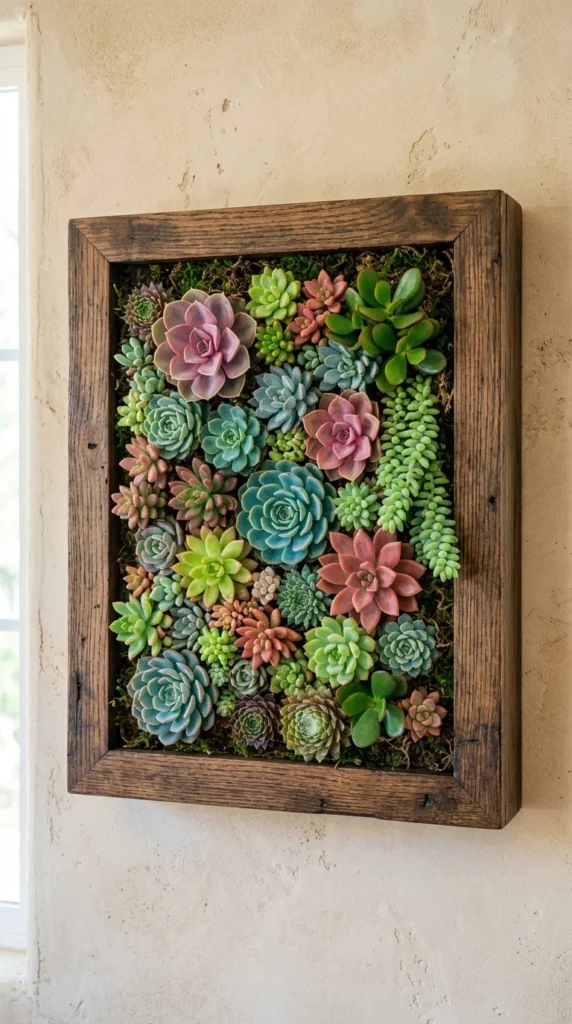
Succulent frames, often called “living pictures,” are a sophisticated blend of gardening and interior design. These frames use a shallow box filled with a gritty soil mix and secured with a wire mesh to keep the plants in place. Because succulents are slow-growing and require minimal water, they are the perfect candidates for this vertical application. Once the plants have rooted, the frame can be hung on a wall just like a piece of art. This is an excellent choice for indoor vertical gardening or for adding a focal point to a sheltered patio.
8. Hanging Planters
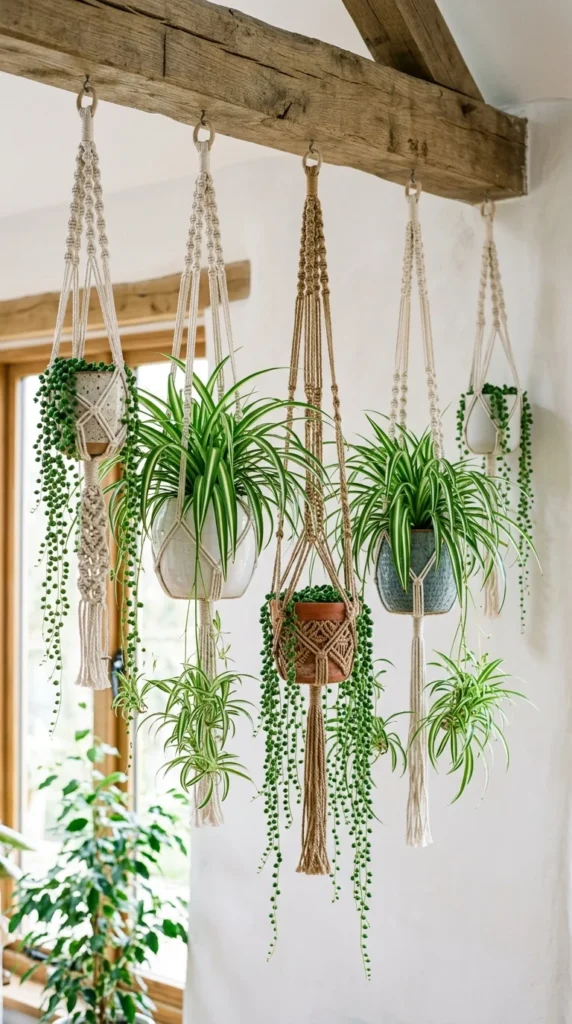
While traditional, the hanging planter remains one of the most effective ways to utilize vertical space. By varying the heights of the hangers, you can create a “floating garden” effect that adds depth and movement to a porch or indoor room. This method is particularly well-suited for trailing plants that look best when their foliage is allowed to spill over the sides of the container. Modern macrame, sleek metal hoops, and minimalist ceramic bowls have updated this classic look for contemporary homes.
9. Stacked Crates
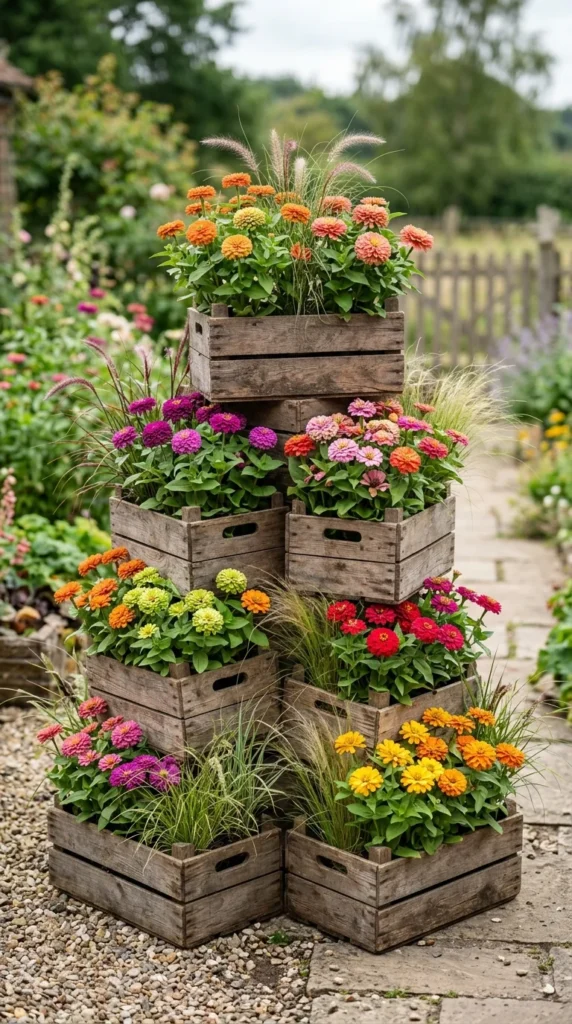
Stacked crates offer a modular approach to vertical gardening. By arranging wooden or plastic crates in a staggered formation, you create a series of “shelves” and “pockets” that can house a wide variety of plants. This method allows for deeper soil volume than many other vertical options, meaning you can grow larger plants like peppers or even small bushes. The modular nature of the crates means you can easily expand or rearrange your garden as your collection grows or as the seasons change.
10. Mason Jars
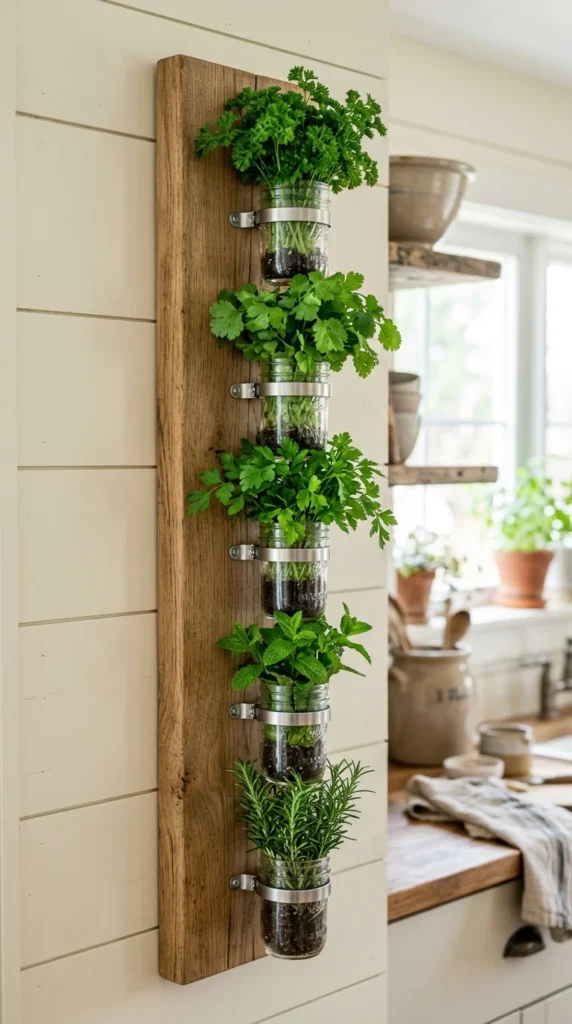
The mason jar herb garden is a favorite for those who want to keep their fresh ingredients within arm’s reach while cooking. By mounting jars to a piece of reclaimed wood using pipe clamps, you create an organized and stylish indoor vertical garden. This setup is perfect for small kitchens with limited counter space. To ensure the plants thrive, it is important to include a layer of pebbles at the bottom for drainage or to use jars specifically designed with drainage holes to prevent root rot.
11. A-Frame Trellises
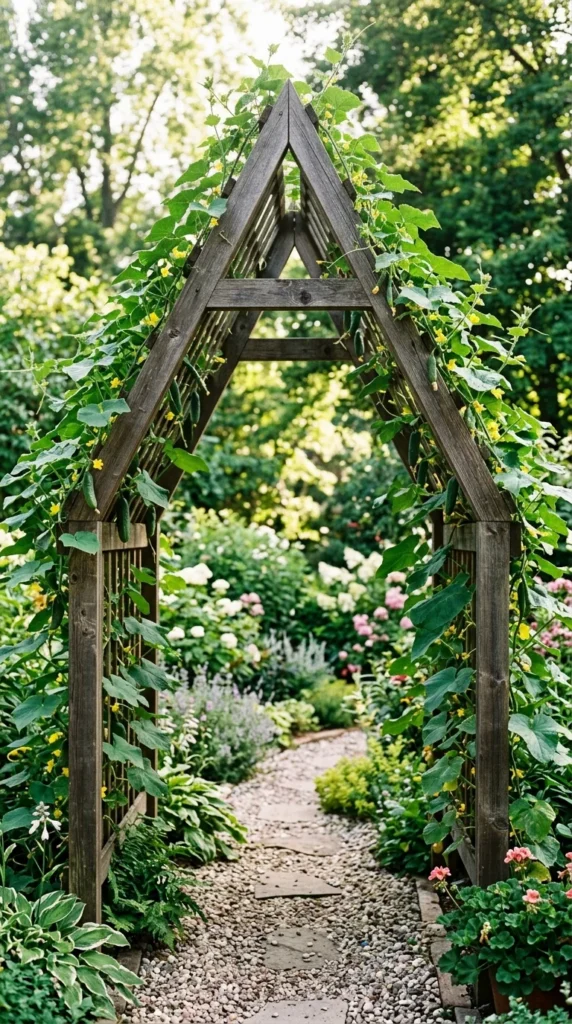
A-frame trellises are the heavy-lifters of the vertical gardening world. They provide a massive amount of surface area for climbing vegetables like cucumbers, squash, and beans. The space underneath the “A” can even be used to grow shade-loving plants like spinach or arugula, effectively doubling the productivity of the footprint. These structures are not only functional but also create beautiful “living tunnels” that add a sense of enchantment and structure to a traditional vegetable garden.
12. Lattice Screens
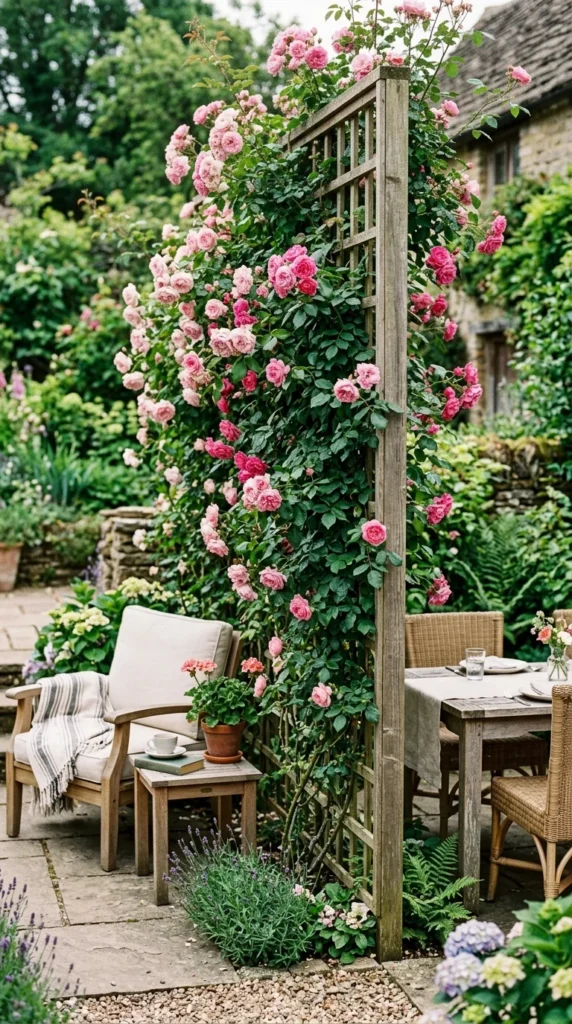
Lattice screens serve a dual purpose: they act as a support system for climbing plants and provide privacy for outdoor living areas. When covered in fast-growing vines like jasmine, honeysuckle, or ivy, a lattice screen becomes a “living wall” that blocks wind, noise, and unwanted views. This is an excellent way to define different “rooms” in a garden or to hide unsightly features like air conditioning units or trash bins while adding a lush, green backdrop.
13. Modular Blocks
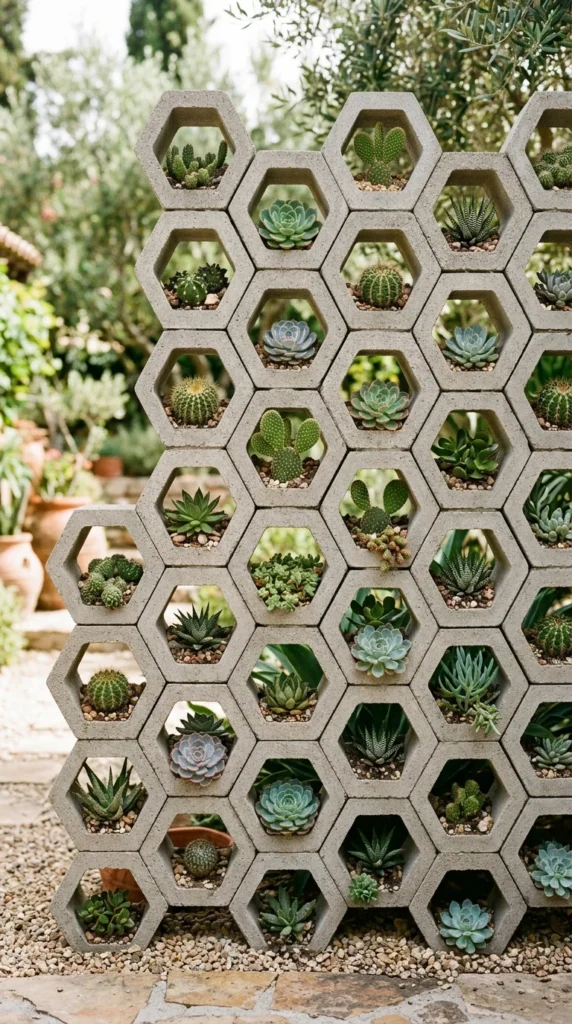
Modular wall blocks, often made of concrete or high-quality plastic, offer a clean and contemporary look. These blocks are designed to interlock, allowing you to build a vertical wall of any height or width. The hollow centers of the blocks provide individual “cubbies” for plants. This system is incredibly durable and works well for both small decorative walls and large-scale landscaping projects. The contrast between the industrial texture of the concrete and the organic softness of the plants creates a striking visual balance.
14. Birdcage Planters
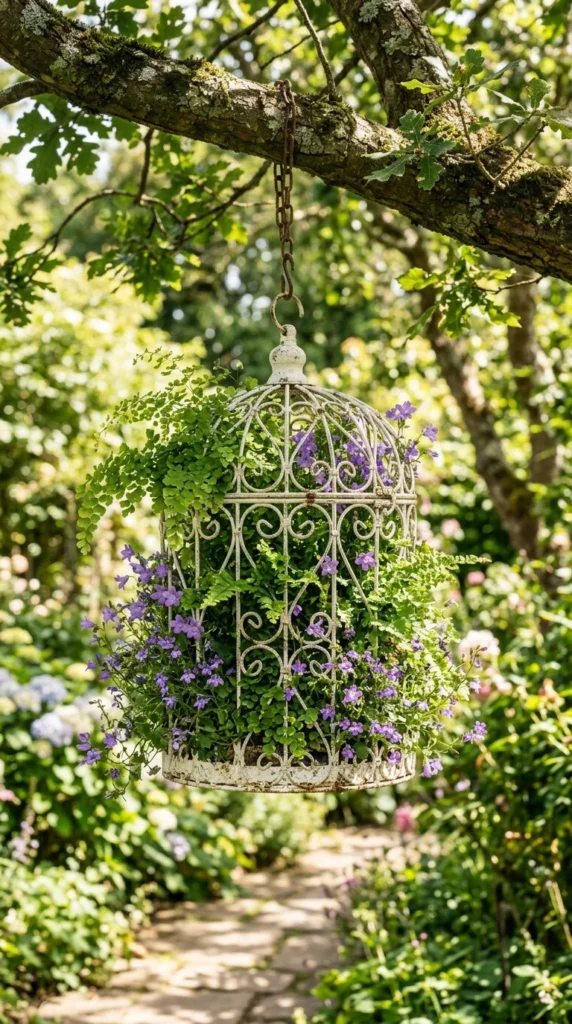
For a touch of whimsy and vintage charm, birdcage planters are a delightful vertical gardening idea. Antique or decorative birdcages can be lined with moss and filled with trailing plants or delicate ferns. These can be hung from trees, porch hooks, or shepherd’s hooks in the garden. The intricate metalwork of the cage provides a beautiful frame for the plants, turning a simple hanging basket into a conversation piece. This idea is particularly effective in cottage gardens or bohemian-styled outdoor spaces.