
The addition of a water feature is perhaps the most transformative upgrade a homeowner can make to their outdoor living space. While large-scale lakes and expansive koi ponds are impressive, the “small pond” movement has gained significant momentum for its versatility, lower maintenance requirements, and ability to fit into almost any urban or suburban landscape. A small pond serves as a multisensory focal point, offering the soothing sound of moving water, the visual dance of reflections, and a cooling effect during the height of summer.
Beyond aesthetics, these aquatic installations provide vital ecological benefits, creating micro-habitats for local wildlife, from dragonflies to songbirds. Whether you are working with a sprawling estate or a compact patio, these 19 small pond ideas will help you infuse your backyard with character, serenity, and instant charm.
1. Sunken Stone
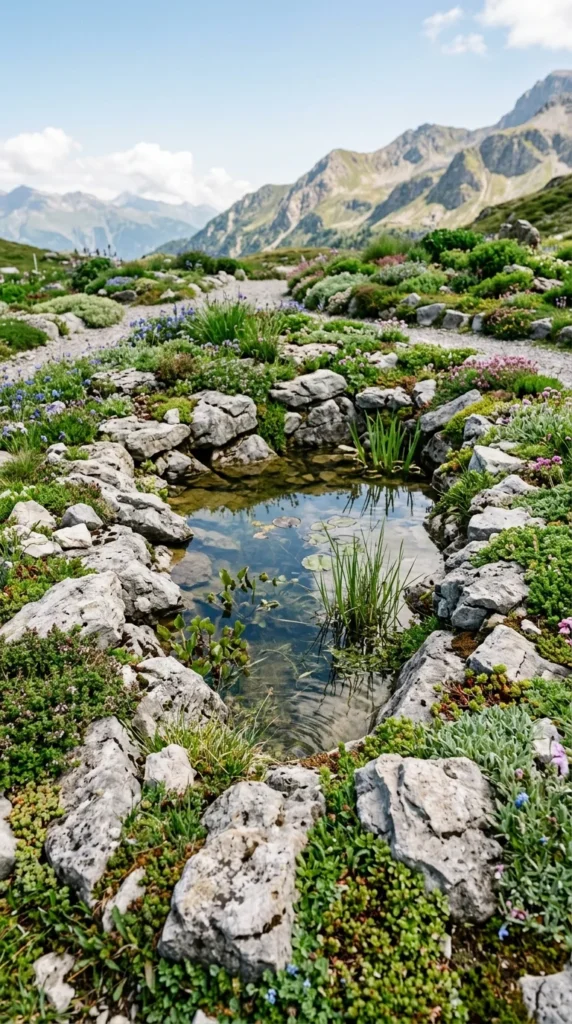
The sunken stone design is a timeless classic that mimics the appearance of a natural spring. By excavating a small area and lining the perimeter with locally sourced fieldstone or flagstone, you create a seamless transition between the water and the surrounding garden. This style works best when the stones are varying in size and shape, allowing for small crevices where moss and succulents can take root. The goal is to make the pond look as though it has been part of the landscape for decades.
2. Tiered Waterfall
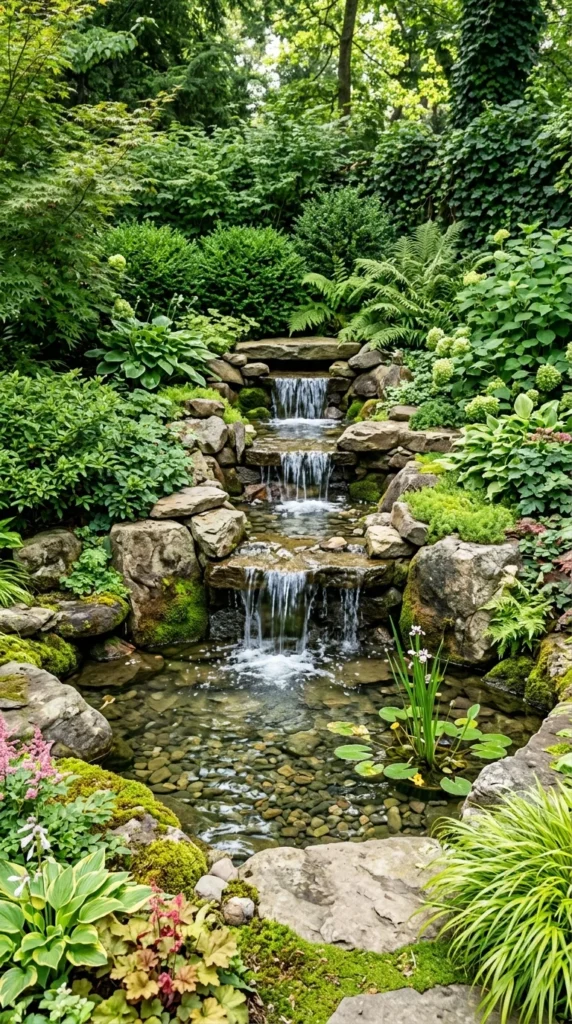
Nothing adds charm quite like the sound of trickling water. A tiered waterfall utilizes gravity to circulate water, which not only provides a relaxing soundtrack but also oxygenates the pond, keeping the water clear and healthy. Even in a small space, you can create a “disappearing” waterfall or a short three-step drop using flat slate rocks. This vertical element adds height to your garden design, drawing the eye upward and making a small yard feel more expansive.
3. Reflecting Basin
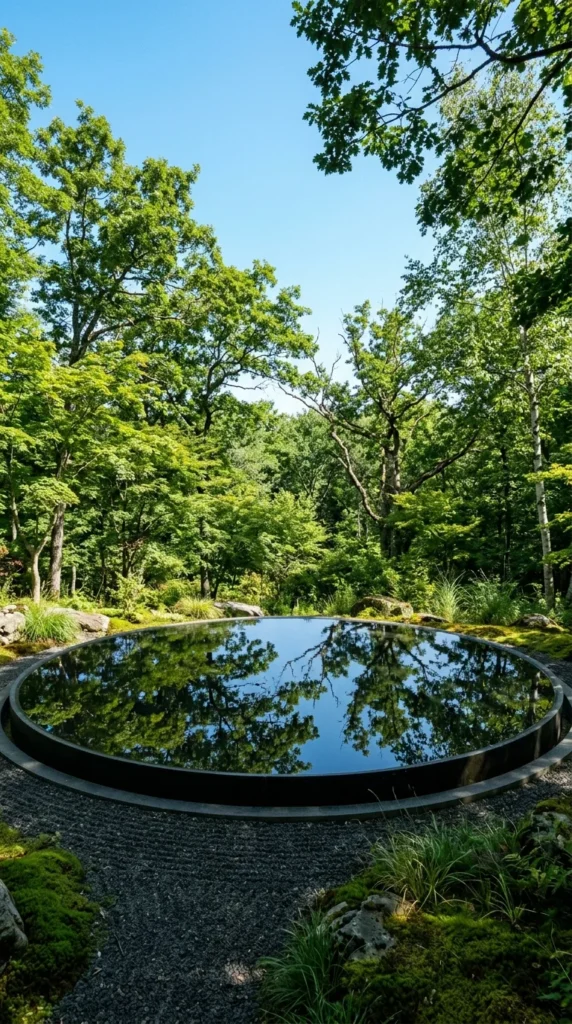
For those who prefer a contemporary or formal aesthetic, a reflecting basin is the ultimate choice. These ponds are typically shallow and characterized by still water and clean, geometric lines. By using a dark liner or dark-colored stone, the water acts as a mirror, capturing the silhouette of nearby trees, architectural elements, and the changing colors of the sky. It is a sophisticated way to introduce water without the complexity of pumps or heavy vegetation.
4. Wildlife Oasis
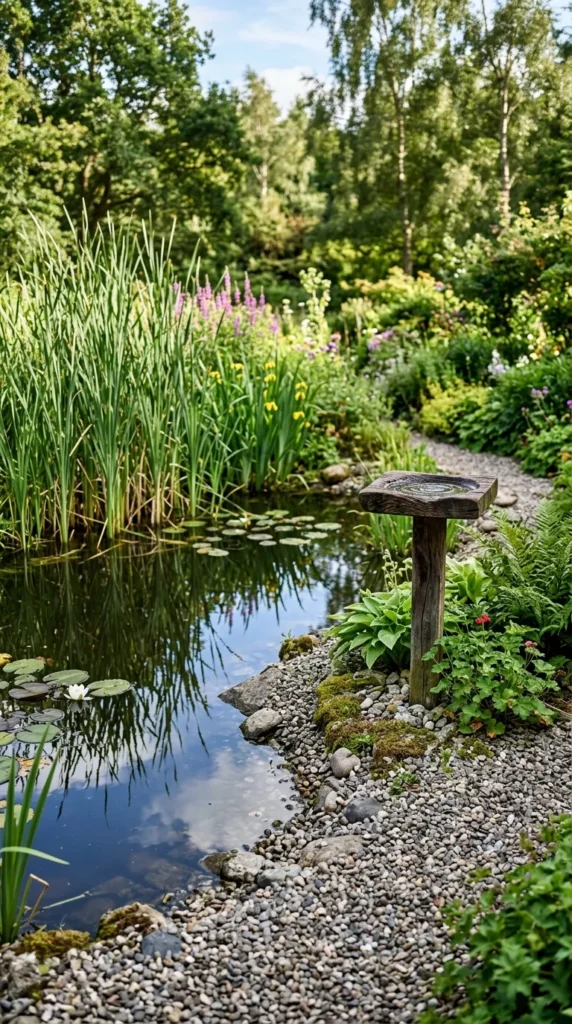
If your goal is to support local biodiversity, design your pond as a wildlife oasis. Unlike formal ponds, these features prioritize accessibility for creatures. One side of the pond should feature a “beach” or a gentle slope made of pebbles, allowing birds, bees, and frogs to enter and exit safely. Surrounding the area with native plants and avoiding harsh chemicals ensures that your backyard becomes a thriving ecosystem that provides hours of nature-watching opportunities.
5. Container Pond
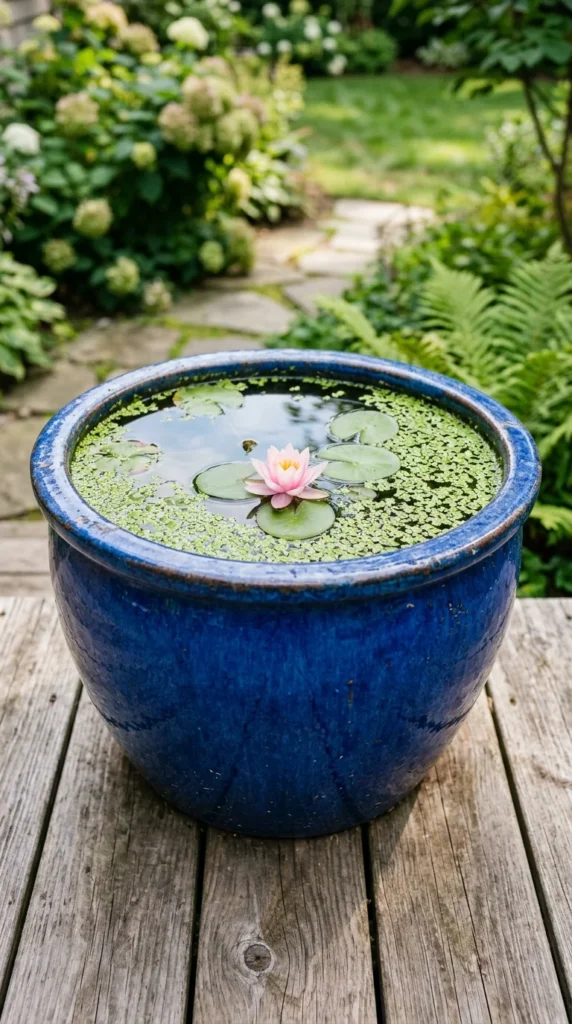
Perfect for renters or those with limited square footage, a container pond—sometimes called a “pond-in-a-pot”—is a highly portable and affordable option. You can use almost any waterproof vessel, such as a large ceramic planter, a whiskey barrel, or a stone trough. By adding a small solar-powered pump and a few aquatic plants like water lettuce or fairy moss, you can create a miniature aquatic garden that sits right on your patio or balcony.
6. Japanese Zen
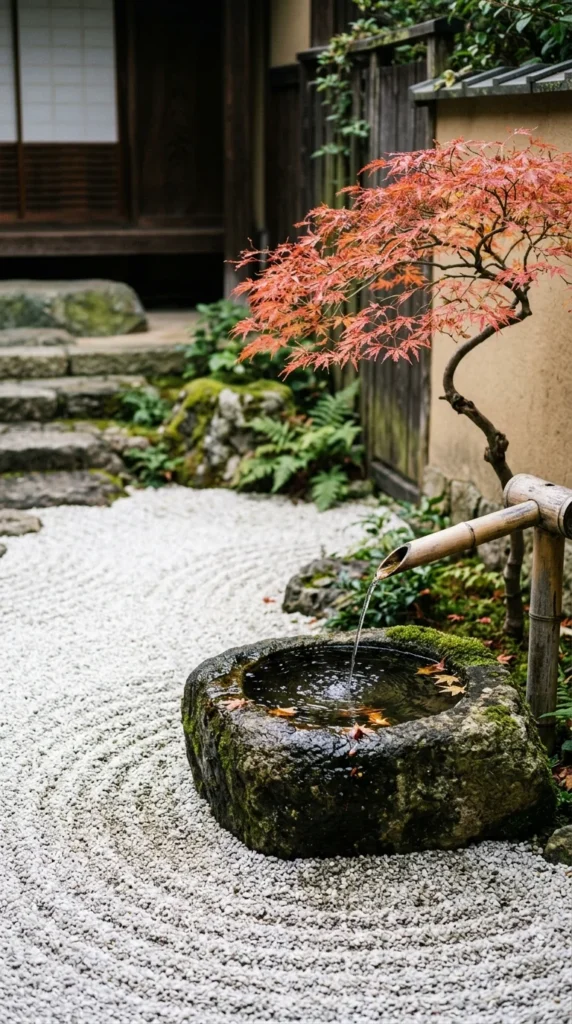
Inspired by the traditional gardens of Kyoto, a Zen pond focuses on balance, negative space, and the harmony of elements. These designs often incorporate a “shishi-odoshi” (bamboo deer scarer) or a simple stone basin (tsukubai). The pond itself is usually modest, surrounded by carefully placed boulders, raked gravel, and symbolic plants like Japanese maples or moss. This style is ideal for creating a dedicated meditation corner in your yard.
7. Pre-formed Liner
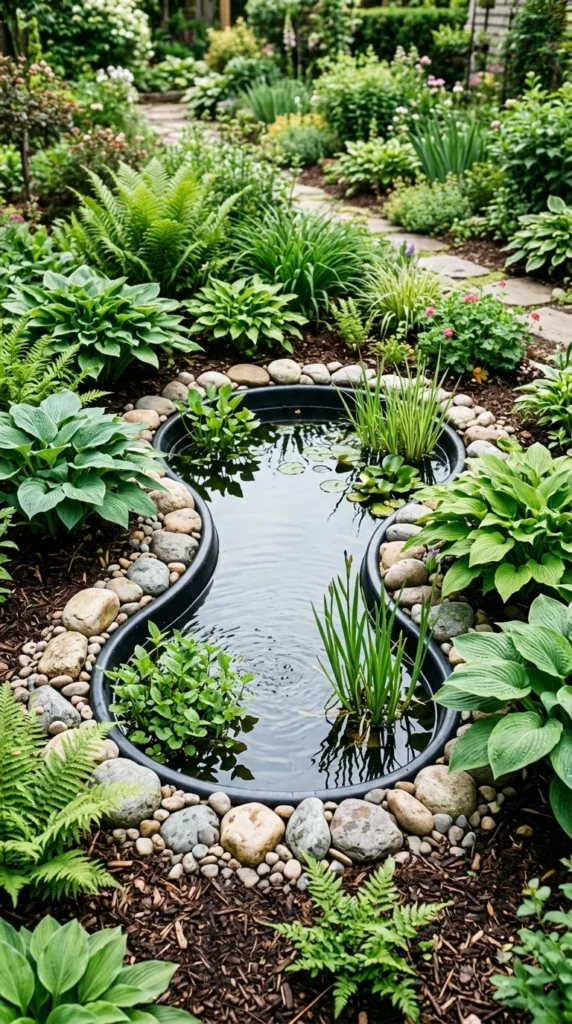
For the DIY enthusiast, pre-formed liners are the most straightforward entry point into pond ownership. Available in various shapes—from circles to organic “kidney” designs—these heavy-duty plastic shells are buried in the ground. Because the shape is fixed, you don’t have to worry about liner folds or awkward edges. Once installed, the plastic rim can be easily hidden with decorative stones, mulch, or overhanging groundcover plants to create a professional look.
8. Edge Planting
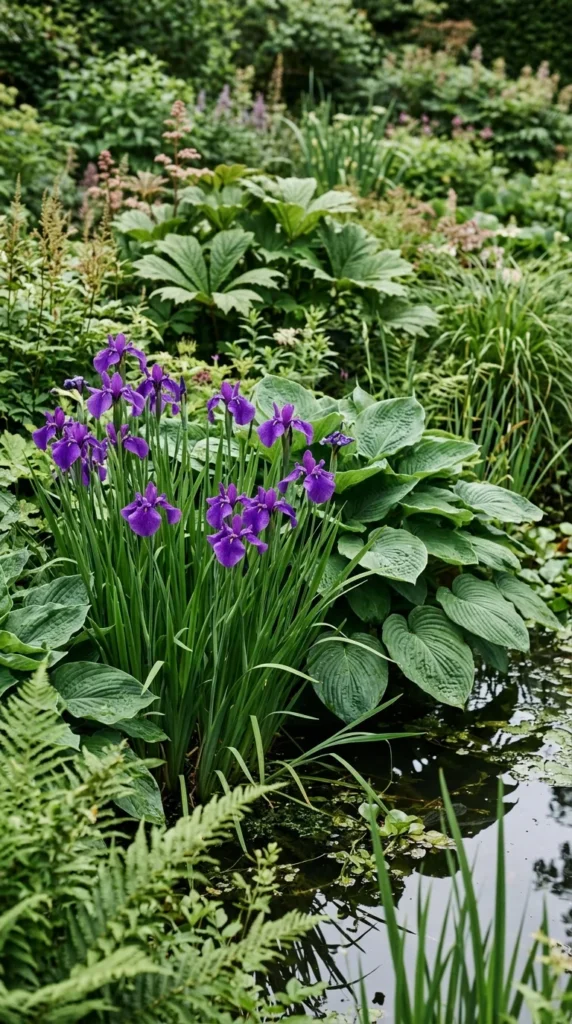
The charm of a pond is often defined by what grows around it. Edge planting involves using moisture-loving “marginal” plants to blur the boundary between land and water. Creeping jenny, Siberian iris, and marsh marigolds are excellent choices that thrive in the damp soil of a pond’s perimeter. This technique softens the hard lines of a pond and integrates the water feature into the broader garden tapestry.
9. Modern Geometric
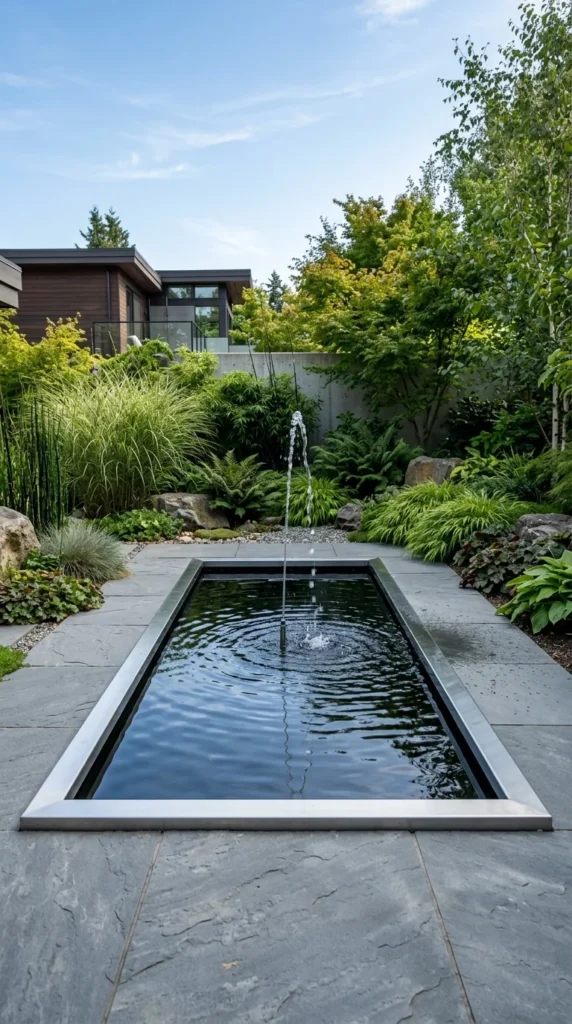
Geometric ponds—squares, rectangles, and perfect circles—bring a sense of order and modern luxury to a backyard. These are often raised or semi-raised, featuring architectural materials like poured concrete, corten steel, or polished granite. A modern geometric pond acts as a piece of living sculpture, working particularly well in urban yards where space is at a premium and the design language is sharp and clean.
10. Bridge Crossing
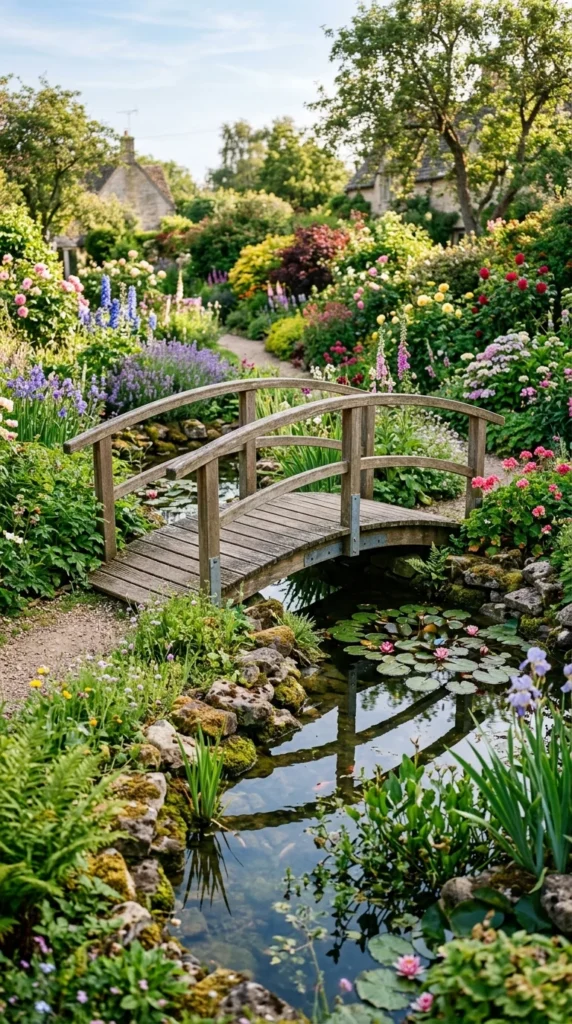
Even the smallest pond can benefit from the whimsy of a bridge. A miniature arched bridge made of cedar or wrought iron provides a focal point and creates a sense of journey within the garden. It allows you to stand directly over the water to observe fish or plants from a different perspective. Even if the pond is small enough to step across, a bridge adds a layer of structural charm that evokes the feeling of a larger estate.
11. Night Illumination
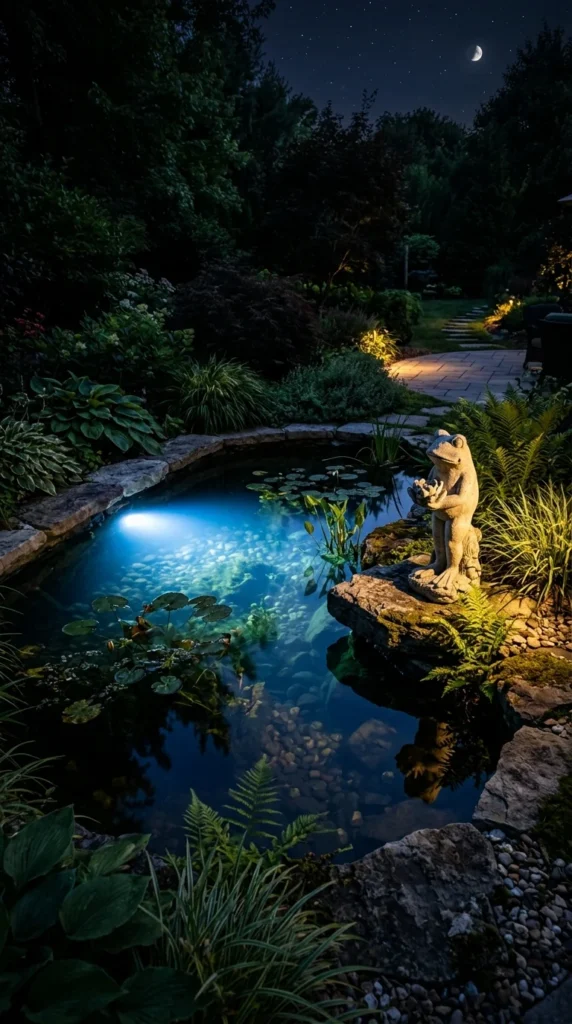
A pond shouldn’t disappear when the sun goes down. Integrated lighting transforms the water into a magical evening feature. Submersible LED lights can be placed at the bottom to create a glow from within, while low-voltage spotlights can be aimed at waterfalls or specimen plants. The play of light on moving water creates a mesmerizing effect that extends the usability of your outdoor space well into the night.
12. Pebble Beach
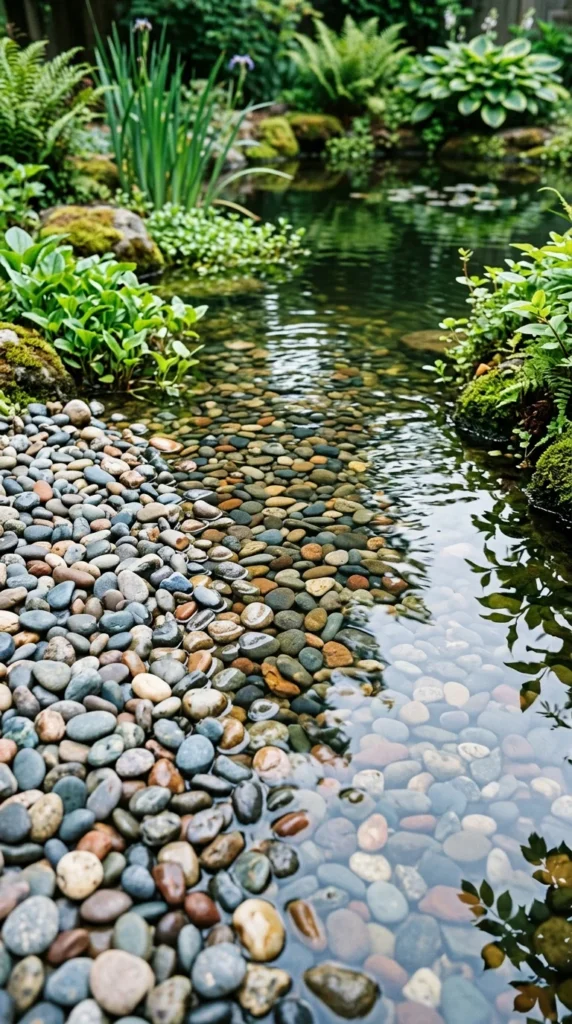
Incorporating a “beach” area using smooth river pebbles is both a stylistic and functional choice. Visually, it breaks up the monotony of large rocks and provides a textural contrast. Functionally, it acts as a natural filter and provides a shallow area for children or pets to interact safely with the water’s edge. This look is particularly effective in Mediterranean or coastal-themed garden designs.
13. Corner Sanctuary
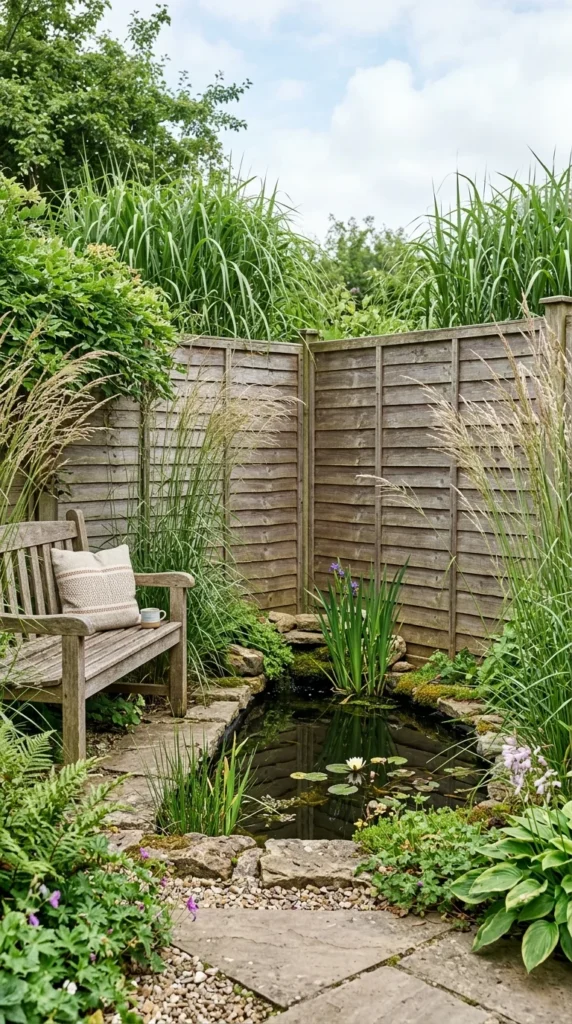
Often, the corners of a backyard are underutilized “dead spaces.” A corner pond is a brilliant way to maximize your footprint. By tucking the pond into a 90-degree angle, you can use the fences or walls as a backdrop for a waterfall or climbing plants. This creates a cozy, enclosed sanctuary feel, making the pond a private destination at the edge of your property.
14. Reclaimed Stock Tank
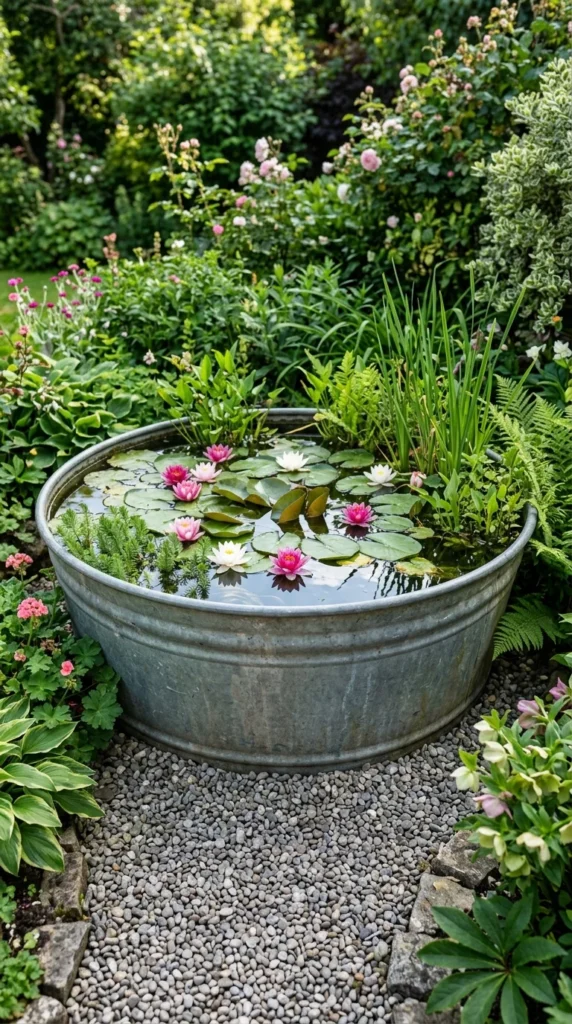
The industrial-chic look of a galvanized stock tank has become a favorite for modern farmhouse gardens. These tanks are incredibly durable and deep enough to house hardy water lilies or even a few small goldfish. Because they are above ground, they require no digging and serve as a “plug-and-play” water feature. They look particularly striking when paired with natural wood decking or gravel pathways.
15. Aquatic Lilies
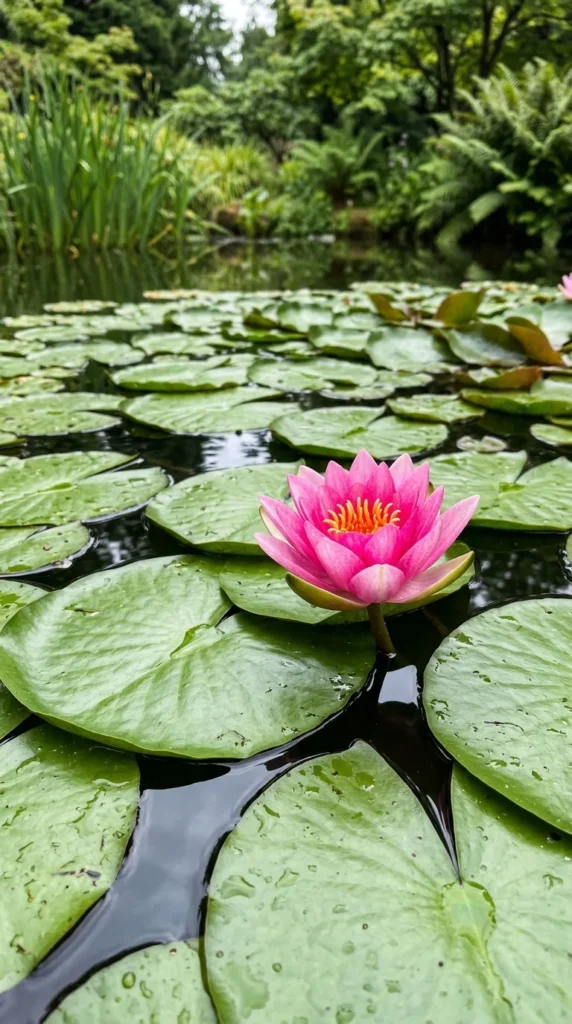
If you want your pond to be a floral masterpiece, focus on water lilies (Nymphaea). These plants are the “roses of the water,” offering stunning blooms and architectural pads. They provide essential shade for the pond, which helps regulate water temperature and inhibits algae growth. Even a very small pond can support a “dwarf” variety of water lily, providing a burst of color and a classic pond aesthetic.
16. Stream Connection
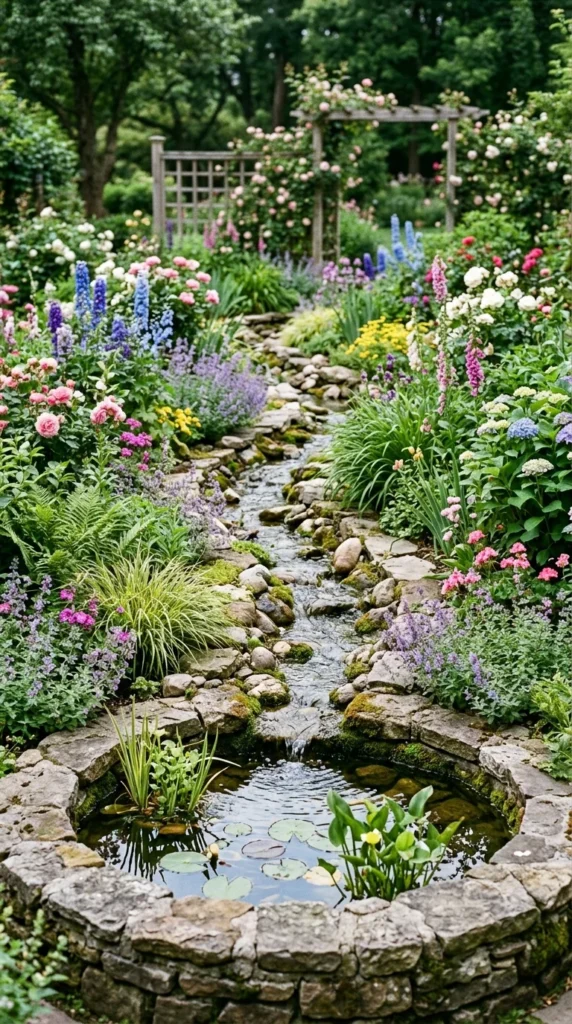
If you have a slight slope in your yard, consider a “stream-to-pond” design. This involves a long, narrow channel lined with rocks and gravel that carries water from a higher point down into a small basin. The movement of water over the stones creates a delightful babbling sound and adds a sense of flow and energy to the landscape. It is an excellent way to connect different areas of a garden.
17. Rock Grotto
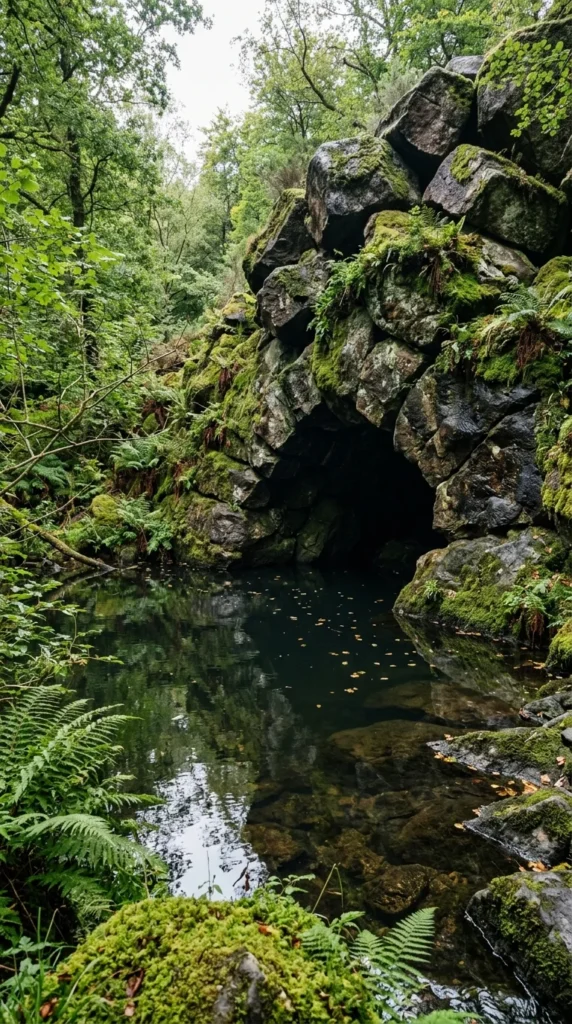
A rock grotto adds a sense of mystery and depth. By stacking large boulders to create an overhanging “roof” or a small cave at the edge of the pond, you create deep shadows and a naturalistic hideaway for fish. This style feels very organic and “wild,” making it a perfect fit for woodland gardens or yards with a lot of natural shade.
18. Integrated Seating
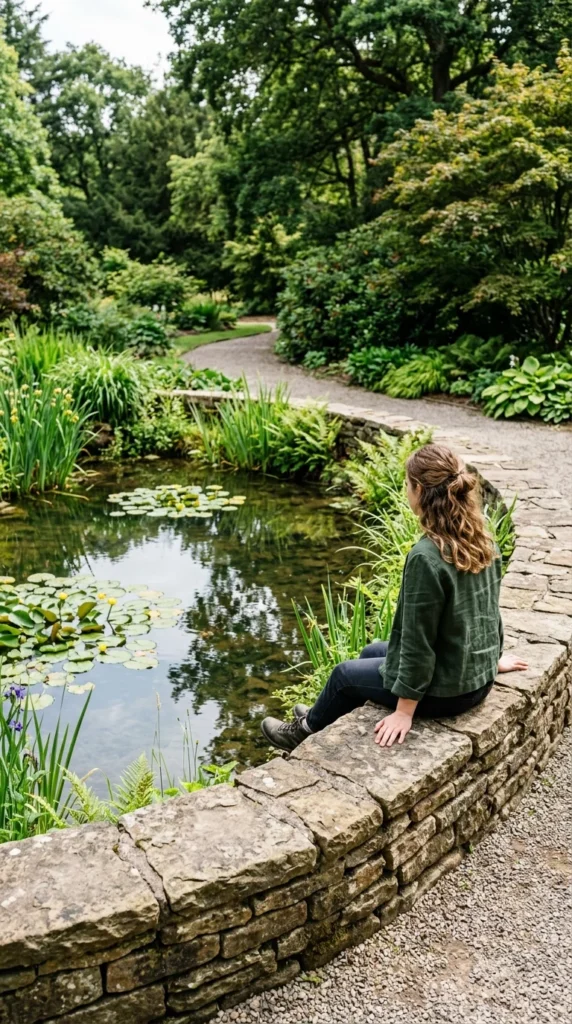
A pond is meant to be enjoyed, and there is no better way to do so than by building seating directly into the design. Using flat capstones on a raised pond wall creates a built-in bench. This encourages guests to linger by the water, making the pond a social hub rather than just a visual ornament. It is the perfect spot for a morning cup of coffee or an evening cocktail.
19. Vertical Spills
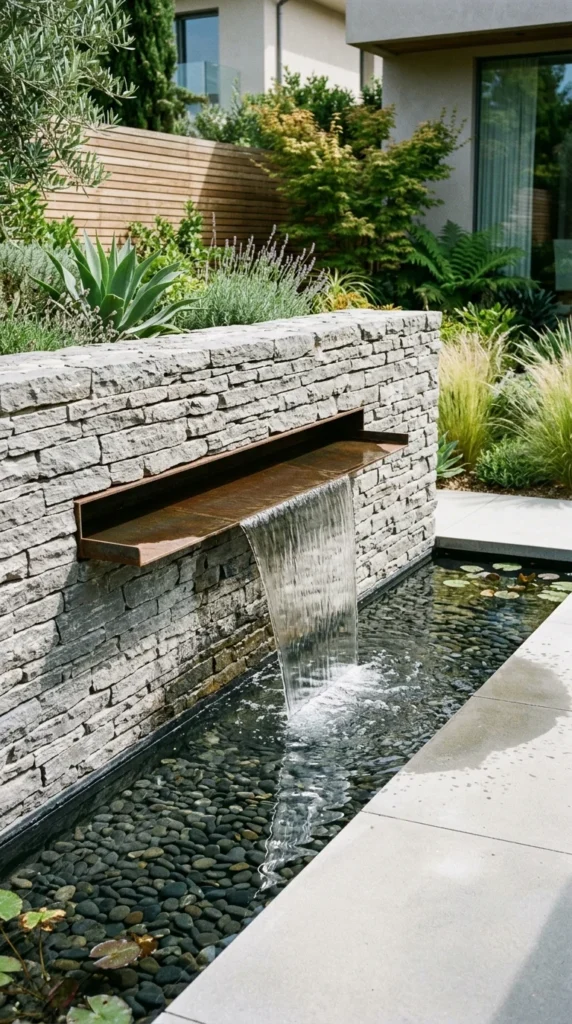
When horizontal space is extremely limited, go vertical. A vertical spillway—often called a “water wall”—allows water to flow down a textured surface or fall in a thin, translucent sheet (a “sheer descent”) into a narrow trough or basin. This contemporary approach provides a significant visual and auditory impact while occupying only a few inches of floor space, making it the premier choice for narrow side yards or urban patios.
Maintaining Your Small Pond
While small ponds are easier to manage than large ones, they still require a baseline level of care to remain charming:
- Filtration: Ensure you have a pump and filter rated for your pond’s volume to prevent stagnation and algae.
- Plant Balance: Aim for about 50% to 60% surface coverage with floating plants to keep the water cool and clear.
- Debris Removal: Use a net to remove fallen leaves and twigs before they sink and decay, which can throw off the water chemistry.
- Winterization: In colder climates, ensure your pump is deep enough not to freeze, or remove it and use a heater/de-icer to keep a small hole in the ice for gas exchange.
By choosing the right style and maintaining it with care, a small backyard pond will become the heart of your outdoor space, providing a peaceful retreat for years to come.