
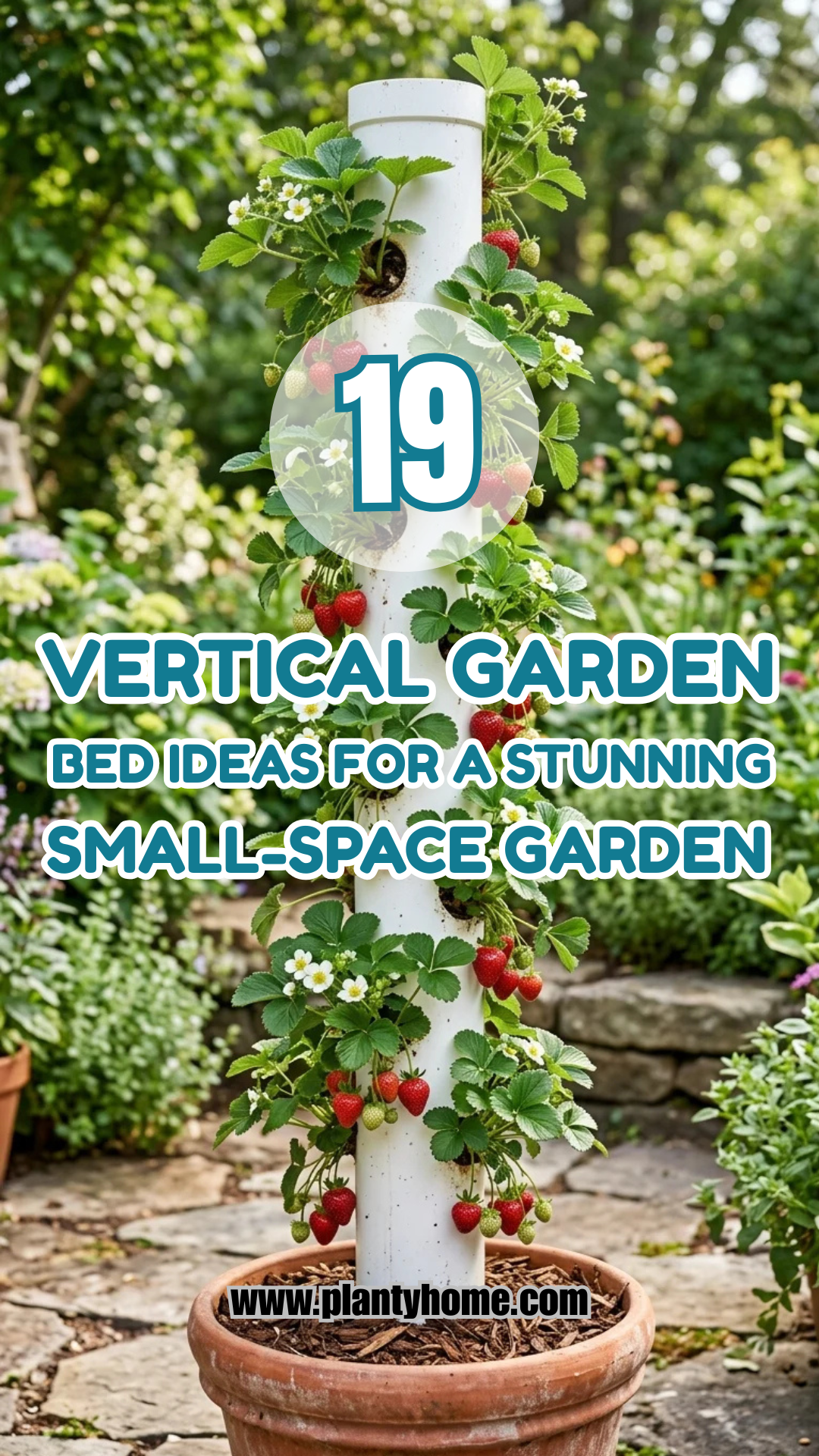
Vertical gardening has revolutionized the way urban dwellers and small-property owners approach horticulture. By shifting the focus from horizontal land use to vertical surfaces, enthusiasts can cultivate lush, productive environments in even the most restricted settings. Whether you are looking to grow a sustainable herb kitchen or create a serene floral backdrop, vertical garden beds offer an architectural and ergonomic solution to traditional gardening challenges.
Below are 19 innovative vertical garden bed ideas designed to maximize your space while enhancing the aesthetic appeal of your home.
1. Pallet Planters
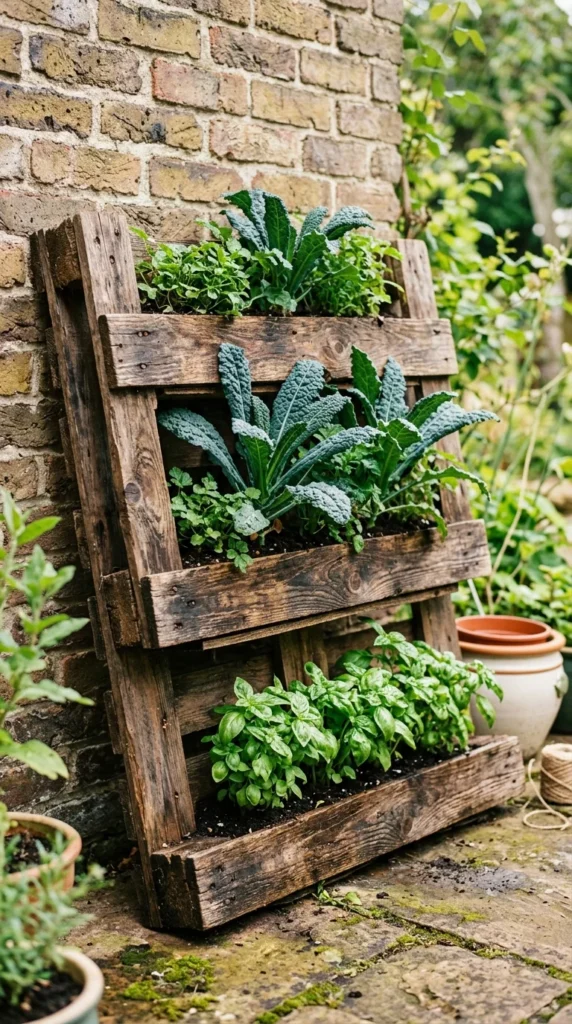
Upcycling wooden pallets is a cornerstone of sustainable gardening. These structures provide a natural, rustic framework that can be easily converted into a vertical planter by sealing the bottoms of the slats with landscape fabric. This method is particularly effective for shallow-rooted plants like salad greens, succulents, and small herbs. When using pallets, ensure they are heat-treated (marked with “HT”) rather than chemically treated to ensure the safety of your edible crops.
2. Pocket Organizers
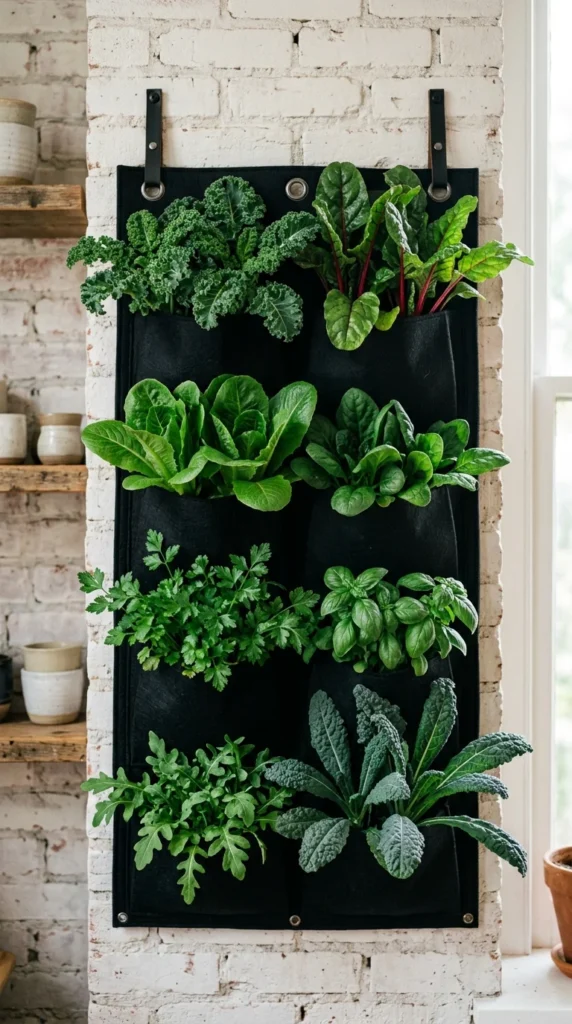
Felt pocket organizers are lightweight and breathable, making them an excellent choice for balconies or interior walls. The fabric allows for superior aeration and drainage, preventing root rot which is a common issue in plastic containers. These systems are modular, allowing gardeners to cover entire walls to create a “living wallpaper” effect. They are best suited for moisture-loving plants like ferns, pothos, and strawberries.
3. Tiered Ladders
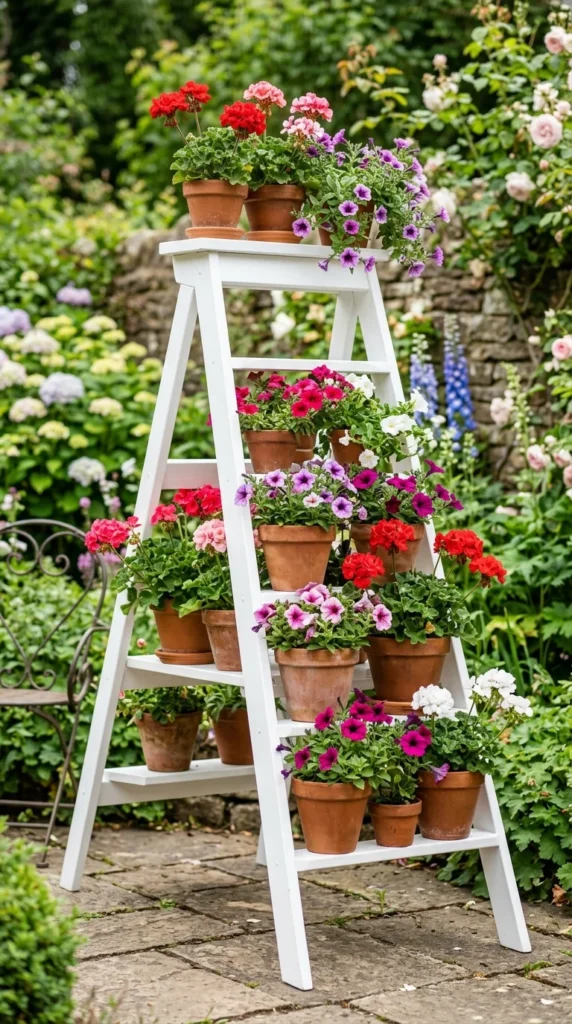
The tiered ladder approach utilizes vertical height while maintaining the portability of traditional potted plants. It allows for a cascading visual effect where trailing plants can spill over the edges of the higher tiers. This setup is ideal for renters because it requires no permanent mounting to walls. It also provides an excellent opportunity to rotate plants easily to ensure they receive even sunlight throughout the day.
4. Gutter Systems
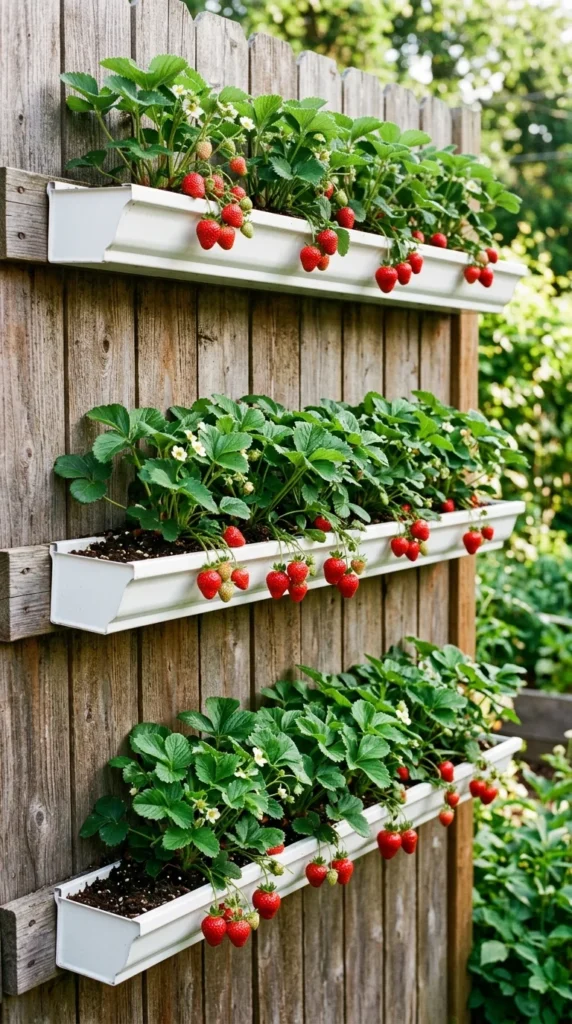
Repurposing rain gutters into garden beds is a highly efficient way to utilize long, narrow spaces like fences or side walkways. Because gutters are shallow, they are the perfect vessel for “cut-and-come-again” lettuce, spinach, and radishes. Mounting them with a slight tilt can help manage water drainage, ensuring that excess moisture flows toward a collection point or the ground rather than stagnating.
5. Hanging Pots
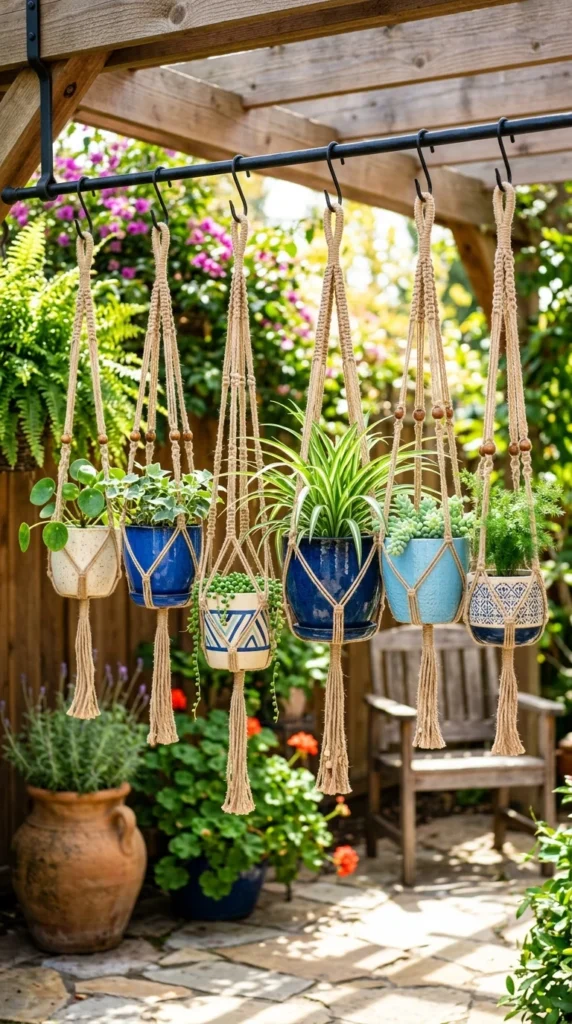
Hanging pots take advantage of overhead space, freeing up valuable floor area. By using a combination of pulleys or varying lengths of rope, you can create a dynamic, multi-layered garden. This method is particularly useful for trailing species such as “String of Pearls,” creeping Jenny, or tomatoes, which benefit from the gravity-defying growth pattern and improved air circulation around the foliage.
6. Trellis Walls
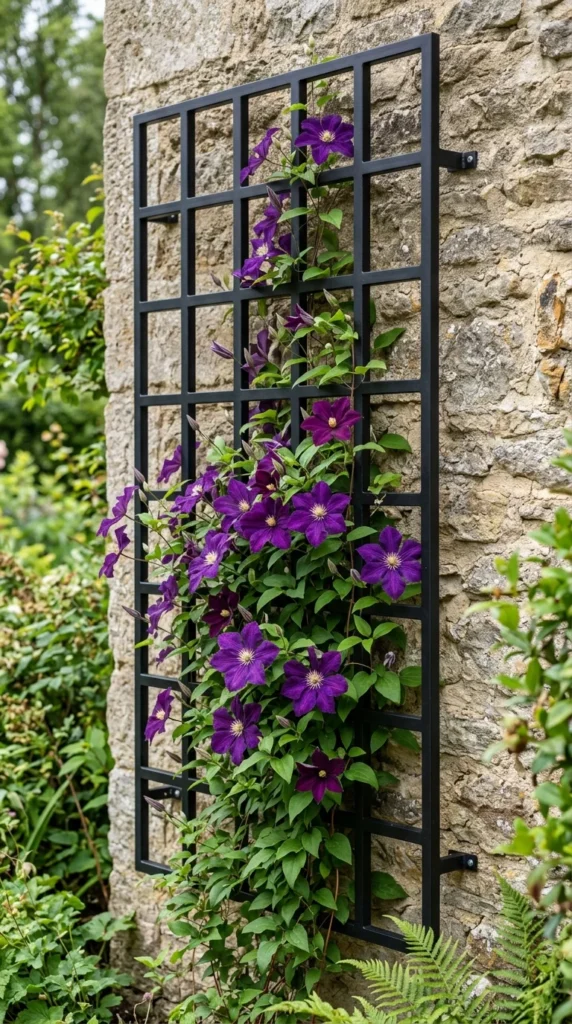
Trellises are the classic vertical gardening solution, designed specifically for climbing and vining plants. Beyond their functional use for peas, beans, and cucumbers, trellises serve as a stunning architectural element. A well-placed trellis can act as a privacy screen or a windbreak. For a modern look, consider laser-cut metal panels; for a more traditional garden, opt for cedar or bamboo latticework.
7. Stackable Pots
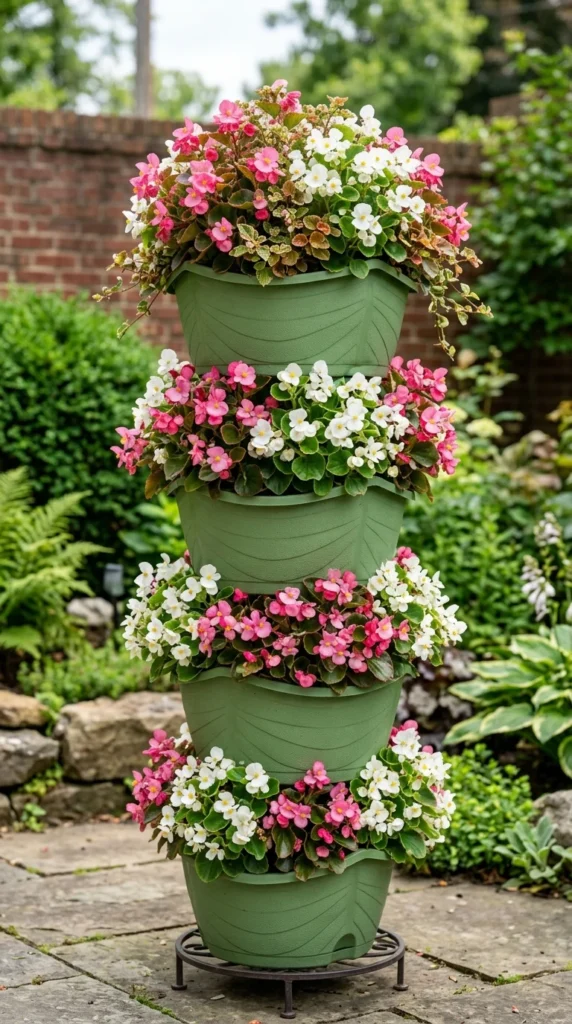
Stackable planter systems are specifically engineered to maximize vertical volume on a small footprint. These units often feature a central watering column that distributes moisture evenly from the top down to the base. They are an excellent choice for “strawberry towers” or mixed flower displays, as the tiered design ensures that even the plants at the bottom receive adequate light.
8. Copper Pipe Frames
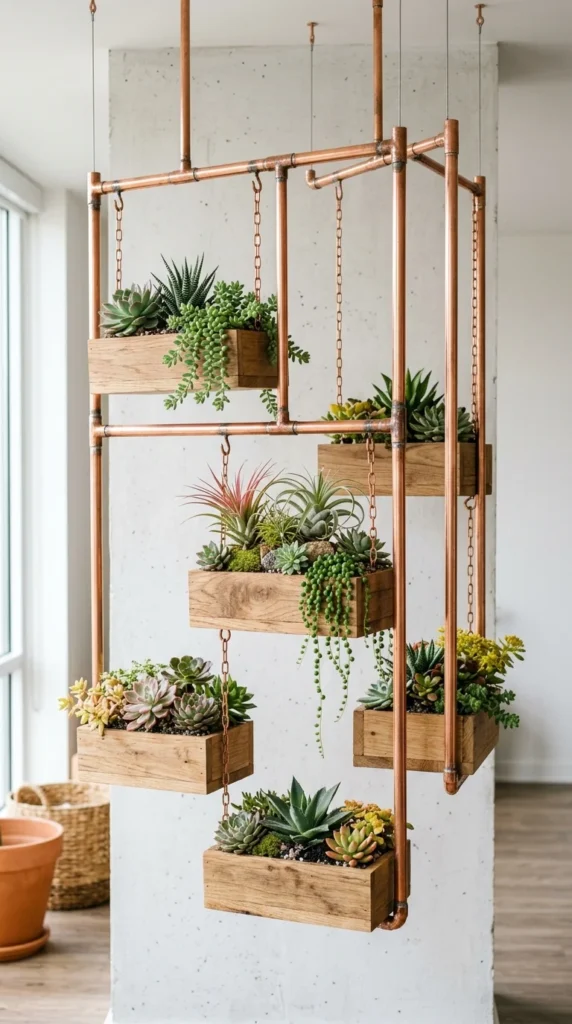
For those with a penchant for industrial or contemporary design, copper pipe frames provide a sophisticated structure for a vertical garden. Copper is not only durable and weather-resistant but also develops a beautiful patina over time. These frames can be used to hang lightweight wooden boxes or glass terrariums, creating a sleek, high-end gallery look in an outdoor kitchen or patio area.
9. Wooden Crates
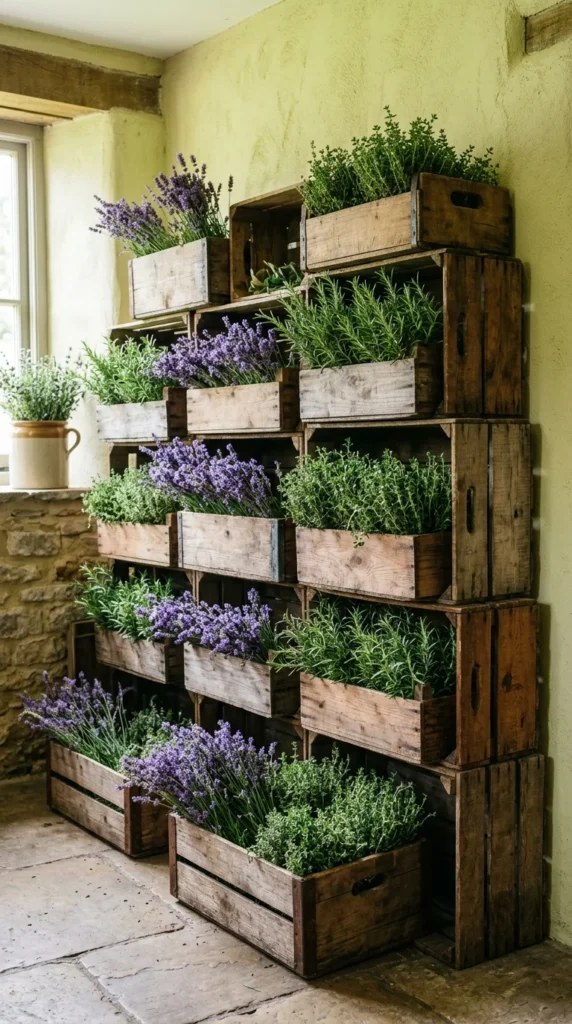
Staggering wooden crates against a wall creates a three-dimensional garden with deep planting pockets. This method allows for the cultivation of larger plants with deeper root systems, such as peppers or dwarf tomato varieties, which might not survive in shallower vertical systems. Using crates of varying sizes adds a sense of depth and visual interest to the garden design.
10. Mason Jar Grids
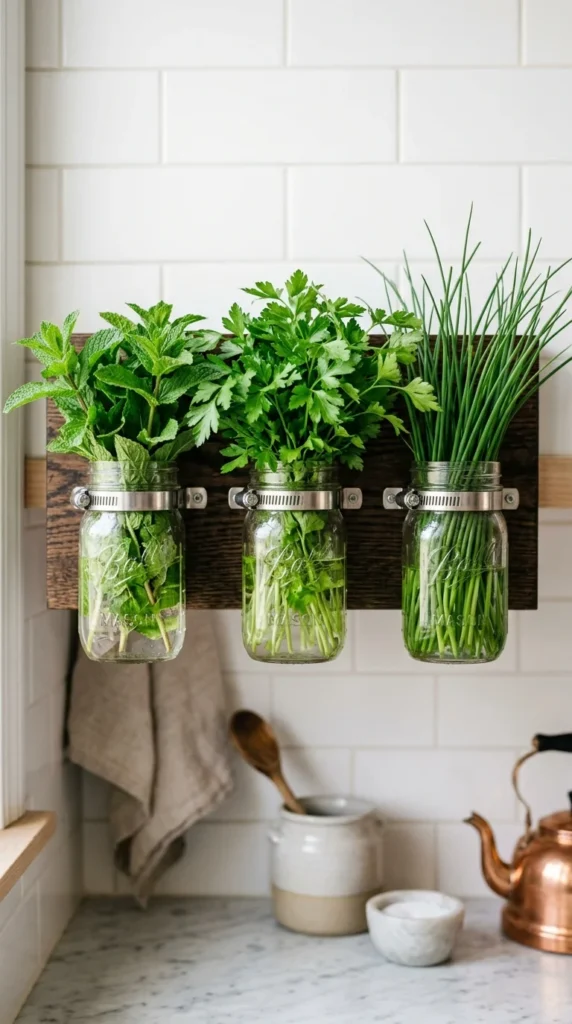
The mason jar grid is the ultimate solution for an indoor vertical herb garden. By mounting jars to a decorative wooden board, you can keep fresh culinary herbs within arm’s reach of the stove. To ensure success, it is vital to place a layer of pebbles or charcoal at the bottom of the jars for drainage, as they lack traditional drainage holes.
11. Living Walls
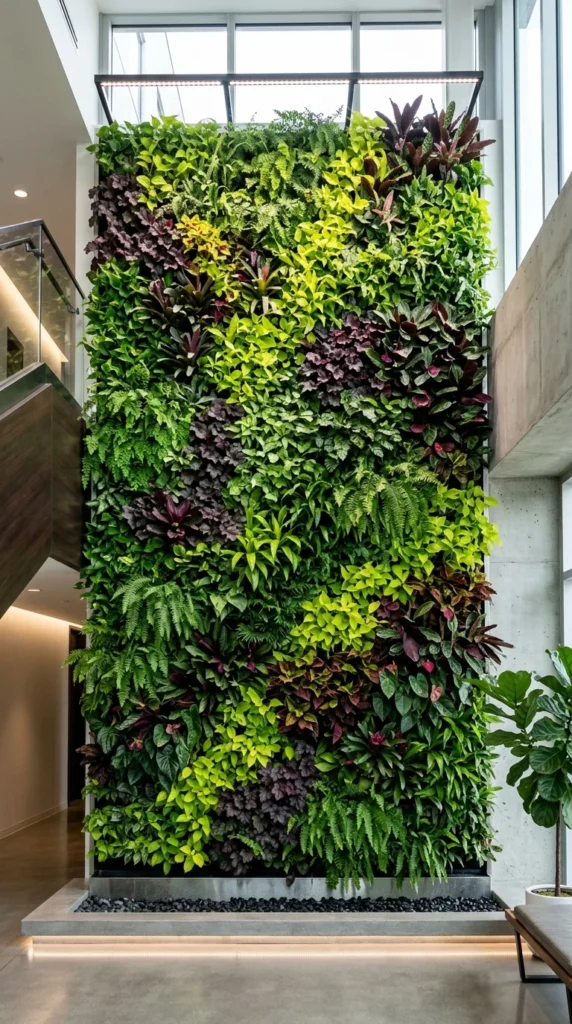
A true living wall (or green wall) uses a specialized hydroponic or felt-based system to create a seamless blanket of vegetation. These are often used in professional landscaping to improve air quality and provide thermal insulation. While more complex to install, a living wall is the most visually striking form of vertical gardening, transforming a plain exterior into a lush, breathing ecosystem.
12. Bamboo Poles
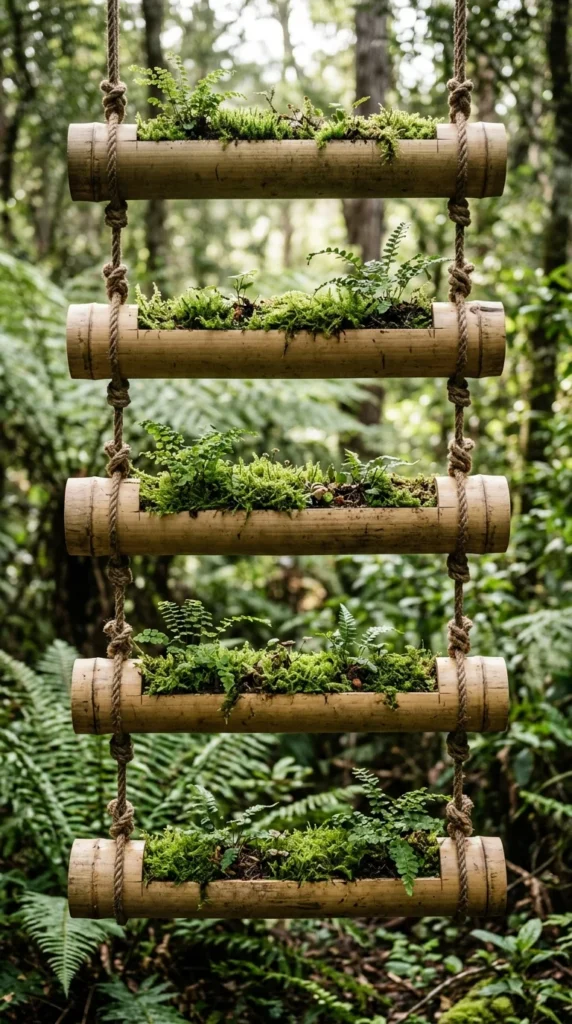
Bamboo is a sustainable, sturdy, and water-resistant material that lends an organic, Zen-like quality to a garden. By cutting openings into large-diameter bamboo poles, you create natural troughs for planting. These can be hung horizontally or stood vertically with holes drilled into the sides. This approach is highly effective for orchids, bromeliads, and other epiphytic plants.
13. PVC Pipe Towers
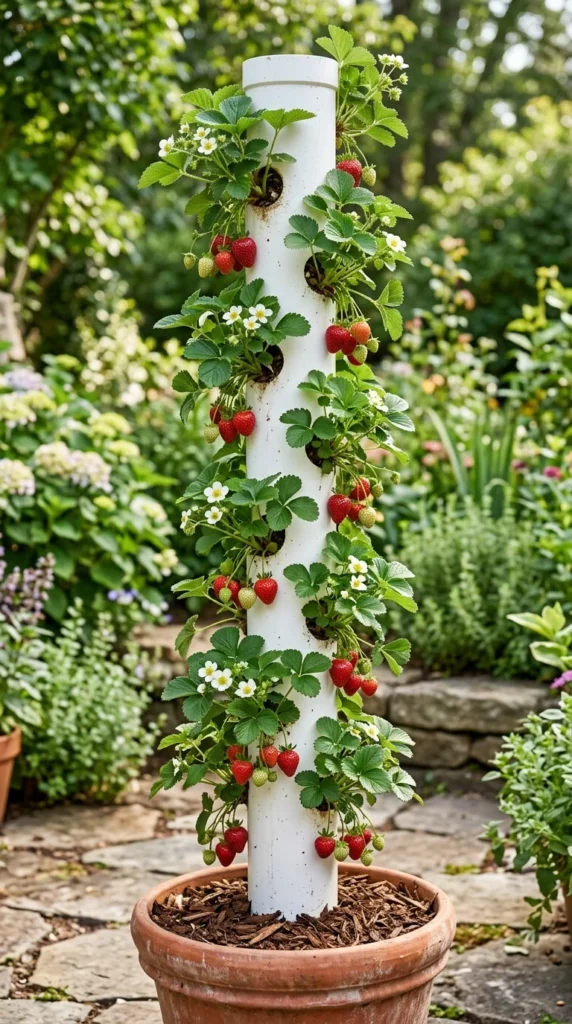
PVC towers are a favorite among DIY hydroponic and aeroponic gardeners. By drilling holes at intervals and filling the pipe with a growing medium or a nutrient-rich water solution, you can grow a high volume of produce in a footprint of less than two square feet. This vertical “column” approach is incredibly efficient for high-yield crops like strawberries and leafy greens.
14. Birdcage Planters
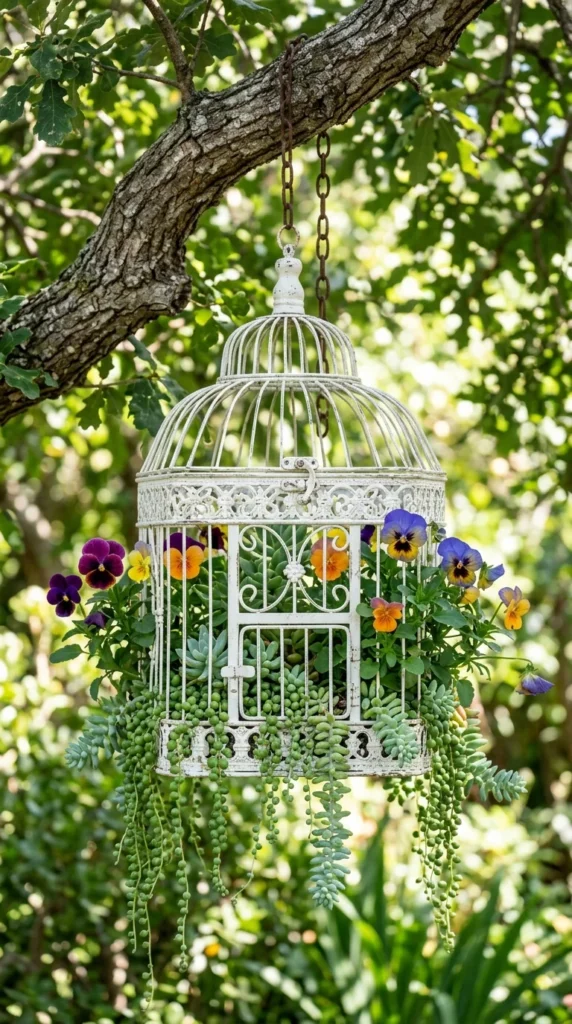
Repurposing vintage birdcages offers a whimsical and romantic touch to vertical gardening. These containers are ideal for housing trailing plants that can grow through the wire bars, creating a “trapped” jungle effect. They are best suited for smaller ornamental plants and work beautifully as focal points in a cottage-style garden or on a shaded porch.
15. Window Boxes
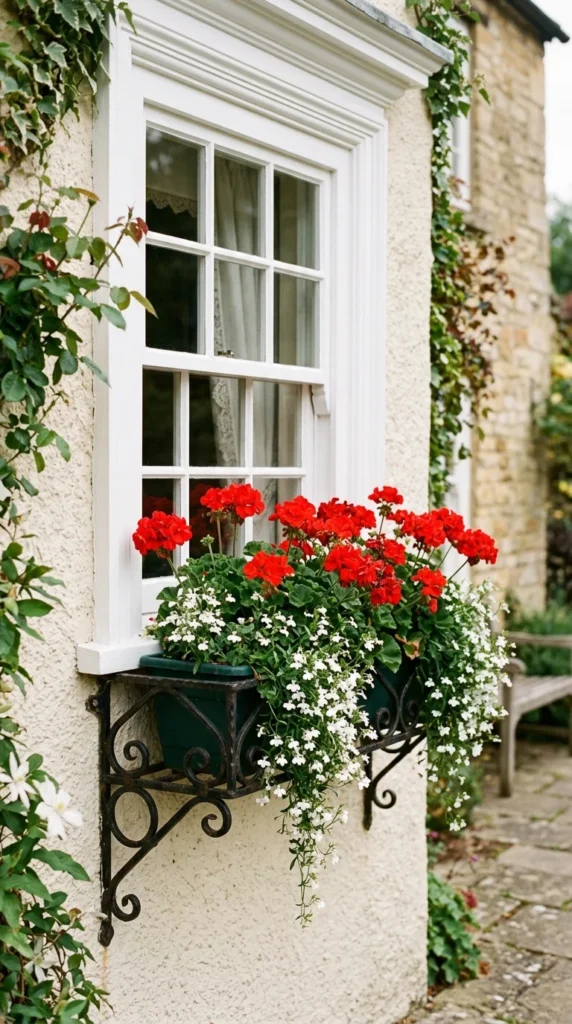
Window boxes are the original vertical garden. They bridge the gap between the interior and exterior of the home, providing a splash of color to the facade. Beyond their aesthetic value, they are practical for growing kitchen herbs right outside a window. For a modern twist, use sleek zinc or fiberglass boxes with clean lines and monochromatic plantings.
16. A-Frame Racks
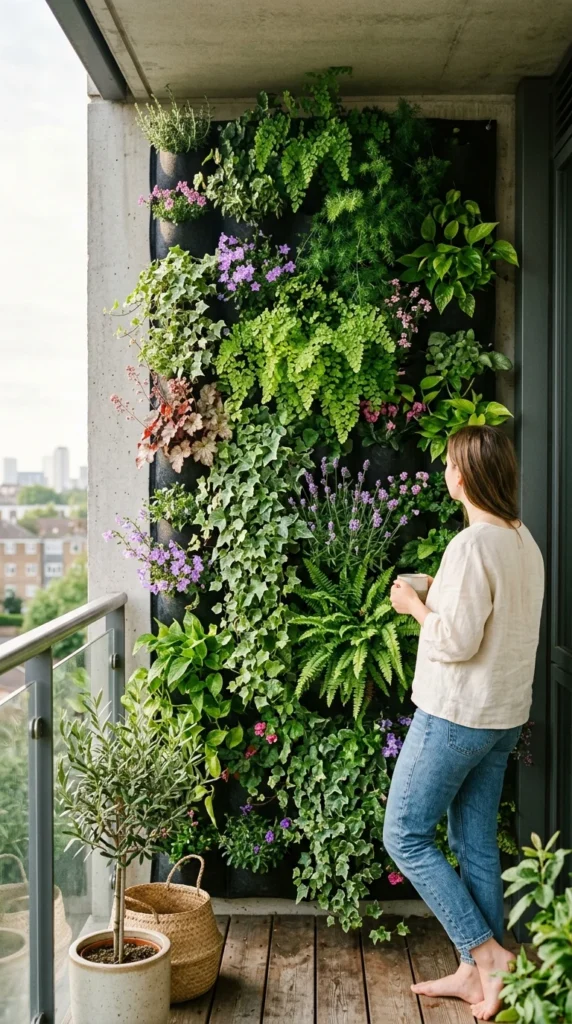
The A-frame rack is a double-sided vertical solution that offers twice the planting surface of a single wall. This structure is particularly useful as a freestanding room divider in a garden or on a large deck. Because it is stable and accessible from both sides, it is an excellent choice for a family garden where children can tend to the lower tiers.
17. Shoe Organizers
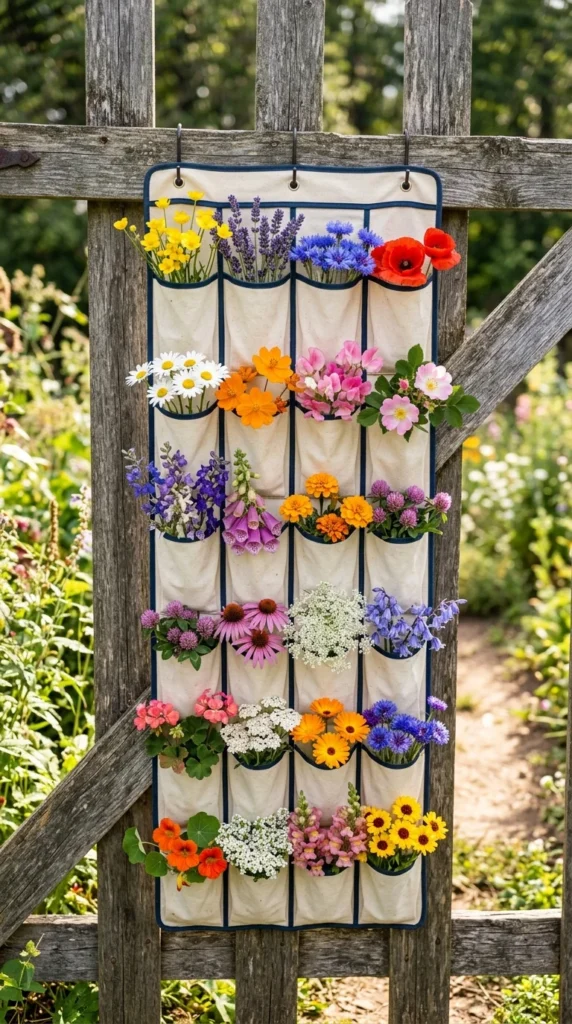
Canvas or plastic shoe organizers are one of the most budget-friendly ways to start a vertical garden. The individual pockets are perfectly sized for small annuals or herbs. This is an ideal project for beginners or those with extremely limited space, as the organizer can be moved easily and takes up no more room than a coat hanging on a hook.
18. Fence Planters
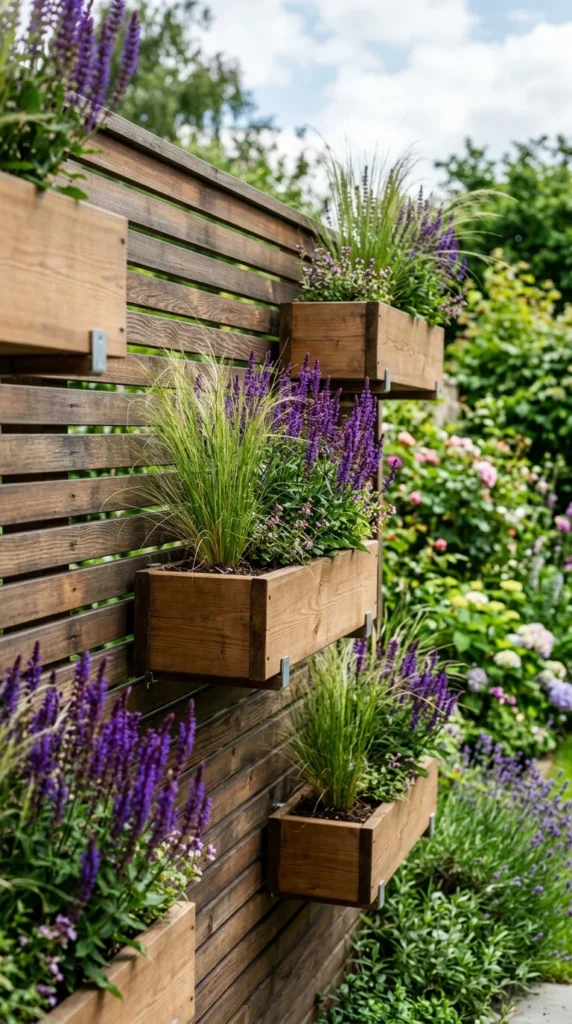
Utilizing a fence as a support structure for garden beds transforms a functional boundary into a living feature. By attaching boxes directly to the fence posts or slats, you save ground space and bring the plants up to eye level. This not only makes maintenance easier on the back but also protects the plants from ground-dwelling pests and pets.
19. Pyramid Towers
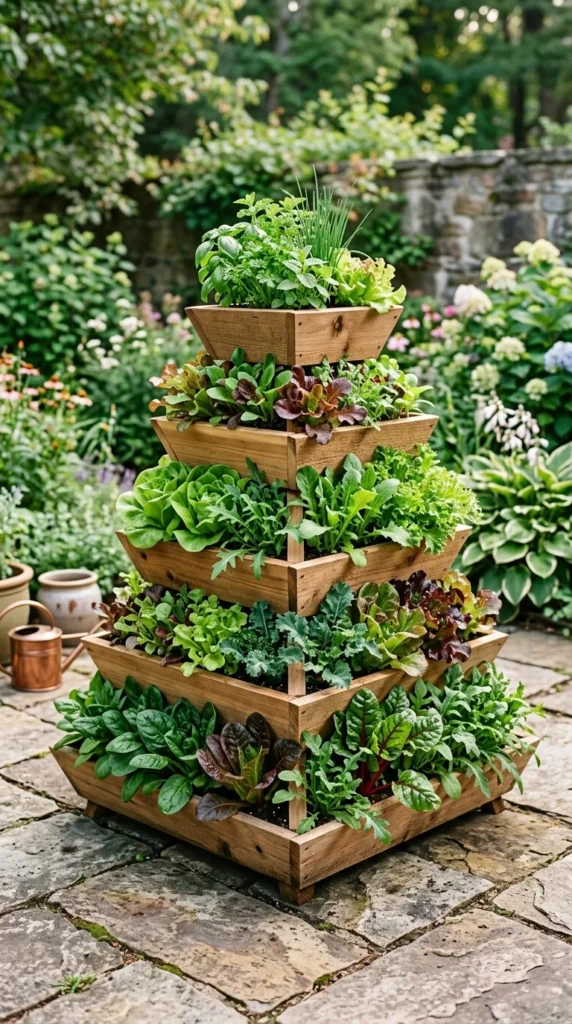
Pyramid towers provide a grand, formal look to a vertical garden. The tiered design allows for maximum sun exposure for every plant, as the higher levels do not shade the lower ones. This structure is particularly effective for “intensive gardening,” where you aim to get the highest possible yield from a small area. It serves as both a productive vegetable bed and a stunning centerpiece for a patio or cour