
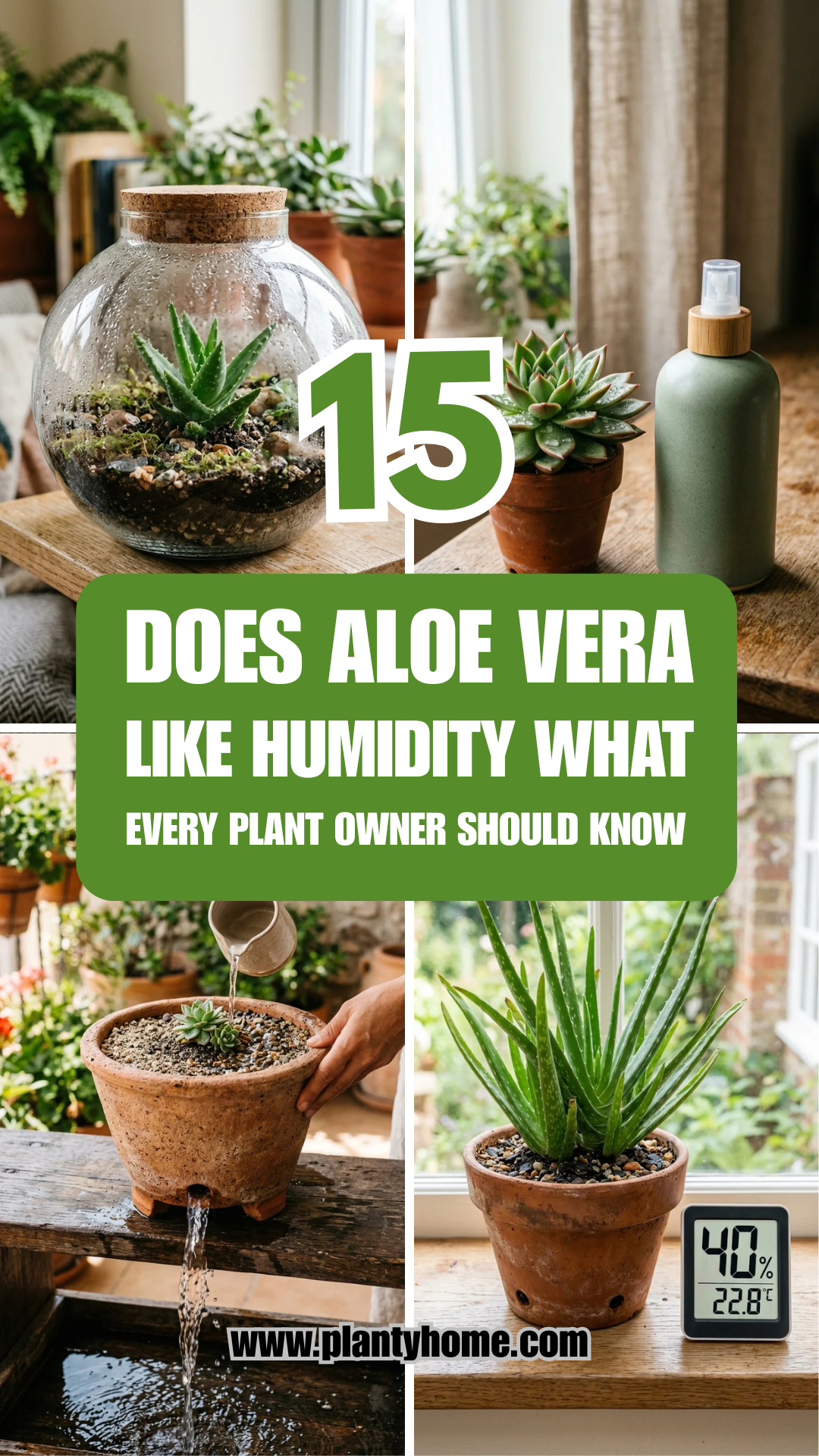
Aloe Vera (Aloe barbadensis miller) is arguably the most recognizable succulent in the world. Revered for its medicinal properties and its architectural silhouette, it has become a staple in homes globally. However, because it is often marketed as “indestructible,” many owners overlook its specific environmental preferences—particularly regarding atmospheric moisture.
To master Aloe Vera care, one must understand the delicate balance between hydration and humidity. While these plants are resilient, they are not invincible to the “silent killers” of the botanical world: stagnant air and excessive moisture. Here are 15 critical facts about Aloe Vera and humidity that every plant enthusiast needs to understand.
1. Arid Origins
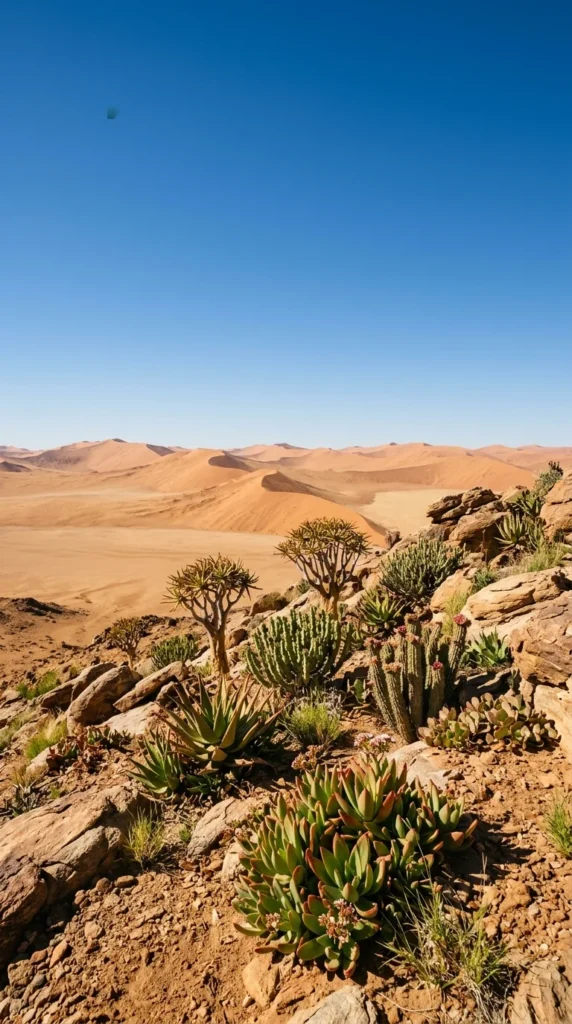
To understand if Aloe Vera likes humidity, you must look at its evolutionary history. Native to the Arabian Peninsula, Aloe Vera evolved in hot, dry, and rocky environments. These regions are characterized by intense sunlight and very low atmospheric moisture. Because the species spent millennia adapting to arid climates, its physiological makeup is designed to conserve water rather than absorb it from the air. This evolutionary “programming” means the plant is naturally predisposed to thrive in environments where humidity levels are low to moderate.
2. Ideal Levels
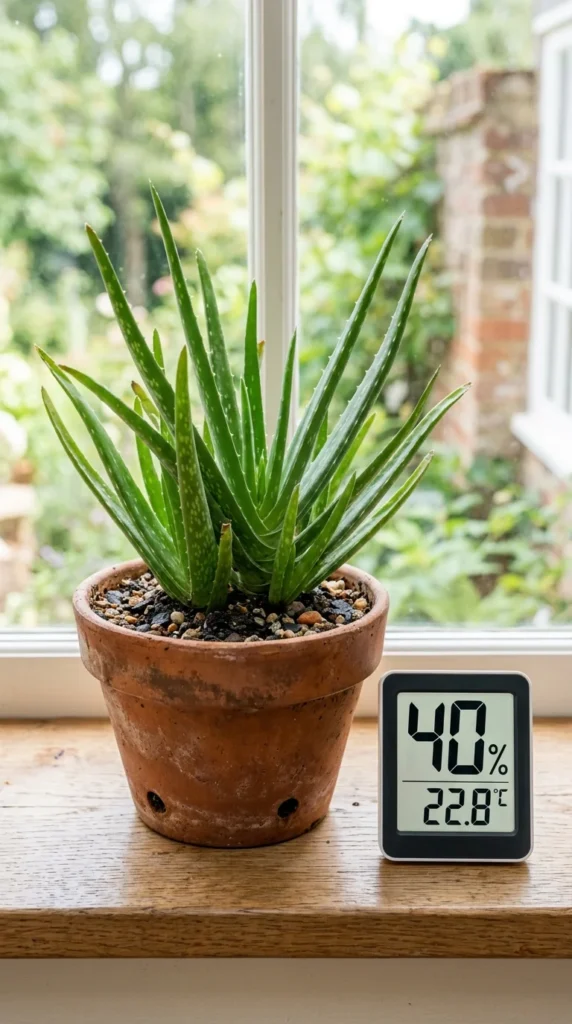
While Aloe Vera is drought-tolerant, it does not require a desert-like 0% humidity to survive. The ideal humidity level for an indoor Aloe Vera plant is between 30% and 50%. This range mirrors the typical humidity found in most residential homes. If your home falls within this bracket, your Aloe is likely perfectly comfortable. Problems generally only arise when humidity consistently exceeds 60% or 70%, which can lead to physiological stress for the plant.
3. Leaf Anatomy
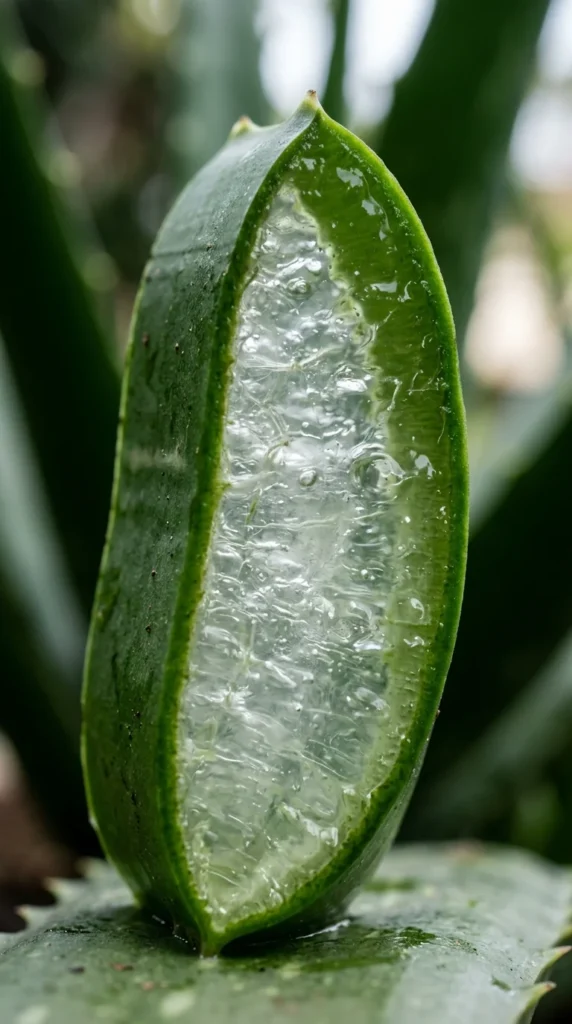
Aloe Vera leaves are biological storage tanks. The “gel” inside is a specialized tissue designed to hold onto water for long periods of drought. Because the plant stores its own hydration internally, it does not need to rely on high humidity to keep its tissues turgid. In fact, the thick, waxy cuticle (the outer skin) of the leaf is designed to prevent water loss. In high-humidity environments, this protective barrier can become a liability, as it prevents the plant from “breathing” or transpiring effectively if the air is already saturated with water.
4. High Humidity
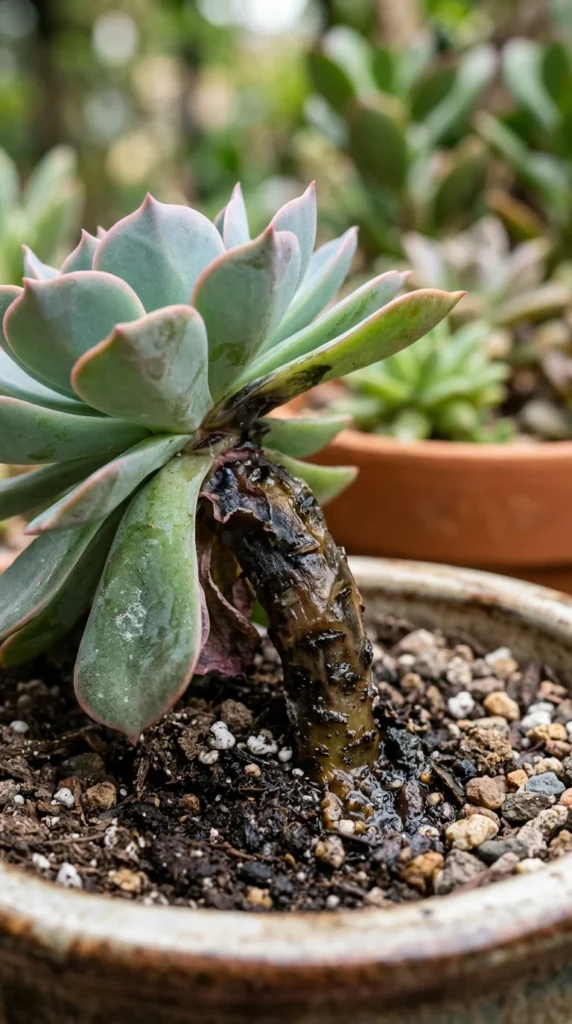
Excessive humidity is one of the primary enemies of the Aloe Vera plant. When the air is too moist, the soil remains damp for longer periods because evaporation is slowed down. This creates a breeding ground for various fungal and bacterial pathogens. High humidity, especially when combined with low light, often leads to “wet rot” or “root rot.” You may notice the base of the leaves becoming translucent, brown, or mushy—a clear sign that the environment is too humid or the soil is too wet.
5. Low Humidity
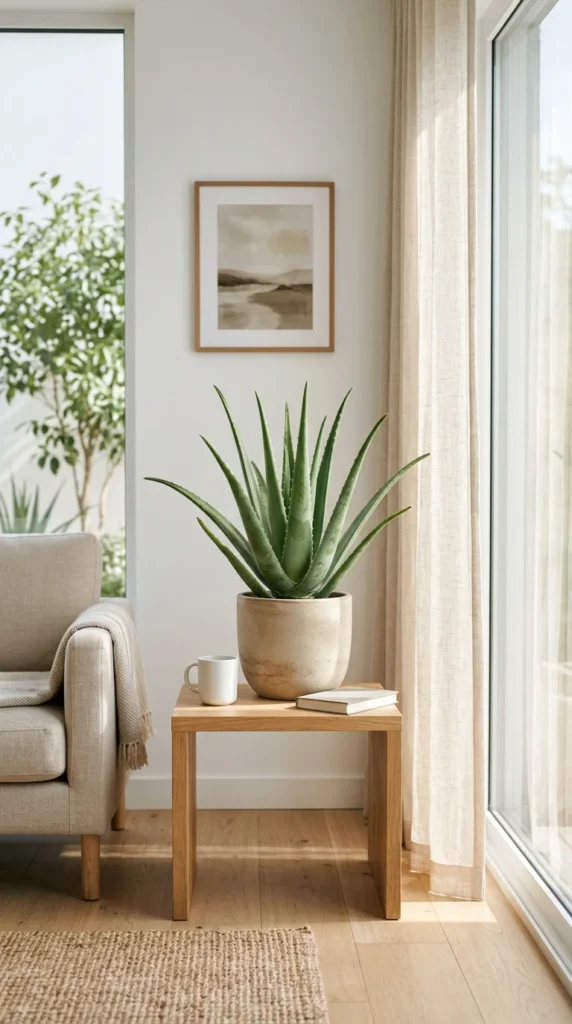
Unlike tropical ferns or Calatheas, Aloe Vera is incredibly tolerant of low humidity. If you live in a dry climate or use central heating during the winter (which significantly strips moisture from the air), your Aloe Vera will likely be unfazed. While extremely low humidity might cause the very tips of the leaves to turn slightly brown and “crispy,” this is rarely a health threat to the plant. It is far easier to fix a plant suffering from dry air than one suffering from over-saturation.
6. Air Circulation
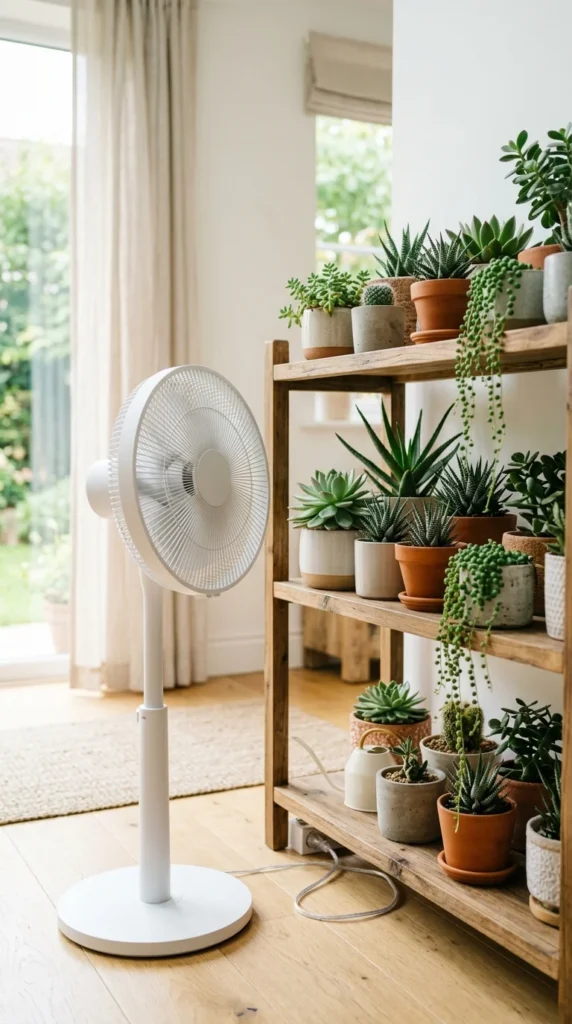
In the wild, Aloe Vera is subjected to constant wind and air movement. This is a crucial component of its health. In a home environment, especially in rooms with higher humidity like kitchens, air circulation is vital. Stagnant, moist air allows fungal spores to settle on the leaves. By ensuring there is a gentle breeze from a fan or an open window, you help moisture evaporate from the soil surface and the leaf nooks, preventing the “dampness” that leads to disease.
7. Soil Drainage
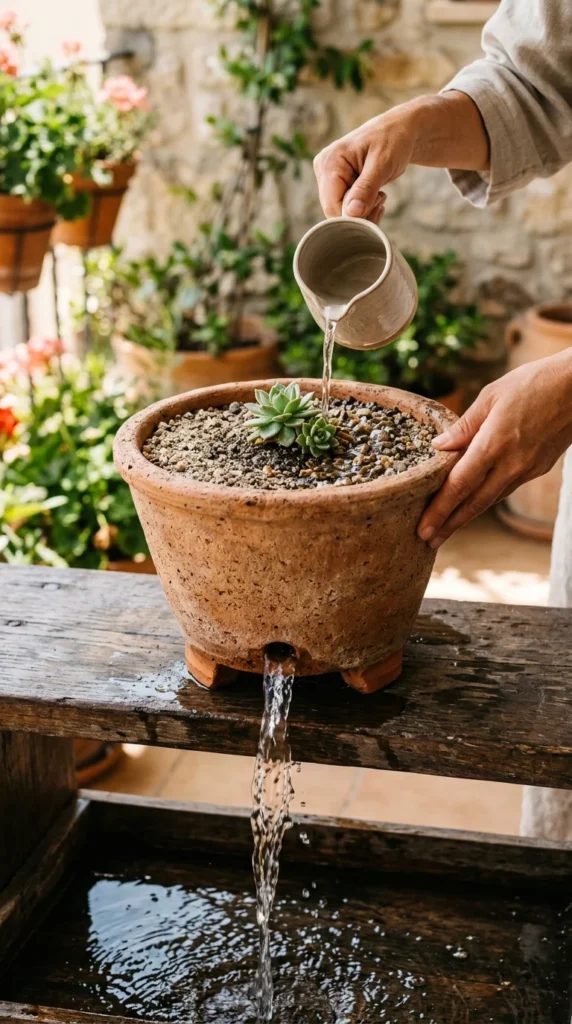
Humidity and soil moisture are two sides of the same coin. If you live in a humid area, your soil choice becomes even more critical. To combat the effects of high atmospheric moisture, use a potting mix that is exceptionally well-draining. A mixture of 50% potting soil and 50% inorganic material like perlite, pumice, or coarse sand is ideal. This ensures that even if the air is moist, the roots are not sitting in a swamp, which helps mitigate the risks associated with high humidity.
8. Misting Myths
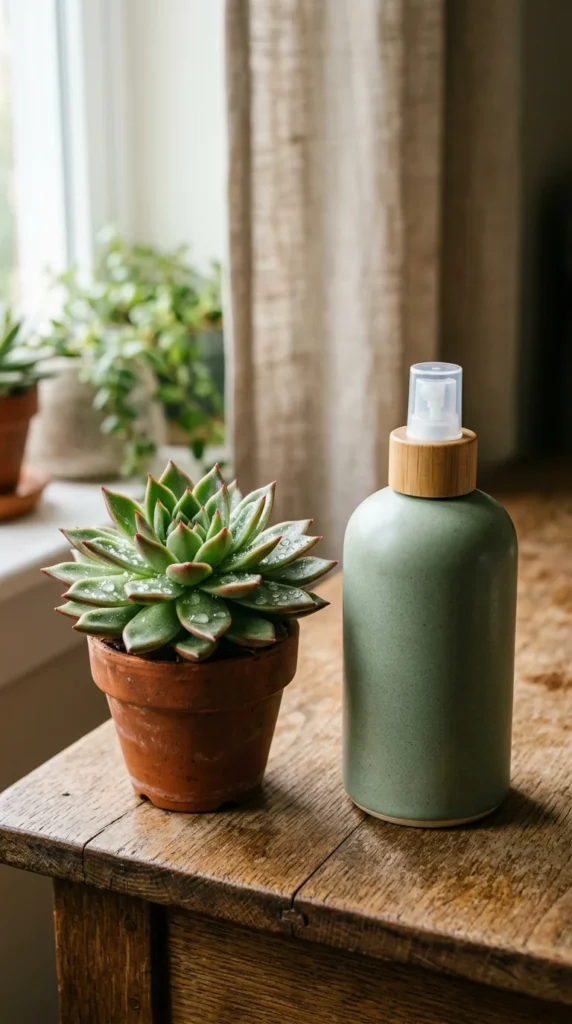
One of the most common mistakes new plant owners make is misting their Aloe Vera. While misting is beneficial for tropical plants like Monsteras, it is detrimental to succulents. Water that sits in the “crown” (the center where new leaves emerge) or in the leaf axils can cause the plant to rot from the inside out. Because Aloe does not absorb water through its leaves in any significant way, misting provides no benefit and only increases the risk of fungal infections.
9. Bathroom Placement
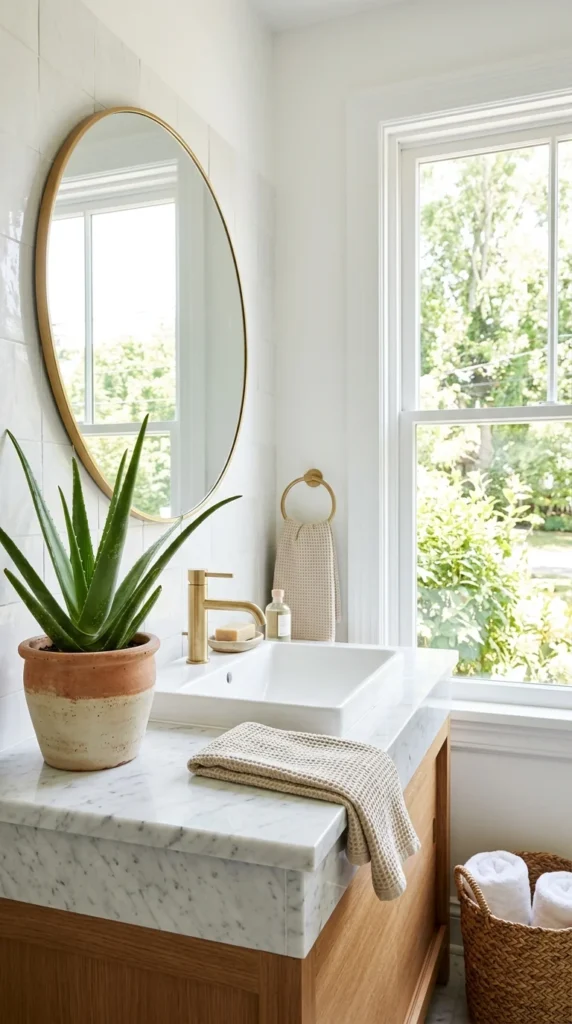
Many people want to put Aloe Vera in the bathroom for aesthetic reasons or for easy access to the gel. This can be successful, but only under specific conditions. If your bathroom has a large window and excellent ventilation (like an exhaust fan that runs during and after showers), the plant may do well. However, in a small, windowless bathroom that stays steamy for hours, an Aloe Vera will quickly decline. The lack of light combined with high humidity is a recipe for a “leggy,” weak plant prone to rot.
10. Seasonal Changes
Humidity levels change with the seasons, and your care routine should reflect that. In the summer, ambient humidity might rise, but the plant’s growth rate also increases, meaning it uses more water. In the winter, indoor air becomes very dry due to heaters, but the plant enters a dormant or semi-dormant state. During winter, it is crucial to reduce watering frequency even further, as the plant’s metabolism slows down, making it even more sensitive to moisture-related issues.
11. Signs of Trouble
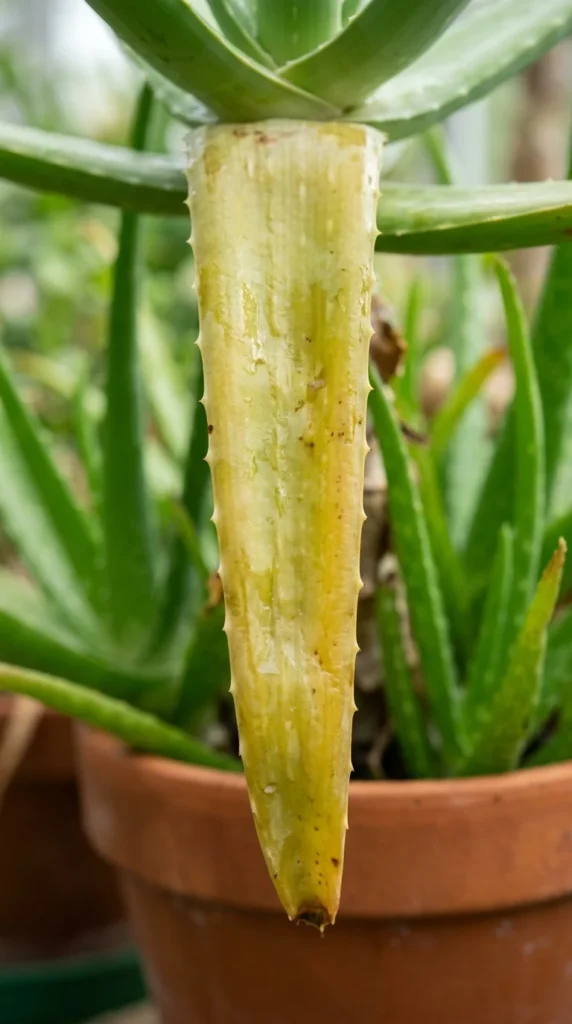
As a plant owner, you must learn to read the leaves. If humidity is too high, the leaves may appear “bloated” or heavy. You might see small, water-soaked spots (edema) where the plant has taken in more water than it can use, causing cells to burst. On the flip side, if the air is too dry and the plant is also underwatered, the leaves will look thin, concave, and may develop a reddish or purplish tint—a sign of environmental stress.
12. Temperature Synergy
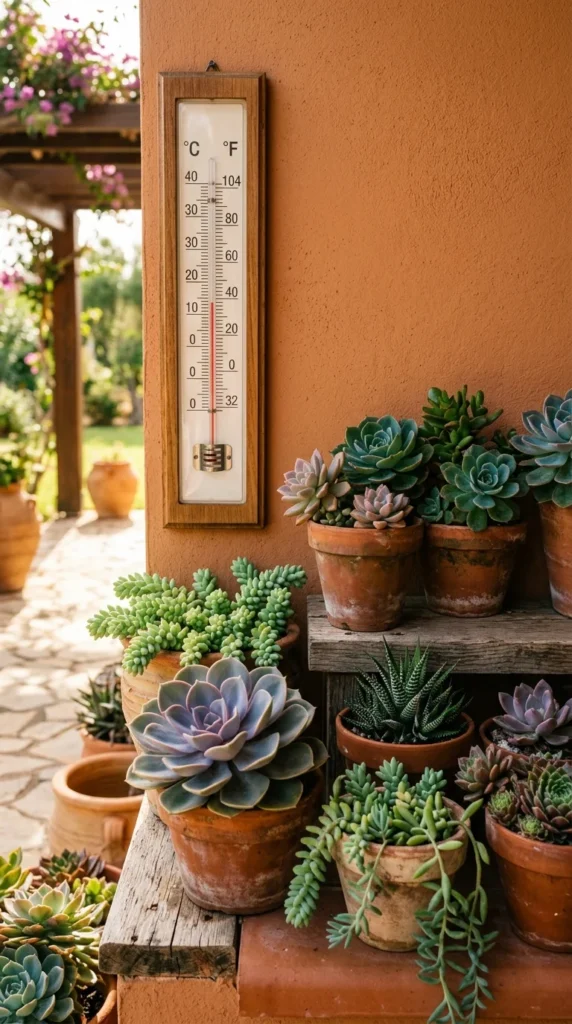
Humidity never acts alone; it is always influenced by temperature. High humidity is much more dangerous at low temperatures because the water does not evaporate. If your home is cool and humid, your Aloe is at high risk. Conversely, Aloe Vera can handle higher humidity if the temperature is also high and there is plenty of light, as these factors speed up the plant’s metabolic processes and the rate of evaporation from the soil.
13. Terrarium Warning
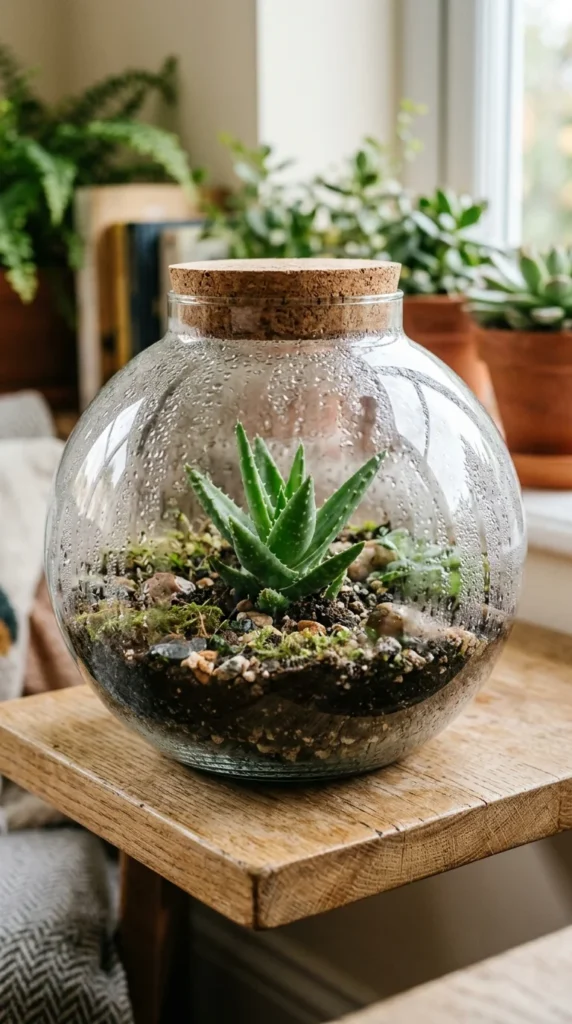
Growing Aloe Vera in a glass terrarium is a frequent cause of plant death. Terrariums, especially those with narrow openings, trap humidity and prevent air circulation. They essentially create a “mini-greenhouse” effect that is the opposite of what a desert succulent needs. If you must use a glass container, ensure it is completely open and that you are using a very gritty substrate, but a traditional porous pot like terracotta is always the superior choice for managing humidity.
14. Indoor Climate
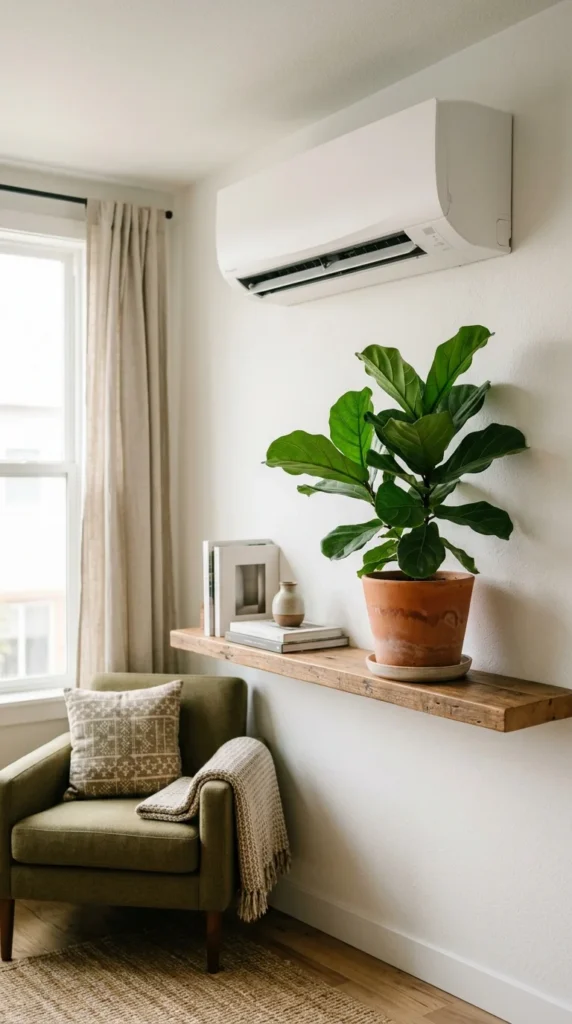
Modern climate control systems—like air conditioners and heaters—act as dehumidifiers. While this is generally good for Aloe Vera, be careful not to place your plant directly in the path of a forced-air vent. The mechanical “wind” from an AC unit or heater can be too intense, causing the plant to dry out at an unnatural rate or subjecting it to rapid temperature fluctuations that can shock the root system.
15. Proactive Monitoring
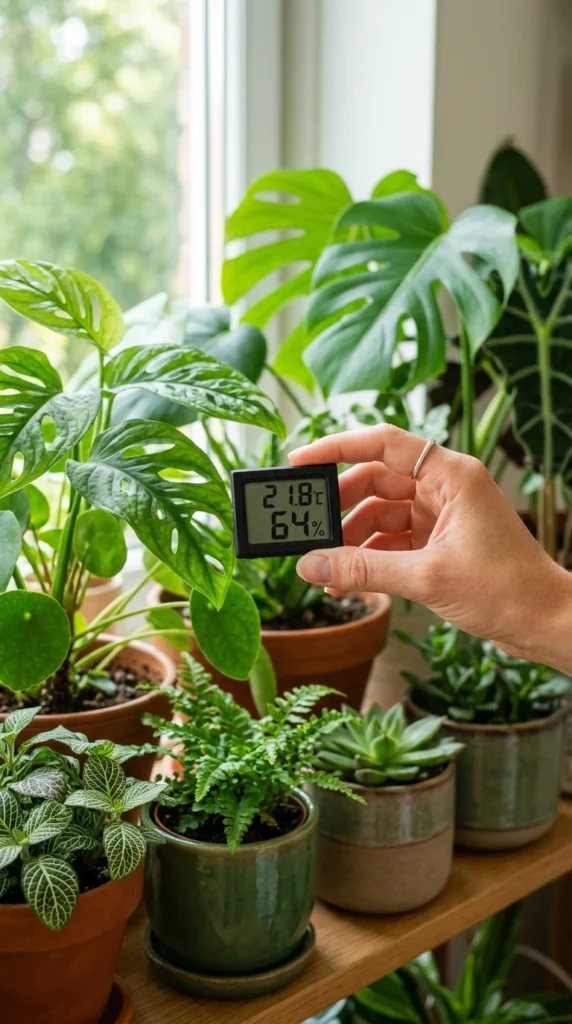
The best way to ensure your Aloe Vera is happy is to stop guessing. Investing in a simple, inexpensive hygrometer allows you to know exactly what the moisture levels are in your “micro-climates” (different rooms). If you find a room is consistently above 60% humidity, you can proactively move the plant to a drier area or use a small dehumidifier. Being a “proactive” rather than “reactive” plant owner is the secret to keeping an Aloe Vera thriving for decades.