
For many plant enthusiasts, the sudden shift in a succulent’s color from a vibrant emerald green to a delicate blush or a fiery magenta can be a cause for alarm. However, in the world of xeriscaping and indoor gardening, pink hues are often the hallmark of a “stressed” but healthy and aesthetically stunning plant. This transformation is driven by a biological process involving pigments called anthocyanins, which act much like a botanical sunscreen.
While we typically associate stress with negativity, for succulents, “stressing” is a technique used by collectors to bring out the most dramatic colors possible. A pink succulent is often more compact, more resilient, and visually more striking than its plain green counterpart. Here are 18 reasons why your succulent is turning pink and why this change is actually a sign of a thriving, beautiful specimen.
1. Sun Stress
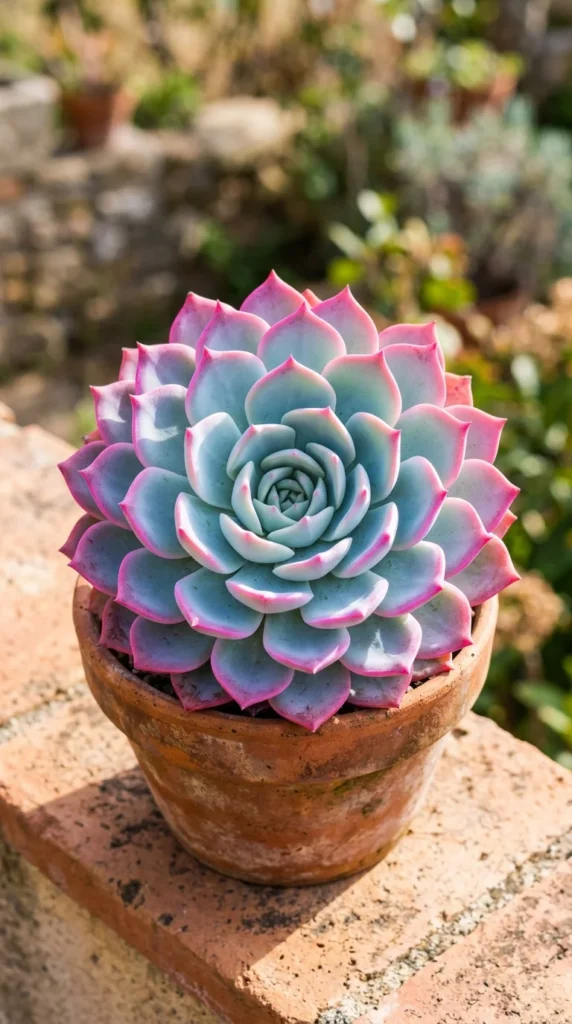
The most common reason for color change is sun stress. When succulents receive a high amount of UV radiation, they produce anthocyanins and carotenoids to protect their internal structures from being scorched. This is essentially a “tan” for plants. The result is a stunning transition from green to shades of pink, red, or orange. This doesn’t mean the plant is dying; it means it has successfully adapted to its environment.
2. Temperature Drops
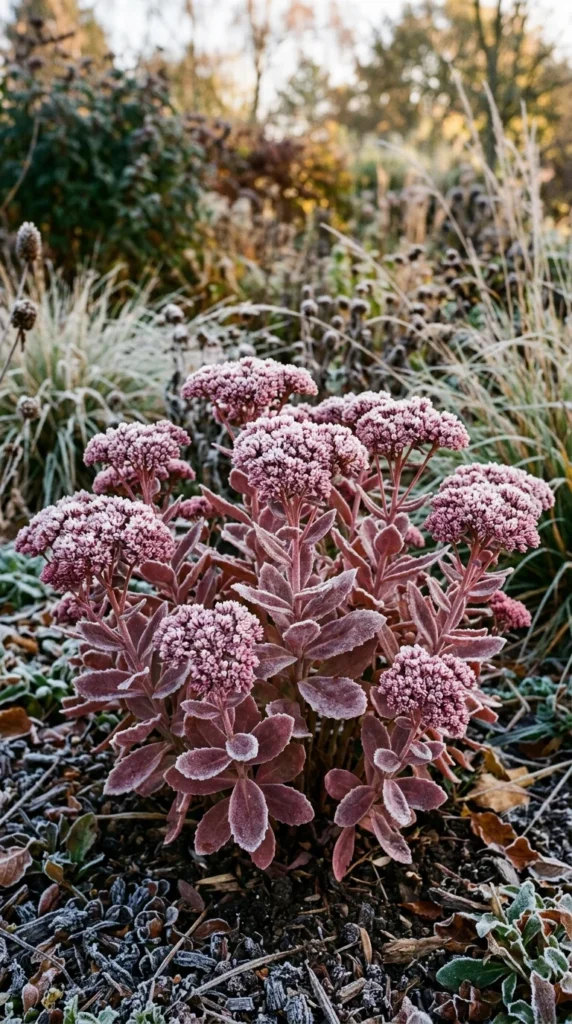
Succulents are highly sensitive to temperature fluctuations. When the weather cools down—specifically during the transition from autumn to winter—many species react by intensifying their colors. Cold temperatures slow down the production of chlorophyll, allowing the underlying pink pigments to take center stage. As long as the temperature stays above freezing, this “cold stress” results in some of the most vibrant pinks you will ever see in a garden.
3. Drought Stress
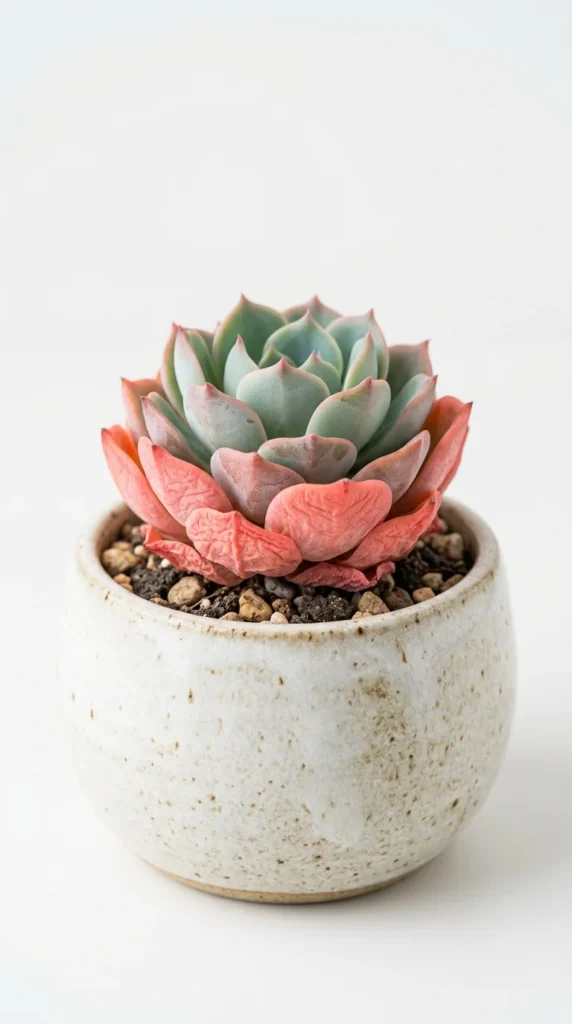
In their natural habitats, succulents are built to survive long periods without water. When a gardener intentionally withholds water for a slightly longer period than usual, the plant enters a survival mode that triggers a color shift. This drought stress causes the plant to concentrate its sugars and pigments, leading to a beautiful pink hue. This is often accompanied by a more compact leaf shape, which many collectors prefer.
4. Genetic Traits
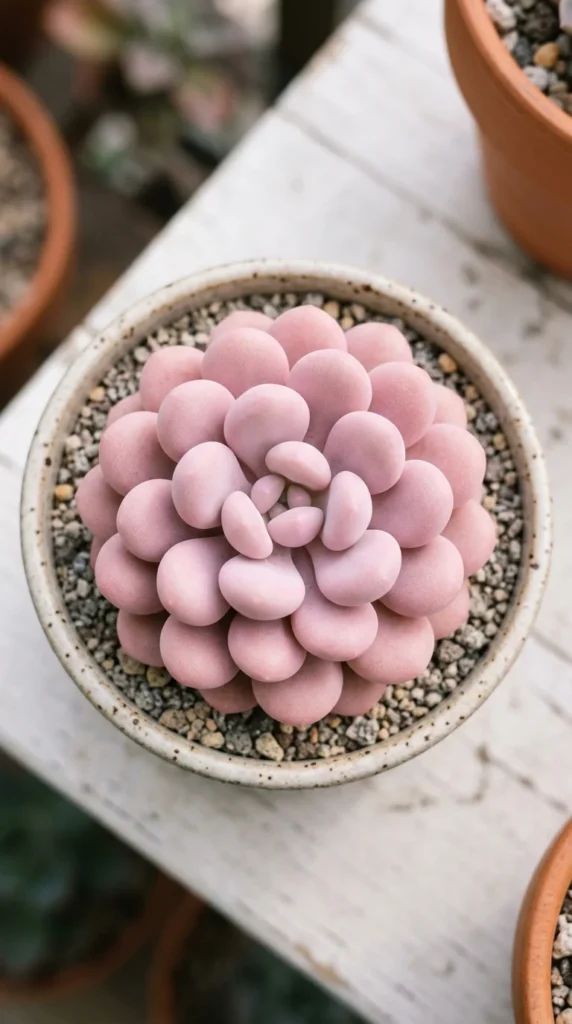
Sometimes, the reason is simple: it’s in the plant’s DNA. Species like the Graptopetalum paraguayense (Ghost Plant) or Echeveria ‘Lola’ have a genetic predisposition to turn pink or lilac given even moderate light. If you have purchased a variety specifically bred for its color, like the Echeveria ‘Afterglow’, the pink hue is its natural, healthy state rather than a reaction to external stressors.
5. Soil Composition
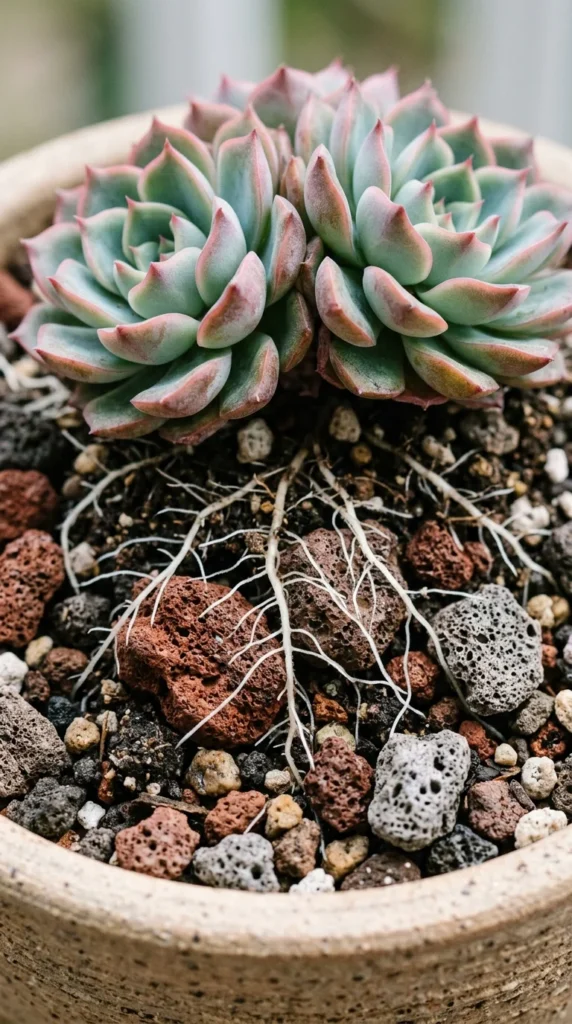
The nutrients—or lack thereof—in your soil can influence plant pigmentation. Soils that are low in nitrogen but rich in minerals like phosphorus and potassium often encourage succulents to display brighter colors. When a succulent isn’t being “overfed” with high-nitrogen fertilizers, it doesn’t rush into green, leafy growth, allowing the pink stress colors to remain dominant and vibrant.
6. Seasonal Changes
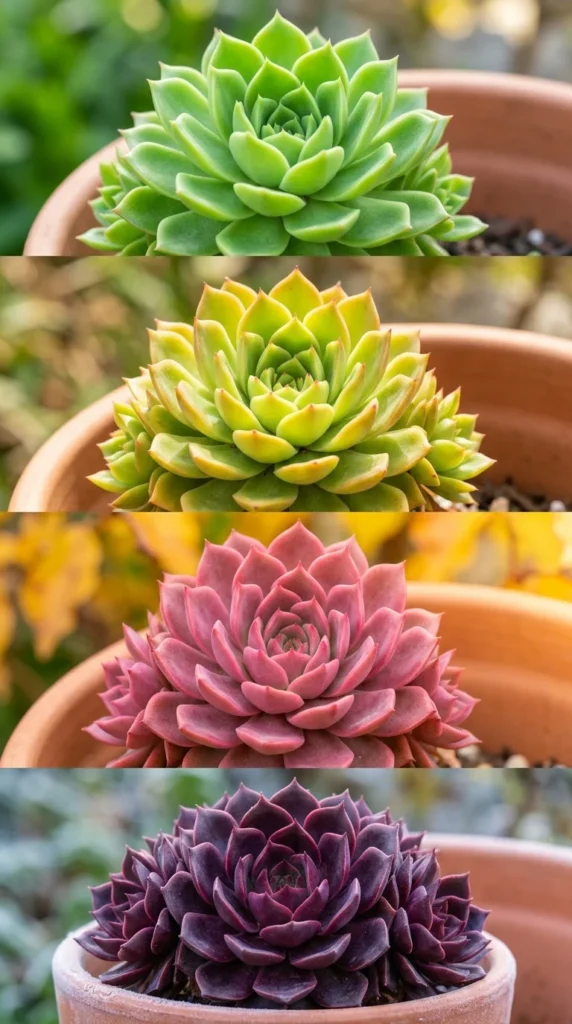
Succulents follow a biological clock tied to the seasons. As the angle of the sun changes and day lengths fluctuate, the plant’s internal chemistry shifts. Many succulents go through a “blushing” phase during their active growing season or just before they enter dormancy. This seasonal rhythm ensures the plant stays aesthetically dynamic throughout the year.
7. Photoperiodism
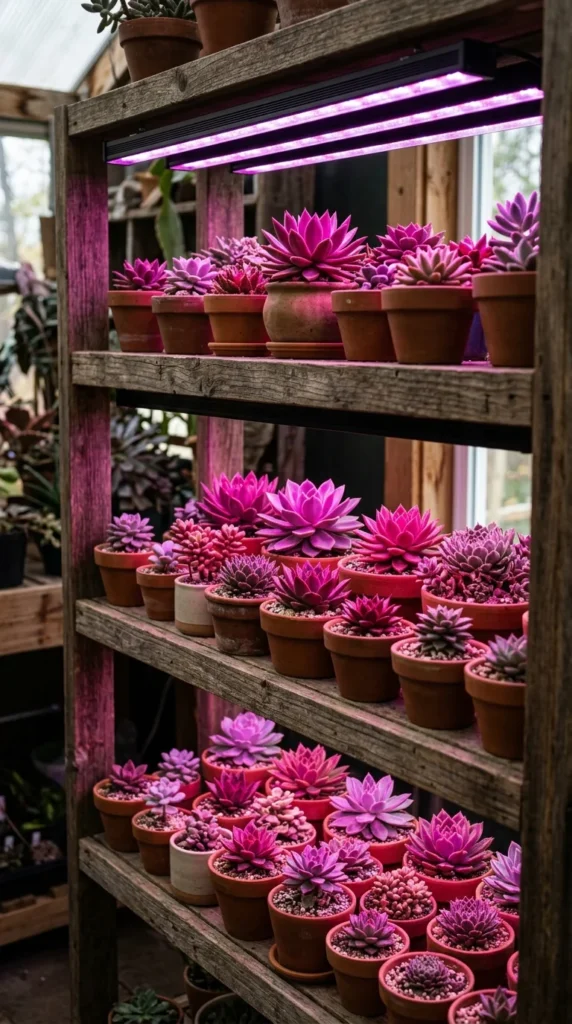
The number of hours of light a plant receives (the photoperiod) significantly impacts its color. Succulents exposed to 12–14 hours of bright light—whether from the sun or specialized grow lights—will maintain deep pink tones. This is why indoor succulents often lose their pink color in winter unless supplemented with artificial lighting that mimics the long days of summer.
8. Anthocyanin Accumulation
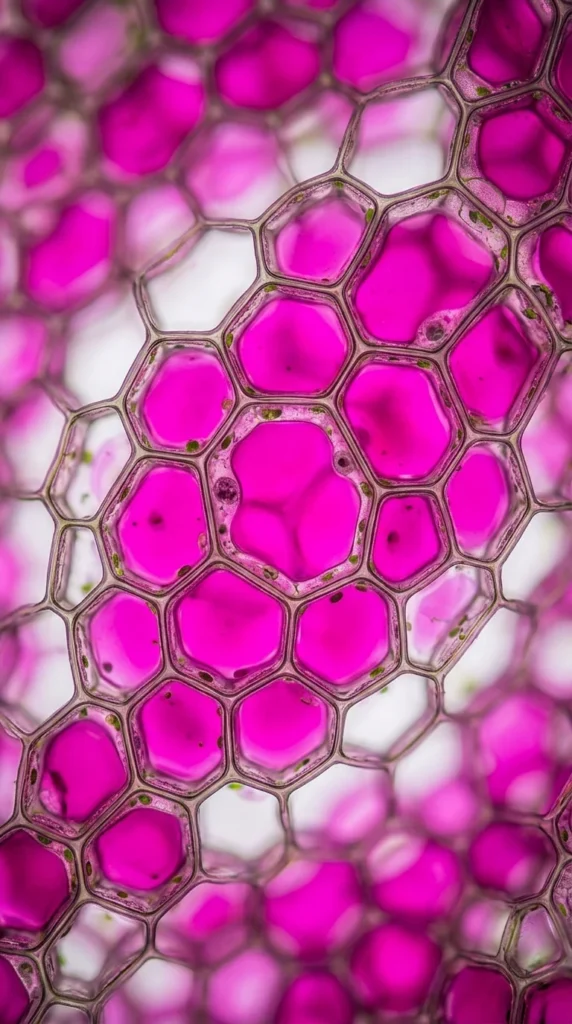
Anthocyanins are the same pigments responsible for the colors in blueberries and autumn leaves. In succulents, these pigments serve as an antioxidant, protecting the plant from oxidative stress caused by intense light or temperature changes. When these pigments accumulate in the vacuoles of the plant cells, the visible result is a gorgeous pink or purple tint that signifies a robust immune response.
9. Root Boundness
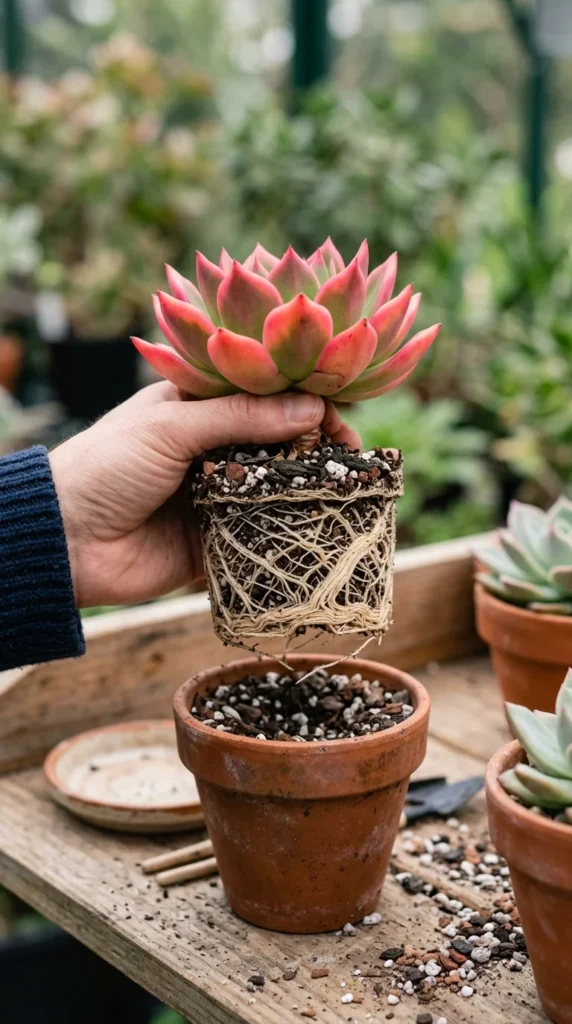
When a succulent has been in the same pot for a long time and its roots have filled the space, it becomes “root bound.” While this might sound bad, many succulents actually thrive in tight spaces. Being root bound limits the amount of new, green growth the plant can produce, which in turn causes the plant to focus its energy on maintaining its existing leaves, often resulting in an intensification of pink colors.
10. Water Mineral Content
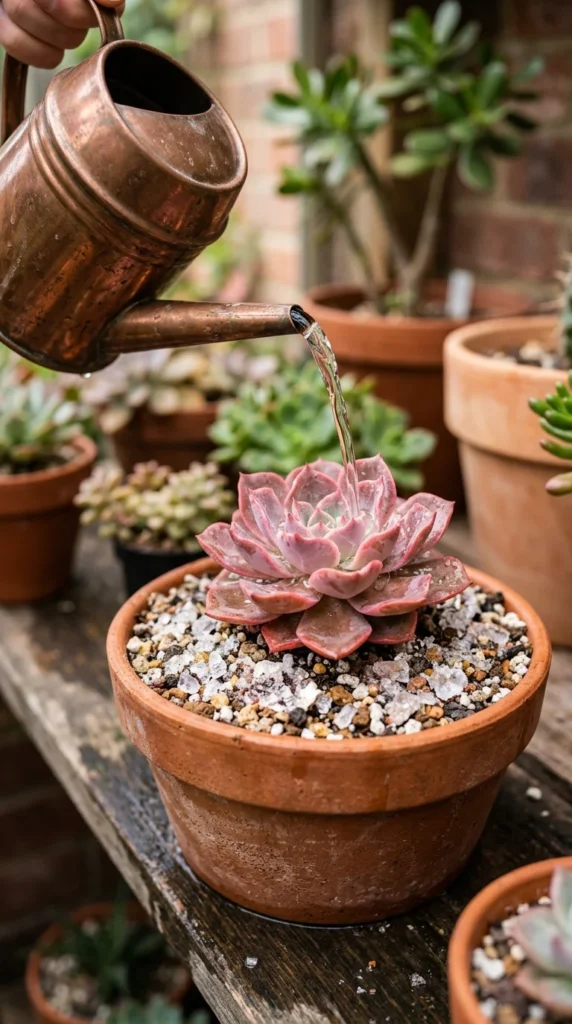
The minerals in your tap water can sometimes influence the pH of the soil, which affects how nutrients are absorbed. A slight shift in soil alkalinity or acidity can trigger a change in the plant’s pigment expression. While not the primary cause, the specific mineral makeup of your local water can enhance or mute the pink tones in certain succulent varieties.
11. Photosynthetic Efficiency
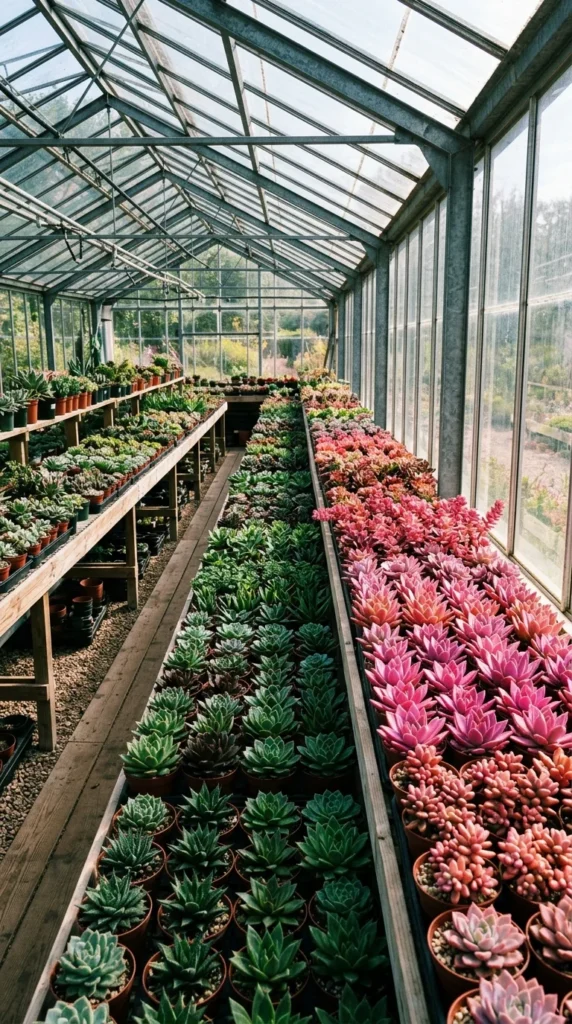
When a succulent is getting exactly the right amount of light to maximize its photosynthesis without burning, it reaches a state of peak efficiency. In this state, the plant often produces excess sugars. These sugars can contribute to the production of red and pink pigments, acting as a visual indicator that the plant is processing energy at its maximum capacity.
12. Air Circulation
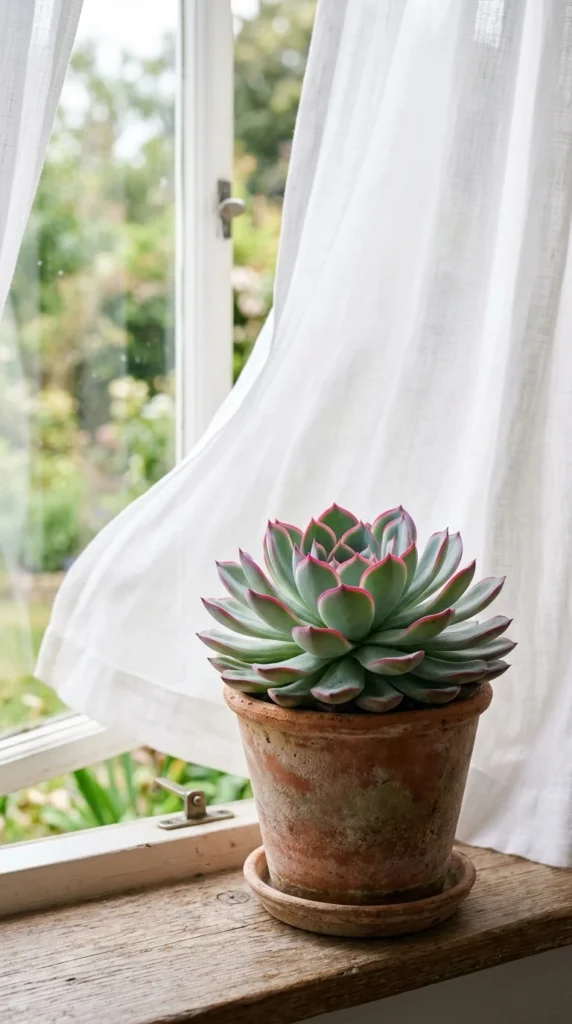
Good airflow helps regulate the temperature of the plant’s leaves and prevents moisture from sitting too long on the surface. Increased evaporation caused by steady air circulation can trigger a mild drought response, which, as mentioned before, leads to those sought-after pink hues. Plants in stagnant air tend to stay green and may become susceptible to rot.
13. Maturity and Age
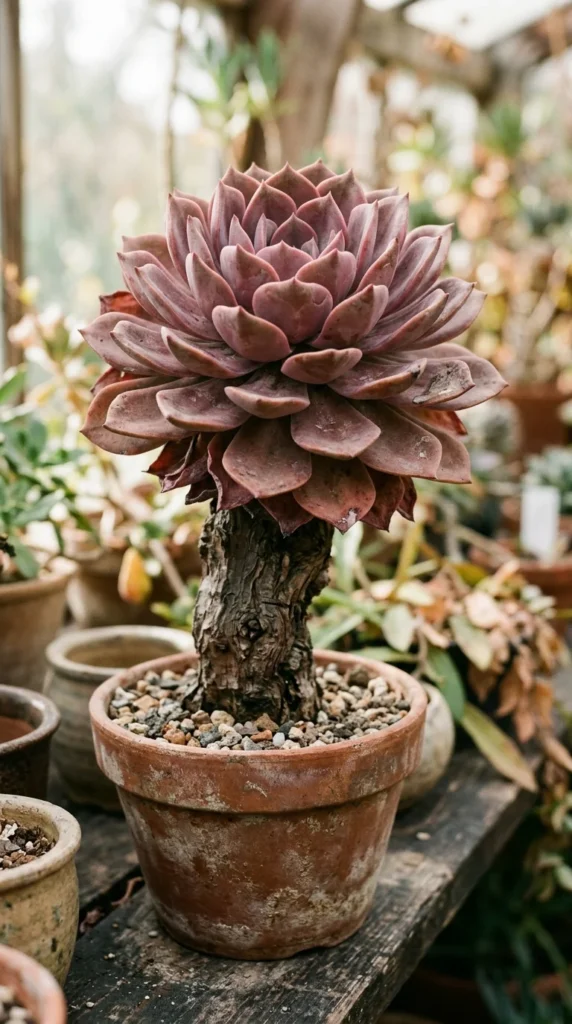
Young succulent offsets or “pups” are often bright green because they are focused entirely on rapid growth. However, as a succulent matures and its growth rate slows down, it begins to develop its “adult” coloration. An older, well-established succulent will almost always have deeper and more complex pink tones than a juvenile plant of the same species.
14. Propagation Stress
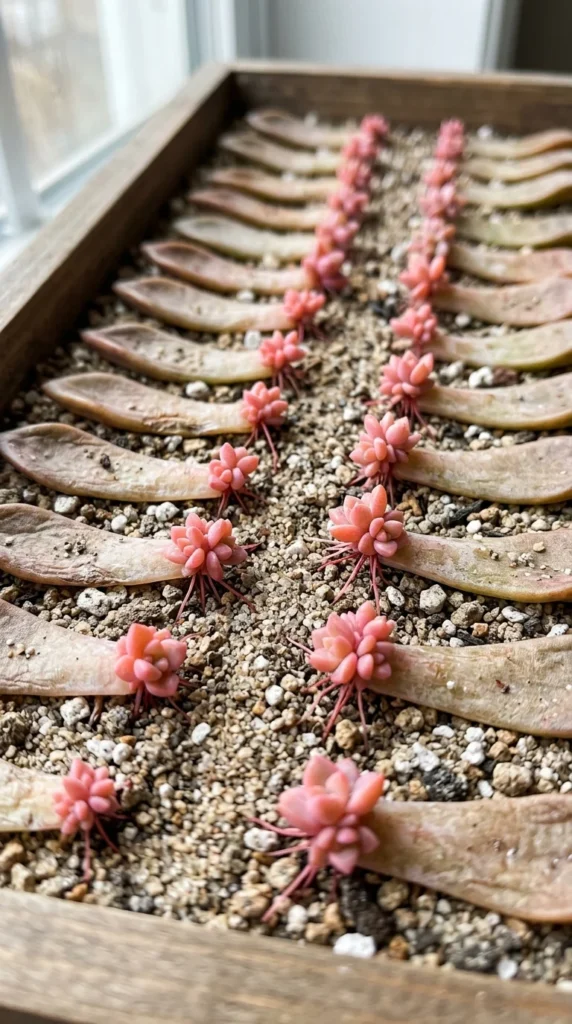
When you propagate succulents from leaves, the tiny new baby plants often emerge as pure pink or red. This is because they are currently living off the energy stored in the mother leaf and have not yet developed enough chlorophyll to turn green. These “pink babies” are a favorite among enthusiasts for their cute, jewel-like appearance.
15. Farina Protection
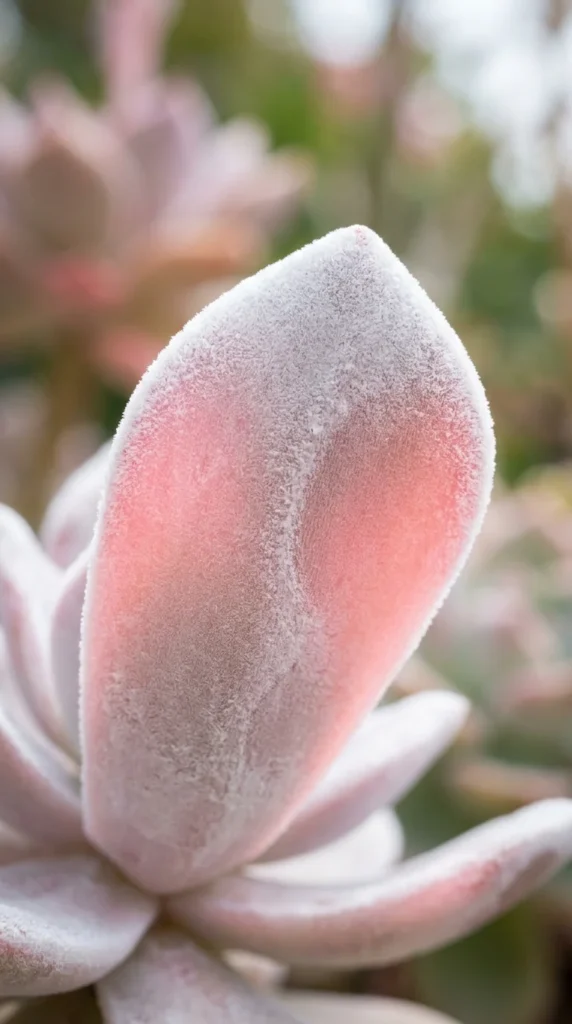
Many succulents produce a waxy, powdery coating called farina (epicuticular wax). This coating protects the plant from sun and water. When the underlying leaf turns pink due to light stress, the white farina acts as a filter, softening the color into a beautiful pastel or “dusty” pink. This combination creates a sophisticated, frosted look that is highly prized.
16. Nutrient Flushing
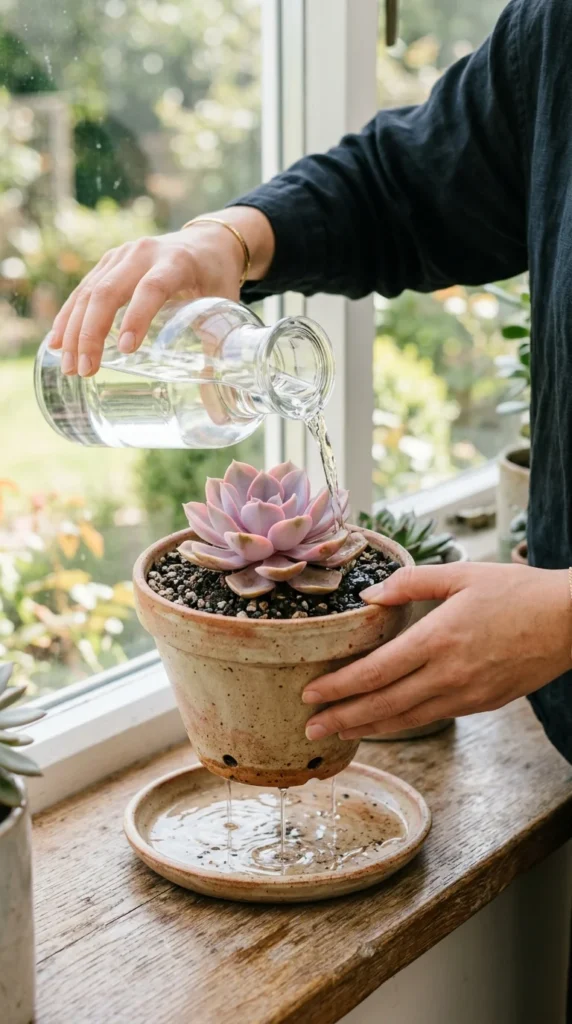
If you have recently “flushed” your soil with distilled water to remove salt buildup, the temporary lack of available nitrogen can cause the plant to stop producing green chlorophyll and start showing pink pigments. This is often a temporary phase, but it can result in a sudden and beautiful “blush” that highlights the plant’s structural details.
17. High Altitude Effects
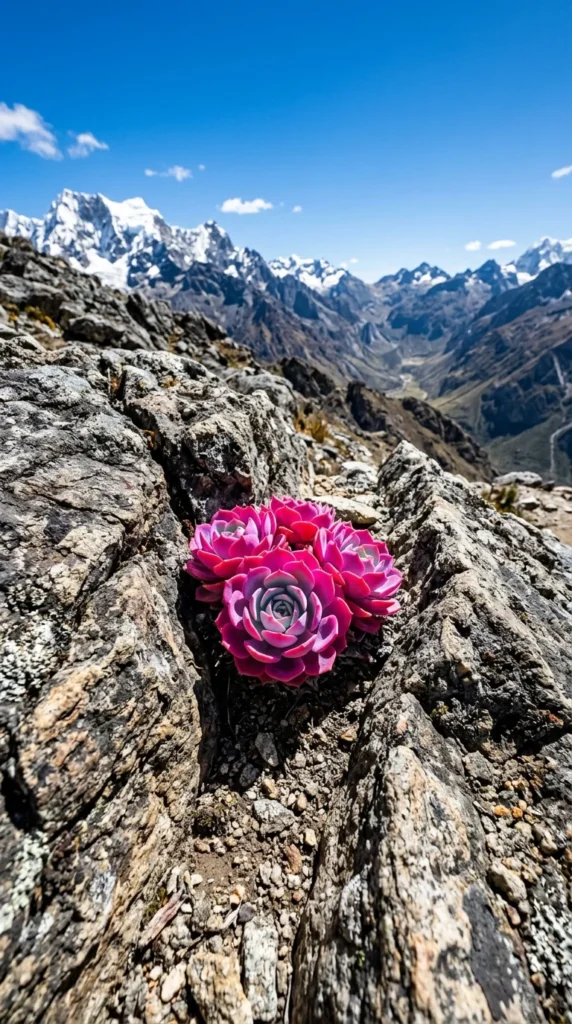
For those who live at high altitudes, the UV rays are much stronger than at sea level. Succulents grown in these conditions are almost always more colorful. The intense light and the typically cooler night temperatures found in high-altitude regions create the “perfect storm” for pink pigmentation, resulting in plants that look like natural masterpieces.
18. Defense Against Pests
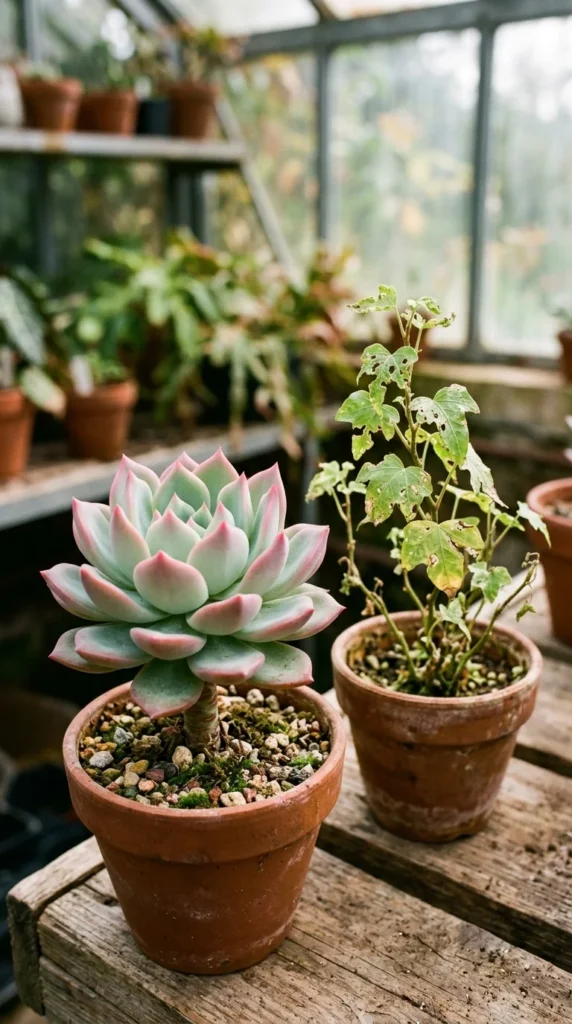
Recent studies suggest that anthocyanins may play a role in deterring certain pests. The bright pink color can act as a warning signal or make the plant less “tasty” to insects looking for nitrogen-rich green growth. A pink succulent is often a tougher, more resilient plant that has built up a chemical defense system, making it less likely to fall victim to common garden pests.