
Succulents are some of the most resilient plants on the planet, often found thriving in environments where other greenery would wither and die. One of the most common questions from indoor gardeners is whether these hardy plants can survive, or even thrive, in rocks alone. While the short answer is yes, there are nuances to this method of cultivation that can determine whether your plant flourishes or fades. From understanding their natural evolutionary history to mastering the art of “grit-only” gardening, here are 15 essential facts about growing succulents in rocks.
1. Natural Habitats
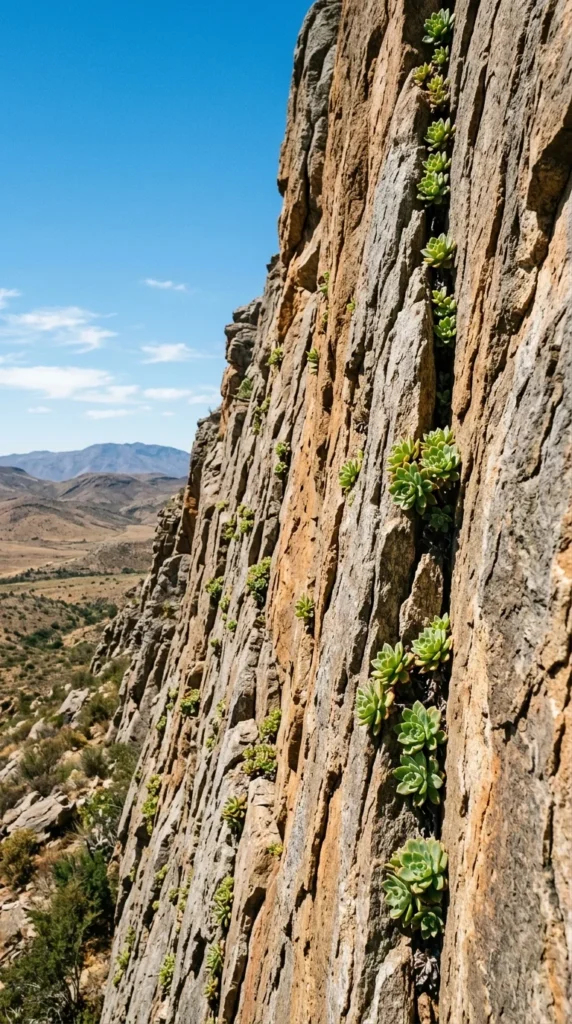
In the wild, many succulents are “lithophytes.” This means they are biologically designed to grow on or in rocks. These plants have evolved to find purchase in the tiniest cracks and crevices of mountain faces and rocky outcrops. Because their natural environment consists of mineral-rich stone with very little organic soil, their root systems are adapted to seeking out moisture trapped in stone pores and mineral deposits. When you grow succulents in rocks at home, you are essentially mimicking the harsh but stable environment of their ancestors.
2. Drainage Priority
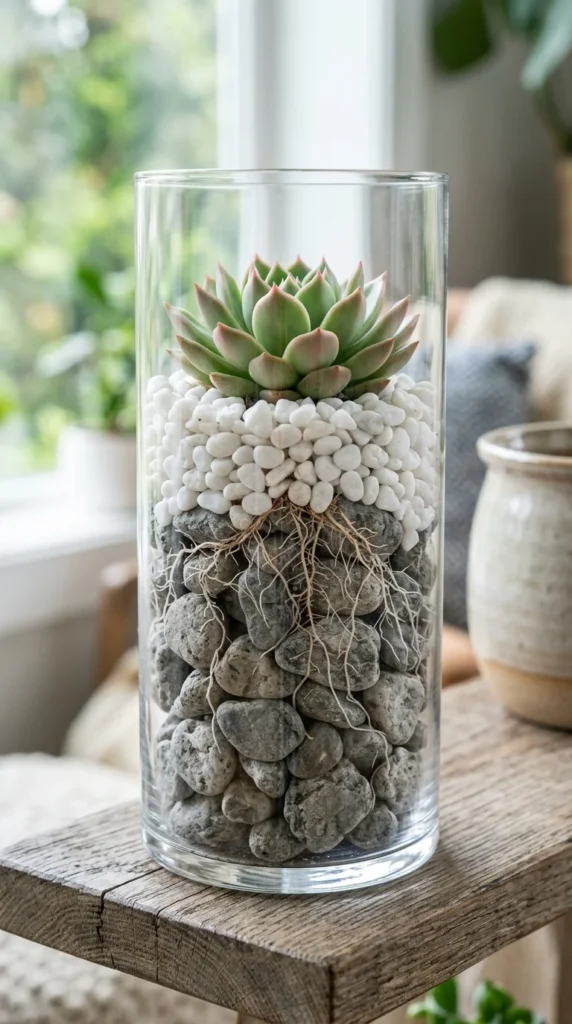
The most significant advantage of using rocks is drainage. Succulents are highly susceptible to root rot, a condition caused by stagnant water sitting around the root system for too long. In traditional potting soil, peat and compost can hold onto moisture like a sponge. Rocks, however, allow water to flow through instantly. This ensures that the roots are never “drowning.” For many hobbyists, growing in rocks is a safety net against the most common cause of succulent death: overwatering.
3. Porous Varieties
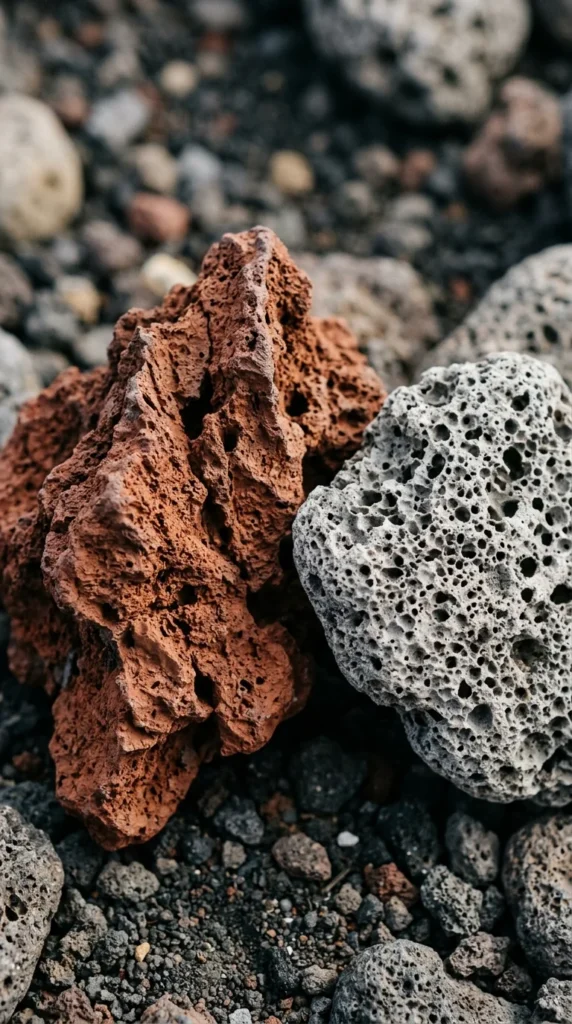
Not all rocks are created equal when it comes to plant growth. Porous rocks, such as lava rock (scoria), pumice, and perlite, are far superior to smooth river stones. These rocks contain thousands of tiny air pockets. These pockets serve two purposes: they hold onto a microscopic amount of moisture that the plant can drink over time, and they provide essential oxygen to the roots. If you choose non-porous stones like polished marble or glass gems, you must be much more careful with your watering schedule, as they offer no “buffer” for moisture.
4. Nutrient Deficiencies
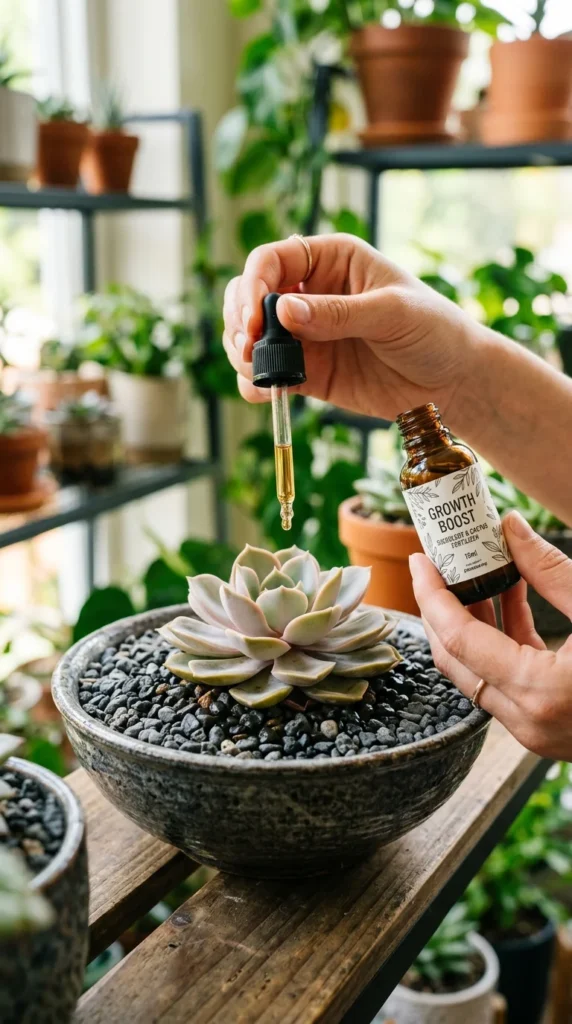
One of the biggest hurdles to growing succulents in pure rock is the lack of nutrients. Traditional soil is packed with decomposed organic matter that feeds the plant. Rocks are inert; they provide structural support but very little “food.” If you choose to grow in 100% rocks, you must become the plant’s primary source of nutrition. This means using a diluted, low-nitrogen liquid fertilizer during the growing season. Without this intervention, your succulent may survive, but its growth will be significantly stunted, and its colors may appear dull.
5. Root Anchoring
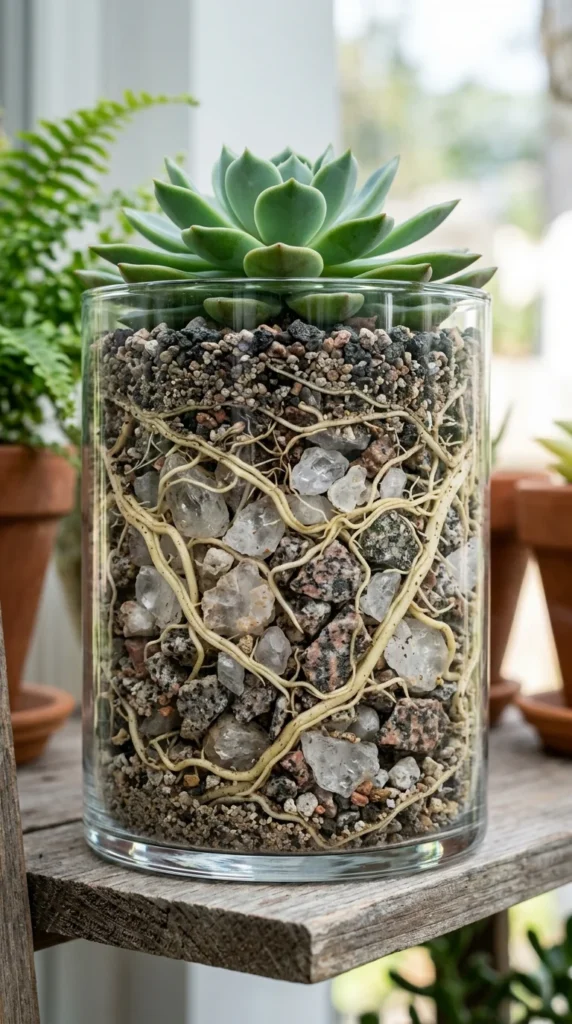
Succulents grown in rocks develop a different type of root system than those in soil. In soil, roots spread out easily in search of water. In a rocky substrate, the roots become “opportunistic” and incredibly strong. They wind themselves around the stones, using them as anchors to stabilize the plant. This makes the plant very sturdy once established. However, it also means that repotting can be a challenge, as the roots often “grip” the stones so tightly that they are difficult to separate without causing minor damage.
6. Thermal Mass
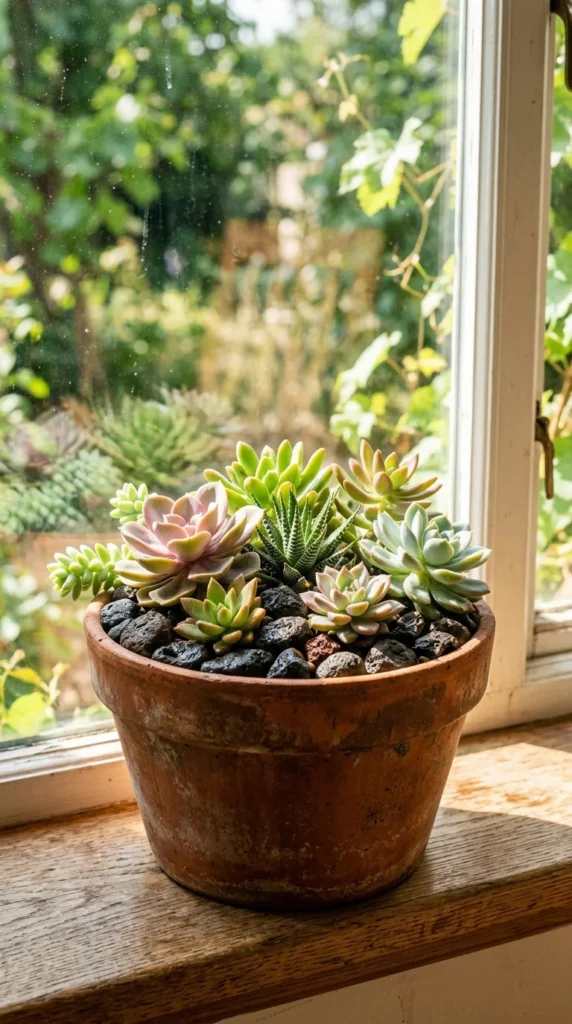
Rocks have a high thermal mass, meaning they absorb and hold heat from the sun. For sun-loving succulents, this can be a massive benefit. During the day, the rocks soak up the sun’s energy, and at night, they slowly release that heat, keeping the roots warm. This mimics the desert floor and can stimulate growth in species like Cacti and Agaves. However, in peak summer heat, dark-colored rocks can become too hot, potentially scorching sensitive roots if they are kept in direct, intense sunlight for 10+ hours.
7. pH Levels
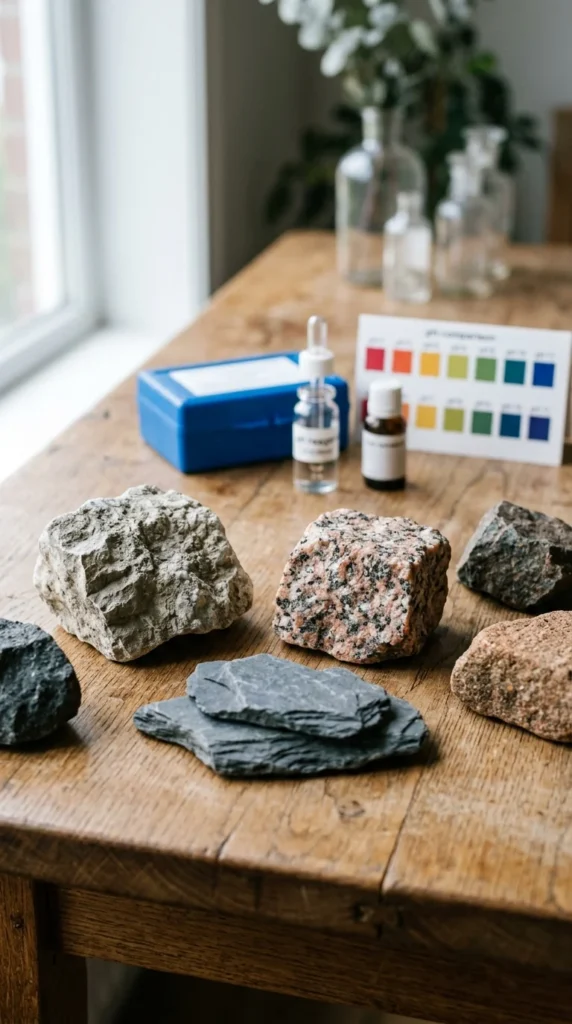
The type of rock you choose can chemically alter the environment of your plant. For instance, limestone and marble are alkaline and can raise the pH level of the water passing through them. Most succulents prefer a slightly acidic to neutral pH (around 6.0 to 7.0). If you use too much limestone, the high alkalinity may block the plant’s ability to absorb nutrients, leading to yellowing leaves (chlorosis). It is always safer to use neutral stones like granite, basalt, or high-quality pumice.
8. Humidity Control
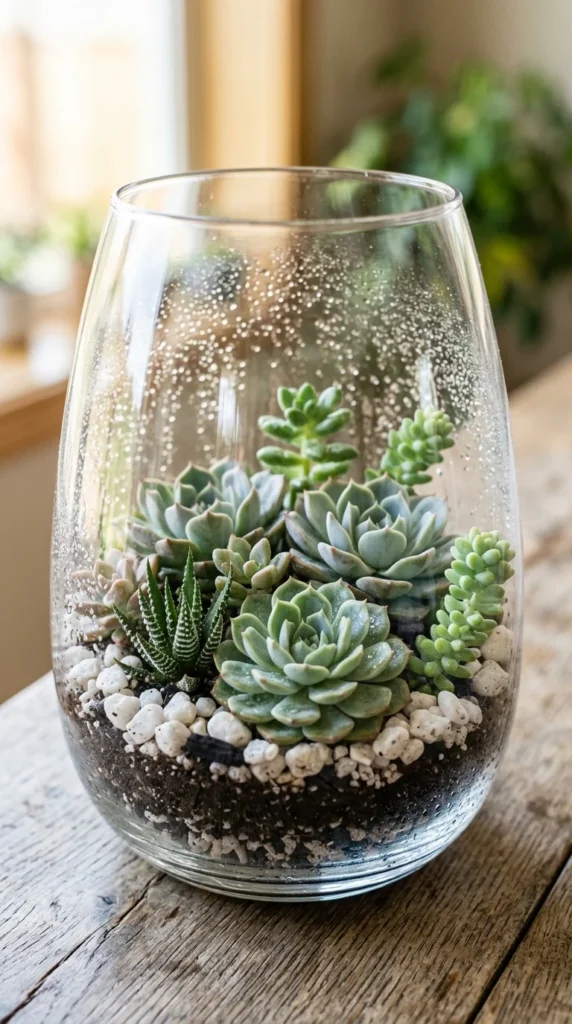
Growing in rocks can help manage humidity levels around the base of the plant. Since rocks dry out much faster than soil, the “neck” or “collar” of the succulent (where the leaves meet the stem) stays dry. This is crucial for preventing “damping off” and fungal infections that often occur in humid environments or when wet soil touches the leaves. By using a layer of rocks—often called a “top dressing”—you create a dry barrier that protects the plant’s most vulnerable parts from rot.
9. Air Circulation
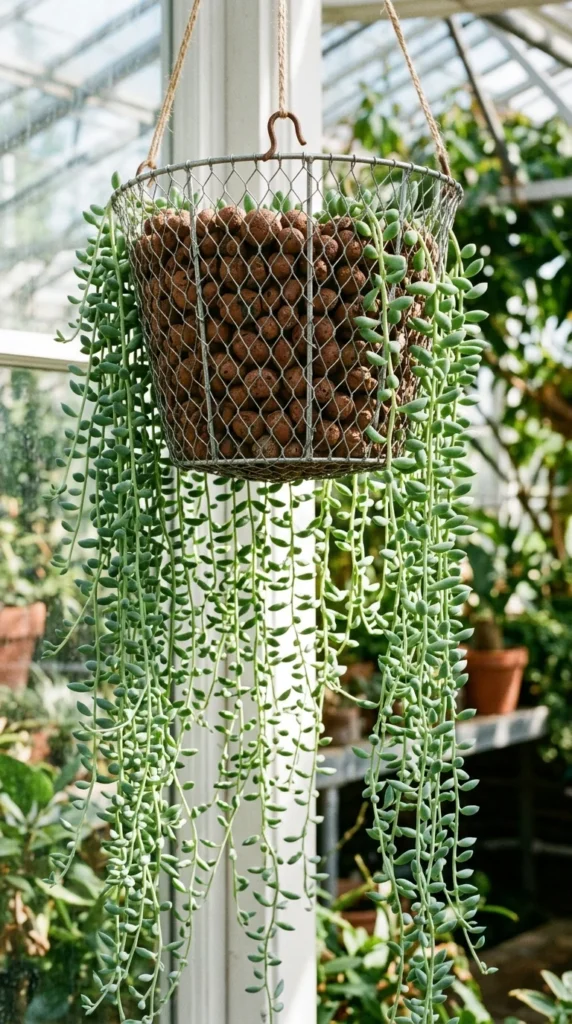
Roots need to breathe just as much as leaves do. In compacted soil, oxygen is often squeezed out, leading to root suffocation. A rocky substrate creates large “macropores”—gaps of air between the stones. This high level of aeration encourages the growth of healthy, white roots and prevents the buildup of anaerobic bacteria. This is why “gritty mixes” (a combination of bark, pumice, and granite) are the gold standard for high-end succulent collectors.
10. Top Dressing
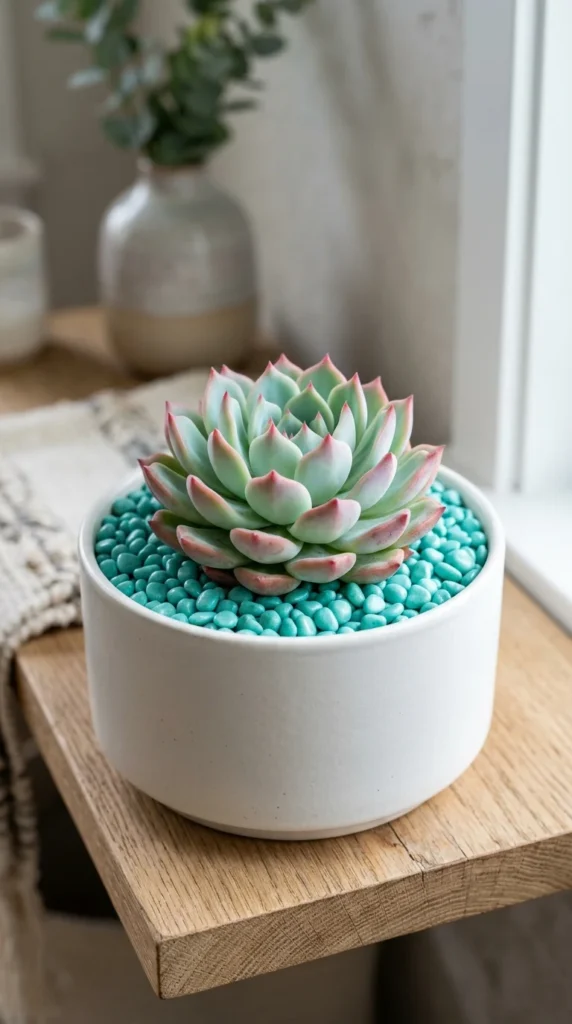
Even if you don’t grow your succulent entirely in rocks, using rocks as a “top dressing” is a functional and aesthetic choice. Placing a layer of decorative pebbles over the soil keeps the soil from splashing onto the leaves during watering, prevents fungus gnats from laying eggs in the damp dirt, and provides a polished, professional look to your arrangement. It also helps weigh down lightweight soil mixes so they don’t wash away.
11. Semi-Hydroponics
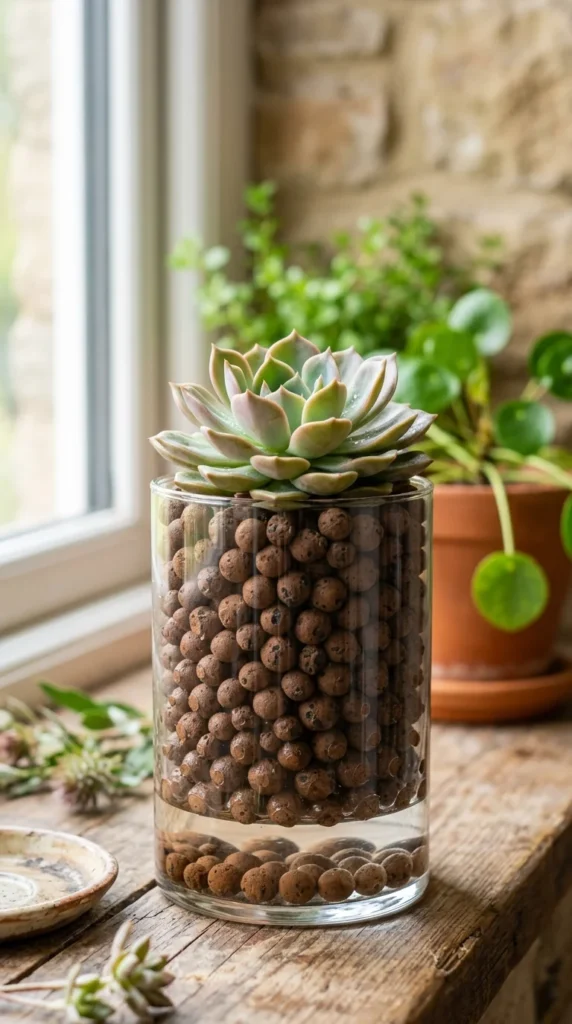
A popular modern method of growing succulents in rocks is “Semi-Hydroponics.” This typically involves using LECA (Lightweight Expanded Clay Aggregate) or pure pumice. The plant sits in the rocks, and the bottom of the container holds a small amount of water. The rocks “wick” the moisture upward to the roots via capillary action. This method gives the gardener total control over moisture and nutrients, drastically reducing the risk of pests that typically live in organic soil.
12. Living Stones
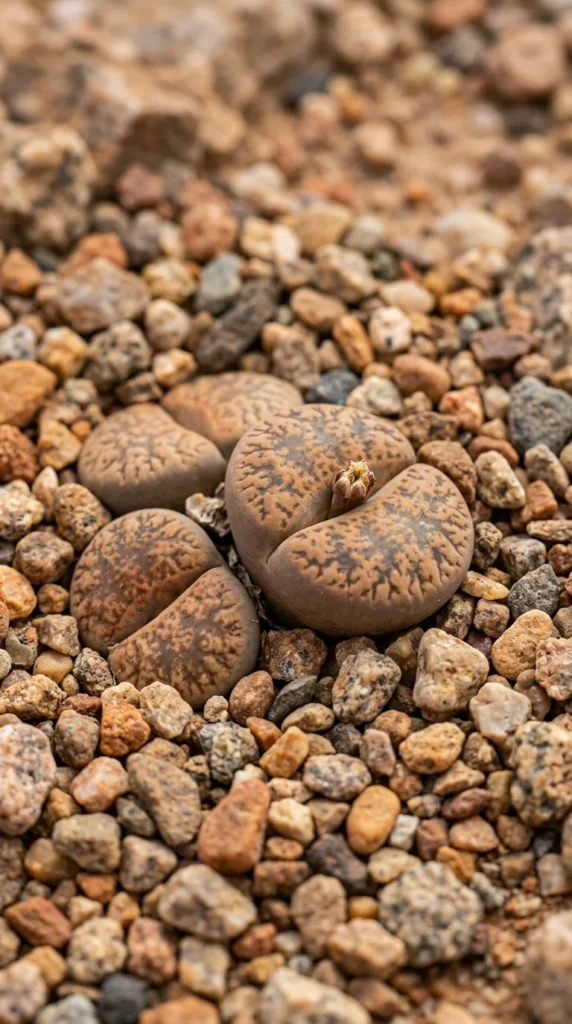
Some succulents, like Lithops (Living Stones) and Pleiospilos, have evolved to look exactly like the rocks they grow among. For these specific species, growing in a very rocky, low-organic mix isn’t just an option—it’s often a requirement. These plants are extremely sensitive to water and will literally “burst” if kept in moisture-retaining soil. For Lithops, a mix that is 80-90% rock is standard for keeping them healthy and preventing them from rotting during their dormant periods.
13. Propagation Success
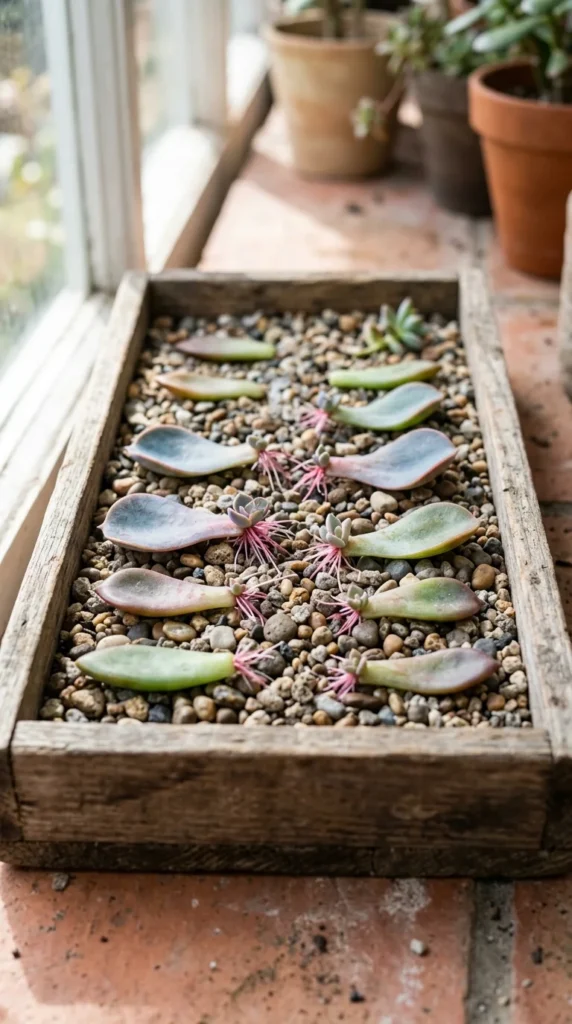
Many gardeners find that propagating succulent leaves or cuttings is more successful in fine gravel or grit than in soil. The rocks provide the perfect amount of resistance for new roots to push against, and the lack of organic matter means there are fewer pathogens to attack the vulnerable “wound” of the cutting. Once the baby succulent has established a strong root system in the rocks, it can be moved to a more nutrient-rich environment or kept in the grit with supplemental feeding.
14. Maintenance Challenges
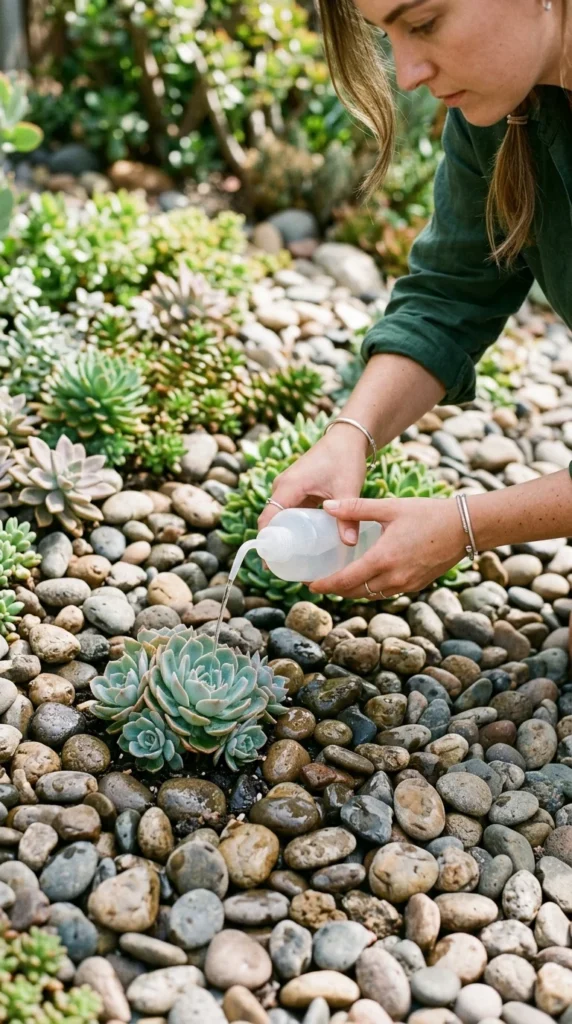
While growing in rocks has many benefits, it does require a different maintenance mindset. You cannot rely on the “finger test” to check for moisture (sticking your finger in the soil). Instead, you may need to observe the plant’s leaves for signs of thirst, such as slight wrinkling or softening. Additionally, because rocks dry out so quickly, you may find yourself watering more frequently in the heat of summer than you would with a traditional soil-grown plant.
15. Aesthetic Versatility
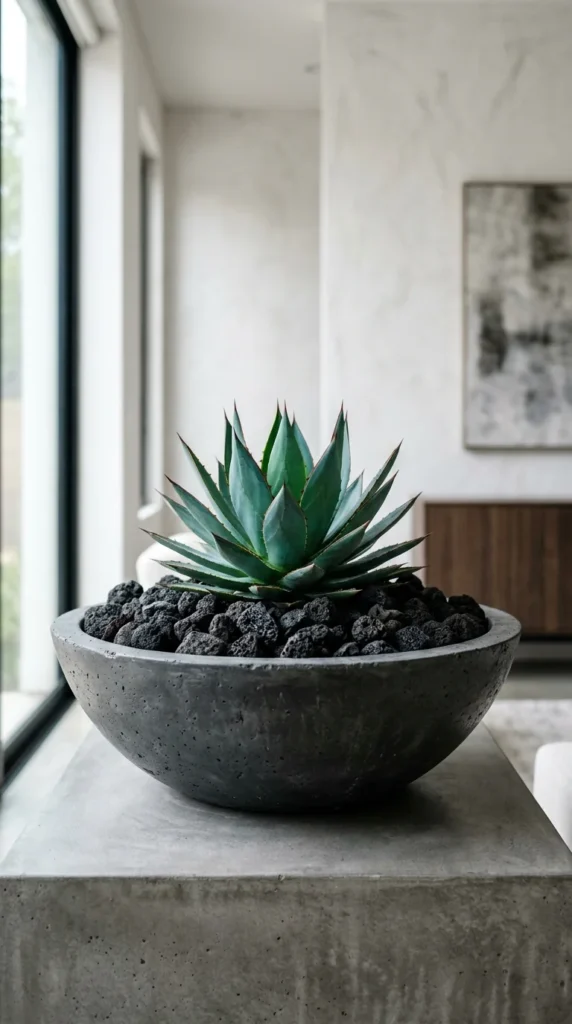
Finally, growing succulents in rocks offers unparalleled aesthetic freedom. You can choose rocks that complement the color of your plant—using black basalt to make a bright green Agave pop, or white quartz to highlight the pastel pinks of an Echeveria Laui. This “clean” look is perfect for modern, minimalist, or Zen-inspired home decor. It transforms a simple plant into a living piece of sculpture, emphasizing the rugged, prehistoric beauty that makes succulents so beloved worldwide.