

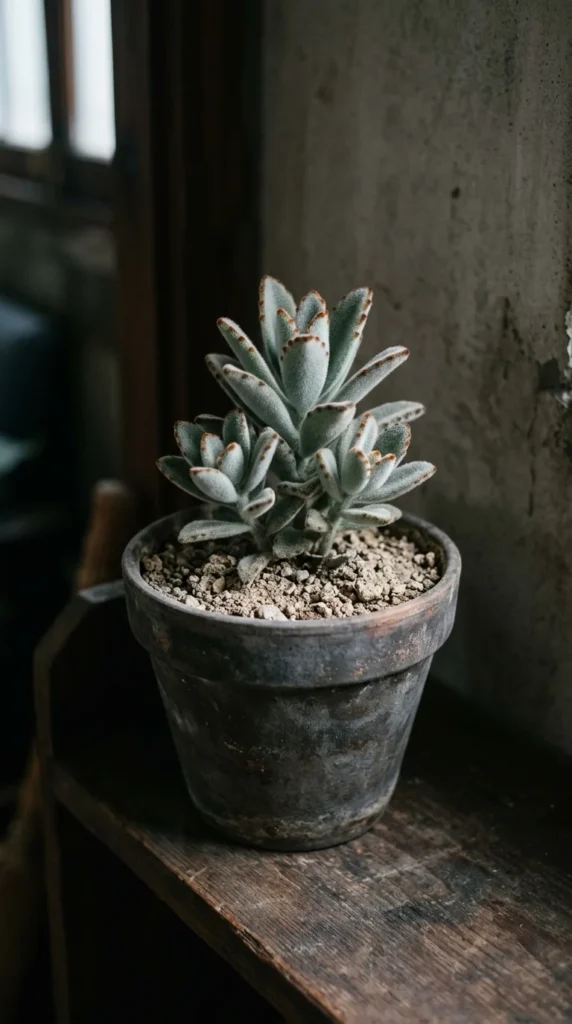
The Panda Plant, scientifically known as Kalanchoe tomentosa, is one of the most beloved succulents in the indoor gardening world. Known for its thick, fleshy leaves covered in soft, silvery-white hairs (trichomes) and its striking chocolate-colored edges, this Madagascar native is as tactile as it is beautiful. While it is generally considered a low-maintenance plant, achieving those perfectly plump leaves and encouraging steady growth requires a nuanced understanding of its specific needs. To transform your Panda Plant from a surviving specimen into a thriving masterpiece, follow these fourteen expert care tips.
1. Bright Light
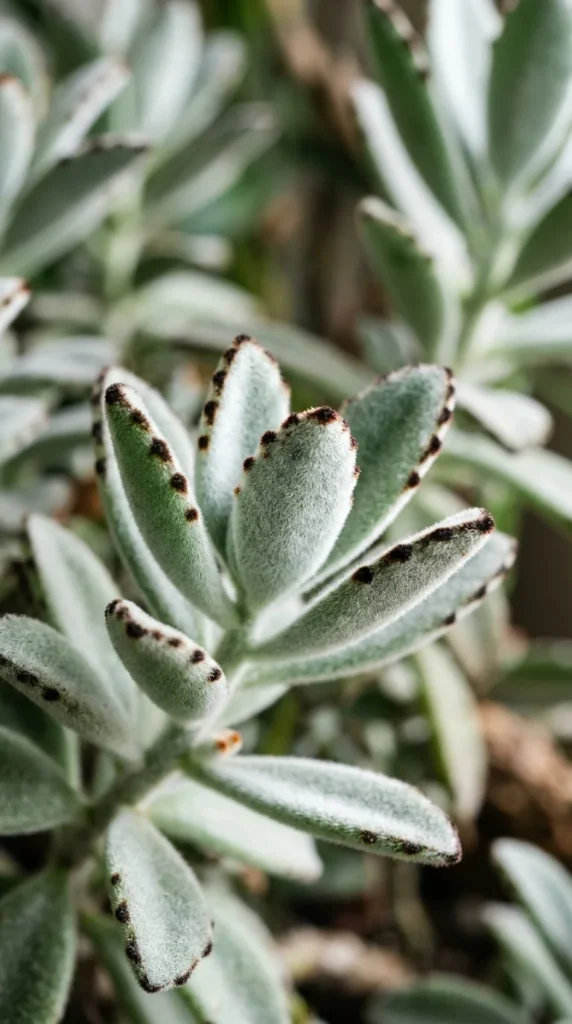
The most critical factor for a healthy Panda Plant is light. These succulents thrive in bright, indirect sunlight. If the plant does not receive enough light, it will become “leggy” or etiolated, stretching its stem toward the nearest light source and losing its compact, bushy shape. Ideally, place your plant near an east or west-facing window. While they can handle some direct afternoon sun, too much intense heat through glass can actually scorch the delicate velvet on their leaves. For faster growth, aim for at least six to eight hours of bright light daily. If your home is naturally dark, consider supplementing with a full-spectrum LED grow light positioned about 12 inches above the foliage.
2. Gritty Soil
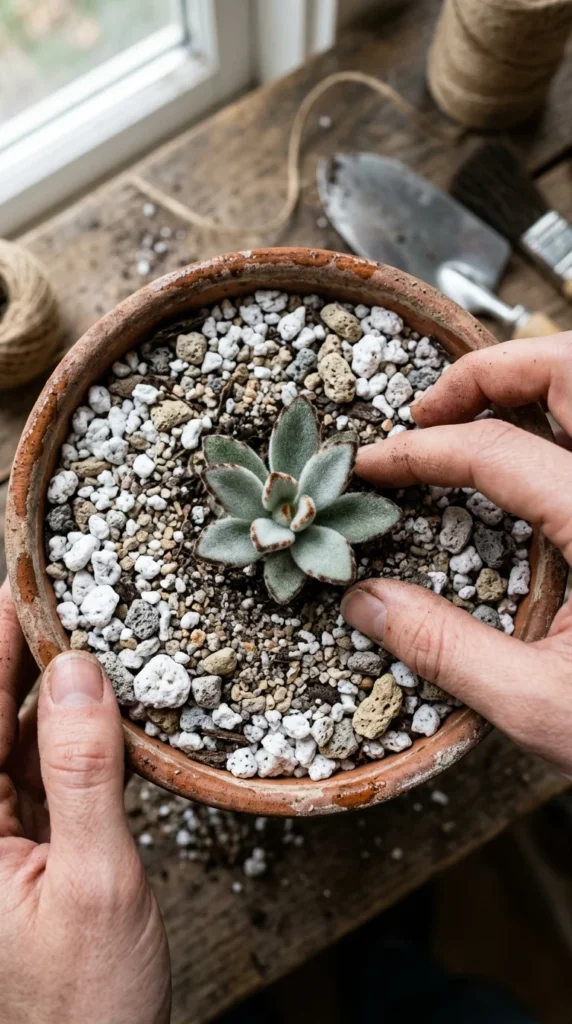
Panda Plants are highly susceptible to root rot, which is almost always caused by water-retaining soil. To ensure healthier leaves, you must use a well-draining substrate. A standard potting soil is too heavy and will suffocate the roots. Instead, opt for a specialized succulent or cactus mix. You can enhance this further by mixing in 50% grit, such as perlite, pumice, or coarse sand. This “gritty” texture allows water to pass through quickly and ensures that oxygen reaches the roots, which is essential for the metabolic processes that drive faster growth.
3. Minimal Watering
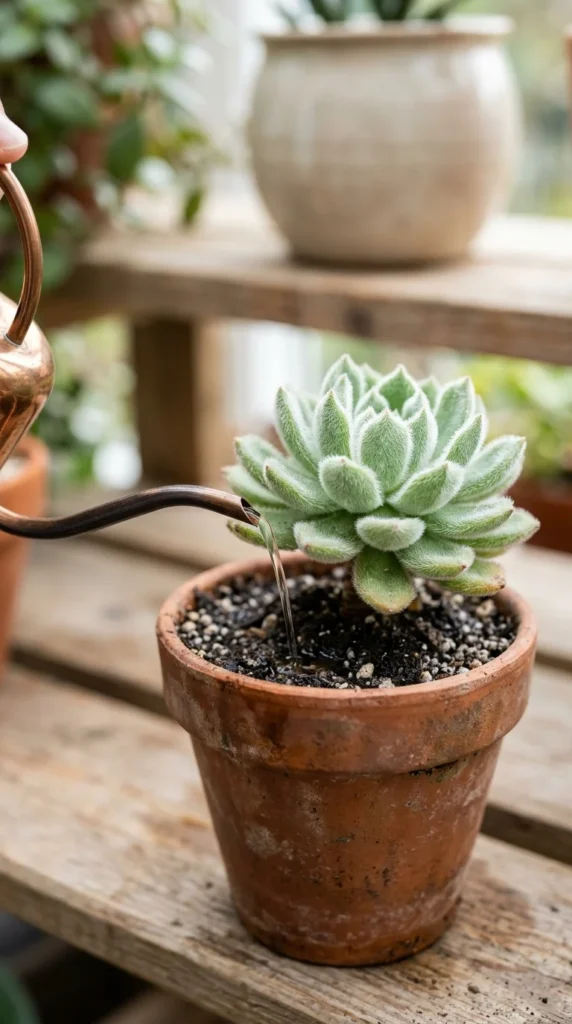
When it comes to watering Kalanchoe tomentosa, less is definitely more. The thick leaves act as water storage tanks, allowing the plant to survive long periods of drought. The golden rule is the “soak and dry” method: water the plant thoroughly until water drains out of the bottom of the pot, then wait until the soil is completely dry through to the bottom before watering again. During the winter months, you should reduce watering even further. Overwatering causes the leaves to turn yellow, feel mushy, and eventually drop off, stalling any potential growth.
4. Temperature Consistency
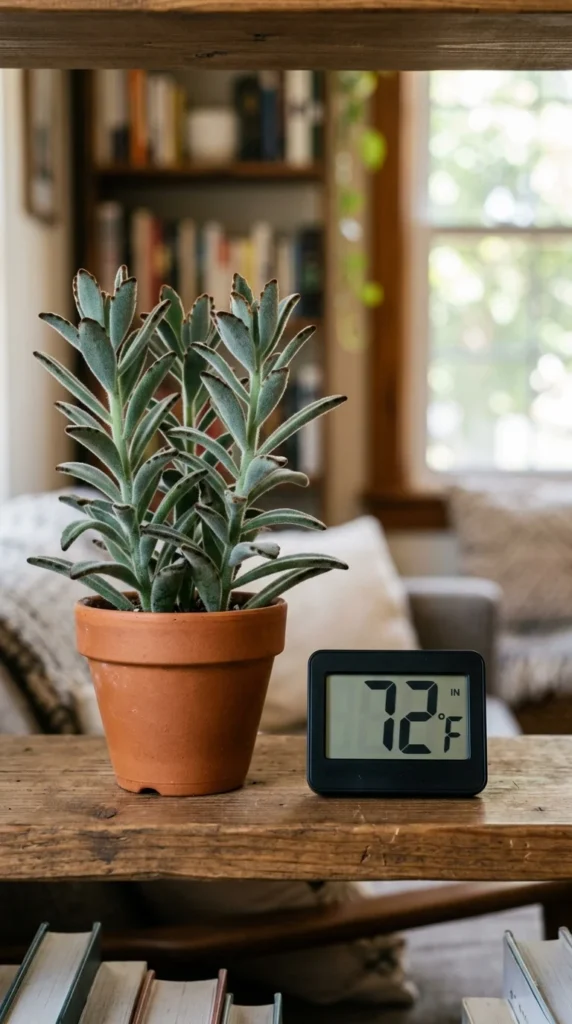
Panda Plants prefer temperatures that humans find comfortable, typically between 60°F and 75°F (15°C to 24°C). They are not frost-tolerant and will suffer significant damage if exposed to temperatures below 50°F (10°C). To encourage faster growth, keep the plant away from cold drafts, such as those from air conditioning vents or poorly insulated windows in winter. Conversely, avoid placing them directly next to heaters or radiators, as the dry, hot air can cause the leaves to shrivel prematurely. A stable environment prevents the plant from going into a stress-induced state of dormancy.
5. Low Humidity

Unlike many tropical houseplants, the Panda Plant despises high humidity. The tiny hairs on its leaves are designed to trap moisture in arid environments, but in a humid home, they can trap too much moisture, leading to fungal infections or powdery mildew. Avoid placing your Panda Plant in bathrooms or kitchens where steam is frequent. If you live in a naturally humid climate, using a small fan to improve air circulation around the plant can help keep the leaves dry and healthy.
6. Strategic Fertilizing
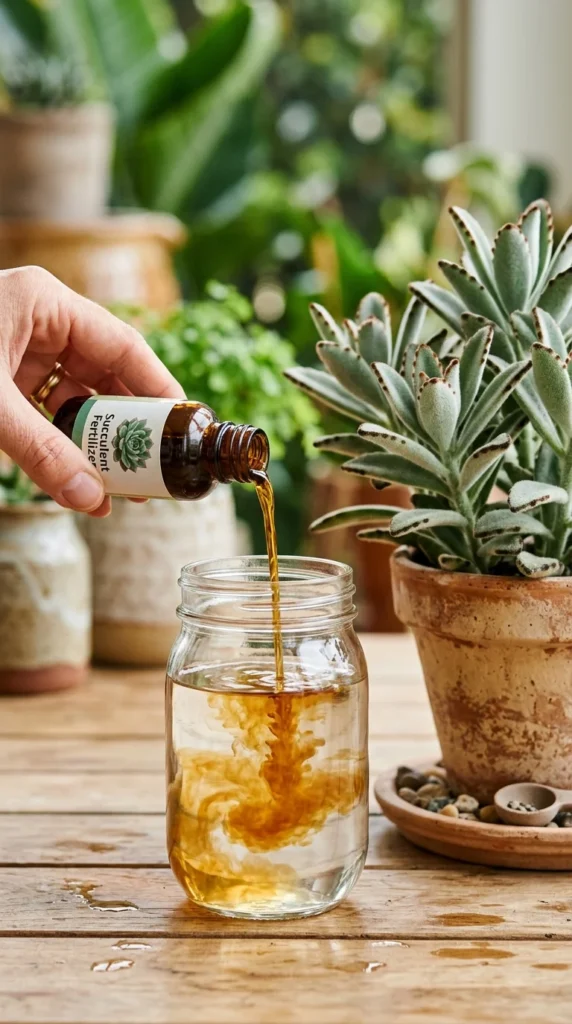
While Panda Plants are slow growers by nature, you can give them a boost during their active growing season (spring and summer). Use a balanced, water-soluble fertilizer diluted to half-strength once a month. Avoid fertilizing in the autumn and winter when the plant’s metabolism slows down. Providing these extra nutrients helps the plant build stronger stems and larger, more vibrant leaves. Be careful not to over-fertilize, as an excess of salts in the soil can burn the roots and lead to stunted growth.
7. Drainage Holes
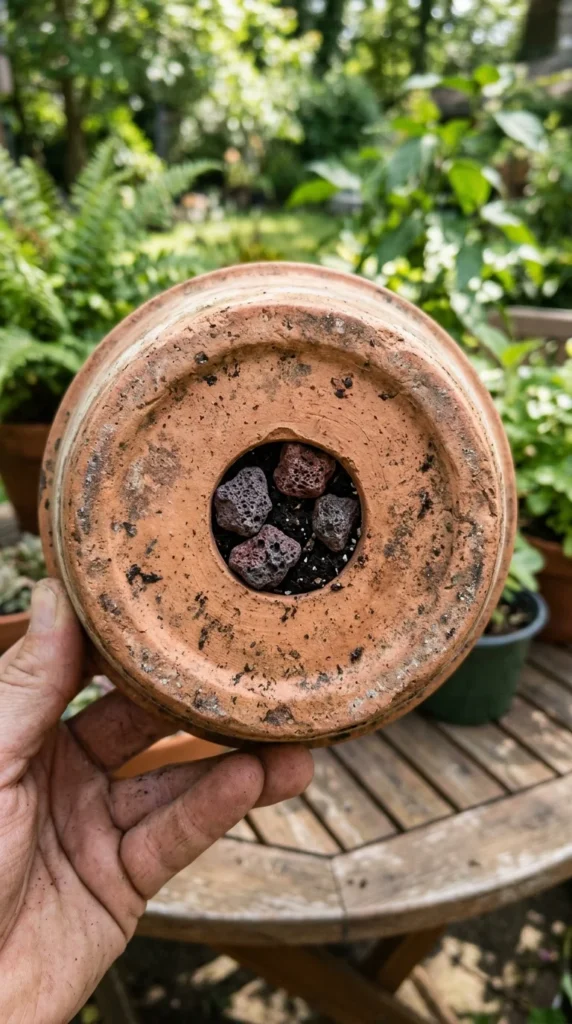
This might seem basic, but the type of pot you use is vital. Never plant a Panda Plant in a decorative pot without a drainage hole. Without an exit for excess water, moisture will pool at the bottom, creating a “death zone” for roots. Terracotta or unglazed ceramic pots are the best choices for Kalanchoe tomentosa because they are porous, allowing the soil to breathe and moisture to evaporate through the sides of the pot. This keeps the root environment healthy and promotes the vigorous root system needed for faster top-growth.
8. Leaf Cleaning
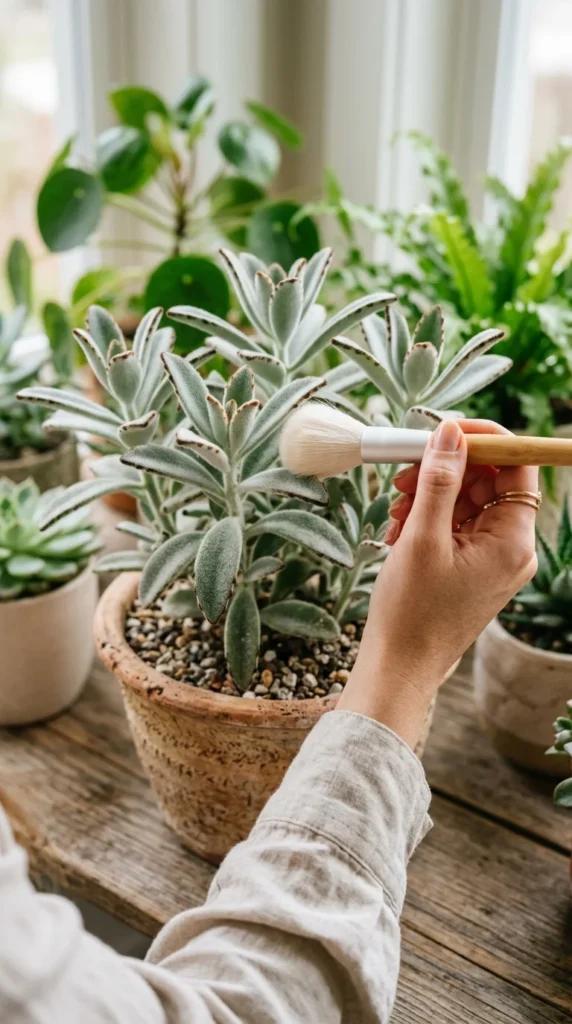
The “fur” on a Panda Plant is a magnet for dust. A layer of dust on the leaves doesn’t just look bad; it actually blocks sunlight from reaching the plant’s cells, significantly reducing its ability to photosynthesize. Since you should avoid getting the leaves wet (which can cause rot), the best way to clean them is with a soft, dry brush or a can of compressed air held at a distance. Keeping the leaves clean ensures the plant can maximize every bit of light it receives, leading to healthier, more robust foliage.
9. Occasional Pruning
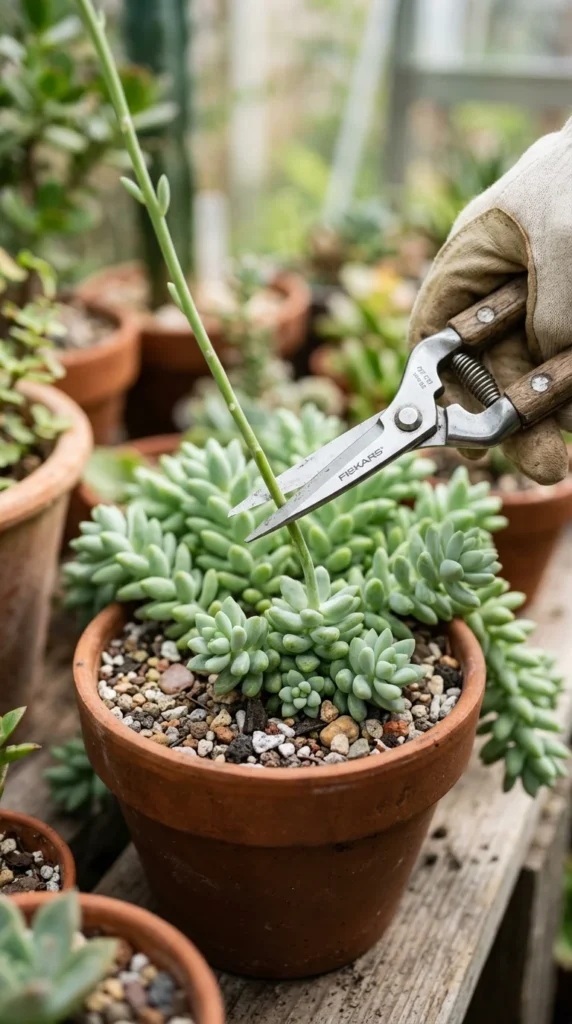
If your Panda Plant has become tall and spindly due to past light issues, don’t be afraid to prune it. Pruning encourages the plant to branch out, resulting in a fuller, bushier appearance. Use a sharp, sterilized blade to cut the stem just above a leaf node. The plant will typically respond by producing two new stems from that point. Not only does this improve the aesthetics, but it also redirects the plant’s energy into producing new, healthy growth rather than sustaining a weak, elongated stem.
10. Pest Management
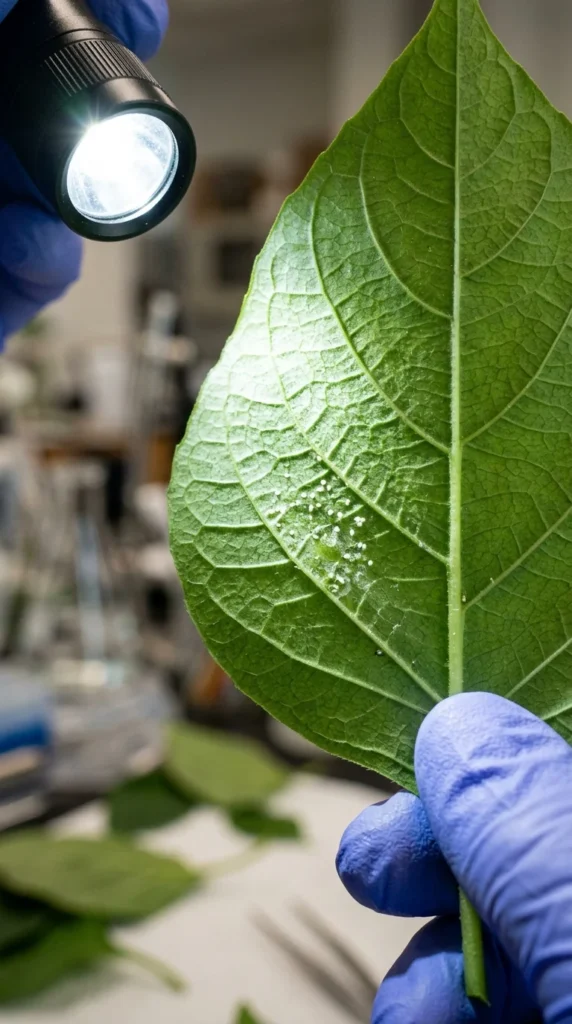
Mealybugs are the primary enemy of the Panda Plant. These tiny, white, cotton-like insects love to hide in the nooks where the leaves meet the stem. Because of the plant’s fuzzy texture, pests can be hard to spot until an infestation is significant. Regularly inspect your plant for any signs of stickiness or white fluff. If you find pests, treat them by dabbing the affected areas with a cotton swab dipped in 70% isopropyl alcohol. Catching pests early prevents the sap-sucking damage that can disfigure leaves and slow growth.
11. Easy Propagation
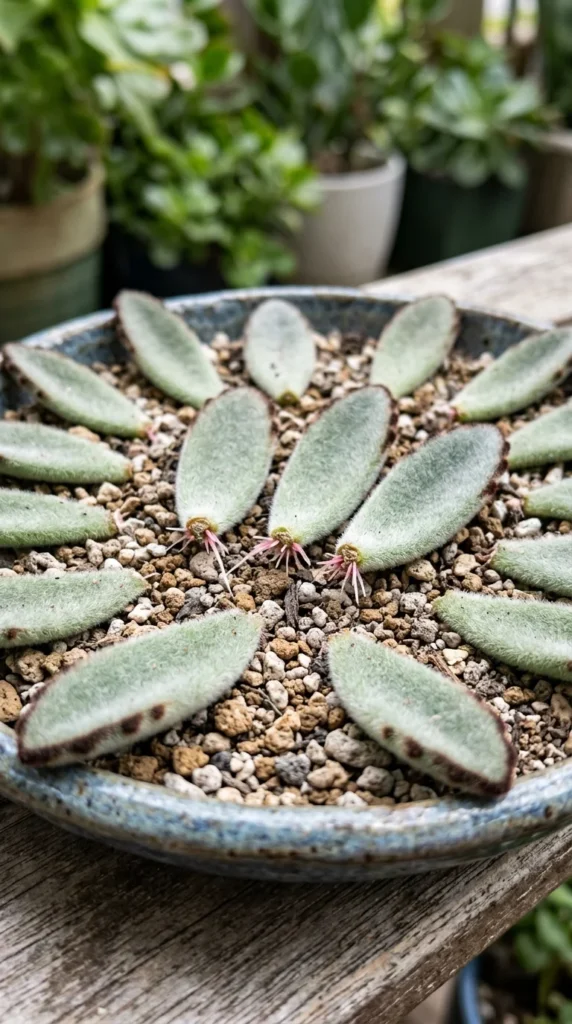
One of the best ways to ensure you always have a healthy collection of Panda Plants is to propagate them. You can grow a whole new plant from a single leaf or a stem cutting. Simply twist a healthy leaf off the stem (ensuring it’s a clean break), let it “callus” over for two to three days in a dry spot, and then place it on top of succulent soil. In a few weeks, tiny roots and a miniature plantlet will emerge. Stem cuttings grow even faster. This is an excellent way to replace older, woodier plants with fresh, vigorous new growth.
12. Timely Repotting
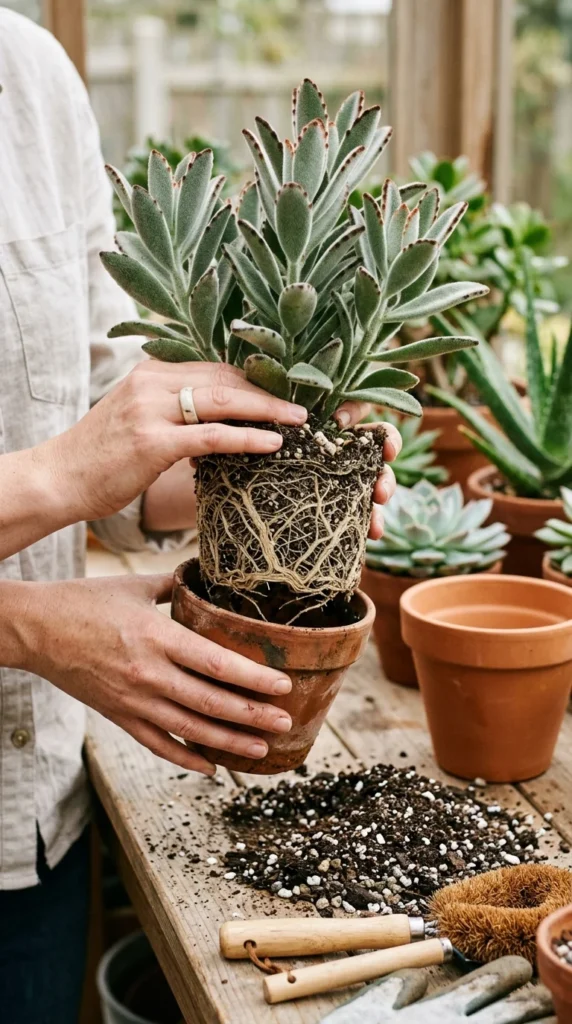
Panda Plants don’t mind being slightly root-bound, but if the roots start circling the bottom of the pot or poking out of the drainage hole, it’s time to move up. Generally, repotting every two years is sufficient. When you repot, choose a container only one size larger than the current one. This is the perfect time to refresh the soil with a new, nutrient-rich mix. Giving the roots more room to expand will directly correlate with a burst of new growth in the foliage above.
13. Air Circulation
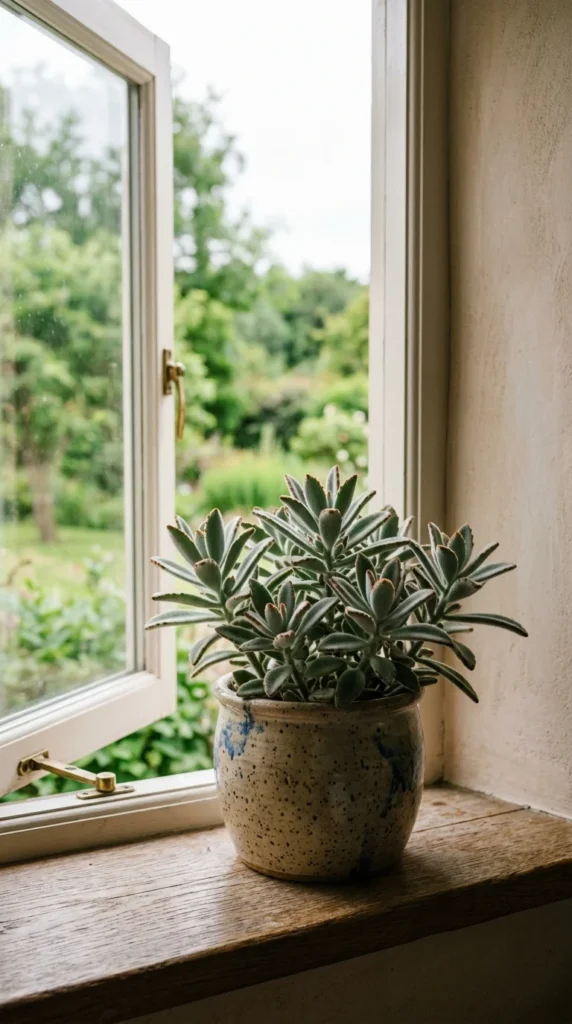
Stagnant air is a recipe for disaster with succulents. Good air circulation helps the soil dry out faster after watering and keeps the leaves free of fungal spores. If you keep your Panda Plant in a corner or a crowded shelf, make sure there is enough space between it and other plants for air to flow. In the summer, if the weather is mild, placing your plant outdoors in a shaded, breezy spot can significantly speed up its growth rate compared to keeping it in a still indoor environment.
14. Winter Dormancy
Recognizing the Panda Plant’s natural lifecycle is key to long-term health. During the winter, the plant enters a period of semi-dormancy. Its growth will naturally slow down or stop entirely. During this time, you must respect its “rest” by withholding fertilizer and significantly reducing water. Trying to force growth during the winter with extra water or food will only result in weak, sickly leaves. By allowing the plant to rest properly in the cold months, it will have a much more explosive and healthy growth spurt once the warmth and light of spring return.