
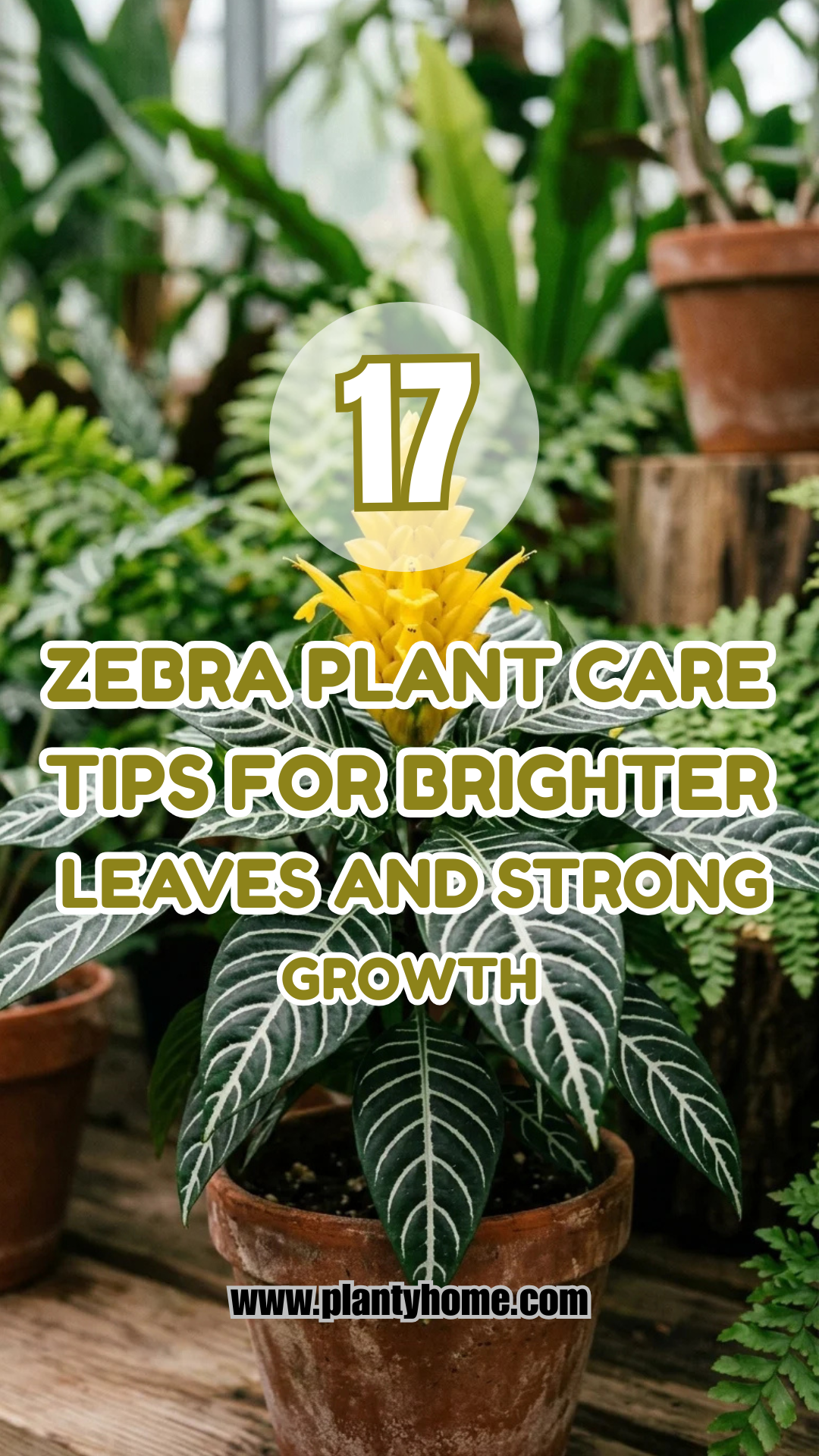
The Zebra Plant, scientifically known as Aphelandra squarrosa, is one of the most striking tropical houseplants you can add to your collection. Famous for its dark green, glossy leaves marked by bold, white veins—reminiscent of a zebra’s stripes—and its brilliant yellow floral bracts, it is a showstopper in any room. However, this Brazilian native has earned a reputation for being somewhat demanding. To keep those leaves crisp and the growth vigorous, you must replicate its rainforest home.
Here are 17 expert tips to ensure your Zebra Plant thrives, maintains its high-contrast color, and grows stronger every season.
1. Indirect Light
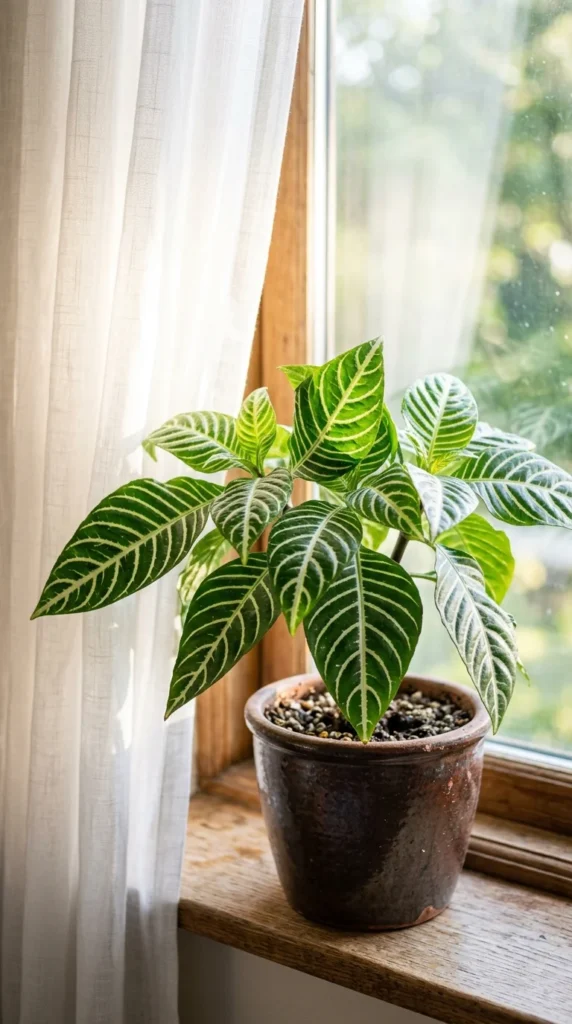
The Zebra Plant craves light, but it is highly sensitive to direct sun. In its natural habitat, it grows under the canopy of taller trees, receiving filtered sunlight.
- The Sweet Spot: Place your plant near a north or east-facing window.
- Avoid Scorching: Direct afternoon sun will quickly bleach the white veins and brown the edges of the leaves.
- Low Light Warning: If the plant doesn’t get enough light, it will become “leggy” (stretched out) and may lose its signature compact shape.
2. High Humidity
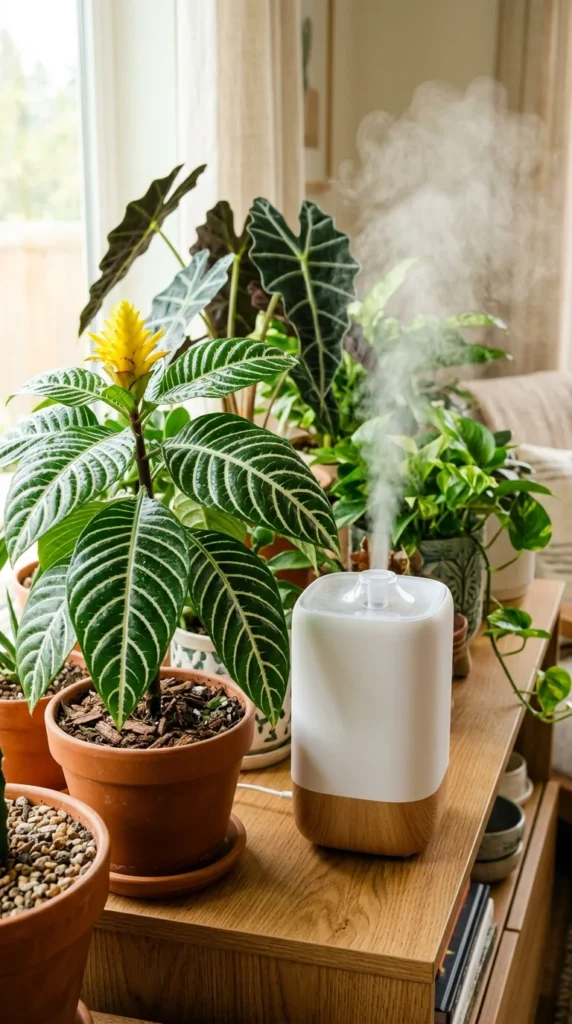
If there is one secret to Zebra Plant success, it is humidity. These plants thrive in 60% to 70% humidity, which is much higher than the average home environment.
- Humidity Solutions: Use a dedicated humidifier or place the pot on a tray filled with pebbles and water (ensuring the bottom of the pot doesn’t touch the water).
- Grouping: Place your Zebra Plant near other tropicals; as they transpire, they create a localized microclimate of moist air.
3. Consistent Moisture
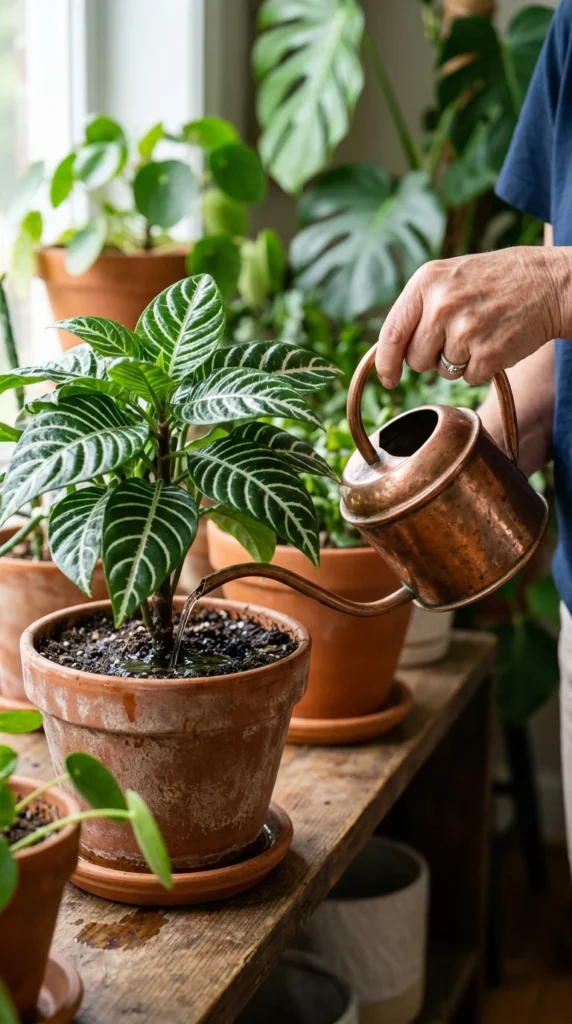
Zebra Plants do not like to dry out, nor do they like to sit in a swamp. They are “Goldilocks” waterers.
- The Finger Test: Stick your finger an inch into the soil. If it feels dry, it’s time to water.
- The Droop: If the plant wilts significantly, it is likely bone-dry. While it usually “pops” back up after watering, frequent wilting stresses the plant and leads to leaf loss.
4. Soil Composition
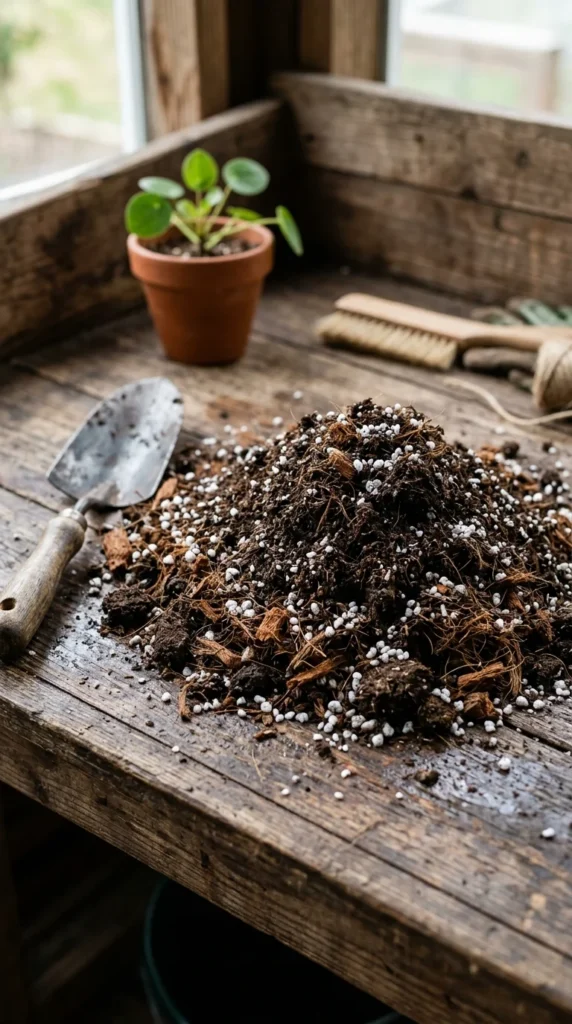
Standard potting soil is often too heavy for Aphelandra squarrosa. You need a mix that retains some moisture but allows the roots to breathe.
- The Perfect Mix: Aim for a ratio of 60% peat moss or coco coir, 20% perlite for aeration, and 20% compost for nutrients.
- Acidity: These plants prefer a slightly acidic soil pH (between 5.5 and 6.5).
5. Temperature Stability
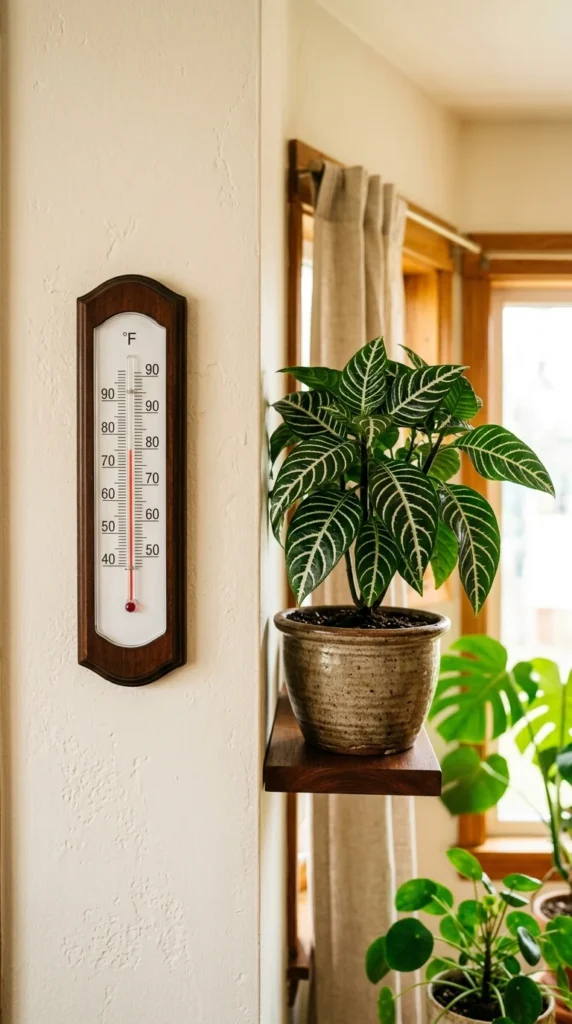
Native to the tropics, the Zebra Plant enjoys consistent warmth. It does not handle temperature fluctuations or cold drafts well.
- Ideal Range: Keep your home between 65°F and 80°F (18°C–27°C).
- Avoid Drafts: Keep the plant away from air conditioning vents, heaters, or drafty windows in the winter, as sudden cold can cause the leaves to drop overnight.
6. Balanced Fertilization
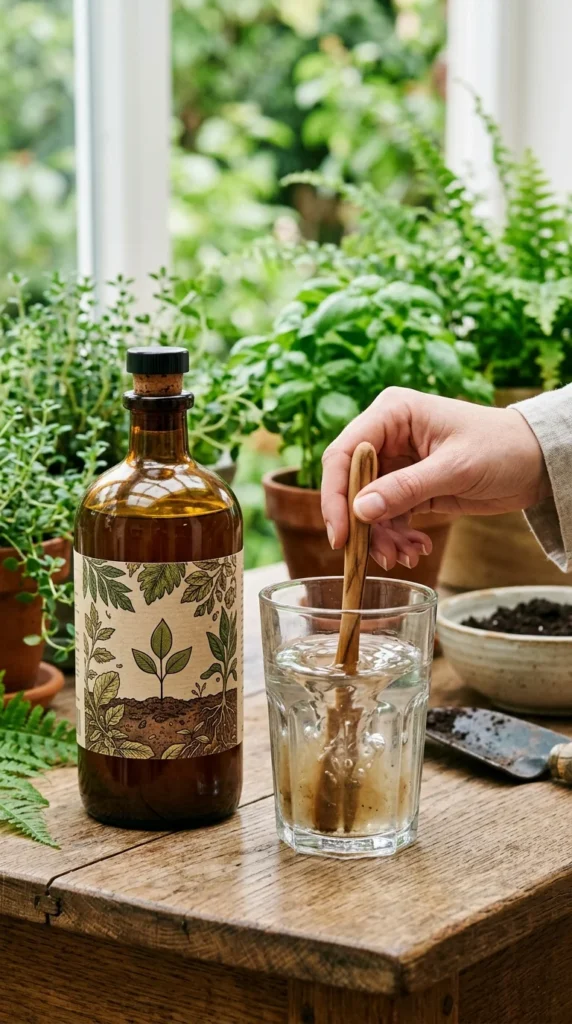
Because the Zebra Plant produces such dramatic foliage and large flowers, it is a heavy feeder during the growing season.
- Frequency: Feed every two weeks during the spring and summer using a balanced, water-soluble fertilizer diluted to half strength.
- Winter Break: Stop fertilizing in late autumn and winter when the plant’s growth slows down.
7. Strategic Pruning
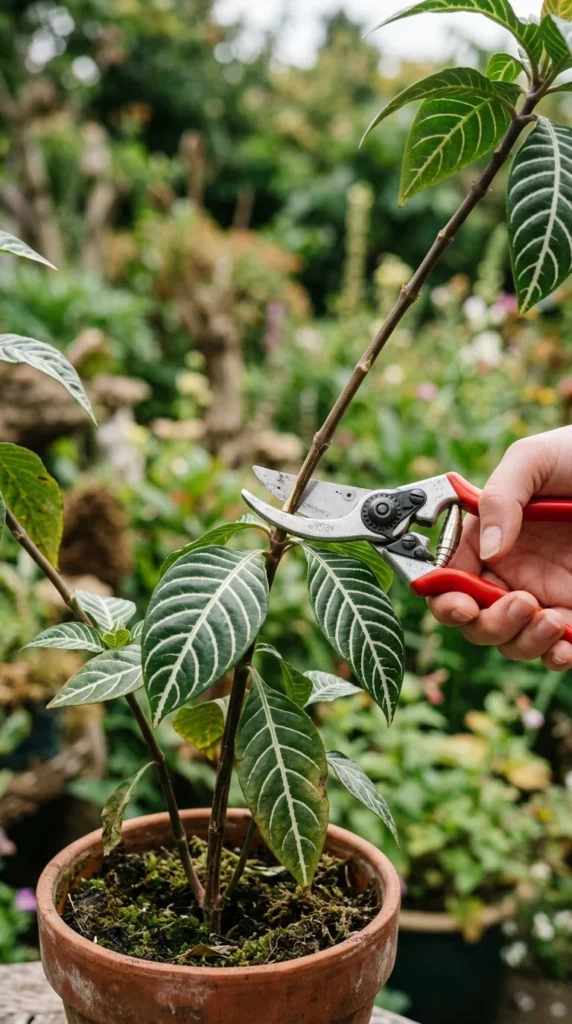
To maintain a bushy, compact appearance, pruning is essential. Without it, the plant tends to become tall and sparse at the bottom.
- Post-Bloom Pruning: Once the yellow flower bracts have faded and turned brown, cut them back to the nearest set of leaves.
- Height Control: If the plant gets too tall, you can prune the stems back in early spring to encourage new, denser growth from the base.
8. Potting Drainage
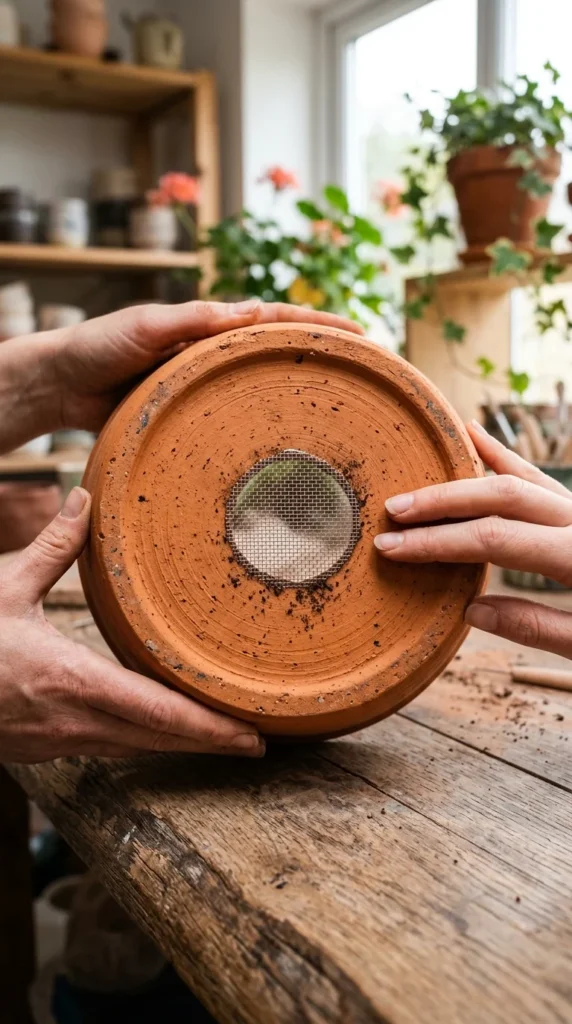
While they love moisture, Zebra Plants are highly susceptible to root rot if they sit in stagnant water.
- Hole Power: Always use a pot with at least one large drainage hole.
- Material Matters: Terracotta is breathable but dries out faster; plastic or glazed ceramic pots hold moisture longer, which may be preferable if you tend to forget to water.
9. Pest Vigilance
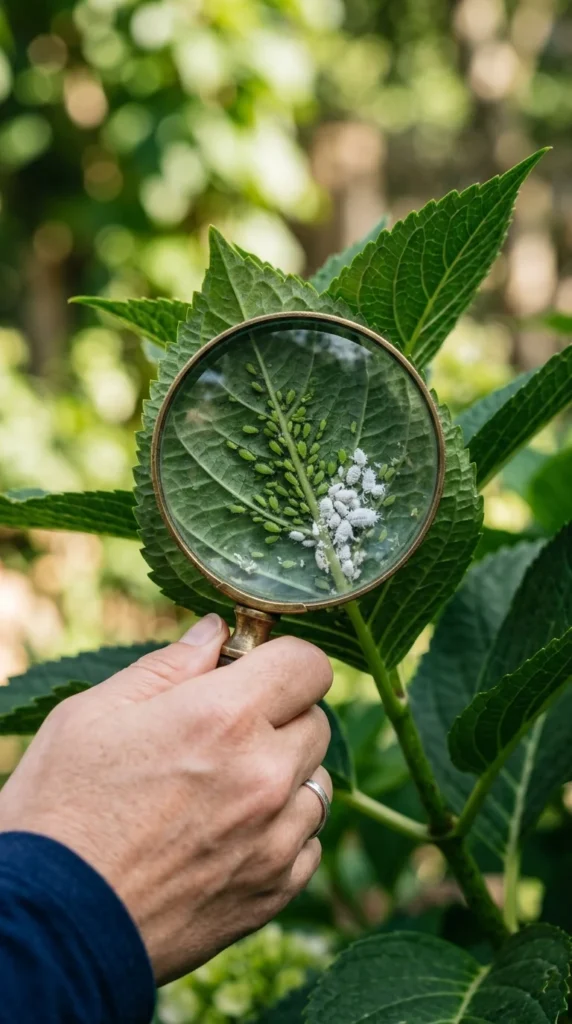
Common houseplant pests like spider mites, mealybugs, and aphids love the succulent stems of the Zebra Plant.
- Prevention: Wipe the leaves regularly with a damp cloth to remove dust and early signs of pests.
- Treatment: If you spot an infestation, treat the plant with insecticidal soap or neem oil immediately, focusing on the undersides of the leaves where bugs hide.
10. Stem Propagation
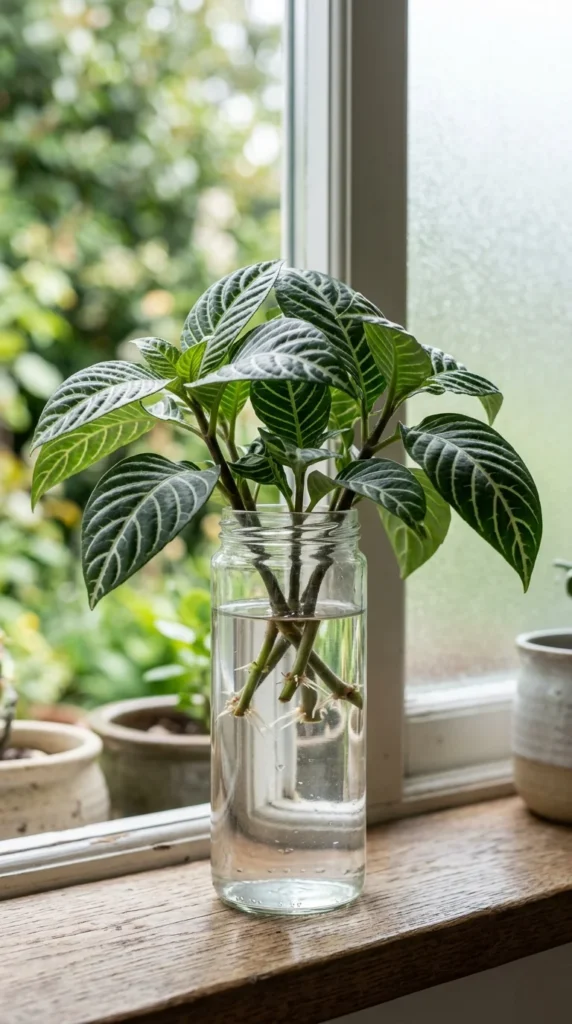
Want more plants? Zebra Plants are relatively easy to propagate from stem cuttings.
- The Method: Cut a 3–4 inch stem tip in the spring. Dip the end in rooting hormone and place it in a moist potting mix or a jar of water.
- The Environment: Cover the cutting with a clear plastic bag to create a mini-greenhouse, keeping the humidity extremely high until roots establish.
11. Flower Bract Care
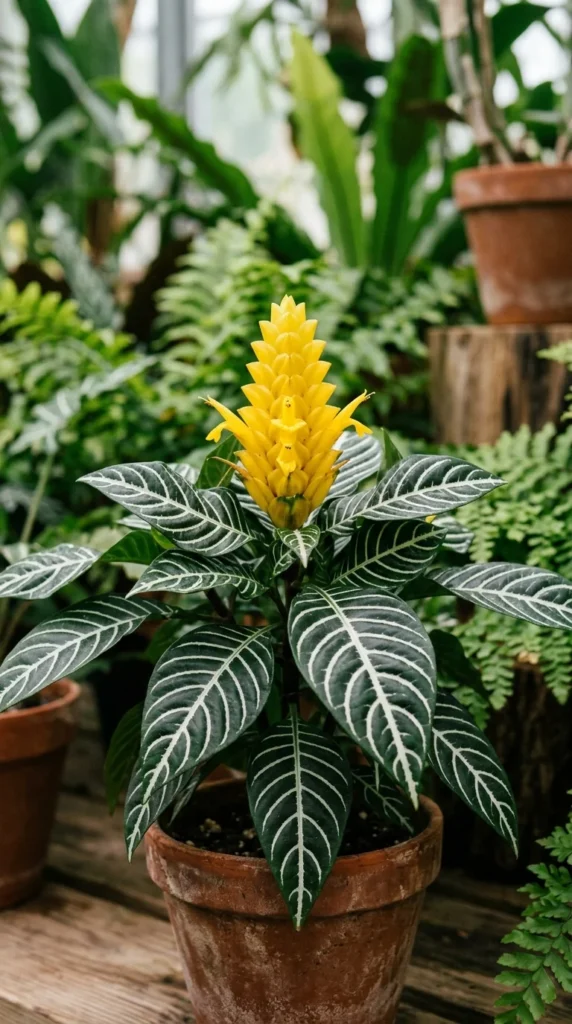
The yellow “flower” is actually a cluster of bracts, which can last for up to six weeks. The real flowers are small, yellow, and emerge from these bracts.
- Encouraging Blooms: To get your plant to flower, ensure it receives plenty of bright (indirect) light and consistent fertilizer during the spring.
- Removal: Once the bract turns brown, remove it to redirect the plant’s energy back into leaf production.
12. Winter Dormancy
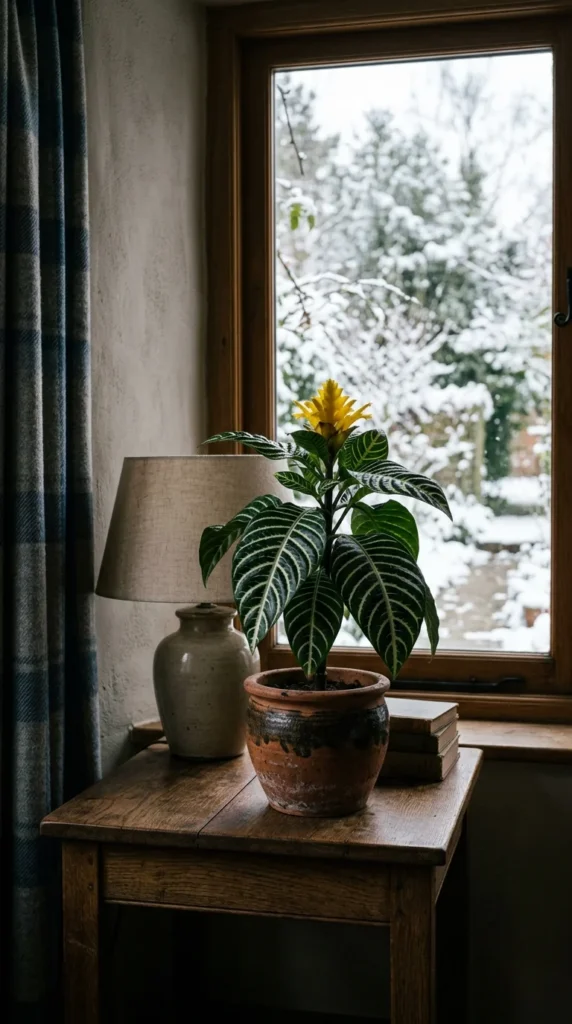
In the winter, the Zebra Plant enters a period of rest. Its needs change significantly during this time.
- Reduced Watering: Allow the soil to dry out a bit more than usual between waterings.
- No Food: Avoid fertilizing, as the plant is not actively producing new growth and the salts can build up in the soil.
13. Water Quality
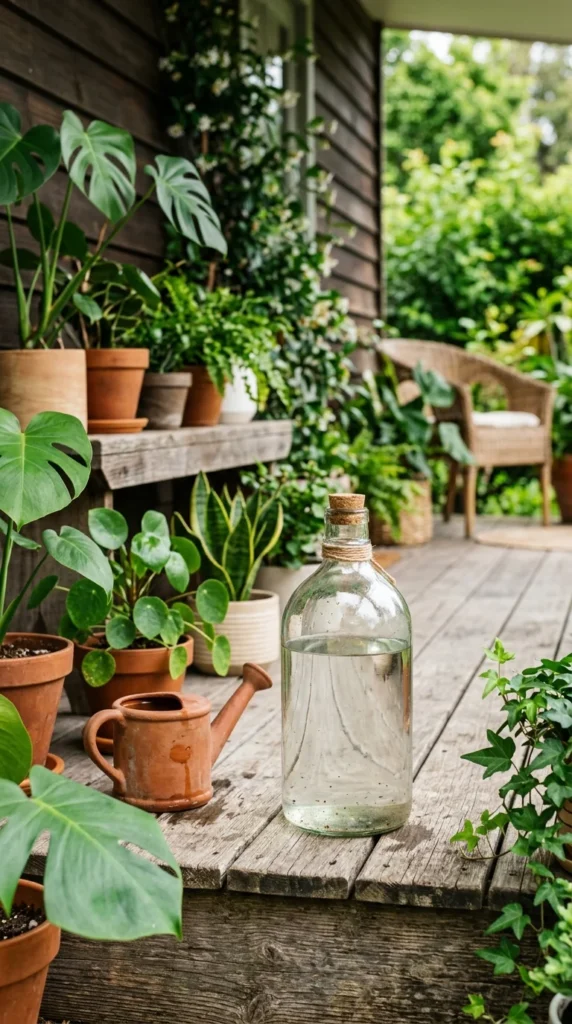
Zebra Plants can be sensitive to the minerals and chemicals found in tap water, such as chlorine and fluoride.
- Leaf Tips: If you notice the tips of the leaves turning brown despite high humidity, your water might be the culprit.
- Alternatives: Use filtered water, rainwater, or let tap water sit out for 24 hours before watering to allow some chemicals to dissipate.
14. Gentle Airflow
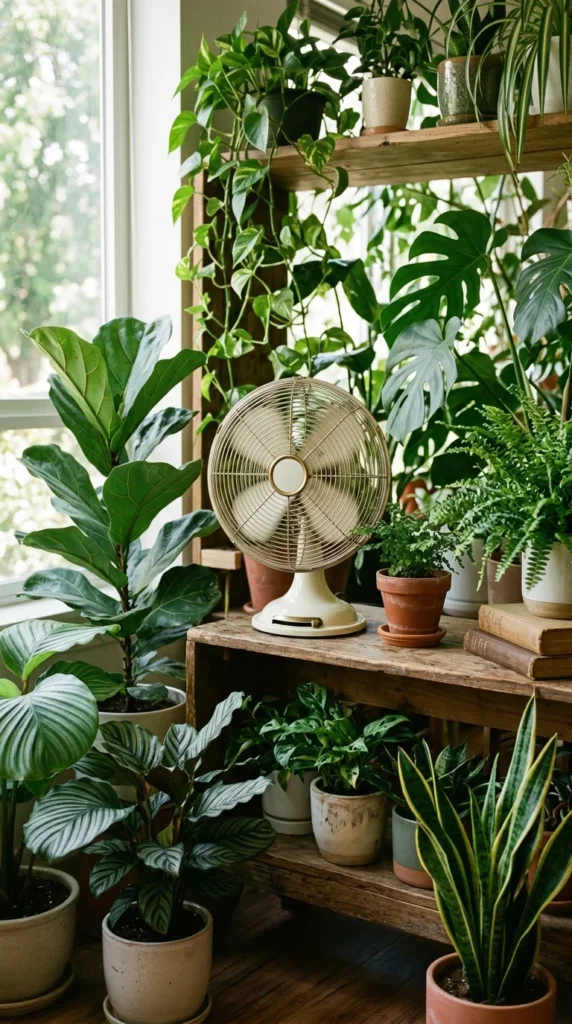
While they hate cold drafts, stagnant air can lead to fungal issues like powdery mildew or leaf spot.
- Circulation: Ensure there is some gentle air movement in the room. A ceiling fan on low or an open door in another room is usually enough to keep the air fresh.
15. Leaf Cleaning
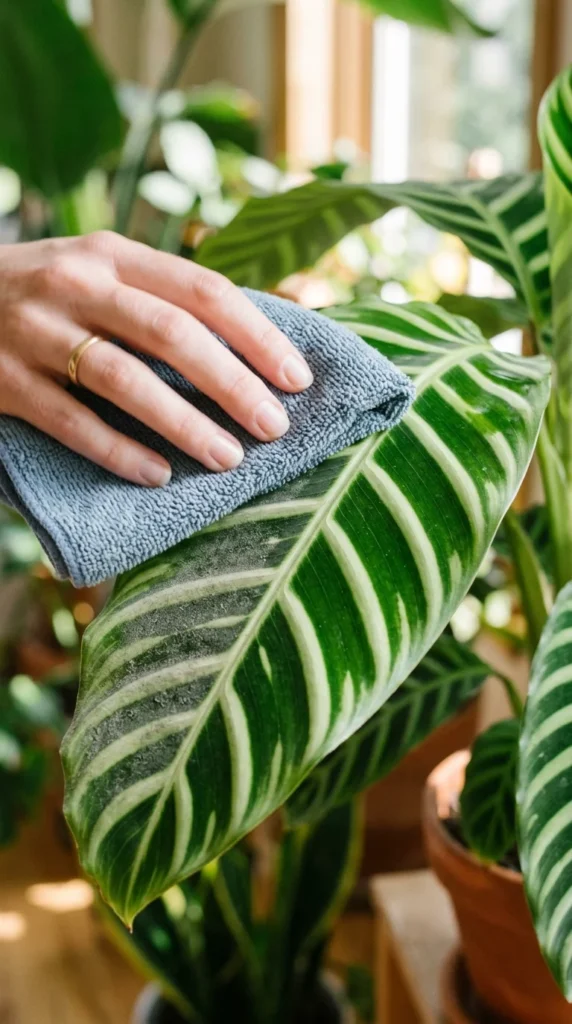
Dust buildup on those wide leaves can block sunlight and hinder photosynthesis, leading to duller colors.
- The Routine: Every two weeks, gently wipe both the tops and bottoms of the leaves with a soft, damp cloth.
- No Shine Products: Avoid using commercial “leaf shine” products, as these can clog the plant’s pores (stomata).
16. Troubleshooting Drooping
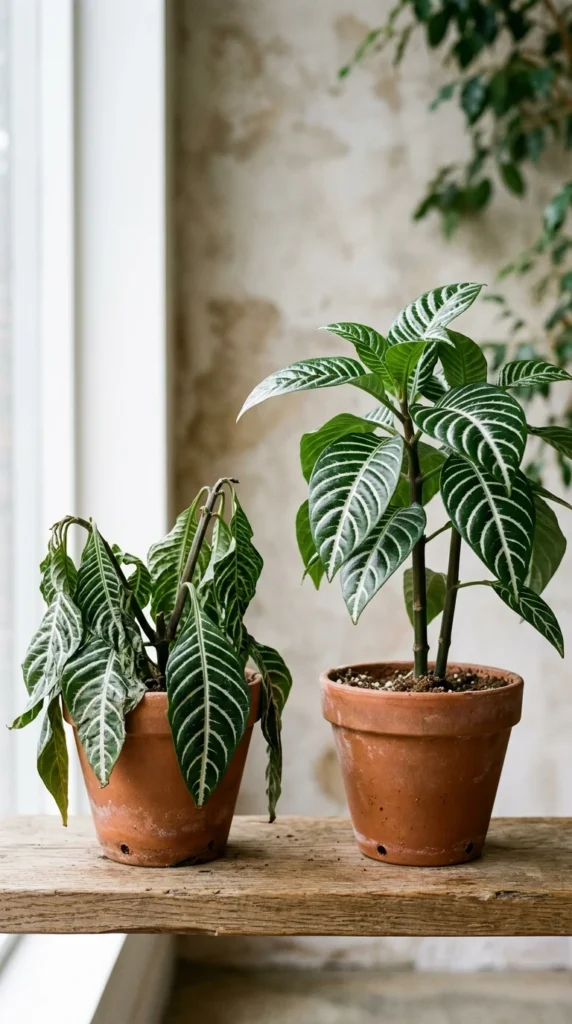
A drooping Zebra Plant is a dramatic sight, but it is the plant’s way of communicating.
- Thirst: 90% of the time, drooping is caused by dry soil. Check the moisture immediately.
- Overwatering: If the soil is wet and the plant is drooping, you likely have root rot. You must repot the plant in fresh soil and trim away mushy, black roots.
17. Toxicity Awareness
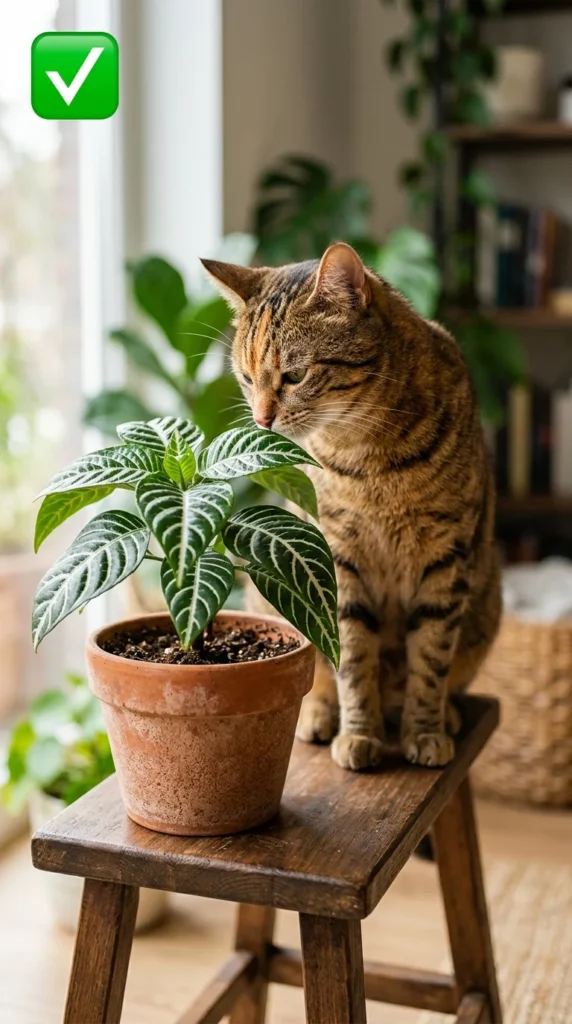
For pet owners and parents, the Zebra Plant is a great choice.
- Safe Choice: Unlike many other tropical plants (like Philodendrons or Lilies), the Aphelandra squarrosa is considered non-toxic to cats, dogs, and humans.
- Caution: While non-toxic, ingesting any plant material can cause mild stomach upset in pets, so it’s still best to keep it out of reach of curious chewers.