
Succulents have become the darlings of the botanical world, cherished for their geometric shapes, stunning color palettes, and perceived low-maintenance nature. However, “low maintenance” does not mean “no maintenance.” To transition from a succulent that is merely surviving to one that is thriving and growing rapidly, a nuanced understanding of their desert-dwelling heritage is required. These plants have evolved to store water in their thick, fleshy leaves and stems, allowing them to endure harsh, arid environments. By replicating these conditions in your home or garden, you can unlock vibrant growth and robust health.
1. Sunlight
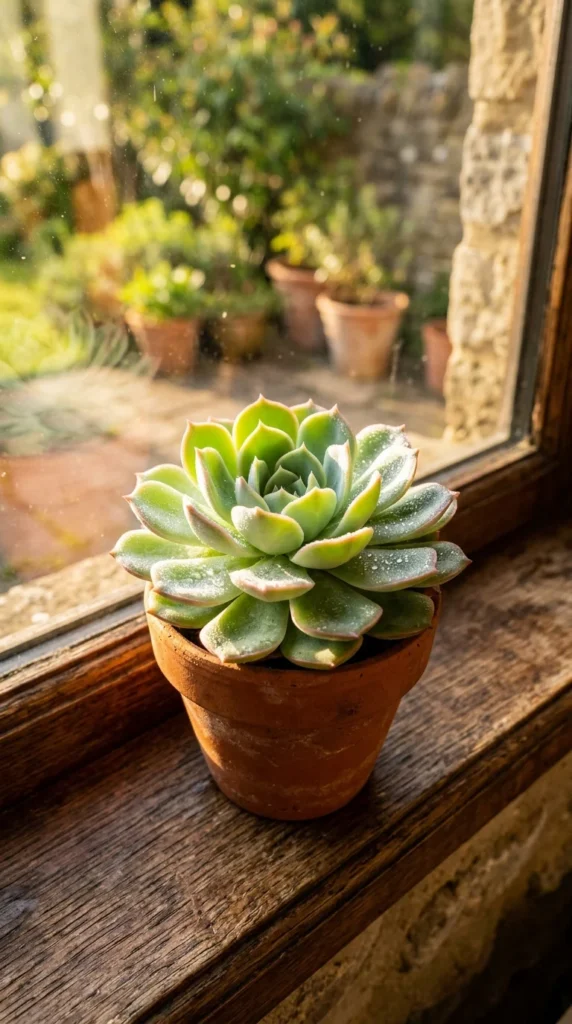
Sunlight is the primary fuel for succulent growth. Most varieties require at least six hours of bright, indirect light per day. If a succulent does not receive enough light, it will begin to stretch—a process known as etiolation—as it desperately searches for a light source. This results in weak, leggy stems and a loss of the compact rosette shape. However, be cautious with direct afternoon sun, especially in peak summer, as it can scorch the leaves, leaving permanent brown scars.
2. Watering
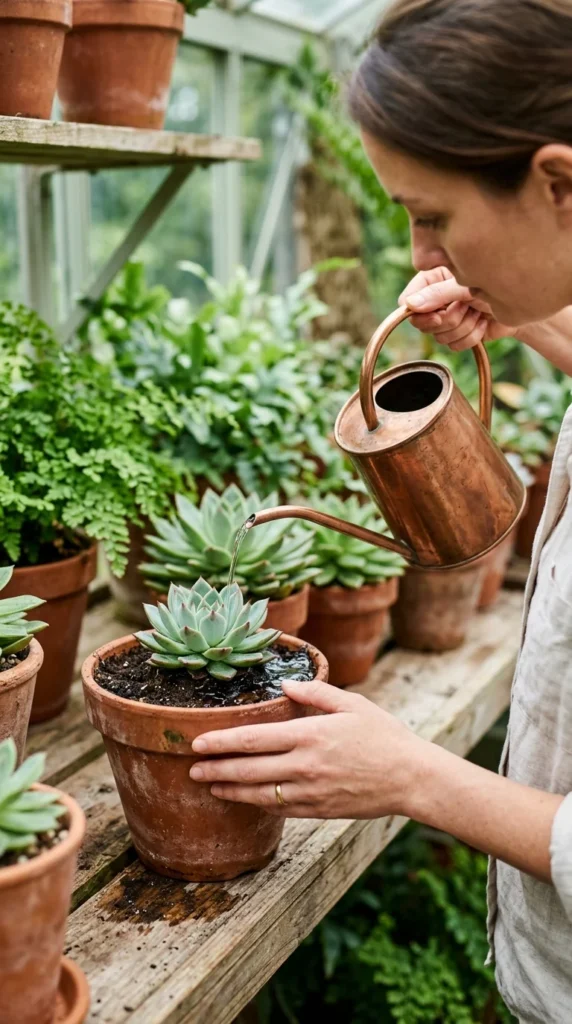
The most common mistake in succulent care is overwatering. Succulents prefer a “soak and dry” method. This involves watering the soil until it is completely saturated and water runs out of the drainage holes, then waiting for the soil to dry out entirely before watering again. During the growing season (typically spring and summer), this might be once a week, but in the winter, it may drop to once a month. Never let a succulent sit in standing water, as this leads to root rot.
3. Drainage
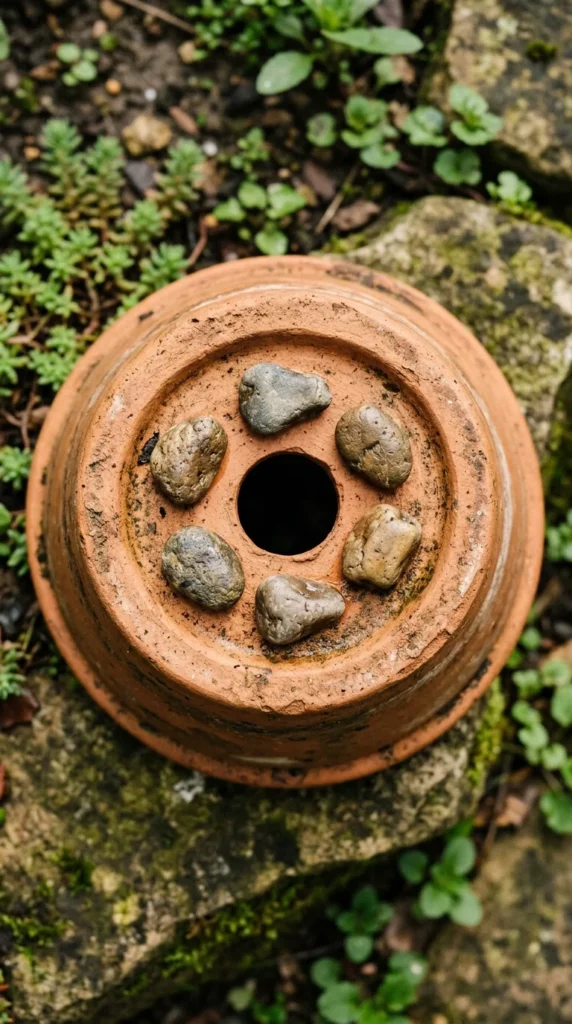
Without proper drainage, even the most careful watering schedule will fail. Succulents are highly susceptible to fungal infections caused by stagnant water. Always use pots with at least one large drainage hole at the bottom. If you fall in love with a decorative container that lacks a hole, use it as a “cachepot”—keep the succulent in a plastic nursery pot with holes and place that inside the decorative one, removing it to water.
4. Soil Mix
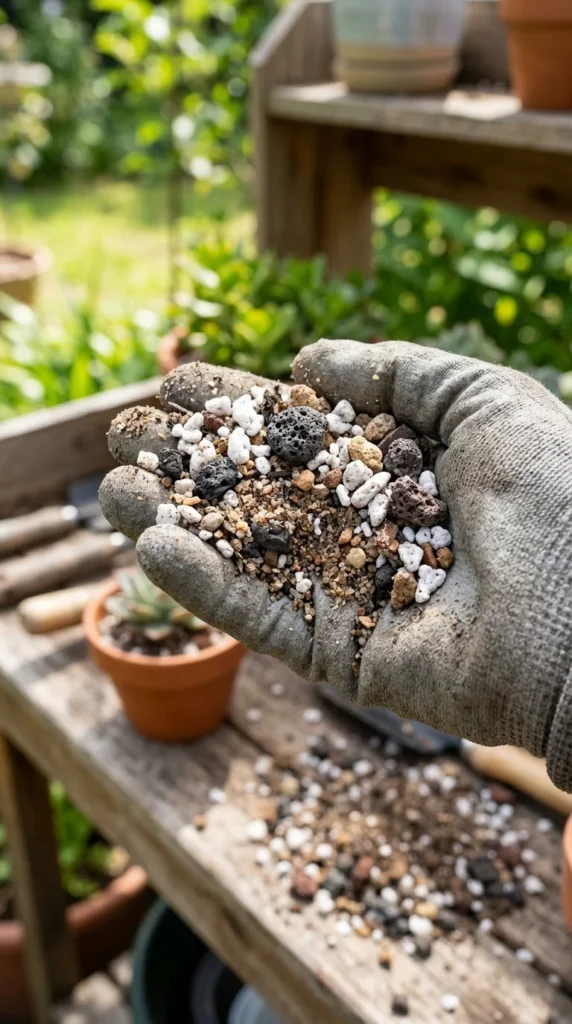
Standard potting soil is designed to retain moisture, which is the opposite of what a succulent needs. For faster growth, use a dedicated succulent or cactus mix. These mixes are heavy on inorganic materials like perlite, pumice, or coarse sand. This structure allows air to reach the roots and ensures that excess water moves away from the root system quickly, preventing the suffocation of the plant’s delicate underground structures.
5. Pots
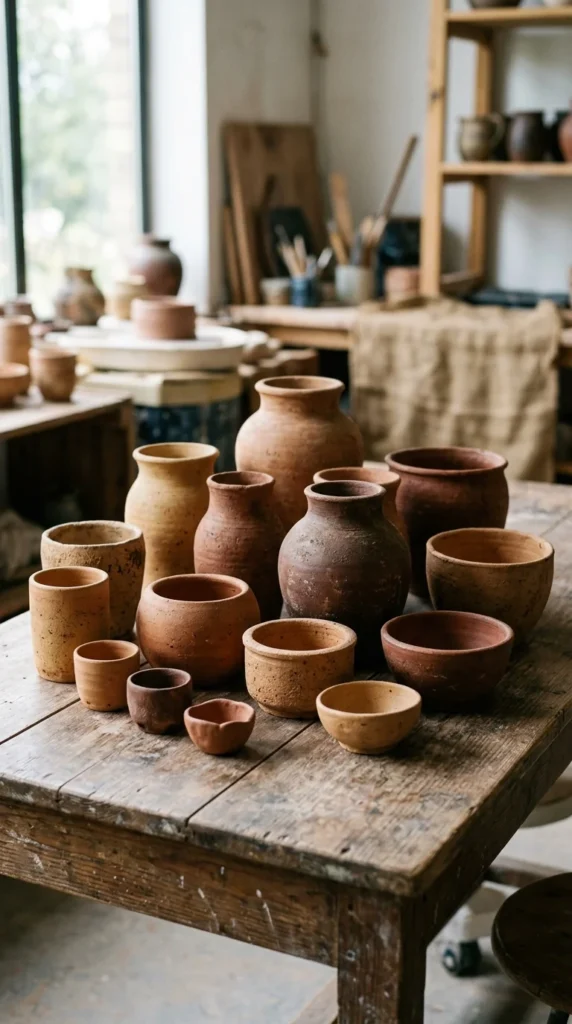
While succulents can grow in various containers, terracotta is often considered the gold standard. Terracotta is a porous material that breathes, allowing moisture to evaporate through the walls of the pot. This provides an extra layer of protection against overwatering. If you choose plastic or glazed ceramic, you must be even more diligent about ensuring the soil is dry before adding more water.
6. Fertilizing
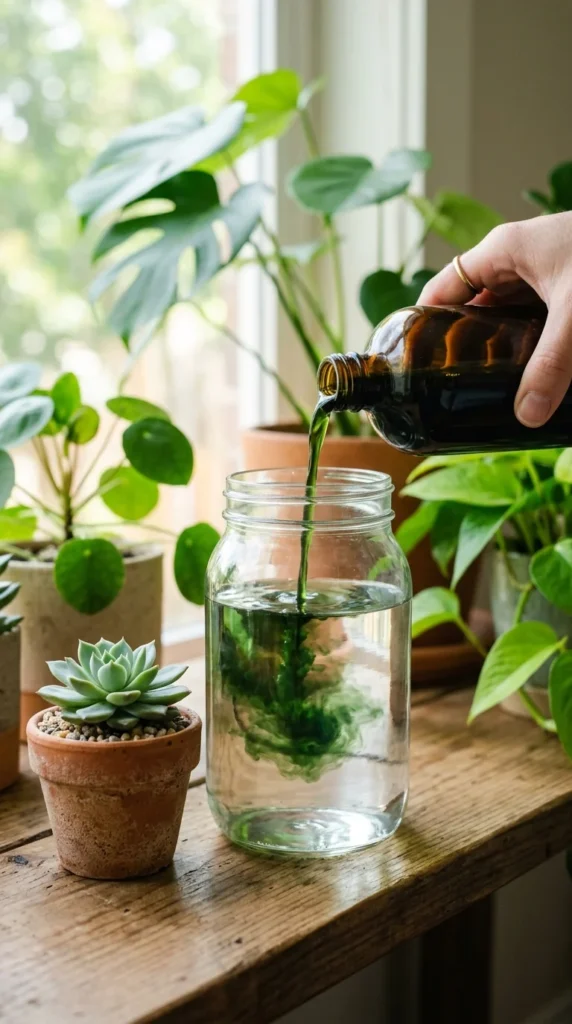
Succulents aren’t heavy feeders, but providing nutrients during the growing season can significantly accelerate their development. Use a balanced, water-soluble fertilizer diluted to half or even quarter strength. High-nitrogen fertilizers should be avoided as they can cause soft, watery growth that is prone to pests. Look for a mix higher in phosphorus and potassium to encourage strong roots and vibrant leaf colors.
7. Seasonal Dormancy
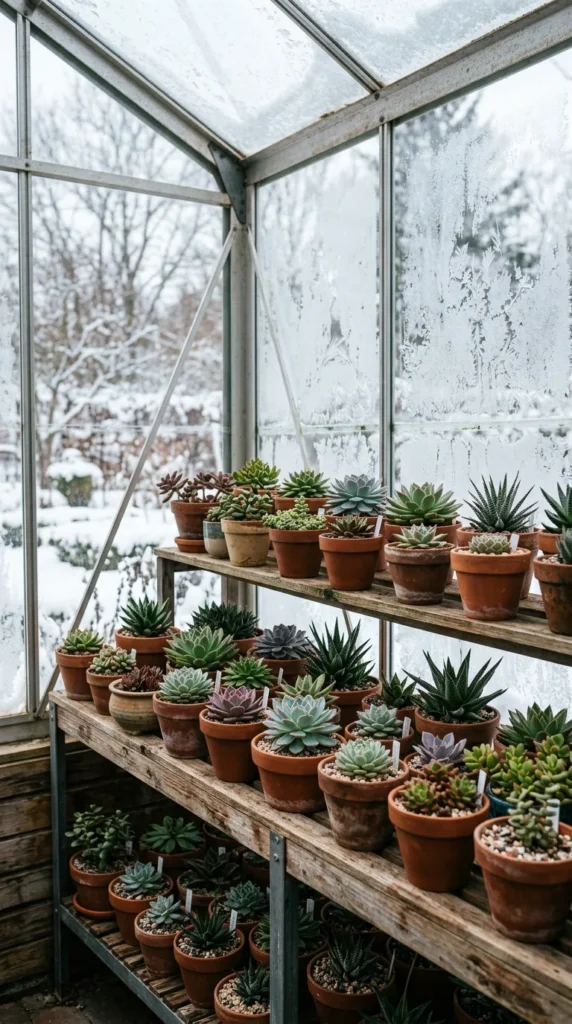
Most succulents enter a period of dormancy during the colder months or extreme heat of mid-summer. During this time, their metabolic processes slow down significantly. To keep them healthy, you must reduce watering and stop fertilizing entirely. Forcing a dormant succulent to grow with excess water or food often results in rot or weak, spindly growth. Respecting these natural cycles ensures the plant has the energy stored for a massive growth spurt in the spring.
8. Pest Control
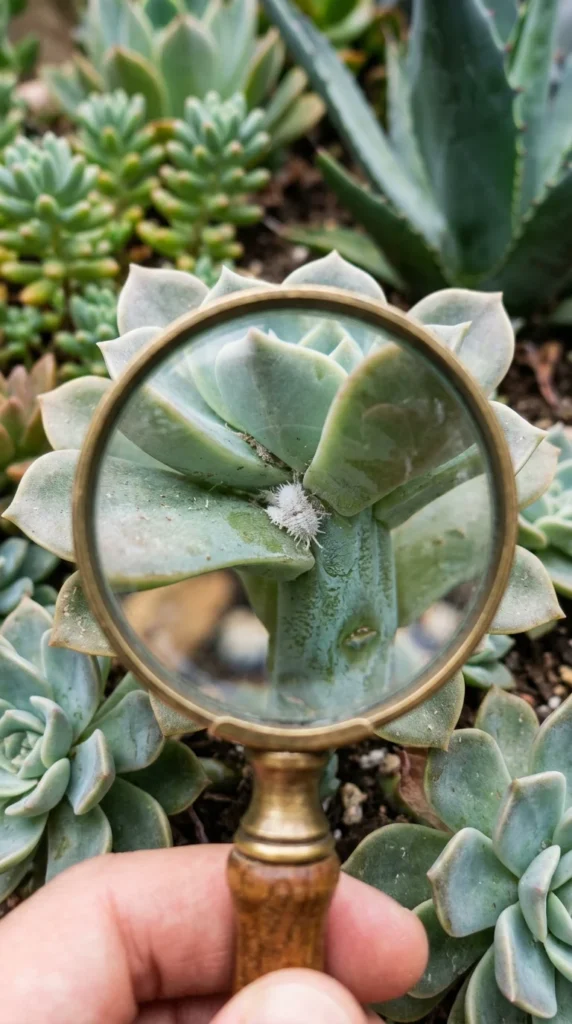
The most common succulent pests are mealybugs and aphids. Mealybugs look like tiny bits of white cotton hiding in the crevices of the leaves. If left unchecked, they suck the sap from the plant, stunted its growth and eventually killing it. At the first sign of an infestation, dabbing the pests with a cotton swab dipped in 70% isopropyl alcohol is an effective and safe way to eliminate them without damaging the plant’s waxy coating.
9. Cleaning
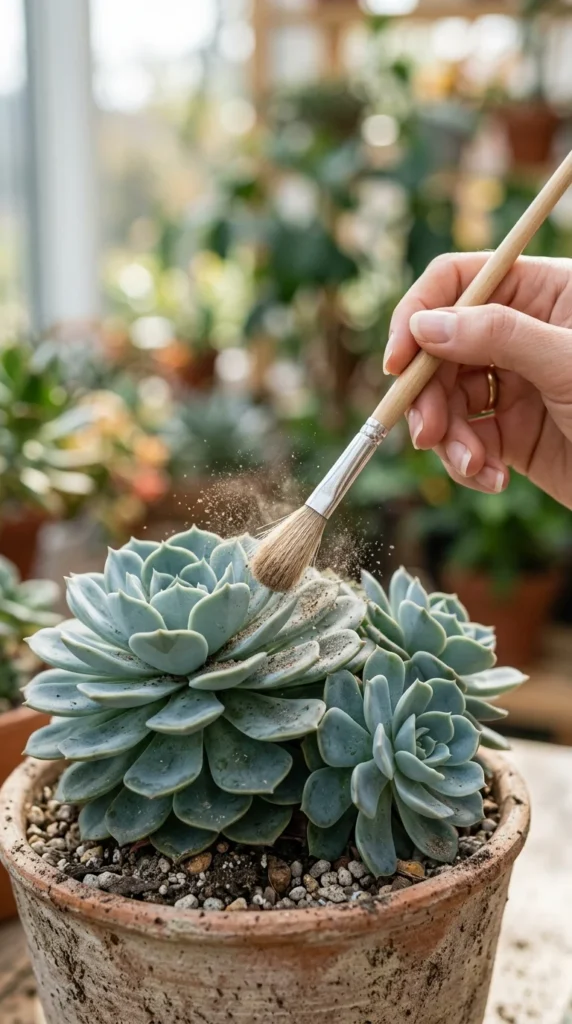
Dust buildup on succulent leaves can inhibit photosynthesis by blocking sunlight. Since succulents grow slowly compared to many tropical plants, every bit of light absorption counts. Periodically use a soft, damp cloth or a dry paintbrush to gently wipe away dust. This not only keeps the plant healthy and growing but also allows the natural “farina”—the waxy, powdery coating that protects them from the sun—to remain visible.
10. Air Circulation
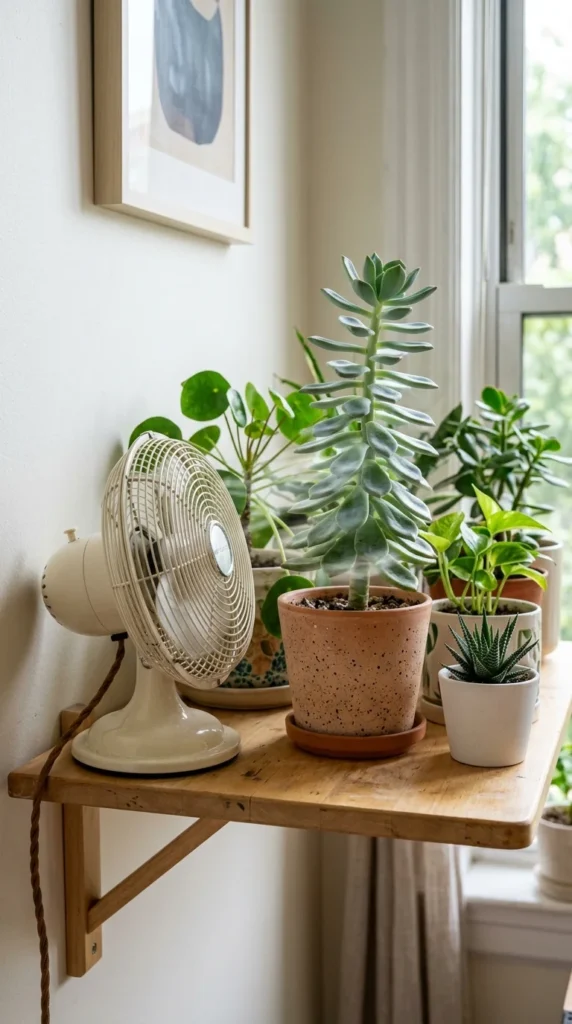
Succulents thrive in environments with good airflow. Stagnant air around the base of the plant can trap humidity, creating a breeding ground for mold and rot. If you are growing succulents indoors, ensure they aren’t crowded too closely together. A ceiling fan or a small oscillating fan can help maintain a healthy environment, especially in rooms with higher humidity levels like kitchens or bathrooms.
11. Temperature
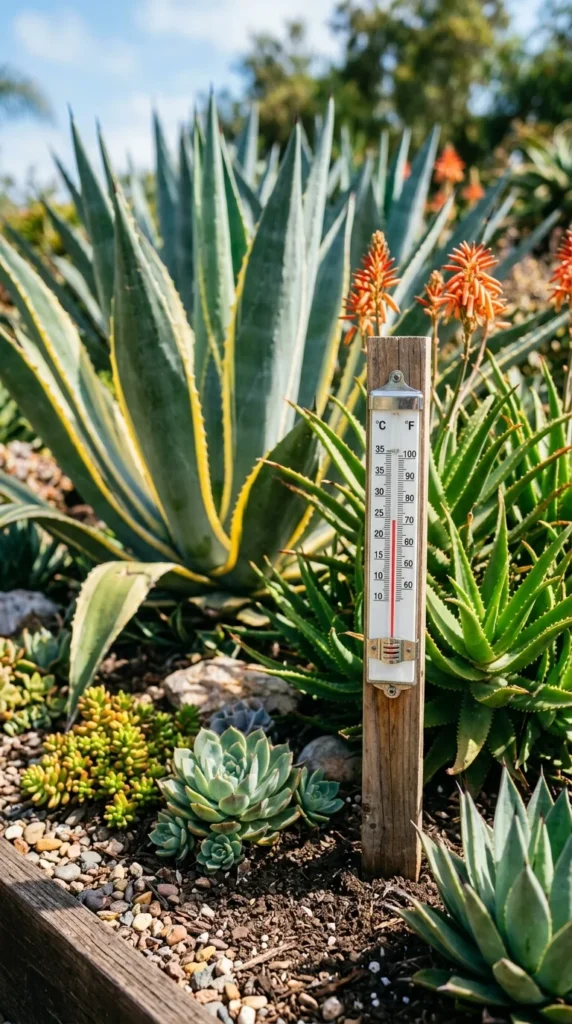
While many succulents are surprisingly hardy, most prefer temperatures between 60°F and 80°F (15°C – 27°C). Rapid growth occurs when temperatures are consistent. While they can handle cooler nights, frost is a major threat to soft-leaved varieties, as the water stored in their leaves will freeze, expand, and burst the cell walls, turning the plant to mush. If a freeze is expected, bring outdoor succulents inside or cover them with a frost cloth.
12. Propagation
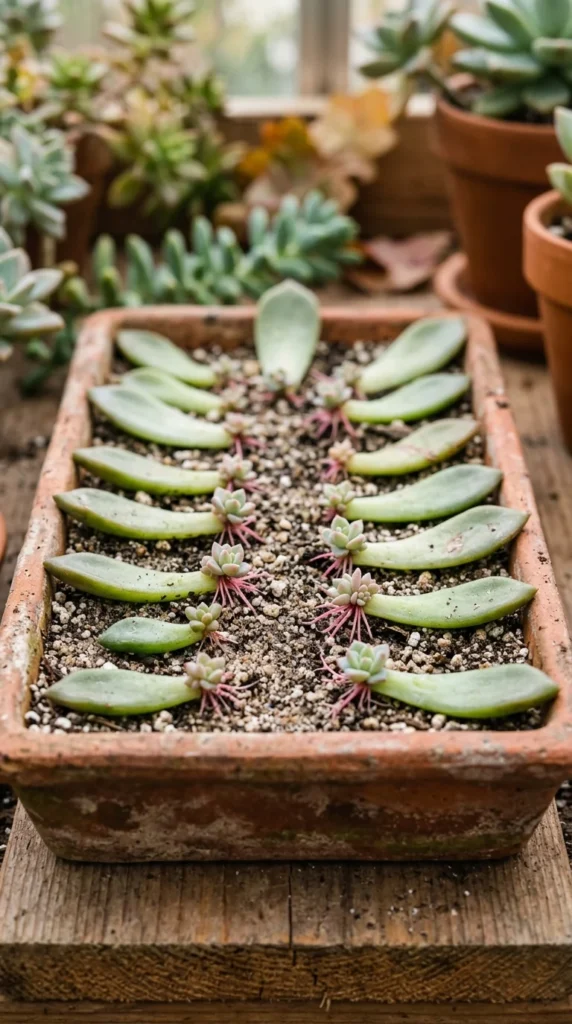
One of the fastest ways to expand your collection and encourage a “mother” plant to focus its energy is through propagation. Many succulents produce “pups” or offsets—tiny clones of themselves—at the base. Removing these allows the main plant to grow larger while giving you a brand-new plant. Additionally, leaf propagation is a rewarding way to see the entire lifecycle of a succulent from a single leaf to a full-grown plant.
13. Repotting
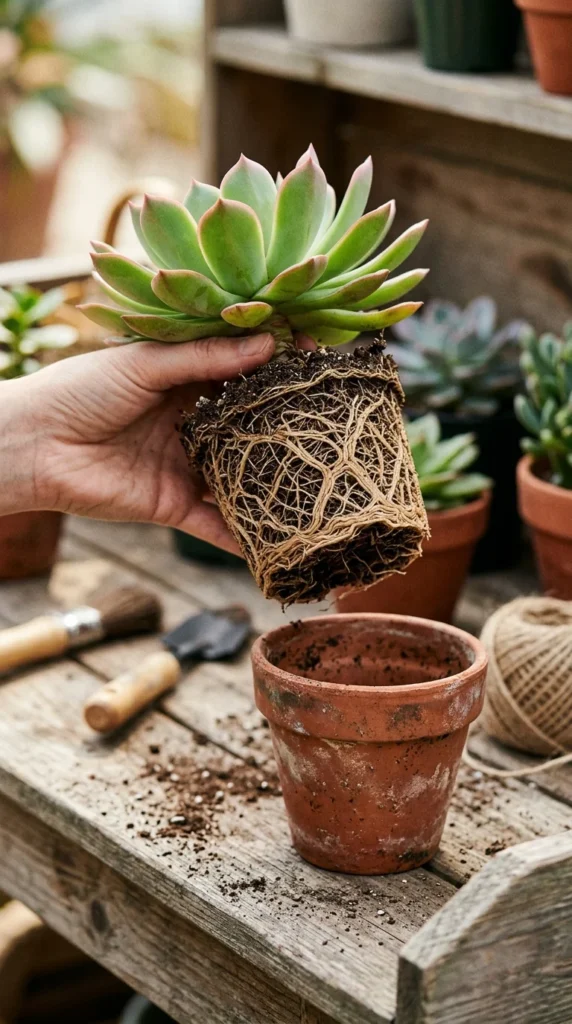
If a succulent becomes root-bound, its growth will stall. Every two years, or when you see roots emerging from the drainage holes, it’s time to repot. Move the plant to a container only one size larger; too much extra soil can hold onto too much moisture. Repotting also provides an opportunity to refresh the soil, which loses its nutrient density and structure over time.
14. Pruning
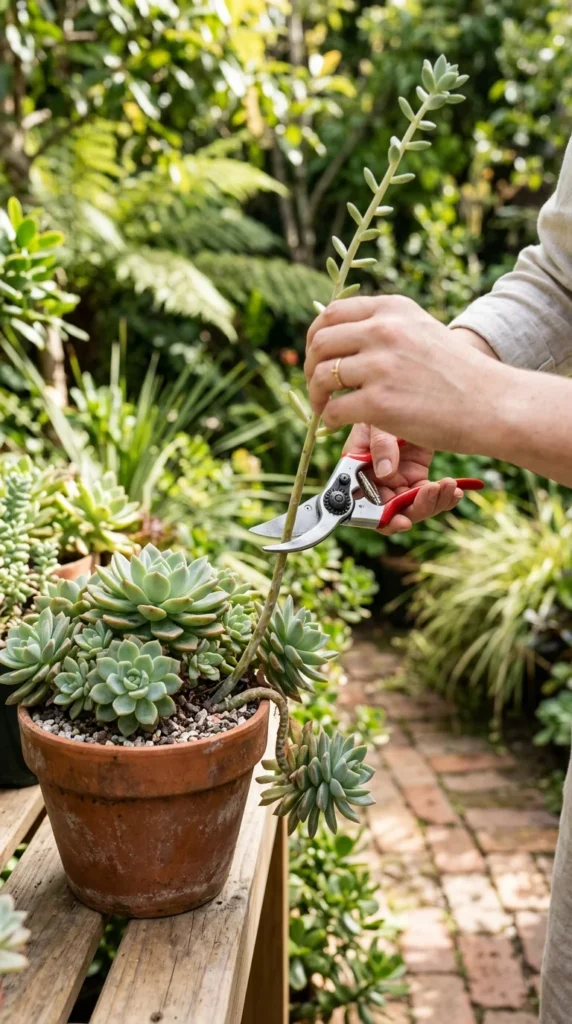
Don’t be afraid to prune your succulents. If a plant has become leggy or has dead leaves at the base, trimming it back can stimulate new, healthier growth. When you “behead” a leggy succulent, the remaining stem will often produce multiple new rosettes, leading to a much fuller, bushier appearance. Always use sterilized tools to prevent the spread of bacteria.
15. Placement
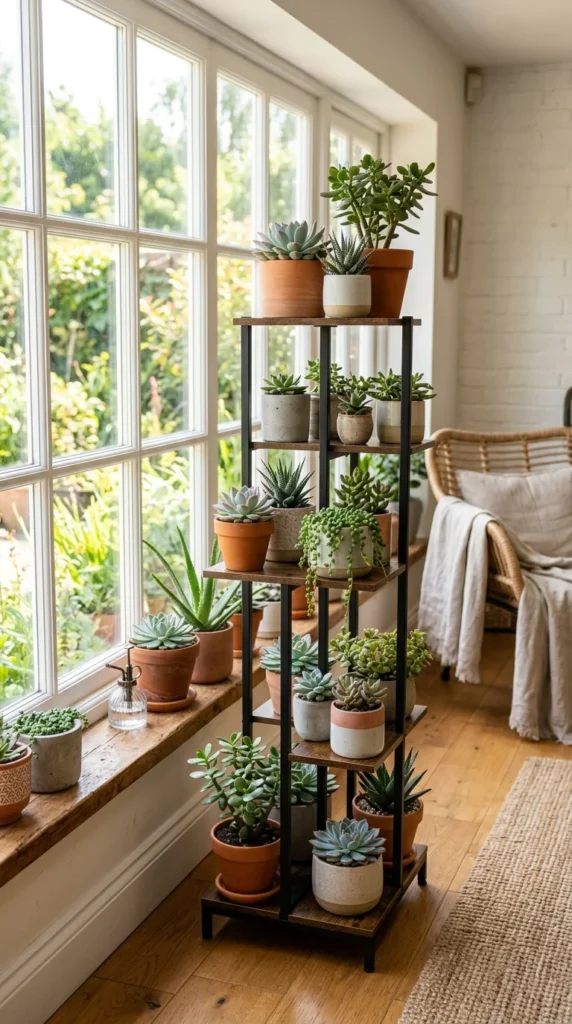
The location of your plant within your home is critical. South-facing windows typically offer the best light for succulents in the Northern Hemisphere. However, if you notice your plant leaning heavily in one direction, rotate the pot a quarter turn every week. This ensures that all sides of the plant receive equal light, promoting symmetrical growth and preventing the plant from becoming lopsided.
16. Acclimatization

Succulents are sensitive to sudden changes in their environment. If you move a plant from a dim corner directly into the scorching sun, it will likely suffer from sunscald. To prevent this, gradually introduce the plant to more light over the course of two weeks. Start with an hour of direct light and slowly increase the duration. This “hardening off” process allows the plant to build up its protective waxy layer.
17. Humidity
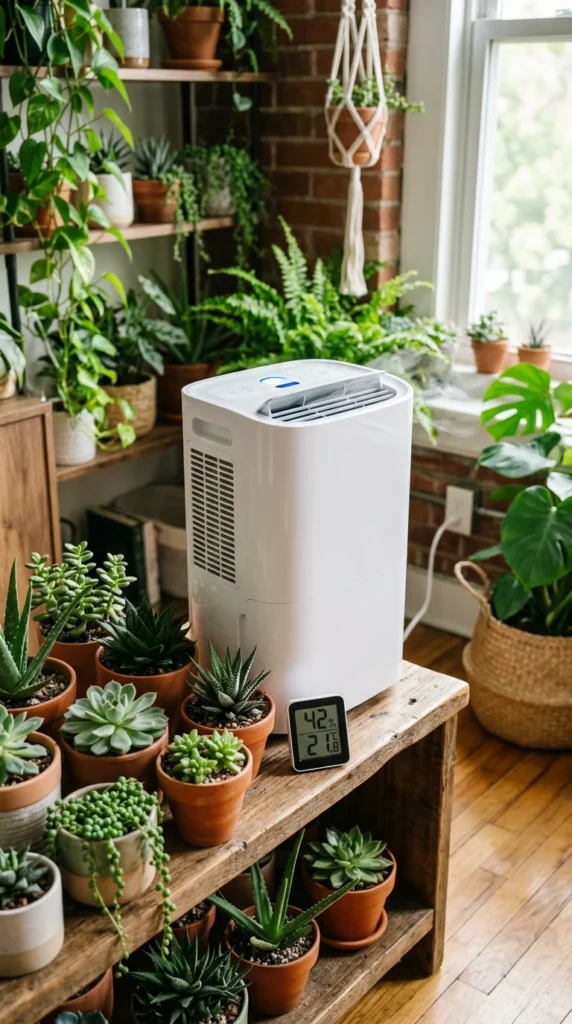
Most succulents are native to arid regions and prefer low humidity. High humidity can prevent the soil from drying out and increase the risk of fungal leaf spots. If you live in a humid climate, avoid misting your succulents. Misting provides no benefit to these plants and can actually trap water in the crown of the plant, leading to crown rot, which is usually fatal.
18. Leaf Health
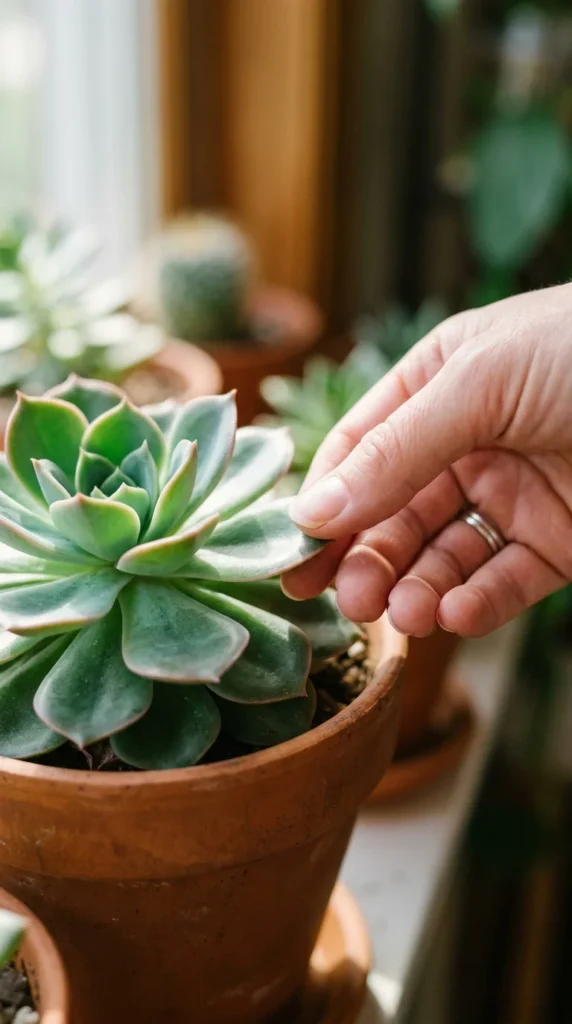
Your succulent’s leaves are its primary communication tool. Firm, plump leaves indicate a well-hydrated, healthy plant. Wrinkled, soft leaves usually mean the plant is thirsty. However, yellow, translucent, and mushy leaves are a sign of overwatering and rot. By paying close attention to these visual and tactile cues, you can adjust your care routine before a small problem becomes a terminal one.
19. Observation

The final and most important tip is consistent observation. Spend a few minutes each week looking closely at your plants. Check the undersides of leaves, look at the soil surface, and track how fast new leaves are forming. Every home has a unique microclimate, and your succulents will tell you exactly what they need if you learn to read their signals. Patience is key; while these tips will speed up growth, succulents are naturally slow-moving creatures that reward steady, consistent care.