
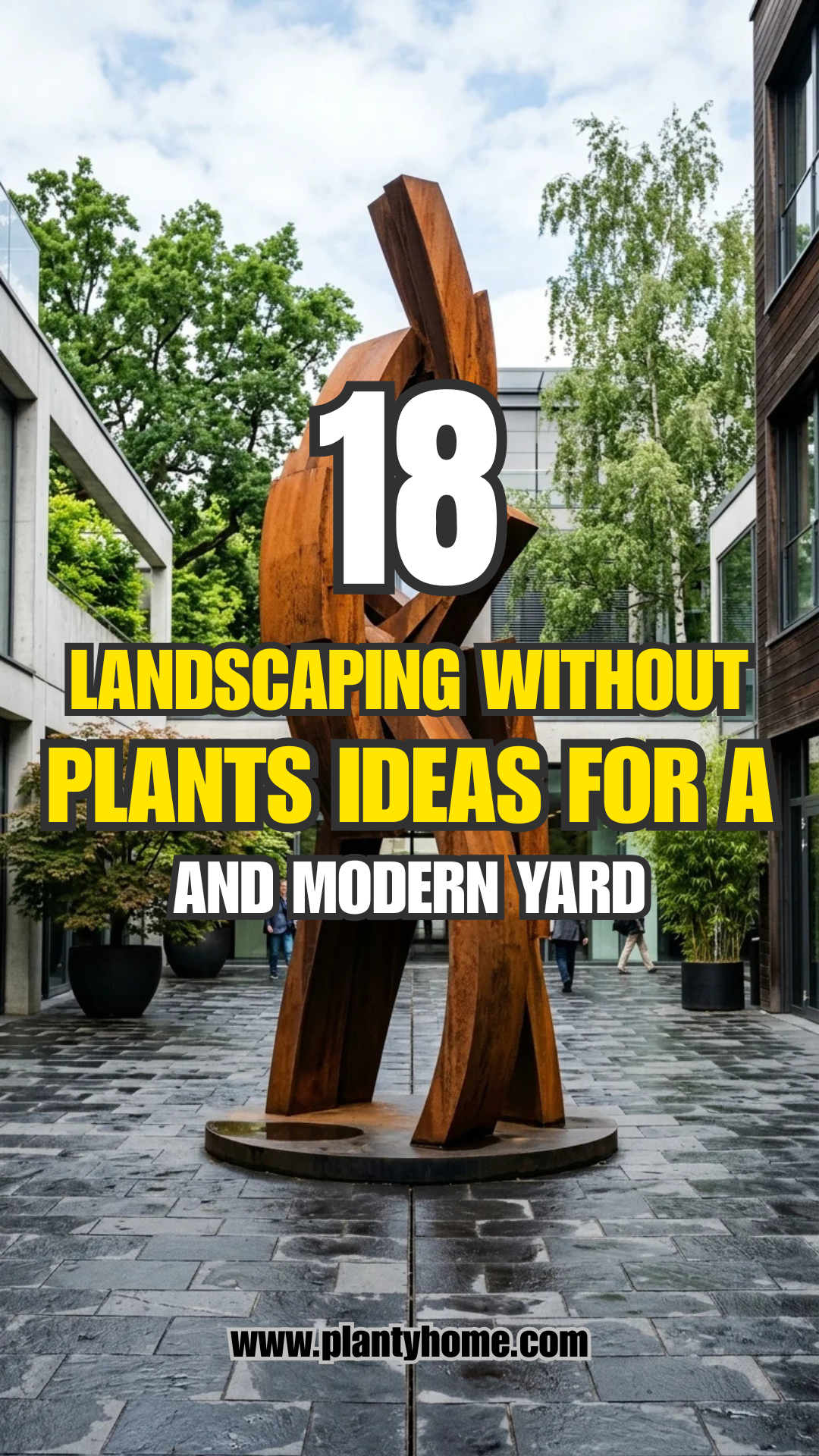
The traditional concept of landscaping almost always involves a lush green lawn, blooming flower beds, and towering trees. However, a growing trend in modern architecture and home design is the “plant-free” yard. Whether you are looking to drastically reduce maintenance, conserve water in an arid climate, or simply achieve a minimalist, high-end aesthetic, landscaping without plants offers a world of creative possibilities. By focusing on textures, materials, and structural elements, you can transform an outdoor space into a sophisticated extension of your home.
1. Decorative Gravel
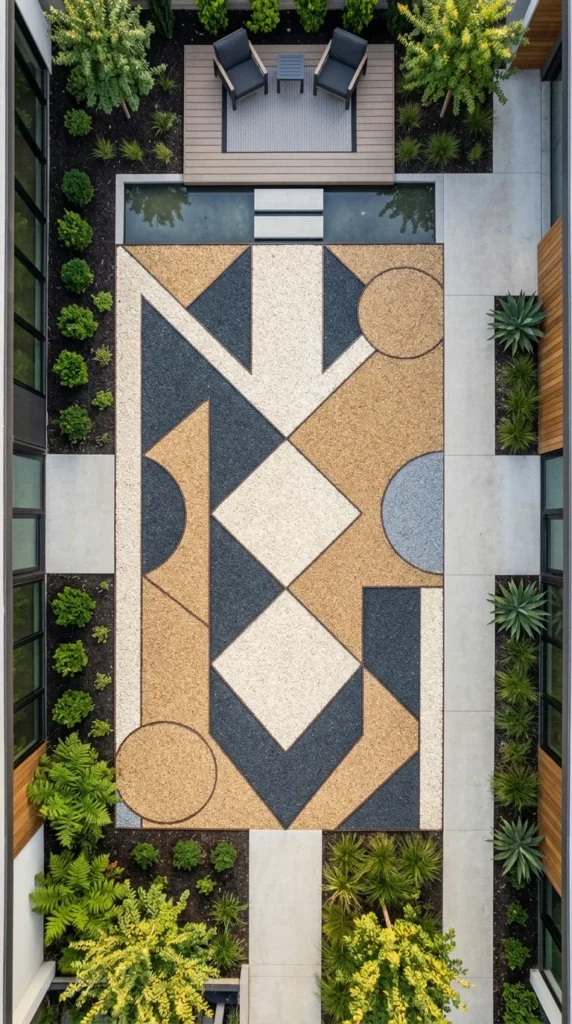
Gravel is the backbone of plant-free landscaping. It provides an immediate sense of texture and can be used to define different zones within a yard. From smooth river rocks to jagged crushed granite, the variety of colors and sizes allows for immense customization. Using contrasting colors—such as dark slate next to white quartz—creates a striking visual impact that mimics the vibrancy of a garden without the need for water or pruning.
2. Paver Patios
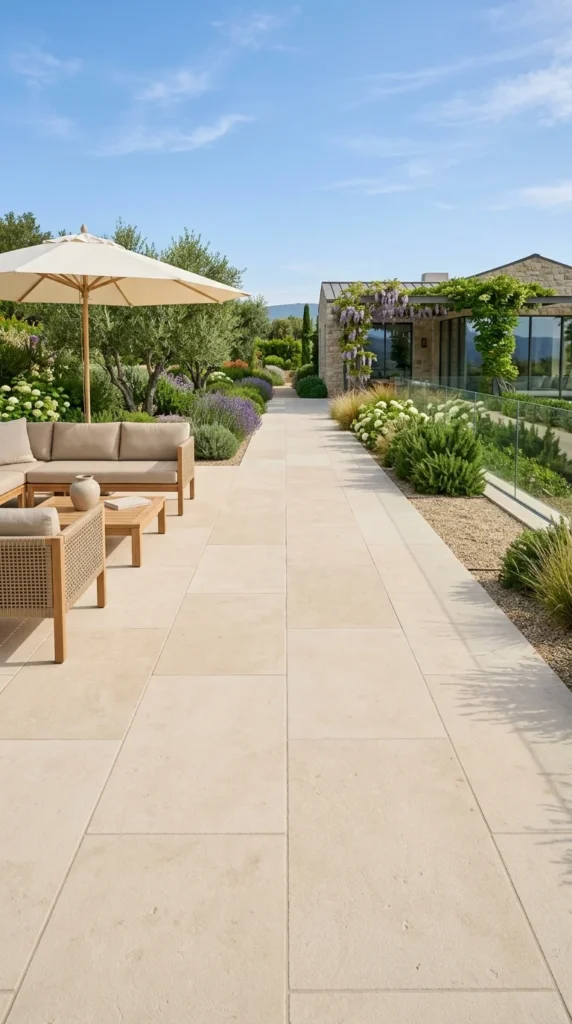
Large-format pavers are a staple of modern design. By covering significant portions of the yard with high-quality stone or concrete pavers, you eliminate the need for mowing and create a stable surface for entertaining. For a contemporary look, choose pavers with straight edges and neutral tones like cool grey or sand. The uniformity provides a “clean” feel that is much harder to maintain with natural grass.
3. Water Features
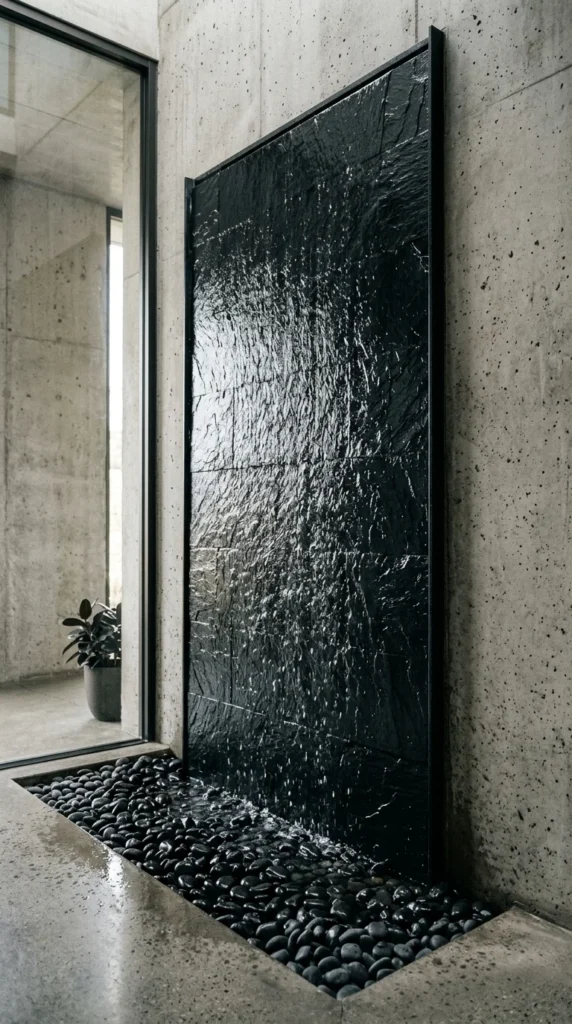
Water brings movement and sound to a yard, elements usually provided by rustling leaves. A sleek, architectural fountain or a minimalist reflecting pool serves as a powerful focal point. Because there are no plants to drop debris into the water, maintenance is simplified. The reflection of the sky on a still pool of water can make a small yard feel significantly larger and more serene.
4. Wood Decking
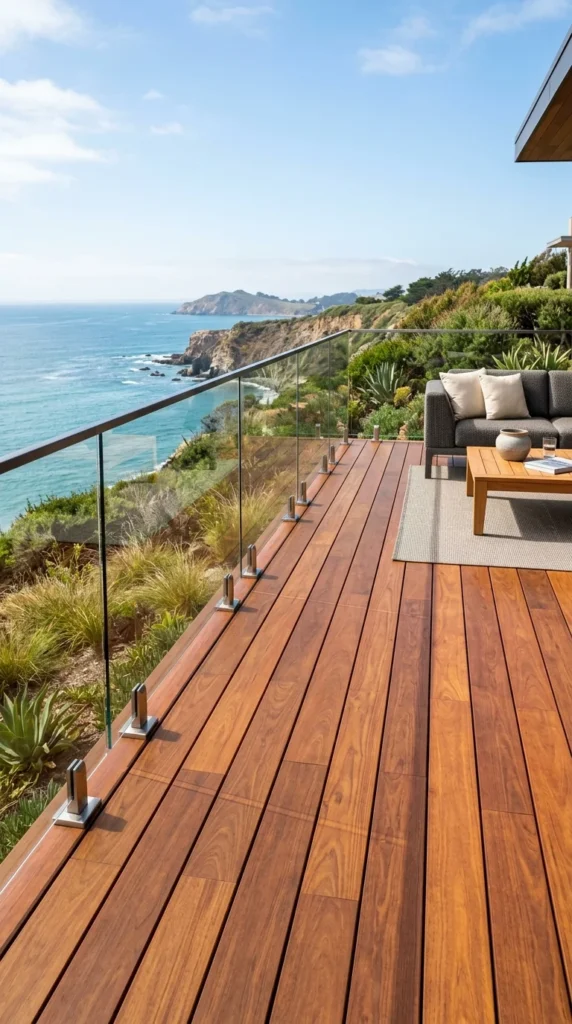
Natural wood or high-quality composite decking adds warmth to a hardscaped yard. It breaks up the “coldness” of stone and concrete, providing a tactile surface that is comfortable for bare feet. Multi-level decks can help navigate sloped yards, creating distinct “rooms” for dining, lounging, or sunbathing without a single blade of grass in sight.
5. Sculptures
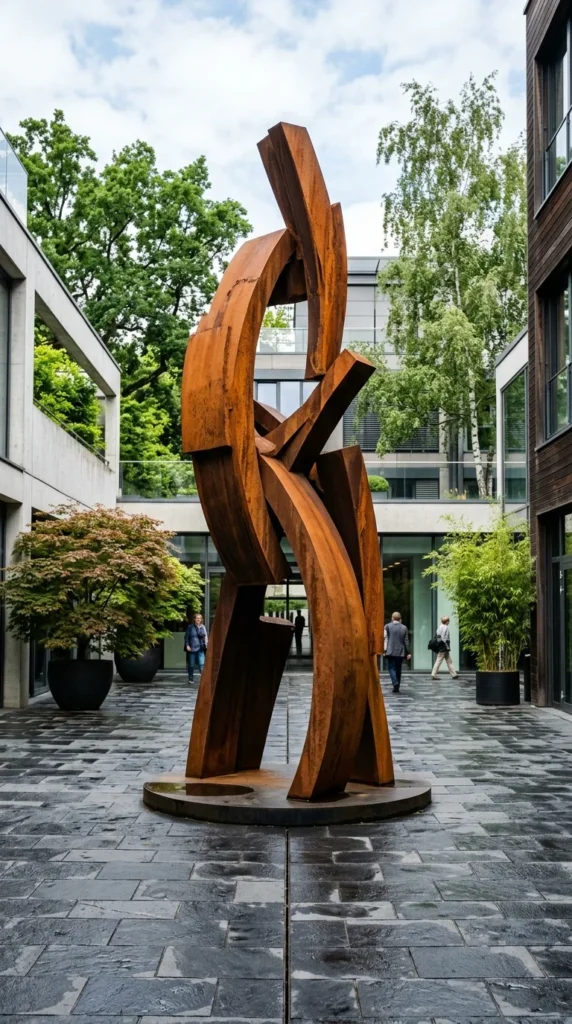
In the absence of organic shapes from plants, art takes center stage. A large-scale sculpture made of metal, stone, or even industrial glass can define the personality of your yard. Weathered materials like Corten steel provide a changing color palette over time, while polished stainless steel can reflect the surrounding environment, creating an ever-changing visual experience.
6. Artificial Turf
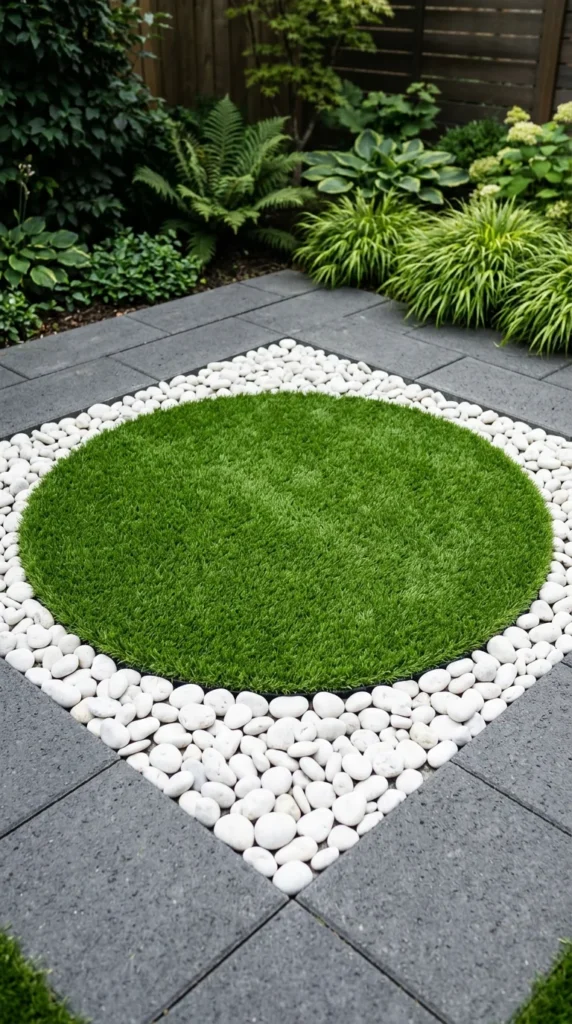
If you love the look of a green lawn but hate the maintenance, high-quality artificial turf is the solution. Modern synthetic grass is incredibly realistic and stays perfectly green year-round regardless of the weather. It provides a soft area for children or pets to play while maintaining the “clean” lines of a modern landscape. It requires no water, no fertilizer, and most importantly, no lawnmower.
7. Fire Pits
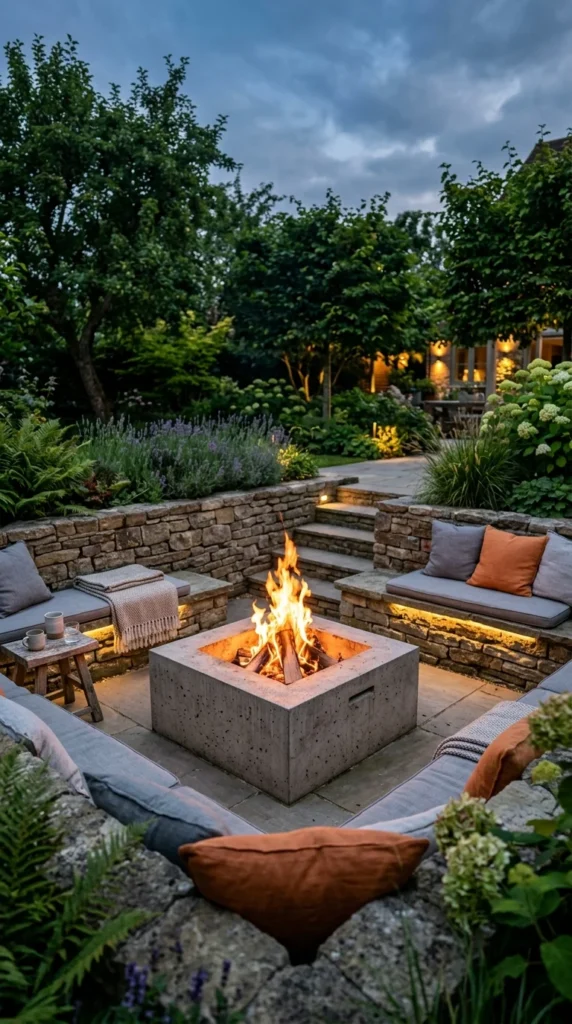
A fire pit is the ultimate functional focal point. Whether it is a sleek gas-powered linear burner or a traditional wood-burning bowl, it draws people together. In a plant-free yard, the fire pit becomes the heart of the space. Surrounding it with gravel or stone creates a safe, non-flammable zone that looks intentional and architecturally sound.
8. Rock Gardens
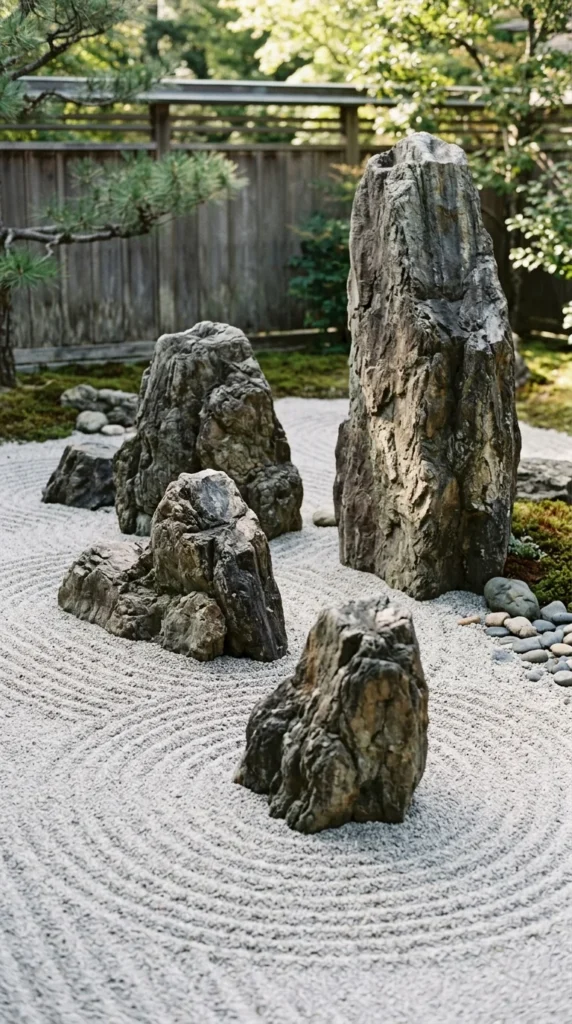
Drawing inspiration from Japanese Zen gardens, a dry rock garden focuses on the beauty of form and placement. Large, weathered boulders can be treated as natural sculptures. By varying the height and texture of the rocks, you create a landscape that feels rugged and permanent. This approach is particularly effective in desert environments where it blends seamlessly with the natural surroundings.
9. Outdoor Lighting
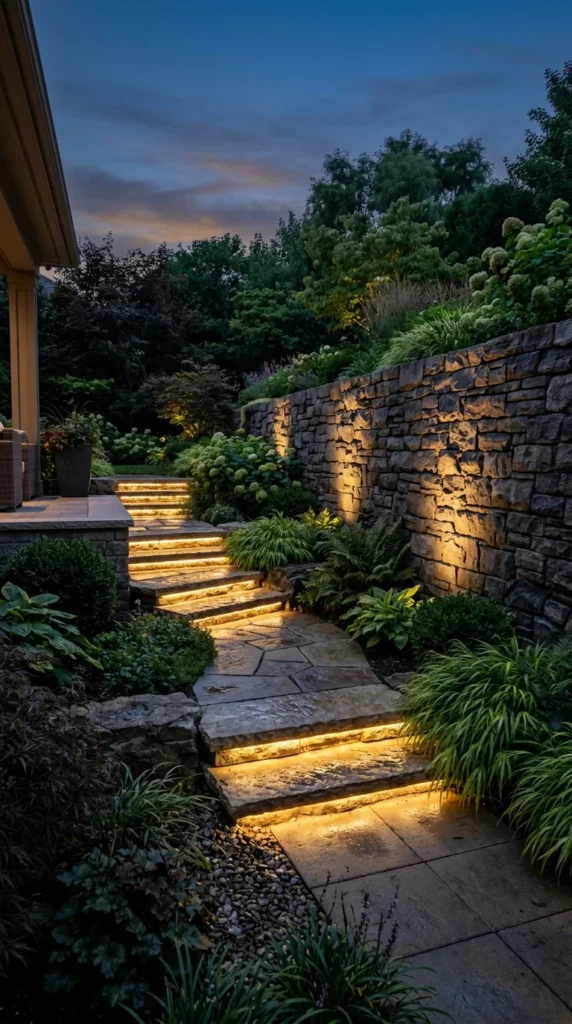
Lighting is the secret weapon of plant-free landscaping. Without trees to create shadows, you can use light to paint the hardscape. Under-bench lighting, recessed path lights, and “uplighting” on architectural features or walls can transform a yard into a dramatic, high-end lounge space after the sun goes down. It highlights the textures of your chosen materials, such as the grain of wood or the roughness of stone.
10. Retaining Walls
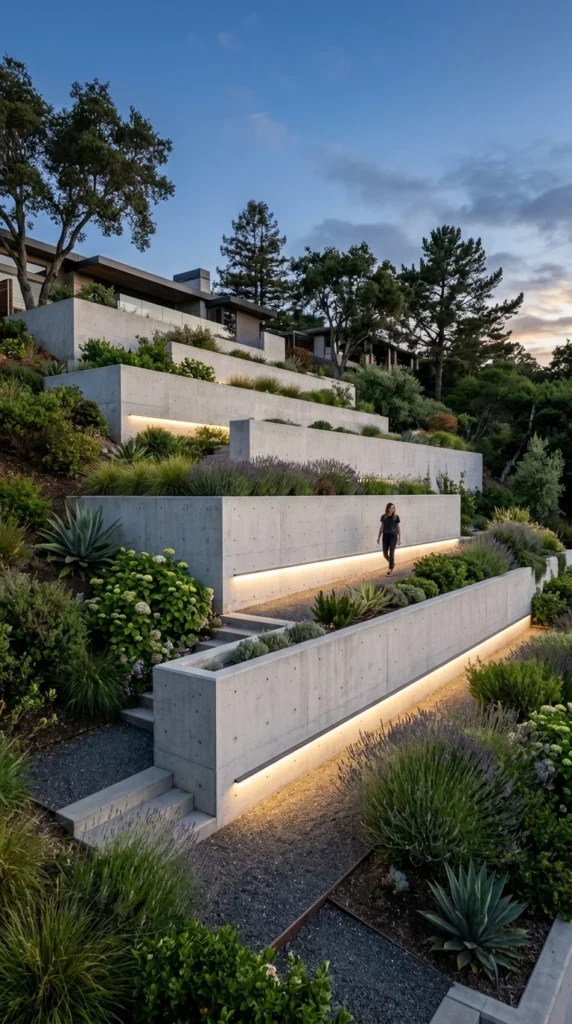
Retaining walls are not just for erosion control; they are powerful design elements. In a plant-free yard, these walls can be made of sleek concrete, stacked stone, or timber to create vertical interest. They provide opportunities for built-in seating or can act as “shelves” for decorative items like lanterns or outdoor pottery, adding depth and dimension to the space.
11. Mulch Beds
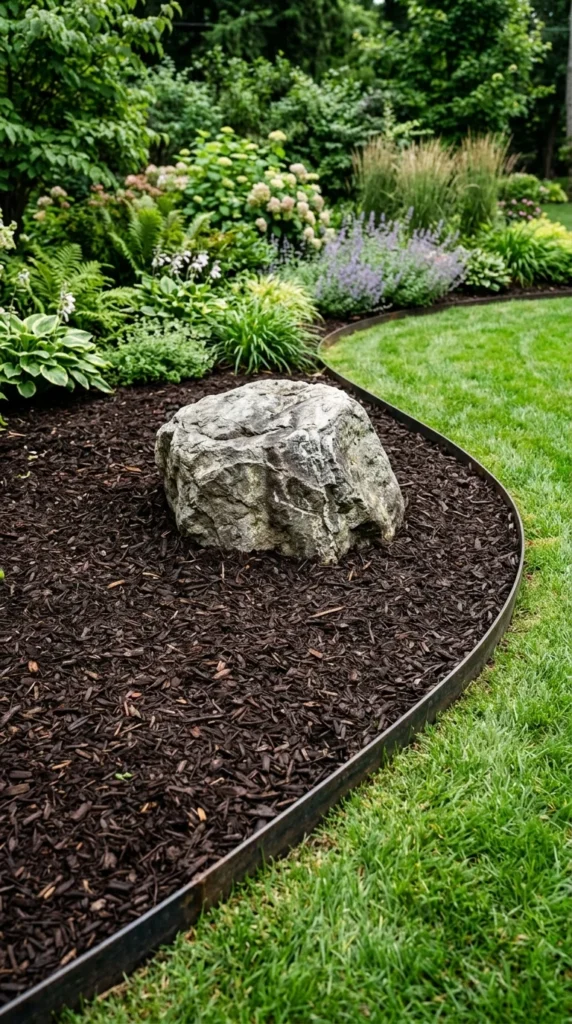
While often used around plants, mulch can stand alone as a ground cover. It provides a soft, organic texture and a pleasant scent. In a modern yard, using a single color of mulch in a geometric shape can provide a striking contrast to hard surfaces like concrete. Rubber mulch is another long-lasting, low-maintenance alternative that maintains its color for years without decomposing.
12. Boulders
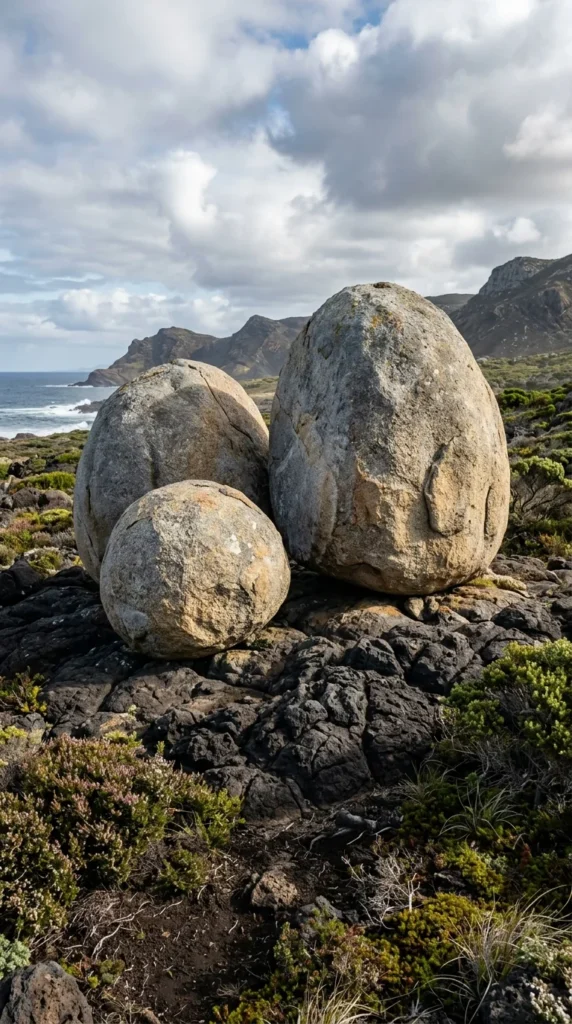
Boulders act as the “furniture” of the natural world. They provide scale and weight to a landscape. In a plant-free yard, a well-placed group of boulders can break up a flat expanse of gravel or pavers. Choosing rocks with interesting mineral veining or moss-covered surfaces (even if the moss is dried) adds a layer of natural history to a modern design.
13. Pathways
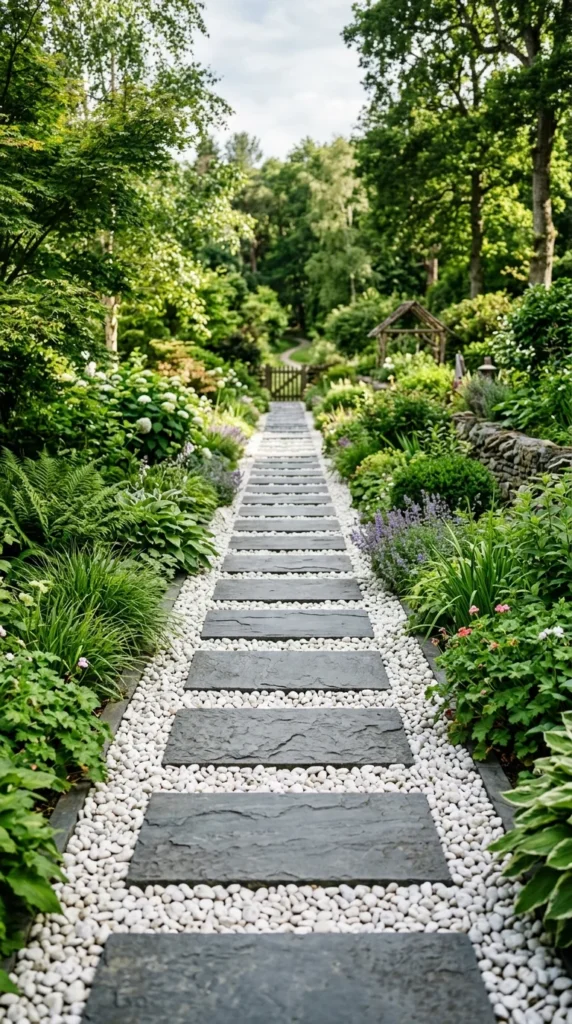
Pathways dictate how you move through and experience your outdoor space. In a plant-free yard, the path itself is the destination. Using “steppers”—large stones with gaps between them—creates a rhythmic, modern look. The fill material in those gaps (like pea gravel or glass cullet) allows for creative color combinations that guide the eye toward the home or a specific feature.
14. Shade Sails
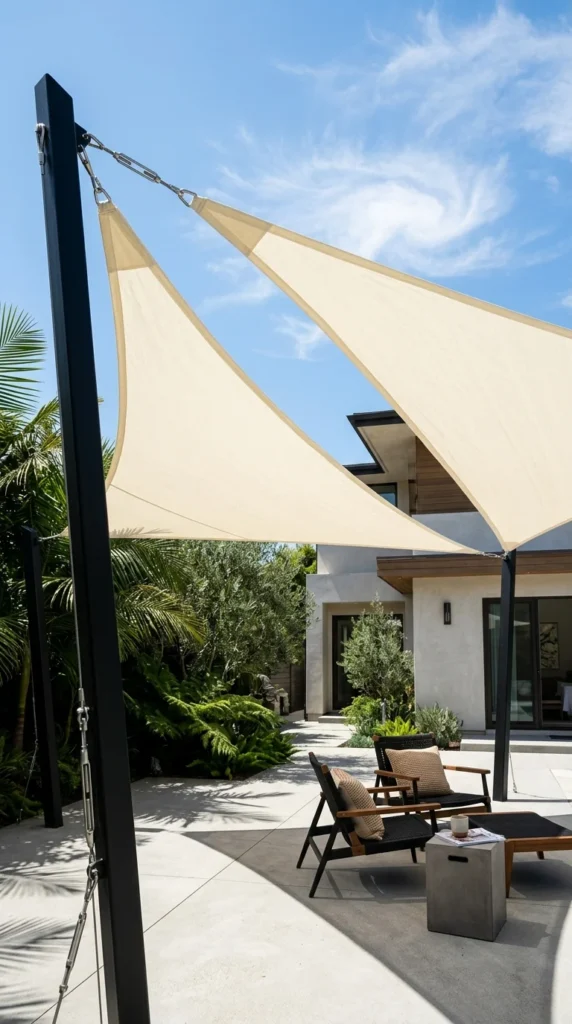
Since you won’t have trees to provide natural shade, architectural shade solutions are a must. Shade sails are a modern, cost-effective way to add color and geometric interest to the “airspace” of your yard. They create cool, comfortable zones for relaxing and help to define the “ceiling” of your outdoor room, making the space feel more intimate.
15. Pergolas
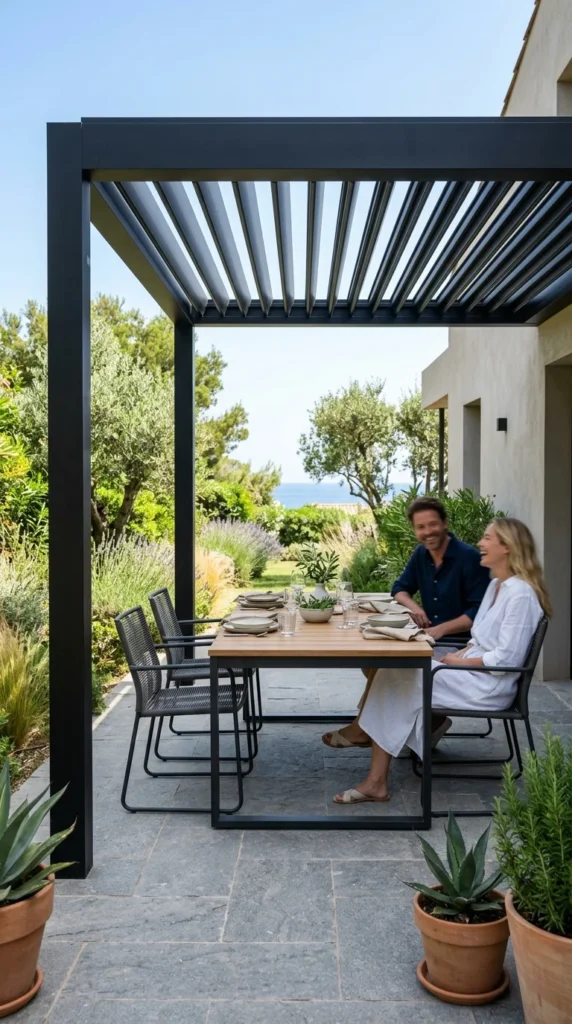
A pergola provides structure and a sense of enclosure. Modern versions made of aluminum or steel offer clean lines that complement contemporary homes. They can be equipped with motorized louvers to control sun and rain. Without climbing vines, the pergola remains a clean, architectural statement piece that defines an outdoor kitchen or dining area.
16. Gabion Walls
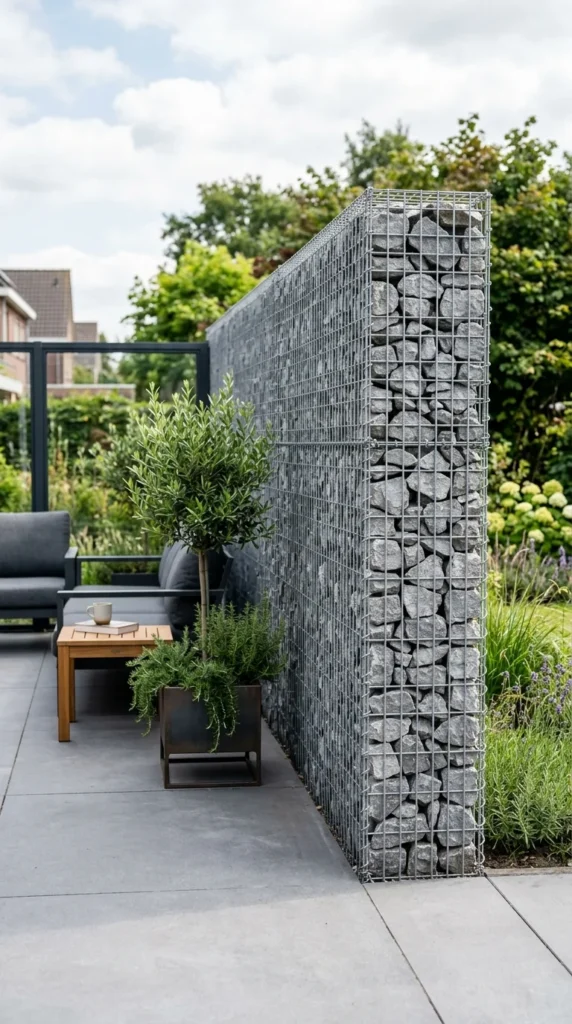
Gabion walls are wire cages filled with rocks or other heavy materials. They offer a rugged, industrial aesthetic that is incredibly durable. They can be used as fences, retaining walls, or even the base for outdoor benches. The “grid” of the wire combined with the natural texture of the stone inside creates a beautiful contrast that is quintessential to modern landscaping.
17. Glass Mulch
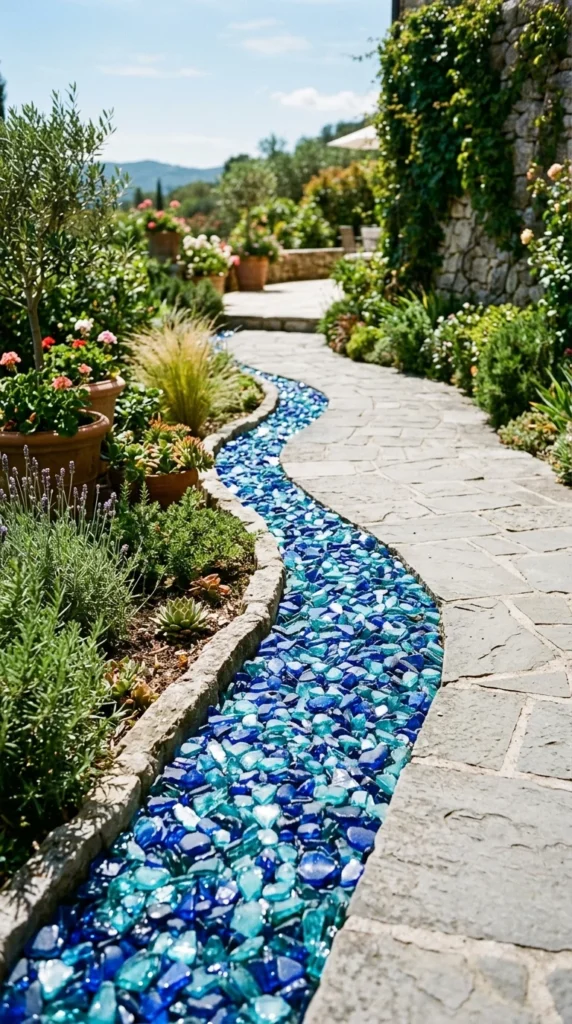
For a truly unique and modern look, consider recycled glass mulch. This tumbled glass has no sharp edges and comes in a vibrant array of colors. It can be used in place of gravel to create “dry rivers” or decorative borders. When hit by the sun or nighttime landscape lighting, it glows and sparkles, adding a level of visual interest that plants simply cannot provide.
18. Outdoor Furniture Sets
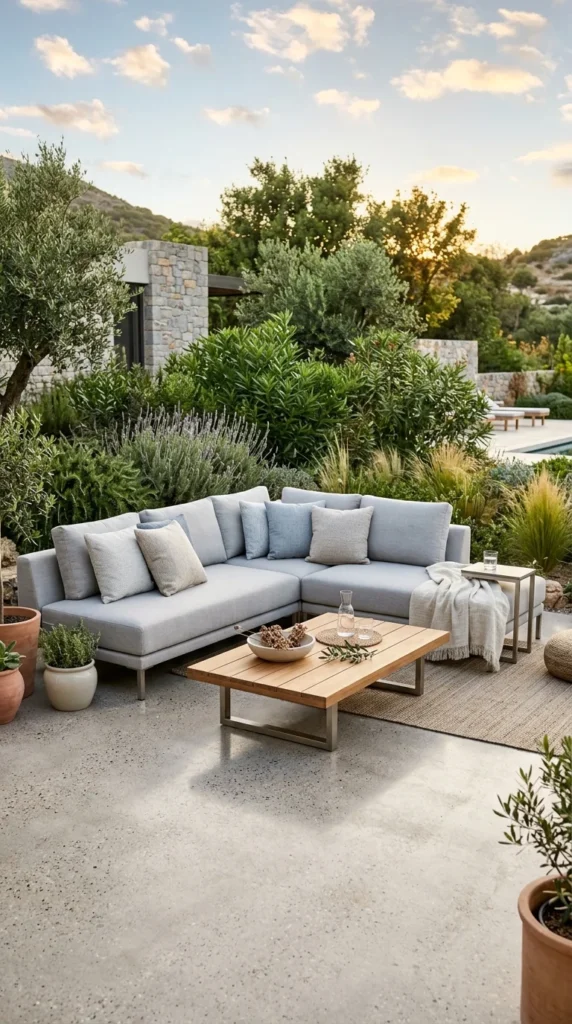
In a yard without plants, the furniture becomes the primary occupant. High-quality, designer outdoor furniture isn’t just for sitting; it’s a structural element. Choose pieces with bold silhouettes and premium materials like teak, powder-coated aluminum, or rope weave. By treating your yard as an outdoor living room, the focus shifts from “gardening” to “living,” emphasizing comfort and style in a clean, uncluttered environment.