
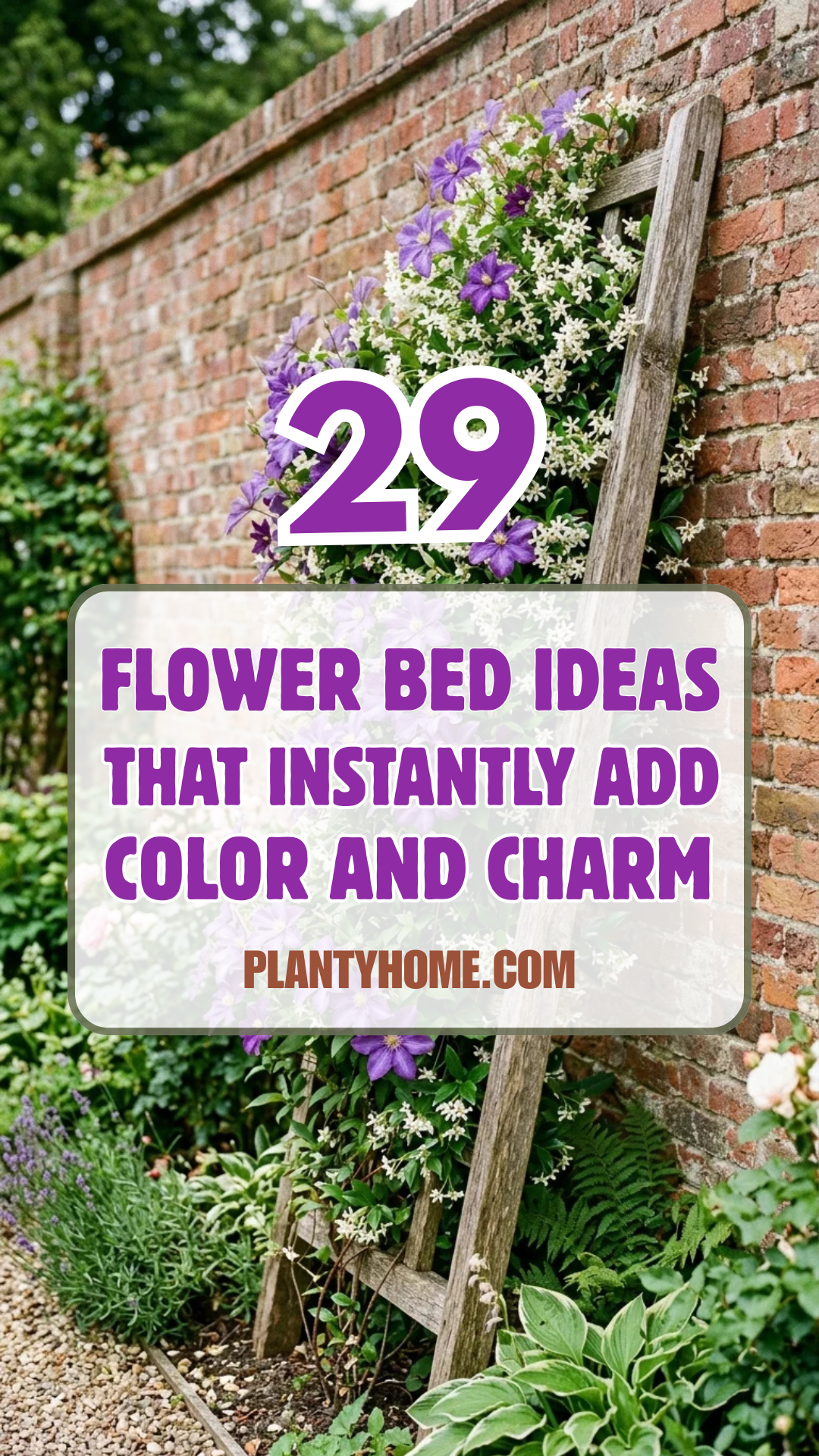
Transforming an outdoor space from a simple patch of grass into a vibrant sanctuary begins with the strategic design of flower beds. Whether you are dealing with a sprawling backyard or a compact urban patio, the right arrangement of flora can redefine your home’s aesthetic. Gardening is both an art and a science, blending the textures of foliage with the seasonal rhythms of blooms to create a living tapestry. The following 29 ideas offer a range of styles—from the rustic charm of repurposed vintage items to the sleek lines of modern landscaping—ensuring that every homeowner can find the perfect inspiration to elevate their curb appeal.
1. Tiered Walls
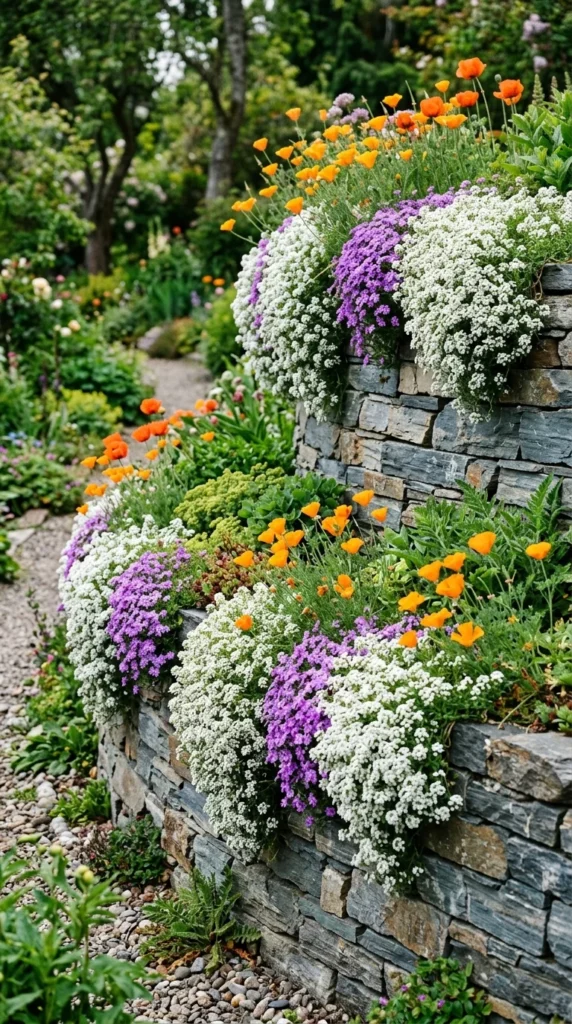
Tiered flower beds are the ultimate solution for sloped yards or for adding architectural depth to a flat landscape. By using retaining walls made of stone, timber, or concrete blocks, you create distinct levels that allow for better drainage and visibility of every plant. This “bleacher” effect ensures that shorter flowers in the front don’t get overshadowed by taller varieties in the back. It also provides an excellent opportunity to mix textures, such as soft ferns on the lower levels and structural ornamental grasses on the top.
2. Rustic Wheelbarrows
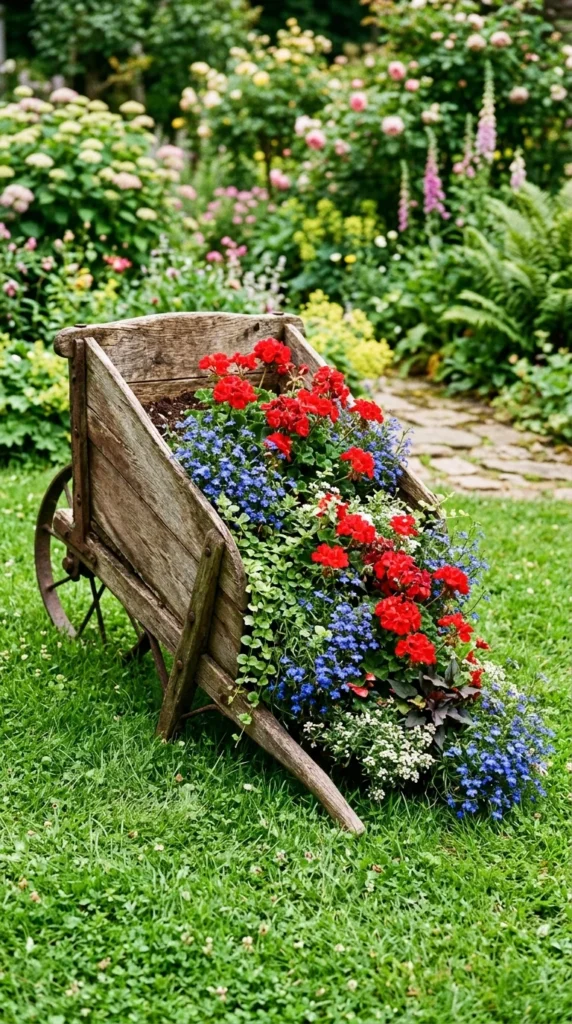
Utilizing a vintage wheelbarrow as a mobile flower bed adds an instant touch of farmhouse charm. This “spilled” garden effect creates a focal point that feels organic and whimsical. To ensure longevity, line the wheelbarrow with landscape fabric and ensure there are drainage holes at the bottom. This setup works particularly well with trailing plants that can drape over the edges, mimicking a flow of liquid color.
3. Perennial Borders
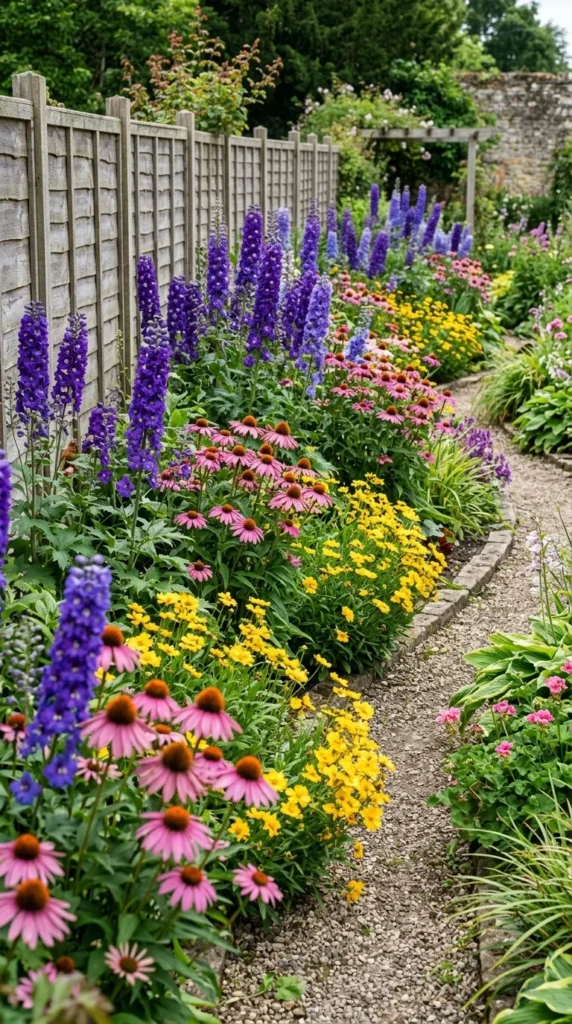
The beauty of a perennial border lies in its reliability. Unlike annuals that need replanting every year, perennials like hostas, peonies, and daylilies return with more vigor each season. Design your border by placing the tallest plants at the rear and tapering down to ground-covering varieties at the edge. This creates a lush, wall-of-color effect that provides a consistent backdrop for your lawn throughout the spring and summer.
4. Rock Formations
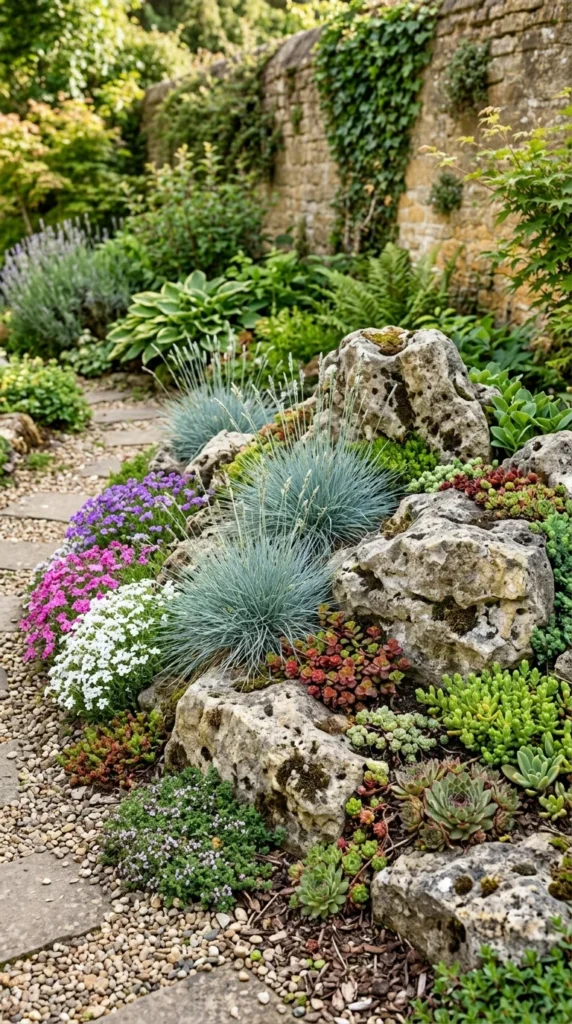
Rock gardens are ideal for adding a rugged, naturalistic feel to your landscape. By integrating various sizes of stones and boulders, you create microclimates that are perfect for alpine plants or succulents that prefer well-drained soil. The contrast between the cold, hard surface of the rocks and the soft, vibrant petals of the flowers creates a visually stimulating environment that requires very little maintenance once established.
5. Cottage Style
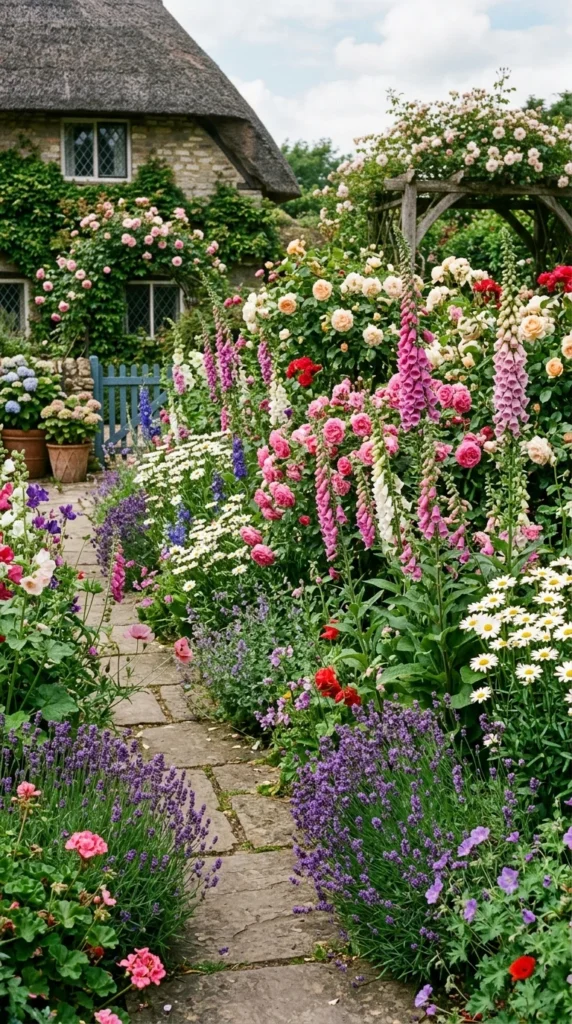
The cottage garden is defined by its lack of rigid structure and its abundance of fragrance and color. This style encourages high-density planting, where flowers are allowed to spill over pathways and mingle with one another. Key plants include hollyhocks, sweet peas, and lavender. This approach not only looks romantic but also helps suppress weeds by leaving very little bare soil exposed to the sun.
6. Tropical Foliage
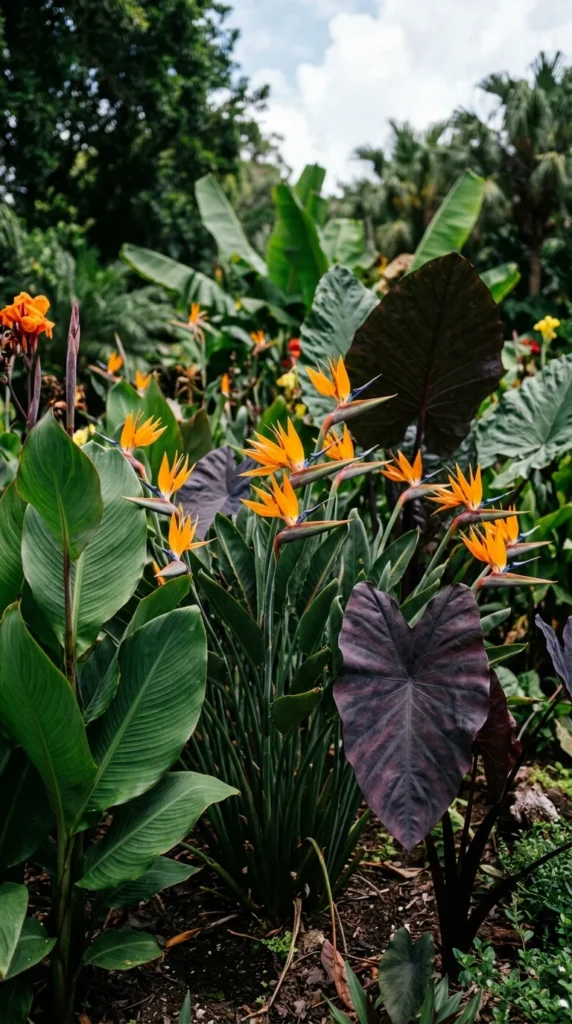
You don’t need to live in the equator to enjoy a tropical aesthetic. By using bold-leafed plants and hot-colored blooms, you can create a vacation-like atmosphere in your own backyard. Hibiscus, mandevilla, and various palms can serve as anchors, while colorful annuals like coleus add variegated patterns to the ground level. These beds thrive in full sun and high humidity, making them perfect for summer-heavy climates.
7. Raised Beds
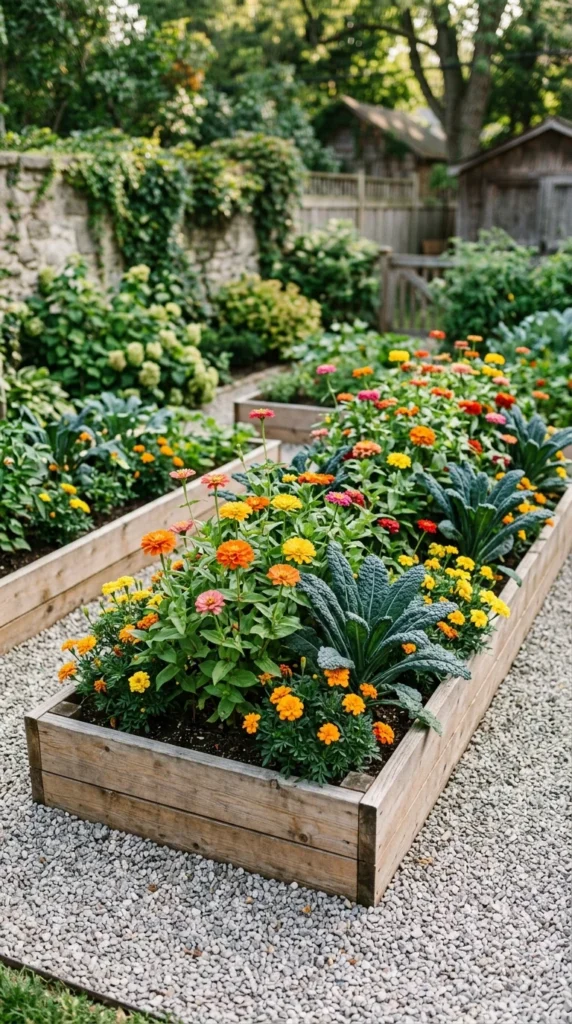
Raised beds offer more than just aesthetic appeal; they provide superior soil control and are much easier on the back and knees. By elevating the planting area, you can customize the soil mix to suit specific flowers, such as acid-loving azaleas or alkaline-preferring clematis. Using cedar or redwood ensures the frames last for years against the elements while maintaining a clean, organized look.
8. Window Boxes
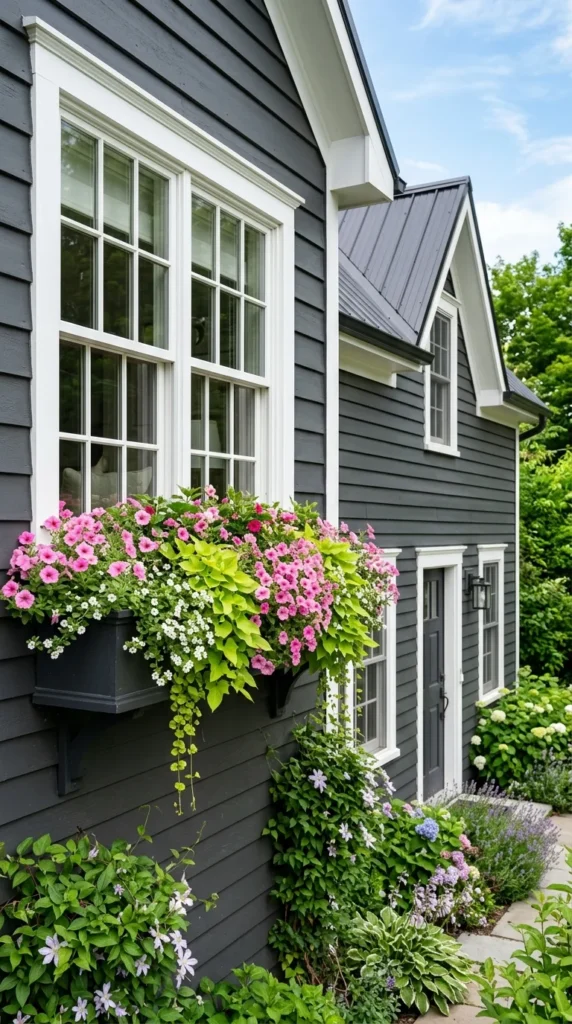
Window boxes bring the garden up to eye level and add charm to the exterior of the home itself. They are the perfect way to bridge the gap between the house and the yard. For a professional look, follow the “thriller, filler, spiller” rule: one tall striking plant (thriller), several mounding plants (filler), and trailing vines to hang over the edge (spiller).
9. Tree Bases
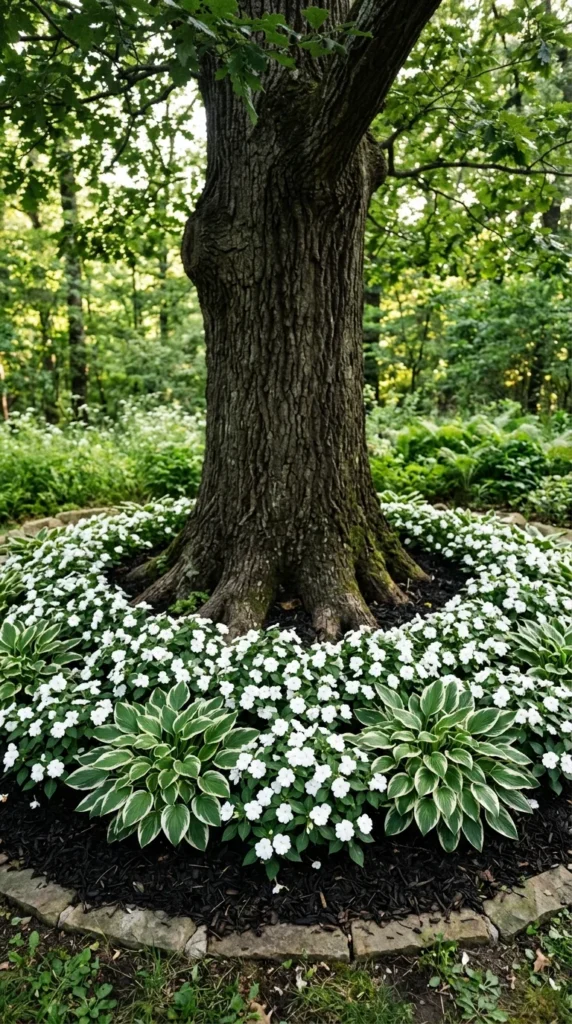
The space beneath a large shade tree is often a forgotten patch of dirt or struggling grass. Turning this into a circular flower bed adds a finished look to the landscape. Since the tree roots will compete for water and nutrients, choose shade-tolerant, hardy plants like begonias, hellebores, or lily of the valley. Ensure you don’t pile mulch too high against the tree trunk to prevent rot.
10. Succulent Varieties
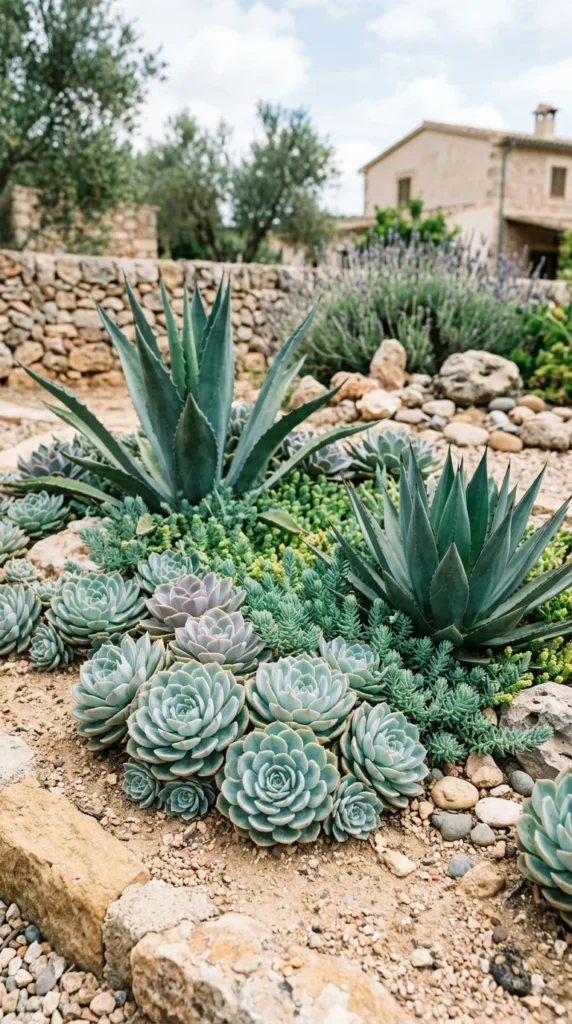
For those in arid climates or looking for a low-water alternative, a dedicated succulent bed is both trendy and practical. Succulents offer incredible geometric shapes and subtle color variations that change with the sunlight. Mixing different heights and textures—like the spiked aloe with the soft “hens and chicks”—creates a modern, desert-chic vibe that stays green year-round.
11. Lavender Paths
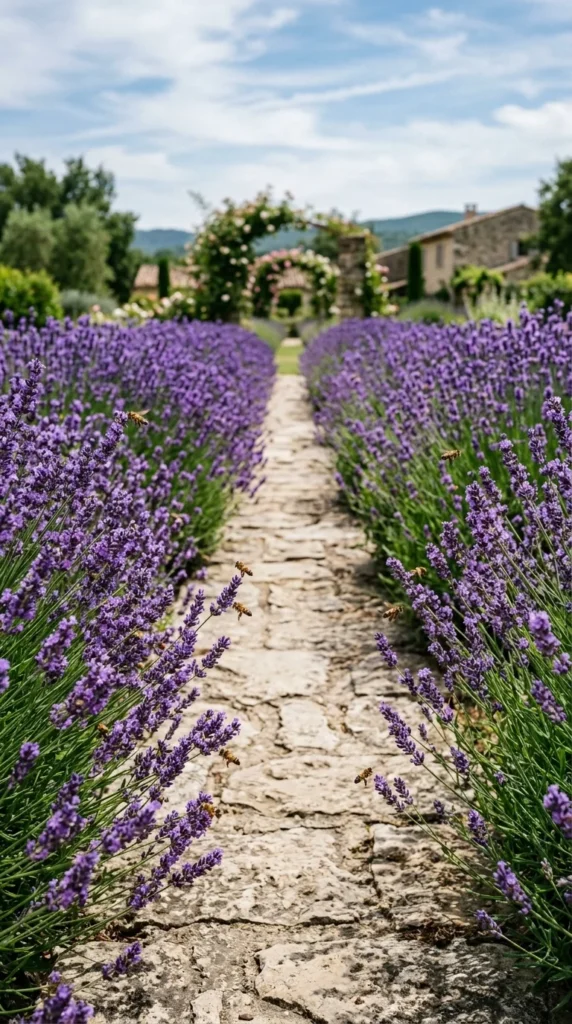
Planting a dedicated row of lavender along a walkway provides a sensory experience every time you head to your front door. Lavender is prized for its soothing scent and its ability to attract pollinators. This plant loves sun and sandy, well-drained soil. When planted in a long, continuous line, it creates a Mediterranean-style border that looks as good as it smells.
12. Wildflower Meadows
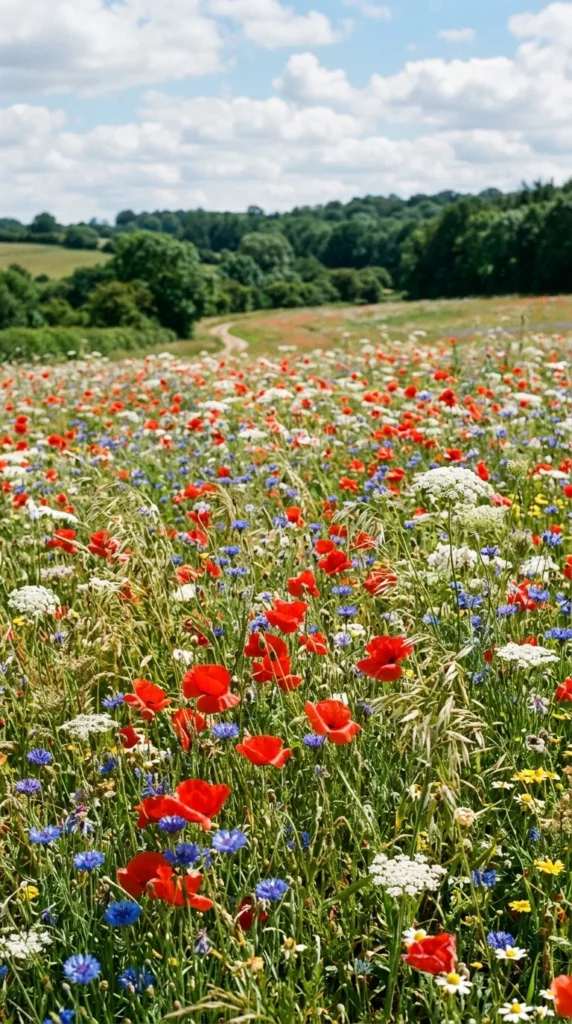
A wildflower bed is the perfect choice for a “set it and forget it” gardening style. By sowing a mix of native seeds, you create a habitat for local wildlife and a vibrant, ever-changing display of color. This approach is much more eco-friendly than a traditional lawn and requires significantly less mowing and fertilization.
13. Modern Edging
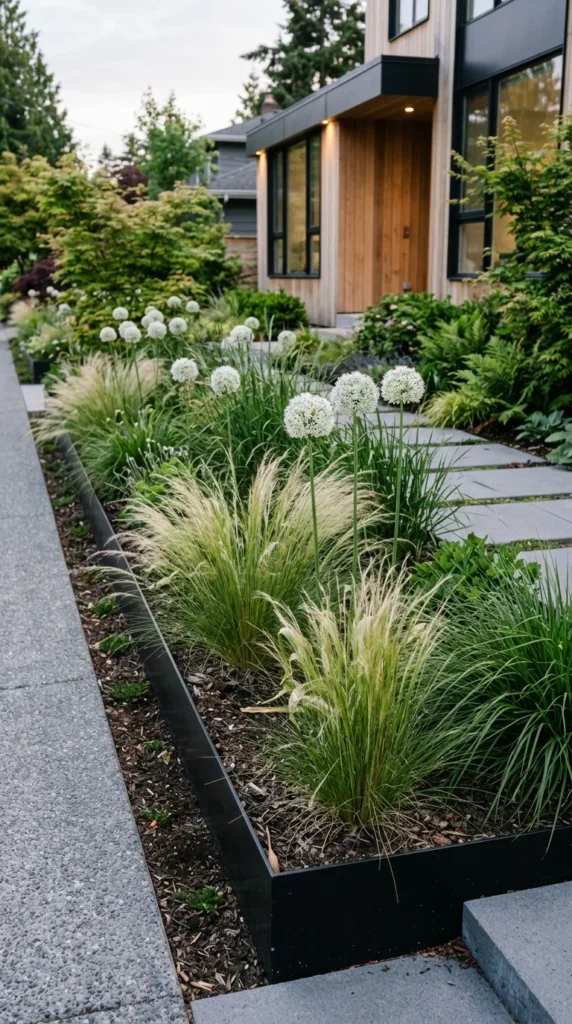
Clean lines are the hallmark of modern garden design. Using metal or stone edging to create sharp, geometric shapes—such as squares or long rectangles—gives the flower bed a sophisticated, architectural feel. This style often emphasizes a limited color palette and the repetition of plants to create a sense of rhythm and calm.
14. Monochrome Petals
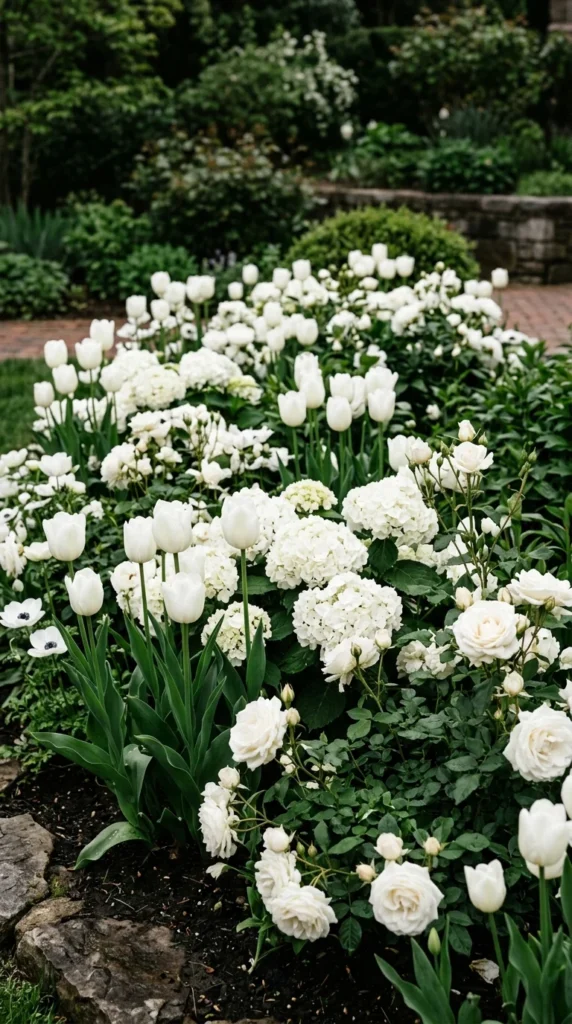
A monochrome or “moon garden” focuses on flowers of a single color. A white garden is particularly popular because the blooms glow in the twilight, creating a peaceful atmosphere for evening relaxation. By removing the distraction of multiple colors, you can focus on the varying shapes of the petals and the textures of the leaves.
15. Upcycled Planters
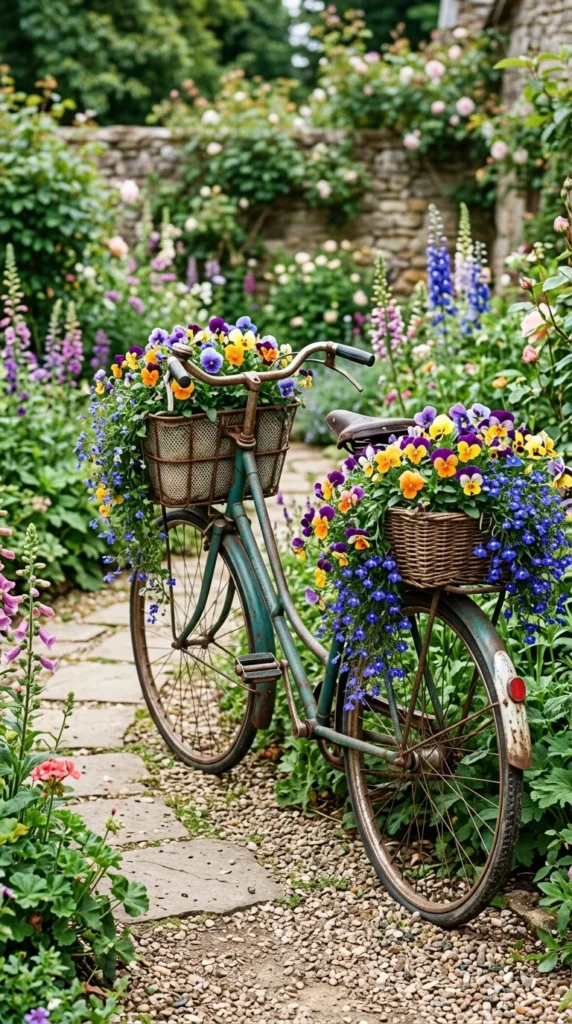
Upcycling old household items into flower beds adds personality and a touch of whimsy to the garden. Old boots, galvanized buckets, or even a clawfoot bathtub can become a home for flowers. These unique containers allow for creative placement around the yard and provide a great conversation starter for guests.
16. Log Hollows
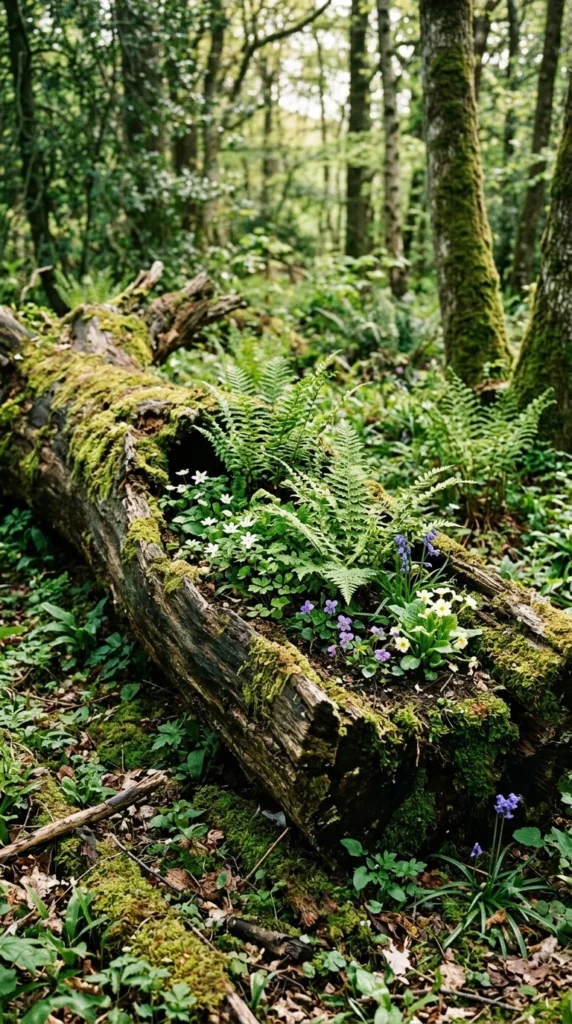
If you have a fallen tree or a large stump, don’t remove it. Instead, hollow out the center and fill it with potting soil to create an organic, rustic planter. This “nurse log” look is perfect for shade-loving plants and mosses, making it appear as though the flowers are growing right out of the forest floor.
17. Shade Plants
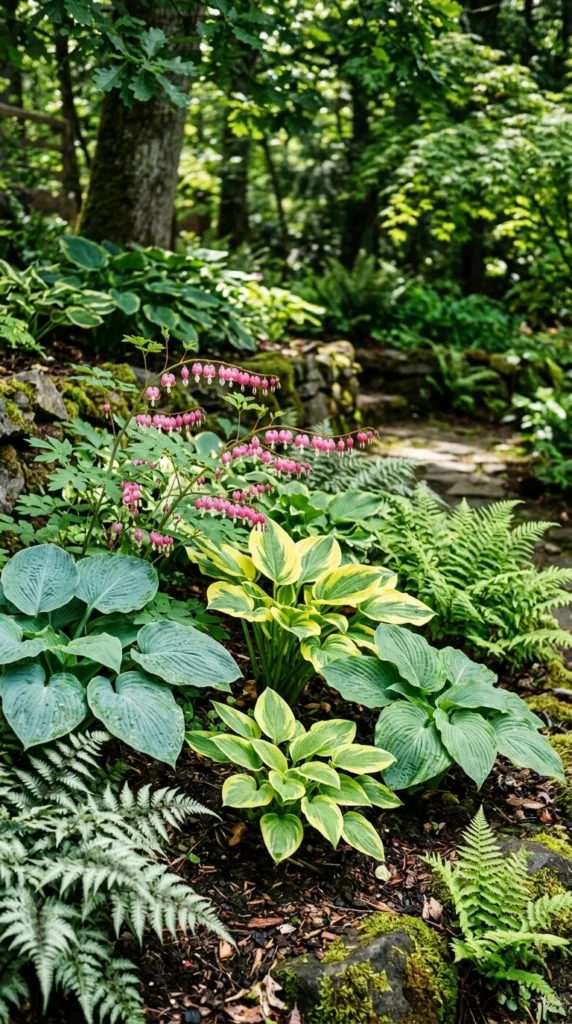
Shade beds are all about texture and varying shades of green. While many flowers require full sun, plants like hostas, astilbe, and coral bells thrive in the shadows. The key to a successful shade bed is to use variegated leaves (green with white or yellow edges) to “brighten” the dark corners of your yard.
18. Pollinator Hubs
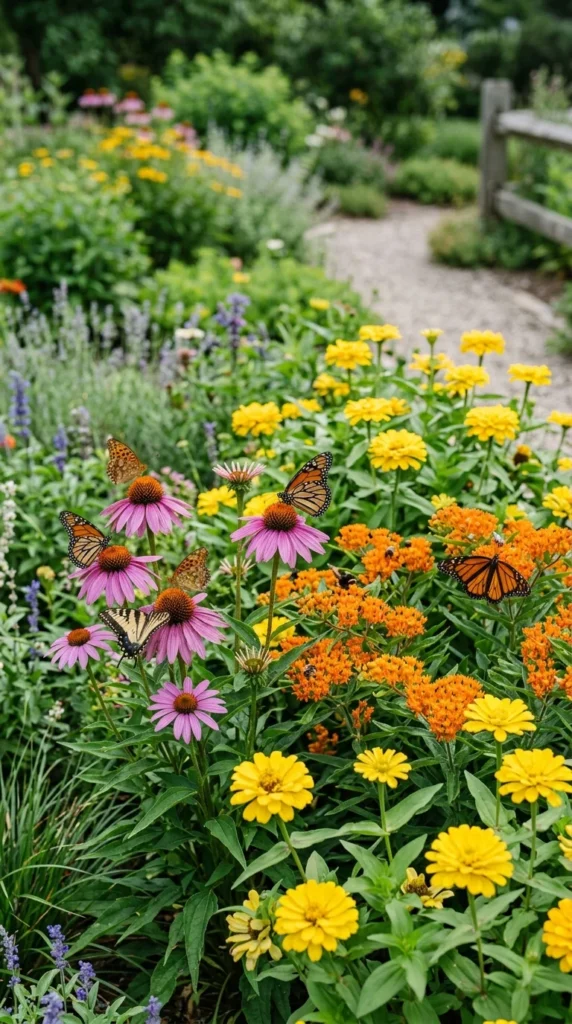
A pollinator garden is a bed with a purpose. By planting species like milkweed, buddleia (butterfly bush), and bee balm, you provide essential food sources for bees, butterflies, and hummingbirds. These beds are usually very colorful and lively, filled with the movement of wings and the buzzing of beneficial insects.
19. Vertical Structures
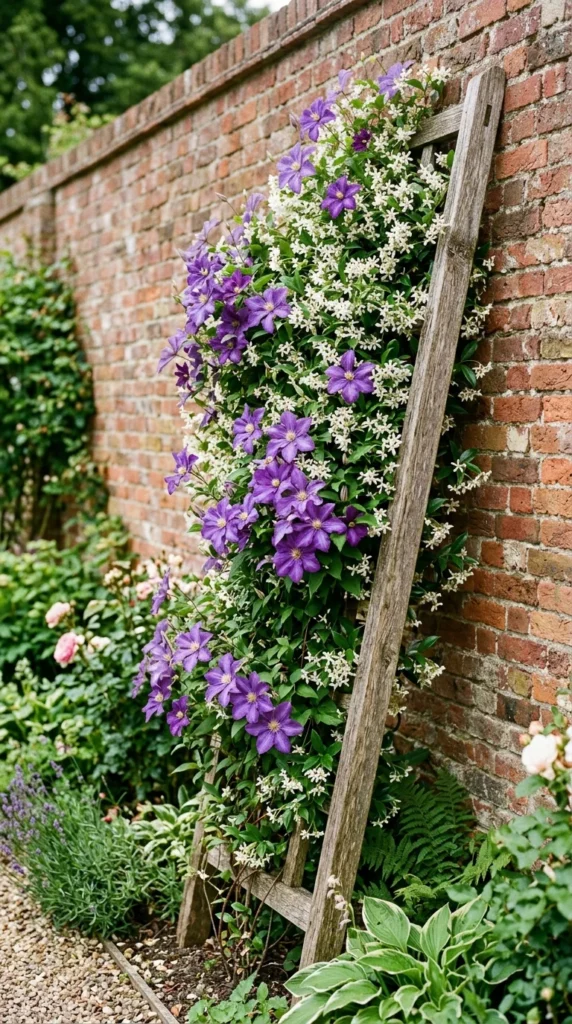
When horizontal space is limited, go vertical. Adding trellises, obelisks, or arbors to your flower beds allows you to grow climbing roses, clematis, or morning glories. This adds height to your garden and can help screen off unsightly views or provide privacy from neighbors.
20. Edible Blooms
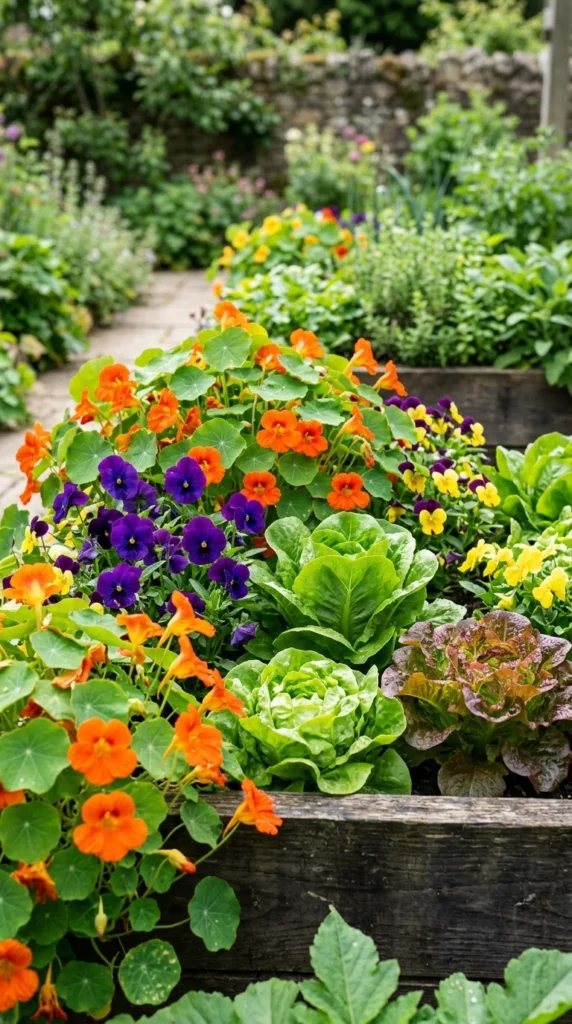
Why choose between a flower garden and a vegetable patch? An edible flower bed combines aesthetics with functionality. Plants like nasturtiums, violas, and calendula are not only beautiful but also edible, making them perfect for garnishing salads and desserts. Interspersing them with herbs like rosemary and thyme creates a fragrant and useful garden space.
21. Water Features
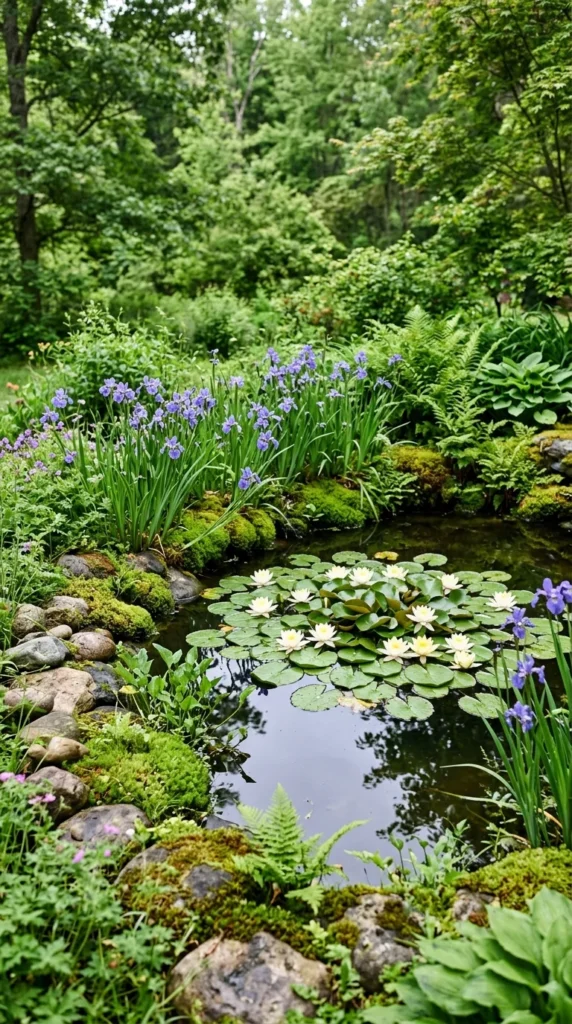
Integrating a flower bed with a water feature, such as a small pond or a bubbling fountain, creates a tranquil focal point. Moisture-loving plants like irises and canna lilies can be planted directly at the water’s edge, creating a seamless transition from the terrestrial garden to the aquatic one.
22. Herb Spirals
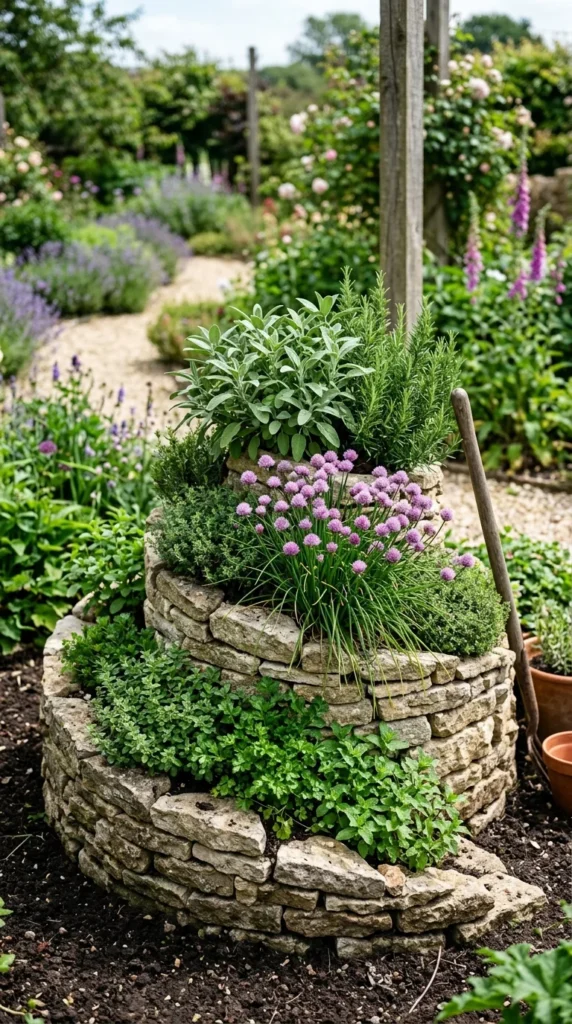
An herb spiral is a permaculture technique that creates different microclimates in a small space. The top is dry and sunny (perfect for rosemary), while the bottom is cooler and moister (great for mint or parsley). When these herbs flower, they add delicate colors and incredible aromas to the garden while remaining highly functional for the kitchen.
23. Stone Borders
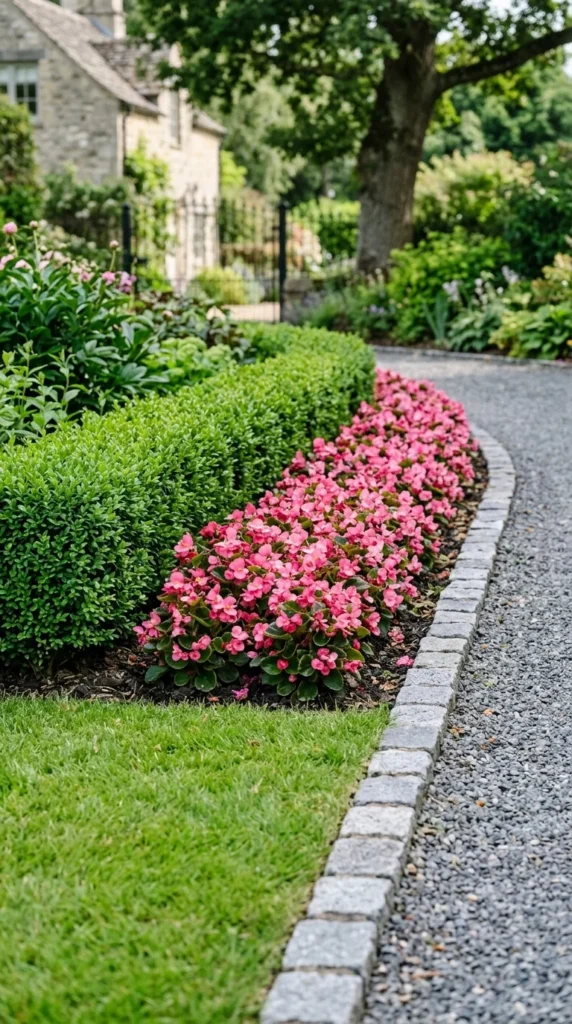
Defining the edge of your flower bed with stones creates a polished, clean look that prevents grass from creeping into the soil. Whether you use smooth river rocks, jagged slate, or uniform bricks, a stone border provides a clear visual transition that makes the colors of the flowers pop against the green of the lawn.
24. Seasonal Annuals
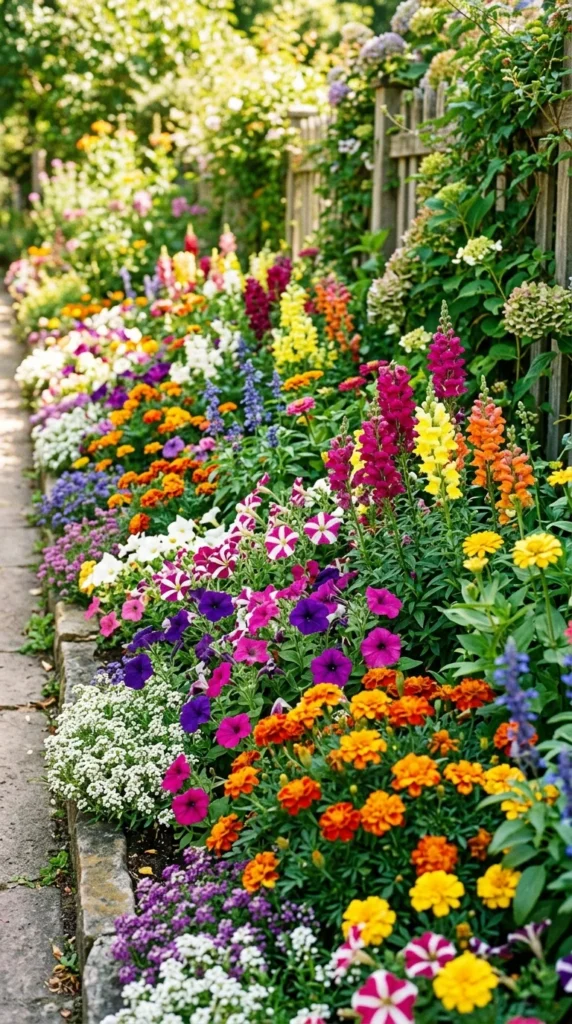
Annual flower beds allow for a complete garden makeover every single year. Because annuals live for only one season, they tend to bloom more profusely than perennials. This allows homeowners to experiment with different color schemes each spring—going for “hot” reds and yellows one year and “cool” blues and purples the next.
25. Rose Bushes
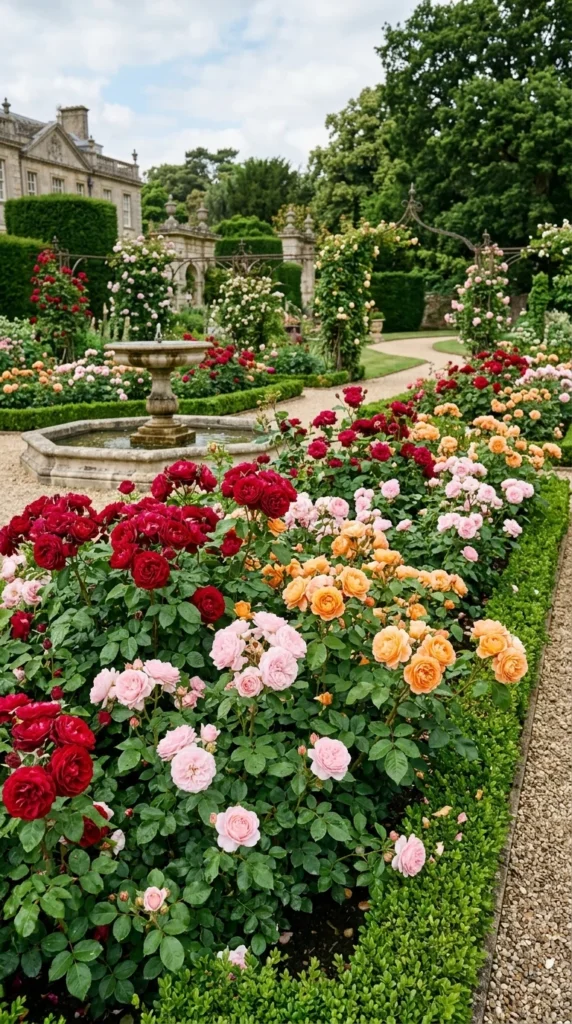
A dedicated rose bed is a timeless classic. Roses offer unmatched beauty and fragrance, ranging from low-growing carpet roses to tall grandifloras. To keep a rose bed looking its best, underplant with lavender or catmint; these companion plants help hide the “leggy” stems of the rose bushes and provide a soft color contrast.
26. Desert Xeriscaping
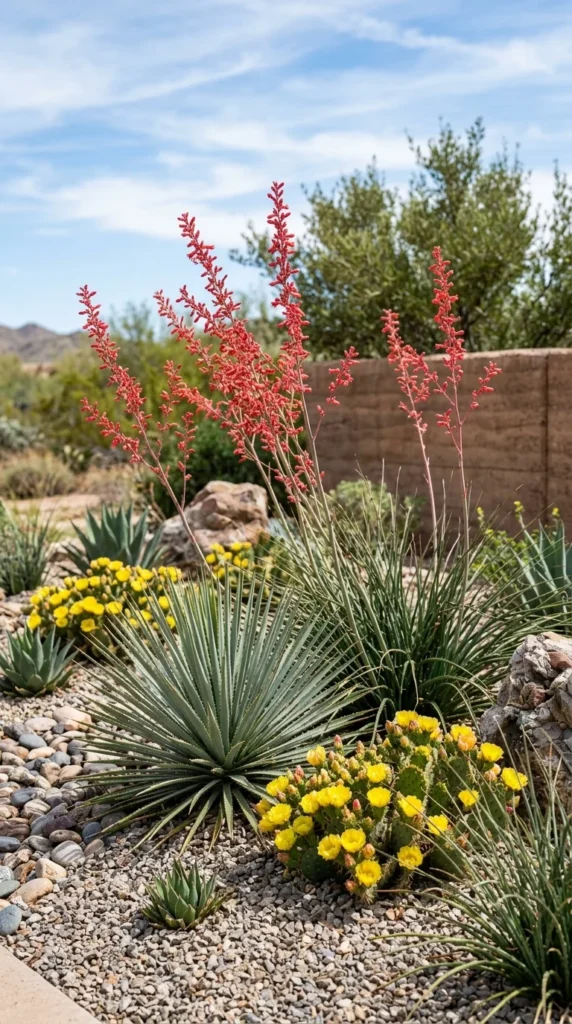
Xeriscaping is the practice of designing a garden that requires little to no supplemental irrigation. By using native desert plants and decorative gravel instead of mulch, you can create a bed that is incredibly hardy and environmentally responsible. These beds are characterized by unique textures and structural forms that look stunning even in the heat of summer.
27. Whimsical Decor
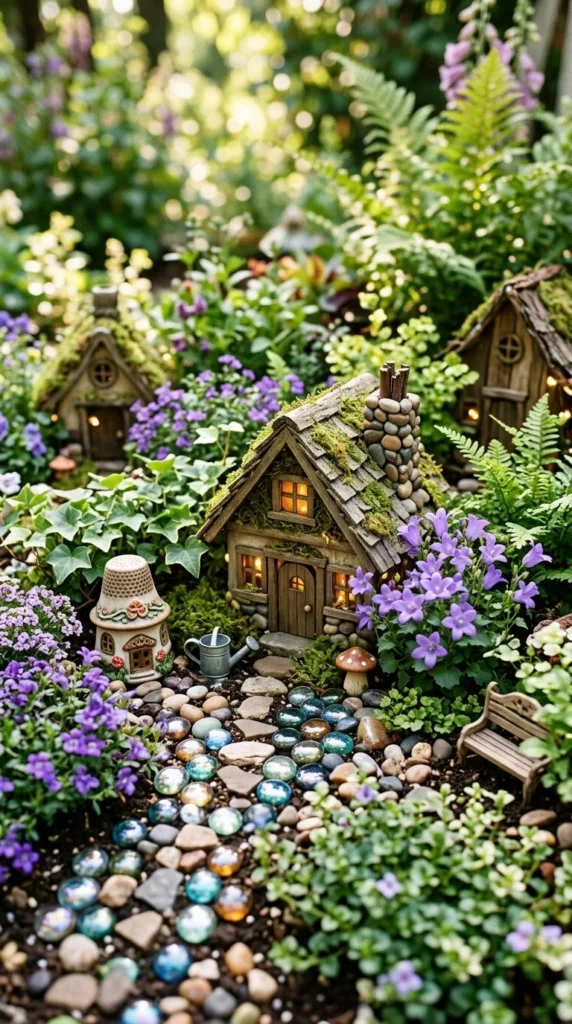
Adding decorative elements like garden gnomes, fairy houses, or glass gazing balls can turn a standard flower bed into a whimsical wonderland. This approach is especially engaging for children and adds a layer of storytelling to the garden. Use small-scale plants like “baby’s tears” or miniature roses to keep the proportions in check.
28. Layered Heights
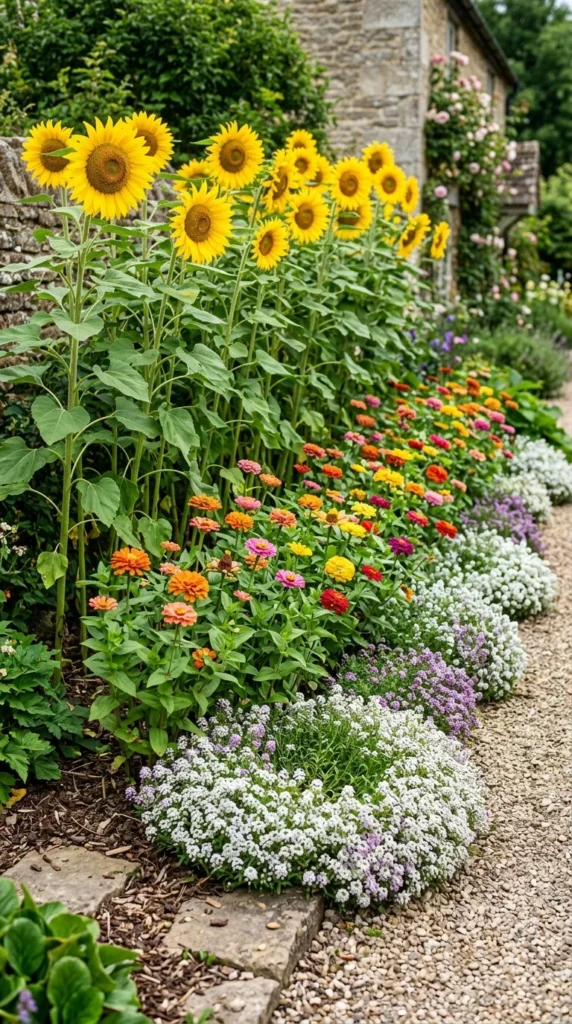
The key to a professional-looking flower bed is layering. By arranging plants by height, you create a “stadium seating” effect that ensures every bloom is visible. This depth makes the garden feel larger and more immersive. Use spiked plants for height, mounded plants for bulk, and groundcovers to fill in the gaps at the very front.
29. Night Blooms
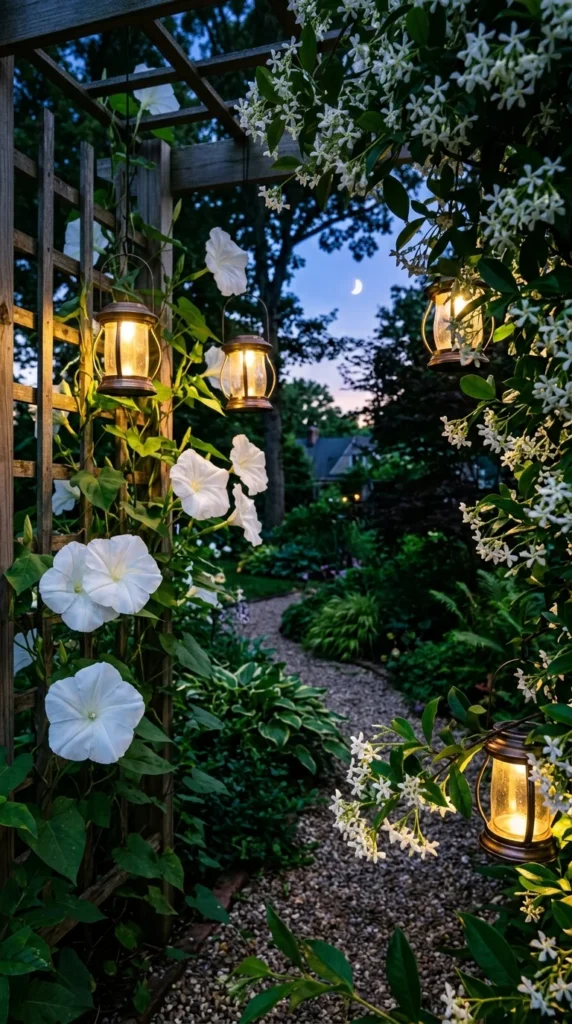
A “Moon Garden” is specifically designed to be enjoyed after the sun goes down. By focusing on white and silver plants—such as dusty miller, white roses, and evening primrose—the garden reflects the moonlight. Fragrance is also a key component, as many night-bloomers, like jasmine, release their strongest scents after dark to attract nocturnal pollinators.