
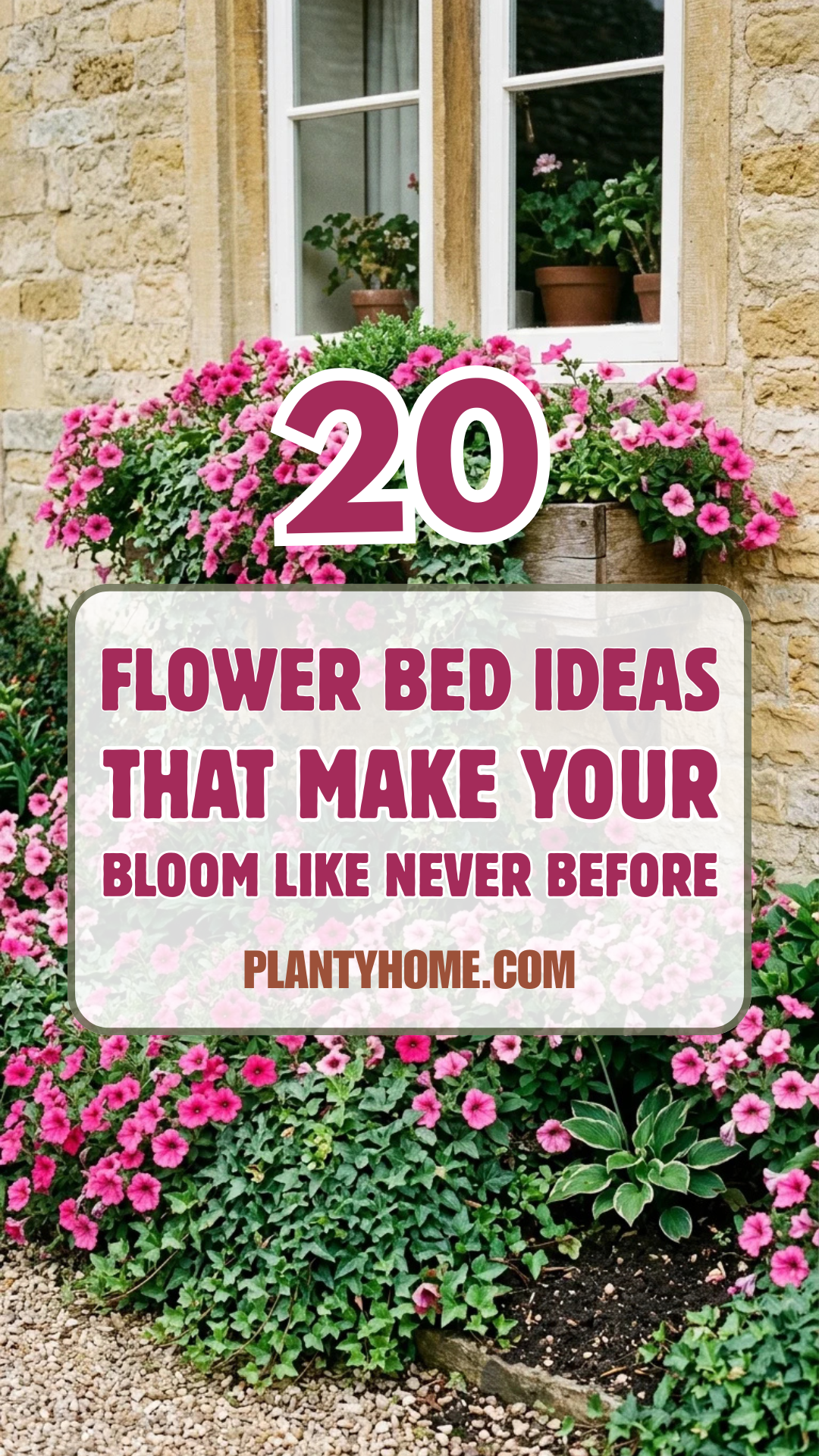
Transforming a standard lawn into a breathtaking botanical retreat requires more than just planting a few seeds; it demands vision, structure, and an understanding of how different species interact. A well-designed flower bed serves as the soul of the landscape, providing seasonal interest, attracting local wildlife, and increasing property value. Whether you are dealing with a sprawling estate or a compact urban patch, these twenty flower bed concepts offer diverse stylistic directions to elevate your outdoor space into a blooming masterpiece.
1. Layered Perennials
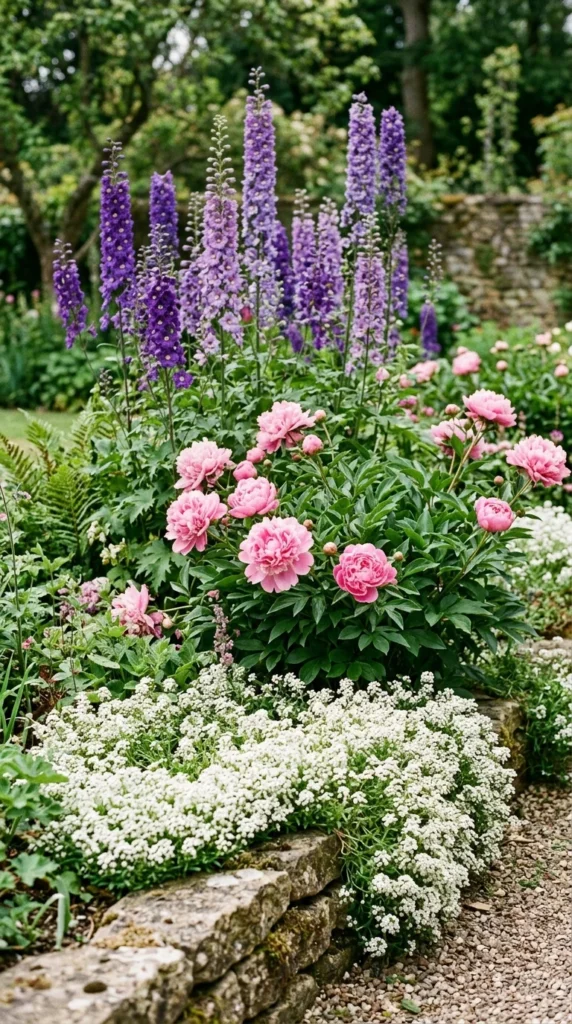
The key to a professional-looking garden is depth. Layering involves placing taller plants at the back (or center, if the bed is visible from all sides) and gradually stepping down to shorter varieties. This technique ensures every plant is visible and creates a dense, lush appearance. Use architectural plants like Foxgloves or Hollyhocks for the rear, mid-sized bloomers like Coneflowers or Black-eyed Susans for the center, and creeping Phlox or Marigolds for the front border.
2. Raised Stone
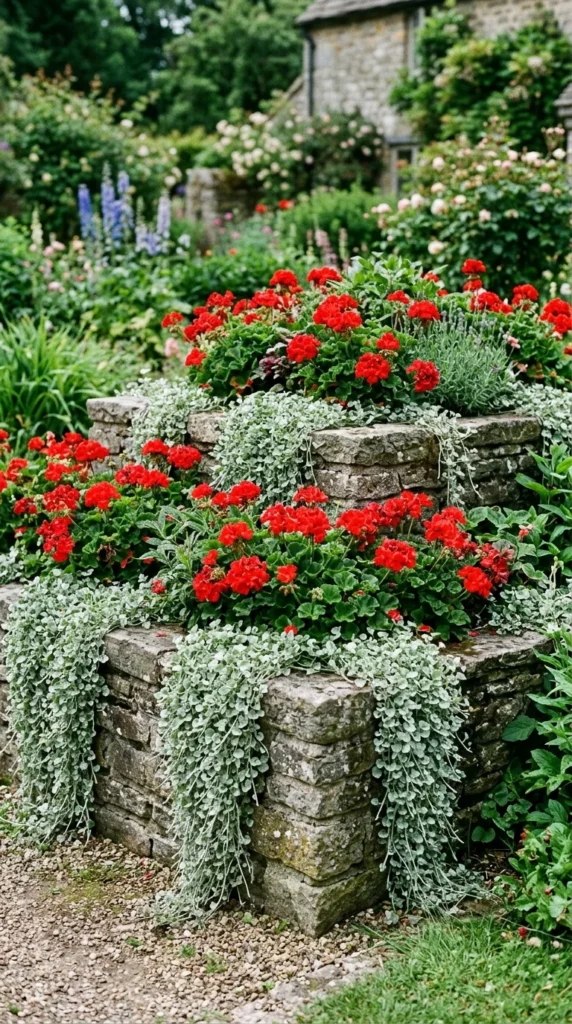
Raised beds offer excellent drainage and prevent soil compaction, making them ideal for areas with heavy clay or rocky ground. Utilizing natural stone or masonry adds a permanent, structural element to the yard. These beds act as a frame for your floral art, lifting the blooms closer to eye level and providing a convenient ledge for sitting while weeding or admiring the growth.
3. Island Beds
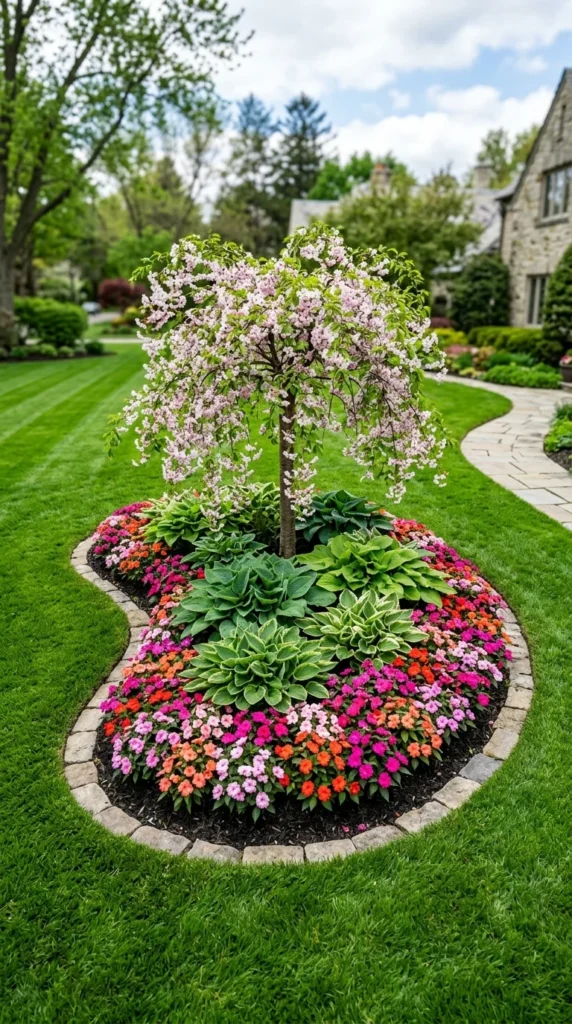
An island bed is a freestanding garden area surrounded by lawn or hardscaping. Unlike traditional borders that follow a fence or wall, island beds allow for 360-degree viewing. To make an island bed successful, use a “spine” of taller shrubs or a small ornamental tree in the center and work outward in concentric circles or irregular patterns to create a natural, flowing shape that breaks up the monotony of a flat lawn.
4. Pollinator Haven
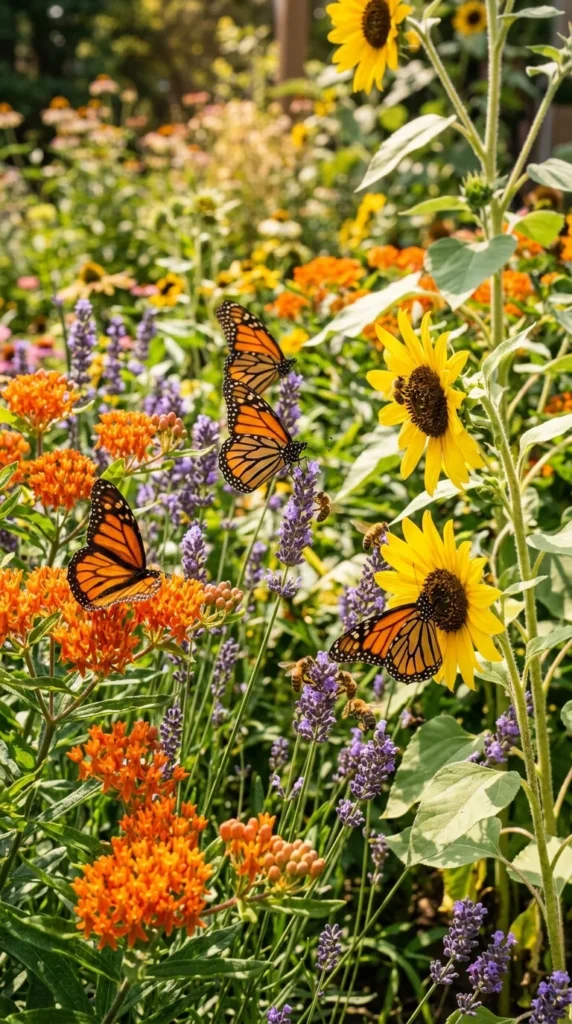
Designing a bed specifically for bees, butterflies, and hummingbirds is both ecologically responsible and visually stunning. Focus on native plants, as local pollinators have co-evolved with them. Include a variety of flower shapes—tubular flowers for hummingbirds and flat-topped clusters for butterflies. Milkweed, Zinnia, and Salvia are staples that ensure your yard remains a vibrant, moving ecosystem throughout the summer.
5. Monochromatic Scheme
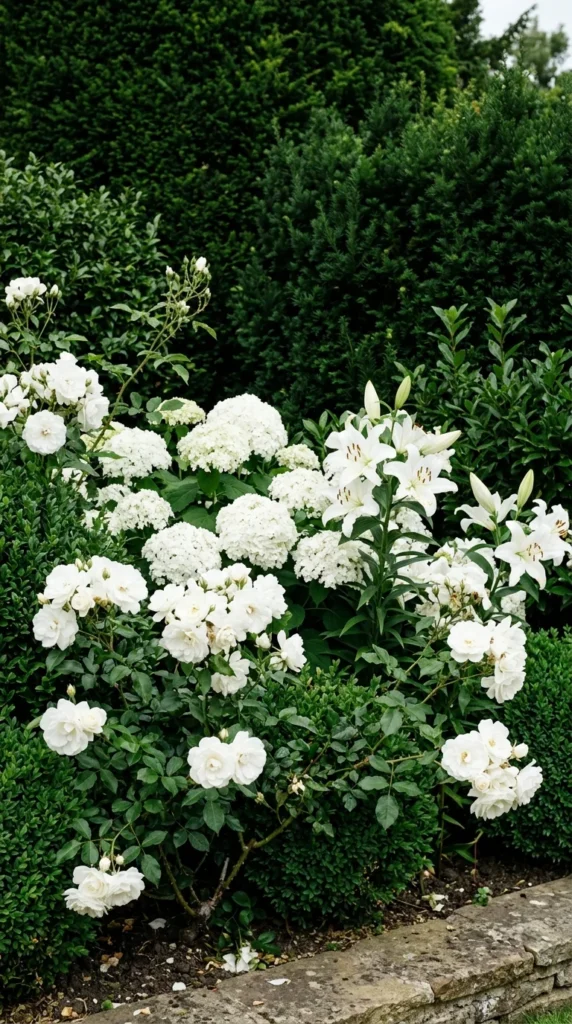
Limiting your palette to a single color (or variations of one hue) creates a high-end, designer look. A “Moonlight Garden” using only white flowers and silver foliage is particularly striking, as it glows in the twilight. Alternatively, a “Fire Garden” featuring only reds, oranges, and yellows creates a high-energy focal point. The lack of color variety forces the eye to appreciate the different textures and shapes of the foliage and petals.
6. Cottage Chaos
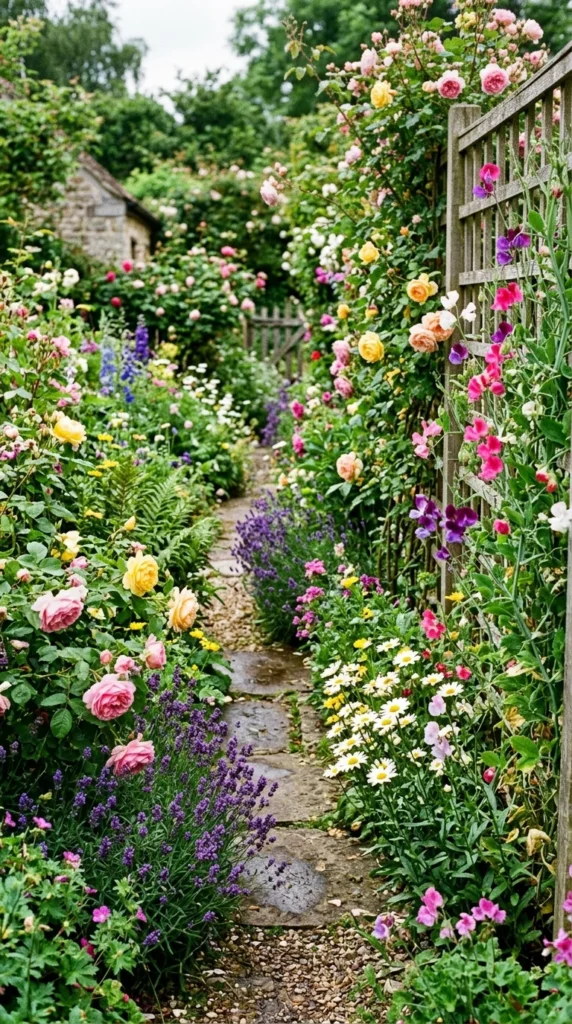
The cottage garden style embraces a “controlled mess” aesthetic. It prioritizes abundance over order, mixing edibles, ornamentals, and herbs in a dense tapestry. This style is perfect for those who want a romantic, old-world feel. Self-seeding plants like Poppies and Forget-me-nots are essential here, as they allow the garden to evolve and move slightly each year, creating a lived-in, effortless charm.
7. Modern Minimalist
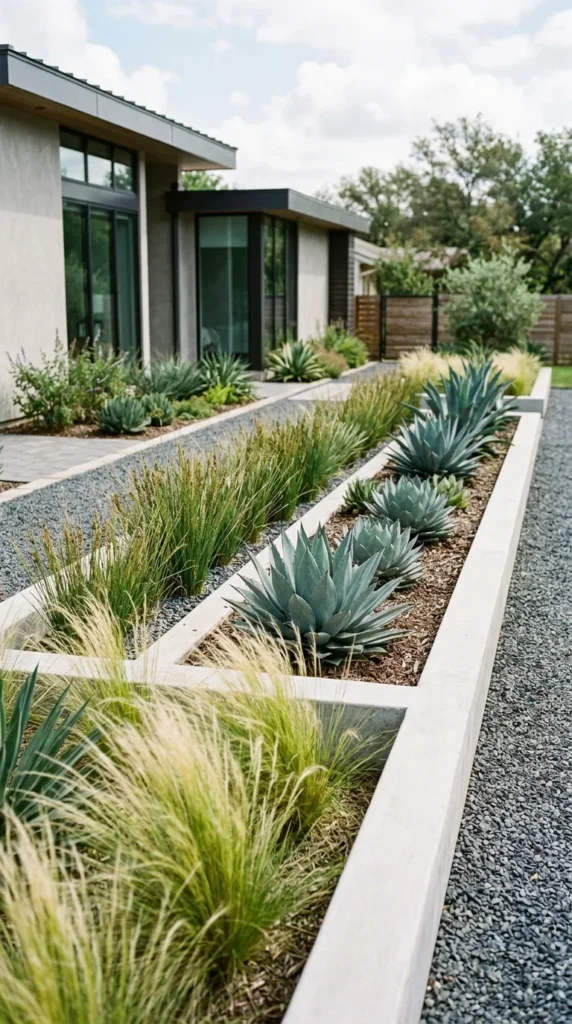
For contemporary homes, a minimalist flower bed emphasizes form and repetition over a riot of color. Use a limited plant palette—perhaps just two or three species—and arrange them in geometric patterns or straight rows. Ornamental grasses like Blue Oat Grass or Feather Reed Grass provide movement and vertical interest without the visual clutter of traditional flowering perennials.
8. Shade Sanctuary
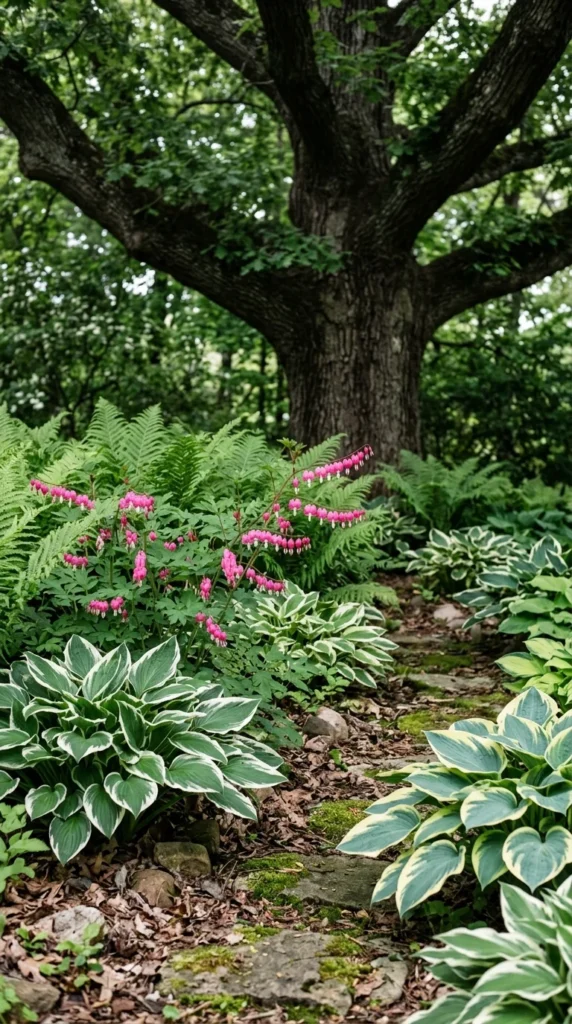
Shadowy areas under trees or beside tall fences shouldn’t be neglected. Shade-loving flower beds rely heavily on leaf texture and color variation rather than massive blooms. Incorporate Hostas with blue, gold, or variegated leaves, alongside the architectural fronds of Ostrich Ferns. For color, add Astilbe with its plume-like flowers or the delicate, heart-shaped blossoms of Dicentra.
9. Succulent Tapestry
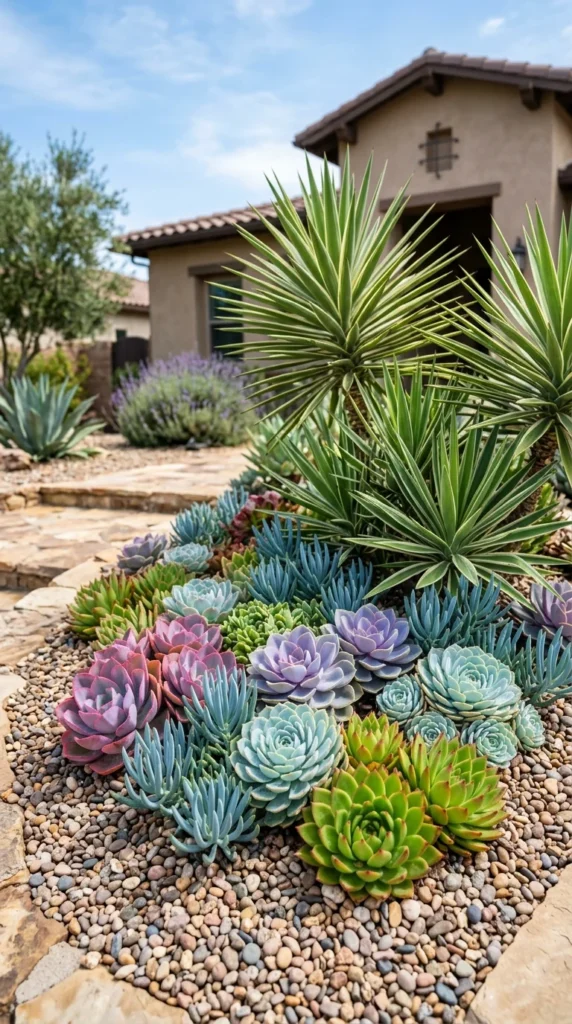
In arid climates or for the low-maintenance gardener, a succulent bed offers incredible textures and “alien” beauty. By mixing different heights and colors—from the sprawling “Hen and Chicks” to the upright “Aloe”—you can create a garden that requires very little water but remains green and vibrant year-round. Use contrasting gravel or crushed glass as mulch to make the colors of the succulents pop.
10. Tropical Oasis
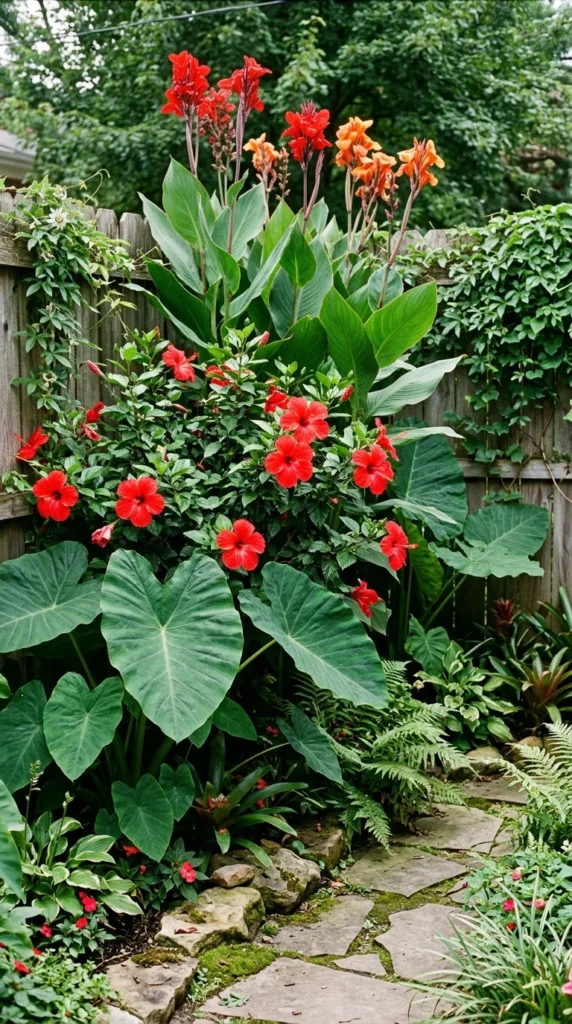
Even in temperate zones, you can create a tropical feel by using “tropical look-alikes” or tender perennials that are moved indoors for winter. Large-leafed plants like Hibiscus, Canna Lilies, and Ginger provide a bold, dramatic scale. The focus here is on oversized foliage and saturated, hot colors like deep orange, electric pink, and bright red.
11. Edible Borders
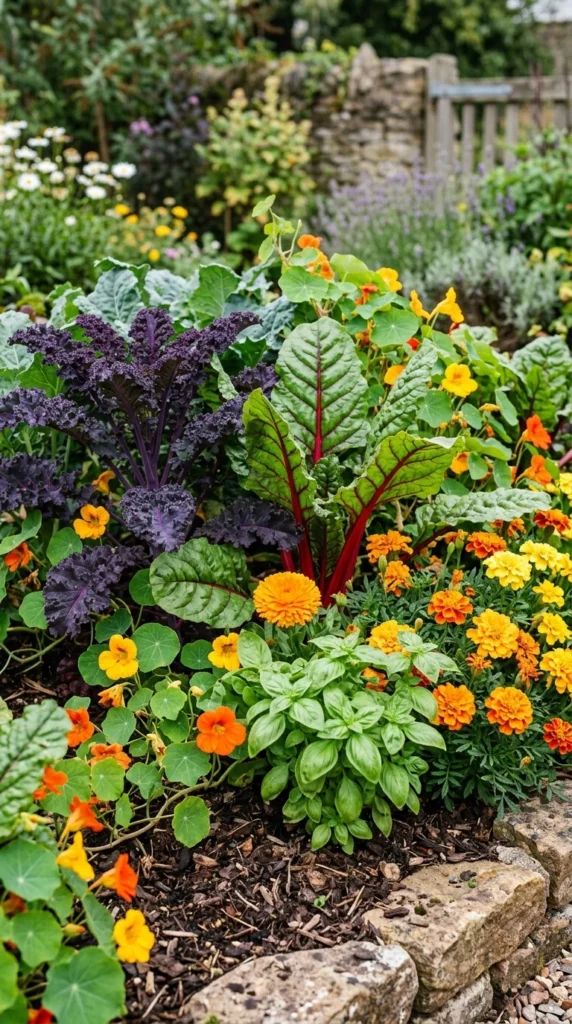
Why separate the vegetable patch from the flower garden? An edible flower bed combines aesthetics with utility. Mix curly kale, scarlet runner beans on a trellis, and bright yellow squash blossoms with marigolds and pansies. This not only saves space but also helps with pest control, as many flowers attract beneficial insects that protect your edible crops.
12. Window Box Extensions
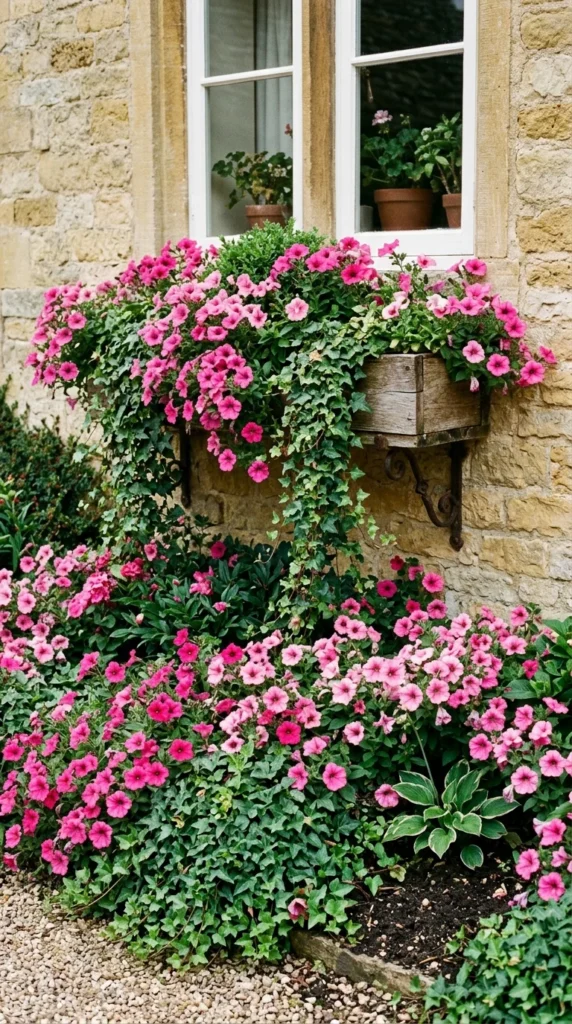
To add verticality to your home’s exterior, coordinate your ground-level flower beds with window boxes. By using the same color palette and plant varieties in both, you draw the eye upward and make the garden feel like an integral part of the architecture. This “cascading” effect is particularly effective for small front yards where ground space is limited.
13. Rock Garden
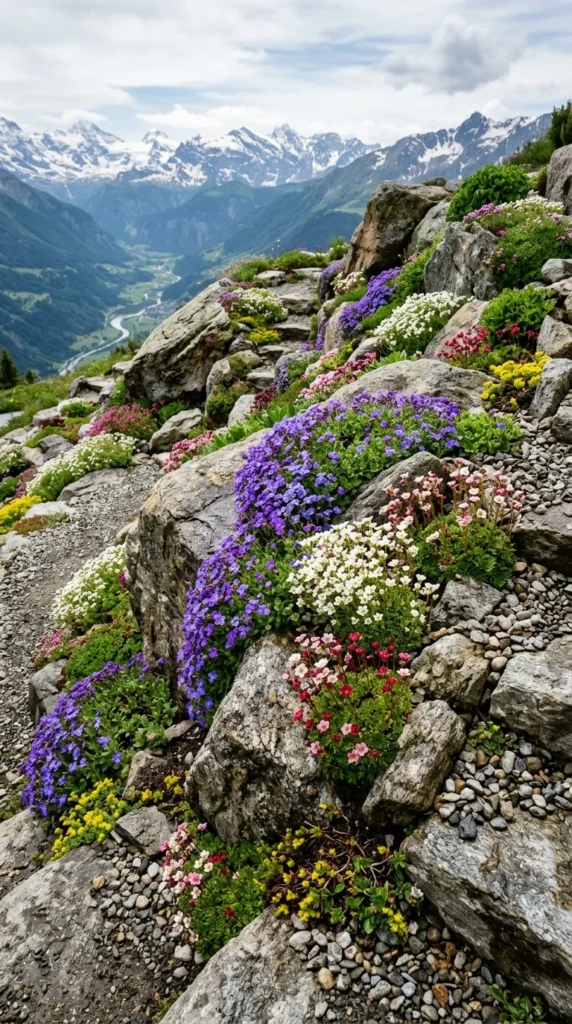
Rock gardens mimic the rugged beauty of high-altitude alpine slopes. They are perfect for hillsides or uneven terrain where traditional gardening is difficult. Use varying sizes of rocks to create “pockets” of soil for drought-tolerant, low-growing plants. The stones retain heat during the day and provide a dramatic, naturalistic backdrop for delicate groundcovers.
14. Woodland Edge
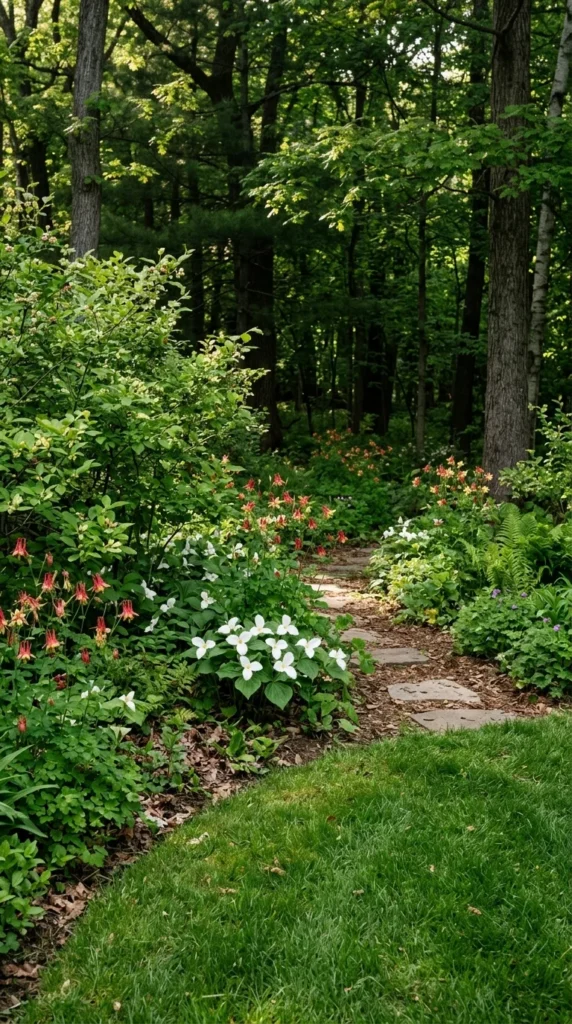
If your yard borders a wooded area, a woodland edge bed creates a soft transition from the manicured lawn to the wild forest. Use native woodland plants that thrive in dappled sunlight. This style is low-maintenance once established and provides a vital corridor for birds and small mammals. Focus on spring ephemerals that bloom before the trees fully leaf out.
15. Spill Pot Illusion
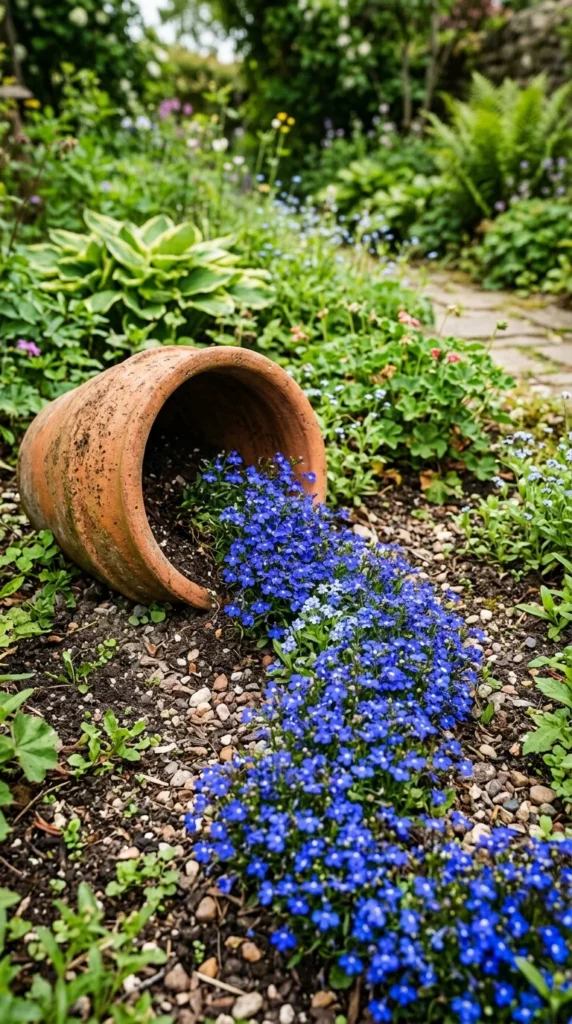
The “spilled pot” is a whimsical design trick that adds a narrative element to the yard. By burying half of a large ceramic or terracotta pot and planting a dense, low-growing flower trailing out of the mouth, you create the visual illusion of liquid spilling onto the earth. Blue flowers work best for a “water” effect, while white or yellow flowers can look like spilled milk or gold.
16. Geometric Parterre
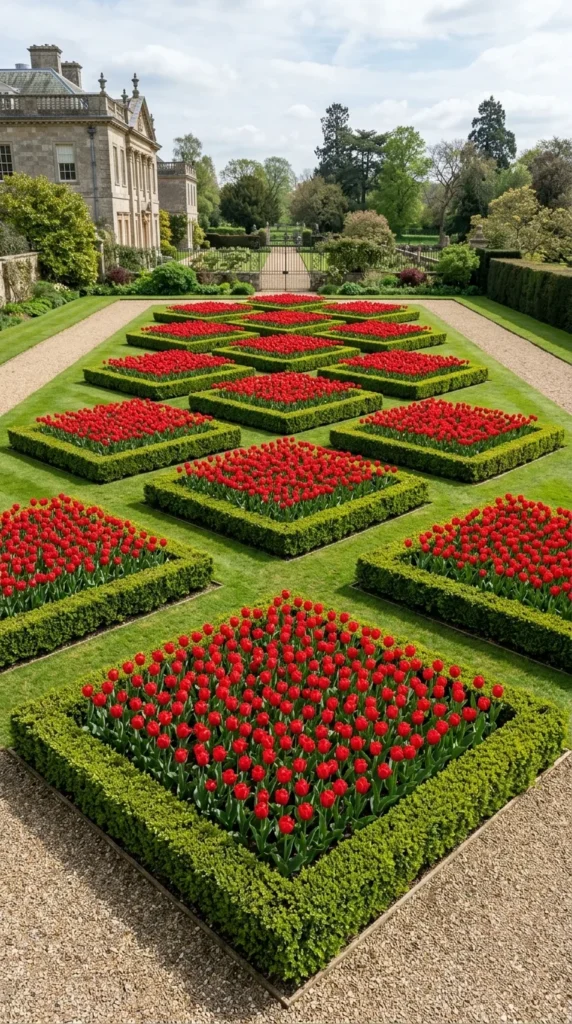
Inspired by classic French and Italian gardens, a parterre uses low hedges—typically Boxwood—to create intricate, symmetrical patterns. The spaces within the hedges are then filled with seasonal flowers. This style requires more maintenance in terms of pruning, but it offers a highly disciplined, regal appearance that looks stunning even in the winter months when the flowers have faded.
17. Wildflower Meadow
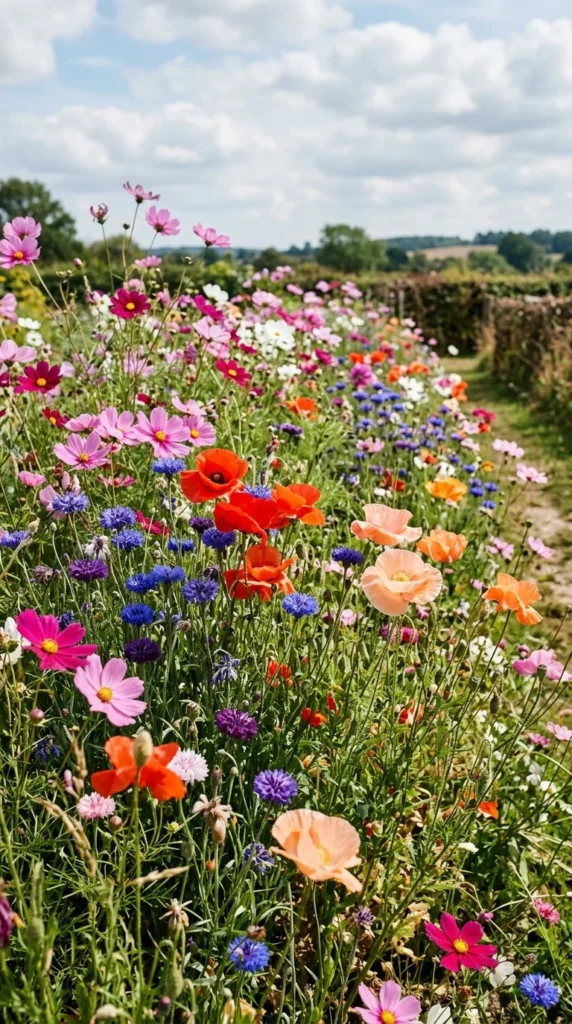
For a large yard, a wildflower meadow bed replaces high-maintenance grass with a sea of color. This approach is best achieved by clearing a large patch of earth and sowing a regional wildflower mix. Not only does it reduce mowing time, but it also creates a changing landscape that looks different every week as new species come into bloom.
18. Vertical Flower Wall
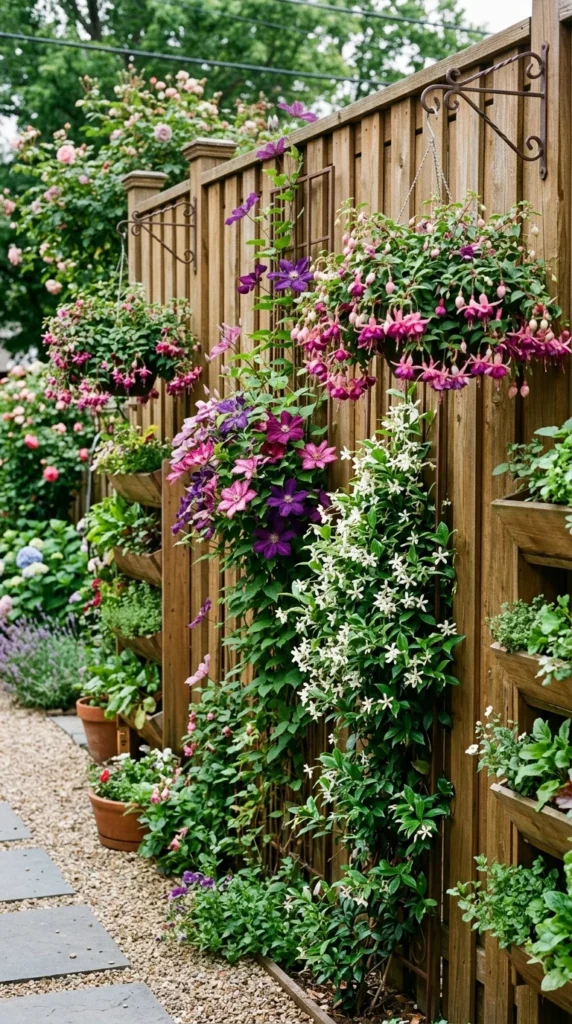
When horizontal space is at a premium, go vertical. Use trellises, wall-mounted planters, or even “living wall” modules to grow flowers upward. Climbing roses, Clematis, and Honeysuckle can turn a boring fence or wall into a vertical tapestry of scent and color. This is an excellent way to add privacy while simultaneously beautifying the yard.
19. Curvy Grass Borders
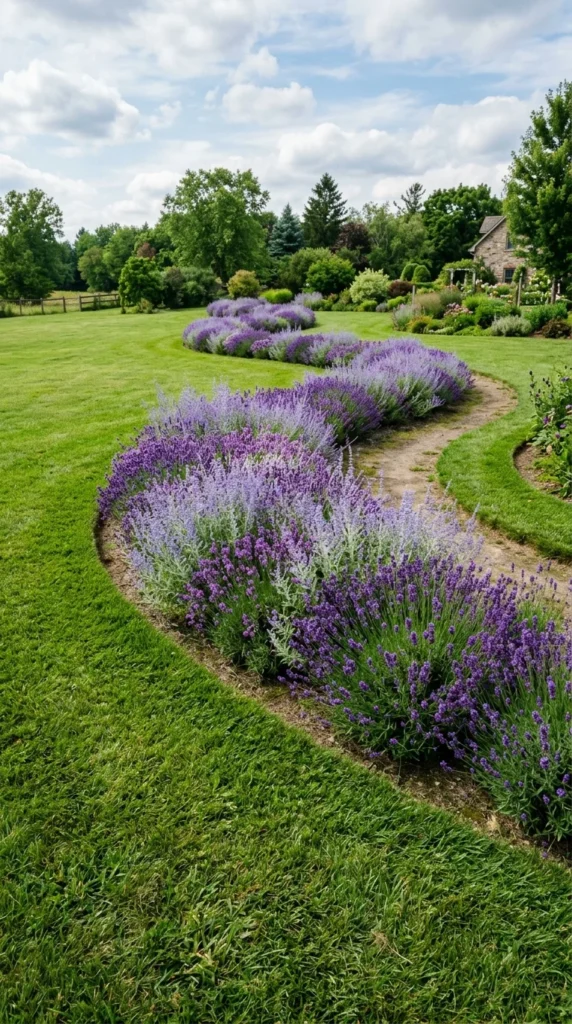
Straight lines are rare in nature. By giving your flower beds deep, serpentine curves, you create a sense of movement and mystery. The eye is naturally drawn along the curve, making the yard feel larger than it actually is. Use a garden hose to map out the curves before digging to ensure a smooth, organic flow that complements the natural contours of your land.
20. Night-Blooming Corner
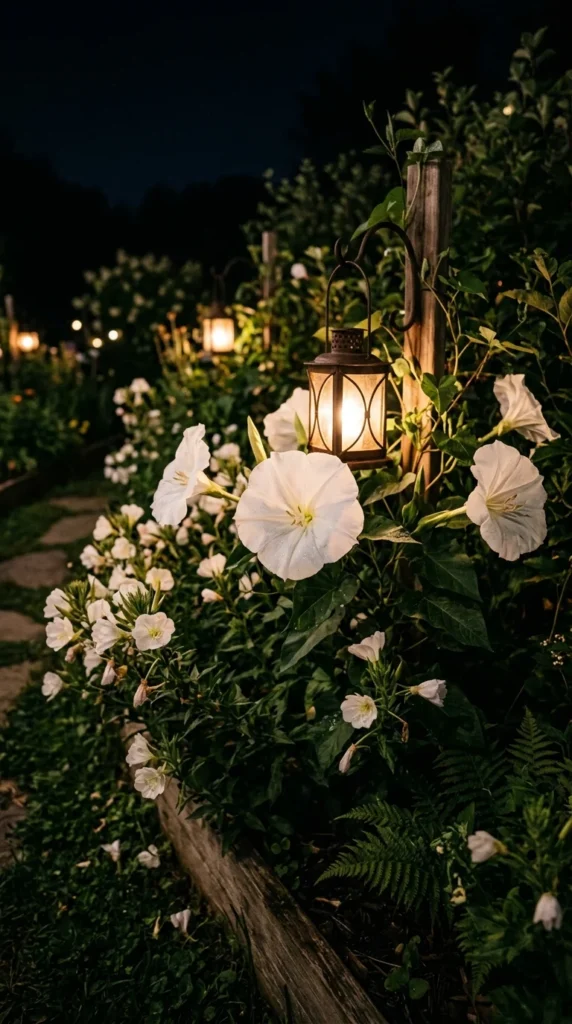
Most gardens are designed for daylight, but a night-blooming bed caters to the evening hours. Focus on white or pale yellow flowers that reflect the moonlight, such as Moonflowers (which open at dusk), Nicotiana, and Four O’clocks. Include fragrant plants like Night-Scented Jessamine to ensure the garden is a sensory experience even in total darkness.
Essential Maintenance for Flourishing Beds
Creating a beautiful flower bed is only the first step; maintaining its health is what ensures it “blooms like never before” year after year.
- Soil Health: Start with a high-quality organic compost. Flowers are heavy feeders and require nutrient-dense soil to produce vibrant blooms. Test your soil pH annually to ensure it matches the needs of your chosen plants.
- Mulching: Apply a 2-3 inch layer of organic mulch (like shredded bark or pine needles). This suppresses weeds, retains moisture, and regulates soil temperature.
- Deadheading: Regularly remove spent flowers. This prevents the plant from putting energy into seed production and encourages it to produce more blooms.
- Watering Strategy: Water at the base of the plants early in the morning. Overhead watering can lead to fungal diseases and leaf scorch.
- Seasonal Planning: Aim for a “succession of bloom.” Choose plants that flower at different times—spring bulbs, summer perennials, and fall-blooming shrubs—so there is never a “dead” spot in your landscape.