
Landscaping is more than just planting a few flowers or mowing the lawn; it is an art form that merges architecture with nature. A well-designed yard can significantly increase property value, improve your home’s curb appeal, and provide a personal sanctuary for relaxation and entertainment. Whether you are dealing with a sprawling estate or a compact urban lot, thoughtful landscaping choices can solve drainage issues, provide privacy, and create a sustainable ecosystem. The following 28 ideas offer a comprehensive guide to reimagining your outdoor space from the ground up.
1. Native Plants
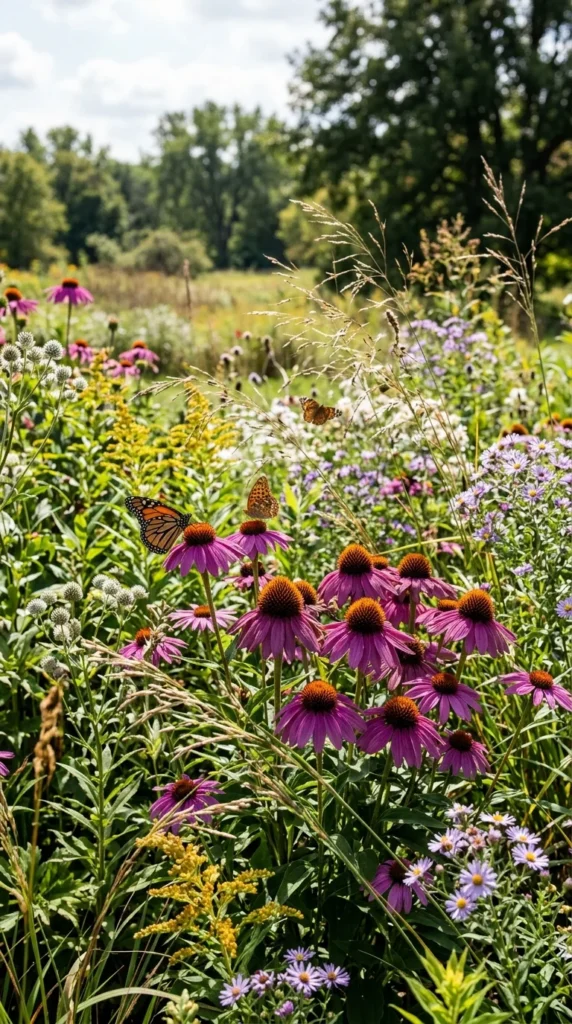
Utilizing plants that are indigenous to your specific region is one of the smartest landscaping moves you can make. Native plants are already adapted to the local soil conditions, rainfall patterns, and climate, which means they require significantly less water, fertilizer, and pesticides than non-native species. Furthermore, they provide essential habitats for local pollinators like bees and butterflies, fostering a healthy local ecosystem.
2. Stone Walkways
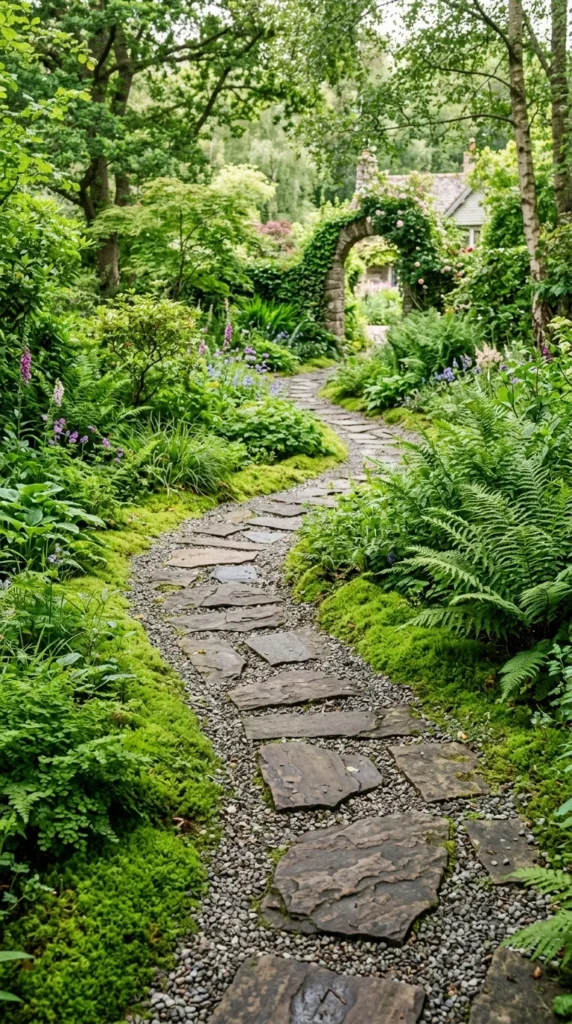
A stone walkway does more than just guide guests through your garden; it creates a visual narrative and adds structure to the landscape. Using natural materials like flagstone, slate, or cobblestone allows the path to blend seamlessly with the environment. Whether designed as a straight, formal entry or a meandering woodland trail, stone paths prevent soil compaction and keep your feet dry during rainy seasons.
3. Water Features
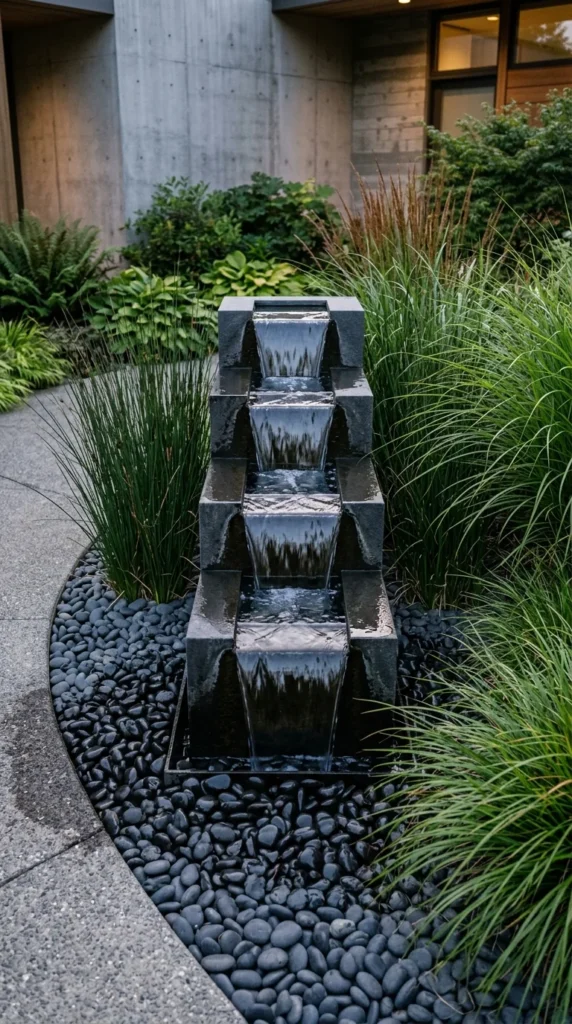
The sound of moving water can instantly transform a noisy backyard into a peaceful retreat. Water features range from grand koi ponds to simple bubbling urns. They serve as a focal point in the yard and help mask neighborhood noise. For those concerned about maintenance, pondless waterfalls provide the aesthetic and auditory benefits of water without the upkeep of a standing pool.
4. Solar Lighting
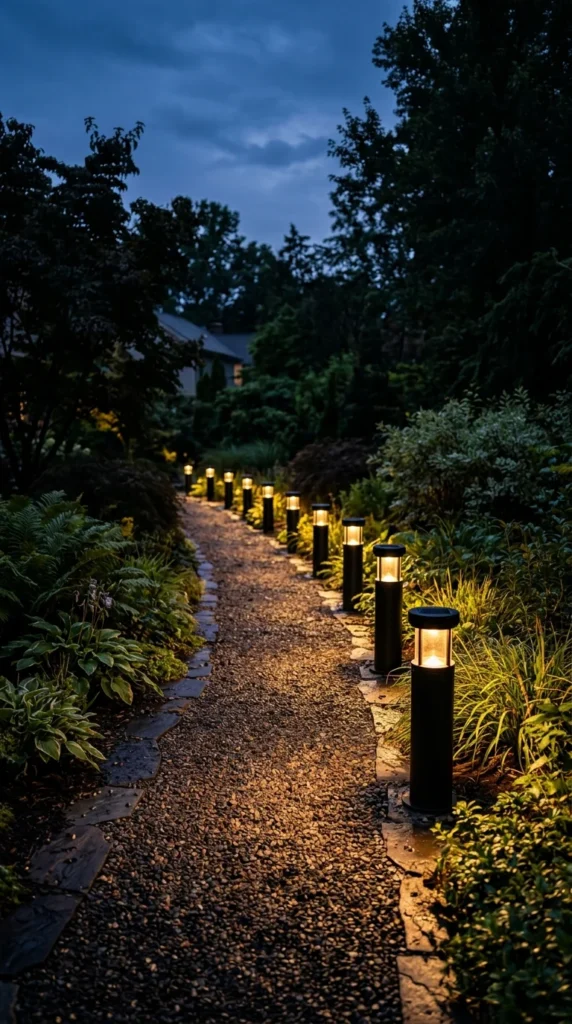
Landscape lighting extends the usability of your yard into the evening hours. Solar-powered lights are an eco-friendly and cost-effective way to highlight architectural features, trees, or pathways without the need for complex electrical wiring. Position them to “uplight” large trees or “downlight” paths to create a safe, magical atmosphere after the sun sets.
5. Vertical Gardens
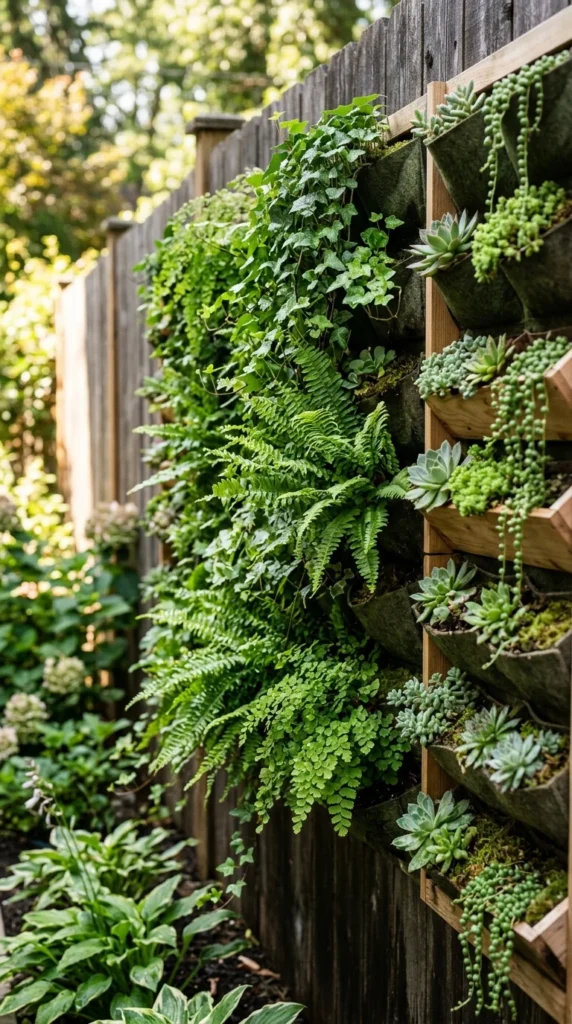
If you have limited ground space, look upward. Vertical gardens, or living walls, use trellises, wall-mounted planters, or tiered shelving to grow greenery vertically. This is an excellent solution for urban balconies or narrow side yards. Beyond their beauty, they provide natural insulation for your home and can help dampen street noise.
6. Tiered Retaining Walls
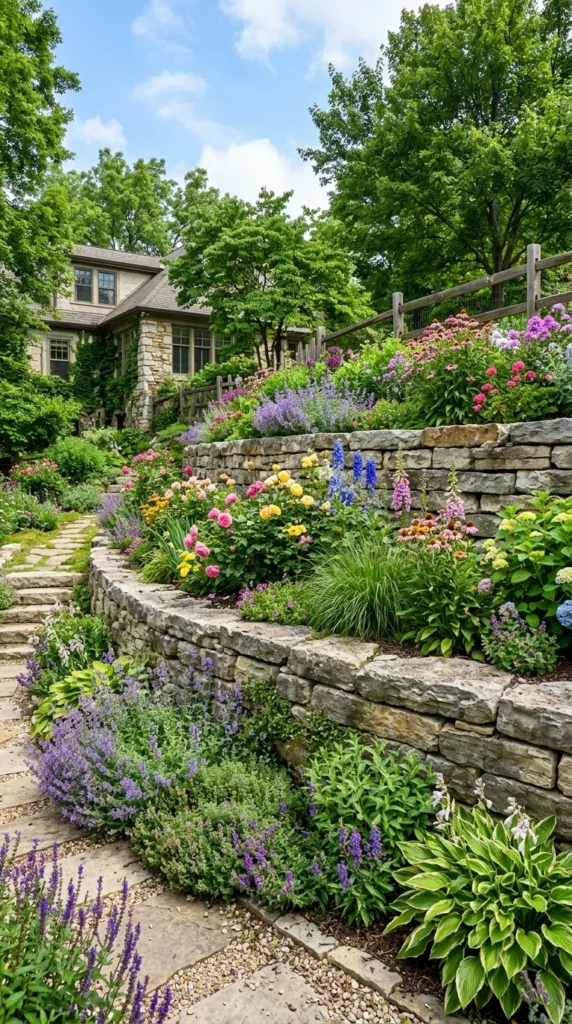
Sloped yards can be a challenge due to erosion and difficult mowing. Tiered retaining walls solve these issues by creating flat, usable “steps” of land. These tiers can be used for planting beds, vegetable gardens, or even small patio areas. Using materials like timber, natural stone, or concrete blocks allows you to match the wall to your home’s aesthetic.
7. Perennial Borders
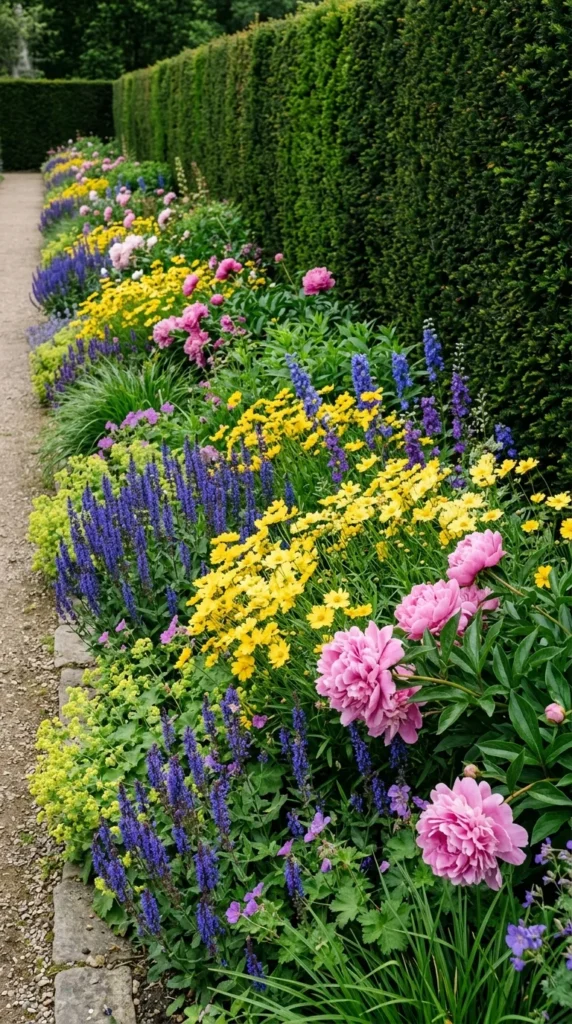
Unlike annuals that must be replanted every year, perennials come back season after season. Creating a deep perennial border along a fence or property line ensures a changing tapestry of color throughout the year. By selecting plants with staggered bloom times, you can enjoy a vibrant garden from early spring through late autumn.
8. Drought-Tolerant Xeriscaping
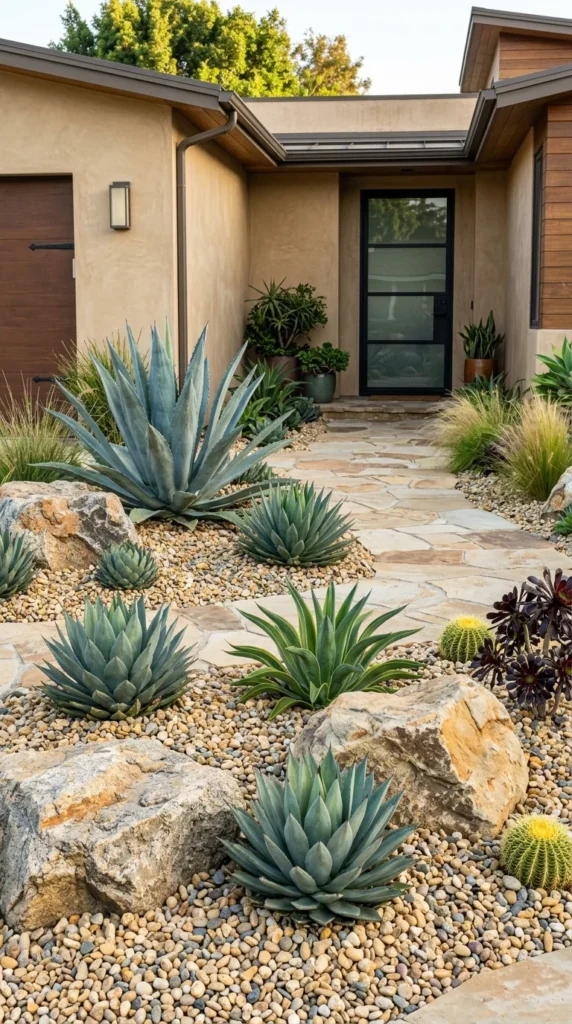
In arid climates or areas with water restrictions, xeriscaping is an ideal solution. This landscaping style focuses on slow-growing, drought-tolerant plants and inorganic mulches like rock or gravel. It eliminates the need for a thirsty lawn while creating a high-contrast, modern look that is incredibly low-maintenance.
9. Outdoor Fire Pits
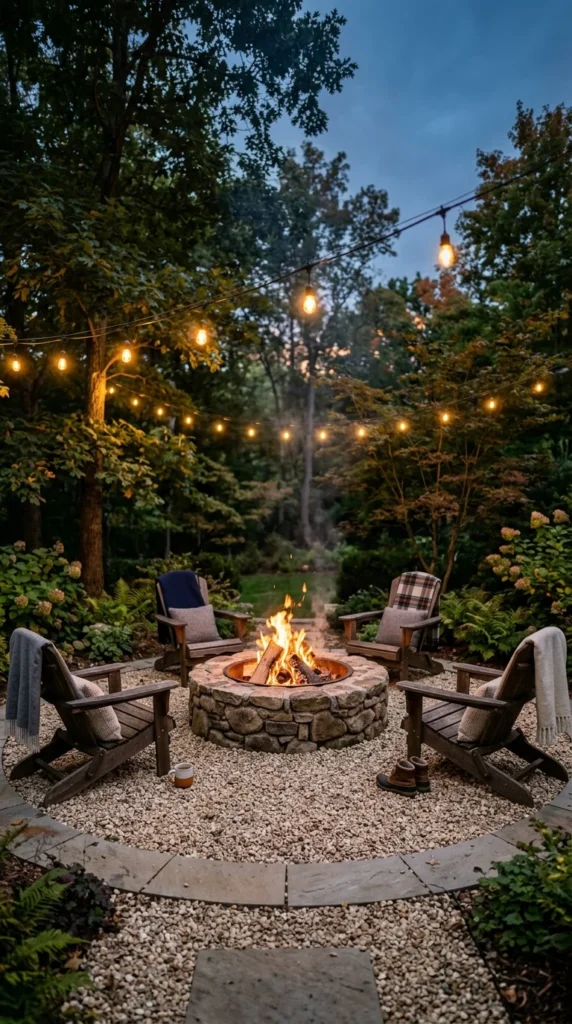
A fire pit acts as a natural gathering spot, extending the “outdoor season” into the cooler months. Whether it’s a permanent masonry structure or a portable metal bowl, a fire pit provides warmth and light. Surround it with comfortable seating and a bed of gravel or pavers to create a cozy “outdoor room” dedicated to socializing.
10. Composite Decking
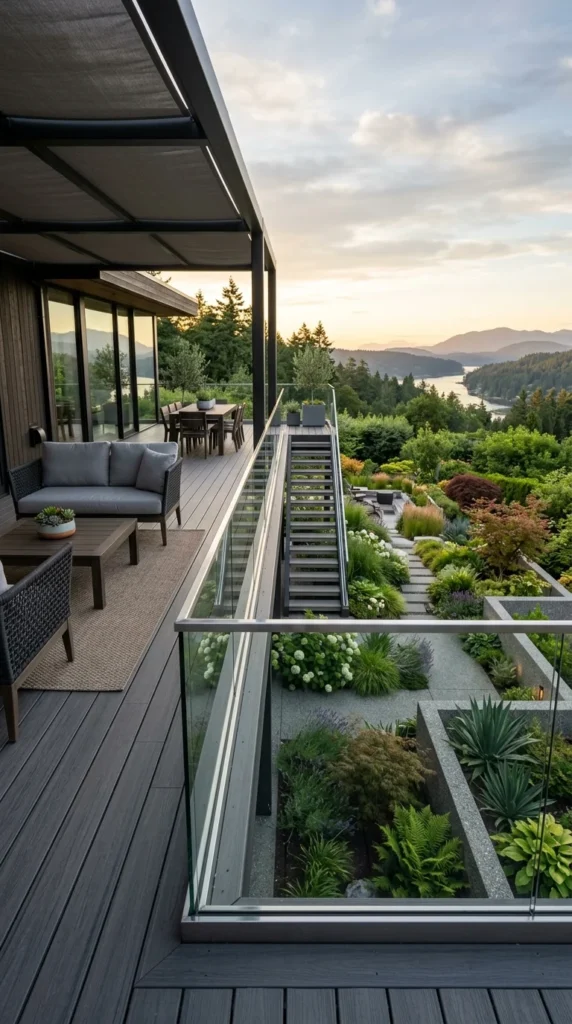
Decks provide a transition between the indoors and the outdoors. While traditional wood is beautiful, composite decking has surged in popularity because it doesn’t rot, warp, or require regular staining. It offers a clean, contemporary look and provides a flat surface for dining sets, outdoor kitchens, and lounge furniture.
11. Living Privacy Screens
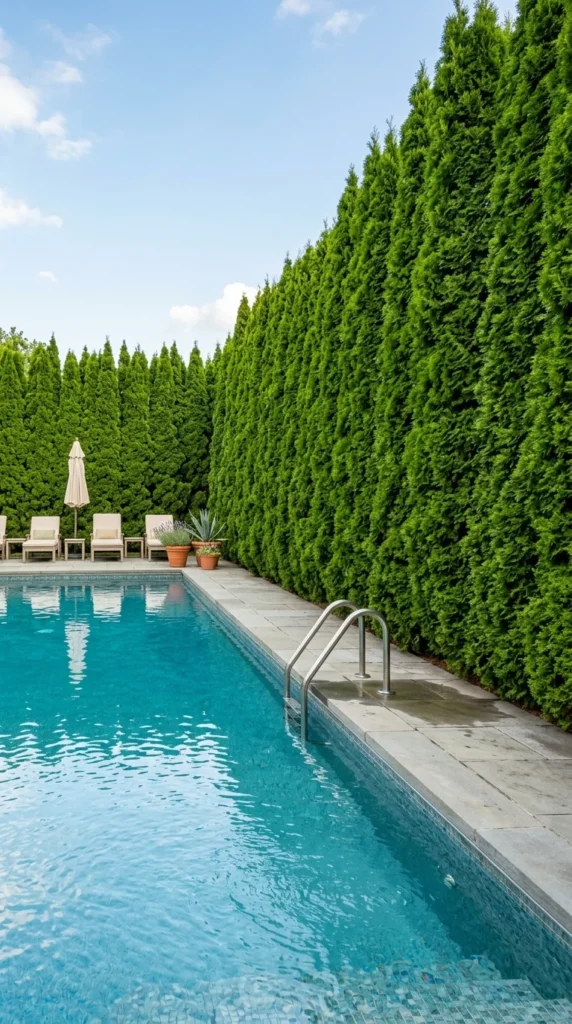
Instead of a wooden fence, consider a “living fence.” Tall, narrow evergreens like Arborvitae or Leyland Cypress provide year-round privacy and wind protection. For a softer look, clumping bamboo or tall ornamental grasses can create a visual barrier that moves beautifully in the breeze.
12. Meadow Grasses
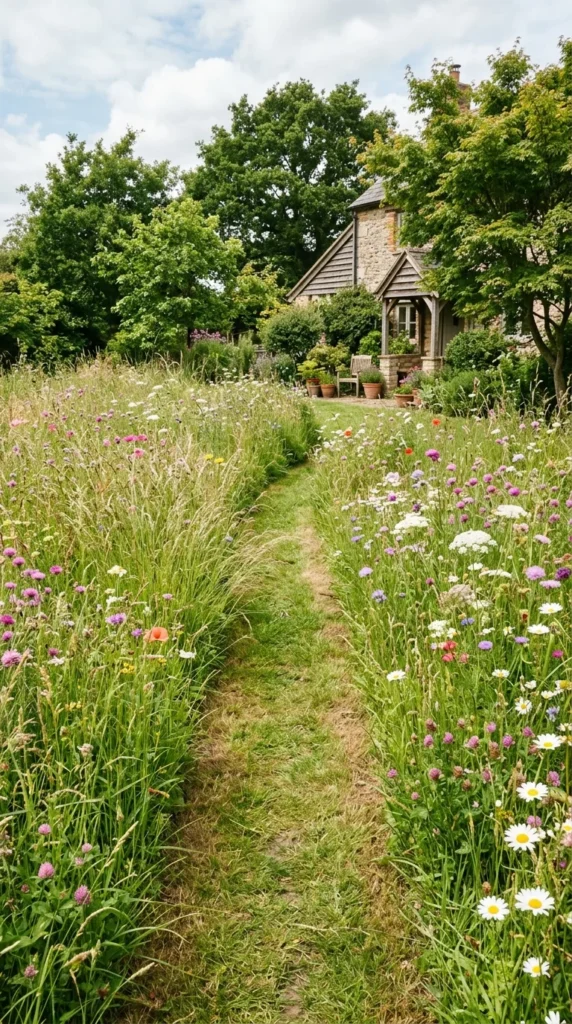
The traditional manicured lawn is being replaced in many designs by the “no-mow” meadow. By planting a mix of fine fescues and wildflowers, you create a soft, romantic landscape that requires very little intervention. This style is particularly effective in larger backyards where a massive expanse of mown grass would be tedious to maintain.
13. Rock Accents
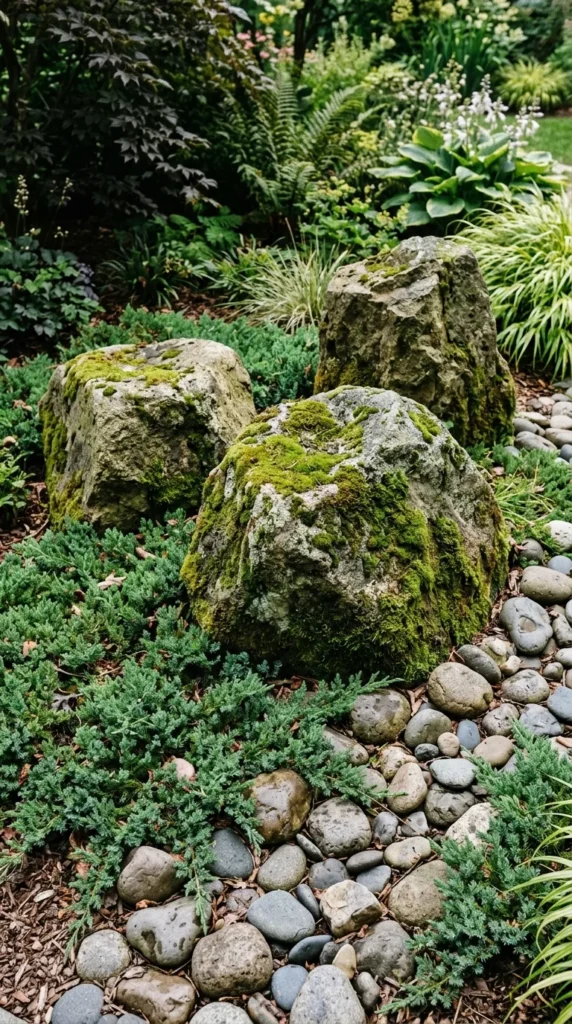
Boulders and large rocks add a sense of age and permanence to a landscape. They provide “weight” to a garden bed and can be used to anchor a design. When placing rocks, bury them slightly so they look like natural outcroppings rather than stones simply dropped on top of the soil.
14. Canopy Trees
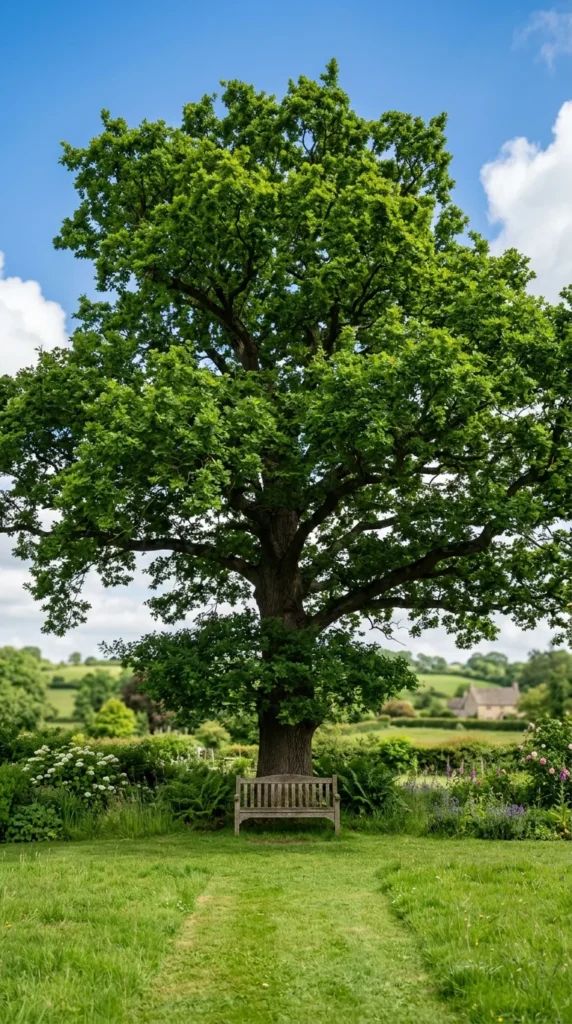
Planting a tree is an investment in the future. Canopy trees like Oaks, Maples, or Elms provide essential shade, which can lower your home’s cooling costs in the summer. They also add vertical scale to the landscape and serve as a habitat for birds and squirrels.
15. Sculptural Edging
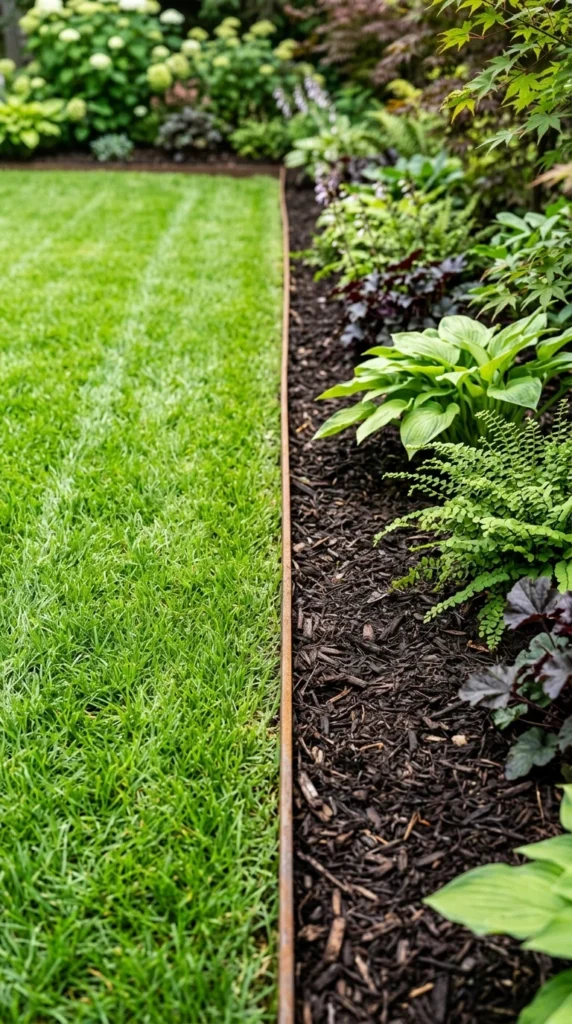
The secret to a professional-looking yard is clean lines. Edging prevents grass from creeping into flower beds and keeps mulch in place. Materials like Corten steel, brick, or even “trench edging” (a simple V-shaped cut in the soil) provide a crisp border that makes the entire yard look organized and well-kept.
16. Raised Planter Boxes
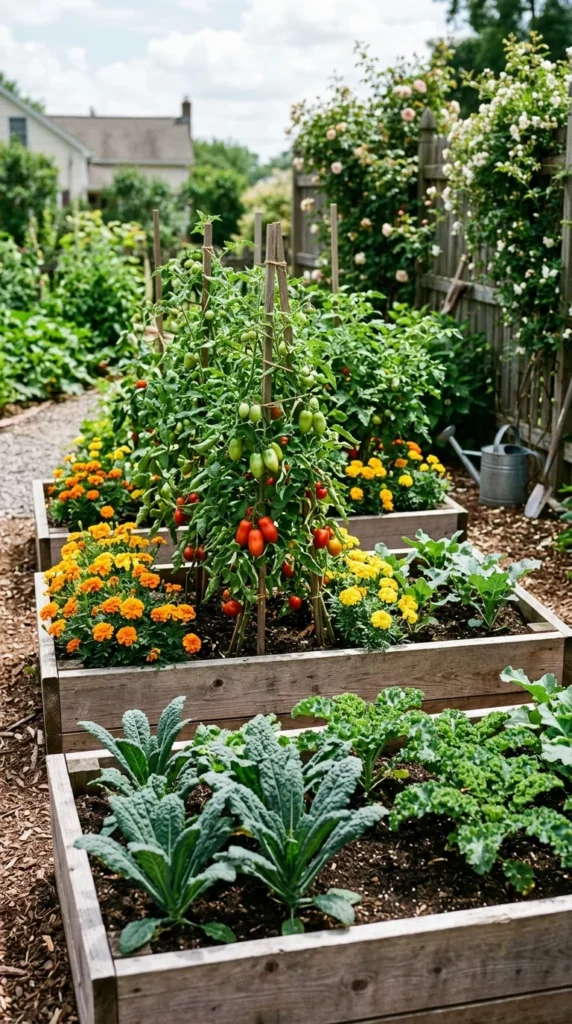
Raised beds are perfect for vegetable and herb gardening. They offer better drainage, warmer soil in the spring, and protection from some pests. Additionally, they save your back by reducing the amount of bending required for weeding and harvesting. They can be built from wood, stone, or even corrugated metal for an industrial look.
17. Wooden Pergolas
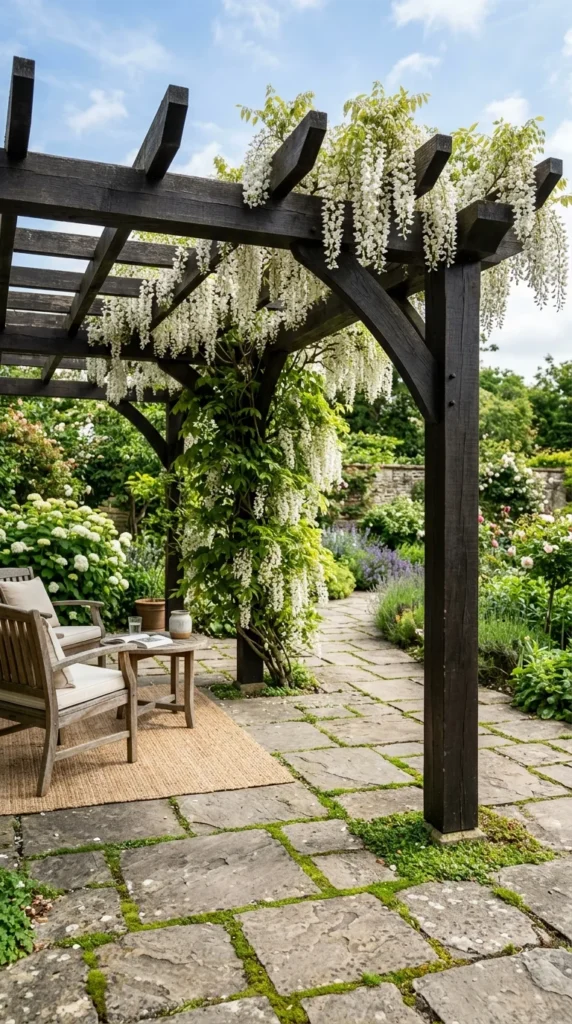
A pergola provides architectural interest and partial shade without completely blocking the sky. It defines an outdoor dining or lounging area, making it feel more like an enclosed room. Climbing plants like roses, grapes, or clematis can be trained to grow over the top, creating a lush, scented canopy.
18. Creeping Groundcover
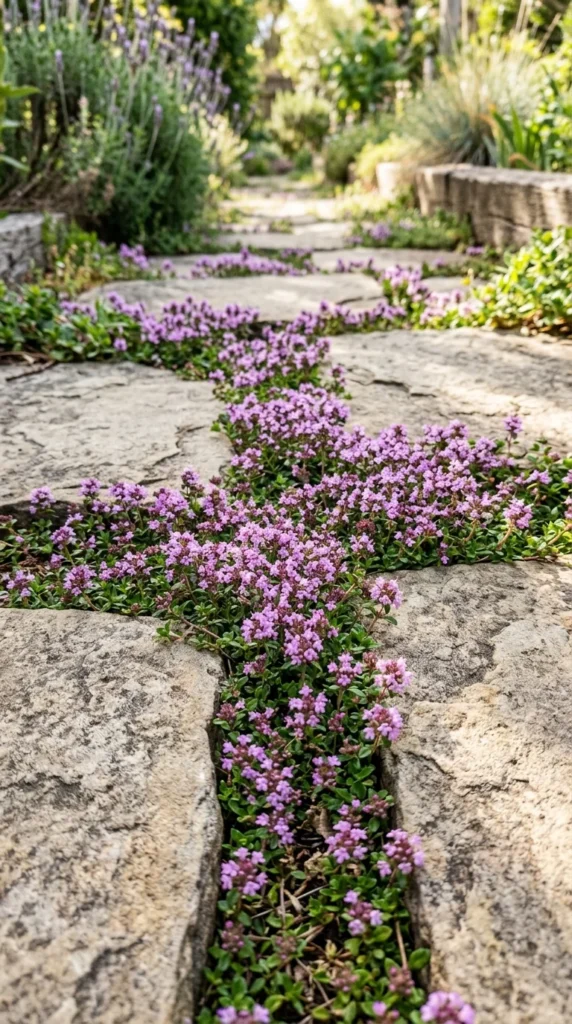
Groundcovers are the “living mulch” of the garden. Plants like Creeping Thyme, Sedum, or Pachysandra fill in the gaps between larger plants, suppressing weeds and retaining soil moisture. Many groundcovers are walkable, making them excellent alternatives to grass in low-traffic areas or between pavers.
19. Ornamental Grasses
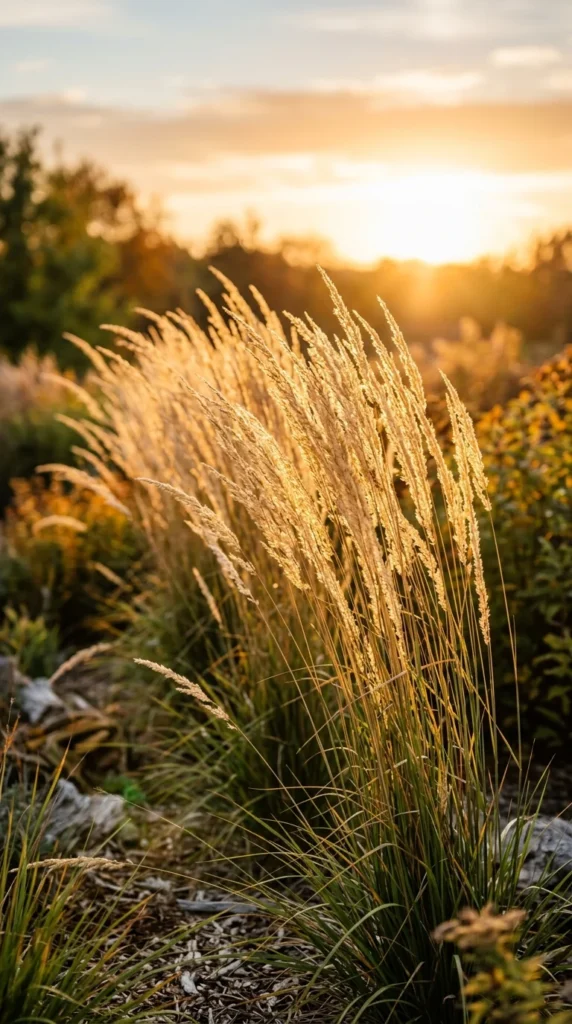
Ornamental grasses add movement, texture, and sound to the landscape. They range from tiny blue fescues to towering Miscanthus. These plants are generally deer-resistant and look beautiful even in winter when their dried stalks provide structural interest against the snow.
20. Kitchen Herb Gardens
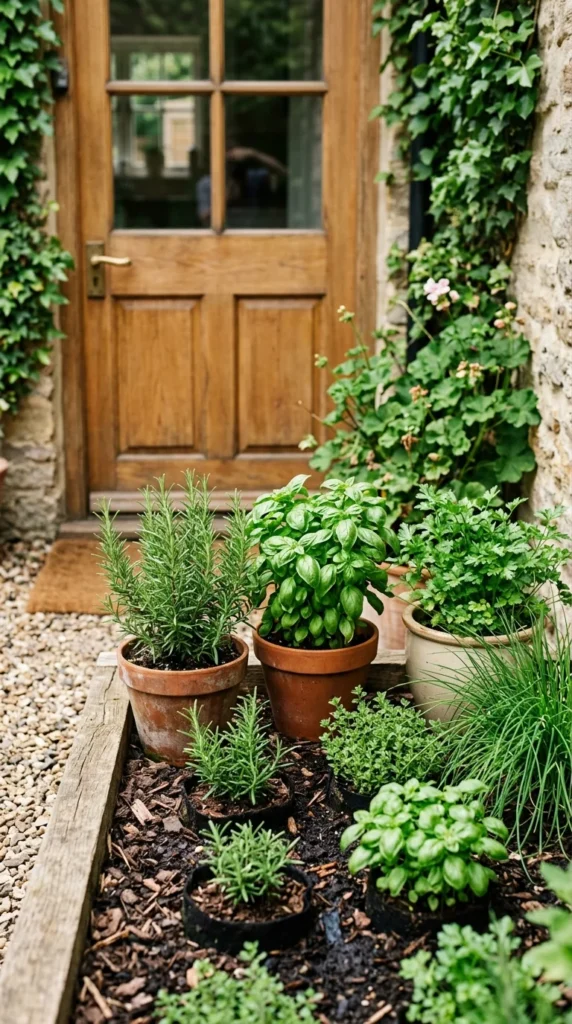
Placing a herb garden near your kitchen door is both beautiful and functional. The scents of rosemary, mint, and lavender are delightful, and having fresh ingredients just steps away from the stove is a cook’s dream. Herb gardens can be grown in the ground, in pots, or even in a window box.
21. Bird Sanctuary Features
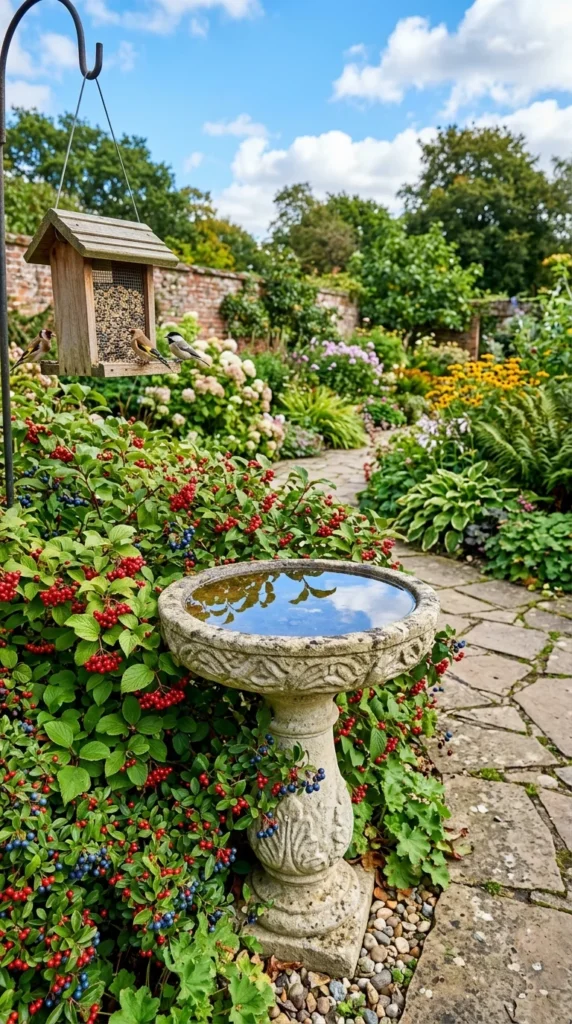
A yard that supports wildlife feels alive. By adding birdbaths, feeders, and berry-producing shrubs like Holly or Serviceberry, you can attract a variety of bird species. This adds a layer of entertainment and education to your backyard experience.
22. Zen Rock Gardens
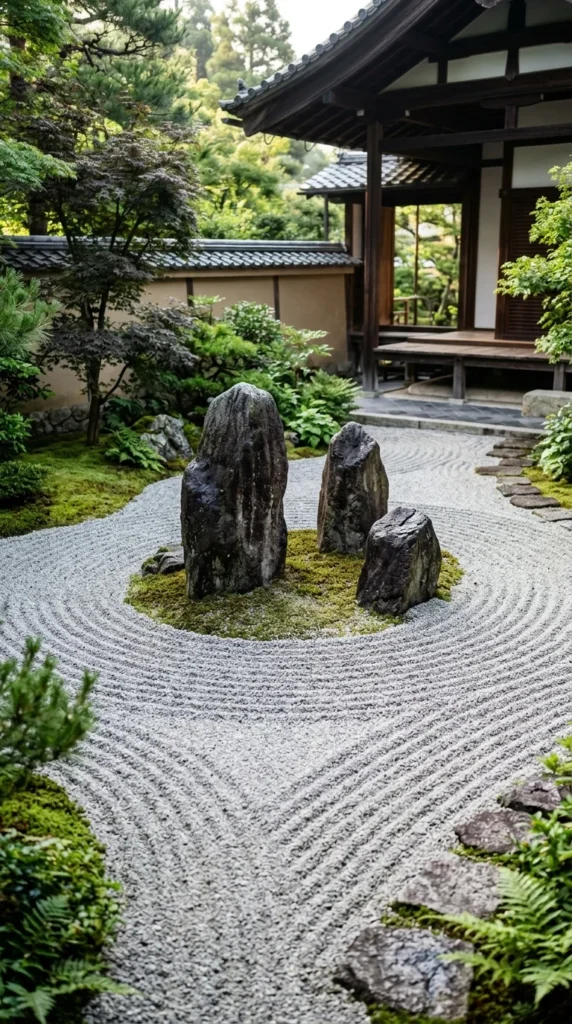
Inspired by Japanese tradition, Zen gardens focus on minimalism and meditation. They typically use sand or gravel to represent water and rocks to represent islands or mountains. These gardens are low-water and provide a serene, clutter-free space that encourages reflection.
23. Tropical Foliage
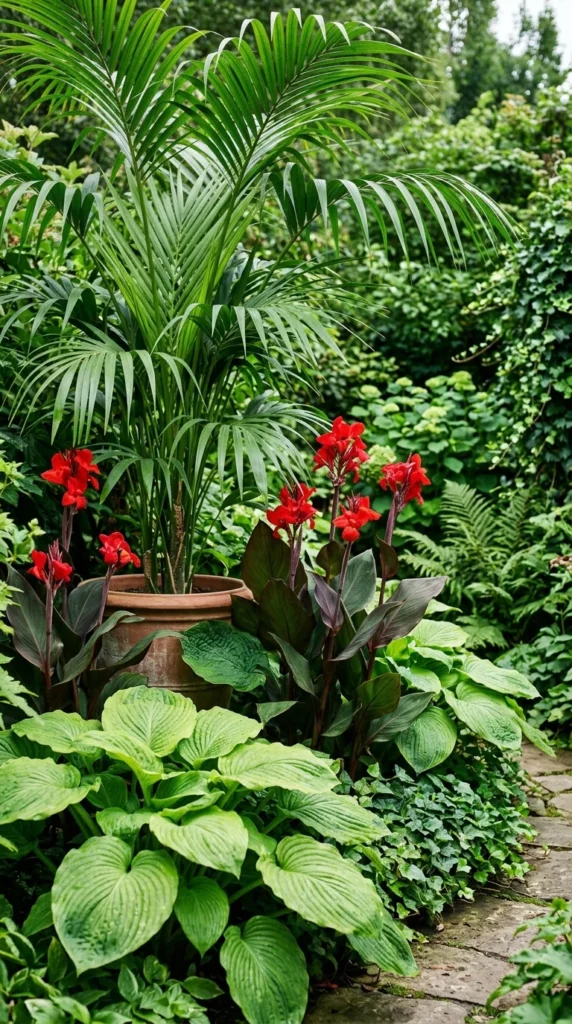
Even in temperate climates, you can create a tropical vibe by using plants with oversized, bold foliage. Cannas, Elephant Ears, and certain hardy palms can give your yard an exotic, lush feel. Combine them with bright, hot colors like oranges and reds to complete the “island” aesthetic.
24. Cottage Flowerbeds
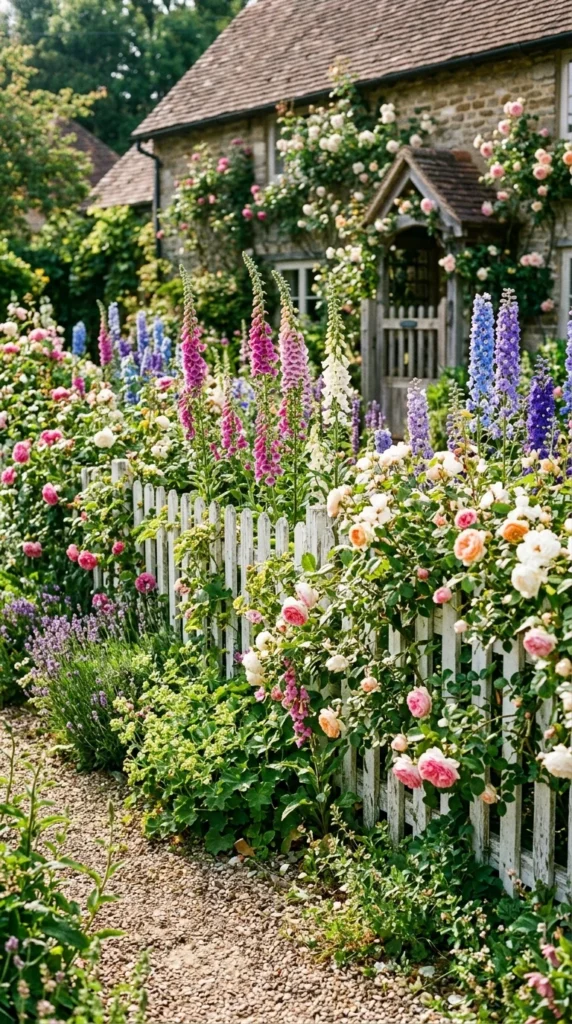
The cottage garden style is intentionally informal and romantic. It features a dense mix of ornamental and edible plants, often overflowing their boundaries. This “controlled chaos” is perfect for those who love flowers and want a yard that feels lived-in and cozy rather than stiff and formal.
25. Desert Succulents
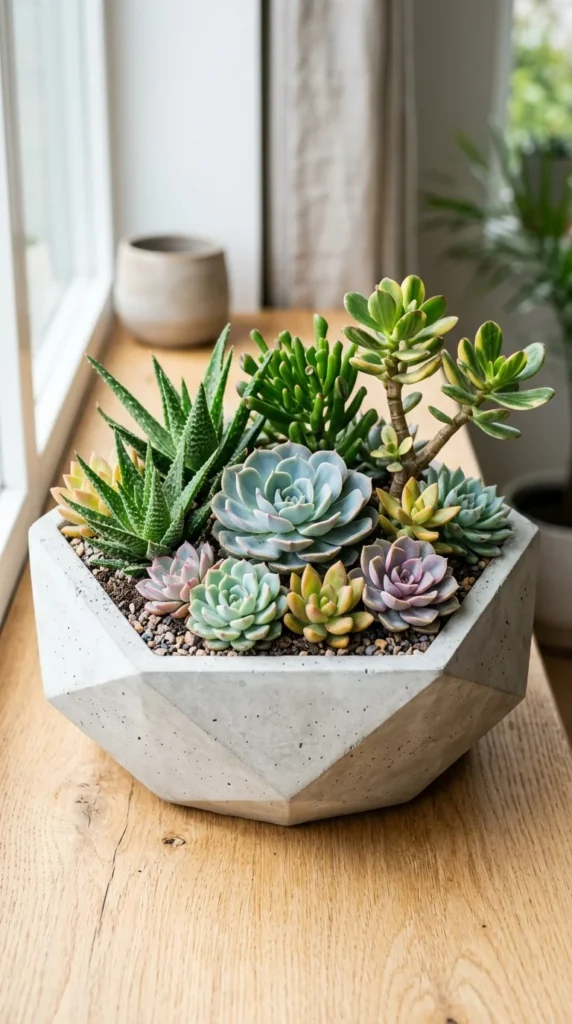
Succulents are the ultimate low-maintenance plants. With their fleshy leaves and unique geometric shapes, they look like living sculptures. They are incredibly hardy in warm climates and can be grown in decorative pots or directly in well-draining garden beds.
26. Built-in Bench Seating
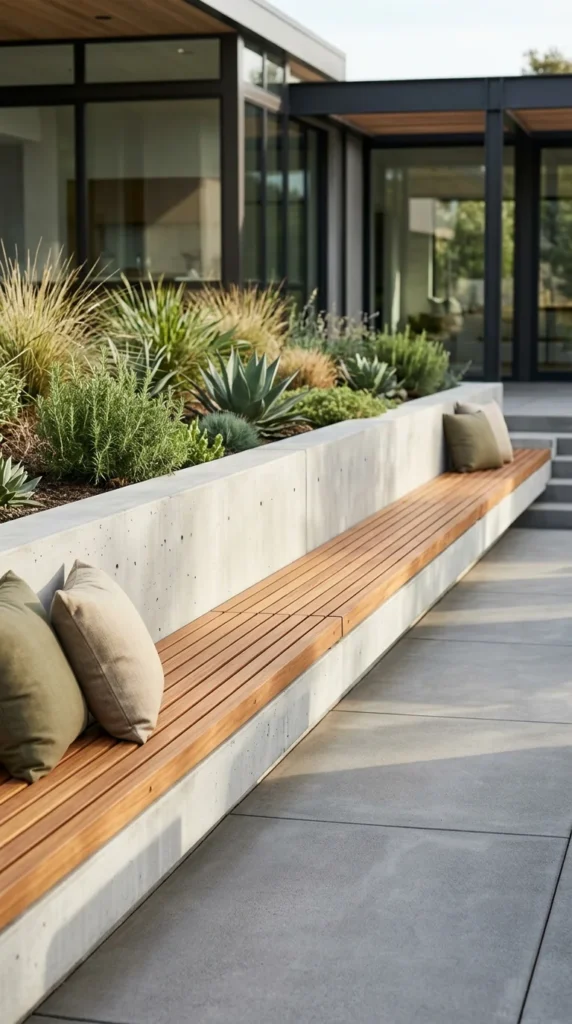
Maxmize your space by integrating seating directly into your hardscaping. Built-in benches on the edge of a deck or as part of a retaining wall provide plenty of places for guests to sit without cluttering the yard with extra furniture. Add some outdoor cushions for comfort and a pop of color.
27. Low-Maintenance Artificial Grass
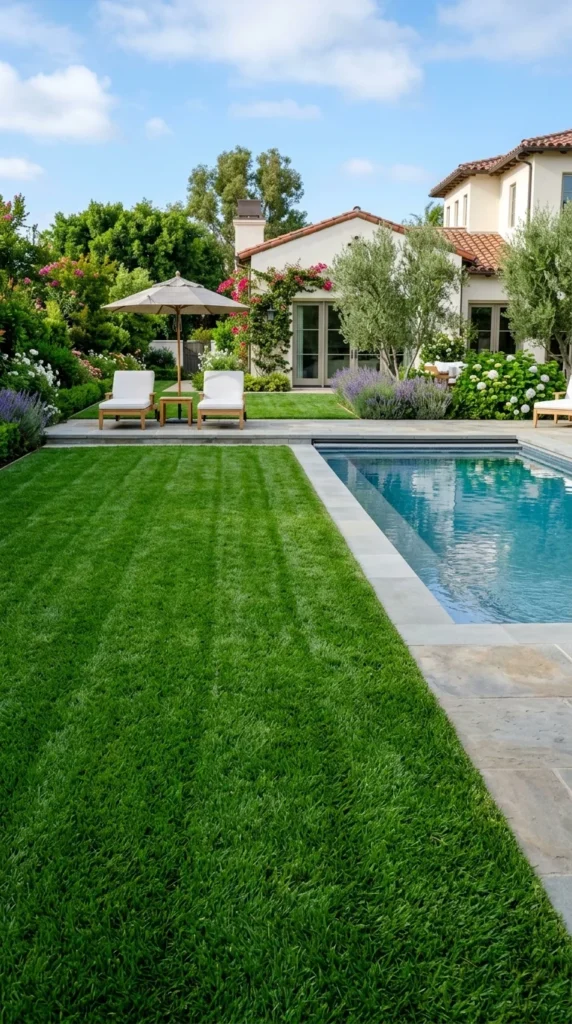
For those who want the look of a perfect lawn without the mowing, watering, or fertilizing, modern artificial turf is a game-changer. High-quality synthetic grass is soft to the touch and looks remarkably realistic. It is particularly useful in shaded areas where real grass struggles to grow or in pet-heavy yards.
28. Cascading Waterfalls
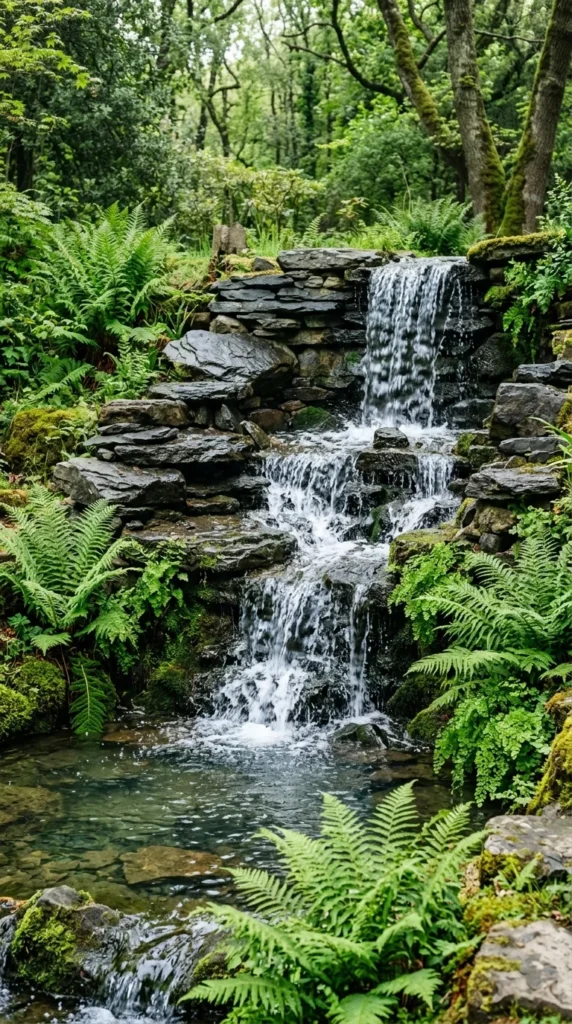
A cascading waterfall adds a touch of luxury and drama to any landscape. By using natural stone and varying the heights of the “falls,” you can create a feature that looks like it has been there for centuries. The white noise produced by the crashing water is perfect for creating a private, secluded atmosphere in your own backyard.