
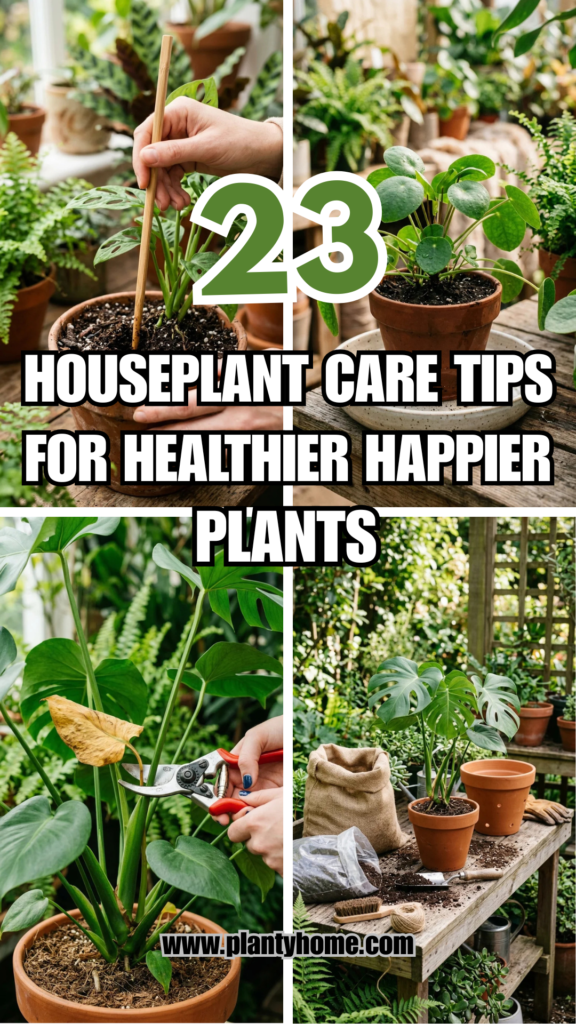

Houseplants do more than just aestheticize a living space; they purify the air, boost mood, and create a sense of tranquility. However, keeping them thriving requires more than just occasional watering. To transform your home into a lush sanctuary, you need a holistic approach to plant care. Here are 23 essential tips to ensure your green companions remain healthy and happy.
1. Watering
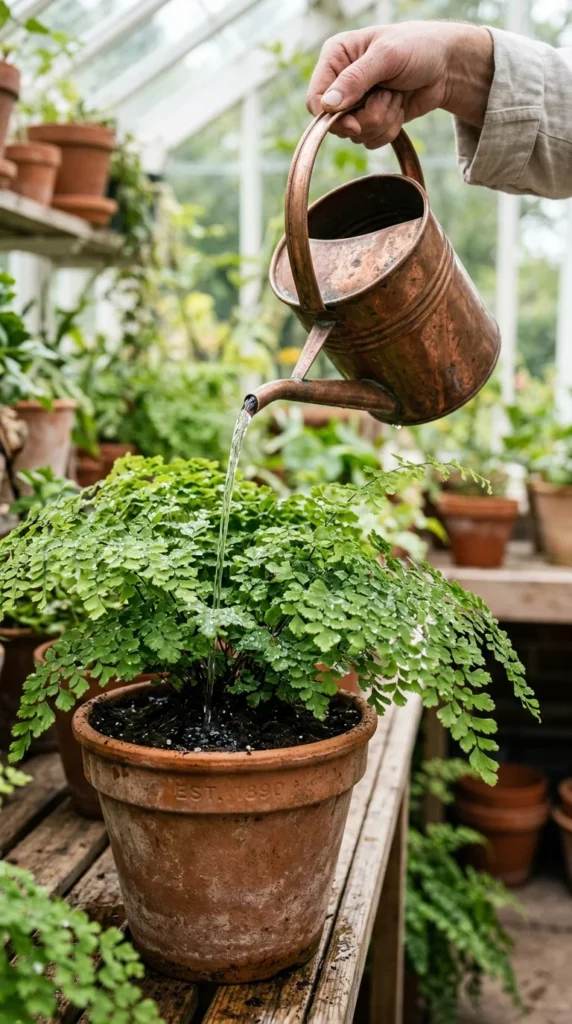
The most common mistake plant owners make is overwatering. Most plants prefer their soil to dry out slightly between waterings. Use your finger to check the moisture level about two inches deep; if it feels dry, it is time to water. If it is still moist, wait a few more days.
2. Lighting
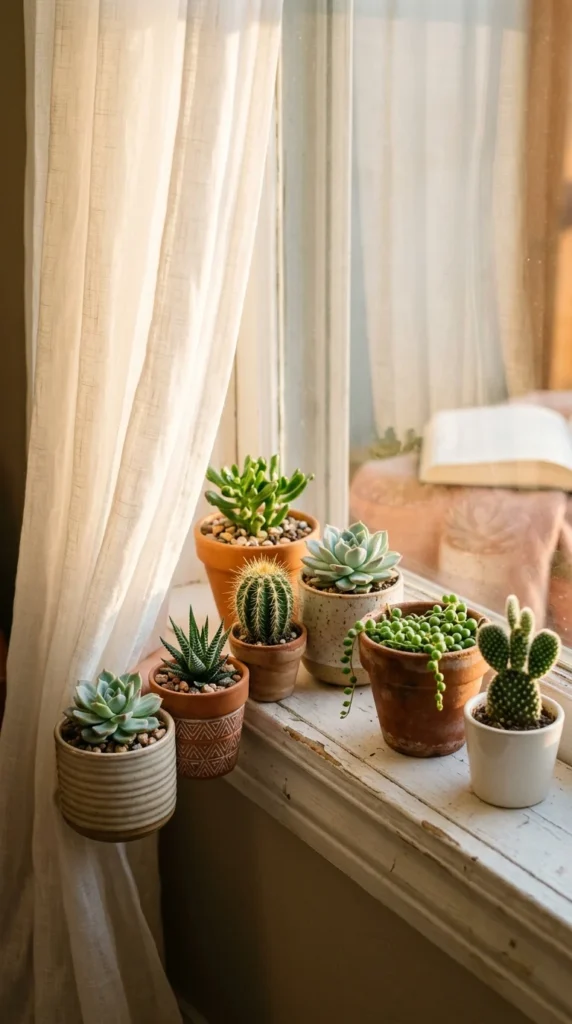
Every plant has specific light requirements. Succulents and cacti crave direct sunlight, while tropical plants like Calatheas prefer bright, indirect light. Categorize your windows by direction: south-facing windows usually offer the most intense light, while north-facing windows provide the least.
3. Drainage
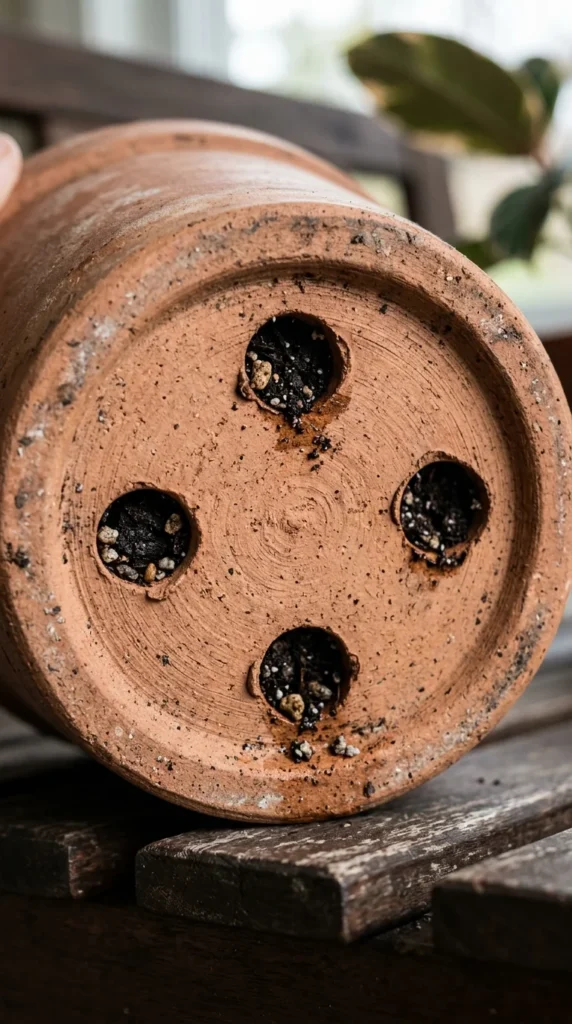
Never let your plants sit in “wet feet.” Ensure every pot has drainage holes at the bottom. If you have a decorative pot without holes, use it as a “cachepot”—keep the plant in a plastic nursery liner inside the decorative pot and remove it to water.
4. Dusting
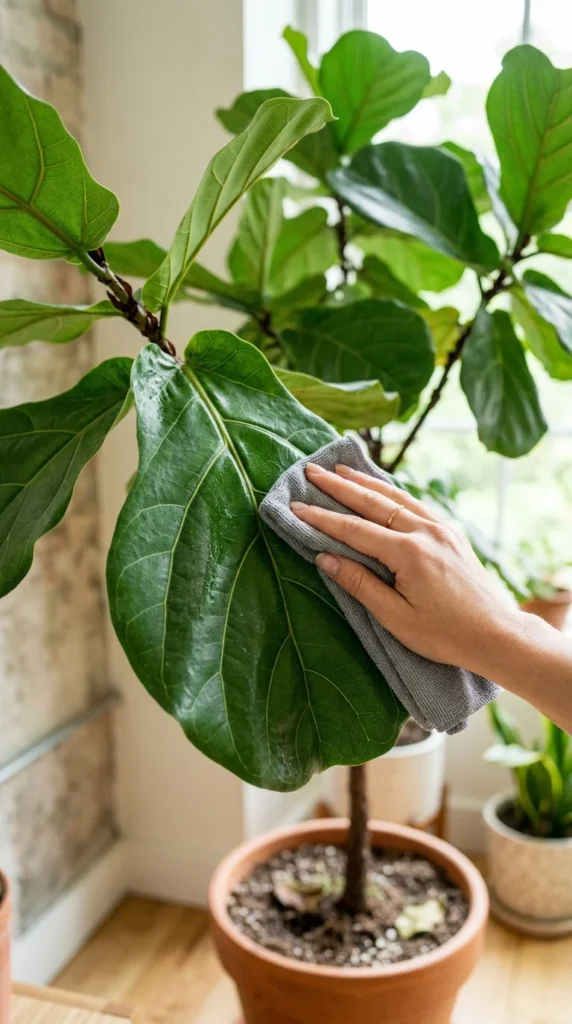
Dust buildup on leaves blocks sunlight and hinders photosynthesis. Every few weeks, wipe down large leaves with a damp cloth. For plants with smaller leaves, a gentle lukewarm shower in the sink or bathtub can help wash away debris.
5. Repotting
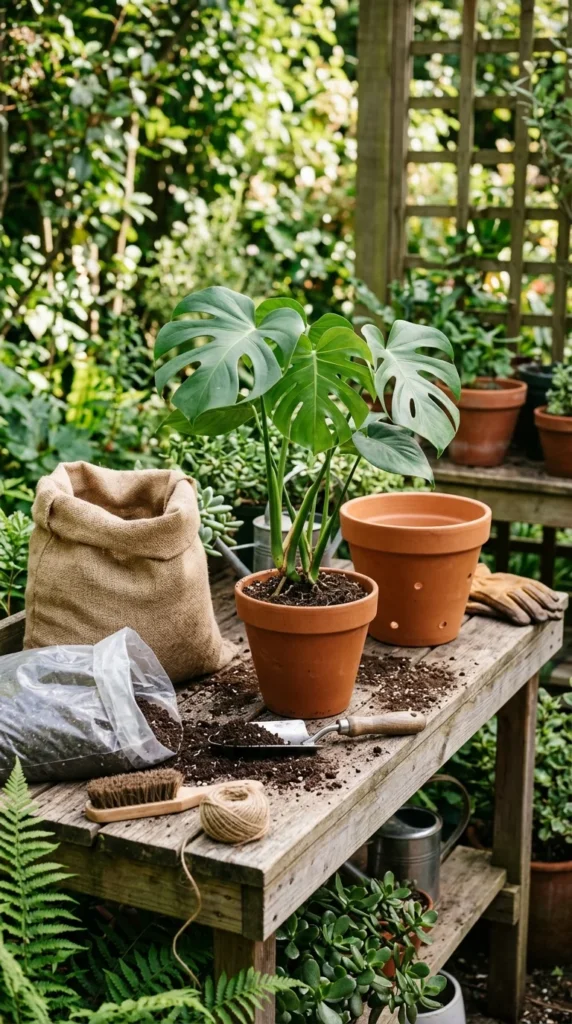
Plants eventually outgrow their containers. If you see roots circling the bottom or popping out of drainage holes, it is time for a larger home. Choose a pot only one to two inches wider than the current one to avoid “over-potting,” which can lead to root rot.
6. Fertilizer
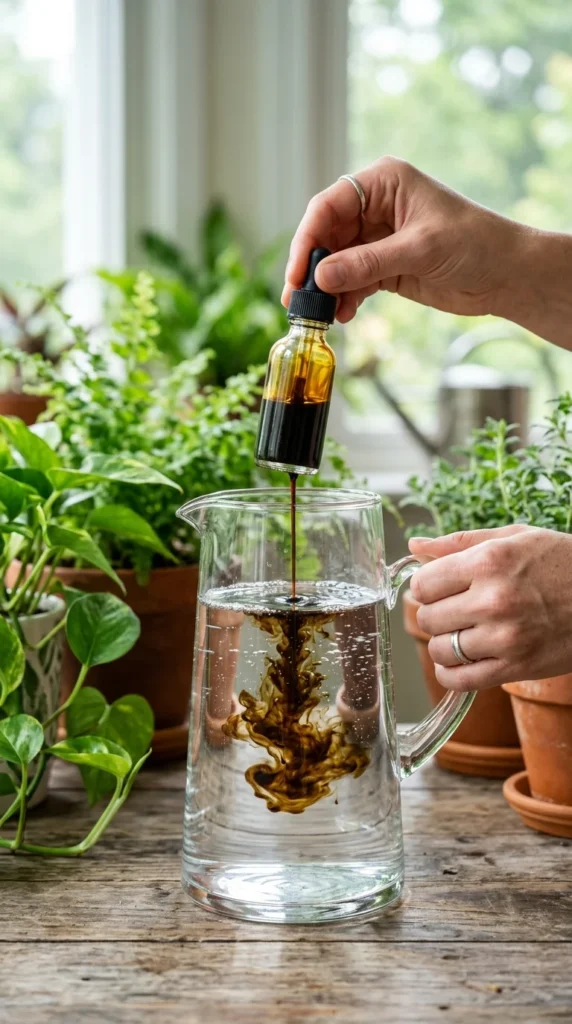
During the growing season (spring and summer), plants need extra nutrients. Use a balanced, water-soluble fertilizer every two to four weeks. In the winter, when growth slows down, stop fertilizing to give the plant a rest.
7. Humidity
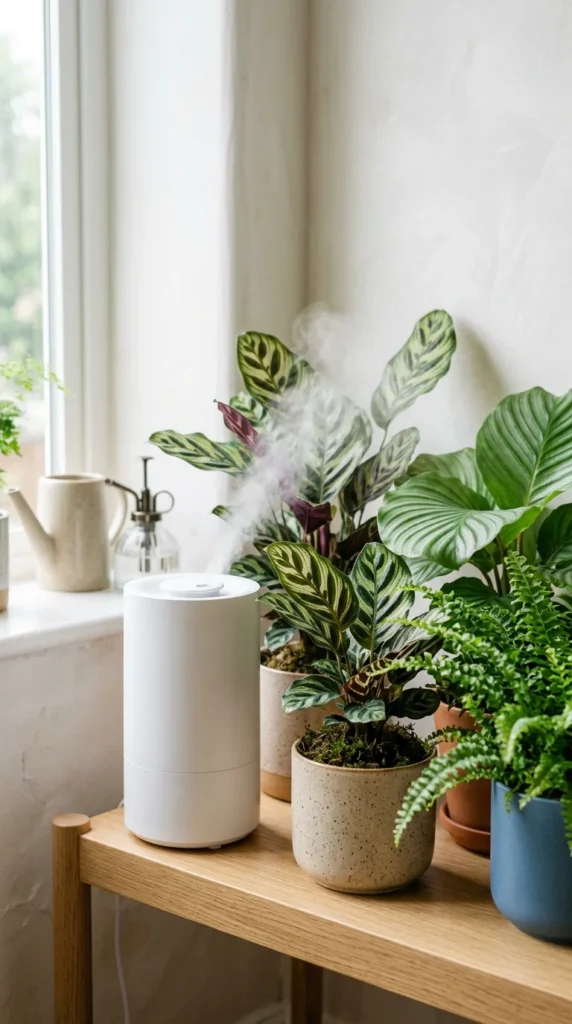
Many houseplants originate from tropical climates where humidity is high. To replicate this, use a humidifier, group plants together to create a microclimate, or place pots on a tray filled with pebbles and water.
8. Pests
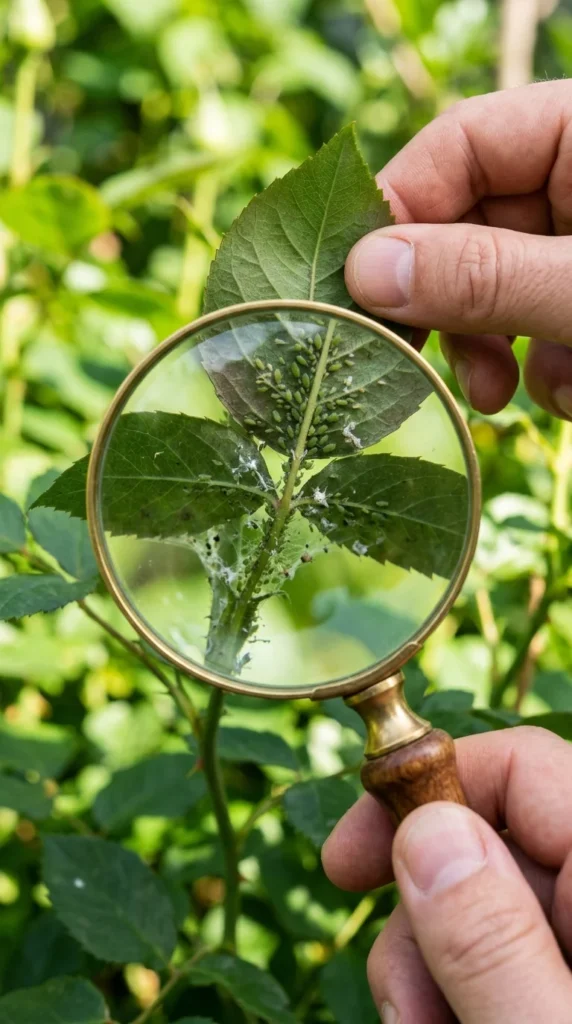
Regularly inspect your plants for unwanted guests like spider mites, mealybugs, or fungus gnats. Treat infestations early with neem oil or insecticidal soap. Quarantining new plants for two weeks before introducing them to your collection is also a wise preventative measure.
9. Rotation
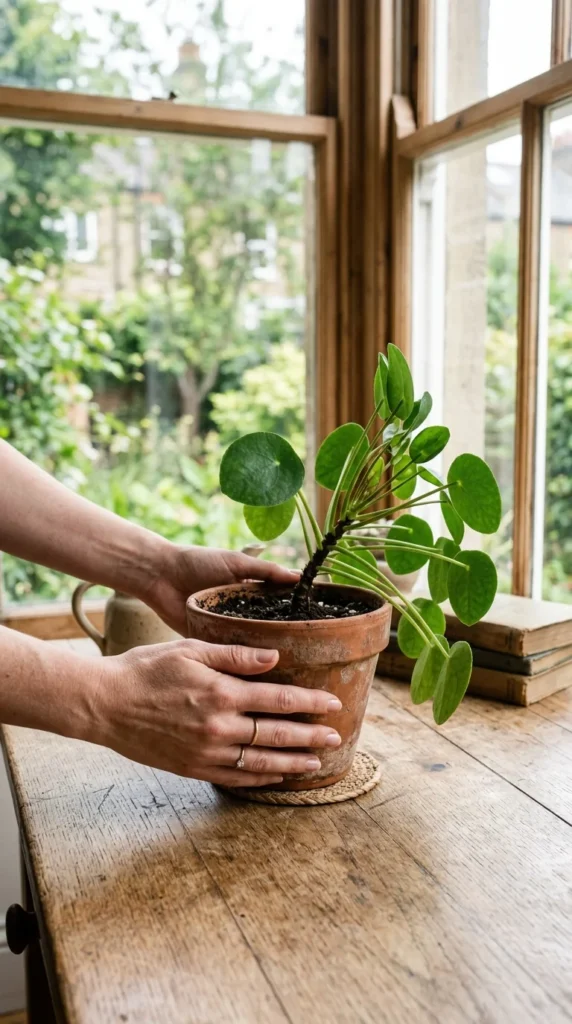
Plants naturally grow toward their light source. To ensure even, symmetrical growth, rotate your pots a quarter-turn every time you water. This prevents your plants from becoming “leggy” or leaning too heavily in one direction.
10. Soil
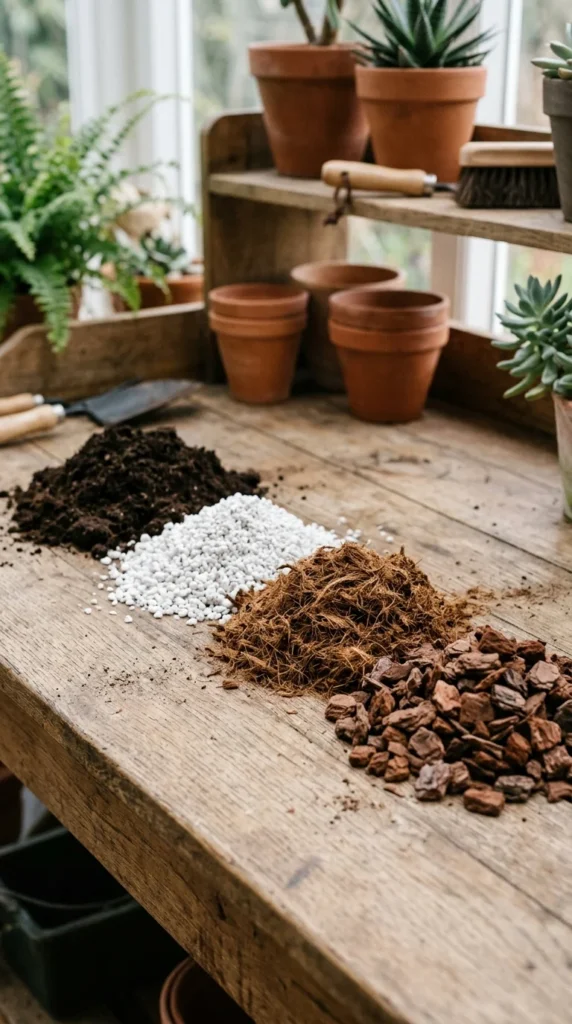
Not all dirt is created equal. Use a high-quality potting mix tailored to your plant type. Cacti need sandy, fast-draining soil, while ferns prefer a mix that retains more moisture. Avoid using garden soil, as it is too heavy and may contain pests.
11. Pruning
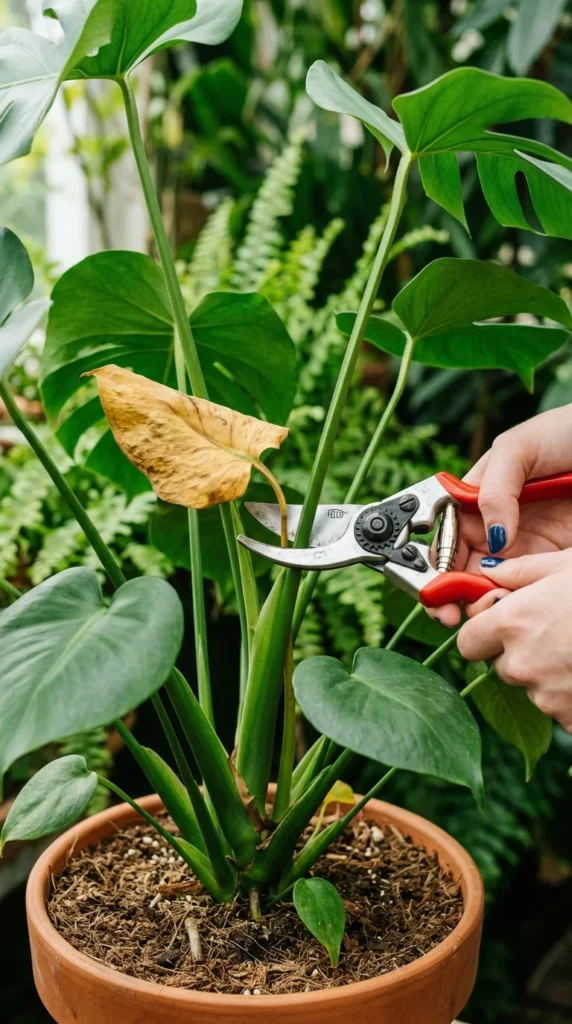
Pruning isn’t just for aesthetics; it encourages new growth. Snip off yellow or brown leaves and leggy stems. This allows the plant to direct its energy toward healthy foliage rather than trying to sustain dying parts.
12. Temperature
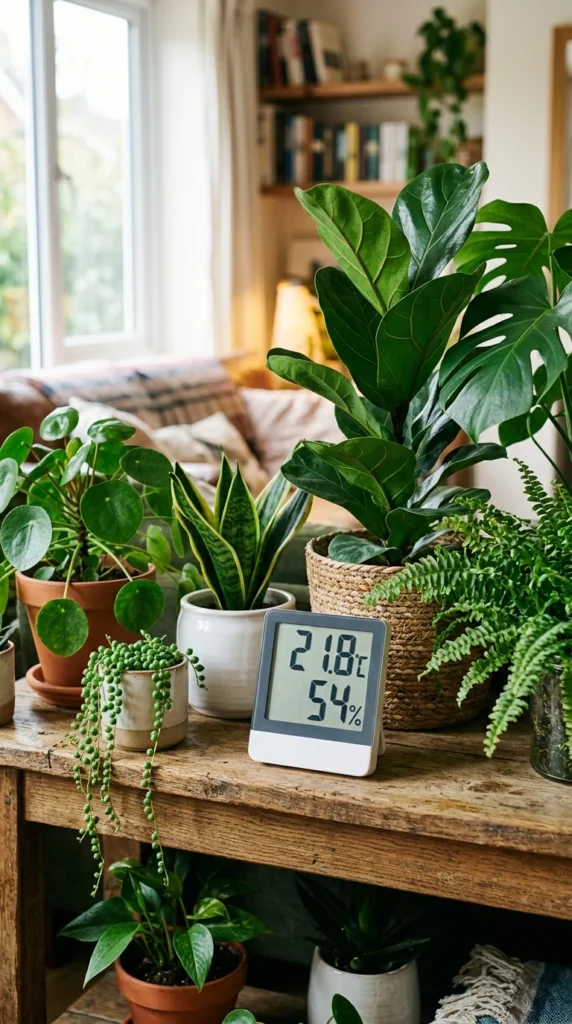
Most houseplants thrive in temperatures between 65°F and 75°F (18°C-24°C). Keep them away from cold drafts, air conditioning vents, and heaters, as extreme temperature fluctuations can cause leaves to drop or turn brown.
13. Grouping
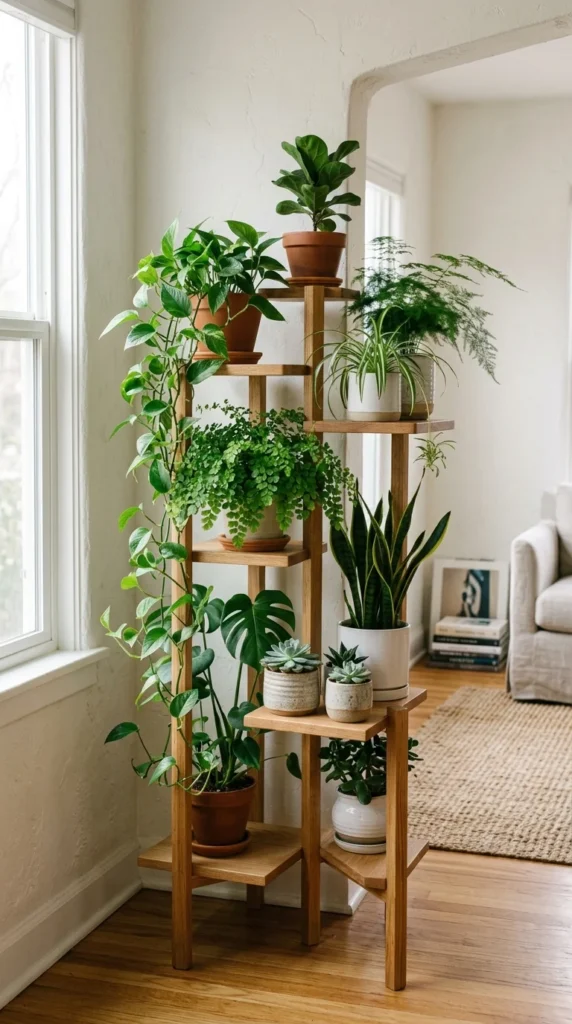
Grouping plants together doesn’t just look good; it increases the local humidity around the leaves through a process called transpiration. This is particularly beneficial for moisture-loving plants like Marantas and Alocasias.
14. Seasonality
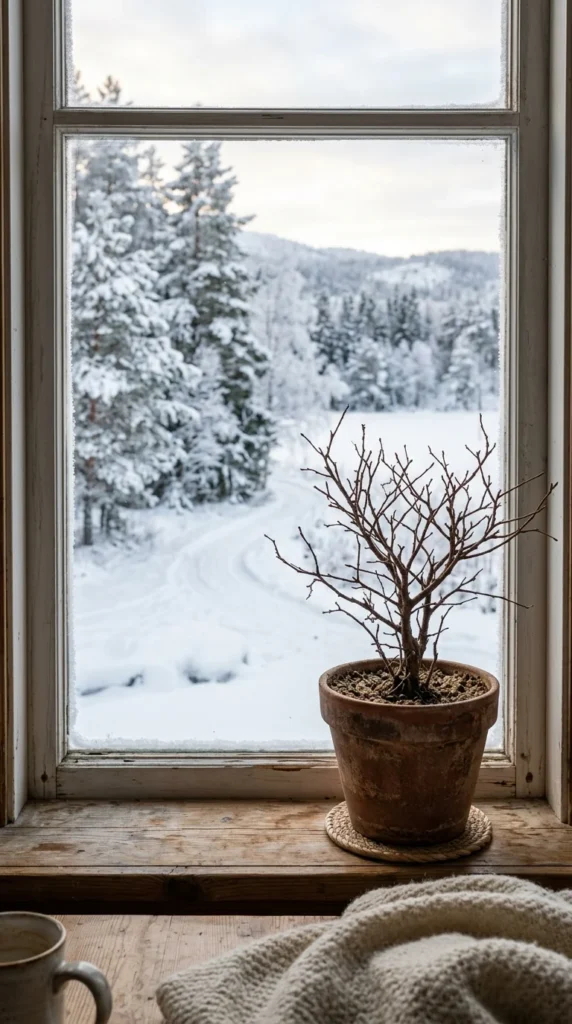
Understand that plants have seasons. In winter, many enter a dormancy period where they require less water and no fertilizer. Adjust your care routine as the days get shorter and temperatures drop.
15. Pots
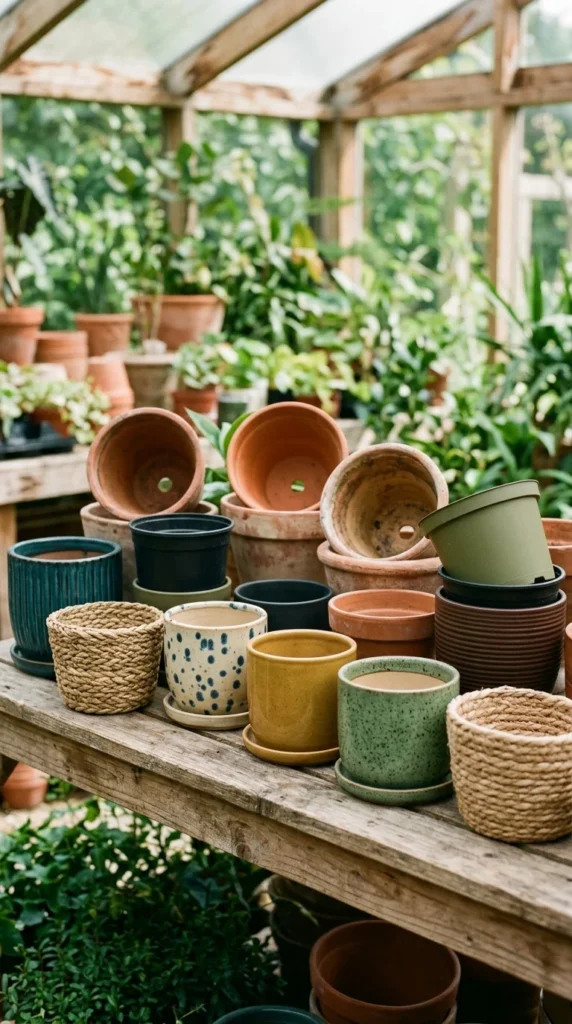
The material of your pot affects how quickly soil dries. Terracotta is porous and breathes, making it great for plants that like dry soil. Plastic or glazed ceramic pots retain moisture longer, which is ideal for ferns and lilies.
16. Propagating
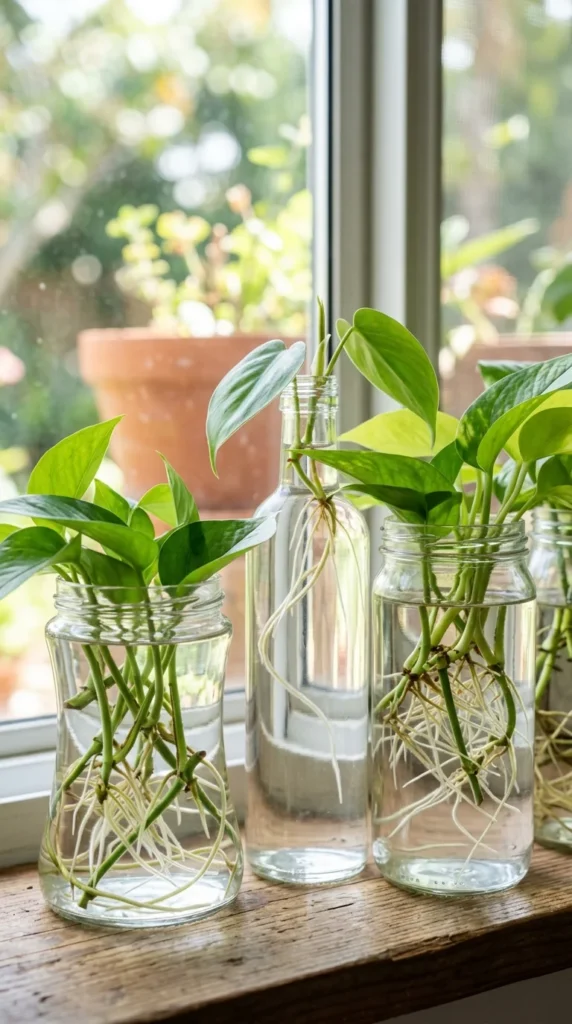
Propagation is a great way to expand your collection for free. Take stem cuttings and place them in water or soil. Once roots develop, you can pot them up and have a whole new plant to enjoy or gift to a friend.
17. Water Quality
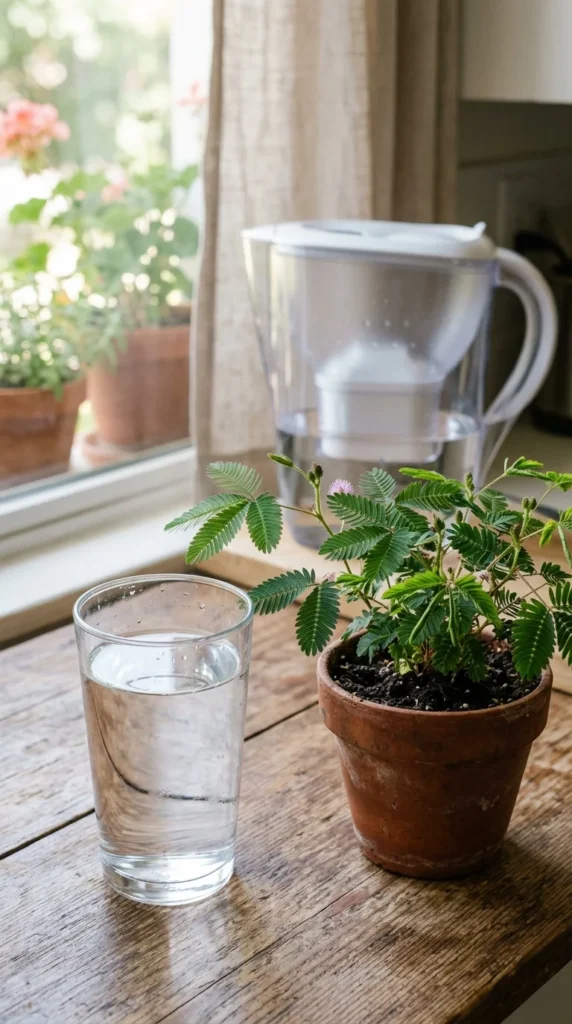
Some plants, like Spider Plants and Dracaenas, are sensitive to the chlorine and fluoride found in tap water. Use filtered water, rainwater, or let tap water sit out overnight to allow some of the chemicals to dissipate before watering.
18. Finger Test
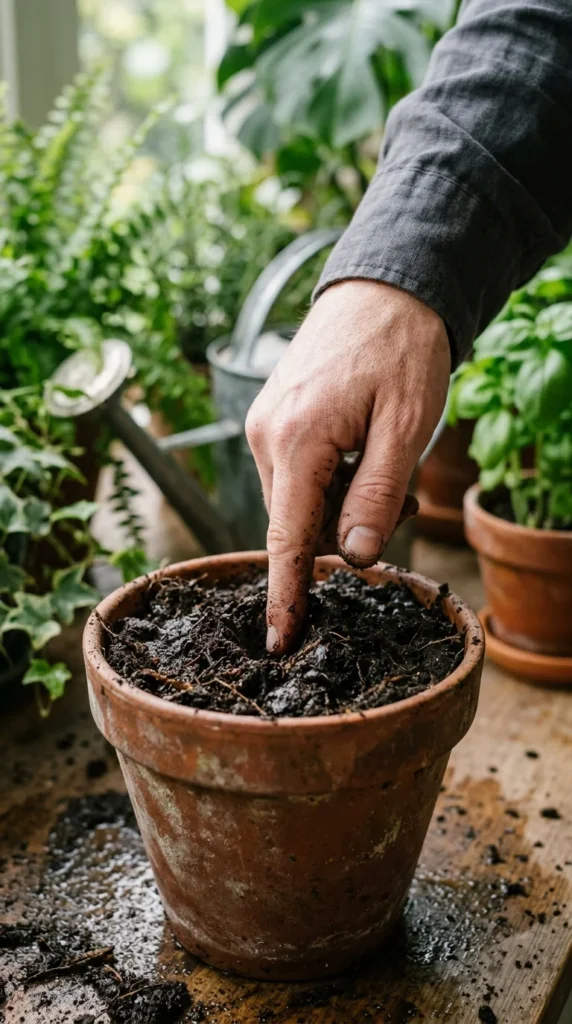
Forget a strict schedule. The most reliable way to tell if a plant needs water is the “finger test.” Push your finger into the soil up to the second knuckle. If it feels dry, water it. If it’s damp, check again in a few days.
19. Bottom Watering
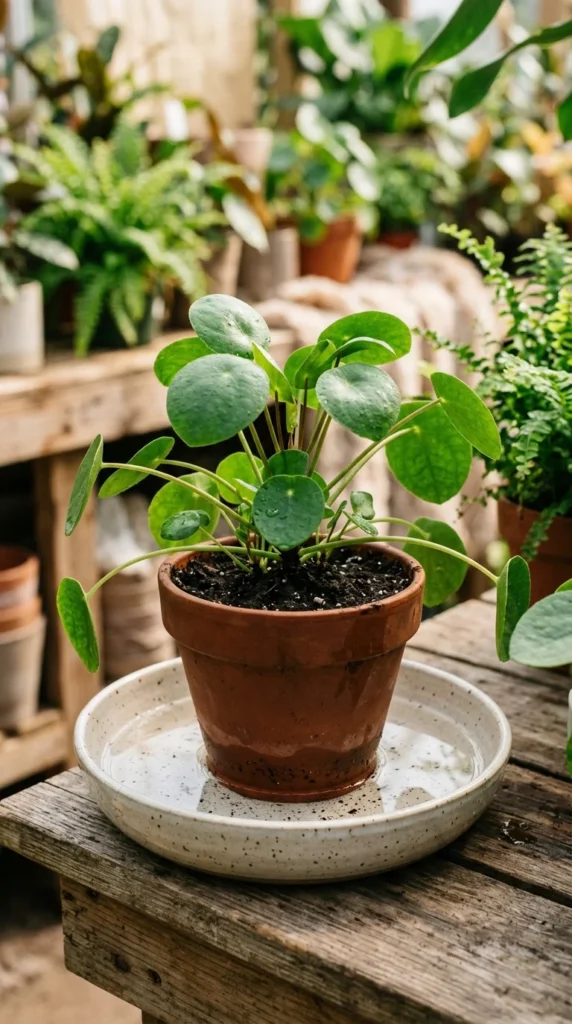
For plants that are very dry or have soil that has become hydrophobic, try bottom watering. Place the pot in a bowl of water for 15-20 minutes, allowing the soil to soak up moisture through the drainage holes until the top of the soil feels damp.
20. Acclimation
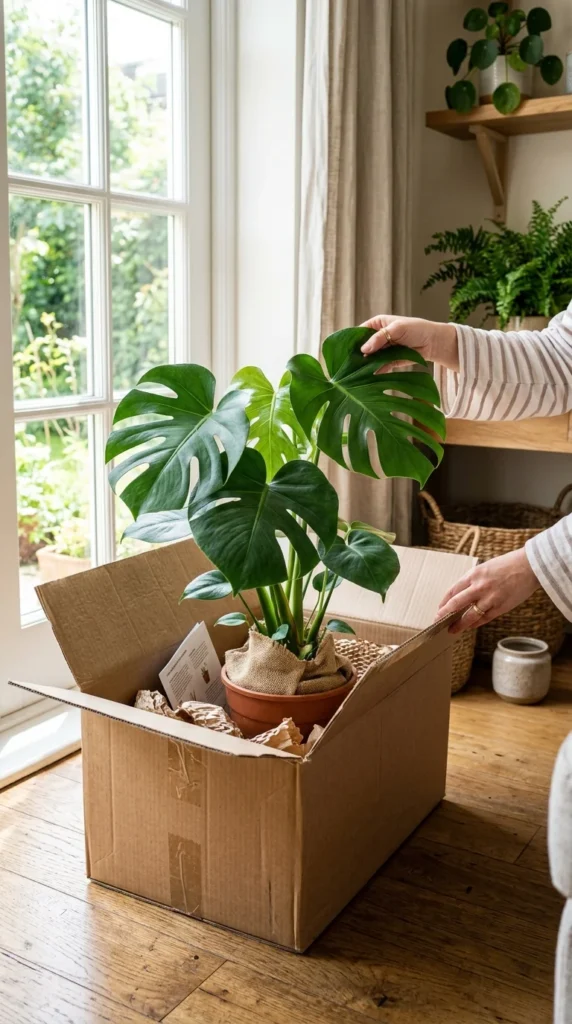
Plants experience shock when moved to a new environment. When you bring a new plant home, place it in its permanent spot and avoid repotting or heavy pruning for at least two weeks while it adjusts to your home’s light and temperature.
21. Support
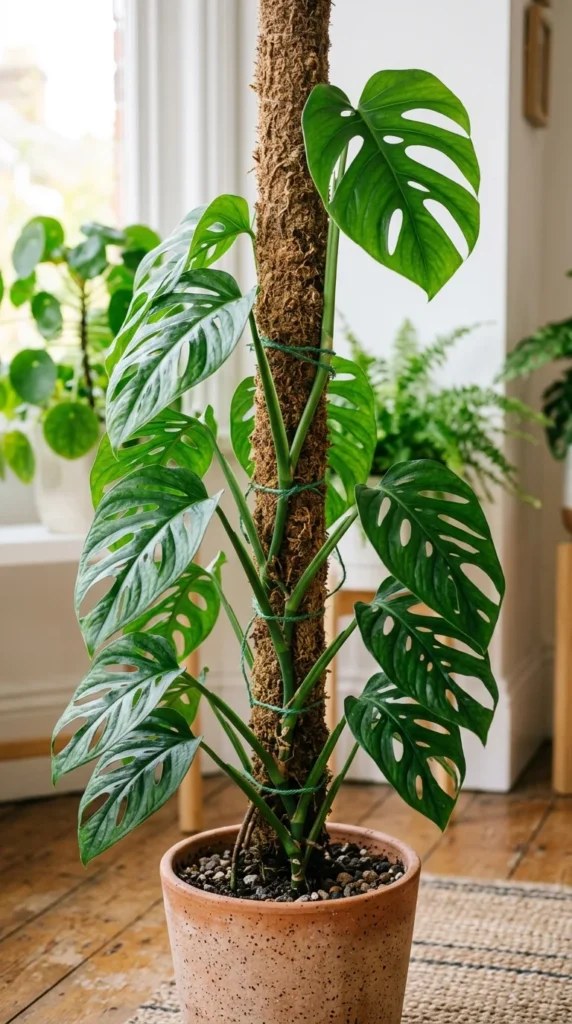
Vining plants like Monstera or Philodendron naturally want to climb. Providing a moss pole or trellis gives them the support they need to grow larger, more mature leaves.
22. Aeration
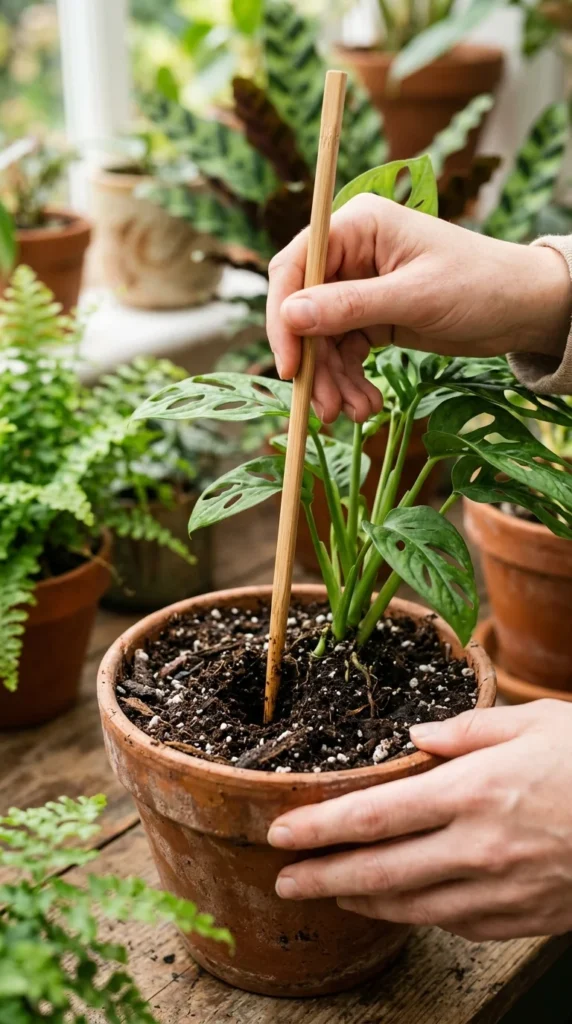
Over time, potting soil can become compacted, preventing oxygen from reaching the roots. Every few months, use a chopstick or a thin stick to gently poke holes in the soil to aerate it and improve water penetration.
23. Patience

Careful observation is the best tool in a plant parent’s arsenal. Take time to look at your plants every day. Watch for new growth, color changes, or drooping. The more you pay attention, the better you will understand the unique language of your plants.