
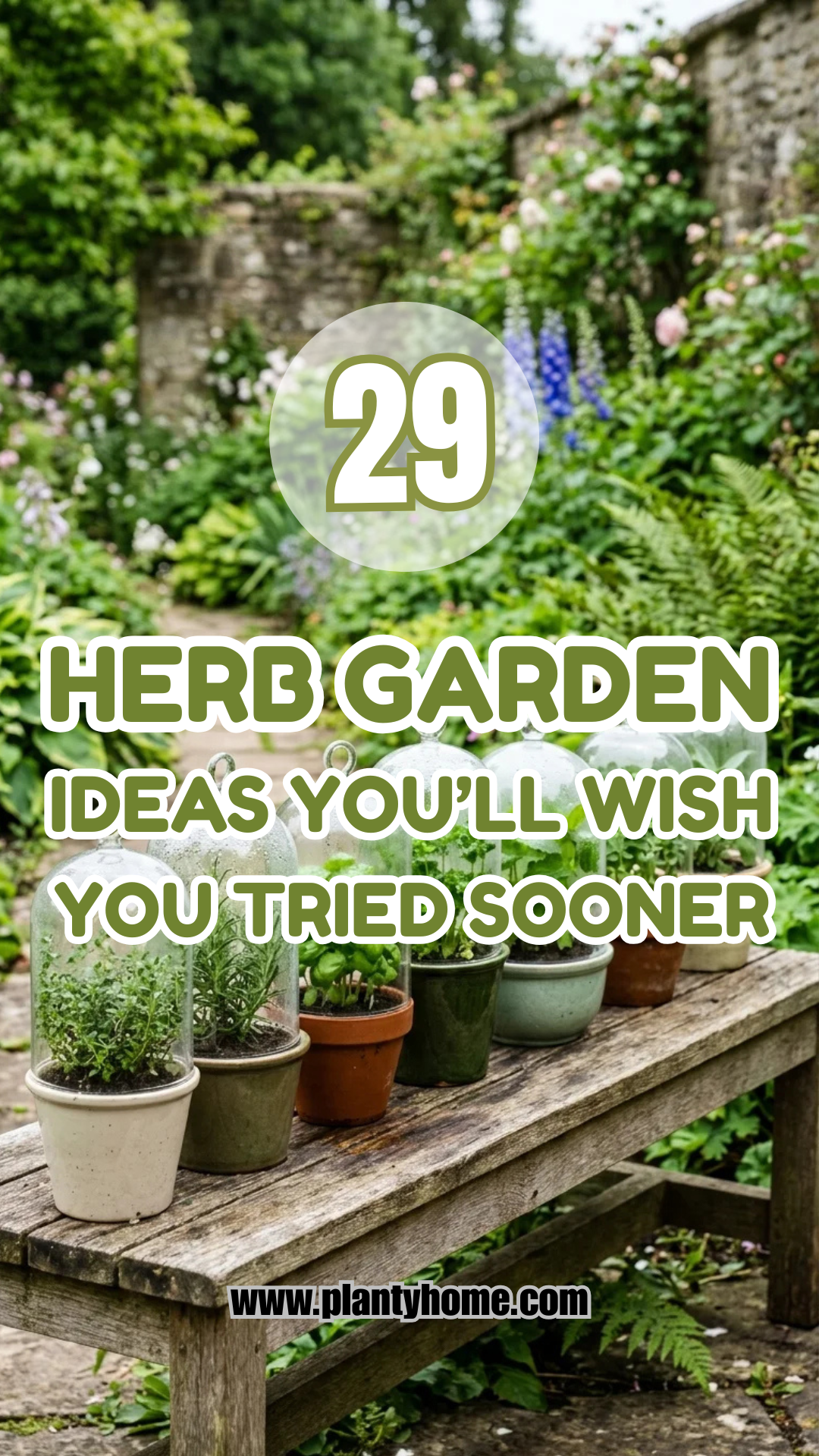
Growing your own herbs is one of the most rewarding gardening ventures a homeowner or apartment dweller can undertake. Not only do fresh herbs elevate the flavor of your culinary creations, but they also provide aromatic beauty and therapeutic benefits. Whether you have a vast backyard or a tiny kitchen window, these 29 herb garden ideas offer creative solutions to bring fresh flavors into your life.
1. Mason Jars
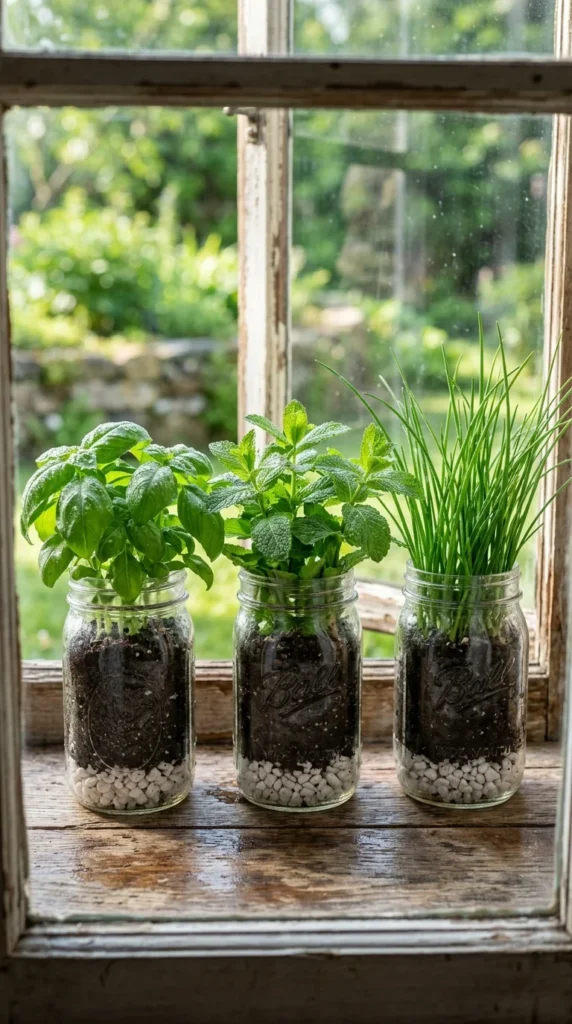
Mason jars are a classic choice for indoor herb gardening. Their transparent nature allows you to monitor soil moisture and root health easily. To prevent root rot, since these jars lack drainage holes, it is essential to place a thick layer of pebbles or activated charcoal at the bottom to catch excess water. These look stunning when grouped in sets of three or five on a kitchen counter or windowsill, providing an instant farmhouse aesthetic.
2. Vertical Pallets
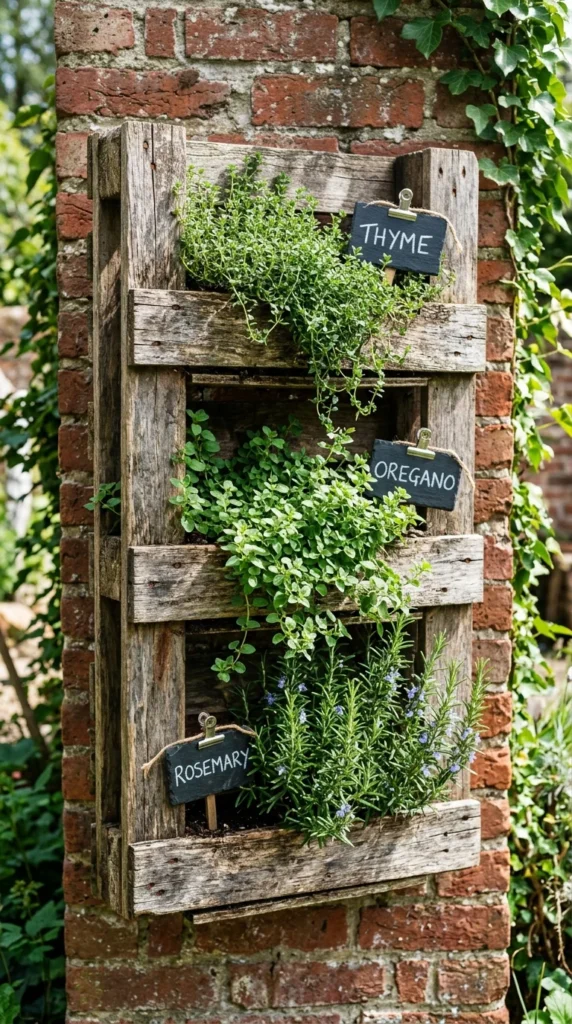
Vertical pallet gardens are the ultimate upcycling project for those with limited horizontal space. By securing landscape fabric to the back and bottom of each slat, you create deep pockets perfect for housing a variety of herbs. This setup is particularly effective for trailing herbs like creeping thyme or prostrate rosemary, which will eventually spill over the sides, creating a living wall of greenery.
3. Hanging Macramé
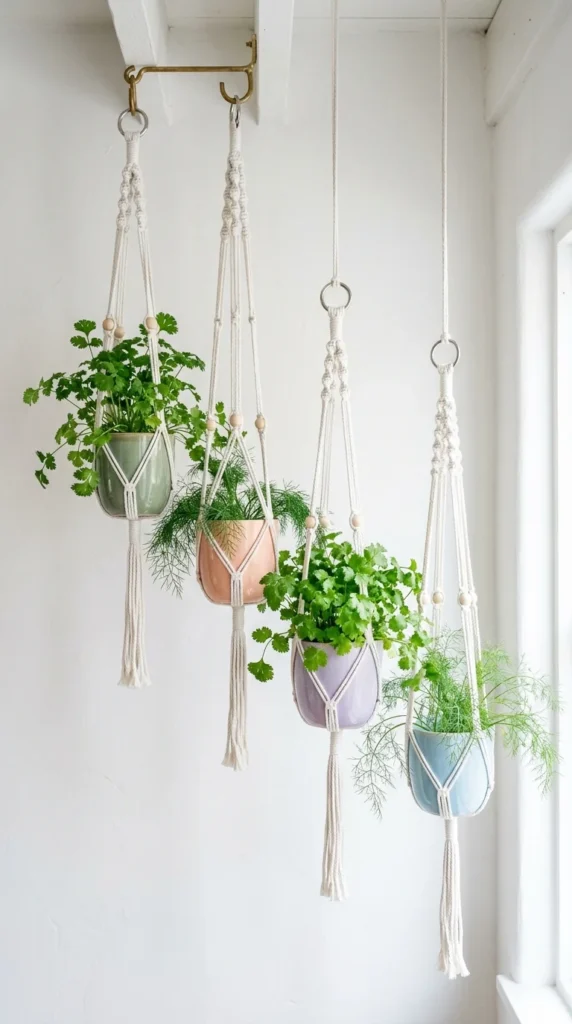
Hanging macramé planters add a bohemian touch to your home while keeping your herbs at eye level and away from curious pets. This method is ideal for herbs that enjoy good air circulation and bright, indirect light. By varying the lengths of the hangers, you create a dynamic visual display that doubles as functional decor.
4. Tiered Planters
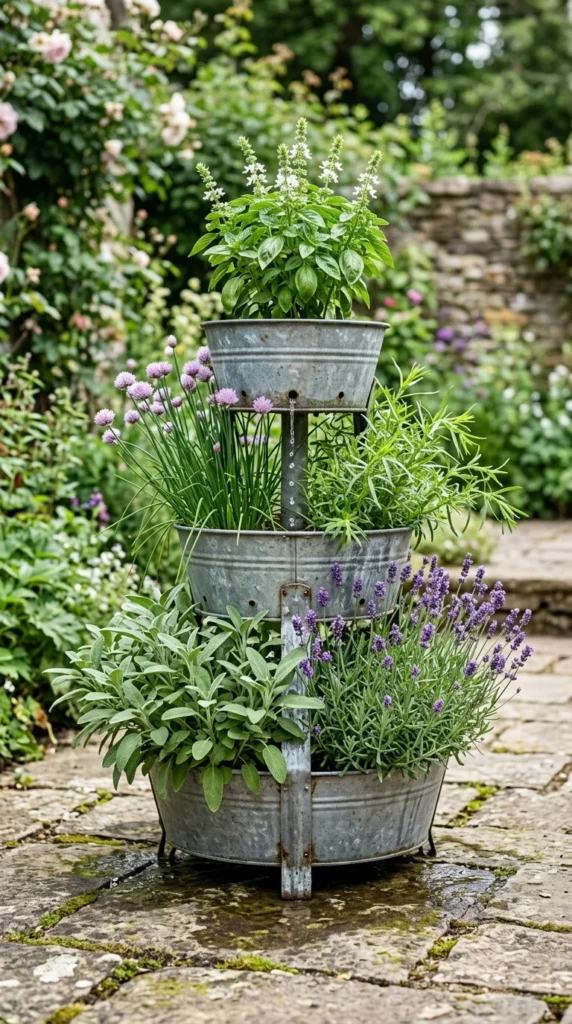
Tiered planters are excellent for maximizing yield in a small footprint. They allow you to group herbs with similar water requirements together. The vertical arrangement ensures that every plant gets its fair share of sunlight. This structure is also highly portable, making it easy to move your herb collection indoors if a frost is expected.
5. Windowsill Boxes
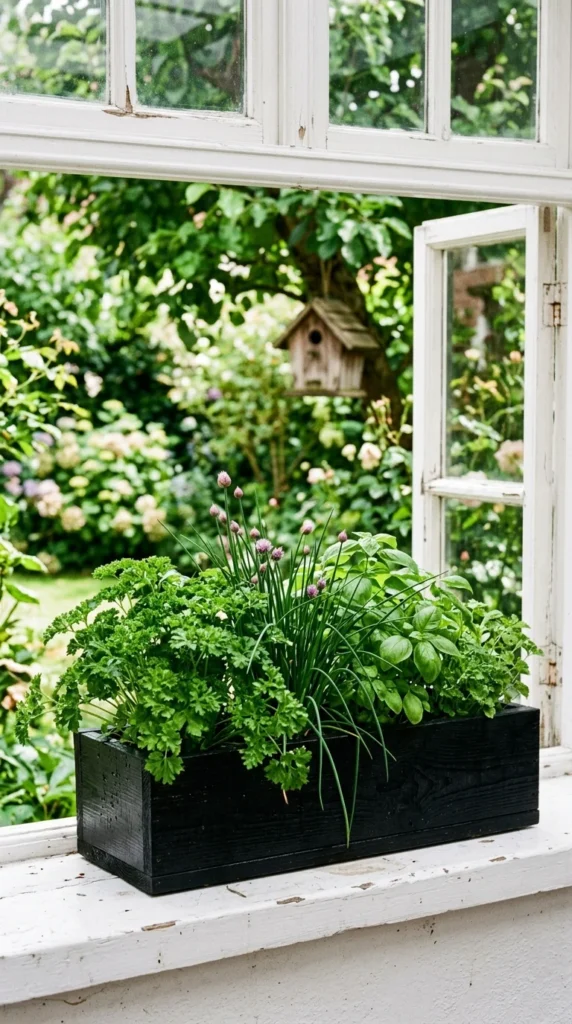
Windowsill boxes are a traditional favorite for a reason: they provide the easiest access for a cook in the middle of preparing a meal. Just open the window and snip what you need. Ensure your window box has proper drainage and is securely fastened to the sill. Using a high-quality potting mix will help retain moisture in these relatively shallow containers.
6. Recycled Tea Tins
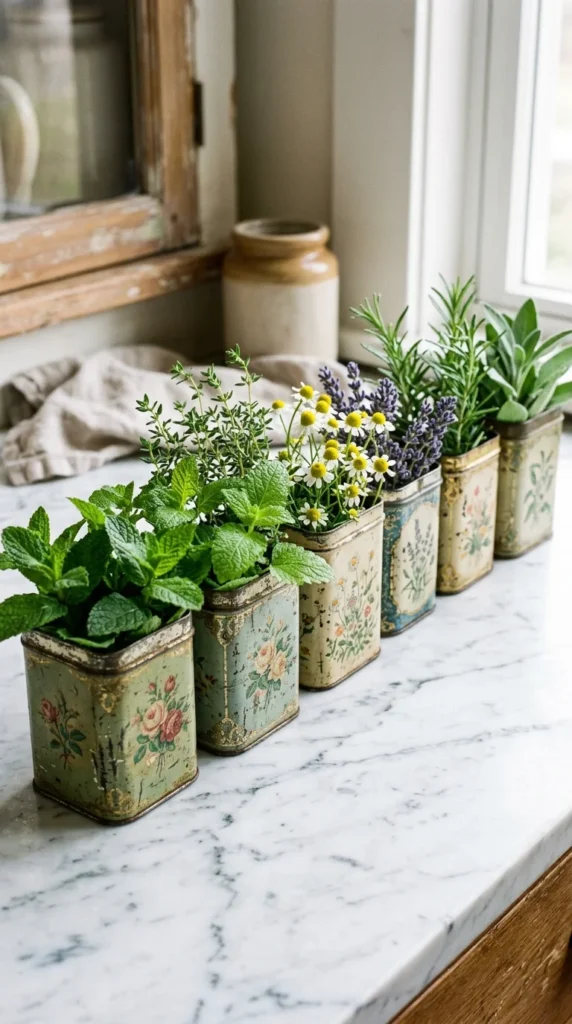
For a touch of vintage charm, repurpose old tea tins into herb pots. These are perfectly sized for individual herbs and look wonderful in a kitchen setting. Be sure to poke or drill a few drainage holes in the bottom of each tin to ensure the roots don’t stay too wet. They are lightweight and can be easily rearranged to suit your kitchen’s styling.
7. Spiral Gardens
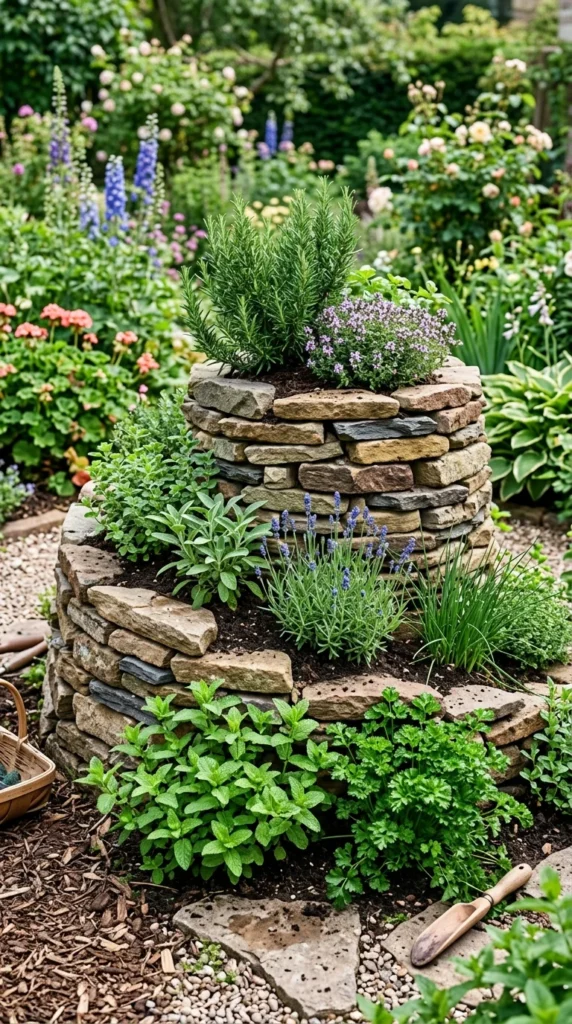
A herb spiral is a permaculture classic that creates multiple microclimates in one small area. The top of the spiral is the driest and sunniest spot, perfect for Mediterranean herbs like rosemary and oregano. As the spiral winds down, the soil stays moister and cooler, providing the perfect environment for mint, chives, and parsley. It is a stunning architectural feature for any backyard.
8. Shoe Organizers
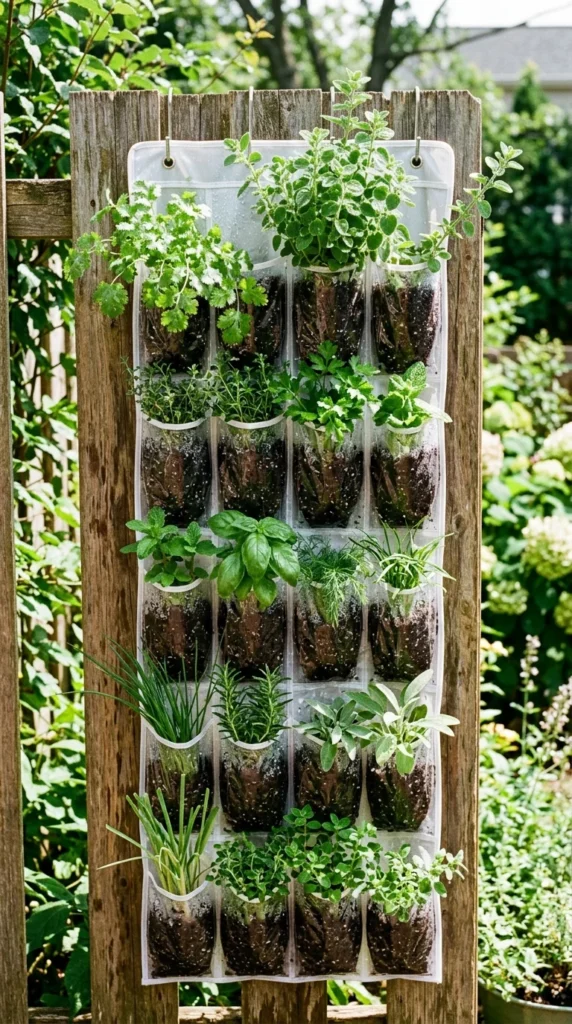
Using a hanging shoe organizer is a clever and inexpensive way to create a massive vertical herb garden. The individual pockets provide separate “apartments” for each herb, preventing aggressive growers like mint from taking over. This setup is perfect for balconies or narrow side yards where floor space is at a premium.
9. Gutter Gardens
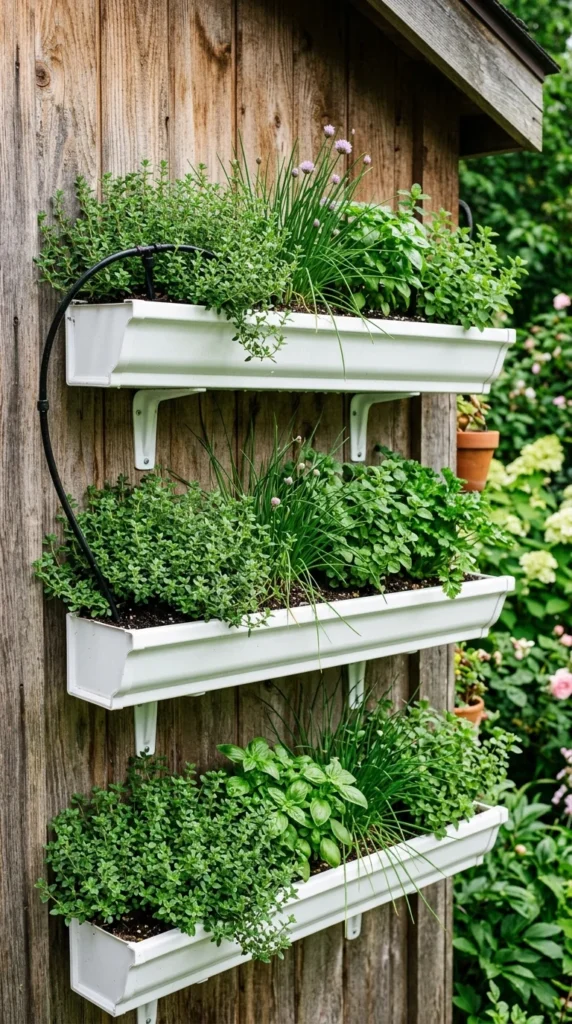
Rain gutters can be easily converted into long, narrow planters that are perfect for shallow-rooted herbs. Mounting them on a fence or the side of a house turns an unused vertical surface into a productive garden. They are particularly effective for “cut and come again” herbs that you harvest frequently.
10. Wine Crate Gardens
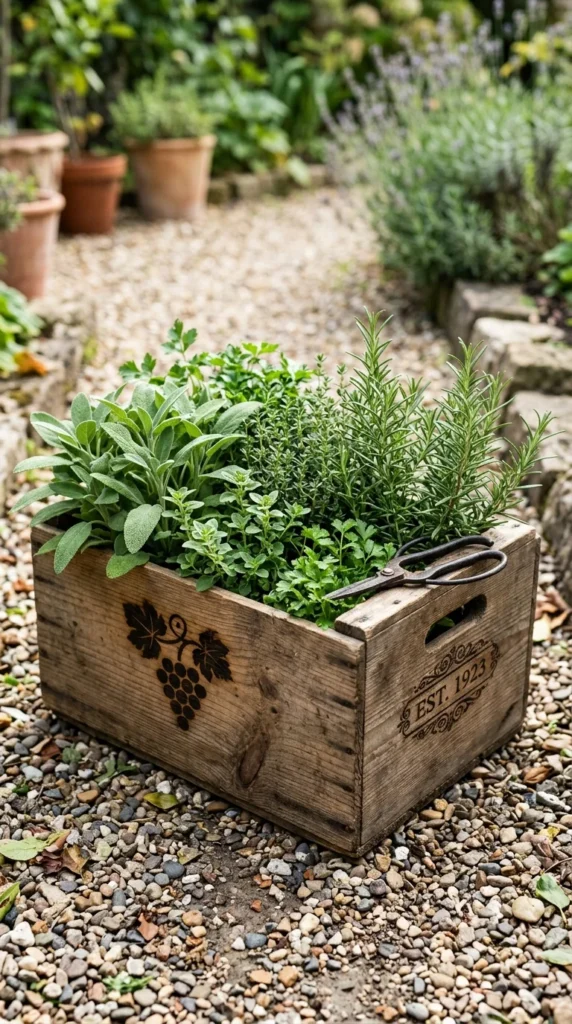
Wine crates offer a deep enough planting space for most herbs and bring an air of sophistication to the garden. The wood is typically sturdy and breathable, which helps regulate soil temperature. These crates can be grouped together to create a modular garden system that is easy to manage and move.
11. Ladder Displays
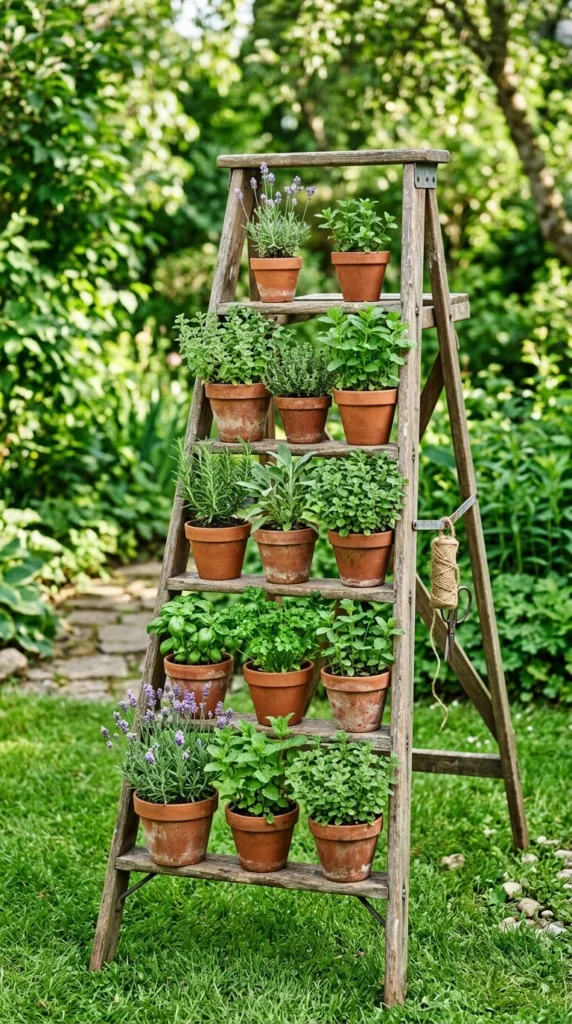
An old wooden ladder makes for a fantastic multi-level plant stand. It allows you to display a large collection of herbs without taking up much floor space. The varying heights ensure that each plant receives adequate sunlight, and it creates a beautiful focal point on a deck or patio.
12. Magnetic Tins
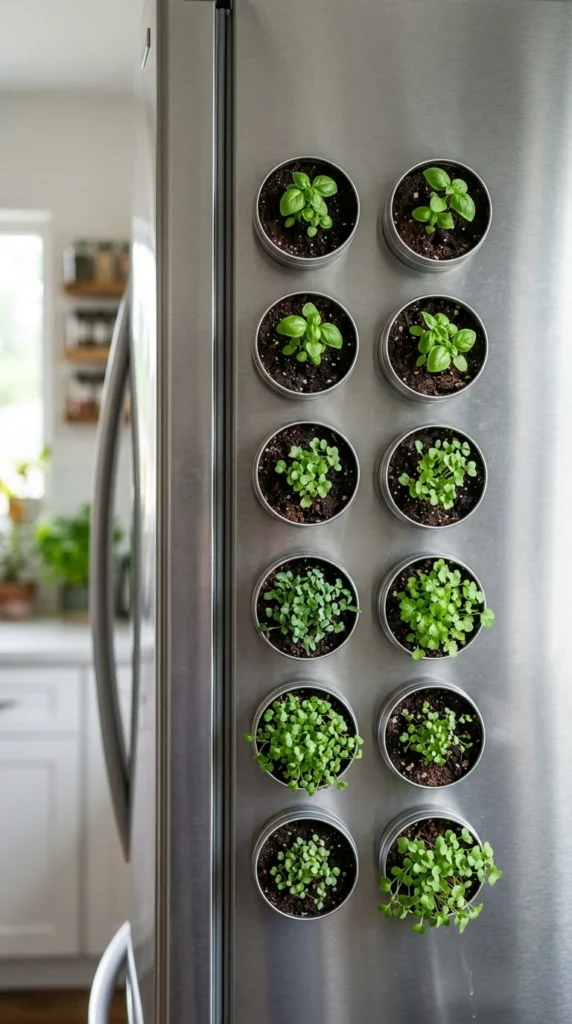
Magnetic herb tins are a genius solution for apartment dwellers with zero outdoor space. These small containers can be attached directly to your refrigerator or any magnetic surface near a sunny window. While they are best suited for smaller herbs or starting seeds, they keep your fresh flavors within arm’s reach while you cook.
13. Colander Planters
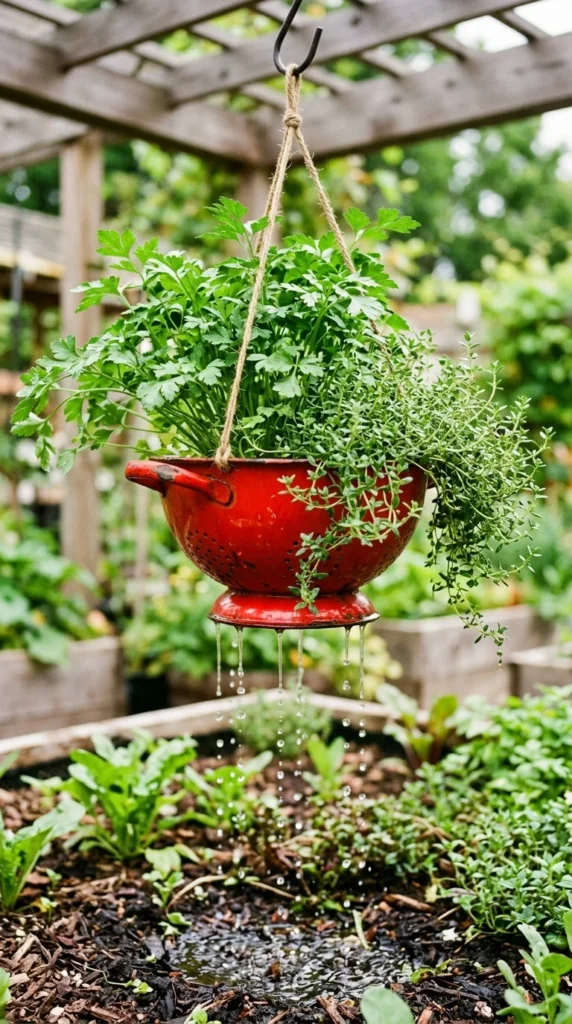
Colanders are naturally designed for drainage, making them excellent ready-made planters. They add a whimsical, culinary-themed touch to your garden. When used as hanging planters, they provide excellent aeration for the roots, which is vital for the health of herbs like oregano and marjoram.
14. Wheelbarrow Gardens
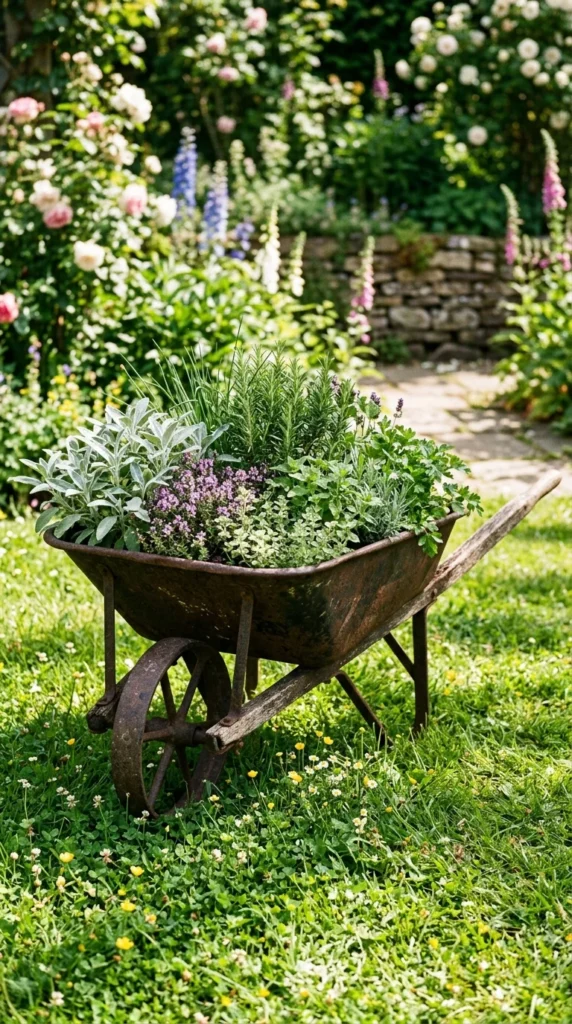
A decommissioned wheelbarrow can be transformed into a mobile herb garden. This is particularly useful if your yard has shifting patterns of sunlight throughout the day; you can simply wheel your garden to the sunniest spot. It also adds a charming, rustic character to your outdoor landscaping.
15. Concrete Blocks
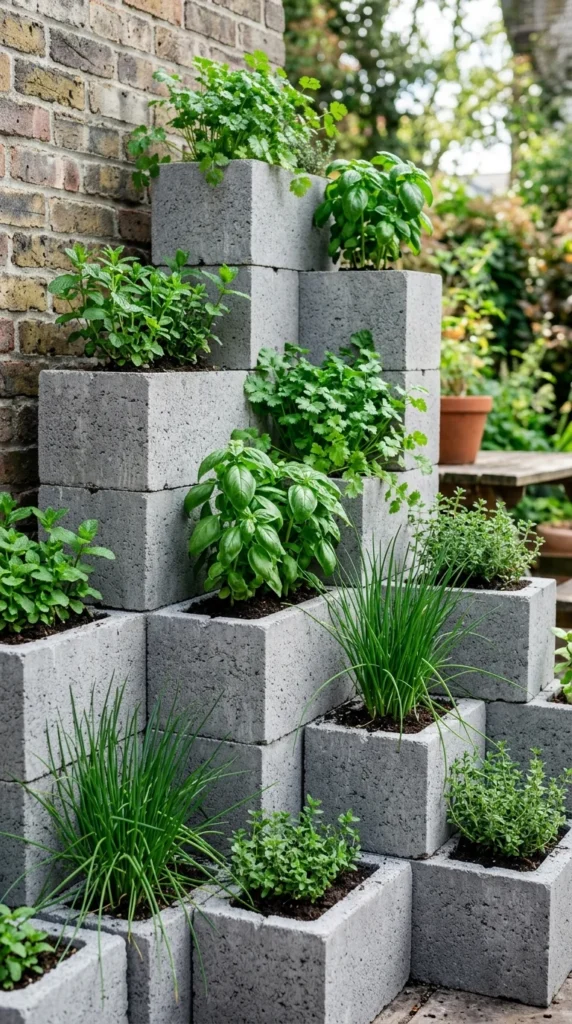
Cinder blocks are an affordable and modern way to build a modular herb garden. You can stack them in various configurations to fit your space. The concrete retains heat during the day, which can help sun-loving Mediterranean herbs thrive in cooler climates.
16. Hydroponic Systems
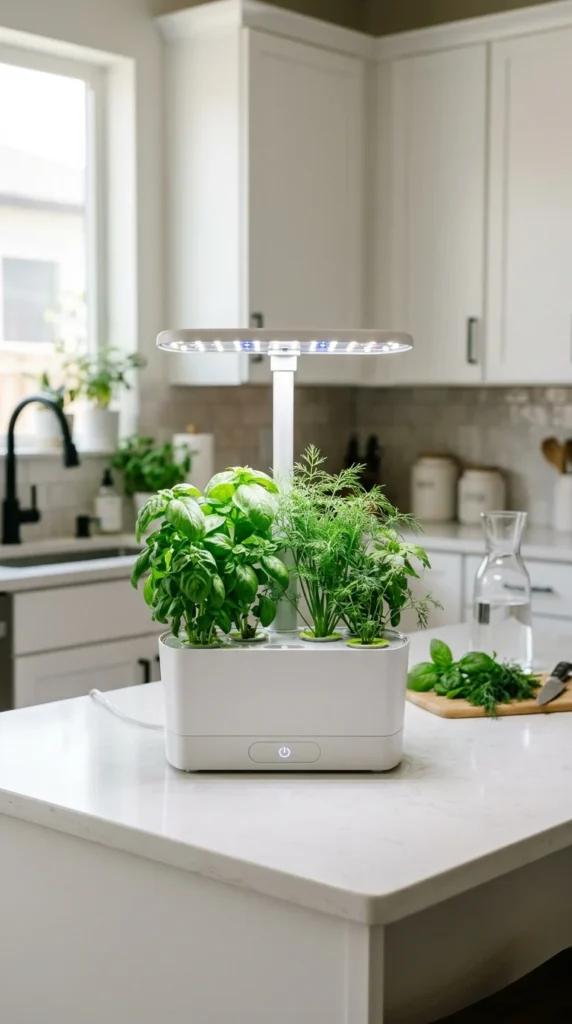
For those who want a high-tech, low-maintenance approach, countertop hydroponic systems are a great choice. These systems use water and nutrient solutions instead of soil, often resulting in faster growth. The integrated LED lights mean you can grow fresh herbs in even the darkest corner of your kitchen.
17. Tea Cup Gardens
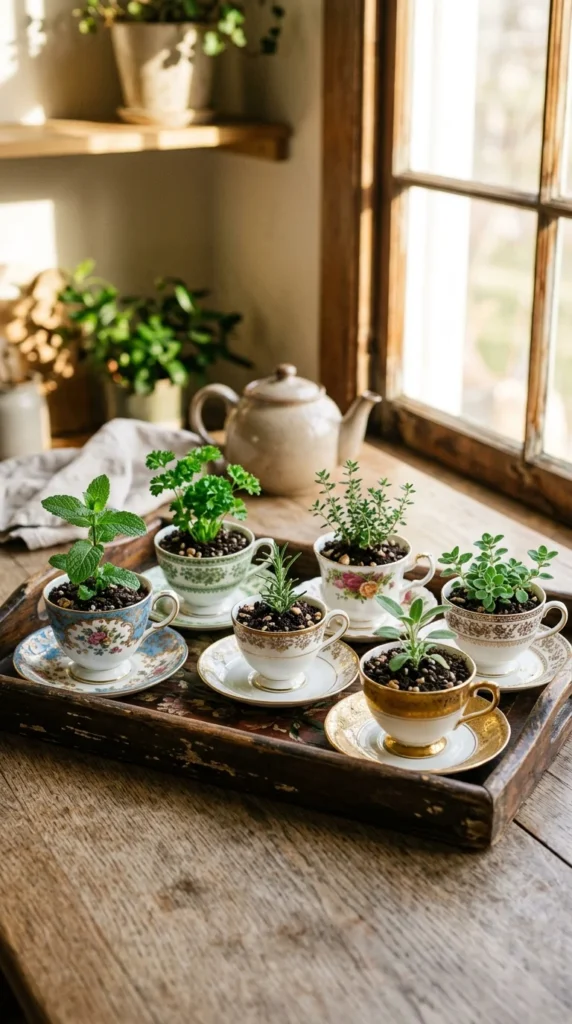
Teacup herb gardens are perfect for creating a charming centerpiece or a thoughtful gift. While they are small and require more frequent watering and attention, they are ideal for slow-growing herbs or for starting small cuttings. They bring a touch of elegance to a breakfast nook or a side table.
18. Upside-Down Planters
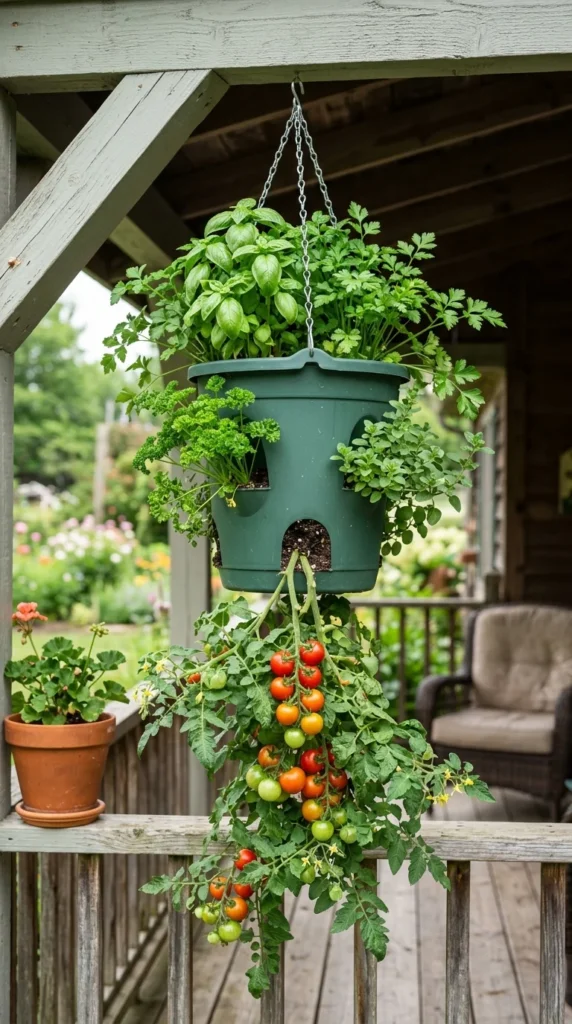
Upside-down planters are a fun way to grow herbs while saving space. Growing herbs in the top and sides of a “topsy-turvy” style planter allows you to utilize every inch of the container. This method also helps prevent soil-borne pests from reaching your plants.
19. Woven Baskets
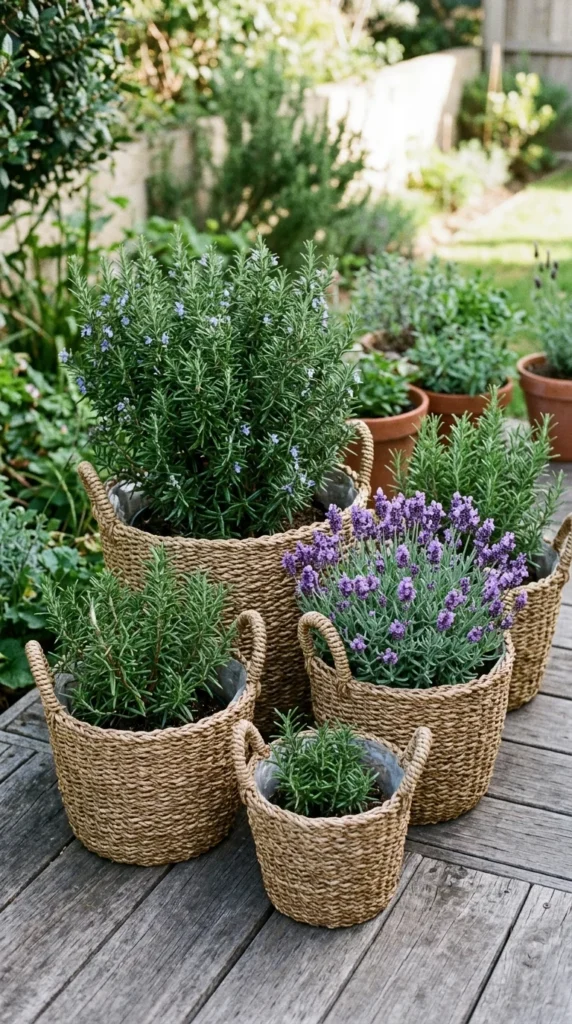
Woven baskets provide a soft, organic look that contrasts beautifully with the sharp lines of a deck or patio. To protect the basket and retain moisture, line the inside with heavy-duty plastic (with drainage holes). These are perfect for larger herb bushes that need more root space.
20. Birdbath Gardens
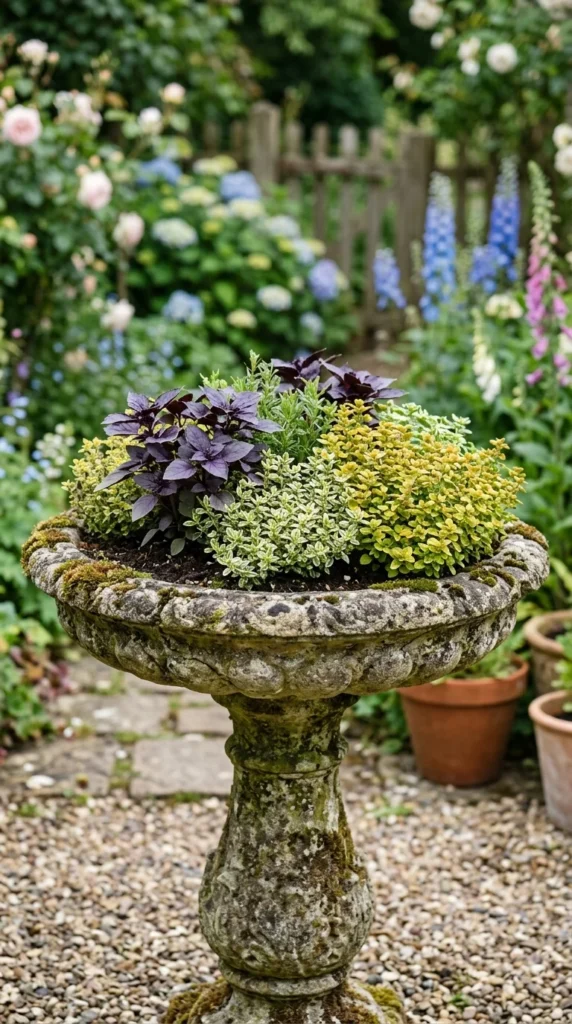
If you have a birdbath that no longer holds water, turn it into a unique herb planter. Its shallow basin is perfect for herbs that don’t have deep root systems. This elevation keeps the herbs away from ground pests and creates a beautiful, eye-level display in the center of a garden bed.
21. Galvanized Tubs
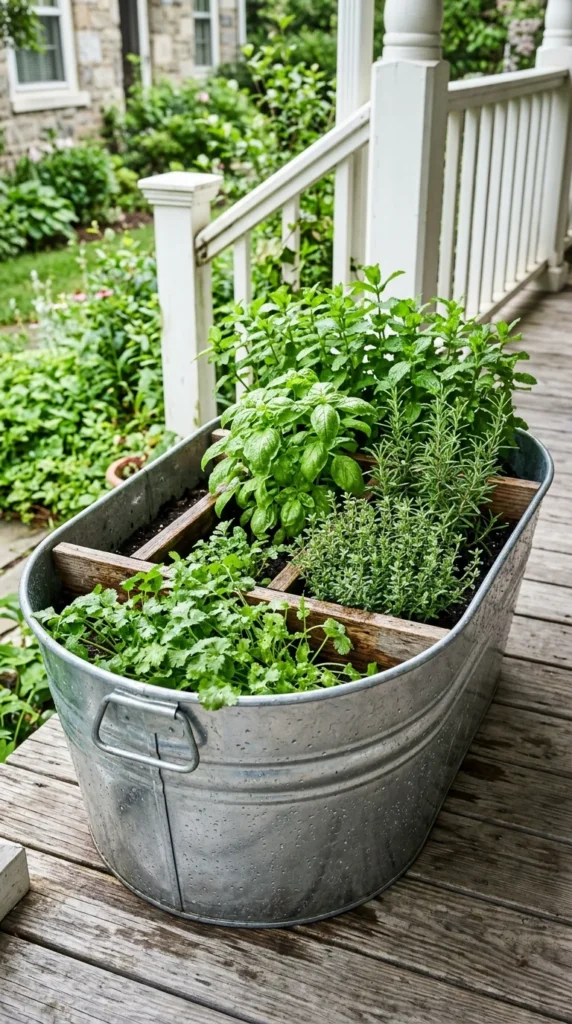
Galvanized tubs are durable, weather-resistant, and offer plenty of space for a diverse herb collection. They are excellent for creating a “one-stop shop” for all your culinary needs. The industrial look of the steel pairs well with almost any outdoor decor style.
22. Cloche Jars
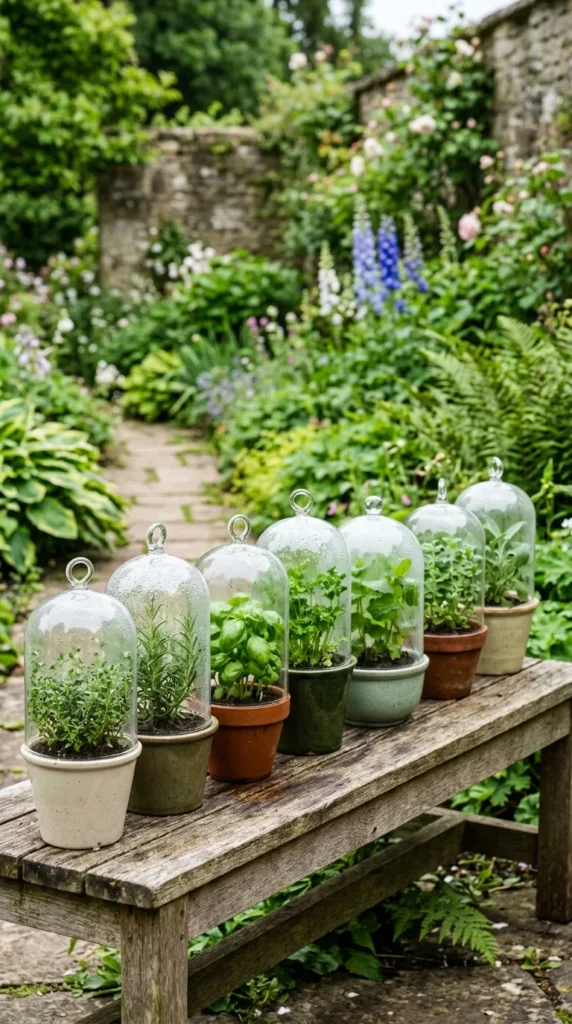
Using glass cloches over your herbs can help extend the growing season by protecting them from early or late frosts. They also create a high-humidity environment that certain herbs, like young basil or cilantro, find very beneficial. Visually, they add a sophisticated, “laboratory-chic” aesthetic to your garden.
23. Wooden Barrels
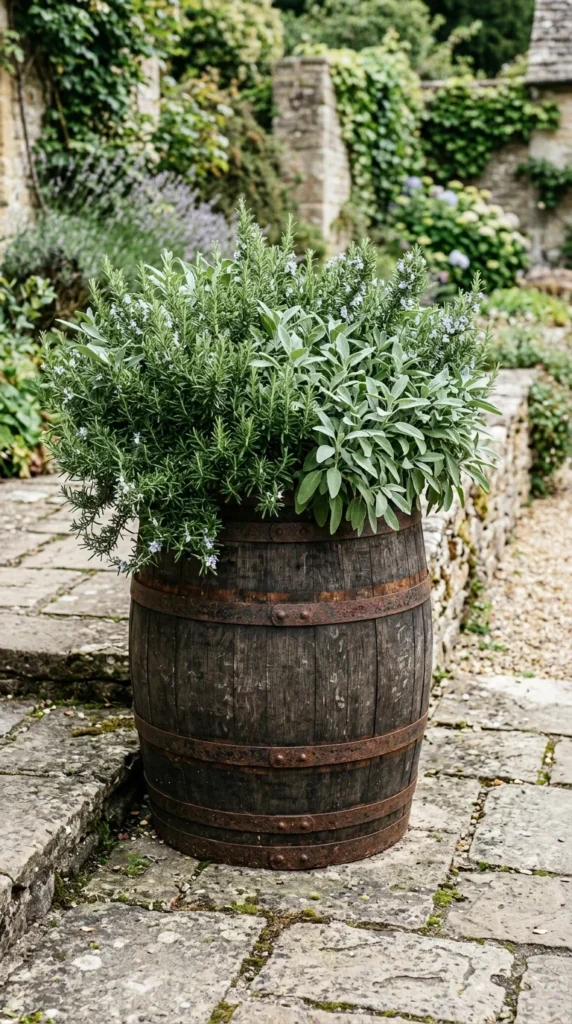
Whiskey or wine barrels cut in half are iconic garden planters. They provide a significant volume of soil, making them ideal for woody perennials like rosemary, sage, and lavender. These plants can live in a large barrel for years, becoming impressive specimens that provide a constant harvest.
24. Terrarium Herbs
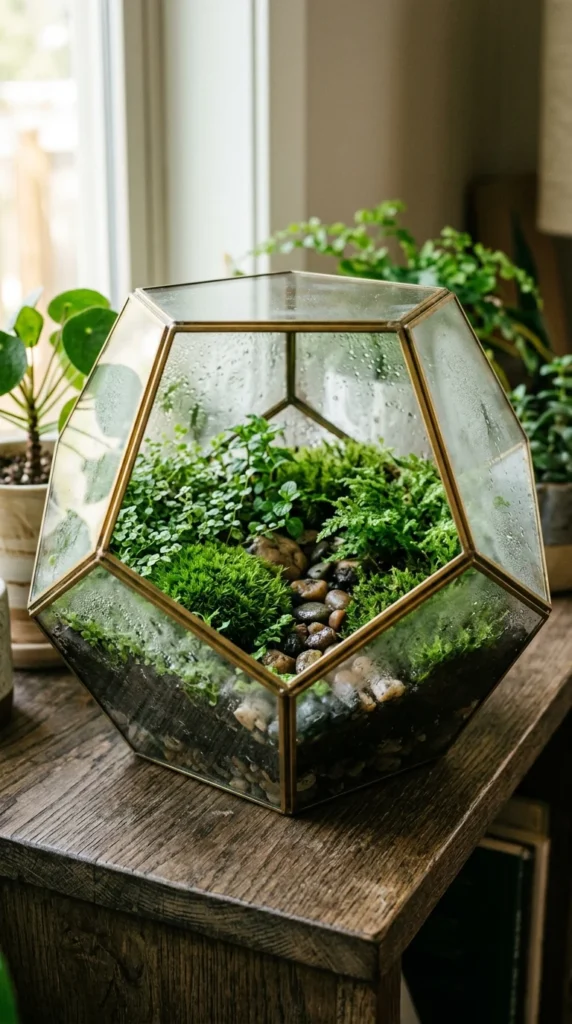
While not all herbs like the high humidity of a terrarium, moisture-loving varieties like mint or lemon balm can thrive in a closed or partially open glass environment. This is a beautiful way to display herbs as a living piece of art on a coffee table or desk.
25. Checkerboard Patio
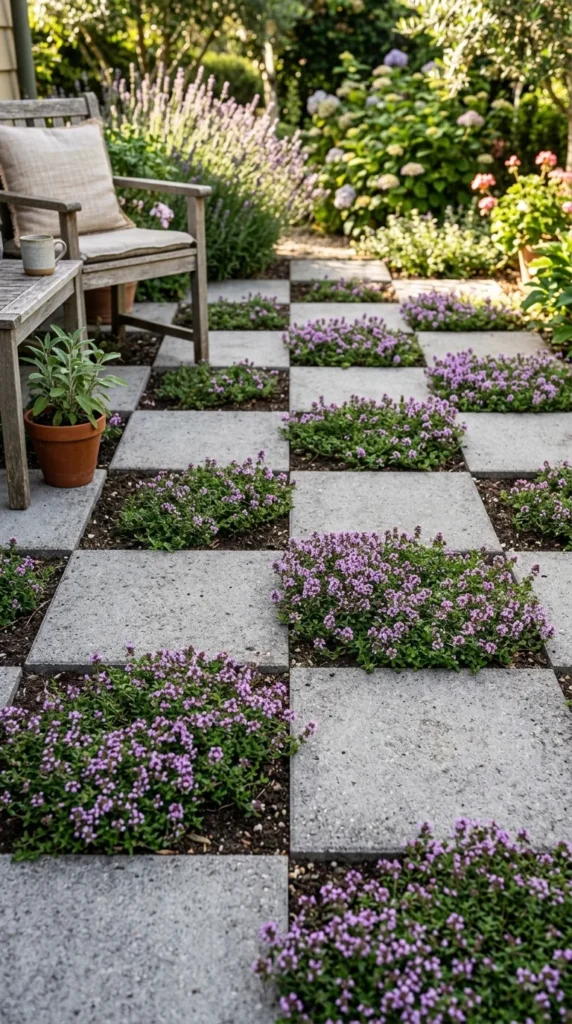
For a truly integrated garden, remove individual pavers from a patio and plant “step-on” herbs like creeping thyme in the gaps. As you walk across the patio, your feet will bruise the leaves, releasing a wonderful aroma. It turns a functional walking surface into a sensory experience.
26. Repurposed Shutter
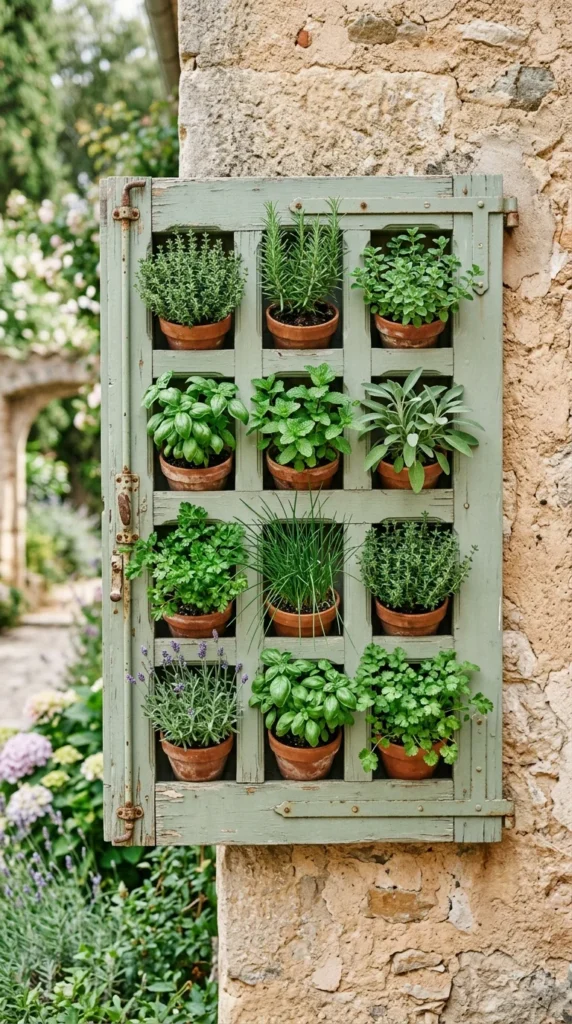
An old window shutter can be turned into a stylish herb rack. By angling the slats or attaching small pots directly to the wood, you create a vertical display that is both rustic and organized. It is an excellent way to use vertical space on a porch or balcony.
27. Tree Stump Garden
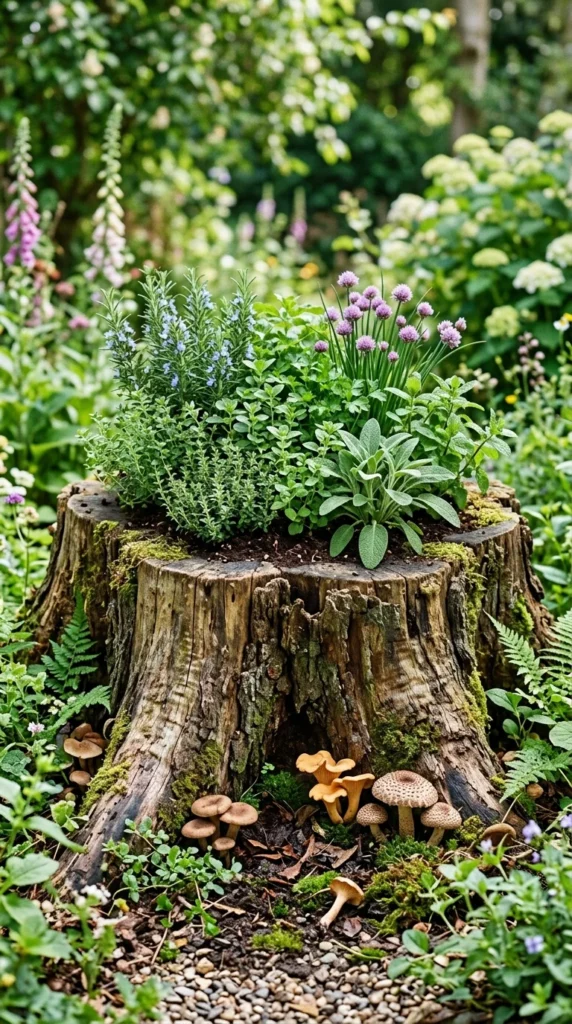
If you have an old tree stump in your yard, don’t grind it away. Instead, hollow out the center and use it as a natural, organic planter. As the wood slowly decays over many years, it provides nutrients to the herbs, creating a self-sustaining and beautiful garden feature.
28. Floating Shelves
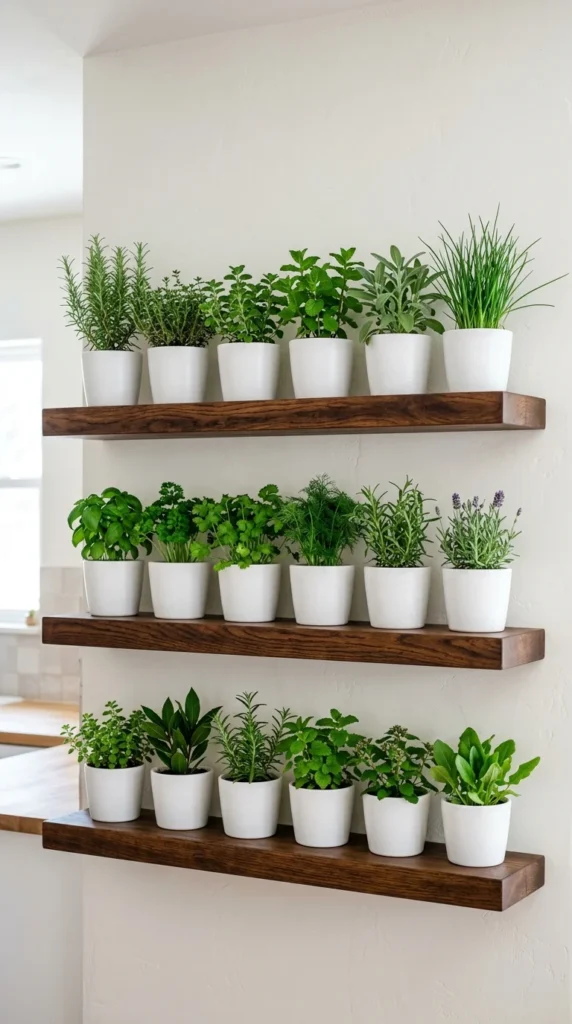
Floating shelves are a sleek way to bring herbs into a modern kitchen. By using identical pots, you create a clean, minimalist look that keeps your counters clear. This setup works best near a large window where the herbs can get at least six hours of sunlight.
29. Chalkboard Pots
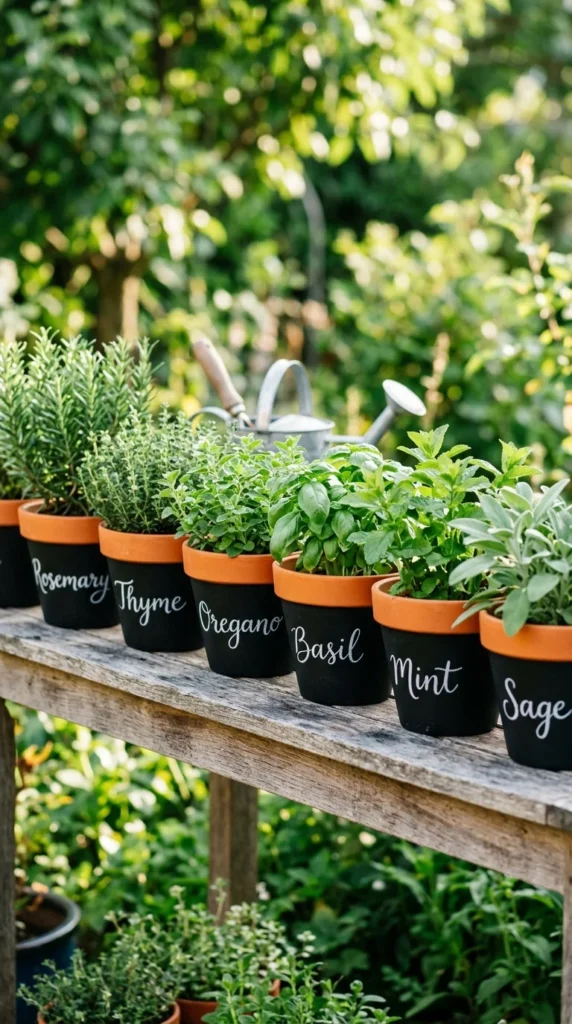
Chalkboard pots are both practical and stylish. Since many herbs look similar when they are young, labeling is essential. Using chalkboard paint allows you to easily change the labels if you decide to plant something new next season. It’s a fun DIY project that adds a personalized touch