

Bringing nature indoors is more than just a design trend; it is a lifestyle choice that fosters well-being, purifies the air, and transforms static spaces into vibrant, breathing sanctuaries. Whether you are a seasoned “plant parent” or a novice looking to green up your first apartment, the right greenery can provide a sense of calm and connection to the natural world. From the architectural drama of a towering palm to the delicate trail of a hanging vine, these 27 plants are guaranteed to breathe life into every corner of your home.
1. Monstera Deliciosa
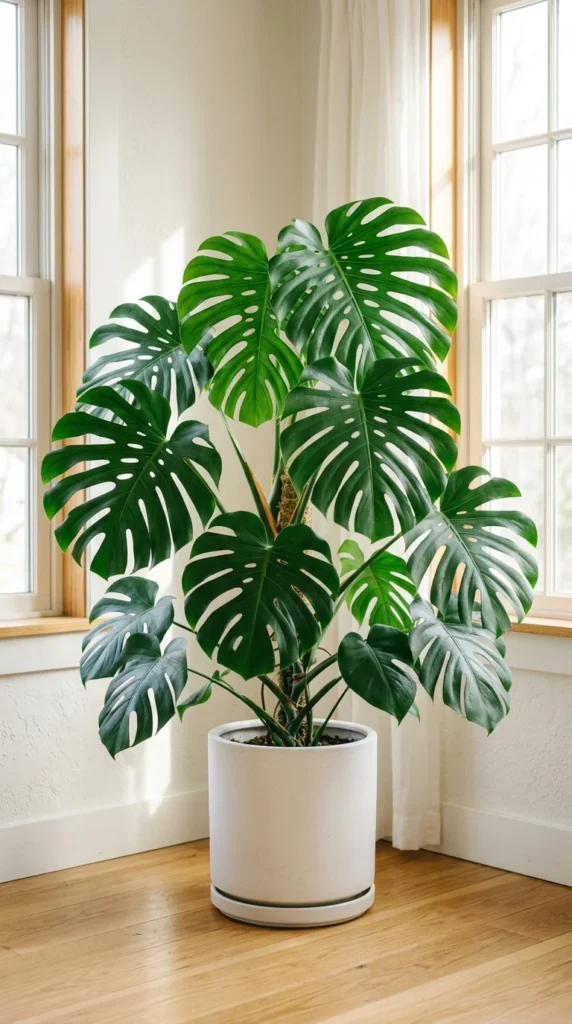
Commonly known as the “Swiss Cheese Plant,” the Monstera Deliciosa is the undisputed king of interior design. Its massive, heart-shaped leaves develop unique holes and splits—known as fenestrations—as the plant matures. It thrives in bright, indirect light and serves as a bold architectural statement piece. Because it is a climbing plant, providing it with a moss pole will encourage it to grow taller and more robust, mimicking its natural rainforest habitat.
2. Snake Plant
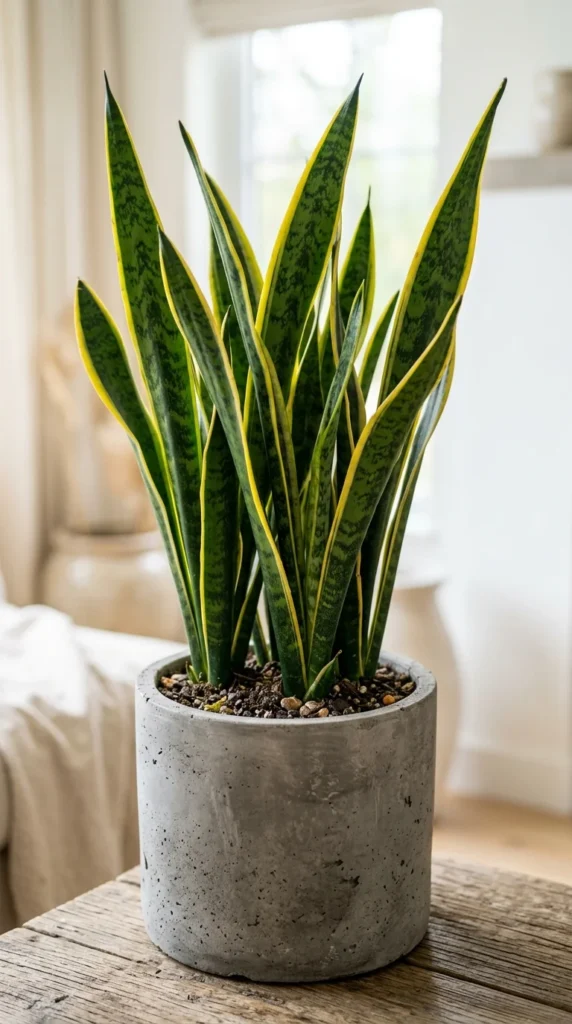
If you are looking for a plant that is nearly indestructible, the Snake Plant (Sansevieria) is your best bet. Known for its stiff, vertical leaves that resemble swords, this plant is a powerhouse of air purification, converting carbon dioxide into oxygen even at night. It is incredibly versatile, thriving in everything from low-light corners to bright windowsills, and requires very little water, making it perfect for frequent travelers.
3. Fiddle Leaf Fig
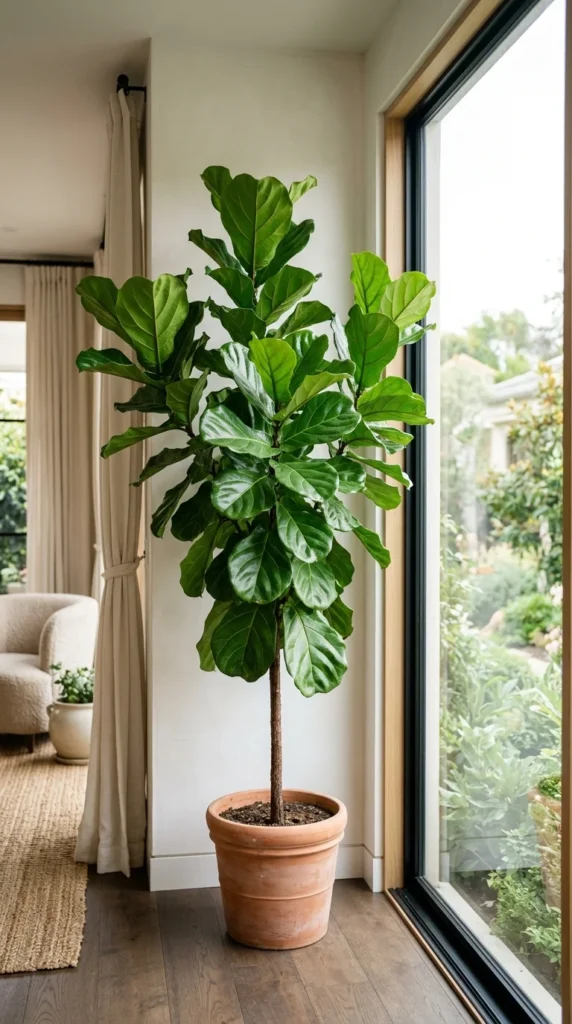
The Fiddle Leaf Fig is the “it” plant of the decade, beloved for its large, heavily veined leaves that resemble a violin. While it can be a bit finicky—demanding consistent light and hating drafts—the visual payoff is immense. It adds a sophisticated, sculptural element to living rooms. To keep it happy, wipe the dust off its broad leaves regularly so it can photosynthesize efficiently.
4. Spider Plant
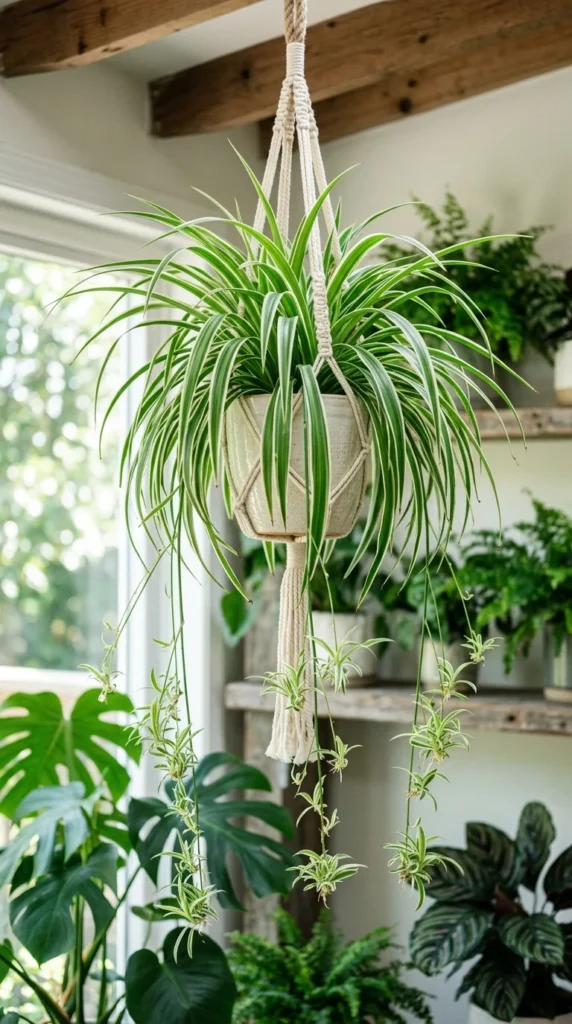
The Spider Plant is a classic for a reason. It is exceptionally easy to grow and produces “babies” or spiderettes that hang down from the mother plant like ornaments. This arching habit makes it an ideal candidate for hanging pots or high shelves. It is also non-toxic to cats and dogs, making it a safe choice for pet owners.
5. Pothos
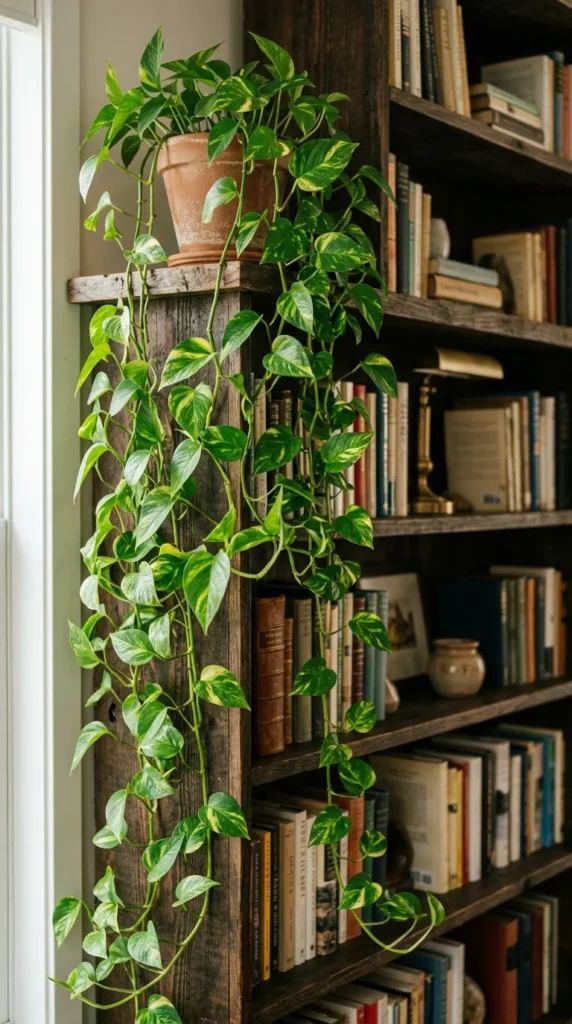
Often called “Devil’s Ivy” because it is so hard to kill, the Pothos is the ultimate starter plant. Its vines can grow several feet long, creating a lush, jungle-like feel in any room. It is highly adaptable to various lighting conditions and can even grow in just a jar of water. Variegated varieties, like ‘Marble Queen’ or ‘Golden Pothos,’ add a splash of color to your greenery collection.
6. Peace Lily
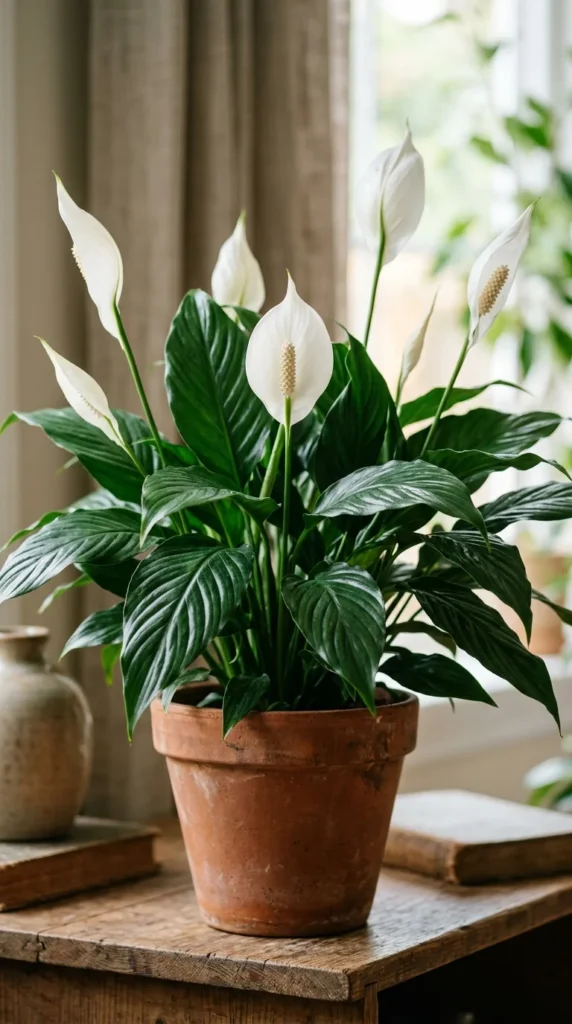
The Peace Lily is synonymous with elegance. With its dark, glossy foliage and striking white spathes (which look like flowers), it brings a sense of serenity to indoor spaces. Beyond its beauty, it is one of the top air-purifying plants identified by NASA. It “talks” to you by drooping its leaves when it is thirsty, making it a great plant for those learning how to read plant signals.
7. ZZ Plant
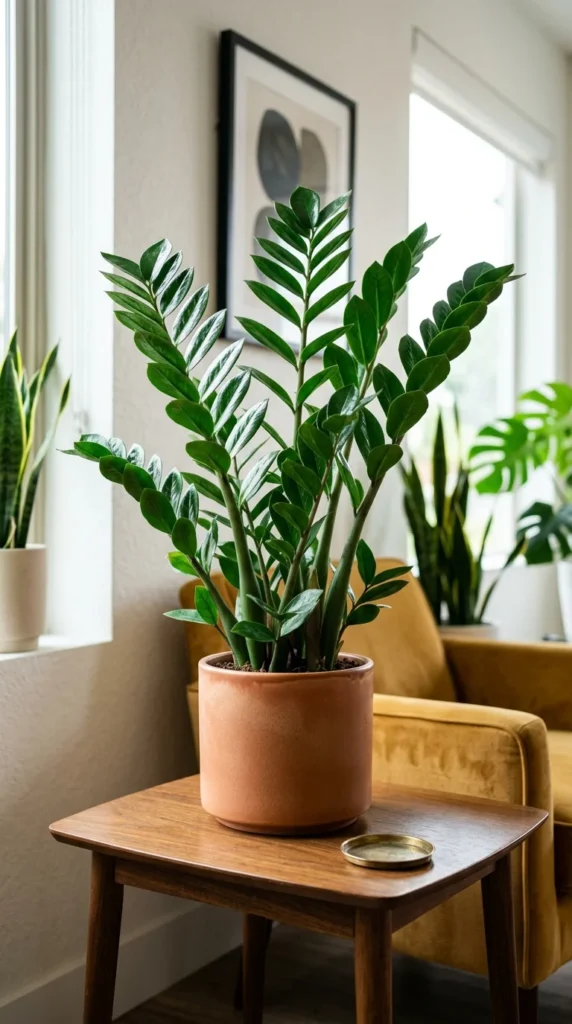
The ZZ Plant (Zamioculcas zamiifolia) is the gold standard for low-light environments. Its leaves are so waxy and green that people often mistake it for a plastic plant. It grows from thick rhizomes that store water, meaning it can go weeks without a drink. It is the perfect choice for windowless offices or hallways that lack natural light.
8. Rubber Tree
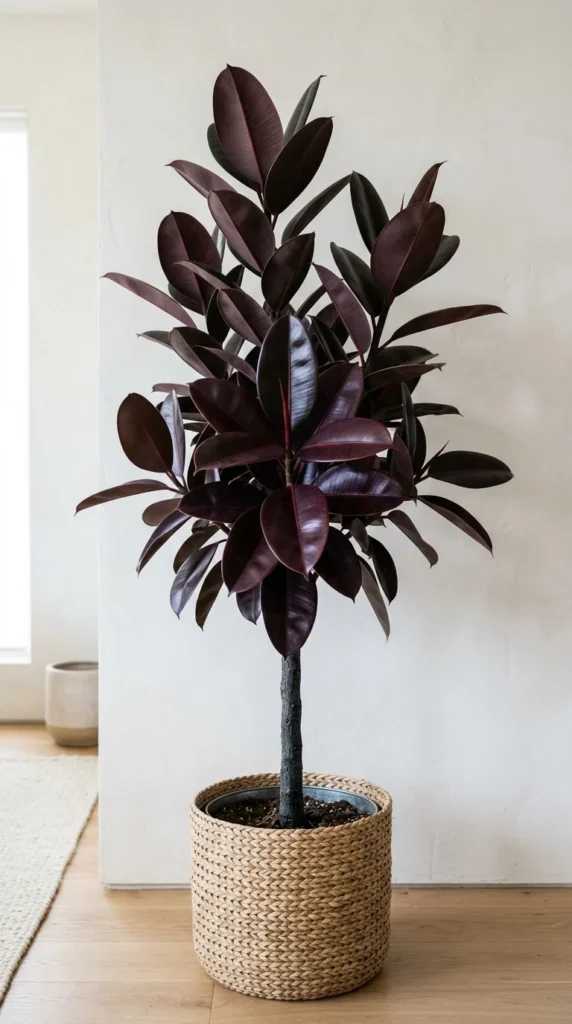
The Rubber Tree (Ficus elastica) is a fast-growing indoor tree that can reach the ceiling if given the right conditions. Its leaves are thick, shiny, and come in shades ranging from deep forest green to a moody, almost-black burgundy. It prefers bright, filtered light and adds a moody, sophisticated vibe to modern interiors.
9. Aloe Vera
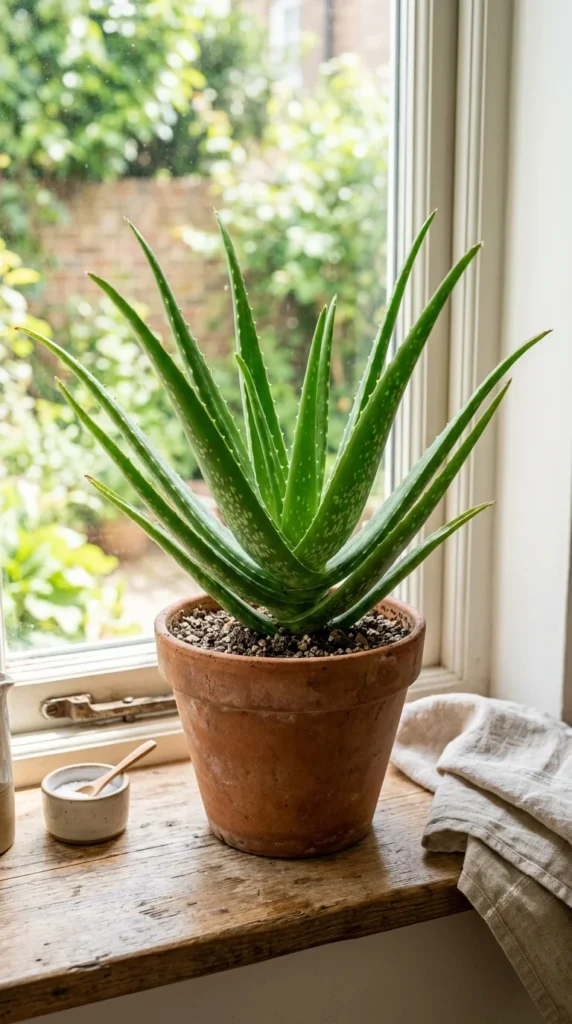
Aloe Vera is as functional as it is beautiful. This succulent is famous for the healing gel inside its leaves, which can be used to treat burns and skin irritations. It requires very little water but needs plenty of bright light. Placing an Aloe Vera in the kitchen provides a handy natural first-aid kit and a touch of desert-chic aesthetic.
10. Bird of Paradise
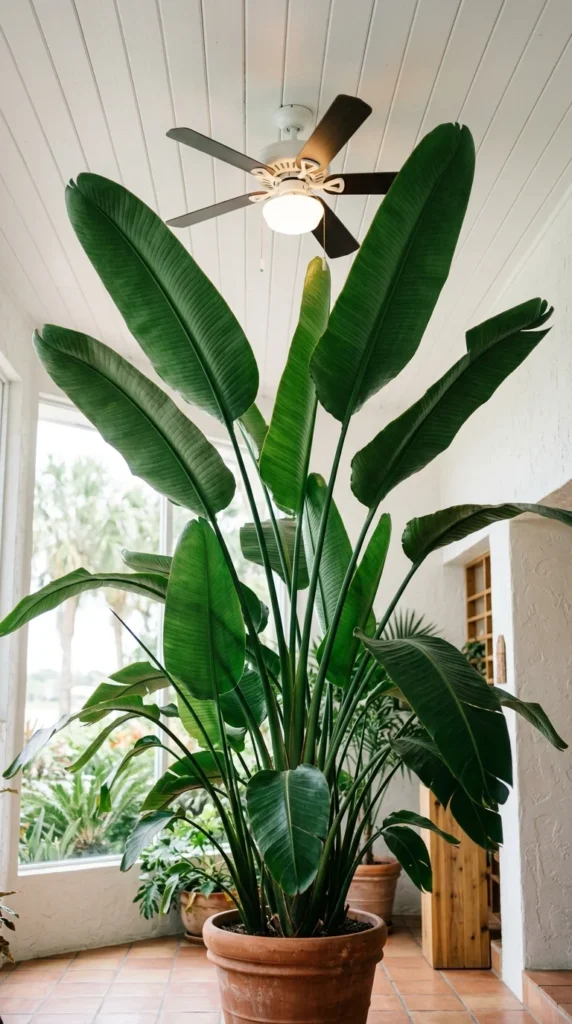
If you want to transform your home into a tropical paradise, the Bird of Paradise (Strelitzia nicolai) is the plant to do it. It features giant, banana-like leaves that can grow several feet long. It loves sun and can handle direct light better than most indoor plants. Given enough space and light, it becomes a breathtaking focal point in any large room.
11. Calathea
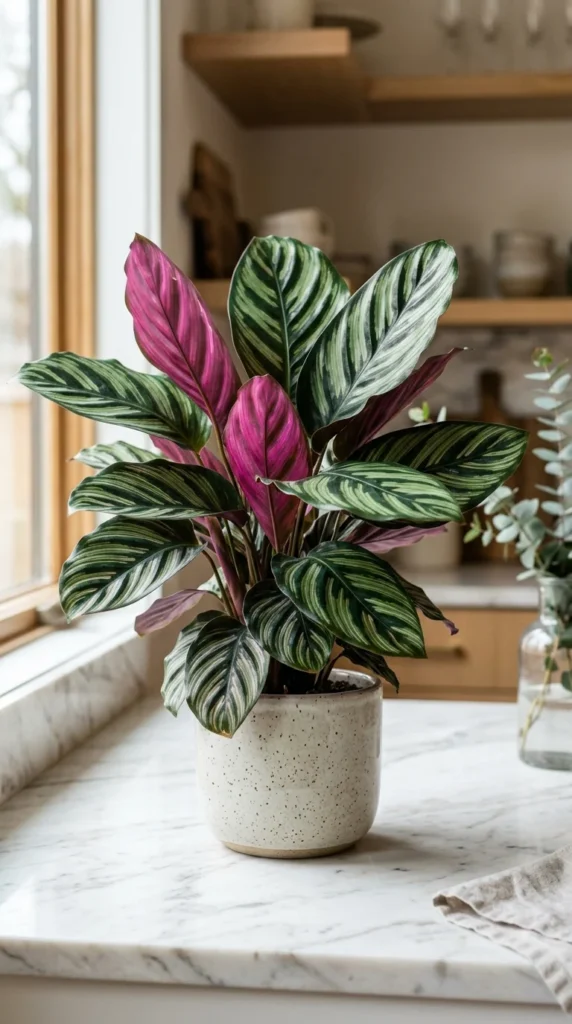
Calatheas are known as “Prayer Plants” because their leaves fold up at night as if in prayer. They are famous for their intricate, painted-looking leaf patterns. While they require higher humidity and filtered water to prevent brown edges, their artistic foliage makes the extra effort worthwhile for any plant enthusiast looking for a pop of color.
12. Boston Fern
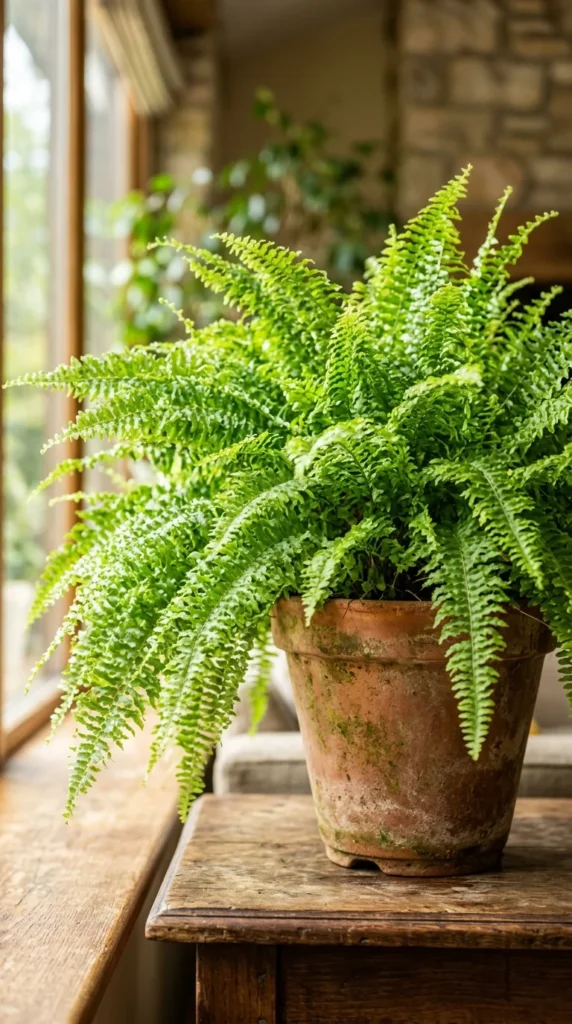
The Boston Fern is the epitome of Victorian-era charm. Its delicate, lacy fronds create a soft, textured look that works beautifully in bathrooms or kitchens where humidity levels are higher. They love to stay moist and appreciate a good misting, rewarding you with a thick, bushy silhouette that feels incredibly lush.
13. Heartleaf Philodendron
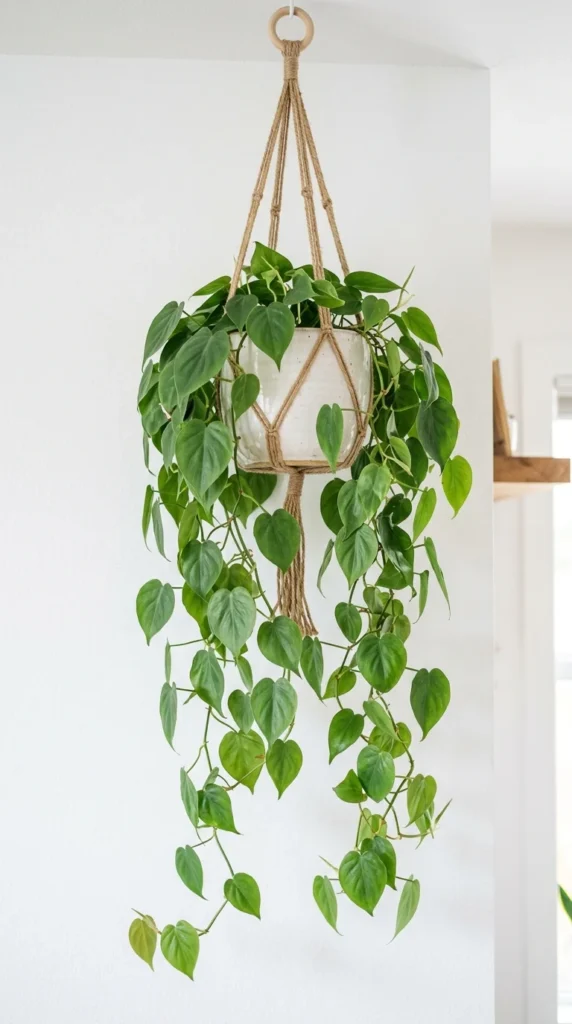
Similar in appearance to the Pothos, the Heartleaf Philodendron is a versatile climber or trailer. Its leaves are slightly softer and perfectly heart-shaped. It is a fast grower and is incredibly forgiving of neglect, making it a staple for anyone looking to add “living curtains” to their windows.
14. String of Pearls
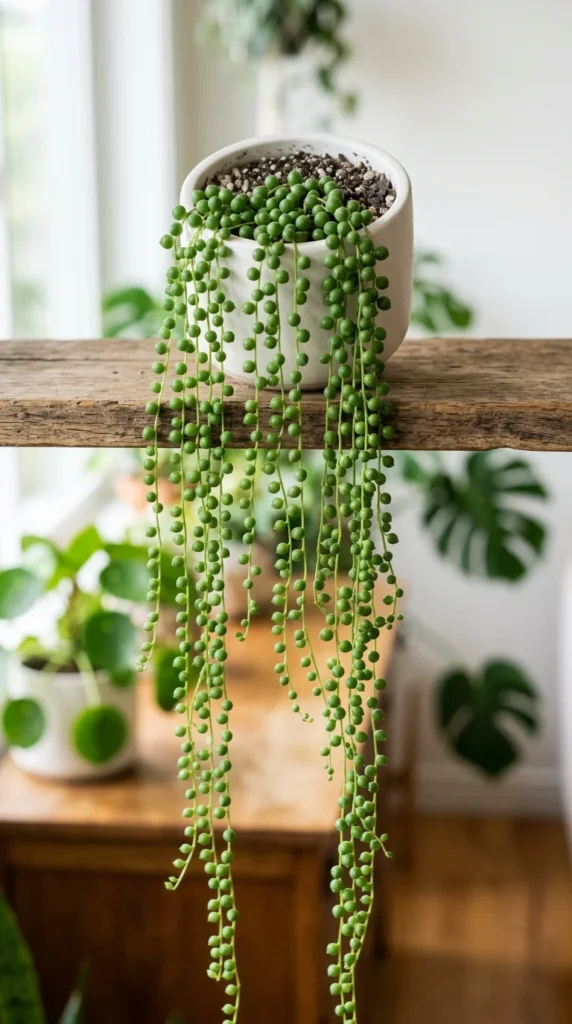
This unique succulent is a showstopper. The String of Pearls (Curio rowleyanus) features tiny, spherical leaves that look like green marbles on a string. It looks best in a hanging pot where the “pearls” can trail downward. It requires bright light and infrequent watering, as the “pearls” store water for long periods.
15. Dracaena
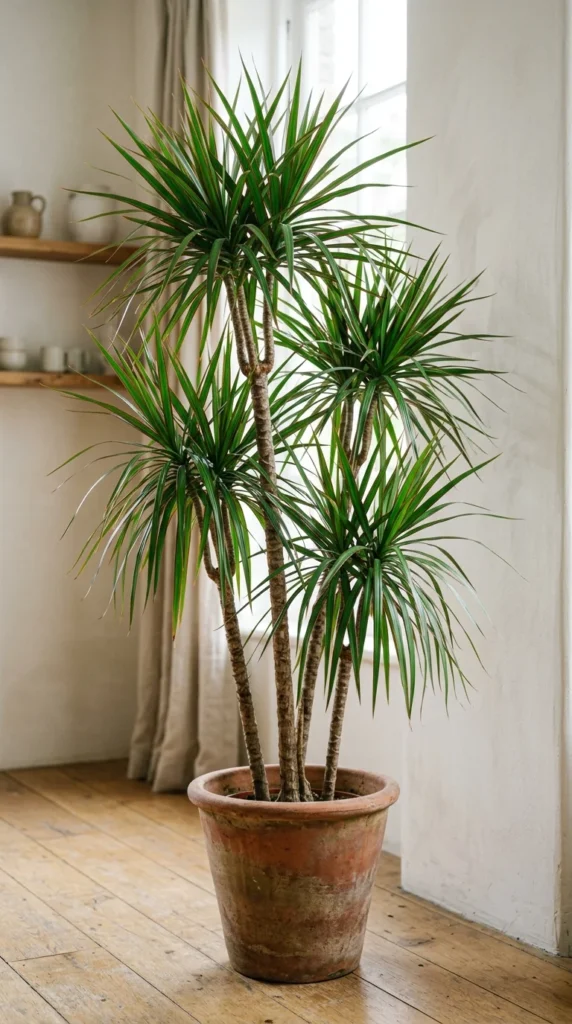
Dracaenas come in many varieties, but they all share a palm-like appearance that adds a tropical touch to a room. They are excellent for filling empty corners and are known for their ability to thrive in a wide range of light conditions. The ‘Marginata’ variety, with its thin, red-edged leaves, is particularly popular for its dramatic silhouette.
16. English Ivy
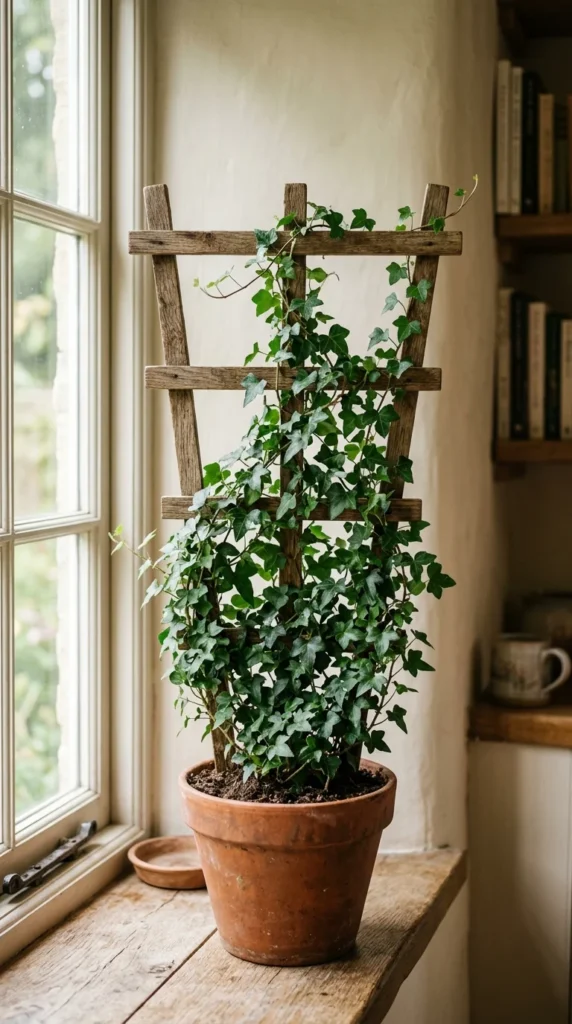
English Ivy brings a touch of the English countryside indoors. It is a vigorous climber that can be trained to grow along walls, trellises, or simply trail from a mantel. It is particularly effective at filtering mold spores from the air, making it a great addition to bedrooms or older homes.
17. Chinese Money Plant
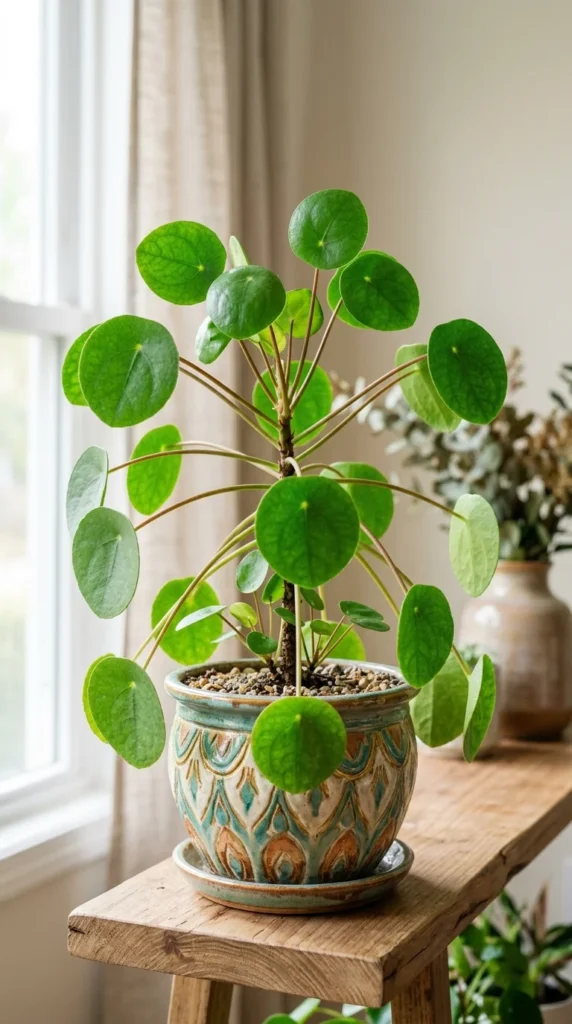
The Pilea Peperomioides, or Chinese Money Plant, is a favorite among minimalist decorators. Its circular leaves and upright growth habit give it a playful, modern look. It is also known as the “Friendship Plant” because it produces many “pups” or baby plants at the base that can be easily repotted and shared with friends.
18. Anthurium
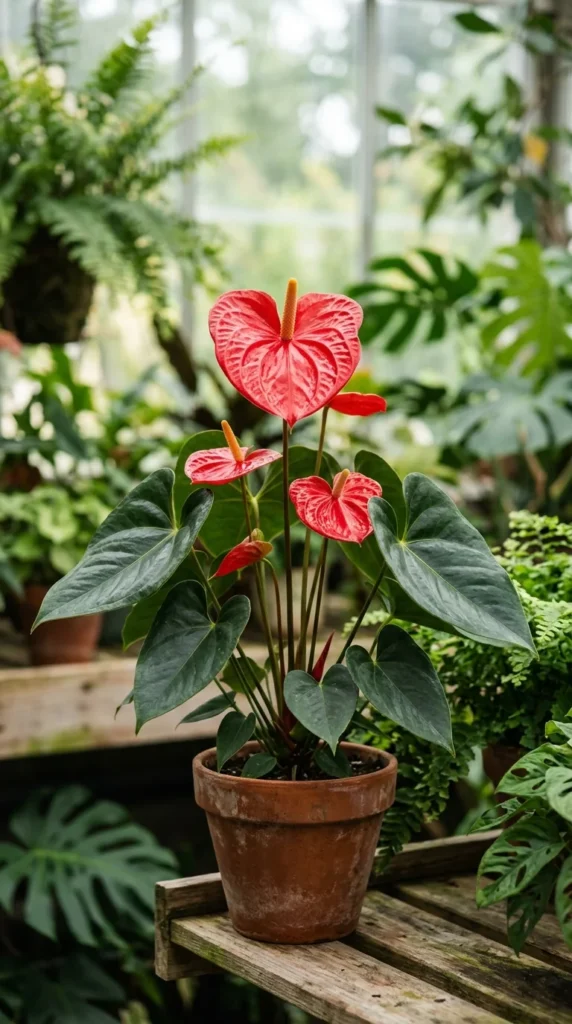
If you want a plant that blooms year-round, the Anthurium is an excellent choice. Its “flowers” are actually modified leaves called spathes, and they come in vibrant reds, pinks, and whites. They add a splash of tropical color and have a very long-lasting bloom time, often staying colorful for months.
19. Jade Plant
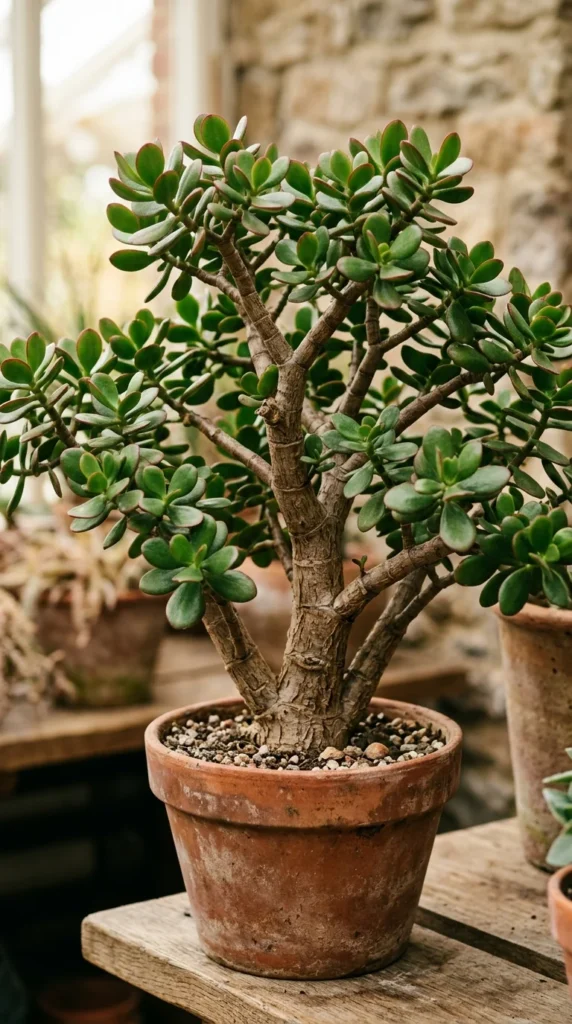
The Jade Plant is a symbol of good luck and prosperity. As a succulent, it grows slowly and can eventually become a miniature tree with a thick trunk. It is incredibly long-lived, often being passed down through generations. It thrives on bright light and minimal water, making it a low-maintenance companion.
20. African Violet
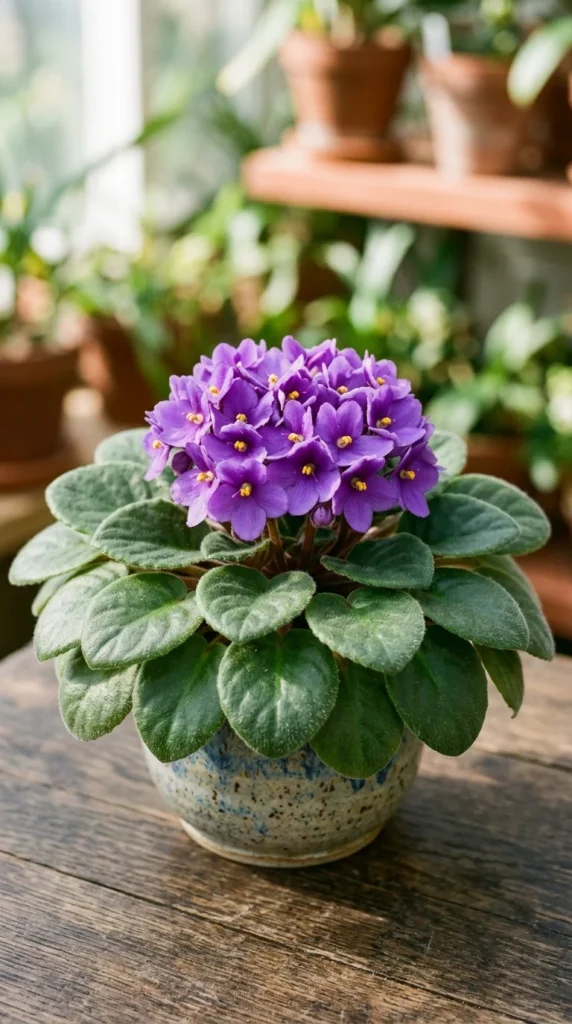
African Violets are the perfect choice for small spaces like desks or nightstands. They produce clusters of velvet-like flowers in shades of purple, blue, and pink. They prefer bottom-watering (placing the pot in a saucer of water) to keep their fuzzy leaves dry, and they will bloom almost continuously if they receive enough bright, indirect light.
21. Majesty Palm
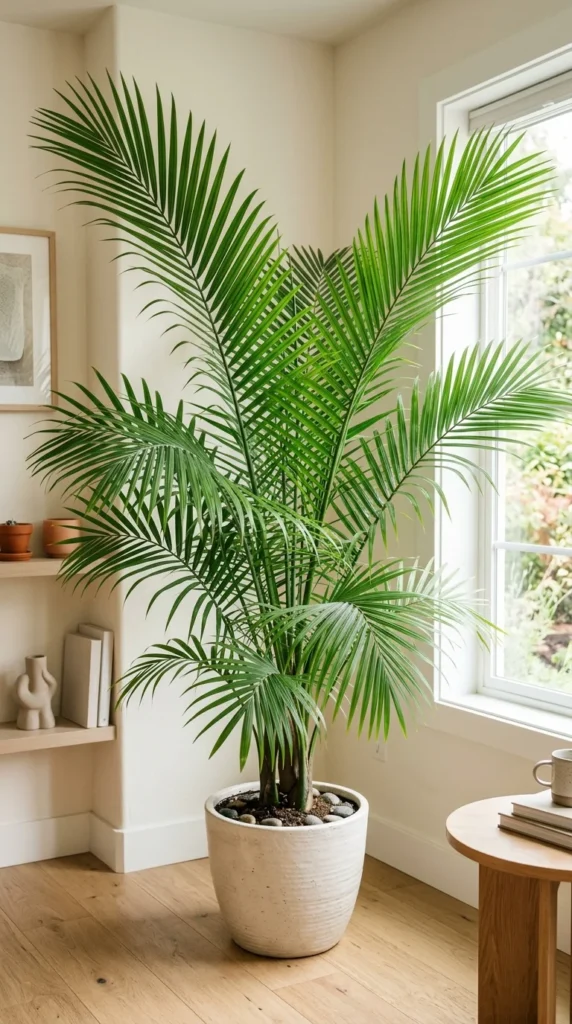
The Majesty Palm is the go-to plant for adding height and a tropical “resort” feel to a room. Its arching, feathery fronds create a soft, relaxed atmosphere. While it requires more water and light than some other palms, its ability to fill a large space with greenery makes it a popular choice for grand entryways or living rooms.
22. Air Plants
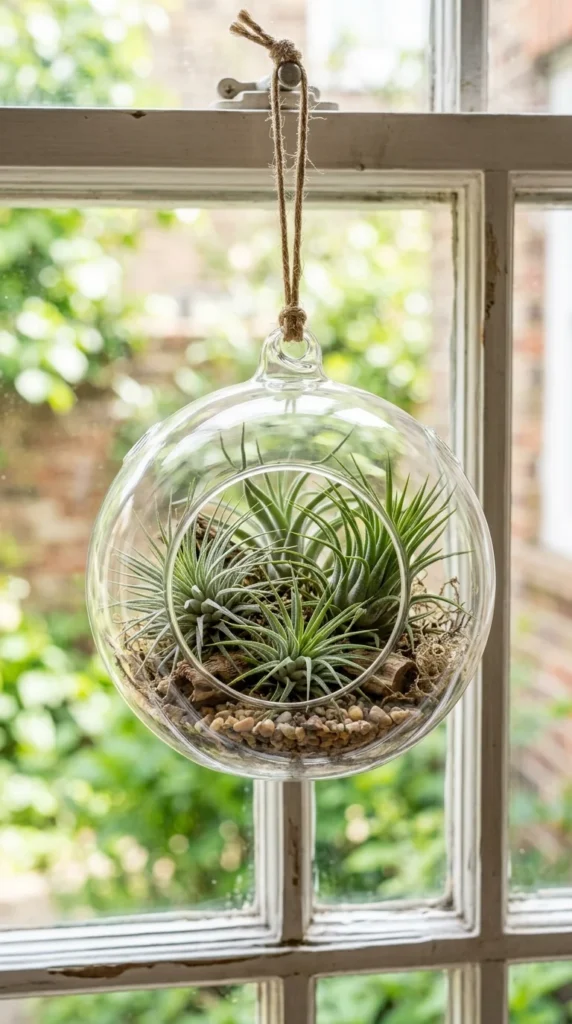
Air plants (Tillandsia) are unique because they don’t require soil to grow. They absorb moisture and nutrients through their leaves. This makes them incredibly versatile for decor; you can place them in shells, on driftwood, or in glass globes. To keep them hydrated, simply soak them in a bowl of water for 20 minutes once a week.
23. Hoya
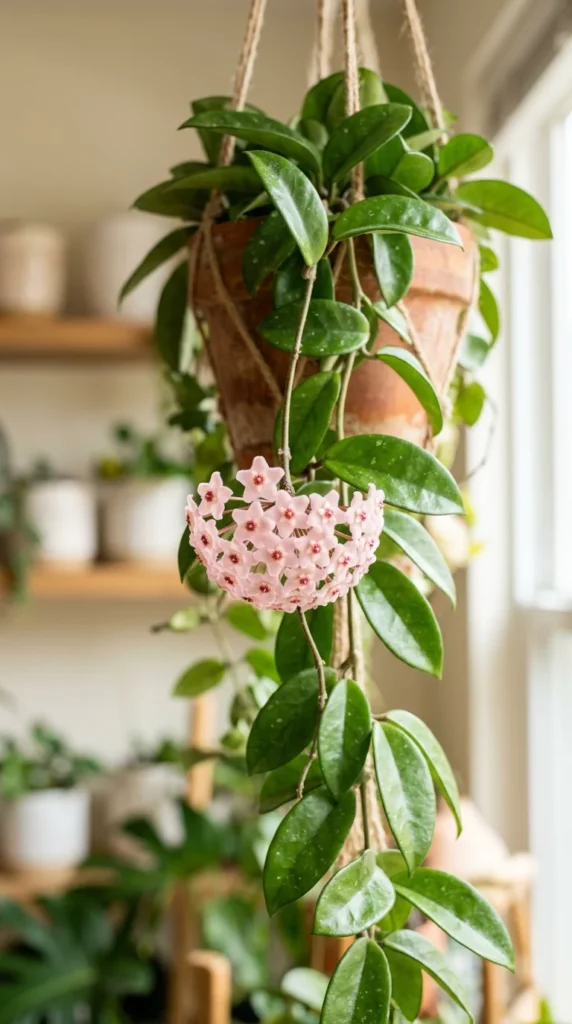
Hoyas, or “Wax Plants,” are beloved for their thick, succulent-like leaves and their stunning, fragrant flowers that look like they are made of porcelain. They are slow growers but very long-lived. They look beautiful trailing from a shelf and are relatively drought-tolerant, making them easy to care for.
24. Prayer Plant
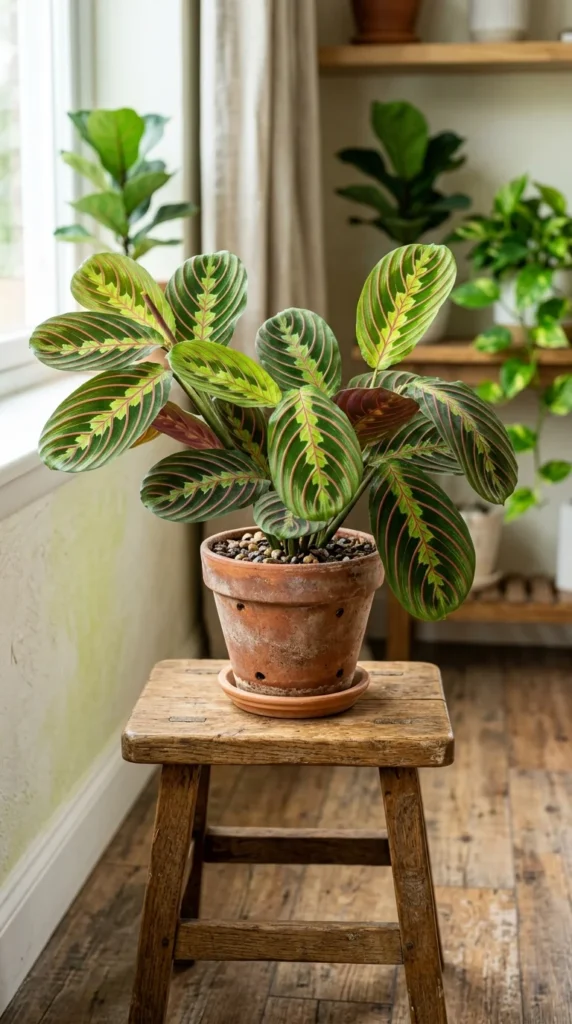
The Maranta, or Prayer Plant, is a relative of the Calathea and shares its habit of folding leaves at night. It features some of the most beautiful foliage in the plant world, with bold red veins that look like they were hand-painted. It is a low-growing plant that looks fantastic on coffee tables or in low-hanging baskets.
25. Cast Iron Plant
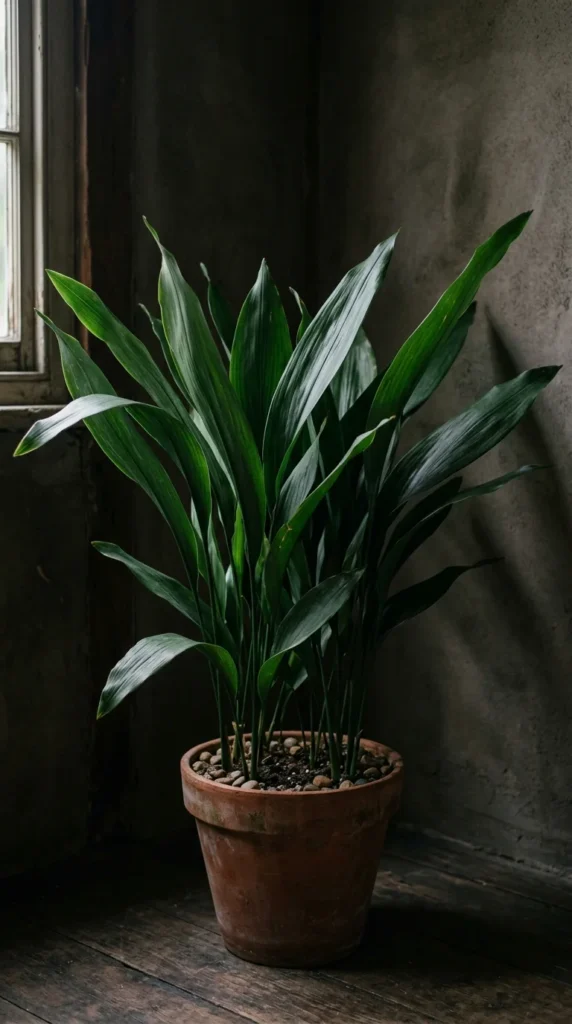
Named for its ability to survive nearly any condition, the Cast Iron Plant (Aspidistra elatior) is the ultimate solution for “black thumbs.” It can handle deep shade, temperature fluctuations, and irregular watering. Its simple, elegant green leaves provide a classic look that never goes out of style.
26. Dragon Tree
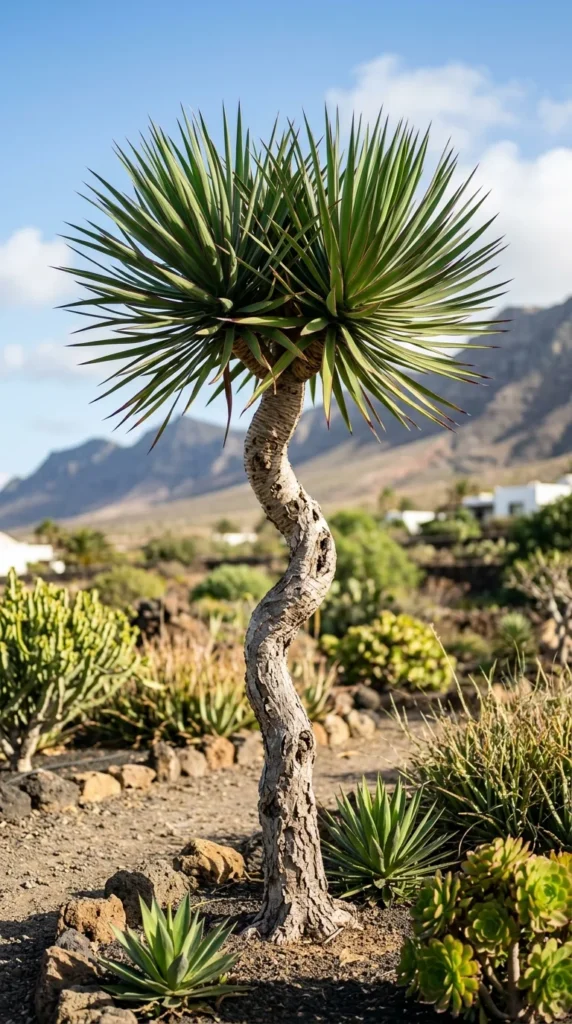
The Dracaena Draco, or Dragon Tree, is a hardy indoor tree that adds a touch of the exotic. It features a distinctive crown of leaves on top of a slender cane. As the lower leaves fall off, the trunk develops a beautiful pattern. It is drought-tolerant and very effective at removing toxins like xylene and trichloroethylene from the air.
27. Swiss Cheese Vine
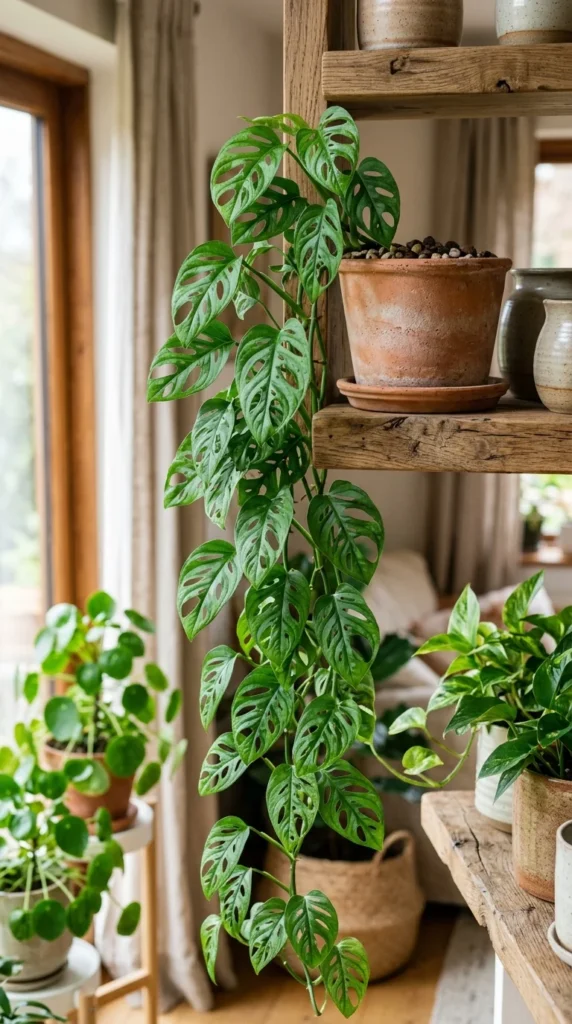
A smaller cousin to the Monstera Deliciosa, the Monstera Adansonii (Swiss Cheese Vine) is a fast-climbing plant with leaves that are more holes than leaf. It has a wild, jungly appearance and looks best when allowed to trail or climb a trellis. It adds a quirky, botanical charm to any room and is easier to fit into smaller spaces than its giant relative.