
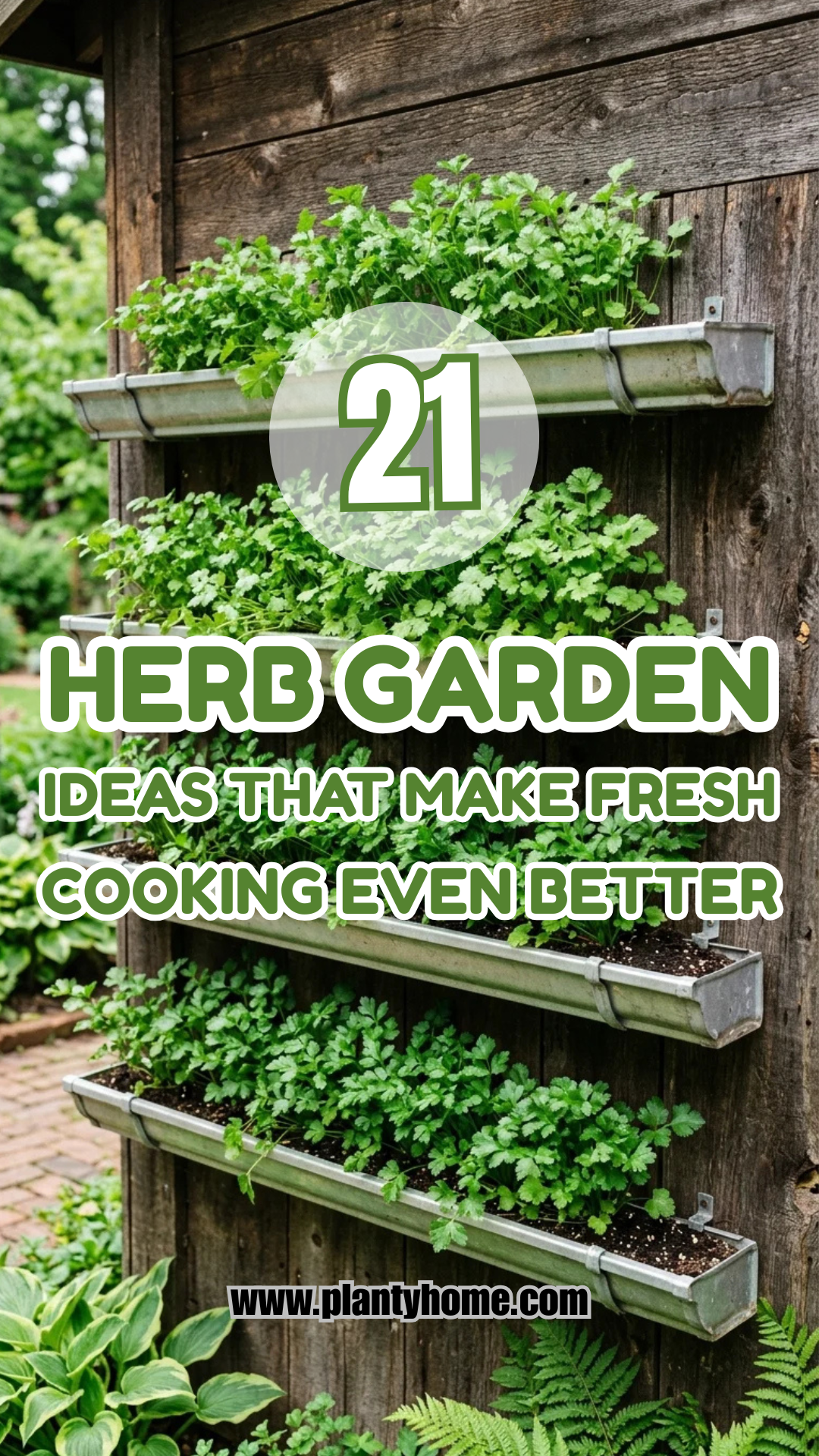
The transition from store-bought, dried spices to vibrant, freshly picked herbs is a culinary revelation. For the home chef, an herb garden is more than just a hobby; it is a living pantry that provides immediate access to intense flavors and aromatic fragrances. Whether you have a sprawling backyard or a tiny apartment windowsill, there is a way to integrate fresh greenery into your cooking routine.
1. Window Boxes
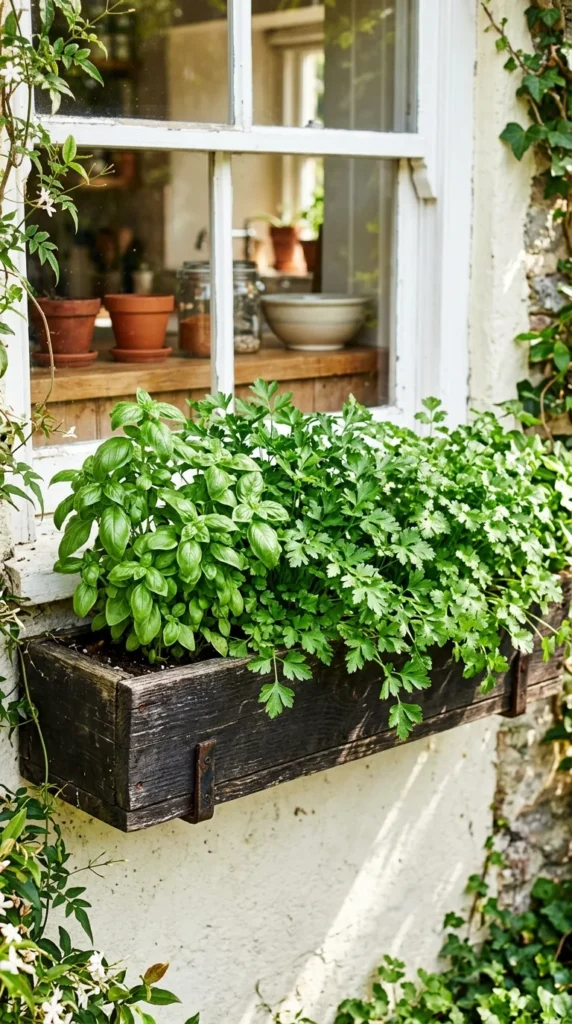
Window boxes are the classic choice for those who want their ingredients within arm’s reach. By mounting these containers directly outside or inside a kitchen window, you ensure your herbs receive maximum sunlight while staying conveniently close to the stove. They are ideal for “cut and come again” herbs like parsley and cilantro, which thrive when harvested frequently.
2. Vertical Pallets
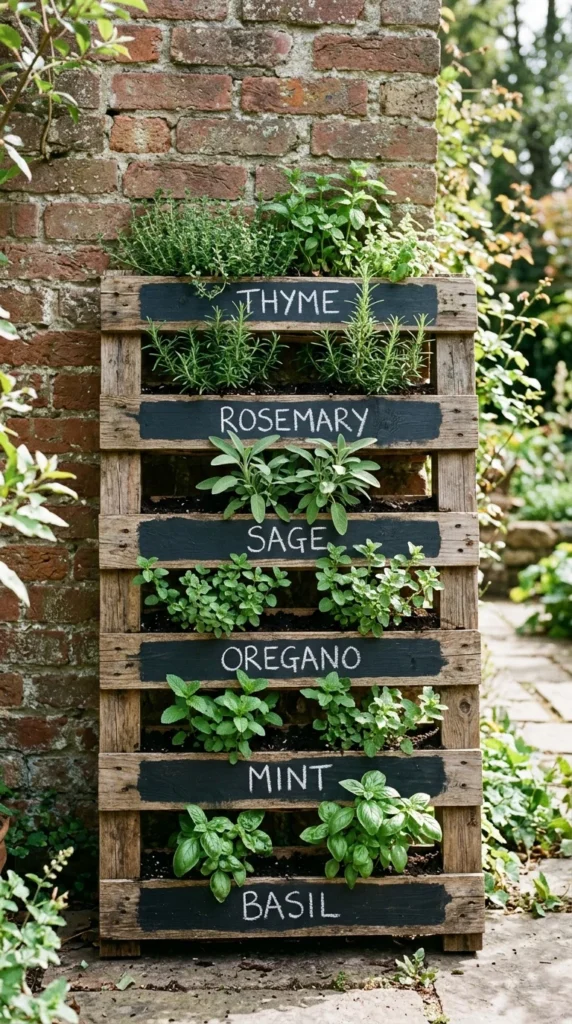
Repurposed pallets offer a rustic, space-saving solution for vertical gardening. By stapling landscape fabric into the gaps to create pockets, you can grow a dozen different herb varieties in a very small footprint. This setup is perfect for woody herbs like sage and oregano that don’t mind slightly drier soil between the wooden slats.
3. Mason Jars
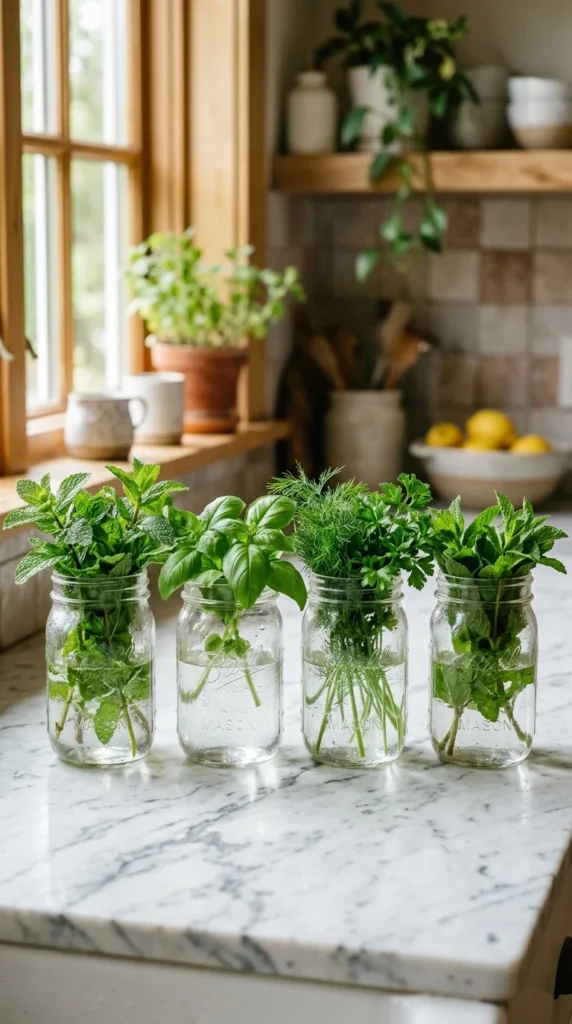
Mason jar gardens are perfect for an indoor aesthetic. You can grow herbs in soil or even start them in water (hydroponics). For soil-based jars, it is crucial to add a layer of pebbles at the bottom for drainage. These are particularly effective for moisture-loving herbs like mint, which can be easily monitored through the clear glass.
4. Hanging Baskets
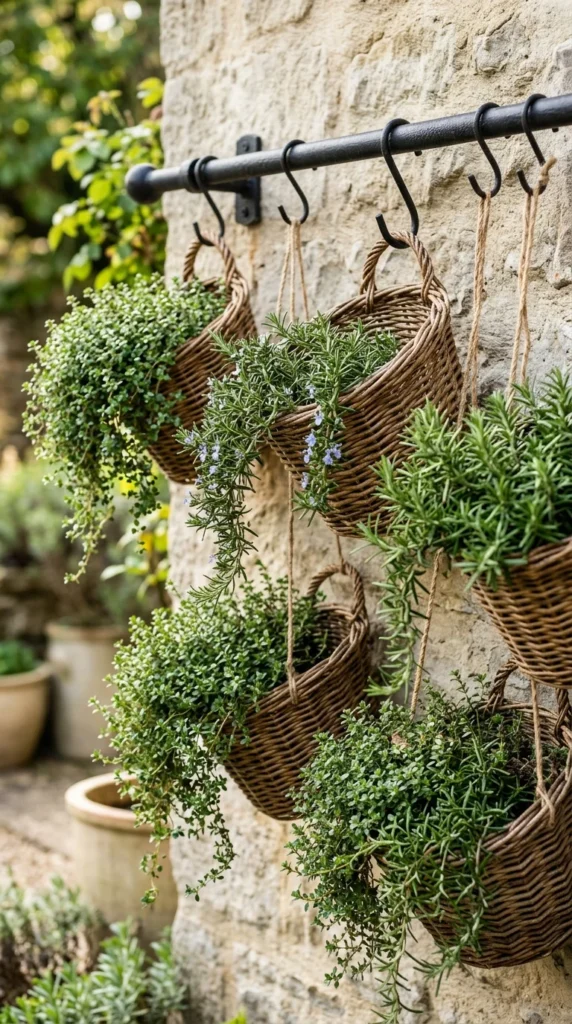
If floor and counter space are at a premium, look to the ceiling. Hanging baskets allow herbs to trail downward, creating a beautiful “living curtain.” Creeping varieties of thyme or trailing rosemary work best here, as they spill over the edges, making it easy to snip off a few sprigs for a roast or a stew.
5. Tiered Planters
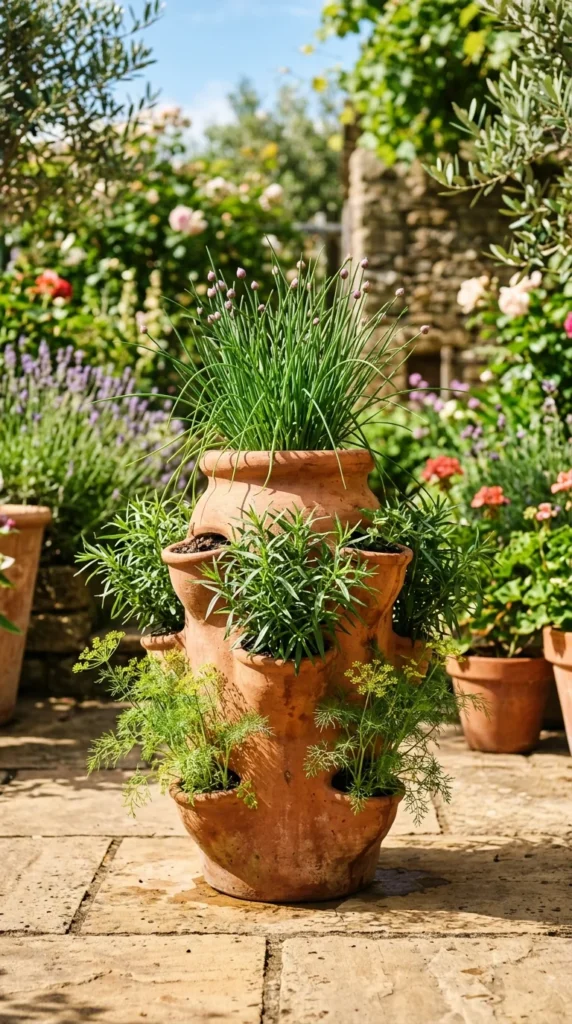
Tiered planters utilize vertical space while allowing for different soil conditions in each level. You can place sun-loving Mediterranean herbs like rosemary at the top where it’s hottest, and moisture-loving herbs like chives at the bottom where water naturally settles. This creates a self-contained ecosystem that is easy to manage.
6. Hydroponic Pods
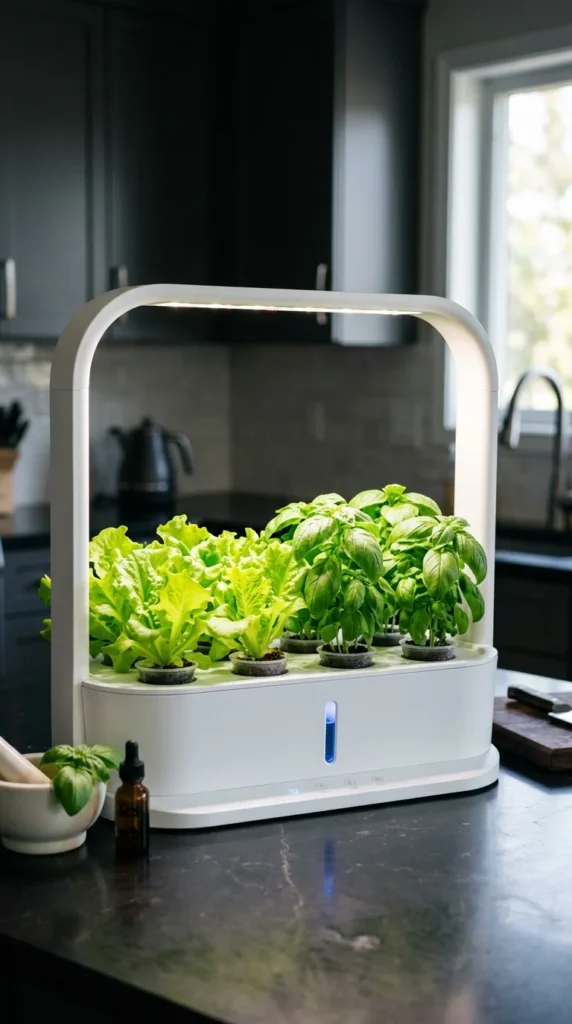
For the tech-savvy cook, automated hydroponic systems take the guesswork out of gardening. These units provide built-in LED grow lights and timed watering cycles. This is the ultimate “set it and forget it” method, ensuring that even the most delicate herbs, like Thai basil or microgreens, thrive in any climate or light level.
7. Teacup Sets
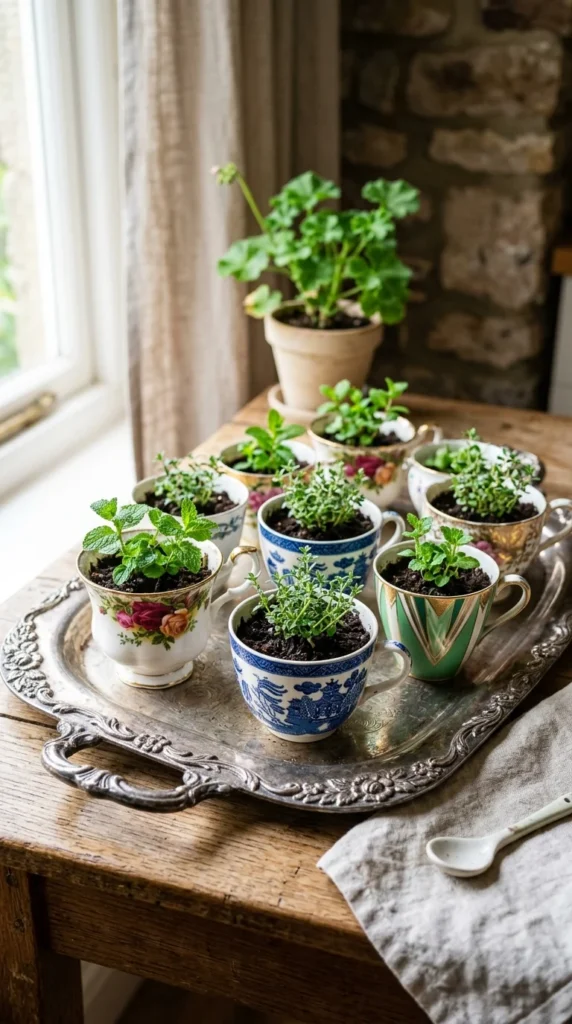
Whimsical and charming, teacup herb gardens are perfect for small-scale garnishes. While you won’t grow a massive harvest in a cup, they are perfect for herbs like lemon thyme or summer savory. These make excellent centerpieces for a brunch table where guests can snip their own fresh accents for their meals.
8. Herb Spirals
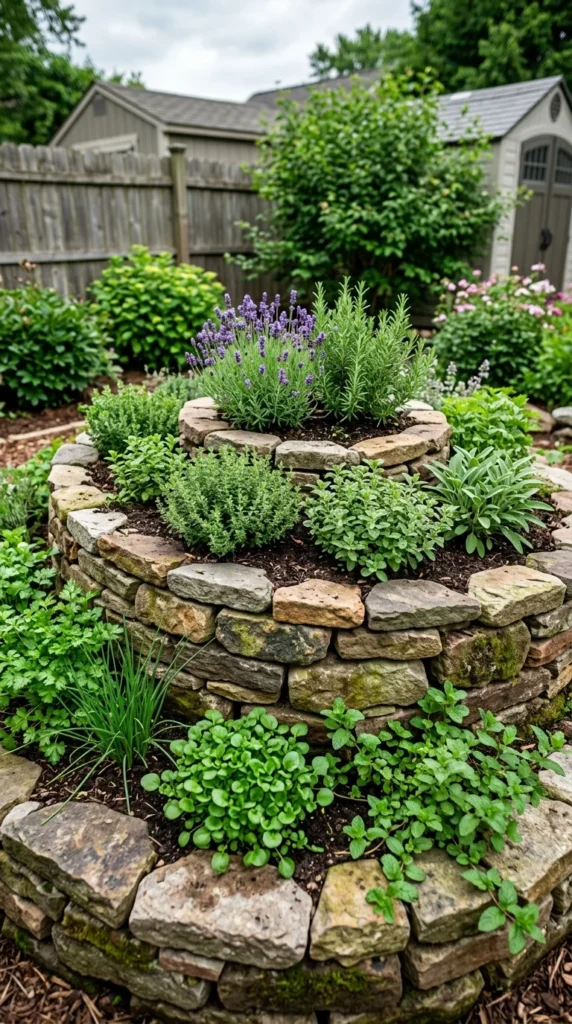
A staple of permaculture, the herb spiral creates various microclimates in a single structure. The top is dry and sunny, perfect for rosemary and lavender, while the bottom is cool and moist, ideal for parsley and mint. This architectural feature is as beautiful as it is functional, providing a massive yield in a circular 4-foot space.
9. Ladder Shelves
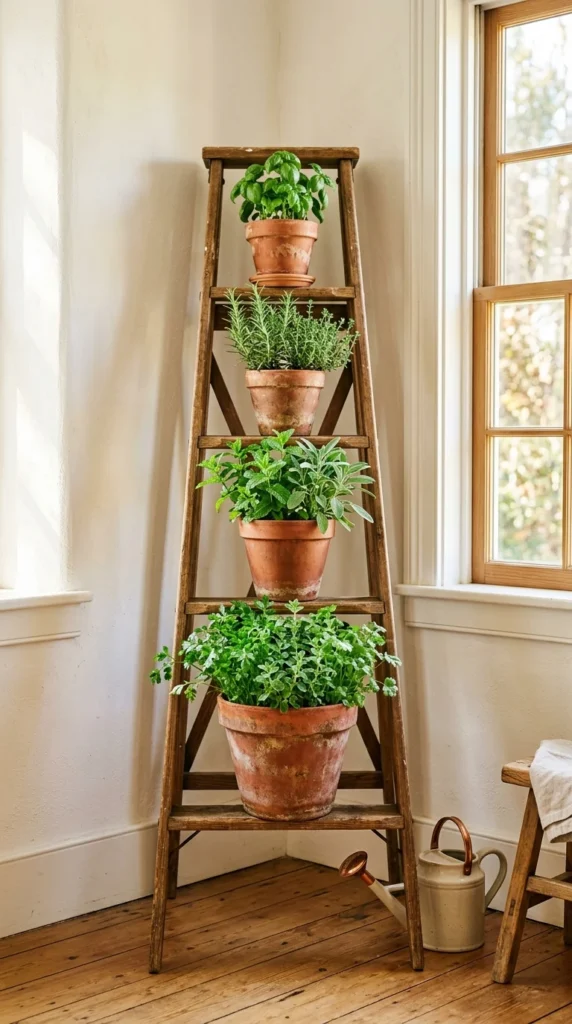
Ladder shelves provide an organized way to display a large collection of herbs. By placing pots on different levels, you ensure that every plant gets its share of sunlight. This setup is highly mobile, allowing you to move the entire “garden” closer to the kitchen or further into the sun as the seasons change.
10. Pocket Planters
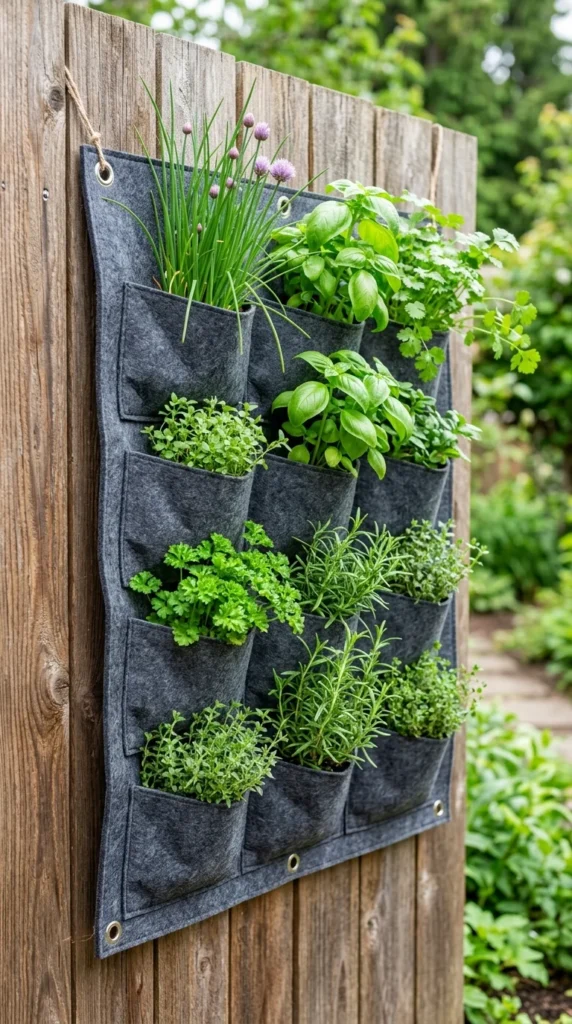
Fabric pocket organizers are not just for shoes. When hung on a wall or a door, they become excellent breathable containers for herbs. The felt fabric allows for great air circulation around the roots, preventing root rot. This is a great way to grow a “living wall” of cilantro or chives that can be harvested in handfuls.
11. Mobile Wheelbarrows
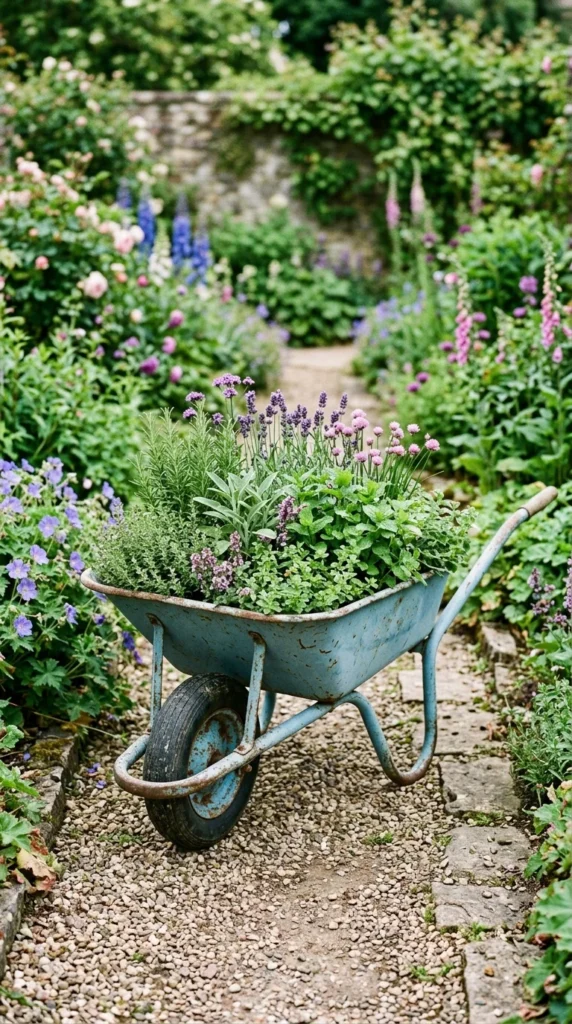
Using a vintage wheelbarrow as a planter adds a mobile, rustic touch to your outdoor space. The primary advantage is the ability to chase the sun. If your patio gets shaded in the afternoon, you can simply wheel your herb collection to a sunnier spot, ensuring your basil stays productive all summer long.
12. Raised Beds
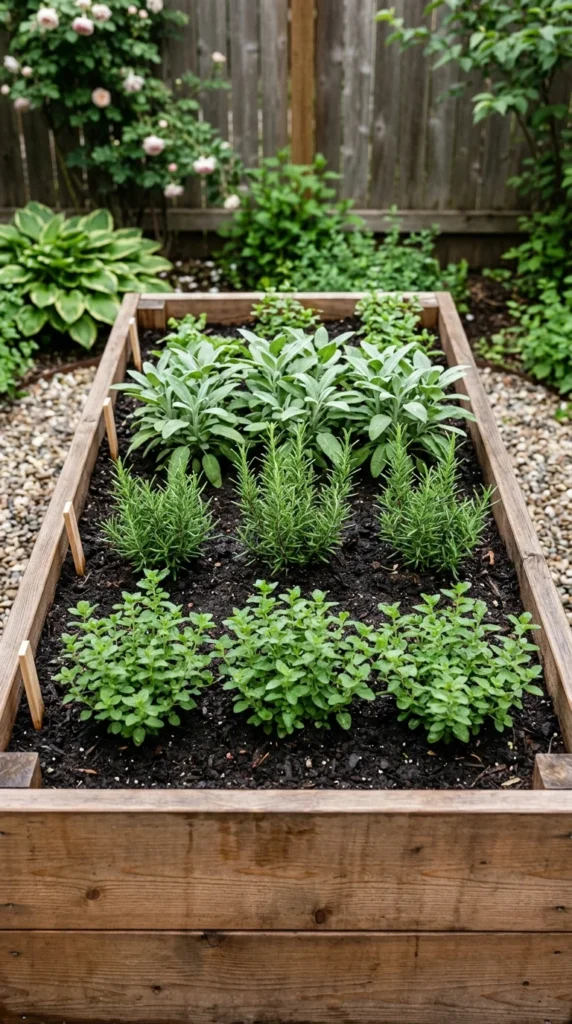
Raised beds offer the best control over soil quality. By filling them with a high-quality organic mix, you can grow culinary herbs that are far more flavorful than those grown in standard garden soil. They also provide better drainage and save your back from excessive bending during harvest.
13. Wall Gutters
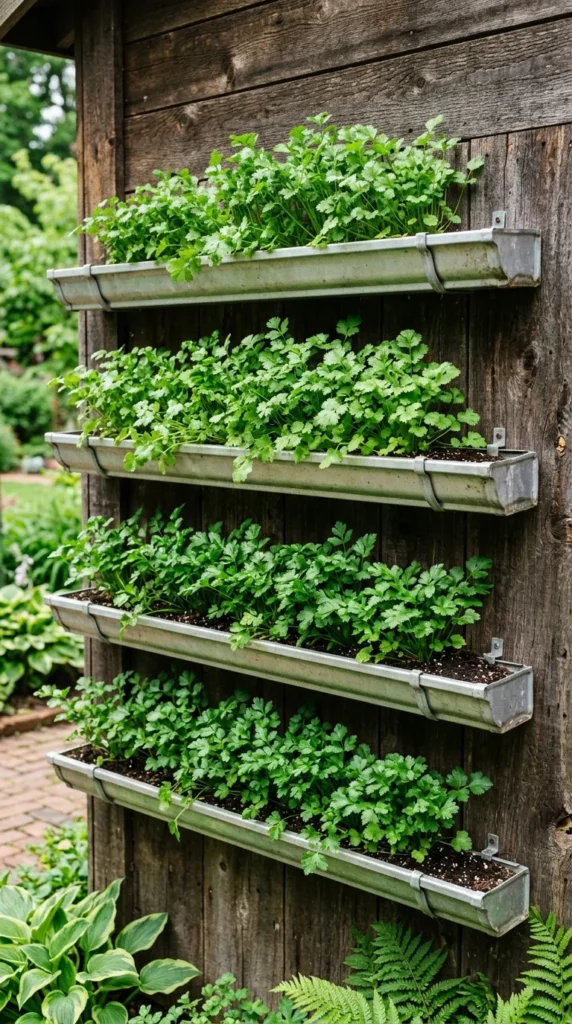
Mounting sections of rain gutters to a wall or fence creates a sleek, modern herb garden. These long, shallow troughs are perfect for herbs with shallow root systems, such as cilantro, lettuce, and parsley. It keeps the herbs off the ground and away from pests, making for a very clean harvest.
14. Recycled Cans
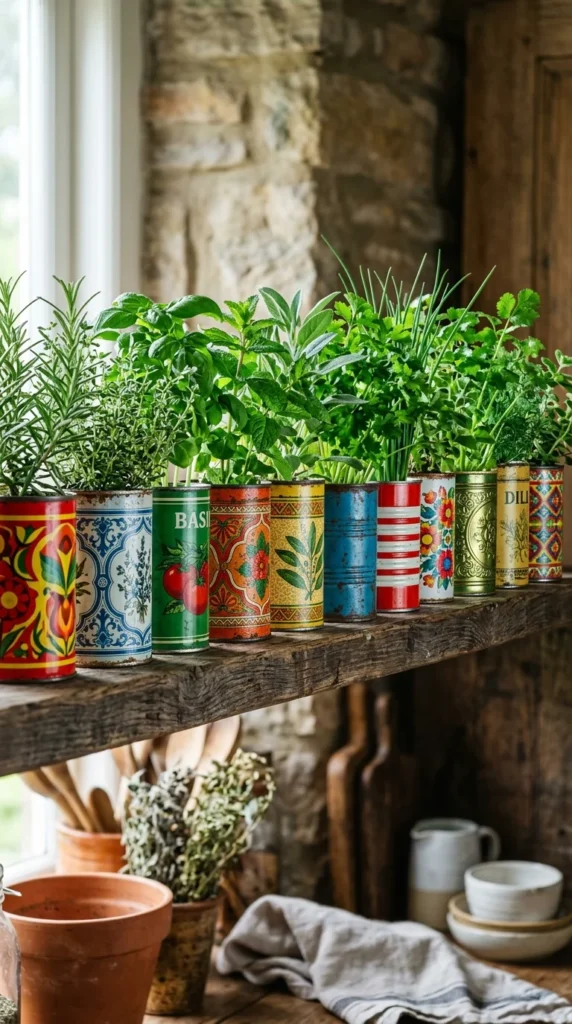
Upcycling colorful coffee or tea tins is an eco-friendly way to start an herb garden. These small containers are perfect for a kitchen windowsill. By drilling a few drainage holes in the bottom, you create a vibrant, pop-art inspired garden that adds character to your cooking space while keeping fresh dill or oregano at hand.
15. Beverage Garden
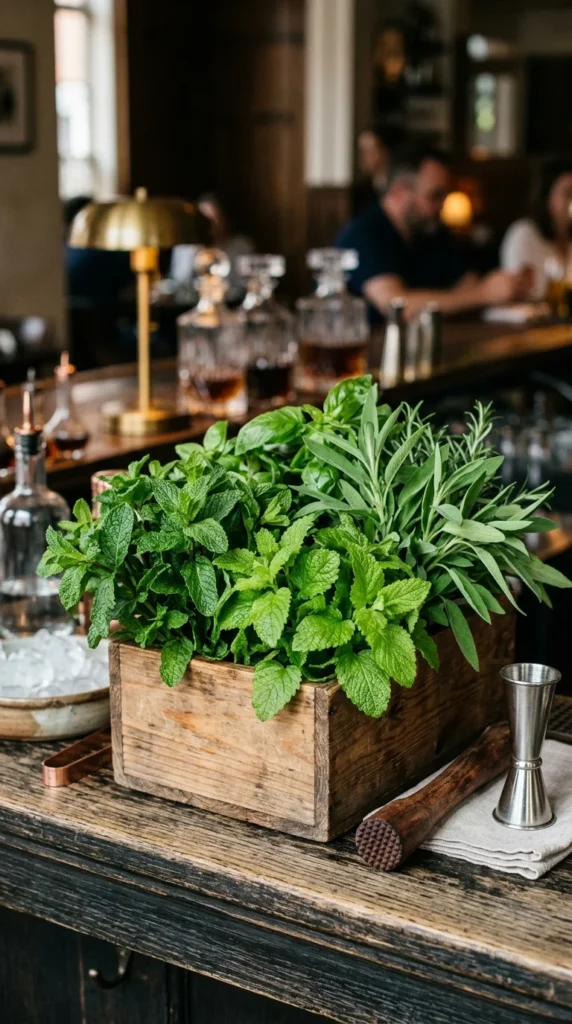
Theme your garden based on what you love to drink. A “Cocktail Garden” might feature various types of mint (mojito, peppermint, chocolate mint), lemon verbena, and basil. Having these fresh aromatics nearby makes it easy to elevate your evening beverages or craft artisanal sodas and teas.
16. Grow Lights
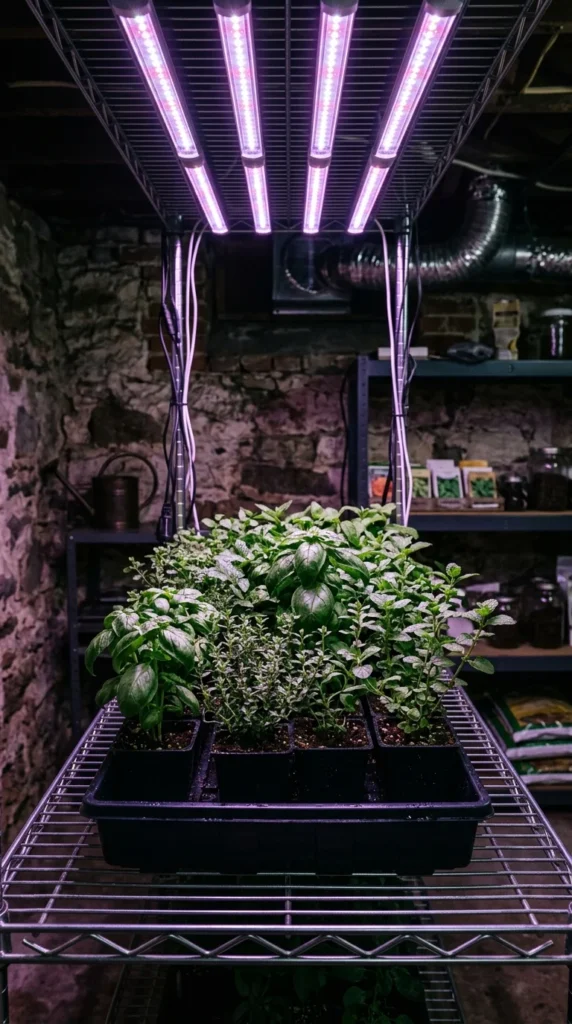
If you live in a space with zero natural light, high-efficiency LED grow lights are a game changer. These lights provide the specific spectrum of light needed for photosynthesis, allowing you to grow herbs in a basement, a pantry, or a dark kitchen corner. This ensures a year-round supply of fresh basil, even in the depths of winter.
17. Woven Baskets
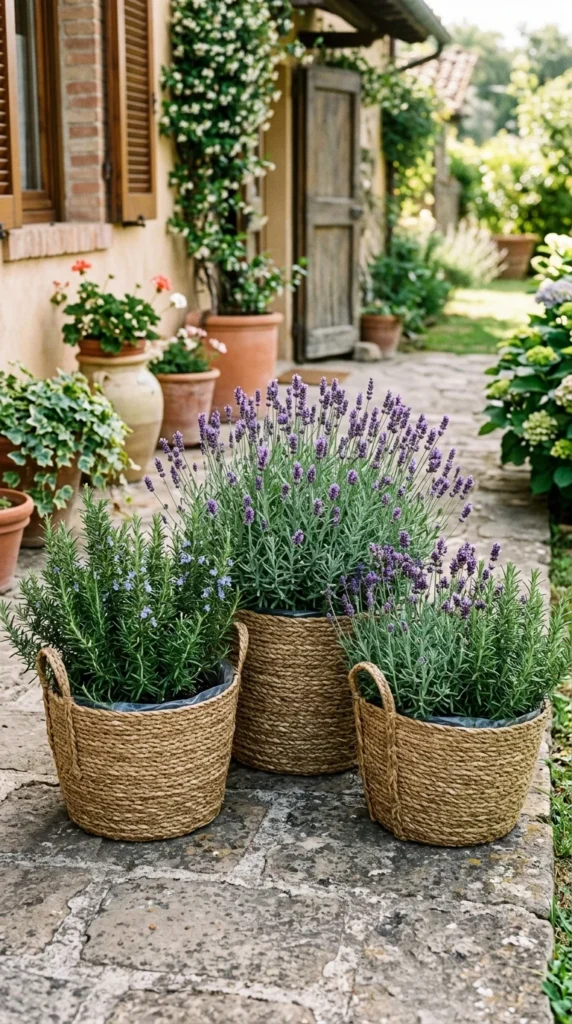
Woven baskets provide a soft, organic texture to your herb garden. When lined with plastic (with drainage holes), they become excellent large-scale containers. They are particularly well-suited for larger, bushier herbs like rosemary or lavender, which can become beautiful ornamental features on a porch or patio.
18. Cinder Blocks
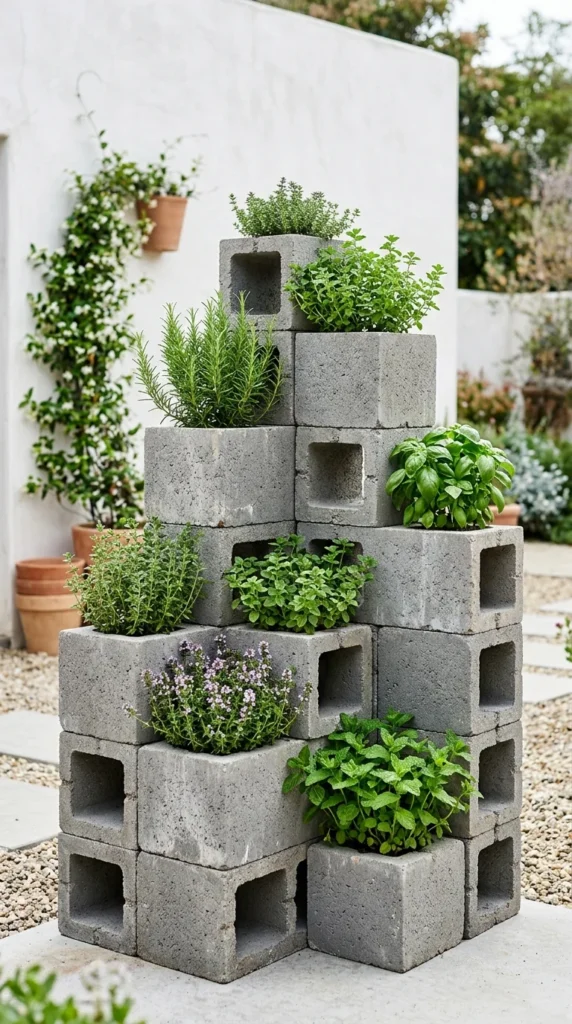
For a modern or industrial look, cinder blocks are an inexpensive and modular gardening solution. The hollow “cells” of the blocks are the perfect size for individual herb plants. You can stack them to create a custom wall or a corner unit that stays cool in the summer heat, protecting the roots of sensitive herbs like chervil.
19. Companion Beds
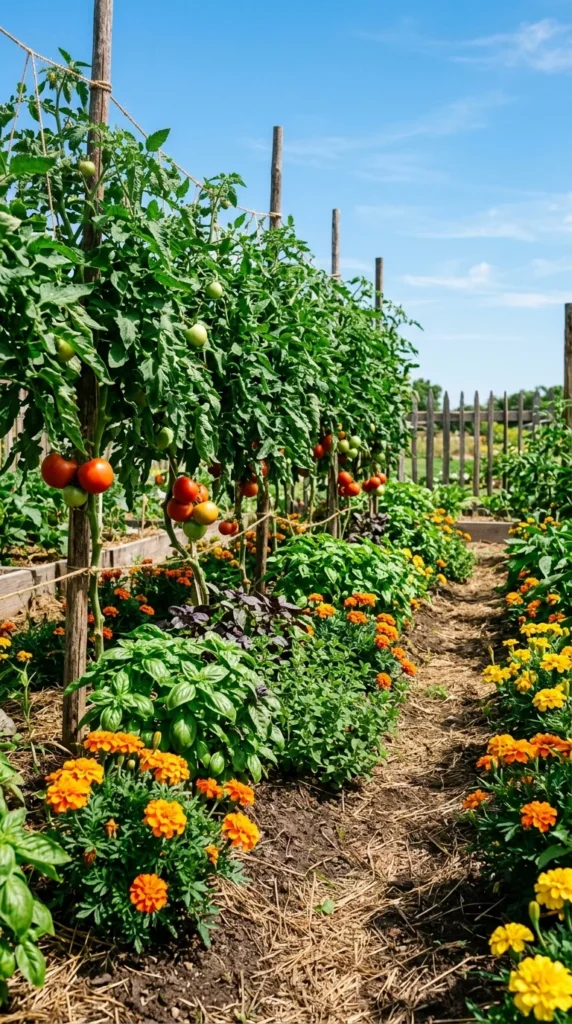
Integrating herbs directly into your vegetable garden is known as companion planting. Basil planted next to tomatoes is said to improve the flavor of both, while also deterring certain pests. This method makes your garden more efficient and ensures that all the ingredients for a fresh pasta sauce are growing in the same square foot of soil.
20. Magnetic Tins
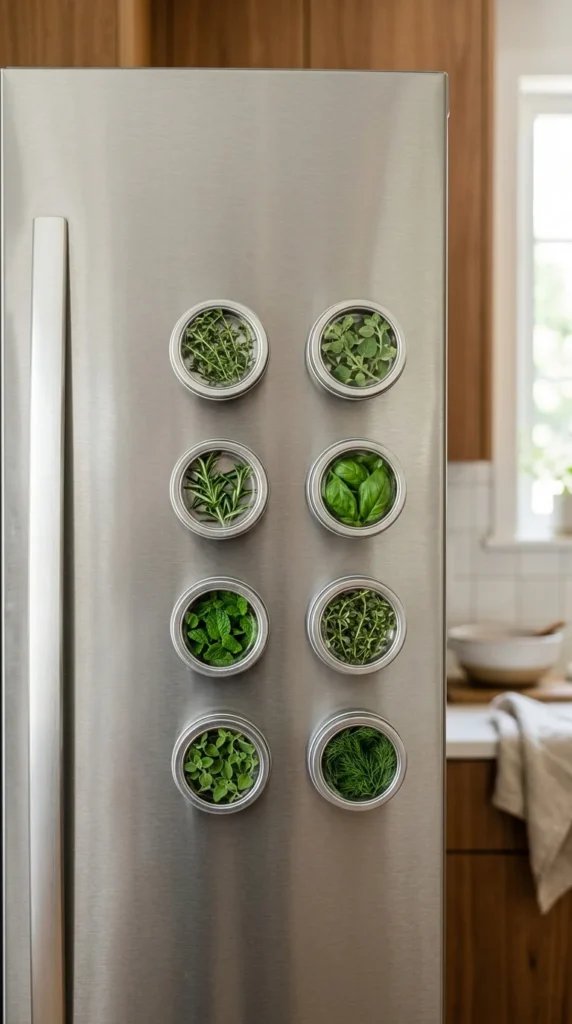
Magnetic tins are the ultimate solution for the minimalist kitchen. These small containers attach directly to your refrigerator or any metal surface. While they require frequent watering due to their small size, they are perfect for woody herbs like thyme or oregano that don’t need a lot of soil volume to produce a steady supply of leaves.
21. Greenhouse Cabinets
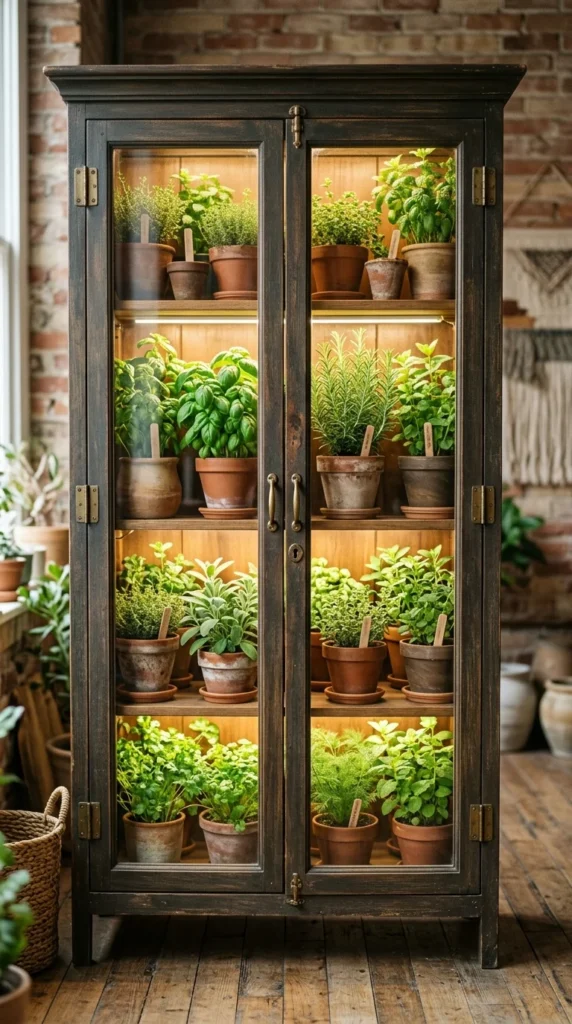
Converting an old glass cabinet or “IKEA hack” greenhouse into an herb sanctuary provides a controlled environment. This setup protects sensitive herbs from drafts and maintains a higher humidity level, which is perfect for tropical herbs like lemongrass or sensitive varieties like fine-leaf French tarragon. It turns your garden into a literal piece of living furniture.