
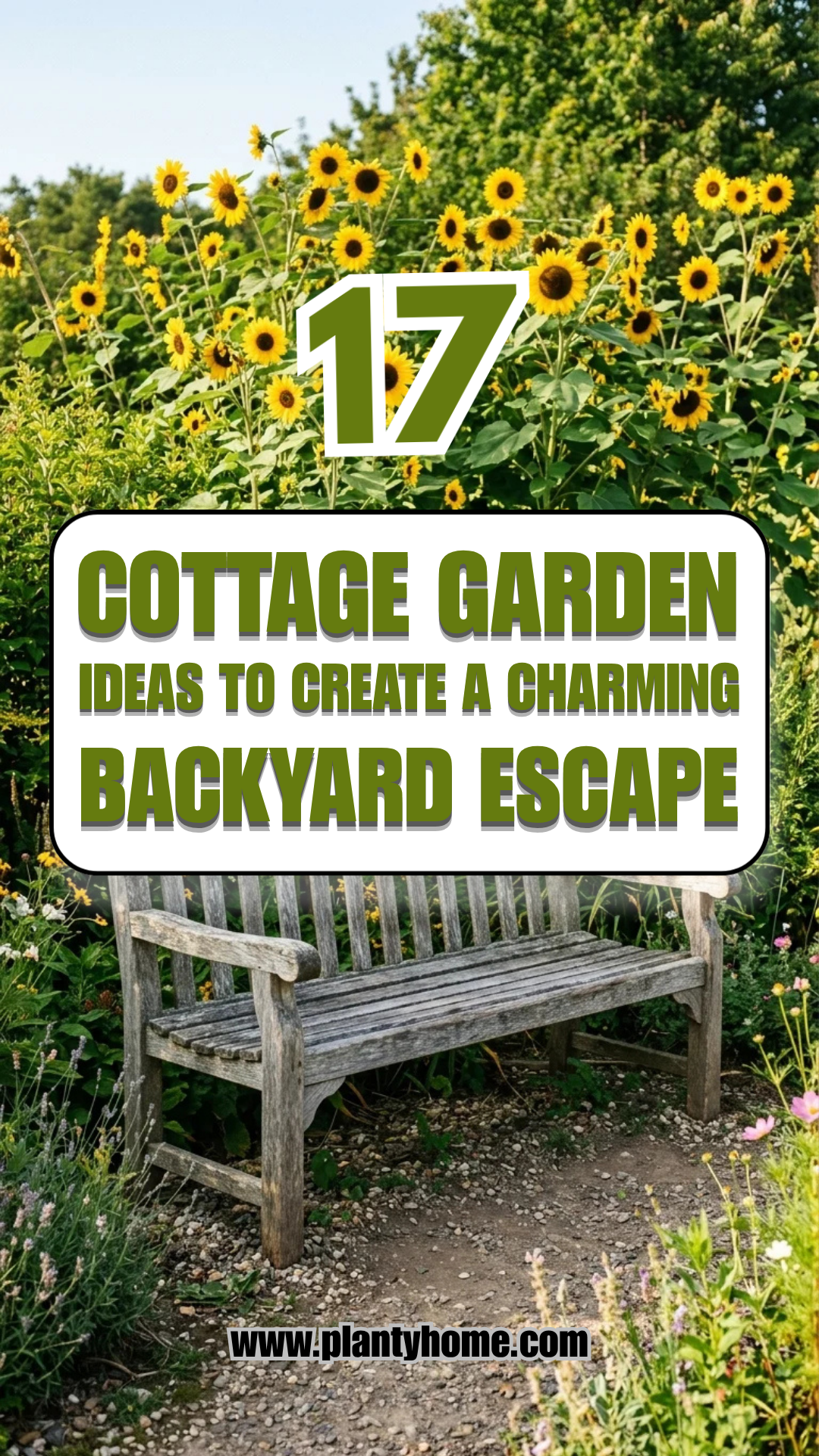
The cottage garden is an iconic landscape style that celebrates the beauty of controlled chaos. Originally designed by British cottagers to maximize small plots of land for both food and flowers, today’s cottage garden is a romantic, sensory experience characterized by dense plantings, winding paths, and a blend of ornamental and edible species. Unlike the rigid structure of formal gardens, cottage gardens favor a “more is more” approach, where plants are encouraged to spill over walkways and climb up every available surface.
Creating your own backyard escape requires a shift in mindset—from perfection to personality. By embracing weathered materials and heirloom plant varieties, you can transform a standard lawn into a whimsical sanctuary. Here are 17 ideas to help you design a charming cottage garden.
1. Pastel Blooms
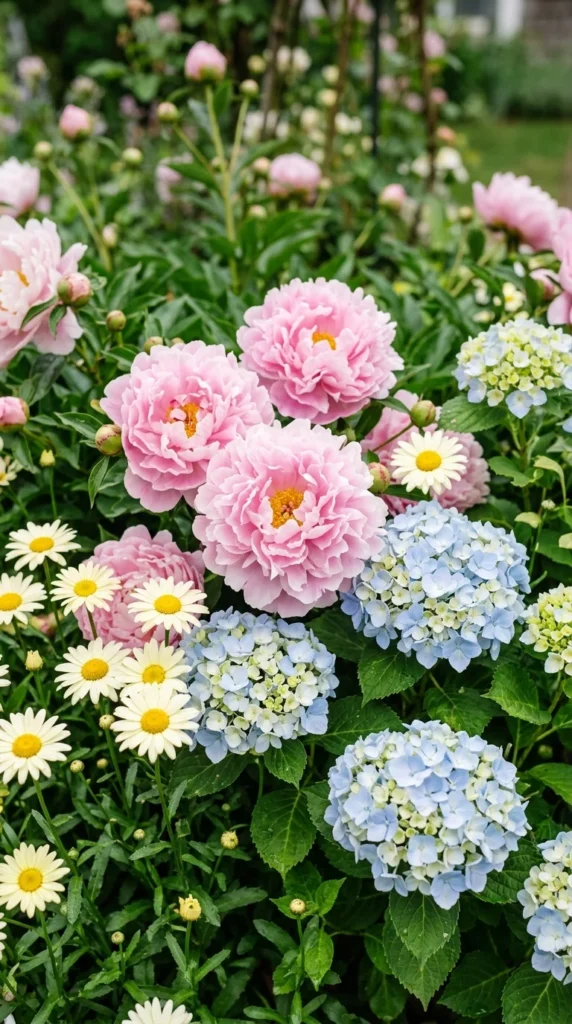
The foundation of a traditional cottage garden palette usually leans toward soft, romantic hues. While you can certainly use bold colors, pastels like blush pink, lavender, powder blue, and buttery yellow create a sense of tranquility and timelessness. These colors reflect light beautifully during the “golden hour,” making your garden feel like a living watercolor painting.
To achieve this look:
- Focus on “antique” flower varieties.
- Group colors in drifts rather than rigid rows.
- Incorporate silver-foliage plants like Lamb’s Ear to bridge different pastel tones.
2. Winding Paths
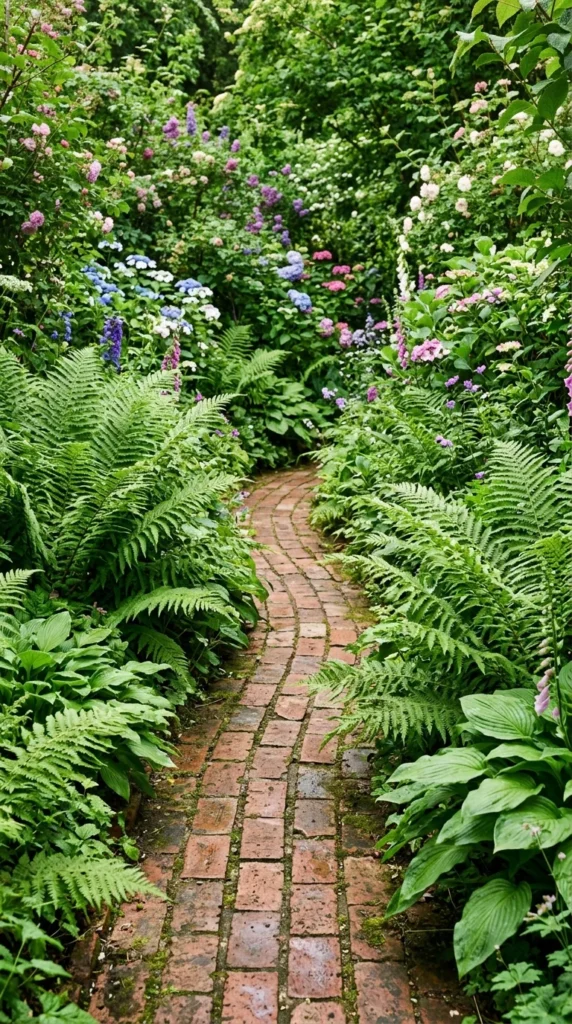
In a cottage garden, the journey is just as important as the destination. Straight lines feel too corporate and formal for this style. Instead, design paths that meander through the foliage. This creates a sense of mystery, as the full garden isn’t visible from a single vantage point.
Curved paths encourage visitors to slow down and notice the smaller details—a hidden patch of violets or the scent of a nearby rose. Use organic materials like bark mulch, stepping stones, or reclaimed brick to keep the aesthetic grounded and natural.
3. Rustic Arbors
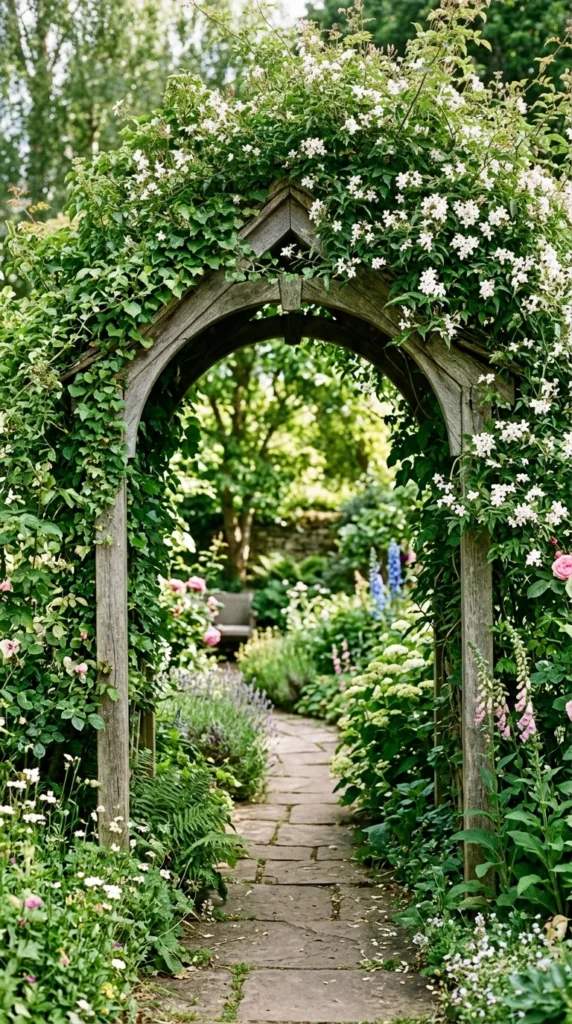
Verticality is essential in a cottage garden to create a feeling of enclosure and intimacy. A rustic wooden or wrought-iron arbor serves as a stunning focal point and a structural support for climbing plants. Placing an arbor at the entrance of a garden path or over a gate creates a “portal” effect, signaling a transition into a private, magical space.
Choose materials that will age gracefully. Unfinished cedar or iron that develops a slight patina over time will blend seamlessly into the surrounding greenery.
4. Picket Fences
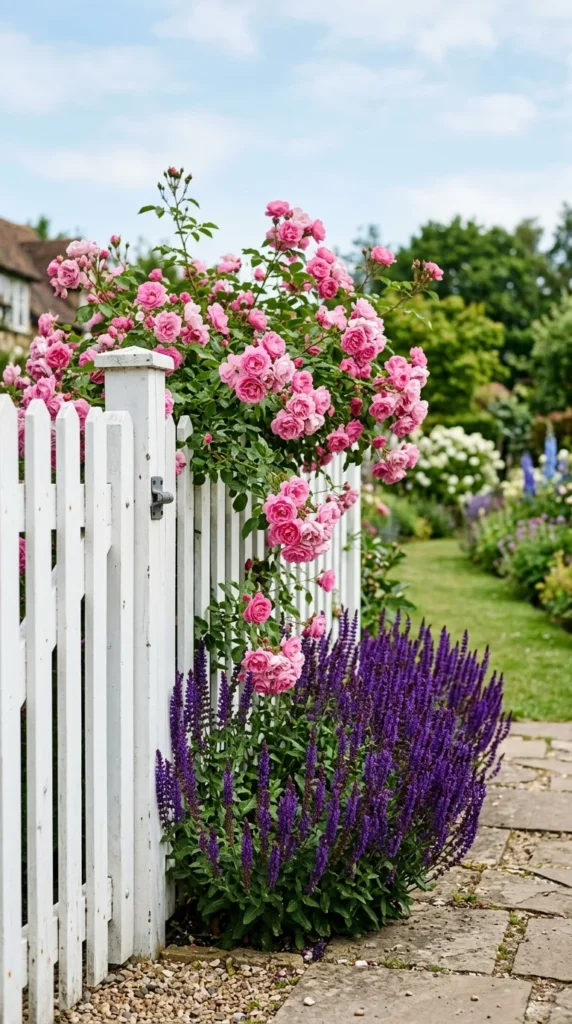
Nothing says “cottage charm” quite like a white picket fence. Beyond their aesthetic appeal, fences provide a necessary backdrop for tall perennials and a structure for heavy-headed flowers to lean against. In a cottage style, the fence shouldn’t look pristine; it’s often best when partially obscured by overflowing blooms.
A low fence also helps define the garden’s boundaries without blocking the view, allowing neighbors to enjoy the floral display while maintaining a sense of “secret garden” privacy for the homeowner.
5. Antique Decor
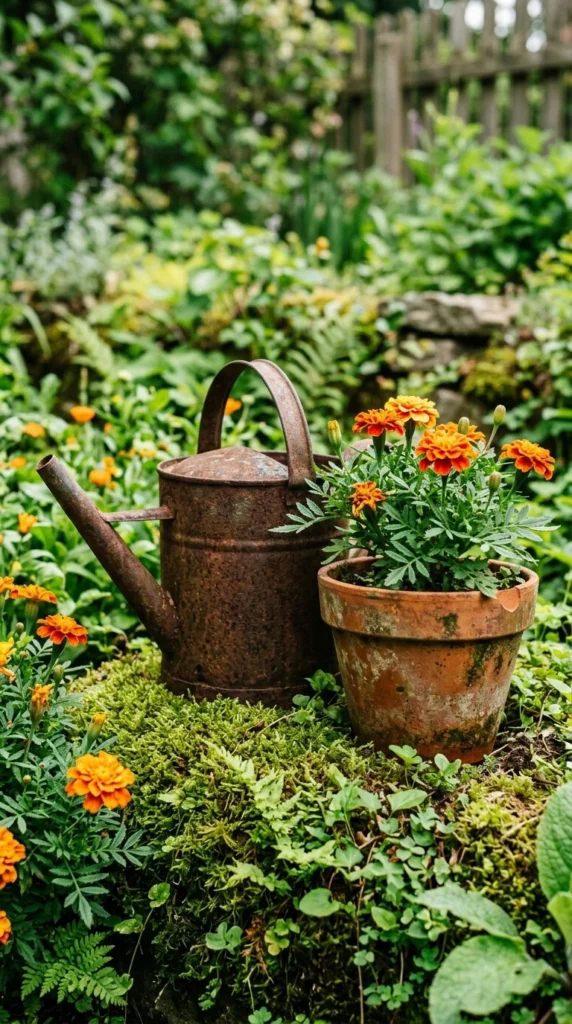
Cottage gardens thrive on a sense of history. Incorporating “found objects” or antique garden tools adds layers of storytelling to the landscape. Look for items that look like they’ve been in the family for generations: chipped terracotta pots, galvanized steel buckets used as planters, or even an old wooden wheelbarrow overflowing with petunias.
The key is placement. These items should look like they were left there naturally, slowly being reclaimed by the garden rather than being staged.
6. Wildflower Meadows

While much of the cottage garden is curated, adding a section of wildflowers introduces a “wild” element that supports local biodiversity. Wildflowers attract pollinators like bees, butterflies, and hummingbirds, which are vital for a healthy garden ecosystem.
This approach is also low-maintenance. Once established, wildflower patches require little water and no deadheading, providing a shifting tapestry of color that changes throughout the seasons.
7. Climbing Roses
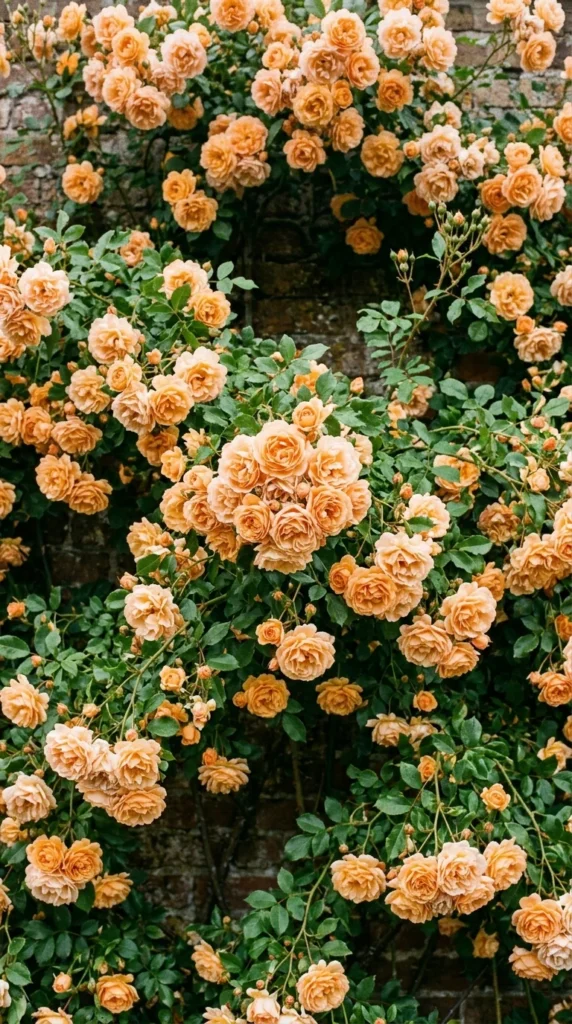
Roses are the undisputed royalty of the cottage garden. Climbing varieties are particularly prized for their ability to soften the hard lines of a house, garage, or shed. Unlike modern hybrid teas, look for “Old Garden Roses” or English Roses, which are known for their multi-petaled blooms and intoxicating fragrances.
Training roses to grow horizontally along a support will encourage more blooms along the entire length of the cane, resulting in a literal wall of flowers.
8. English Lavender
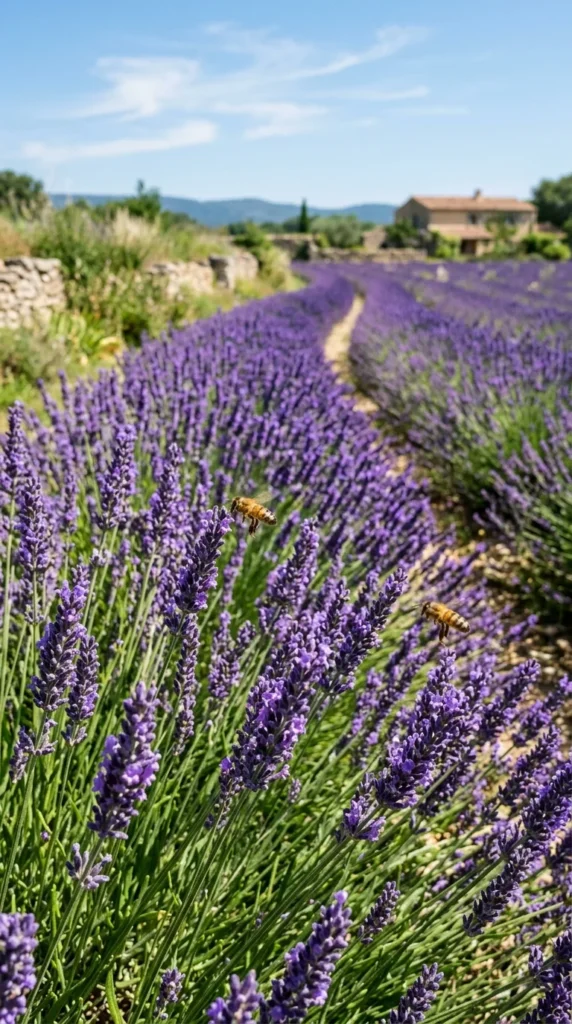
A cottage garden should appeal to all the senses, and fragrance is paramount. English lavender provides a clean, calming scent and silver-green foliage that looks beautiful even when the plant isn’t in bloom.
Planting lavender along walkways is a classic design trick; as people brush past the plants, the fragrance is released into the air. Lavender also provides a structured, mounded shape that helps ground the more wispy, airy plants in the garden.
9. Stone Edging
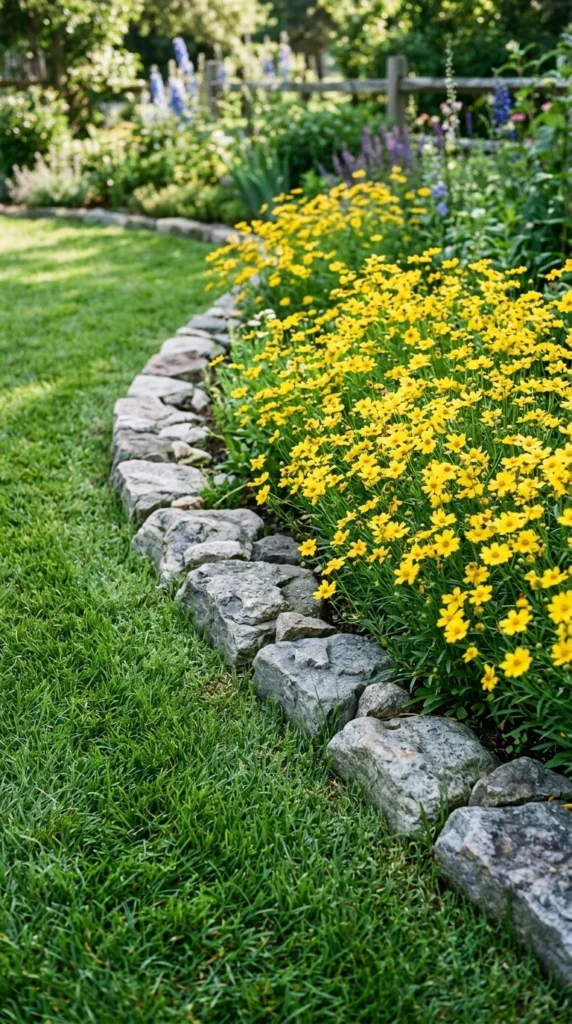
To prevent a cottage garden from looking like an overgrown weed patch, some level of “implied” order is needed. Stone edging provides a clear boundary between the wild flower beds and the walking areas.
Using local fieldstones or river rocks makes the garden feel as though it belongs to the landscape. The stones also provide a habitat for beneficial insects and can help retain moisture in the soil of the flower beds.
10. Herb Borders
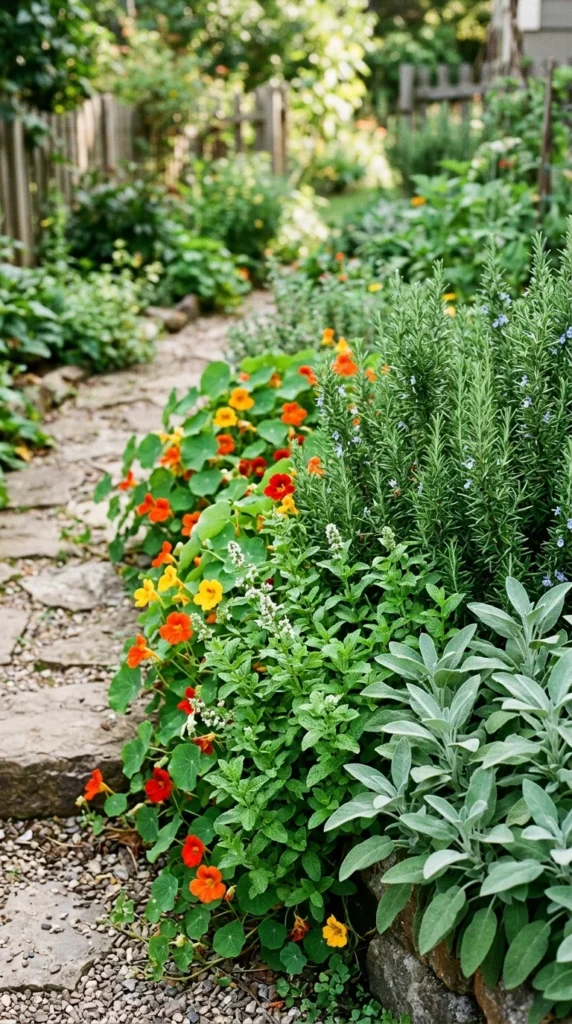
The origins of the cottage garden were deeply practical. In addition to flowers, these gardens always included herbs for cooking and medicine. Mixing herbs like rosemary, thyme, and sage directly into your flower borders adds varied textures and scents.
Flowering herbs, such as chives with their purple pom-poms or yellow-flowered dill, fit perfectly into the aesthetic while providing fresh ingredients for your kitchen.
11. Cozy Seating
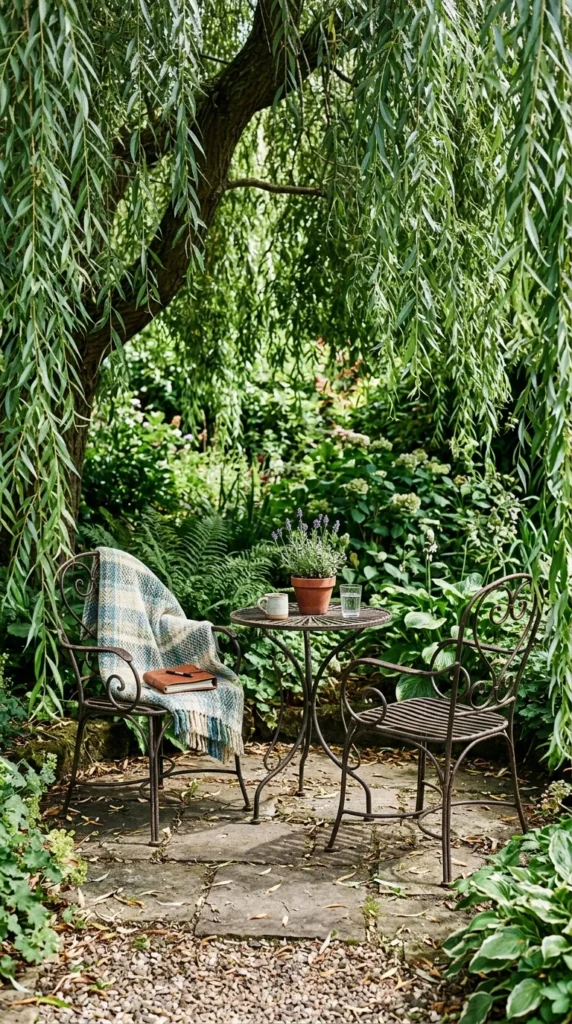
A garden is meant to be lived in, not just looked at. Creating a small seating area—a “destination” within the garden—allows you to fully immerse yourself in the environment. Wrought iron or bistro-style sets are perfect because they feel light and don’t overwhelm the space.
Tucking a chair into a corner surrounded by tall plants like Delphiniums or Foxgloves creates a private sanctuary for reading or morning coffee.
12. Bird Baths
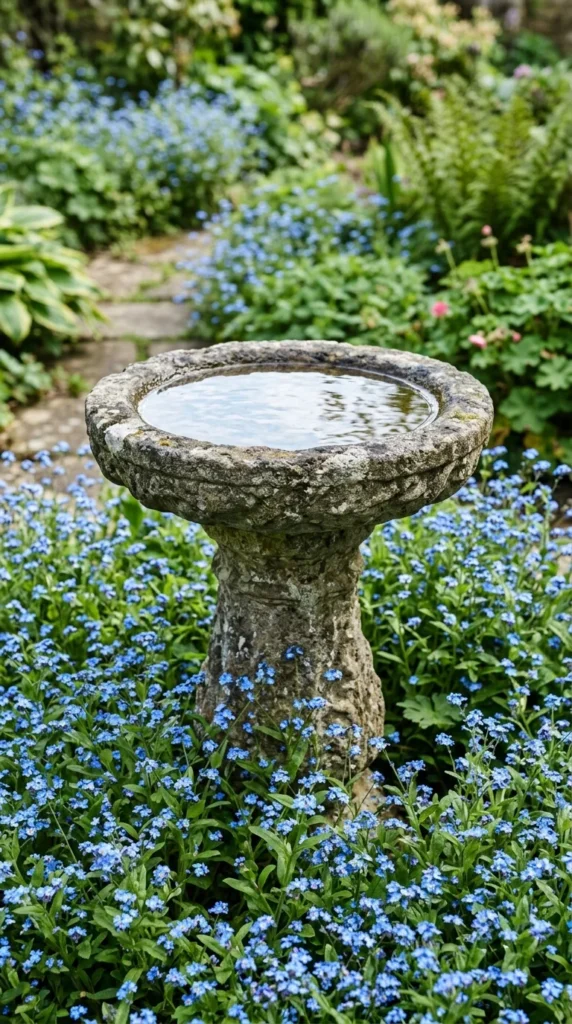
Water features add movement and sound to the garden. A simple stone bird bath is a staple of the cottage style. It acts as a sculptural element while inviting wildlife into the space. Watching birds splash in the water adds a layer of life and joy to the backyard.
Position your bird bath where you can see it from a window or a seating area, ensuring it’s surrounded by lower plants so the birds feel safe from predators.
13. Vertical Layering
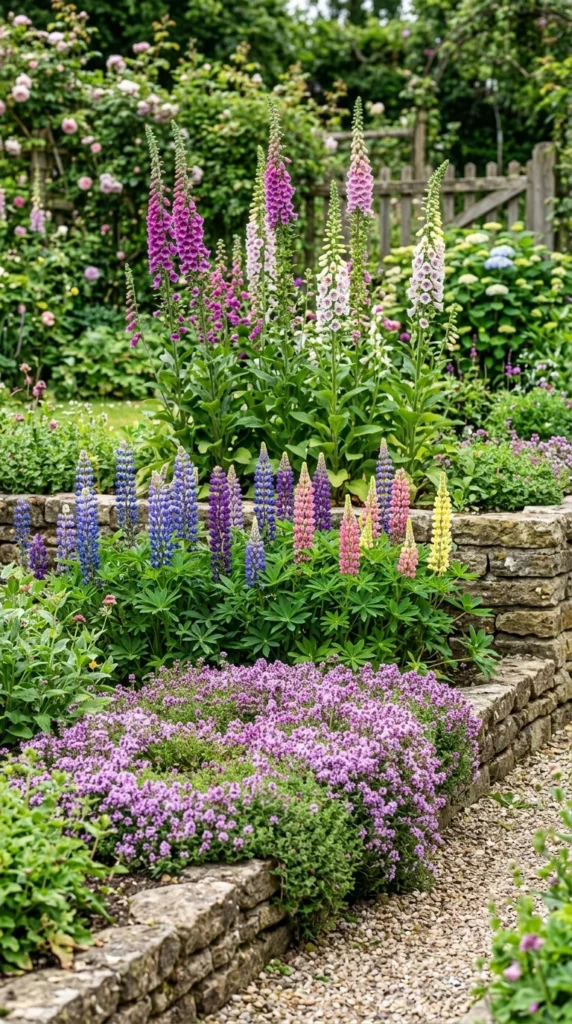
The “cottage look” is achieved by planting in dense layers. You want to avoid seeing any bare soil. This is done by placing the tallest plants (like hollyhocks or sunflowers) in the back, mid-sized plants (like peonies or daisies) in the middle, and low-growing “spillers” (like campanula or sweet alyssum) at the front.
This layering creates a lush, wall-of-color effect that makes the garden feel much larger and more immersive than it actually is.
14. Self-Seeding Plants
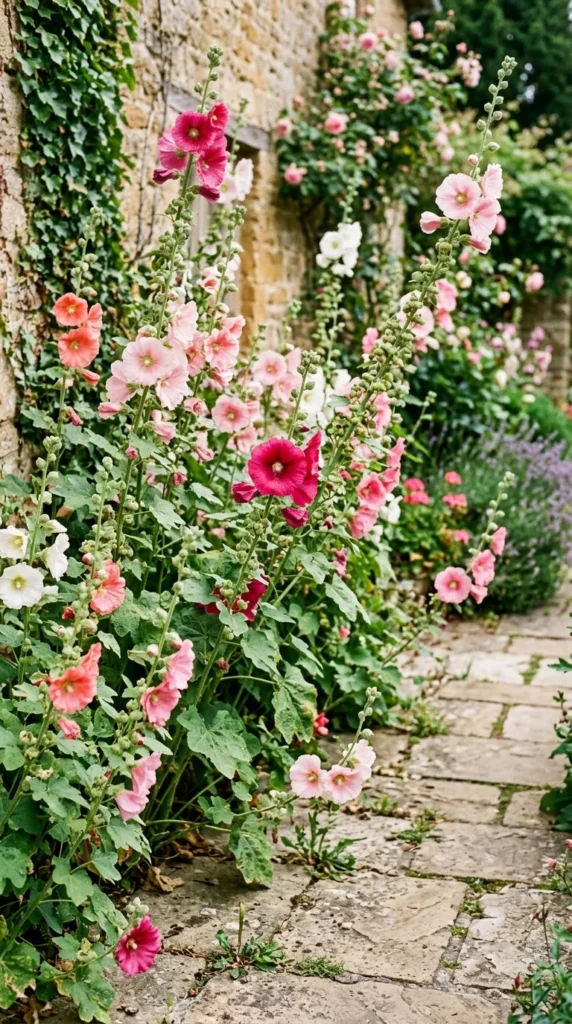
Part of the charm of a cottage garden is its ability to “plant itself.” Self-seeding plants like Columbine, Nigella (Love-in-a-Mist), and Forget-Me-Nots drop seeds that sprout the following year in unexpected places.
Allowing these plants to migrate slightly each year gives the garden a dynamic, evolving feel. It reduces the amount of work for the gardener and ensures that the landscape never looks too “staged.”
15. Weathered Benches
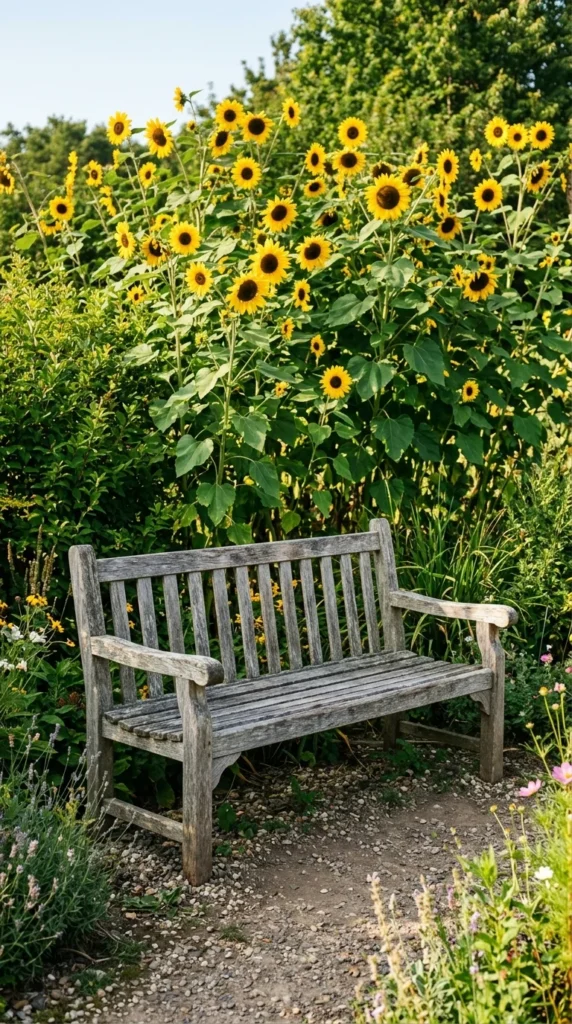
A weathered wooden bench offers a sturdy, permanent feel to the garden. Unlike plastic or modern metal furniture, wood that has silvered over time feels like a natural extension of the trees and plants.
Place a bench at the end of a path or under a large shade tree to provide a resting spot. The bench itself becomes a focal point, drawing the eye through the garden and inviting exploration.
16. Gravel Walkways
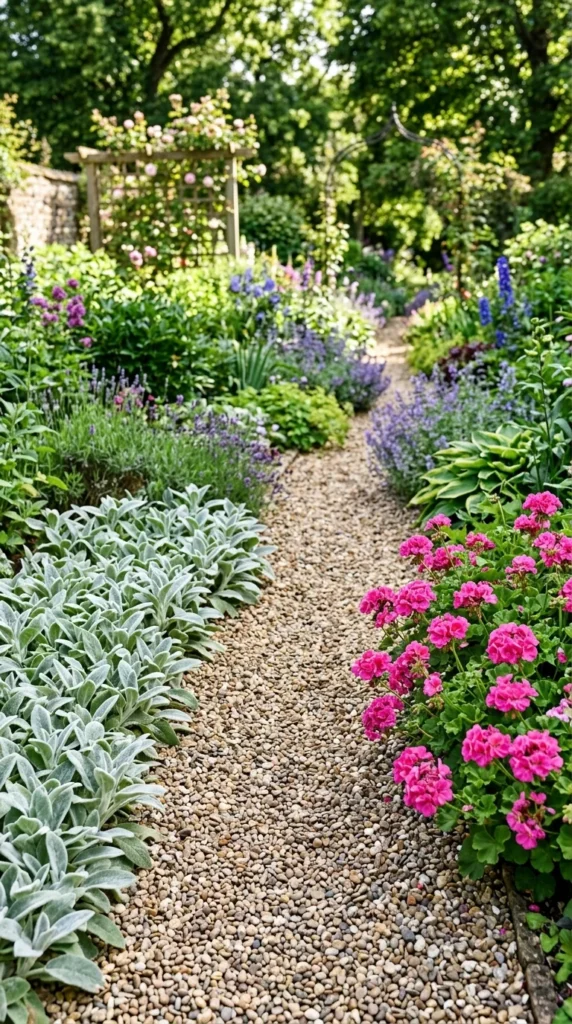
Gravel is a quintessential cottage garden material because of its texture and the sound it makes when walked upon. Pea gravel or crushed stone is permeable, allowing rainwater to soak into the ground rather than running off.
It also allows for “crevice planting,” where small, hardy plants like sedum or thyme can grow right in the path, further softening the edges between the walkway and the garden beds.
17. Soft Lighting
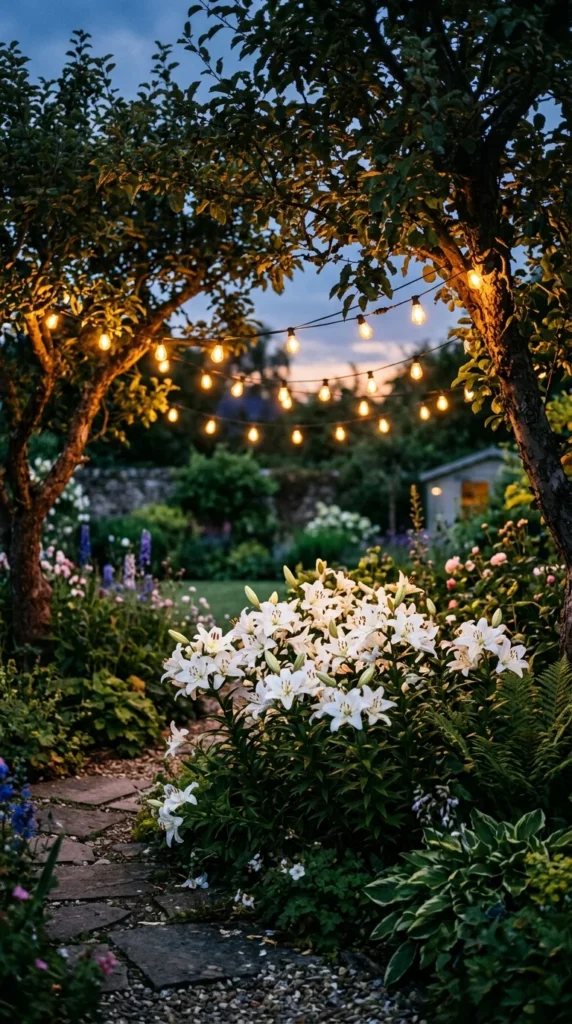
To enjoy your cottage escape after the sun goes down, incorporate soft, warm lighting. Avoid harsh floodlights. Instead, use string lights, lanterns, or solar-powered path lights that mimic the glow of candlelight.
Focusing light on specific features—like a blooming rose arch or a stone bird bath—creates a dramatic and romantic atmosphere that extends the usability of your backyard escape into the evening hours.