
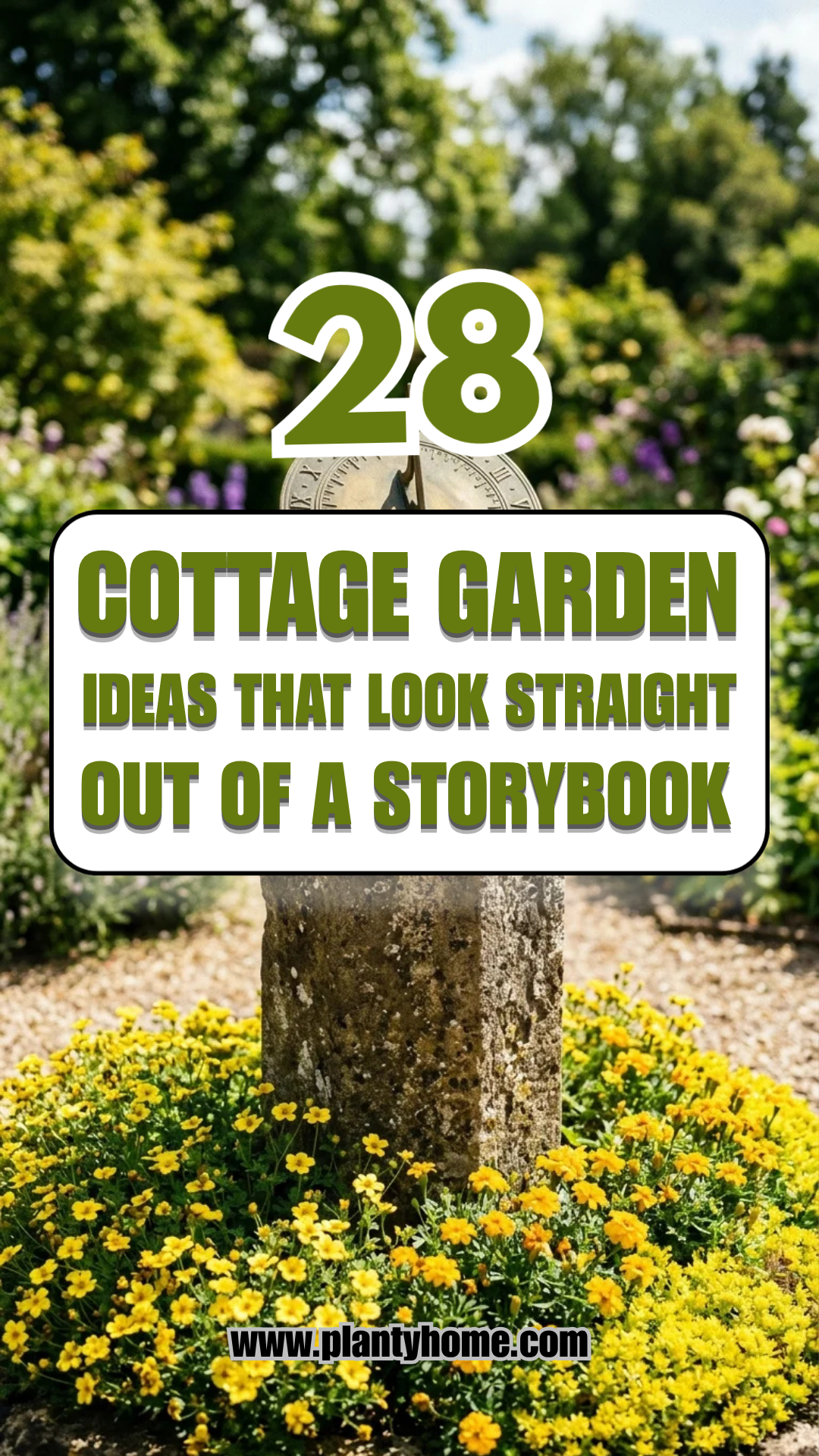
Cottage gardens are the antithesis of the manicured, structured landscape. Originating in England, these gardens were originally functional spaces where laborers grew herbs, fruit, and flowers in a dense, informal jumble. Today, the cottage garden style is beloved for its romantic, whimsical aesthetic—a “controlled chaos” that celebrates nature’s abundance. If you want to transform your backyard into a sanctuary that feels like it belongs in a fairy tale, these 28 ideas will provide the inspiration you need.
1. Arched Entryways
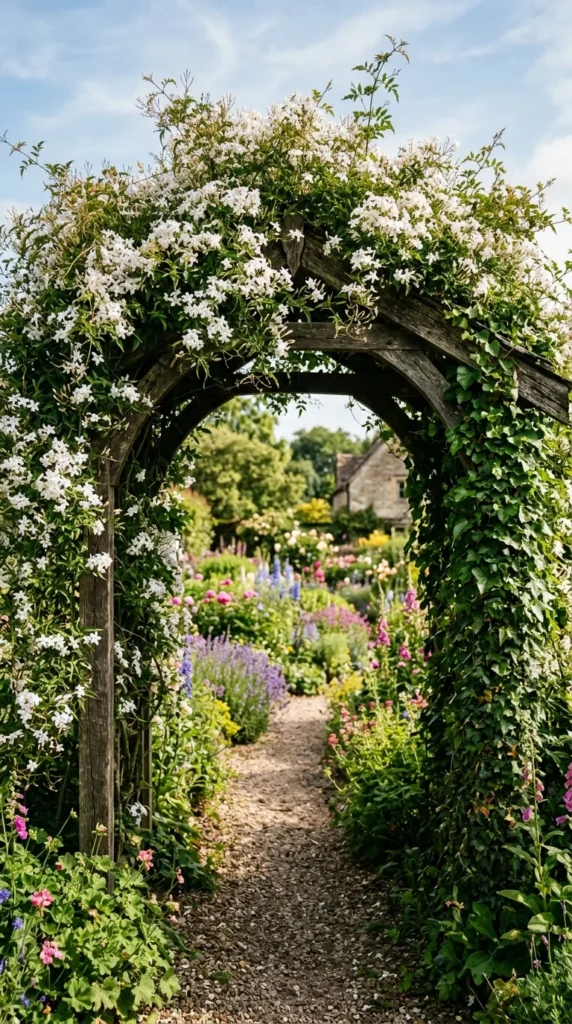
An arched entryway serves as a literal portal into another world. Whether made of weathered wood, rusted iron, or sturdy stone, an arch defines the transition from the outside world into your private sanctuary. To achieve the storybook look, avoid leaving the structure bare. Plant fast-growing climbers like honeysuckle, clematis, or climbing roses to soften the edges and fill the air with fragrance as you walk through.
2. Winding Paths
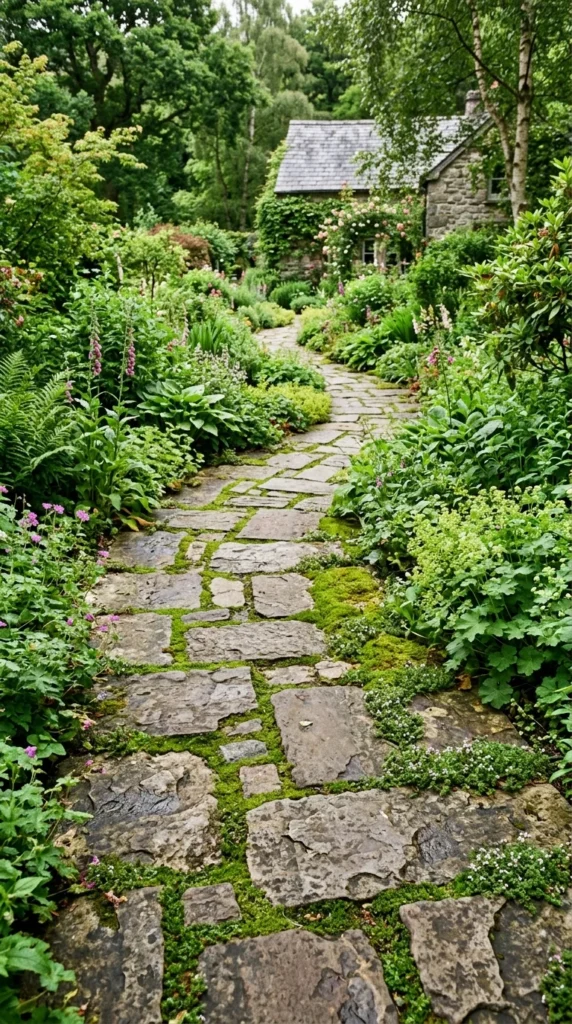
In a cottage garden, straight lines are the enemy. A winding path creates a sense of mystery, encouraging visitors to slow down and wonder what is around the next bend. Use natural materials like reclaimed brick, crushed gravel, or weathered flagstone. Allowing plants to spill over the edges of the path blurs the boundaries between the walkway and the garden beds, enhancing the organic feel.
3. Picket Fences
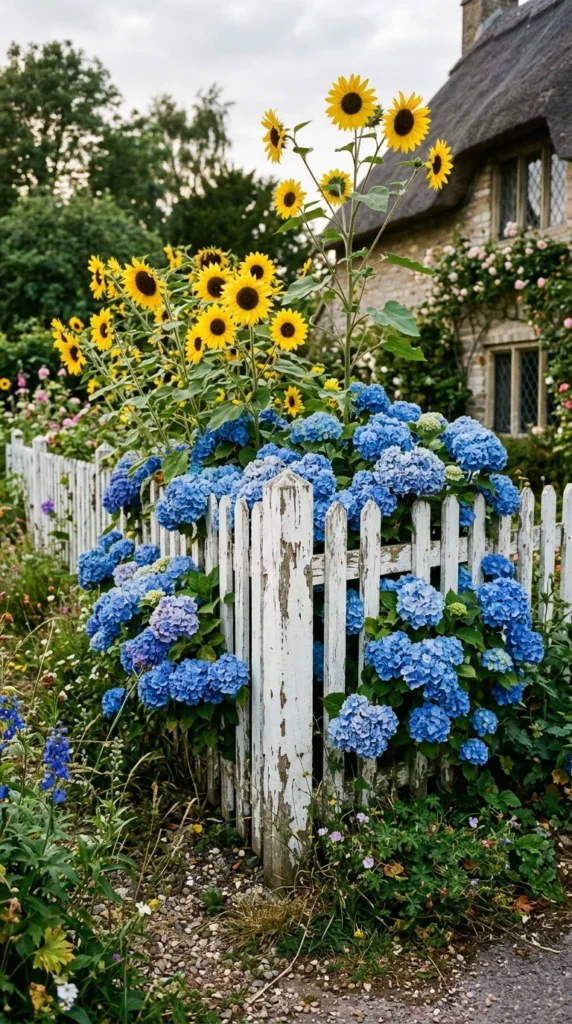
Nothing says “cottage charm” quite like a white picket fence. It provides a structured backdrop for the billowing, informal plants. Instead of keeping the fence pristine, let it age naturally. The contrast between the crisp lines of the pickets and the wild, overflowing flowers creates a classic visual harmony. Use the fence as a support for shorter climbing plants or tall perennials like hollyhocks.
4. Climbing Roses
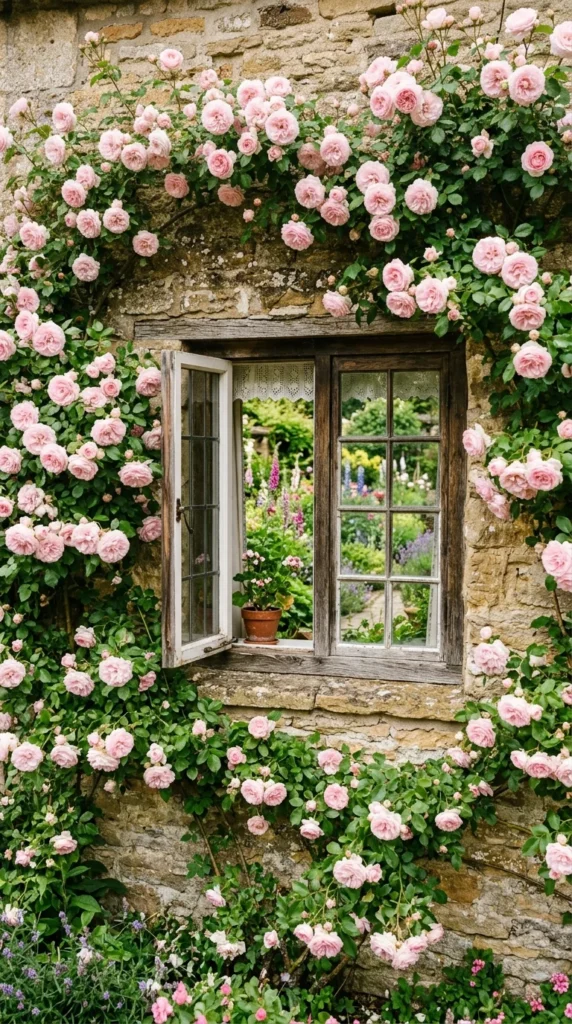
Roses are the crown jewels of the cottage garden. Climbing varieties are particularly effective because they add vertical interest and a sense of antiquity. Train them over doorways, up chimney stacks, or across fences. Look for heirloom varieties known for their heavy scent and ruffled, multi-petaled blooms to maximize the romantic atmosphere.
5. Layered Borders
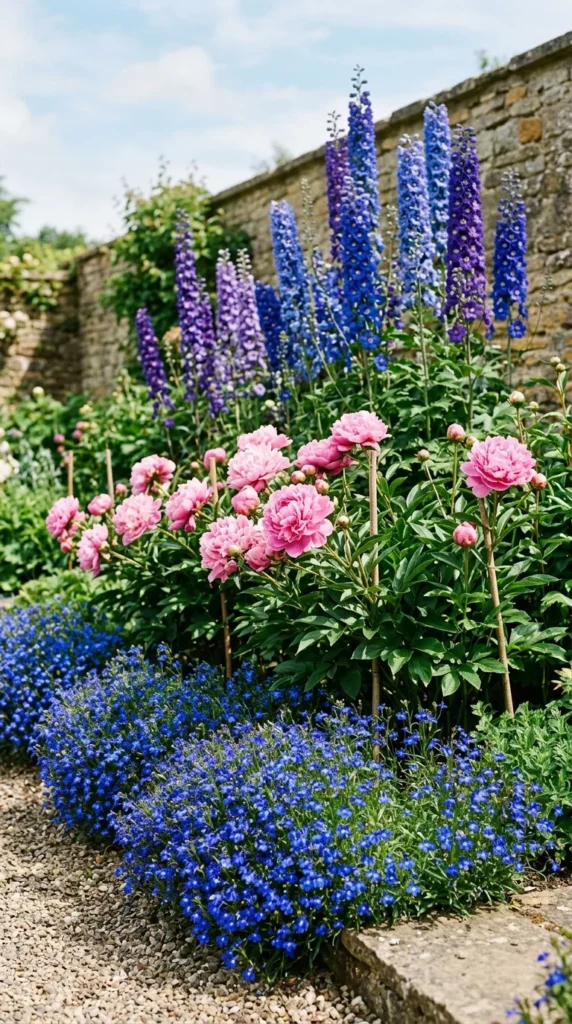
To achieve that “full” look, you must plant in layers. Start with low-growing groundcovers at the edge of the path, move to mid-sized shrubs and perennials, and finish with tall “back-of-the-border” plants. This technique ensures that every inch of vertical space is filled with color and texture, preventing the garden from looking flat or sparse.
6. Foxgloves
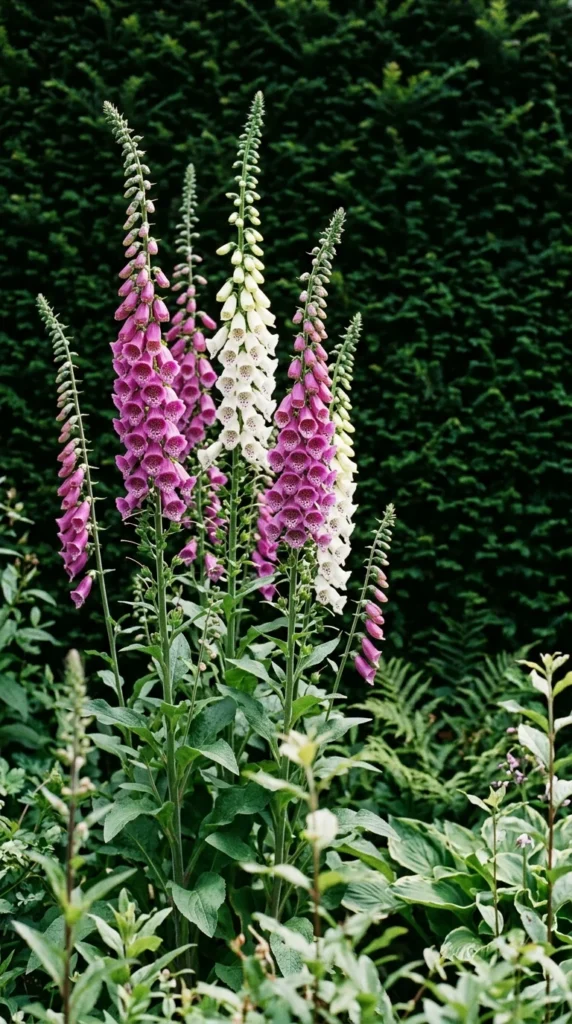
Foxgloves (Digitalis) are the quintessential storybook flower. Their tall, dramatic spires add height and a sense of woodland magic to the garden. Because they are biennials, they have a life cycle that feels very natural and self-sustaining. They are perfect for tucked-away corners or for adding height behind lower-blooming plants like pansies or pinks.
7. Rustic Benches
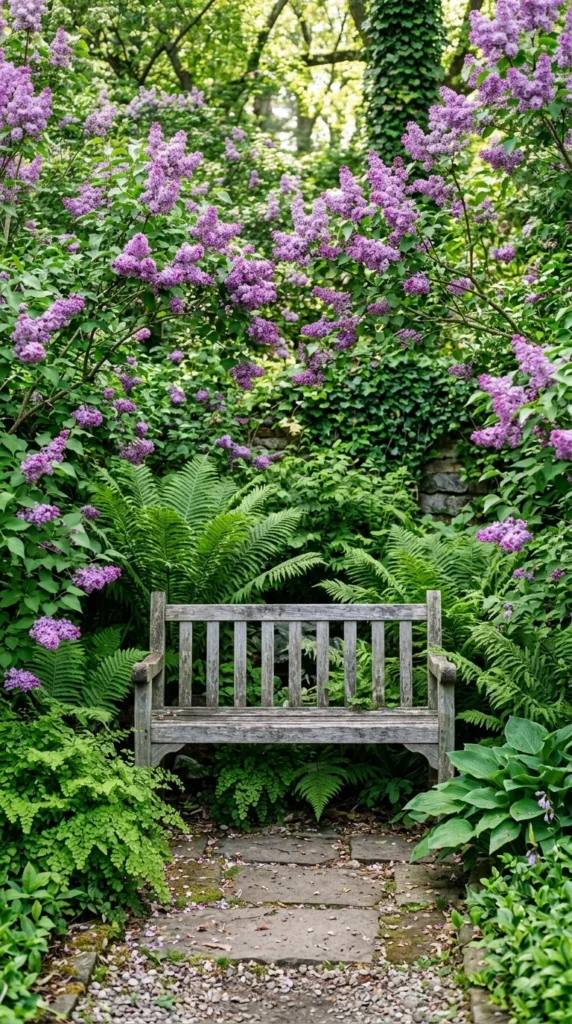
A cottage garden is meant to be enjoyed slowly. A rustic wooden or wrought-iron bench provides a destination within the garden. Choose a spot that offers a beautiful view or a bit of shade. Over time, the bench should look like it has been reclaimed by the garden, perhaps with a bit of lichen growing on the wood or flowers leaning over the armrests.
8. Stone Edging
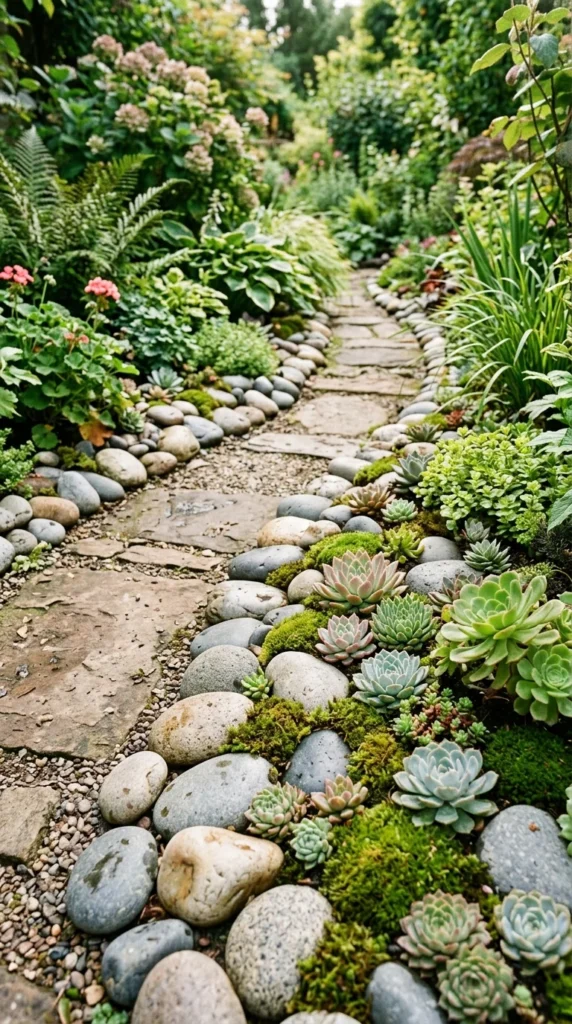
While cottage gardens are informal, they still need some definition. Stone edging provides a soft, natural boundary for garden beds. Use local fieldstones or tumbled cobbles to create a border that keeps mulch in place while allowing plants like “Silver Mound” artemisia or creeping phlox to drape over the sides.
9. Delphiniums
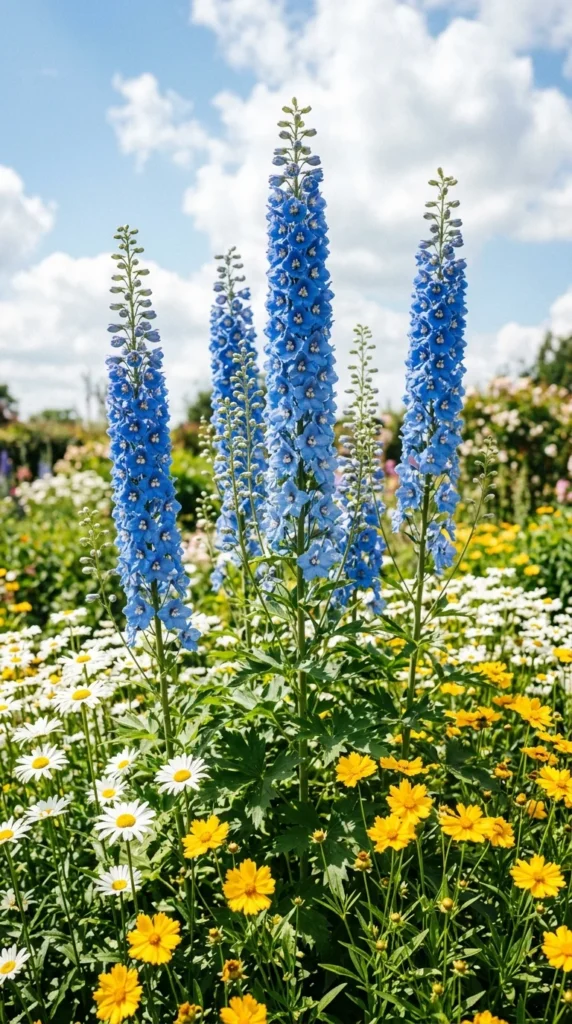
For true blue color—which is rare in the plant world—delphiniums are unmatched. These tall, stately perennials provide a striking vertical element. Their structural form contrasts beautifully with the round, mounding shapes of other cottage favorites like roses and hydrangeas. They evoke the feeling of an old English manor garden.
10. Weathered Pots
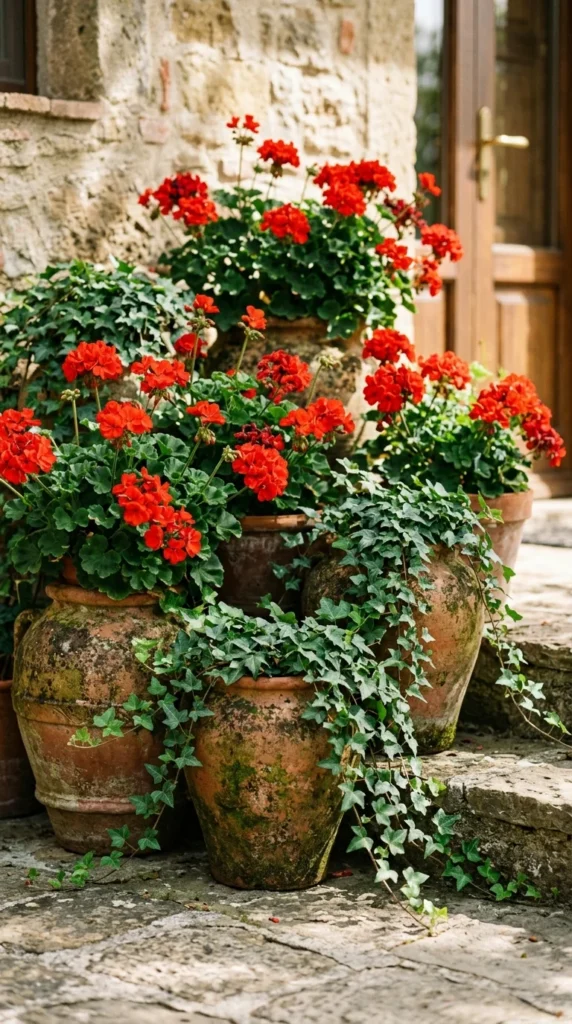
Containers allow you to add layers of height to patios or steps. Use weathered terracotta or lead-effect planters rather than modern plastic. The goal is to make the pots look like they have been there for decades. Group them in odd numbers and mix different sizes to create a curated, lived-in look.
11. Hollyhocks
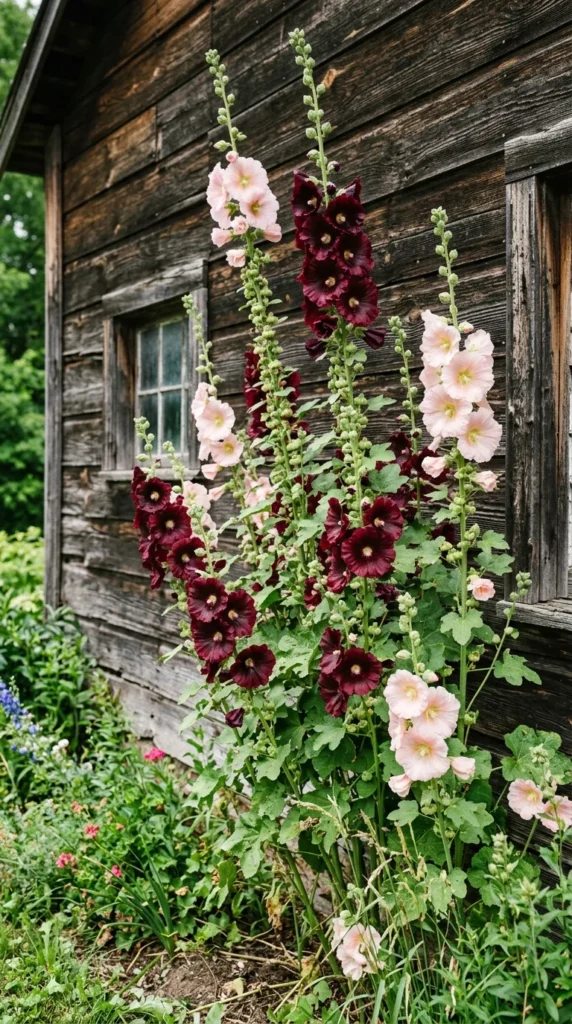
Hollyhocks are the skyscrapers of the cottage garden. They are often planted against walls or fences because they can reach heights of six to eight feet. Their large, saucer-shaped blooms come in a variety of colors and have a nostalgic, old-fashioned appeal that is essential for a storybook aesthetic.
12. Gravel Walkways
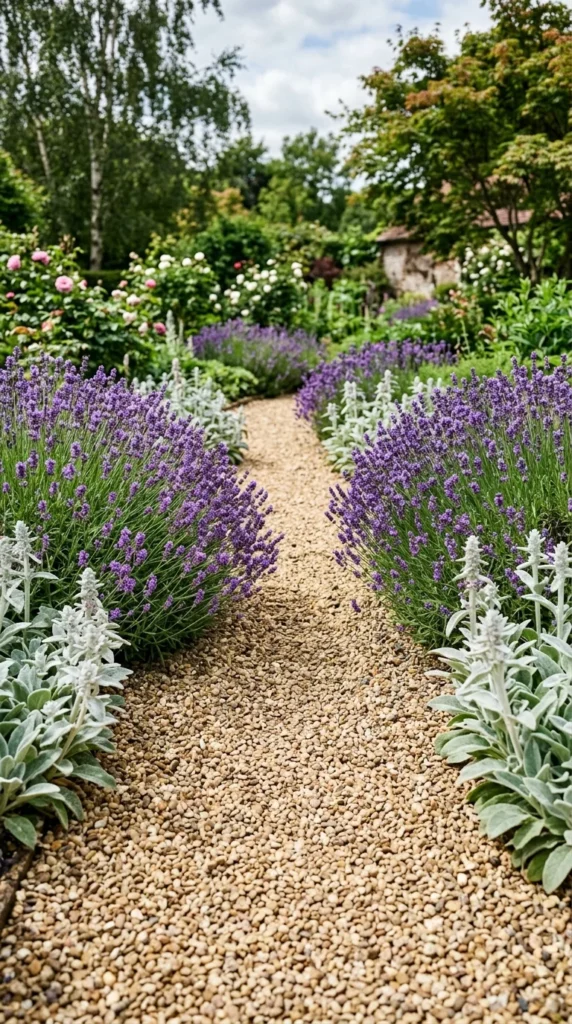
Gravel is a classic cottage garden material because it is permeable, affordable, and provides a satisfying “crunch” underfoot. It creates a more relaxed atmosphere than poured concrete or formal pavers. Allow “volunteer” plants—those that seed themselves—to grow right in the gravel to enhance the effortless, informal look.
13. Bird Baths
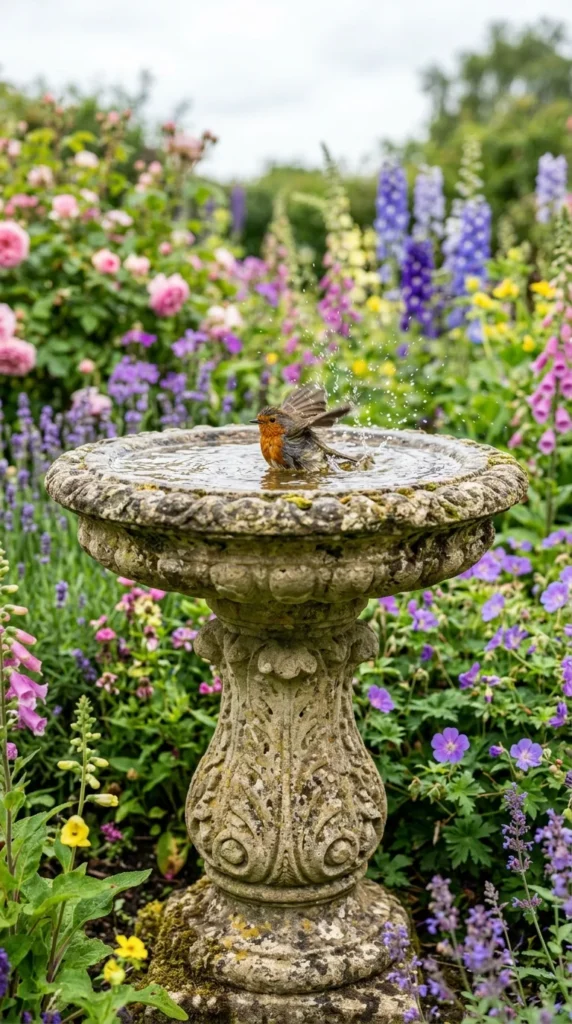
A cottage garden is a haven for wildlife. A stone bird bath serves as both a focal point and a functional water source for local birds. Choose a design with a bit of “age” to it—sculpted pedestals or basins with leaf motifs work well. Surround the base with low-growing flowers so the feature feels integrated into the landscape.
14. Vegetable Mix
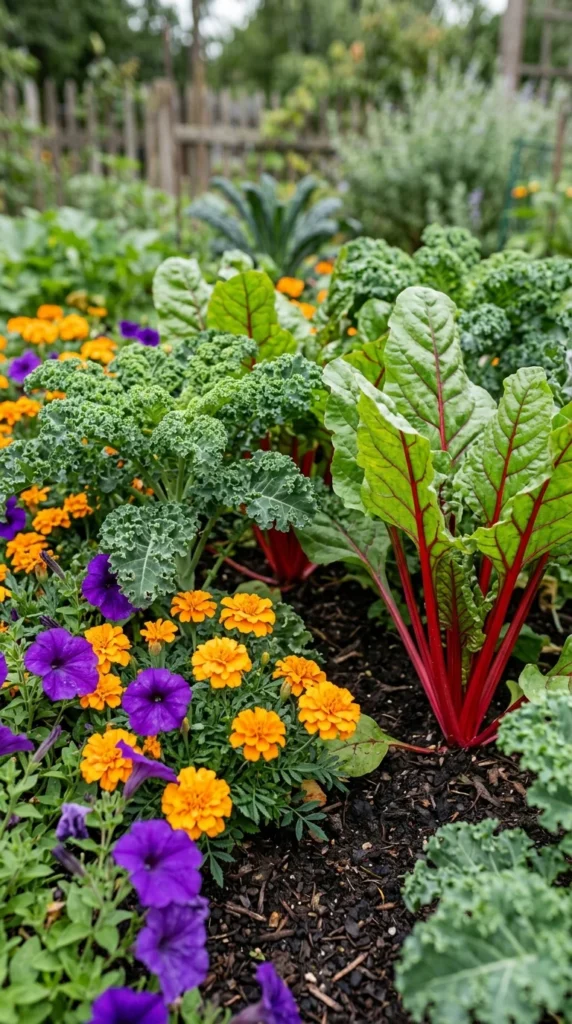
The original cottage gardens were “potagers,” where food and flowers grew side-by-side. To capture this spirit, intersperse edible plants like kale, herbs, and strawberries among your ornamentals. Not only does this look charming, but many flowers (like marigolds) help deter pests from your vegetables.
15. Lavender Edging
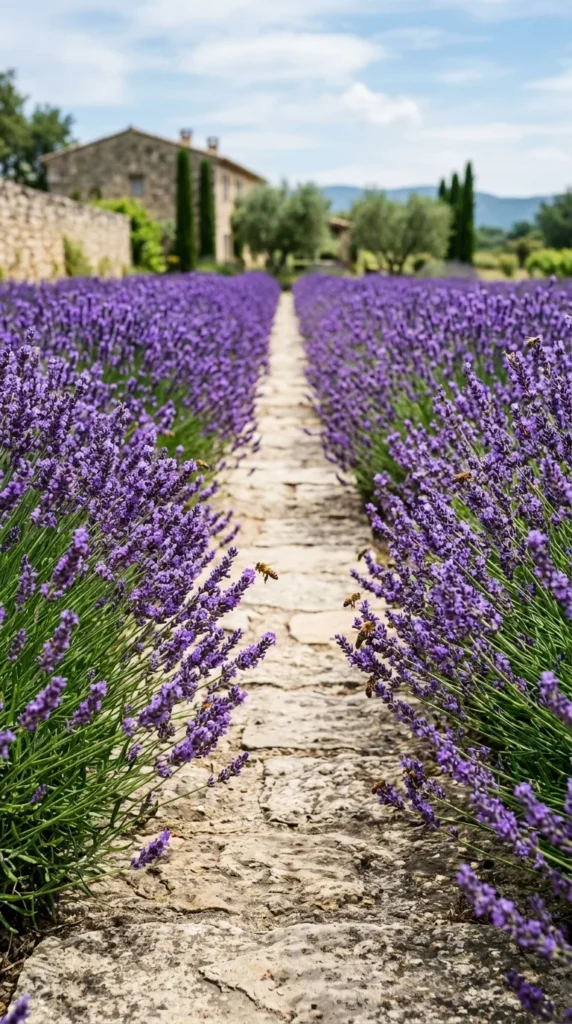
Lavender provides color, fragrance, and structure. Planting it along a walkway ensures that every time you pass by, you brush against the foliage and release its calming scent. The silvery-gray foliage of lavender also provides a lovely contrast to the deep greens of most garden plants.
16. Garden Arbors
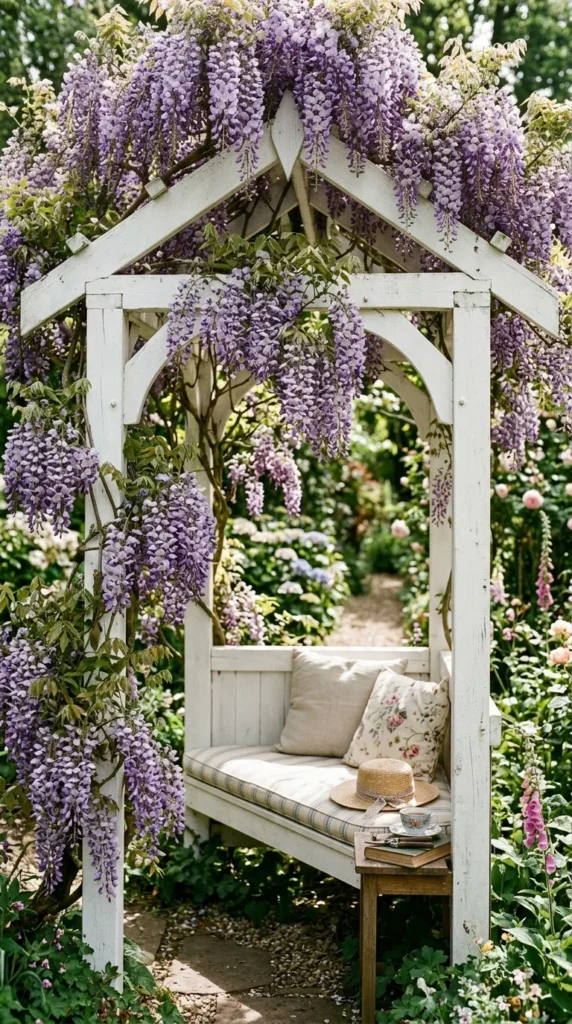
An arbor is a destination in itself. It combines a structure for climbing plants with a place to sit. Placing an arbor at the end of a path creates a “goal” for the eye and the feet. It’s the perfect spot for a morning tea or a quiet afternoon of reading, surrounded by the sights and smells of the garden.
17. Bee Hotels
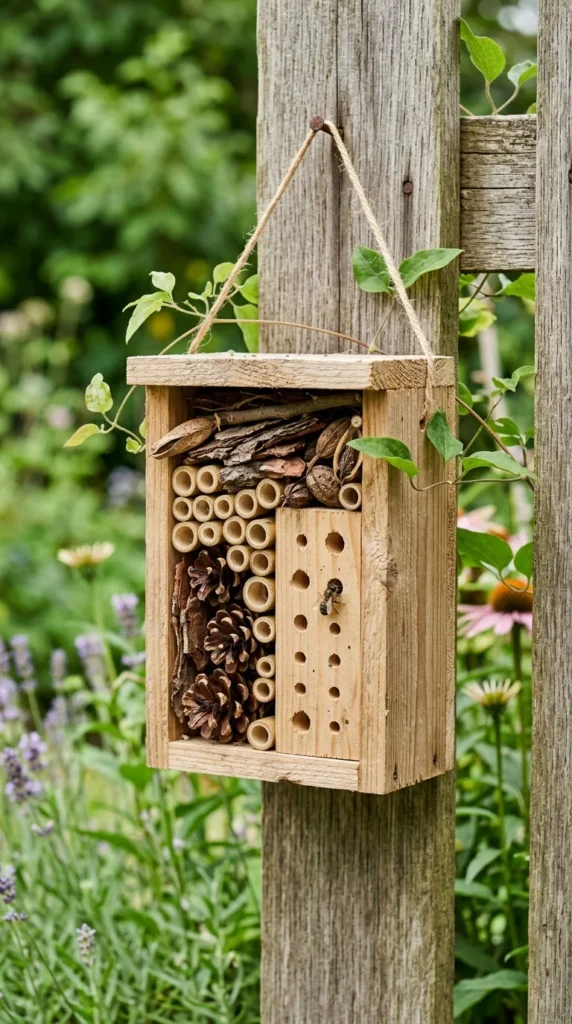
Sustainability is a key part of the cottage garden philosophy. A bee hotel or “bug hotel” adds a whimsical, rustic touch while supporting pollinators. These structures look like miniature houses and fit perfectly within the storybook theme, especially when tucked among tall wildflowers.
18. Peonies
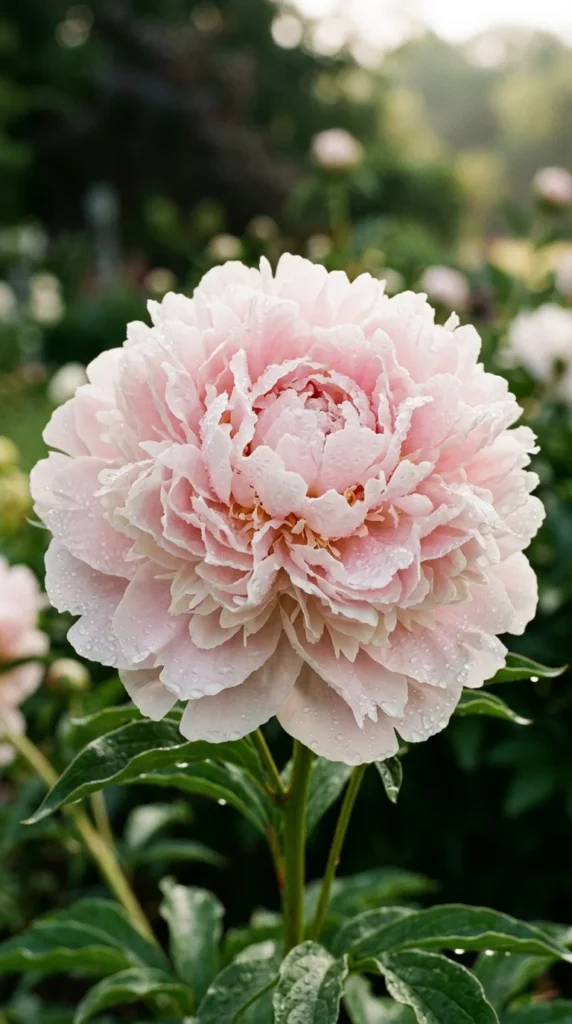
Peonies bring a sense of opulence and drama to the garden. Their massive, fragrant blooms and glossy green foliage make them a focal point in late spring. Because they can live for decades, they give the garden a sense of permanence and history. Plant them where their heavy heads can be supported by nearby shrubs or traditional wire hoops.
19. Secret Nooks
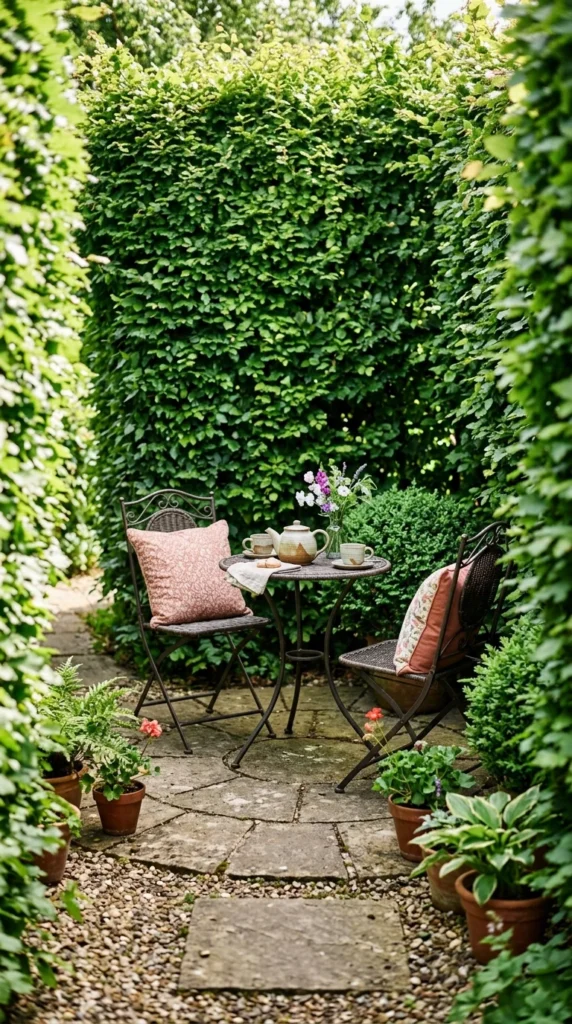
Every storybook garden needs a secret. Create a small “room” or hidden seating area that isn’t visible from the main house. Use tall plants, trellises, or hedges to screen the area. This creates a sense of discovery and provides a private retreat within your own backyard.
20. Willow Trellises
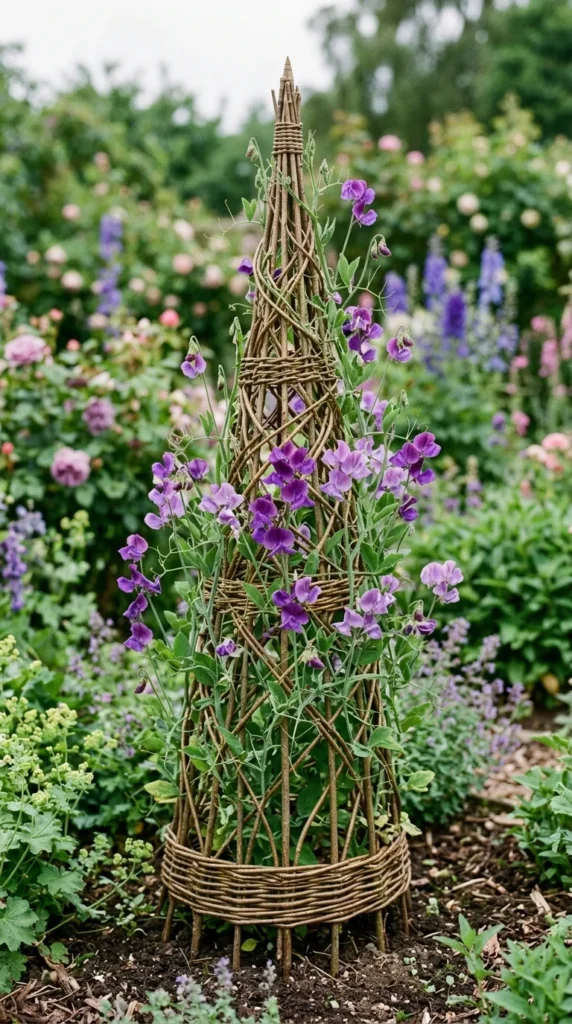
Natural materials are always better than plastic in a cottage setting. Woven willow or hazel trellises add a rustic, handmade feel. They are perfect for supporting annual climbers like sweet peas or runner beans. Their organic texture blends seamlessly with the surrounding plants.
21. Window Boxes
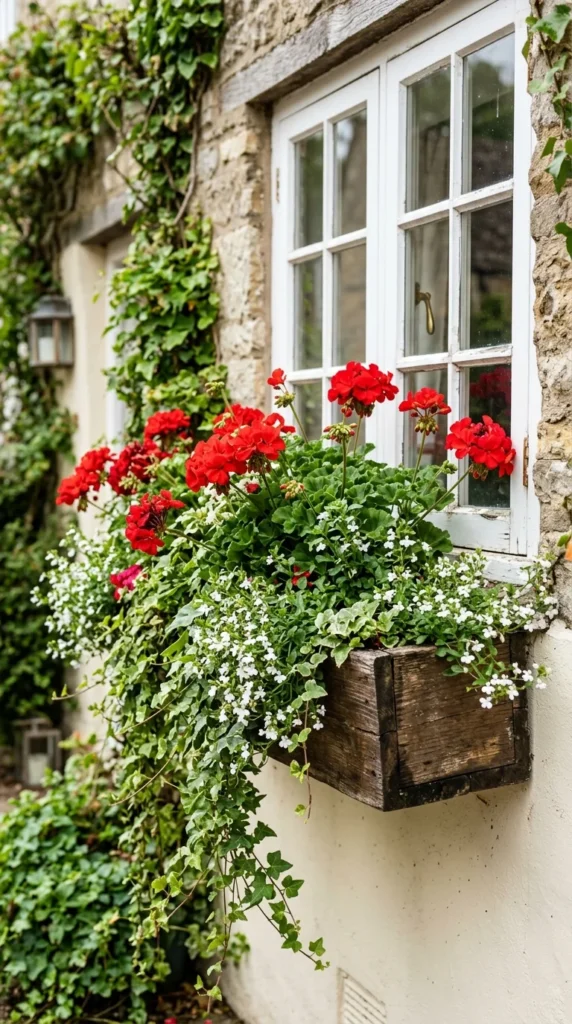
Bring the garden up to the house with window boxes. This bridges the gap between the architecture and the landscape. Fill them with a mix of “thrillers, fillers, and spillers” to create a lush, overflowing look that mimics the density of the garden beds below.
22. Sundials
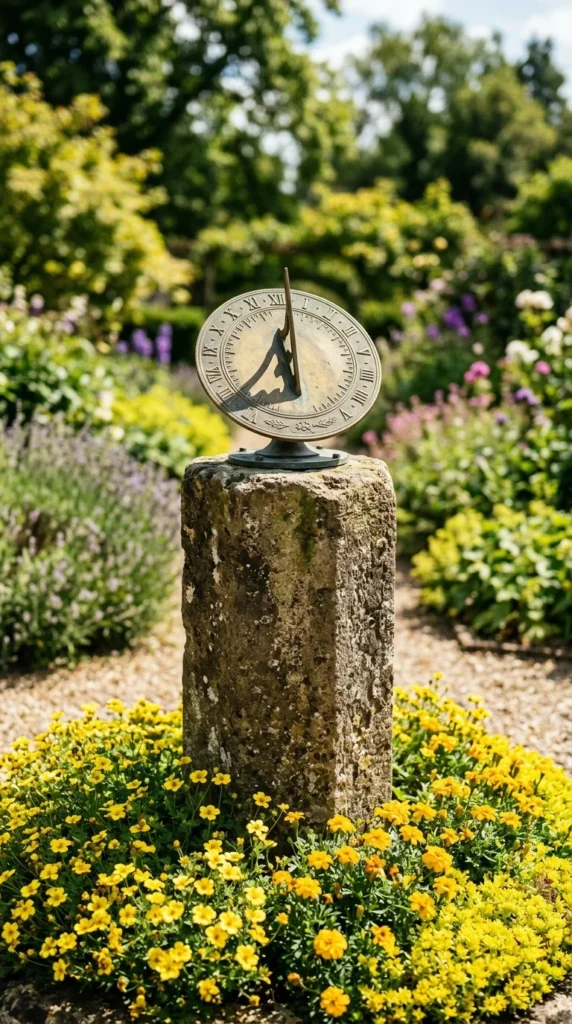
A sundial is a classic garden ornament that evokes a sense of timelessness. It serves as a quiet reminder of the passage of time in a place where nature takes center stage. Place it in a sunny spot where it can be easily seen from a path or a bench.
23. Herb Spirals
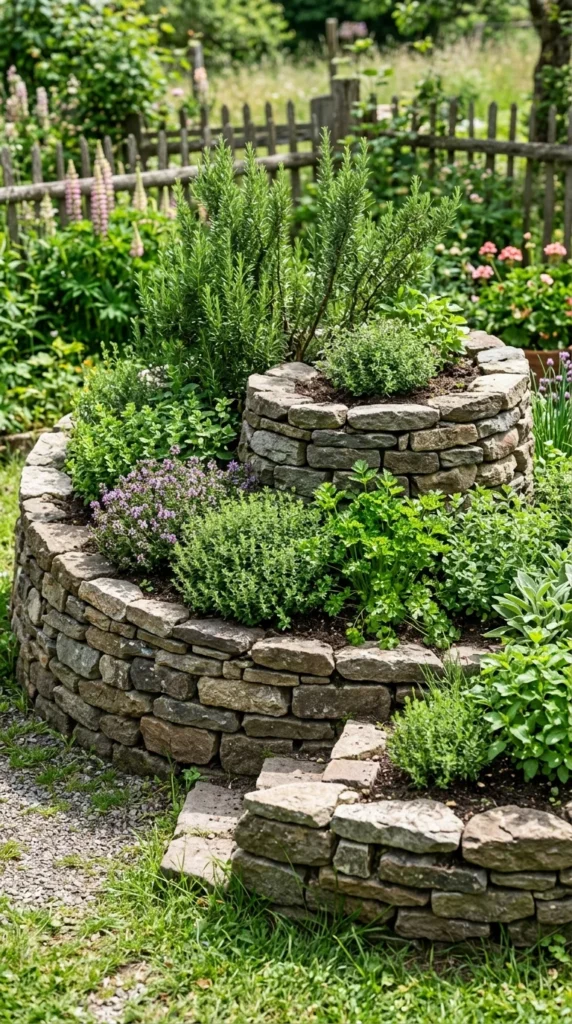
An herb spiral is a beautiful way to grow culinary plants while adding sculptural interest. This design creates different microclimates—drier at the top for rosemary and wetter at the bottom for mint—making it as functional as it is aesthetic. It perfectly encapsulates the “useful and beautiful” mantra of the cottage garden.
24. Mossy Walls
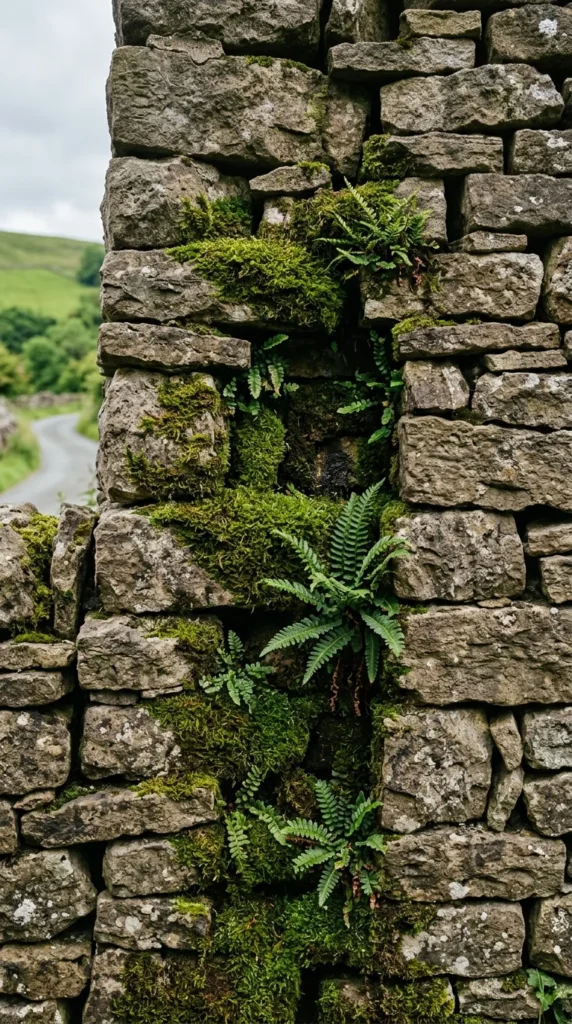
If you have stone walls, encourage moss and lichen to grow. You can even “paint” a mixture of buttermilk and moss onto stones to speed up the process. A mossy wall looks ancient and settled, as if it has been part of the landscape for centuries, adding to the enchanted forest vibe.
25. Fairy Lights
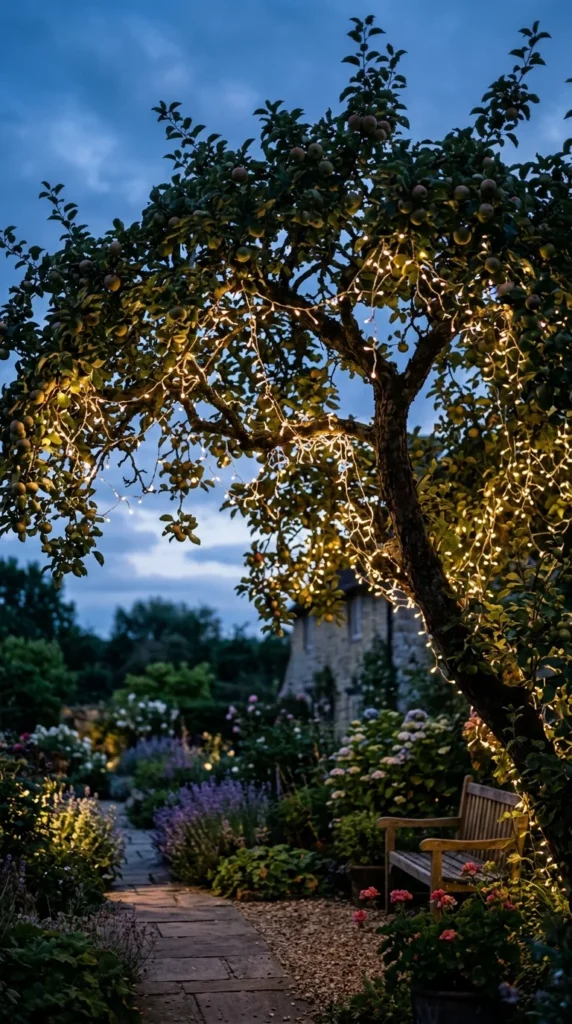
While the garden is beautiful by day, fairy lights make it magical by night. String small, warm-white LEDs through tree branches or along fences. Avoid bright floodlights; the goal is to create a soft, twinkling glow that mimics fireflies and highlights the silhouettes of the plants.
26. Natural Mulch
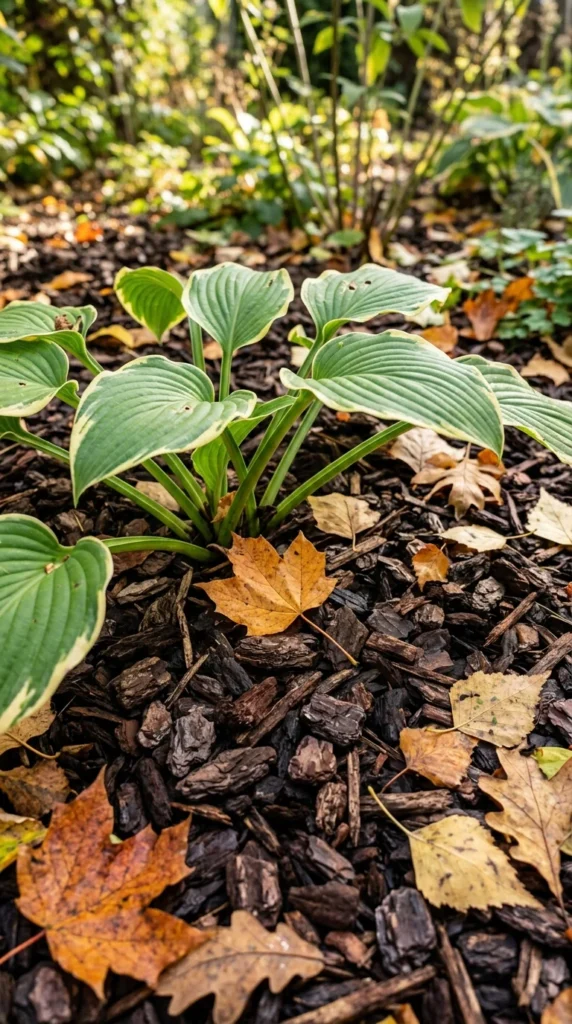
Avoid dyed red or black rubber mulches. In a cottage garden, the ground should look natural. Use wood chips, pine bark, or even straw. Over time, as plants grow together and “knit” a carpet of foliage, you will need less mulch, as the plants themselves will shade the soil and suppress weeds.
27. Sundials
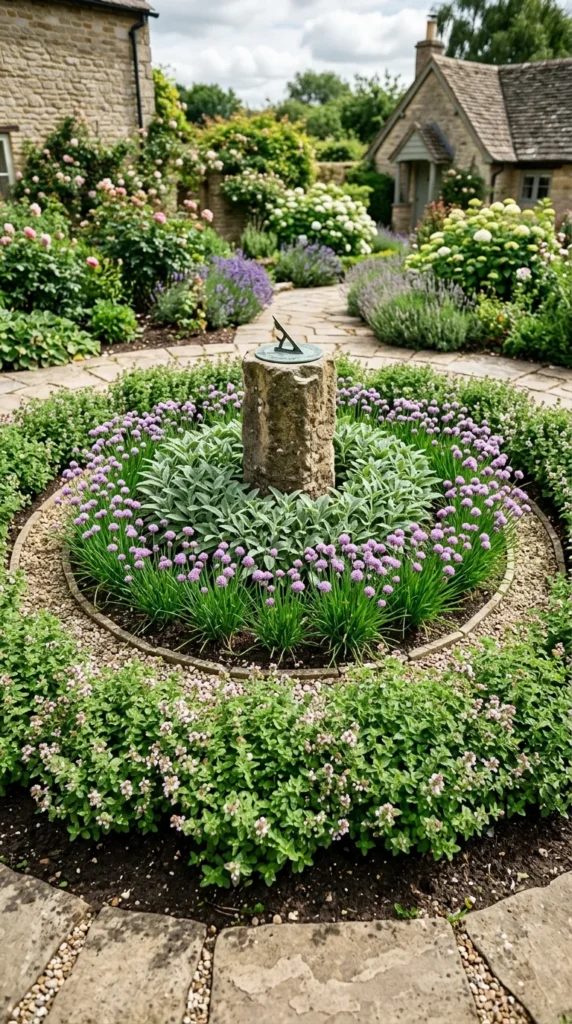
Incorporating circular patterns into your garden layout breaks up the square lines of a typical yard. Whether it’s a circular lawn or a ring of herbs around a central feature, these shapes feel soft and inviting. They draw the eye inward and create a sense of balance amidst the wild planting.
28. Wildflower Meadows

If you have a larger space, dedicate a portion to a mini wildflower meadow. This requires less maintenance than a traditional lawn and provides a massive boost to local biodiversity. The sight of a field of swaying poppies and daisies is the ultimate “storybook” image, representing nature in its most untamed and beautiful form.