
Gravel pathways are the unsung heroes of landscape design. They offer a unique blend of practicality, affordability, and aesthetic versatility that few other materials can match. Whether you are looking to create a formal English garden, a minimalist modern retreat, or a rugged woodland trail, gravel provides the texture and flexibility needed to bring your vision to life. Beyond their beauty, gravel paths are highly functional, offering excellent drainage and a satisfying “crunch” underfoot that adds a sensory layer to your outdoor experience.
In this guide, we explore 18 innovative gravel pathway ideas that can transform your garden into an inviting sanctuary.
1. Pea Gravel
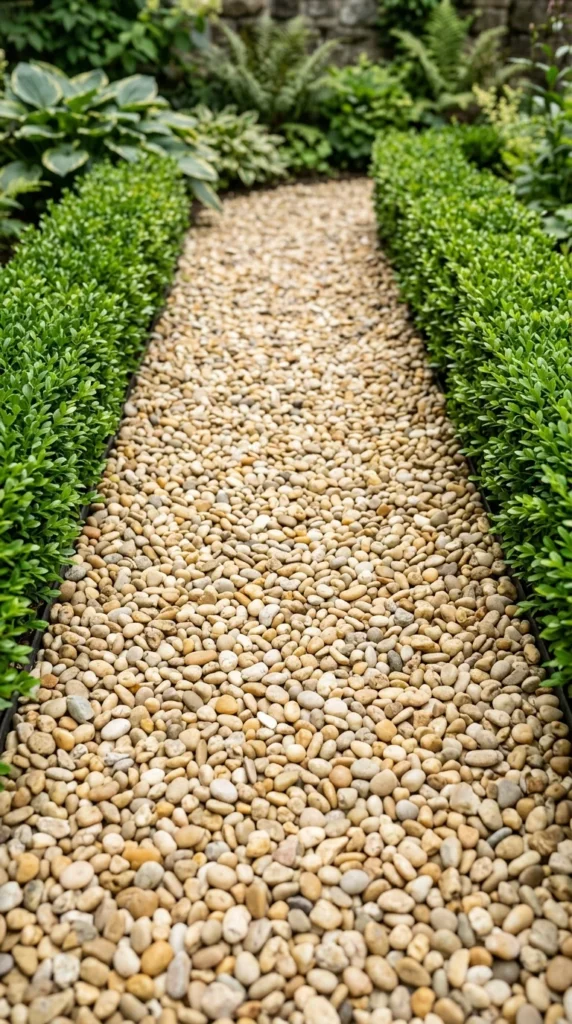
Pea gravel is perhaps the most popular choice for garden paths due to its smooth, rounded texture. Unlike crushed stone, pea gravel has been naturally weathered by water, resulting in soft edges that are comfortable to walk on, even in thin-soled shoes. Its multicolored palette allows it to blend seamlessly with almost any garden style. Because the stones are small, they fill in gaps easily, creating a uniform surface that feels stable and established.
2. Slate Chips
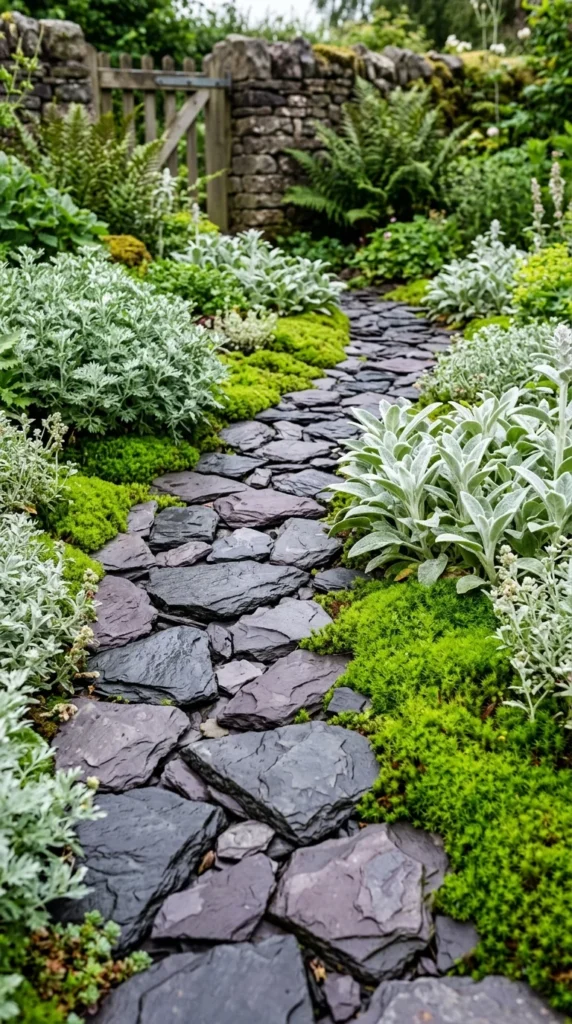
For a more contemporary or dramatic look, slate chips are an excellent alternative. These flat, angular pieces of stone come in striking colors like deep grey, blue-toned charcoal, and even subtle purples. Because they are flat, they tend to stay in place better than rounded stones, making them ideal for areas with slight inclines. Slate also has a reflective quality when wet, giving your garden a completely different, shimmering appearance during rain showers.
3. Flagstone Steps
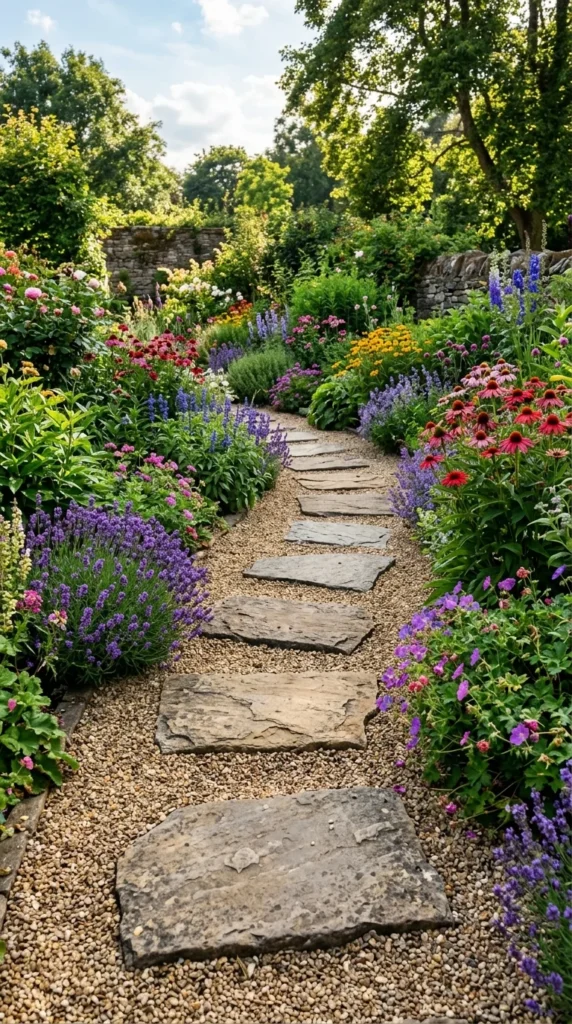
Integrating flagstone stepping stones into a gravel path provides the best of both worlds: the stability of a solid walkway and the drainage benefits of gravel. This design is particularly effective for high-traffic areas where you want a firm footing. By choosing flagstones that contrast with the gravel color—such as grey limestone on tan gravel—you create a visually stimulating pattern that leads the eye through the landscape.
4. Timber Edging
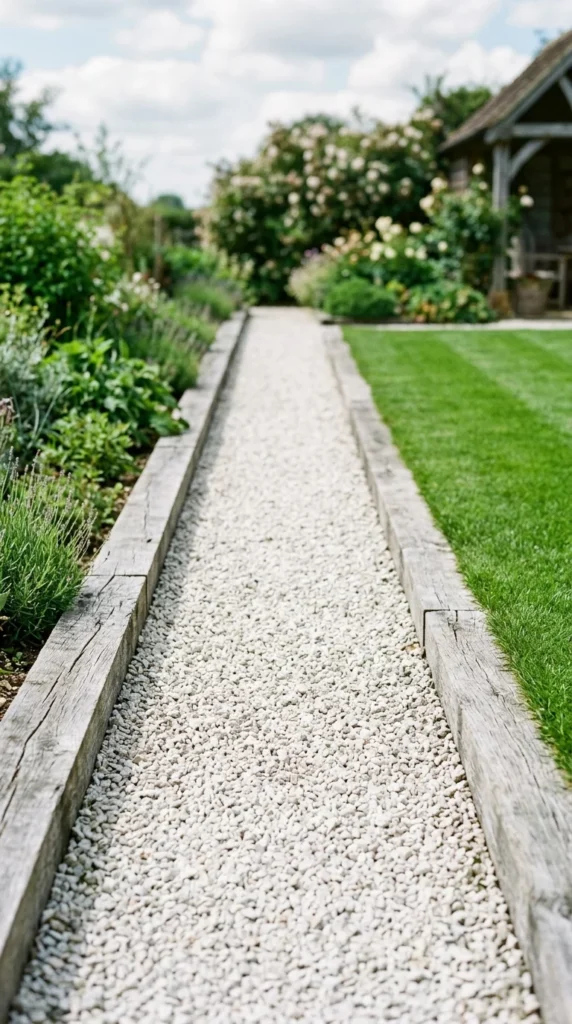
Structure is key to a long-lasting gravel path, and timber edging offers a rustic, organic way to keep stones contained. Using pressure-treated lumber or reclaimed railway sleepers provides a clear boundary between the path and the planting beds. This not only prevents the gravel from migrating into your lawn but also adds a vertical element to the ground plane, giving the garden a more architectural feel.
5. Decomposed Granite
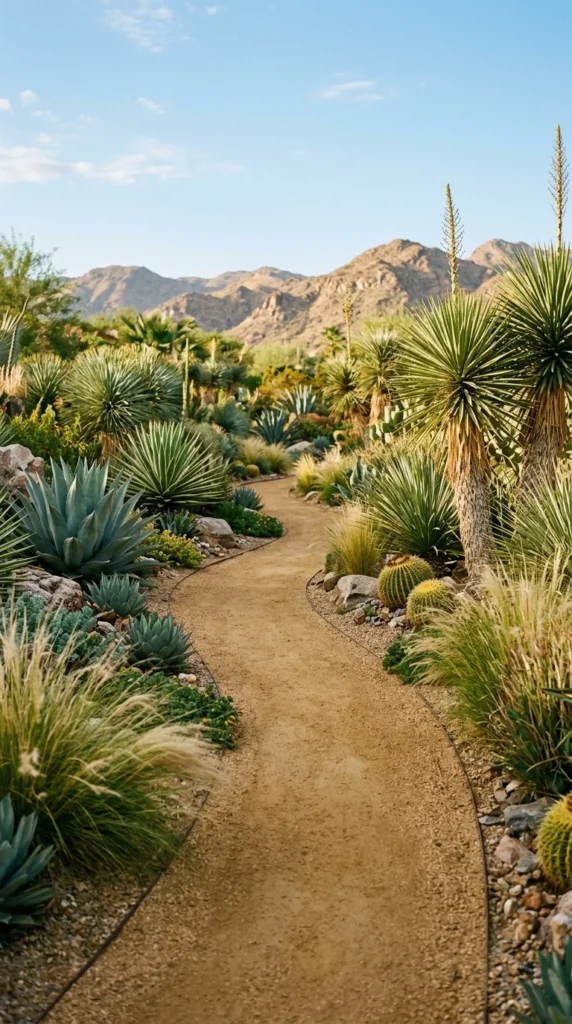
Commonly referred to as “DG,” decomposed granite is a favorite among professional landscapers for its natural, weathered appearance. It is finer than traditional gravel and contains “fines” that, when compacted, create a surface almost as hard as pavement while remaining permeable. It is the perfect choice for Mediterranean or Southwestern-style gardens where a soft, earthy tone is desired.
6. Concrete Pavers
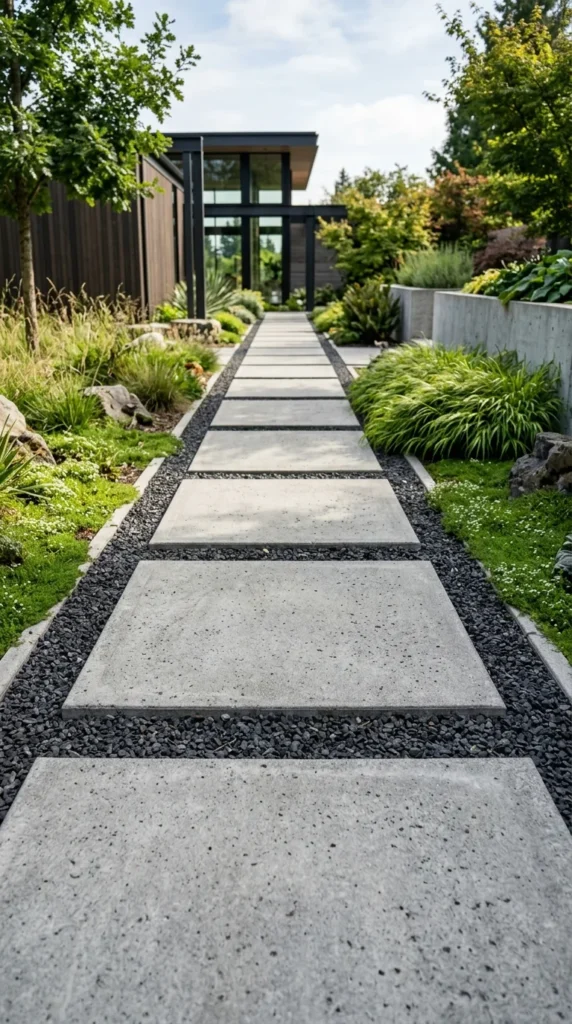
Combining gravel with oversized concrete pavers is a hallmark of modern landscape design. This look relies on geometric precision and high contrast. By using dark charcoal gravel to fill the spaces between light grey or white concrete slabs, you create a striking grid pattern. This approach is not only visually stunning but also provides a very stable surface for patio furniture or heavy foot traffic.
7. Zen Minimalism
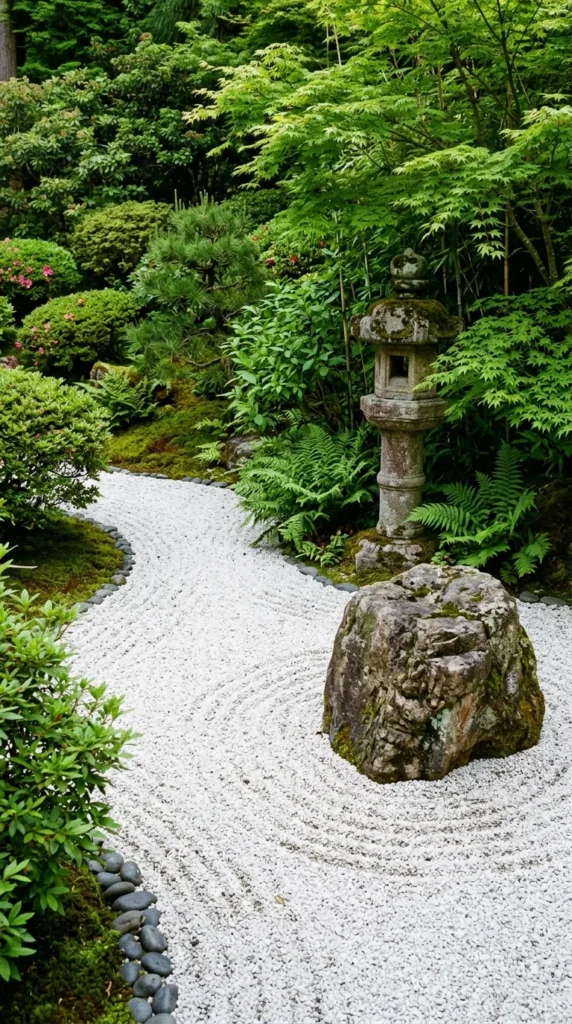
Gravel is a foundational element of Japanese Zen gardens. In these spaces, white or light grey gravel represents water, and it is often raked into circular or rippling patterns to evoke a sense of calm and movement. A Zen-inspired gravel path should be simple, clean, and uncluttered, often leading to a focal point like a stone basin or a solitary ornamental tree like a Japanese Maple.
8. Curved Walkways
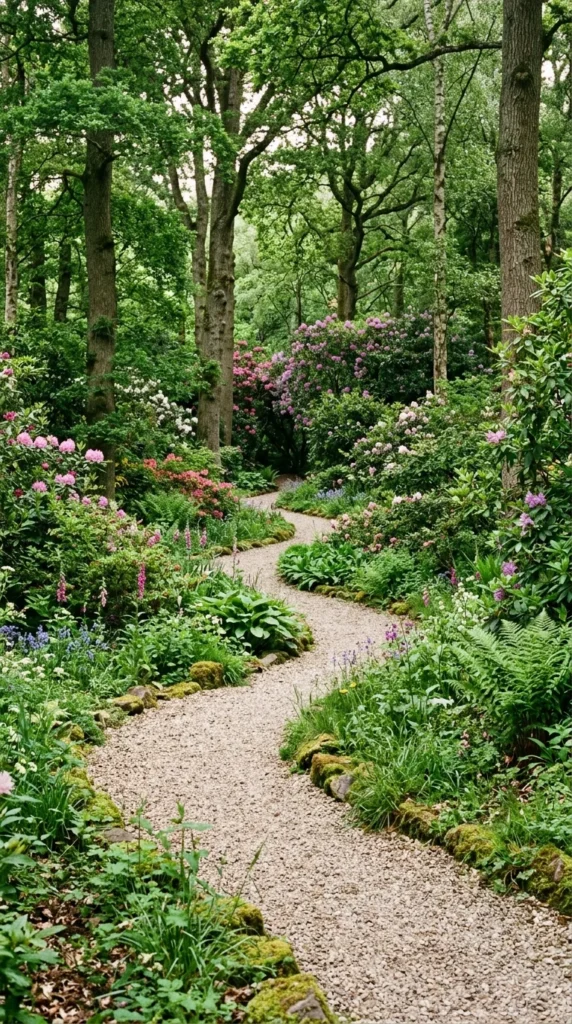
Straight lines can sometimes feel rigid and clinical. Curved gravel pathways, on the other hand, invite exploration and create a sense of mystery. A winding path forces the viewer to slow down and enjoy the different “rooms” of the garden. Because gravel is a loose material, it is incredibly easy to create these organic shapes without the need for complex masonry or cutting.
9. River Rock
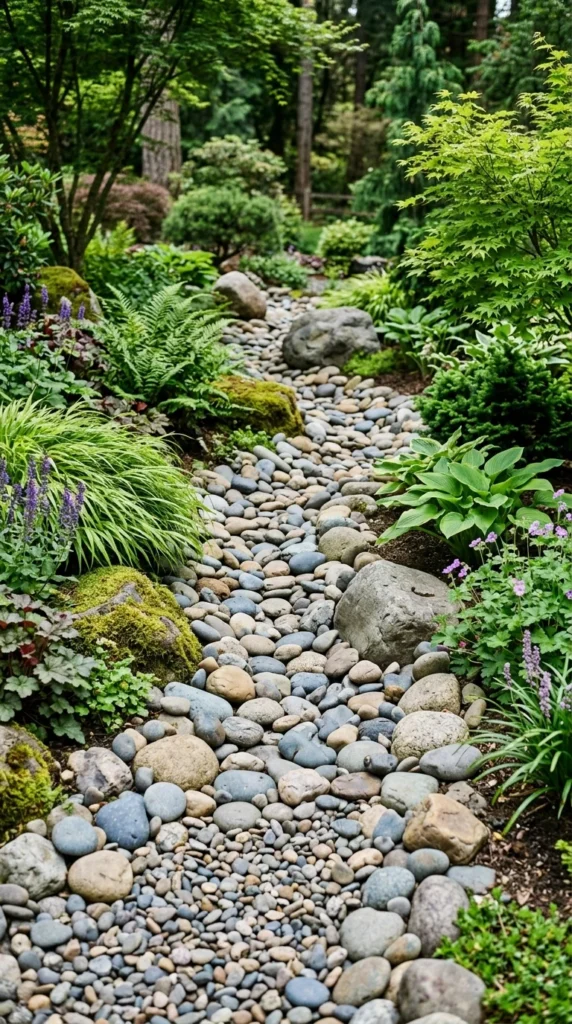
Using a variety of river rock sizes can create a “dry creek bed” effect that doubles as a functional pathway. This look is particularly effective in gardens that struggle with heavy runoff, as the larger rocks help break up the flow of water while the smaller gravel provides a walkable surface. The mix of textures and sizes mimics the natural beauty of a mountain stream.
10. Brick Borders
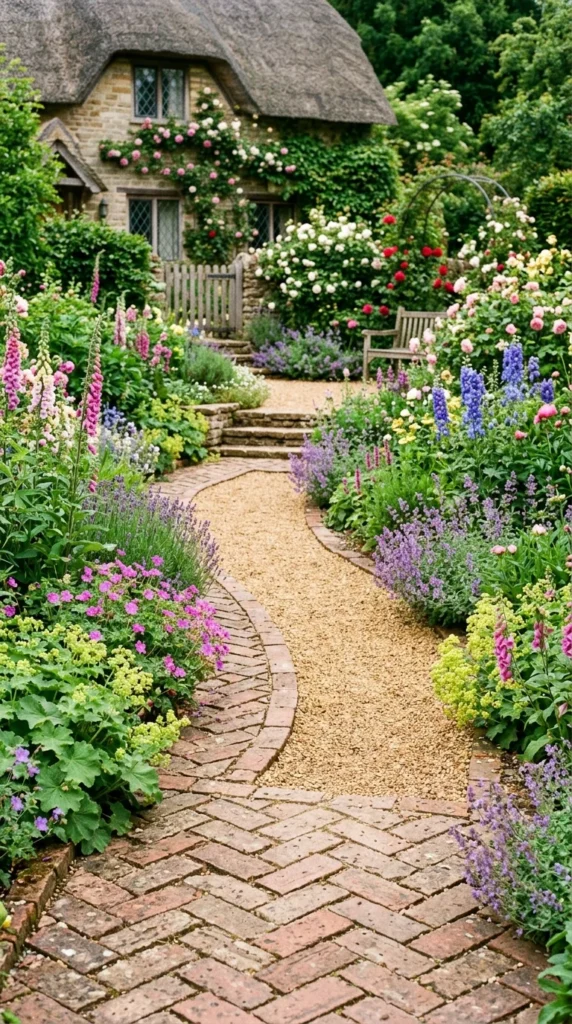
For a traditional or “English Countryside” aesthetic, nothing beats a brick border. The warm tones of the brick complement the neutral colors of the gravel and provide a permanent, sturdy edge. Bricks can be laid flat, on their side, or even at an angle for a “sawtooth” effect. This combination feels timeless and adds a sense of history to a newer garden.
11. Woodland Bark
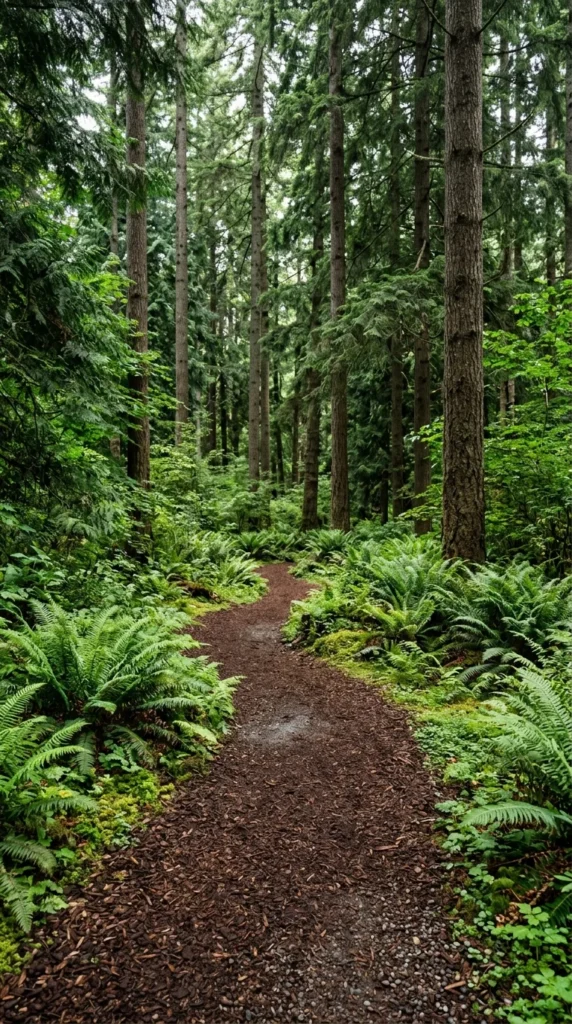
If your garden is located in a shaded, wooded area, a pure gravel path might look too stark. Mixing gravel with bark mulch or using “woodland mix” creates a softer, more integrated look. This type of path feels cushiony underfoot and smells wonderfully of the forest. It is an excellent choice for informal trails that lead to hidden benches or composting areas.
12. Mediterranean White
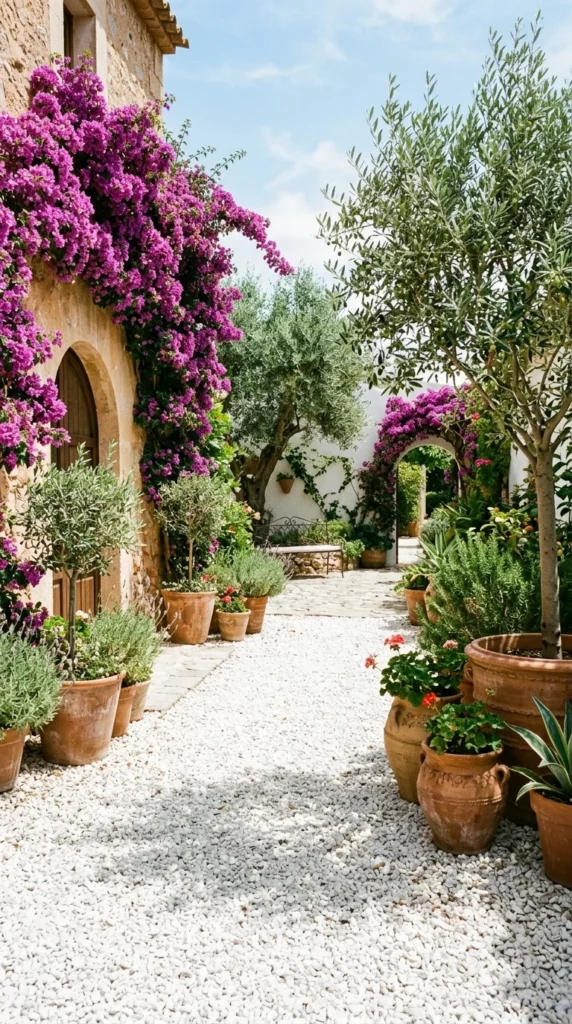
In hotter climates, white gravel is a functional and aesthetic masterstroke. The light color reflects sunlight, keeping the ground (and the surrounding air) cooler than dark stone or pavement. When paired with terracotta accents and silver-leafed plants like Lavender or Olive trees, it instantly transports the viewer to a coastal villa in Greece or Italy.
13. Solar Lighting
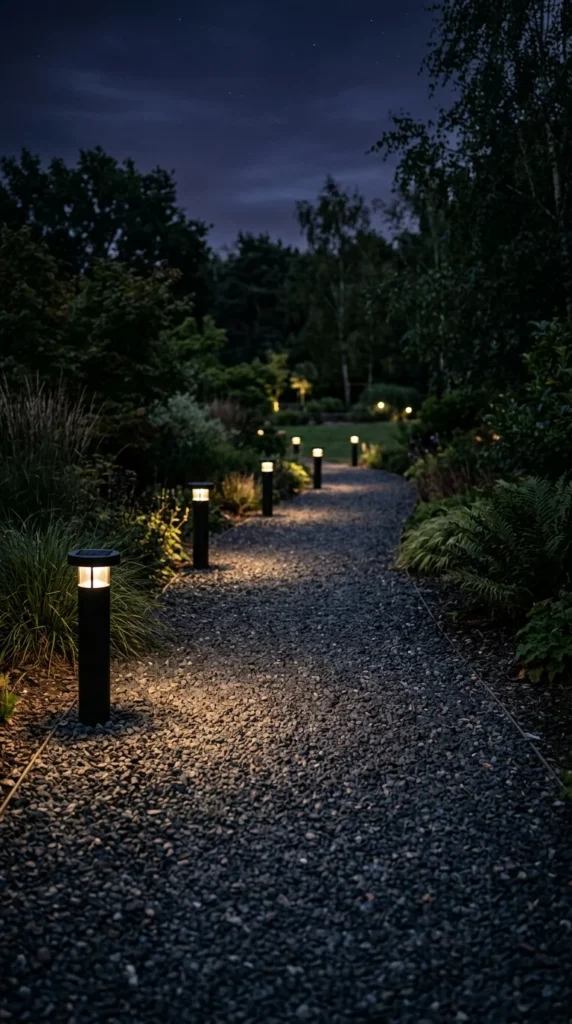
A gravel path should be just as beautiful at night as it is during the day. Integrating solar-powered lighting along the edges of your path ensures safety and highlights the texture of the stone after dark. Low-profile LED lights can be tucked into the foliage or placed directly into the gravel to create a “runway” effect that guides guests through the garden with a warm, ambient glow.
14. Lavender Lined
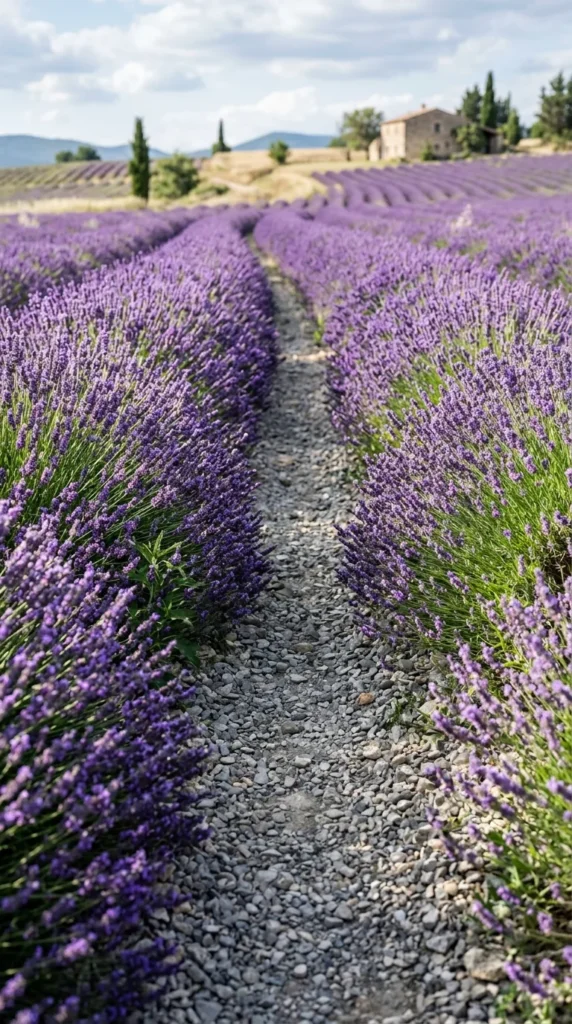
Scent is a powerful tool in garden design. By lining a gravel path with aromatic plants like Lavender, Rosemary, or Thyme, you create an immersive sensory experience. As people walk by, their clothes or feet may brush against the plants, releasing their essential oils into the air. The soft purple of the lavender against the neutral grey of the gravel is one of the most classic and beloved color pairings in landscaping.
15. Metal Edging
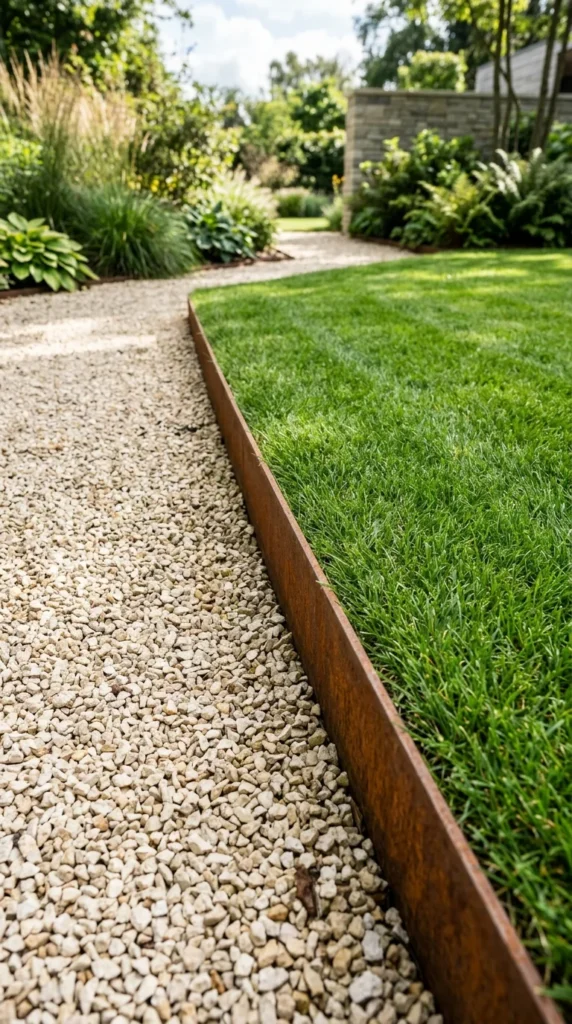
For those who prefer a clean, “no-fuss” look, metal edging is the gold standard. Steel or aluminum edging is incredibly thin, allowing the focus to remain on the transition between the gravel and the lawn or planting bed. Corten steel, which develops a beautiful rusty patina over time, is particularly popular for adding a touch of industrial chic to the garden.
16. Tiered Terraces
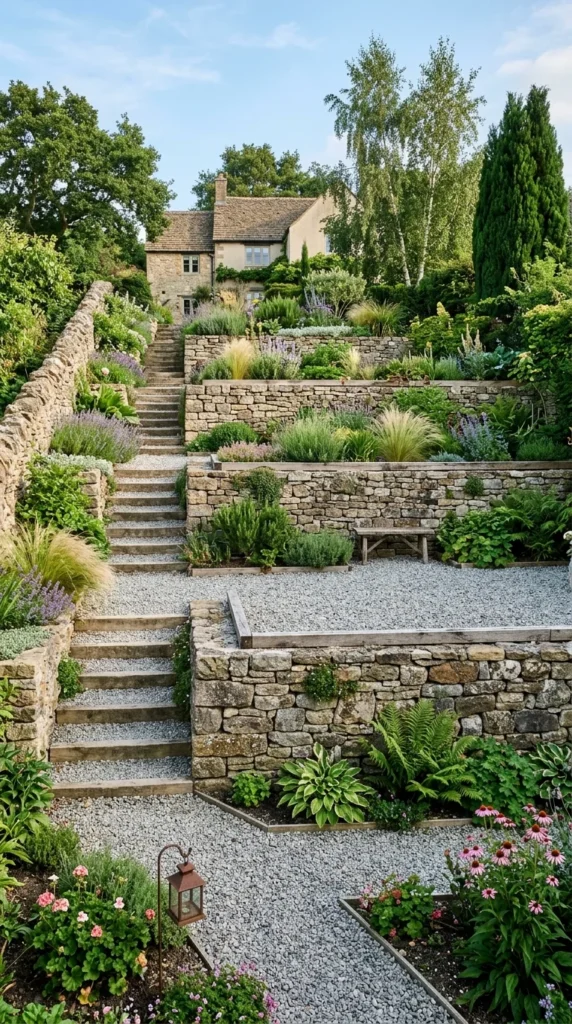
Managing a sloped garden can be a challenge, but gravel is an excellent tool for creating tiered pathways. By using “risers” made of wood or stone, you can create a series of flat, gravel-filled steps. This slows down water runoff and makes a steep incline much more manageable to navigate. The tiered effect also provides multiple levels for planting, adding depth to your landscape.
17. Circular Patterns
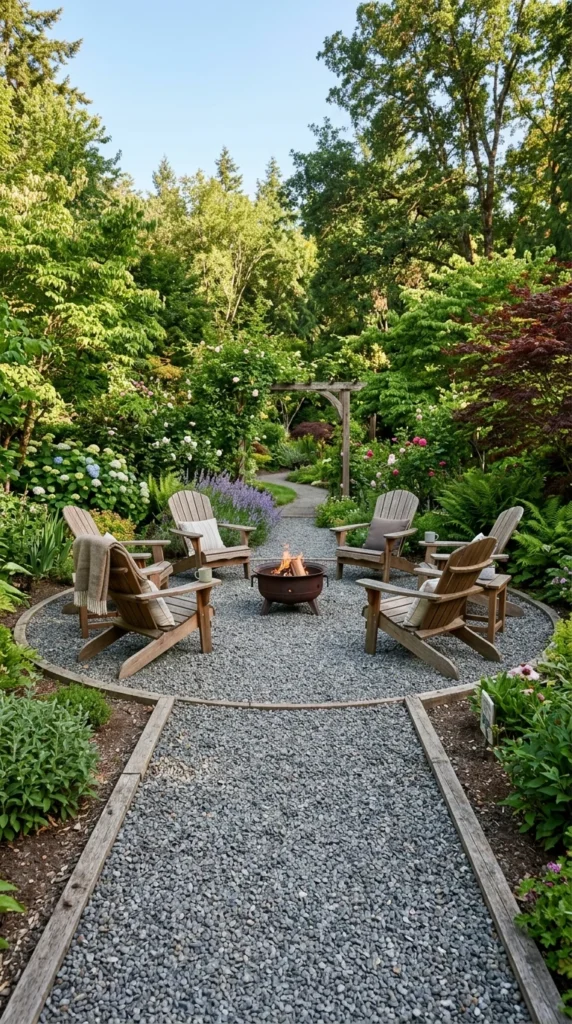
Gravel doesn’t have to be limited to narrow strips. It can be used to create large, circular focal points within the garden. A circular gravel “plaza” can serve as a gathering space for a fire pit, a fountain, or a dining set. The contrast between the linear paths and the circular destination creates a dynamic flow that makes the garden feel larger and more organized.
18. Xeriscaping
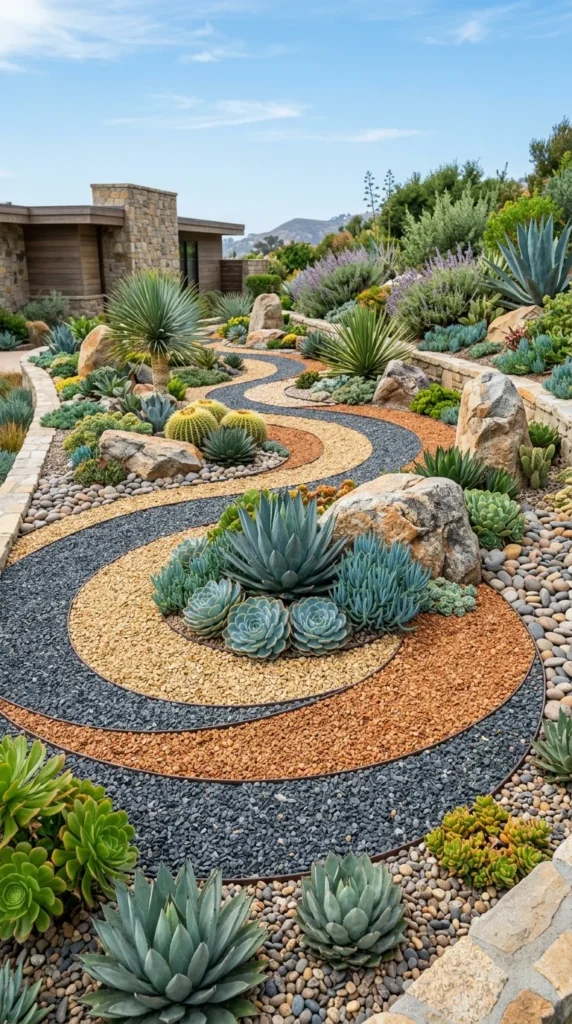
In areas prone to drought, gravel is the primary medium for xeriscaping. By using different colors and sizes of stone, you can create a “painted” landscape that requires zero water. This approach turns the ground itself into a work of art. Pairing the gravel with hardy succulents and ornamental grasses creates a sustainable garden that is both environmentally responsible and visually stunning.
Maintaining Your Gravel Garden Path
While gravel paths are low-maintenance, they are not “no-maintenance.” To keep your pathway looking its best for years to come, follow these simple tips:
- Weed Barrier: Always install a heavy-duty landscape fabric beneath your gravel. This prevents weeds from pushing up through the stone while still allowing water to drain into the soil.
- Raking: Occasionally rake your gravel to keep the surface level and to redistribute stones that have been moved by foot traffic.
- Topping Off: Over time, gravel can settle or be crushed into the soil. Plan to add a fresh “top-dressing” of one to two inches of gravel every few years to maintain the path’s depth and color.
- Edging Maintenance: Check your edging periodically to ensure it hasn’t shifted due to frost heave or soil movement. Keeping a crisp edge is the secret to making a gravel path look professional rather than messy.