
Rock gardens are more than just a collection of stones; they are a timeless landscaping solution that blends natural geology with horticultural artistry. Whether you are dealing with a steep slope where grass refuses to grow, or you simply want to reduce your water consumption, a rock garden offers a low-maintenance, high-impact alternative to traditional lawns. From the serene simplicity of a Japanese Zen garden to the rugged beauty of an alpine slope, these 23 ideas will inspire you to transform your outdoor space into a stony sanctuary.
1. Alpine Plants
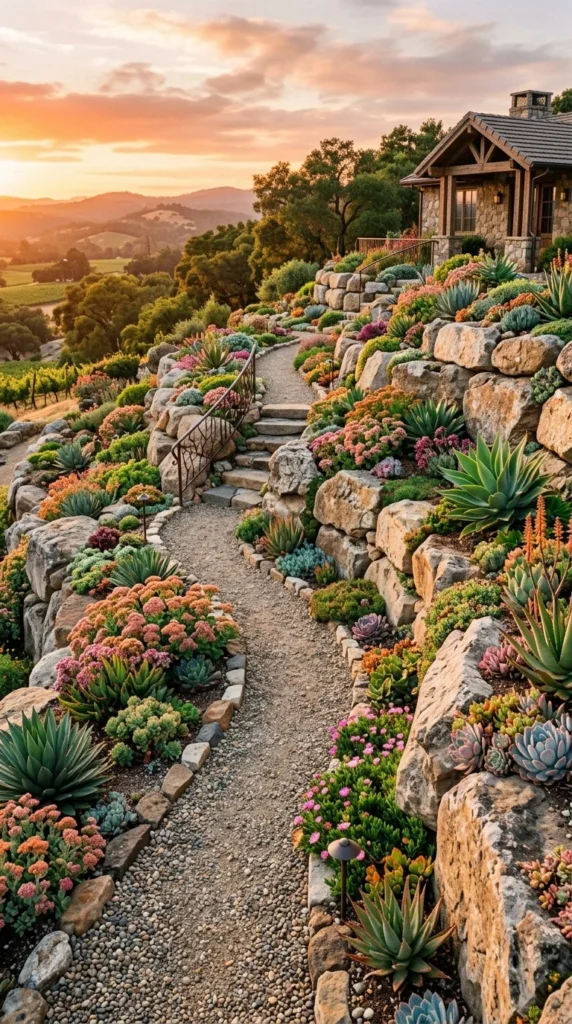
Alpine gardens mimic the high-altitude environments where hardy plants thrive in rocky crannies. To achieve this look, use porous rocks like tufa or limestone and tuck in low-growing perennials such as saxifraga, sedum, and alpine pinks. These plants require excellent drainage, making the rocky gaps an ideal home.
2. Dry Creek
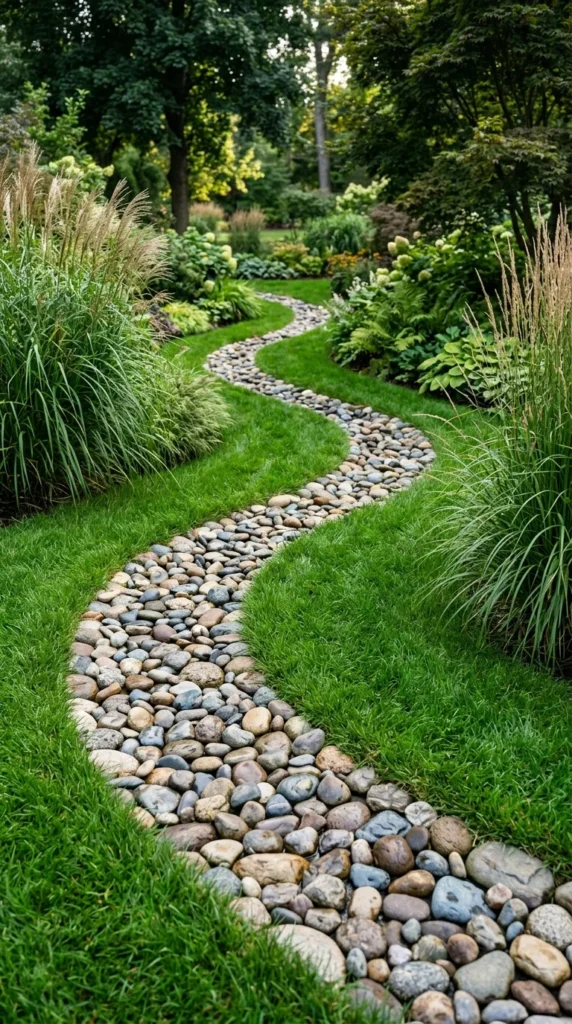
A dry creek bed is both functional and aesthetic. It can help manage drainage during heavy rains while serving as a beautiful focal point during dry spells. Use a mix of large “anchor” boulders and smaller river rocks to create a natural, flowing appearance that mimics a dried-up stream.
3. Zen Space
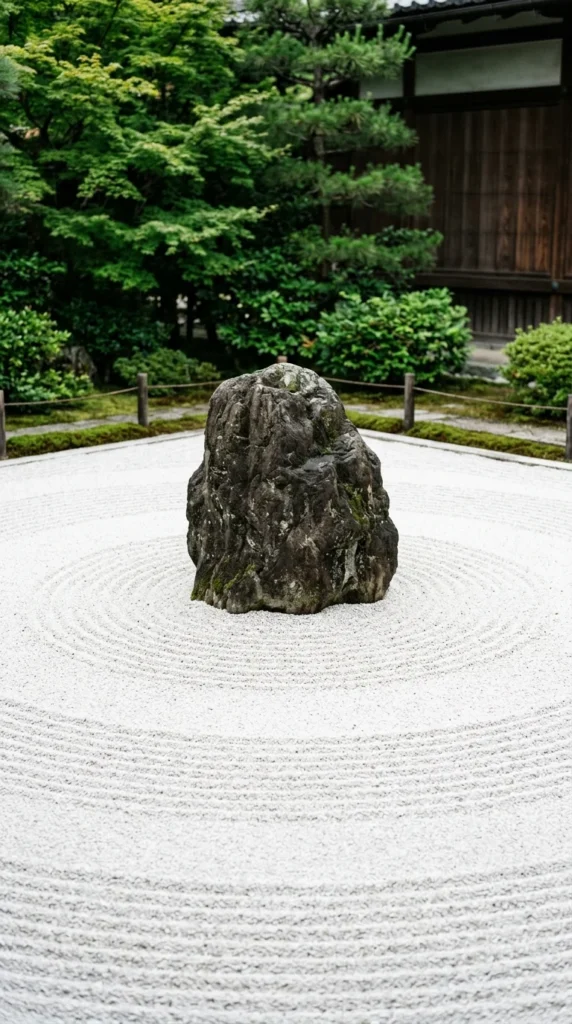
The Zen garden, or Karesansui, focuses on meditation and tranquility. Use fine gravel or sand to represent water and large, weathered stones to represent mountains or islands. The key to this look is minimalism and the intentional placement of every element to create a sense of balance.
4. Terraced Slope
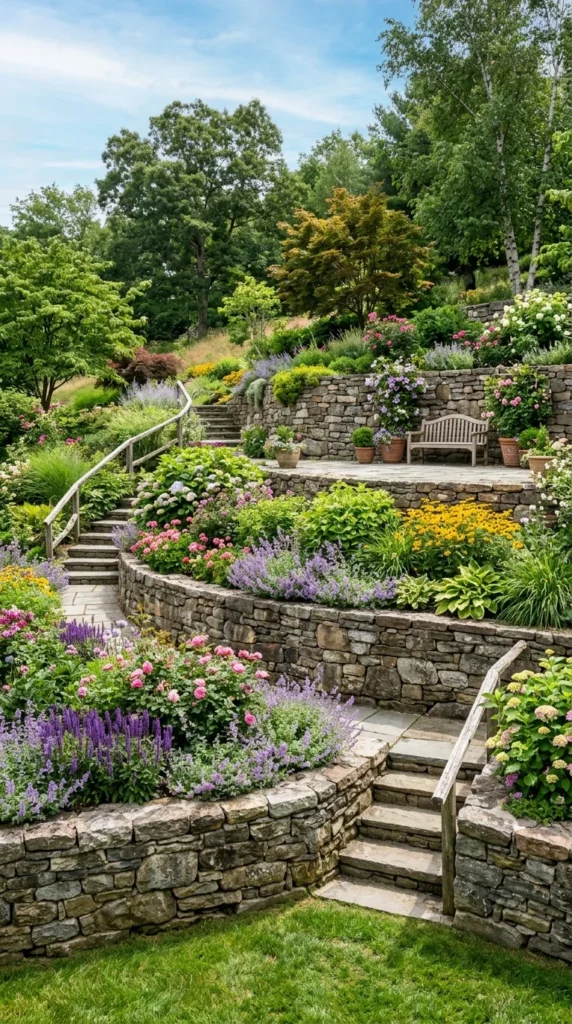
If your yard has a steep incline, a rock terrace is the perfect solution for erosion control. By building tiered stone walls, you create flat planting pockets. This turns a difficult-to-mow slope into a vertical tapestry of color and texture.
5. Succulent Variety
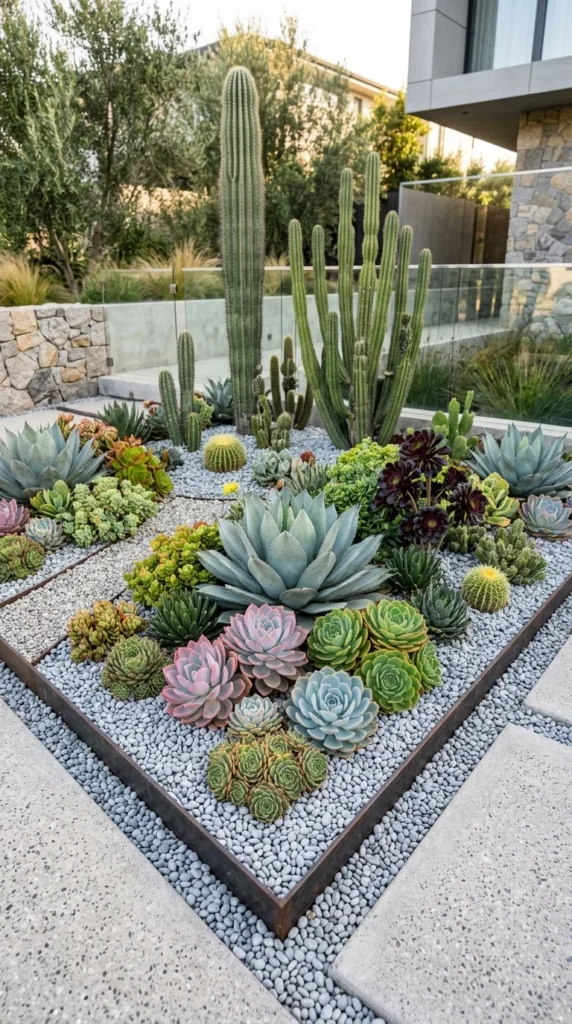
Succulents and rocks are a match made in heaven. The stones provide the heat retention that many succulents love, while the gravel mulch prevents rot by keeping moisture away from the plant’s base. Mix different heights and colors of succulents for a desert-chic aesthetic.
6. Pathway Borders
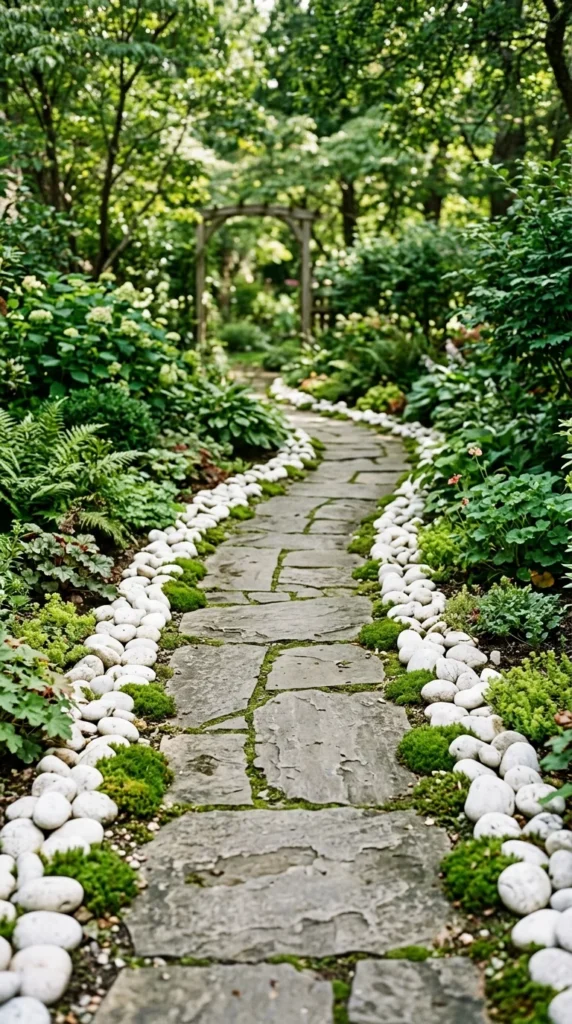
Use rocks to define your garden paths. Lining a walkway with uniform stones creates a clean, intentional boundary between your path and the planting beds. This technique works well with both modern geometric pavers and organic flagstone paths.
7. Spiral Garden
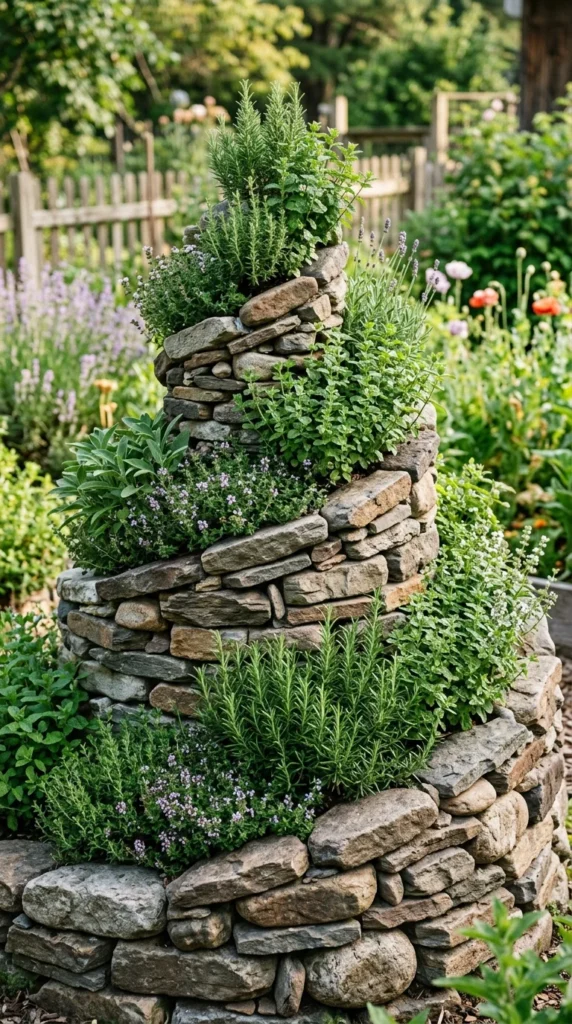
A rock herb spiral is a permaculture classic. The stones absorb heat during the day and release it at night, creating a microclimate that helps herbs thrive. The vertical design allows you to plant moisture-loving herbs at the bottom and drought-tolerant ones at the top.
8. Waterfall Feature
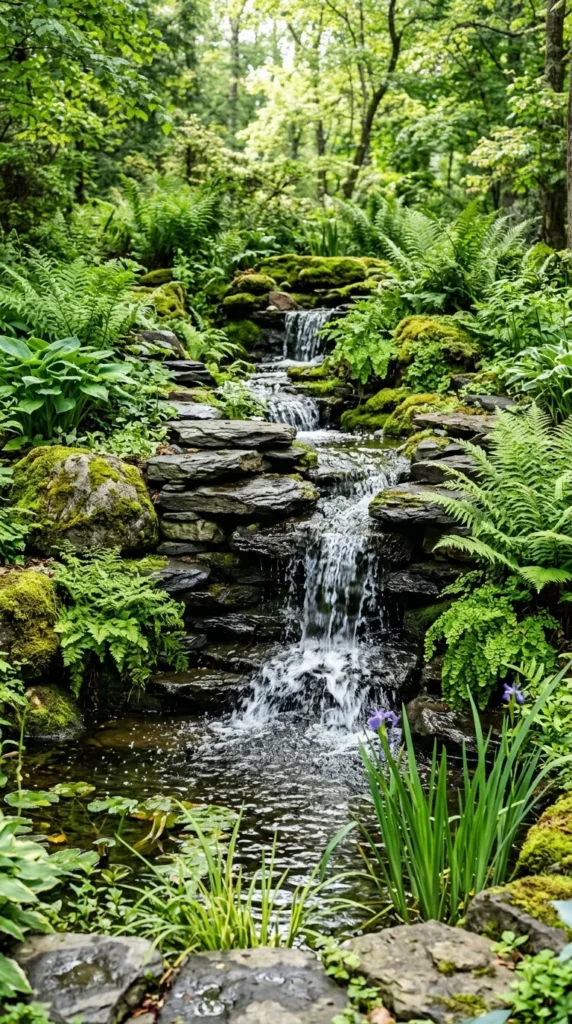
Nothing brings a rock garden to life like the sound of moving water. Incorporating a waterfall involves layering flat stones to create “spillways.” The contrast between the hard, static rocks and the fluid, shimmering water creates a powerful sensory experience.
9. Large Boulders
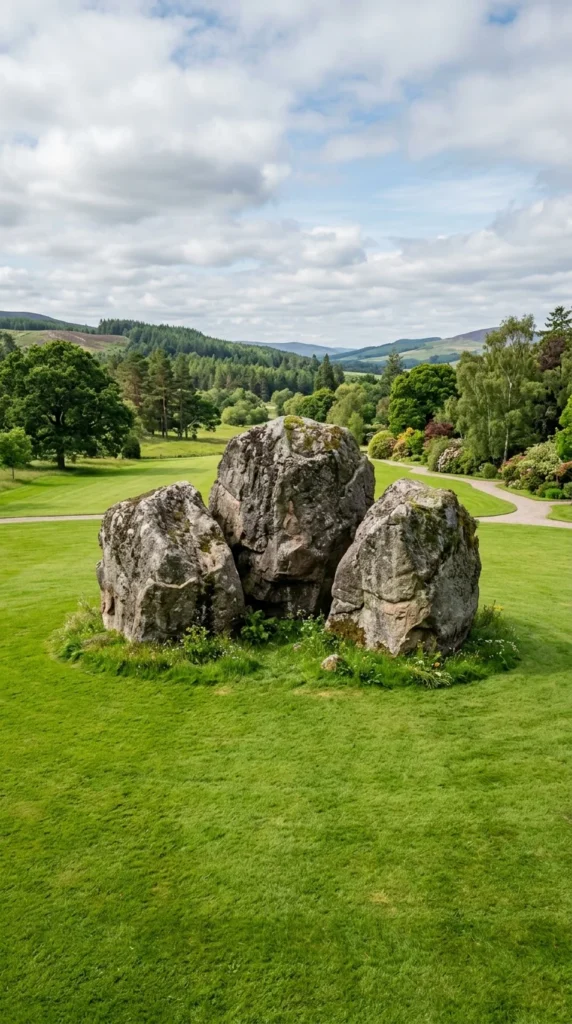
Sometimes, less is more. Using a few massive boulders as focal points can ground a large yard. These “specimen” rocks act as natural sculptures. Ensure you bury the bottom third of the boulder in the ground so it looks like a natural outcropping rather than a rock dropped on the grass.
10. Desert Theme
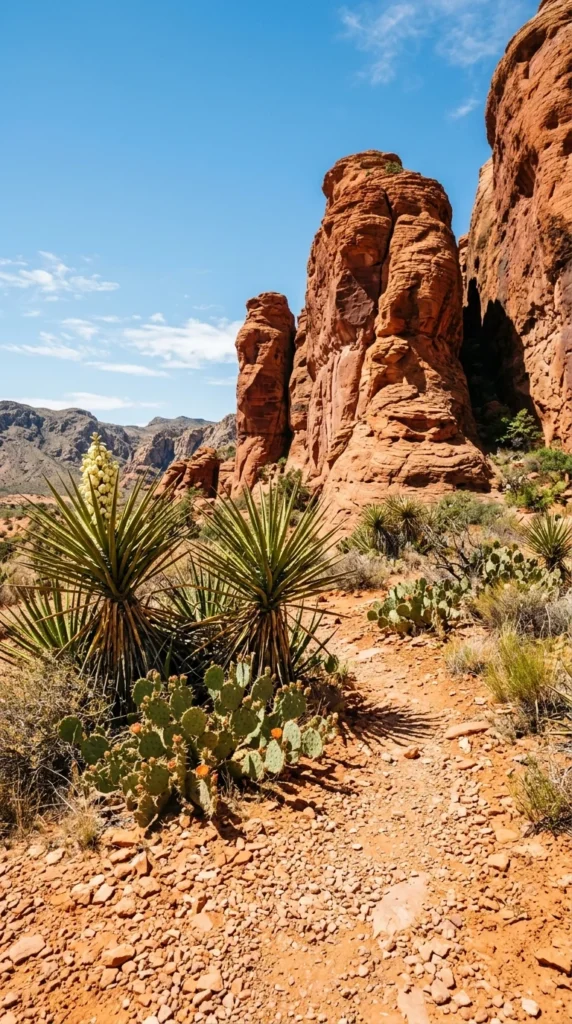
Embrace the beauty of the American Southwest by using warm-toned rocks like sandstone or lava rock. Pair these with drought-resistant plants and ornamental grasses to create a landscape that is both eco-friendly and visually striking.
11. Mixed Textures
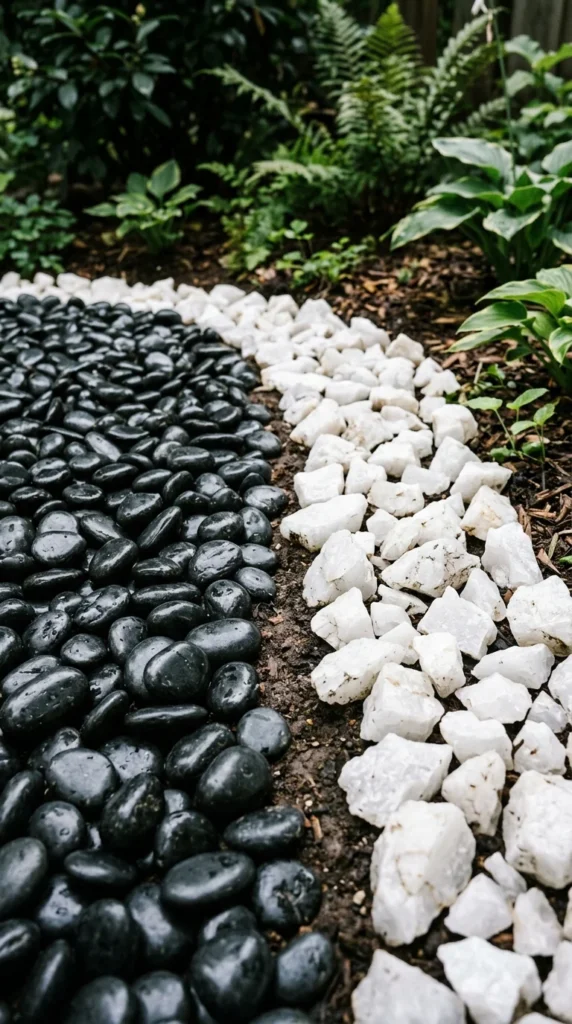
Playing with texture adds depth to your garden. Contrast smooth, tumbled pebbles with sharp, craggy slate. This interplay of surfaces keeps the eye moving and prevents the rock garden from looking monotonous or flat.
12. Fairy Garden
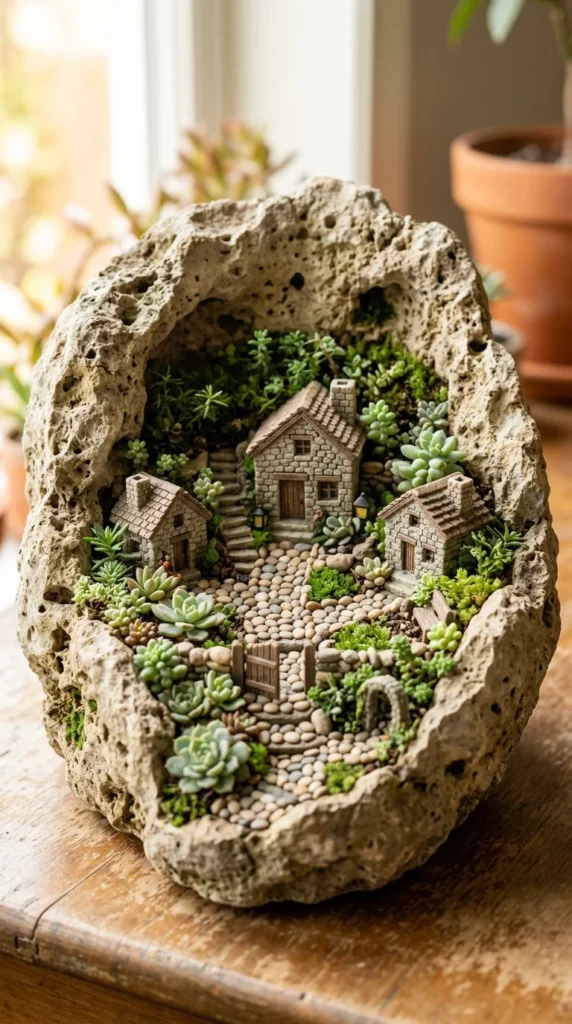
Rock gardens lend themselves perfectly to miniature landscaping. Use small pebbles to create tiny paths and slate chips to build miniature walls. It is a whimsical way to use rocks in a small space or a container garden.
13. Lighting Integration
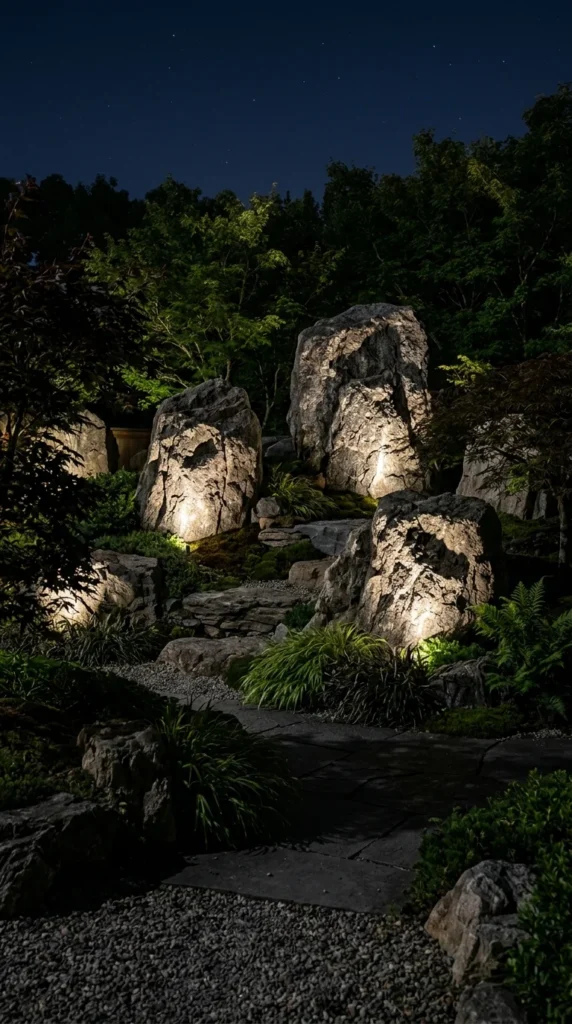
Don’t let your rock garden disappear when the sun goes down. Strategically placed uplights can highlight the texture of stone walls and the silhouettes of boulders, turning your landscape into a dramatic, architectural display at night.
14. Modern Minimalist
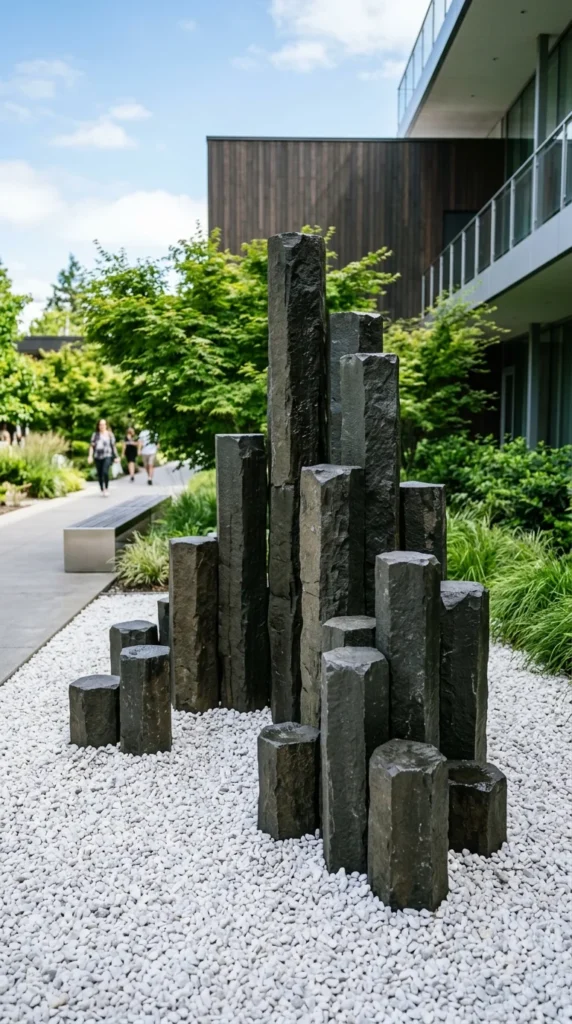
For a contemporary home, a minimalist rock garden uses geometric shapes and monochromatic color palettes. Use columns of basalt or slate and pair them with uniform gravel for a look that is clean, sophisticated, and requires almost zero maintenance.
15. Edible Rocks
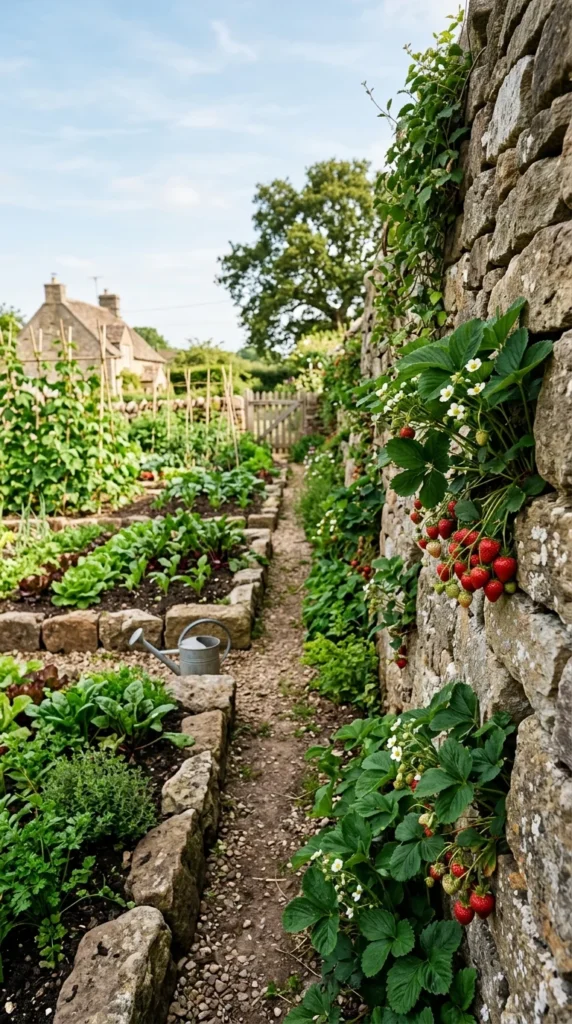
Rocks can be functional in a vegetable garden. Large stones around the perimeter of your garden beds act as heat sinks, warming the soil early in the spring. You can also grow “rock-loving” edibles like wild strawberries or creeping rosemary directly in the crevices.
16. Fire Pit
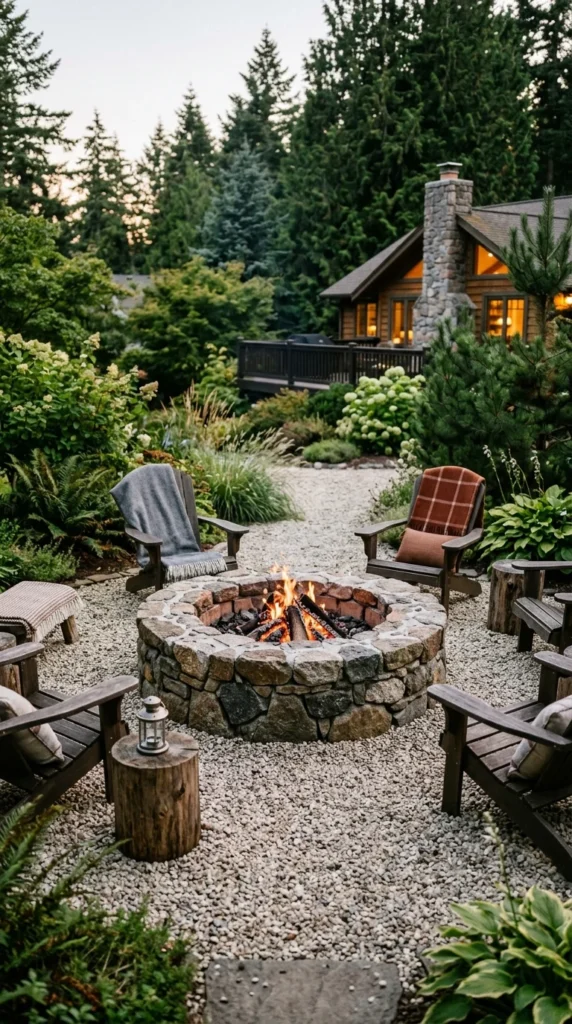
A fire pit is the ultimate gathering spot. Building a pit out of natural stone and surrounding it with a generous area of gravel or river rock creates a safe, fire-resistant zone that looks like it belongs in the wilderness.
17. Shade Garden
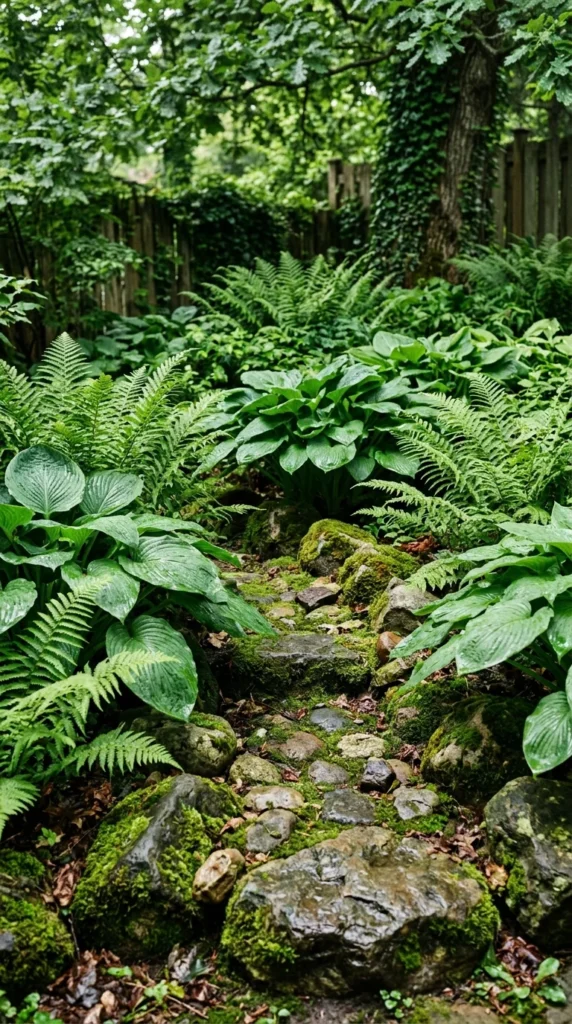
Rock gardens aren’t just for sunny spots. In a shady yard, use rocks to create a woodland feel. Choose stones that encourage moss growth and pair them with shade-loving plants like hostas, ferns, and bleeding hearts for a lush, cool retreat.
18. Pond Edge
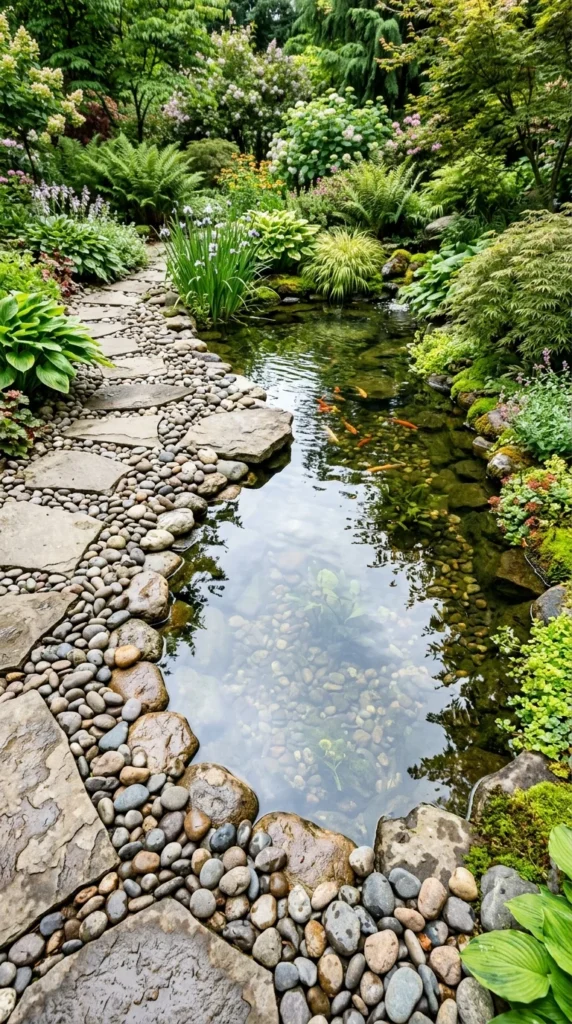
Rocks are essential for making a man-made pond look natural. By varying the size of the stones around the edge and allowing some to submerge partially, you create a seamless transition between the water and the rest of your landscape.
19. Vertical Wall
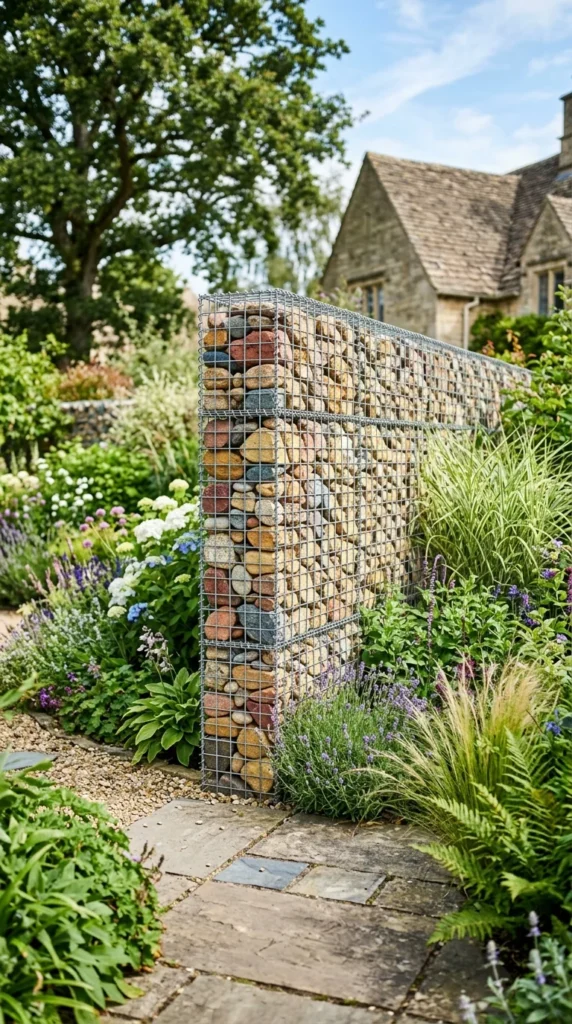
If you have limited ground space, go vertical. A gabion wall—a wire cage filled with rocks—provides an industrial yet natural look. Alternatively, a dry-stack stone wall can be used to define boundaries while providing nooks for small plants to grow.
20. Stepping Stones
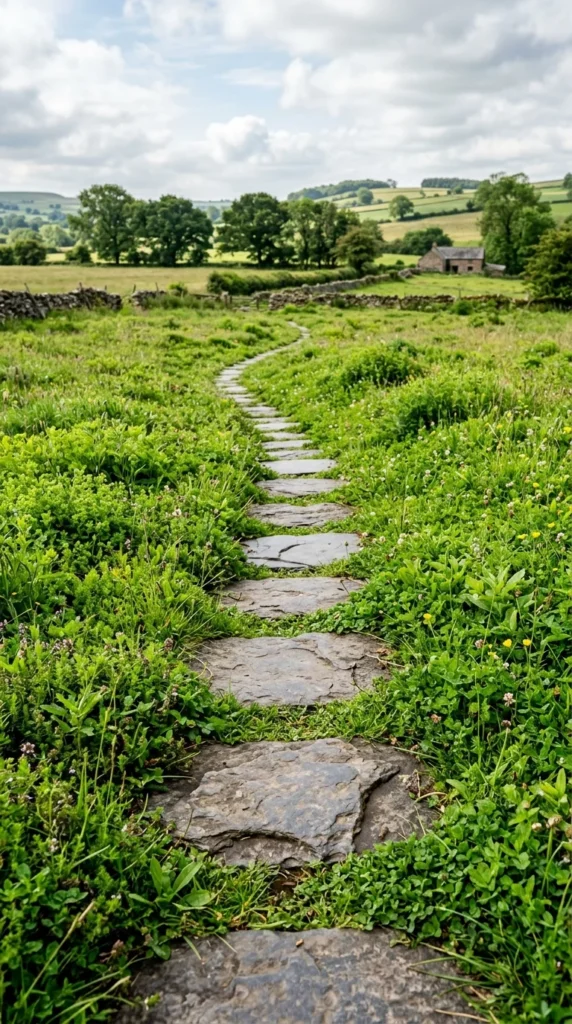
Stepping stones are the bridge between your garden and your home. Using oversized, natural-cut stones nestled into groundcover or gravel creates a functional path that feels like a natural part of the environment rather than an artificial addition.
21. Color Contrast
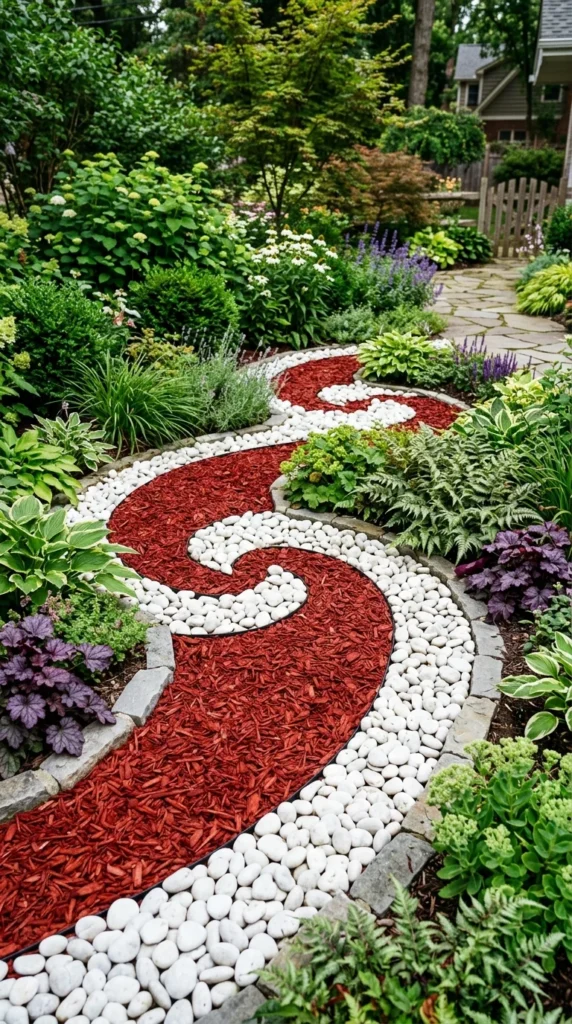
Use the natural colors of stones to paint a picture in your yard. Dark charcoal slate against white quartz or red lava rock against green moss creates a high-contrast look that pops even from a distance.
22. Sculptural Stones
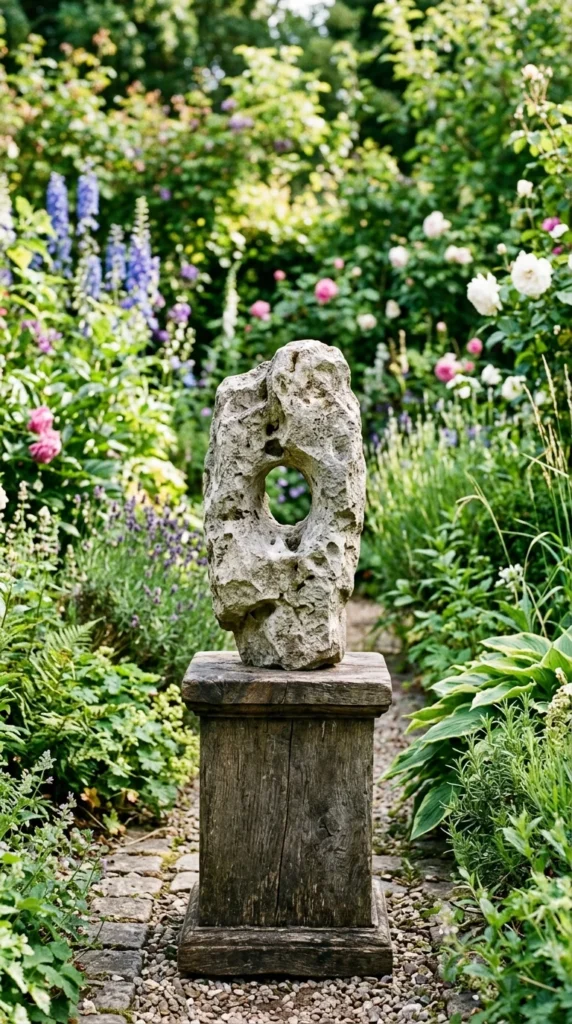
Some rocks are so beautiful they deserve to be treated as art. Search for rocks with unique holes, unusual veins of quartz, or interesting shapes. Position these sculptural stones where they can be viewed from all sides, perhaps on a raised plinth or in a clear patch of gravel.
23. Ground Cover
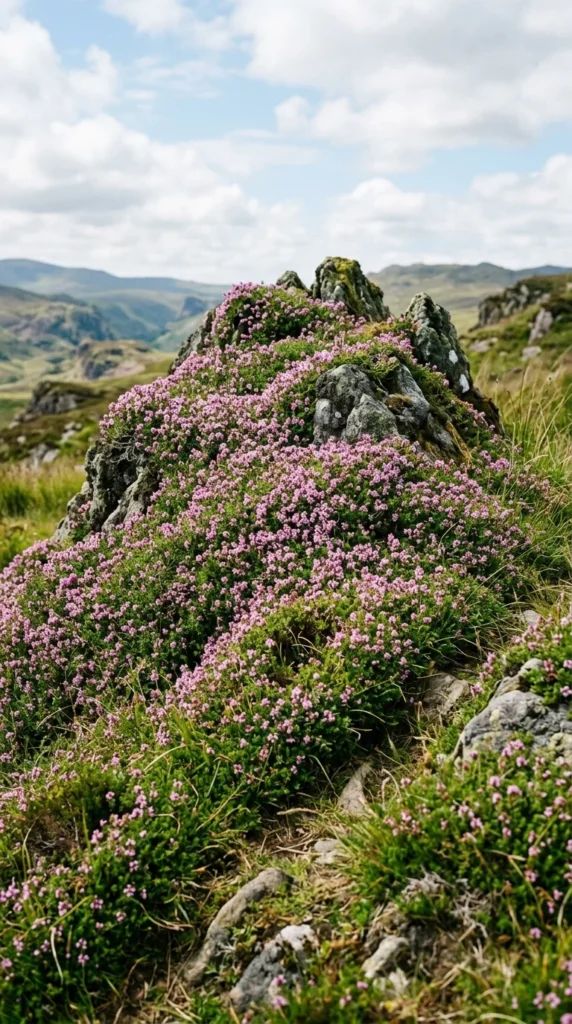
The final touch for any rock garden is the “softening” effect of ground cover. Plants like creeping thyme, stonecrop, or phlox will slowly spread over the rocks, blurring the lines between the hard stone and the soft foliage. This creates a mature, established look that feels deeply integrated into the yard.