
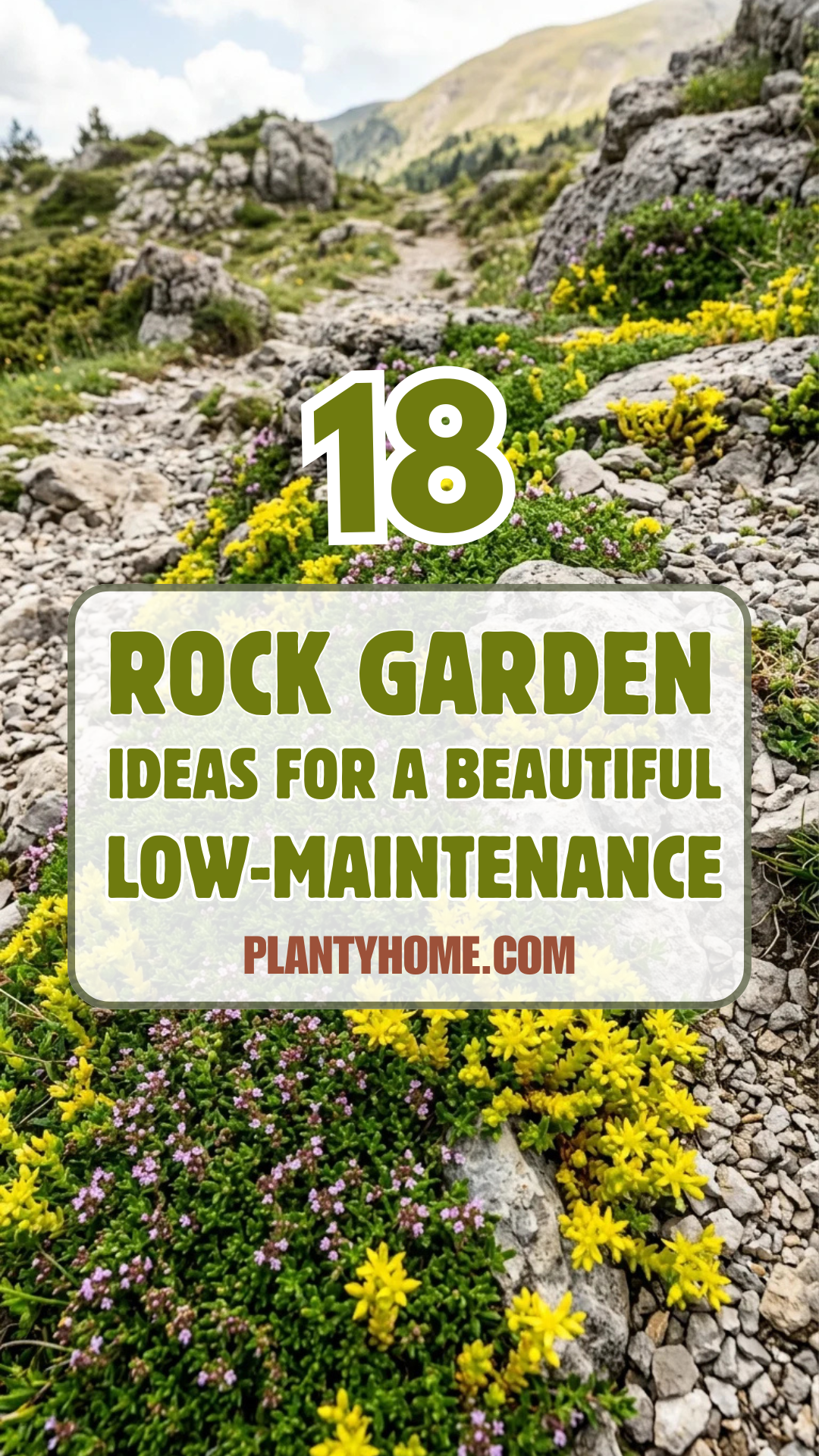
Rock gardens are a timeless solution for homeowners seeking a balance between aesthetic appeal and minimal upkeep. By utilizing the natural textures of stone alongside hardy, drought-tolerant plants, you can transform a difficult slope or a barren patch of lawn into a stunning focal point. Rock gardens are particularly effective in areas where traditional grass struggles to grow or in climates where water conservation is a priority.
The following 18 ideas provide a blueprint for creating a landscape that is as durable as it is beautiful.
1. Alpine Plants
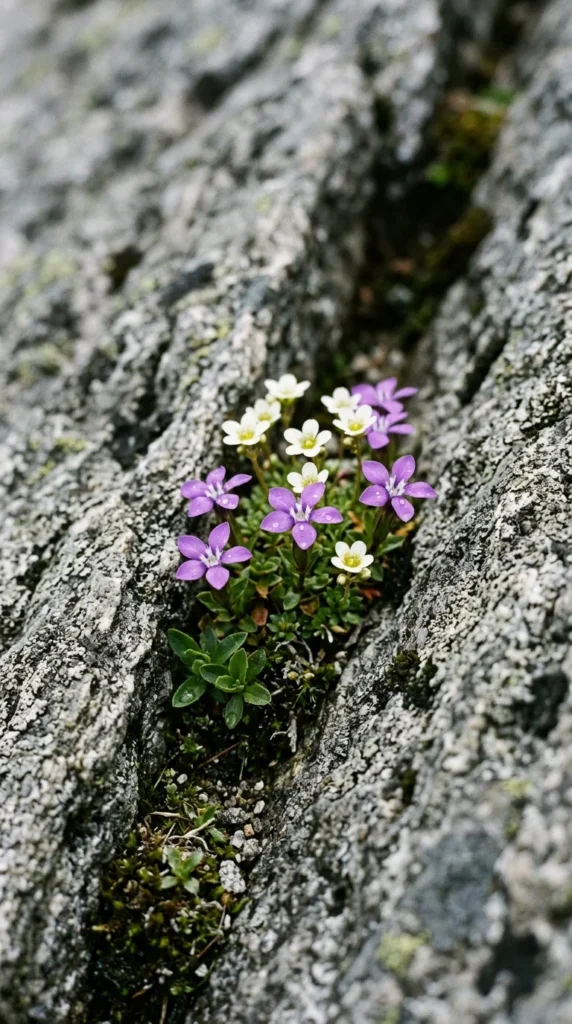
Alpine plants are the traditional choice for rock gardens because they naturally thrive in rocky, high-altitude environments. These plants, such as Saxifraga or Gentiana, are compact and produce vibrant blooms that contrast beautifully against the rugged texture of the stone. Their deep root systems allow them to find moisture in tight crevices, making them incredibly resilient once established.
2. Stone Steps
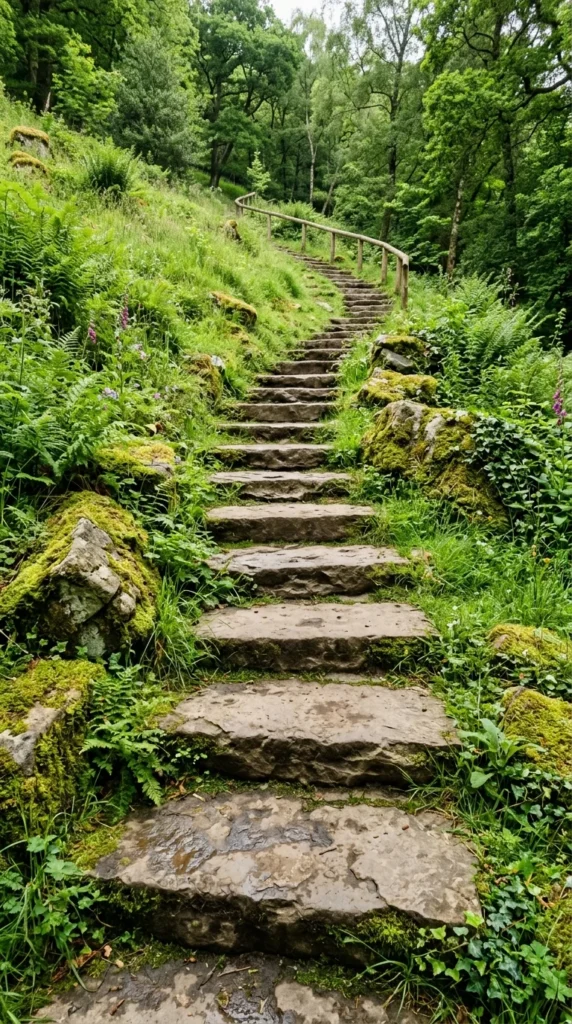
Integrating stone steps into a sloped rock garden serves both a functional and aesthetic purpose. Using large, flat flagstones creates a natural-looking staircase that helps navigate changes in elevation. To keep maintenance low, surrounding the steps with slow-growing ground covers ensures you won’t need to edge or mow around the stone borders.
3. Dry Creek
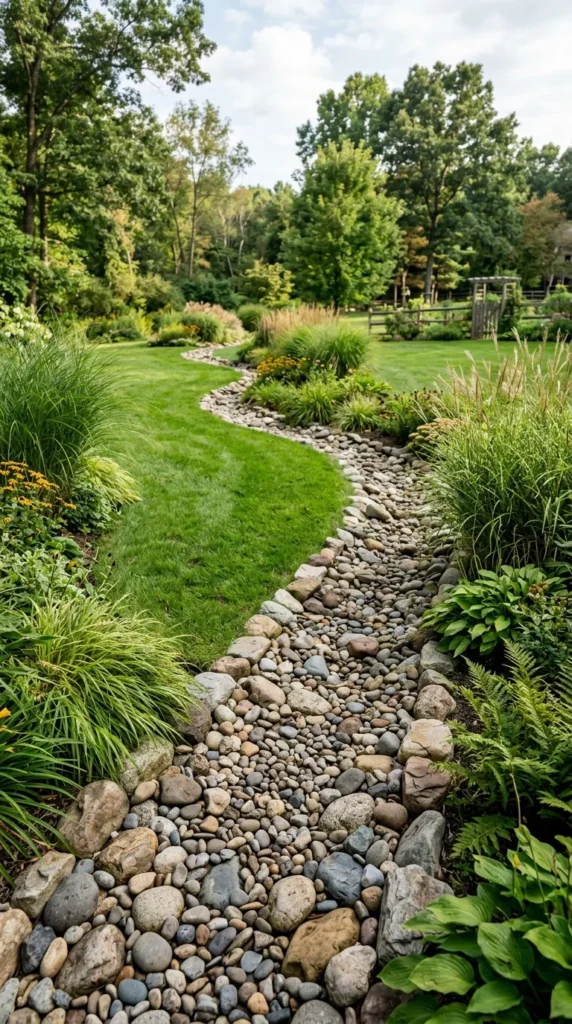
A dry creek bed is an excellent way to manage drainage issues while adding visual movement to your yard. By layering different sizes of river rock—from small pebbles to larger “anchor” stones—you mimic the look of a natural waterway. This feature is particularly effective for directing runoff away from your home’s foundation during heavy rains.
4. Succulent Border
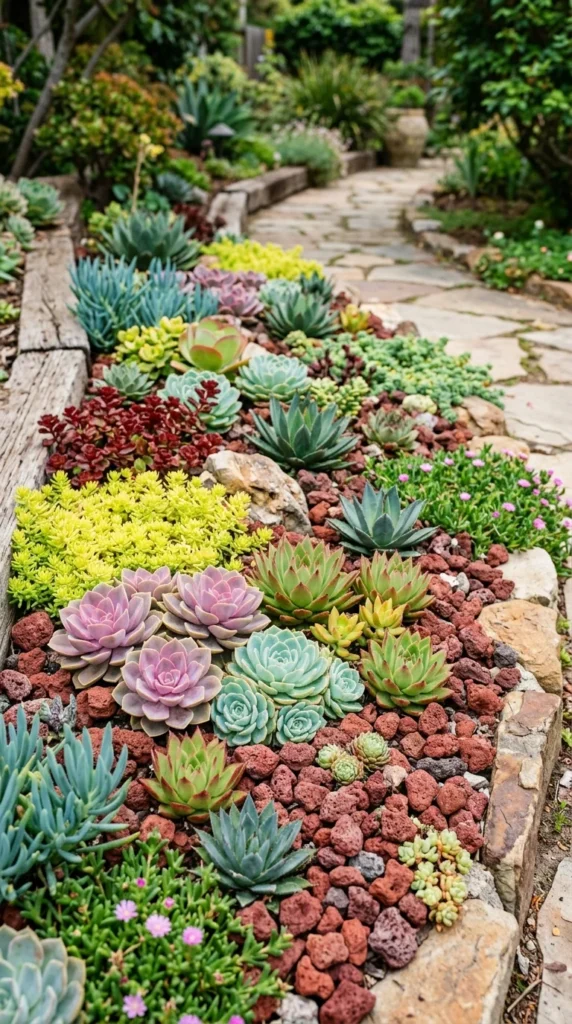
For those in warmer climates, a succulent border offers a low-water alternative to traditional flowering hedges. Succulents come in a vast array of colors, from icy blues to deep burgundies. When planted among volcanic rock or crushed gravel, they create a clean, organized look that requires almost no pruning.
5. Zen Sanctuary
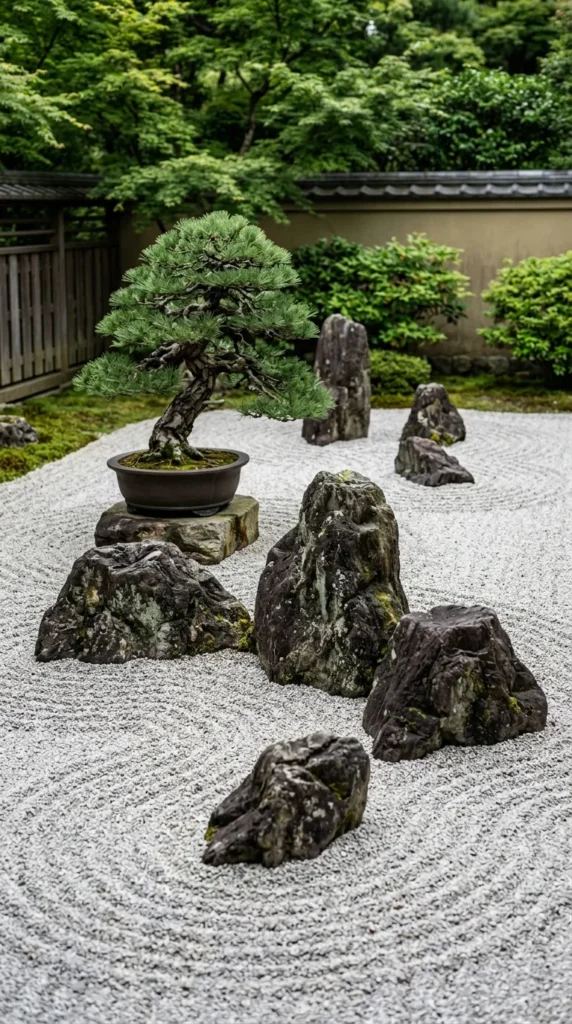
Inspired by Japanese dry landscapes (Karesansui), a Zen rock garden focuses on minimalism and meditation. The use of raked gravel represents water, while carefully placed boulders symbolize islands or mountains. This type of garden is the epitome of low maintenance, as it relies more on inorganic materials than living plants.
6. Tiered Retaining
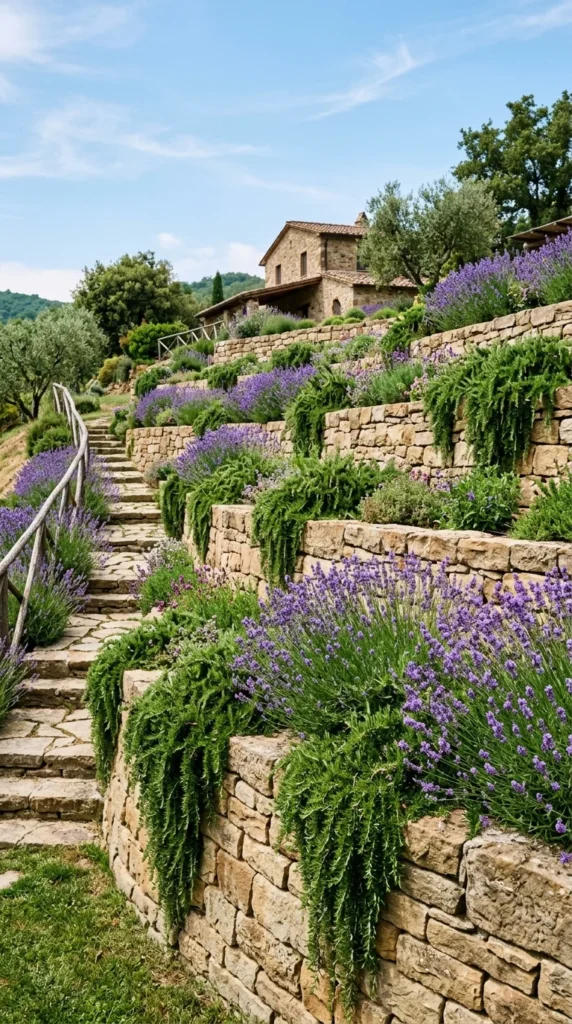
If you are dealing with a steep incline, tiered rock walls can prevent soil erosion while creating planting “pockets.” This structural approach allows you to organize your plants by height and color. Using natural stone blocks instead of concrete provides a more organic feel that blends seamlessly with the surrounding environment.
7. Boulder Accents
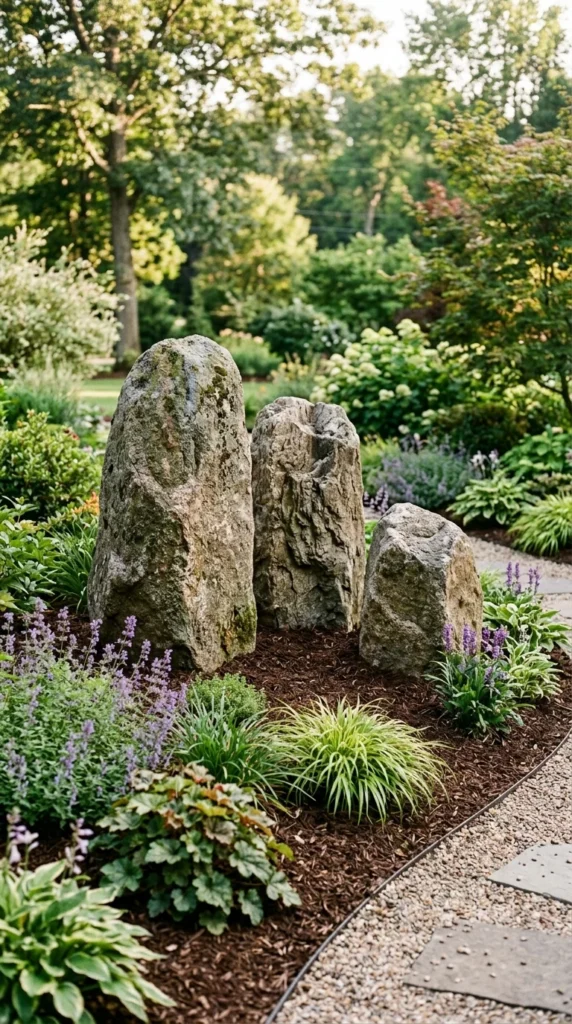
Sometimes, less is more. Placing a few massive boulders in a strategic grouping can create a high-impact focal point with zero maintenance. When selecting boulders, choose stones that share a similar color palette to the existing architecture of your home to ensure a cohesive look.
8. Gravel Paths
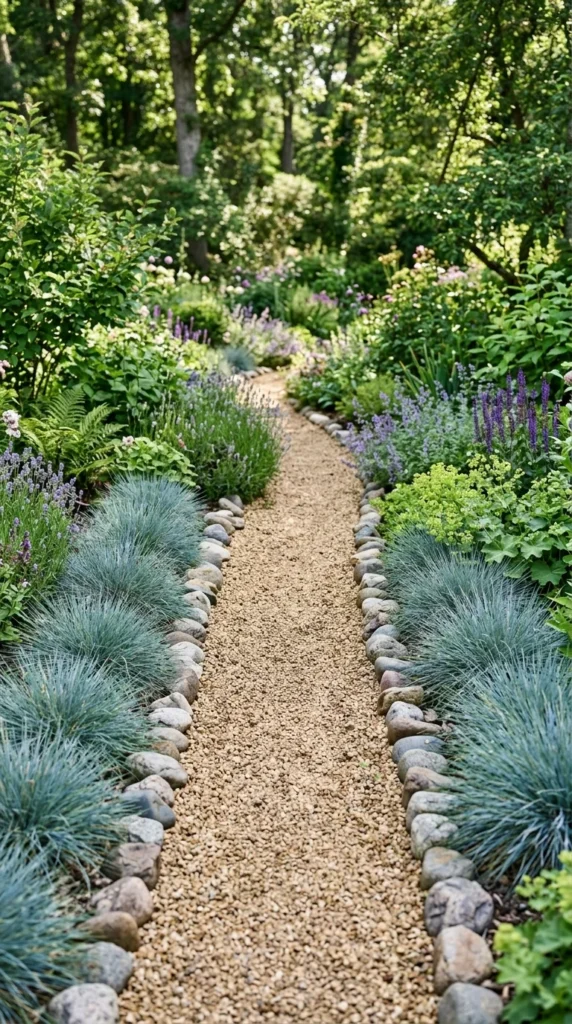
Gravel is a versatile material that provides a permeable surface for walking paths. Unlike wooden decks or paved patios, gravel allows rainwater to soak into the ground, reducing runoff. Using a weed-barrier fabric underneath the gravel ensures the path remains tidy and maintenance-free for years.
9. Desert Oasis
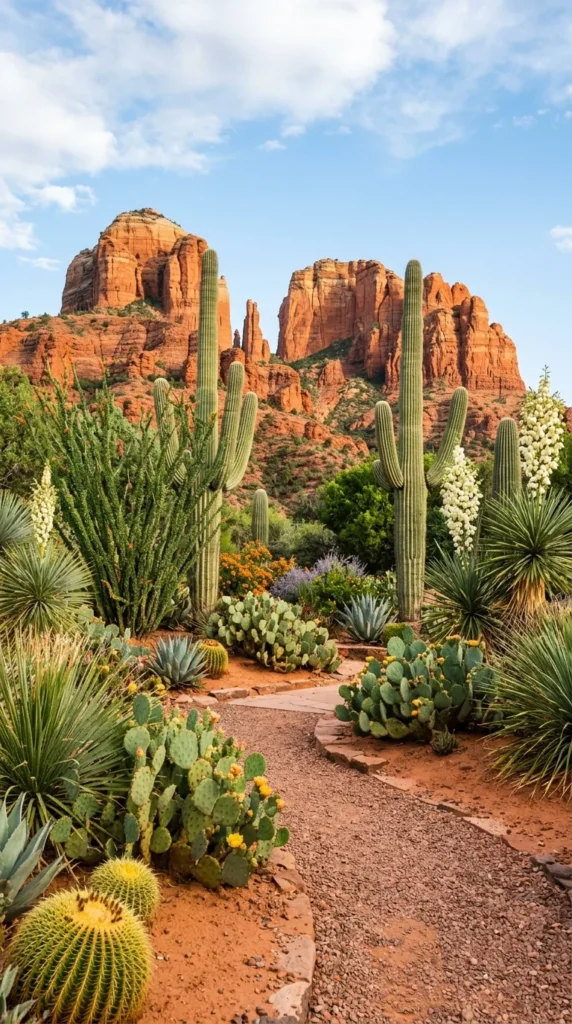
Embracing a desert aesthetic is perfect for regions facing frequent droughts. By using local desert plants like Yucca and Agave alongside warm-toned rocks, you create a landscape that thrives on neglect. These plants are designed to store water, meaning they can survive even the hottest summer months without supplemental irrigation.
10. Vertical Crevice
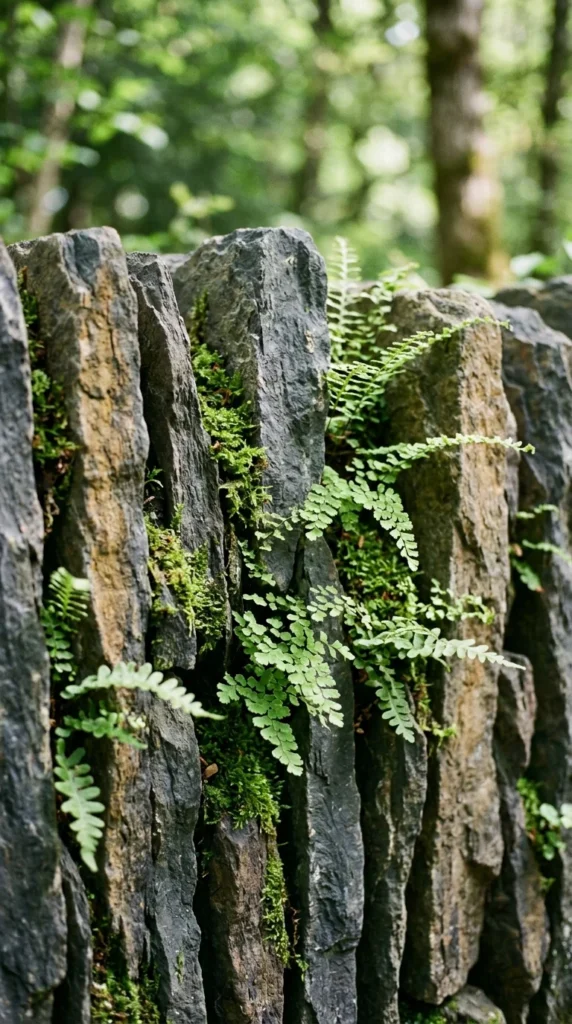
A crevice garden mimics the look of natural mountain ridges. By stacking flat stones vertically rather than laying them flat, you create deep, cool root zones for plants. This is an ideal method for growing delicate species that are sensitive to overwatering, as the vertical gaps provide superior drainage.
11. Water Feature
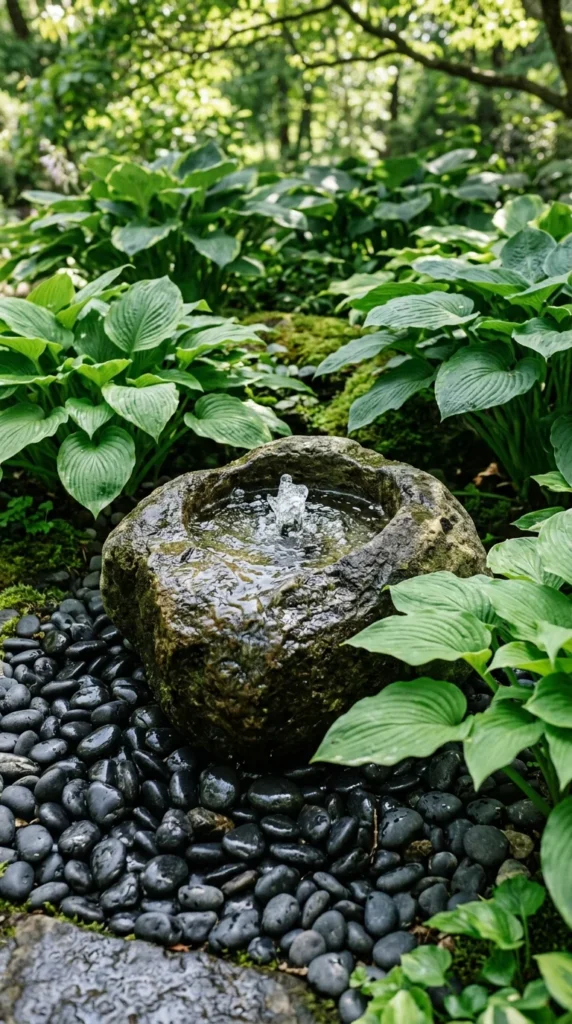
Incorporating a recirculating stone fountain adds the soothing sound of water to your landscape. Using a “disappearing” reservoir—where the water drains into a hidden underground basin—minimizes algae growth and makes the feature much easier to clean than an open pond.
12. Wildflower Meadow
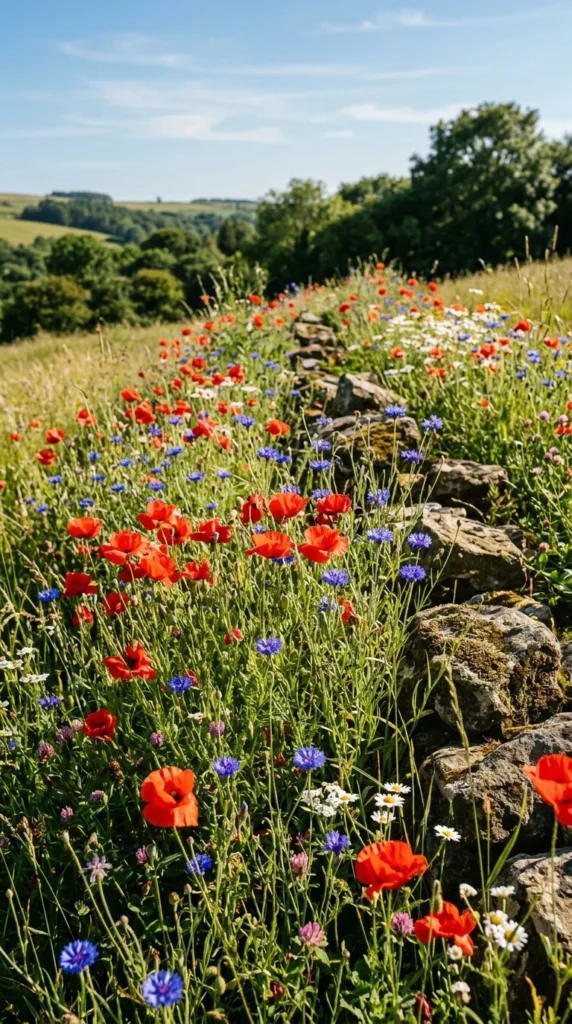
Combining rocks with native wildflowers creates a “wild” look that supports local pollinators. Once the wildflowers are established, they will self-seed year after year. The rocks provide a heat-sink that warms the soil in early spring, encouraging earlier blooms.
13. Ground Cover
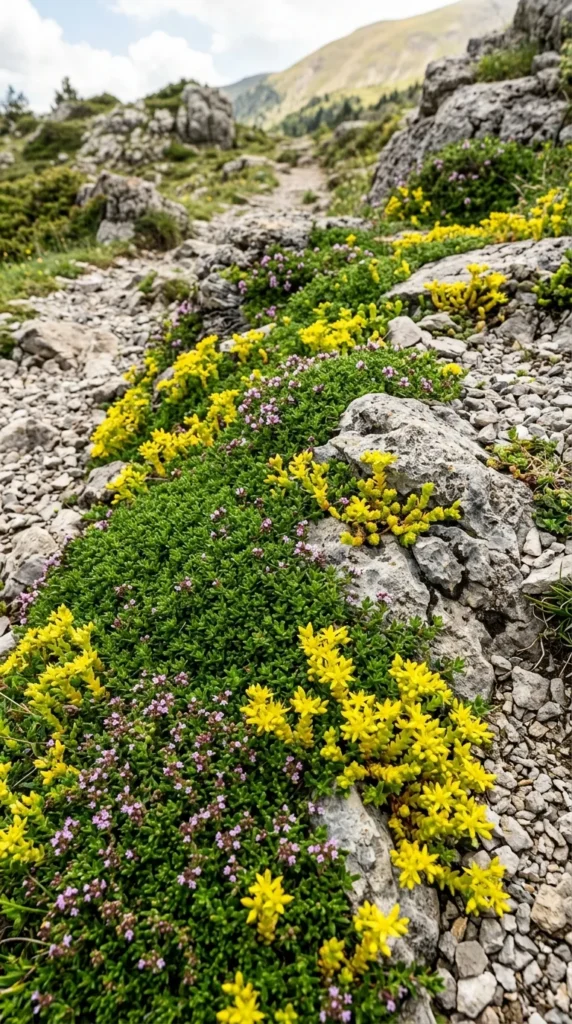
Low-growing ground covers like Creeping Thyme or Phlox are perfect for filling the gaps between large stones. These plants eventually form a dense mat that naturally suppresses weeds. As a bonus, many creeping varieties release a pleasant fragrance when stepped on.
14. Coastal Vibe
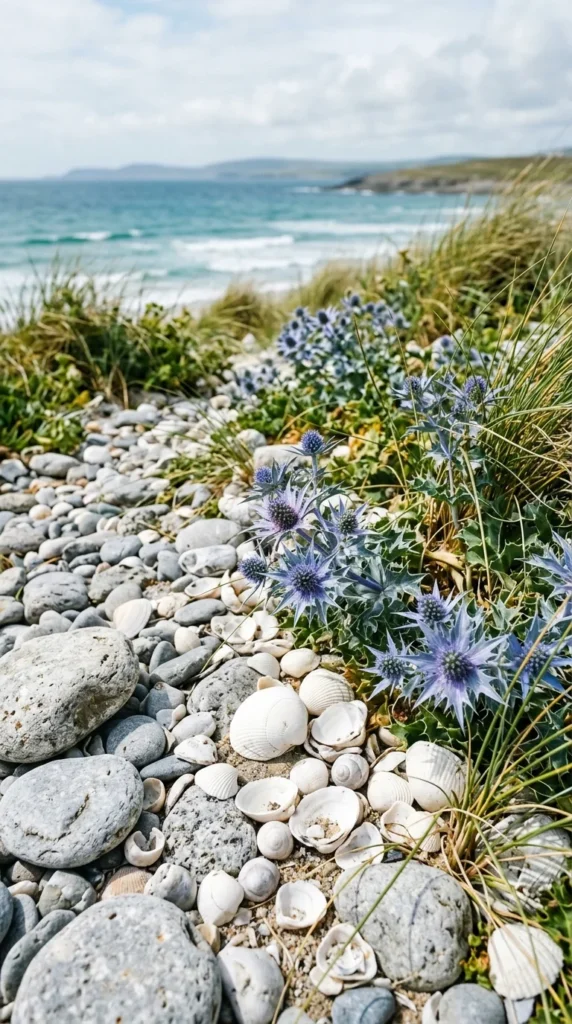
To achieve a coastal look, use light-colored stones like white quartz or limestone paired with salt-tolerant grasses. This style is perfect for seaside properties or for homeowners who want to evoke a breezy, relaxed atmosphere. The light stones also help reflect sunlight, keeping the garden cooler.
15. Modern Minimalist
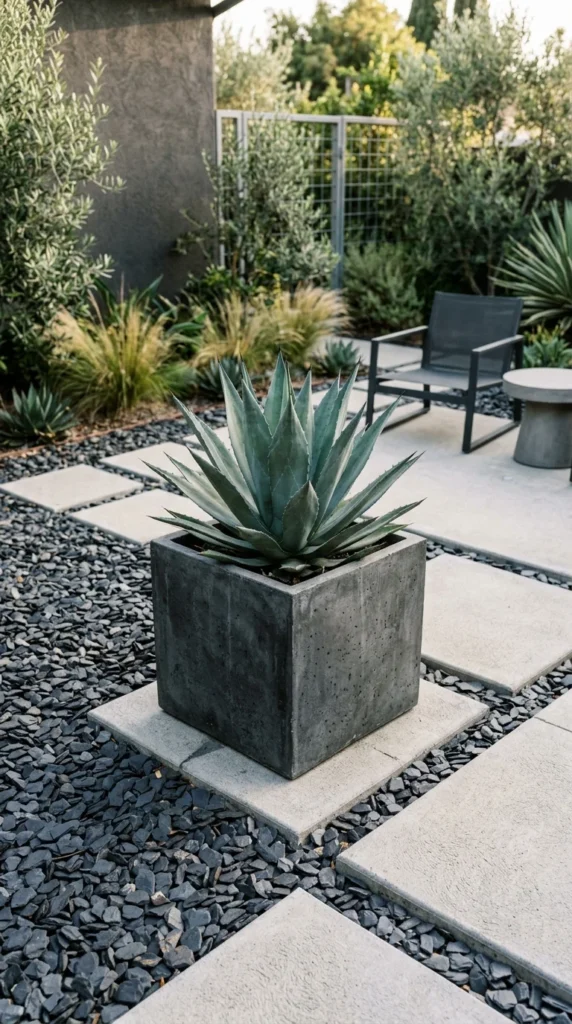
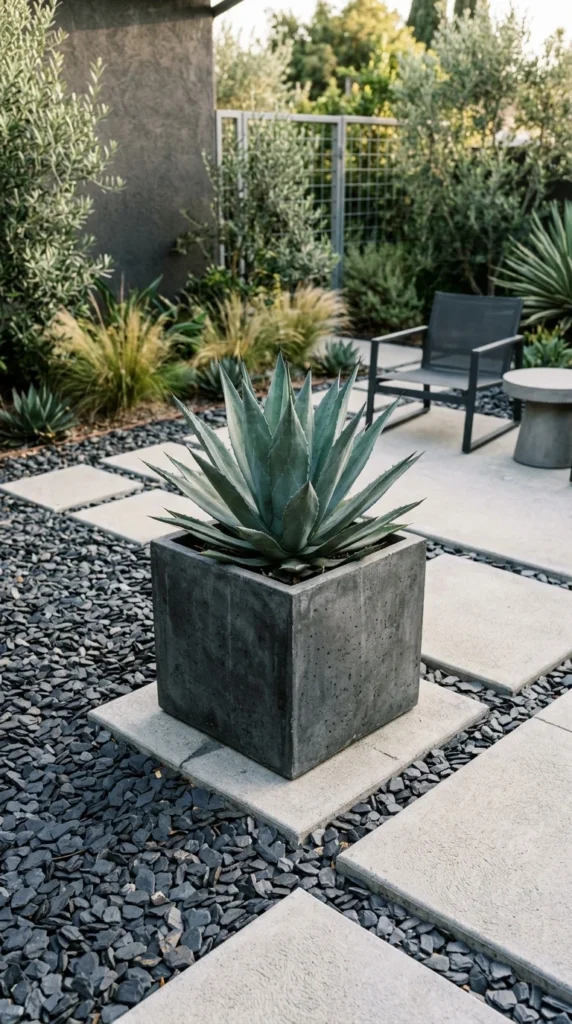
Modern rock gardens focus on sharp lines and high contrast. Using dark slate or charcoal-colored stone chips against white concrete creates a sophisticated look. This style prioritizes structure over variety, often using only one or two plant species to maintain a clean appearance.
16. Shady Nook
Rock gardens aren’t just for sunny spots. In shaded areas, you can use porous rocks like tufa or limestone that hold moisture. These are perfect environments for mosses, ferns, and hostas. The stones provide a cool microclimate that helps these shade-loving plants thrive during the heat of the day.
17. Spiral Garden
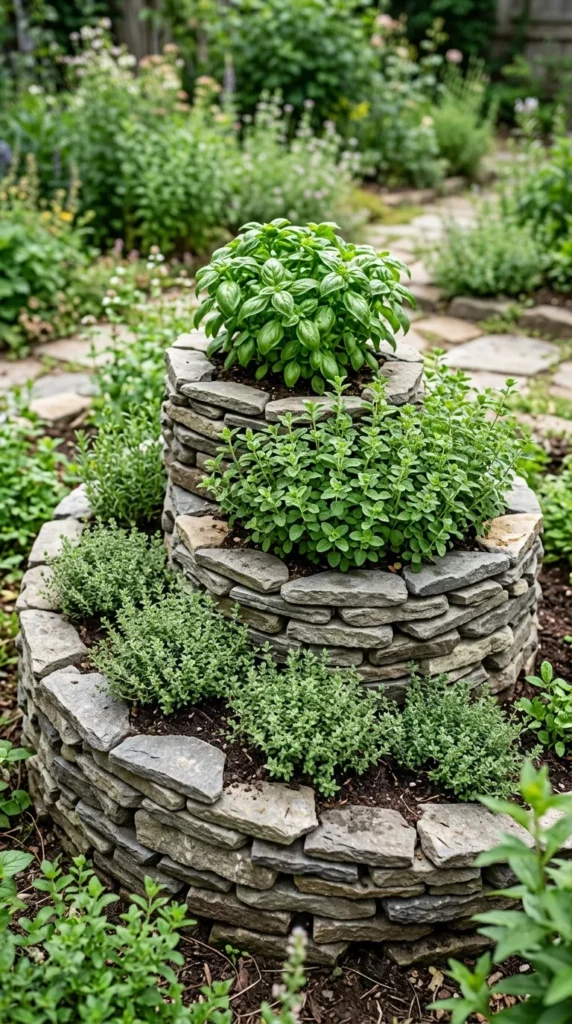
A stone spiral is a permaculture technique that allows you to grow several different types of plants in a very small footprint. The top of the spiral is dry and sunny (perfect for rosemary), while the bottom remains moist and shaded (perfect for mint or parsley). It is a highly efficient way to add both height and utility to your garden.
18. Edible Rocks
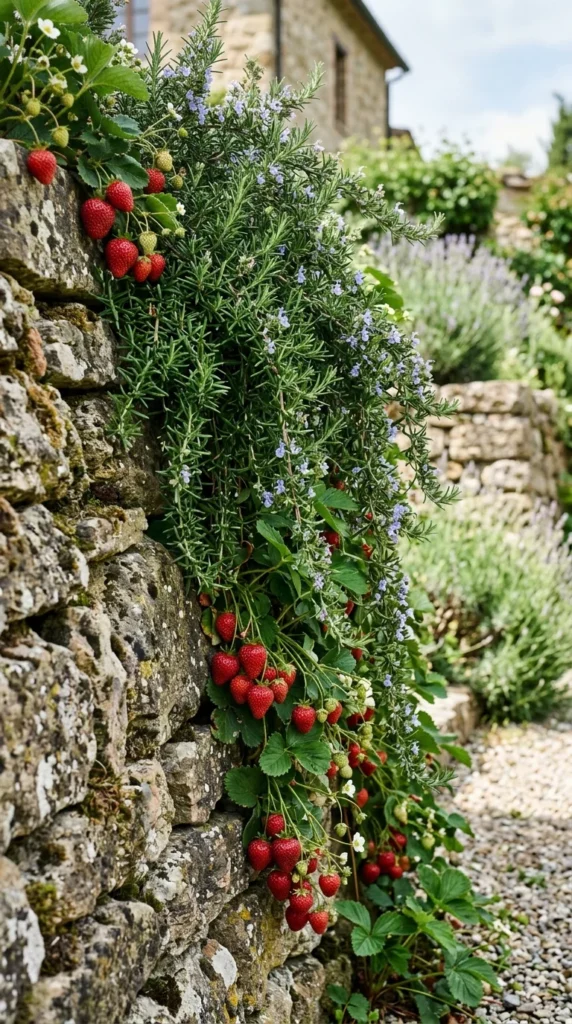
Finally, consider incorporating edible plants into your rock garden. Many herbs, such as thyme, oregano, and rosemary, are naturally drought-tolerant and love the drainage provided by rocky soil. Strawberries also perform well when tucked into the crevices of a stone wall, where the fruit stays off the soil and remains clean.