
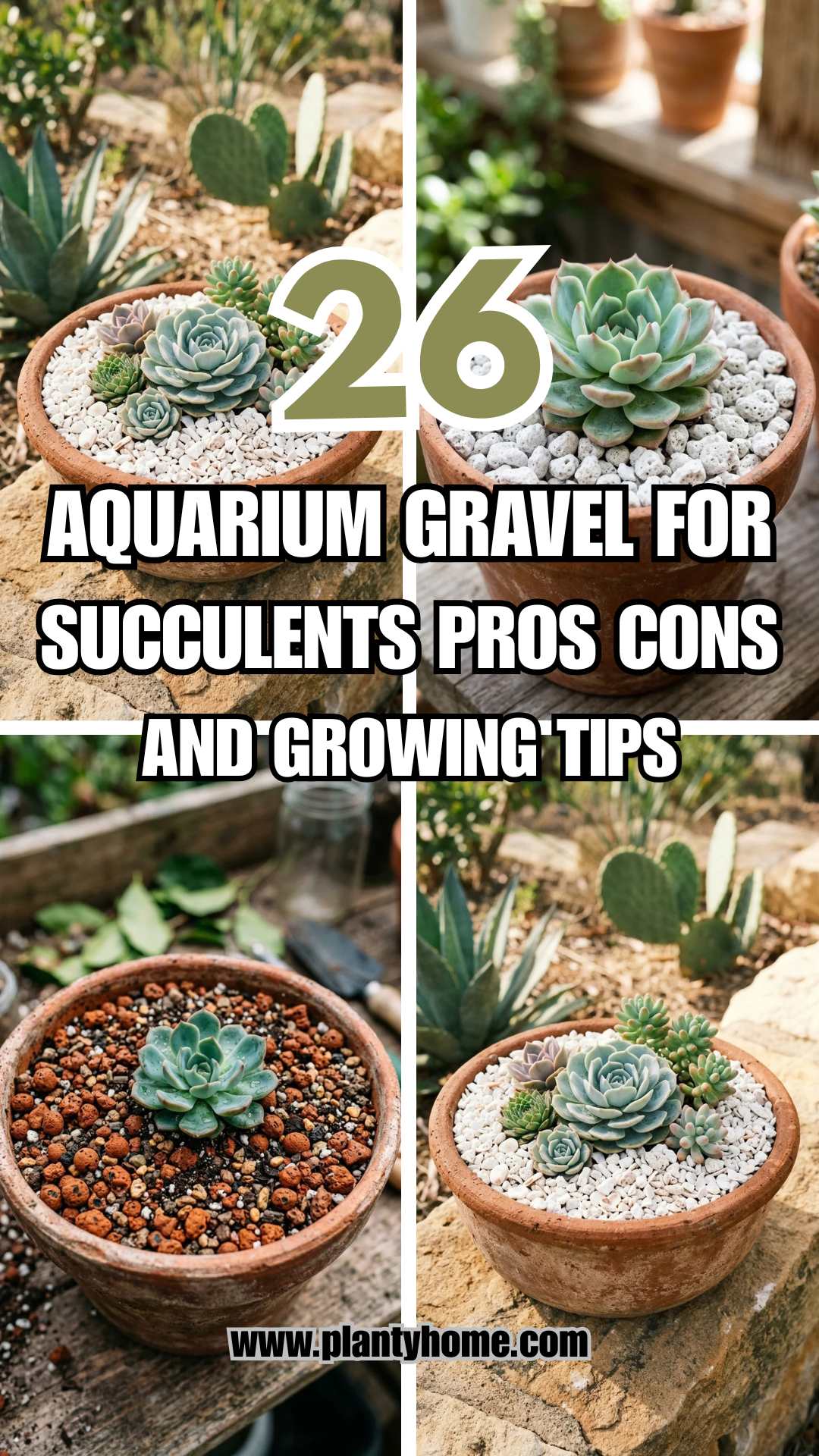
Succulent enthusiasts are constantly searching for the perfect substrate to balance aesthetics with plant health. One of the most underrated tools in a gardener’s arsenal is aquarium gravel. Originally designed for underwater ecosystems, these inert, varied, and well-draining stones provide a unique environment for desert-dwelling plants. Whether used as a top dressing to prevent rot or mixed into the soil for aeration, aquarium gravel offers a professional finish and functional benefits.
1. Natural River Pebbles
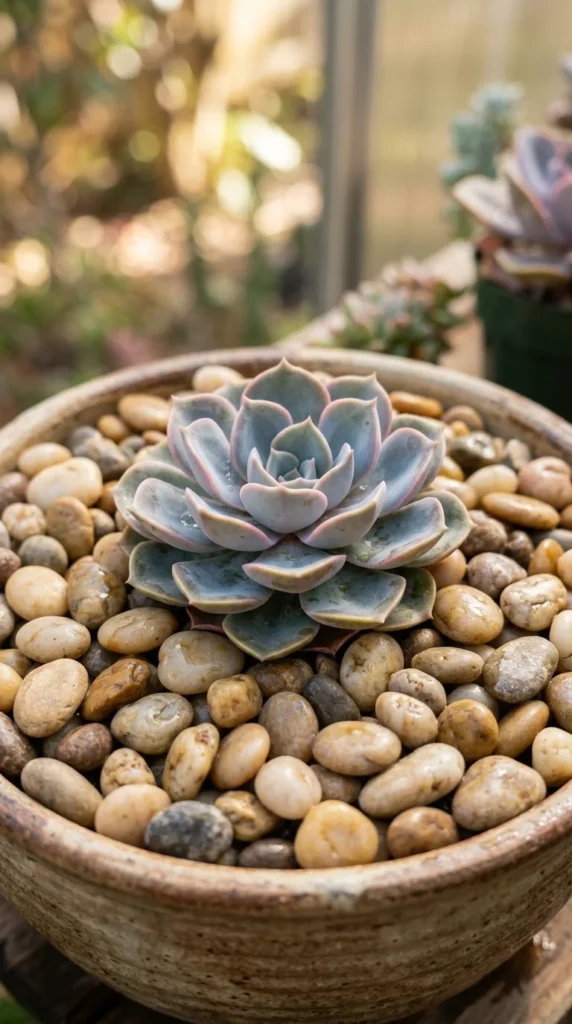
Natural river pebbles are the gold standard for a minimalist, organic look. These stones are pre-washed and smooth, meaning they won’t scratch the delicate stems of your succulents. Their varied sizes create a naturalistic “desert floor” appearance while allowing air to reach the top layer of the soil.
2. Crushed Quartz
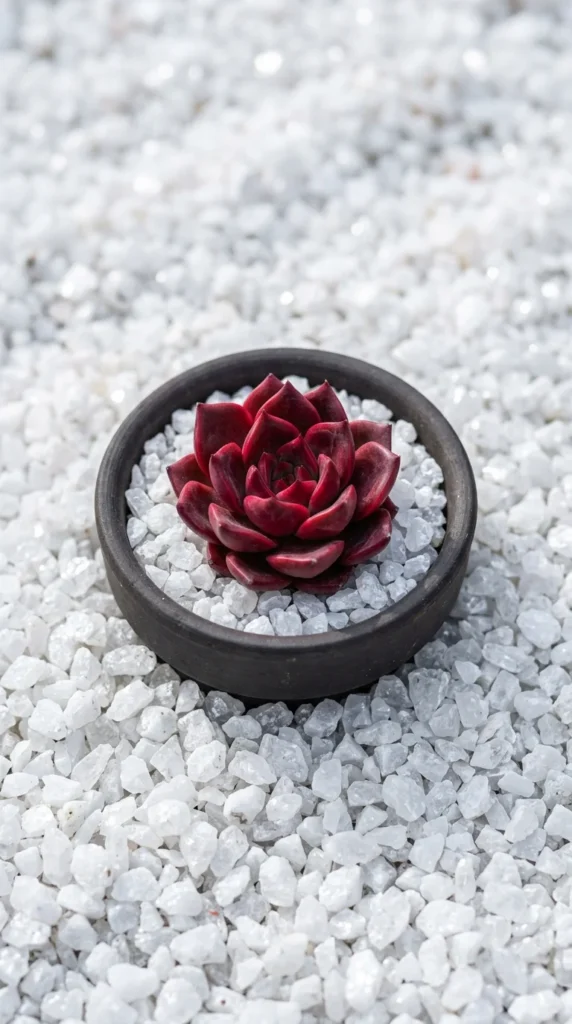
Crushed quartz provides a bright, high-contrast background that makes the colors of your succulents pop. Because quartz is a hard mineral, it doesn’t break down over time, ensuring that your drainage remains consistent for years. The sharp edges help anchor the plant’s base during the initial rooting phase.
3. Pea Gravel
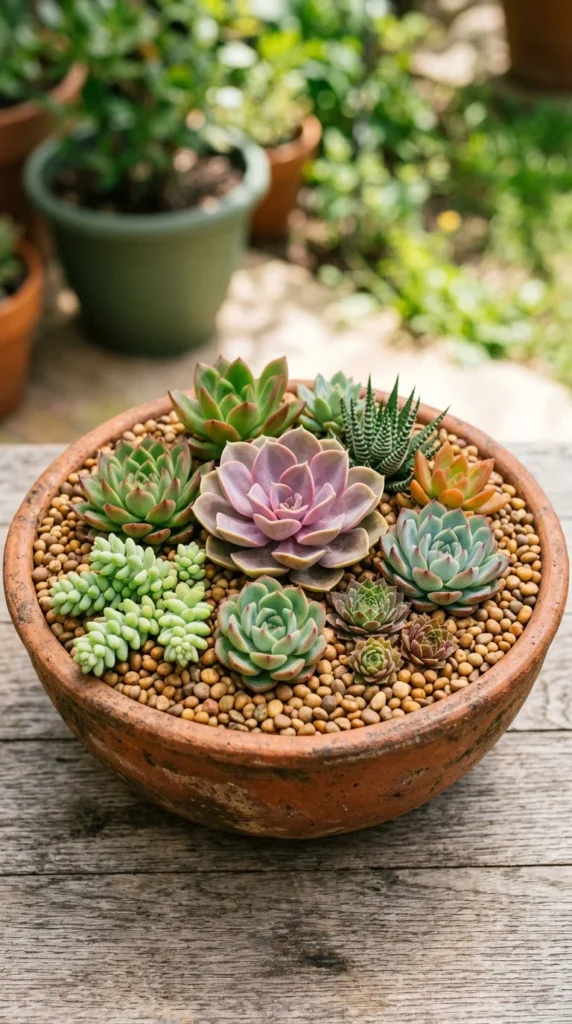
Pea gravel is affordable and widely available in the aquarium section. Its small, uniform size makes it perfect for tiny “miniature” succulent gardens. It provides a heavy enough layer to prevent soil from splashing onto the leaves during watering, which is a common cause of fungal infections.
4. Black Basalt
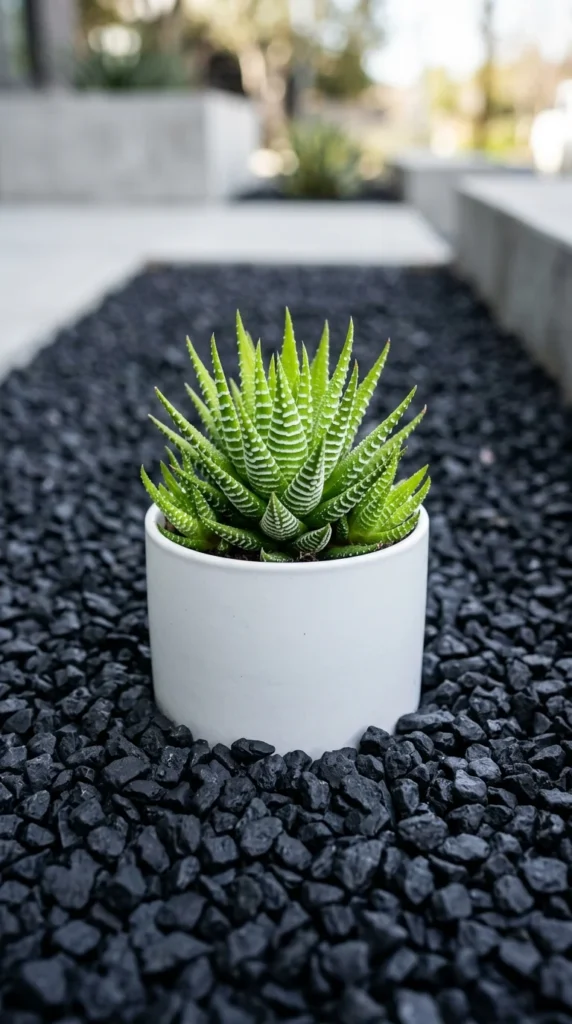
For those who prefer a modern or “moody” aesthetic, black basalt is an excellent choice. The dark color absorbs heat, which can be beneficial for heat-loving succulents in cooler climates. It creates a stunning visual contrast, especially when paired with neon-green or silvery succulents.
5. Polished Agate
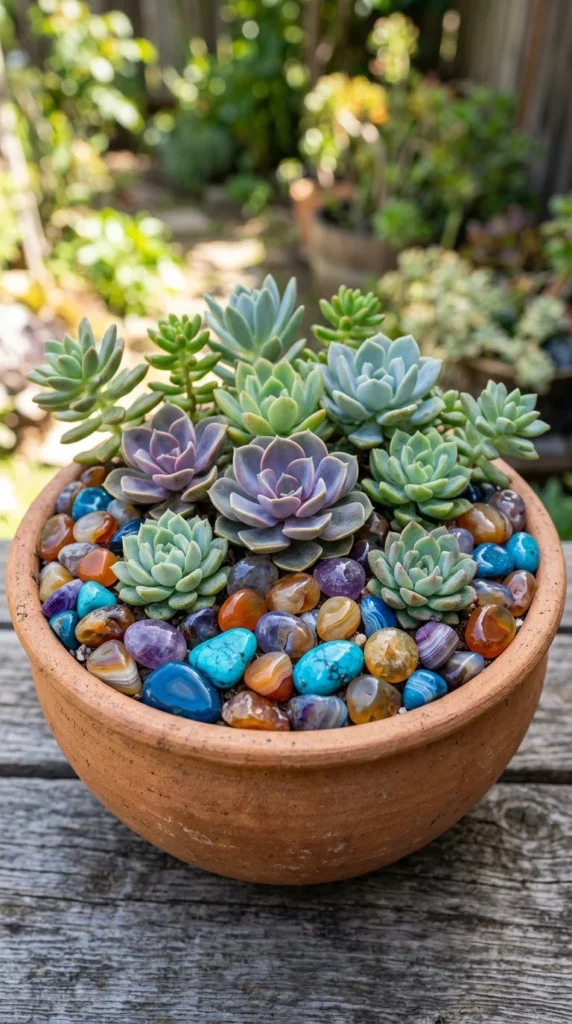
If you want a touch of luxury, polished agate aquarium gravel adds a jewel-like quality to your pots. These stones are completely inert and won’t leach minerals into the soil. They are best used as a top dressing rather than a soil amendment due to their smooth, non-porous surface.
6. Volcanic Scoria
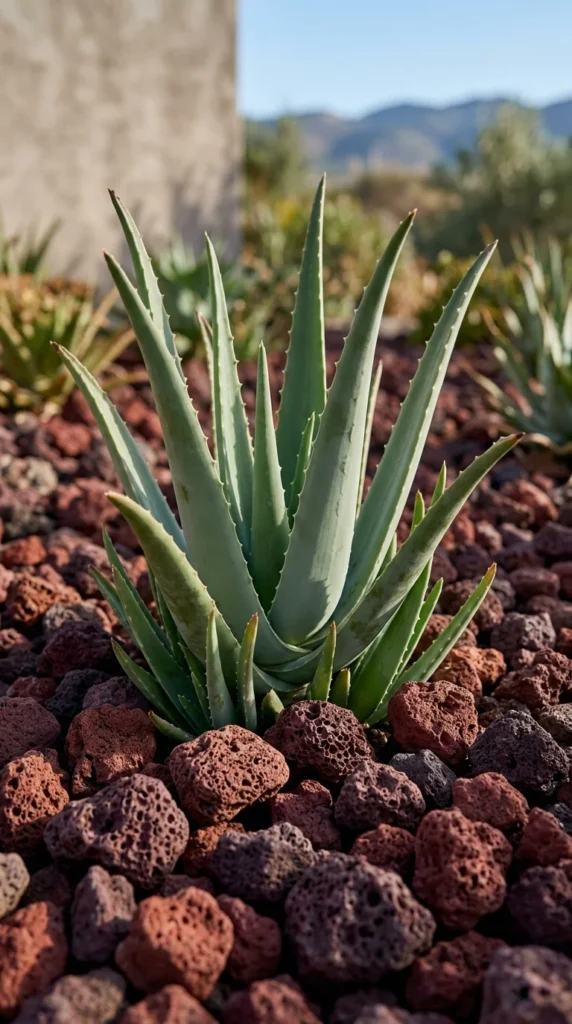
While often sold in the aquarium trade as a filter medium, volcanic scoria (or lava rock) is a succulent’s best friend. Its extreme porosity allows it to hold microscopic amounts of water while providing massive amounts of oxygen to the roots. It is one of the best gravels to mix directly into the soil.
7. Ceramic Media
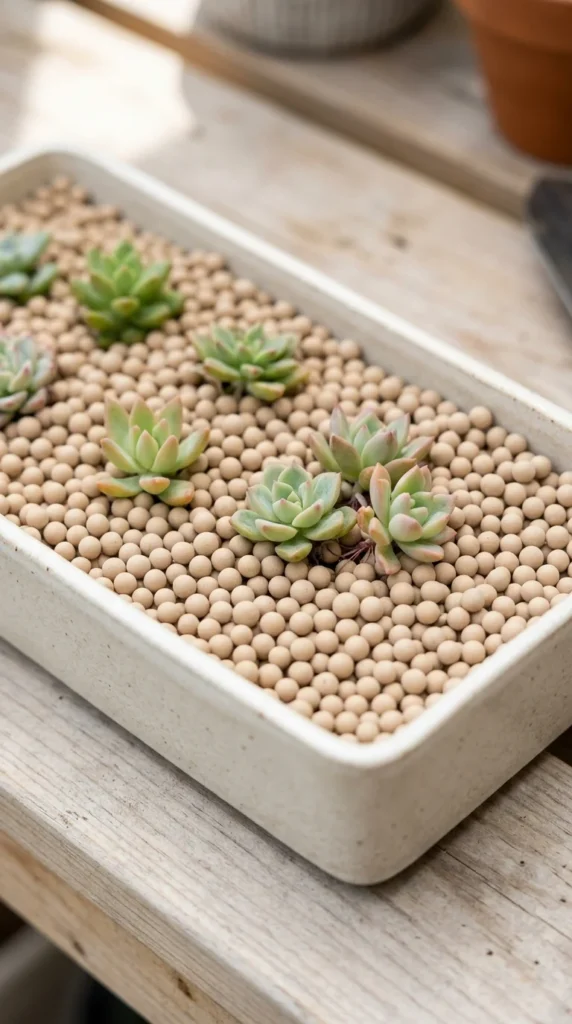
Ceramic aquarium media is designed to house beneficial bacteria. When used for succulents, these spheres provide incredible aeration. They are lightweight, making them ideal for large succulent arrangements that would otherwise be too heavy to move if filled with traditional stone.
8. Epoxy-Coated Neon
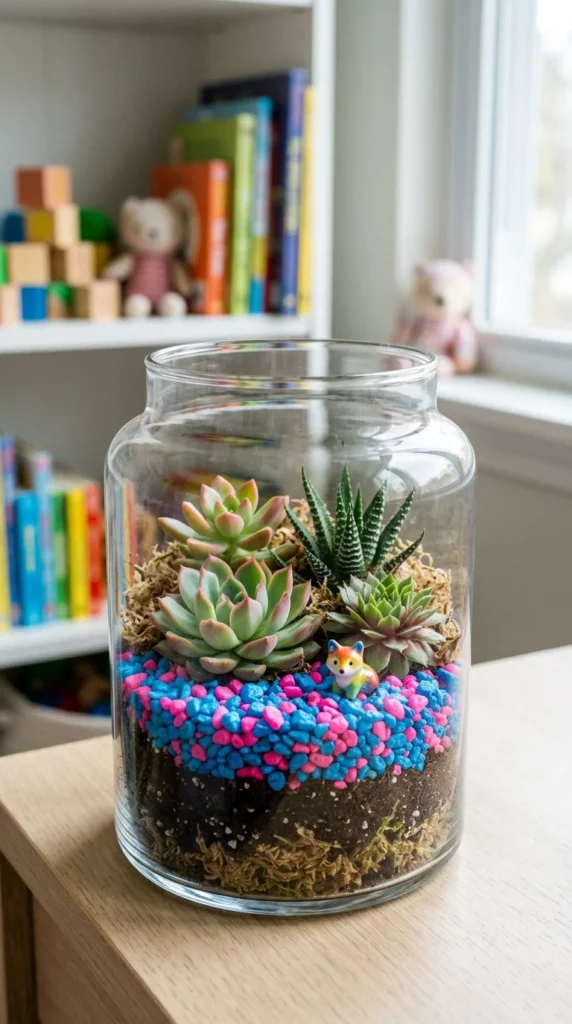
For a whimsical or themed garden, epoxy-coated gravel comes in every color of the rainbow. The coating ensures that the dyes do not bleed into the soil or affect the plant’s health. It is purely decorative and provides a clean, waterproof top layer.
9. Crushed Slate
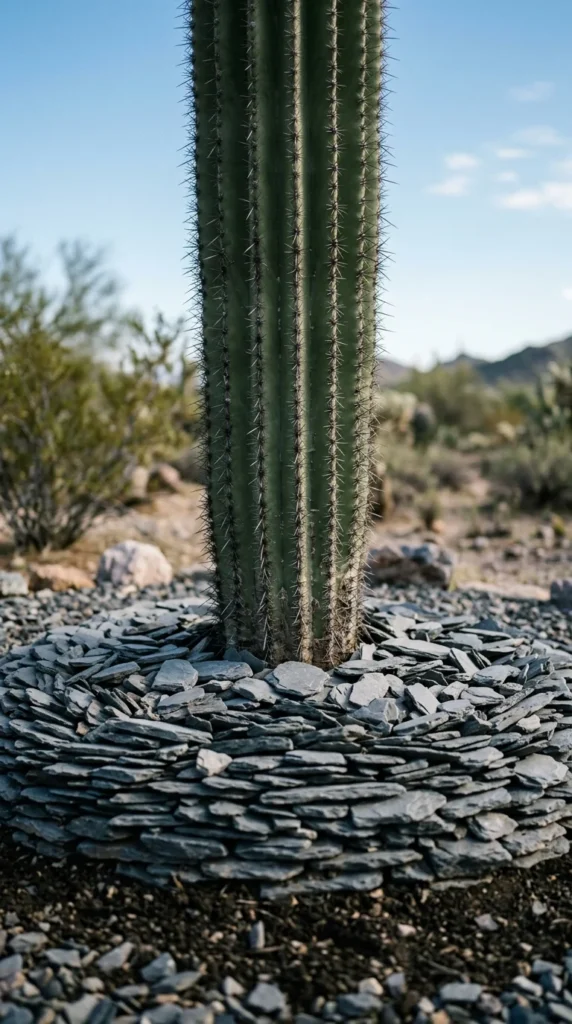
Crushed slate offers a unique texture that mimics rocky cliffsides. The flat shape of the stones allows them to interlock slightly, creating a stable surface that prevents soil erosion. It’s an excellent choice for succulents that grow in vertical or sloped arrangements.
10. Fine Silica Sand
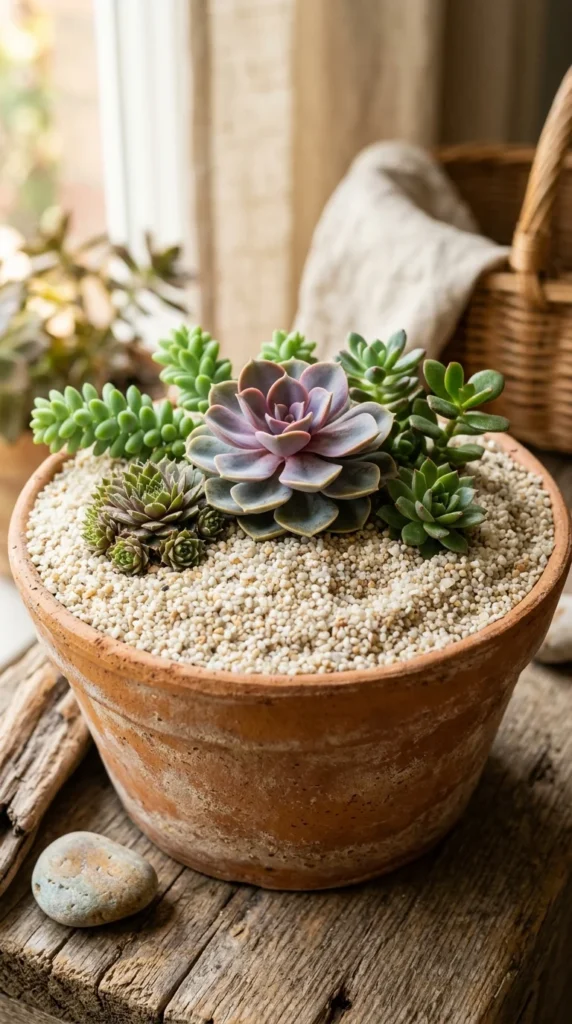
While technically sand, coarse aquarium silica is often categorized with fine gravels. It is excellent for “dressing” the top of a pot to prevent fungus gnats from reaching the damp soil below. However, avoid using very fine sand as it can pack down and choke the roots.
11. Granite Grit
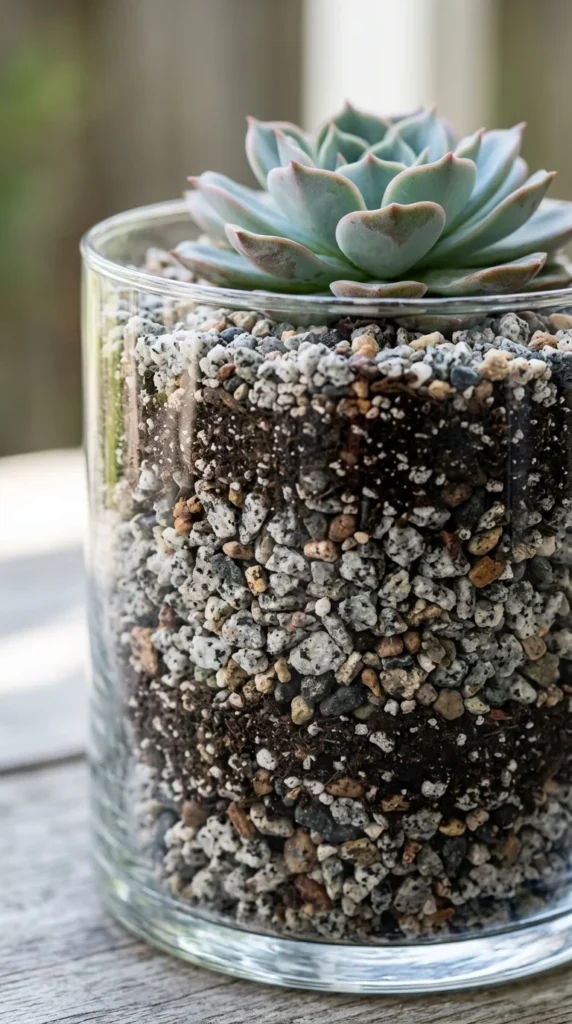
Granite grit is heavy and durable. When mixed into succulent soil, it prevents the organic matter from compacting. It’s particularly useful for top-heavy succulents like older Jade plants, as the weight of the granite provides stability to the pot.
12. Glass Beads
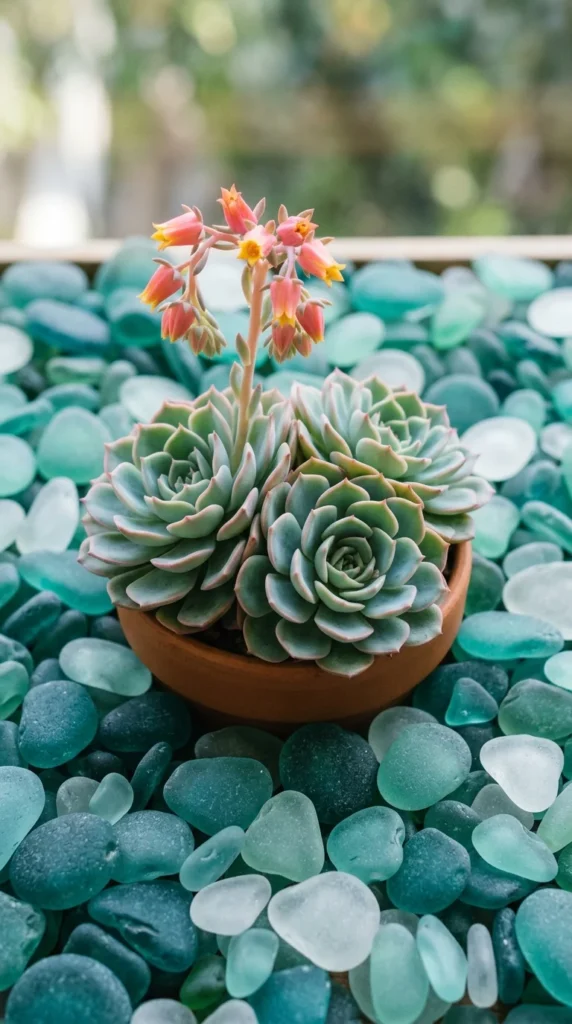
Frosted glass beads are non-porous and purely aesthetic. They are wonderful for indoor succulents where you want to catch the light. Because they don’t absorb water, they help the neck of the succulent stay dry, preventing the dreaded “base rot.”
13. Laterite Clay
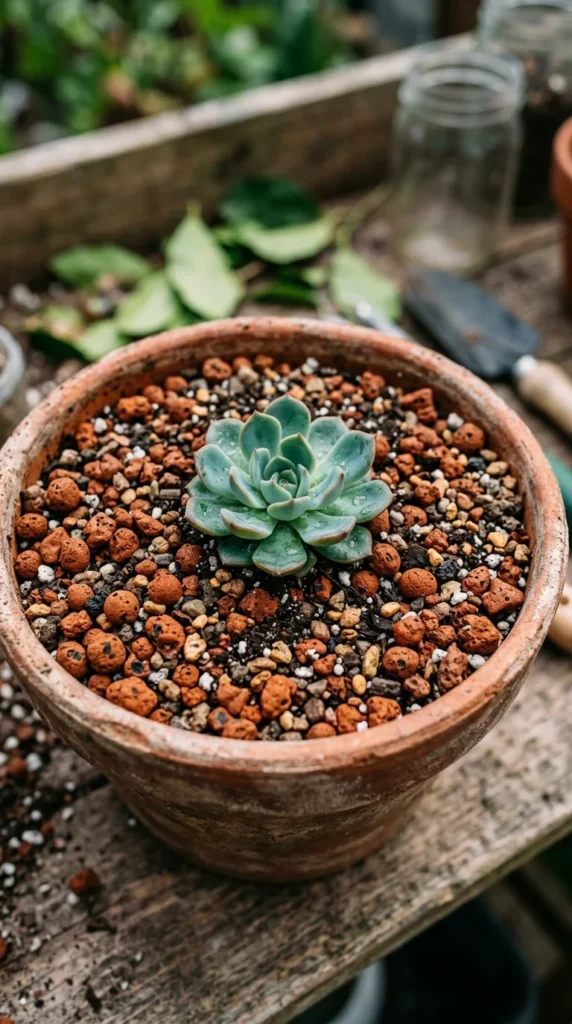
Laterite is an iron-rich clay often used in planted aquariums. For succulents, it provides a slow-release source of iron, which can enhance the red and purple pigments in varieties like Echeveria ‘Afterglow’ or Sedum ‘Dragon’s Blood.’
14. Dolomite Chips
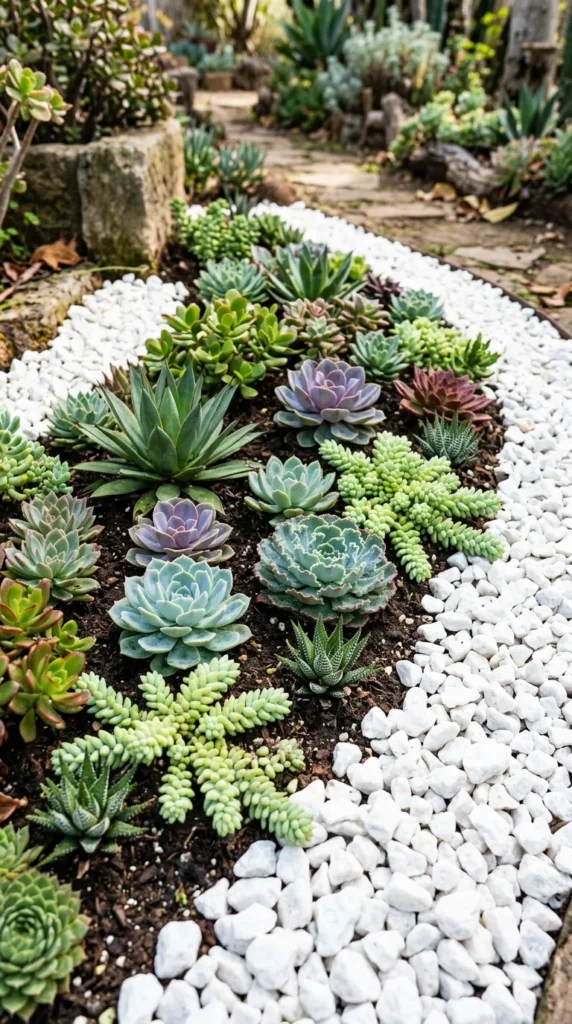
Dolomite is a calcium-magnesium carbonate. While beautiful, it can slowly raise the pH of your soil. This is actually beneficial for certain succulents that prefer alkaline conditions, such as some varieties of cacti and lithops.
15. Zeolite Crystals
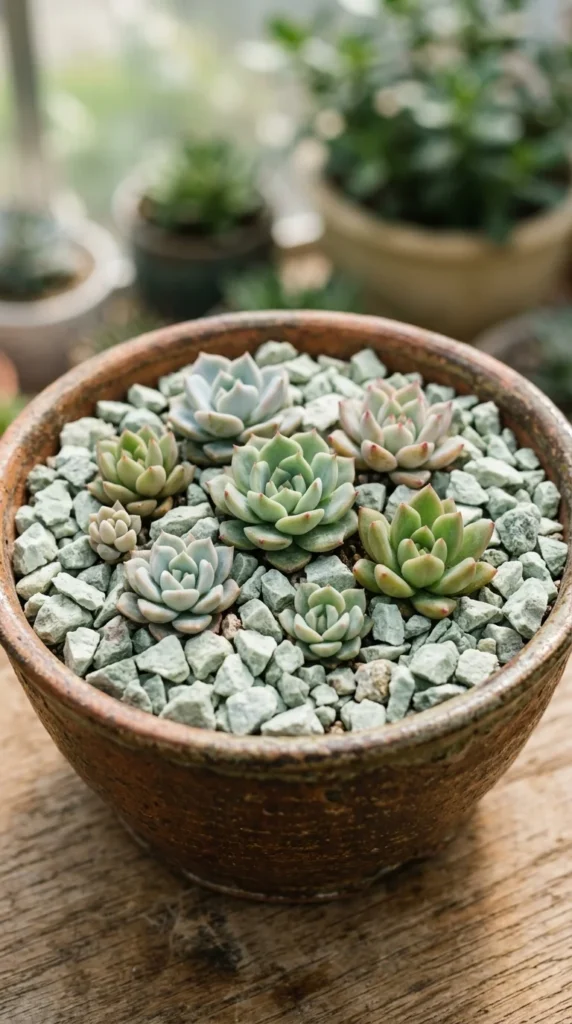
Zeolite is a “smart” gravel. In aquariums, it absorbs ammonia. In succulent pots, it helps with cation exchange, meaning it holds onto nutrients from fertilizers and releases them slowly to the roots when needed.
16. Flint Gravel
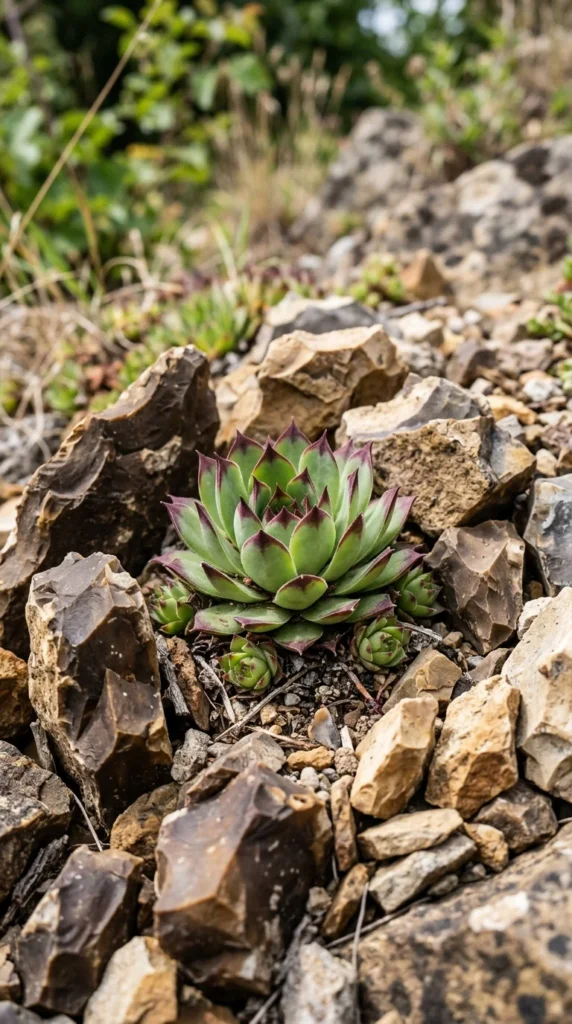
Flint is an extremely hard stone that does not weather easily. Its sharp edges are great for deterring pests like slugs or snails that might try to crawl across the soil surface to eat your succulent leaves.
17. Jasper Pebbles
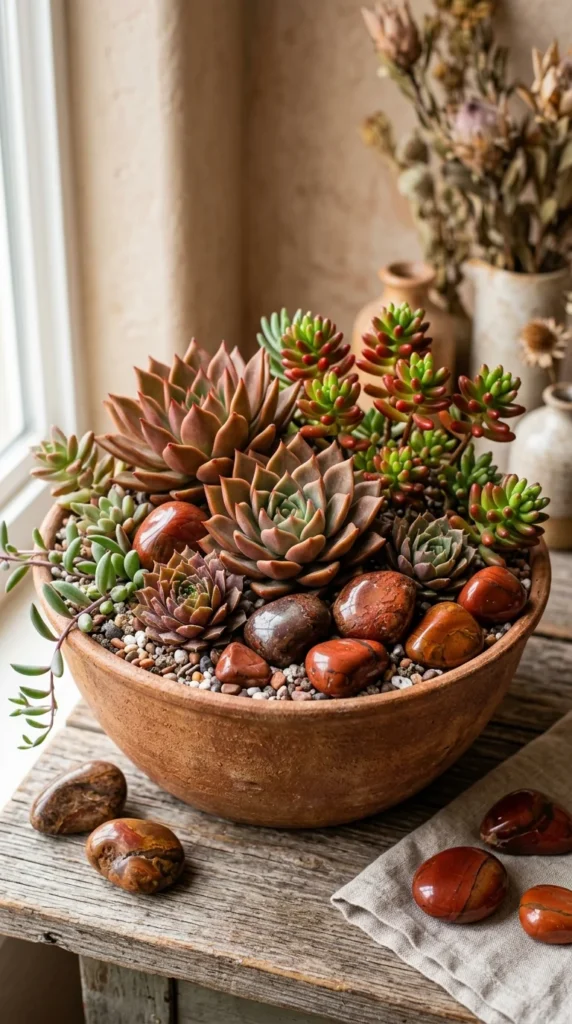
Jasper is a type of chalcedony that comes in beautiful earthy tones. It’s a great choice for “desert-themed” arrangements where you want to mimic the look of the American Southwest. It is completely non-reactive and safe for all plant types.
18. Pumice Stones
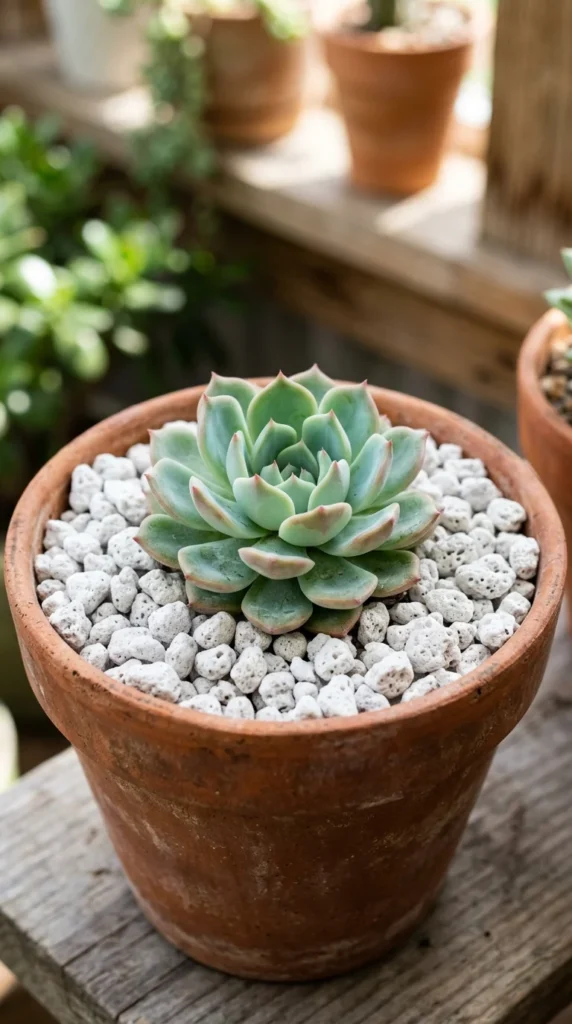
Pumice is the gold standard for succulent drainage. Many high-end aquarium substrates are actually re-branded pumice. It’s highly porous, holds oxygen, and is light enough that it won’t crush delicate root systems.
19. Crushed Coral
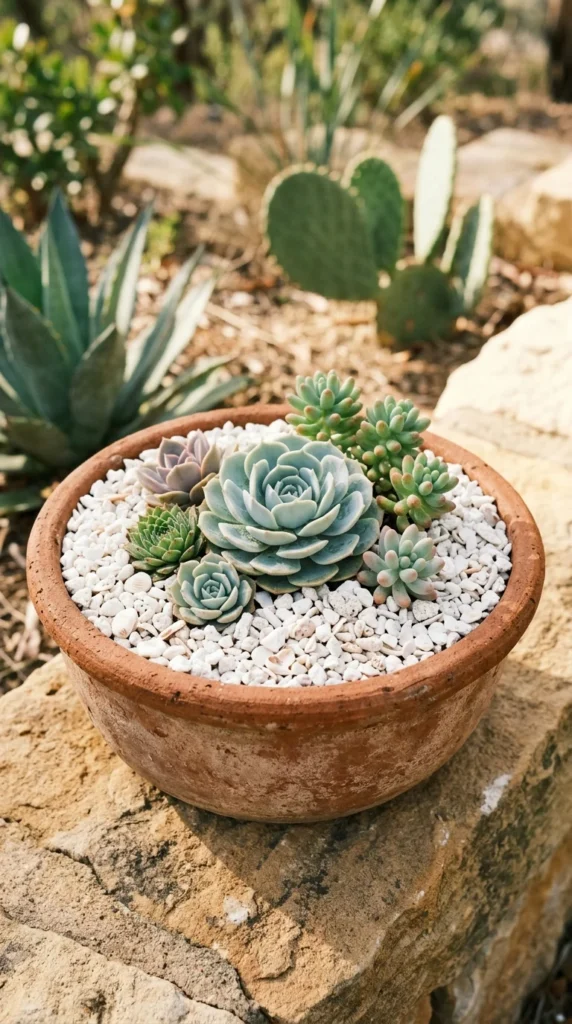
Crushed coral is very high in calcium. While it’s great for African Cichlid tanks, use it sparingly with succulents unless they are species that naturally grow in limestone-heavy soils. It provides a striking, bleached-white look.
20. Mixed Medley
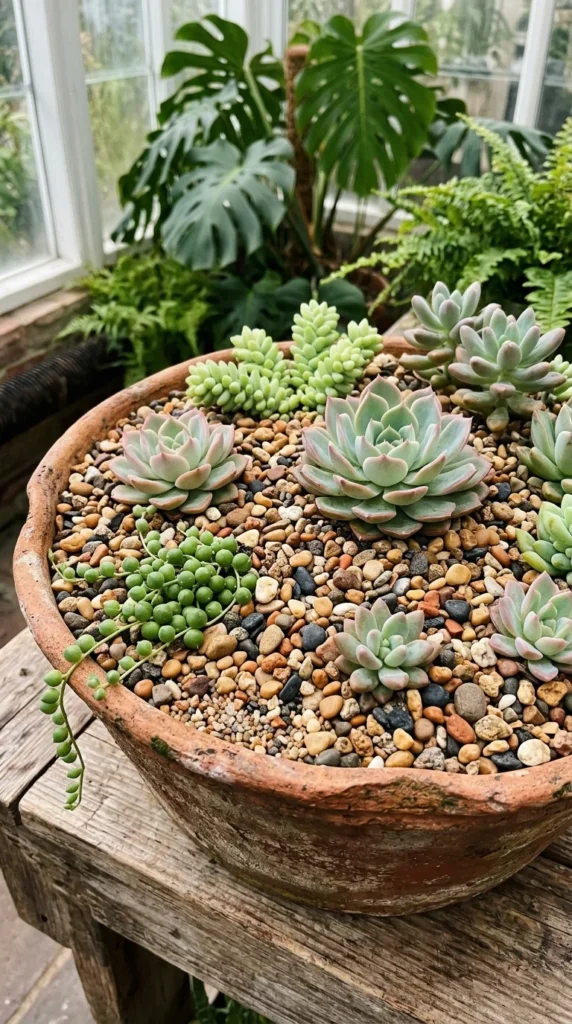
Using a “mixed” aquarium gravel blend often looks the most natural. These blends usually contain a variety of stone types and sizes, which prevents the soil from settling into a single, compacted layer and allows for maximum airflow.
21. Jade Stones
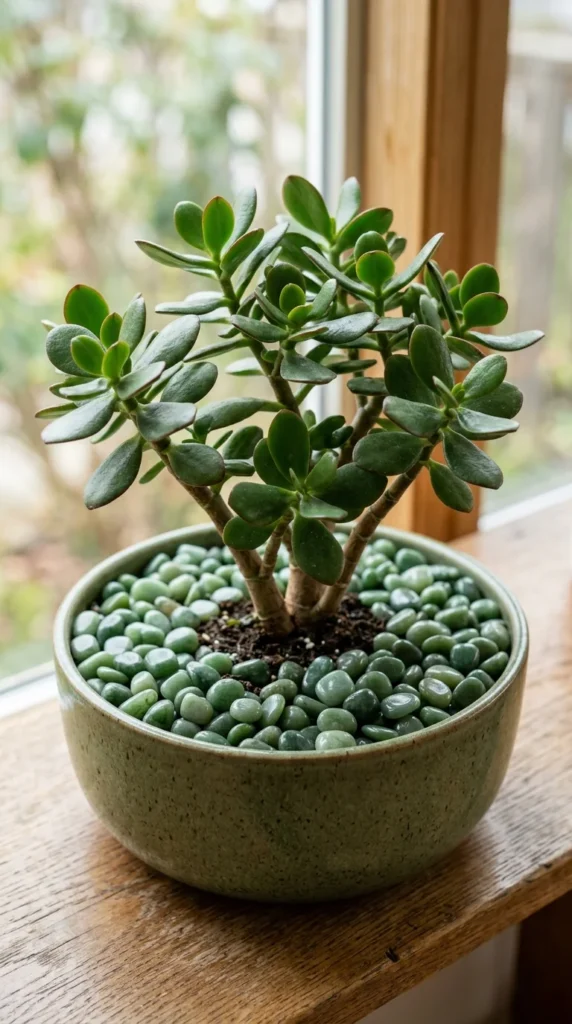
Using jade aquarium gravel for a Jade plant is a popular choice for symbolic reasons. The green-on-green aesthetic is calming and sophisticated. Like other polished stones, it is best used as a top dressing.
22. Schist Chips
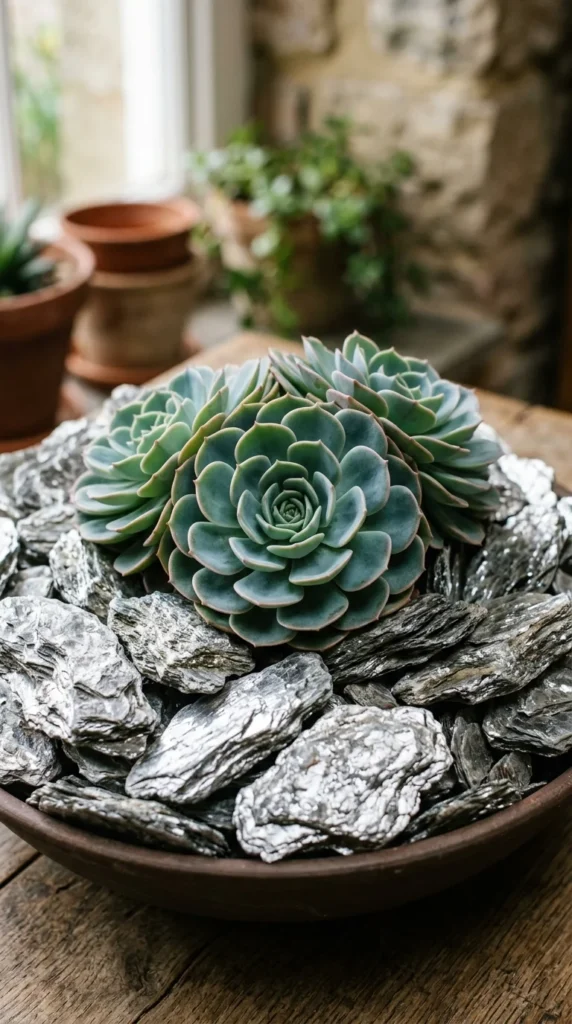
Schist has a unique, layered appearance that adds a metallic or “glittery” effect to your pots. It’s an inert stone that provides a unique texture, differing from the usual rounded or crushed gravel shapes.
23. Marble Chips
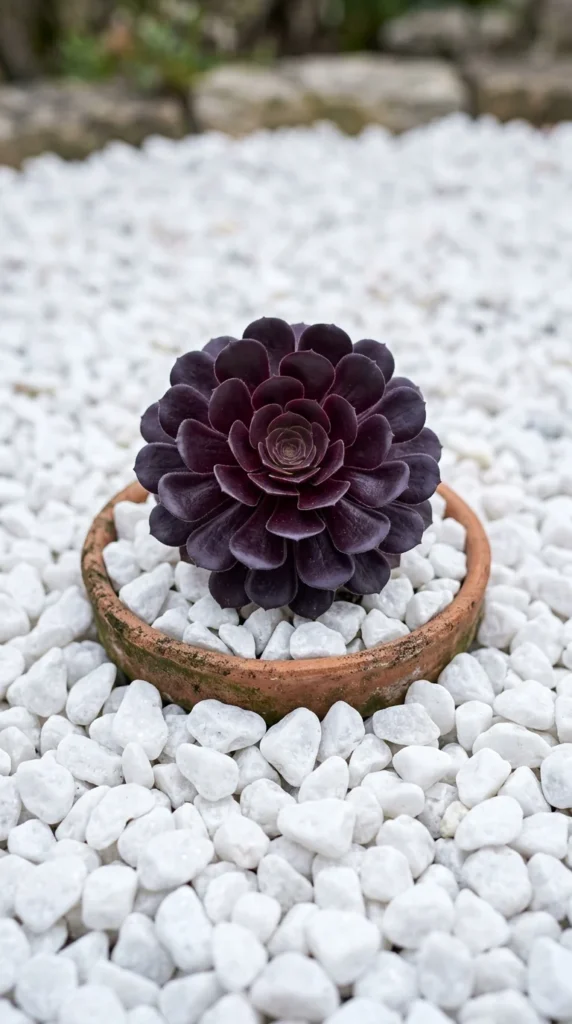
Marble is a classic choice for a clean, upscale look. However, like dolomite, marble is alkaline. Use it with succulents that aren’t sensitive to a higher pH, and avoid using it with acid-loving plants.
24. Fluval Stratum
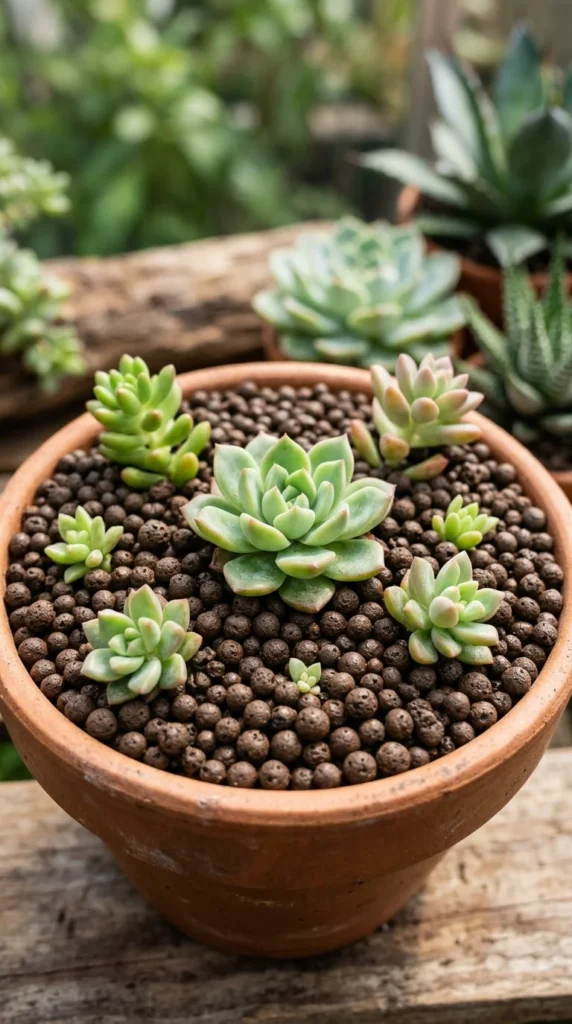
Fluval Stratum is a volcanic ash-based substrate for aquariums. It is nutrient-rich and has a soft texture. It’s incredible for succulent propagation because it allows the new, fragile roots to penetrate easily while providing moisture.
25. Turface (Calcined Clay)
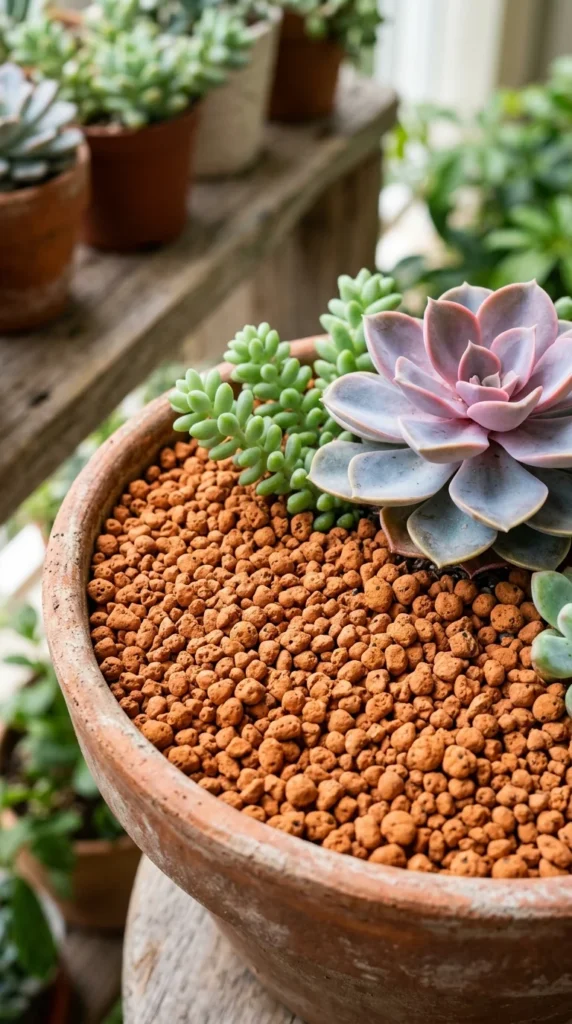
Often sold in the aquarium world as a substrate, Turface is a high-fired clay. It acts like a sponge, soaking up water and releasing it as the soil dries out. It is one of the most popular components for professional “gritty mix” succulent soils.
26. Crystal Shards
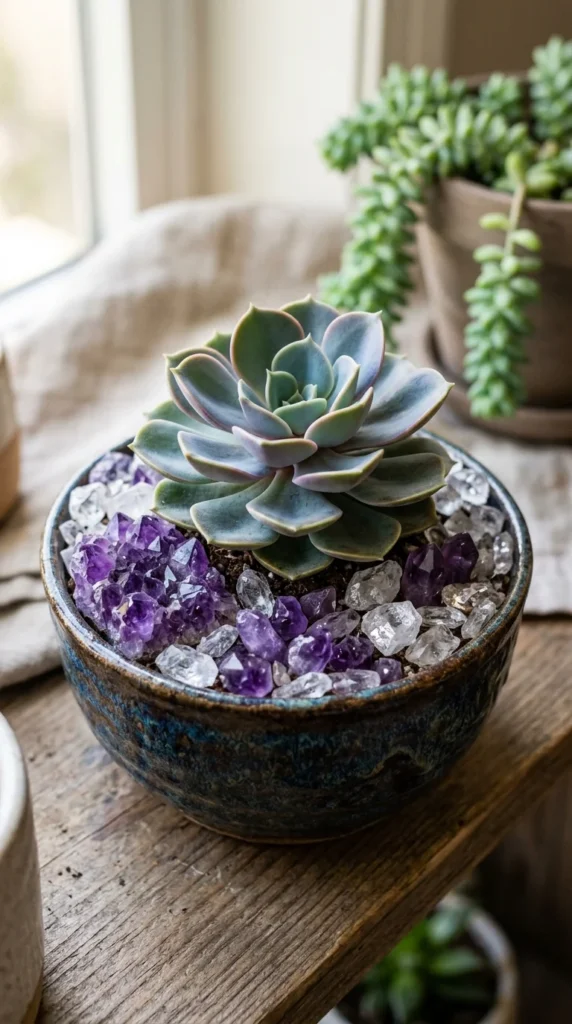
Small crystal shards sold for aquarium use add a “zen” or “spiritual” element to your succulent garden. They function just like any other inert stone but provide a unique visual energy and color palette to your indoor plant collection.
The Pros of Using Aquarium Gravel
Using aquarium gravel for succulents isn’t just about looks; it offers several practical advantages:
- Moisture Control: A layer of gravel on top of the soil prevents the “neck” of the succulent from sitting in damp dirt, which is the primary cause of rot.
- Pest Prevention: Gravel creates a dry barrier that makes it difficult for fungus gnats to lay eggs in the soil.
- Soil Stability: When you water your plants, gravel prevents the soil from shifting or washing away.
- Inert Nature: Most aquarium gravel is designed to be safe for sensitive fish, meaning it won’t leach harmful chemicals into your plants.
The Cons to Consider
While beneficial, there are a few things to watch out for:
- Weight: Large amounts of stone gravel can make pots very heavy, especially if you have a large collection.
- Heat Retention: Darker stones can absorb significant heat in direct sunlight, which might “cook” the roots of more sensitive succulents if the pot gets too hot.
- Alkalinity: As mentioned, stones like marble or coral can raise soil pH, which may not suit all species.
Pro-Tips for Success
- Wash it First: Even though it’s “pre-washed,” always rinse aquarium gravel in a colander before using it to remove dust that could clog soil pores.
- Size Matters: Use smaller gravel (2-4mm) for mixing into the soil and larger stones (5-10mm) for top dressing.
- Check the “Bubble Test”: If you aren’t sure if a rock is alkaline, drop some vinegar on it. If it fizzes, it will raise your soil’s pH.
- Balance the Mix: If using non-porous stones like glass or polished agate, ensure the soil underneath is extra gritty to compensate for the lack of airflow.